 Image 1 of 5
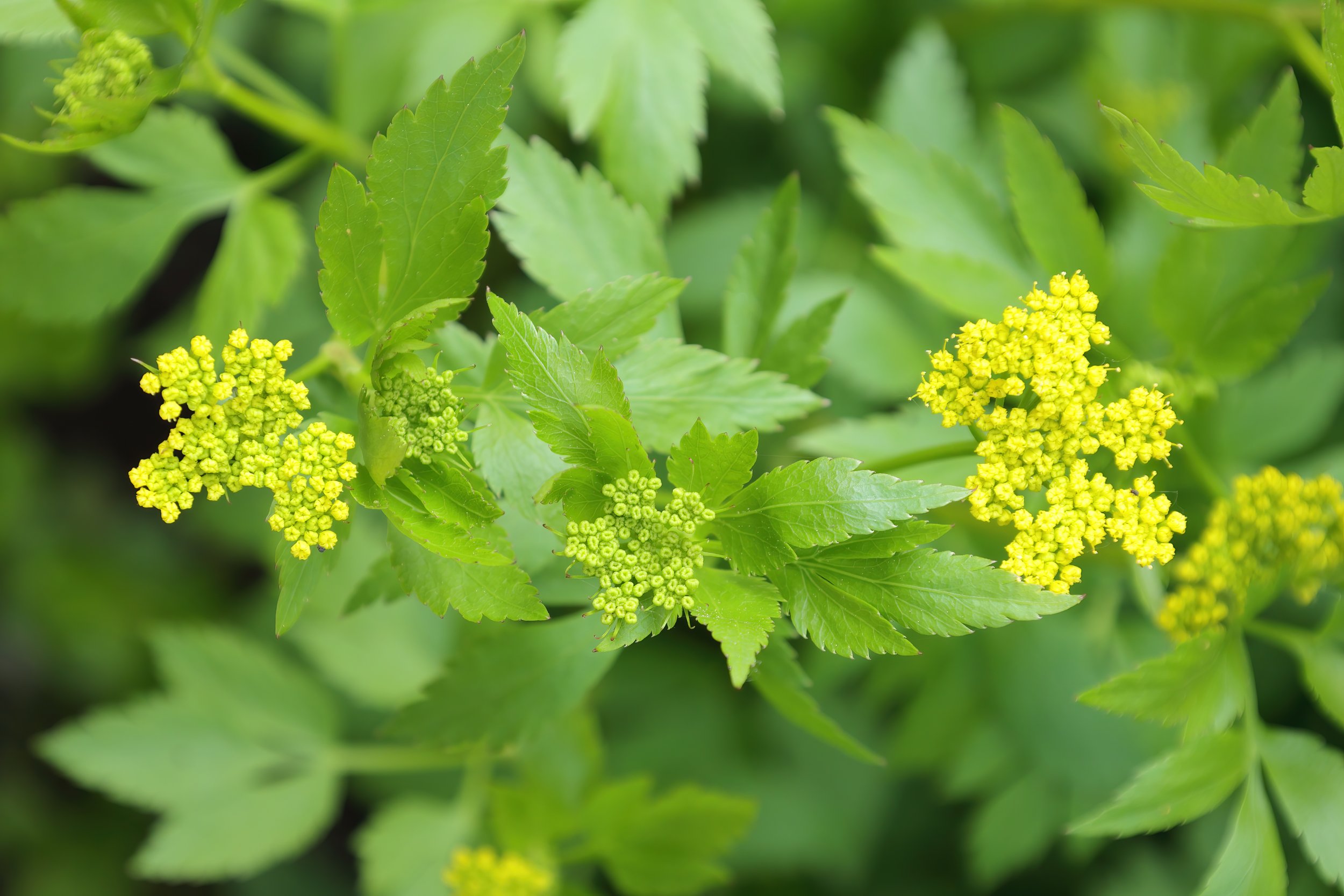 Image 2 of 5
 Image 3 of 5
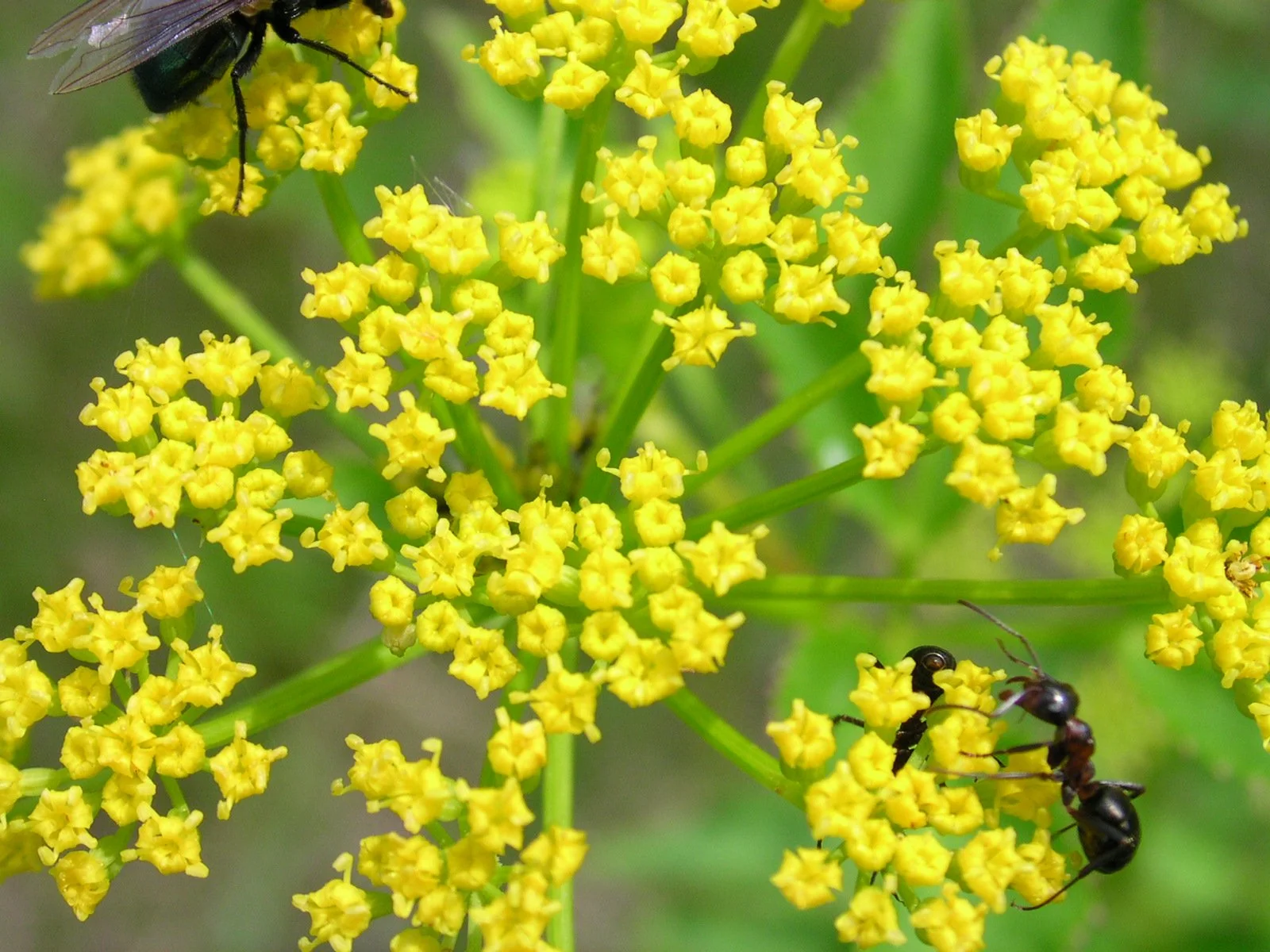 Image 4 of 5
 Image 5 of 5
Quantities: Individual Quart Sized Potted Plants and 38-Cell Plug Single Species Flats
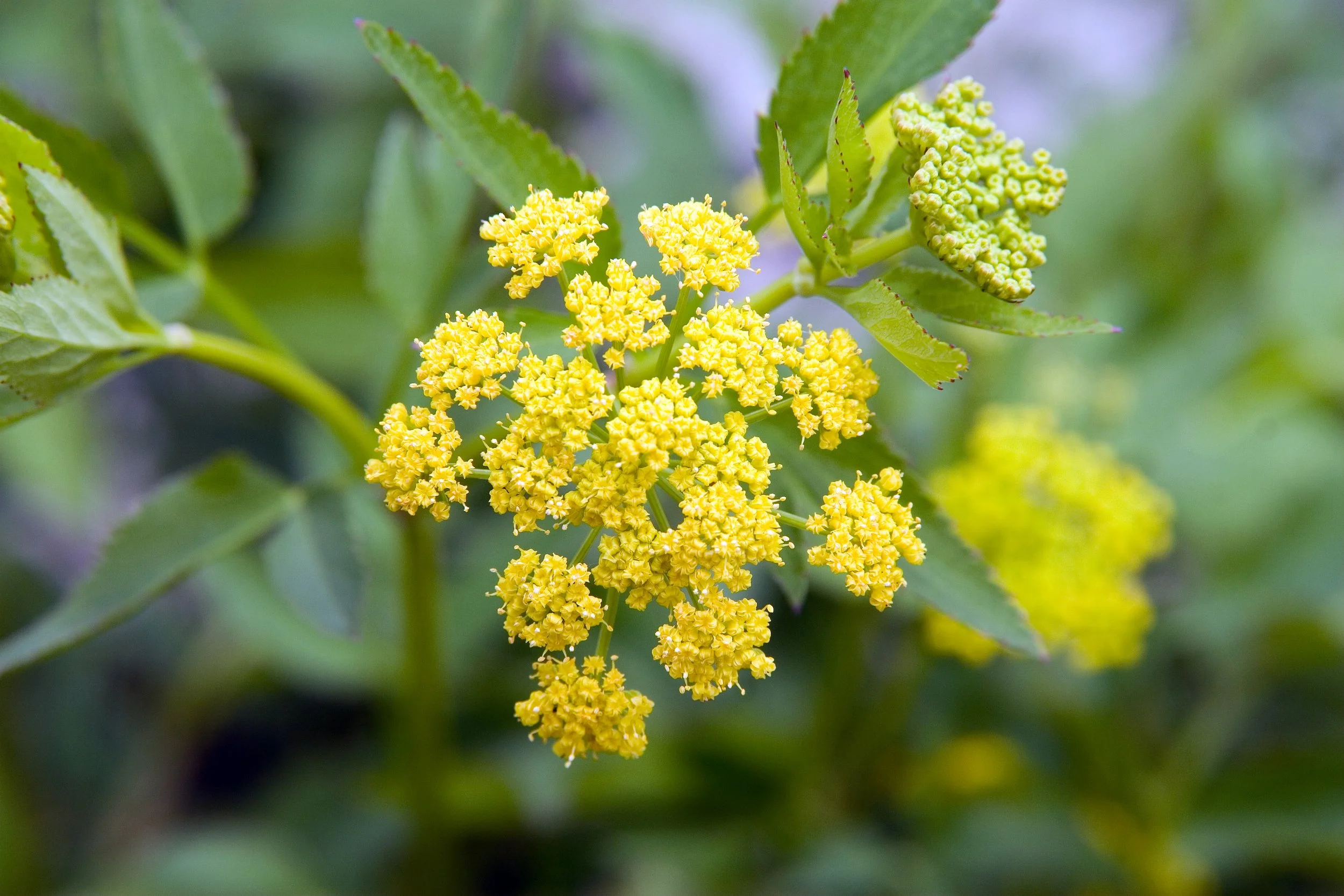
A cheerful harbinger of spring, Golden Alexander produces clusters of bright yellow flowers that appear before most summer wildflowers. Its blooms feed early pollinators, making it a vital bridge species in native ecosystems.
This adaptable perennial grows naturally in meadows and open woods, preferring moist to medium soils. It spreads moderately, forming lush, green clumps that persist through the growing season.
Identification / Key Features: Flat-topped umbels of yellow flowers; compound leaves; upright stems.
Bloom Time: May – June
Mature Height / Size: 1–3 feet.
Growth Rate: Moderate.
Light / Soil / Site Preferences: Full sun to partial shade; moist to medium soils.
Wildlife Value / Ecological Role: Early nectar source for bees and butterflies; host plant for black swallowtail caterpillars.
Uses / Economic / Cultural: Excellent in rain gardens, naturalized plantings, and mixed borders.
Quantities: Individual Quart Sized Potted Plants and 38-Cell Plug Single Species Flats
A cheerful harbinger of spring, Golden Alexander produces clusters of bright yellow flowers that appear before most summer wildflowers. Its blooms feed early pollinators, making it a vital bridge species in native ecosystems.
This adaptable perennial grows naturally in meadows and open woods, preferring moist to medium soils. It spreads moderately, forming lush, green clumps that persist through the growing season.
Identification / Key Features: Flat-topped umbels of yellow flowers; compound leaves; upright stems.
Bloom Time: May – June
Mature Height / Size: 1–3 feet.
Growth Rate: Moderate.
Light / Soil / Site Preferences: Full sun to partial shade; moist to medium soils.
Wildlife Value / Ecological Role: Early nectar source for bees and butterflies; host plant for black swallowtail caterpillars.
Uses / Economic / Cultural: Excellent in rain gardens, naturalized plantings, and mixed borders.