Image 1 of 4
 Image 2 of 4
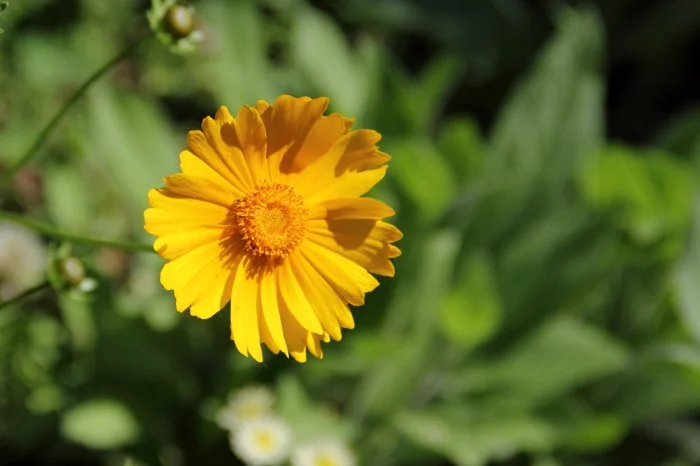 Image 3 of 4
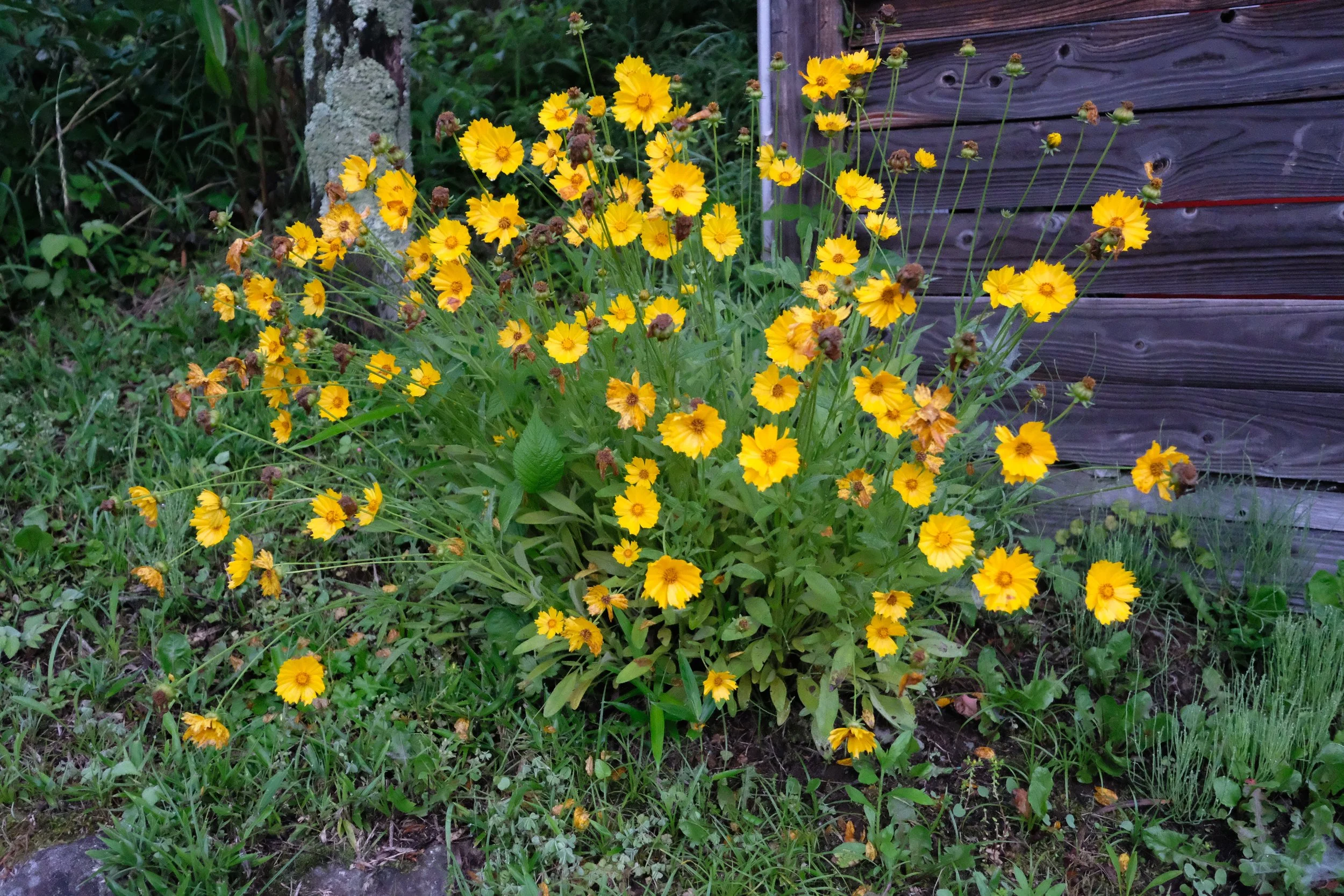 Image 4 of 4
Quantities: Individual Quart Sized Potted Plants and 38-Cell Plug Single Species Flats
Bright and enduring, Lanceleaf Coreopsis lights up early summer landscapes with golden-yellow blooms that persist for weeks. Its tidy, clumping habit and long bloom season make it a favorite in native gardens and restorations alike.
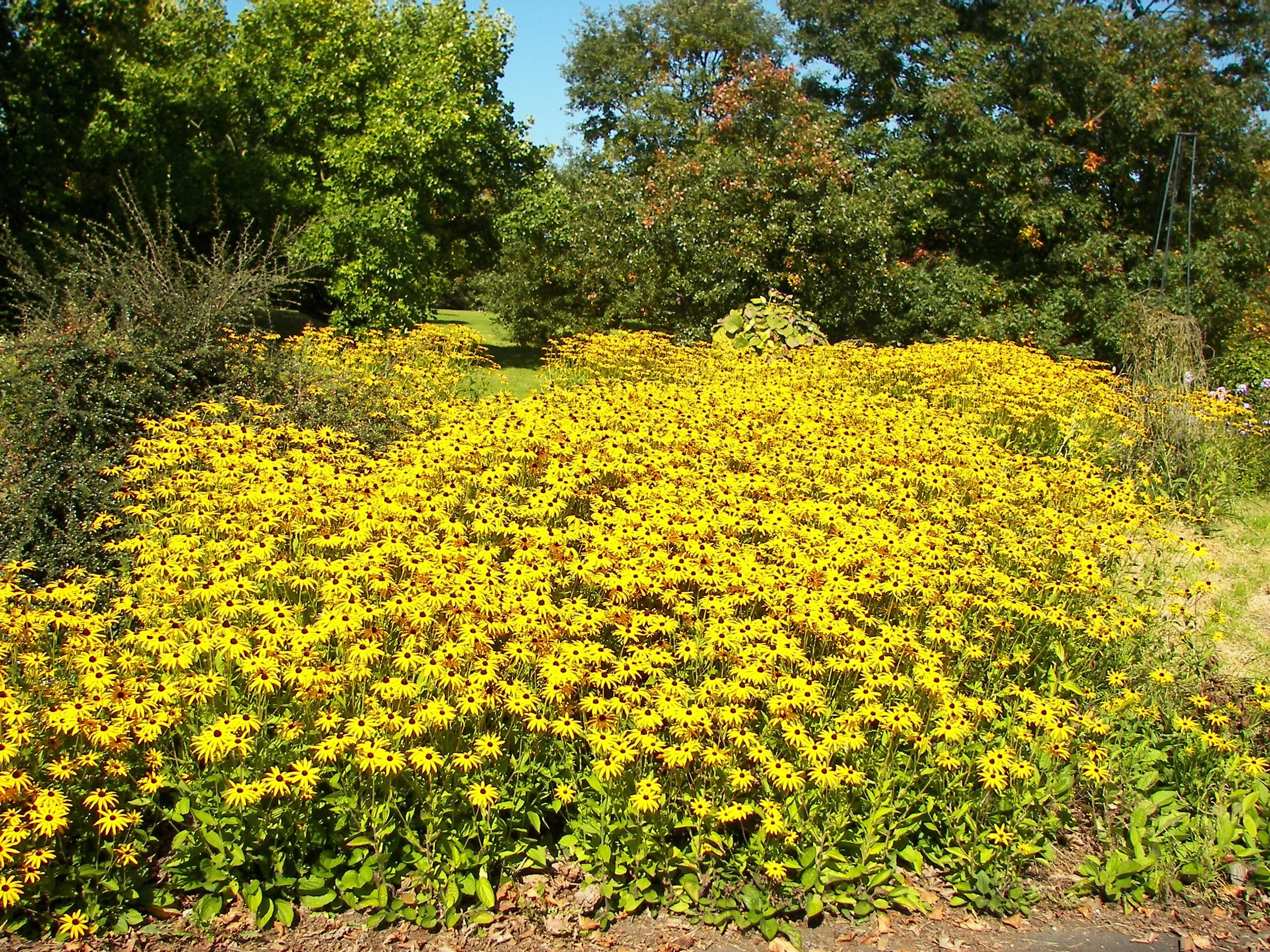
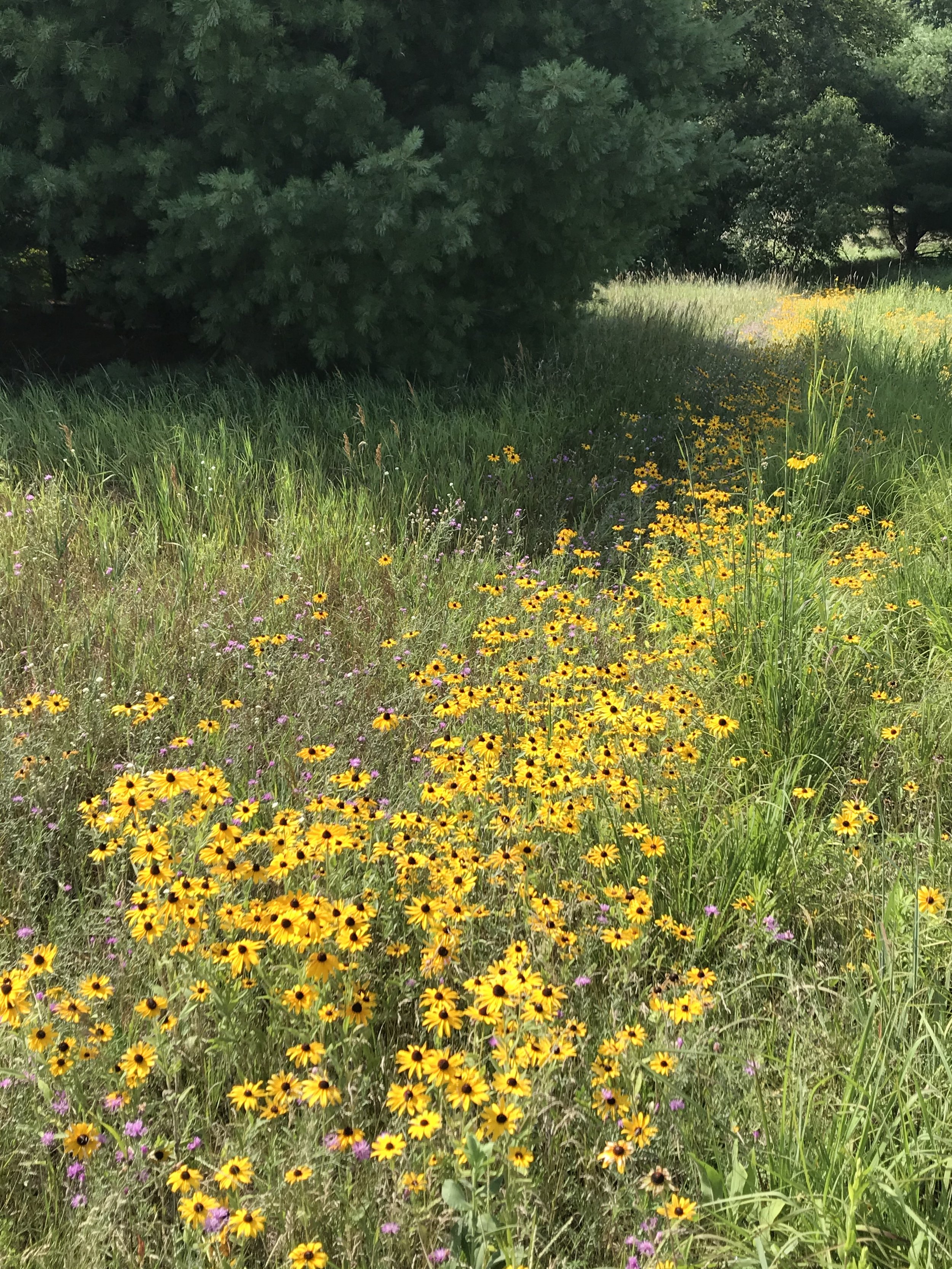
Adaptable and resilient, it thrives in full sun and dry to medium soils, tolerating sandy and rocky sites. Its cheerful flowers attract bees and butterflies, while its seeds feed small birds.
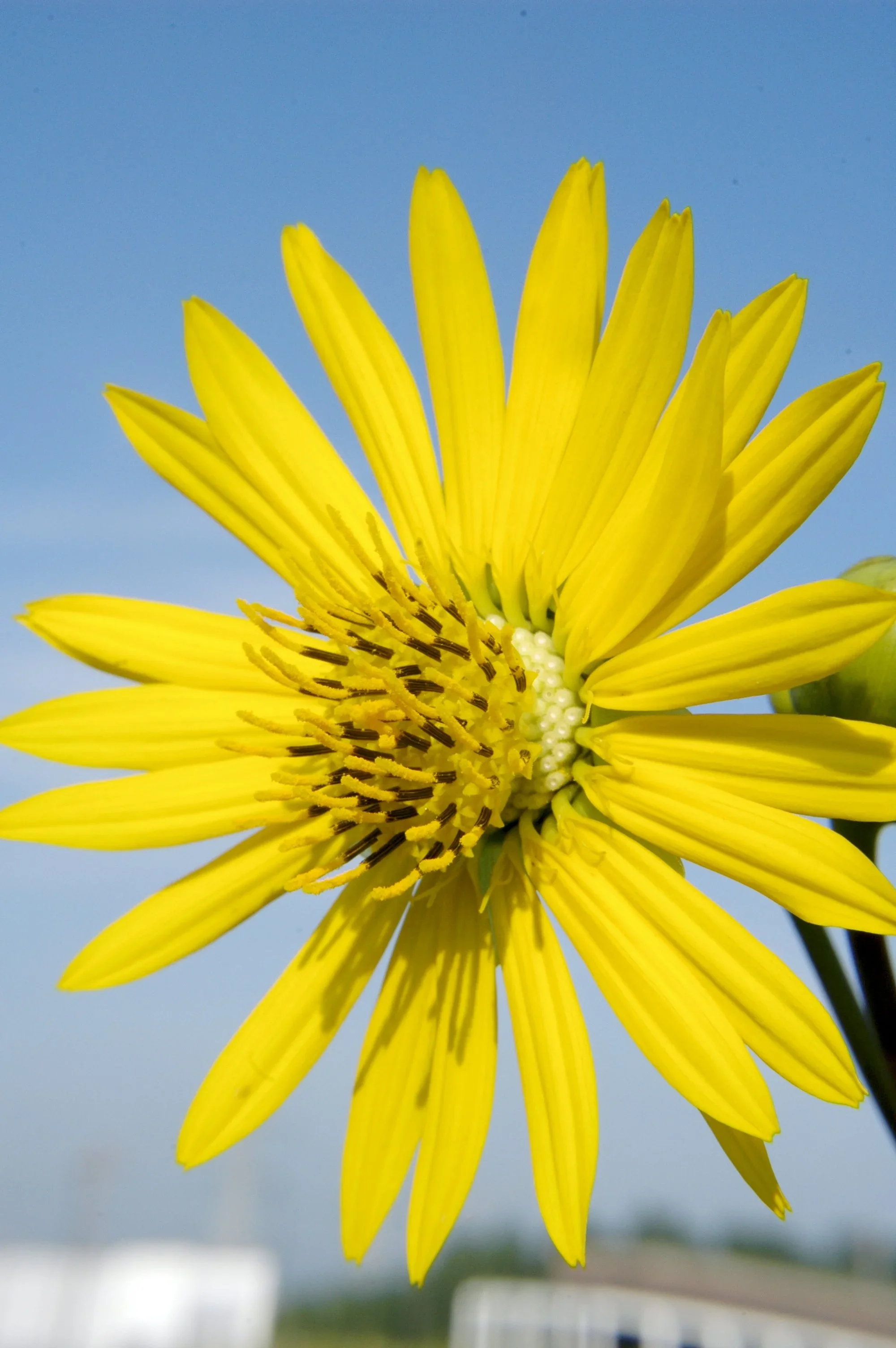
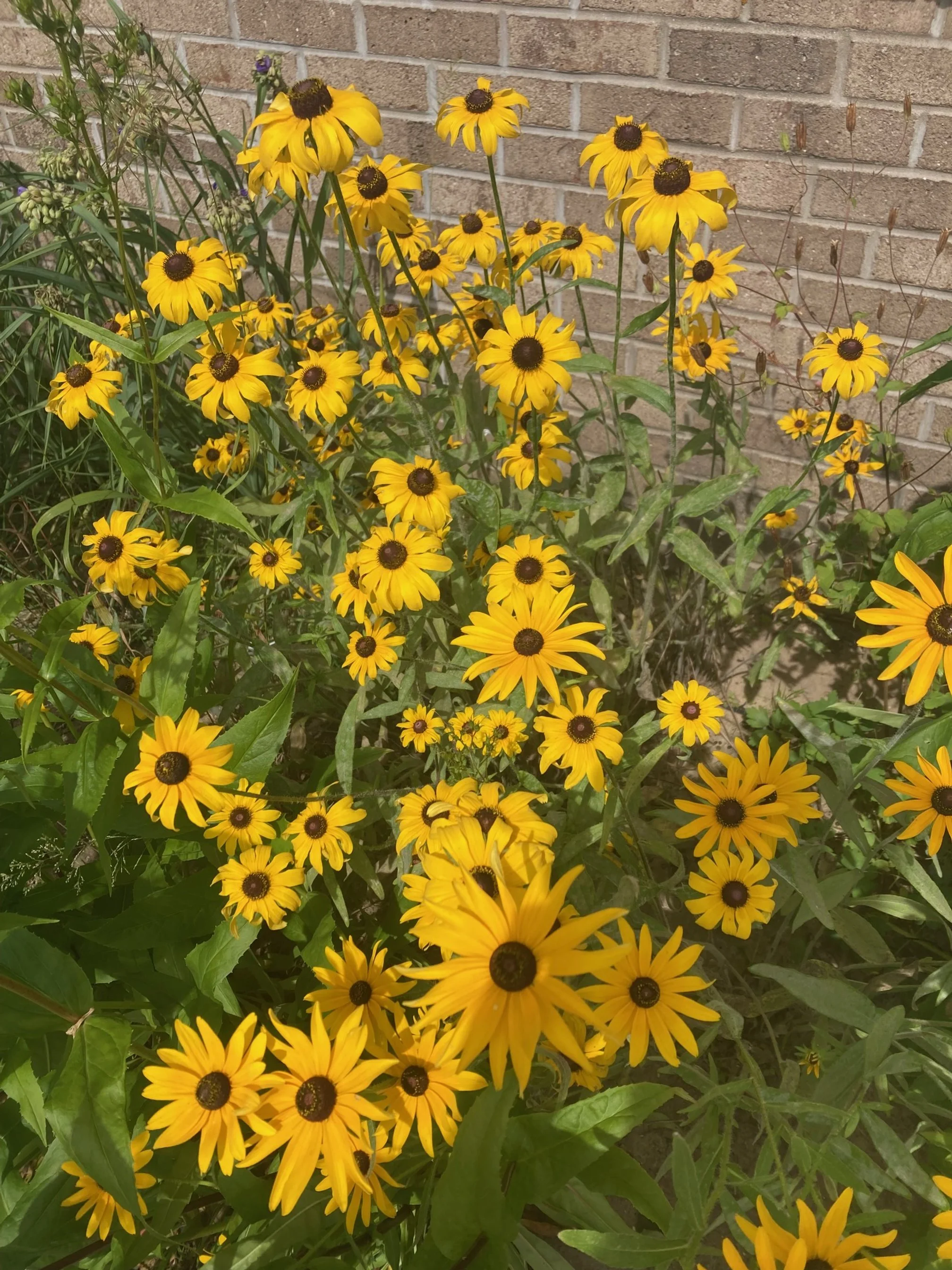
Identification / Key Features: Yellow, toothed petals; narrow, lance-shaped leaves; basal clumps with upright flower stems.
Bloom Time: June – July
Mature Height / Size: 1–2 feet.
Growth Rate: Fast.
Light / Soil / Site Preferences: Full sun; dry to medium, well-drained soils.
Wildlife Value / Ecological Role: Supports pollinators; seeds for songbirds.
Uses / Economic / Cultural: Ideal for borders, slopes, and native meadows; excellent cut flower.
Quantities: Individual Quart Sized Potted Plants and 38-Cell Plug Single Species Flats
Bright and enduring, Lanceleaf Coreopsis lights up early summer landscapes with golden-yellow blooms that persist for weeks. Its tidy, clumping habit and long bloom season make it a favorite in native gardens and restorations alike.
Adaptable and resilient, it thrives in full sun and dry to medium soils, tolerating sandy and rocky sites. Its cheerful flowers attract bees and butterflies, while its seeds feed small birds.
Identification / Key Features: Yellow, toothed petals; narrow, lance-shaped leaves; basal clumps with upright flower stems.
Bloom Time: June – July
Mature Height / Size: 1–2 feet.
Growth Rate: Fast.
Light / Soil / Site Preferences: Full sun; dry to medium, well-drained soils.
Wildlife Value / Ecological Role: Supports pollinators; seeds for songbirds.
Uses / Economic / Cultural: Ideal for borders, slopes, and native meadows; excellent cut flower.