 Image 1 of 4
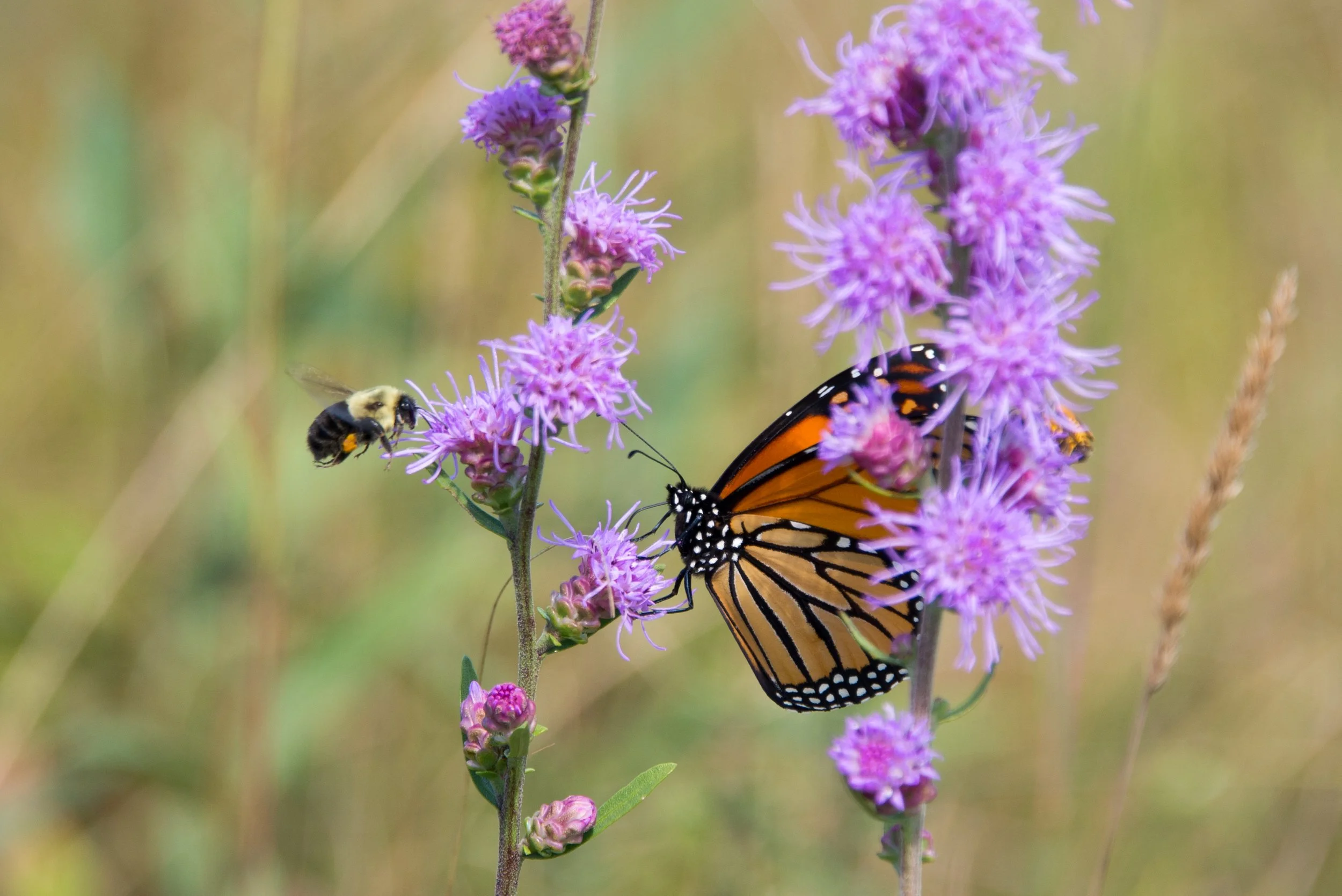 Image 2 of 4
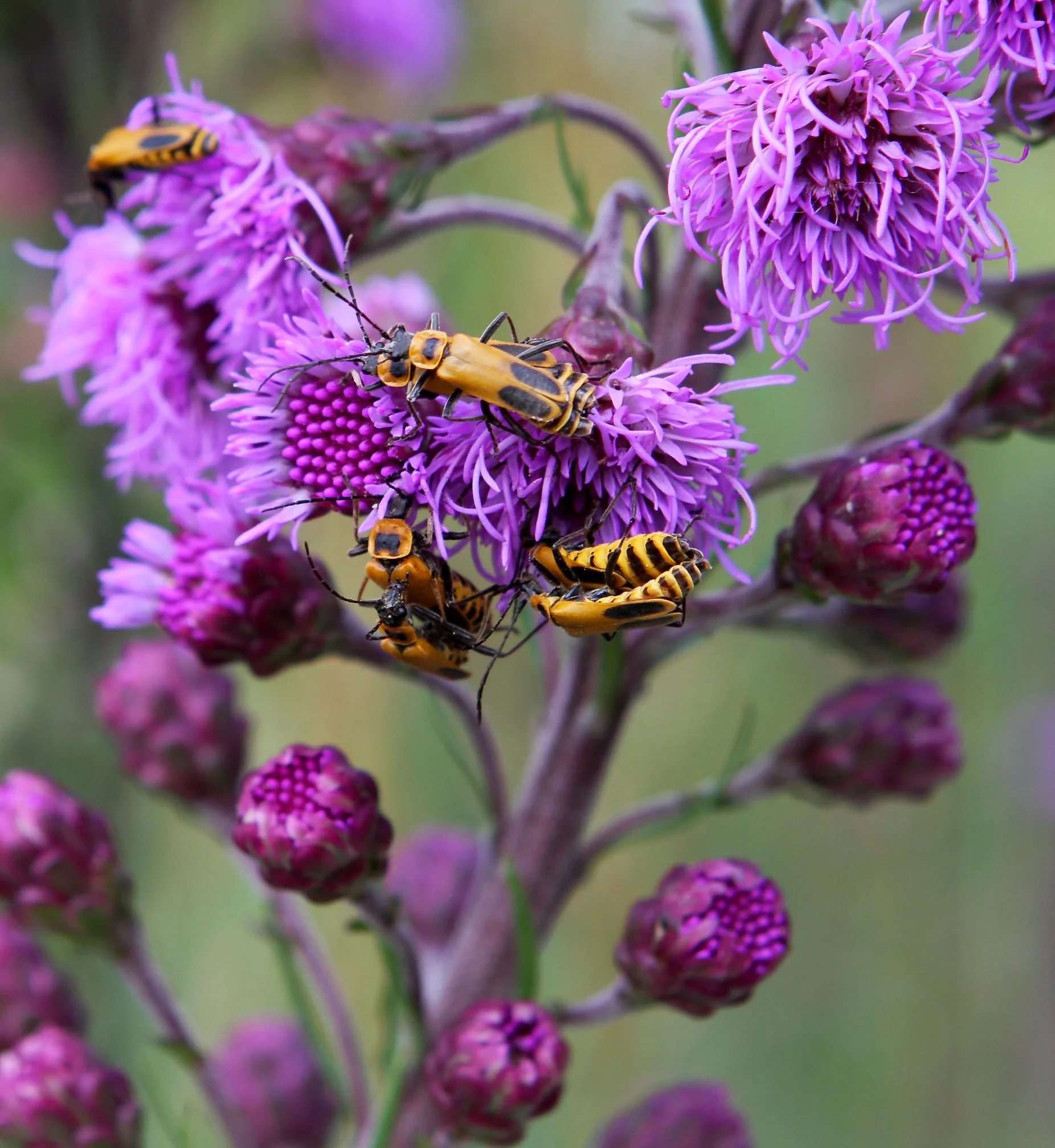 Image 3 of 4
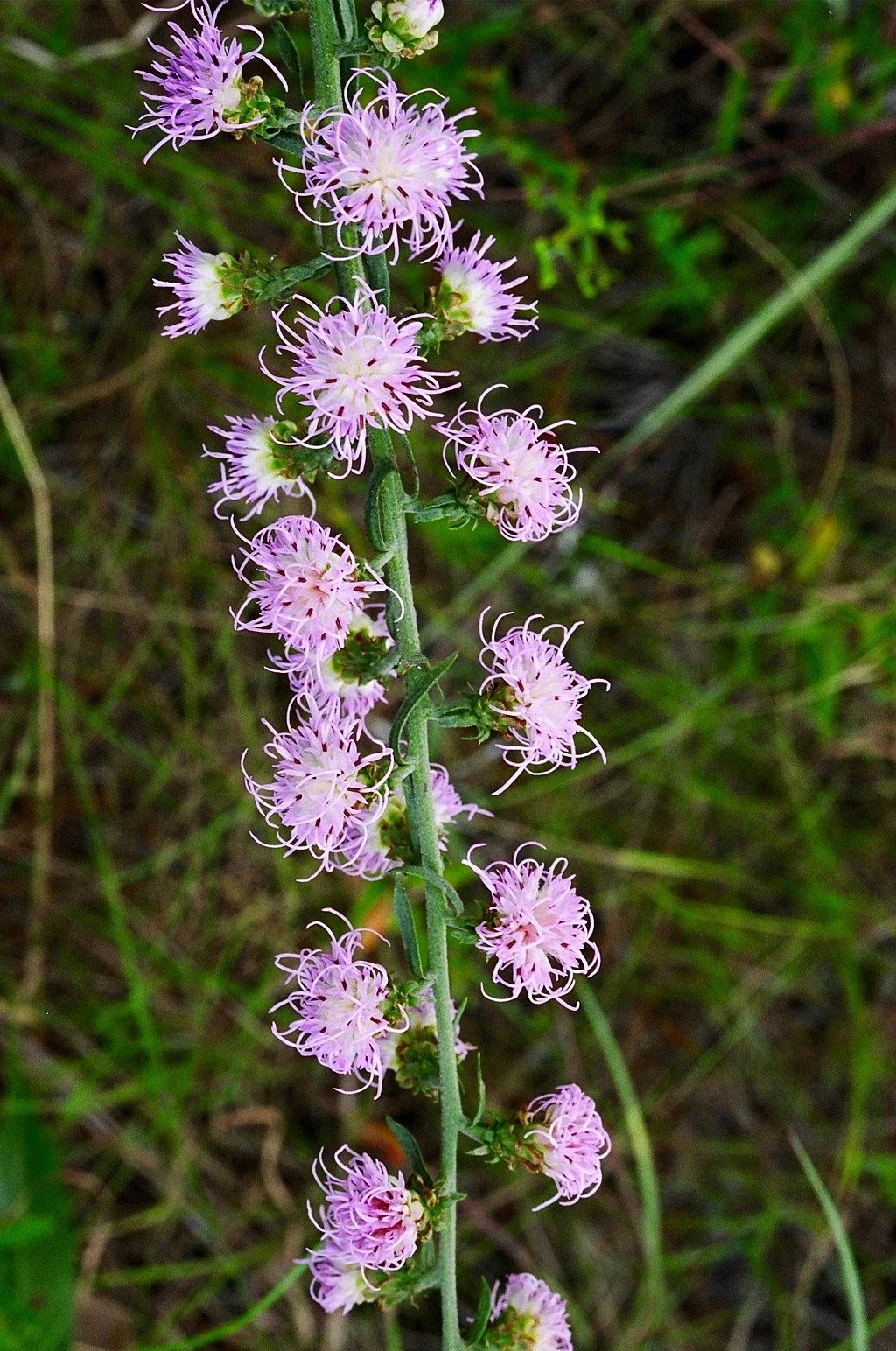 Image 4 of 4
Individual Quart Sized Potted Plant
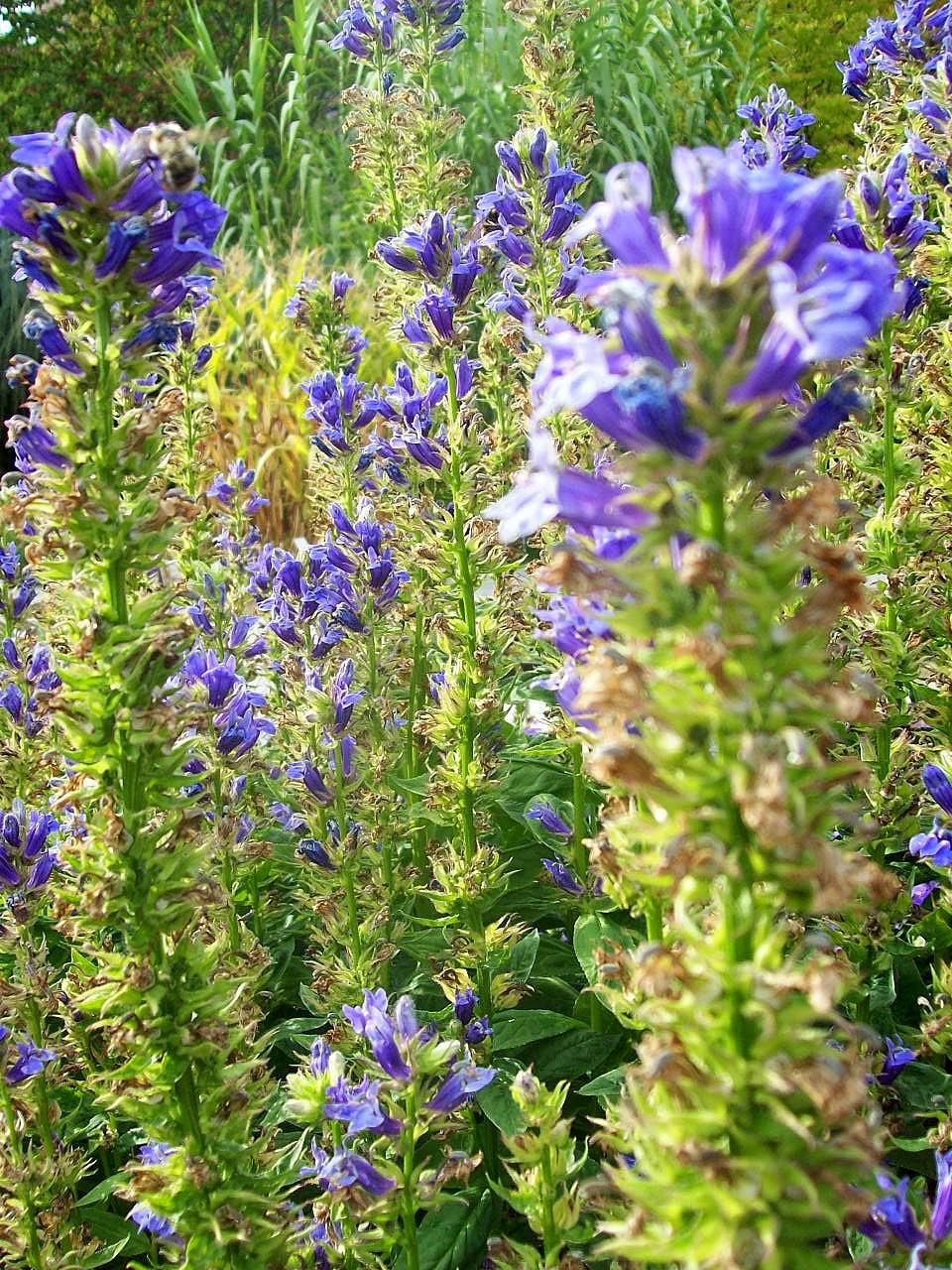
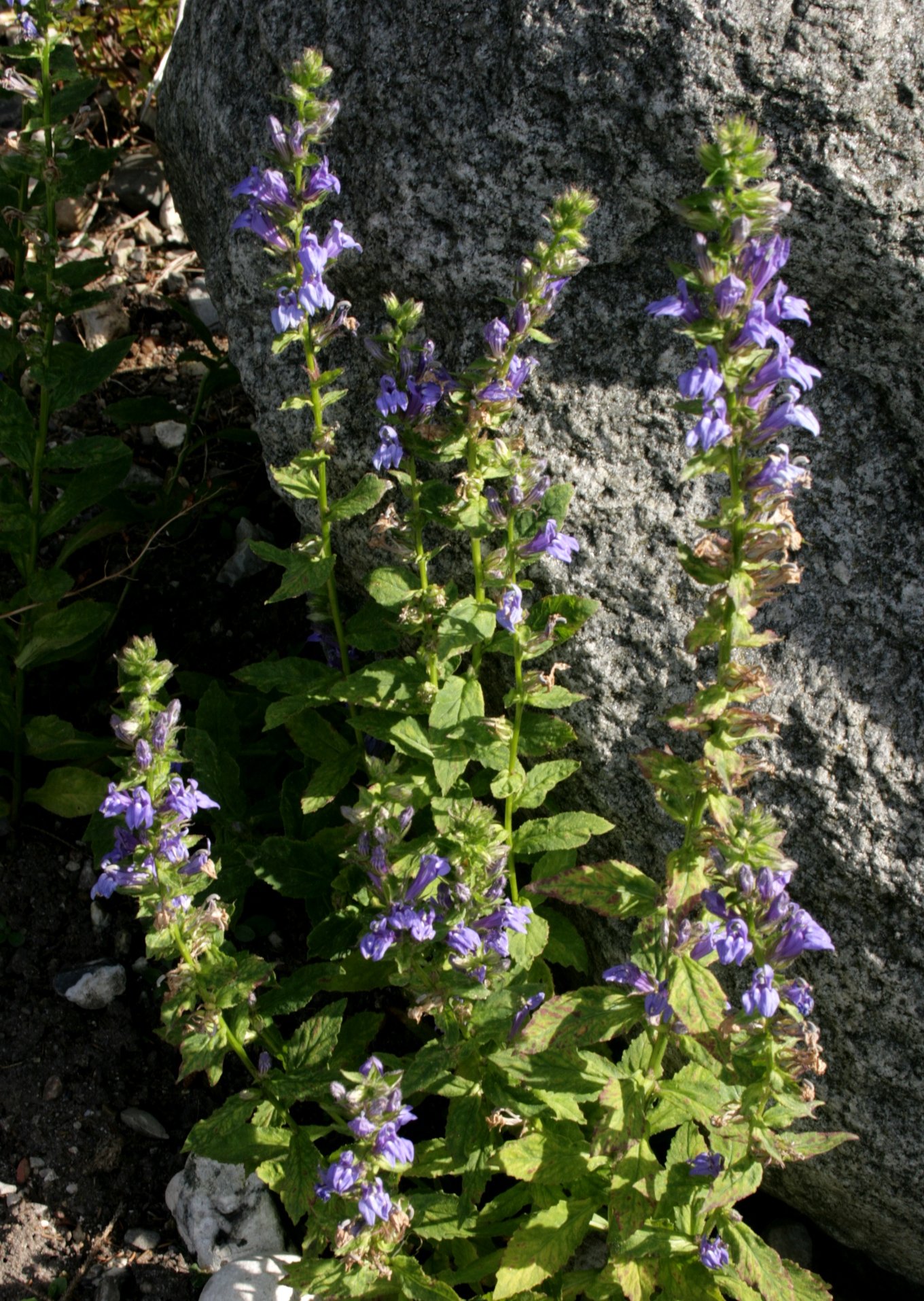
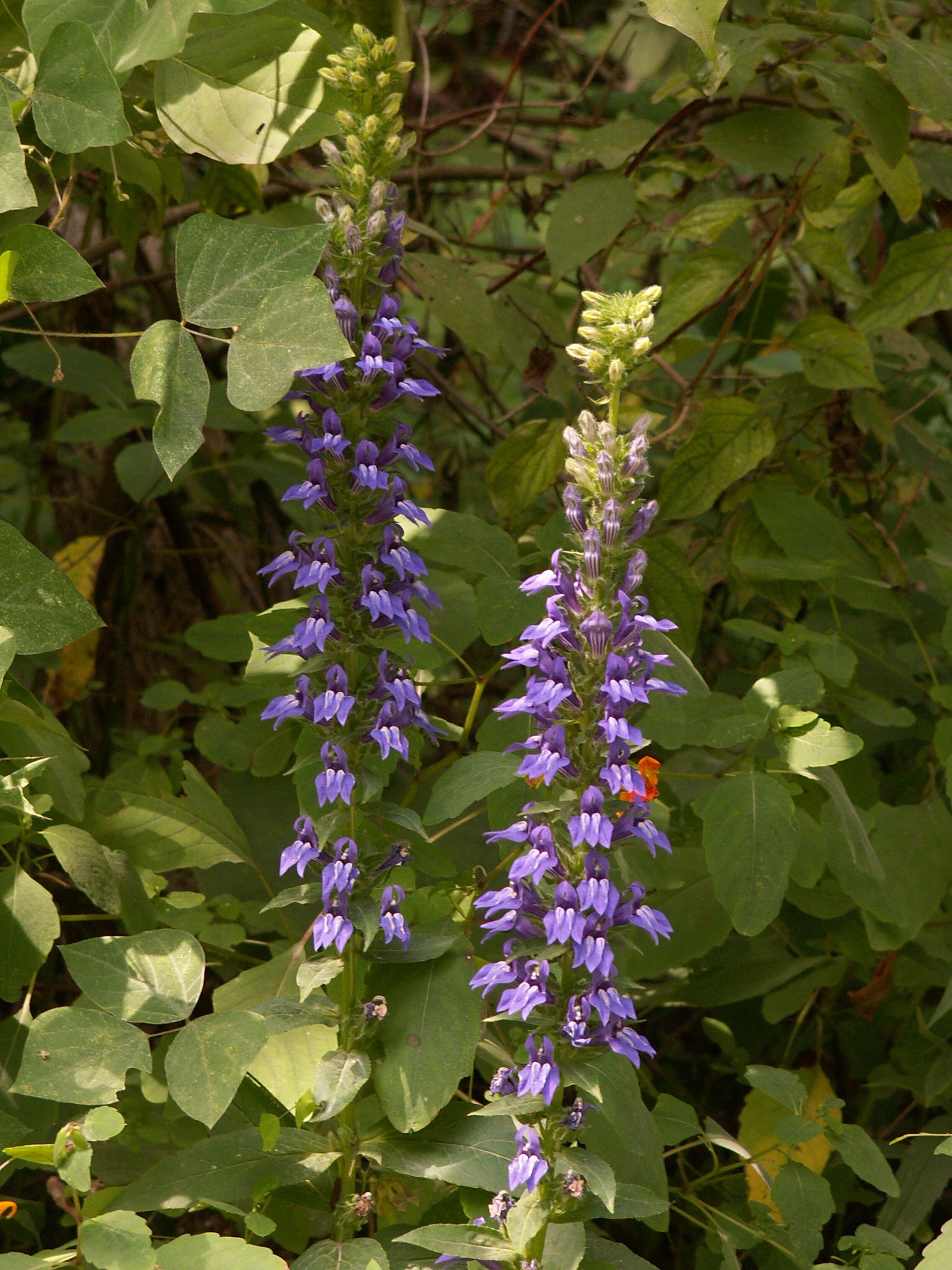
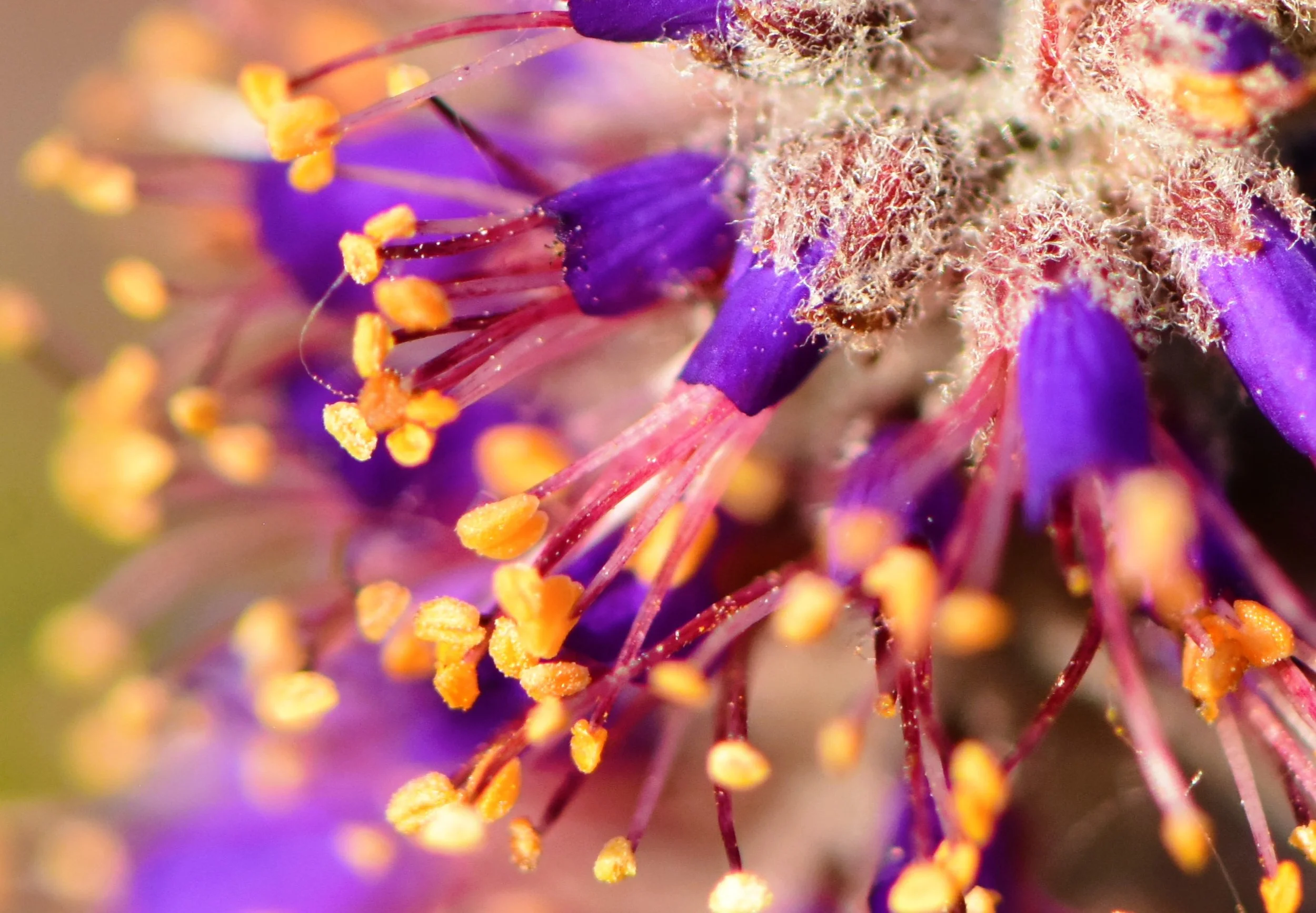
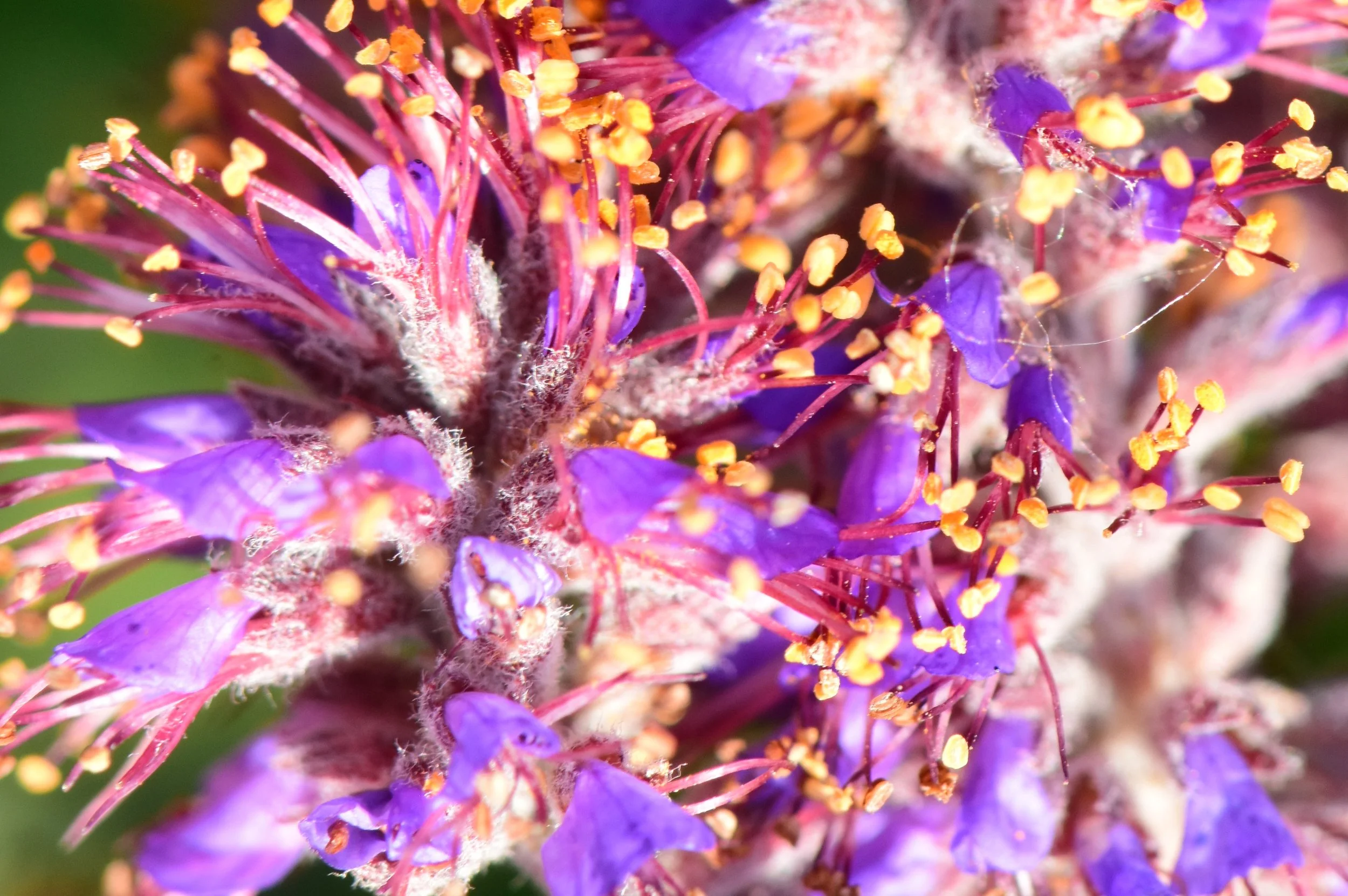
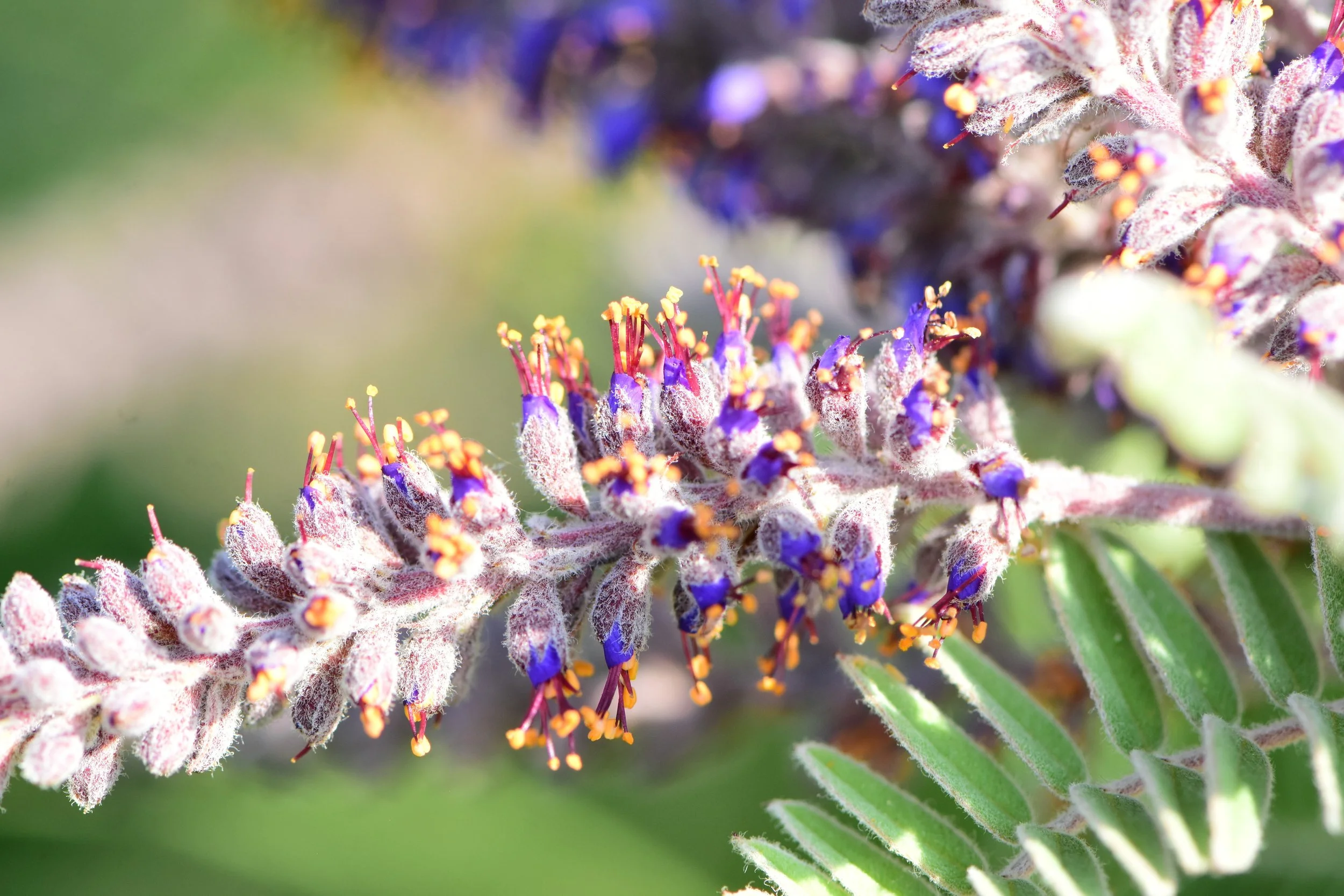
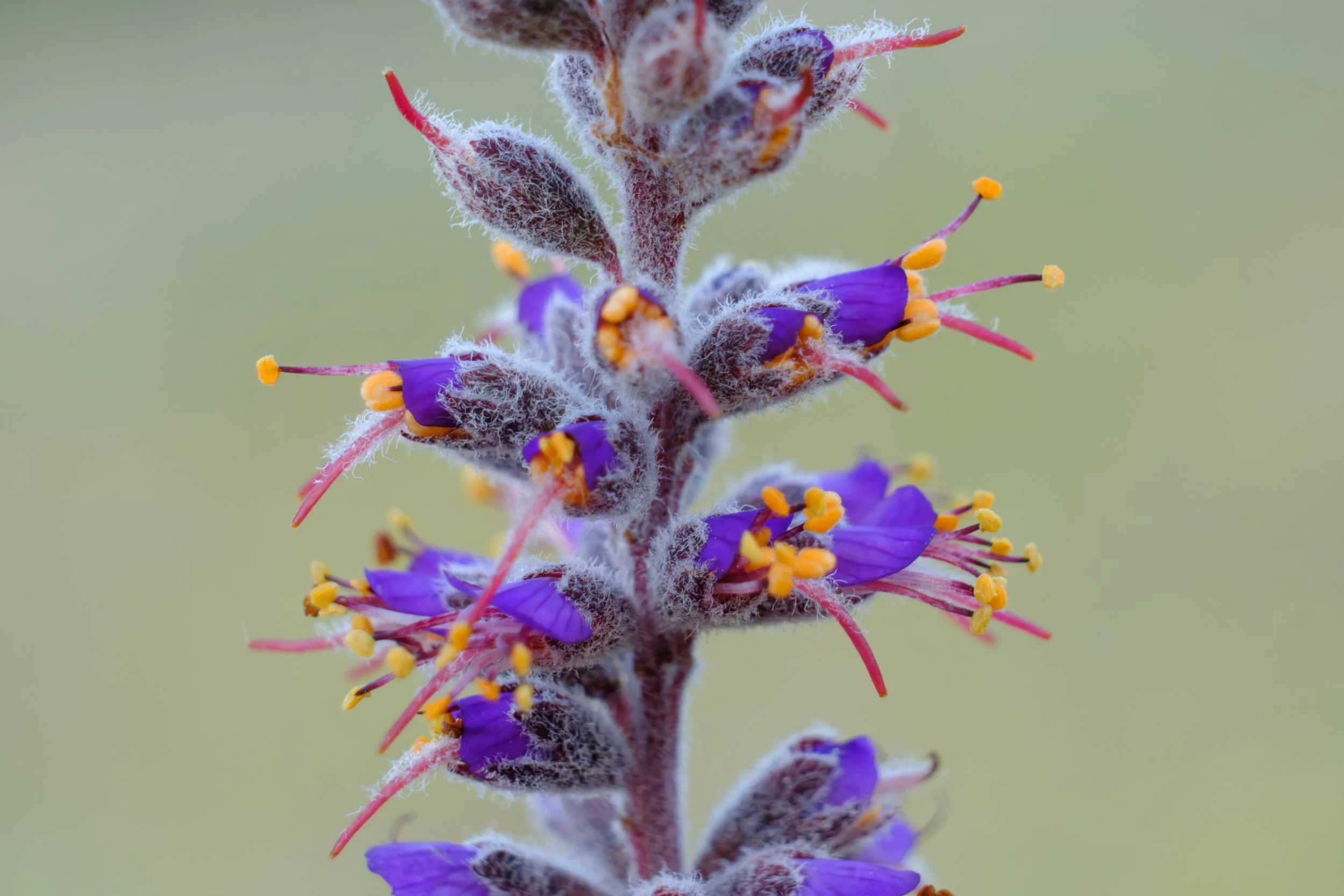
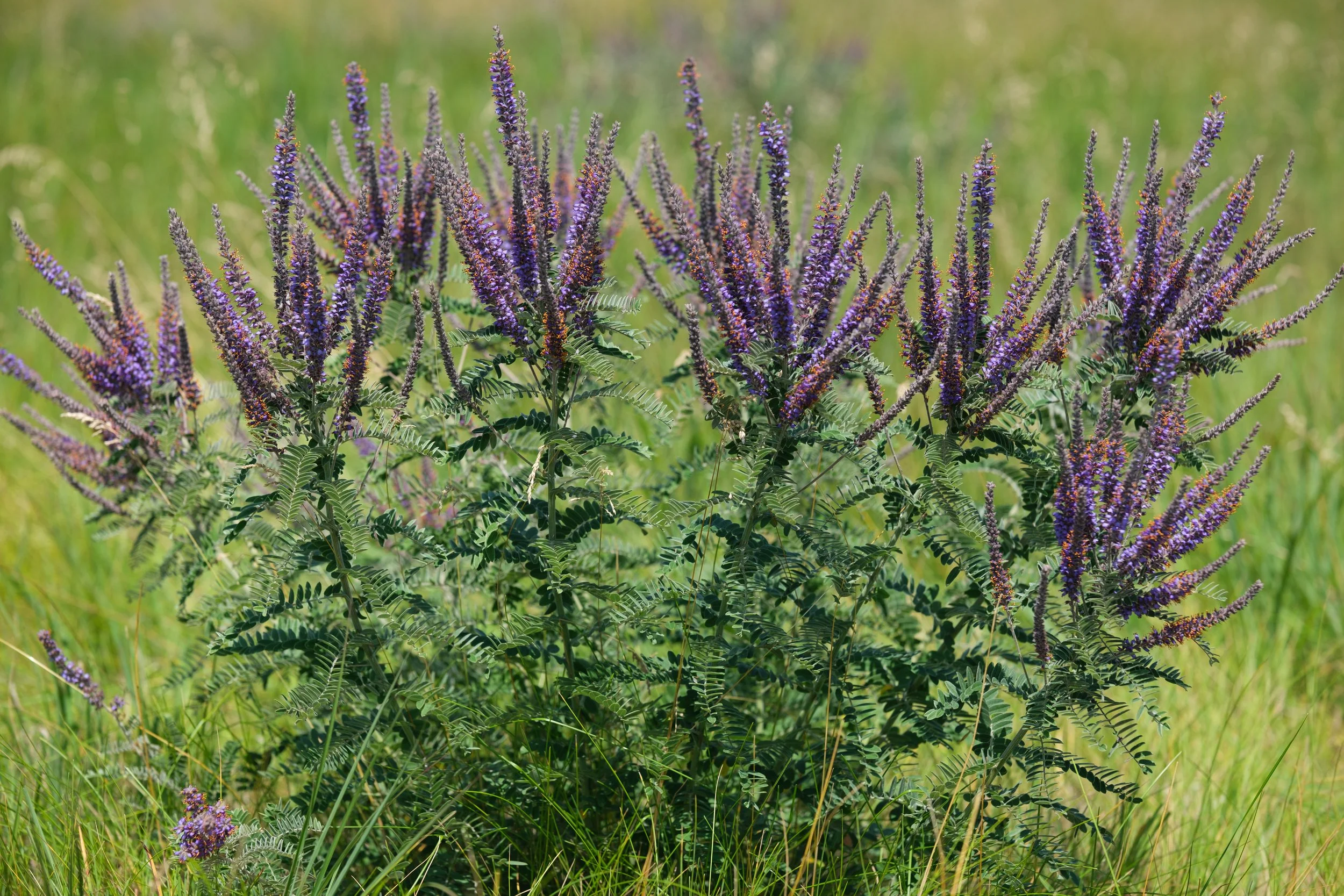
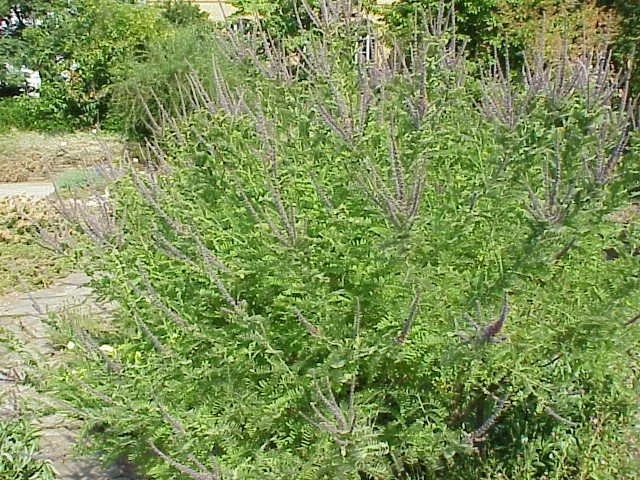
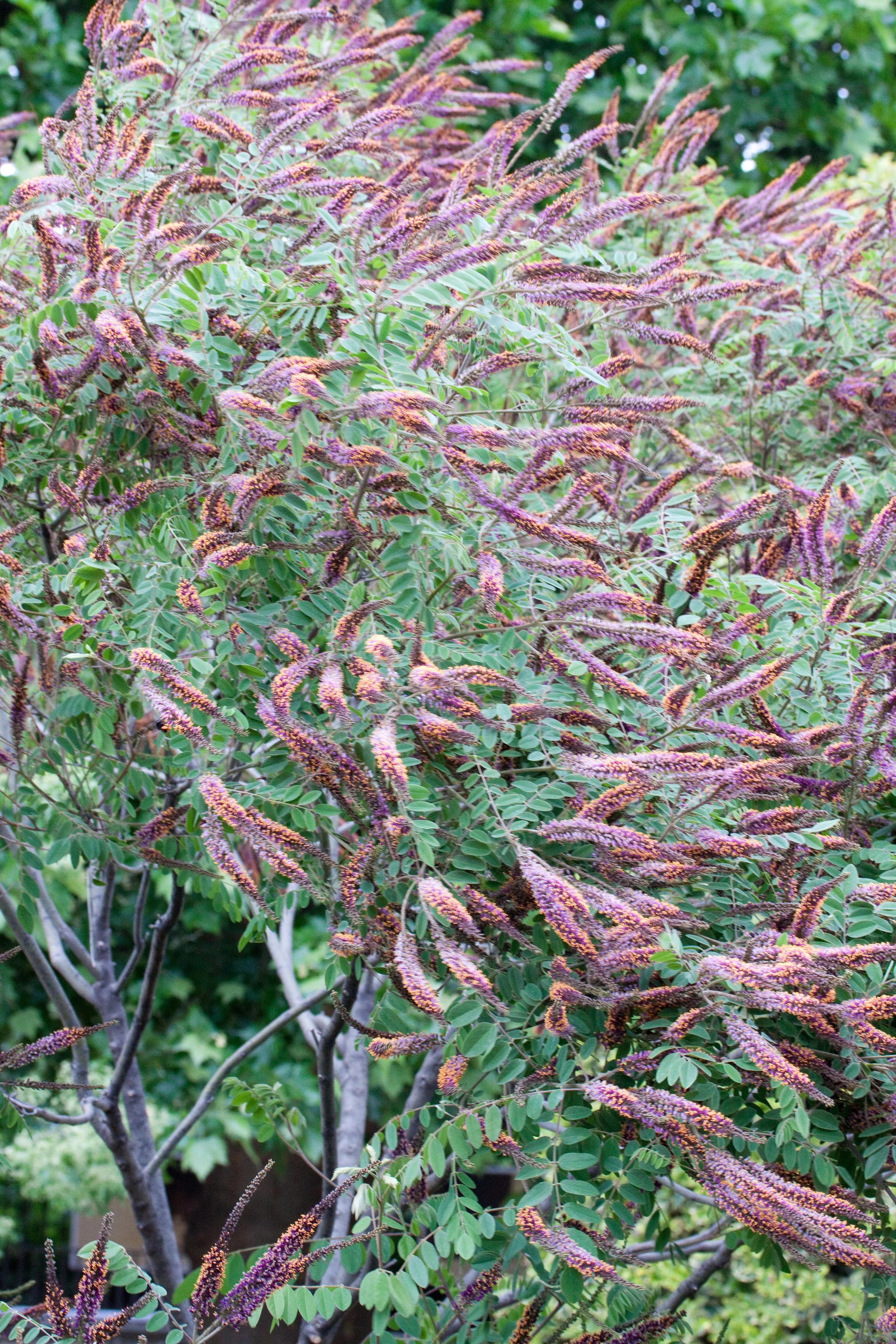
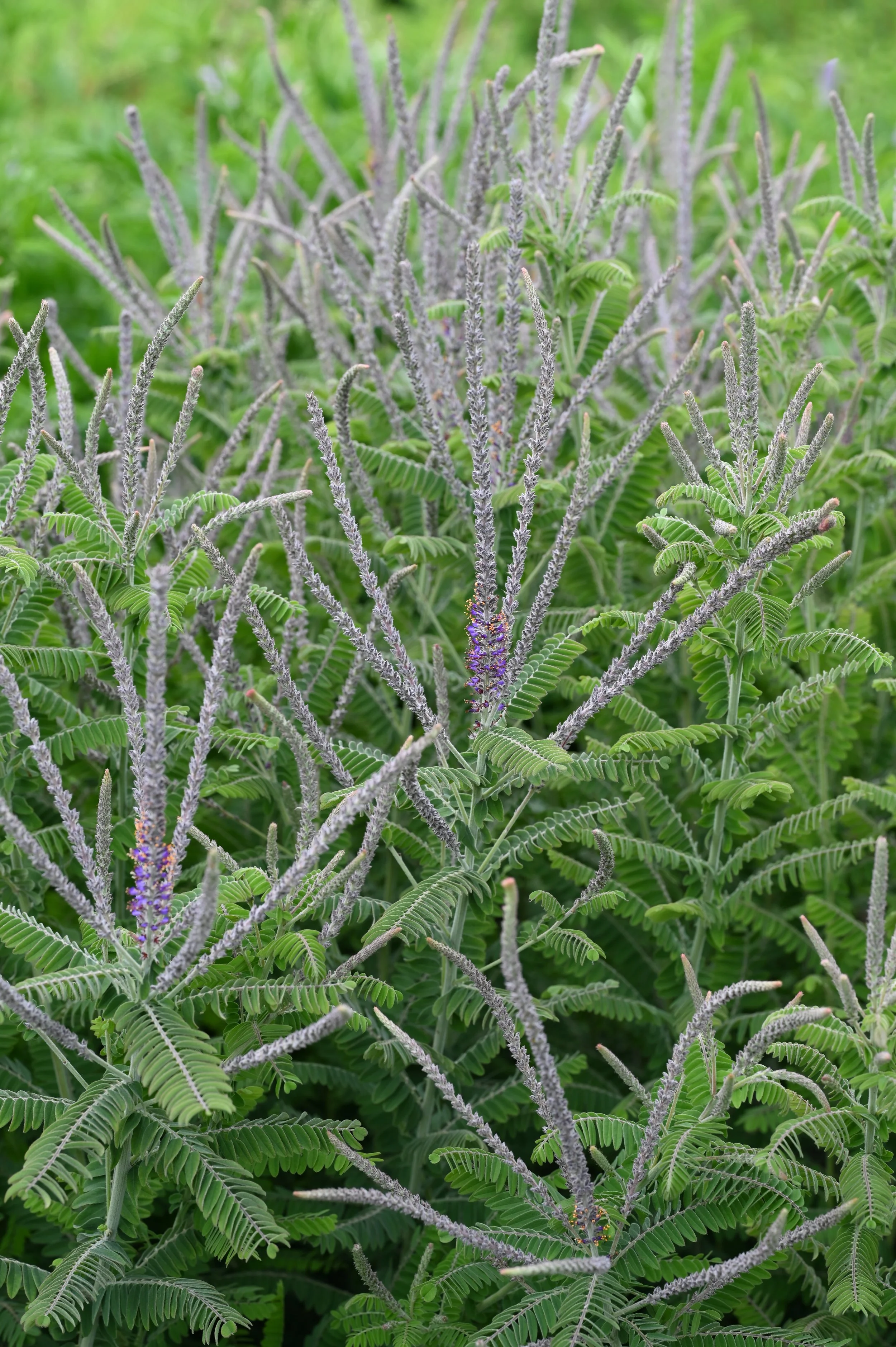
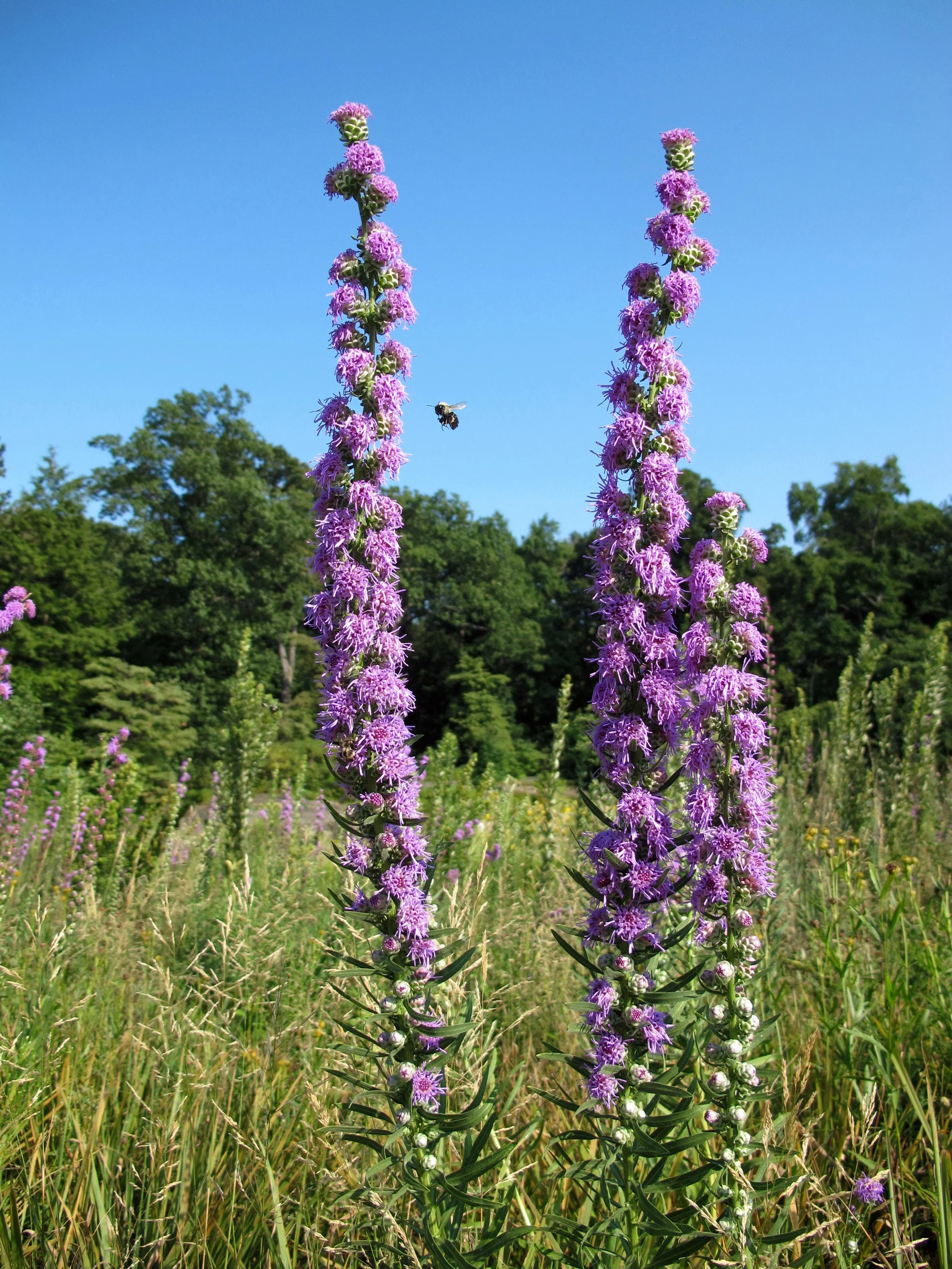
With its striking spikes of lavender blooms, Rough Blazing Star commands attention in late summer. Each tall stem is densely packed with feathery flower heads that open from the top downward—an inversion of most flowering sequences. The result is a vertical column of vivid purple, alive with butterflies, especially monarchs and swallowtails.
Rough Blazing Star thrives in full sun and dry to medium soils, preferring the well-drained conditions of prairies and uplands. It is remarkably drought-hardy once established and provides a key nectar source late in the season.
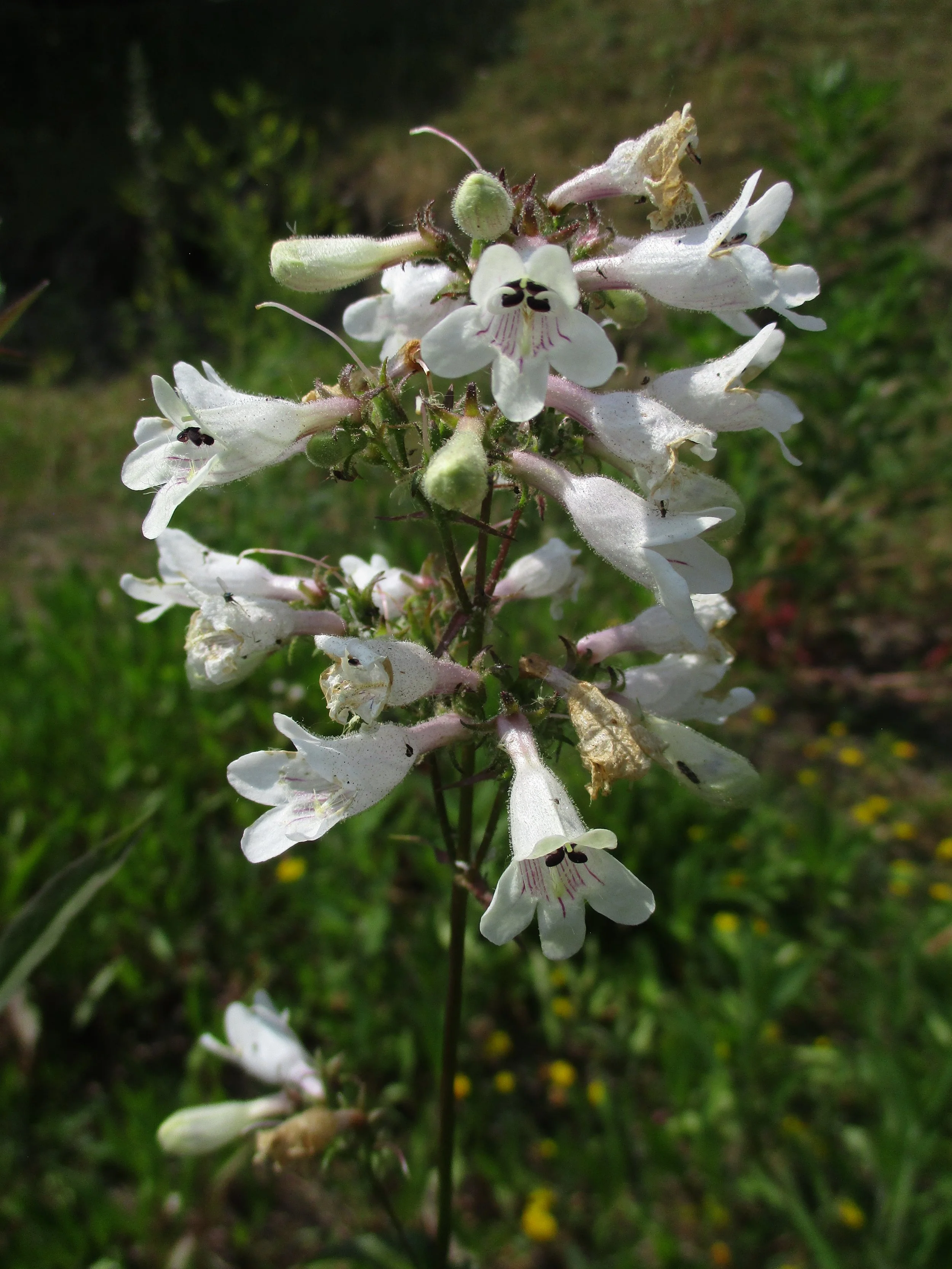
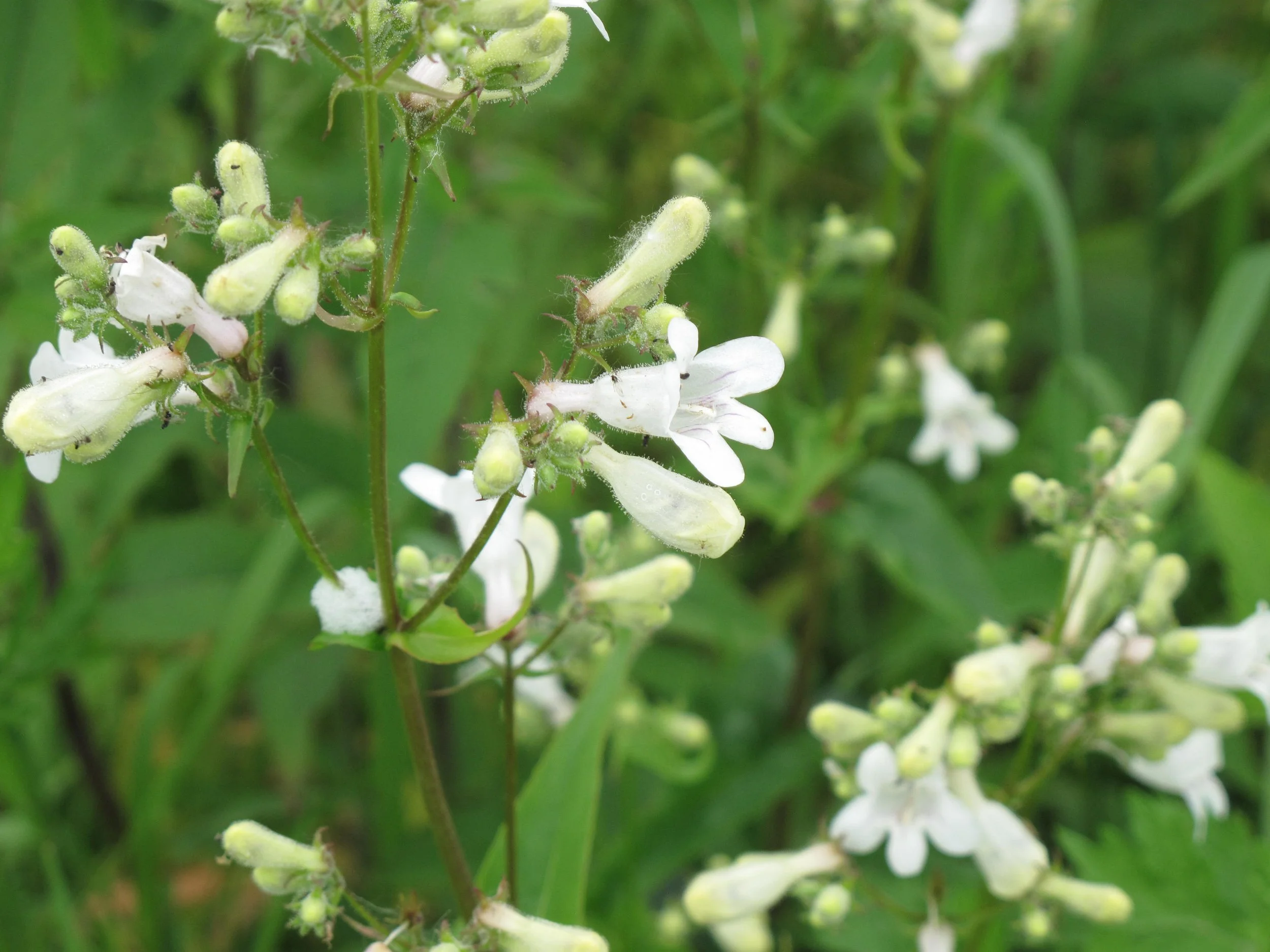
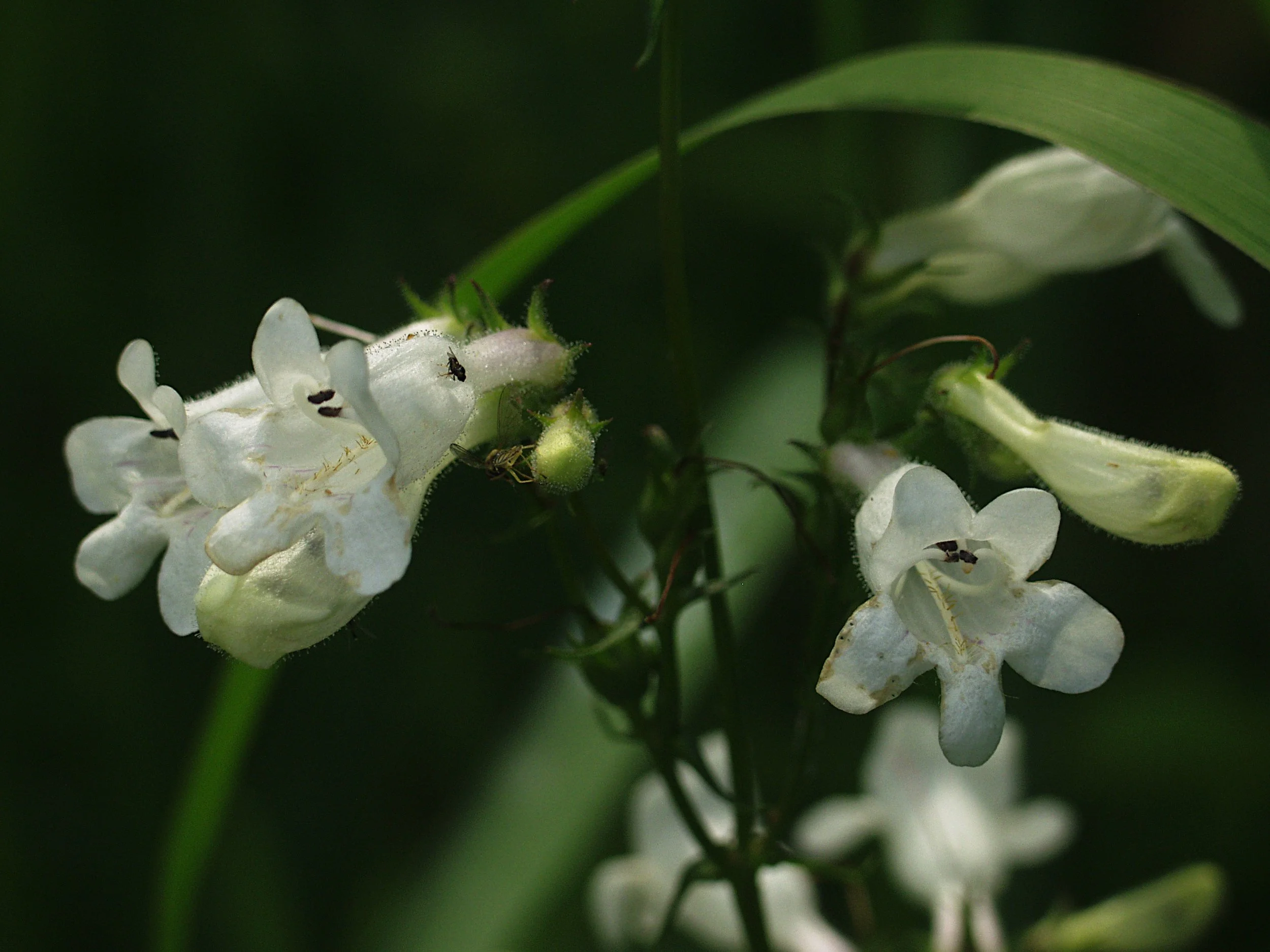
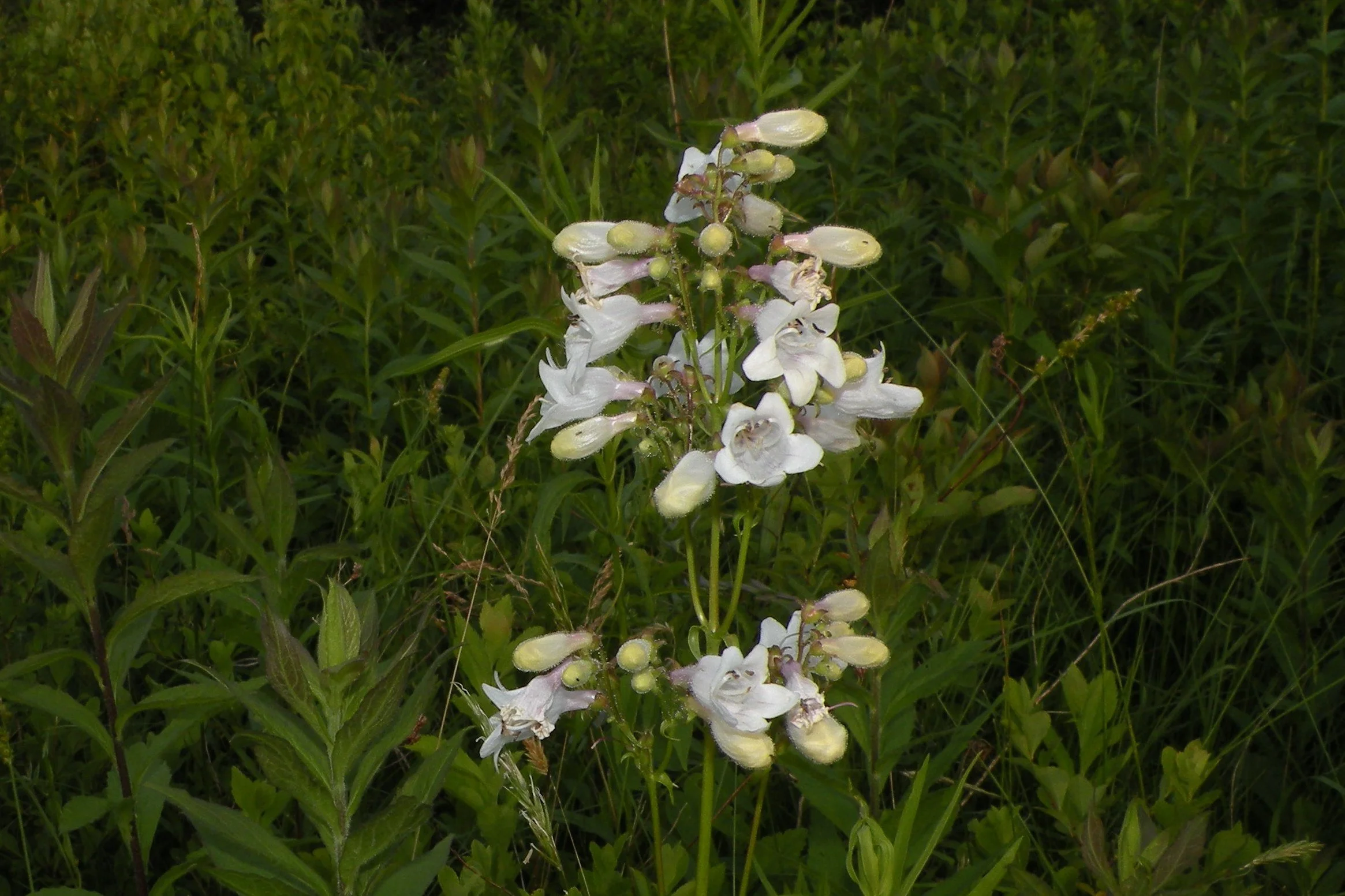
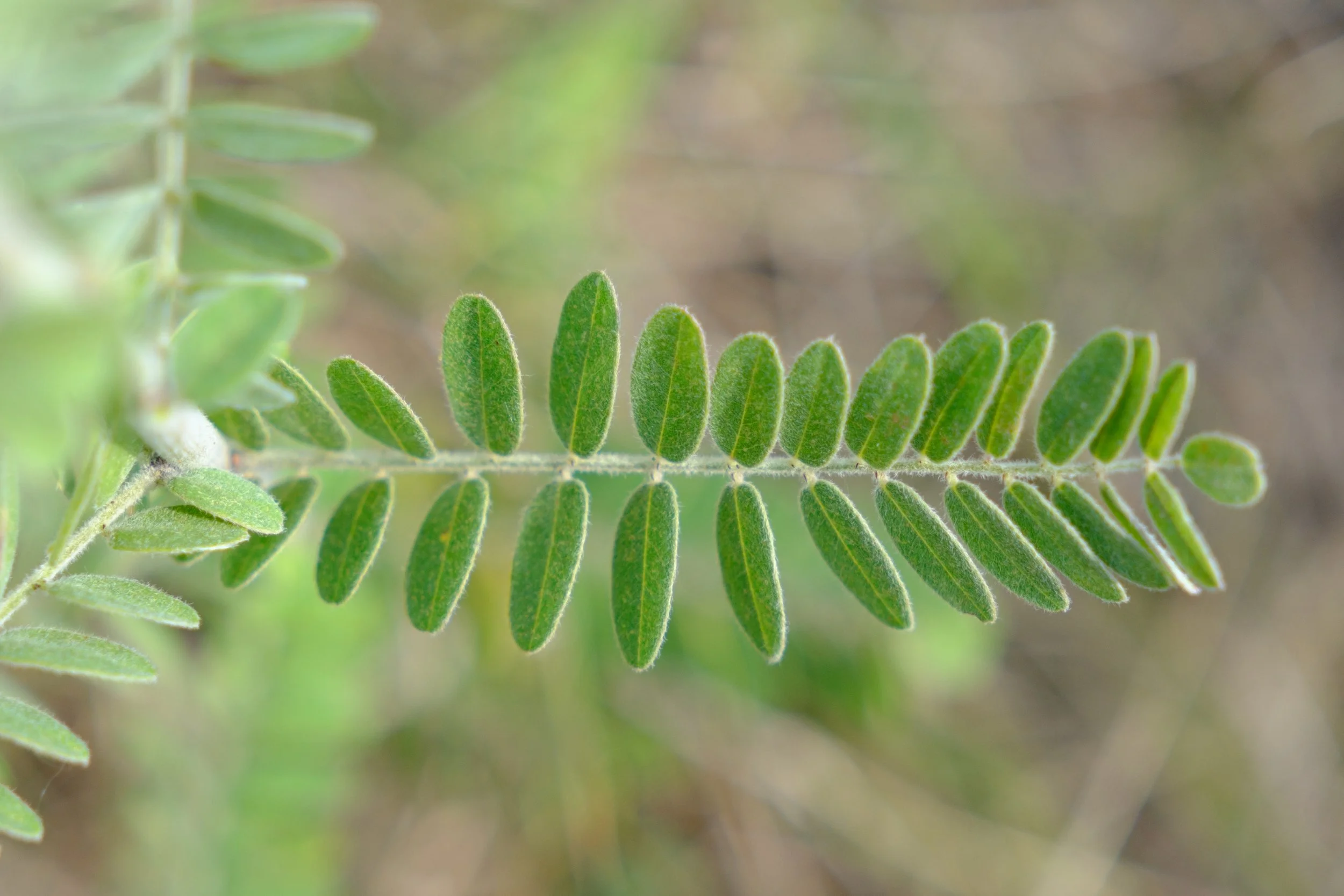
Identification / Key Features: Erect spikes of tufted purple flowers; rough, linear leaves; corm-based root system.
Mature Height / Size: 2–4 feet.
Bloom Time: August- September
Growth Rate: Moderate.
Light / Soil / Site Preferences: Full sun; prefers dry, well-drained soils.
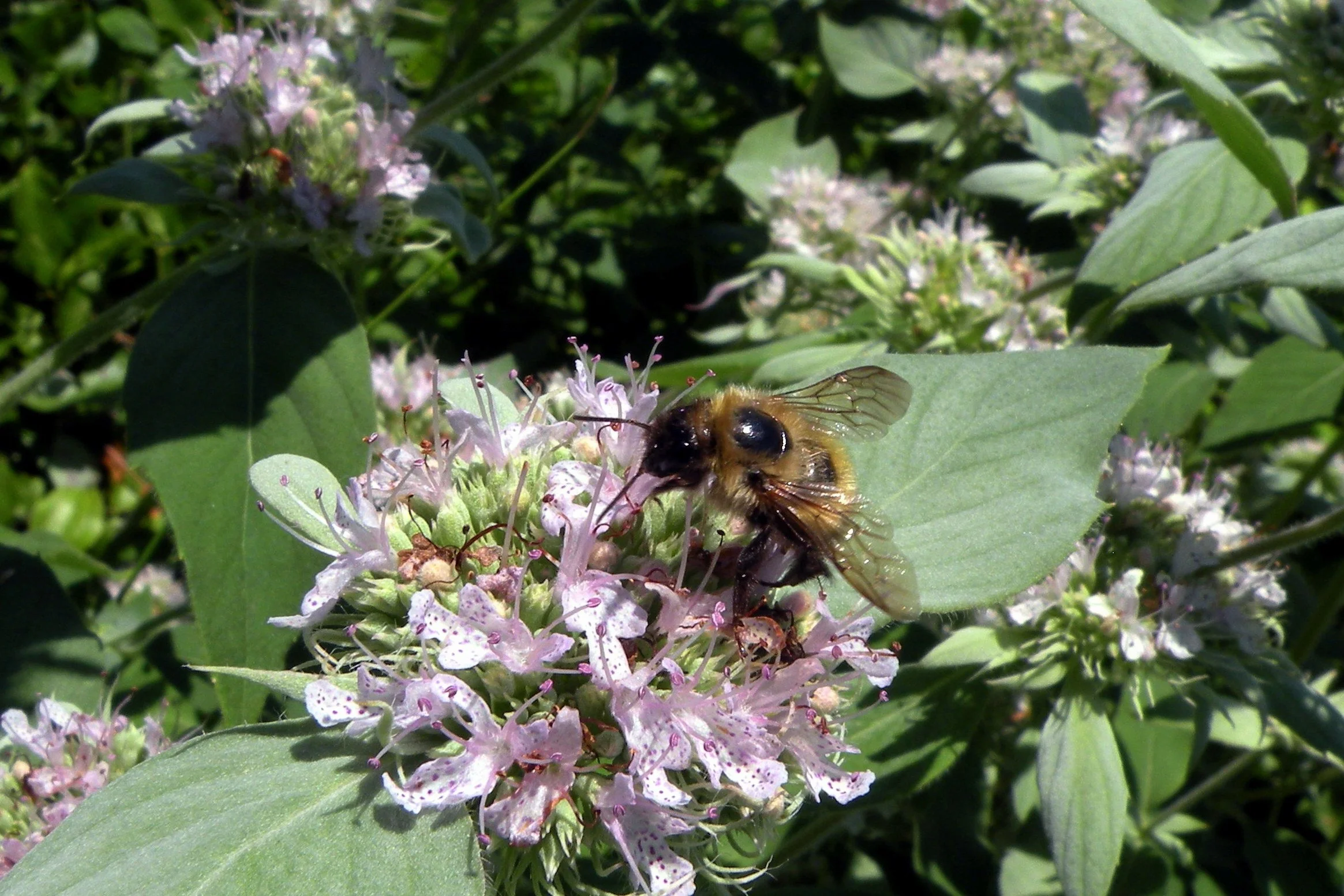
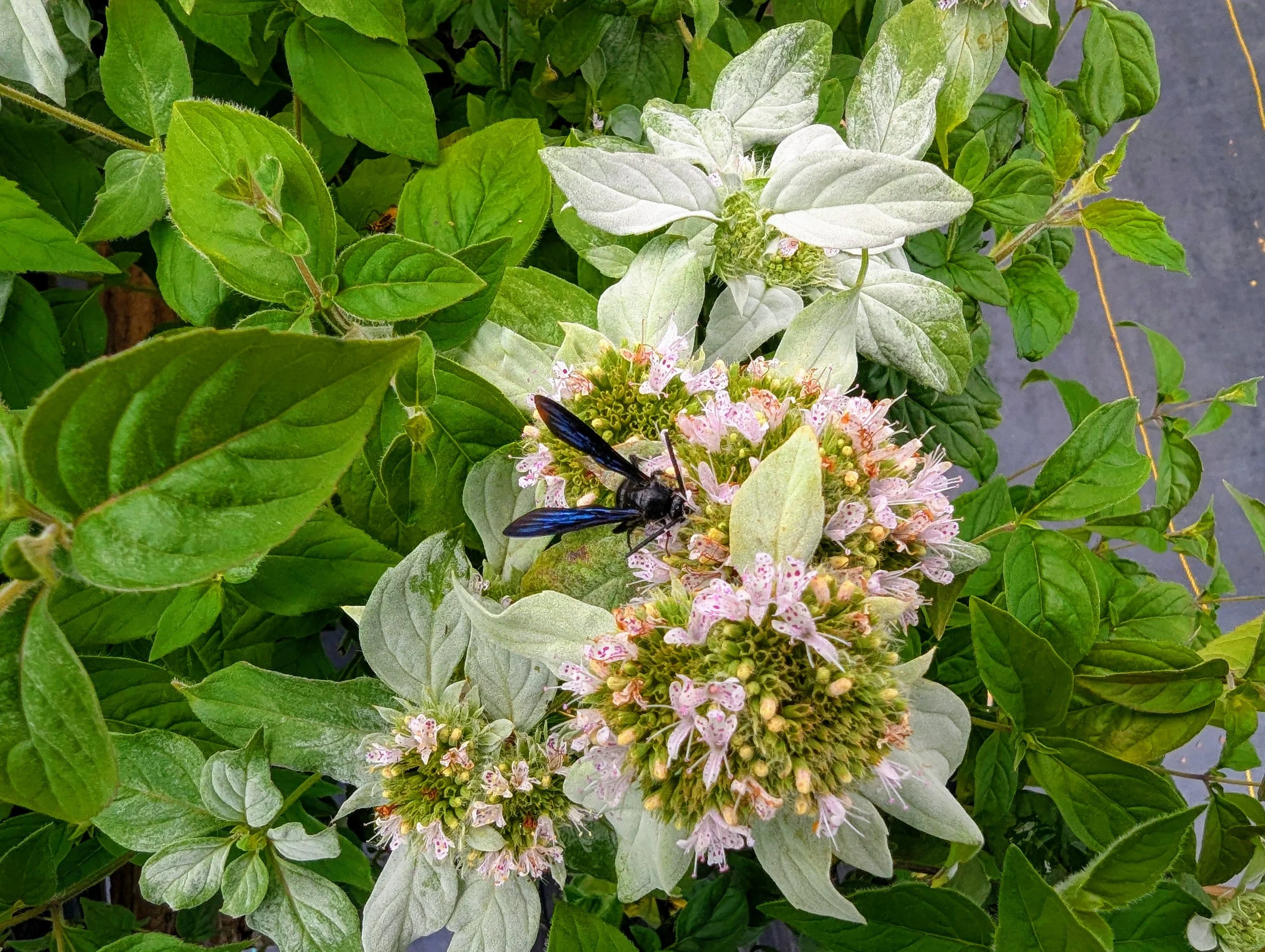
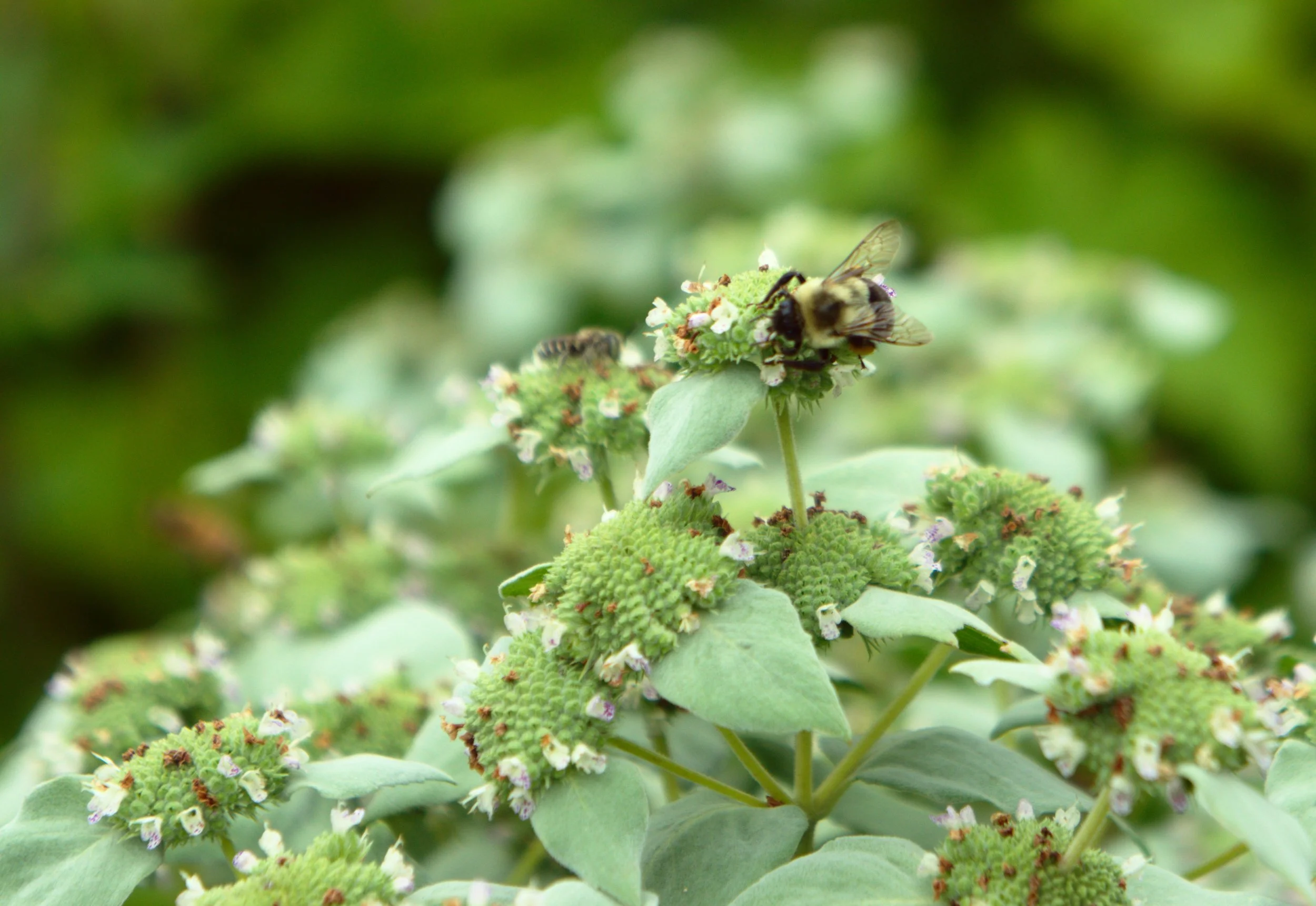
Wildlife Value / Ecological Role: Vital late-season nectar for monarch butterflies and native bees.
Uses / Economic / Cultural: Popular ornamental and cut flower; symbol of late-summer prairies.
Individual Quart Sized Potted Plant
With its striking spikes of lavender blooms, Rough Blazing Star commands attention in late summer. Each tall stem is densely packed with feathery flower heads that open from the top downward—an inversion of most flowering sequences. The result is a vertical column of vivid purple, alive with butterflies, especially monarchs and swallowtails.
Rough Blazing Star thrives in full sun and dry to medium soils, preferring the well-drained conditions of prairies and uplands. It is remarkably drought-hardy once established and provides a key nectar source late in the season.
Identification / Key Features: Erect spikes of tufted purple flowers; rough, linear leaves; corm-based root system.
Mature Height / Size: 2–4 feet.
Bloom Time: August- September
Growth Rate: Moderate.
Light / Soil / Site Preferences: Full sun; prefers dry, well-drained soils.
Wildlife Value / Ecological Role: Vital late-season nectar for monarch butterflies and native bees.
Uses / Economic / Cultural: Popular ornamental and cut flower; symbol of late-summer prairies.