 Image 1 of 5
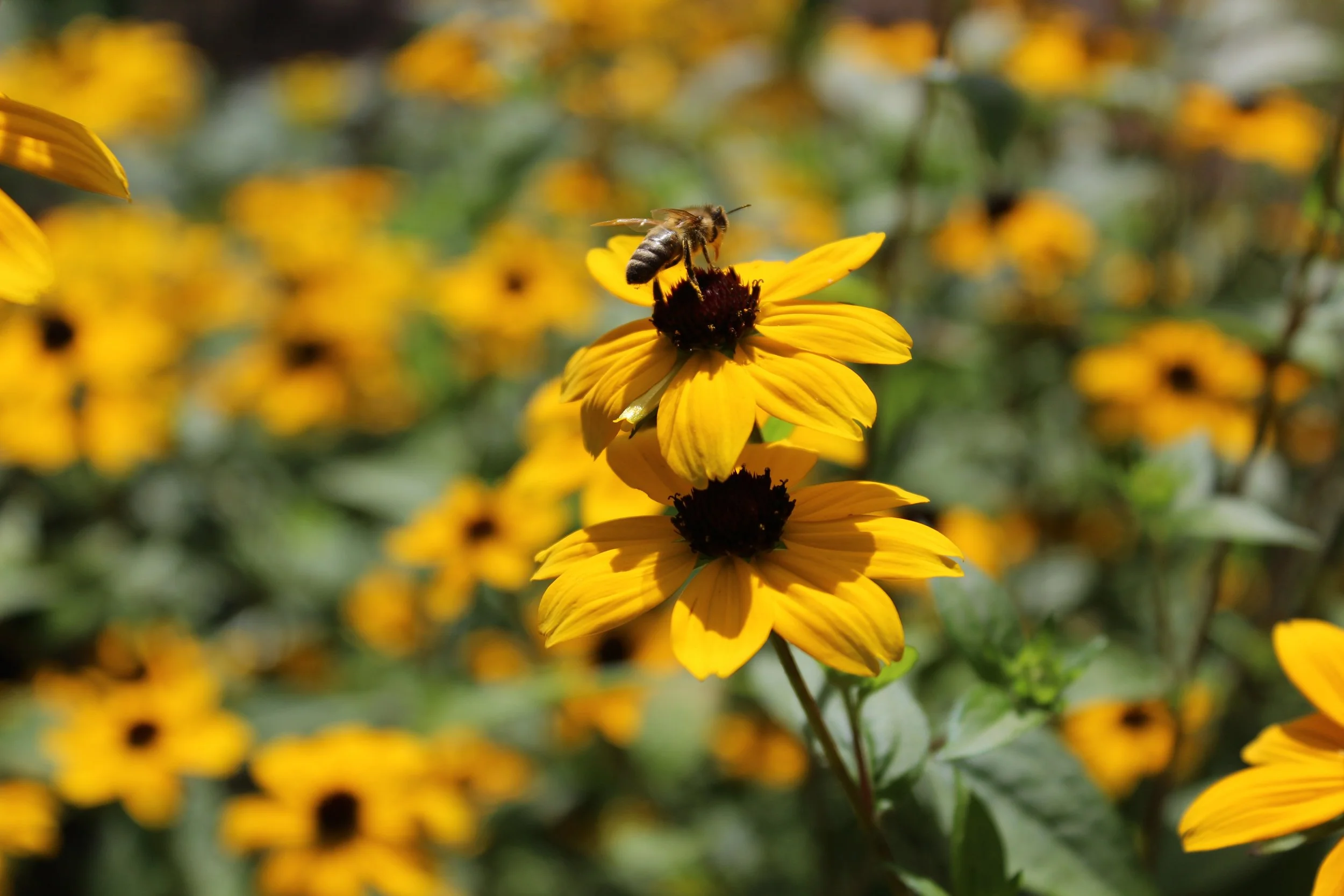 Image 2 of 5
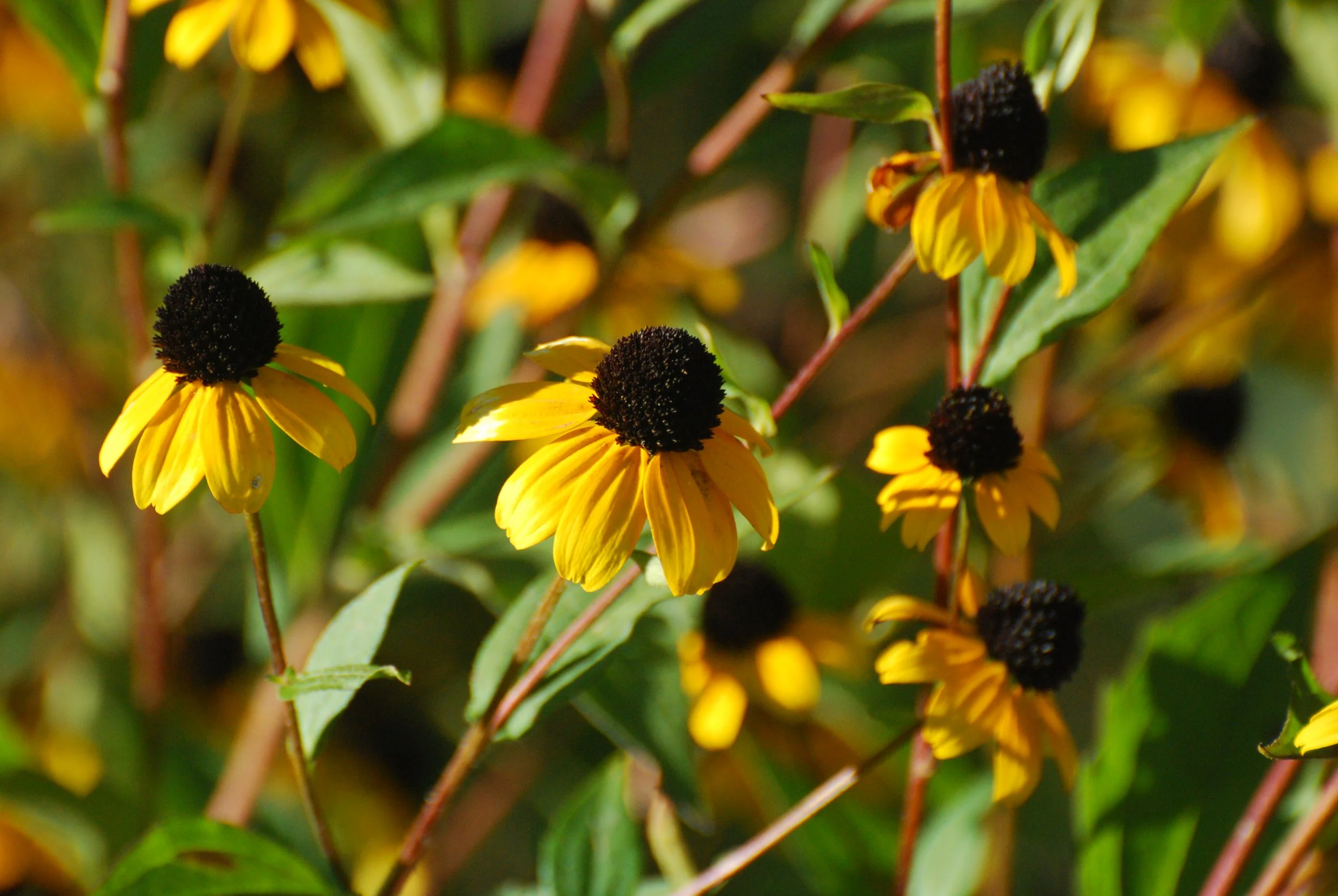 Image 3 of 5
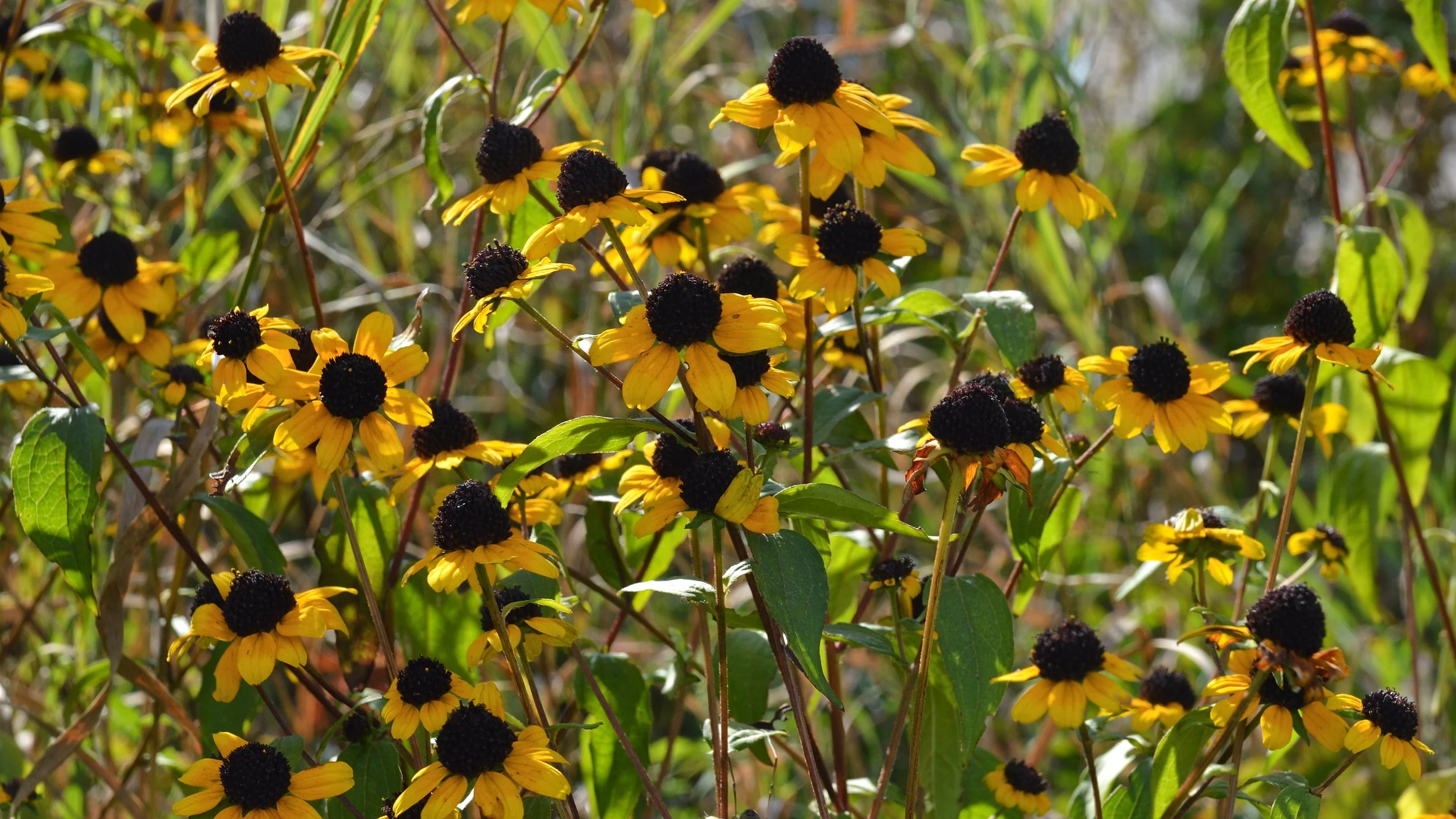 Image 4 of 5
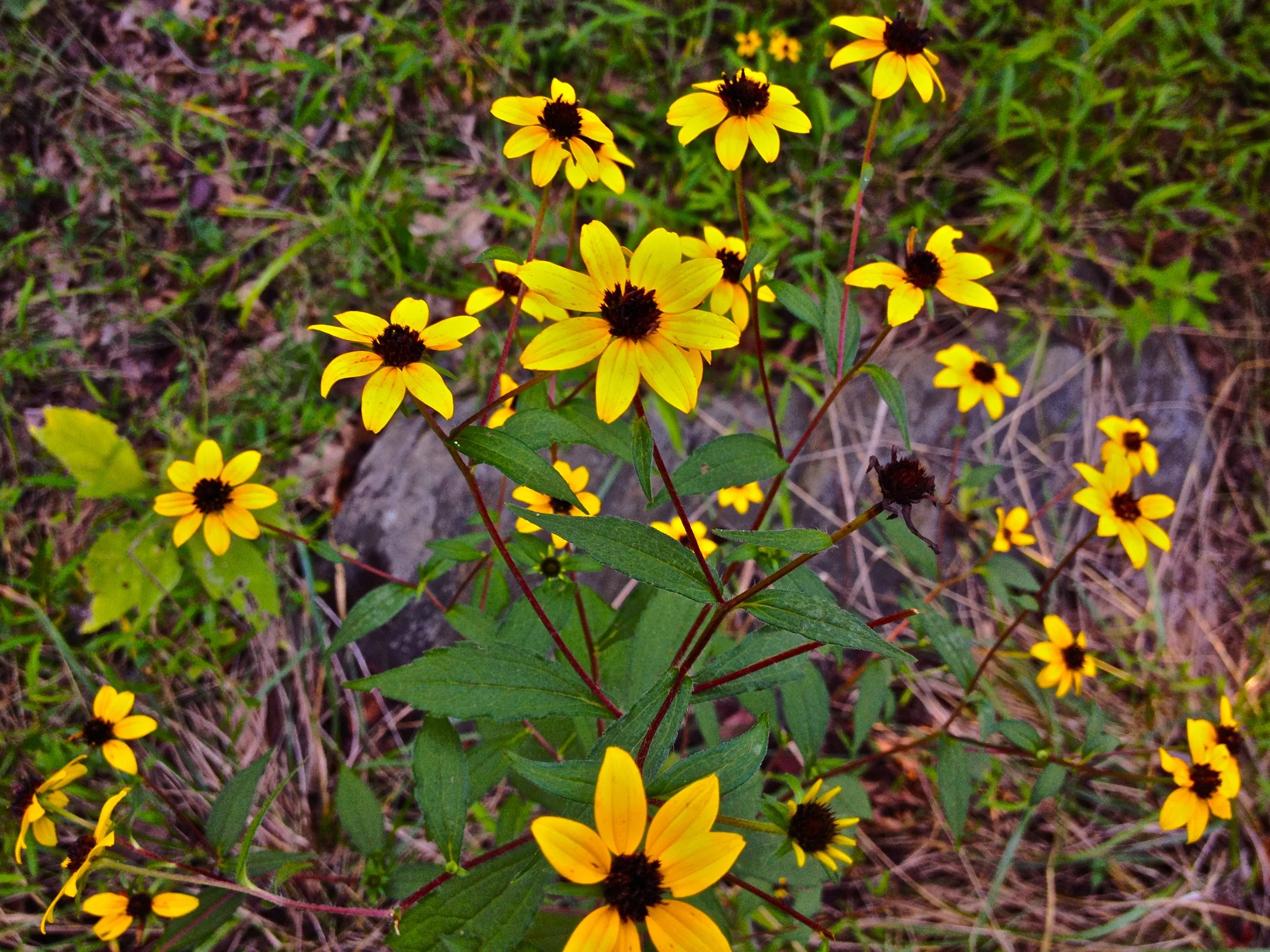 Image 5 of 5
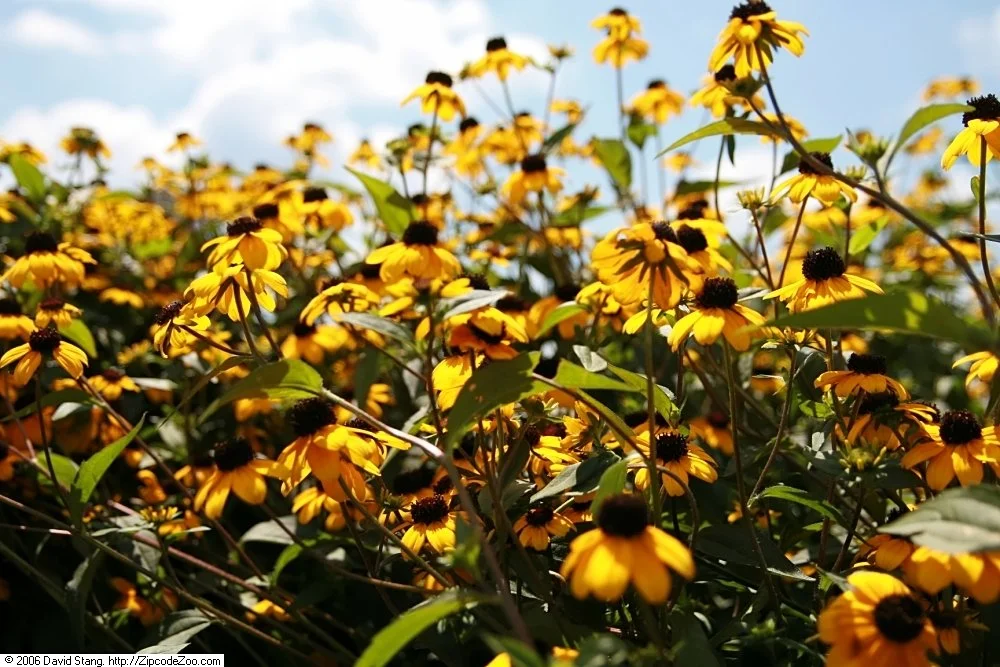
A cheerful and long-blooming native wildflower, Brown-eyed Susan brightens late-summer landscapes with hundreds of small golden-yellow flowers surrounding rich chocolate-brown centers. Its airy branching habit creates a cloud of color that weaves beautifully through prairies and garden borders, providing weeks of vibrant blooms when many other flowers begin to decline.
A short-lived perennial that readily reseeds, Brown-eyed Susan establishes quickly and thrives in full sun to partial shade and a variety of soil conditions. Its graceful form and extended bloom period make it an excellent companion to native grasses and other late-season wildflowers.
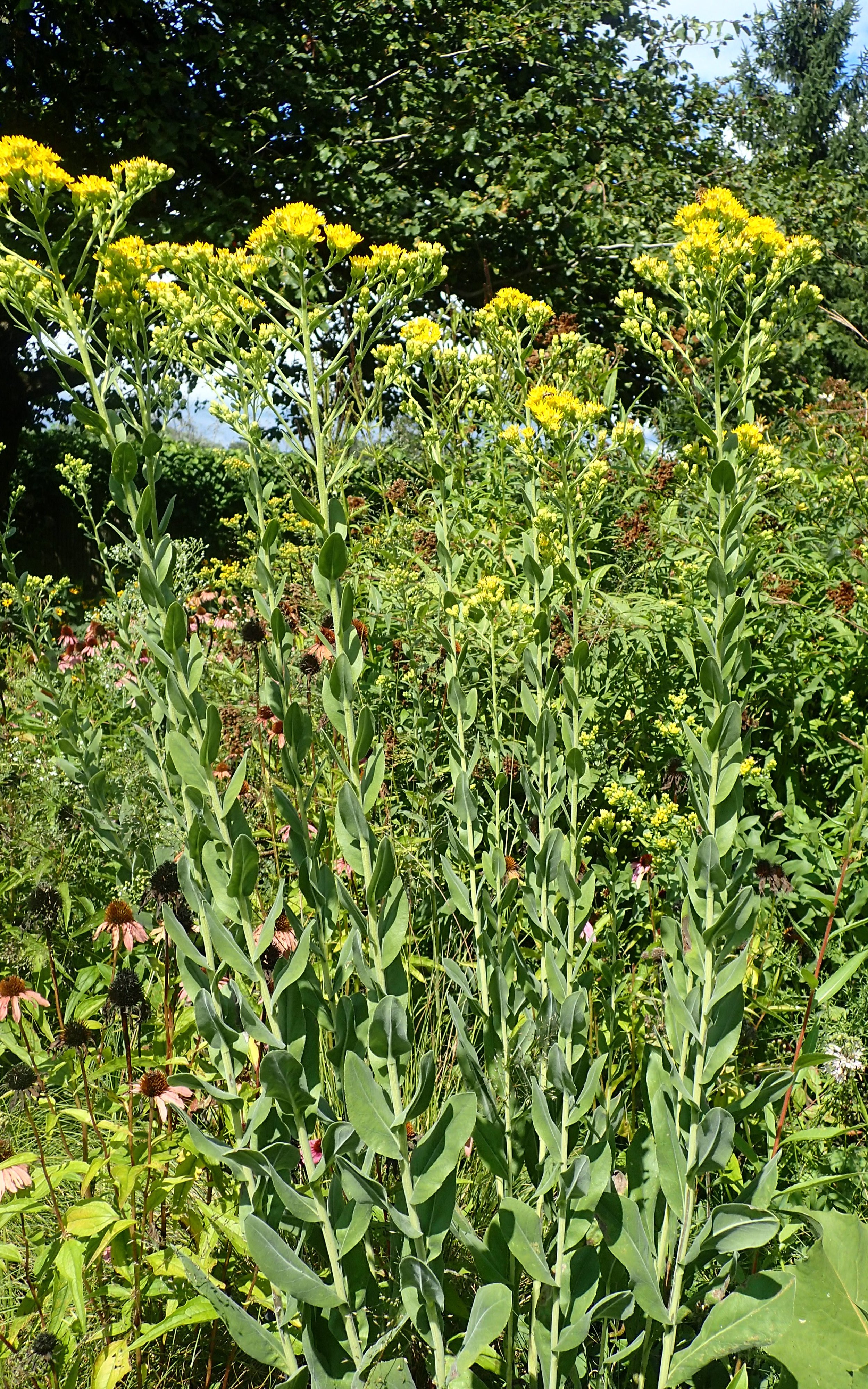
Identification: Highly branched stems covered with numerous small yellow daisy-like flowers with dark brown centers; triangular to three-lobed leaves; open, airy growth habit.
Bloom Time: July–October
Mature Height: 3–5 feet.
Growth Rate: Fast; short-lived perennial that reseeds readily.
Site Preferences: Full sun to partial shade; medium to moist, well-drained soils; adaptable to clay and loam.
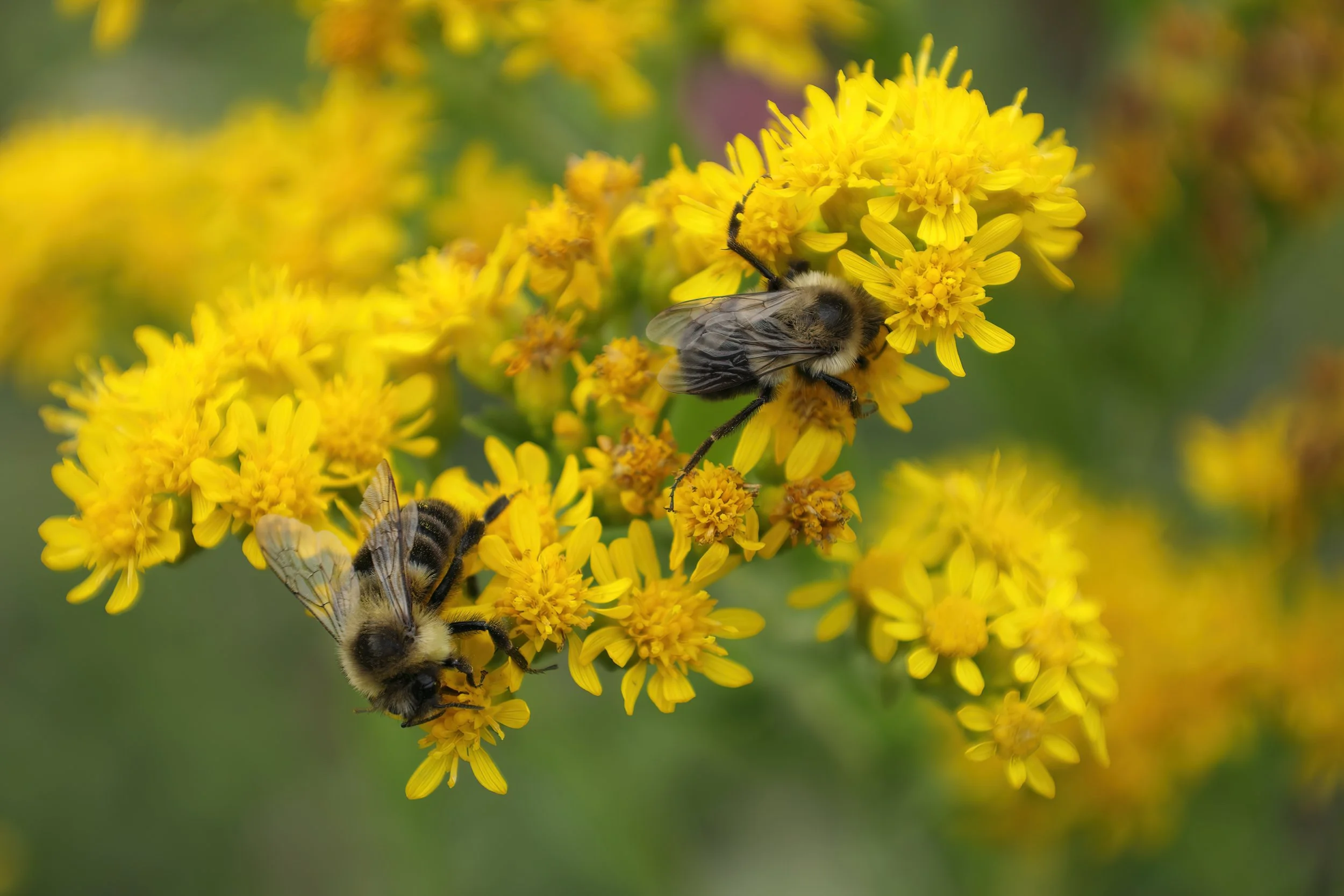
Wildlife Value: Excellent nectar source for native bees, butterflies, and other pollinators; seedheads provide food for goldfinches and other songbirds into fall.
Cultural Presence: Ideal for prairie restorations, pollinator gardens, and naturalized landscapes; valued for its long bloom period, easy establishment, and ability to provide brilliant late-season color.
A cheerful and long-blooming native wildflower, Brown-eyed Susan brightens late-summer landscapes with hundreds of small golden-yellow flowers surrounding rich chocolate-brown centers. Its airy branching habit creates a cloud of color that weaves beautifully through prairies and garden borders, providing weeks of vibrant blooms when many other flowers begin to decline.
A short-lived perennial that readily reseeds, Brown-eyed Susan establishes quickly and thrives in full sun to partial shade and a variety of soil conditions. Its graceful form and extended bloom period make it an excellent companion to native grasses and other late-season wildflowers.
Identification: Highly branched stems covered with numerous small yellow daisy-like flowers with dark brown centers; triangular to three-lobed leaves; open, airy growth habit.
Bloom Time: July–October
Mature Height: 3–5 feet.
Growth Rate: Fast; short-lived perennial that reseeds readily.
Site Preferences: Full sun to partial shade; medium to moist, well-drained soils; adaptable to clay and loam.
Wildlife Value: Excellent nectar source for native bees, butterflies, and other pollinators; seedheads provide food for goldfinches and other songbirds into fall.
Cultural Presence: Ideal for prairie restorations, pollinator gardens, and naturalized landscapes; valued for its long bloom period, easy establishment, and ability to provide brilliant late-season color.