 Image 1 of 5
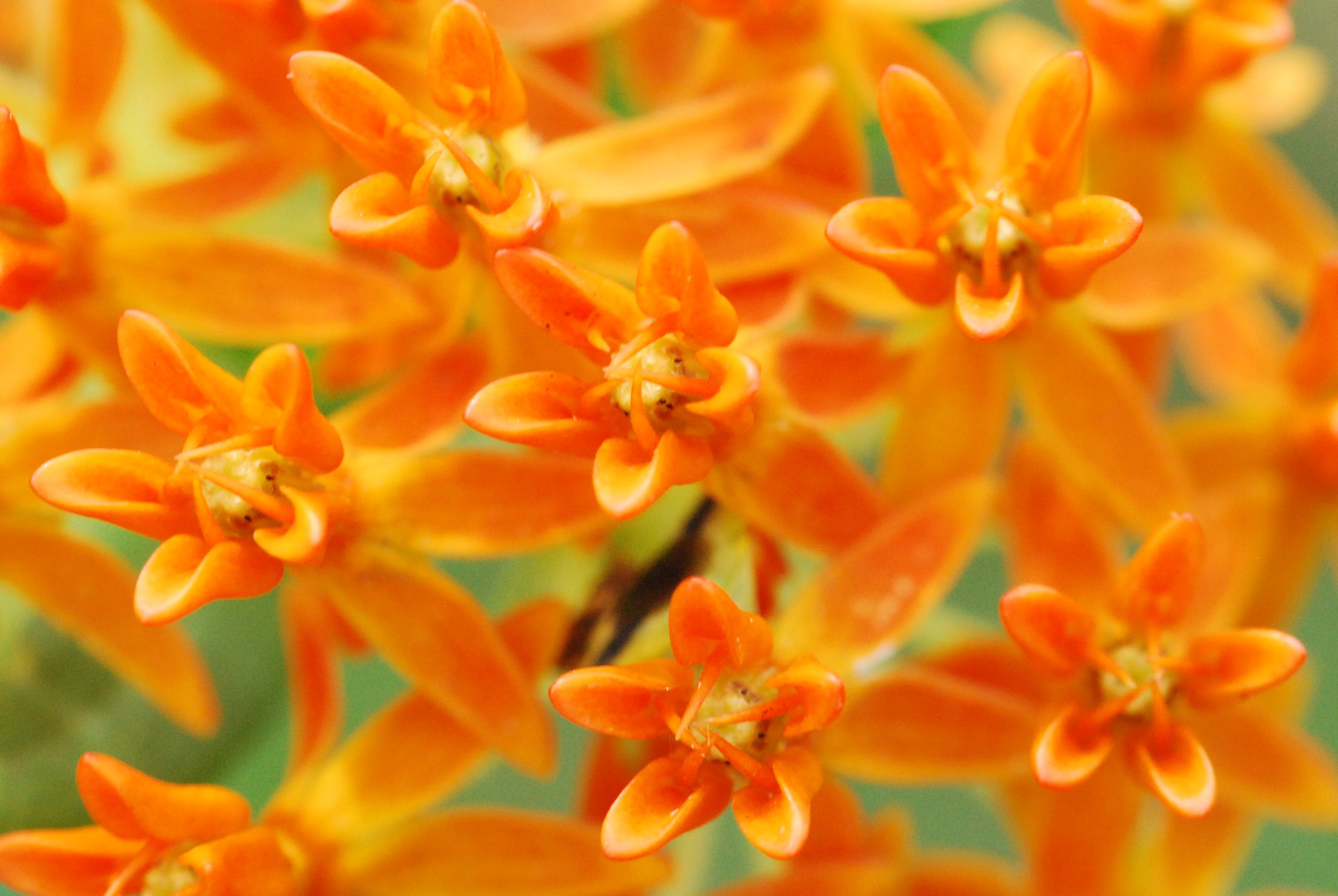 Image 2 of 5
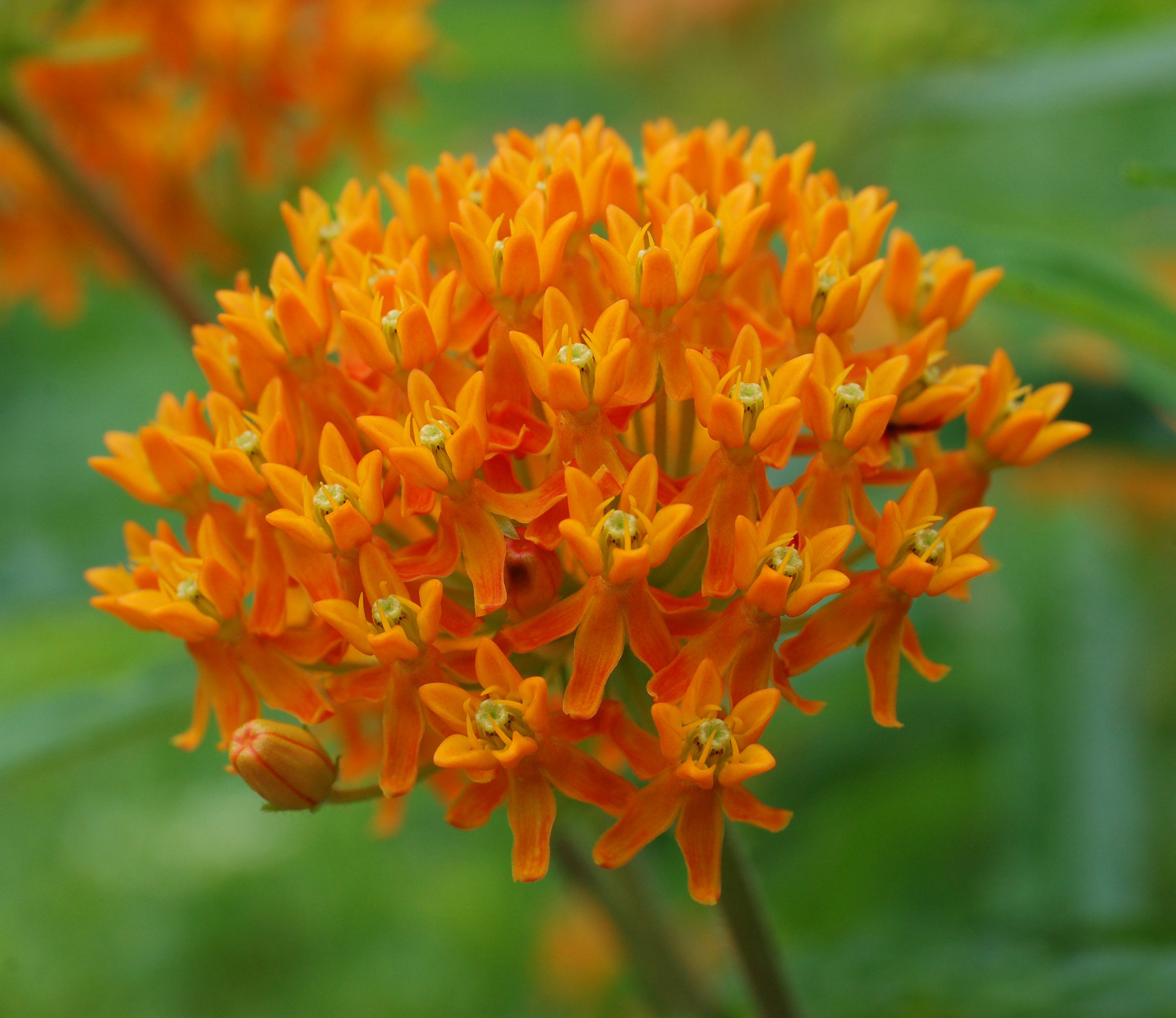 Image 3 of 5
 Image 4 of 5
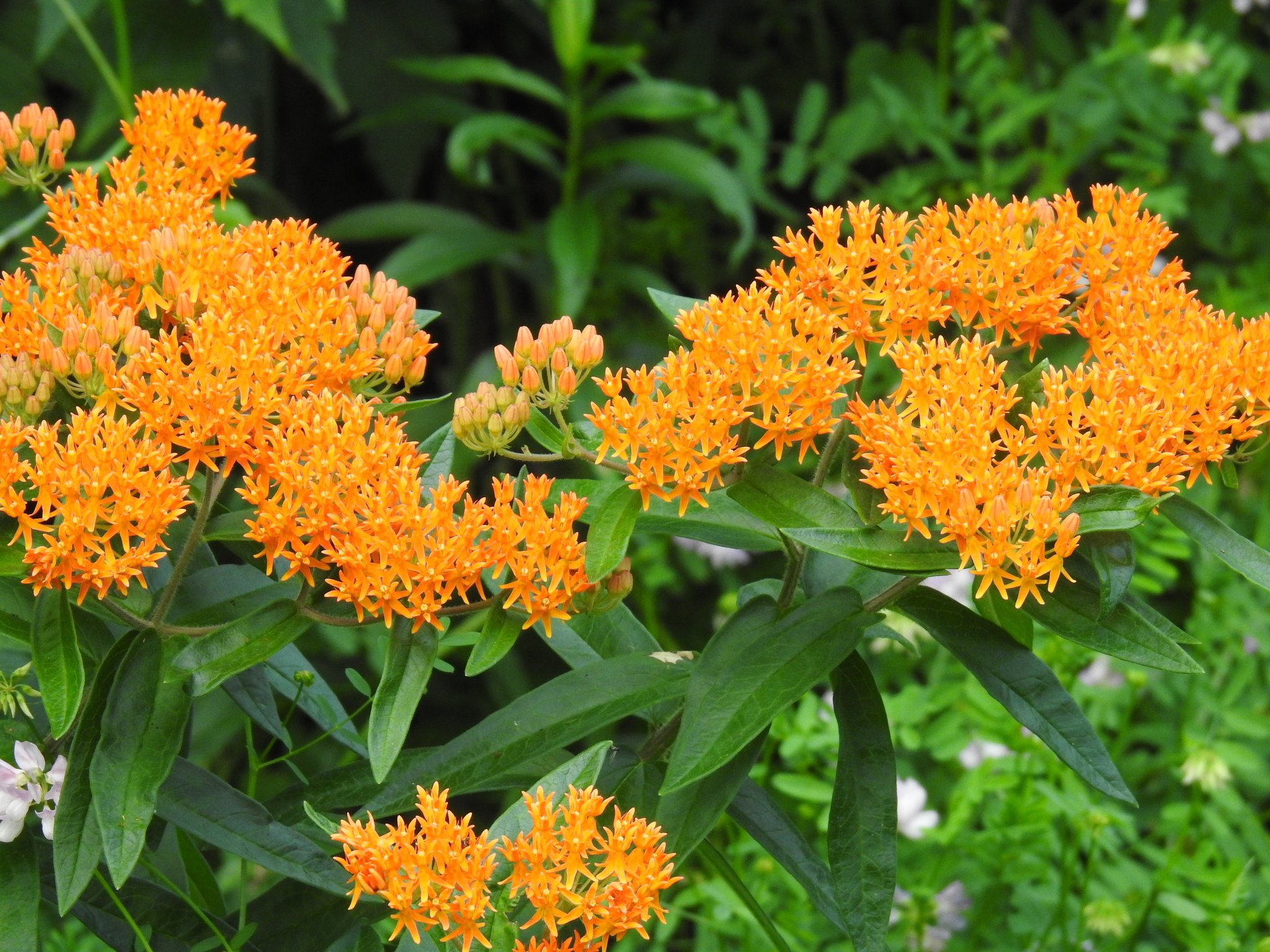 Image 5 of 5
Individual Quart Sized Potted Plants
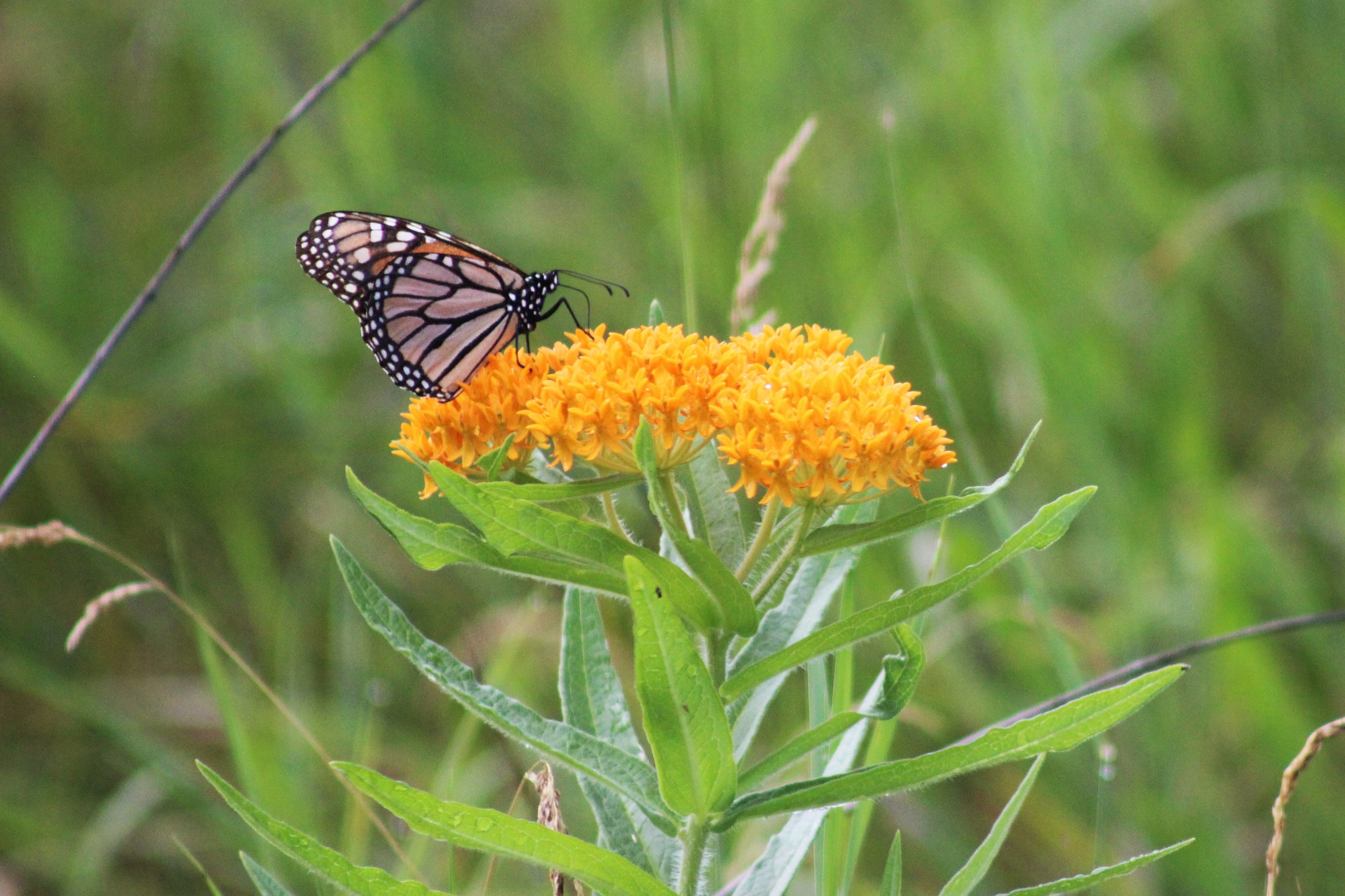
A beacon of color and ecological importance, Butterfly Milkweed dazzles with clusters of fiery orange flowers that attract butterflies in droves. Unlike most milkweeds, it exudes no milky sap and prefers dry, sandy soils—making it a resilient and low-maintenance native gem.
Native across Michigan’s prairies and open hillsides, Butterfly Milkweed thrives in full sun and well-drained conditions. Its taproot ensures drought resistance, while its flowers provide critical nectar for monarchs and other pollinators.
Identification / Key Features: Bright orange flower clusters; narrow, lance-shaped leaves; erect, bushy form.
Bloom Time: June – August
Mature Height / Size: 1–3 feet.
Growth Rate: Moderate.
Light / Soil / Site Preferences: Full sun; dry to medium, well-drained soils.
Wildlife Value / Ecological Role: Host plant for monarch caterpillars; nectar for bees and butterflies.
Uses / Economic / Cultural: Iconic pollinator plant; prized for bright color and drought tolerance.
Individual Quart Sized Potted Plants
A beacon of color and ecological importance, Butterfly Milkweed dazzles with clusters of fiery orange flowers that attract butterflies in droves. Unlike most milkweeds, it exudes no milky sap and prefers dry, sandy soils—making it a resilient and low-maintenance native gem.
Native across Michigan’s prairies and open hillsides, Butterfly Milkweed thrives in full sun and well-drained conditions. Its taproot ensures drought resistance, while its flowers provide critical nectar for monarchs and other pollinators.
Identification / Key Features: Bright orange flower clusters; narrow, lance-shaped leaves; erect, bushy form.
Bloom Time: June – August
Mature Height / Size: 1–3 feet.
Growth Rate: Moderate.
Light / Soil / Site Preferences: Full sun; dry to medium, well-drained soils.
Wildlife Value / Ecological Role: Host plant for monarch caterpillars; nectar for bees and butterflies.
Uses / Economic / Cultural: Iconic pollinator plant; prized for bright color and drought tolerance.