Quantities: Individual Quart Sized Potted Plants and 38-Cell Plug Single Species Flats
Strikingly beautiful, Great Blue Lobelia stands out with its tall spikes of vivid blue flowers that brighten moist meadows and rain gardens in late summer. Its tubular blooms attract hummingbirds and butterflies, while its rich color adds depth to wetland plantings.
It thrives in full sun to partial shade and moist, fertile soils. Once established, it naturalizes gently, returning reliably year after year.
Identification / Key Features: Spikes of deep blue flowers; lance-shaped leaves; sturdy, upright stems.
Bloom Time: August – October
Mature Height / Size: 2–4 feet.
Growth Rate: Moderate.
Light / Soil / Site Preferences: Full sun to partial shade; moist to wet soils.
Wildlife Value / Ecological Role: Nectar source for hummingbirds, bees, and butterflies.
Uses / Economic / Cultural: Perfect for rain gardens, wet meadows, and naturalized borders.
Quantities: Individual Quart Sized Potted Plants and 38-Cell Plug Single Species Flats
Strikingly beautiful, Great Blue Lobelia stands out with its tall spikes of vivid blue flowers that brighten moist meadows and rain gardens in late summer. Its tubular blooms attract hummingbirds and butterflies, while its rich color adds depth to wetland plantings.
It thrives in full sun to partial shade and moist, fertile soils. Once established, it naturalizes gently, returning reliably year after year.
Identification / Key Features: Spikes of deep blue flowers; lance-shaped leaves; sturdy, upright stems.
Bloom Time: August – October
Mature Height / Size: 2–4 feet.
Growth Rate: Moderate.
Light / Soil / Site Preferences: Full sun to partial shade; moist to wet soils.
Wildlife Value / Ecological Role: Nectar source for hummingbirds, bees, and butterflies.
Uses / Economic / Cultural: Perfect for rain gardens, wet meadows, and naturalized borders.

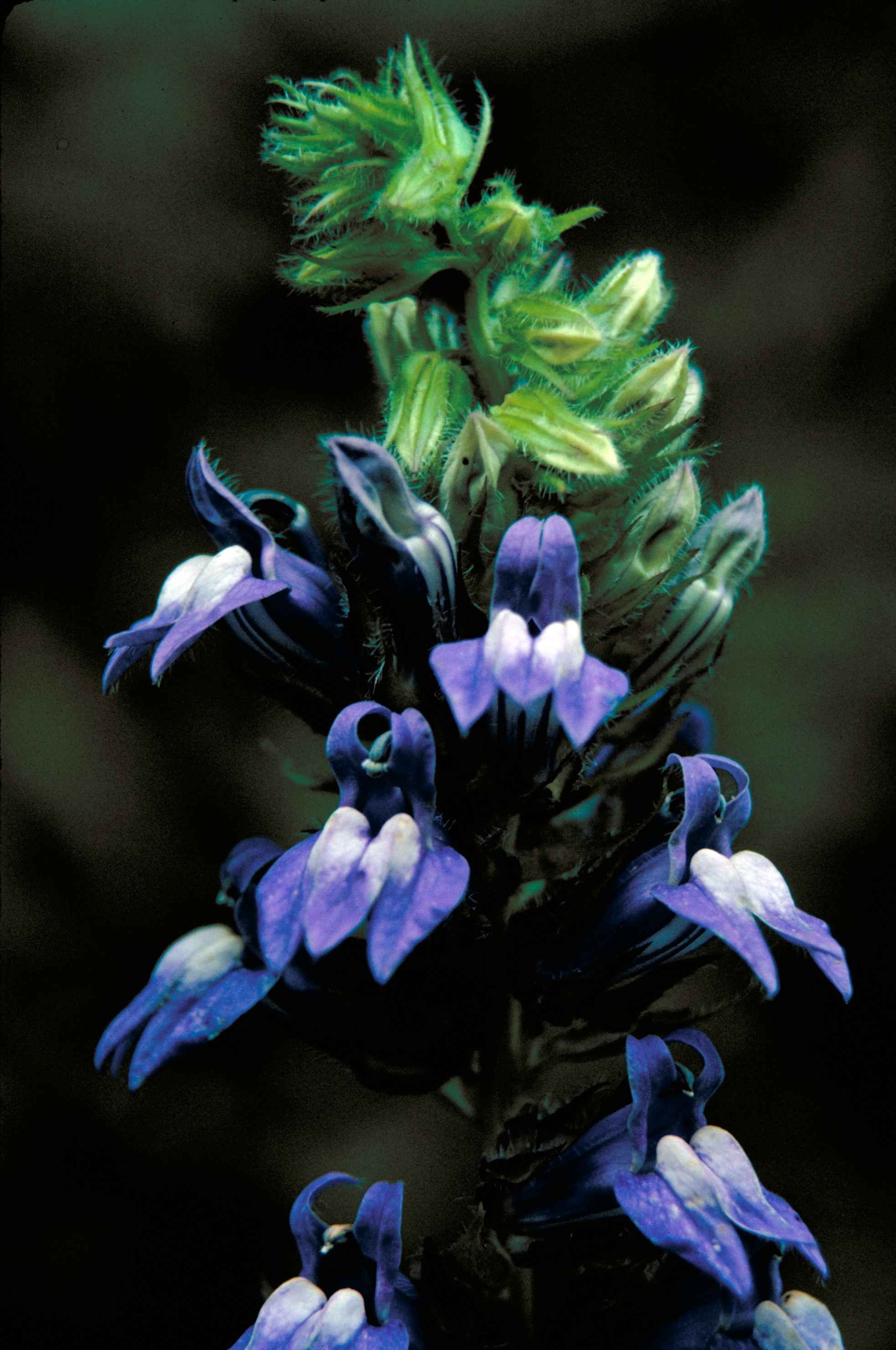 Image 1 of 6
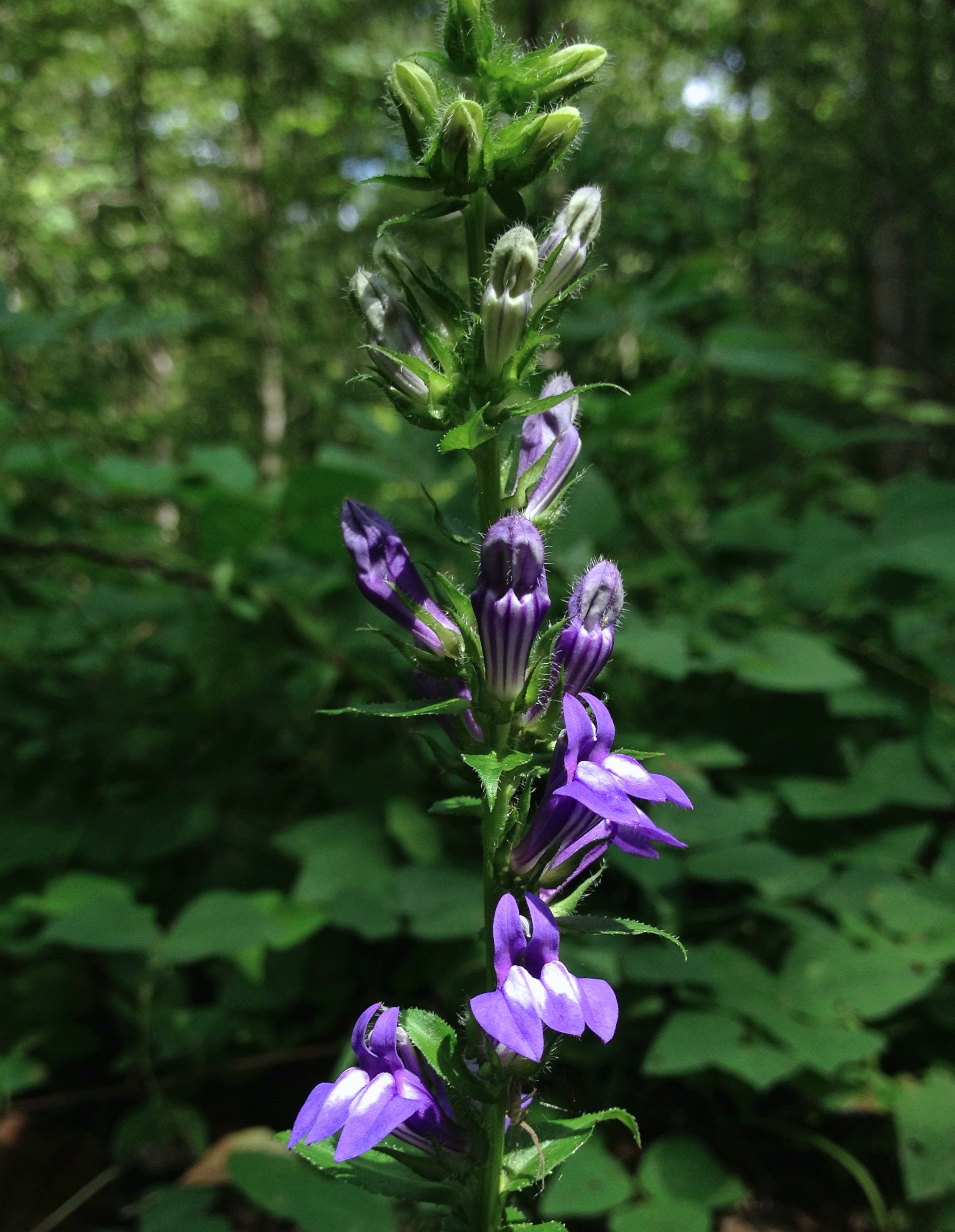 Image 2 of 6
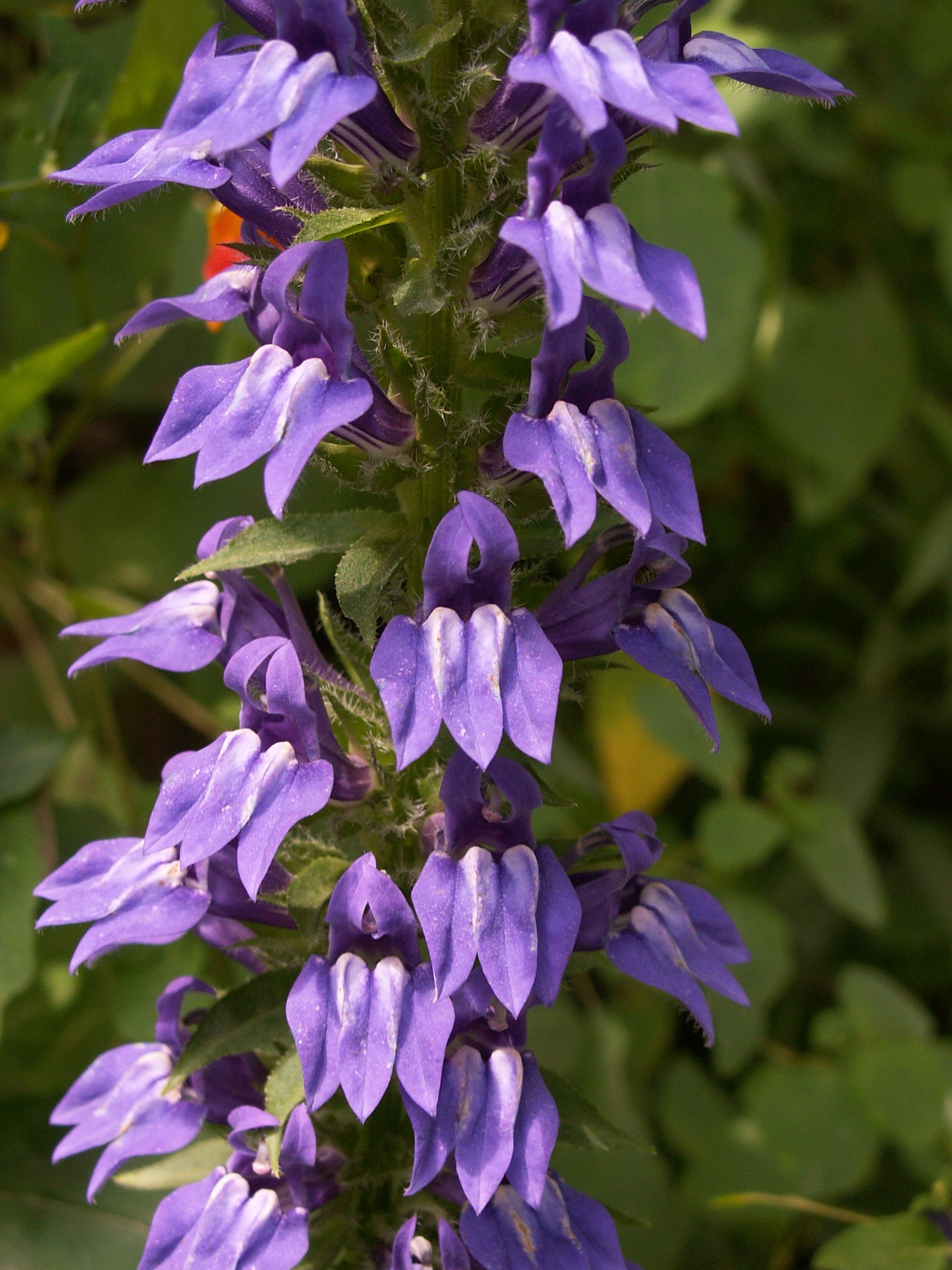 Image 3 of 6
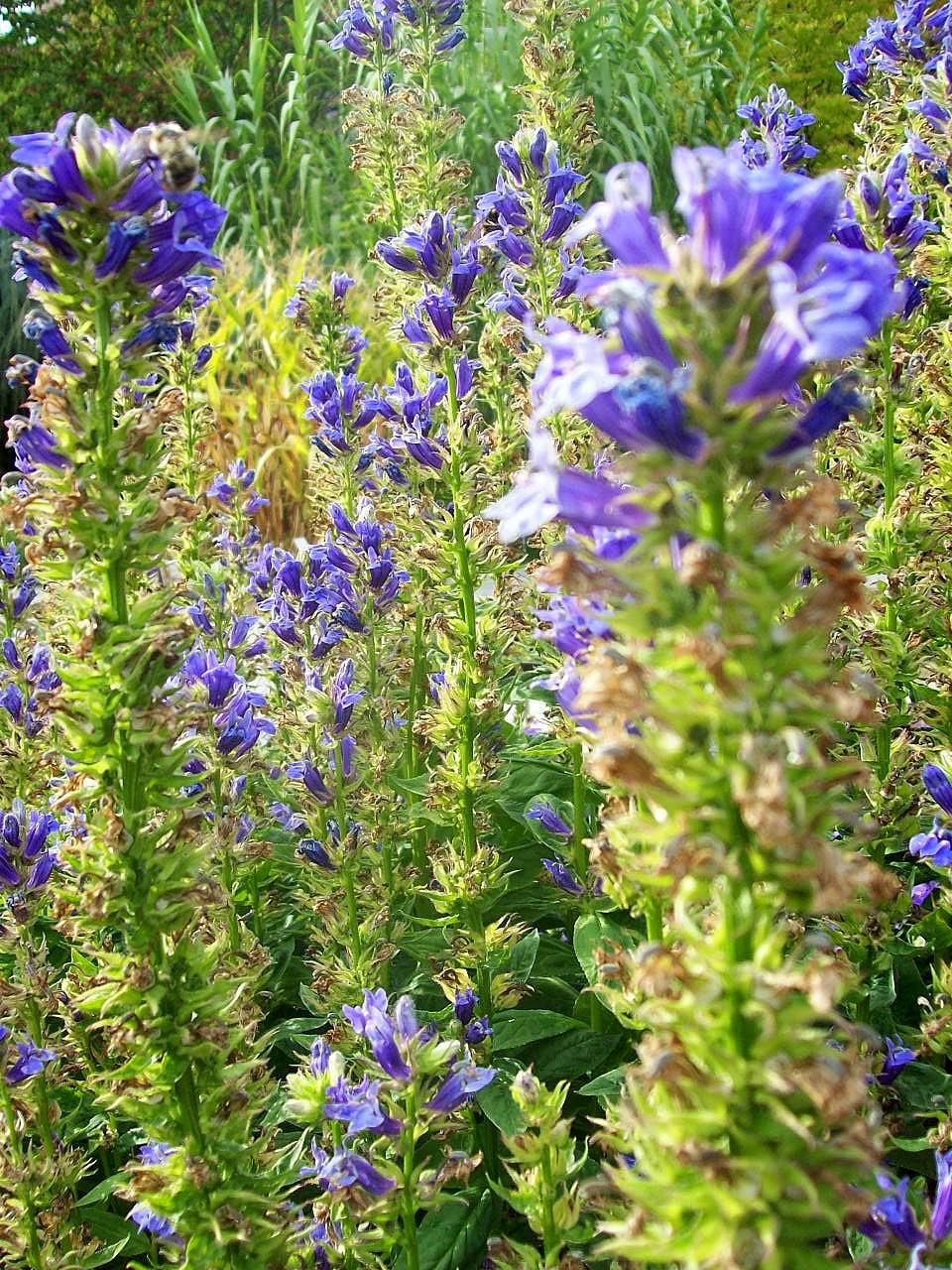 Image 4 of 6
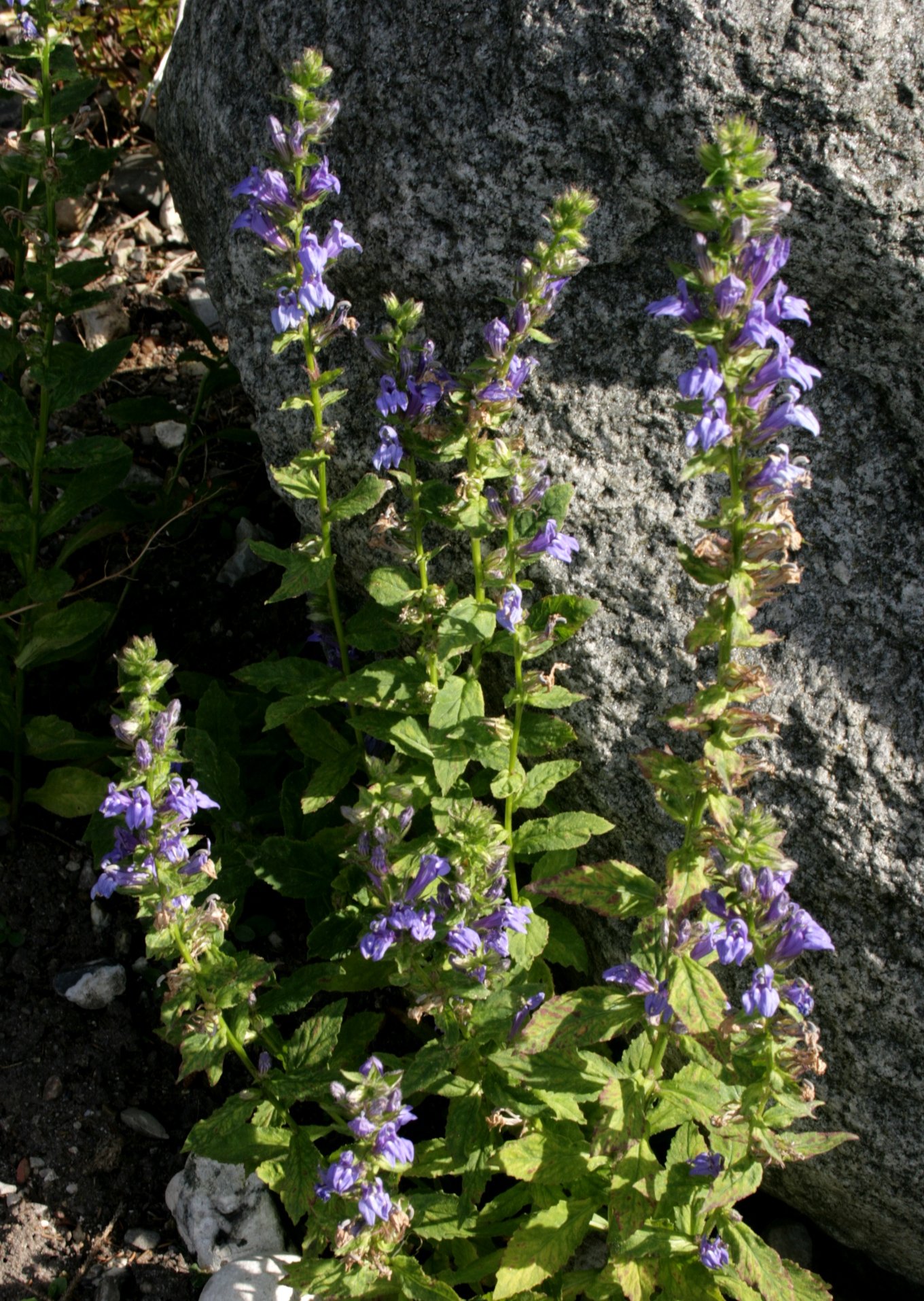 Image 5 of 6
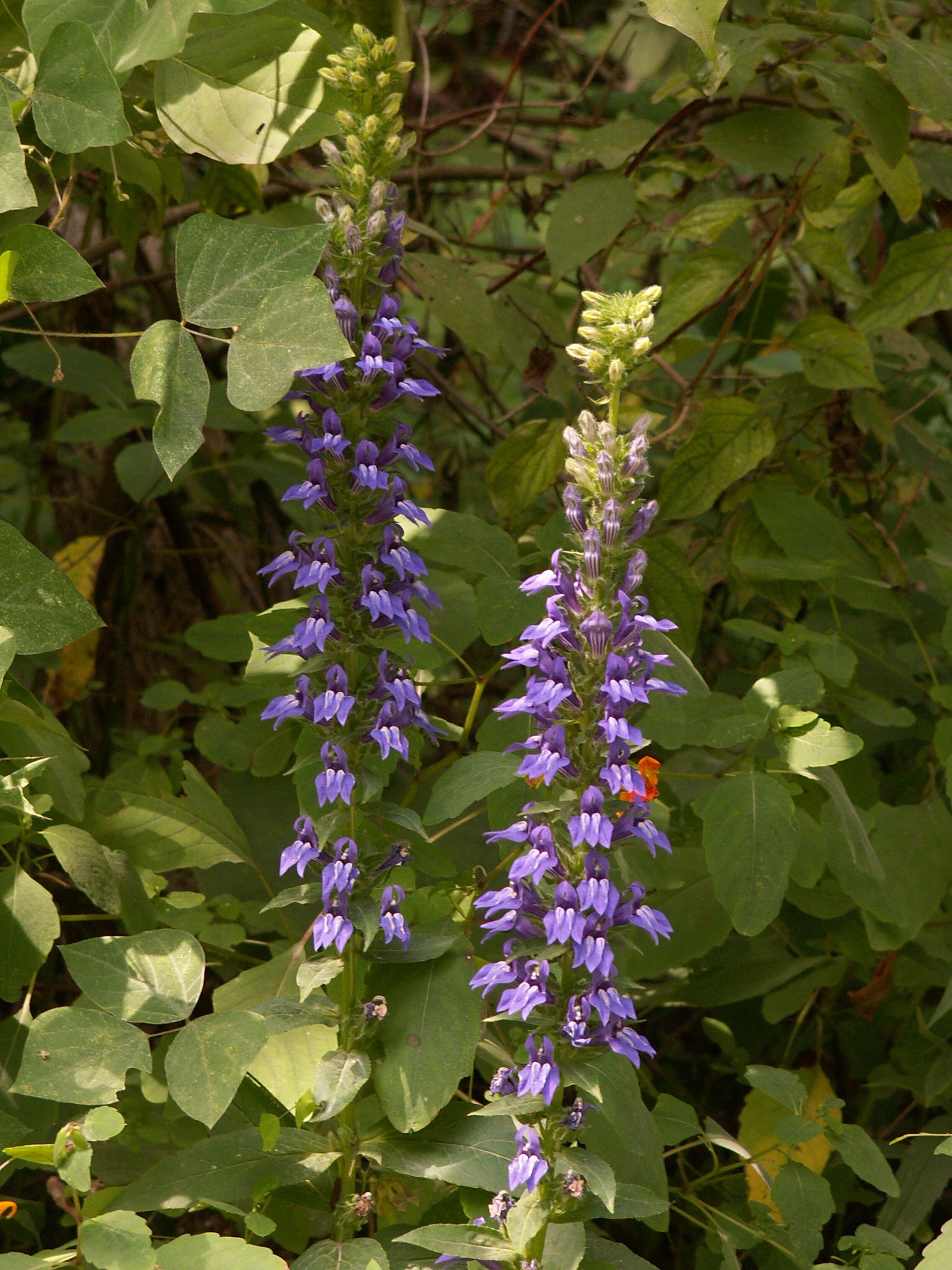 Image 6 of 6