 Image 1 of 5
 Image 2 of 5
 Image 3 of 5
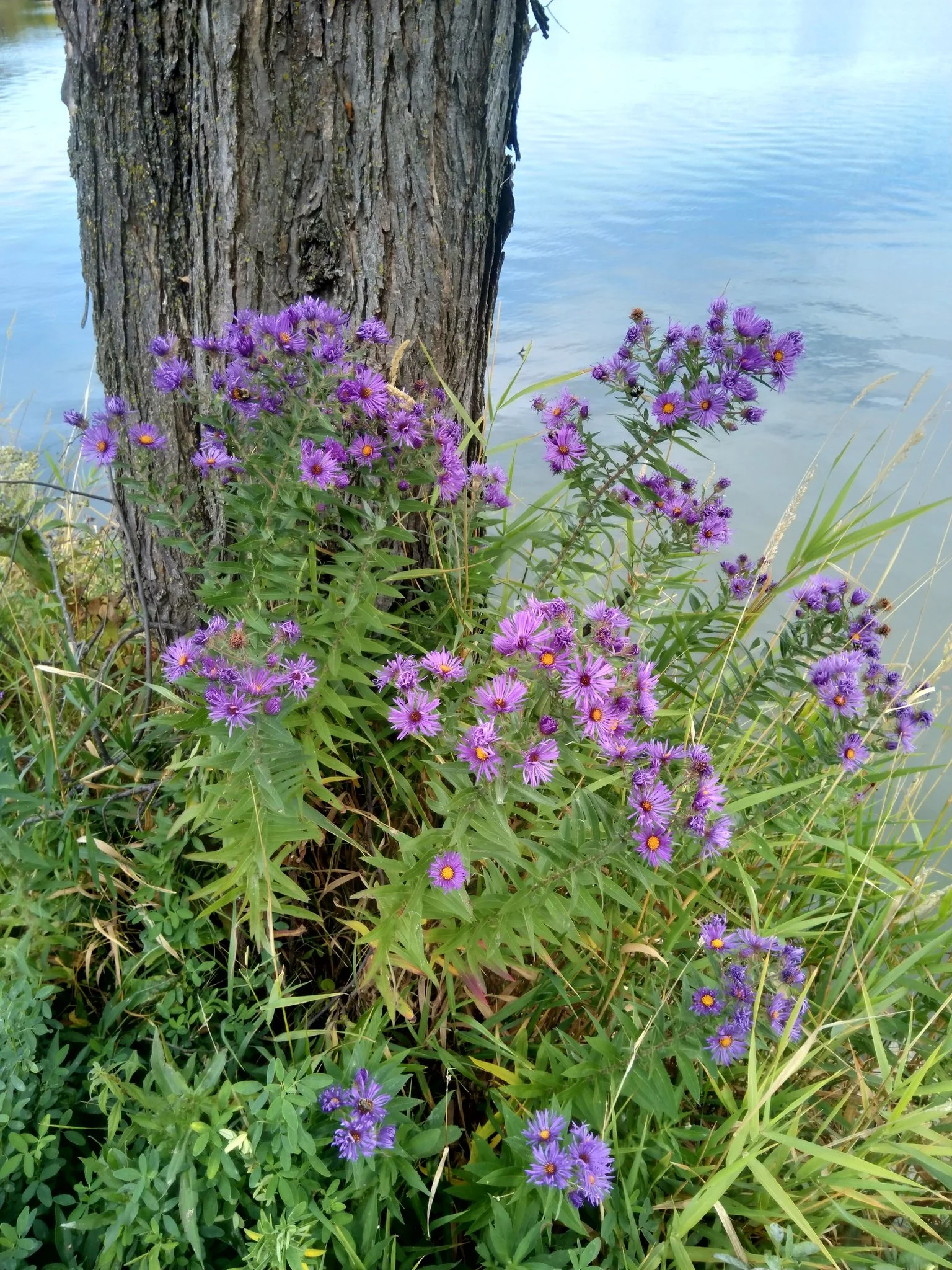 Image 4 of 5
 Image 5 of 5
Quantities: Individual Quart Sized Potted Plants and 38-Cell Plug Single Species Flats
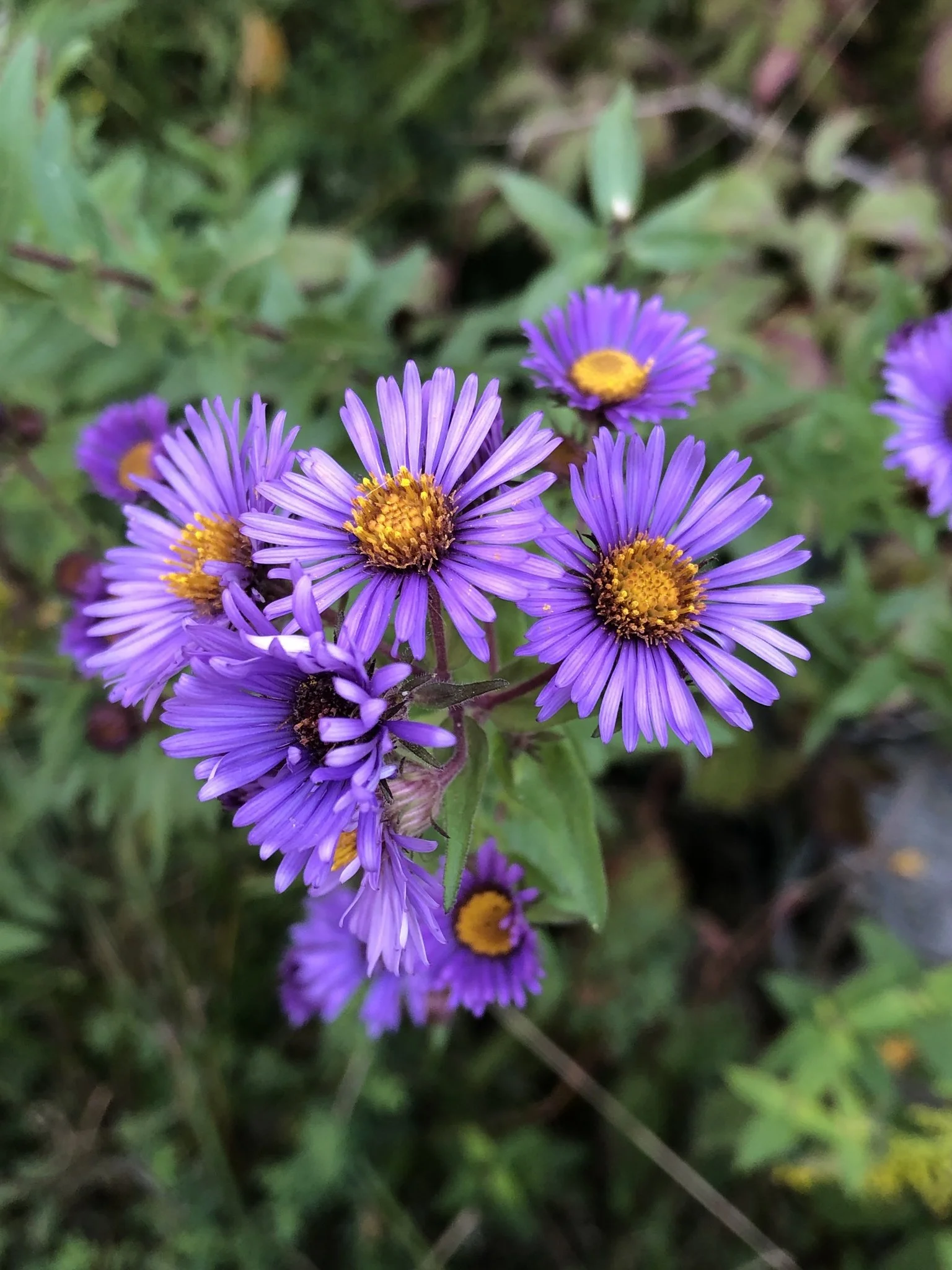
A true autumn standout, New England Aster bursts with masses of violet to purple flowers as the growing season wanes. Its rich color and abundant nectar sustain bees, butterflies, and migrating monarchs when few other blooms remain.
This robust perennial thrives in full sun and medium soils, tolerating clay and occasional drought. It’s a quintessential species of the late-season prairie palette.
Identification / Key Features: Dense clusters of purple flowers with golden centers; rough leaves; upright stems.
Bloom Time: August – October
Mature Height / Size: 3–6 feet.
Growth Rate: Fast.
Light / Soil / Site Preferences: Full sun; medium soils; tolerates clay.
Wildlife Value / Ecological Role: Late nectar for monarchs and native pollinators.
Uses / Economic / Cultural: Excellent for late color; pairs beautifully with goldenrods.
Quantities: Individual Quart Sized Potted Plants and 38-Cell Plug Single Species Flats
A true autumn standout, New England Aster bursts with masses of violet to purple flowers as the growing season wanes. Its rich color and abundant nectar sustain bees, butterflies, and migrating monarchs when few other blooms remain.
This robust perennial thrives in full sun and medium soils, tolerating clay and occasional drought. It’s a quintessential species of the late-season prairie palette.
Identification / Key Features: Dense clusters of purple flowers with golden centers; rough leaves; upright stems.
Bloom Time: August – October
Mature Height / Size: 3–6 feet.
Growth Rate: Fast.
Light / Soil / Site Preferences: Full sun; medium soils; tolerates clay.
Wildlife Value / Ecological Role: Late nectar for monarchs and native pollinators.
Uses / Economic / Cultural: Excellent for late color; pairs beautifully with goldenrods.