
 Image 1 of 4
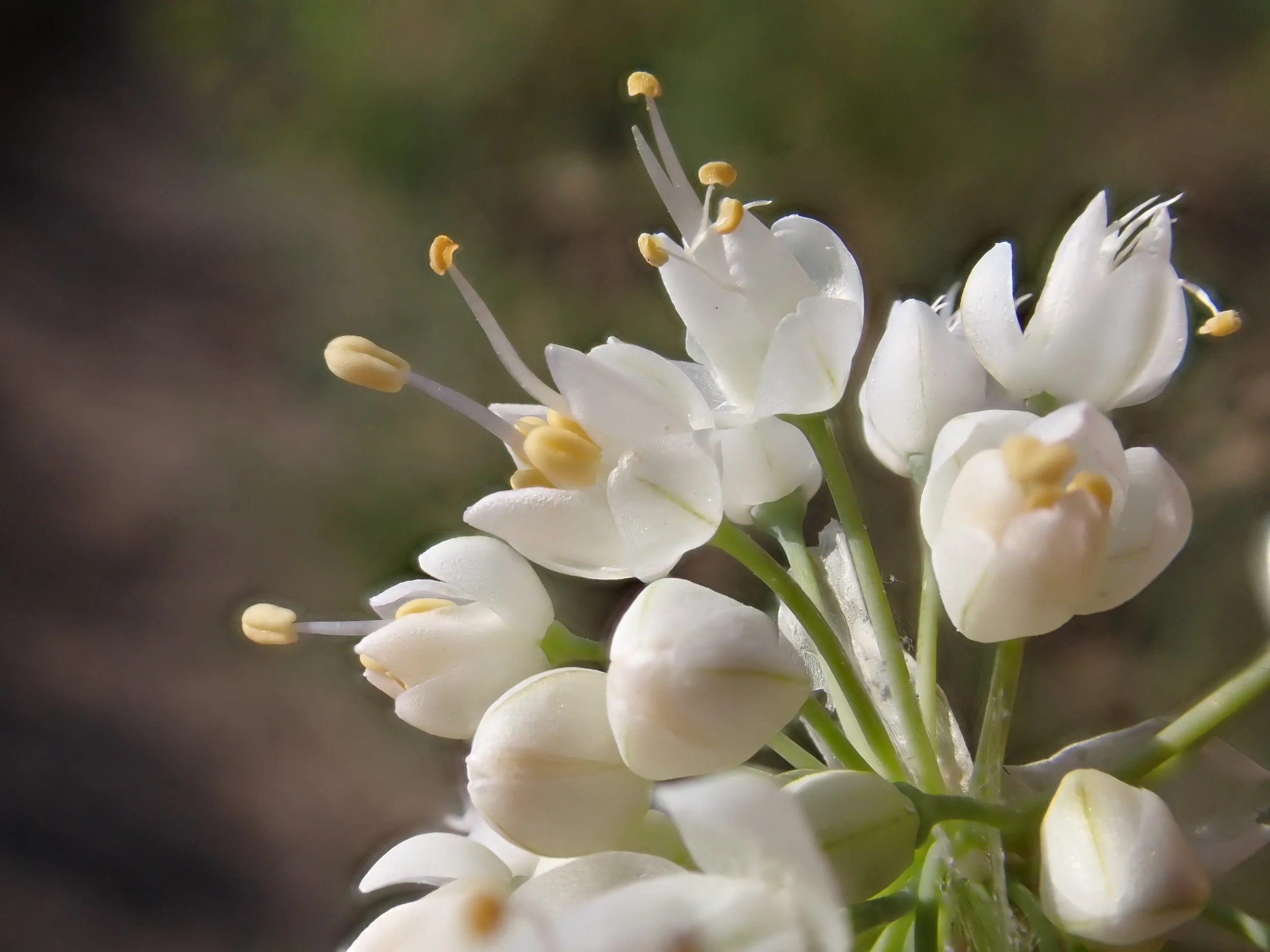 Image 2 of 4
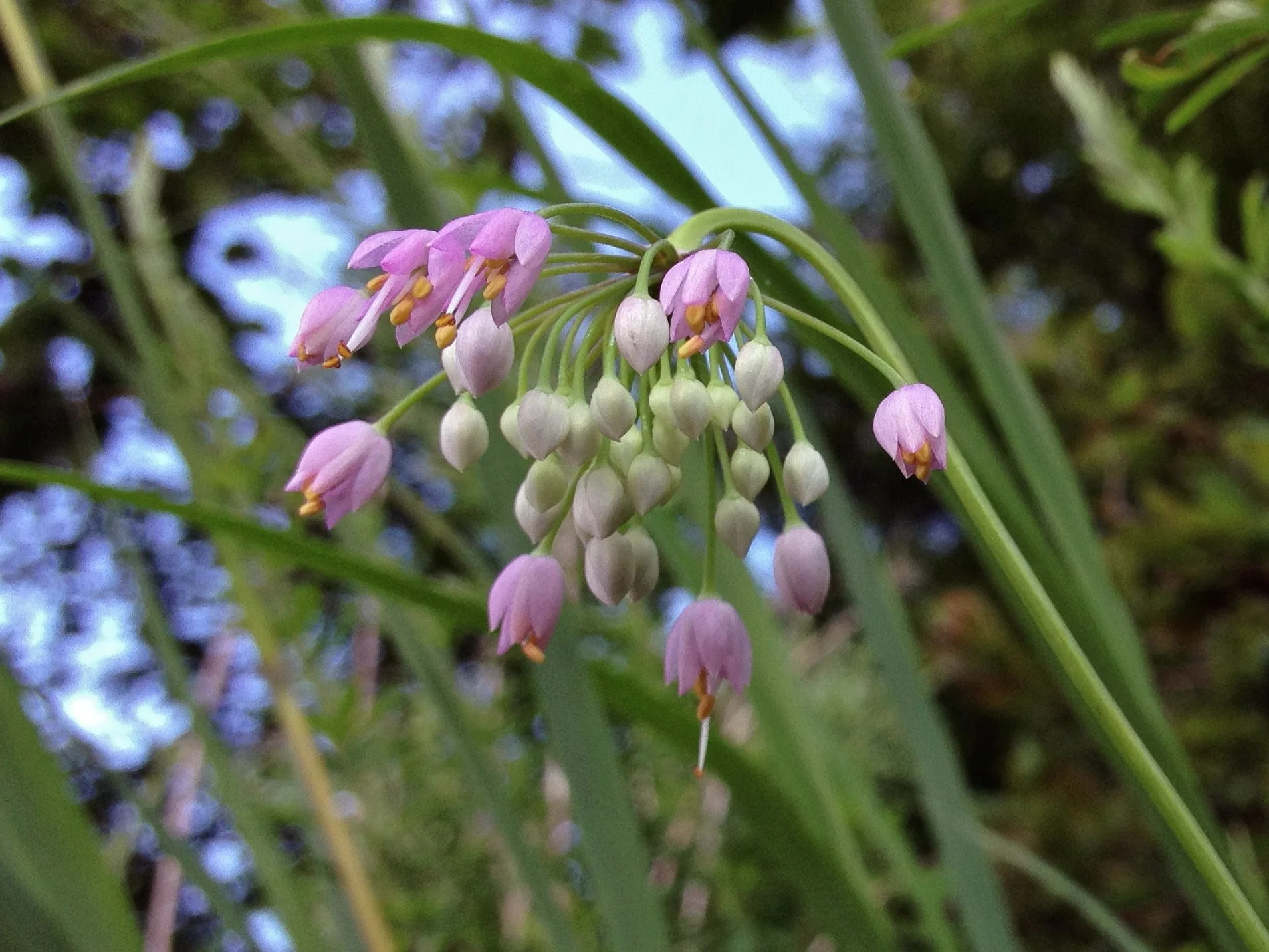 Image 3 of 4
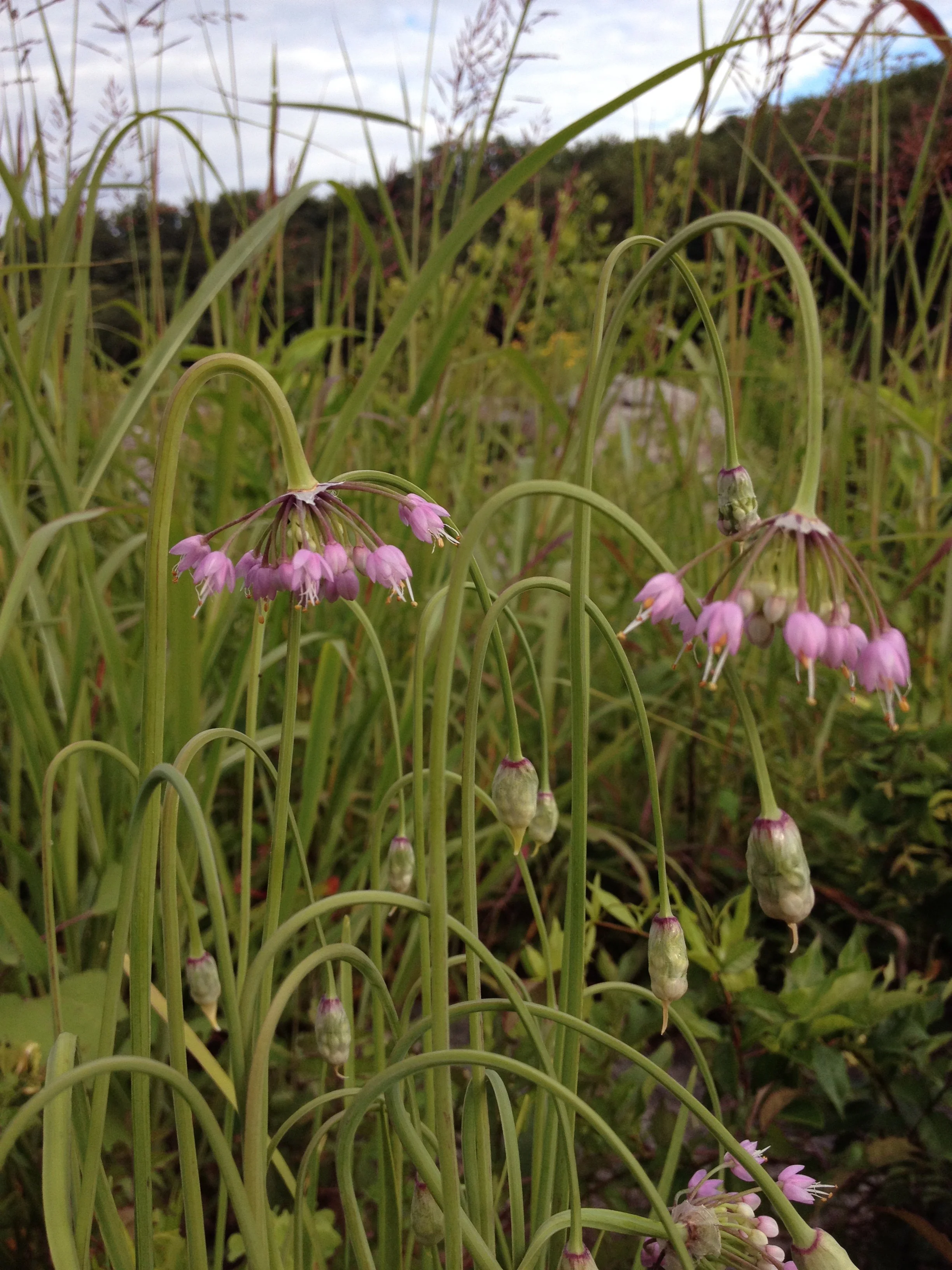 Image 4 of 4
Individual Quart Sized Potted Plant
A graceful native perennial, Nodding Wild Onion adds both charm and resilience to the summer landscape. Its slender, arching stems bow gently under clusters of pale pink to lavender bell-shaped flowers, creating a distinctive nodding form that sways softly in the breeze. Beneath the blooms, narrow, grasslike leaves emit a light onion fragrance when brushed—an unmistakable signature of this hardy wildflower.
Thriving across the Great Lakes region and well-suited to Northern Michigan (Zone 5a), Nodding Wild Onion flourishes in full sun and well-drained, sandy to rocky soils. It naturally occurs in open woodlands, prairies, and dry slopes, where it forms tidy clumps that return reliably year after year. Drought-tolerant and adaptable, it is an excellent choice for pollinator gardens, rock gardens, and restoration plantings.
Ecologically, its nectar-rich flowers are a favorite of native bees, butterflies, and hummingbirds, providing mid- to late-summer forage when other blooms wane. Its bulbs are unpalatable to deer and rabbits, lending natural pest resistance without the need for chemicals.
Identification / Key Features: Slender, arching stems bearing nodding umbels of pink-lavender flowers; narrow, grasslike foliage with mild onion scent; bulbous base.
Bloom Time: July-August
Mature Height / Size: 12–18 inches.
Growth Rate: Moderate; clump-forming habit.
Light / Soil / Site Preferences: Full sun to light shade; prefers dry to medium, well-drained soils.
Wildlife Value / Ecological Role: Excellent nectar source for pollinators; resistant to deer and rabbits.
Uses / Economic / Cultural: Attractive ornamental for naturalized plantings, rock gardens, and pollinator borders; edible bulbs and leaves once used by Indigenous peoples for seasoning.
Individual Quart Sized Potted Plant
A graceful native perennial, Nodding Wild Onion adds both charm and resilience to the summer landscape. Its slender, arching stems bow gently under clusters of pale pink to lavender bell-shaped flowers, creating a distinctive nodding form that sways softly in the breeze. Beneath the blooms, narrow, grasslike leaves emit a light onion fragrance when brushed—an unmistakable signature of this hardy wildflower.
Thriving across the Great Lakes region and well-suited to Northern Michigan (Zone 5a), Nodding Wild Onion flourishes in full sun and well-drained, sandy to rocky soils. It naturally occurs in open woodlands, prairies, and dry slopes, where it forms tidy clumps that return reliably year after year. Drought-tolerant and adaptable, it is an excellent choice for pollinator gardens, rock gardens, and restoration plantings.
Ecologically, its nectar-rich flowers are a favorite of native bees, butterflies, and hummingbirds, providing mid- to late-summer forage when other blooms wane. Its bulbs are unpalatable to deer and rabbits, lending natural pest resistance without the need for chemicals.
Identification / Key Features: Slender, arching stems bearing nodding umbels of pink-lavender flowers; narrow, grasslike foliage with mild onion scent; bulbous base.
Bloom Time: July-August
Mature Height / Size: 12–18 inches.
Growth Rate: Moderate; clump-forming habit.
Light / Soil / Site Preferences: Full sun to light shade; prefers dry to medium, well-drained soils.
Wildlife Value / Ecological Role: Excellent nectar source for pollinators; resistant to deer and rabbits.
Uses / Economic / Cultural: Attractive ornamental for naturalized plantings, rock gardens, and pollinator borders; edible bulbs and leaves once used by Indigenous peoples for seasoning.