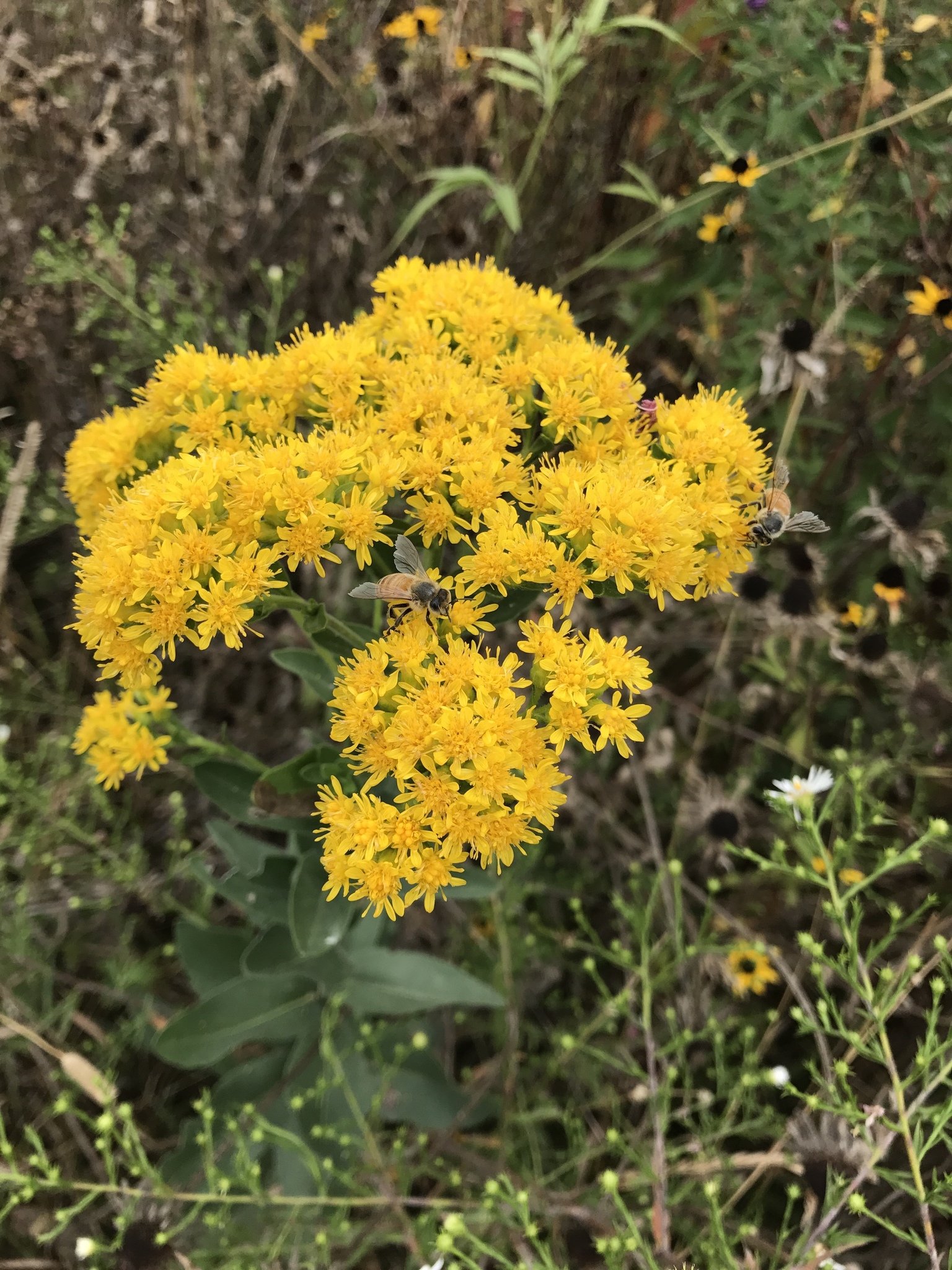
Individual Quart Sized Potted Plants
Radiant and long-blooming, Showy Coneflower brings enduring color and vitality to late-summer gardens. Its golden-orange petals encircle a rich, dark-brown central cone, forming cheerful blooms that light up meadows and borders from midsummer into fall. Beyond its striking beauty, this hardy perennial exemplifies the resilience of native prairie flora—thriving through heat, humidity, and poor soils with unfaltering vigor.
Native to the eastern and central United States, this species thrives in full sun and moderately moist, well-drained soils, making it a natural fit for Michigan’s open fields, roadsides, and rain gardens. Once established, it spreads steadily by rhizomes, forming lush colonies that provide reliable structure and color year after year.
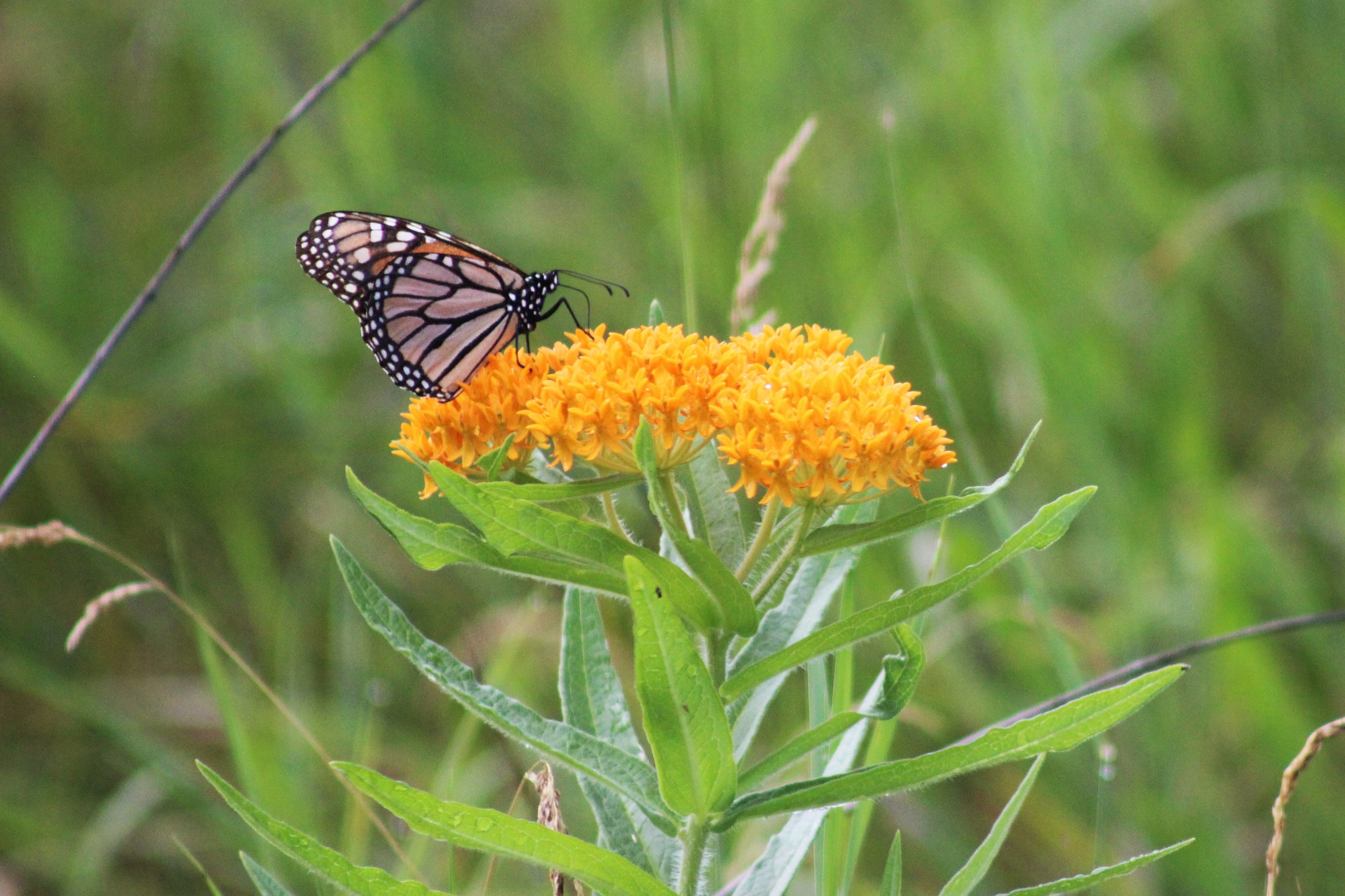
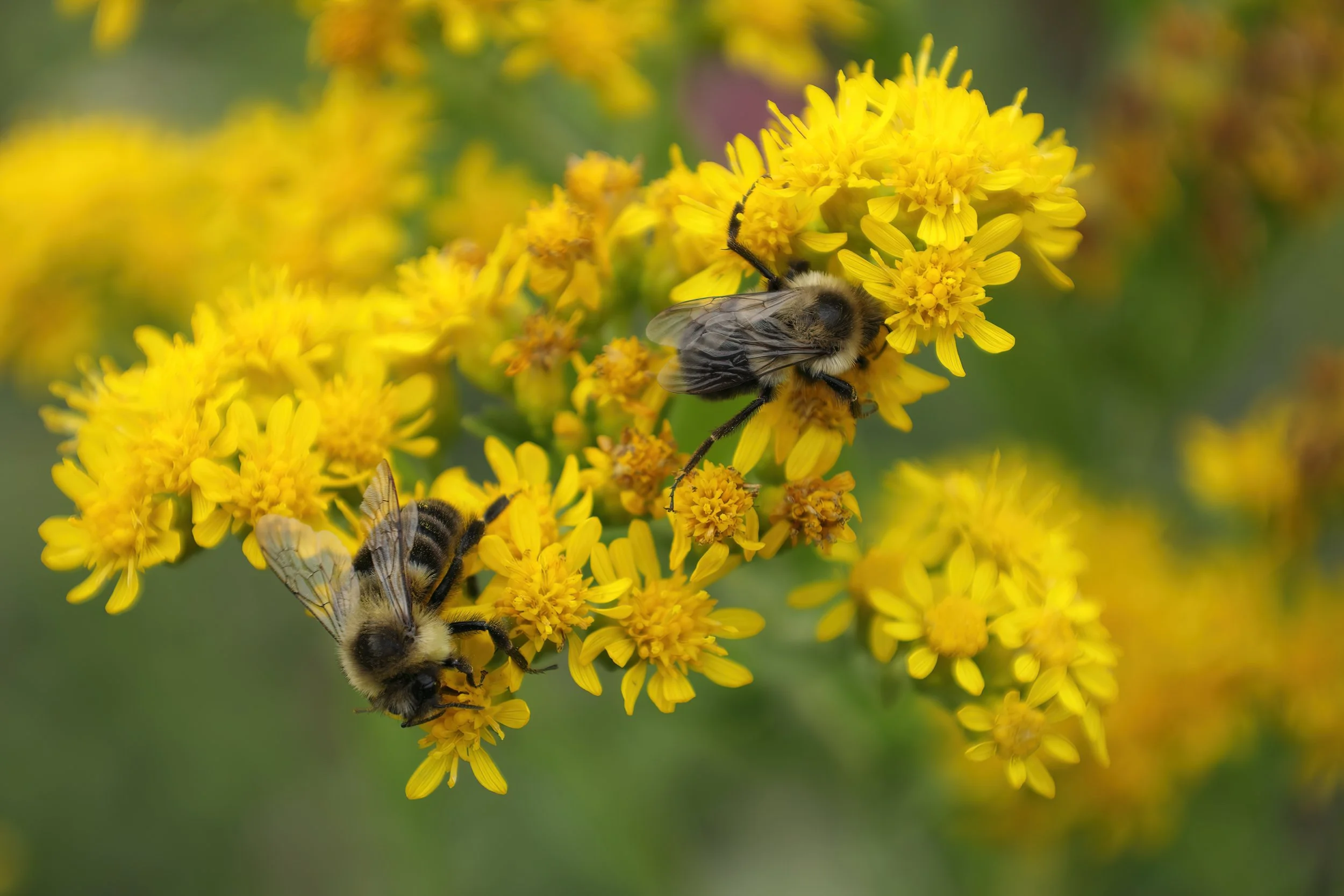
Ecologically, Showy Coneflower is a powerhouse pollinator plant, drawing in bees, butterflies, and beneficial insects. In fall and winter, its seedheads persist as a valuable food source for finches and other seed-eating birds. Its sturdy stems and dense foliage also offer shelter for overwintering insects and small wildlife.
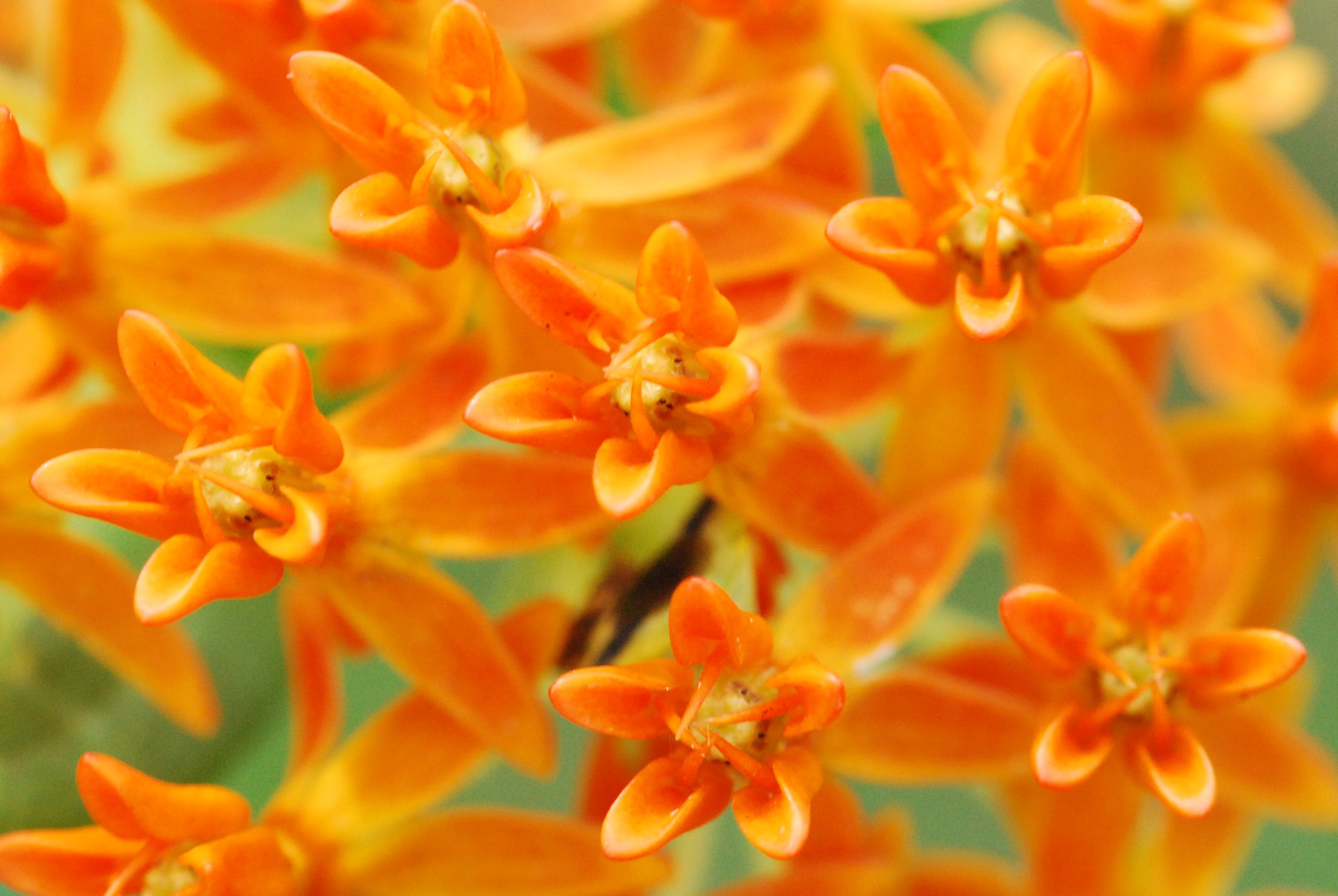
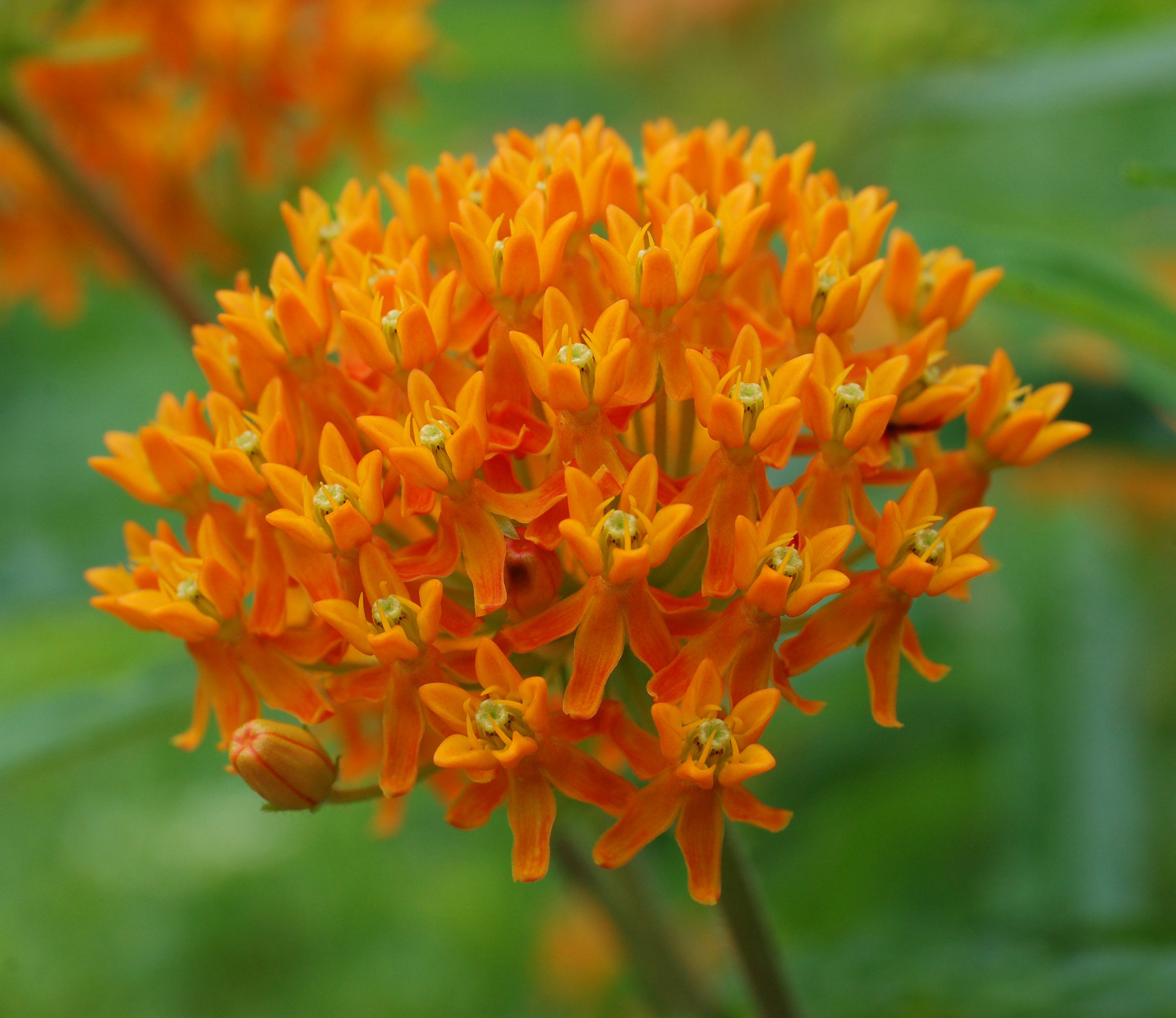
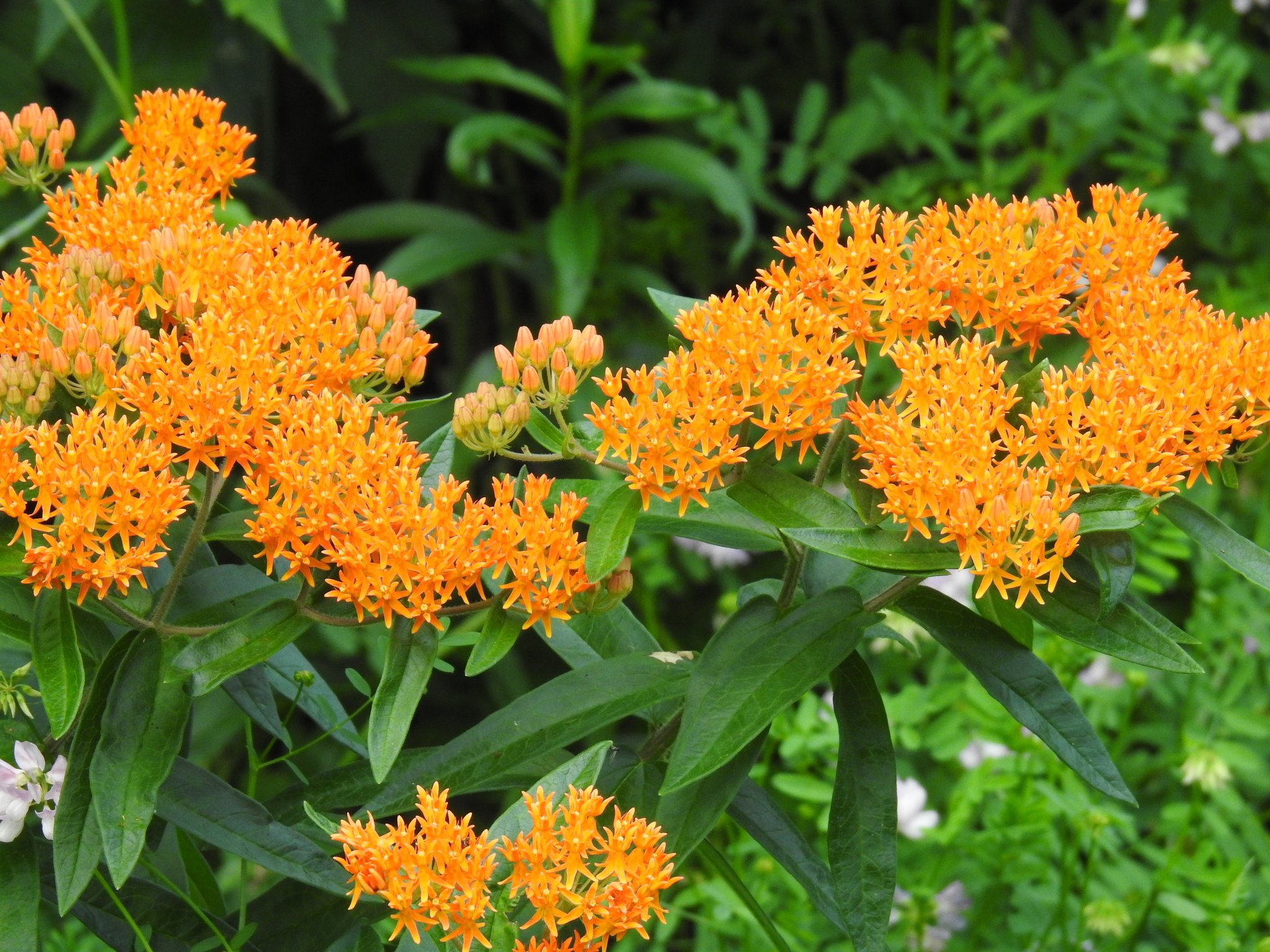
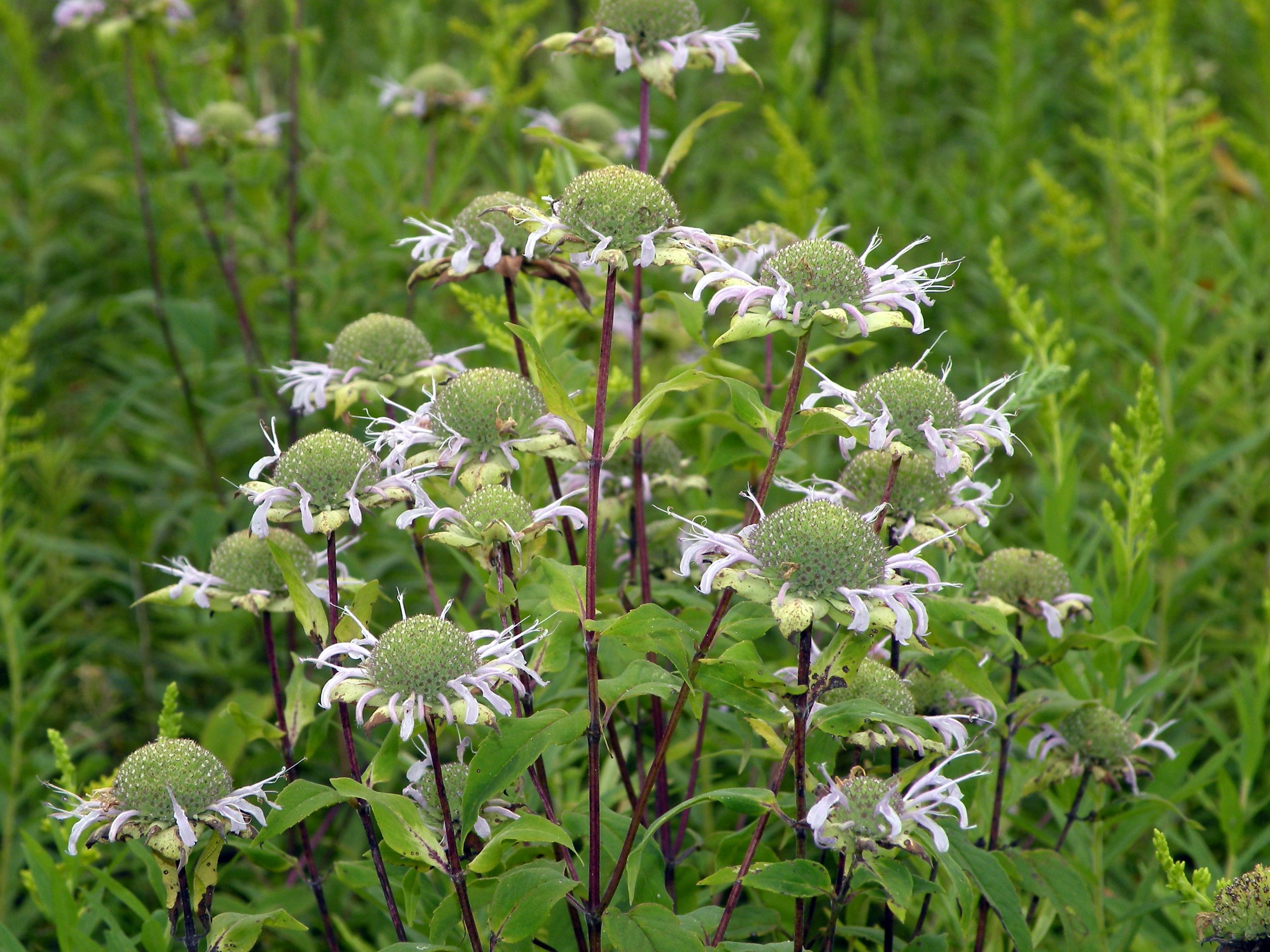
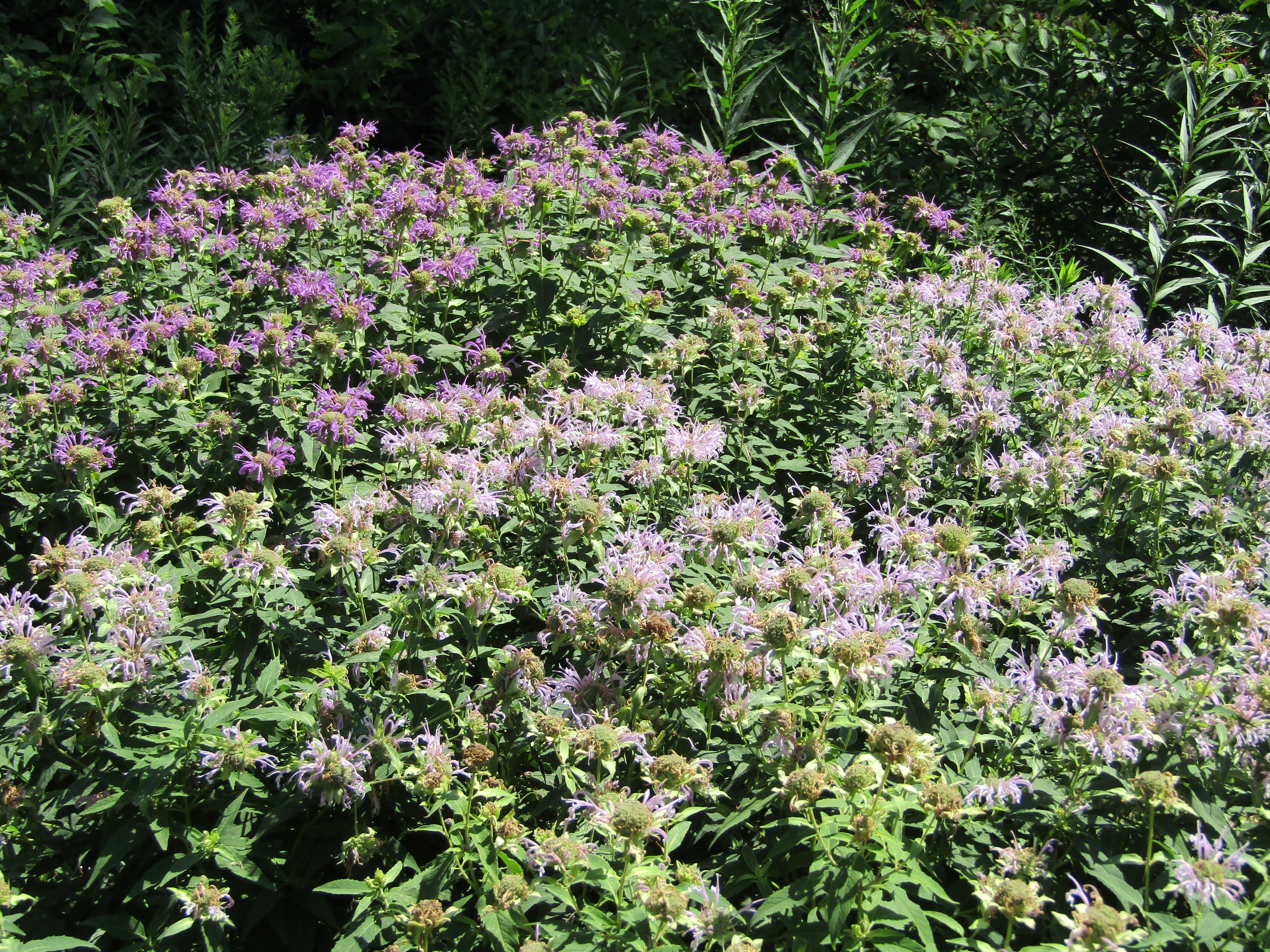
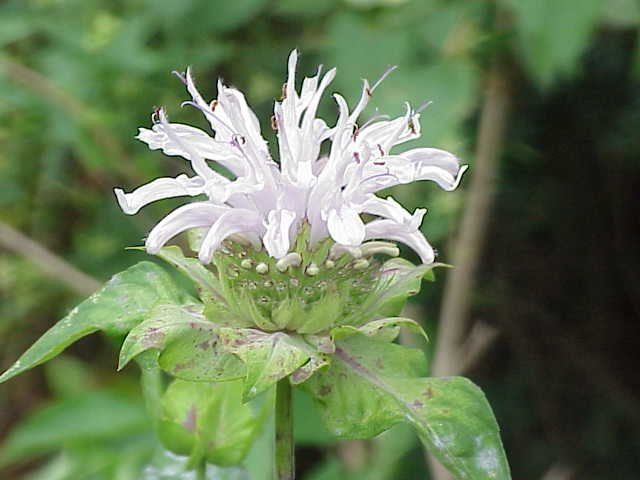
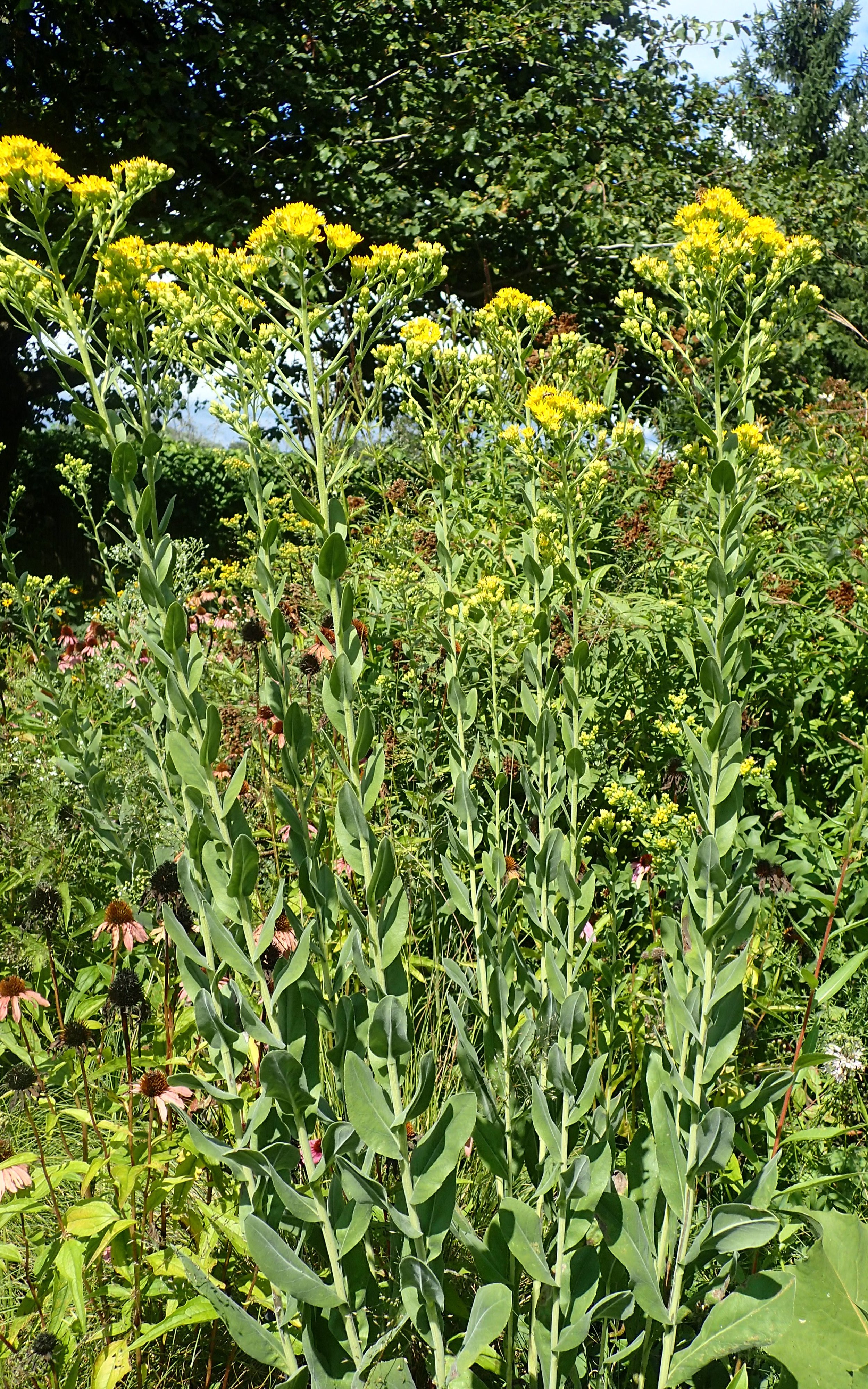
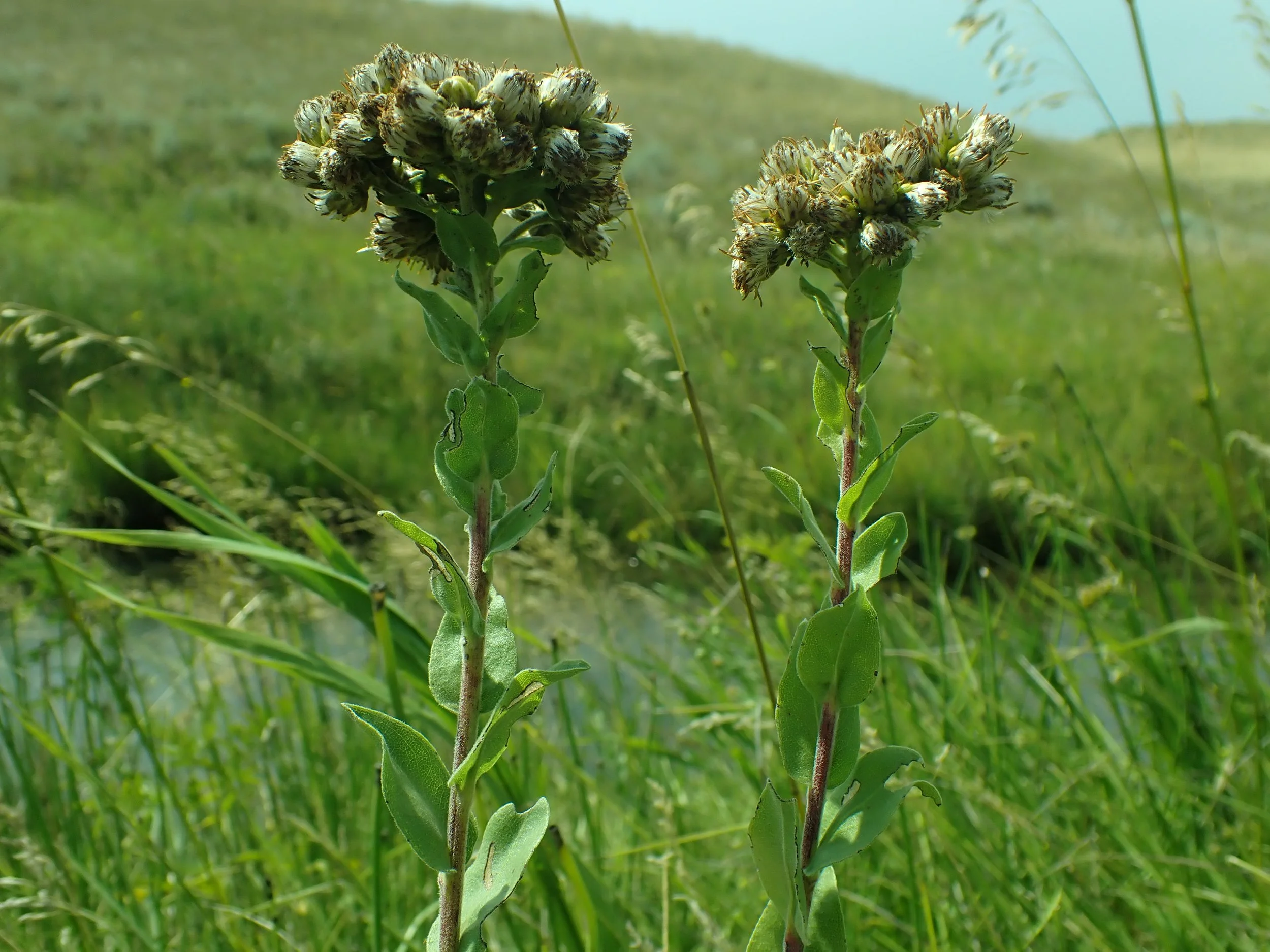
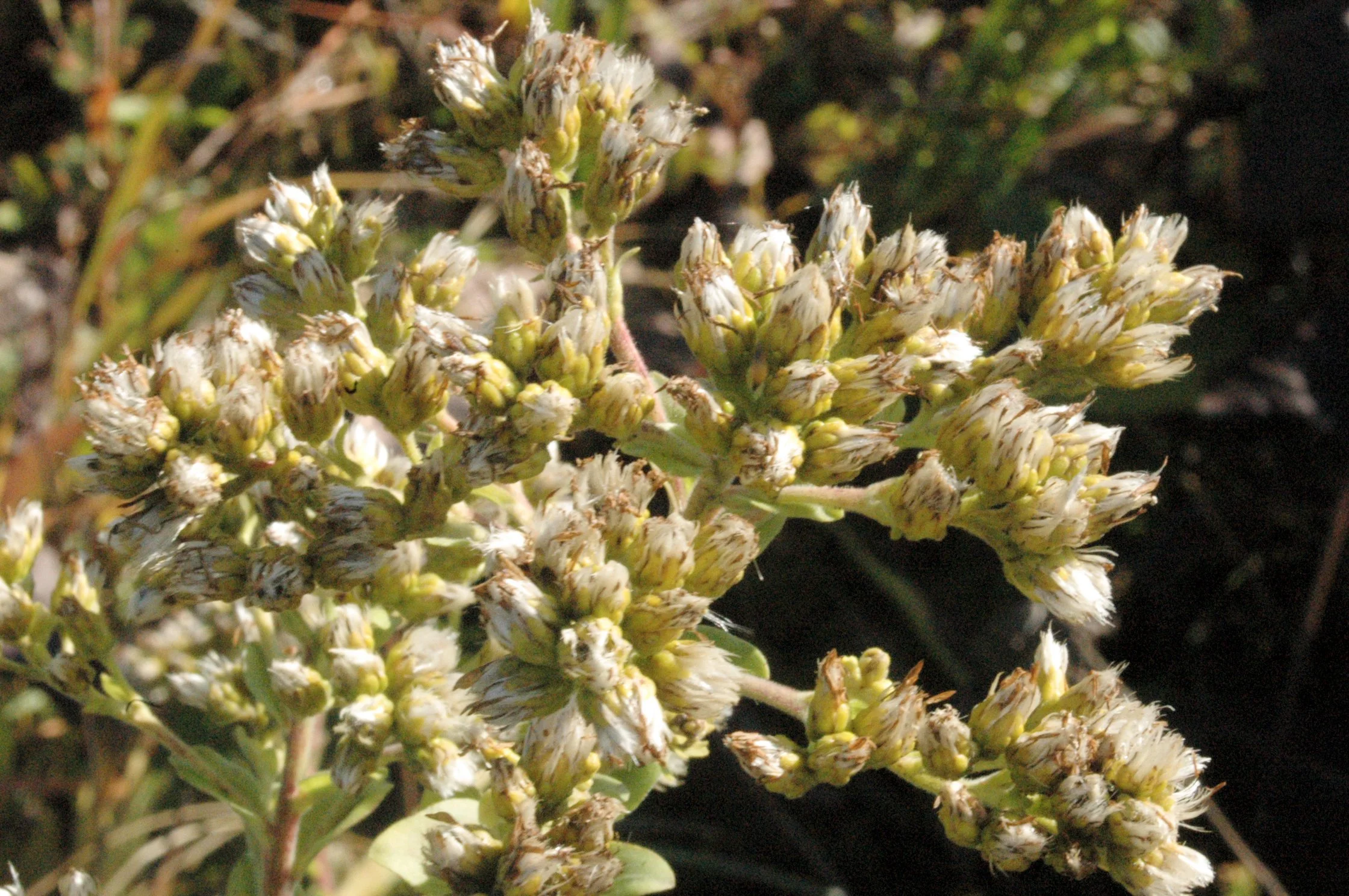
Identification / Key Features: Bright golden-orange ray florets surrounding a dark central disk; rough-textured, lance-shaped leaves; upright, clumping habit.
Bloom Time: July-September
Mature Height / Size: 2–3 feet tall; spreads by rhizomes.
Growth Rate: Moderate to fast.
Light / Soil / Site Preferences: Full sun; adaptable to clay, loam, or sandy soils; tolerates drought once established.
Wildlife Value / Ecological Role: Excellent nectar and pollen plant; seeds sustain songbirds in winter.
Uses / Economic / Cultural: Popular for native gardens, naturalized meadows, and cut flower arrangements; symbol of lasting summer vitality.
Individual Quart Sized Potted Plants
Radiant and long-blooming, Showy Coneflower brings enduring color and vitality to late-summer gardens. Its golden-orange petals encircle a rich, dark-brown central cone, forming cheerful blooms that light up meadows and borders from midsummer into fall. Beyond its striking beauty, this hardy perennial exemplifies the resilience of native prairie flora—thriving through heat, humidity, and poor soils with unfaltering vigor.
Native to the eastern and central United States, this species thrives in full sun and moderately moist, well-drained soils, making it a natural fit for Michigan’s open fields, roadsides, and rain gardens. Once established, it spreads steadily by rhizomes, forming lush colonies that provide reliable structure and color year after year.
Ecologically, Showy Coneflower is a powerhouse pollinator plant, drawing in bees, butterflies, and beneficial insects. In fall and winter, its seedheads persist as a valuable food source for finches and other seed-eating birds. Its sturdy stems and dense foliage also offer shelter for overwintering insects and small wildlife.
Identification / Key Features: Bright golden-orange ray florets surrounding a dark central disk; rough-textured, lance-shaped leaves; upright, clumping habit.
Bloom Time: July-September
Mature Height / Size: 2–3 feet tall; spreads by rhizomes.
Growth Rate: Moderate to fast.
Light / Soil / Site Preferences: Full sun; adaptable to clay, loam, or sandy soils; tolerates drought once established.
Wildlife Value / Ecological Role: Excellent nectar and pollen plant; seeds sustain songbirds in winter.
Uses / Economic / Cultural: Popular for native gardens, naturalized meadows, and cut flower arrangements; symbol of lasting summer vitality.

 Image 1 of 7
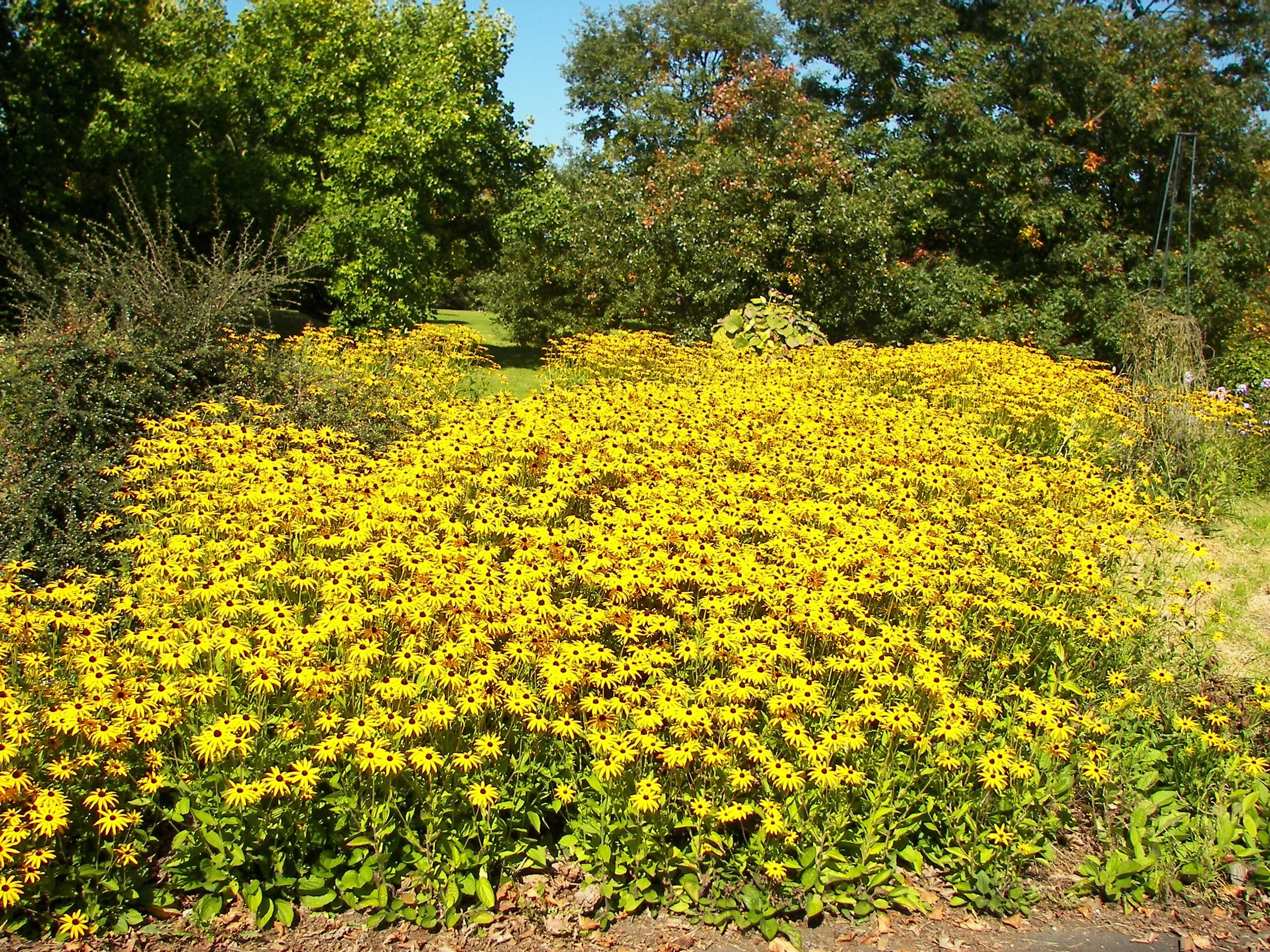 Image 2 of 7
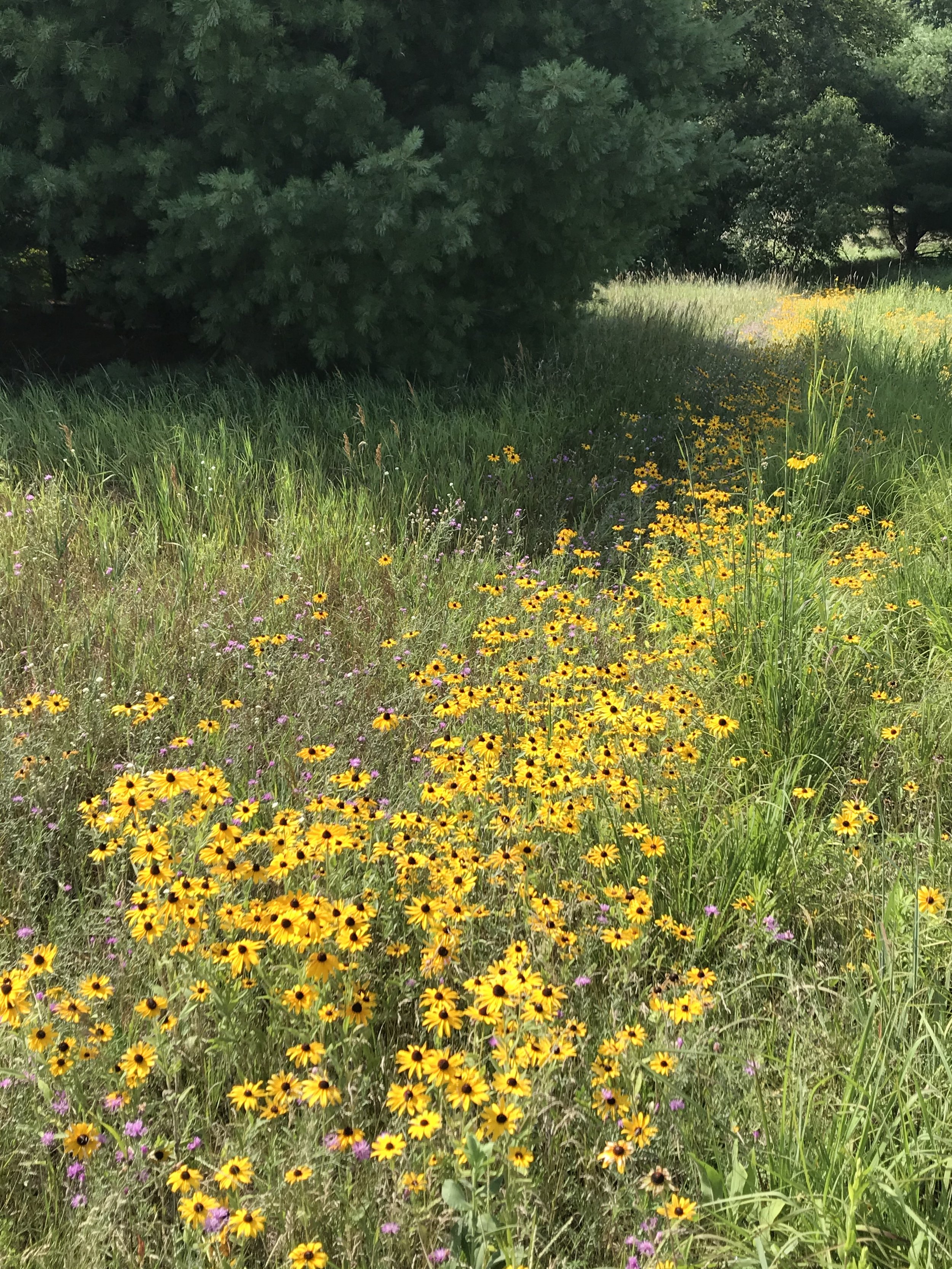 Image 3 of 7
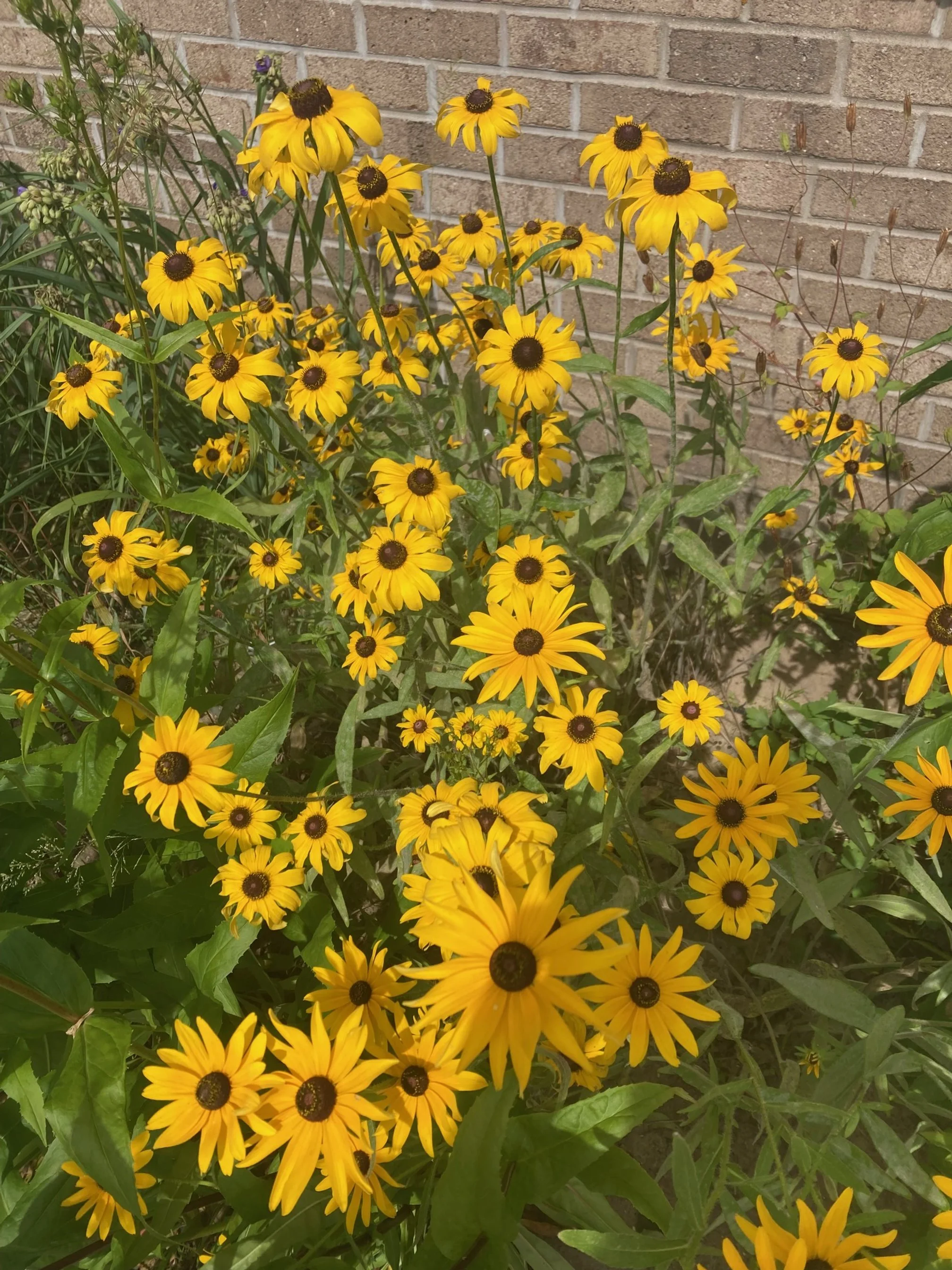 Image 4 of 7
 Image 5 of 7
 Image 6 of 7
 Image 7 of 7