 Image 1 of 4
 Image 2 of 4
 Image 3 of 4
 Image 4 of 4
Individual Quart Sized Potted Plant
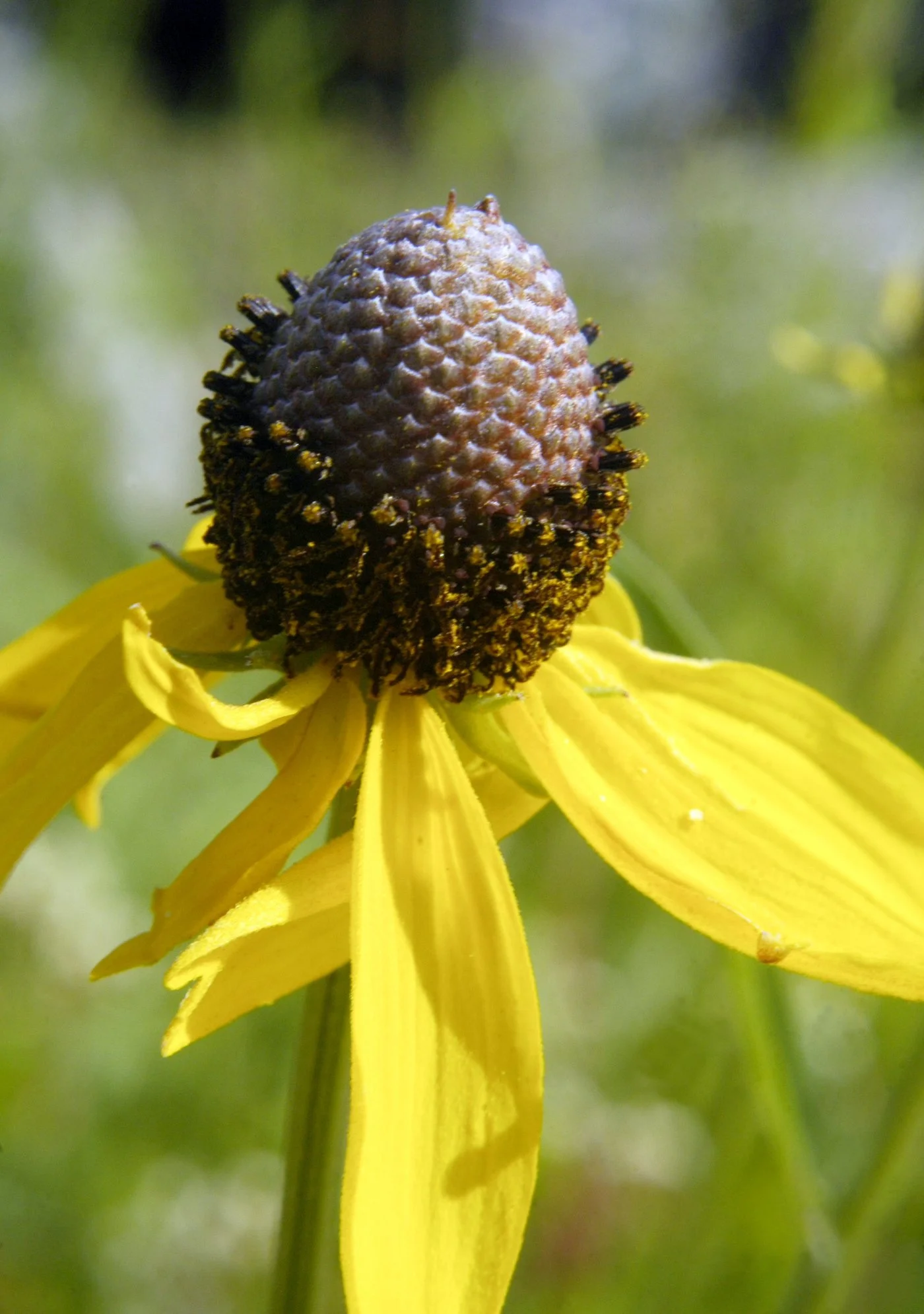
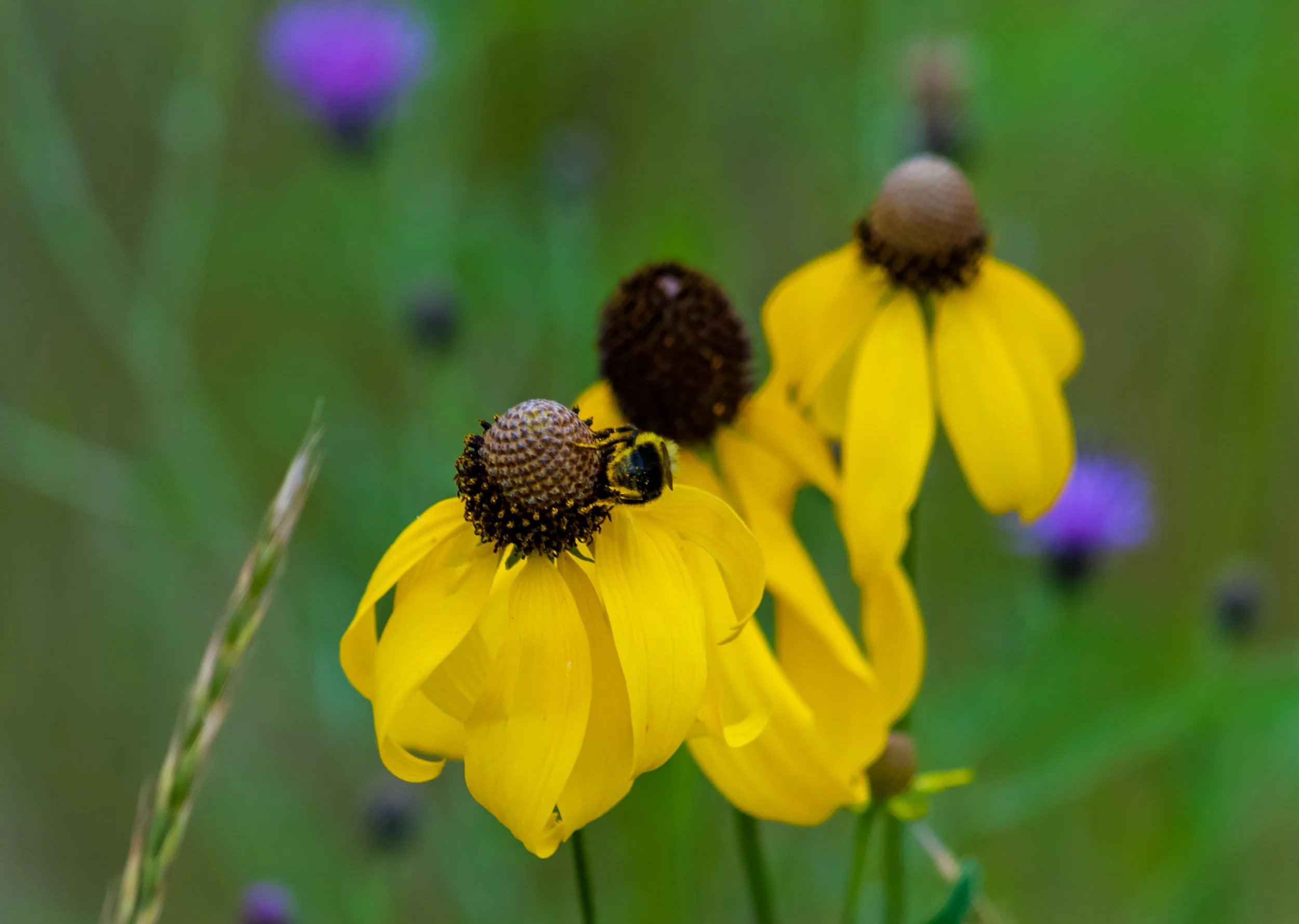
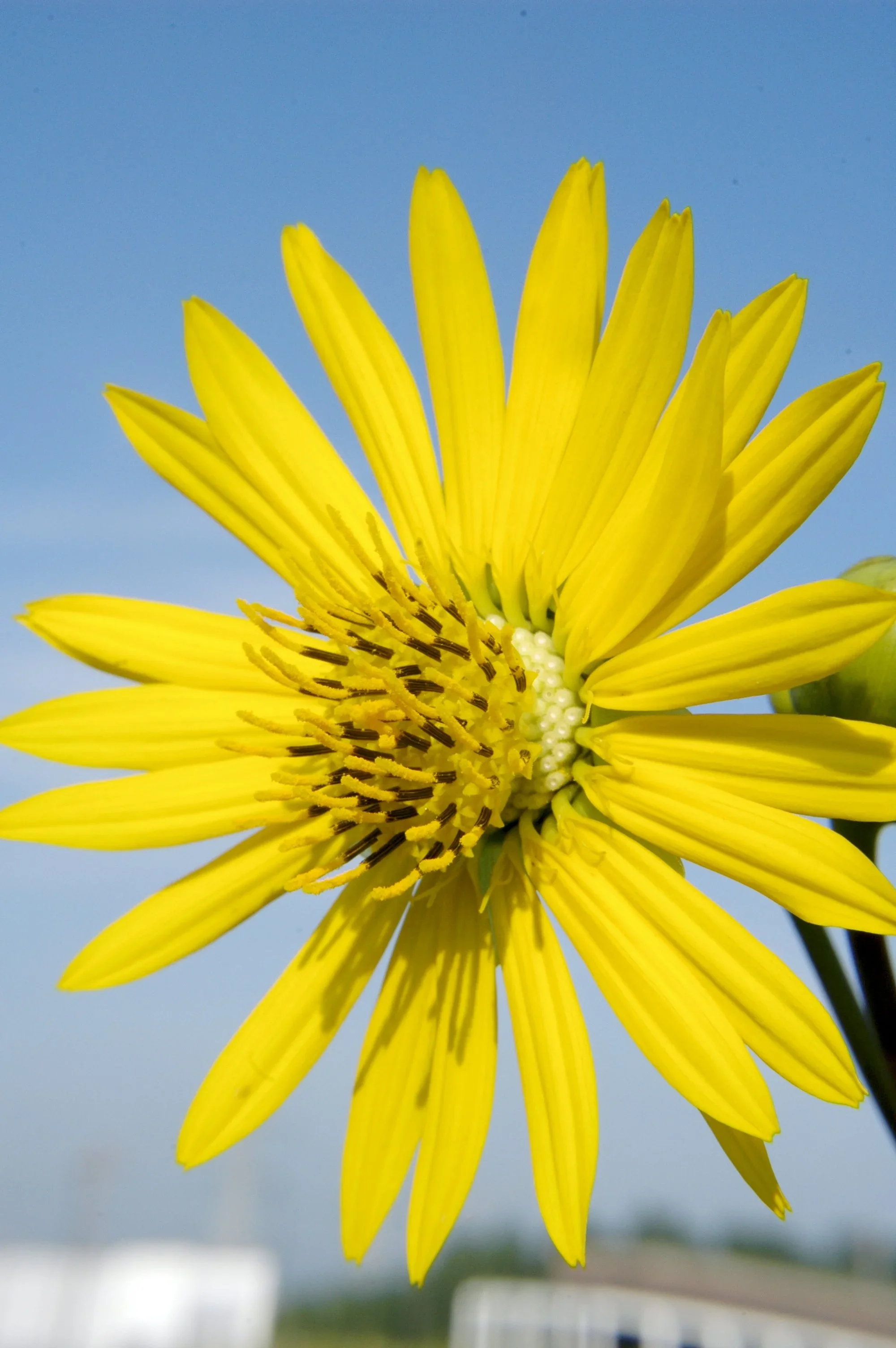
Towering and architectural, Prairie Dock is a bold statement in any native landscape. Its immense, leathery basal leaves—among the largest of any prairie plant—form a broad, sculptural base from which tall, leafless stems rise to display clusters of bright yellow daisy-like blooms in mid- to late summer. This striking contrast of massive foliage and airy flower stalks gives Prairie Dock a commanding presence reminiscent of the tallgrass prairie itself.
Thriving in full sun and deep, well-drained soils, Prairie Dock is well-suited to Michigan’s upland sites, meadows, and restoration plantings. Its deep taproot enables it to withstand drought and anchor soil effectively, making it both beautiful and practical for erosion control.
Ecologically, its long-lasting blooms attract bees, butterflies, and pollinators, while birds feed on its seeds through fall. The sturdy stems persist into winter, providing structure and habitat for insects.
Identification / Key Features: Huge, heart-shaped basal leaves; tall, unbranched stalks up to 10 feet; yellow composite flowers in summer.
Bloom Time: July-September
Mature Height / Size: 6–10 feet.
Growth Rate: Moderate to slow; long-lived.
Light / Soil / Site Preferences: Full sun; deep, loamy to clay soils; drought-tolerant.
Wildlife Value / Ecological Role: Nectar source for pollinators; seeds eaten by songbirds; deep roots improve soil structure.
Uses / Economic / Cultural: Dramatic accent for prairie gardens; valued in restoration and erosion control plantings.
Individual Quart Sized Potted Plant
Towering and architectural, Prairie Dock is a bold statement in any native landscape. Its immense, leathery basal leaves—among the largest of any prairie plant—form a broad, sculptural base from which tall, leafless stems rise to display clusters of bright yellow daisy-like blooms in mid- to late summer. This striking contrast of massive foliage and airy flower stalks gives Prairie Dock a commanding presence reminiscent of the tallgrass prairie itself.
Thriving in full sun and deep, well-drained soils, Prairie Dock is well-suited to Michigan’s upland sites, meadows, and restoration plantings. Its deep taproot enables it to withstand drought and anchor soil effectively, making it both beautiful and practical for erosion control.
Ecologically, its long-lasting blooms attract bees, butterflies, and pollinators, while birds feed on its seeds through fall. The sturdy stems persist into winter, providing structure and habitat for insects.
Identification / Key Features: Huge, heart-shaped basal leaves; tall, unbranched stalks up to 10 feet; yellow composite flowers in summer.
Bloom Time: July-September
Mature Height / Size: 6–10 feet.
Growth Rate: Moderate to slow; long-lived.
Light / Soil / Site Preferences: Full sun; deep, loamy to clay soils; drought-tolerant.
Wildlife Value / Ecological Role: Nectar source for pollinators; seeds eaten by songbirds; deep roots improve soil structure.
Uses / Economic / Cultural: Dramatic accent for prairie gardens; valued in restoration and erosion control plantings.