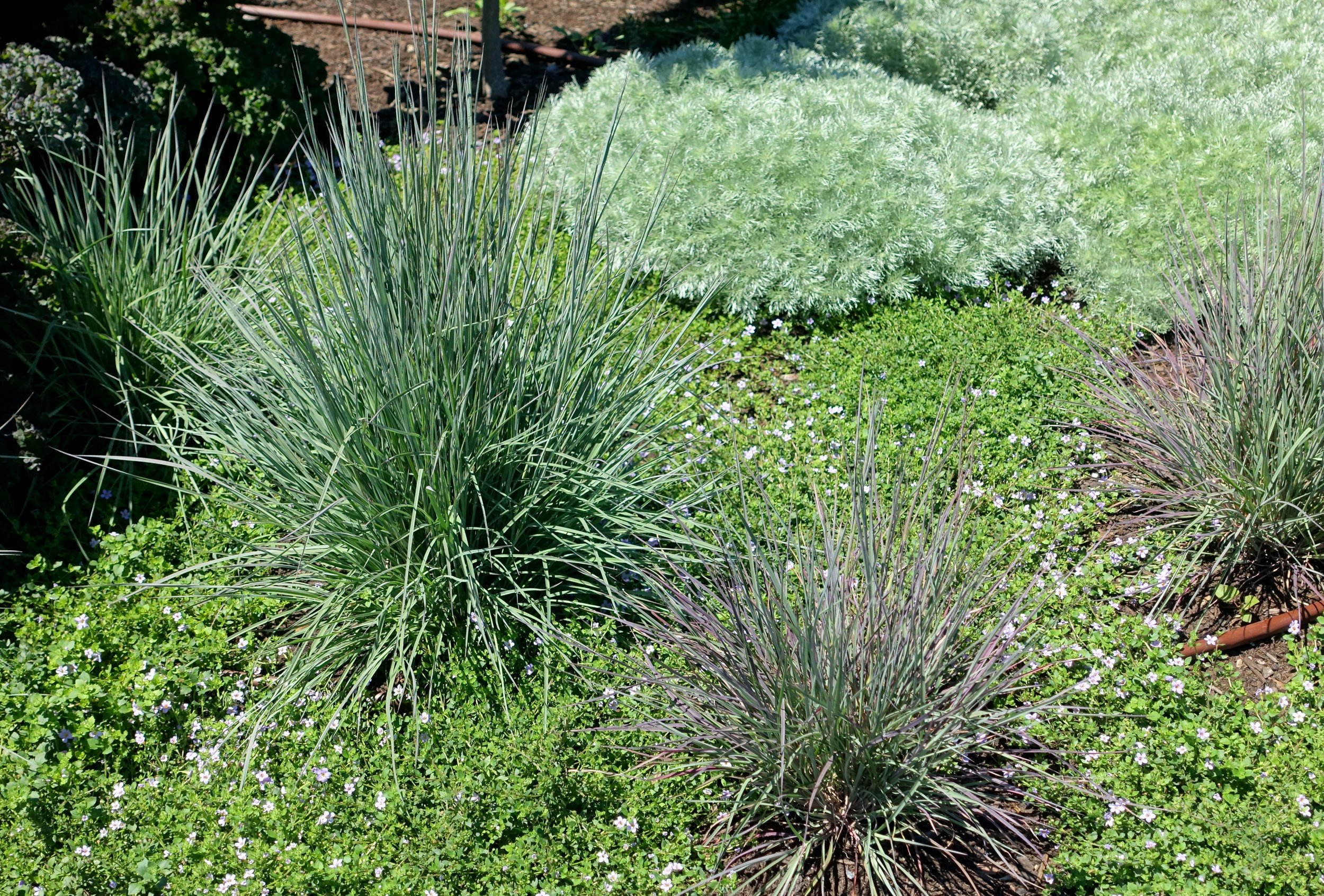
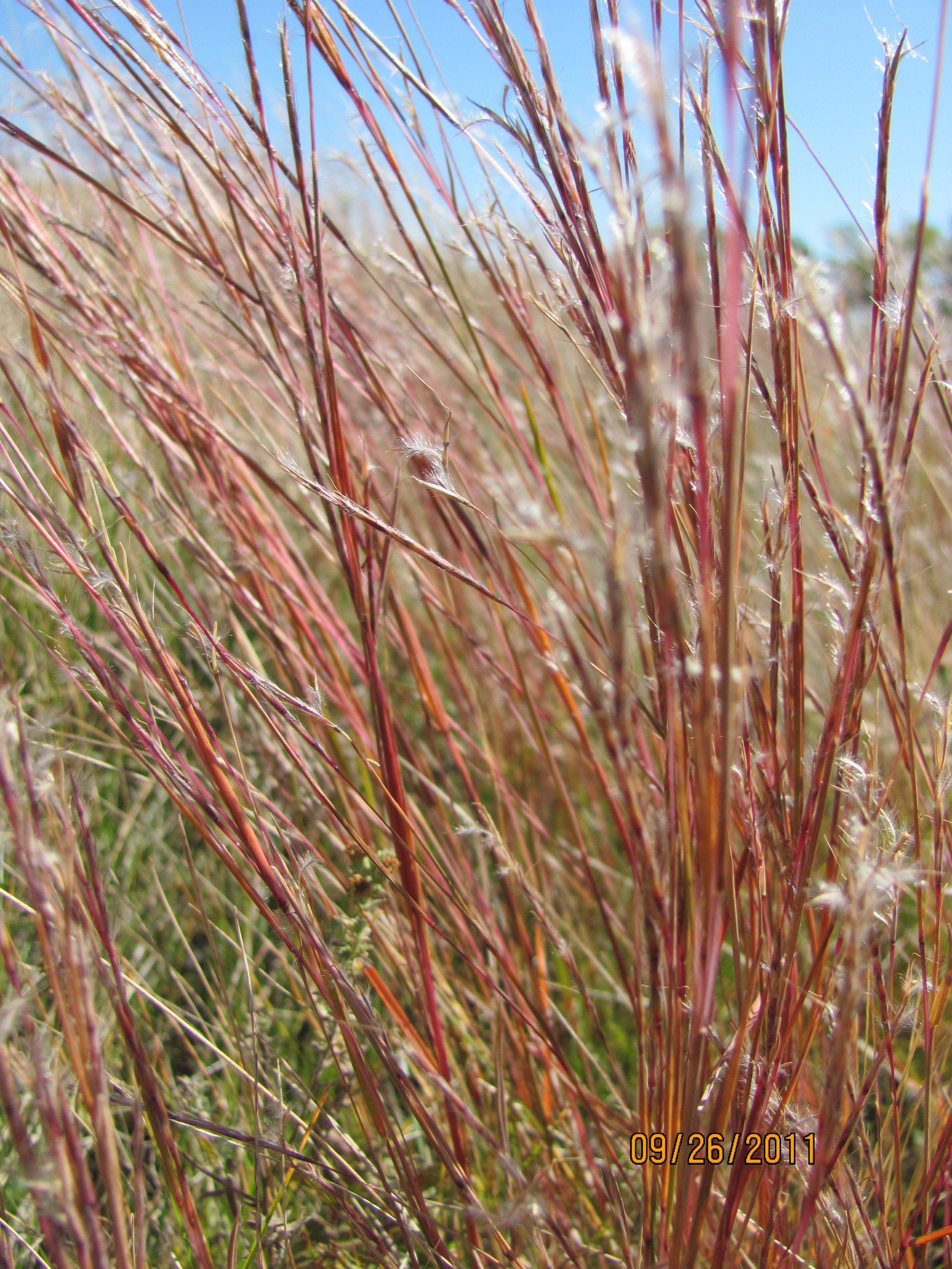
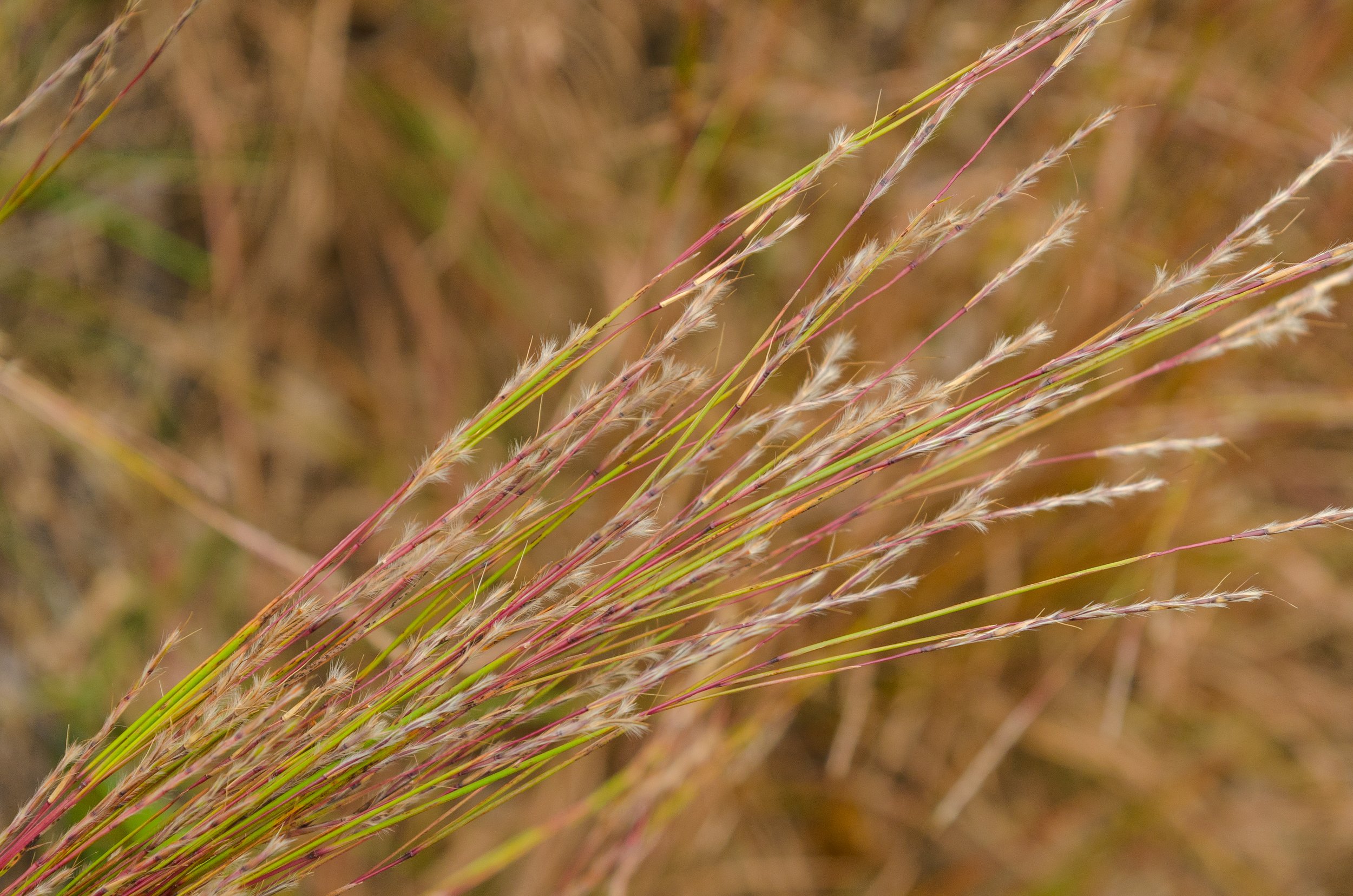
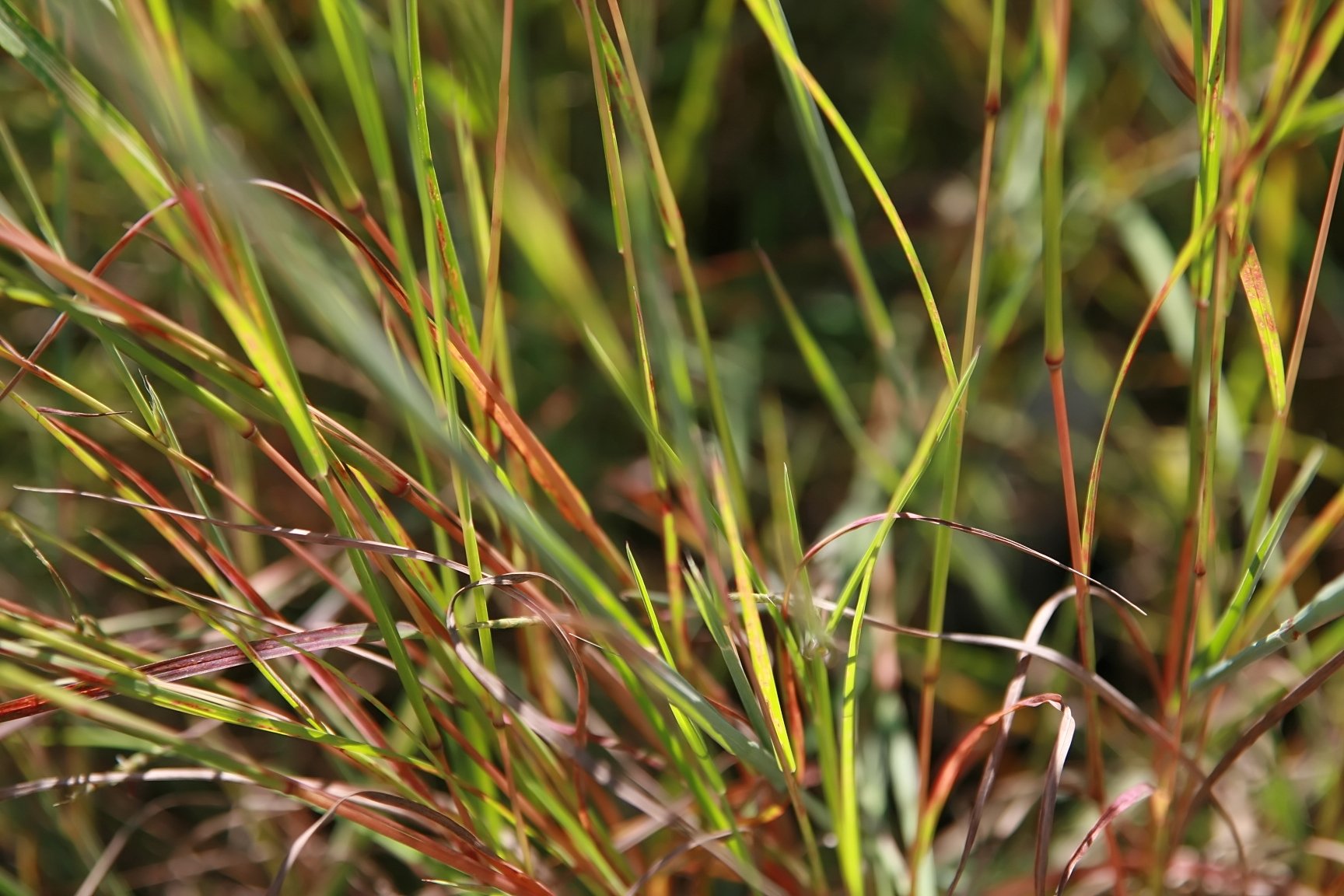
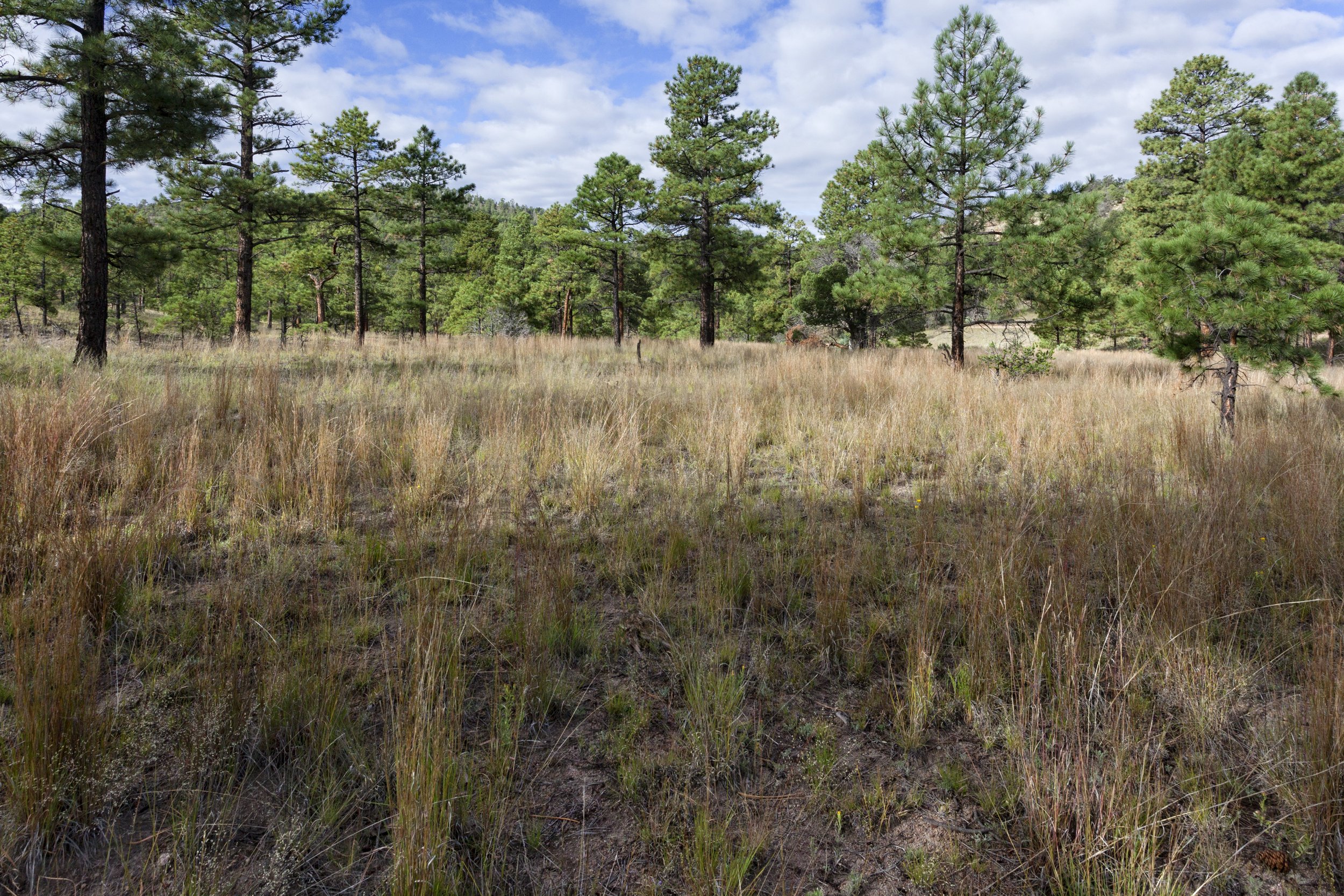
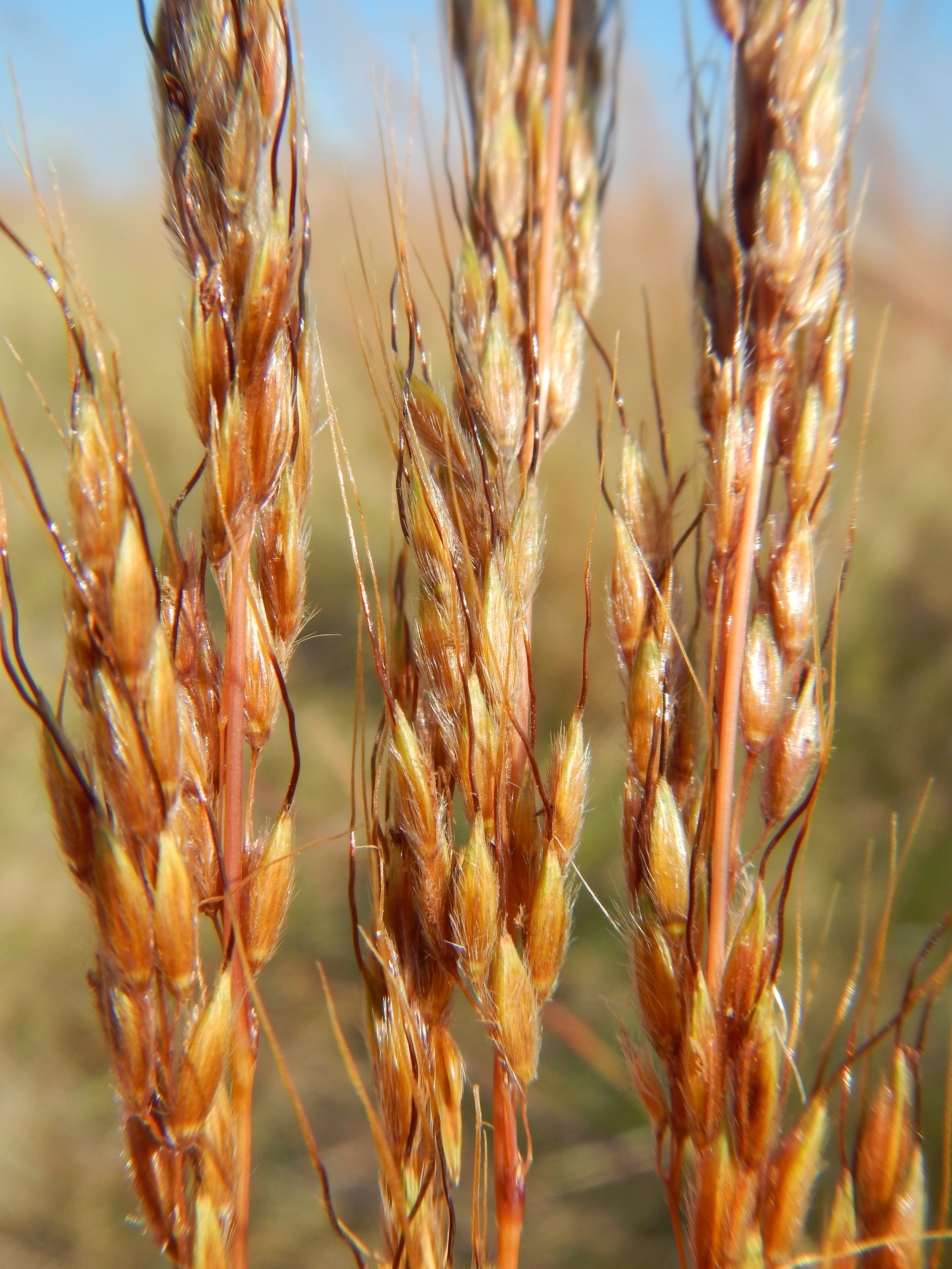
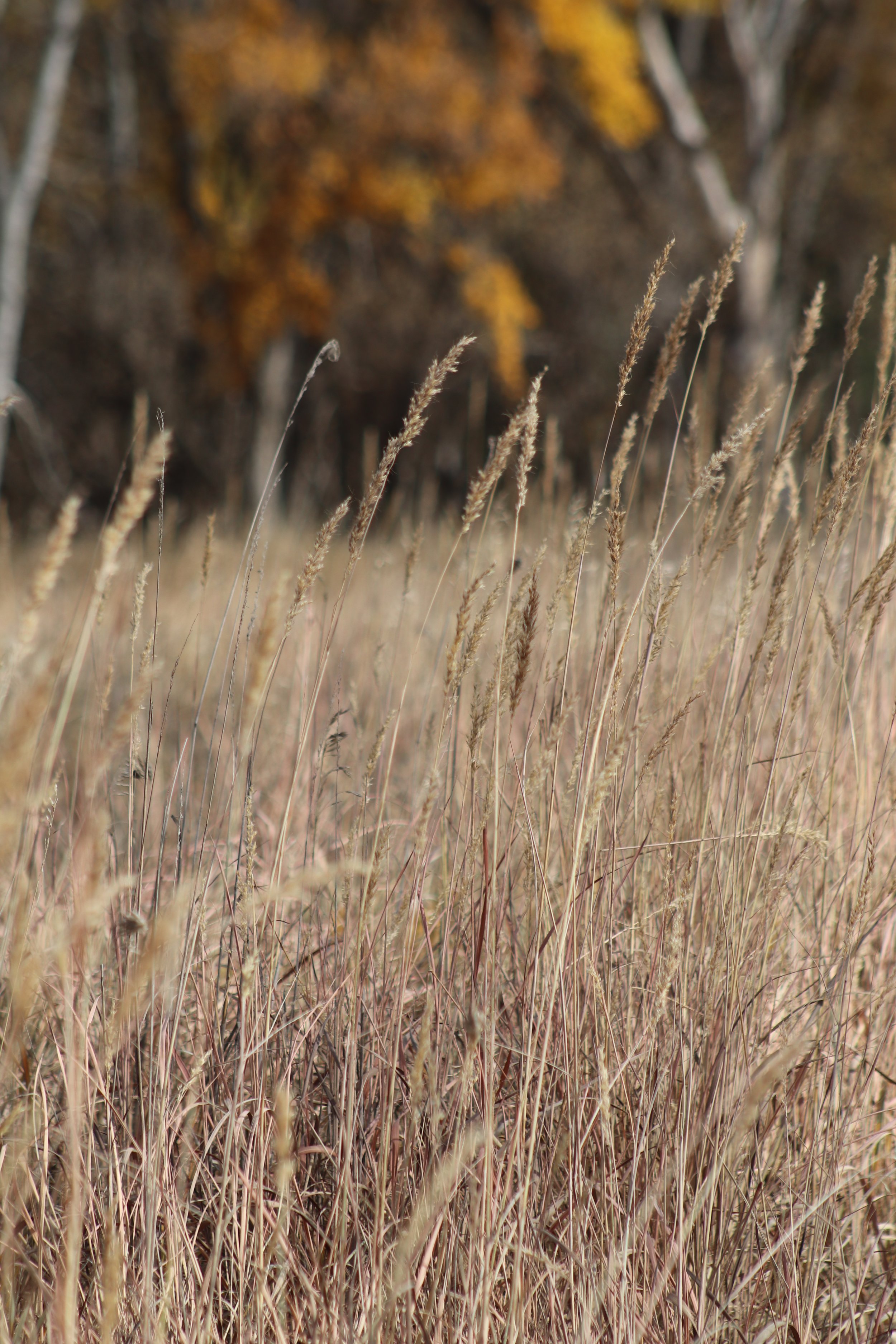
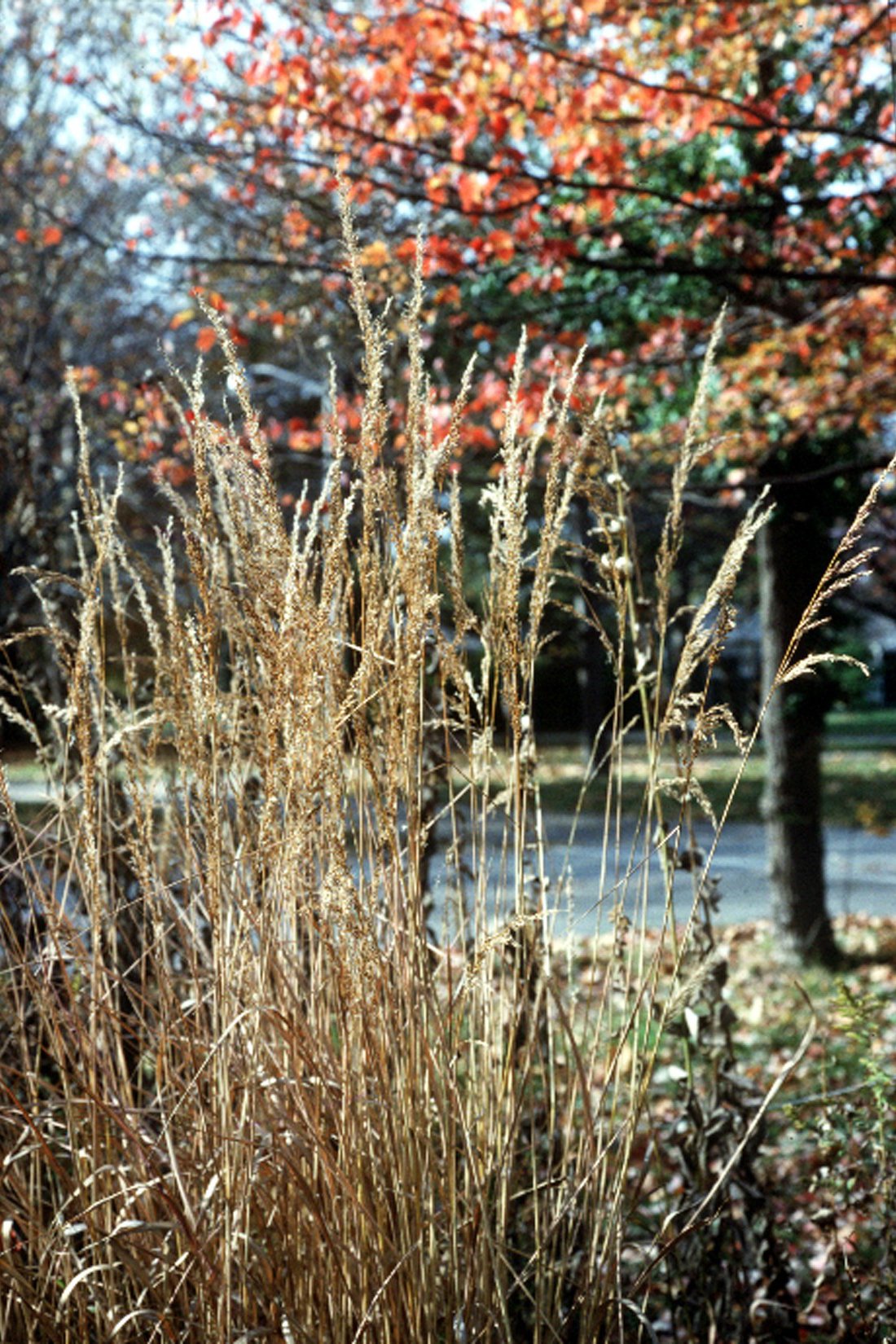
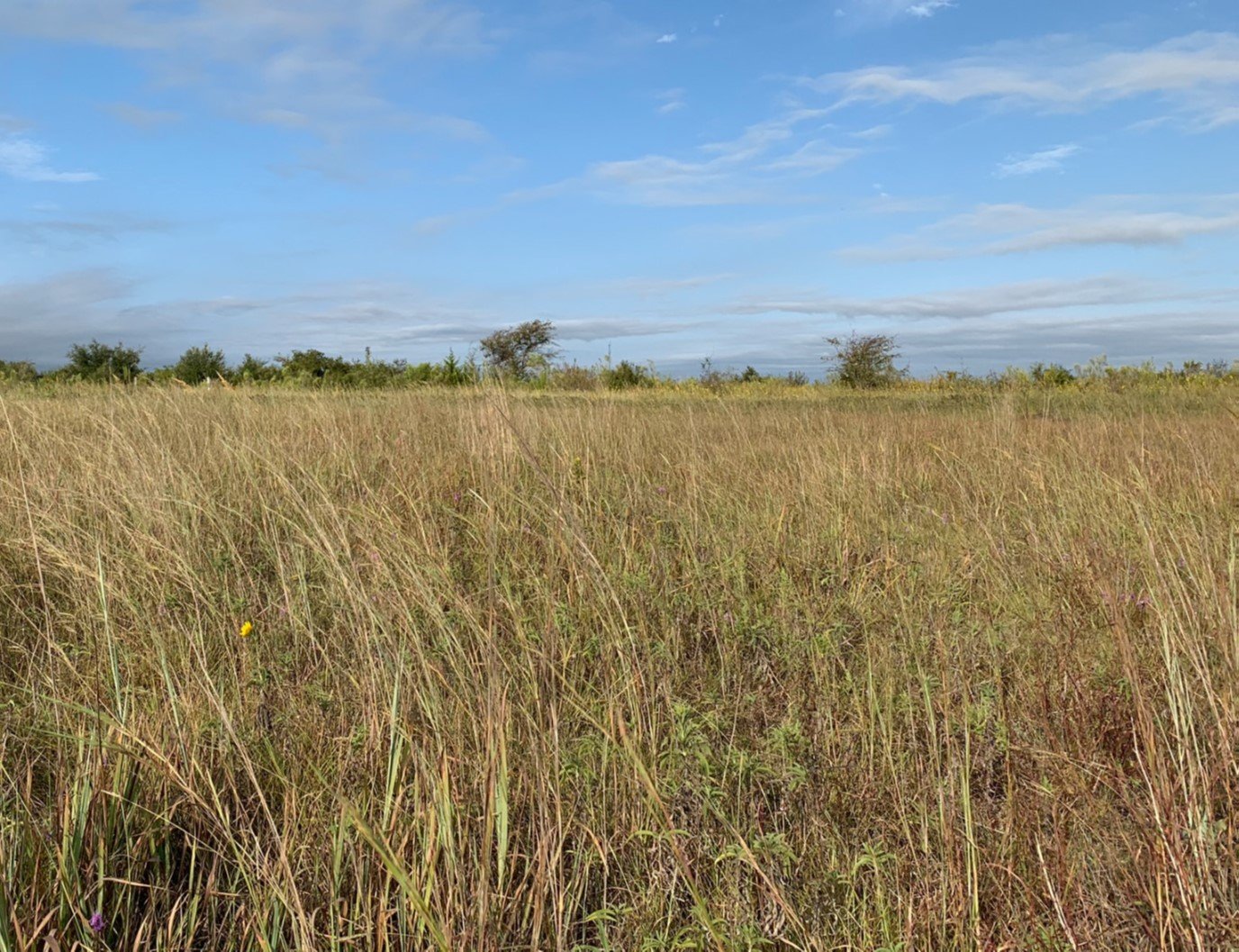
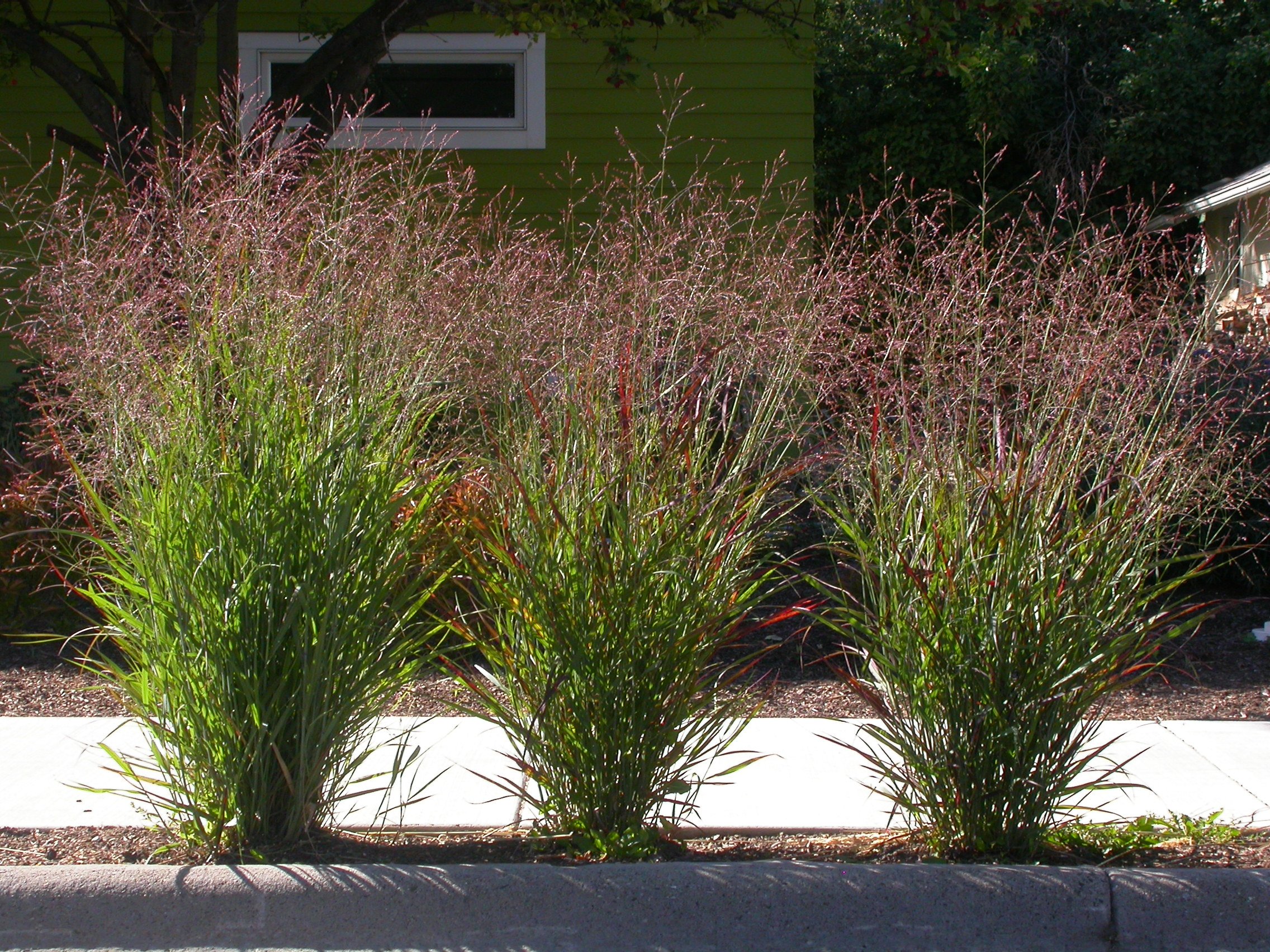
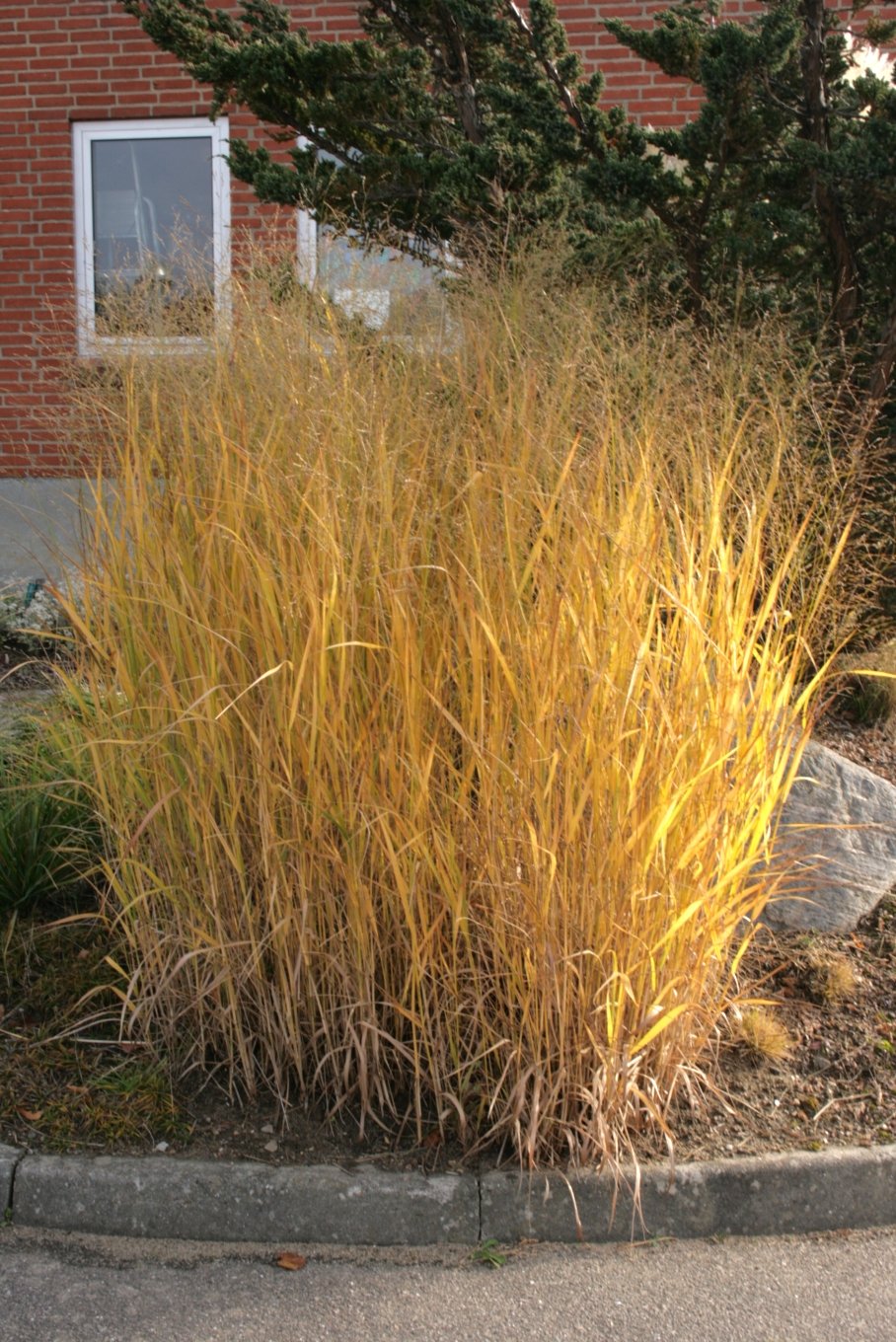
A graceful and refined native grass, Prairie Dropseed is prized for its elegant fountain-like form, fine-textured emerald foliage, and airy flower panicles that shimmer above the leaves in late summer. As autumn arrives, its foliage transforms into warm shades of golden orange and copper, while the delicate seed heads release a subtle fragrance often compared to coriander or buttered popcorn. With its graceful habit and year-round beauty, Prairie Dropseed brings movement, texture, and timeless appeal to native gardens and prairie plantings.
Well-suited to Northern Michigan (Zone 5a), Prairie Dropseed thrives in full sun and well-drained soils, tolerating drought, heat, and poor soils once established. It grows at a moderate pace, forming long-lived, dense clumps that require little maintenance and remain attractive throughout the winter.
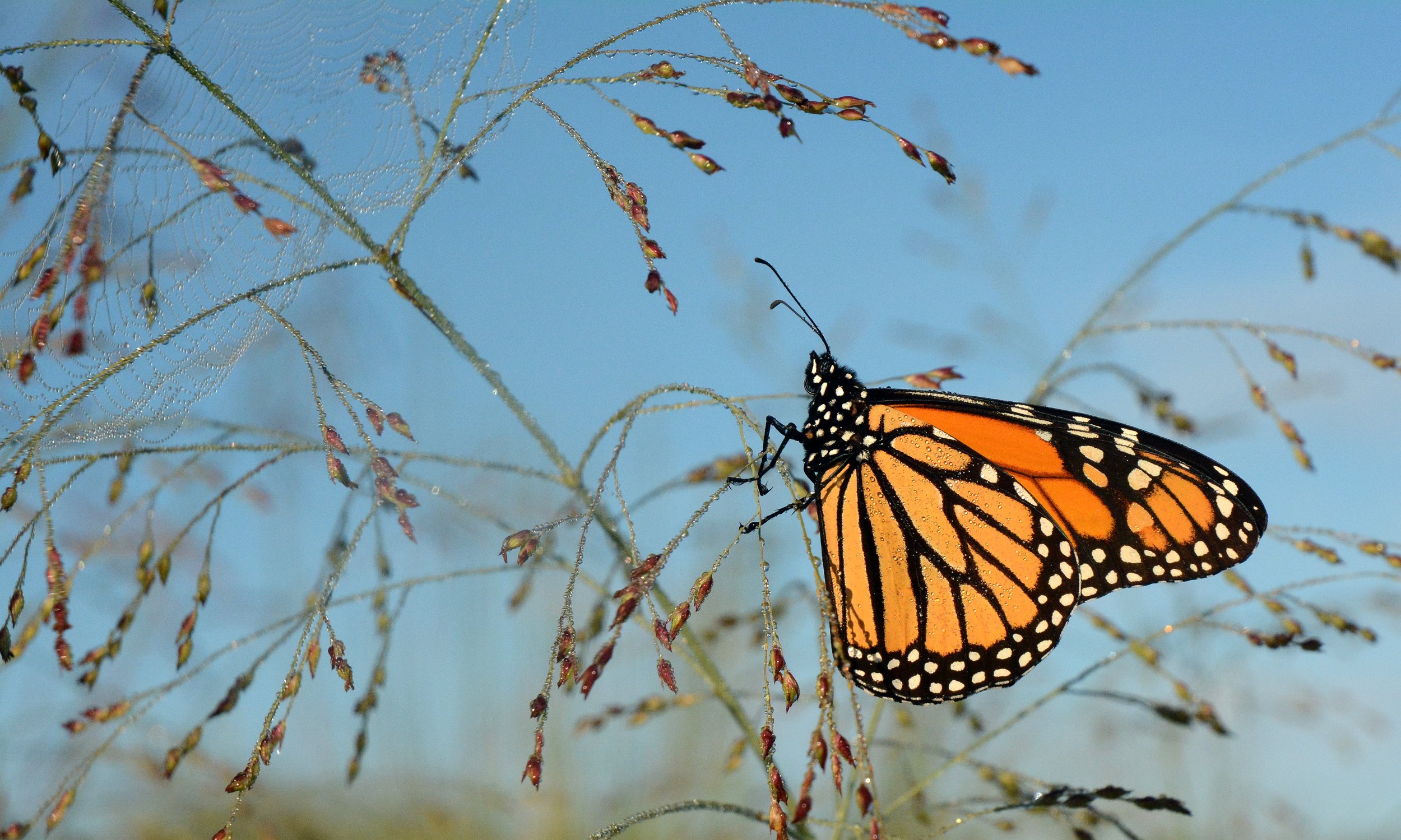
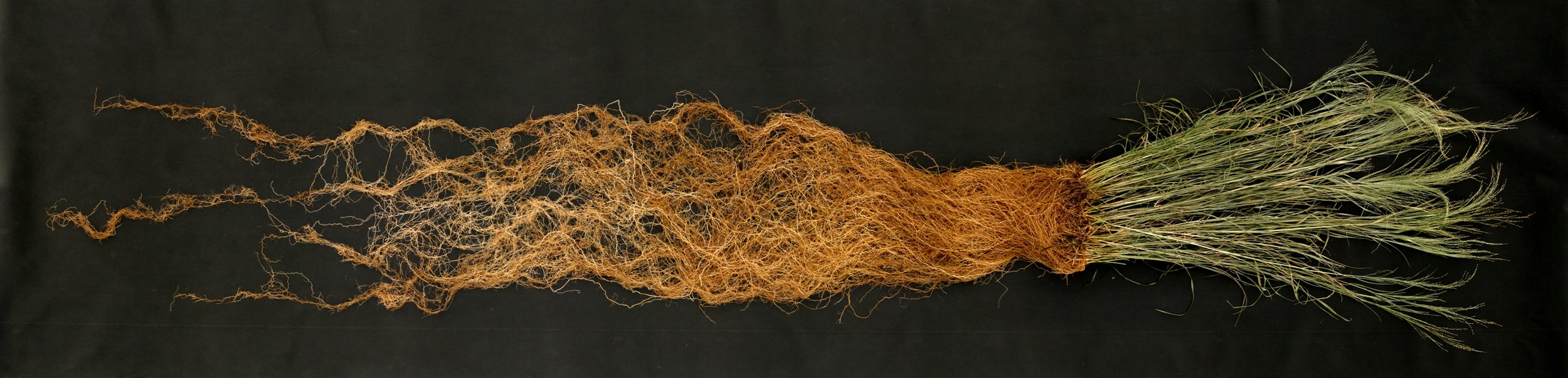
Ecologically, Prairie Dropseed provides valuable habitat for wildlife, offering nesting material and cover for birds and small mammals while serving as a host plant for several skipper butterfly species. Its deep, fibrous root system improves soil health and helps prevent erosion, making it an important component of prairie restorations. Combining exceptional ornamental beauty with outstanding ecological benefits, Prairie Dropseed is one of the finest native grasses for sustainable landscapes.
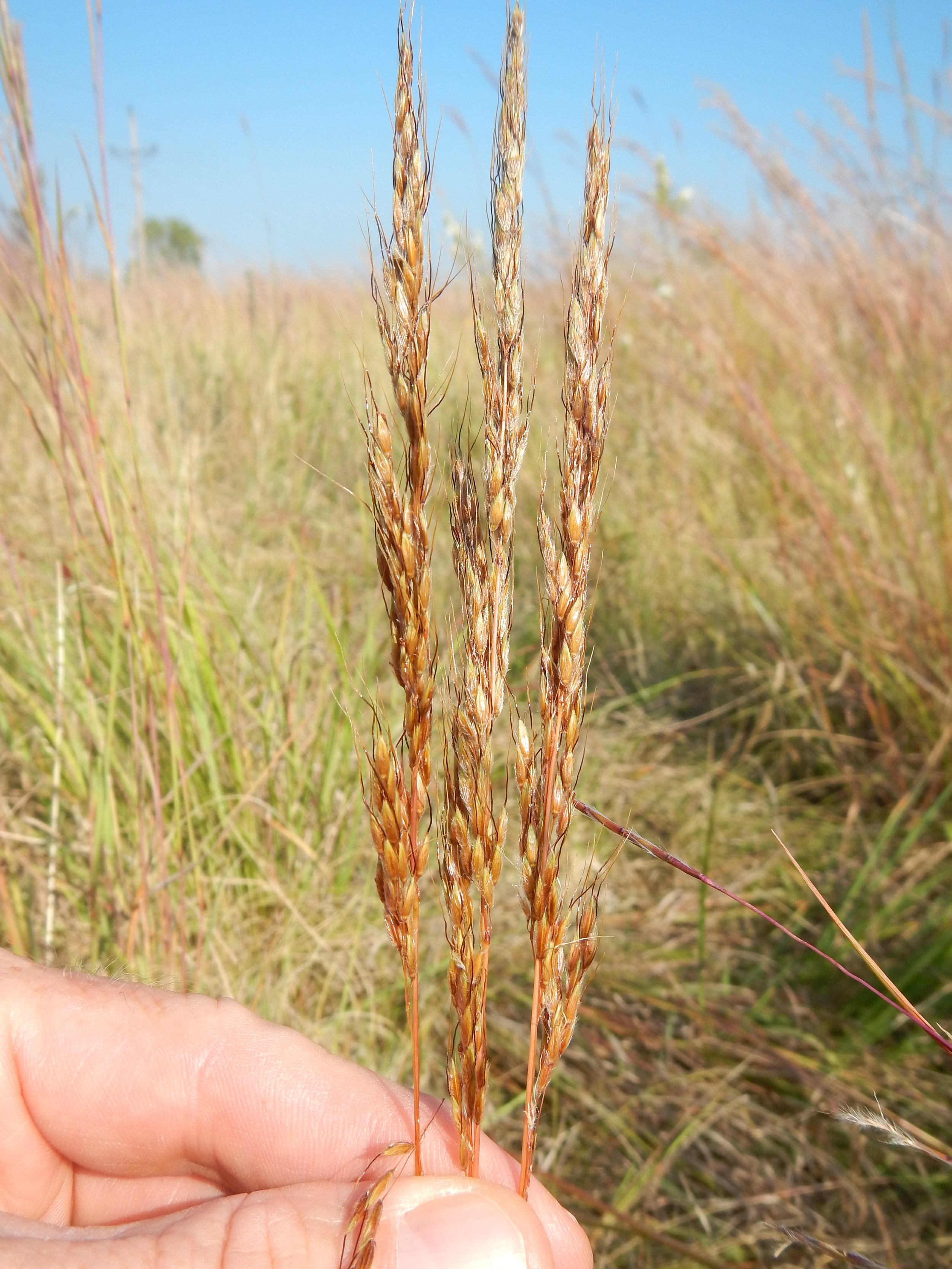
Identification: Fine, narrow leaves form dense, arching clumps. Delicate, airy flower panicles rise above the foliage in late summer, producing tiny seeds that "drop" beneath the plant. Foliage turns golden-orange to copper in fall.
Mature Height: 2–3 feet (including flower stalks).
Growth Rate: Moderate; long-lived, clump-forming.
Site Preferences: Prefers full sun and dry to medium, well-drained soils; thrives in sandy, rocky, or loamy soils and is highly drought tolerant once established.
Wildlife Value: Provides nesting cover and seed for birds, shelter for beneficial insects, and serves as a host plant for several skipper butterfly species. Deep roots improve soil structure and reduce erosion.
Cultural Presence: Widely used in prairie restorations, native gardens, borders, and low-maintenance landscapes for its elegant form, four-season interest, and exceptional drought tolerance.
A graceful and refined native grass, Prairie Dropseed is prized for its elegant fountain-like form, fine-textured emerald foliage, and airy flower panicles that shimmer above the leaves in late summer. As autumn arrives, its foliage transforms into warm shades of golden orange and copper, while the delicate seed heads release a subtle fragrance often compared to coriander or buttered popcorn. With its graceful habit and year-round beauty, Prairie Dropseed brings movement, texture, and timeless appeal to native gardens and prairie plantings.
Well-suited to Northern Michigan (Zone 5a), Prairie Dropseed thrives in full sun and well-drained soils, tolerating drought, heat, and poor soils once established. It grows at a moderate pace, forming long-lived, dense clumps that require little maintenance and remain attractive throughout the winter.
Ecologically, Prairie Dropseed provides valuable habitat for wildlife, offering nesting material and cover for birds and small mammals while serving as a host plant for several skipper butterfly species. Its deep, fibrous root system improves soil health and helps prevent erosion, making it an important component of prairie restorations. Combining exceptional ornamental beauty with outstanding ecological benefits, Prairie Dropseed is one of the finest native grasses for sustainable landscapes.
Identification: Fine, narrow leaves form dense, arching clumps. Delicate, airy flower panicles rise above the foliage in late summer, producing tiny seeds that "drop" beneath the plant. Foliage turns golden-orange to copper in fall.
Mature Height: 2–3 feet (including flower stalks).
Growth Rate: Moderate; long-lived, clump-forming.
Site Preferences: Prefers full sun and dry to medium, well-drained soils; thrives in sandy, rocky, or loamy soils and is highly drought tolerant once established.
Wildlife Value: Provides nesting cover and seed for birds, shelter for beneficial insects, and serves as a host plant for several skipper butterfly species. Deep roots improve soil structure and reduce erosion.
Cultural Presence: Widely used in prairie restorations, native gardens, borders, and low-maintenance landscapes for its elegant form, four-season interest, and exceptional drought tolerance.

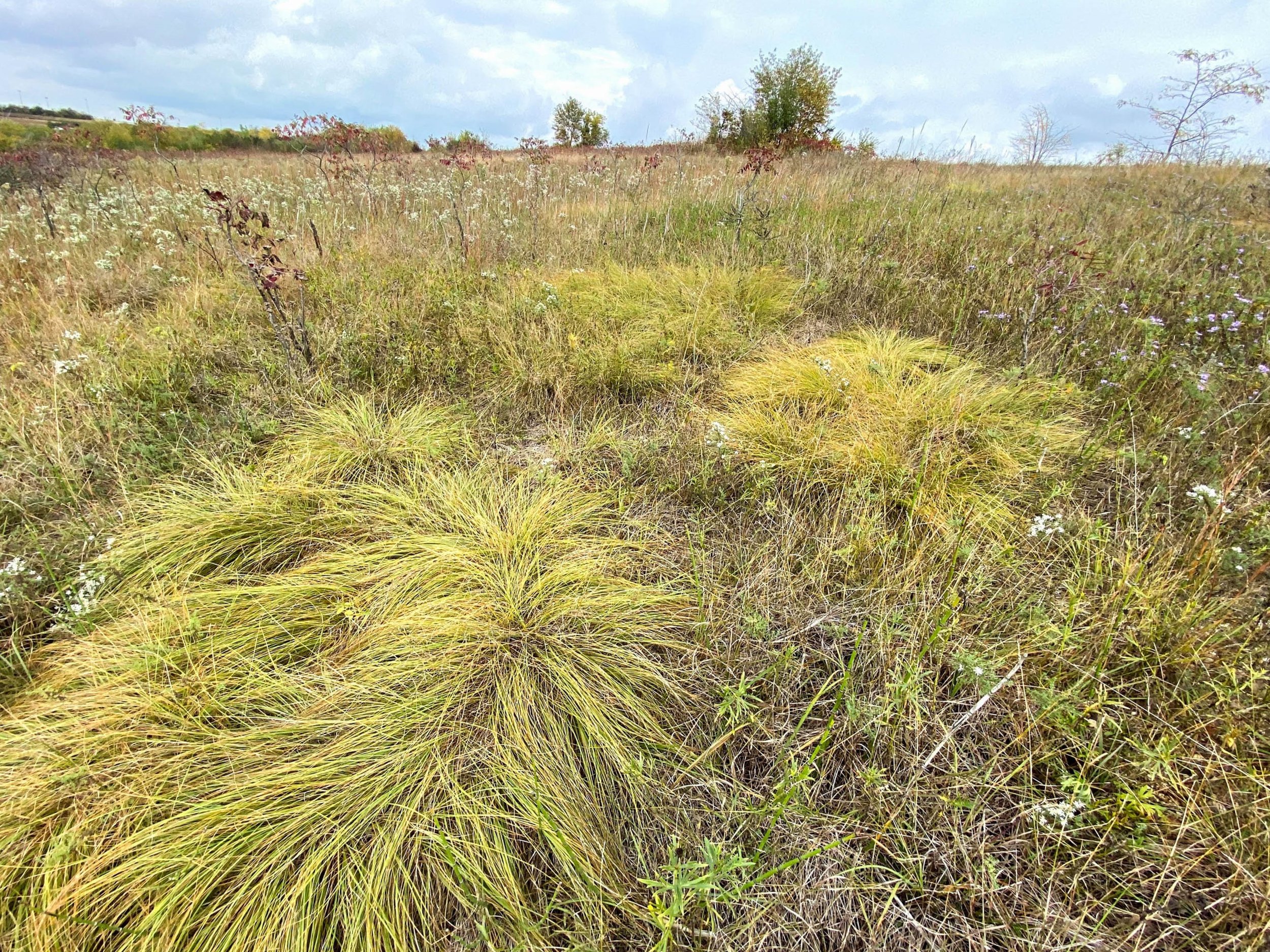 Image 1 of 6
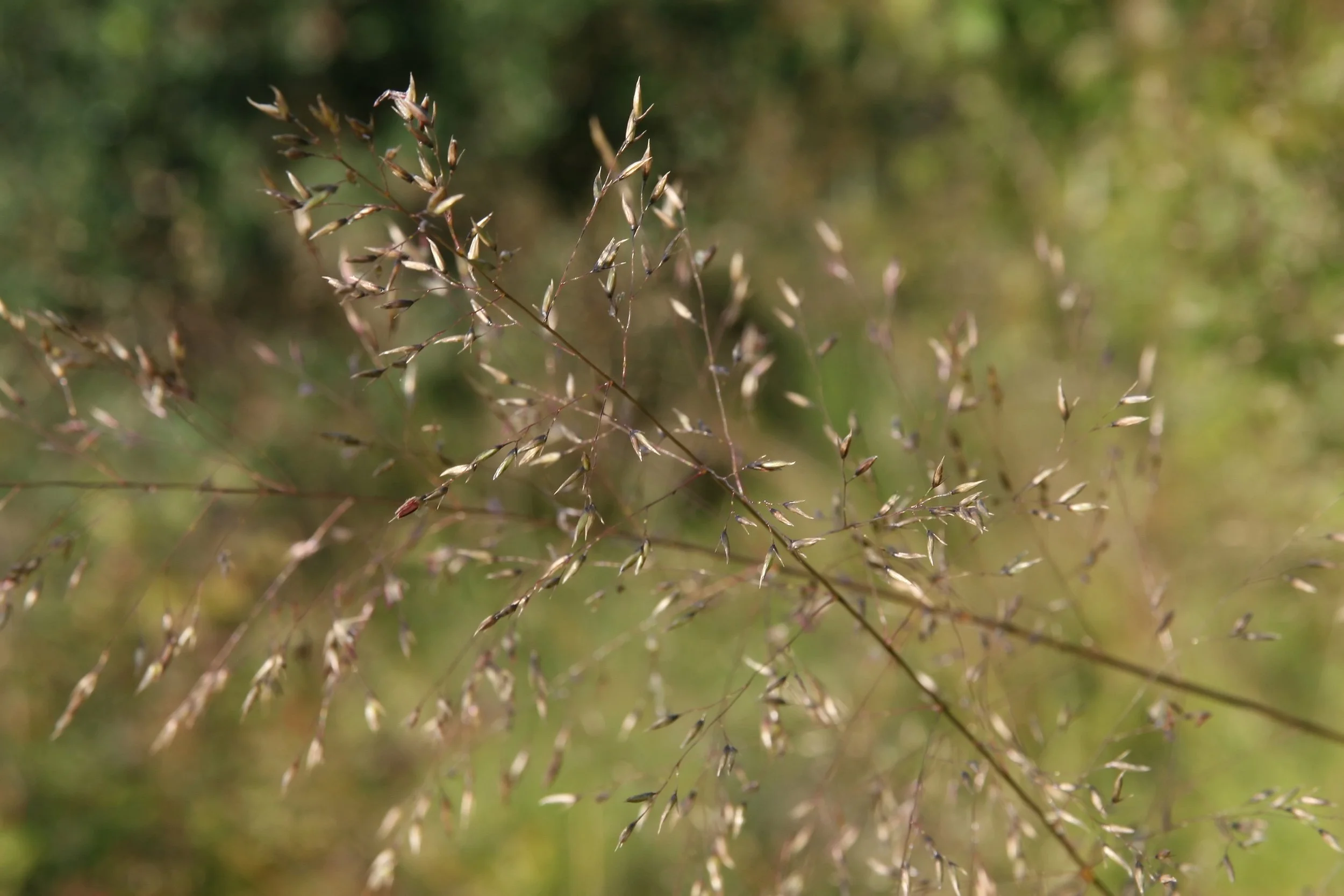 Image 2 of 6
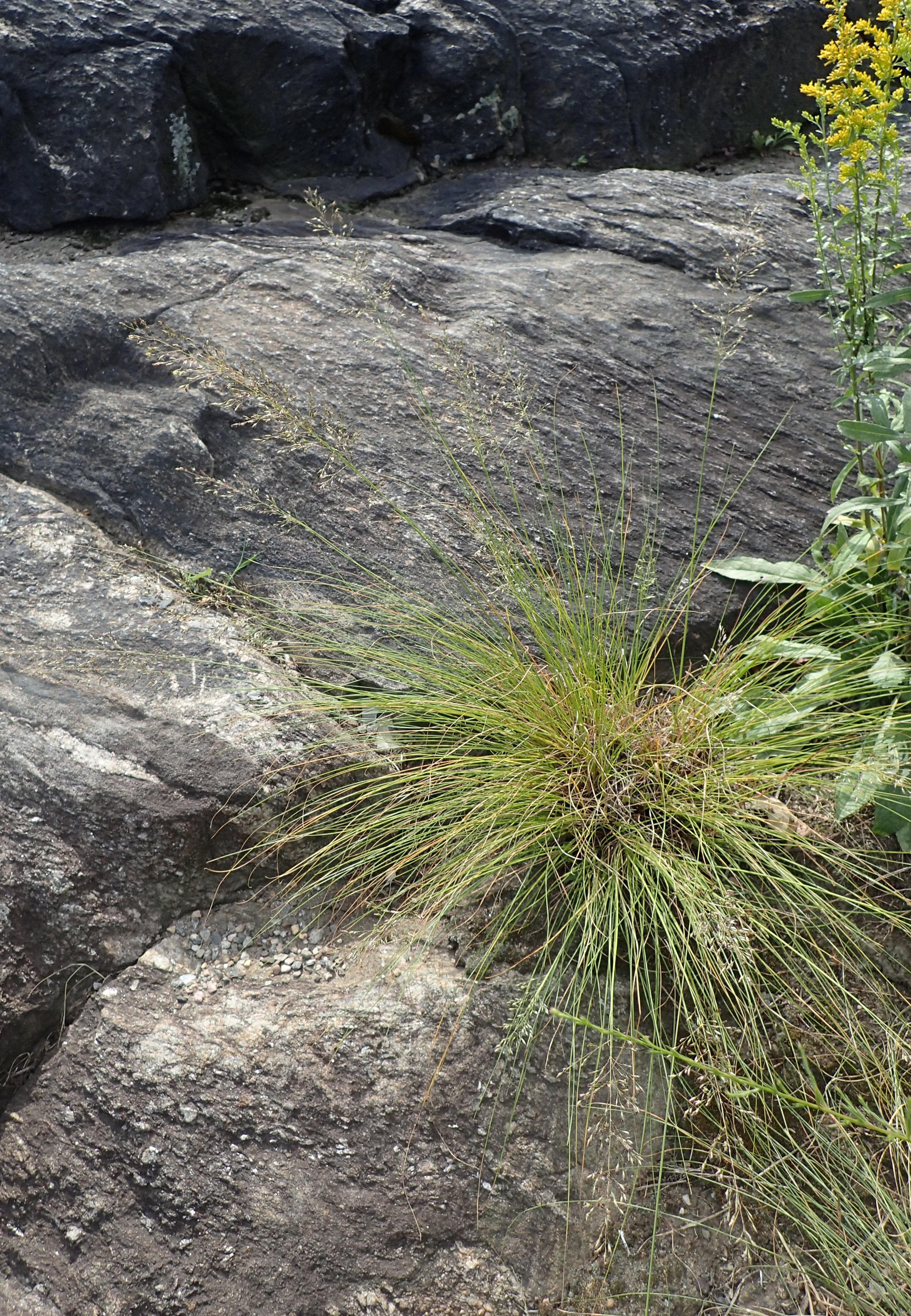 Image 3 of 6
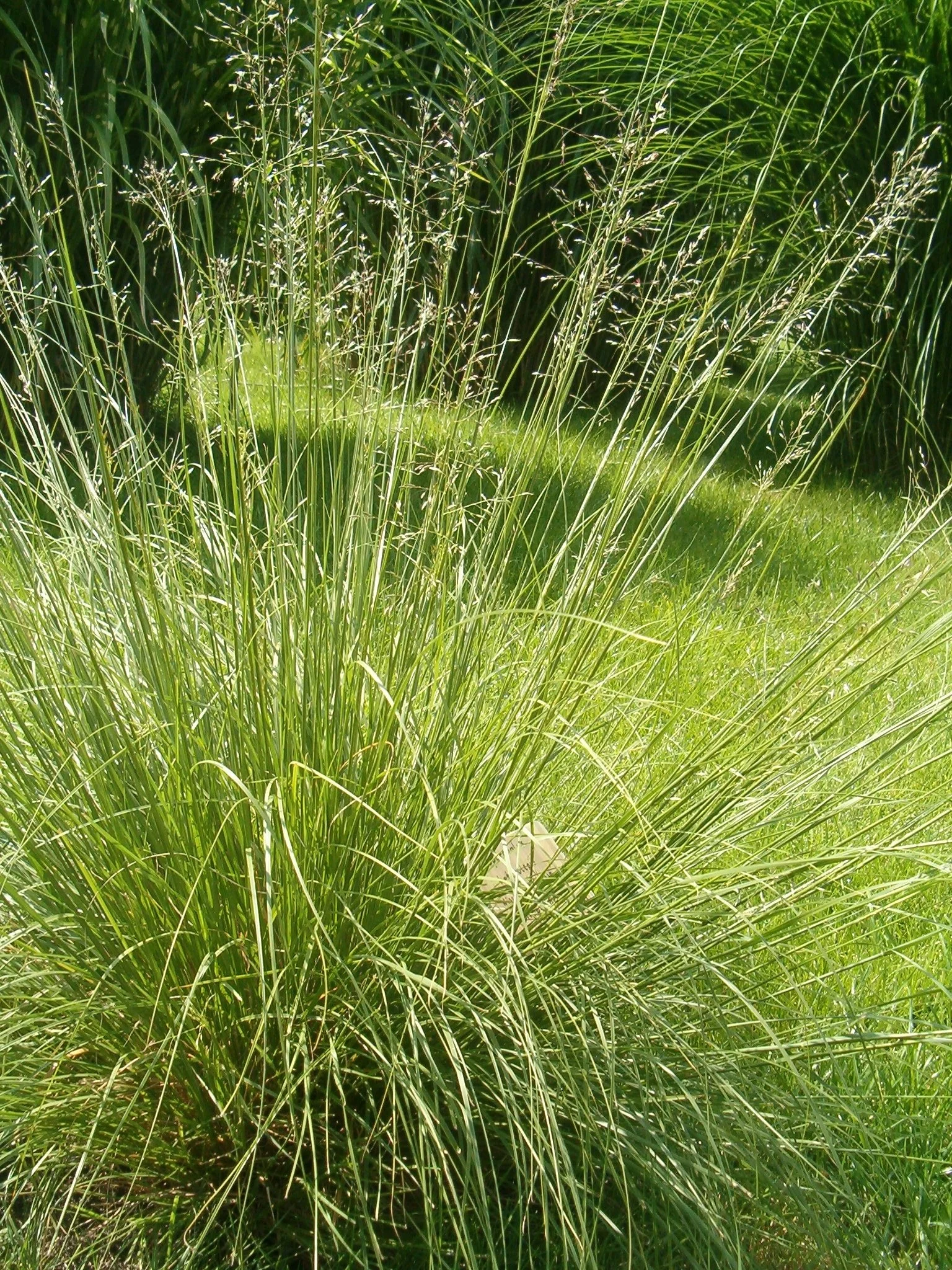 Image 4 of 6
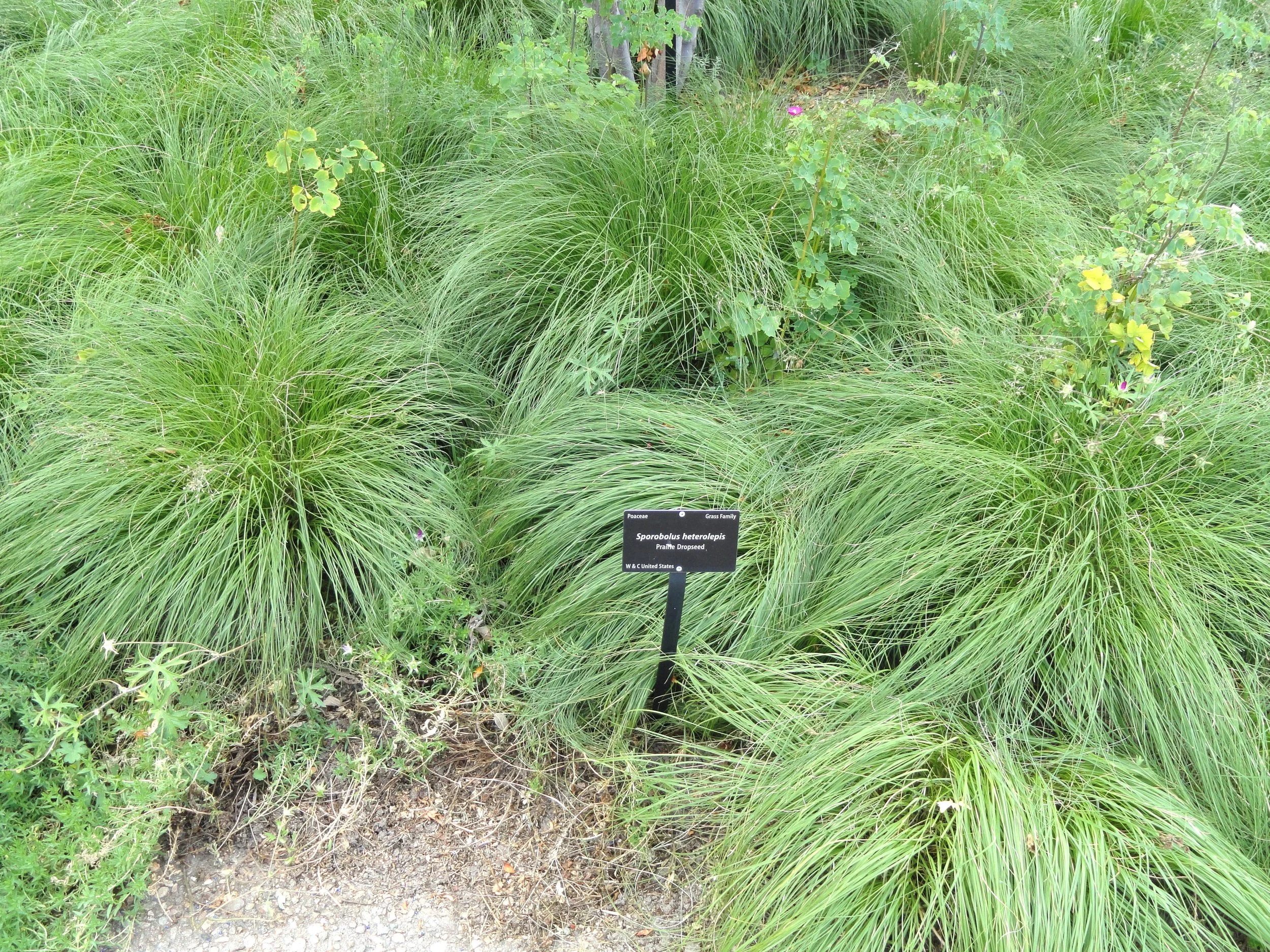 Image 5 of 6
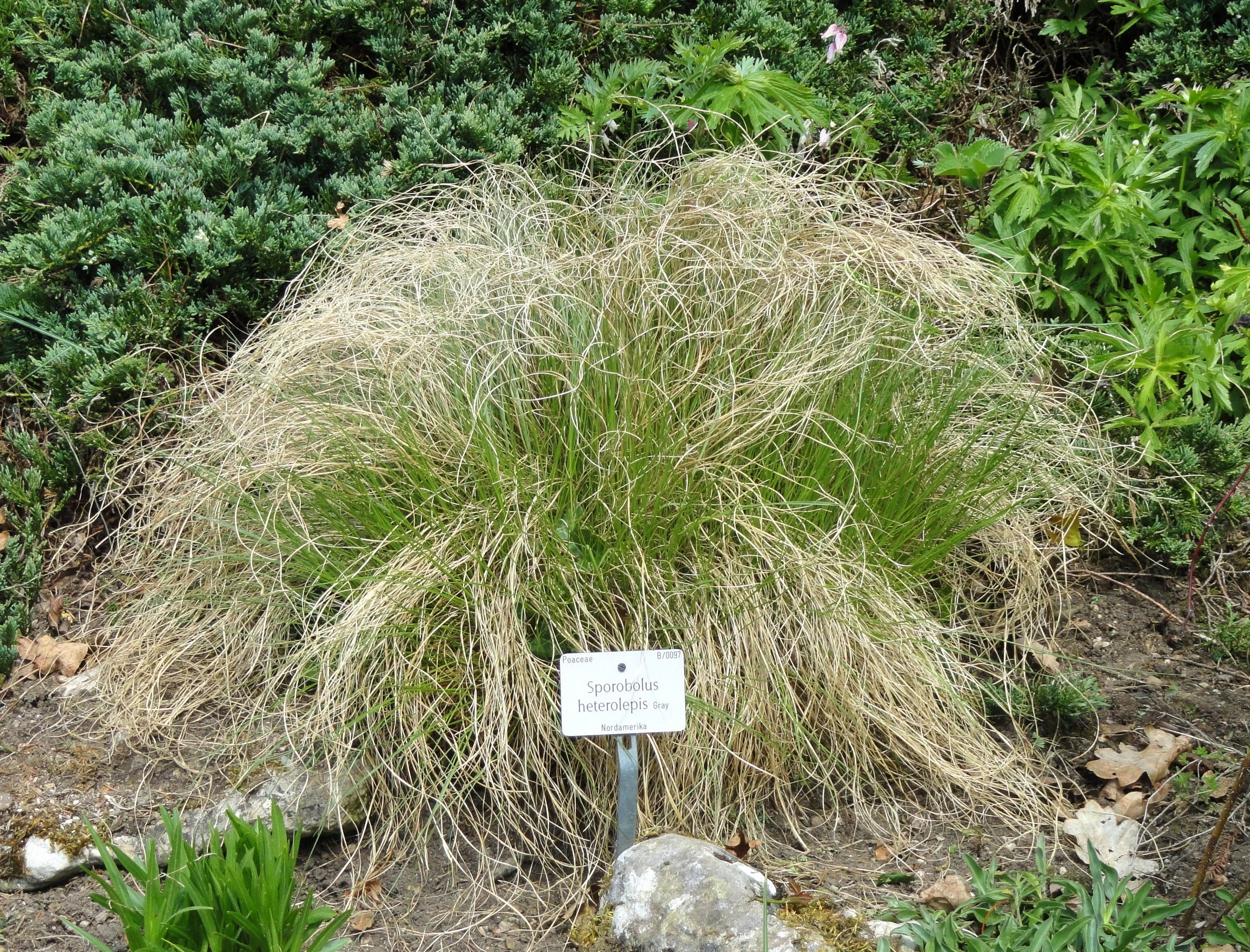 Image 6 of 6