 Image 1 of 3
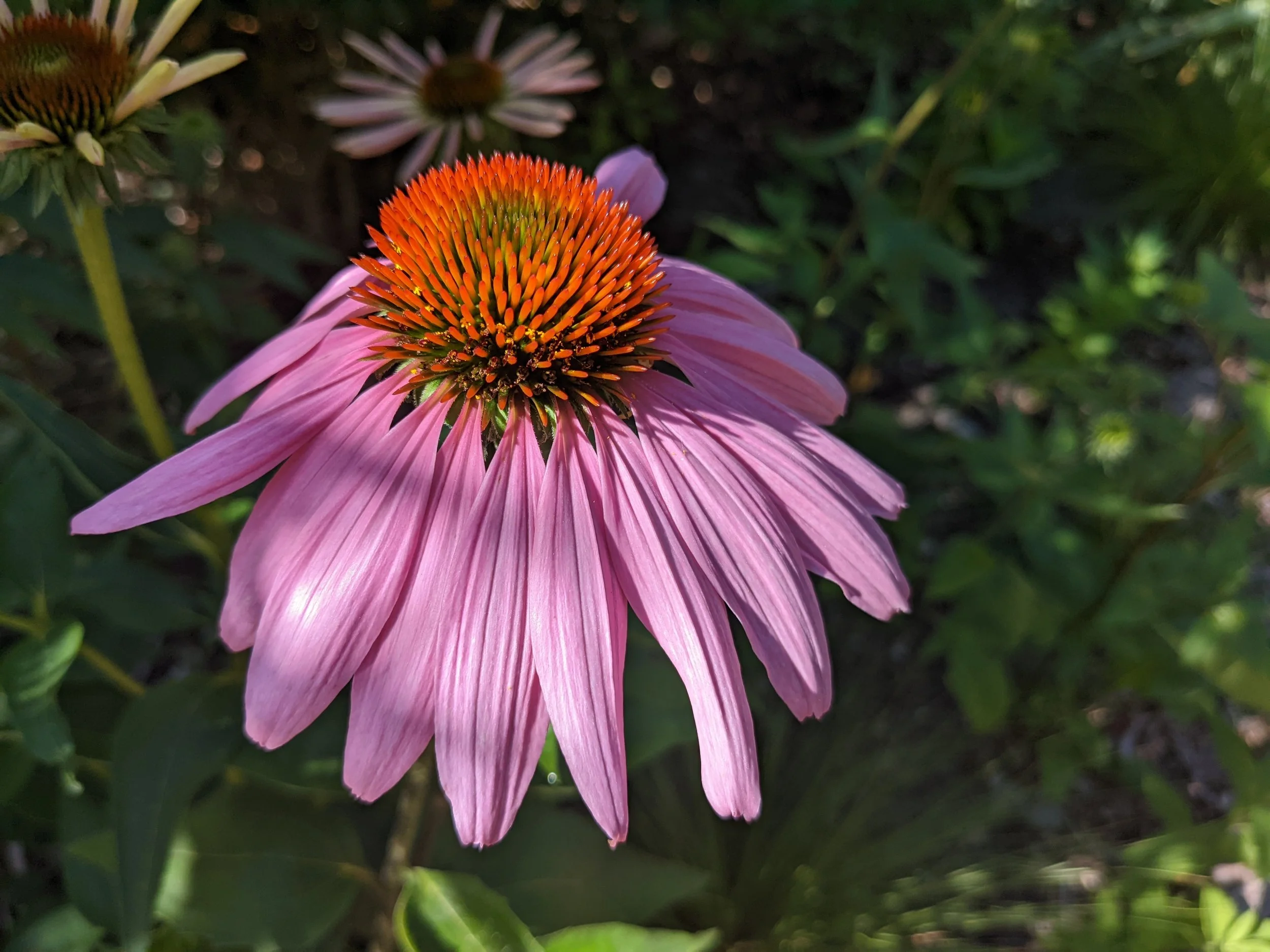 Image 2 of 3
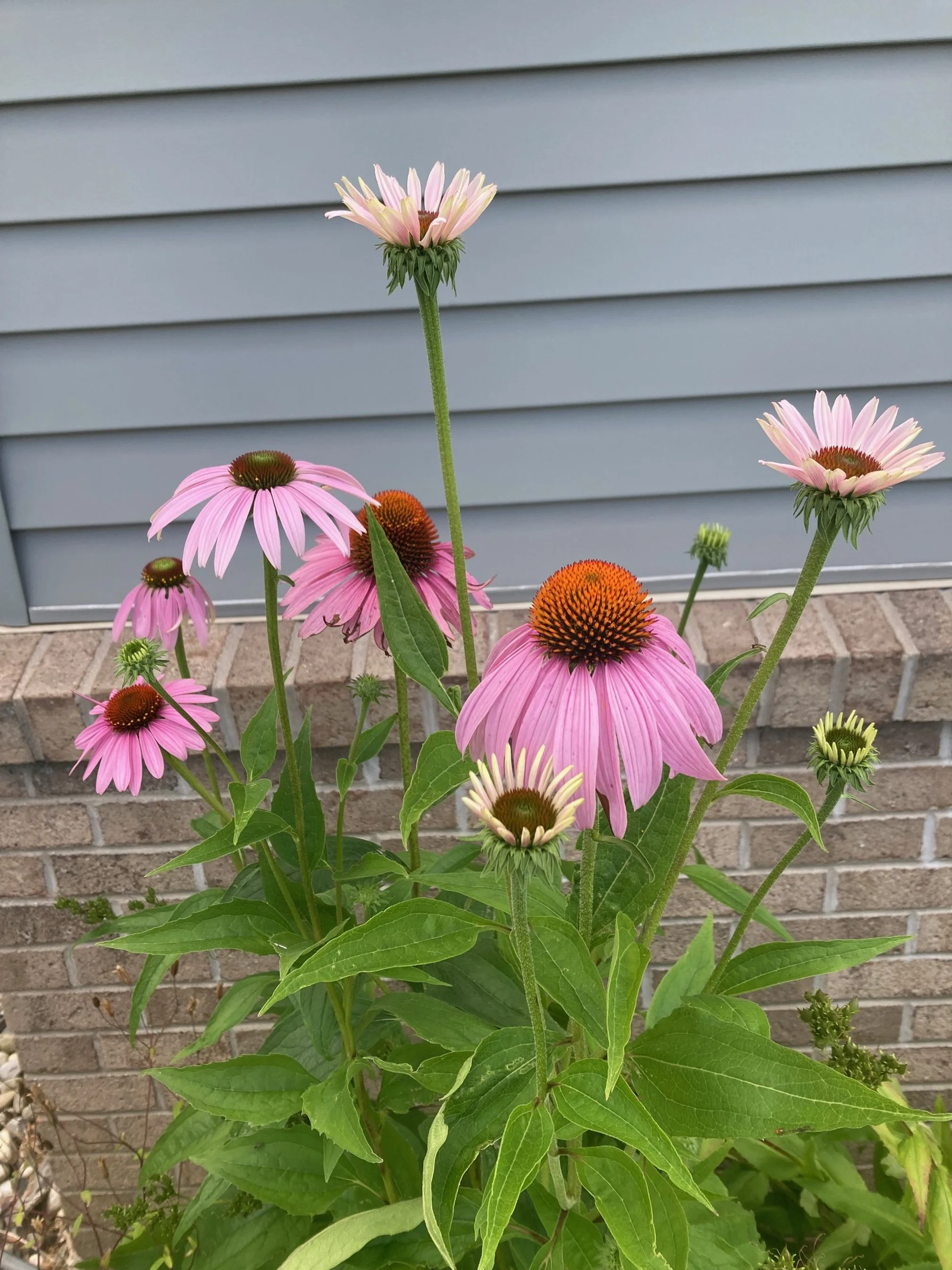 Image 3 of 3
Quantities: Individual Quart Sized Potted Plants and 38-Cell Plug Single Species Flats
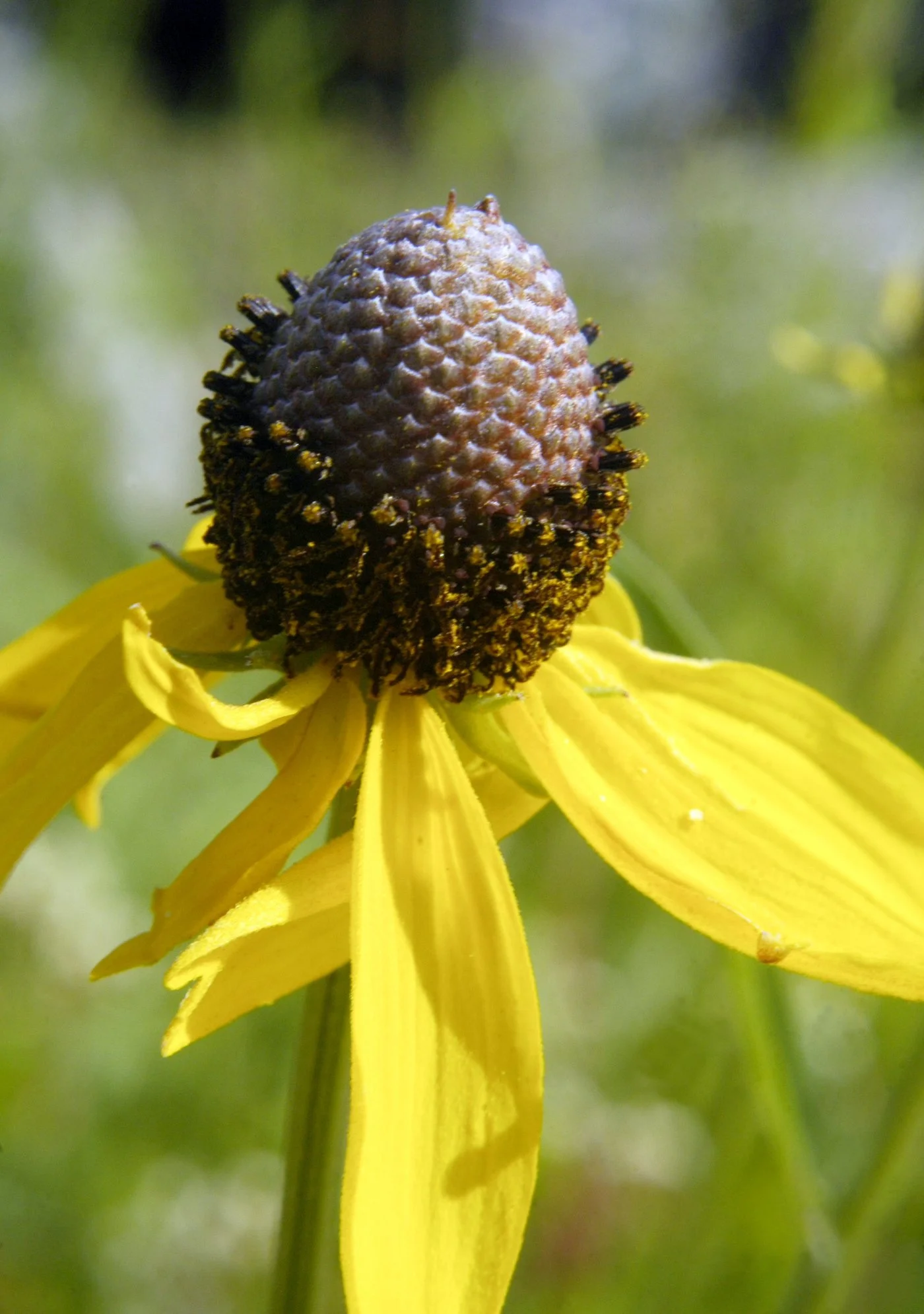
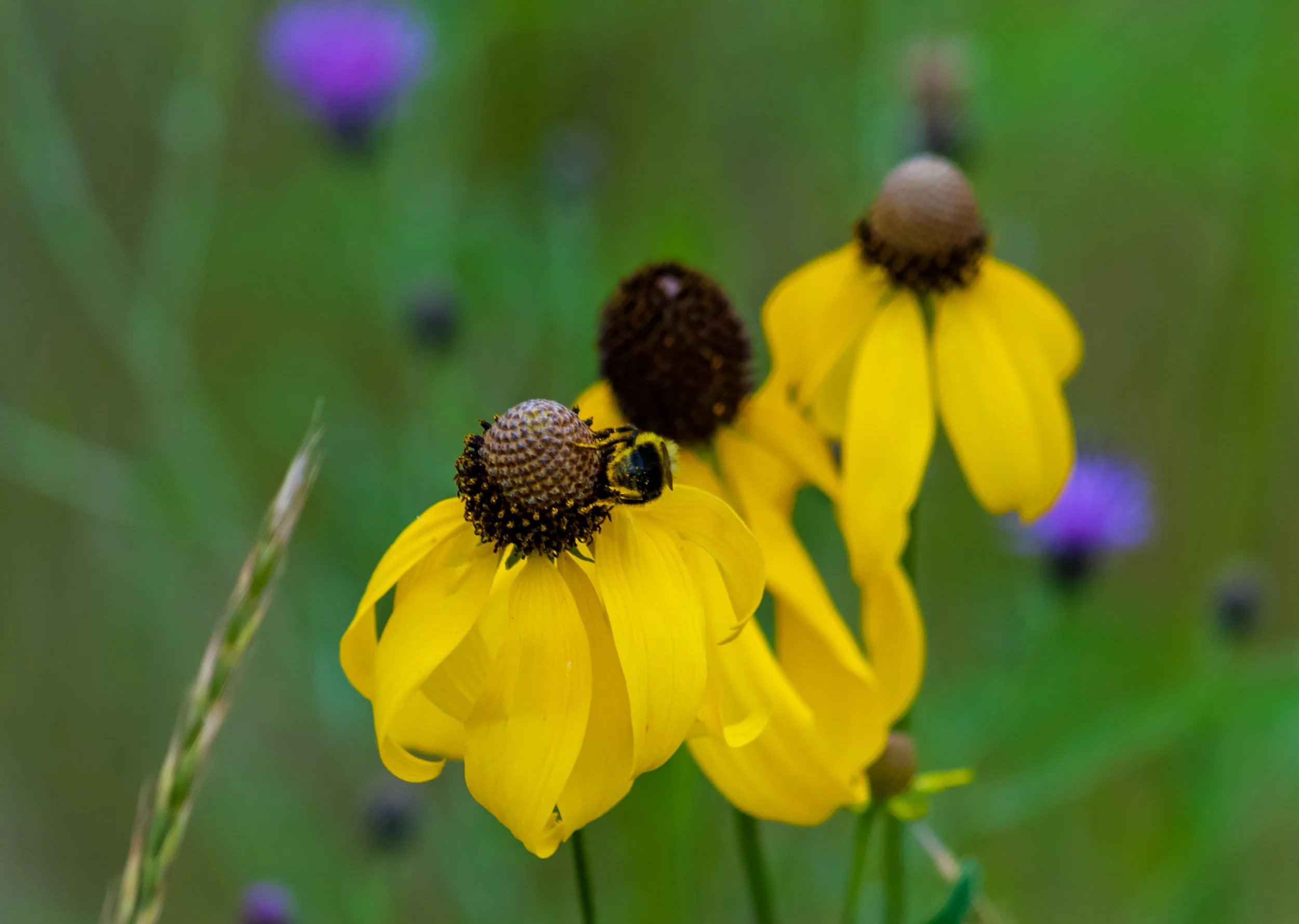
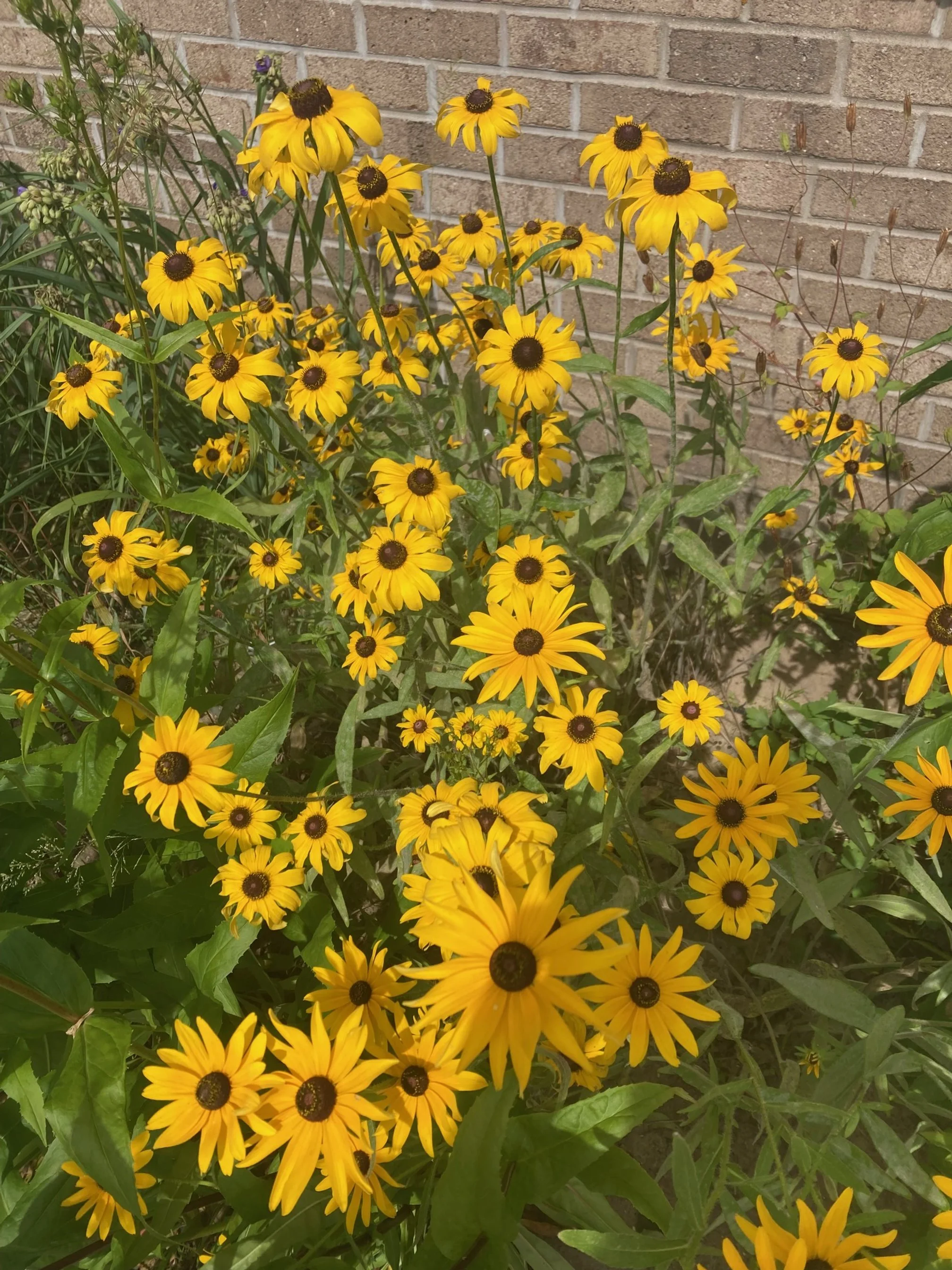
Graceful and dependable, Purple Coneflower is one of North America’s most beloved native wildflowers. Its rosy-purple petals droop elegantly from a bold, spiny orange-brown center, attracting pollinators and admirers alike. Blooming from midsummer through fall, it provides long-lasting color and texture that blend beautifully with other prairie perennials.
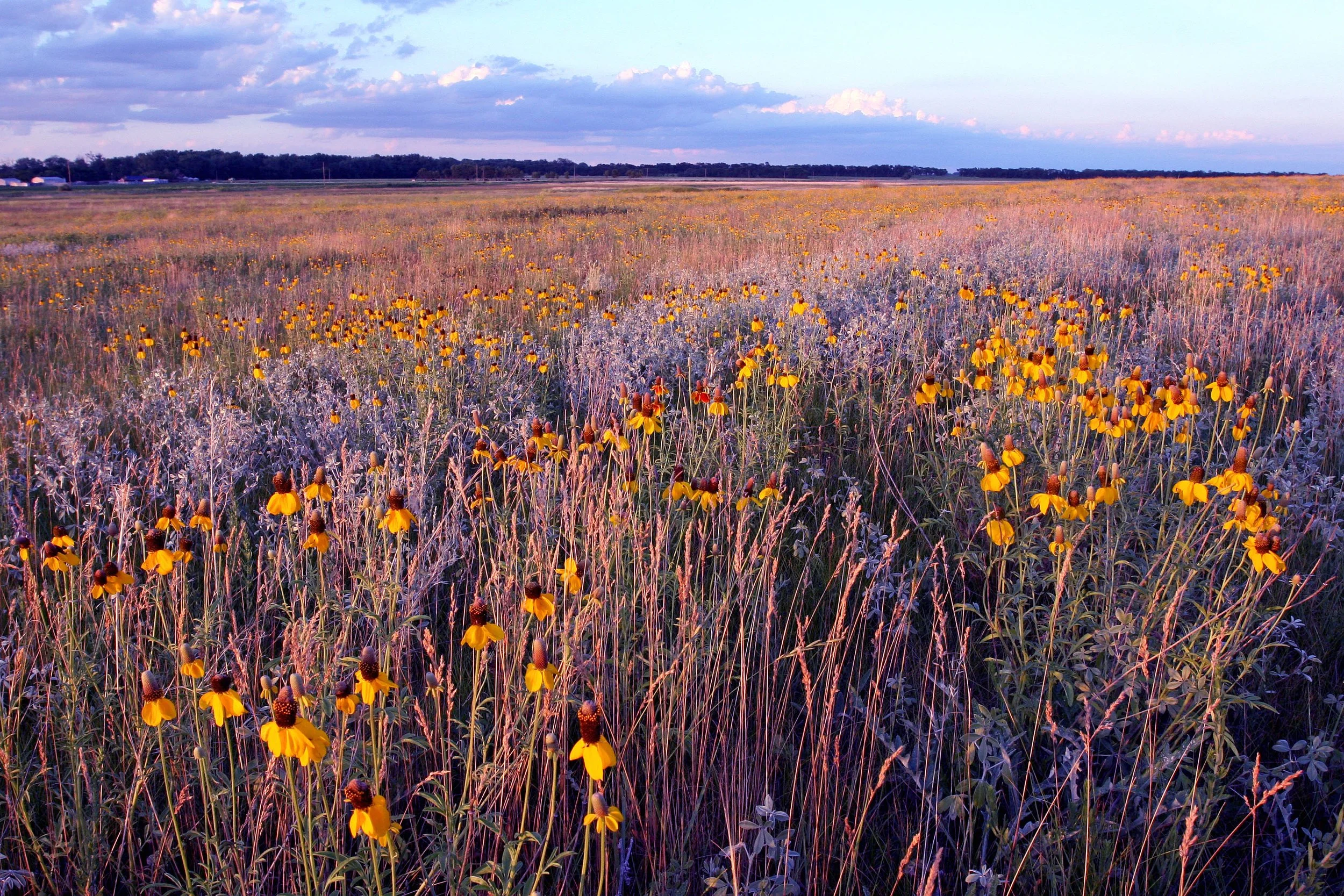
Native to the central and eastern U.S., Purple Coneflower thrives in full sun and well-drained soils, tolerating both drought and clay. Hardy and adaptable, it forms sturdy clumps that return reliably year after year, making it a cornerstone of native and pollinator gardens.
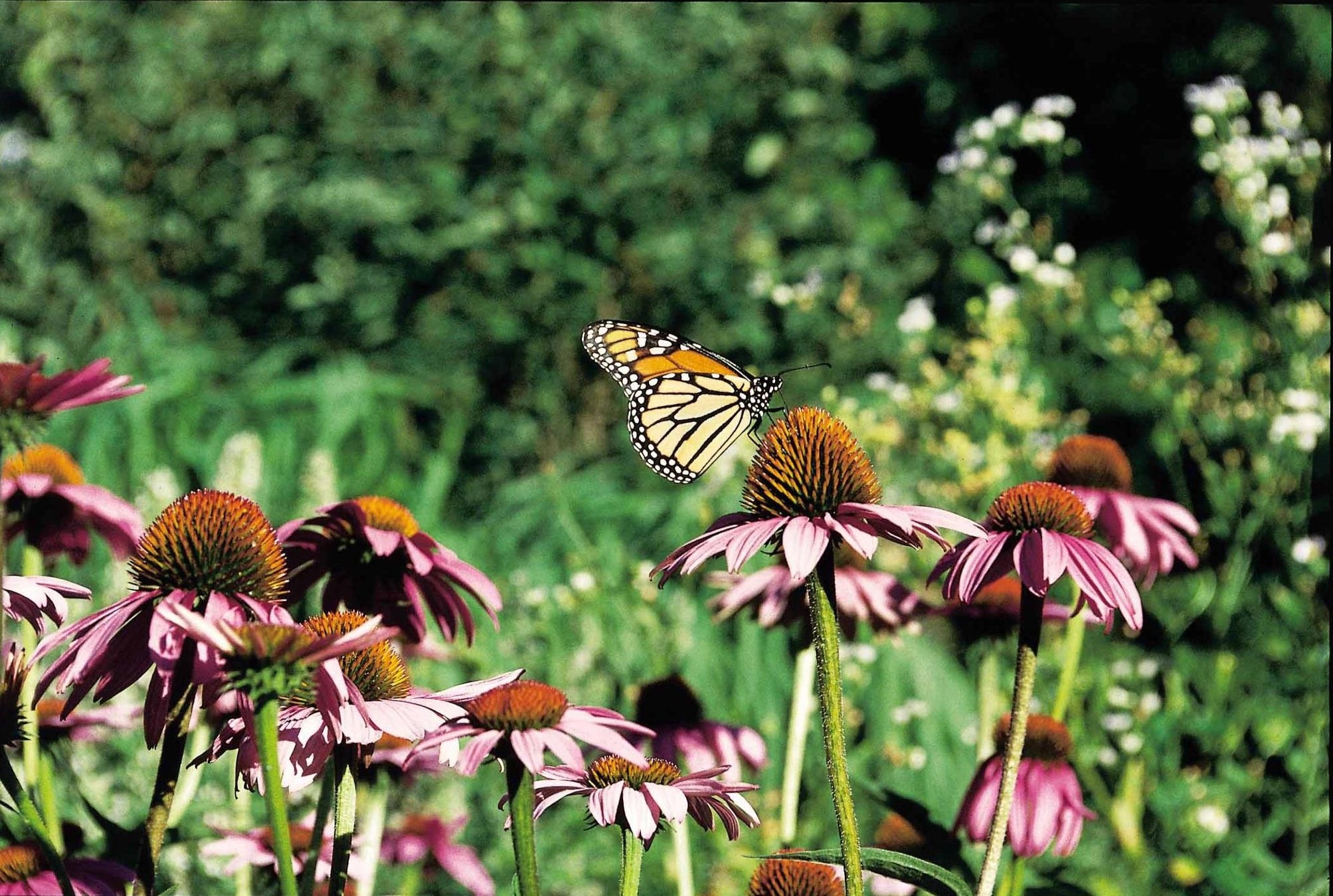
Ecologically, it is invaluable—its nectar-rich blooms attract bees, butterflies, and hummingbirds, while its seedheads sustain finches and other songbirds through winter. The plant’s deep roots help stabilize soil and enhance drought resilience in restoration sites.
Identification / Key Features: Pinkish-purple petals with prominent spiny orange cone; coarse, lance-shaped leaves.
Bloom Time: July-September
Mature Height / Size: 2–4 feet tall.
Growth Rate: Moderate; clump-forming perennial.
Light / Soil / Site Preferences: Full sun; average, well-drained soils; tolerates drought.
Wildlife Value / Ecological Role: High-value nectar and pollen source; seeds feed birds; supports native bee populations.
Uses / Economic / Cultural: Widely used in gardens, herbal remedies, and prairie restorations; prized for beauty and durability.
Quantities: Individual Quart Sized Potted Plants and 38-Cell Plug Single Species Flats
Graceful and dependable, Purple Coneflower is one of North America’s most beloved native wildflowers. Its rosy-purple petals droop elegantly from a bold, spiny orange-brown center, attracting pollinators and admirers alike. Blooming from midsummer through fall, it provides long-lasting color and texture that blend beautifully with other prairie perennials.
Native to the central and eastern U.S., Purple Coneflower thrives in full sun and well-drained soils, tolerating both drought and clay. Hardy and adaptable, it forms sturdy clumps that return reliably year after year, making it a cornerstone of native and pollinator gardens.
Ecologically, it is invaluable—its nectar-rich blooms attract bees, butterflies, and hummingbirds, while its seedheads sustain finches and other songbirds through winter. The plant’s deep roots help stabilize soil and enhance drought resilience in restoration sites.
Identification / Key Features: Pinkish-purple petals with prominent spiny orange cone; coarse, lance-shaped leaves.
Bloom Time: July-September
Mature Height / Size: 2–4 feet tall.
Growth Rate: Moderate; clump-forming perennial.
Light / Soil / Site Preferences: Full sun; average, well-drained soils; tolerates drought.
Wildlife Value / Ecological Role: High-value nectar and pollen source; seeds feed birds; supports native bee populations.
Uses / Economic / Cultural: Widely used in gardens, herbal remedies, and prairie restorations; prized for beauty and durability.