Image 1 of 3
 Image 2 of 3
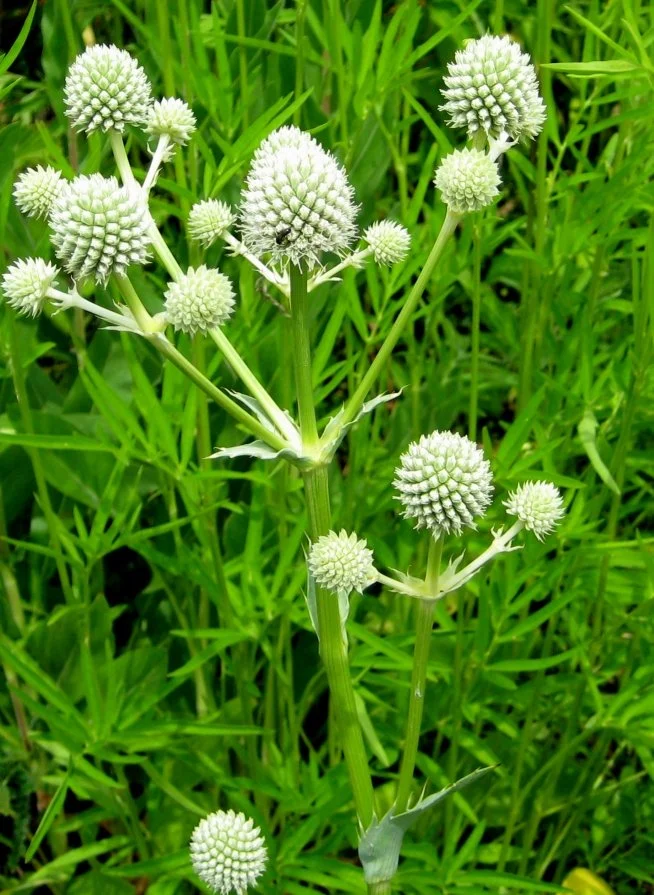 Image 3 of 3
Individual Quart Sized Potted Plant
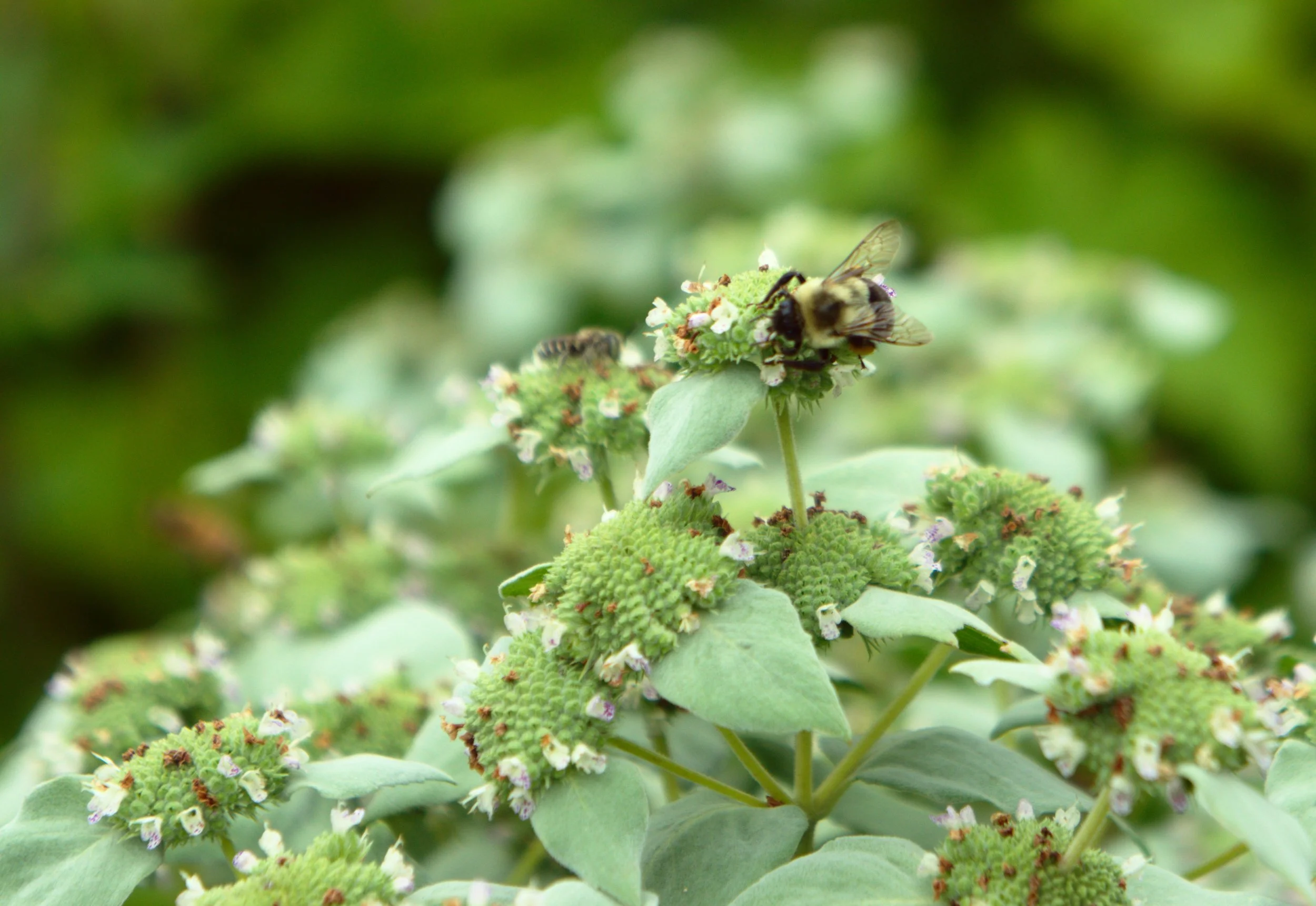
An unmistakable prairie native, Rattlesnake Master brings architectural form and subtle drama to natural plantings. Its spiky, blue-green leaves radiate from a central rosette, resembling a yucca, while its tall, branching stems bear clusters of round, silvery-white flower heads. These globes catch the light and attract a constant buzz of pollinators, lending movement and texture to midsummer meadows.
Thriving in full sun and dry to medium soils, Rattlesnake Master is exceptionally drought-tolerant once established. It naturally inhabits prairies and open woodlands, anchoring plant communities with its deep taproot and sturdy form. In the garden, it pairs beautifully with grasses and coneflowers, offering bold contrast and structure.
Identification / Key Features: Swordlike, fibrous leaves; spherical flower heads of pale white-green; upright, branching stems.
Bloom Time: July-September
Mature Height / Size: 3–5 feet tall.
Growth Rate: Moderate.
Light / Soil / Site Preferences: Full sun; prefers well-drained, dry to medium soils; tolerates drought.
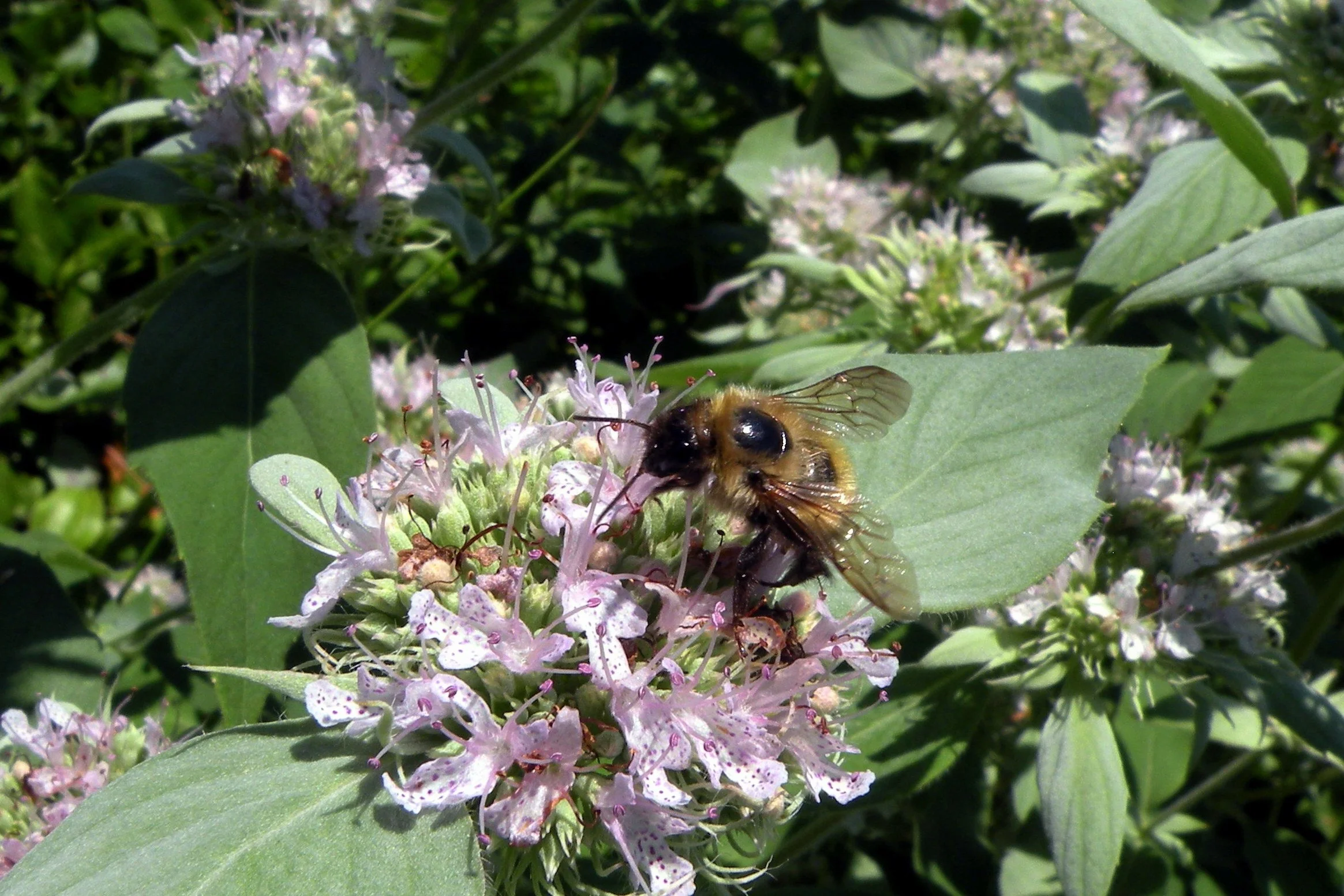
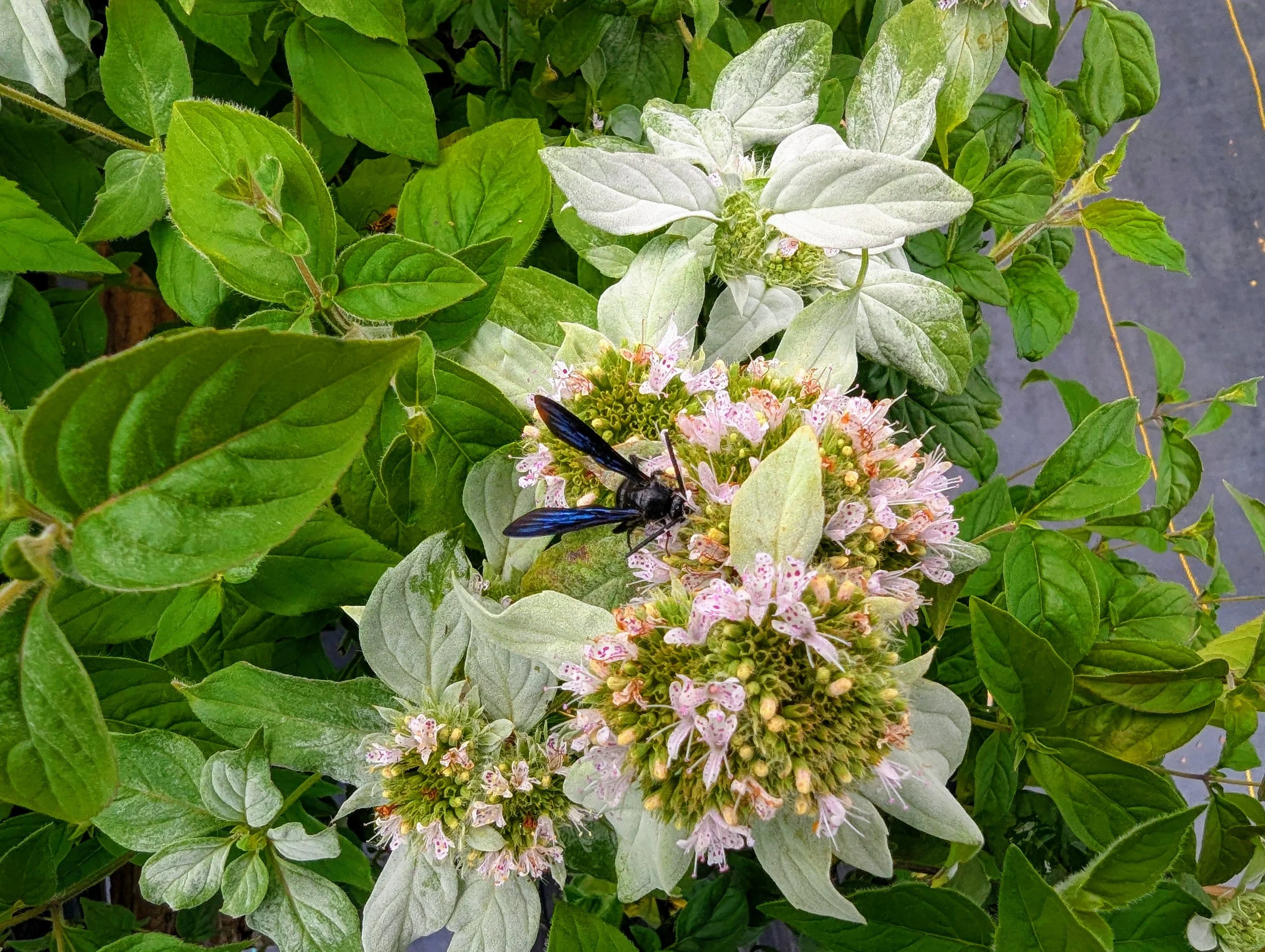
Wildlife Value / Ecological Role: Magnet for native bees, wasps, and butterflies; supports pollinator diversity.
Uses / Economic / Cultural: Once used by Indigenous peoples for medicinal purposes; excellent ornamental for xeric gardens and prairies.
Individual Quart Sized Potted Plant
An unmistakable prairie native, Rattlesnake Master brings architectural form and subtle drama to natural plantings. Its spiky, blue-green leaves radiate from a central rosette, resembling a yucca, while its tall, branching stems bear clusters of round, silvery-white flower heads. These globes catch the light and attract a constant buzz of pollinators, lending movement and texture to midsummer meadows.
Thriving in full sun and dry to medium soils, Rattlesnake Master is exceptionally drought-tolerant once established. It naturally inhabits prairies and open woodlands, anchoring plant communities with its deep taproot and sturdy form. In the garden, it pairs beautifully with grasses and coneflowers, offering bold contrast and structure.
Identification / Key Features: Swordlike, fibrous leaves; spherical flower heads of pale white-green; upright, branching stems.
Bloom Time: July-September
Mature Height / Size: 3–5 feet tall.
Growth Rate: Moderate.
Light / Soil / Site Preferences: Full sun; prefers well-drained, dry to medium soils; tolerates drought.
Wildlife Value / Ecological Role: Magnet for native bees, wasps, and butterflies; supports pollinator diversity.
Uses / Economic / Cultural: Once used by Indigenous peoples for medicinal purposes; excellent ornamental for xeric gardens and prairies.