Image 1 of 5
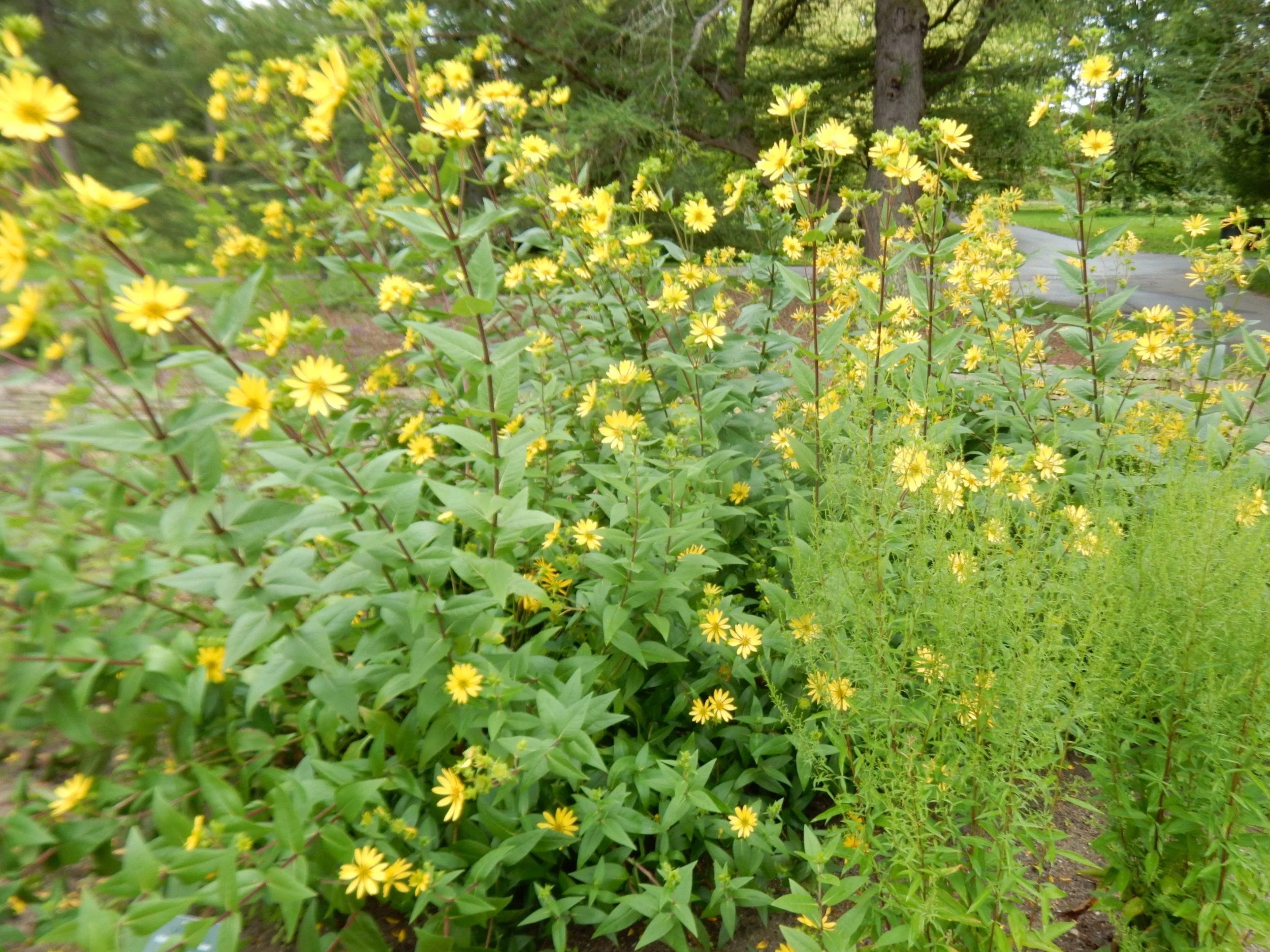 Image 2 of 5
 Image 3 of 5
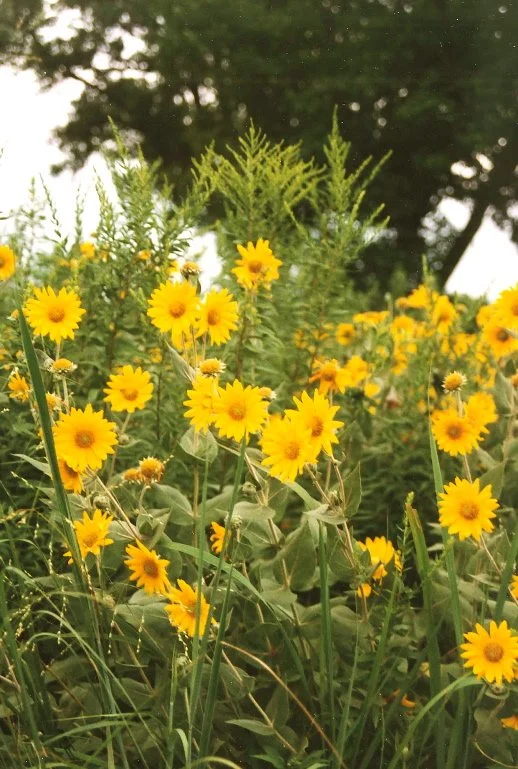 Image 4 of 5
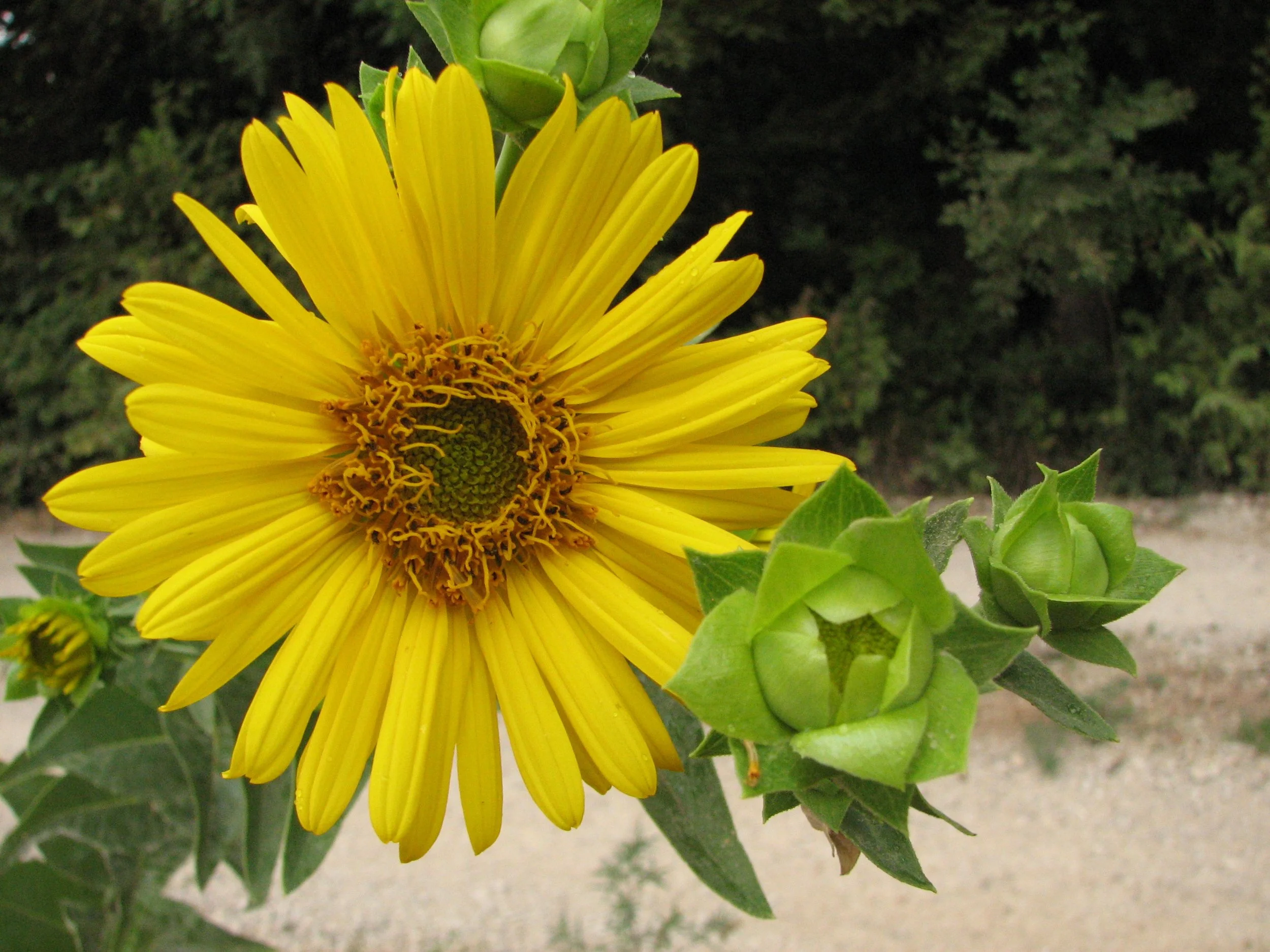 Image 5 of 5
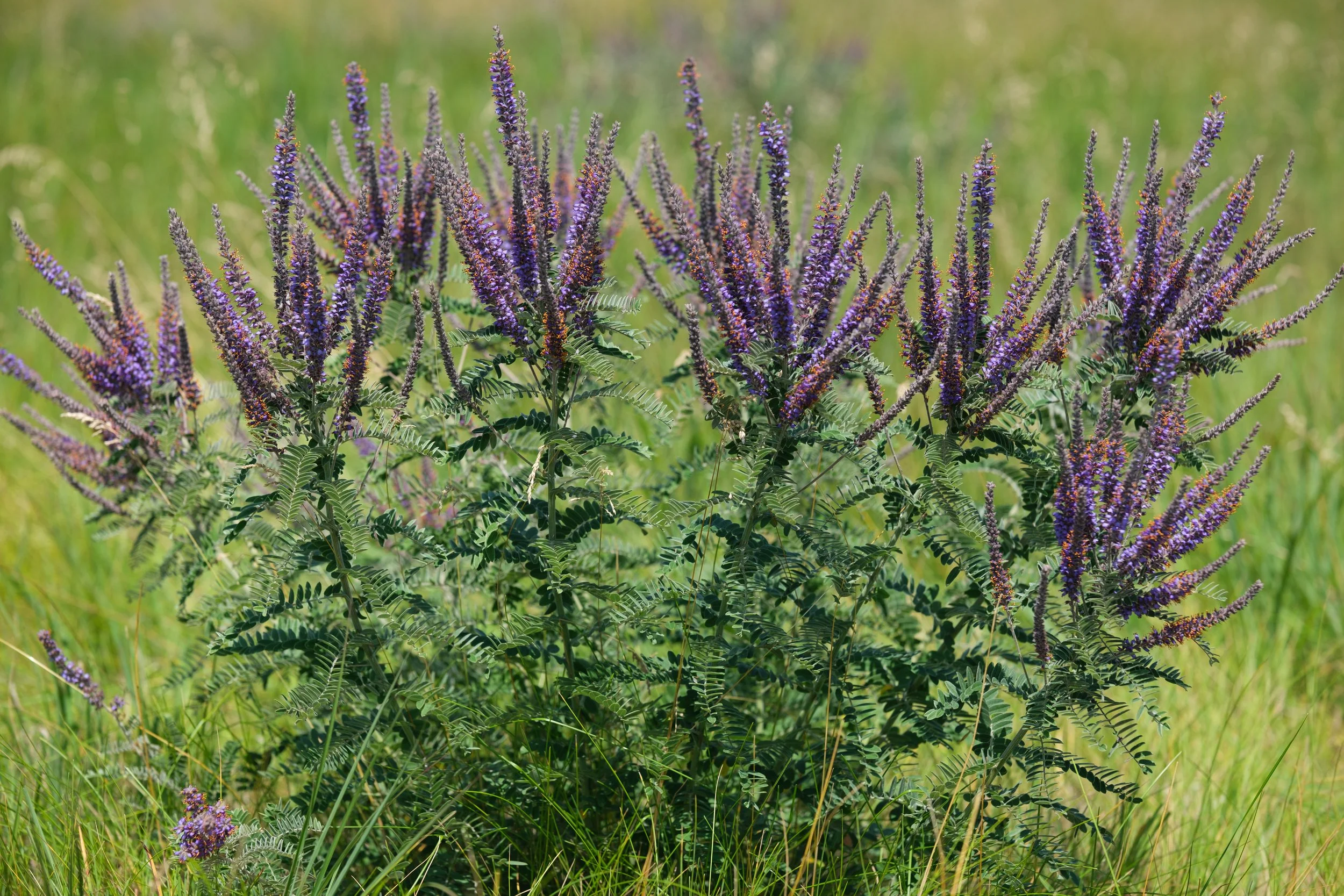
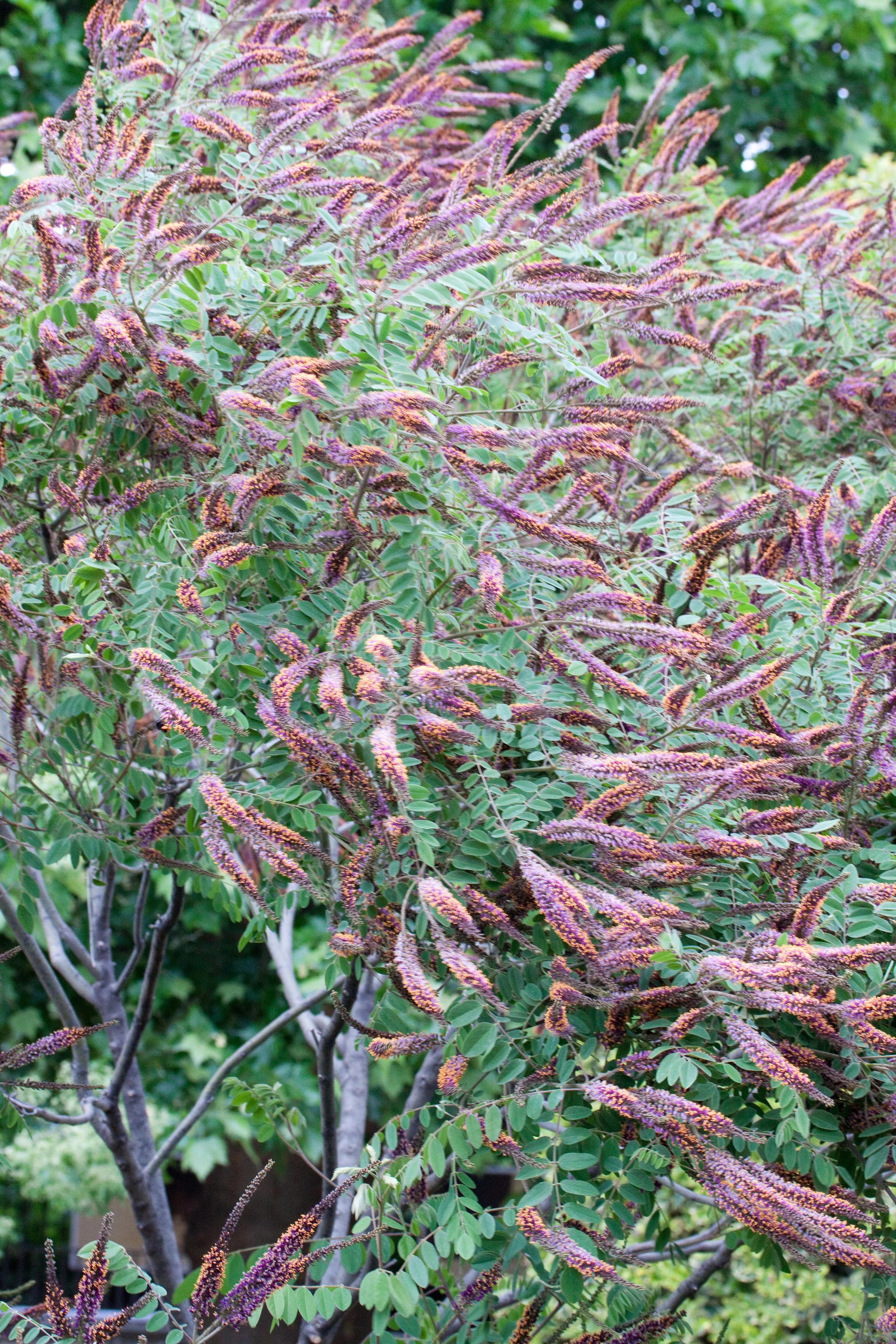
Individual Quart Sized Potted Plant
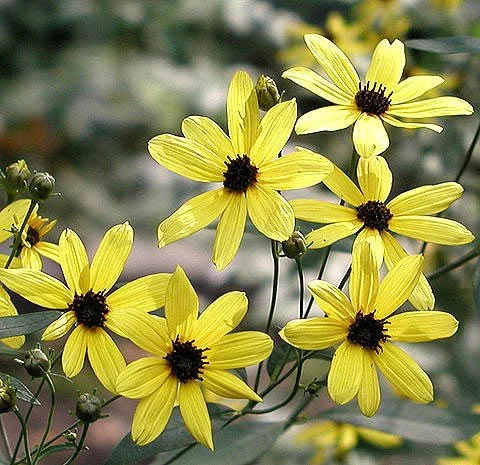
A robust native perennial, Rosinweed brightens summer prairies with its tall stems and bold yellow blooms. Its coarse, square stems and sandpapery leaves exude sticky resin when broken—hence the name “Rosinweed.” The sunflower-like flowers attract pollinators in abundance, creating a lively display of color and motion through midsummer.
Adapted to open, sunny habitats, Rosinweed thrives in well-drained loam or sandy soil and withstands drought conditions with ease. Its deep roots stabilize soil, making it an ideal plant for restoration or erosion control in Northern Michigan landscapes.
Identification / Key Features: Square, rough stems; opposite, resinous leaves; bright yellow composite flowers.
Bloom Time: July-September
Mature Height / Size: 3–6 feet.
Growth Rate: Moderate to fast.
Light / Soil / Site Preferences: Full sun; tolerates dry, sandy, or loamy soils.
Wildlife Value / Ecological Role: Provides nectar for bees and butterflies; seeds feed finches.
Uses / Economic / Cultural: Strong vertical accent for prairie gardens; traditional resin used as chewing gum by Indigenous peoples.
Individual Quart Sized Potted Plant
A robust native perennial, Rosinweed brightens summer prairies with its tall stems and bold yellow blooms. Its coarse, square stems and sandpapery leaves exude sticky resin when broken—hence the name “Rosinweed.” The sunflower-like flowers attract pollinators in abundance, creating a lively display of color and motion through midsummer.
Adapted to open, sunny habitats, Rosinweed thrives in well-drained loam or sandy soil and withstands drought conditions with ease. Its deep roots stabilize soil, making it an ideal plant for restoration or erosion control in Northern Michigan landscapes.
Identification / Key Features: Square, rough stems; opposite, resinous leaves; bright yellow composite flowers.
Bloom Time: July-September
Mature Height / Size: 3–6 feet.
Growth Rate: Moderate to fast.
Light / Soil / Site Preferences: Full sun; tolerates dry, sandy, or loamy soils.
Wildlife Value / Ecological Role: Provides nectar for bees and butterflies; seeds feed finches.
Uses / Economic / Cultural: Strong vertical accent for prairie gardens; traditional resin used as chewing gum by Indigenous peoples.