Stiff Goldenrod (Solidago rigida)
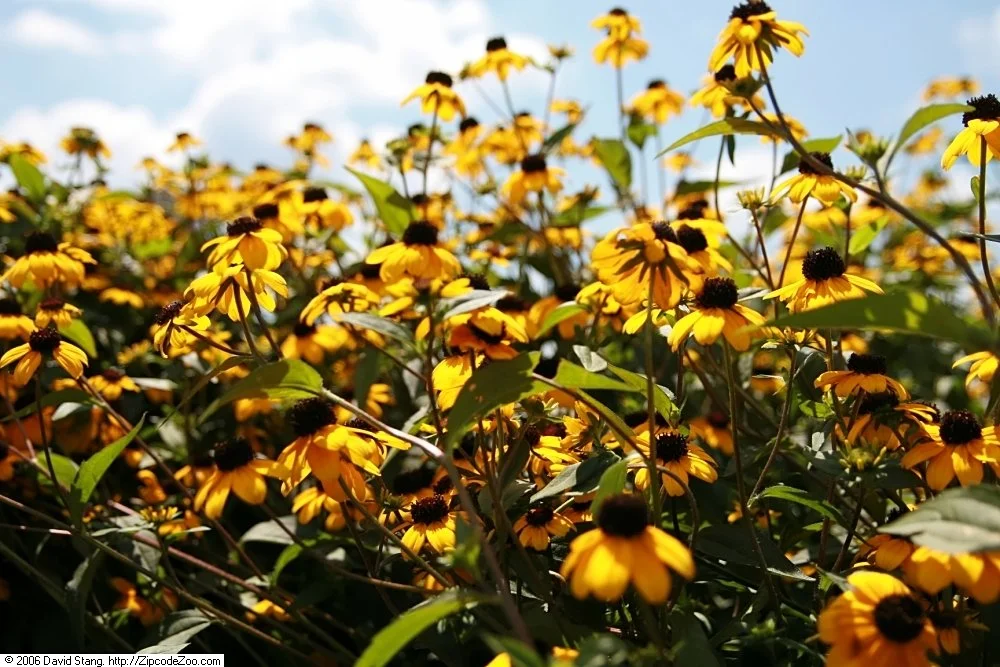
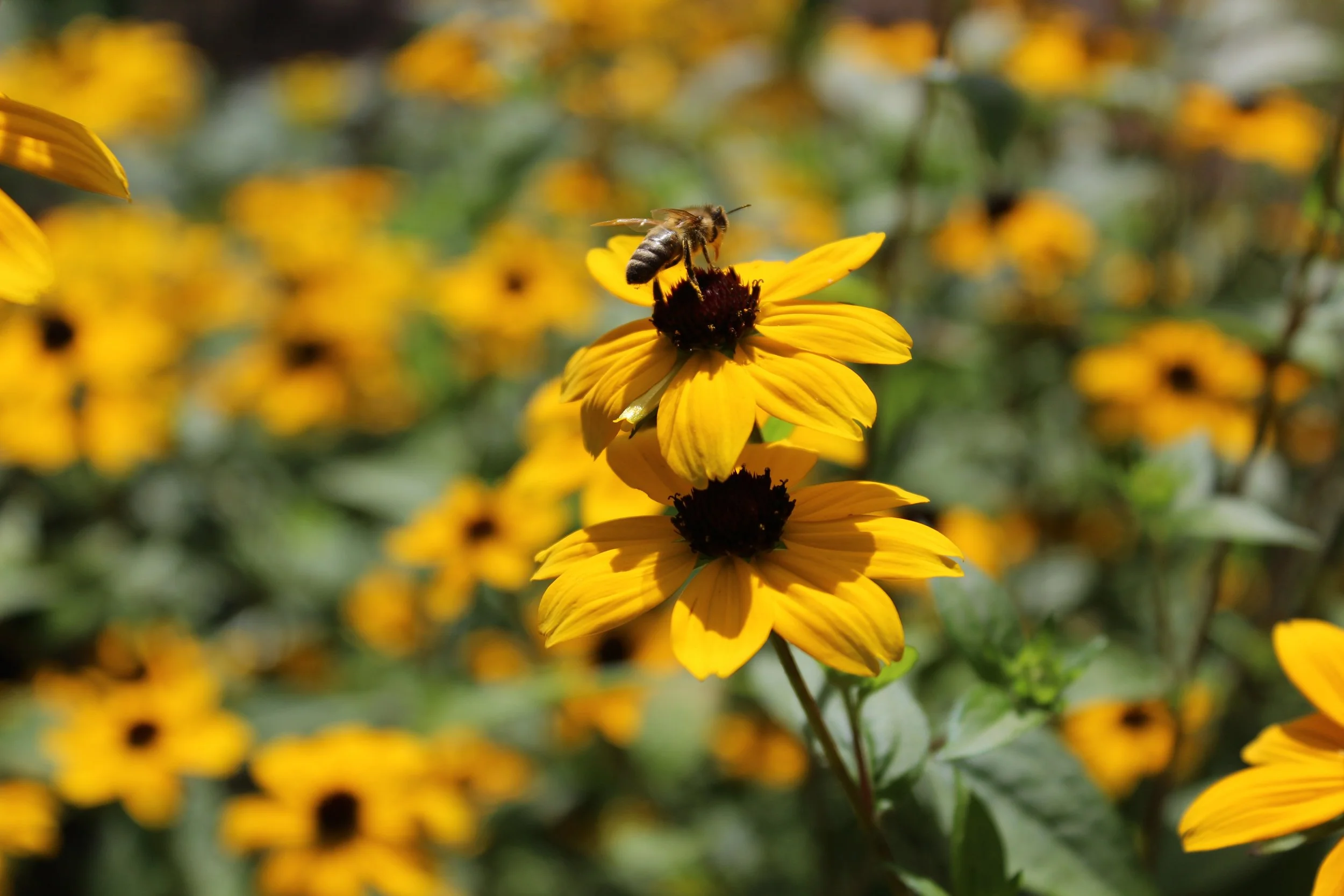
A bold and distinctive prairie wildflower, Stiff Goldenrod brings vibrant golden color to the late-season landscape with broad, flat-topped clusters of brilliant yellow blooms. Its sturdy stems and coarse blue-green foliage provide striking architectural structure, while its abundant flowers become a gathering place for bees, butterflies, and other beneficial insects as summer gives way to autumn.
Unlike many goldenrods, Stiff Goldenrod grows in well-defined clumps and is not aggressive, making it an excellent choice for native gardens and prairie restorations. It thrives in full sun and dry to medium, well-drained soils, developing deep roots that allow it to withstand drought and flourish for decades.
Identification: Thick, upright stems with broad, rough-textured blue-green leaves; flat-topped clusters of bright golden-yellow flowers; sturdy, clump-forming habit.
Bloom Time: August–October
Mature Height: 3–5 feet.
Growth Rate: Moderate.
Site Preferences: Full sun; well-drained, dry to medium soils.
Wildlife Value: Exceptional late-season nectar source for native bees, butterflies, beetles, and other pollinators; seeds provide food for birds and stems offer overwintering habitat for beneficial insects.
Cultural Presence: Excellent for prairie restorations, native meadows, and pollinator gardens; admired for its bold form, drought tolerance, and outstanding ecological value.
A bold and distinctive prairie wildflower, Stiff Goldenrod brings vibrant golden color to the late-season landscape with broad, flat-topped clusters of brilliant yellow blooms. Its sturdy stems and coarse blue-green foliage provide striking architectural structure, while its abundant flowers become a gathering place for bees, butterflies, and other beneficial insects as summer gives way to autumn.
Unlike many goldenrods, Stiff Goldenrod grows in well-defined clumps and is not aggressive, making it an excellent choice for native gardens and prairie restorations. It thrives in full sun and dry to medium, well-drained soils, developing deep roots that allow it to withstand drought and flourish for decades.
Identification: Thick, upright stems with broad, rough-textured blue-green leaves; flat-topped clusters of bright golden-yellow flowers; sturdy, clump-forming habit.
Bloom Time: August–October
Mature Height: 3–5 feet.
Growth Rate: Moderate.
Site Preferences: Full sun; well-drained, dry to medium soils.
Wildlife Value: Exceptional late-season nectar source for native bees, butterflies, beetles, and other pollinators; seeds provide food for birds and stems offer overwintering habitat for beneficial insects.
Cultural Presence: Excellent for prairie restorations, native meadows, and pollinator gardens; admired for its bold form, drought tolerance, and outstanding ecological value.

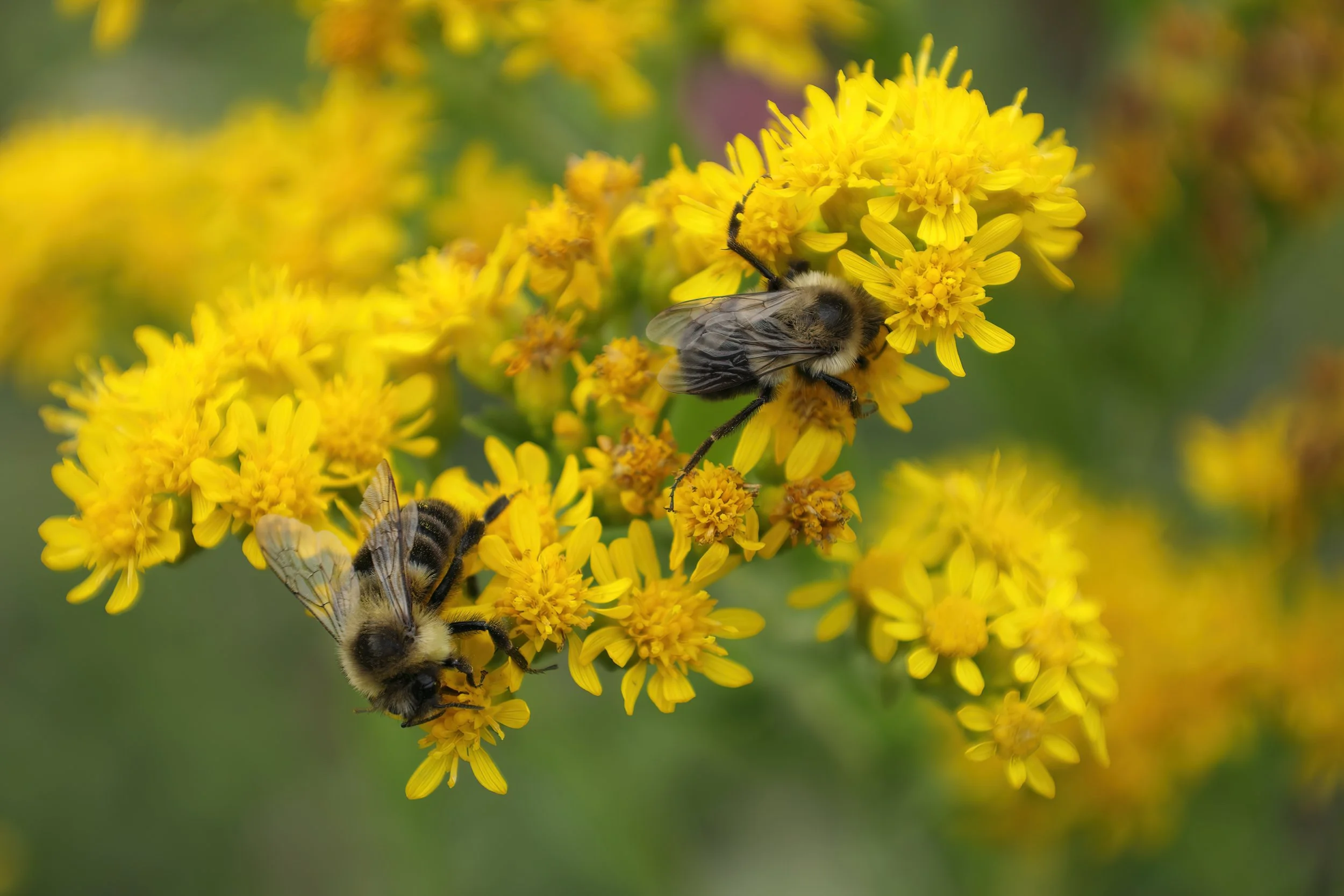 Image 1 of 6
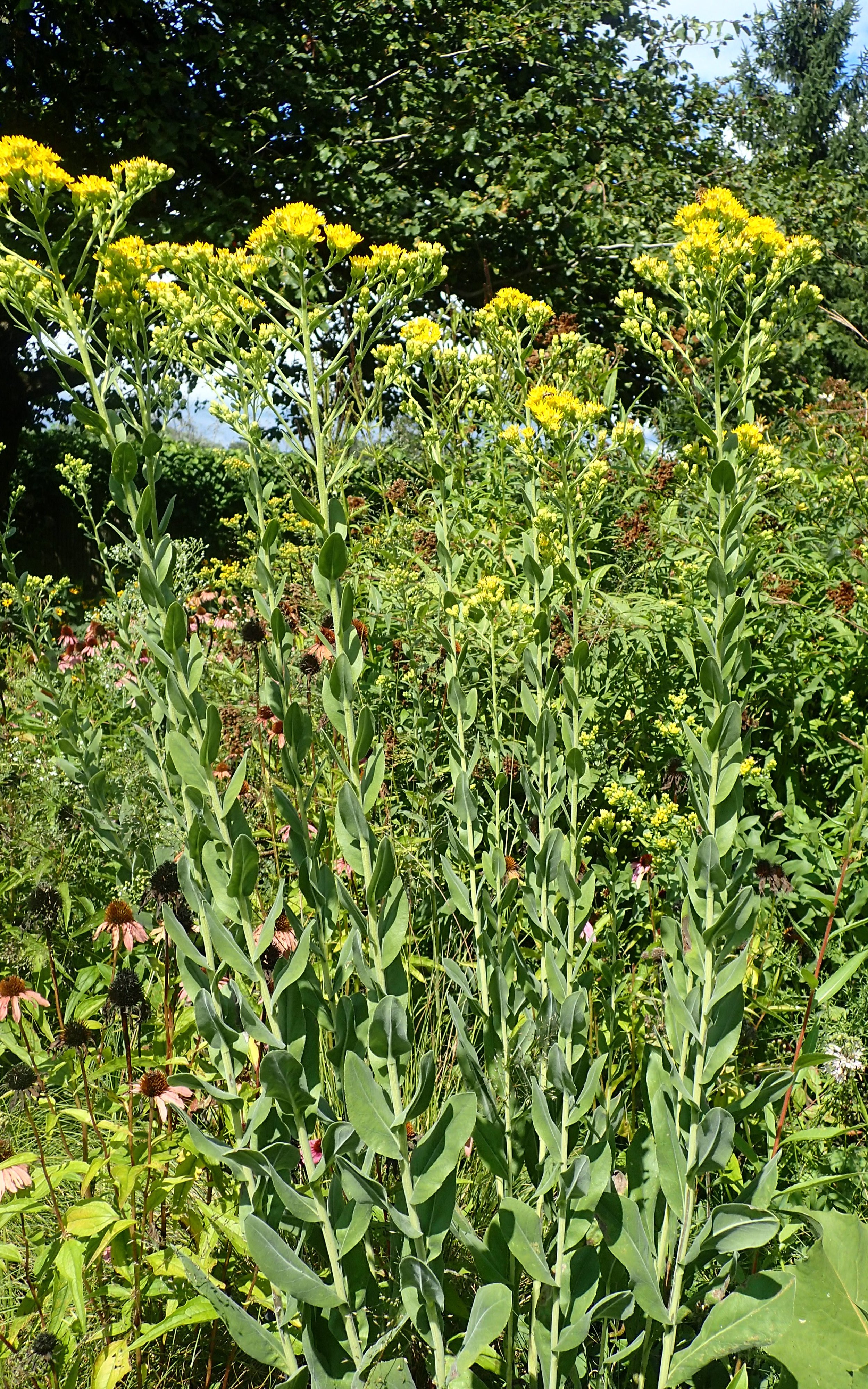 Image 2 of 6
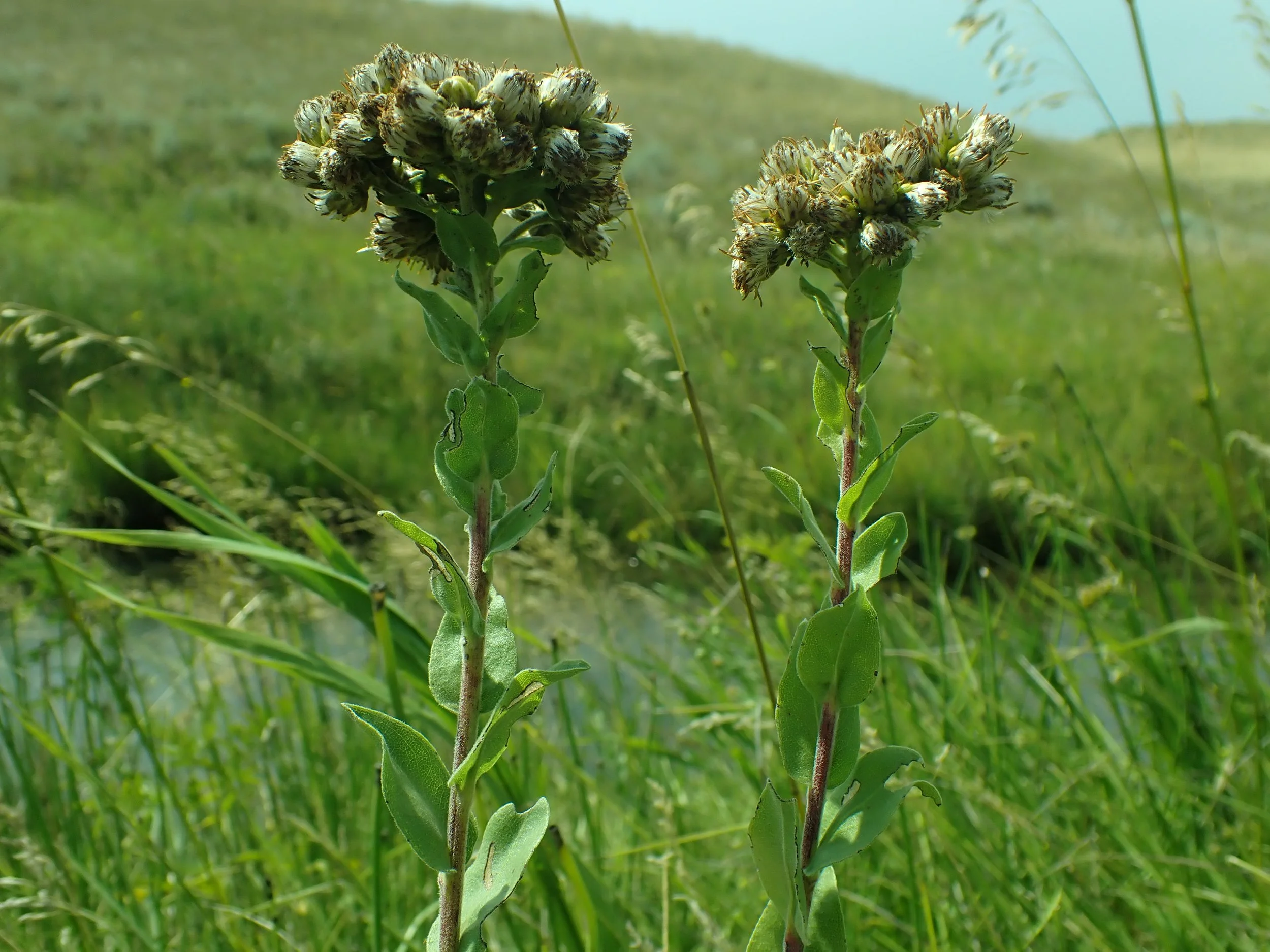 Image 3 of 6
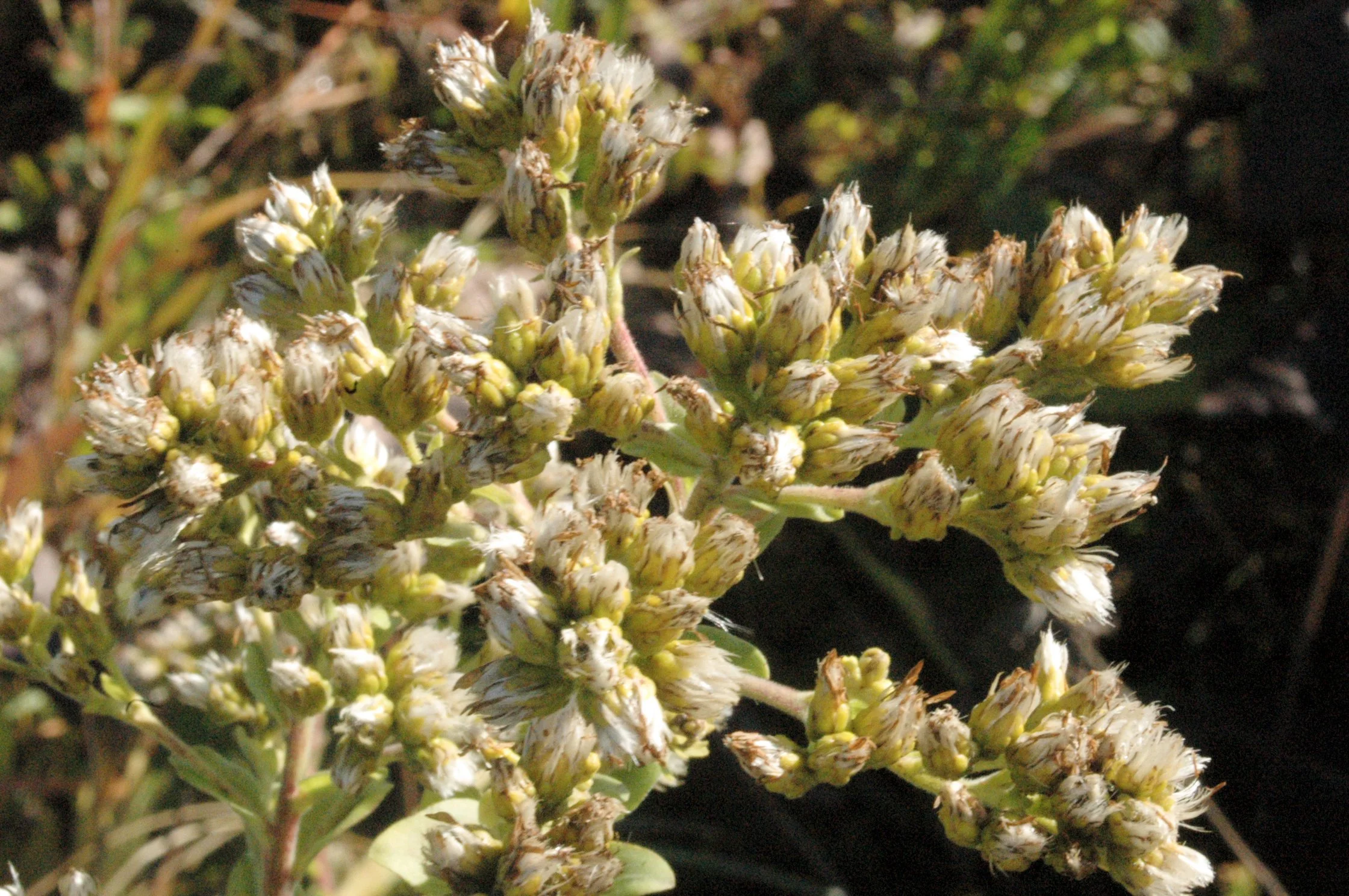 Image 4 of 6
 Image 5 of 6
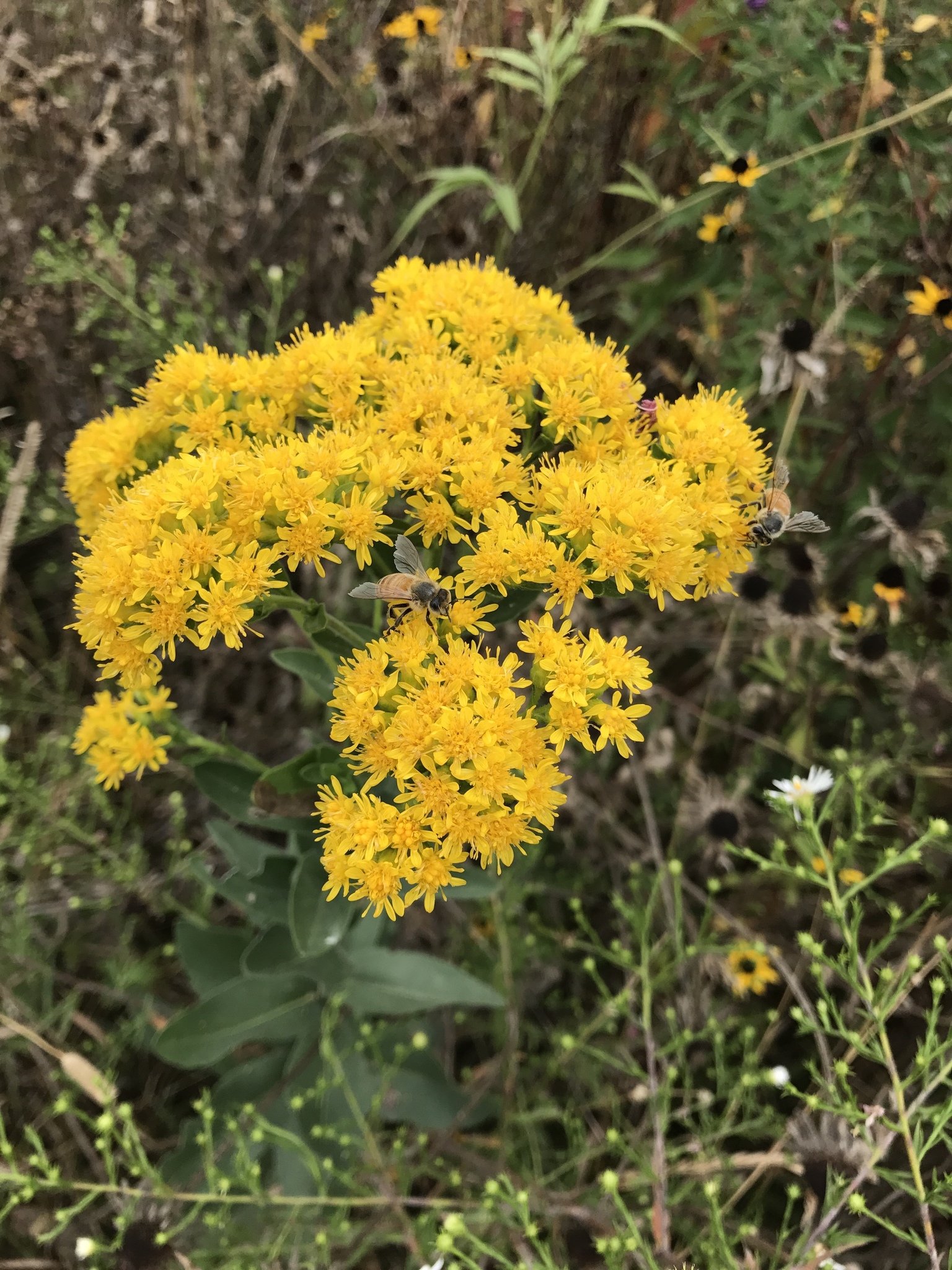 Image 6 of 6