 Image 1 of 5
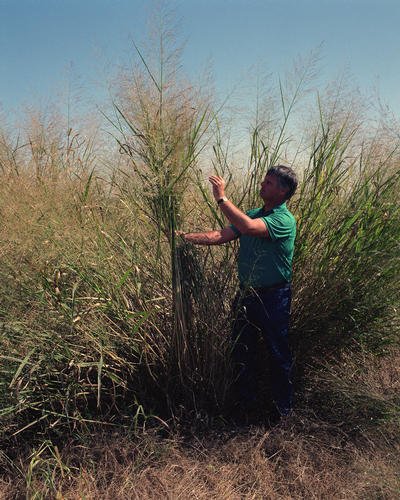 Image 2 of 5
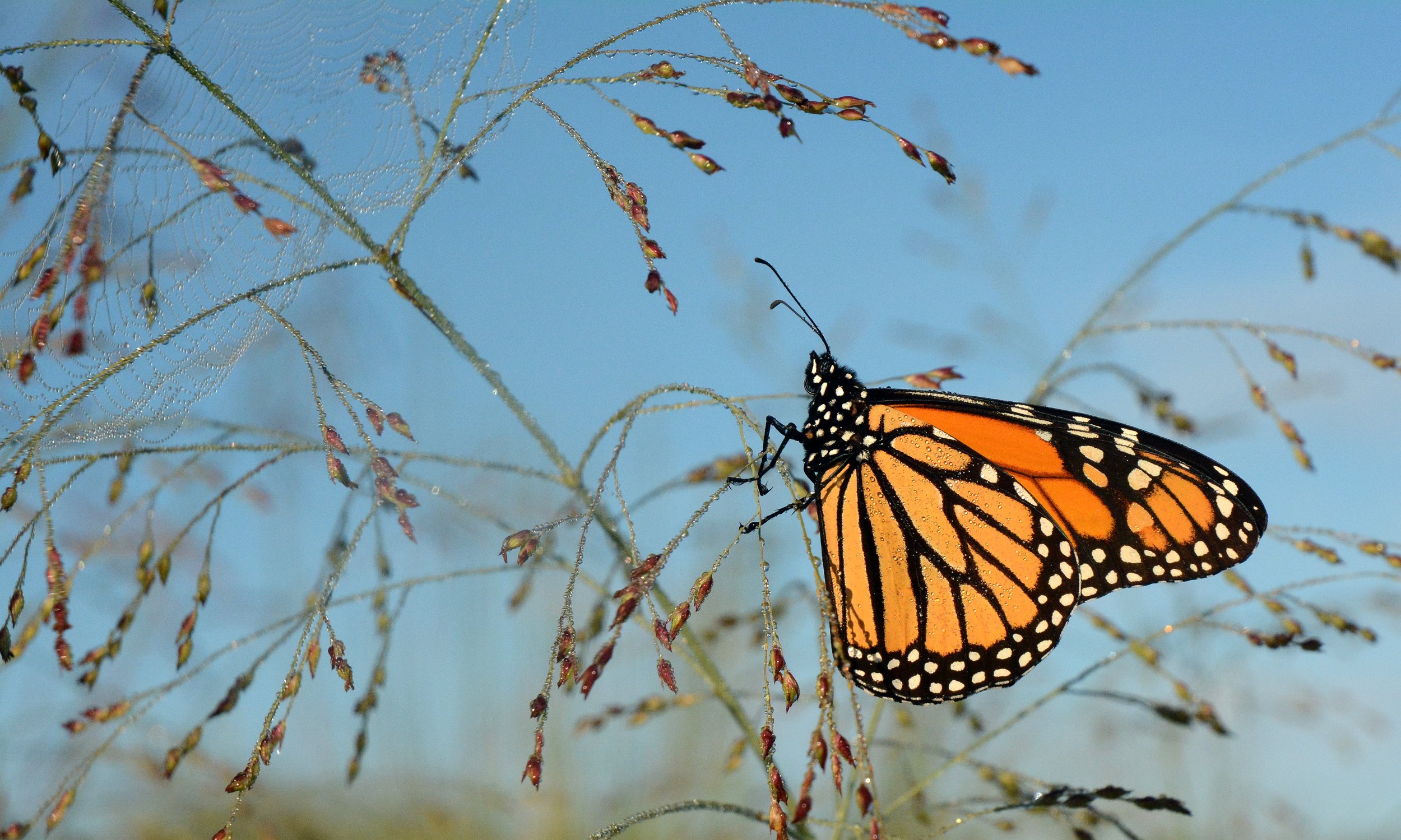 Image 3 of 5
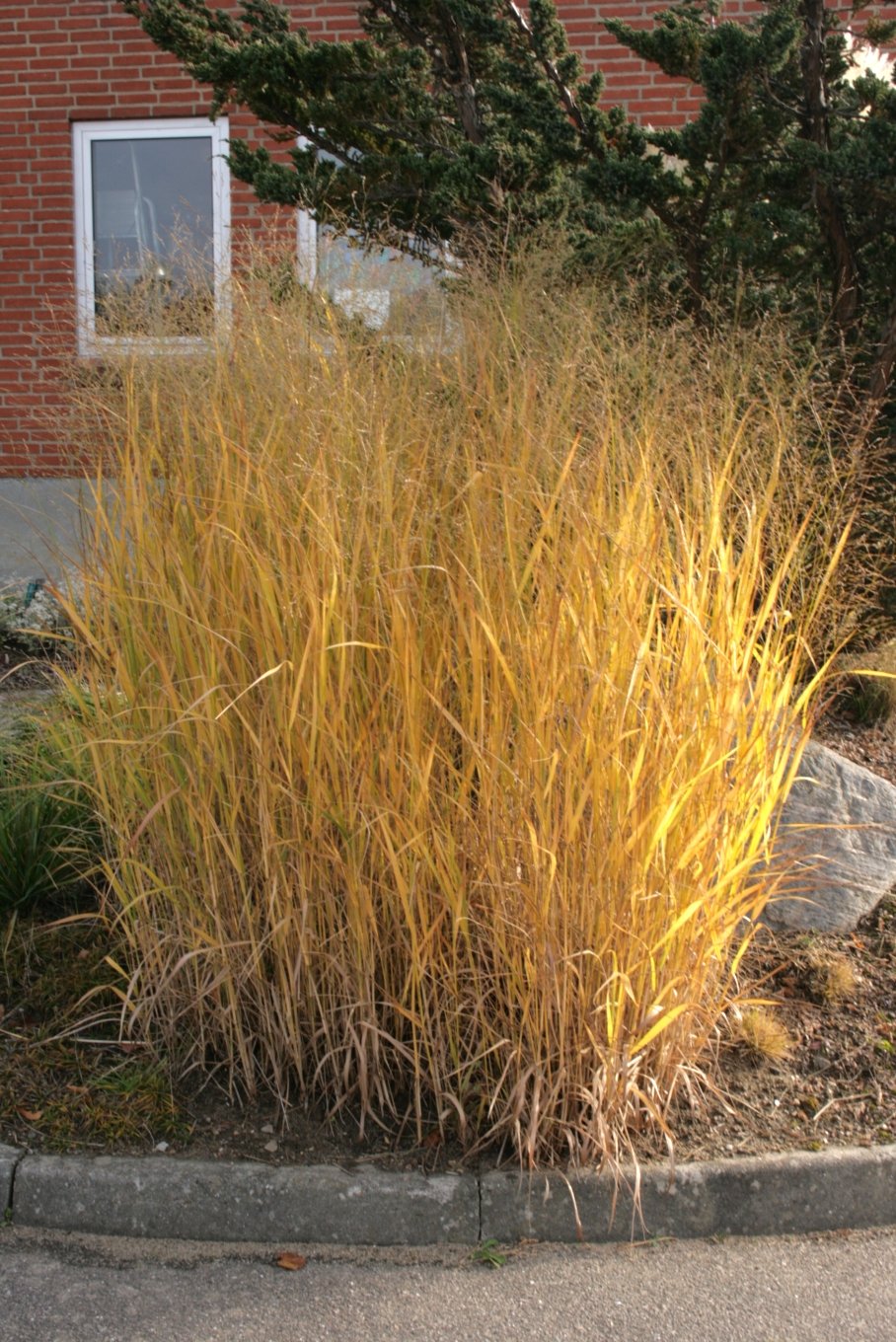 Image 4 of 5
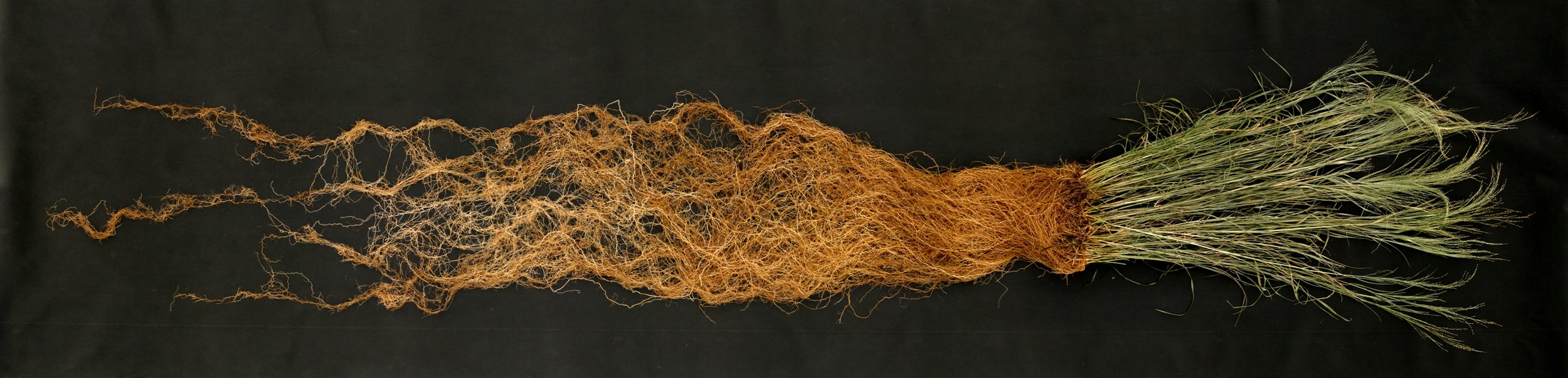 Image 5 of 5
Individual Quart Sized Potted Plants
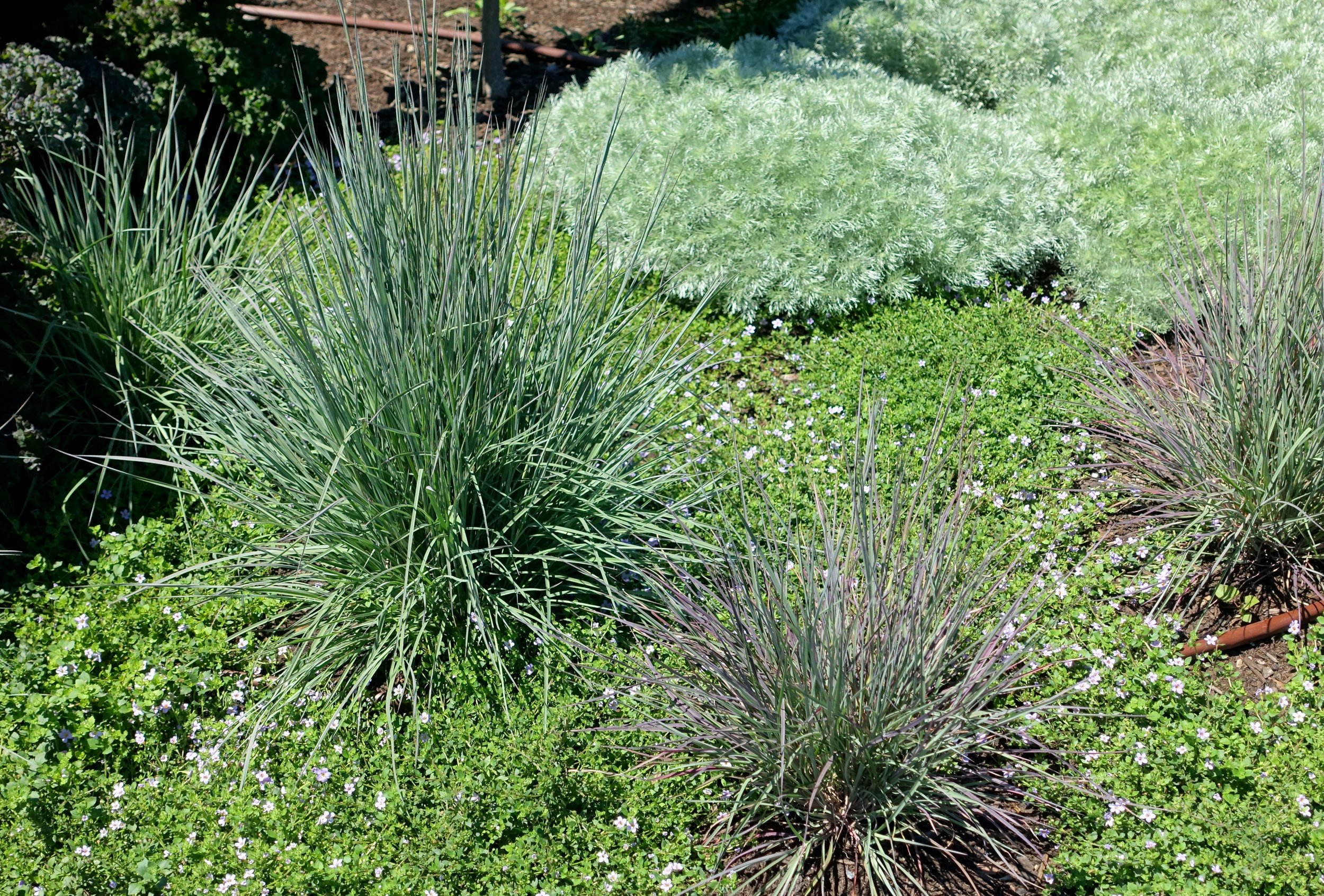
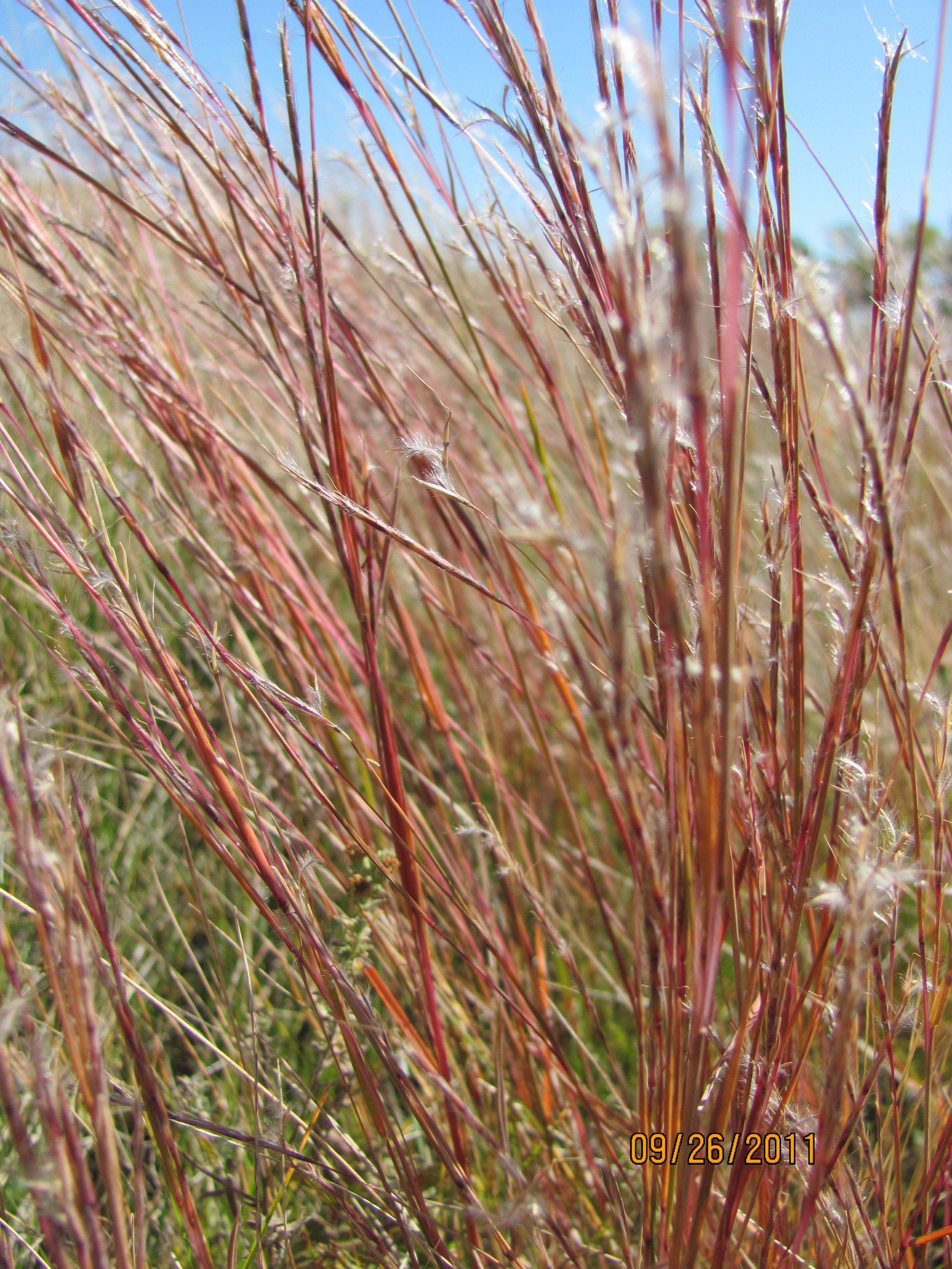
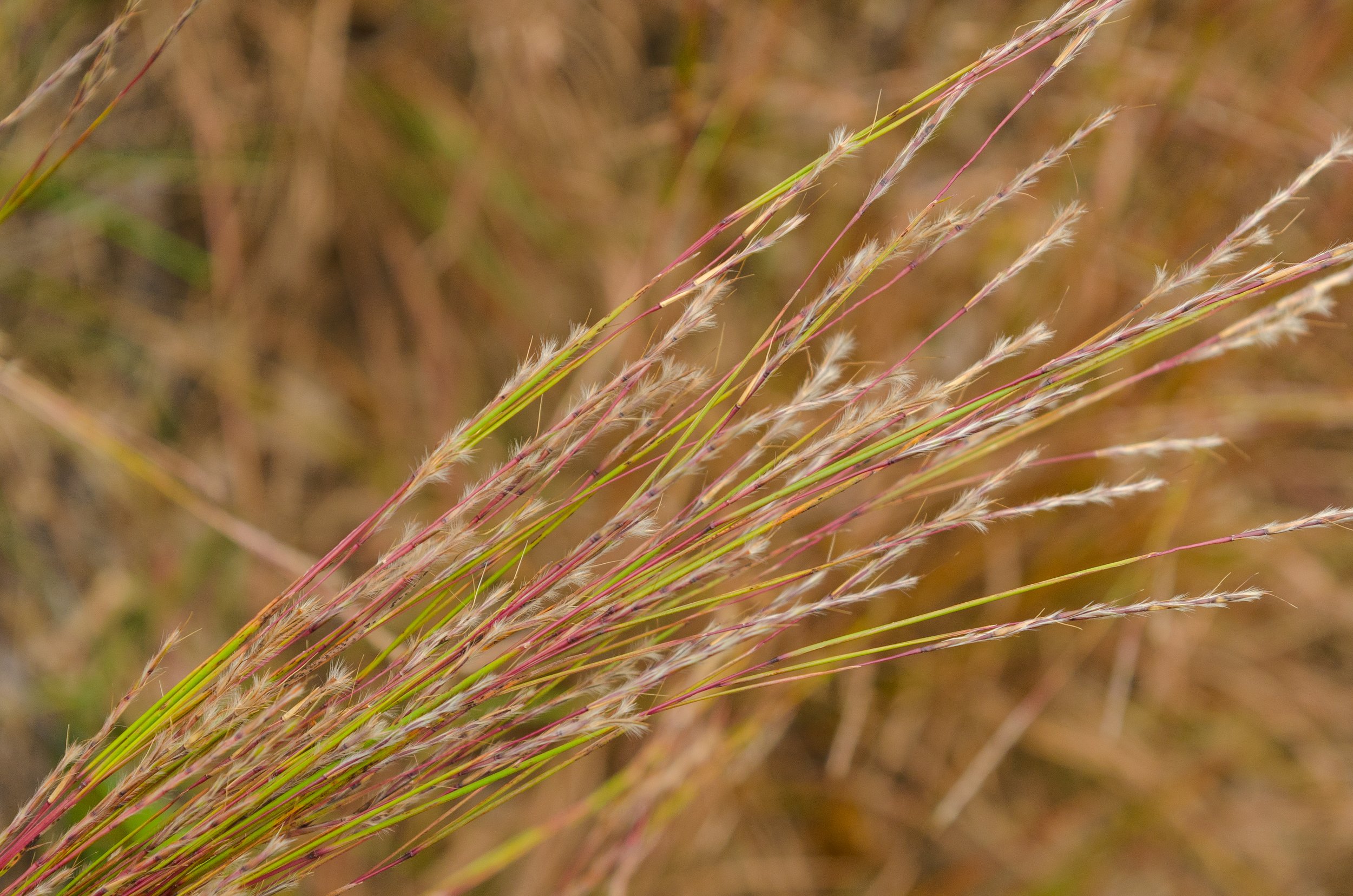
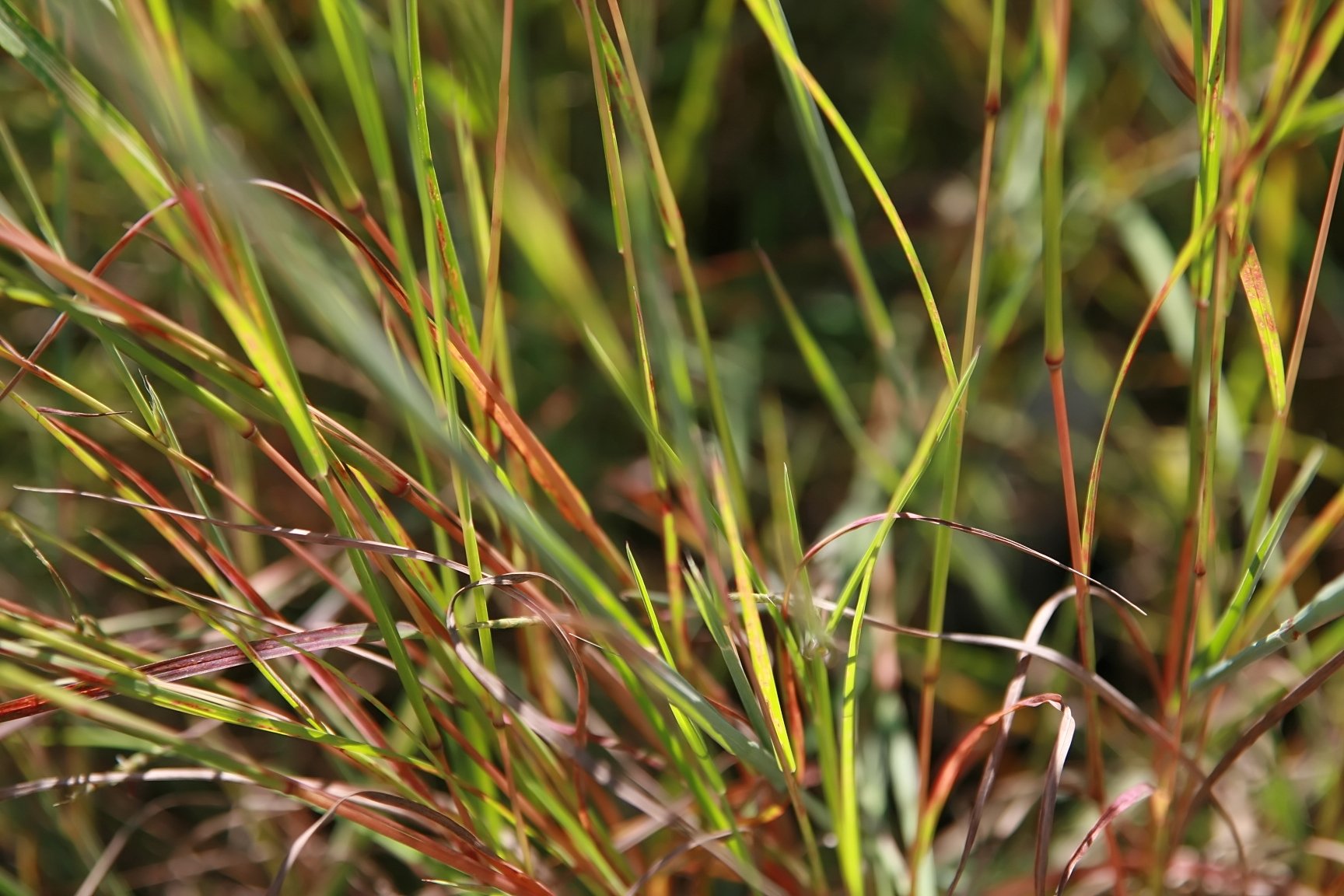
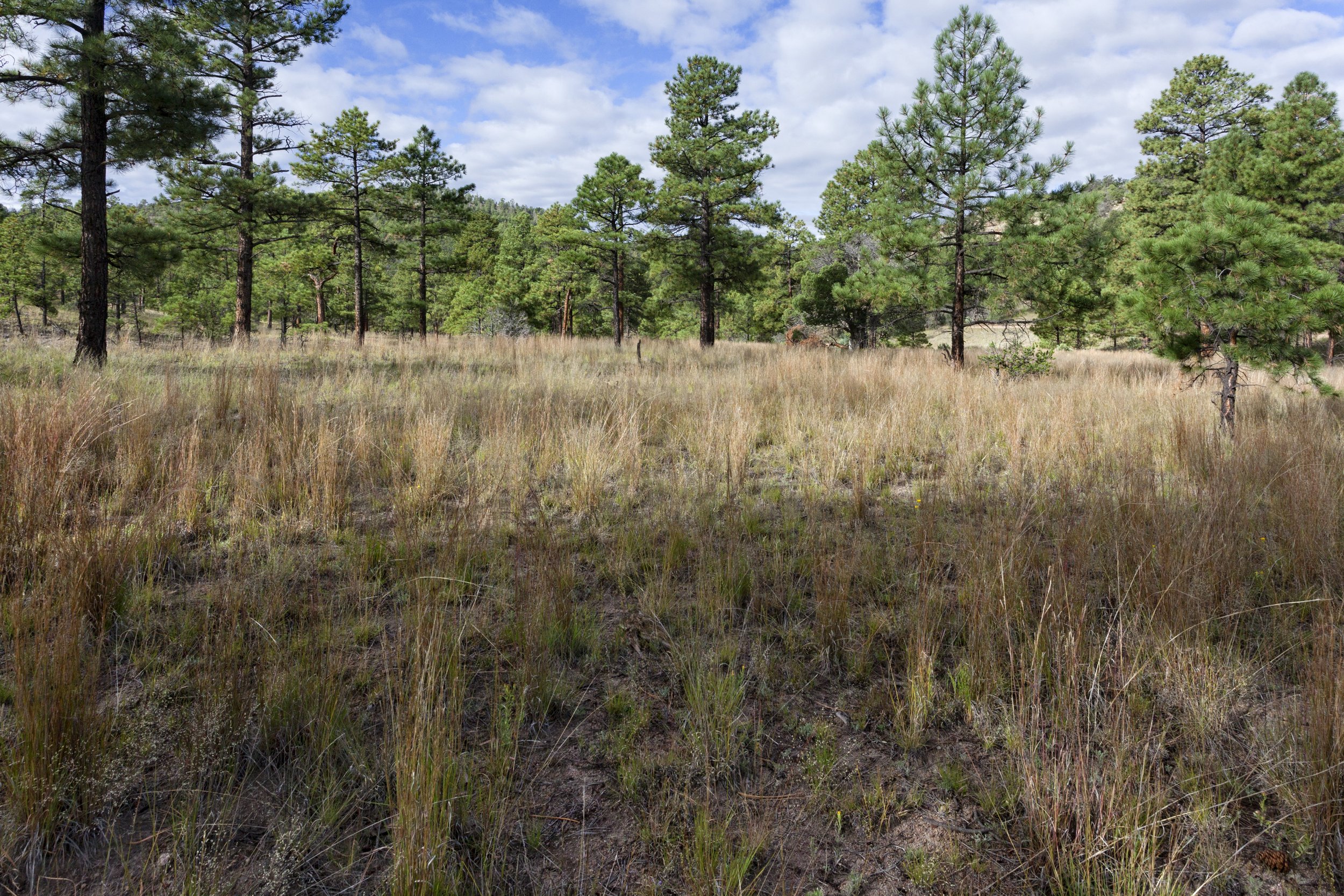
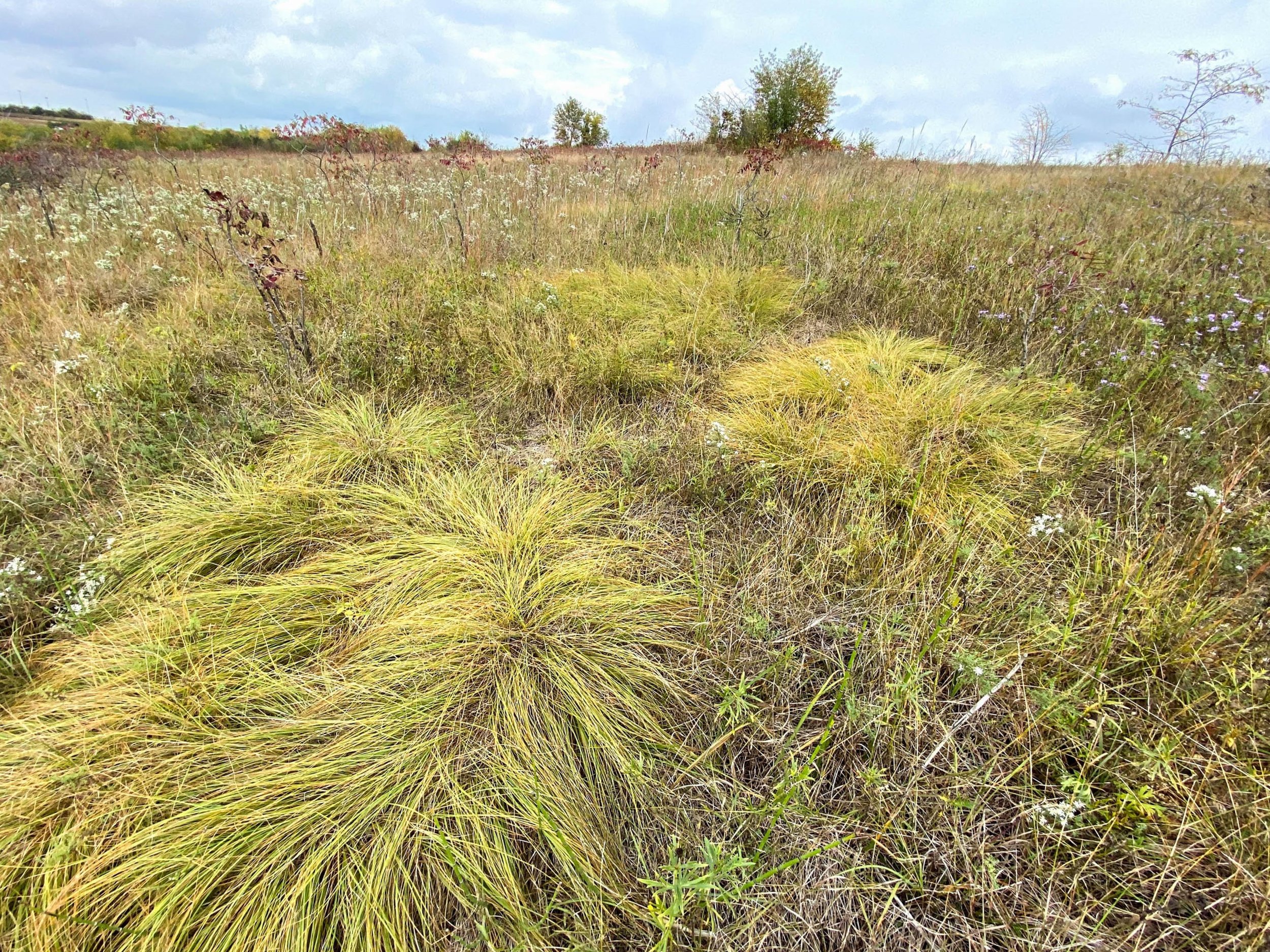
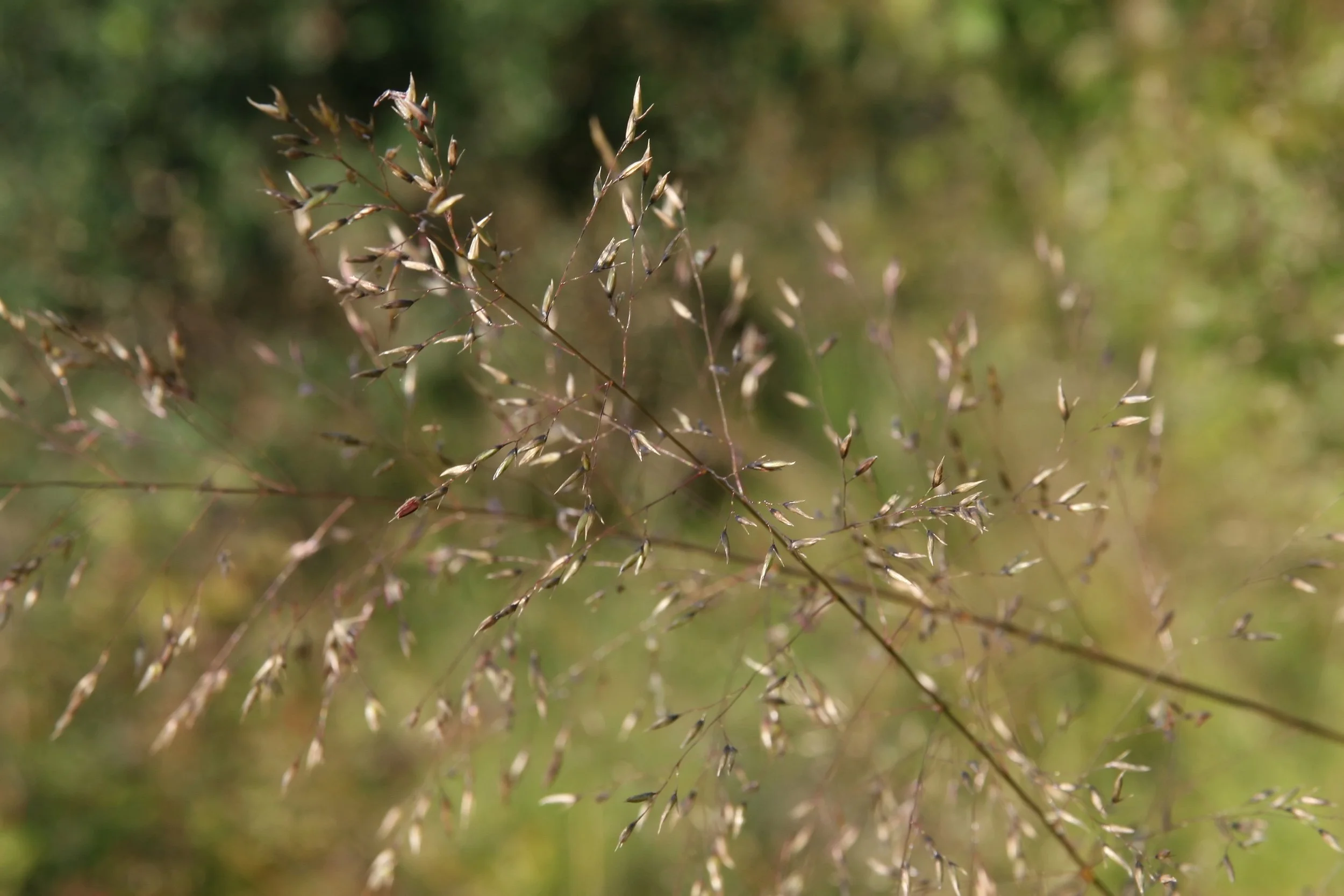
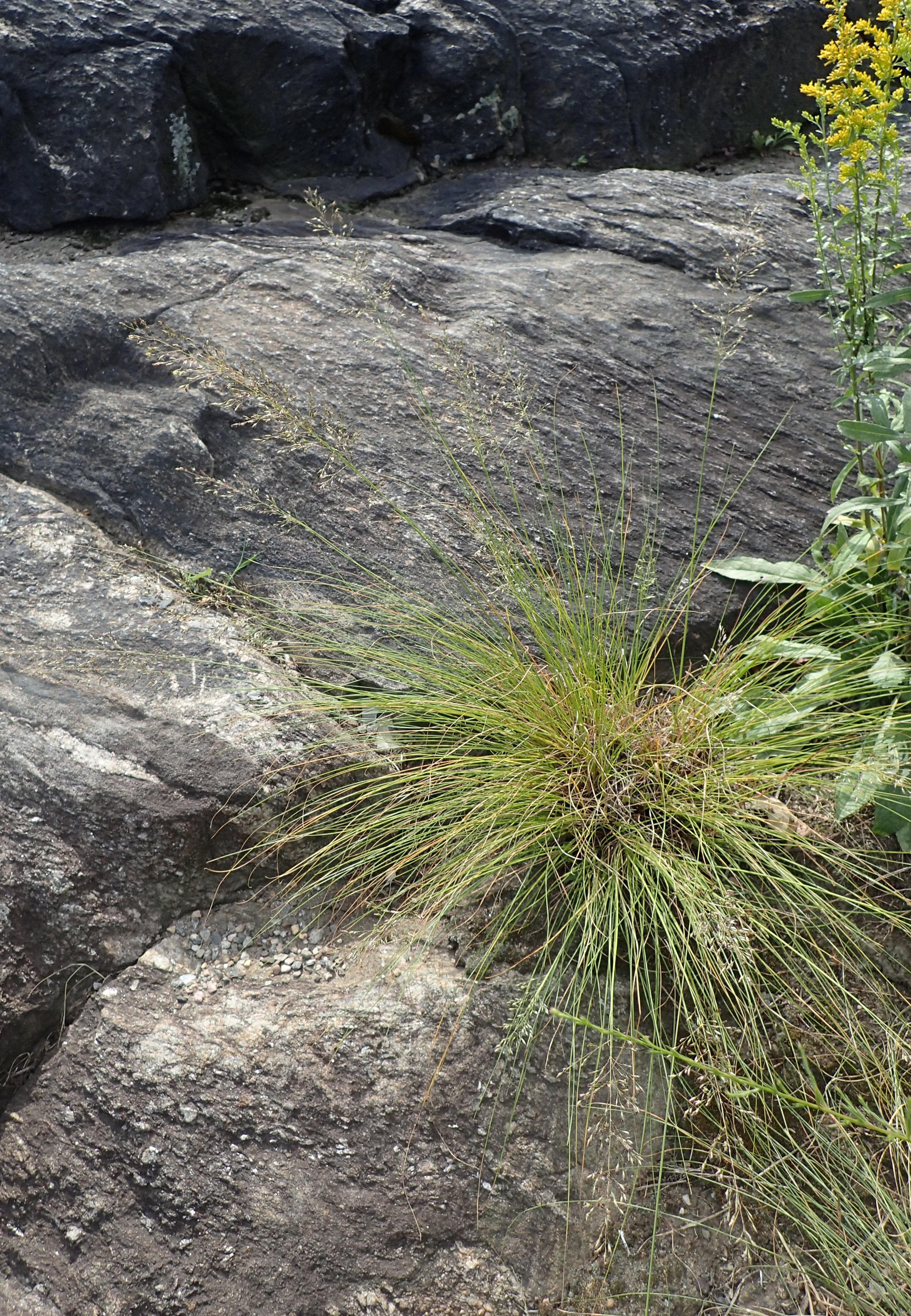
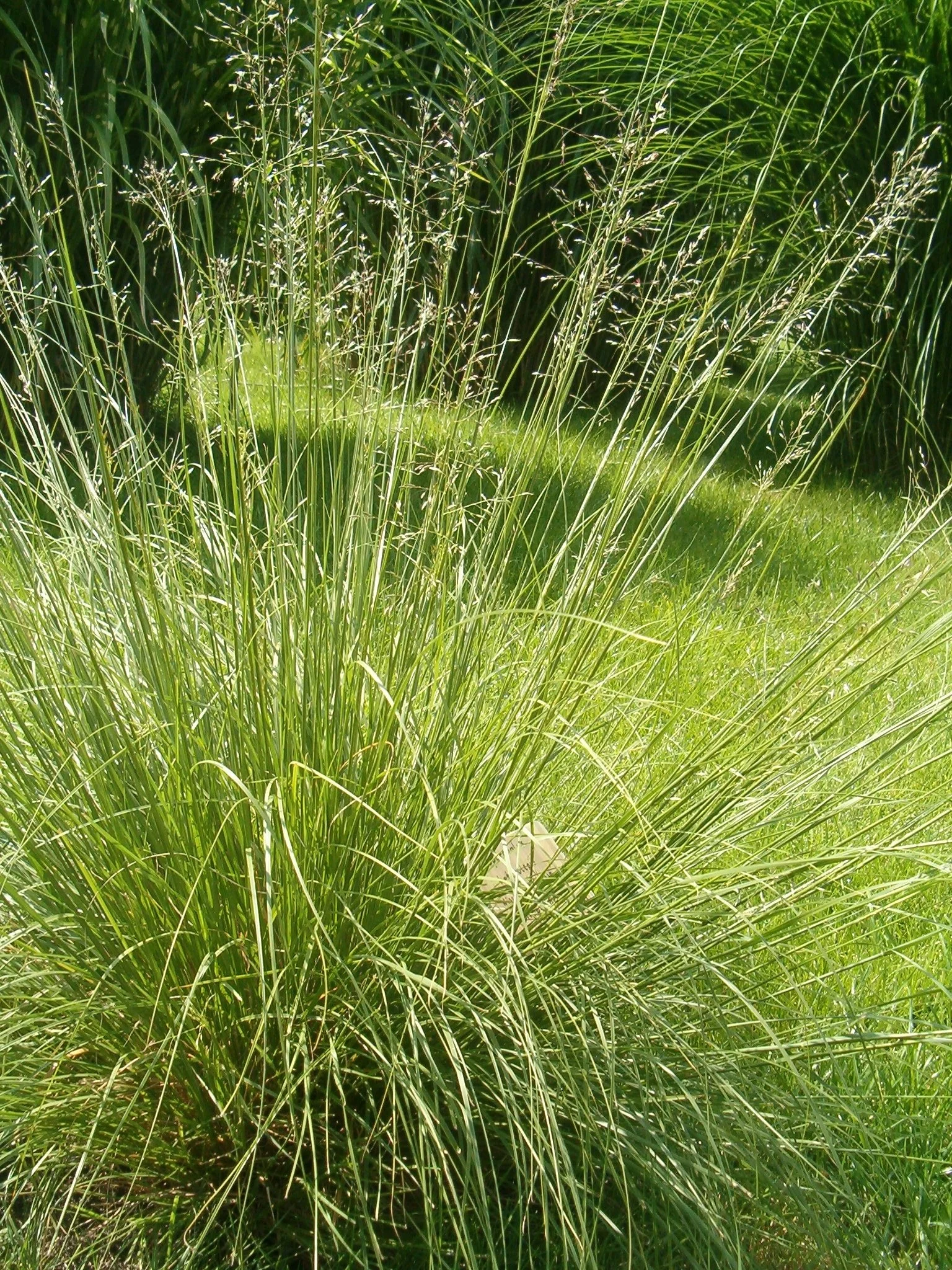
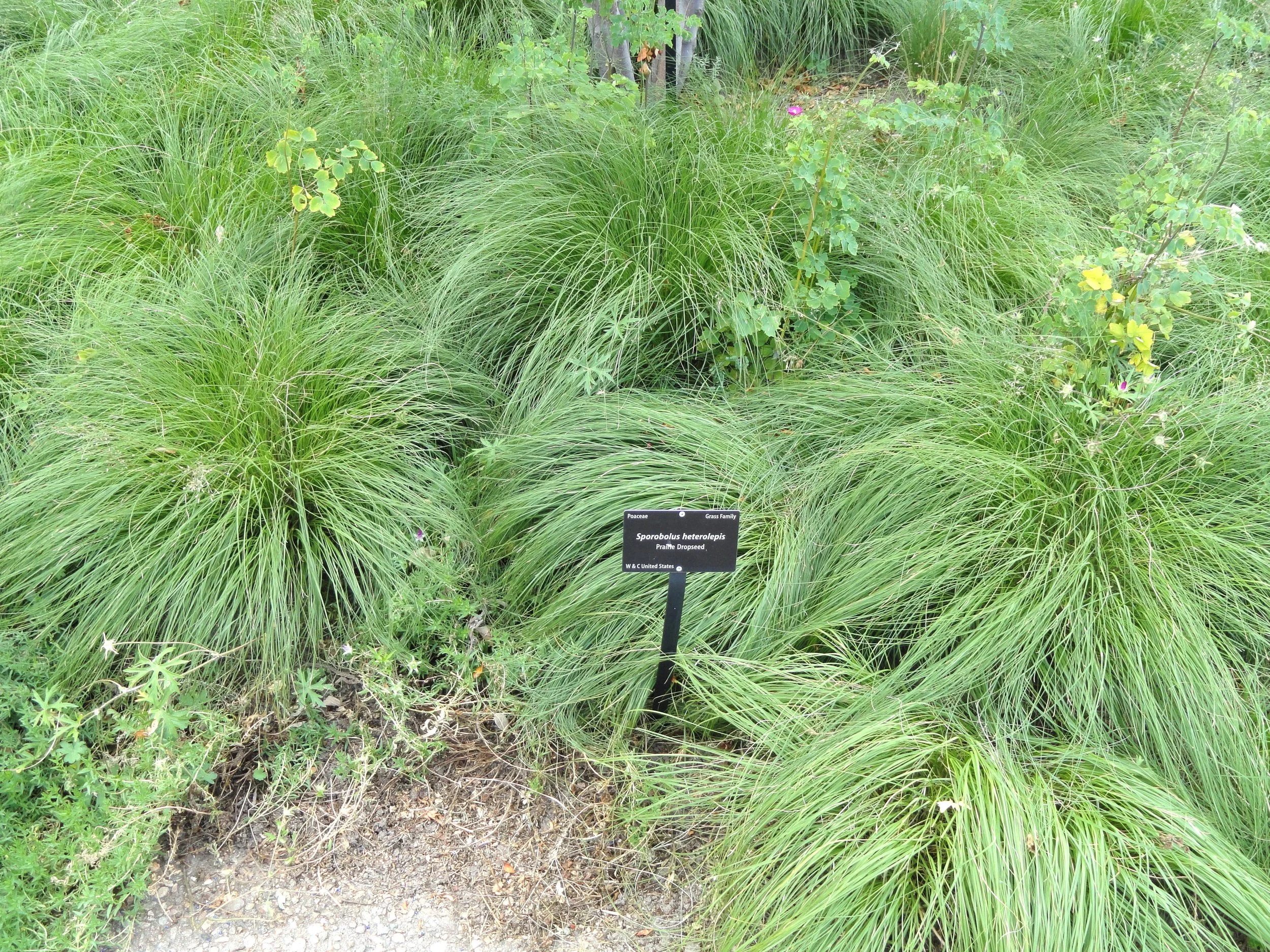
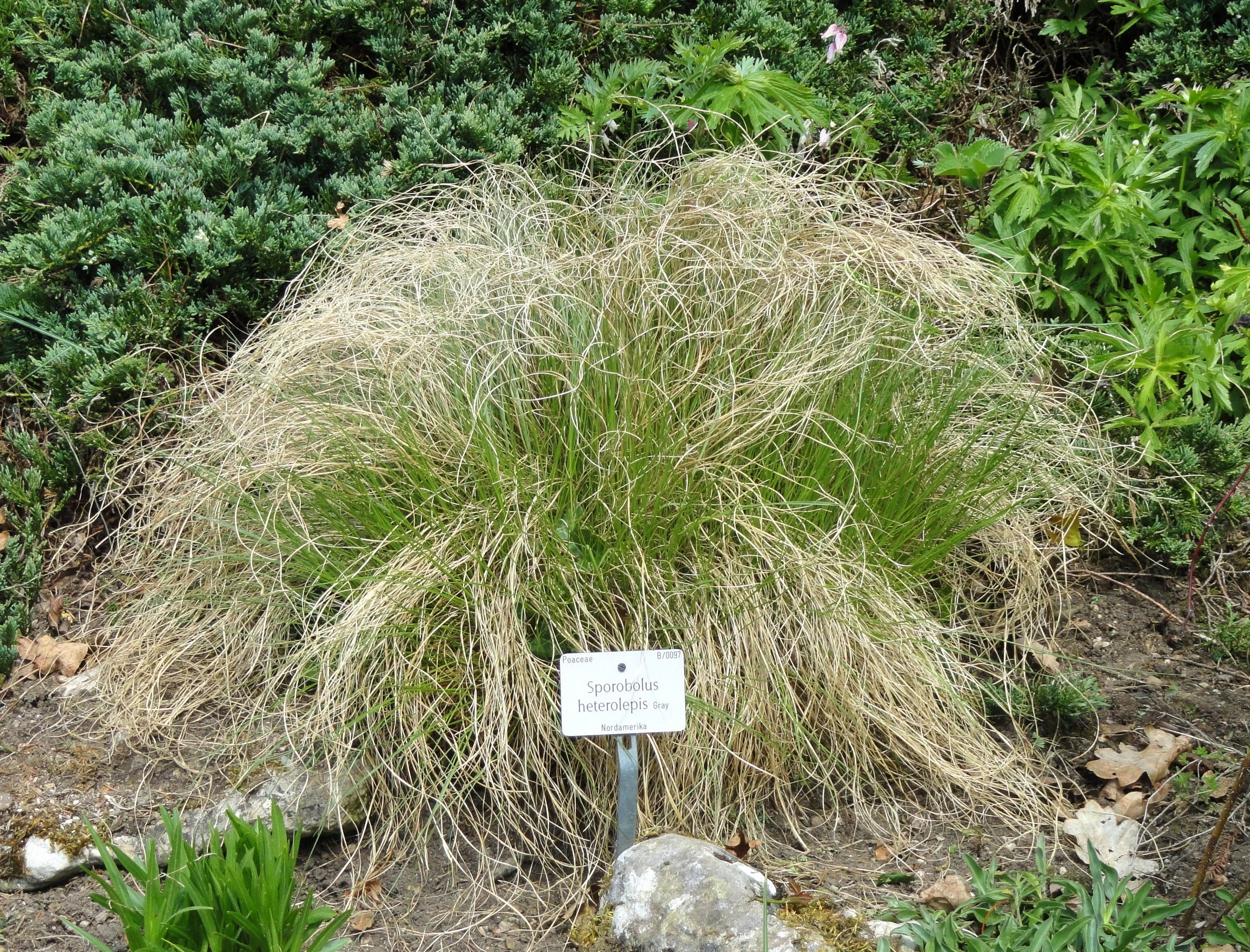
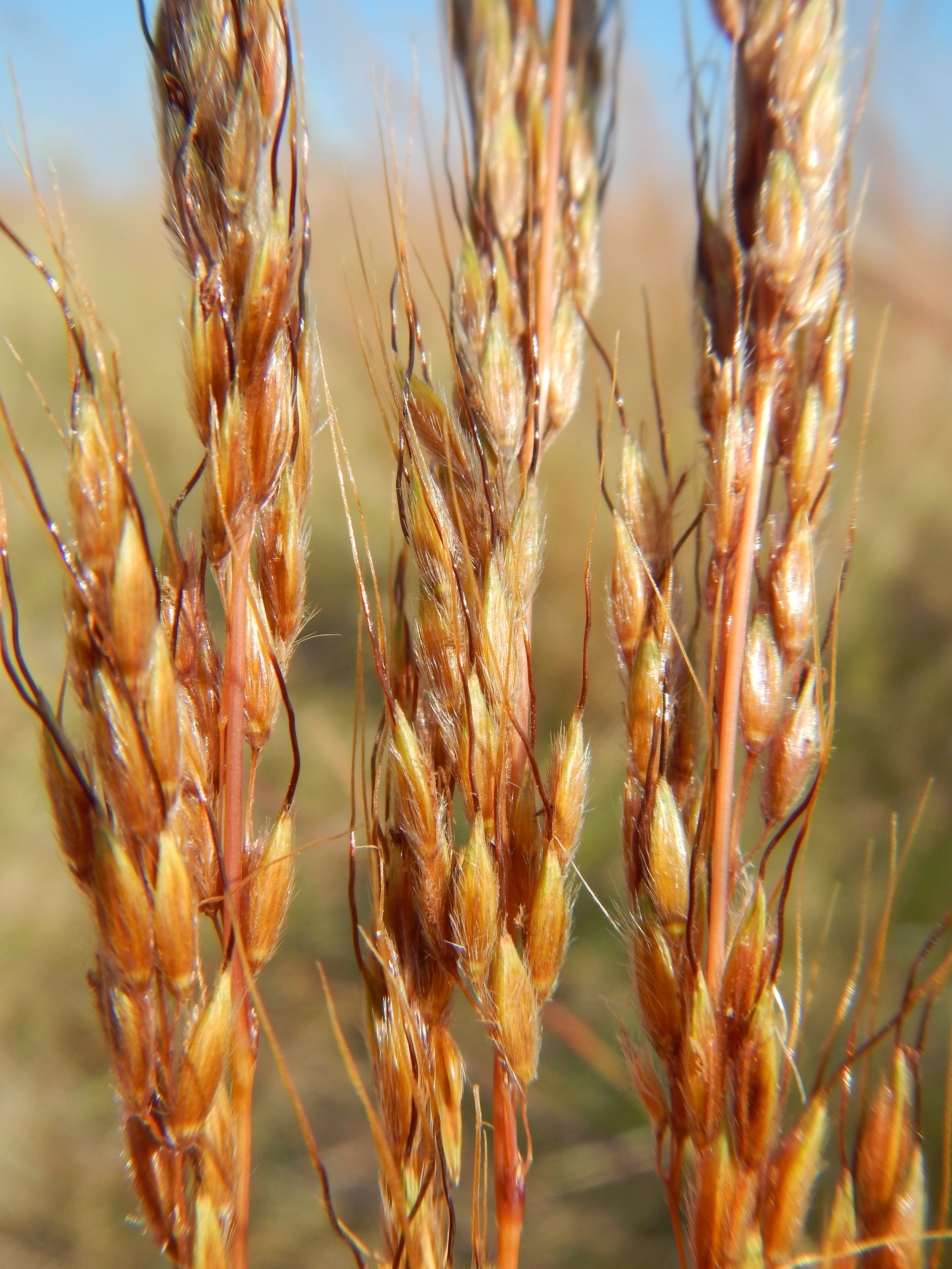
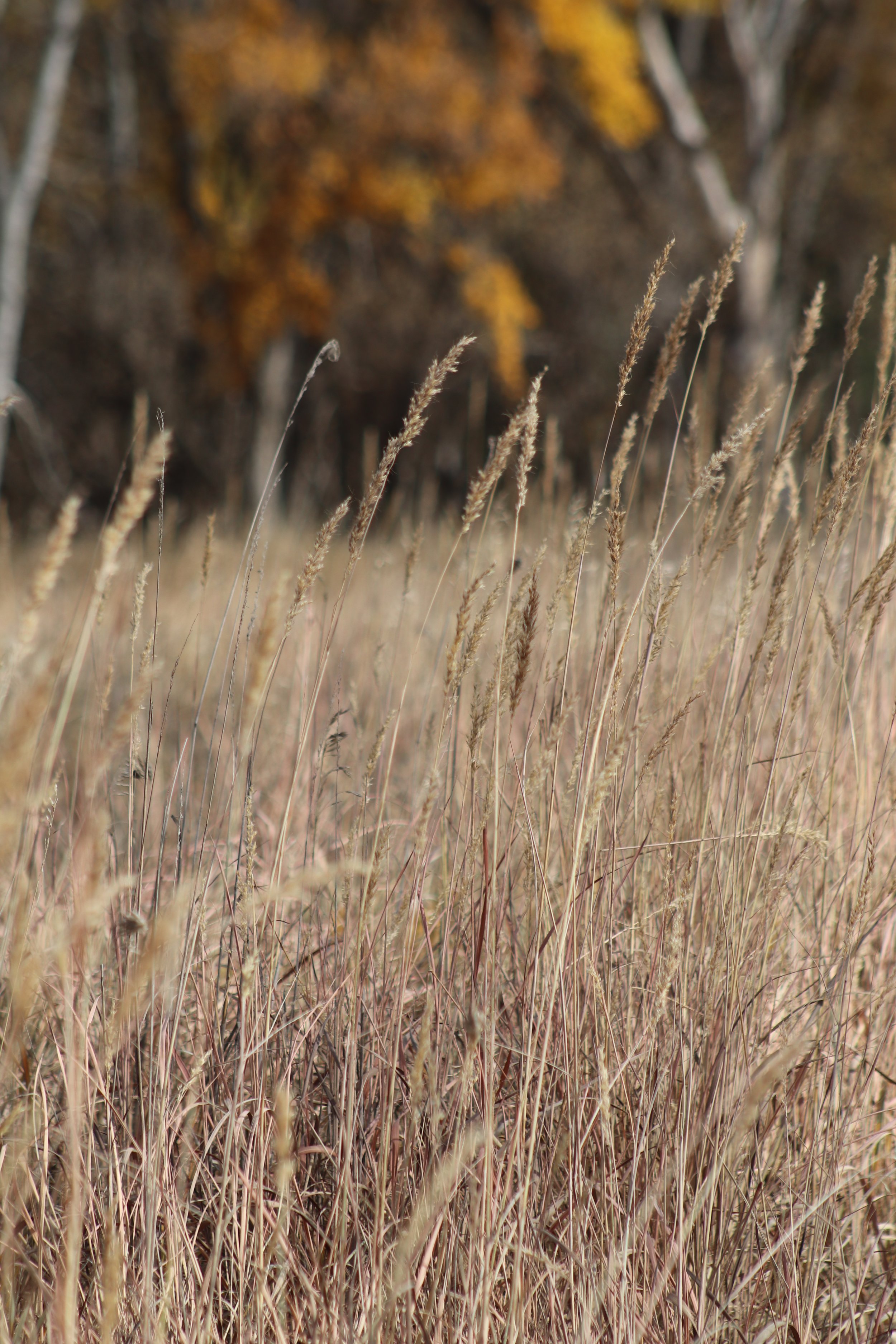
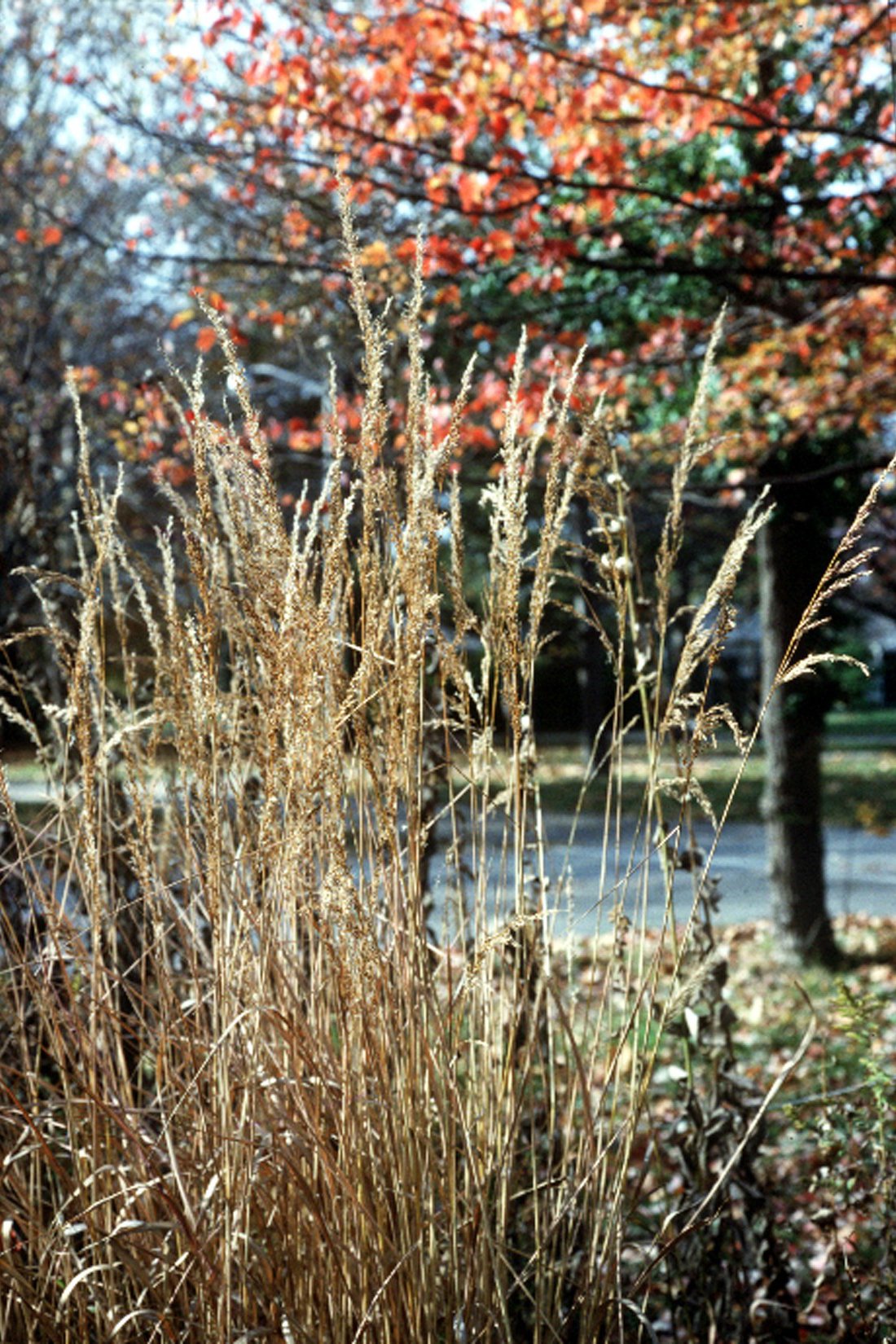
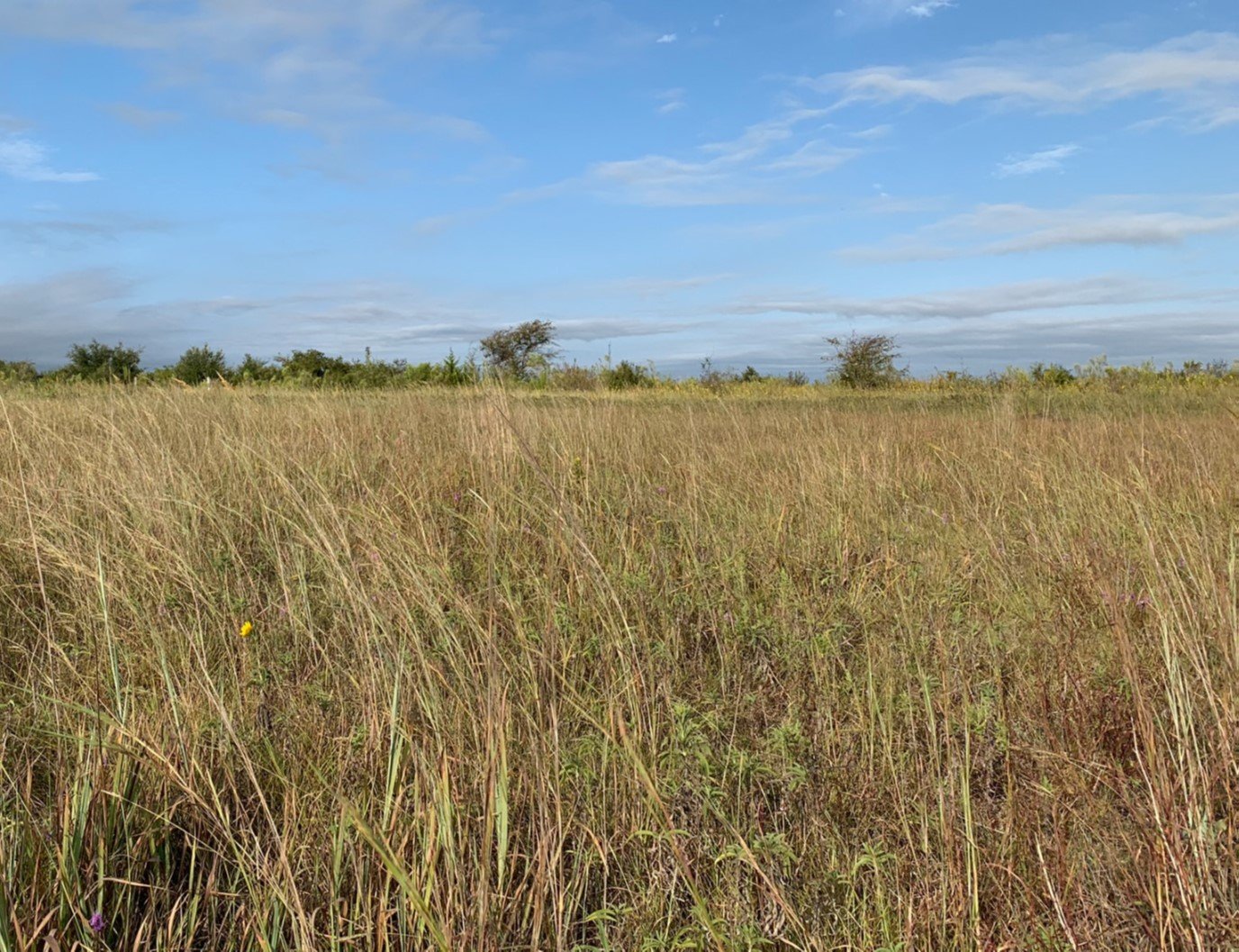
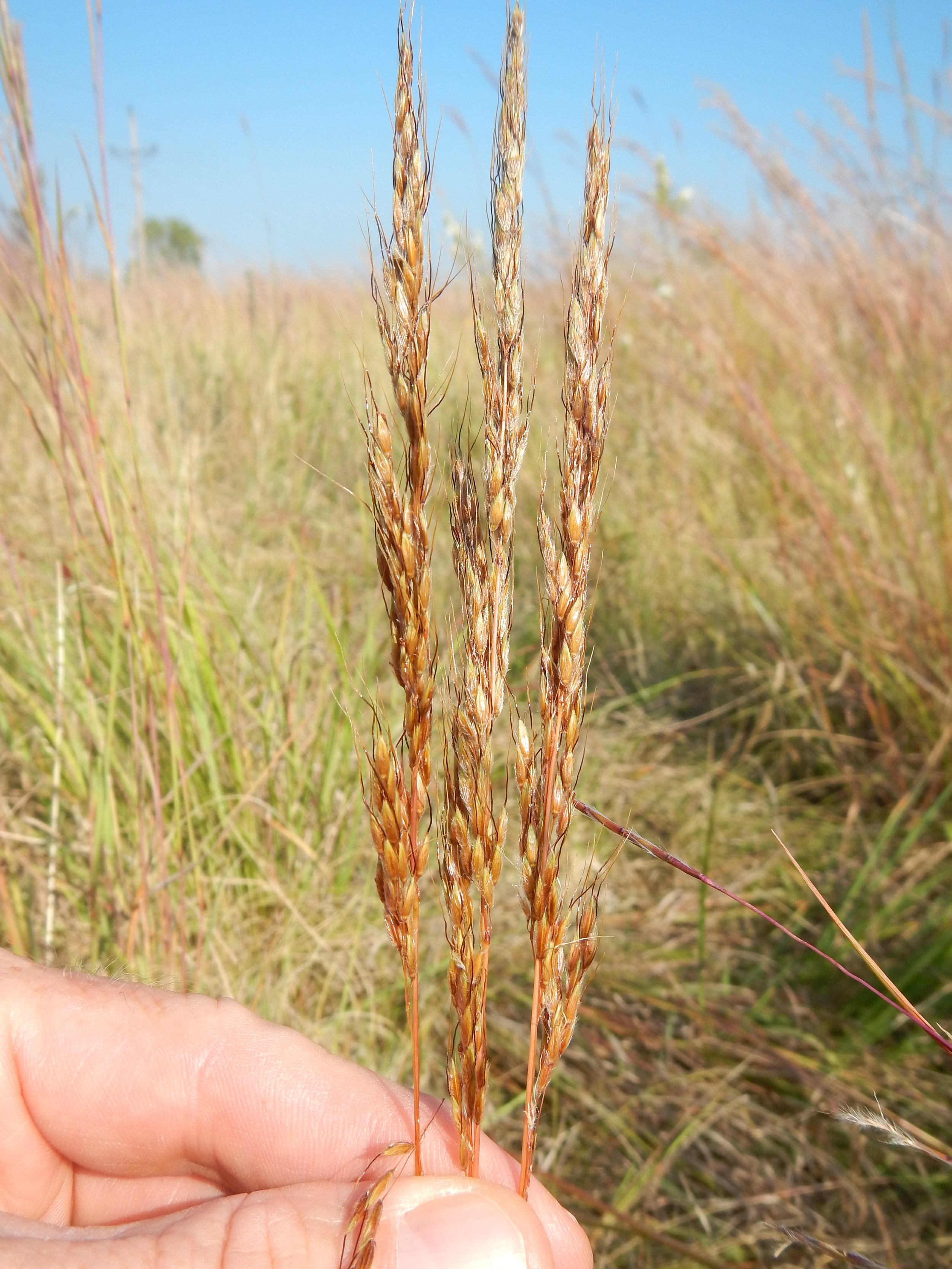
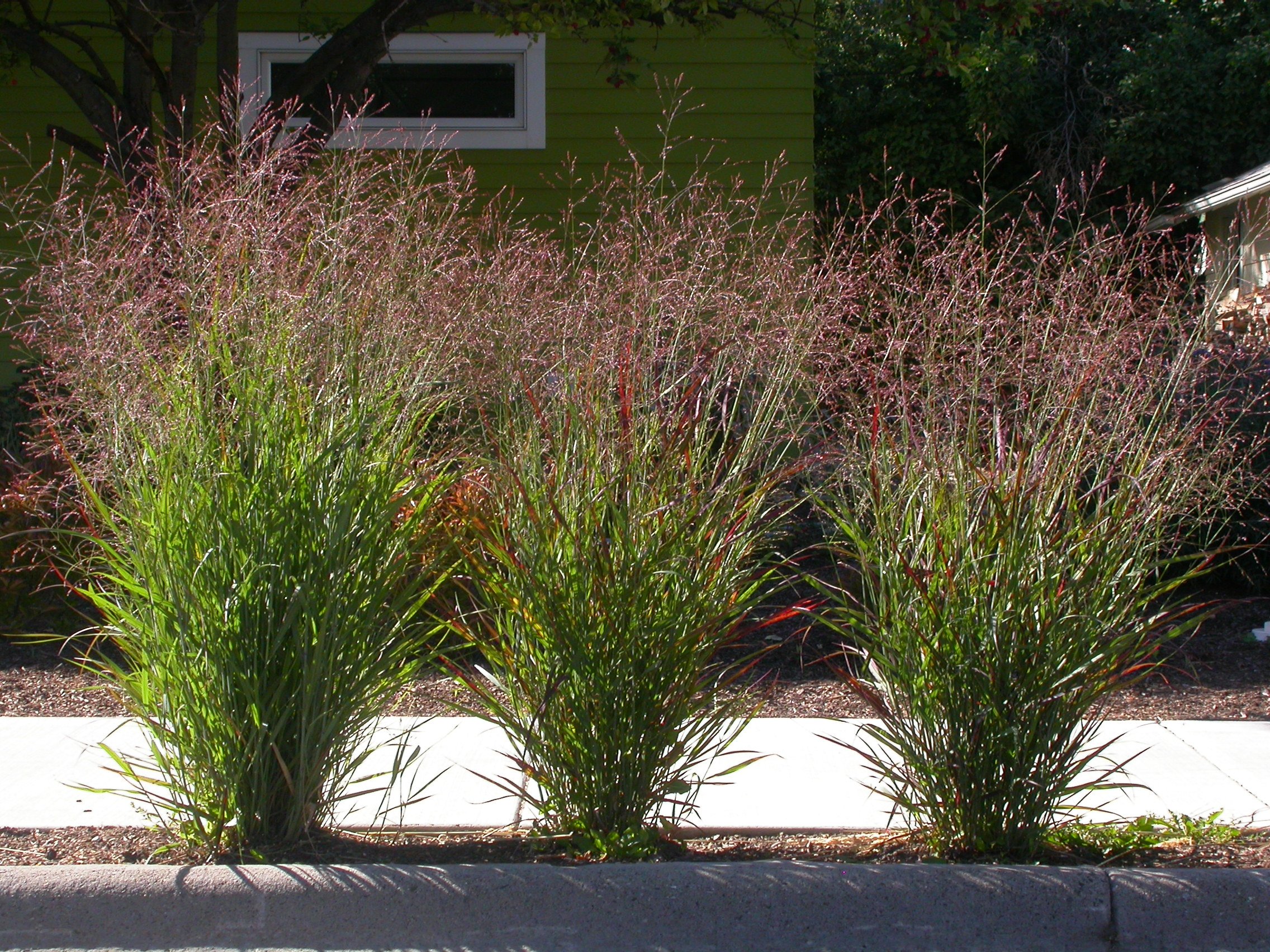
A versatile and dependable native grass, Switchgrass adds year-round interest and strong ecological benefits to gardens and landscapes. Growing 3–6 feet tall, it features airy, pink-tinged seed heads in late summer and turns a warm golden color in fall. Its upright, clumping habit works well in prairie plantings, borders, and naturalized areas.
Adapted to a wide range of soils—including clay—Switchgrass is ideal for Northern Michigan (Zone 5a). It’s drought-tolerant once established, but can also handle occasional wet conditions. Deep roots help with erosion control and carbon storage. This grass also provides excellent cover and nesting habitat for birds, and its seeds are a food source for wildlife.
Bloom Time: Mid to late summer
Sun: Full sun to light shade
Height: 3–6 ft
Soil: Tolerates dry to wet; clay-friendly
Wildlife: Birds, pollinators, beneficial insects
Uses: Screening, deer bedding, meadows, rain gardens, borders, erosion control, restoration
Individual Quart Sized Potted Plants
A versatile and dependable native grass, Switchgrass adds year-round interest and strong ecological benefits to gardens and landscapes. Growing 3–6 feet tall, it features airy, pink-tinged seed heads in late summer and turns a warm golden color in fall. Its upright, clumping habit works well in prairie plantings, borders, and naturalized areas.
Adapted to a wide range of soils—including clay—Switchgrass is ideal for Northern Michigan (Zone 5a). It’s drought-tolerant once established, but can also handle occasional wet conditions. Deep roots help with erosion control and carbon storage. This grass also provides excellent cover and nesting habitat for birds, and its seeds are a food source for wildlife.
Bloom Time: Mid to late summer
Sun: Full sun to light shade
Height: 3–6 ft
Soil: Tolerates dry to wet; clay-friendly
Wildlife: Birds, pollinators, beneficial insects
Uses: Screening, deer bedding, meadows, rain gardens, borders, erosion control, restoration