 Image 1 of 4
 Image 2 of 4
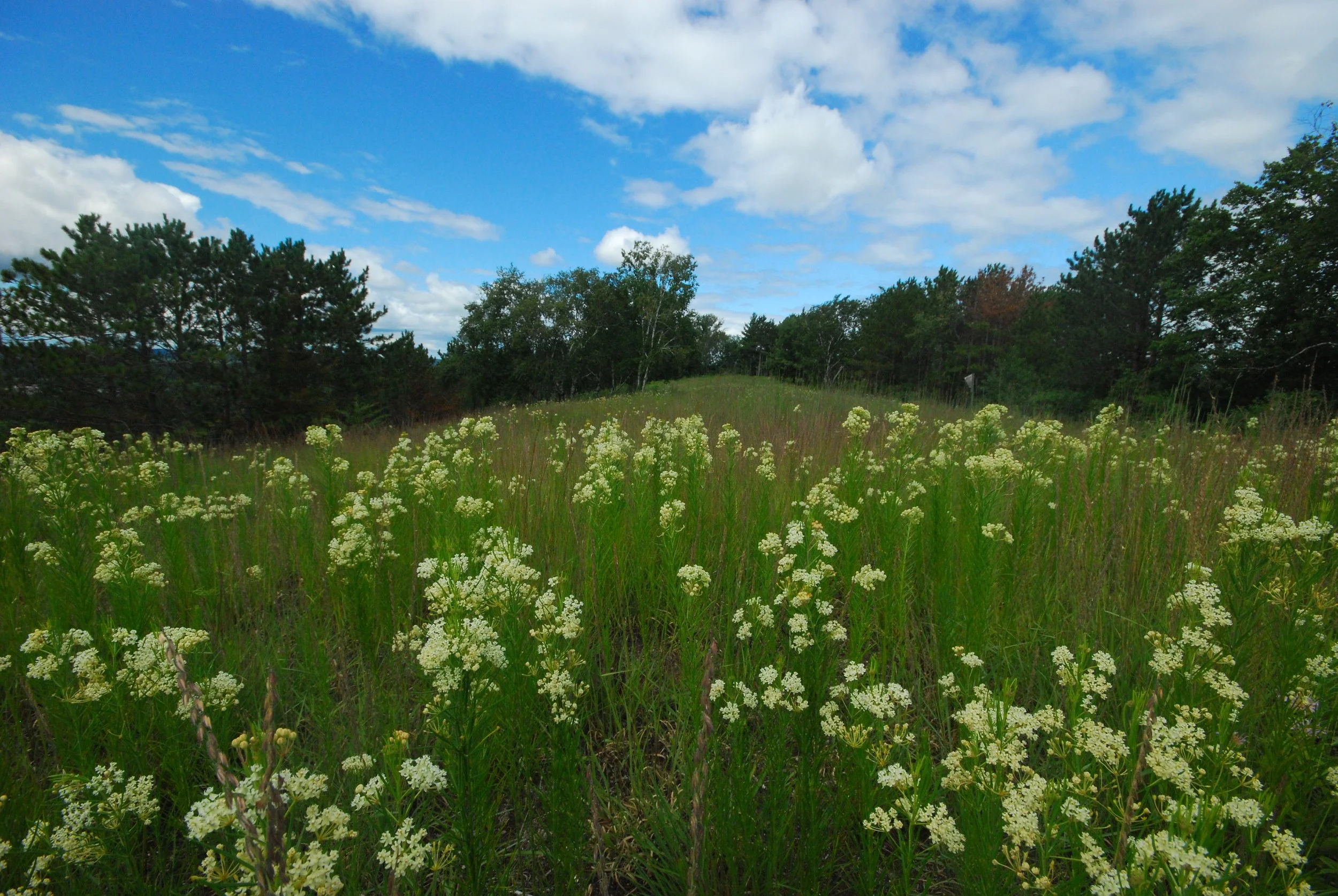 Image 3 of 4
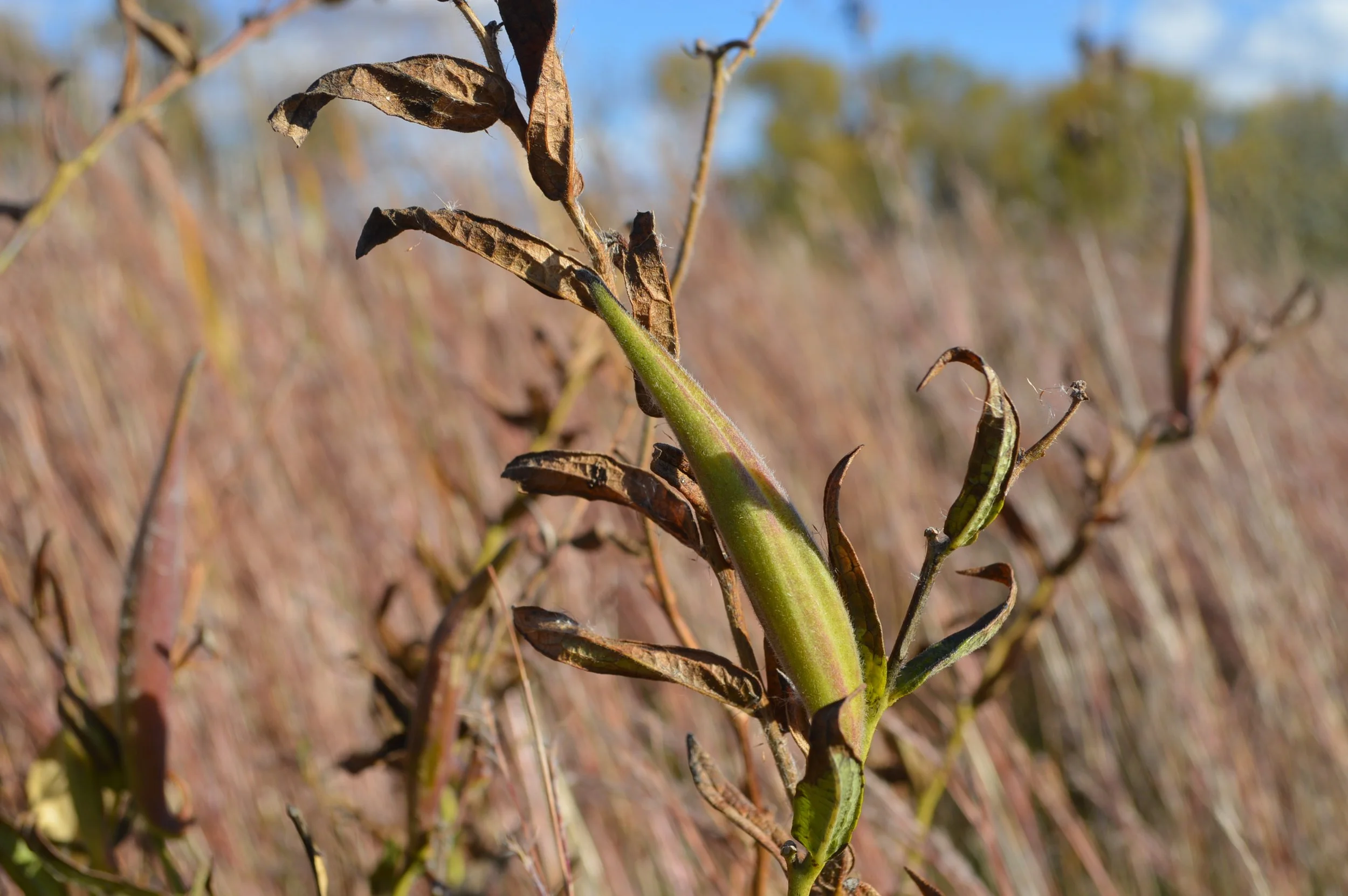 Image 4 of 4
Individual Quart Sized Potted Plant
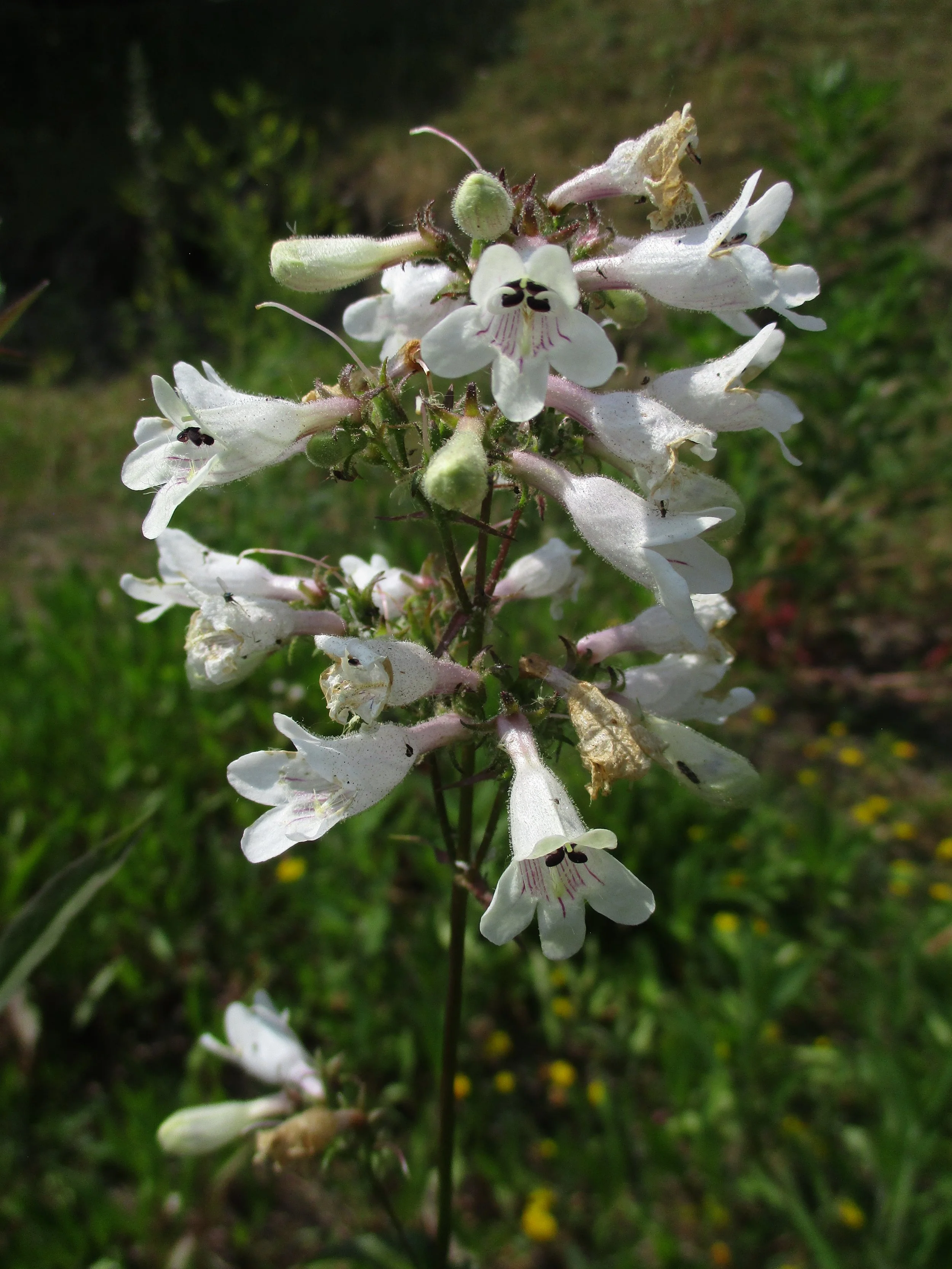
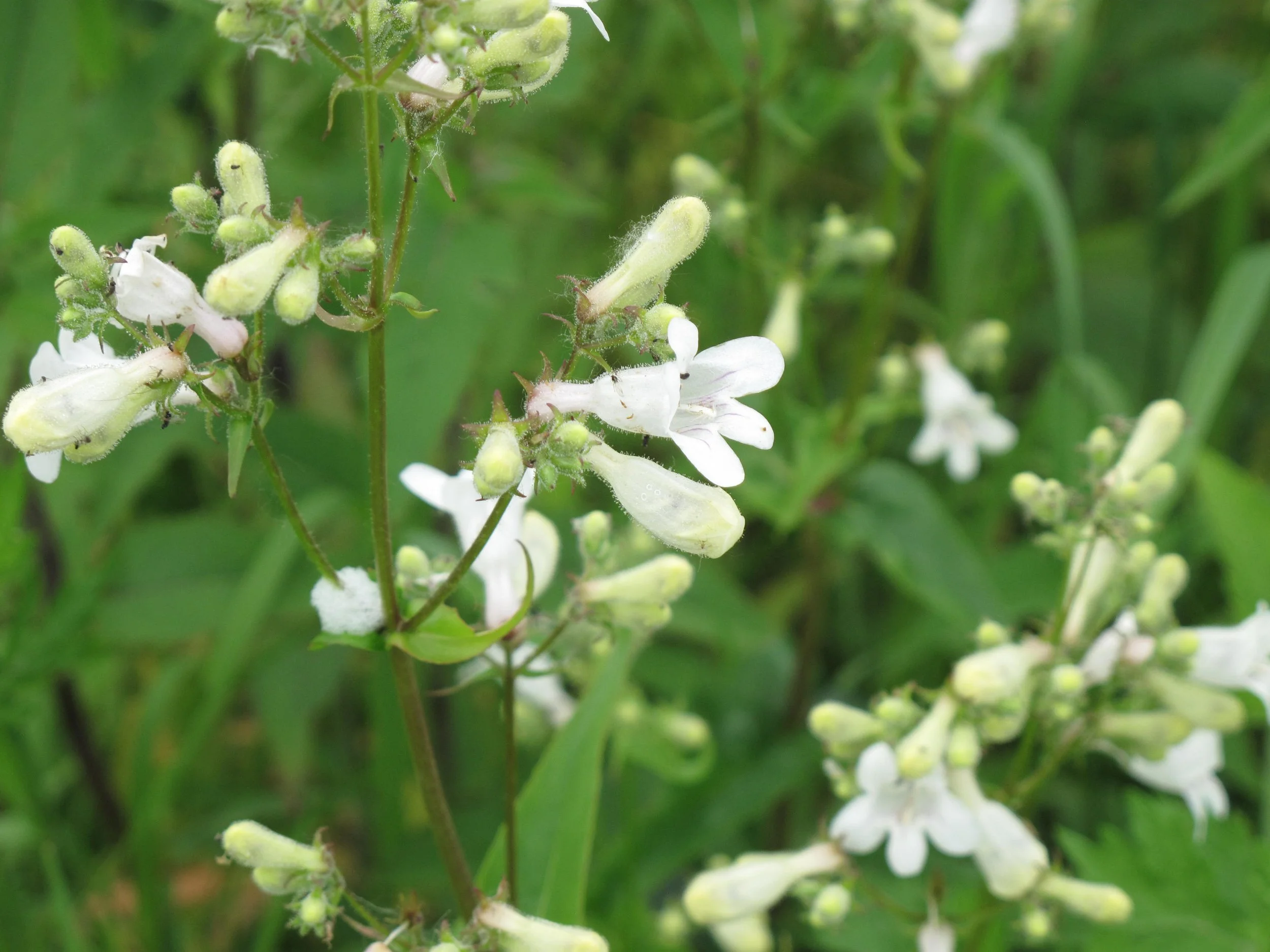
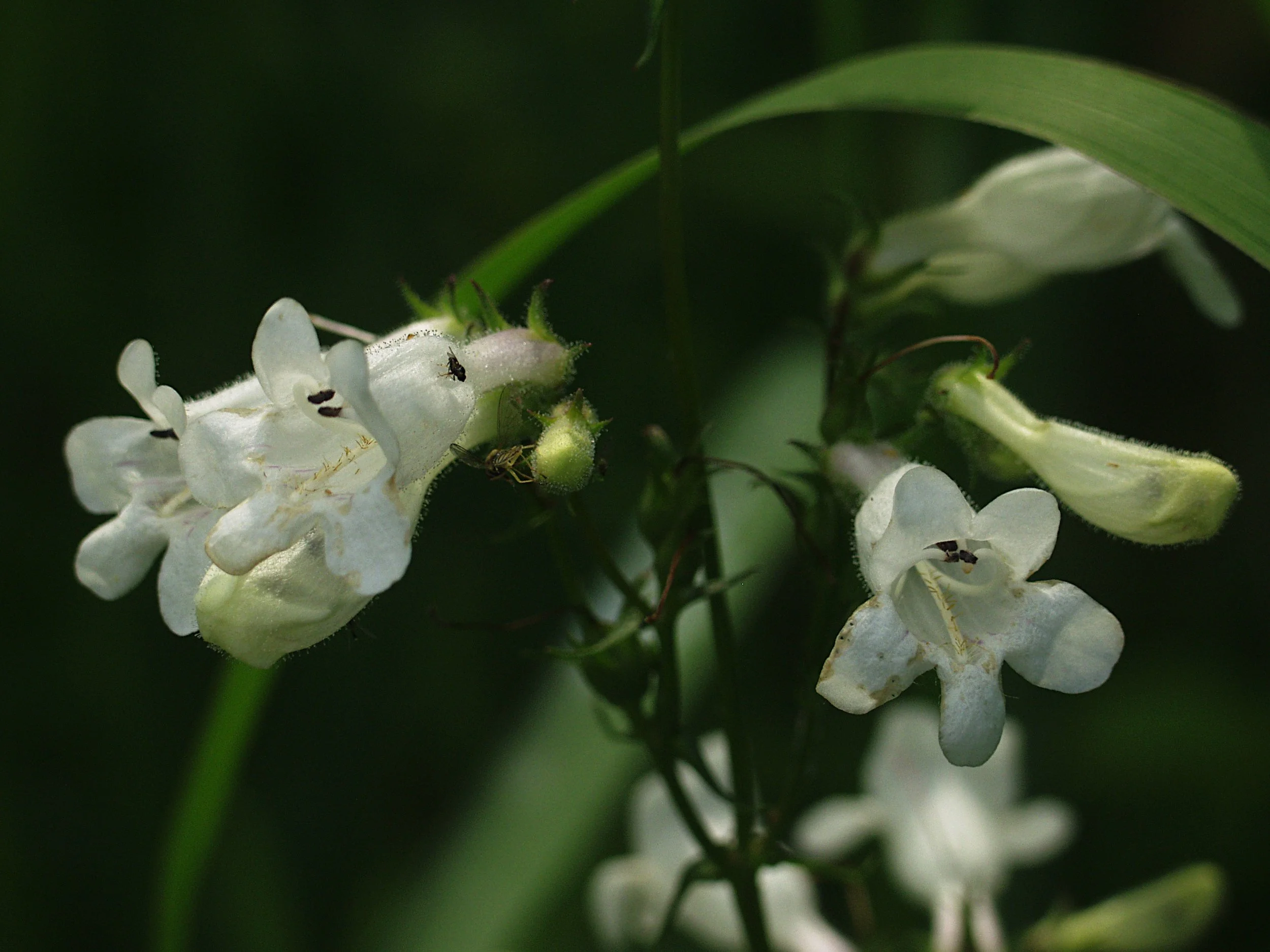
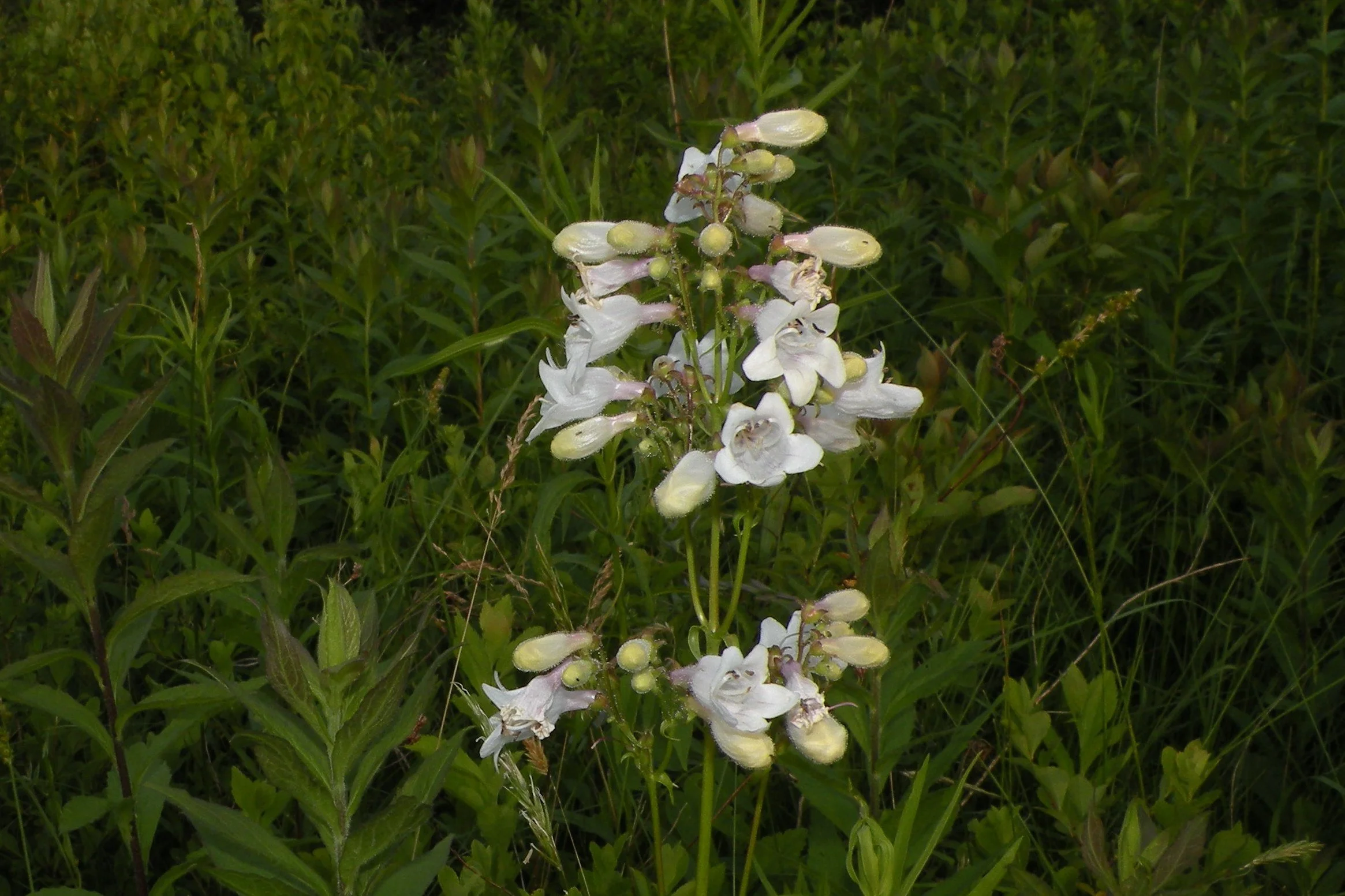
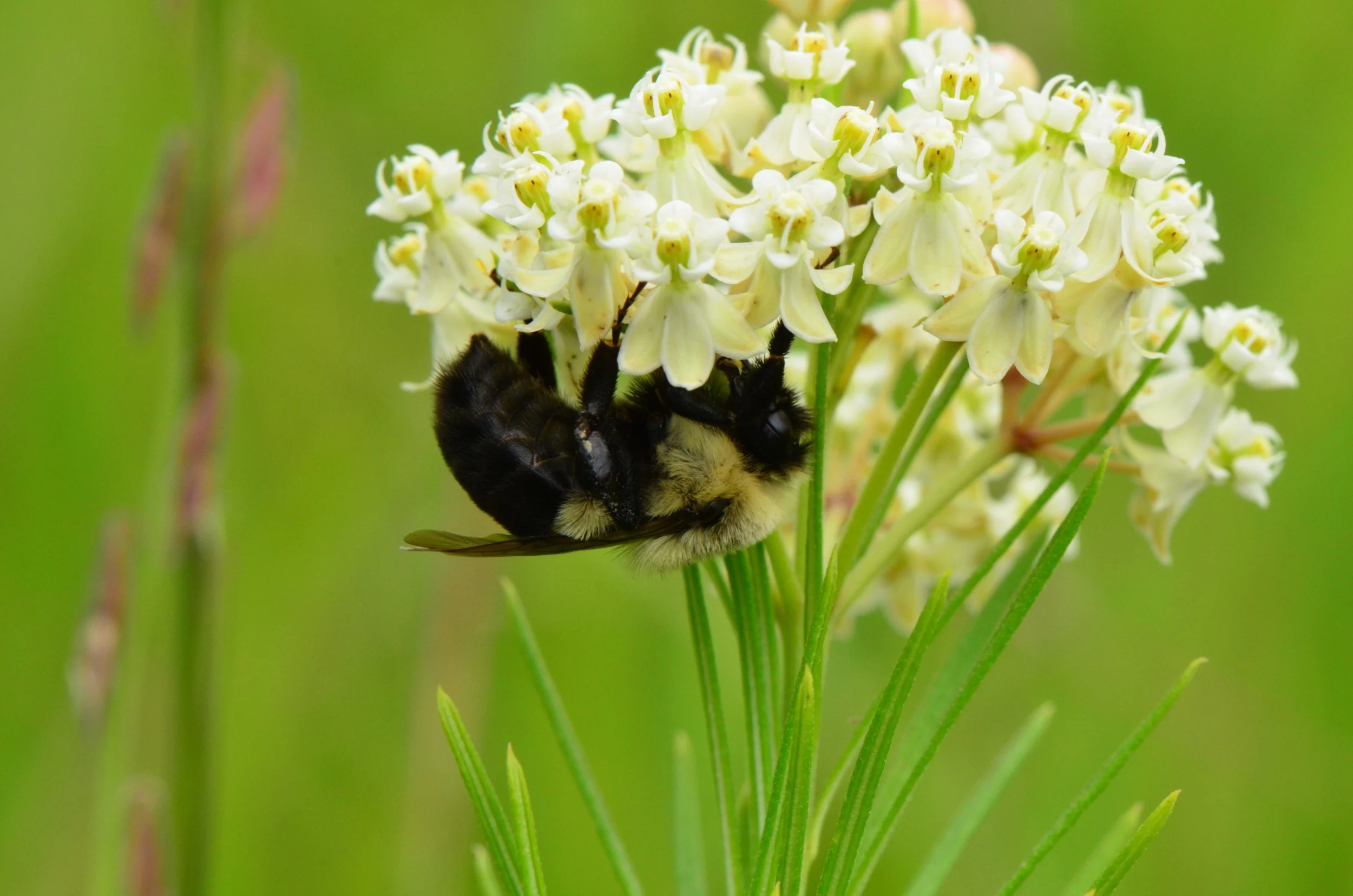
Delicate in form yet vital in function, Whorled Milkweed is one of the most understated and adaptable members of the milkweed family. Its slender, whorled leaves and clusters of small white flowers create a fine-textured elegance that contrasts beautifully with grasses and bolder prairie blooms.
Hardy and drought-tolerant, this species thrives in full sun and dry, sandy soils but also adapts to loam or gravelly sites. Like all milkweeds, it plays a critical ecological role as a larval host for monarch butterflies and a nectar source for a range of pollinators.
Identification / Key Features: Narrow, needlelike leaves in whorls; white to pale-green flowers in compact umbels; milky sap.
Bloom Time: July-September
Mature Height / Size: 1–3 feet.
Growth Rate: Moderate; forms small colonies.
Light / Soil / Site Preferences: Full sun; dry to medium soils; drought tolerant.
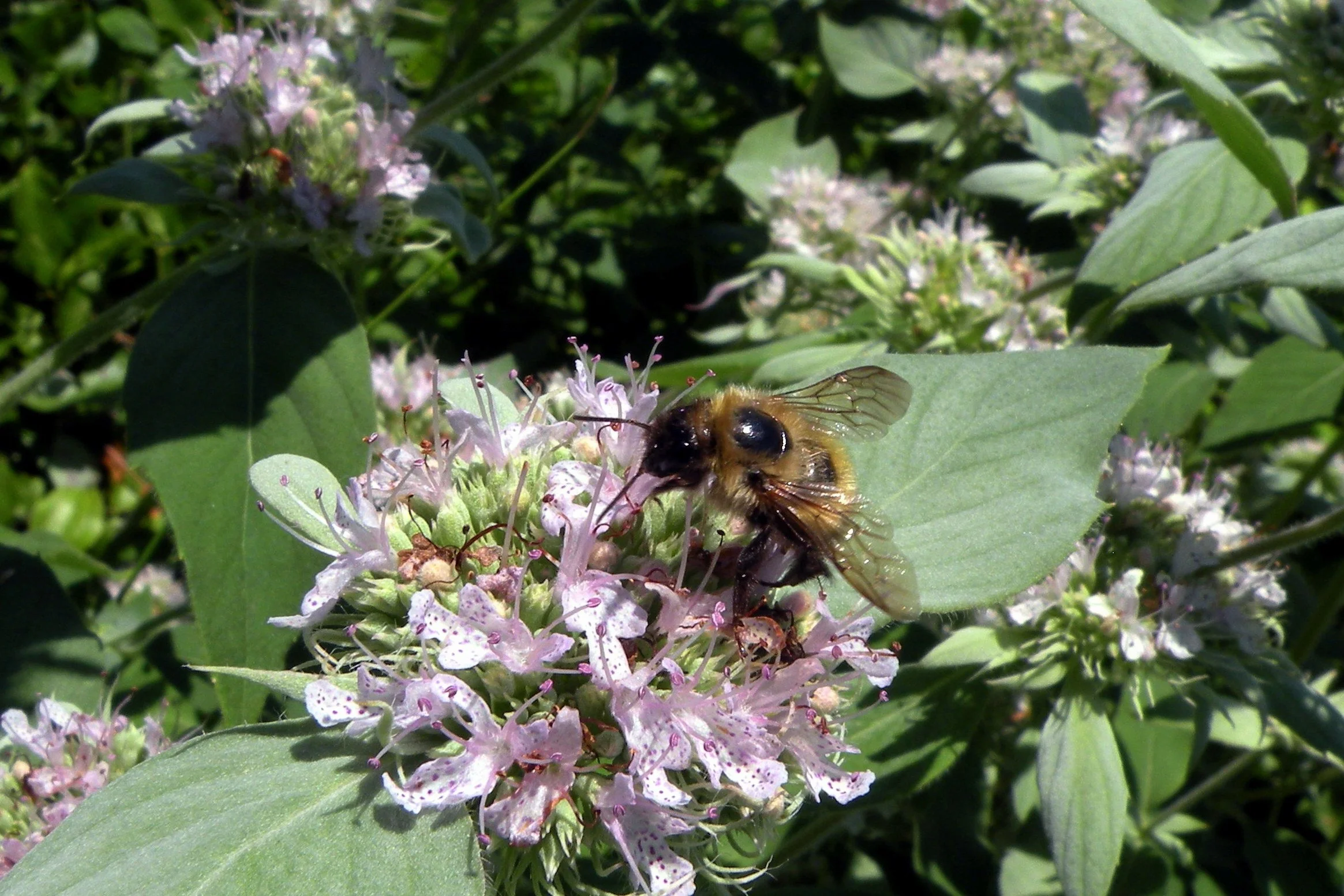
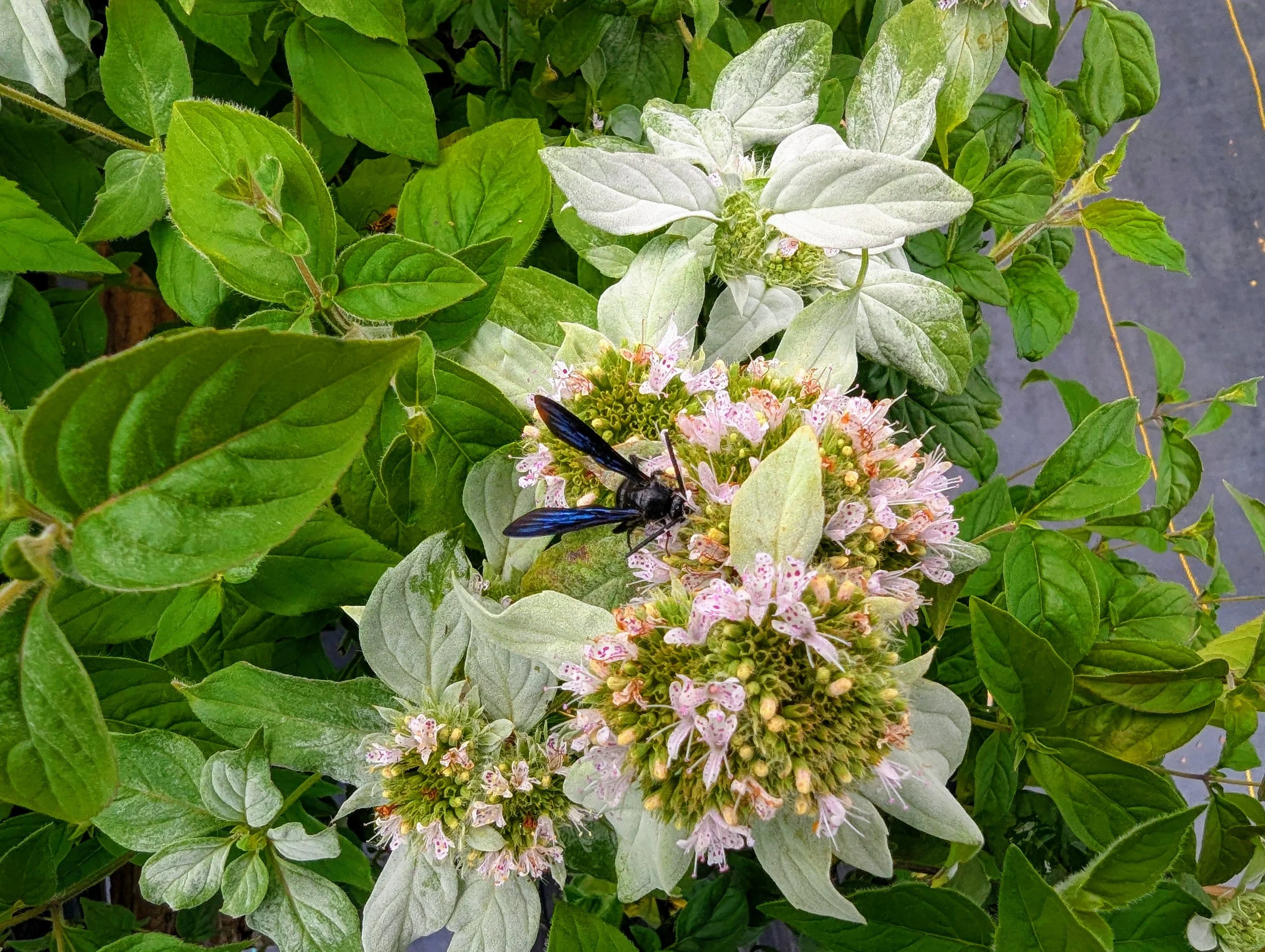
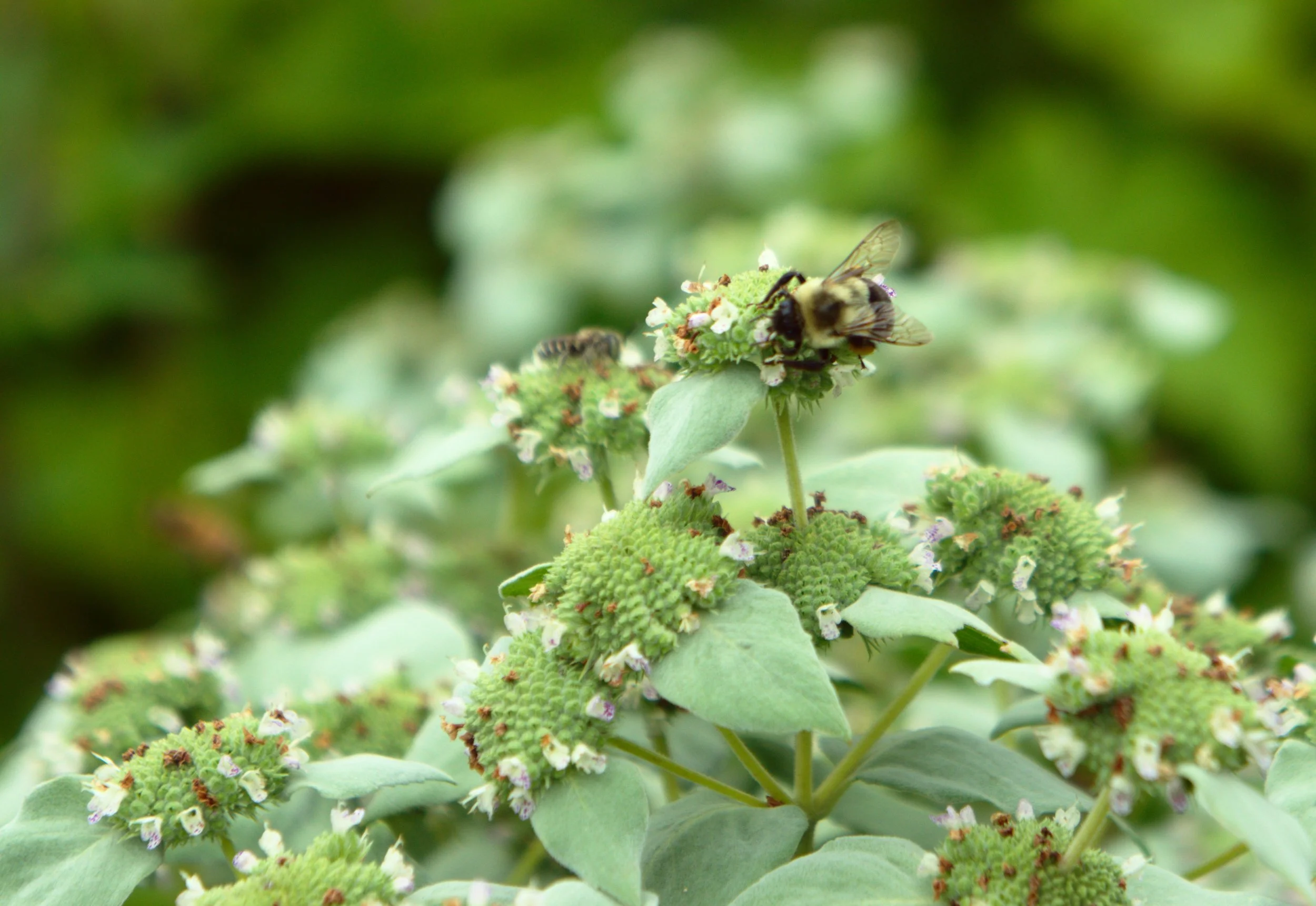
Wildlife Value / Ecological Role: Host plant for monarch caterpillars; attracts bees, wasps, and butterflies.
Uses / Economic / Cultural: Ideal for dry meadows, slopes, and pollinator gardens; subtle, fine-textured addition to native plantings.
Individual Quart Sized Potted Plant
Delicate in form yet vital in function, Whorled Milkweed is one of the most understated and adaptable members of the milkweed family. Its slender, whorled leaves and clusters of small white flowers create a fine-textured elegance that contrasts beautifully with grasses and bolder prairie blooms.
Hardy and drought-tolerant, this species thrives in full sun and dry, sandy soils but also adapts to loam or gravelly sites. Like all milkweeds, it plays a critical ecological role as a larval host for monarch butterflies and a nectar source for a range of pollinators.
Identification / Key Features: Narrow, needlelike leaves in whorls; white to pale-green flowers in compact umbels; milky sap.
Bloom Time: July-September
Mature Height / Size: 1–3 feet.
Growth Rate: Moderate; forms small colonies.
Light / Soil / Site Preferences: Full sun; dry to medium soils; drought tolerant.
Wildlife Value / Ecological Role: Host plant for monarch caterpillars; attracts bees, wasps, and butterflies.
Uses / Economic / Cultural: Ideal for dry meadows, slopes, and pollinator gardens; subtle, fine-textured addition to native plantings.