 Image 1 of 5
 Image 2 of 5
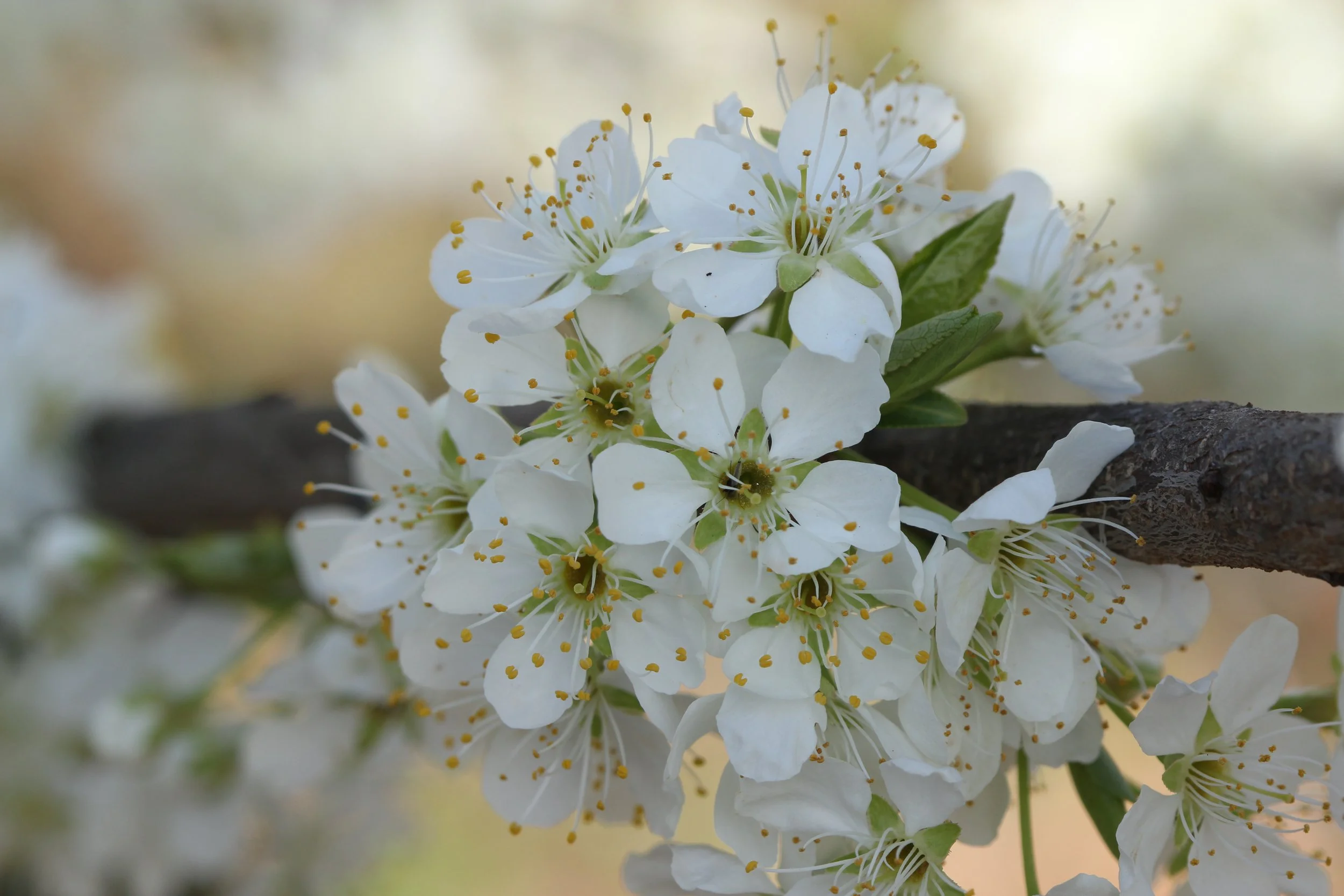 Image 3 of 5
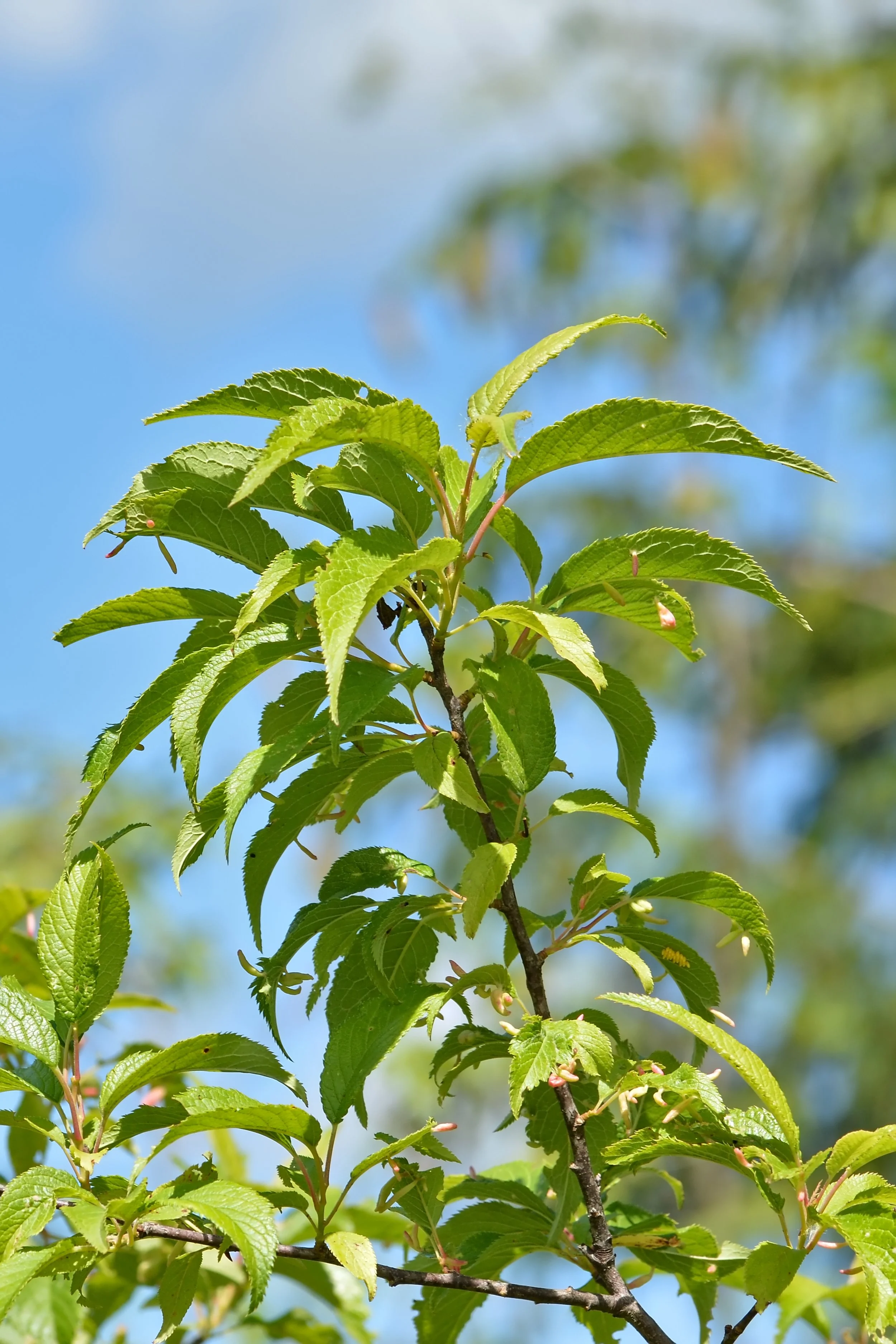 Image 4 of 5
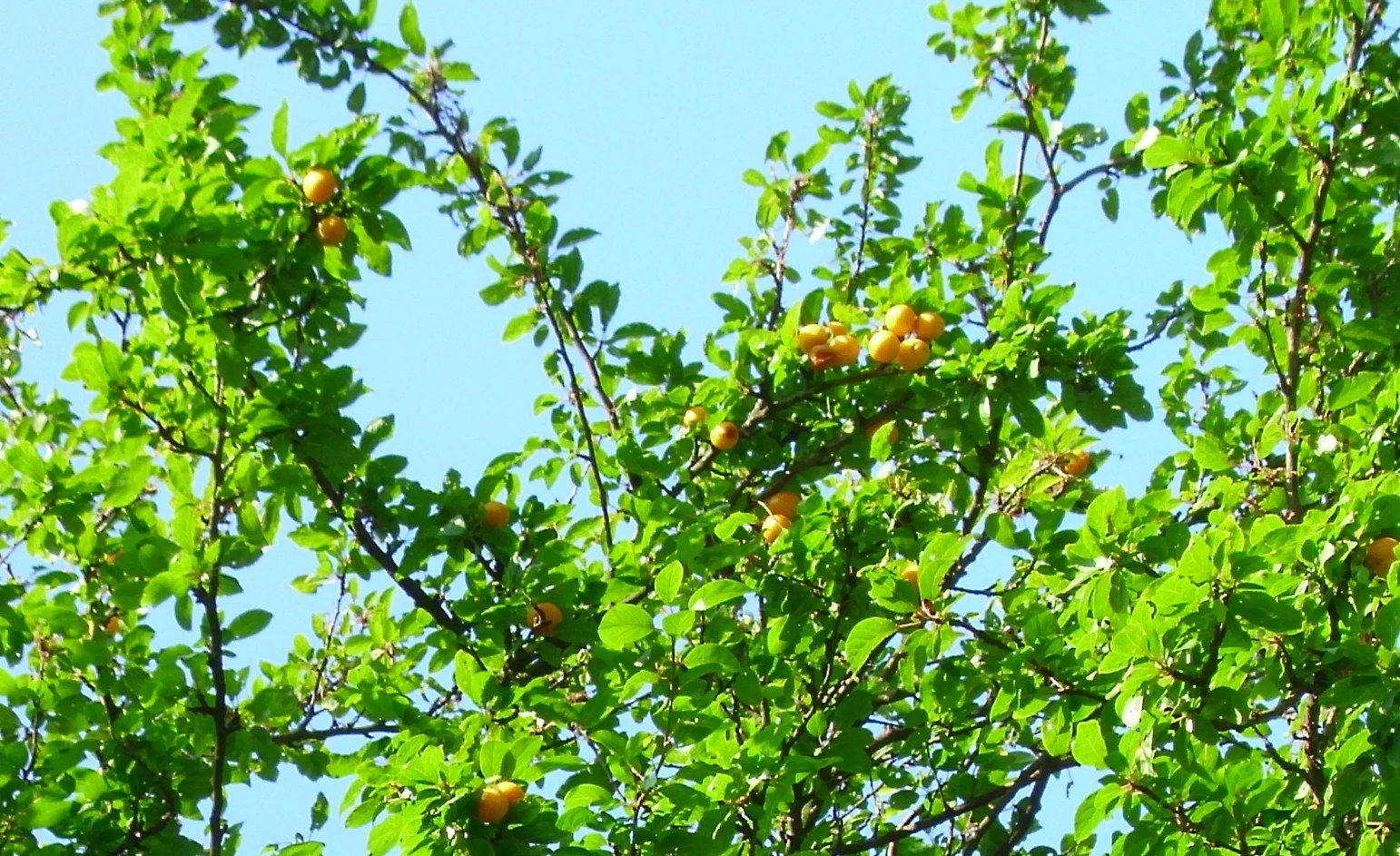 Image 5 of 5
Quantity (per bundle) 25
Size (12-18”)
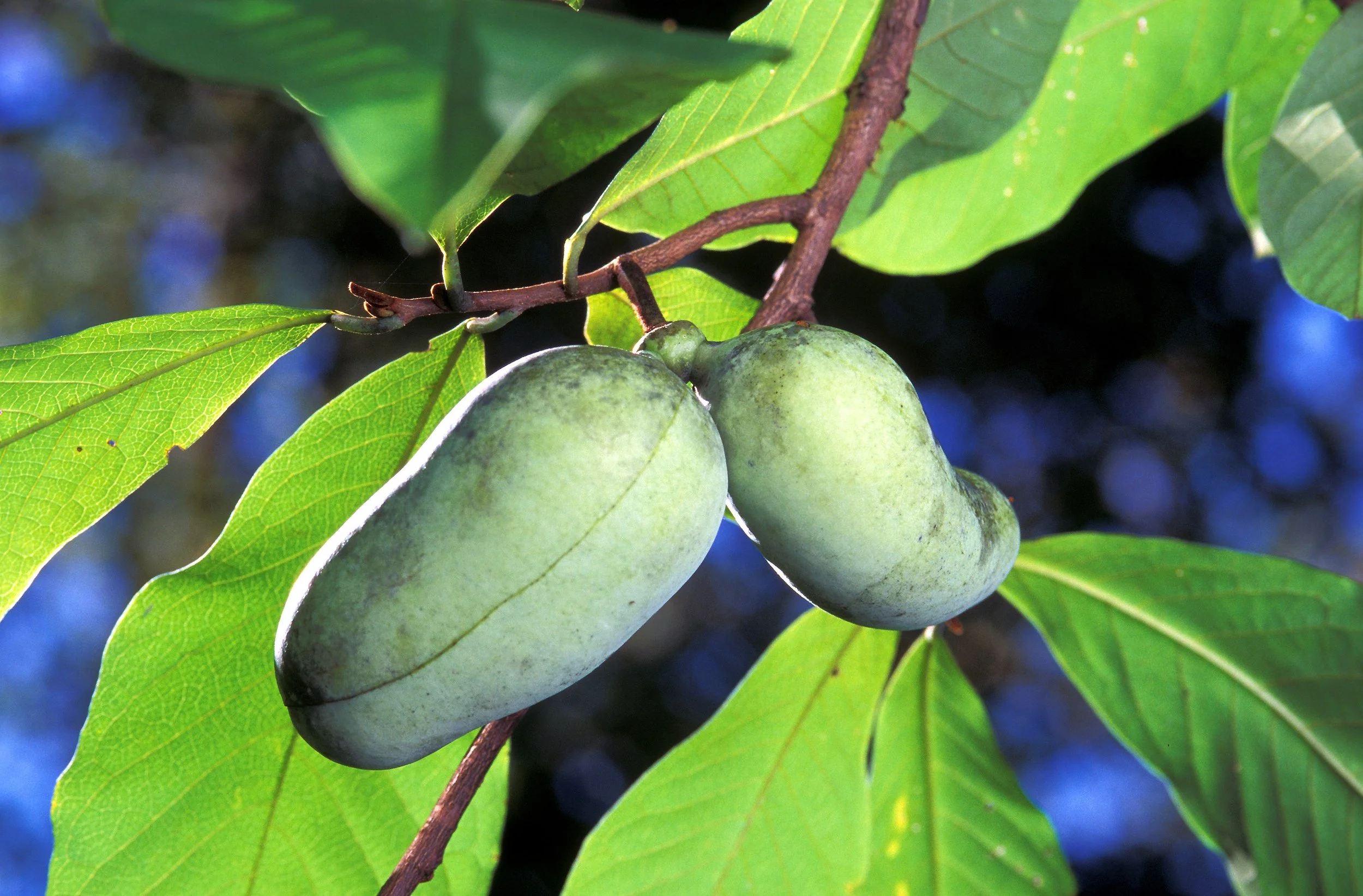
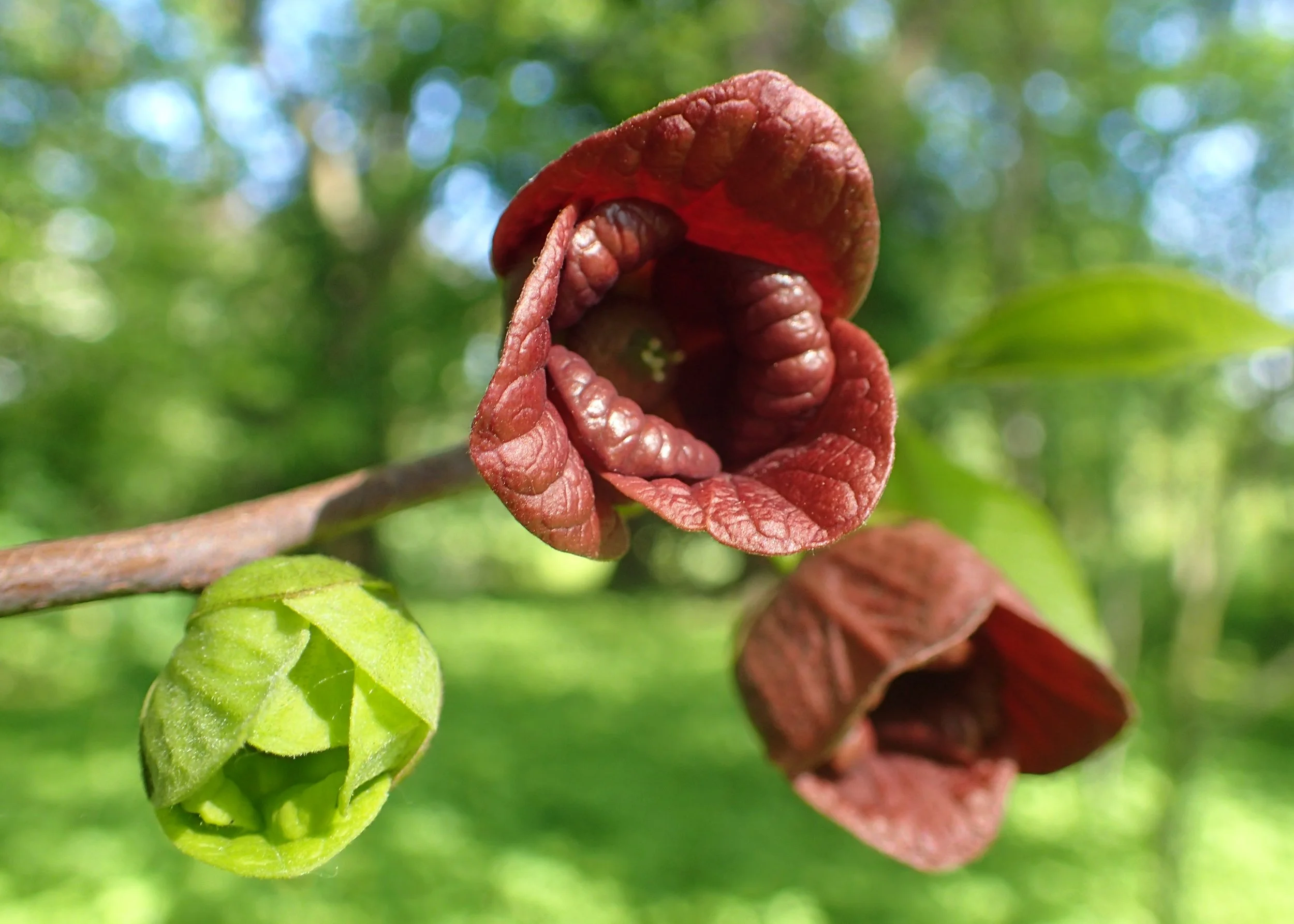
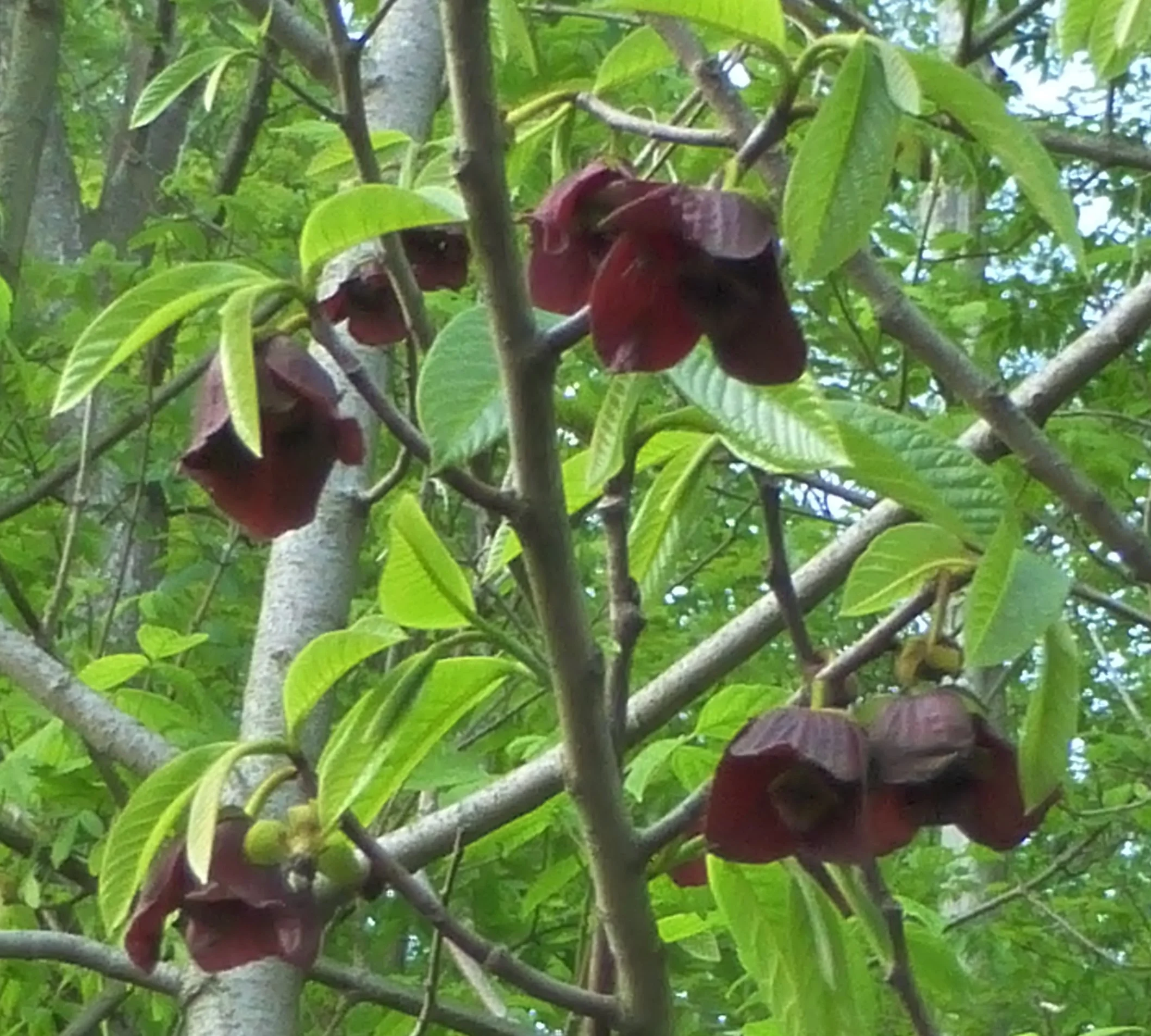
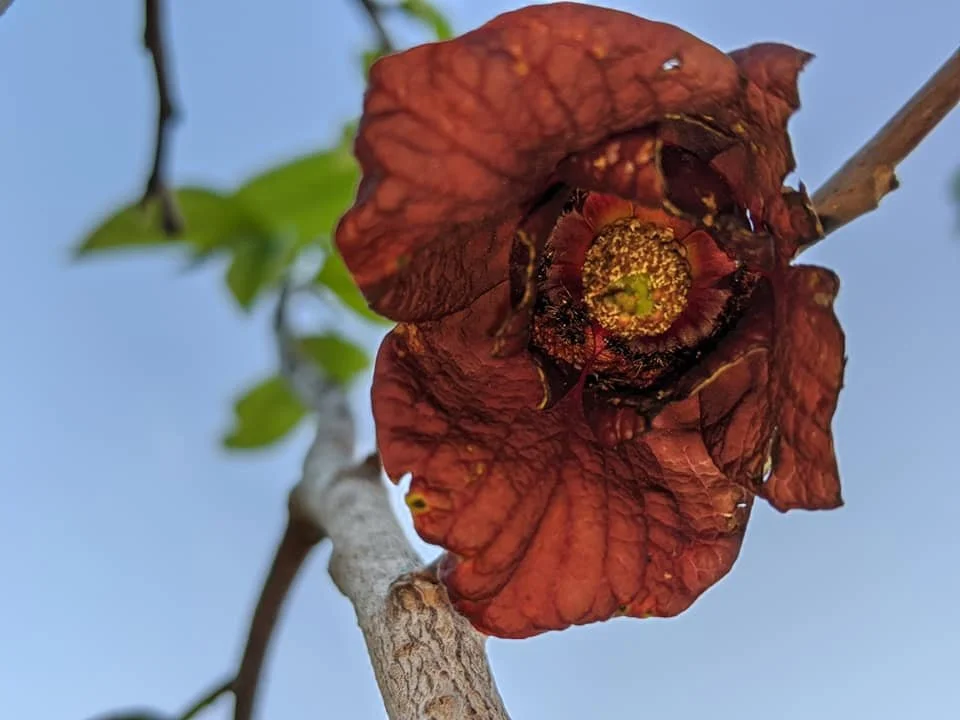
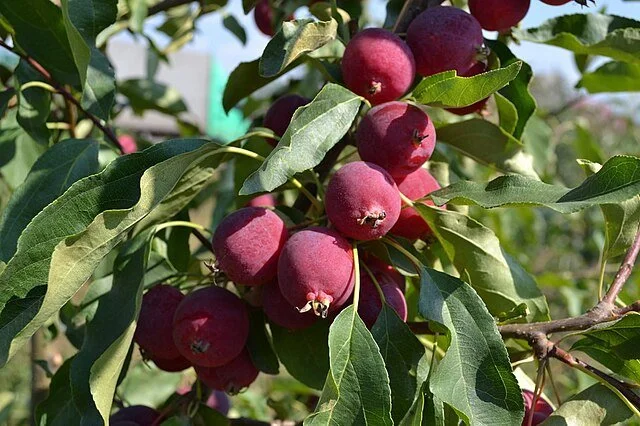
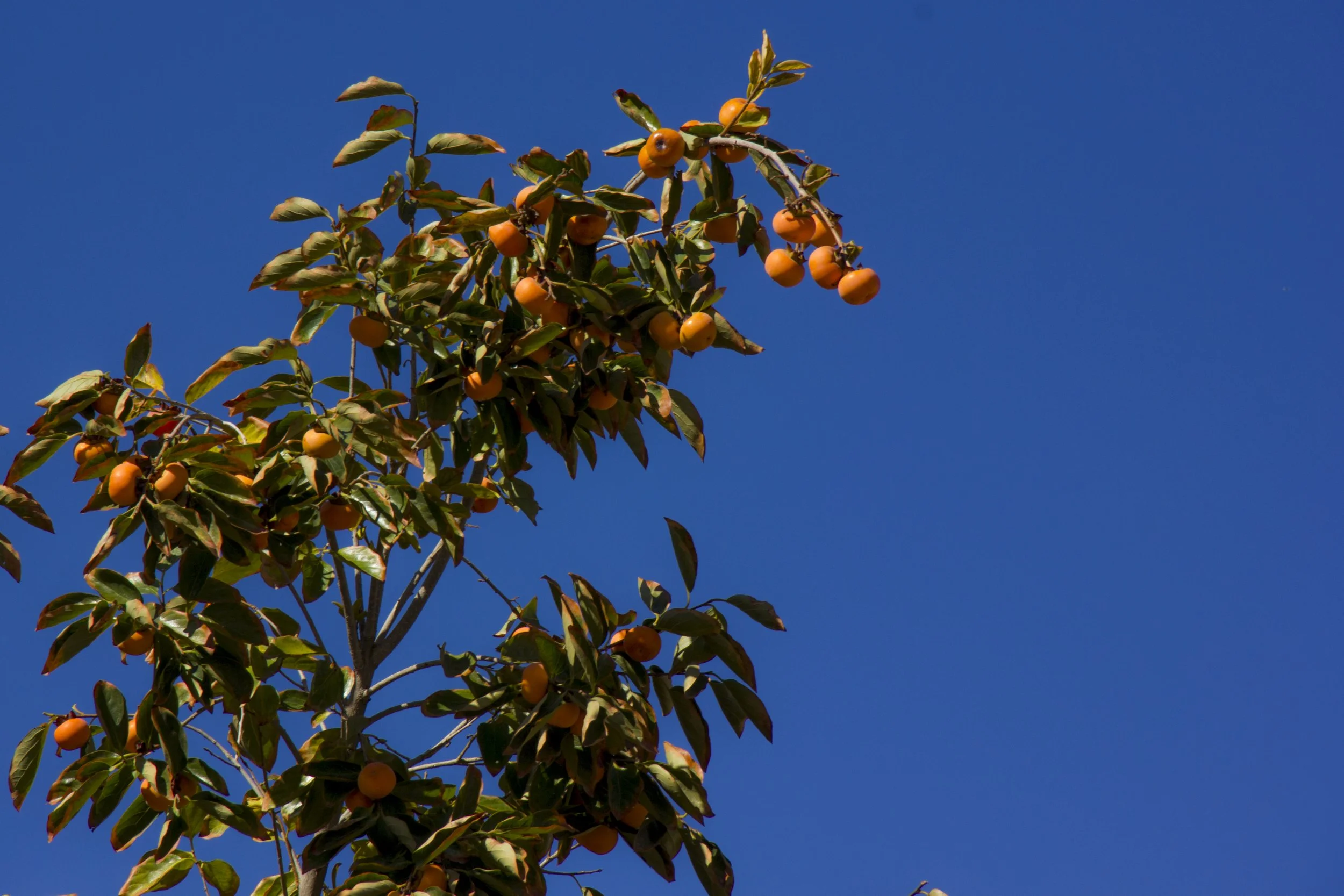
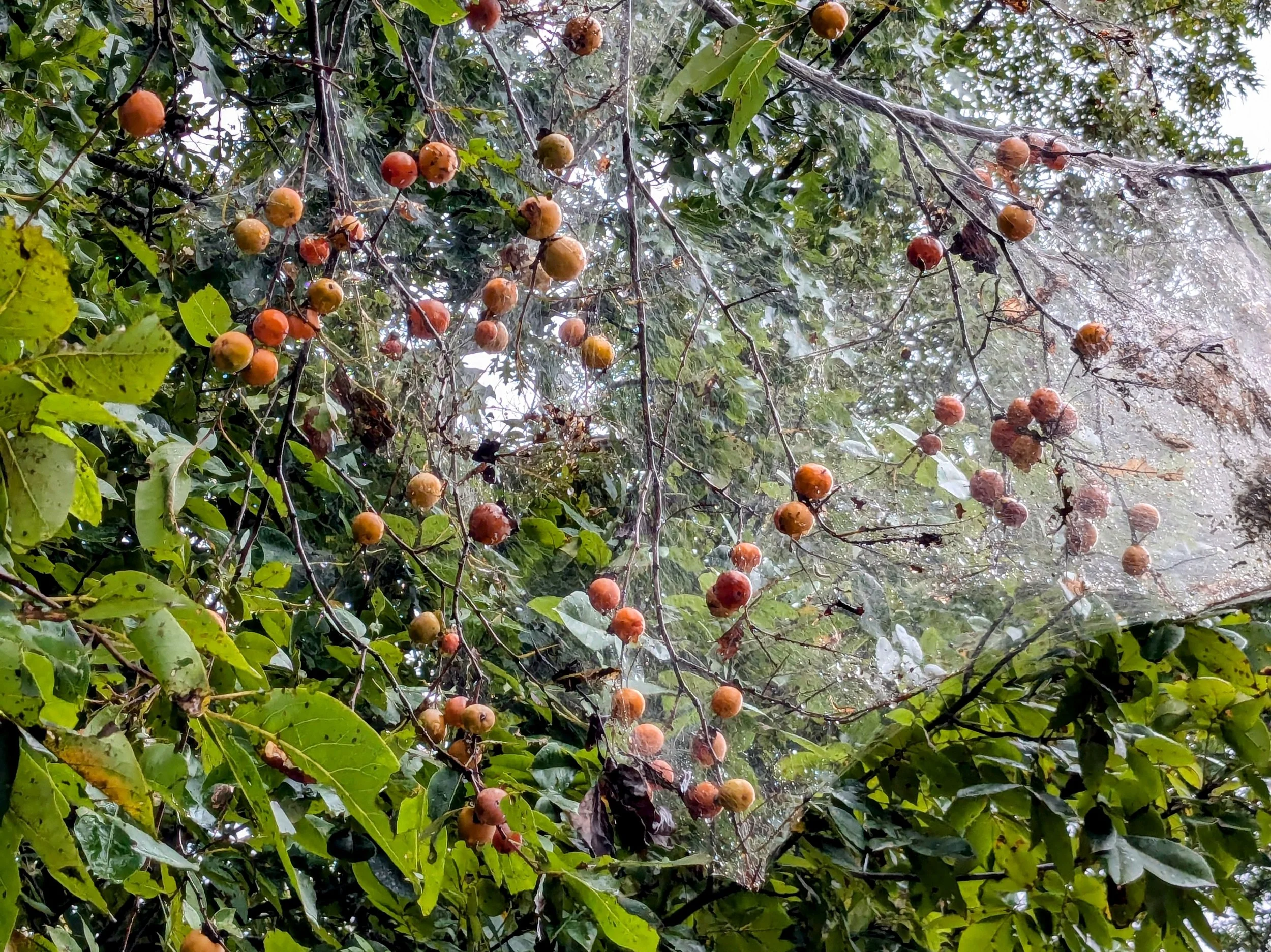
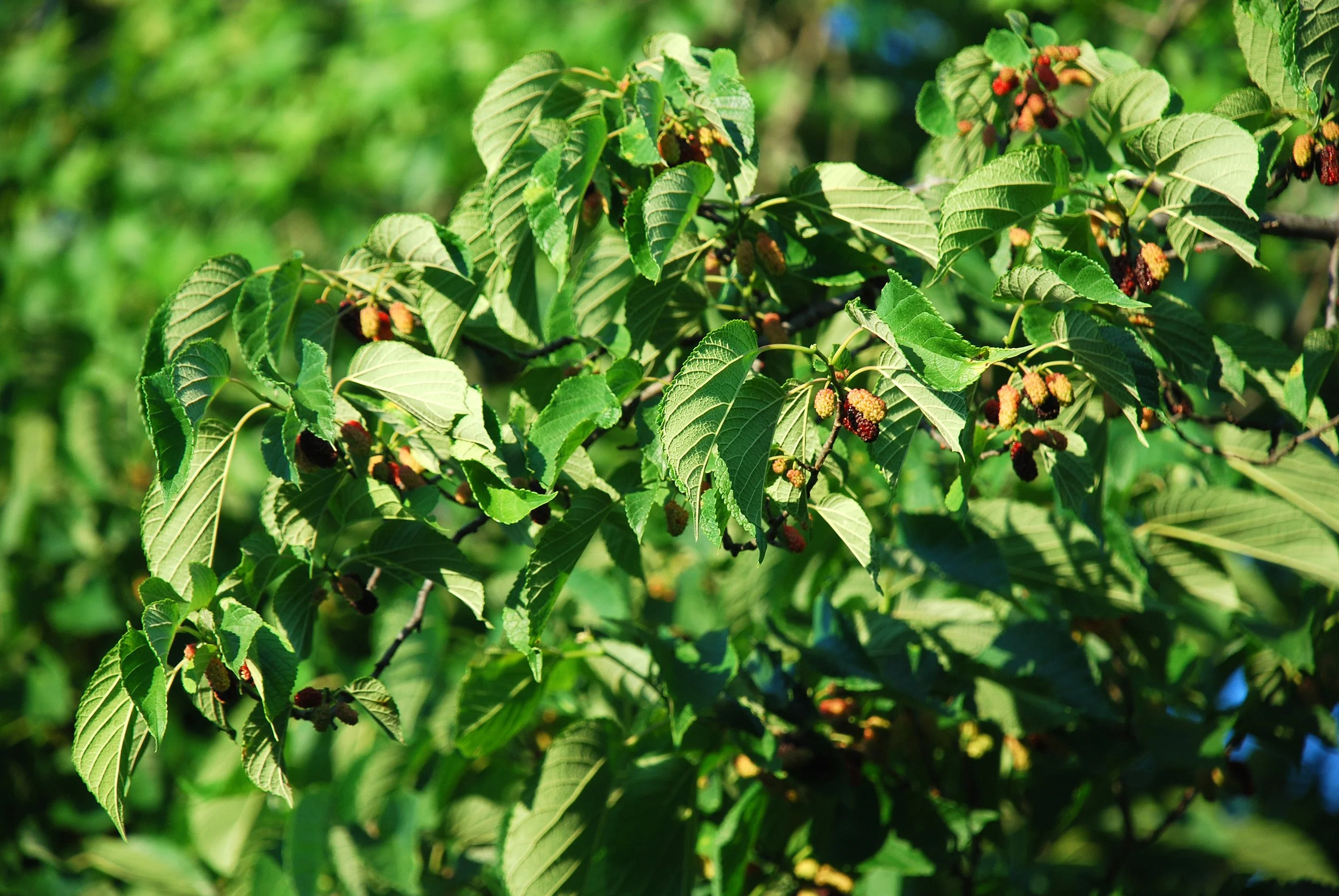
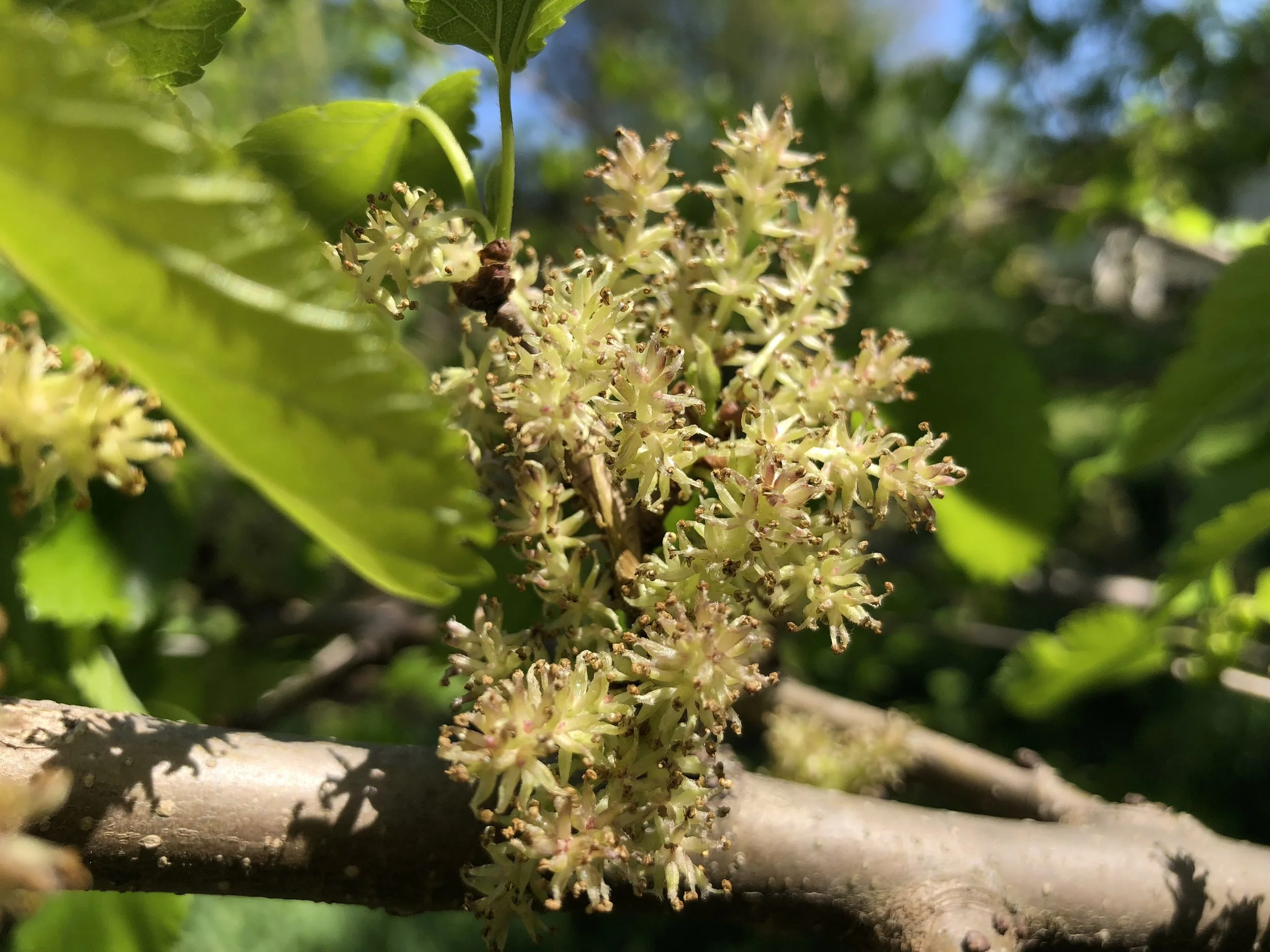
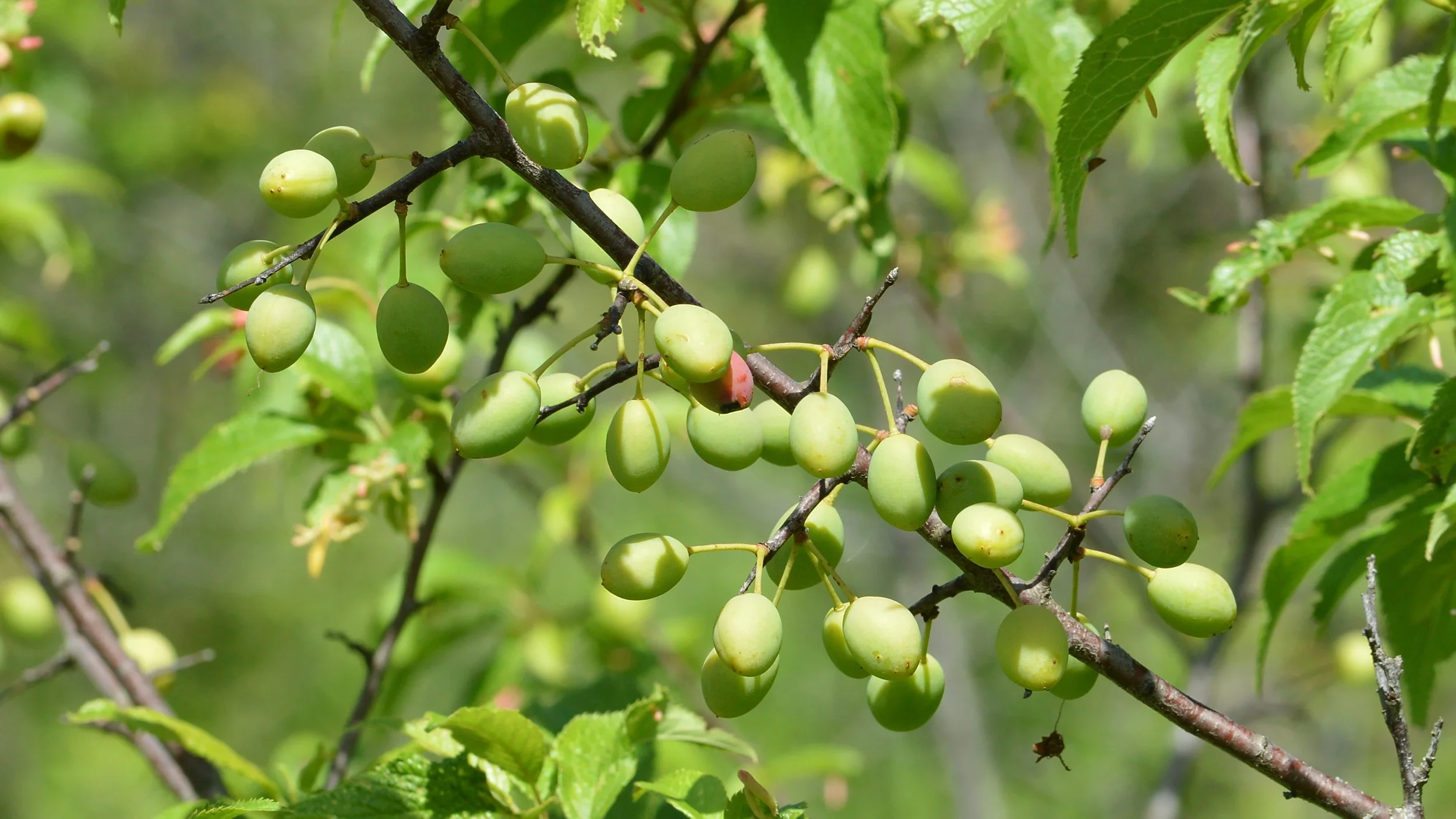
A beautiful and resilient native tree, American Plum is cherished for its profusion of fragrant white spring blossoms that attract pollinators and brighten early-season landscapes. Its lush green leaves and rounded form provide summer beauty, followed by a bounty of small, red to purple plums that ripen in late summer. The fruit is tart-sweet and excellent for jams, jellies, and wildlife forage alike.
Well-suited to Northern Michigan (Zone 5a), American Plum thrives in full sun and well-drained soils, adapting easily to sandy, loamy, or rocky sites. It spreads by root suckers to form attractive thickets, making it ideal for naturalized plantings, windbreaks, and erosion control.
Ecologically, American Plum supports a rich array of wildlife—its spring blossoms feed bees and butterflies, and its fruits sustain birds, deer, and small mammals. This hardy, multi-purpose native combines ornamental charm, habitat value, and edible reward, bringing color and life to Michigan’s natural landscapes.
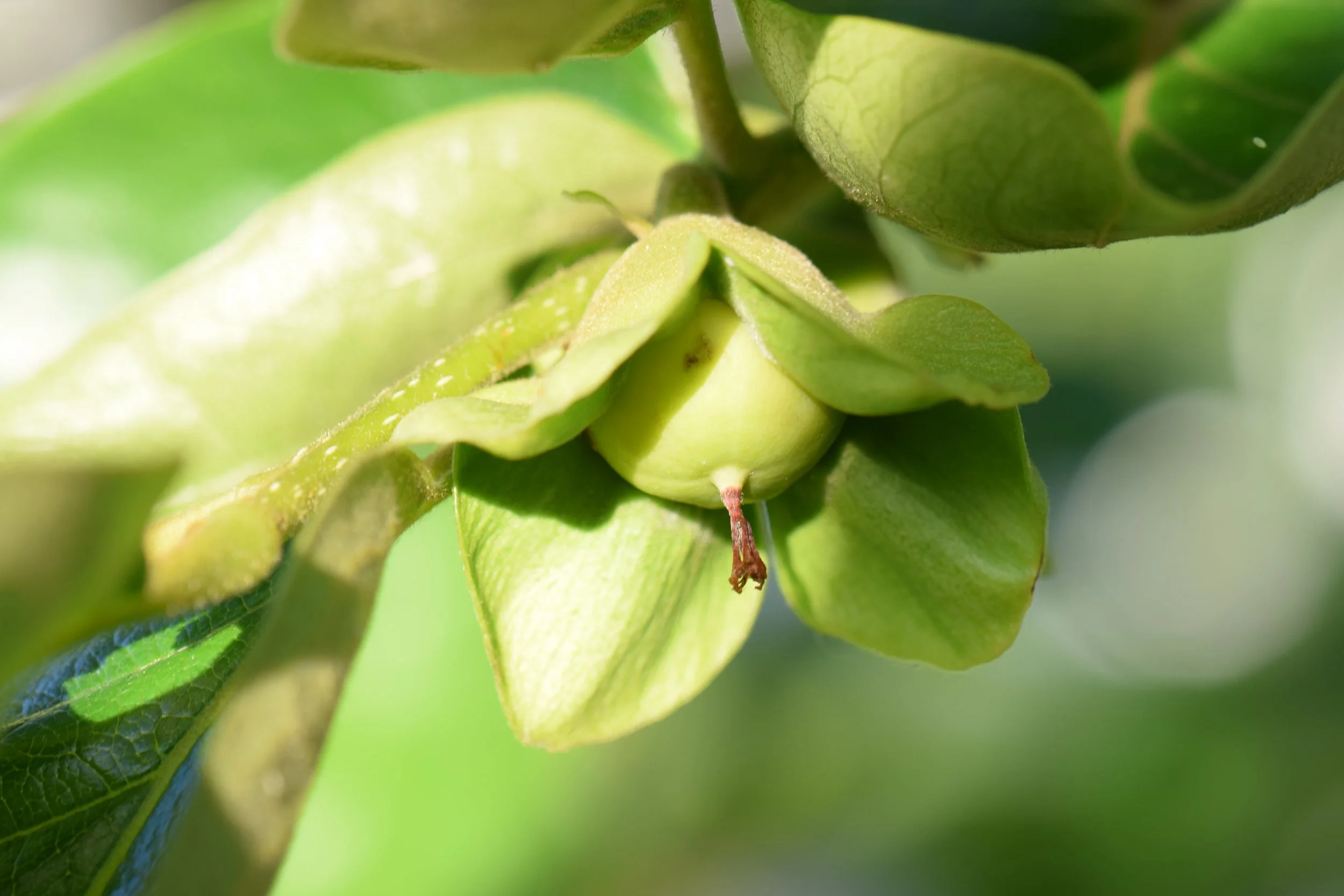
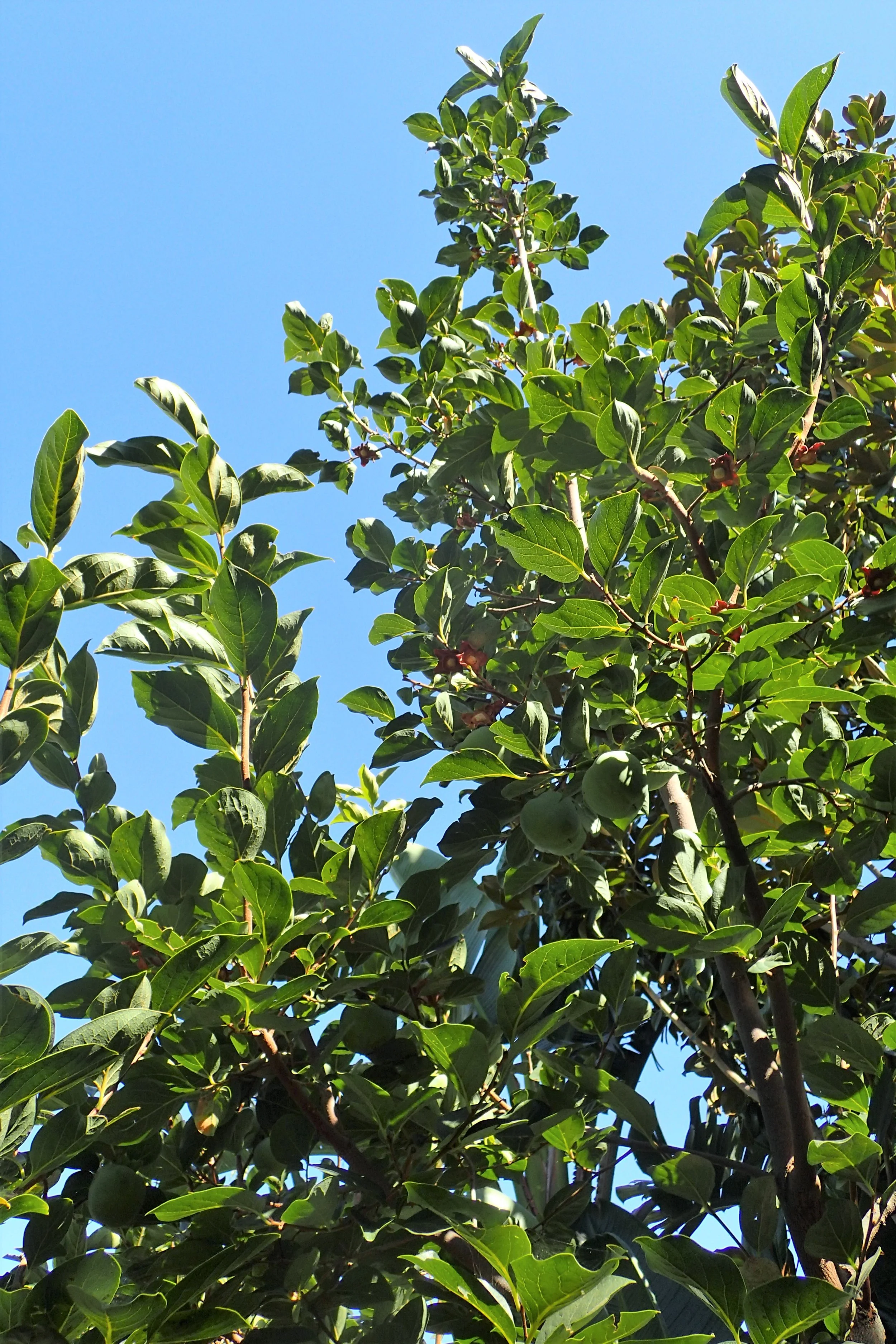
Identification / Key Features: Deciduous shrub or small tree with simple, oblong leaves and fragrant white flowers in spring. Produces red to purple edible plums in late summer. Bark is reddish-brown and smooth on young stems, becoming rougher with age.
Mature Height / Size: 15–25 feet.
Growth Rate: Fast.
Light / Soil / Site Preferences: Prefers full sun; tolerates a range of soils, well-drained and slightly acidic preferred.
Wildlife Value / Ecological Role: Fruits eaten by birds, deer, and small mammals. Dense branching provides shelter.
Uses / Economic / Cultural: Edible fruits for jams, jellies, and fresh eating; commonly planted for wildlife hedges and landscaping.
Quantity (per bundle) 25
Size (12-18”)
A beautiful and resilient native tree, American Plum is cherished for its profusion of fragrant white spring blossoms that attract pollinators and brighten early-season landscapes. Its lush green leaves and rounded form provide summer beauty, followed by a bounty of small, red to purple plums that ripen in late summer. The fruit is tart-sweet and excellent for jams, jellies, and wildlife forage alike.
Well-suited to Northern Michigan (Zone 5a), American Plum thrives in full sun and well-drained soils, adapting easily to sandy, loamy, or rocky sites. It spreads by root suckers to form attractive thickets, making it ideal for naturalized plantings, windbreaks, and erosion control.
Ecologically, American Plum supports a rich array of wildlife—its spring blossoms feed bees and butterflies, and its fruits sustain birds, deer, and small mammals. This hardy, multi-purpose native combines ornamental charm, habitat value, and edible reward, bringing color and life to Michigan’s natural landscapes.
Identification / Key Features: Deciduous shrub or small tree with simple, oblong leaves and fragrant white flowers in spring. Produces red to purple edible plums in late summer. Bark is reddish-brown and smooth on young stems, becoming rougher with age.
Mature Height / Size: 15–25 feet.
Growth Rate: Fast.
Light / Soil / Site Preferences: Prefers full sun; tolerates a range of soils, well-drained and slightly acidic preferred.
Wildlife Value / Ecological Role: Fruits eaten by birds, deer, and small mammals. Dense branching provides shelter.
Uses / Economic / Cultural: Edible fruits for jams, jellies, and fresh eating; commonly planted for wildlife hedges and landscaping.