 Image 1 of 5
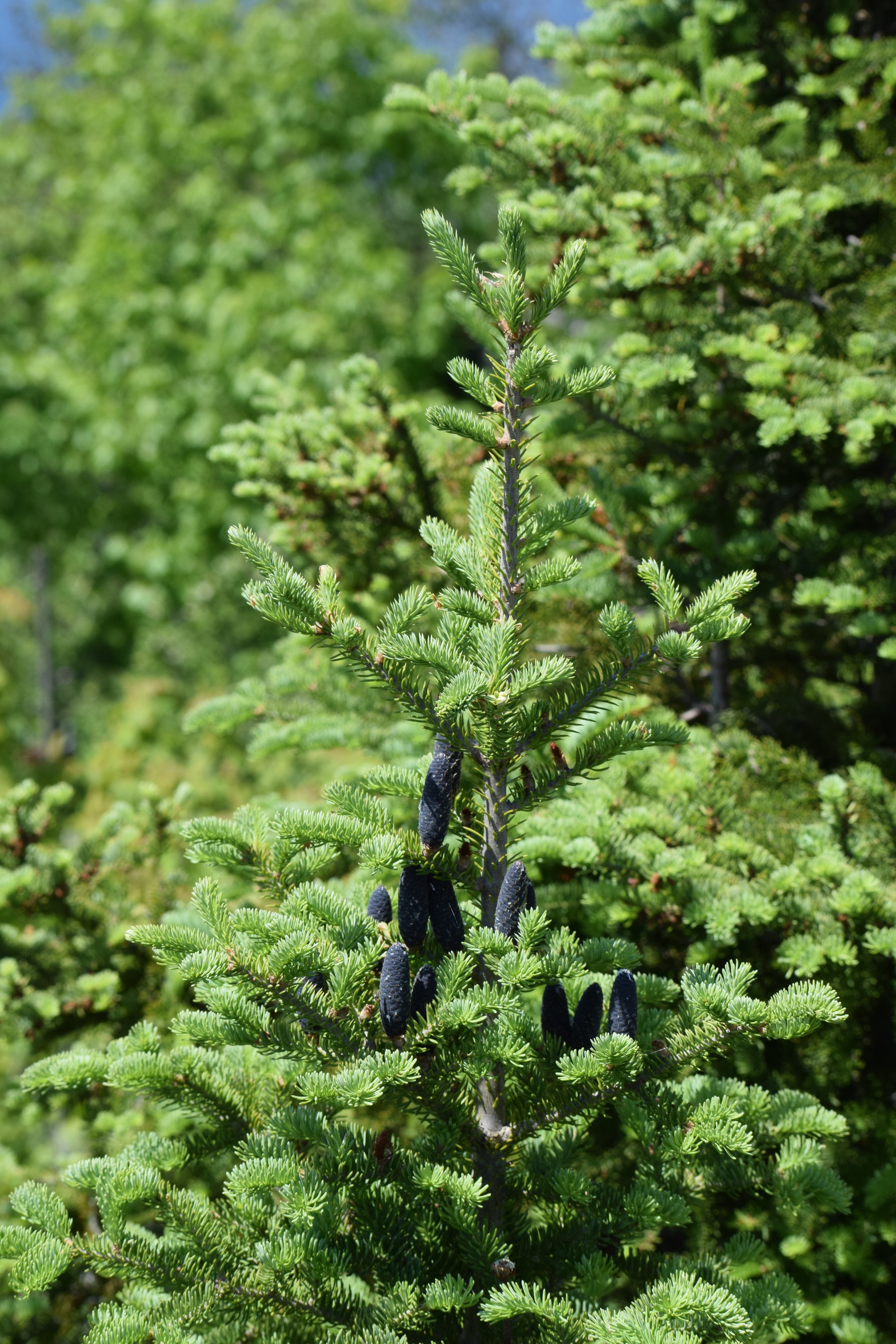 Image 2 of 5
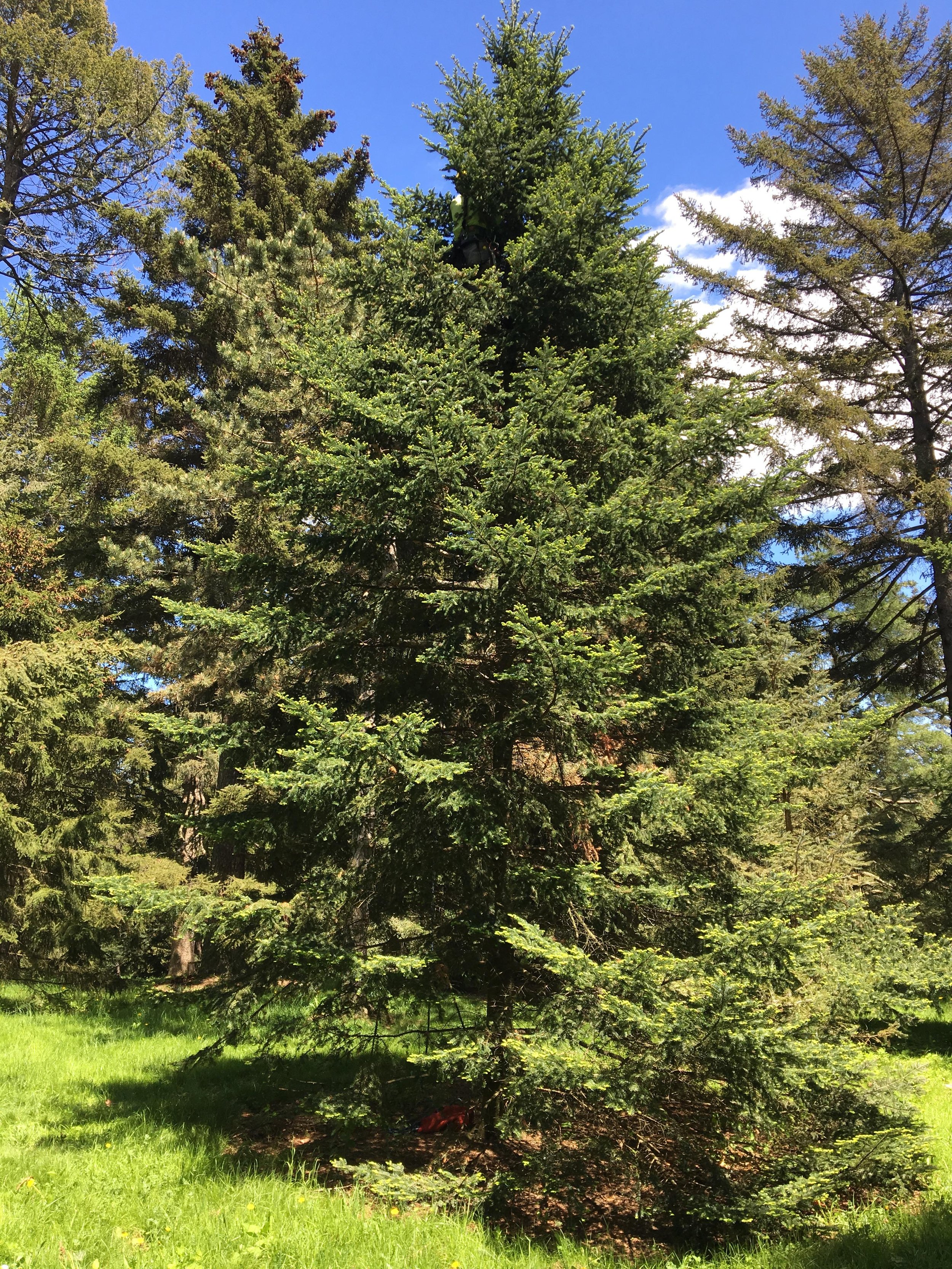 Image 3 of 5
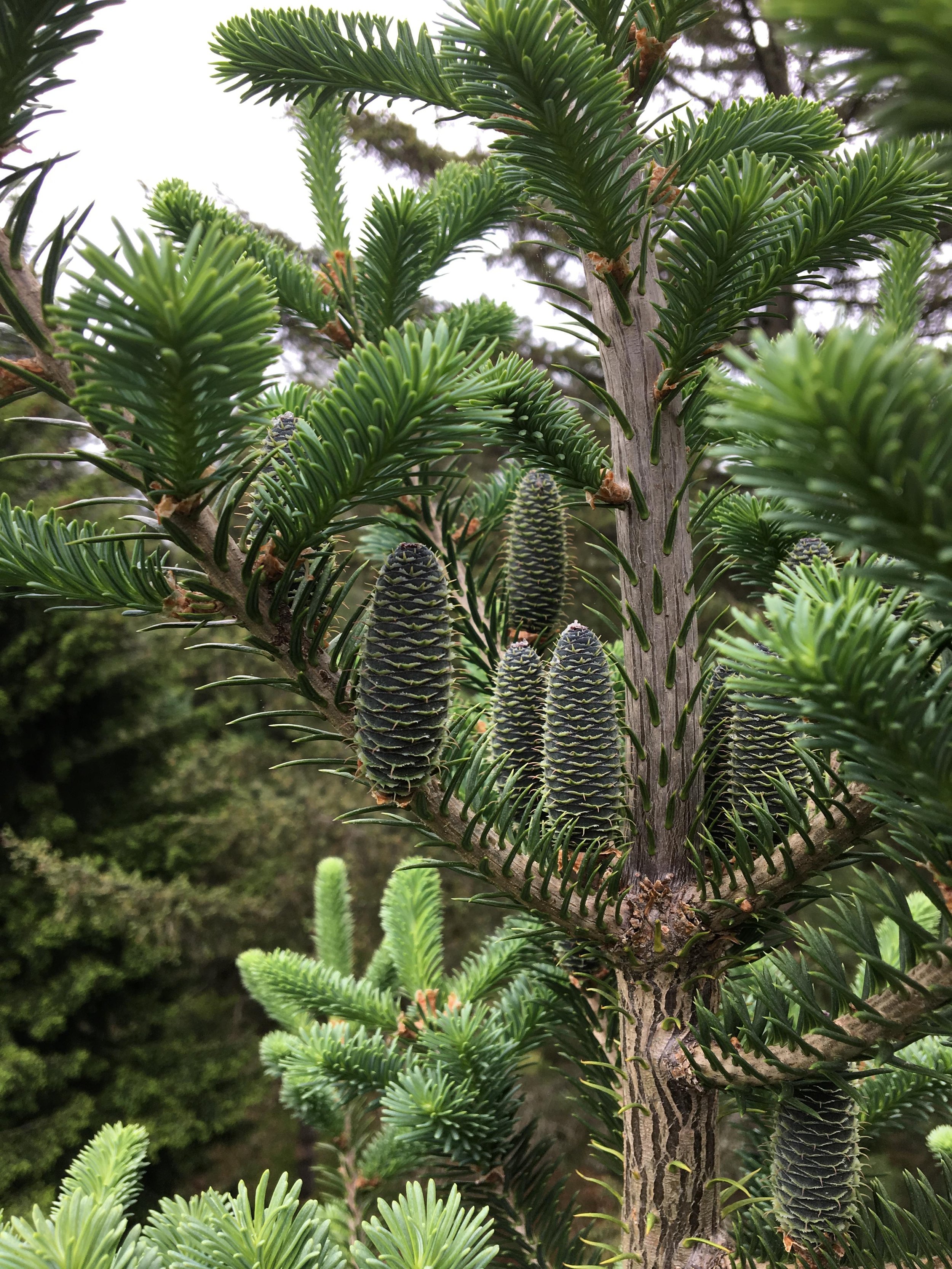 Image 4 of 5
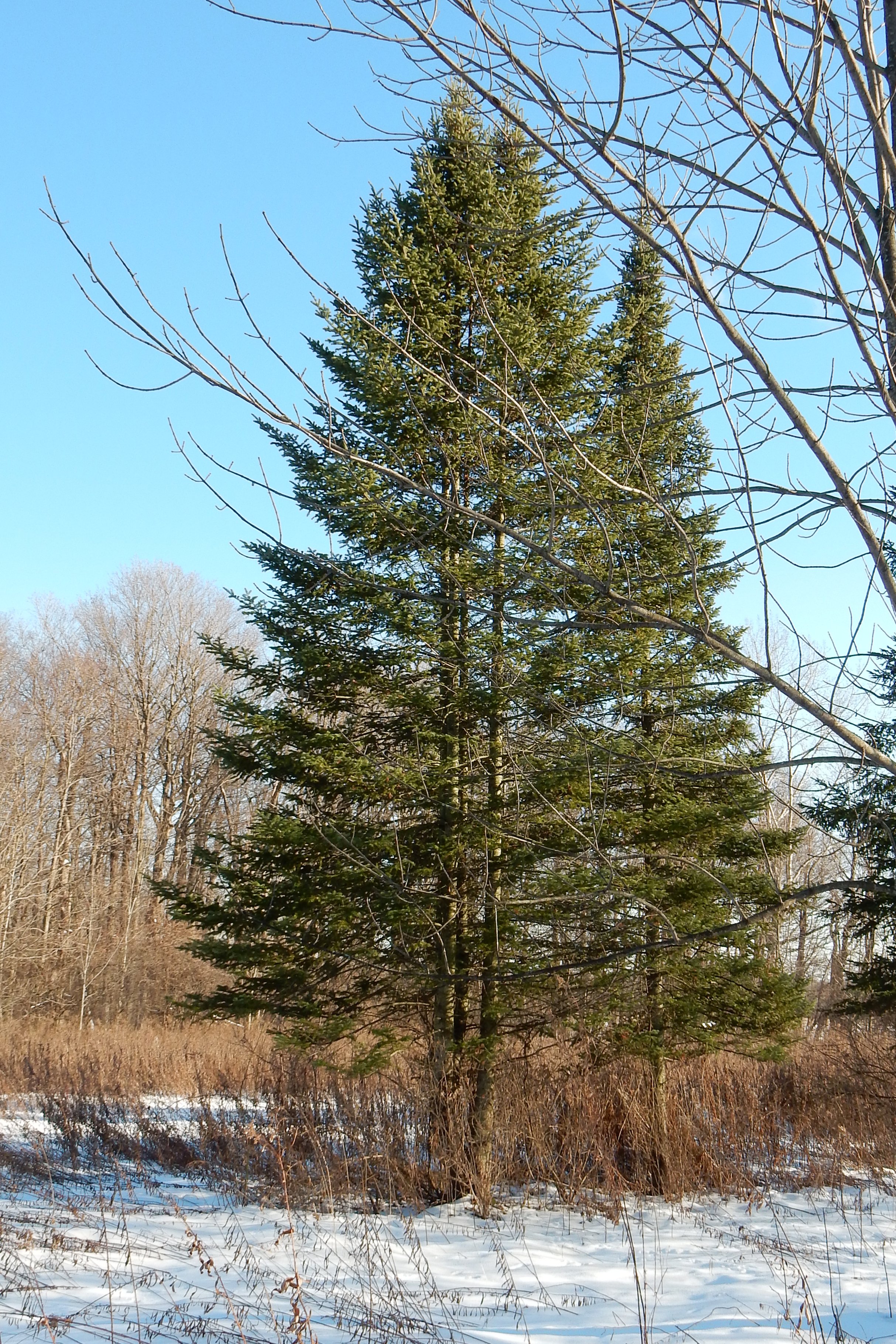 Image 5 of 5
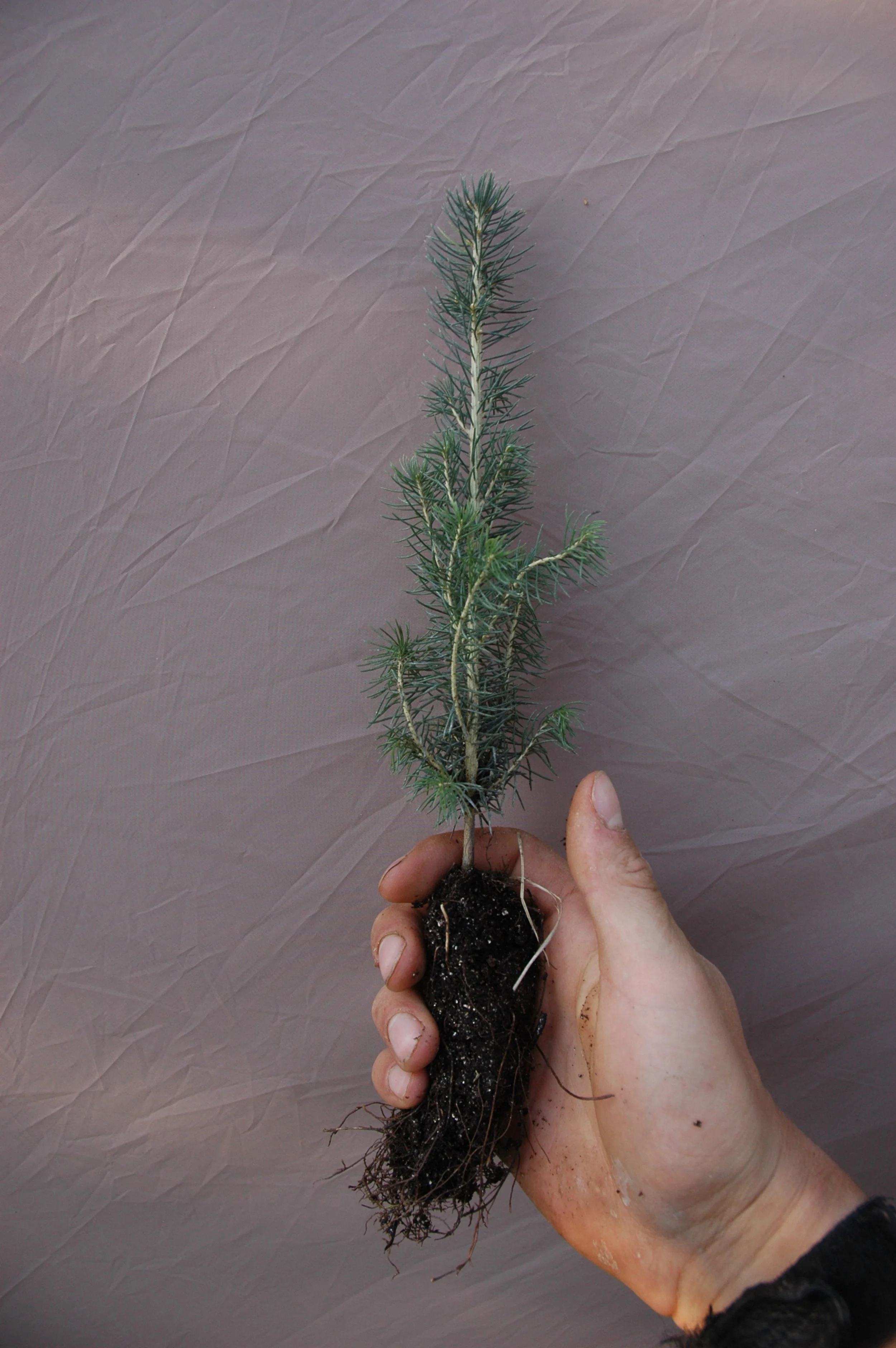
Size (6-12”)
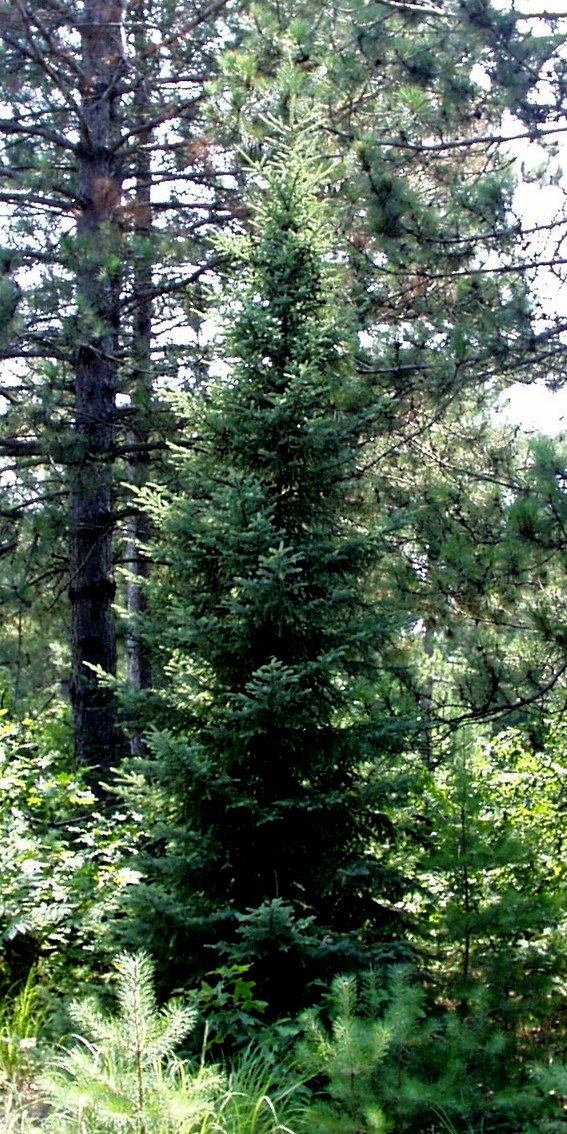
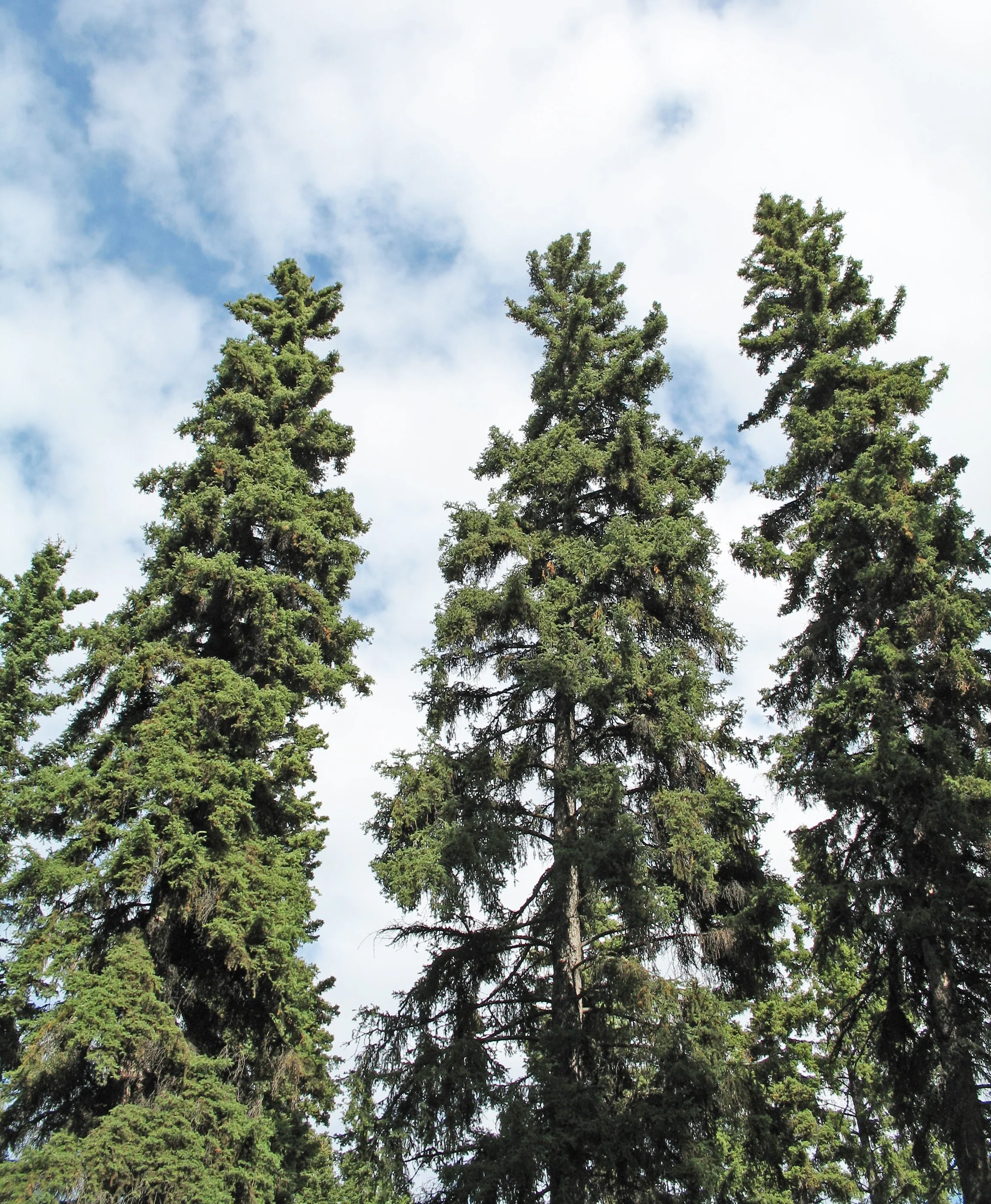
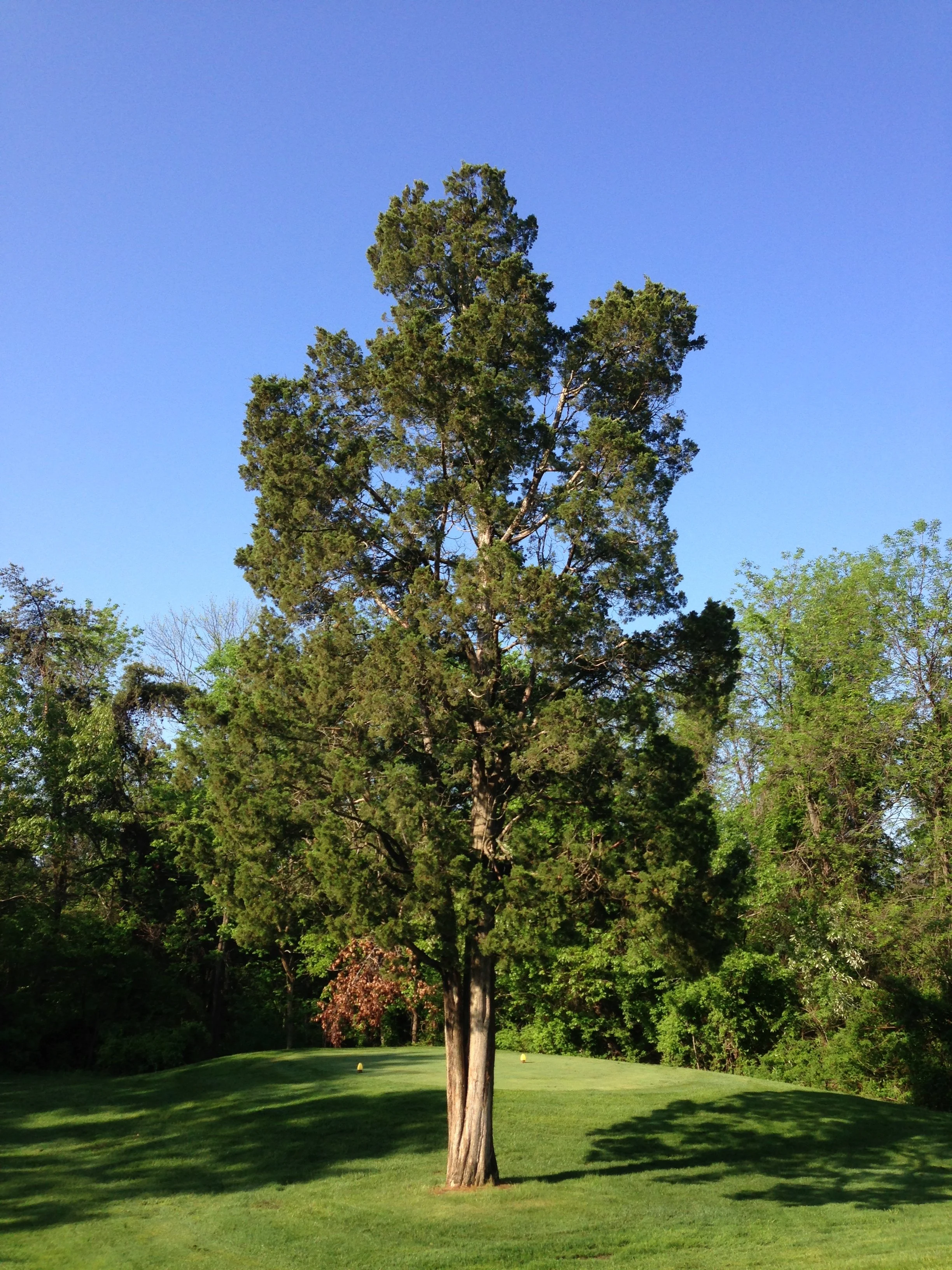
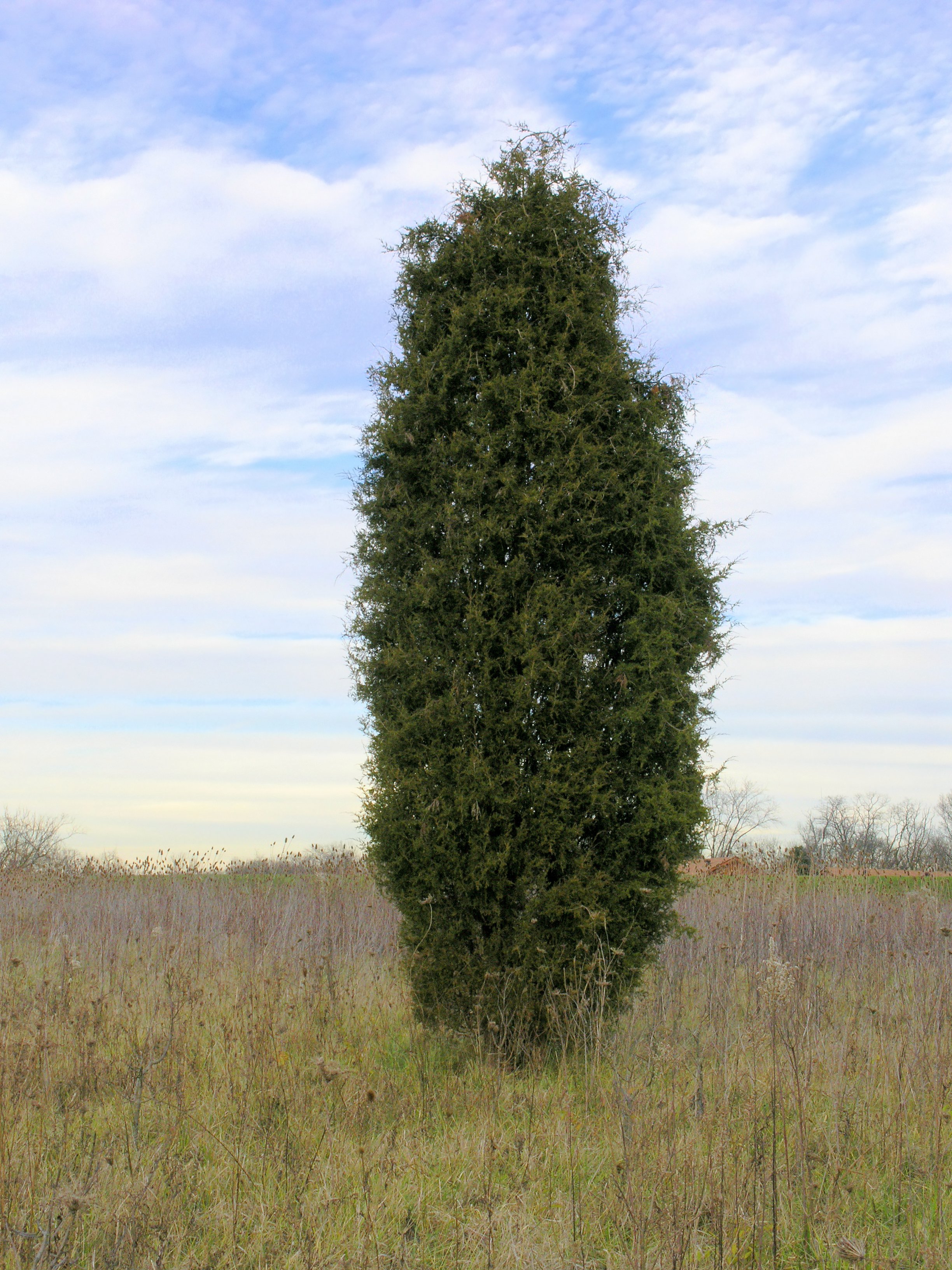
A classic northern evergreen, Balsam Fir is prized for its fragrant needles, symmetrical form, and year-round beauty. Native to the forests of Northern Michigan, this slow-growing conifer forms a narrow, pyramidal shape with soft, dark green needles and smooth gray bark. Its aromatic foliage and resinous cones are signature features of the species.
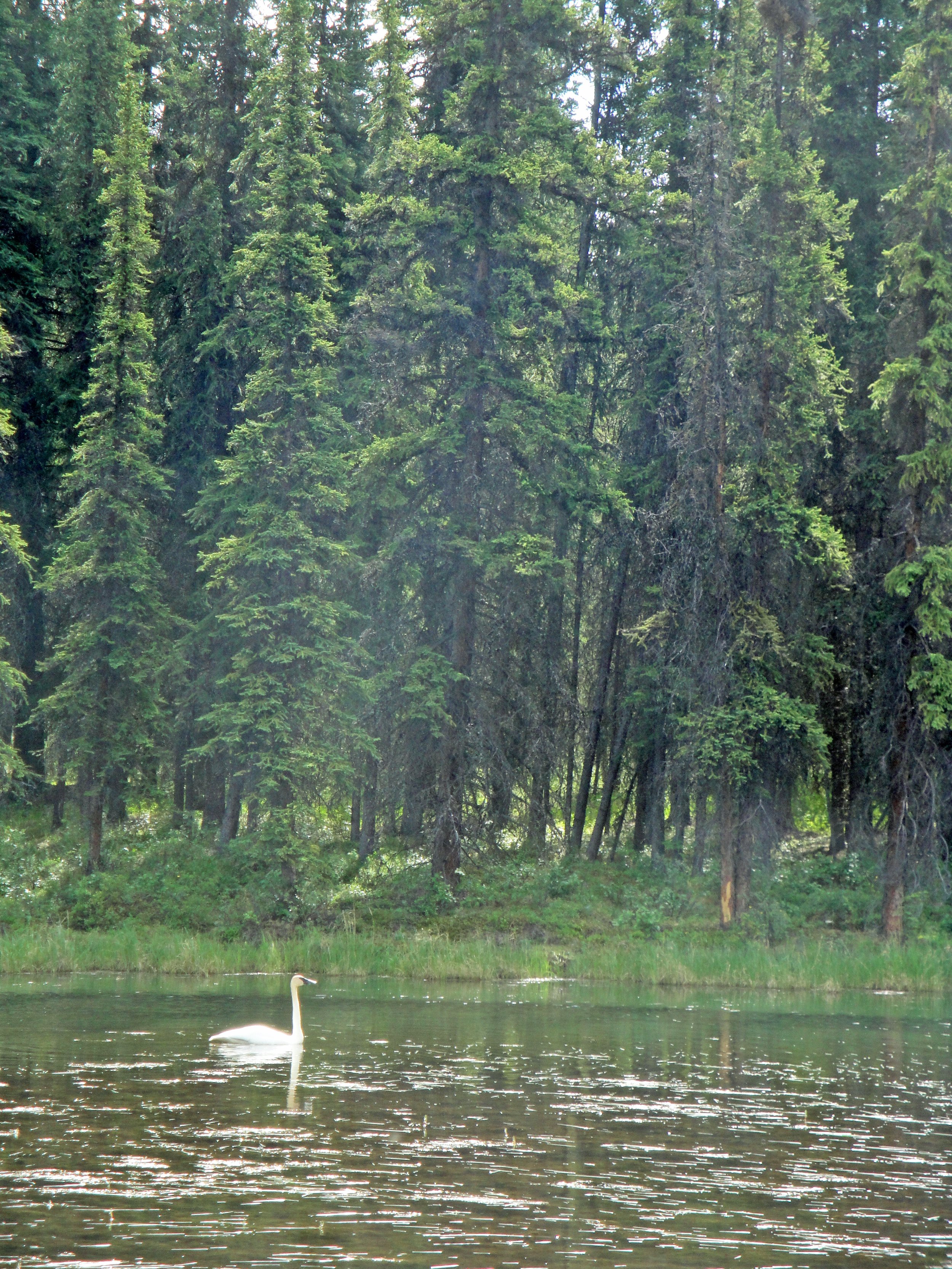
Well-suited to Northern Michigan (Zone 5a), Balsam Fir prefers cool, moist, well-drained soils and thrives in full sun to part shade. It provides valuable cover and nesting habitat for birds and small mammals, while its dense foliage offers excellent windbreak and screening potential. Balsam Fir is also a traditional favorite for holiday trees due to its scent and needle retention.
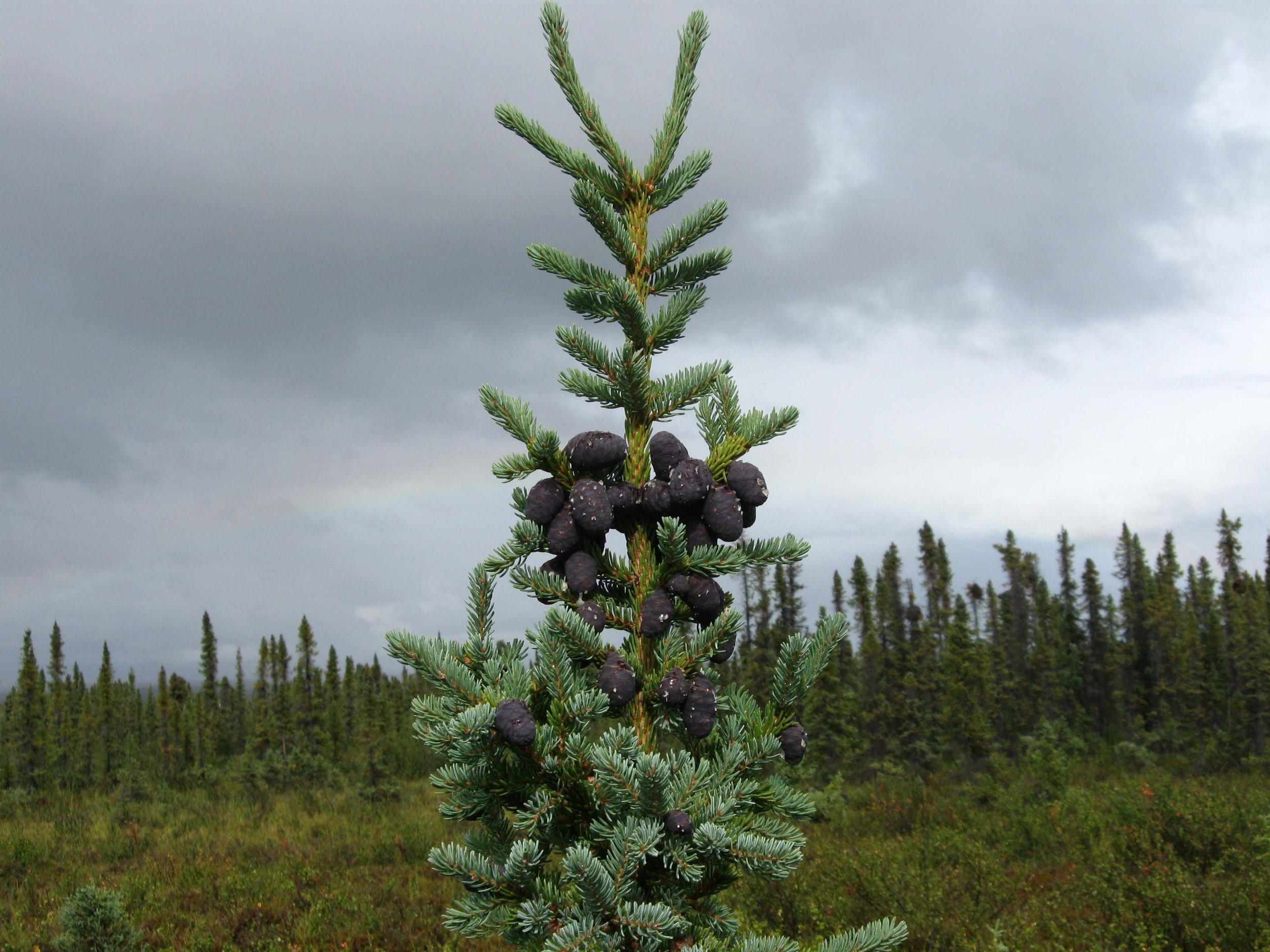
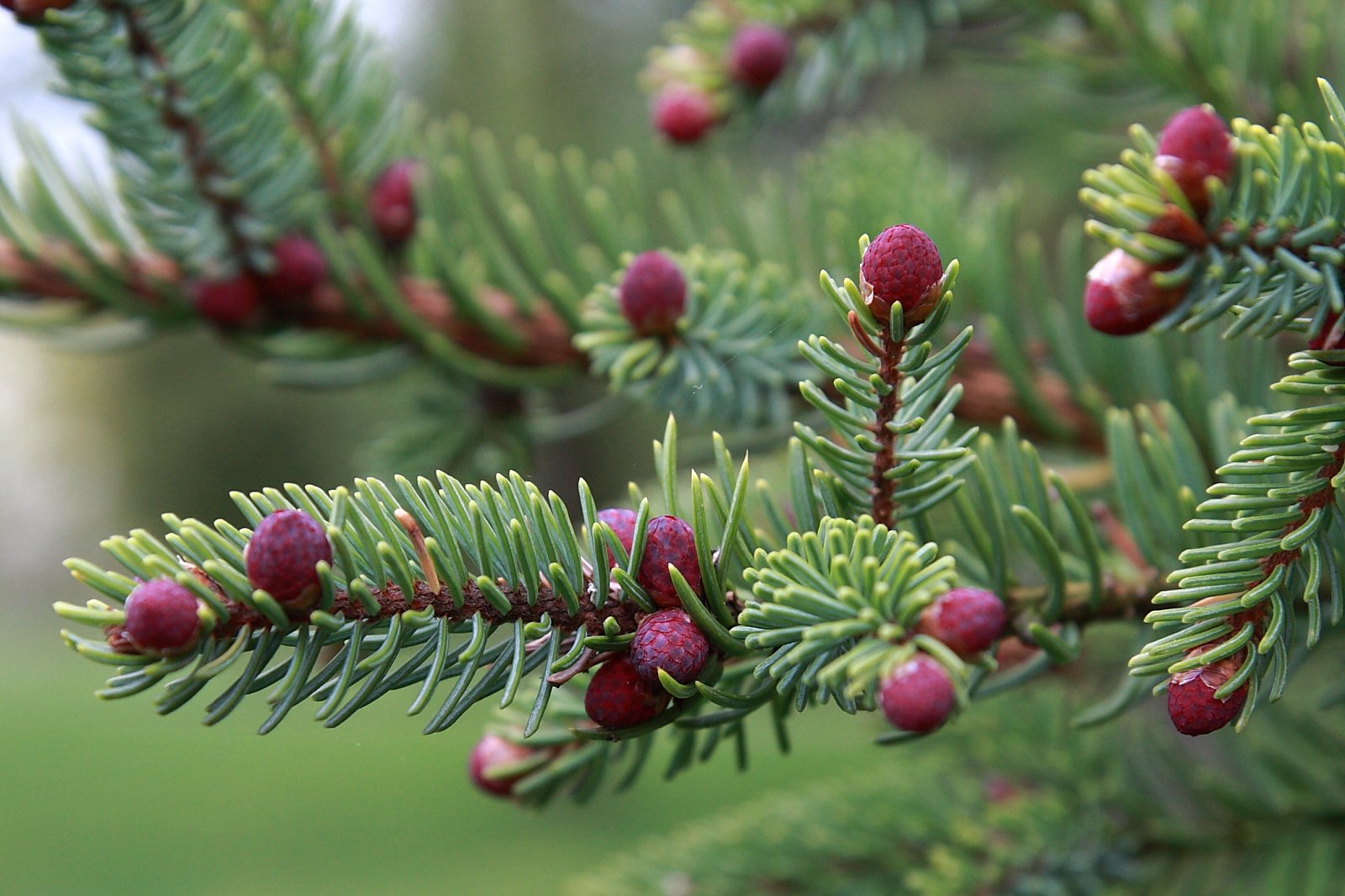
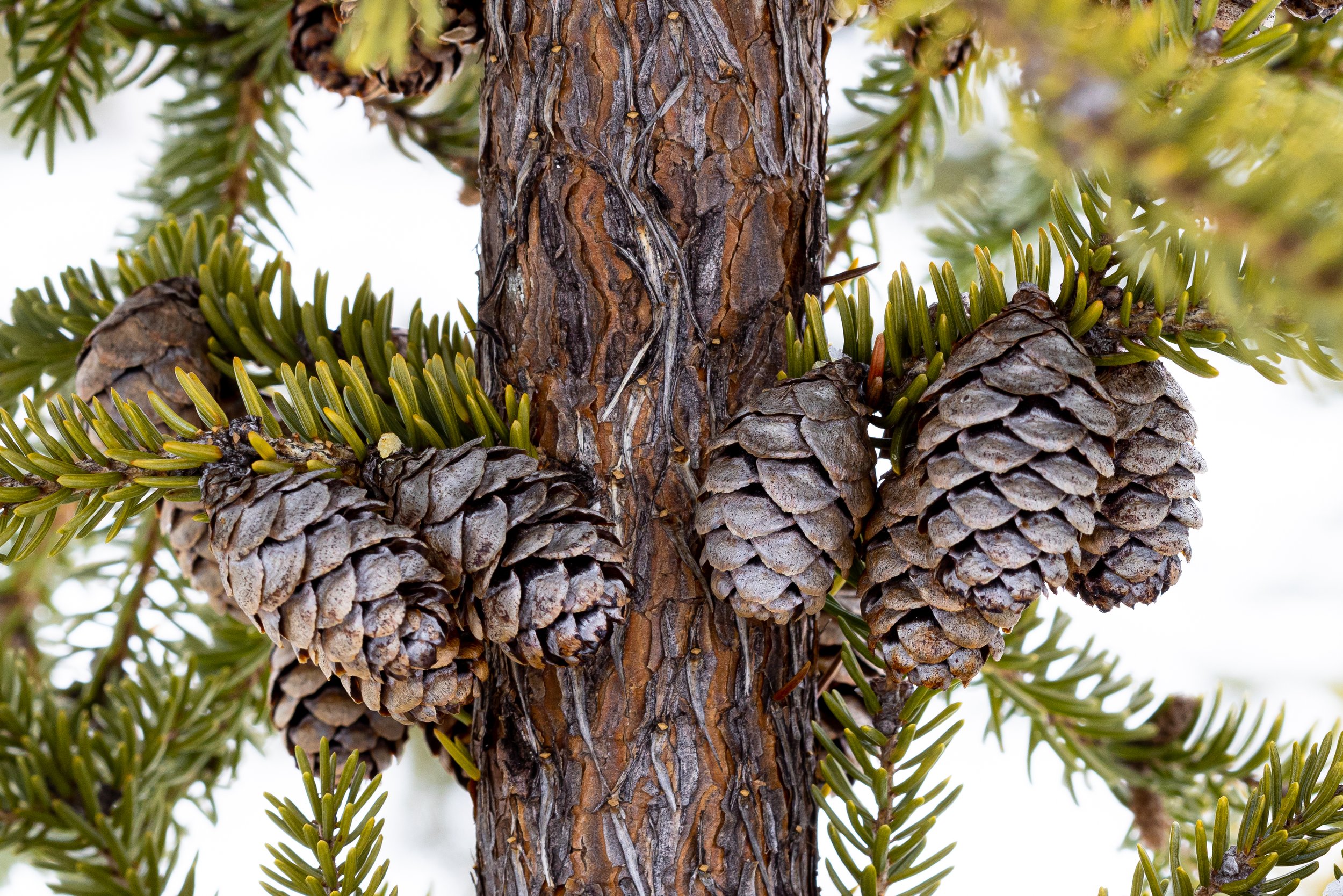
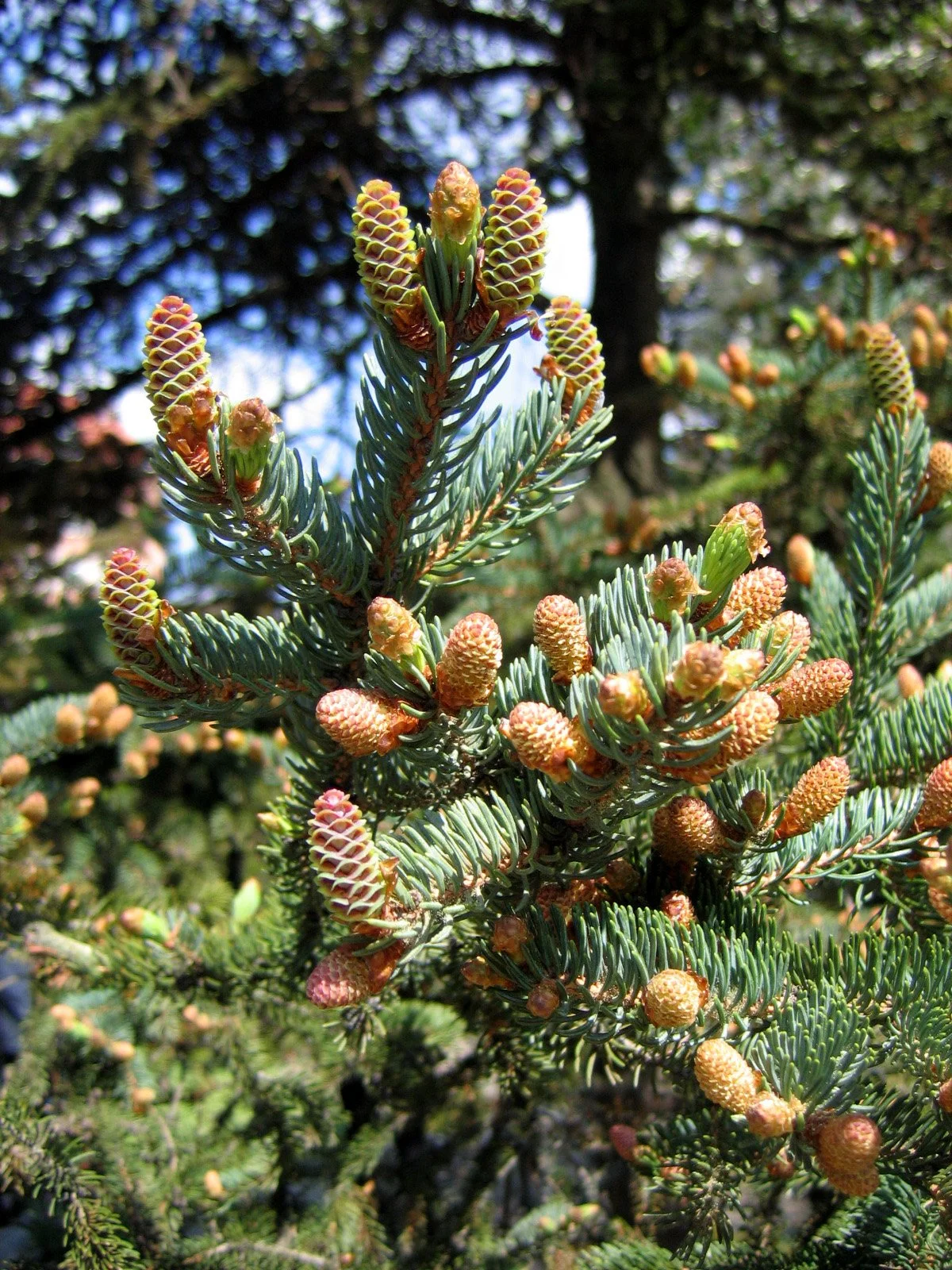
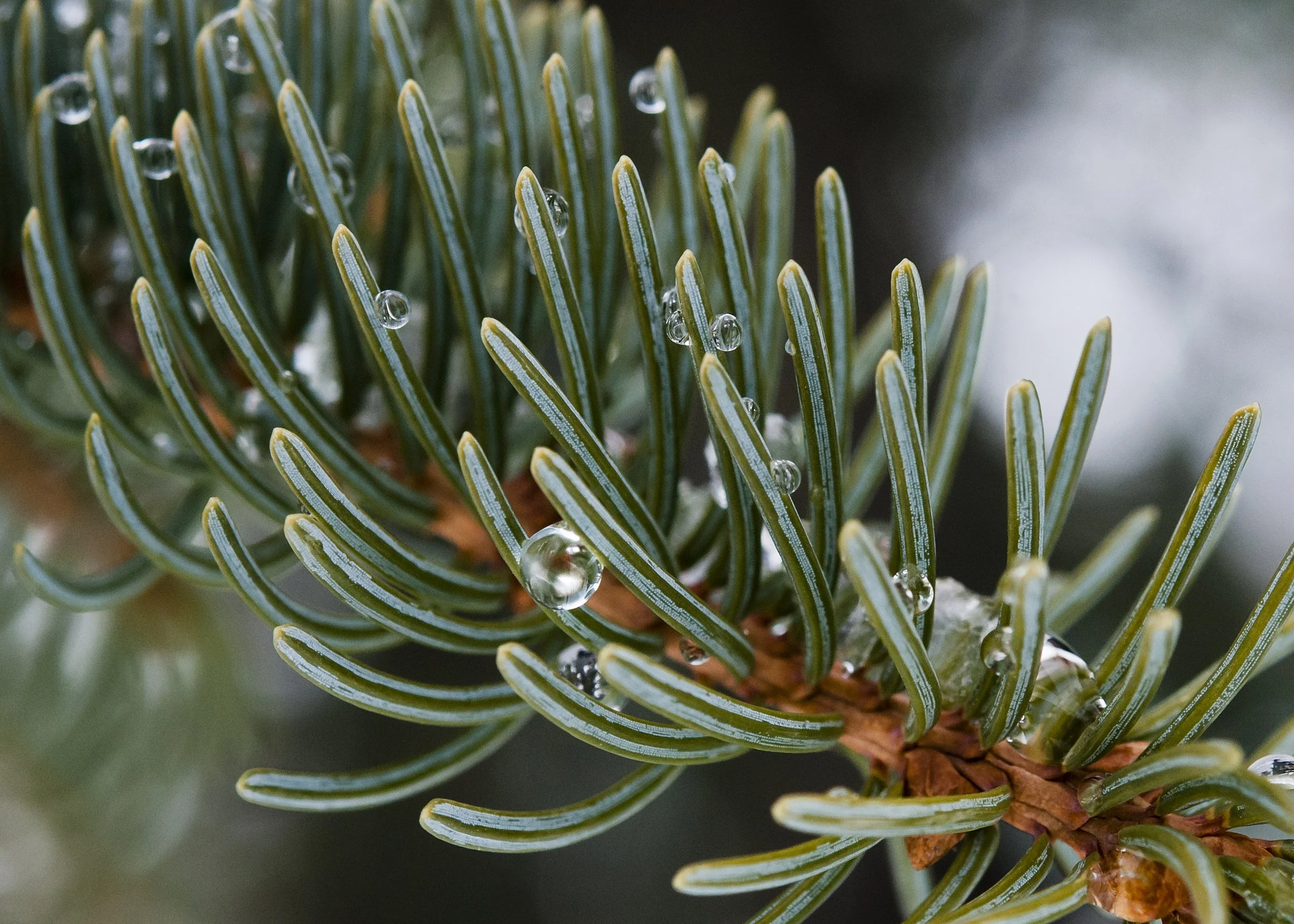
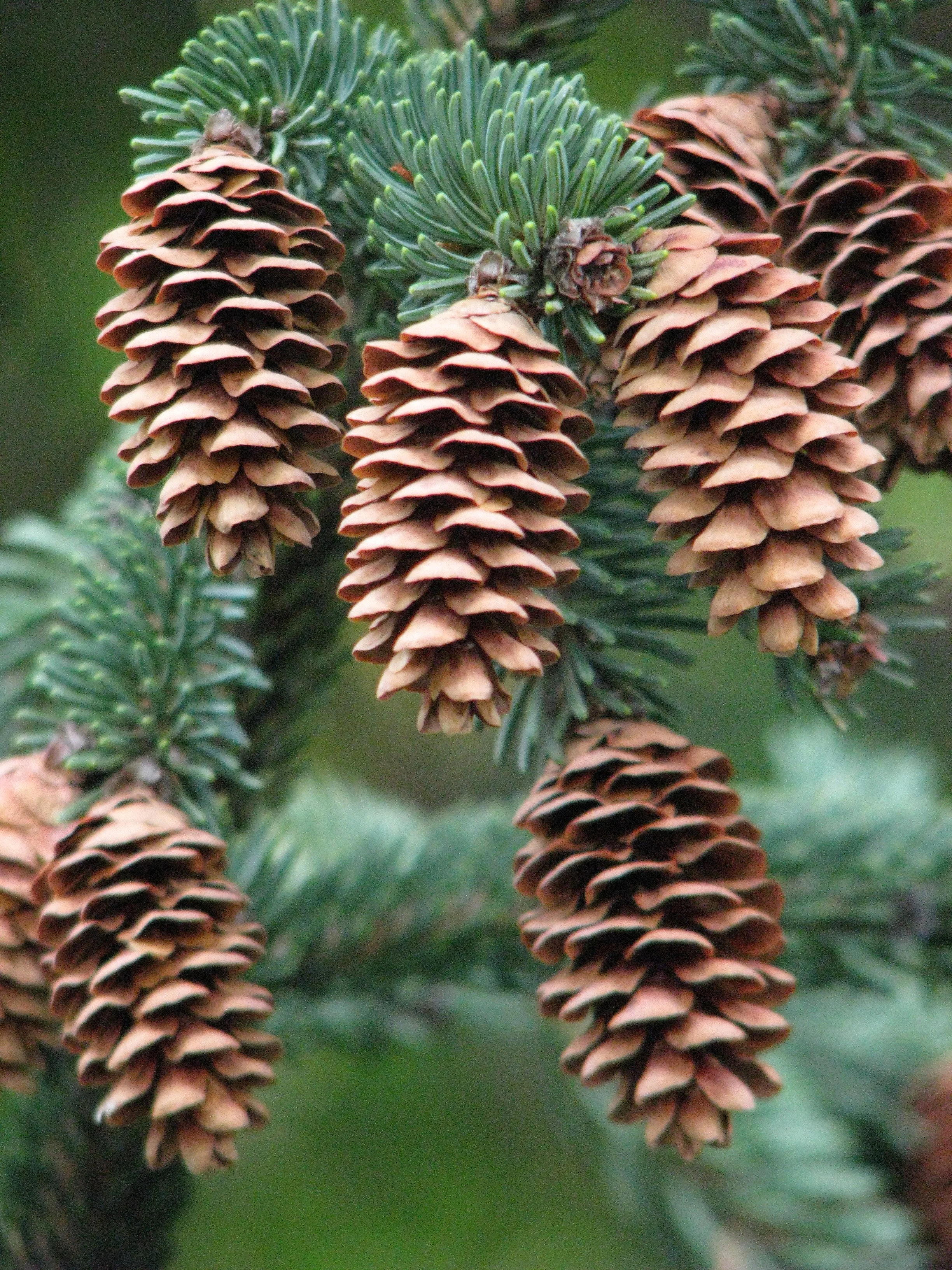
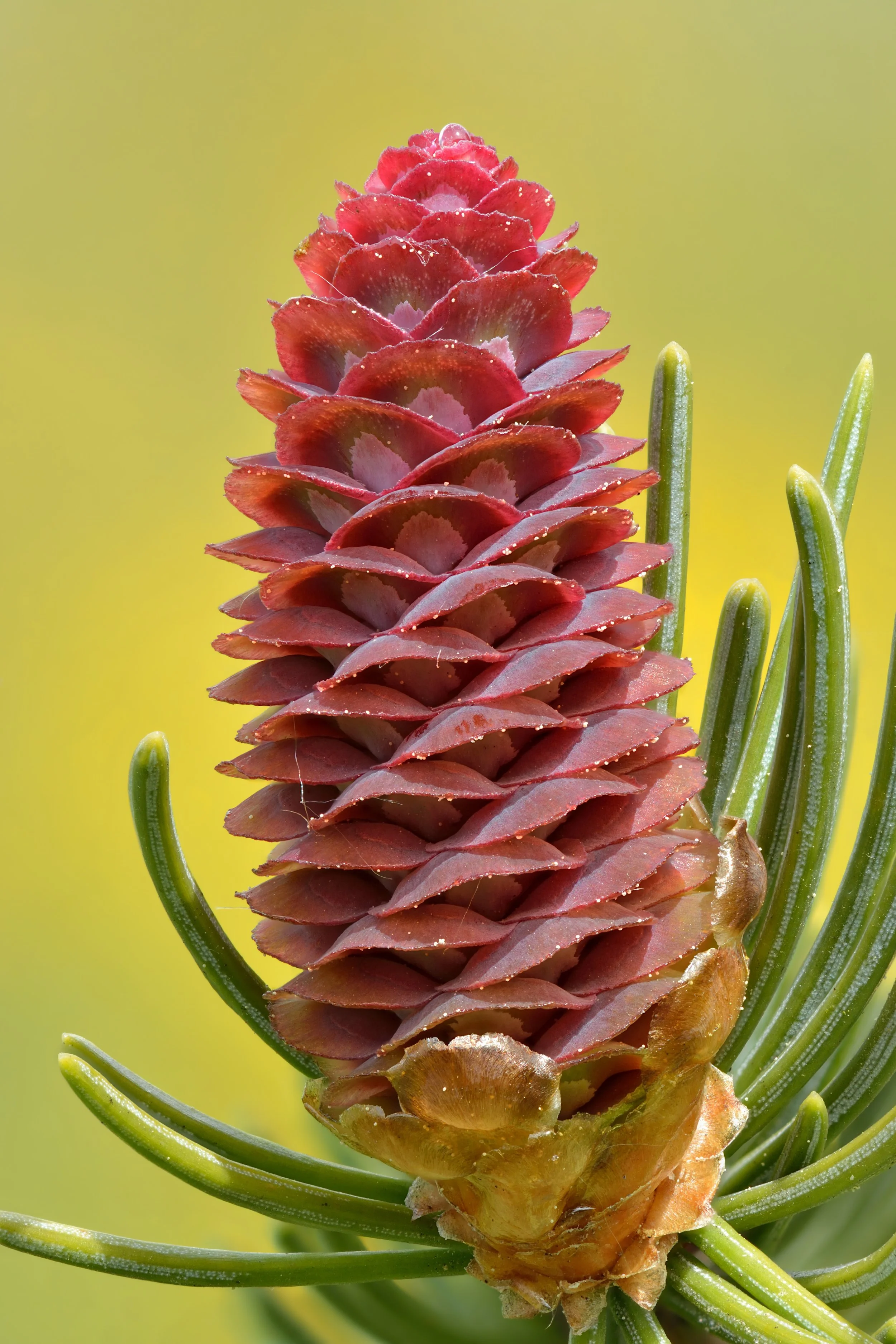
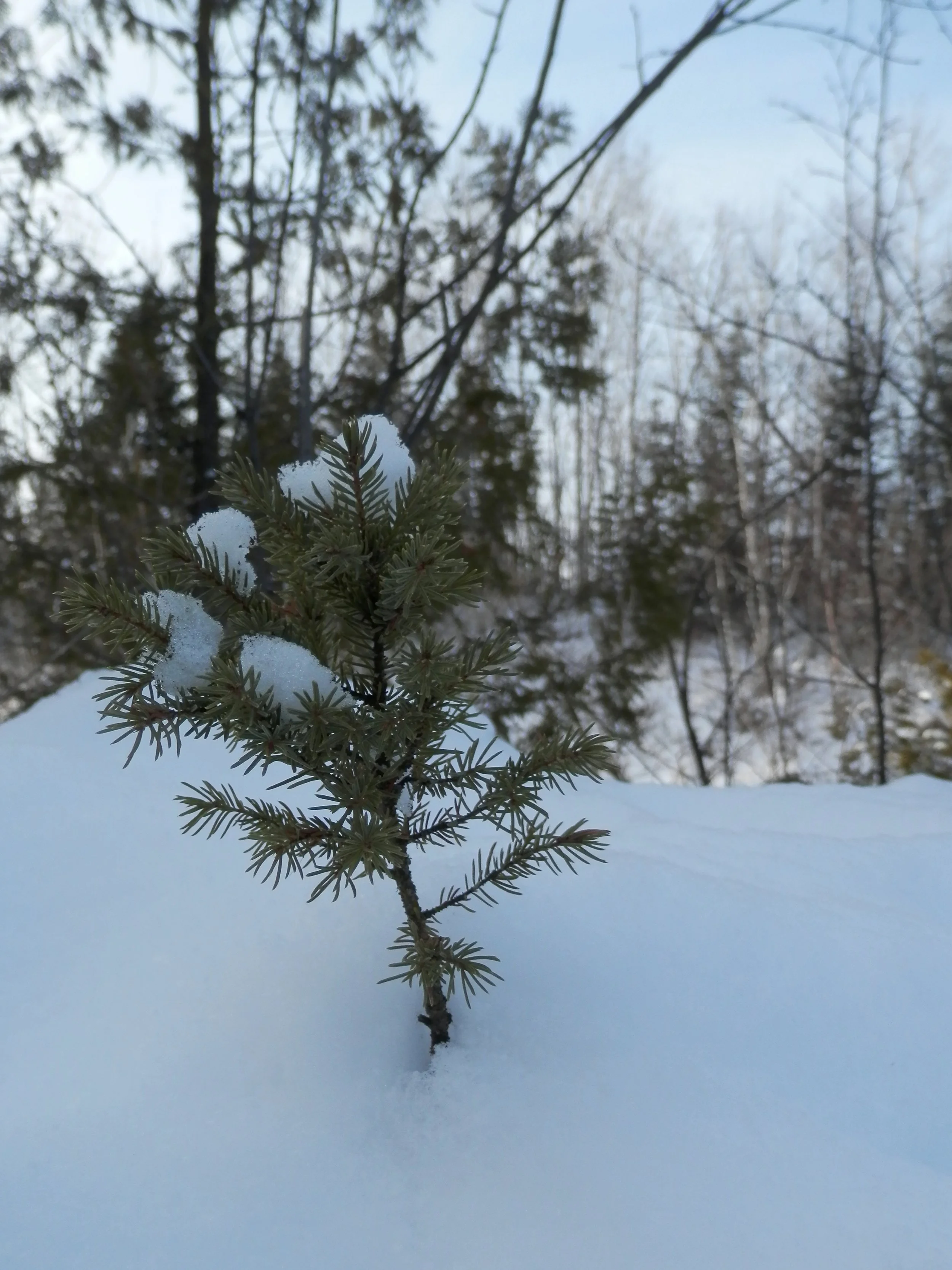
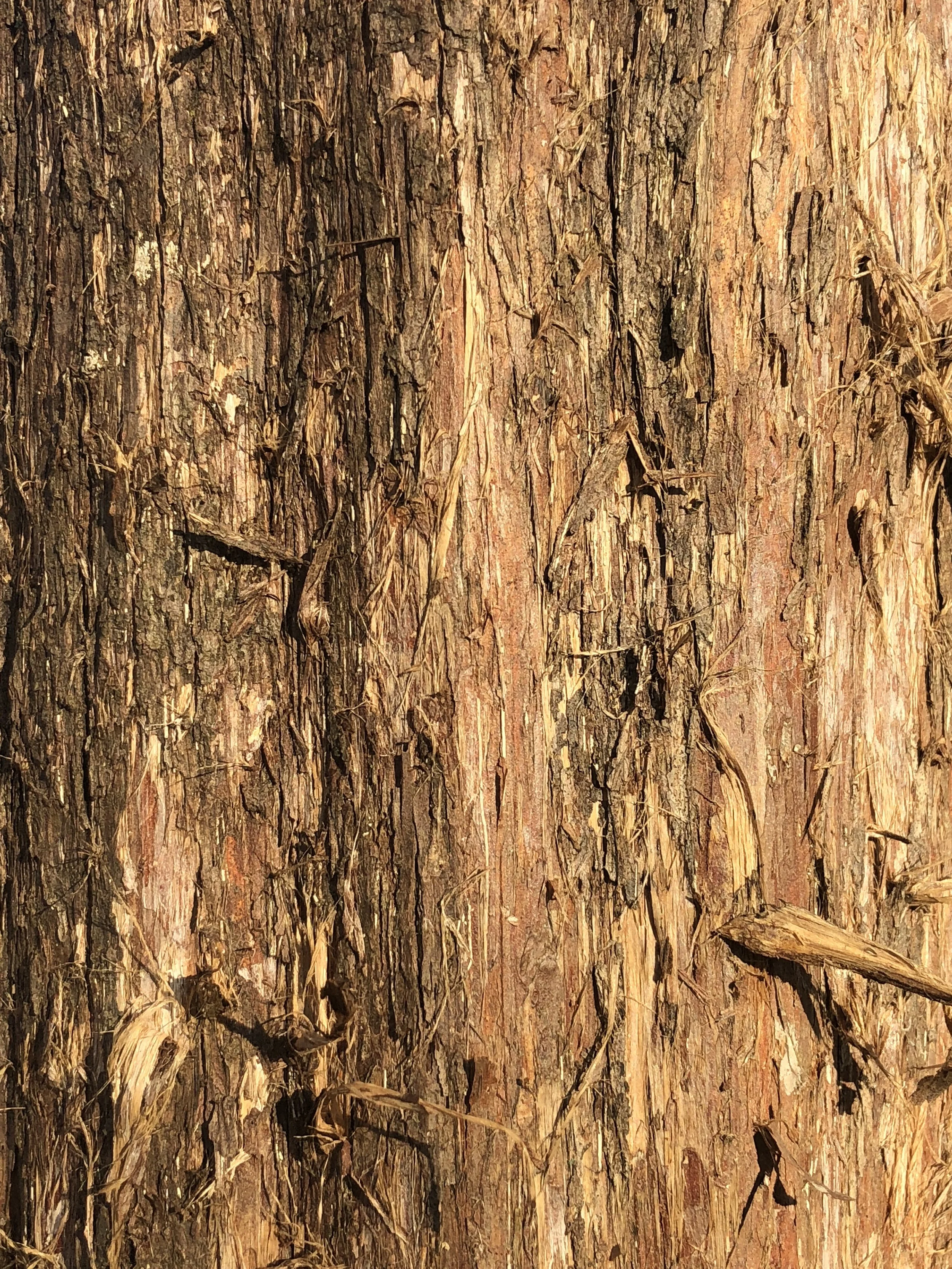
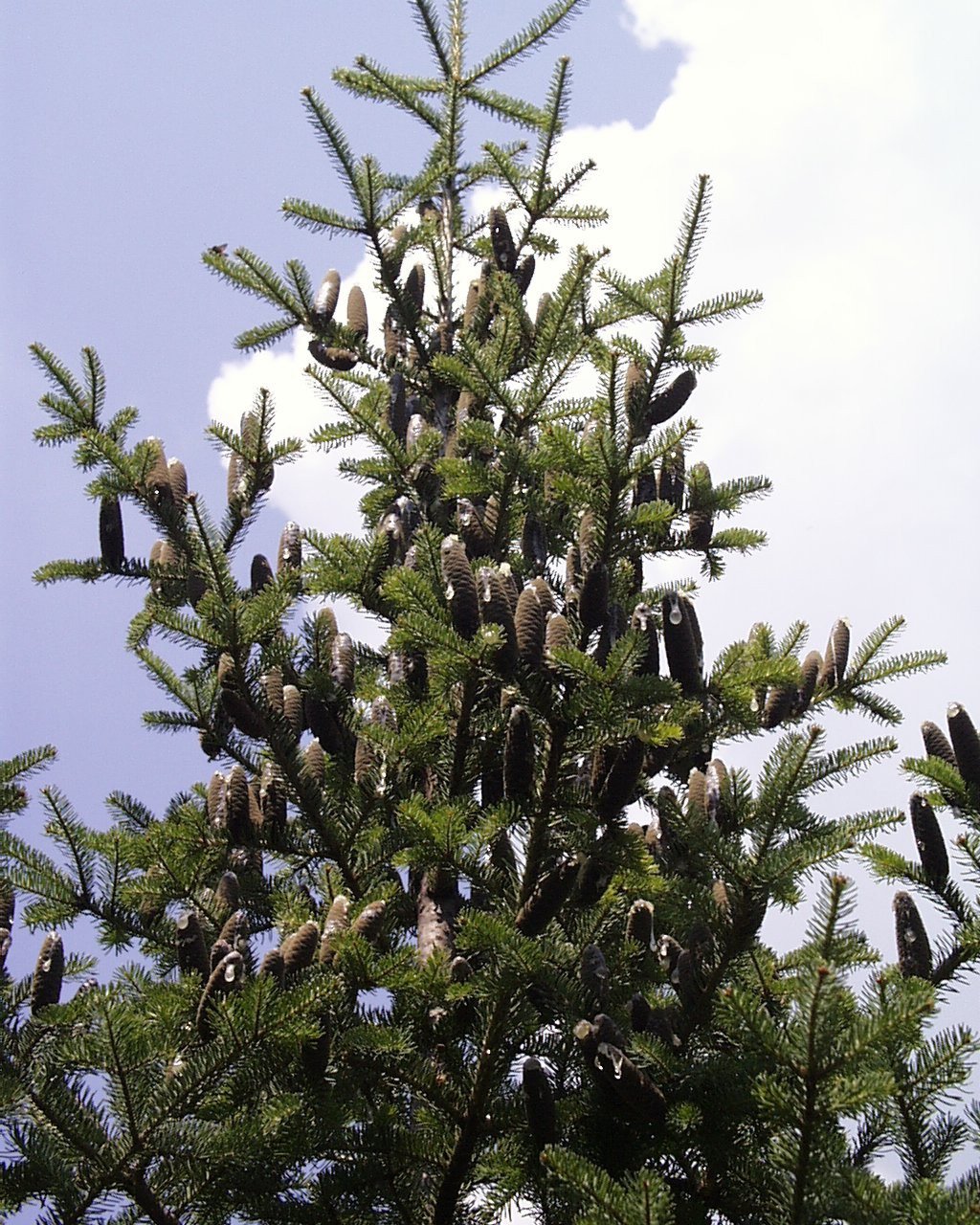
Identification / Key Features: Balsam fir has flat, fragrant, dark green needles with silvery undersides, about ¾–1 inch long. Bark is smooth and gray with resin blisters on younger trees. Cones are upright, cylindrical, and disintegrate on the tree.
Mature Height / Size: 40–70 feet.
Growth Rate: Moderate.
Light / Soil / Site Preferences: Prefers cool, moist, well-drained soils and partial shade but tolerates a variety of conditions.
Wildlife Value / Ecological Role: Provides excellent cover for wildlife; seeds and buds are eaten by birds and small mammals.
Uses / Economic / Cultural: Popular as a Christmas tree due to its fragrance and soft needles; also used for pulpwood and medicinal resin.
Size (6-12”)
A classic northern evergreen, Balsam Fir is prized for its fragrant needles, symmetrical form, and year-round beauty. Native to the forests of Northern Michigan, this slow-growing conifer forms a narrow, pyramidal shape with soft, dark green needles and smooth gray bark. Its aromatic foliage and resinous cones are signature features of the species.
Well-suited to Northern Michigan (Zone 5a), Balsam Fir prefers cool, moist, well-drained soils and thrives in full sun to part shade. It provides valuable cover and nesting habitat for birds and small mammals, while its dense foliage offers excellent windbreak and screening potential. Balsam Fir is also a traditional favorite for holiday trees due to its scent and needle retention.
Identification / Key Features: Balsam fir has flat, fragrant, dark green needles with silvery undersides, about ¾–1 inch long. Bark is smooth and gray with resin blisters on younger trees. Cones are upright, cylindrical, and disintegrate on the tree.
Mature Height / Size: 40–70 feet.
Growth Rate: Moderate.
Light / Soil / Site Preferences: Prefers cool, moist, well-drained soils and partial shade but tolerates a variety of conditions.
Wildlife Value / Ecological Role: Provides excellent cover for wildlife; seeds and buds are eaten by birds and small mammals.
Uses / Economic / Cultural: Popular as a Christmas tree due to its fragrance and soft needles; also used for pulpwood and medicinal resin.