Quantity (per bundle) 25
Size (12-18”)
A tall and stately native tree, Black Cherry is valued for its rich, dark bark, lustrous foliage, and clusters of fragrant white blossoms in spring. These blooms give way to small, dark red to black cherries in late summer, providing both ornamental beauty and wildlife value. With its straight trunk and graceful crown, Black Cherry brings elegance and ecological depth to Michigan’s forests and landscapes.
Well-suited to Northern Michigan (Zone 5a), Black Cherry thrives in full sun and well-drained soils, particularly on upland slopes or forest edges. It grows at a moderate to fast rate, adapting well to a range of soil types, from sandy to loamy conditions.
Ecologically, Black Cherry is an important species for pollinators and birds—its blossoms attract bees and butterflies, while its fruit feeds songbirds, grouse, and small mammals. The tree also serves as a host plant for several native moth and butterfly species. Prized for its strong, reddish-brown wood, Black Cherry is one of North America’s finest furniture and cabinet timbers—combining beauty, utility, and ecological richness in Michigan’s native woodlands.
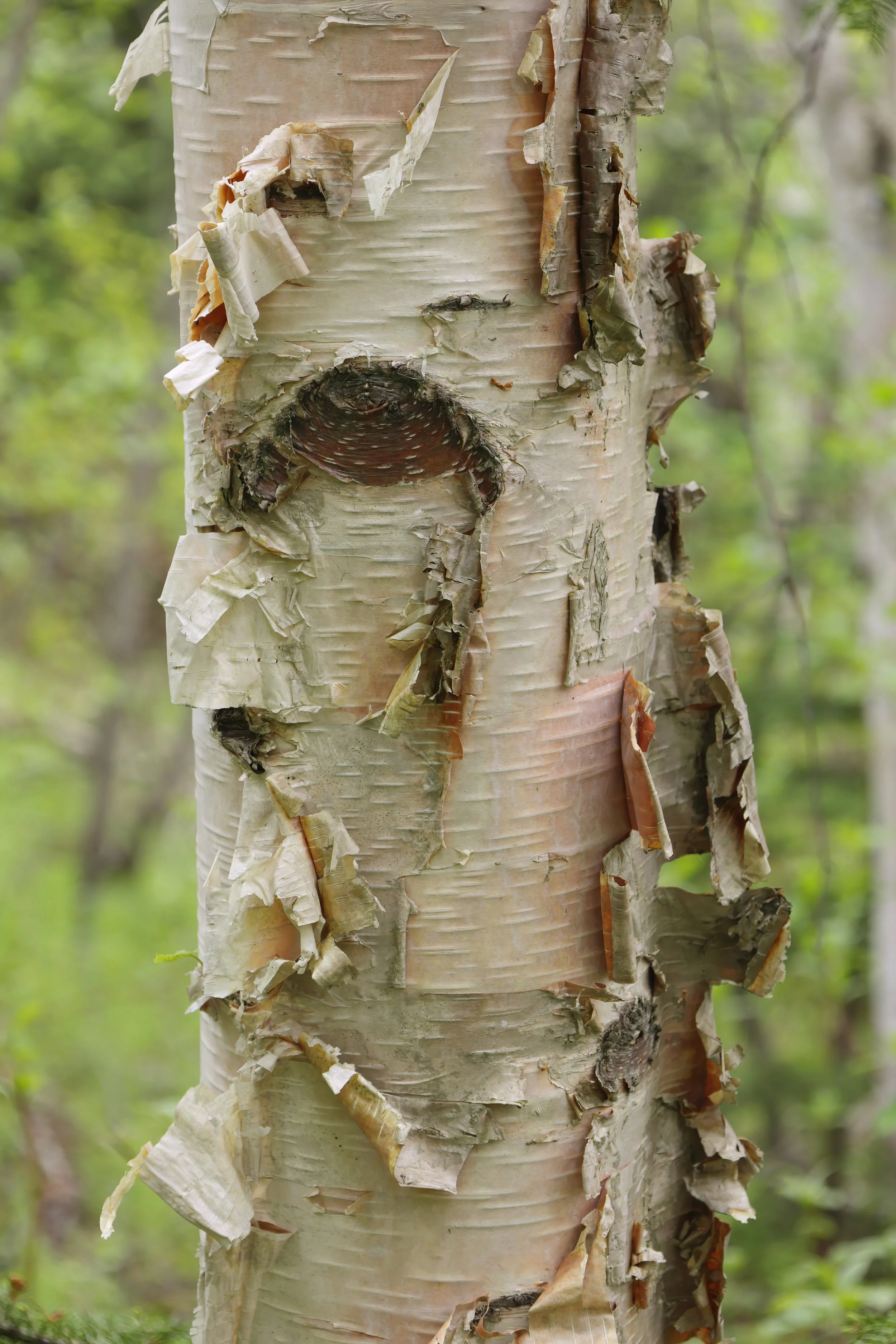
Identification / Key Features: Medium to large deciduous tree with dark, smooth bark that develops horizontal lenticels. Leaves are lance-shaped, finely serrated, and glossy. Produces small black cherries in summer.
Mature Height / Size: 50–80 feet.
Growth Rate: Fast.
Light / Soil / Site Preferences: Prefers full sun and well-drained soils; tolerates a range of upland sites.
Wildlife Value / Ecological Role: Fruits eaten by birds, deer, and small mammals. Provides nesting cover.
Uses / Economic / Cultural: Wood used for furniture and cabinetry. Fruit can be used for jams, jellies, and wildlife food.
Quantity (per bundle) 25
Size (12-18”)
A tall and stately native tree, Black Cherry is valued for its rich, dark bark, lustrous foliage, and clusters of fragrant white blossoms in spring. These blooms give way to small, dark red to black cherries in late summer, providing both ornamental beauty and wildlife value. With its straight trunk and graceful crown, Black Cherry brings elegance and ecological depth to Michigan’s forests and landscapes.
Well-suited to Northern Michigan (Zone 5a), Black Cherry thrives in full sun and well-drained soils, particularly on upland slopes or forest edges. It grows at a moderate to fast rate, adapting well to a range of soil types, from sandy to loamy conditions.
Ecologically, Black Cherry is an important species for pollinators and birds—its blossoms attract bees and butterflies, while its fruit feeds songbirds, grouse, and small mammals. The tree also serves as a host plant for several native moth and butterfly species. Prized for its strong, reddish-brown wood, Black Cherry is one of North America’s finest furniture and cabinet timbers—combining beauty, utility, and ecological richness in Michigan’s native woodlands.
Identification / Key Features: Medium to large deciduous tree with dark, smooth bark that develops horizontal lenticels. Leaves are lance-shaped, finely serrated, and glossy. Produces small black cherries in summer.
Mature Height / Size: 50–80 feet.
Growth Rate: Fast.
Light / Soil / Site Preferences: Prefers full sun and well-drained soils; tolerates a range of upland sites.
Wildlife Value / Ecological Role: Fruits eaten by birds, deer, and small mammals. Provides nesting cover.
Uses / Economic / Cultural: Wood used for furniture and cabinetry. Fruit can be used for jams, jellies, and wildlife food.

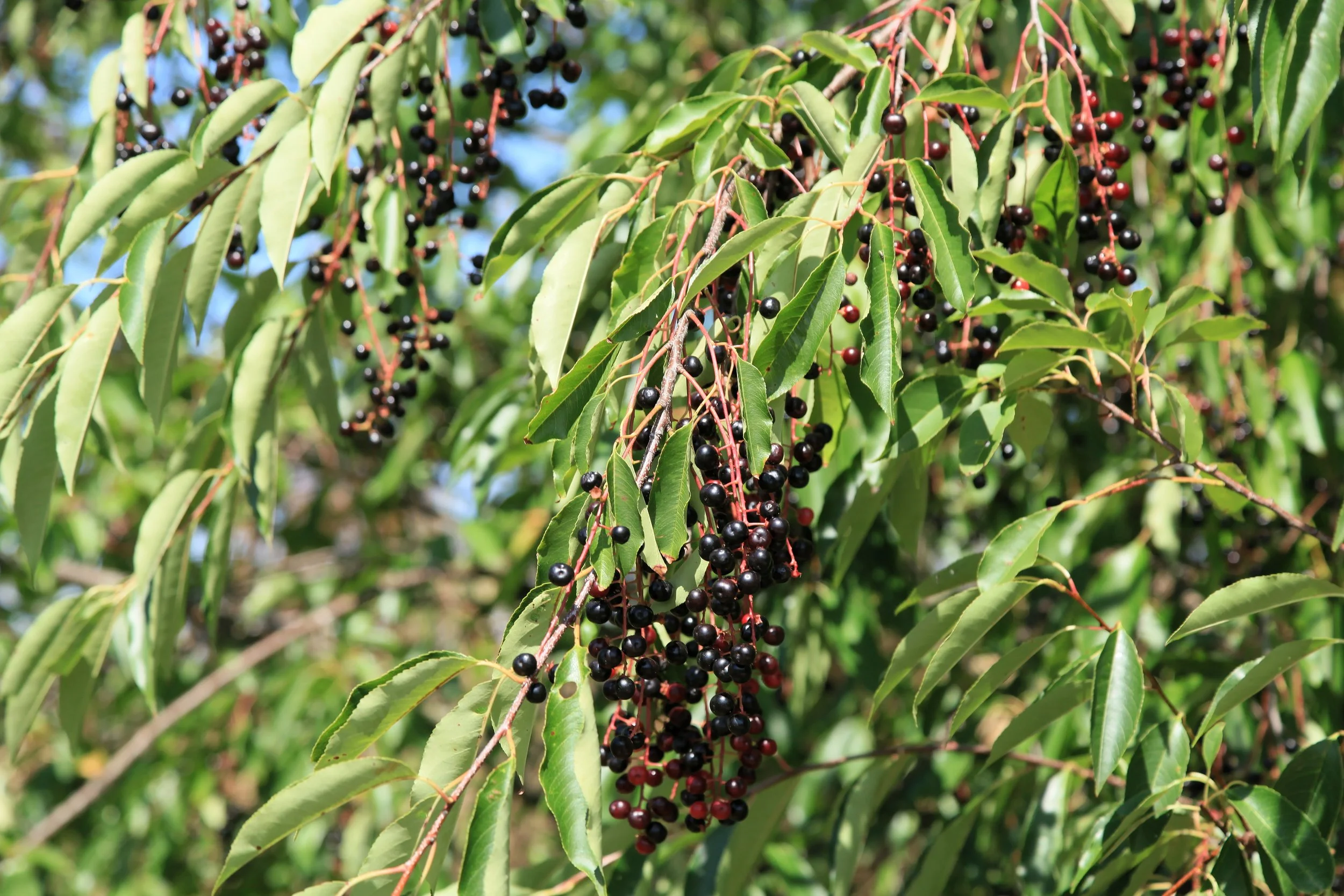 Image 1 of 9
 Image 2 of 9
 Image 3 of 9
 Image 4 of 9
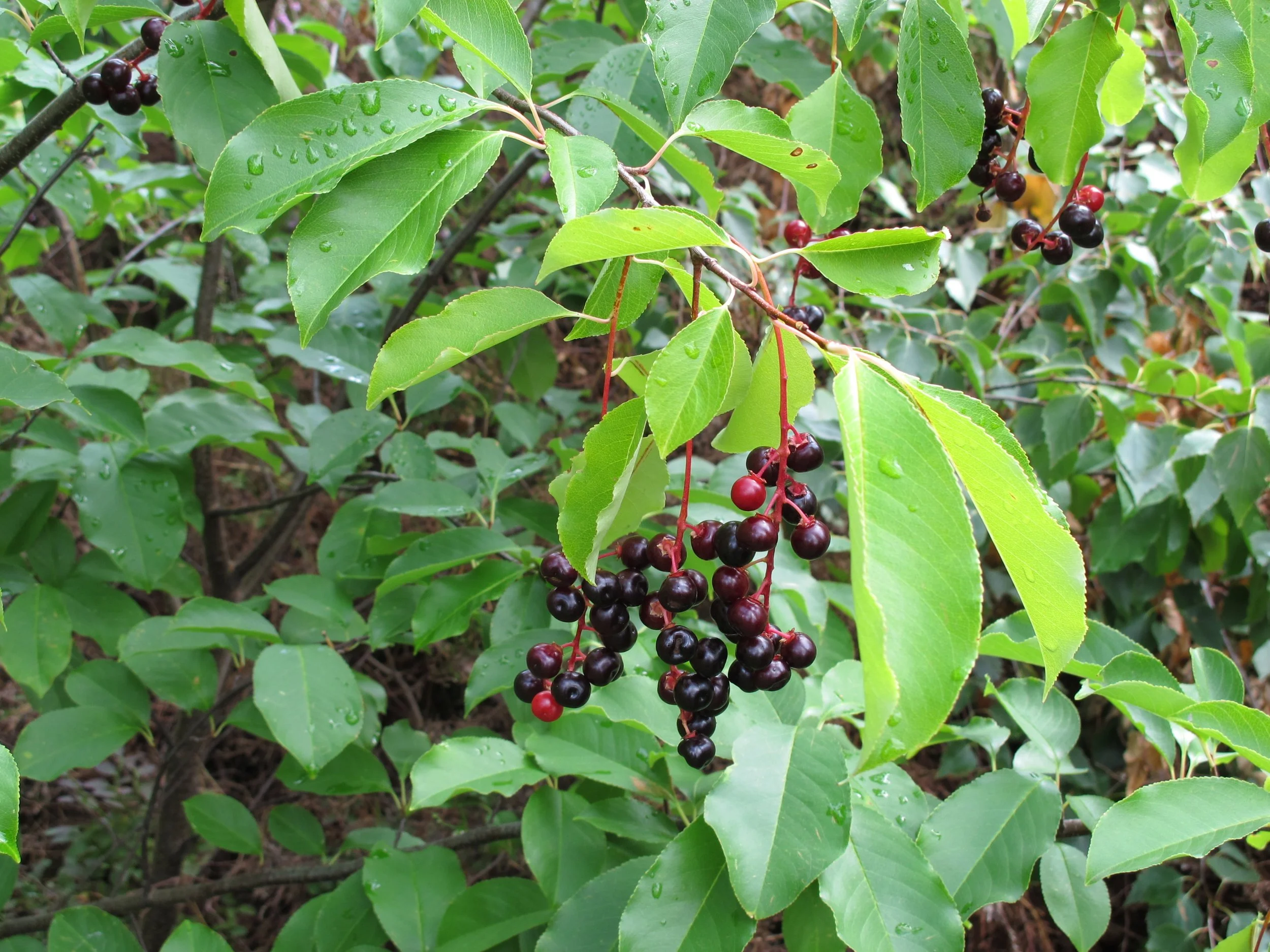 Image 5 of 9
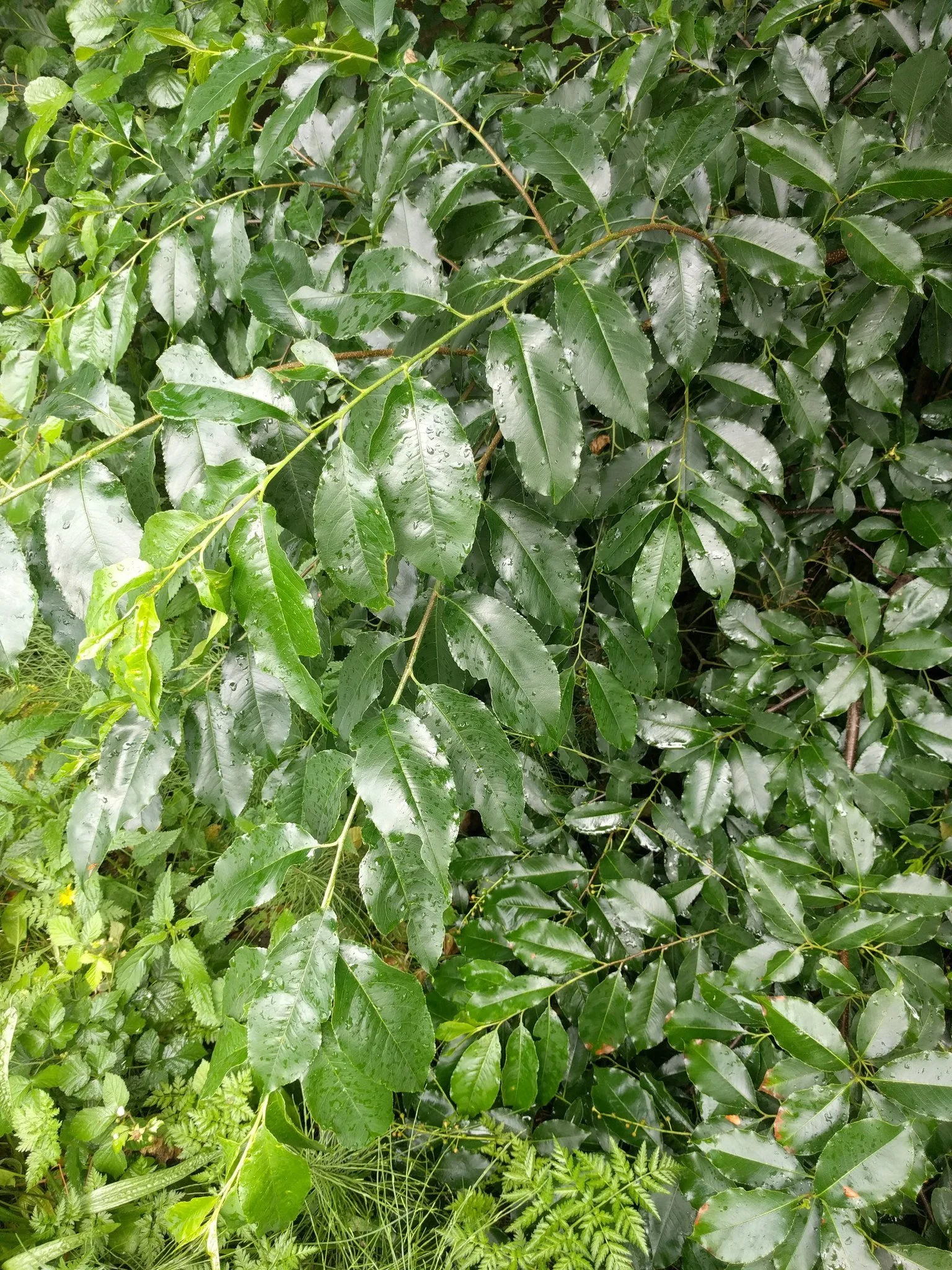 Image 6 of 9
 Image 7 of 9
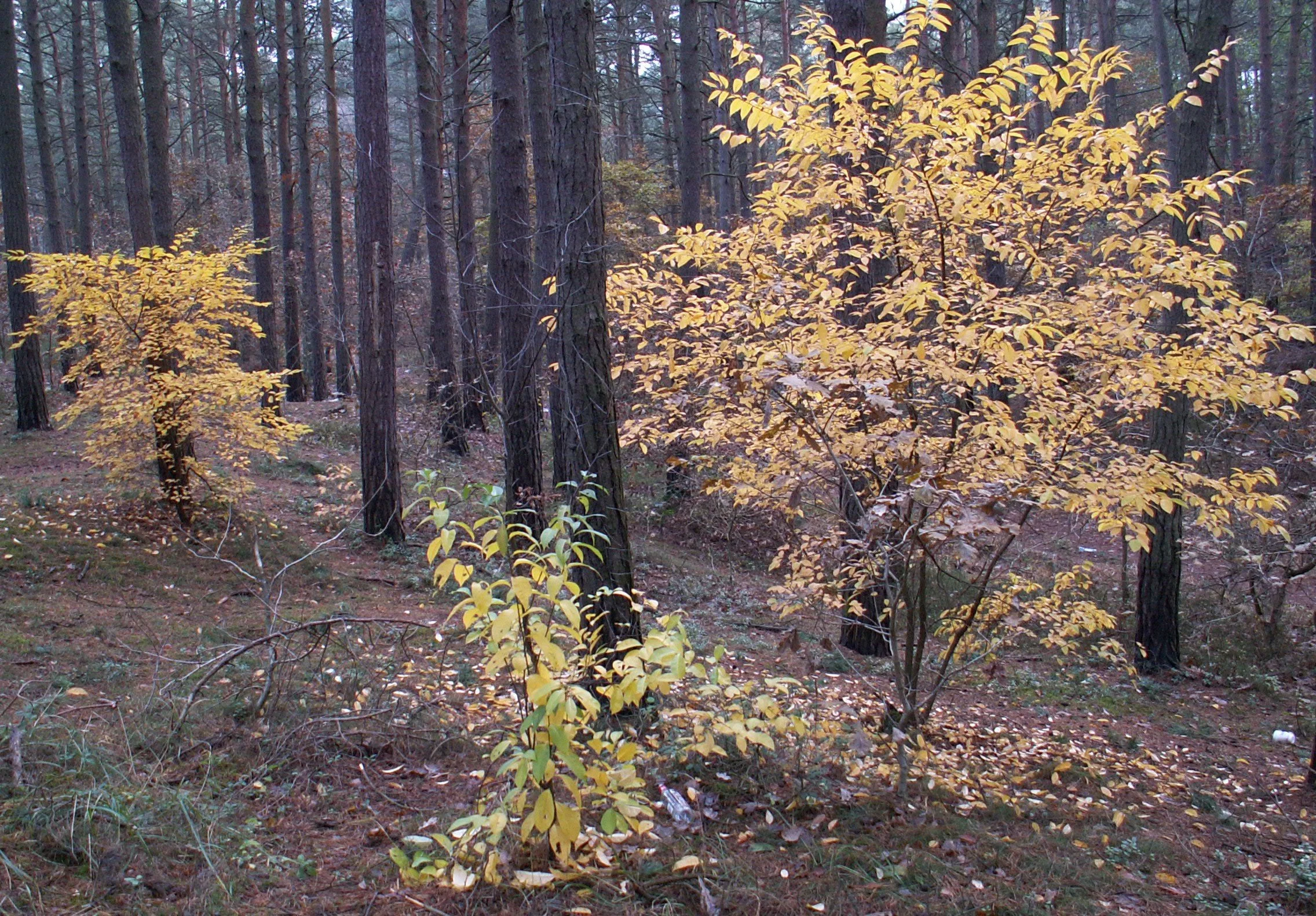 Image 8 of 9
 Image 9 of 9

![Kurt Stüber [1], CC BY-SA 3.0 <http://creativecommons.org/licenses/by-sa/3.0/>, via Wikimedia Commons.jpg](https://images.squarespace-cdn.com/content/v1/6824b99b0162611c9e37dcf6/984fe6c2-3e0e-4e1c-862f-40c88a5ed806/Kurt+St%C3%BCber+%5B1%5D%2C+CC+BY-SA+3.0+%3Chttp%3A%2F%2Fcreativecommons.org%2Flicenses%2Fby-sa%2F3.0%2F%3E%2C+via+Wikimedia+Commons.jpg)