Quantity: 25 Bare Root Seedlings Size: 12-24”
A compact and resilient native shrub, Black Chokeberry is celebrated for its clusters of delicate white spring flowers, lustrous dark green summer foliage, and brilliant scarlet to deep burgundy fall color. In late summer, it produces glossy black berries that persist well into autumn, adding ornamental interest while providing an important food source for wildlife. With its tidy, multi-stemmed form and exceptional seasonal beauty, Black Chokeberry is an outstanding addition to rain gardens, naturalized landscapes, and foundation plantings.
Well-suited to Northern Michigan (Zone 5a), Black Chokeberry thrives in full sun to partial shade and adapts readily to a wide range of soils, from moist wetlands to well-drained uplands. It grows at a moderate rate and gradually forms attractive colonies through suckering, making it an excellent choice for erosion control and habitat restoration.
Ecologically, Black Chokeberry provides outstanding value—its spring flowers attract native bees and other pollinators, while its nutrient-rich berries are consumed by songbirds and small mammals, particularly later in the season when other food sources become scarce. Tough, adaptable, and visually striking throughout the year, Black Chokeberry is one of Michigan's most versatile native shrubs for supporting wildlife and enhancing native landscapes.
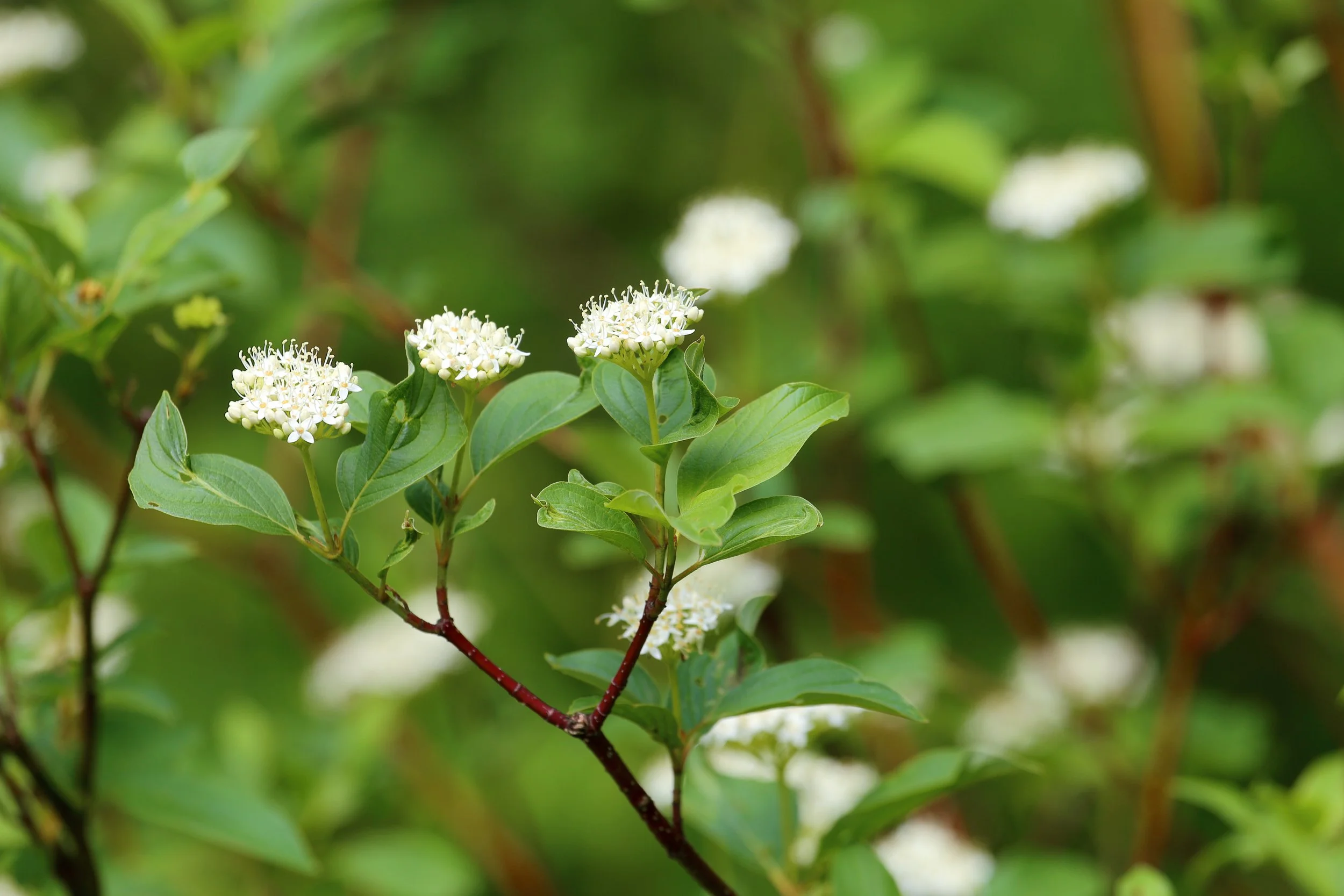
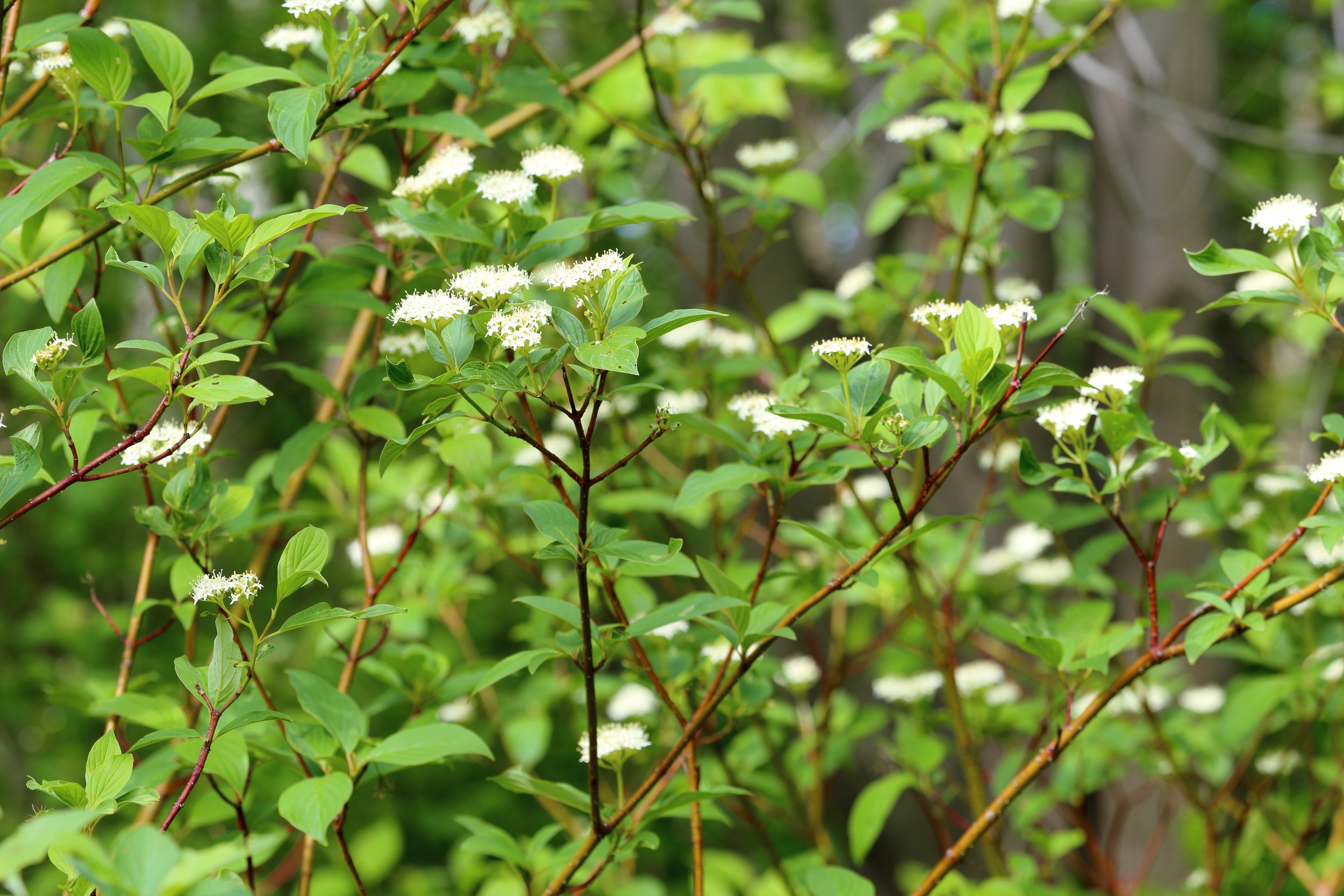
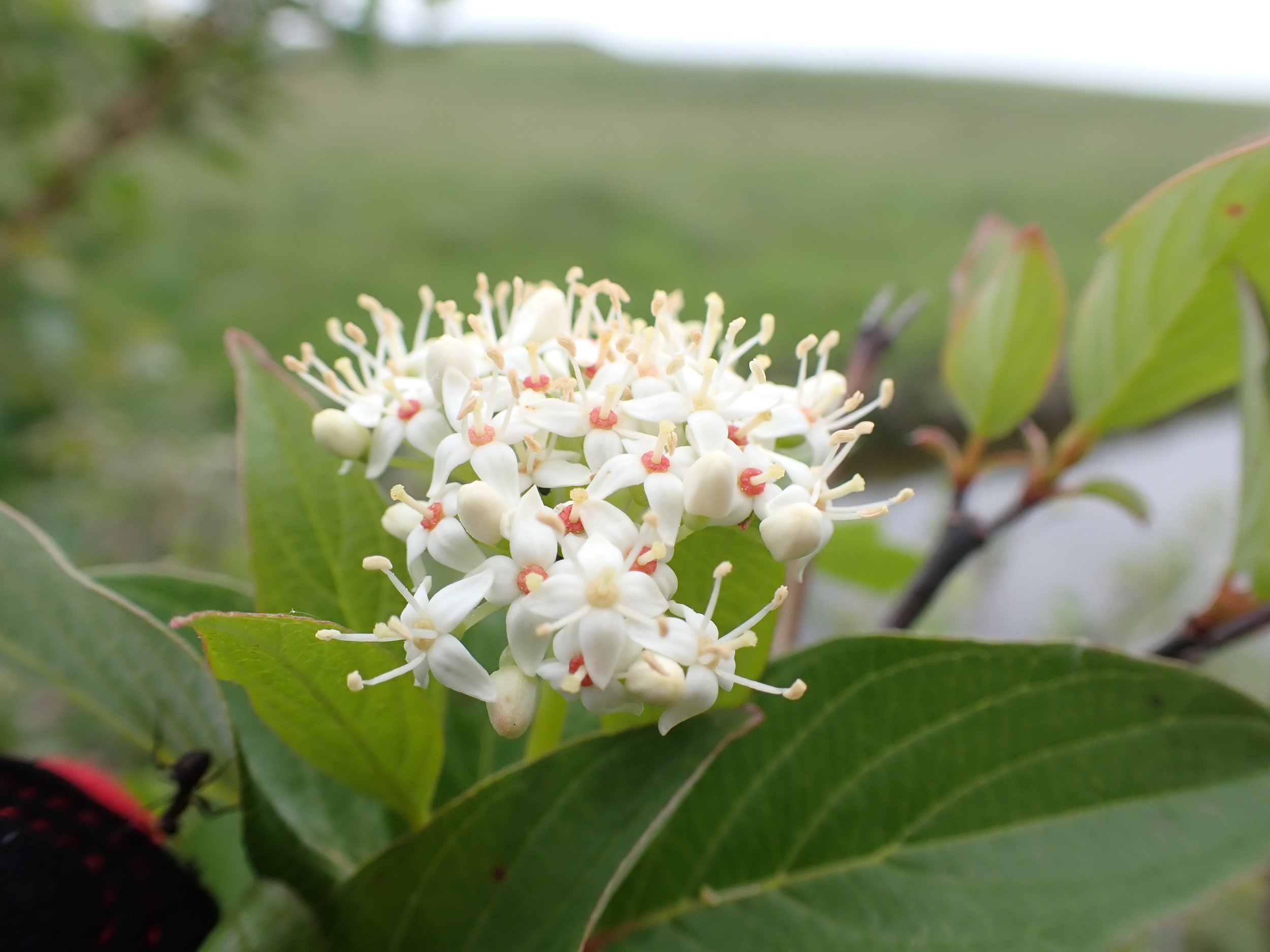
Identification: Deciduous shrub with glossy, finely serrated oval leaves. Clusters of white, five-petaled flowers bloom in spring, followed by shiny black berries in late summer. Foliage turns brilliant red to purple in autumn.
Mature Height: 3–6 feet
Growth Rate: Moderate
Site Preferences: Prefers full sun to partial shade; tolerates wet, dry, acidic, and clay soils once established.
Wildlife Value: Flowers provide nectar and pollen for native bees and butterflies. Berries are eaten by birds and small mammals, especially in late fall and winter. Dense growth offers nesting cover for wildlife.
Cultural Presence: Commonly used in rain gardens, wildlife plantings, erosion control projects, and ornamental landscapes for its exceptional four-season interest and adaptability.
Quantity: 25 Bare Root Seedlings Size: 12-24”
A compact and resilient native shrub, Black Chokeberry is celebrated for its clusters of delicate white spring flowers, lustrous dark green summer foliage, and brilliant scarlet to deep burgundy fall color. In late summer, it produces glossy black berries that persist well into autumn, adding ornamental interest while providing an important food source for wildlife. With its tidy, multi-stemmed form and exceptional seasonal beauty, Black Chokeberry is an outstanding addition to rain gardens, naturalized landscapes, and foundation plantings.
Well-suited to Northern Michigan (Zone 5a), Black Chokeberry thrives in full sun to partial shade and adapts readily to a wide range of soils, from moist wetlands to well-drained uplands. It grows at a moderate rate and gradually forms attractive colonies through suckering, making it an excellent choice for erosion control and habitat restoration.
Ecologically, Black Chokeberry provides outstanding value—its spring flowers attract native bees and other pollinators, while its nutrient-rich berries are consumed by songbirds and small mammals, particularly later in the season when other food sources become scarce. Tough, adaptable, and visually striking throughout the year, Black Chokeberry is one of Michigan's most versatile native shrubs for supporting wildlife and enhancing native landscapes.
Identification: Deciduous shrub with glossy, finely serrated oval leaves. Clusters of white, five-petaled flowers bloom in spring, followed by shiny black berries in late summer. Foliage turns brilliant red to purple in autumn.
Mature Height: 3–6 feet
Growth Rate: Moderate
Site Preferences: Prefers full sun to partial shade; tolerates wet, dry, acidic, and clay soils once established.
Wildlife Value: Flowers provide nectar and pollen for native bees and butterflies. Berries are eaten by birds and small mammals, especially in late fall and winter. Dense growth offers nesting cover for wildlife.
Cultural Presence: Commonly used in rain gardens, wildlife plantings, erosion control projects, and ornamental landscapes for its exceptional four-season interest and adaptability.

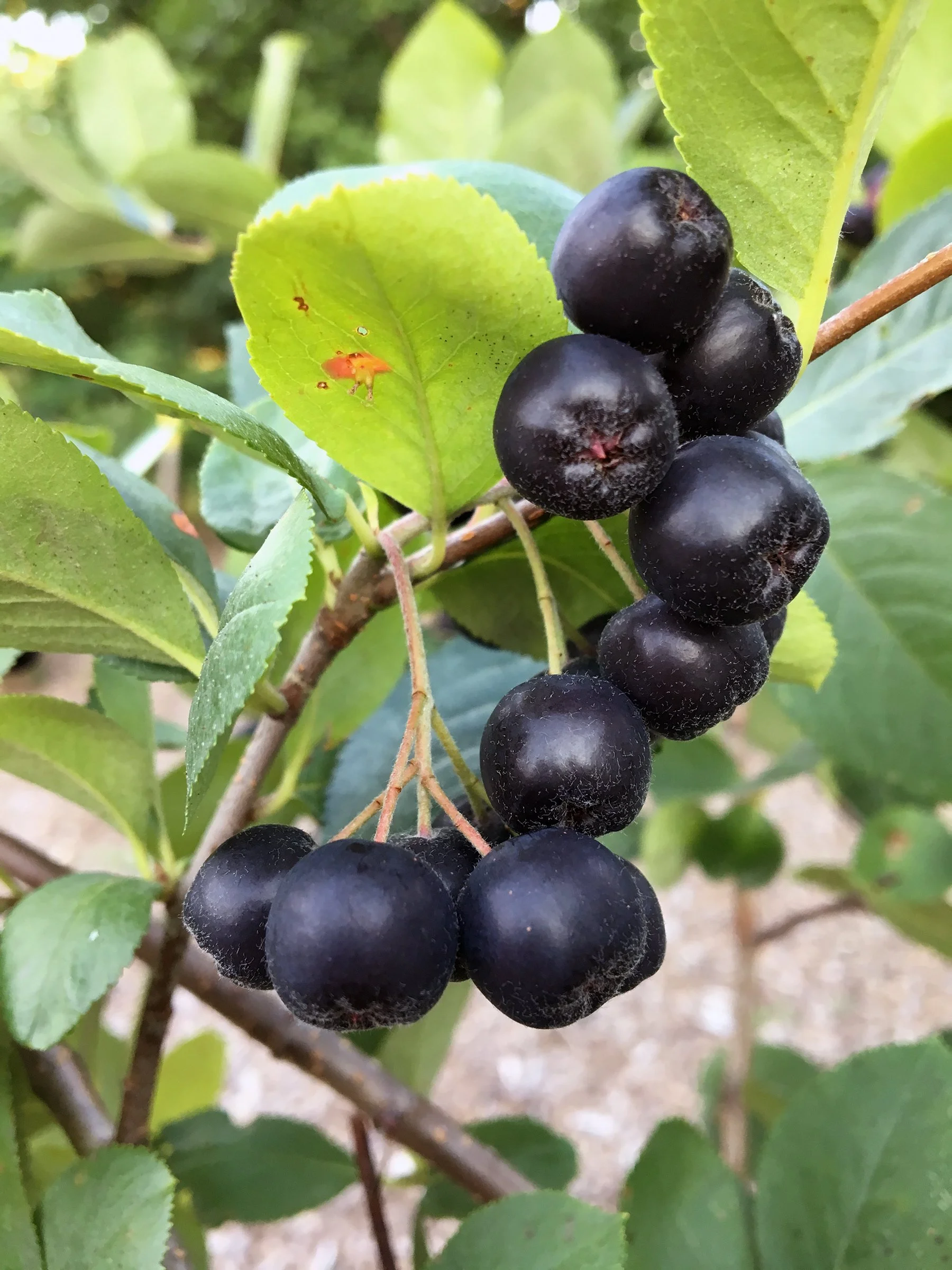 Image 1 of 6
 Image 2 of 6
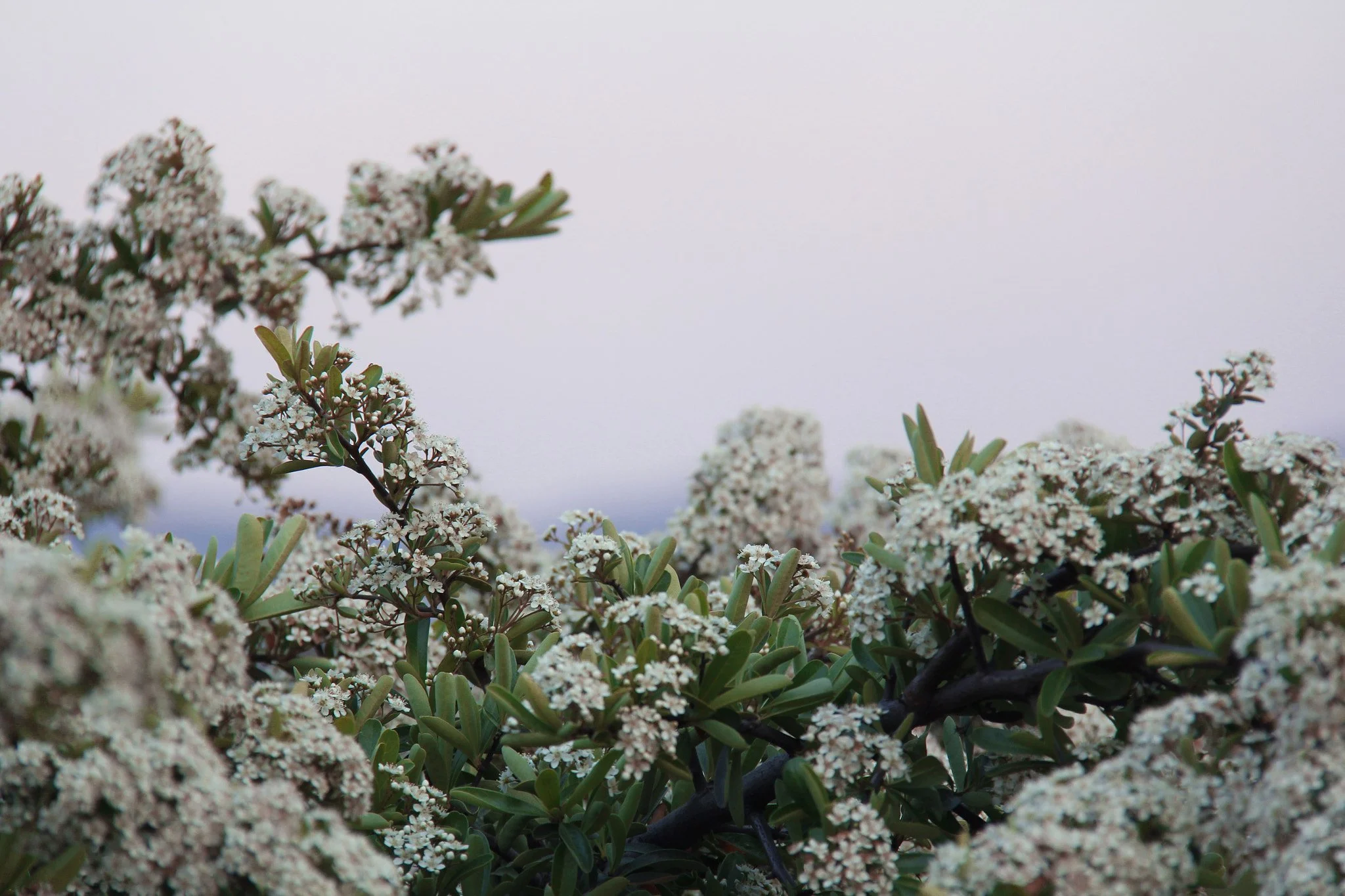 Image 3 of 6
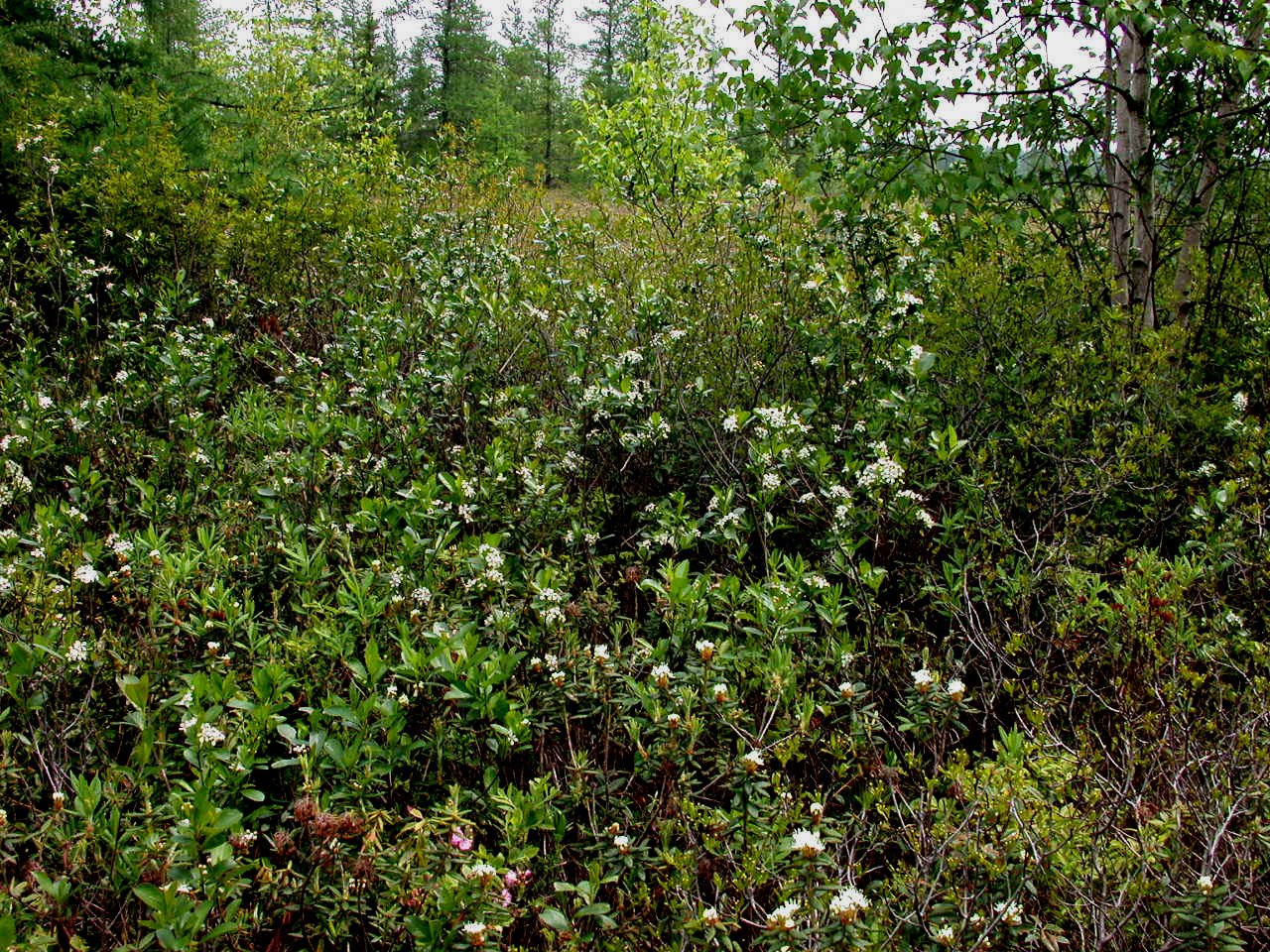 Image 4 of 6
 Image 5 of 6
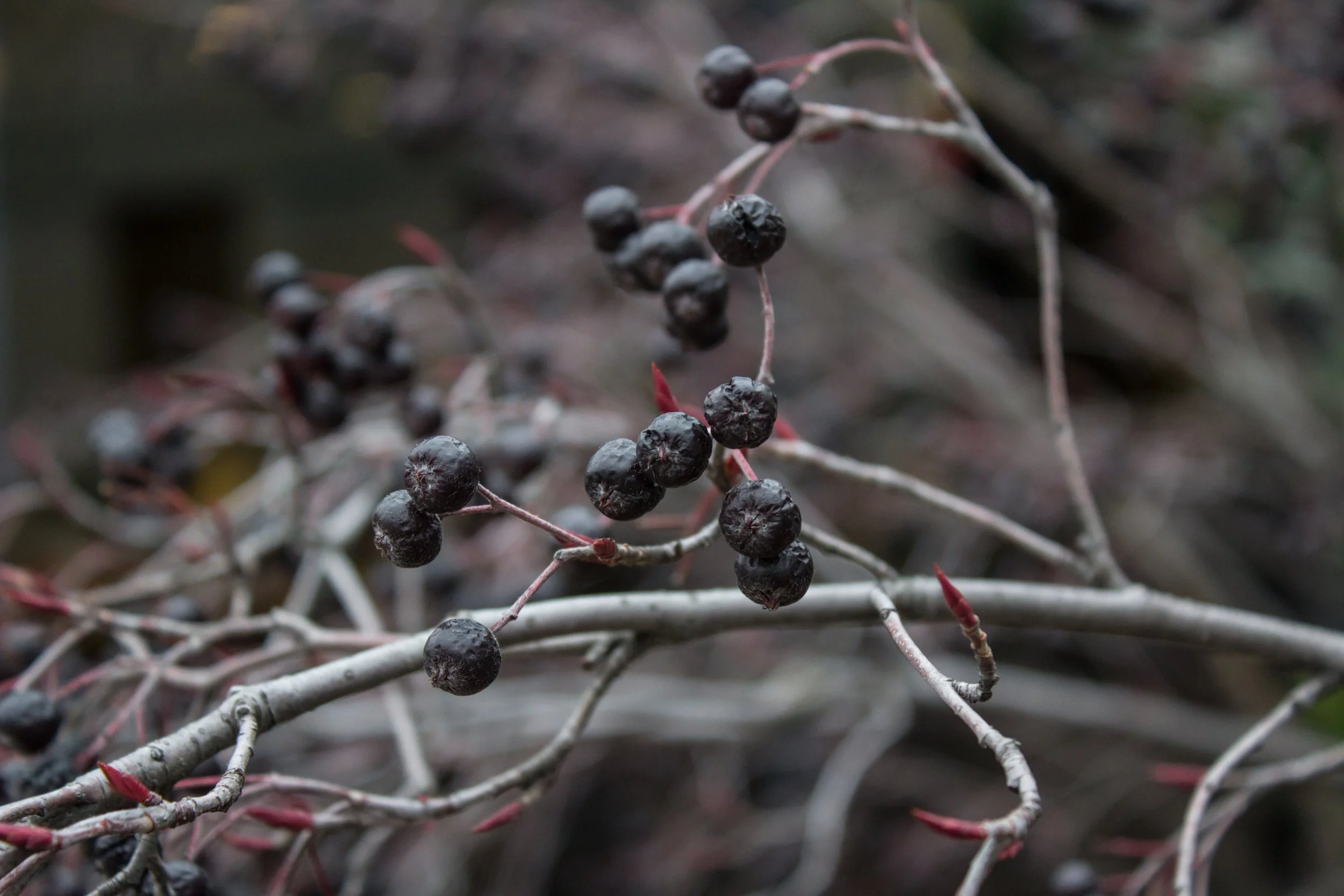 Image 6 of 6