Quantity (per bundle) 25
Size (12-18”)
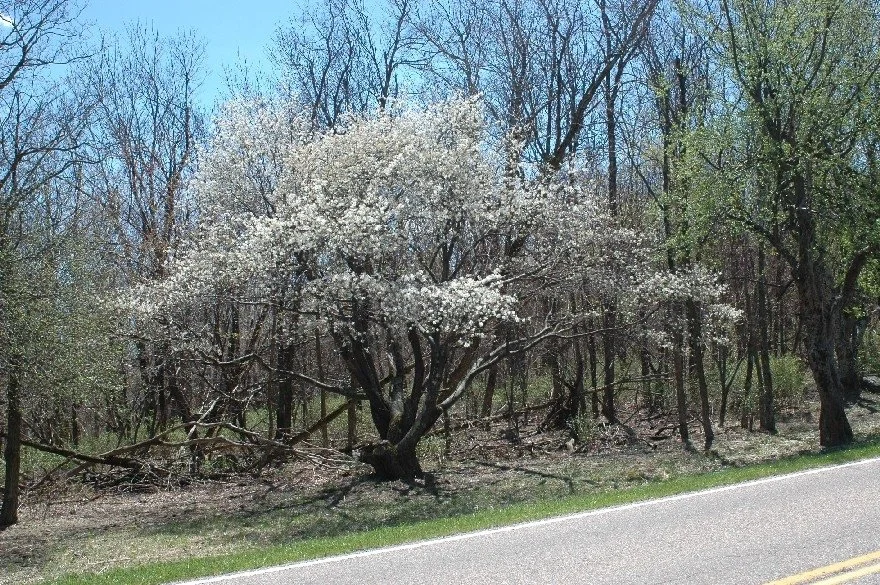
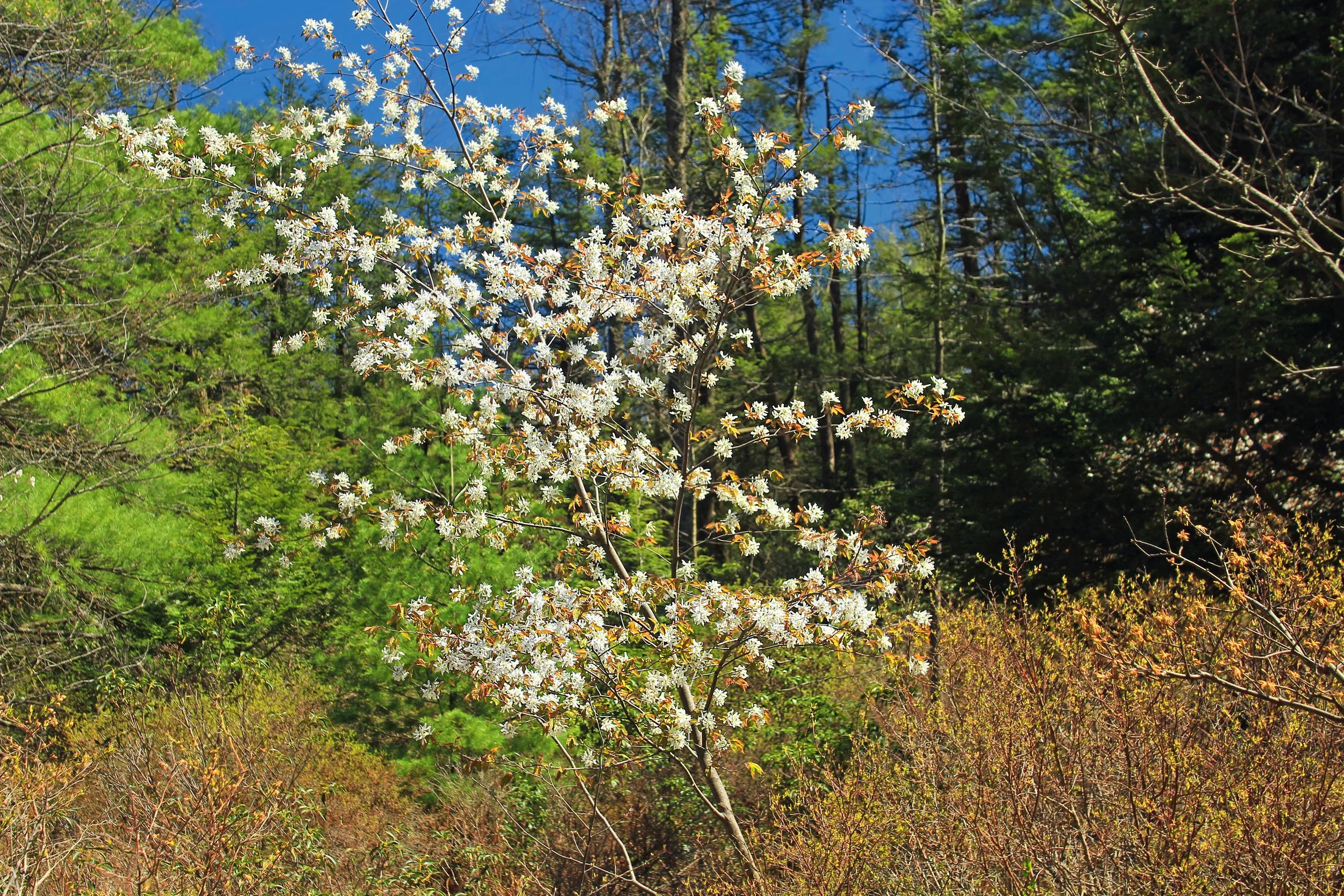
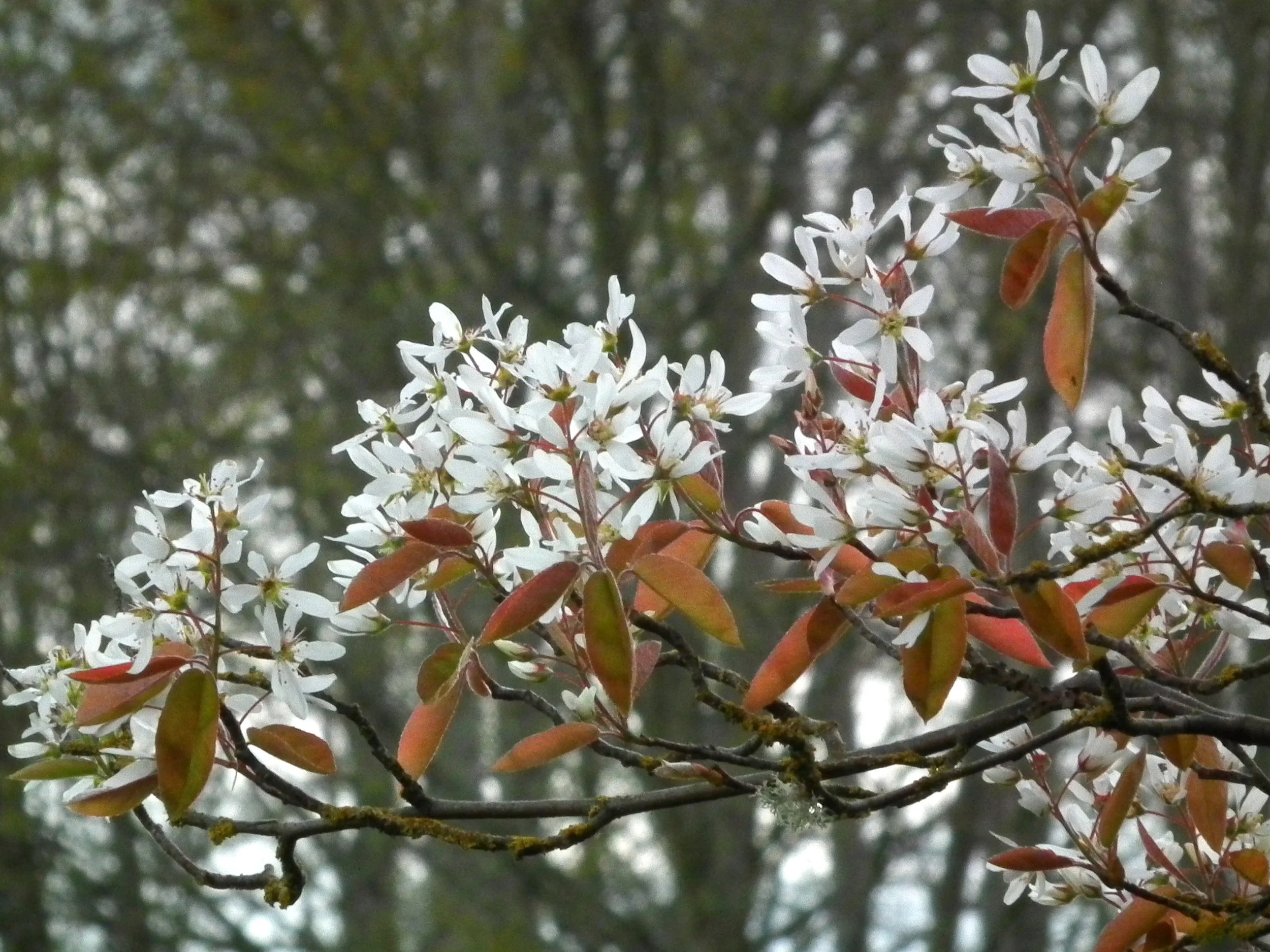
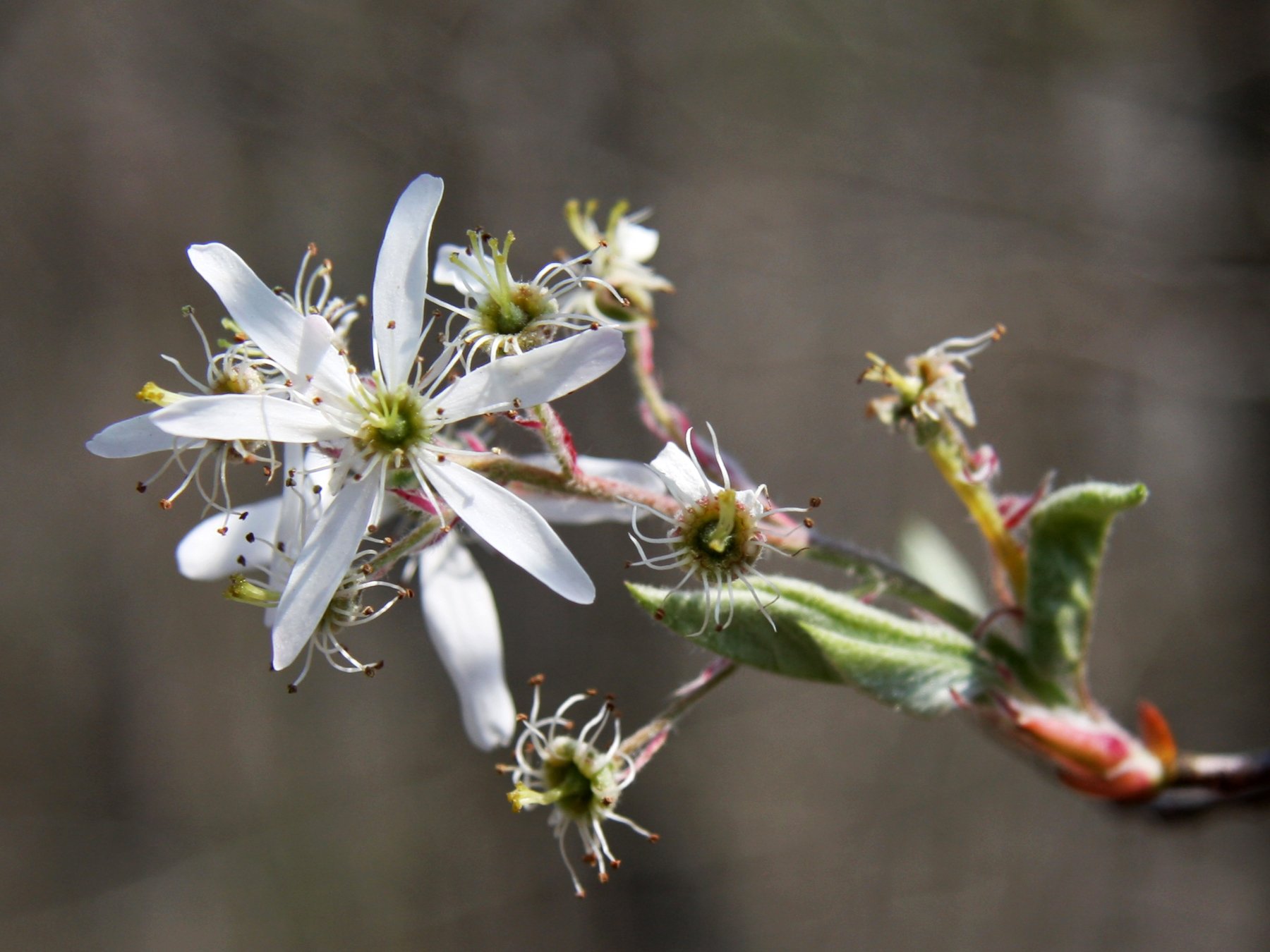
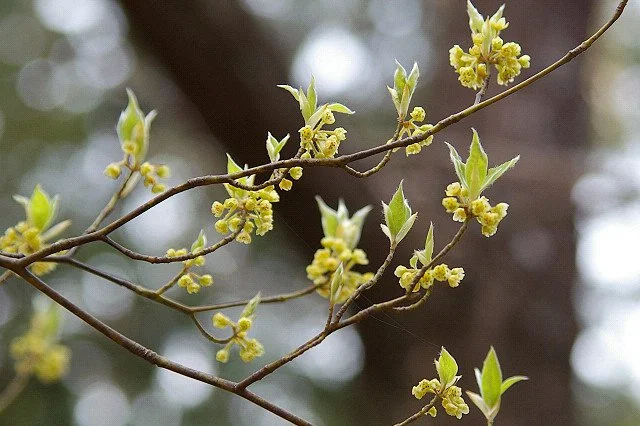
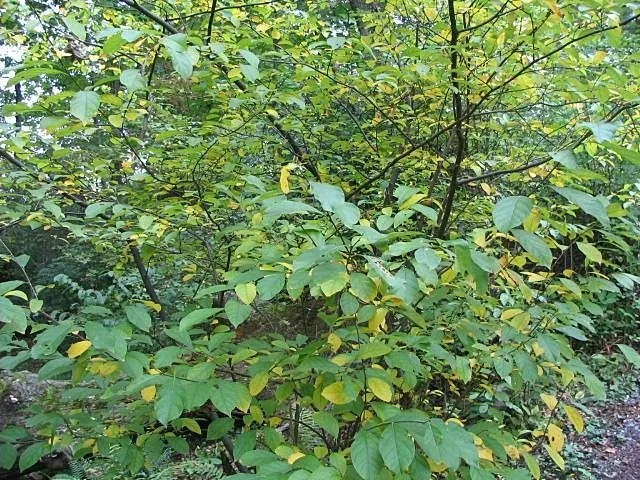
A vigorous and versatile native shrub, Black Elderberry is valued for its clusters of creamy white spring flowers and abundant deep-purple berries that ripen in late summer. With its arching stems and bright green foliage, it brings texture and seasonal beauty to naturalized plantings, hedgerows, and rain gardens.
Well-suited to Northern Michigan (Zone 5a), Black Elderberry thrives in full sun to partial shade and moist, well-drained soils. It’s adaptable to both upland and lowland sites, growing quickly to form dense thickets that provide ornamental appeal and wildlife habitat.
Ecologically, Black Elderberry is a powerhouse for biodiversity—its flowers attract pollinators like bees and butterflies, while its berries are a rich food source for songbirds and mammals. The fruit is also prized by people for jellies, syrups, and wines, offering both ecological and cultural value. Hardy, attractive, and highly productive, Black Elderberry is an excellent choice for enhancing Michigan’s native landscapes.
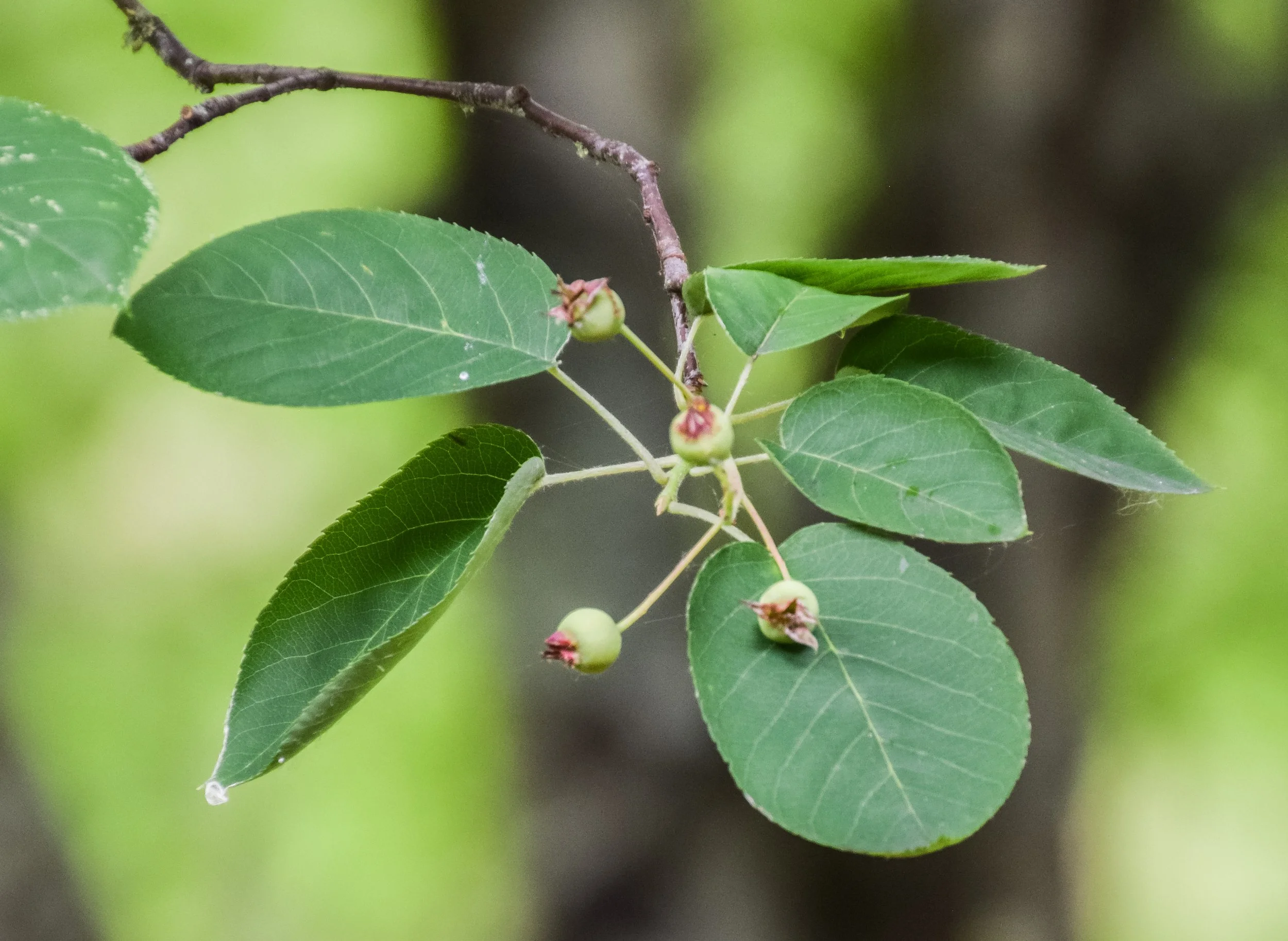
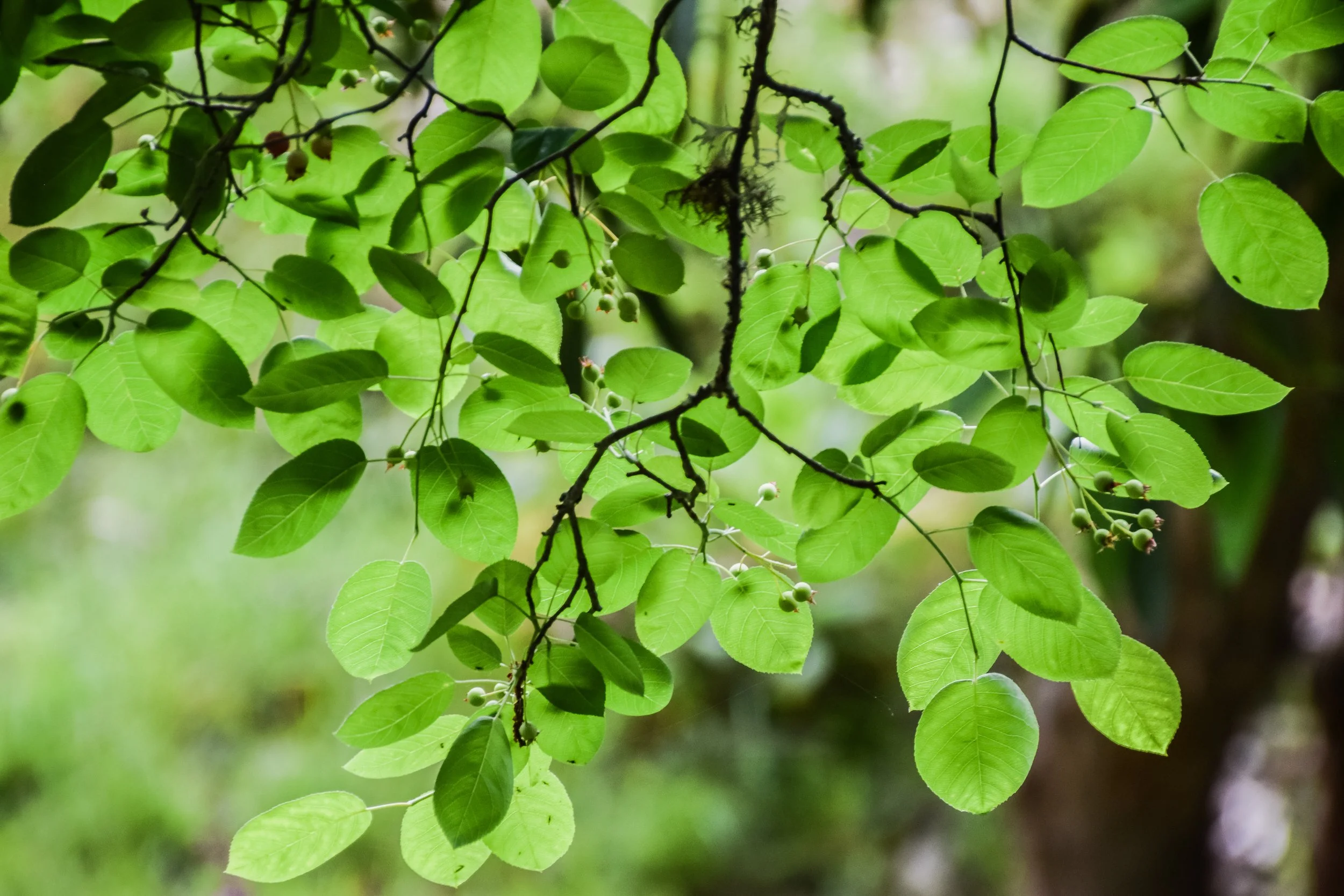
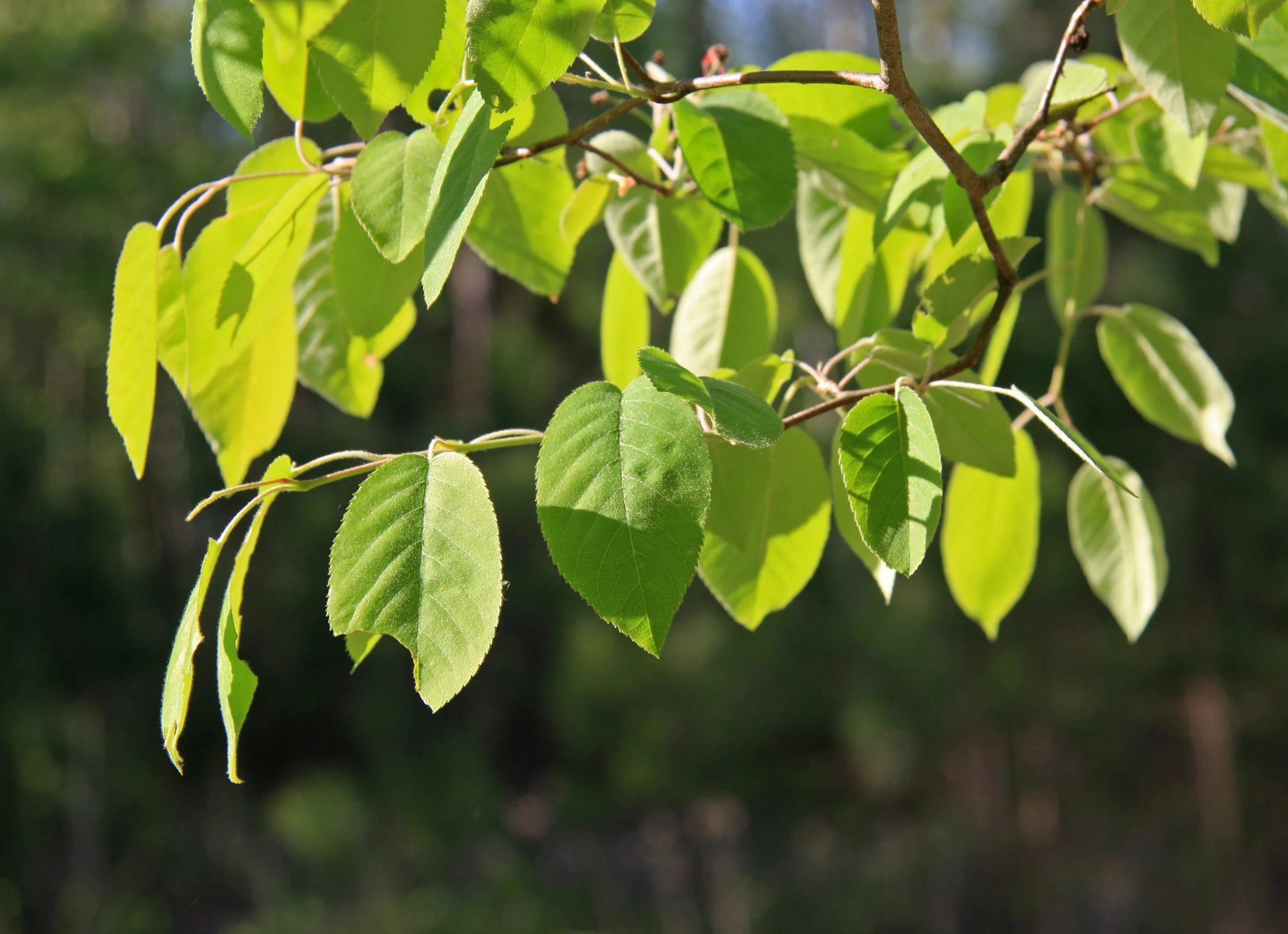
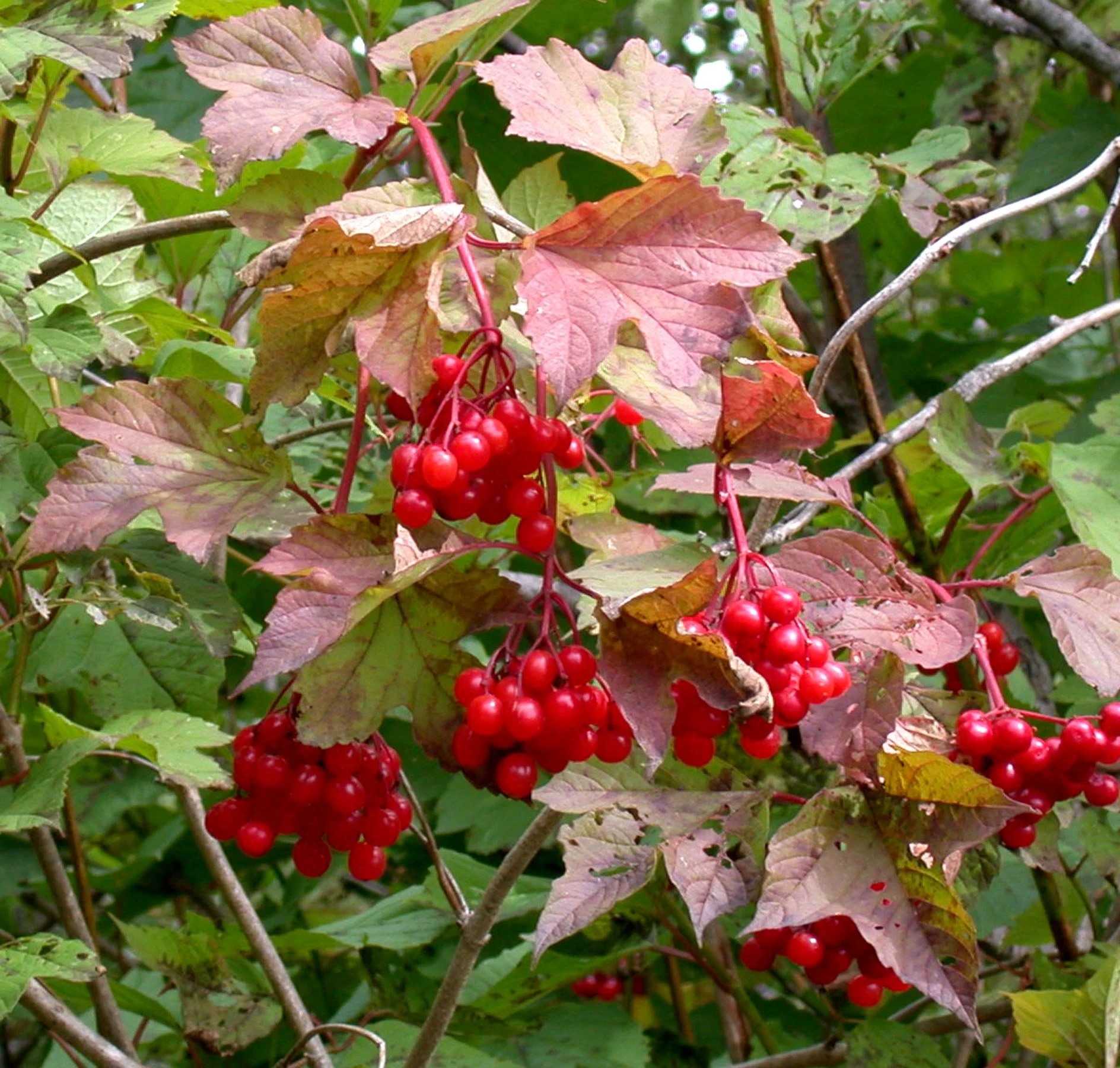
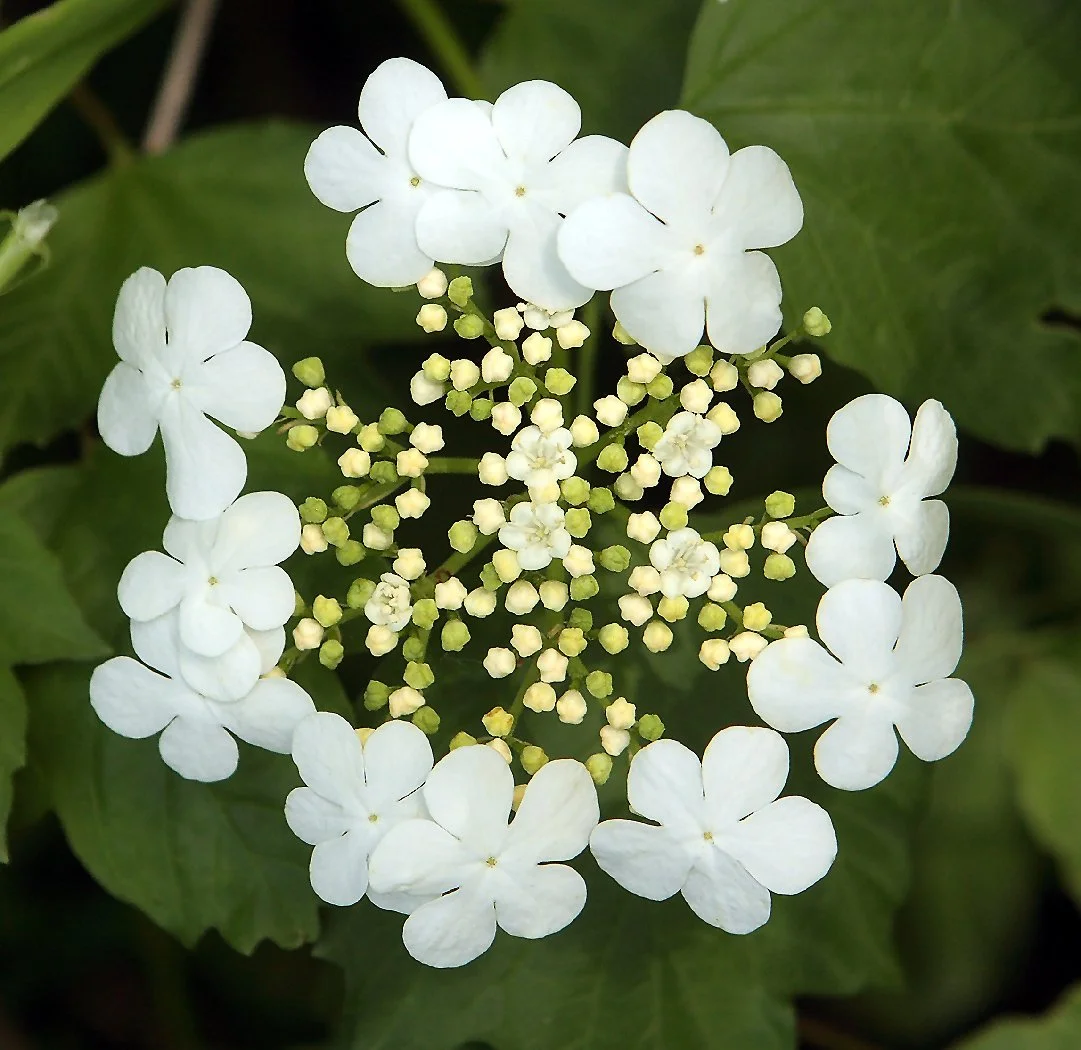
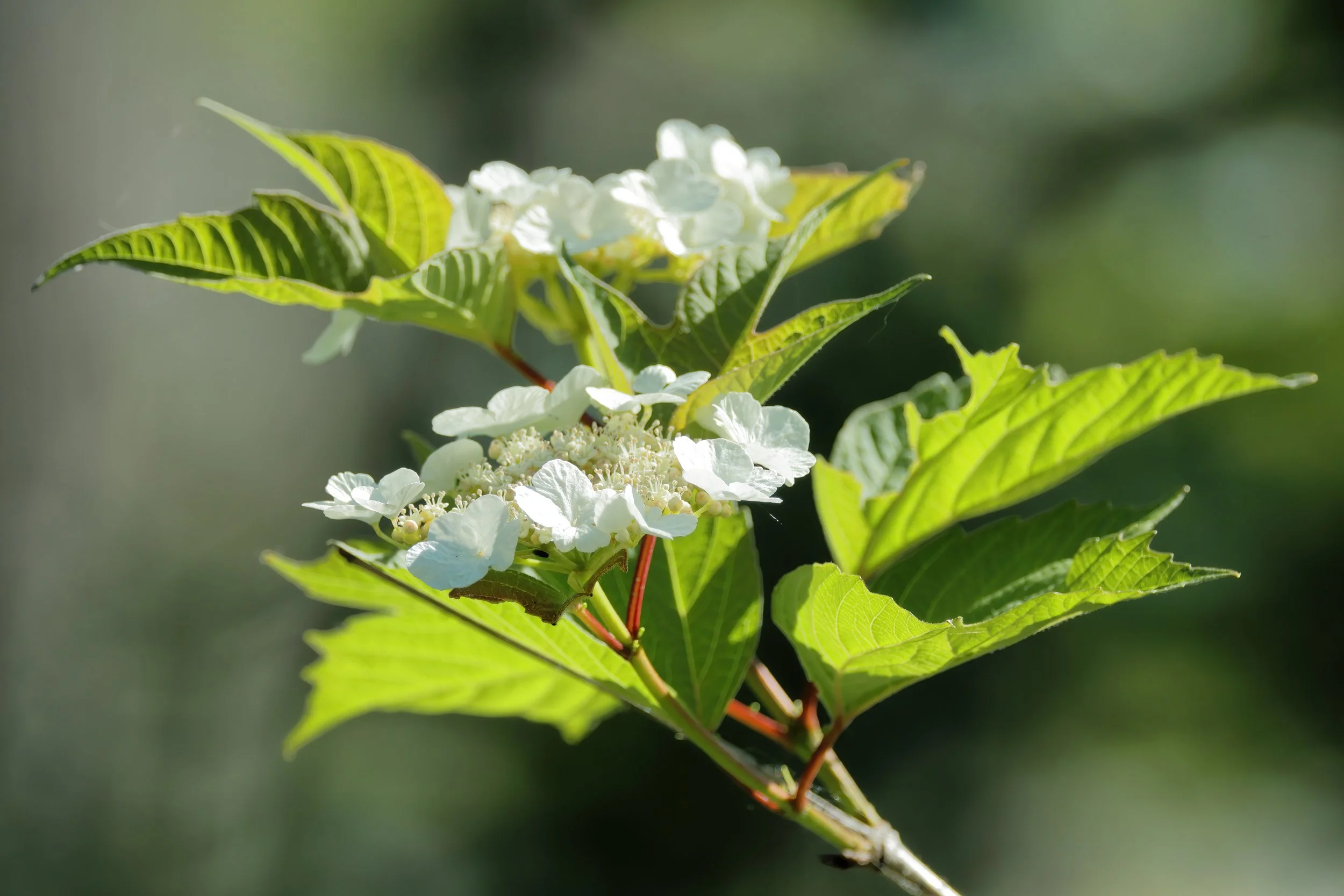
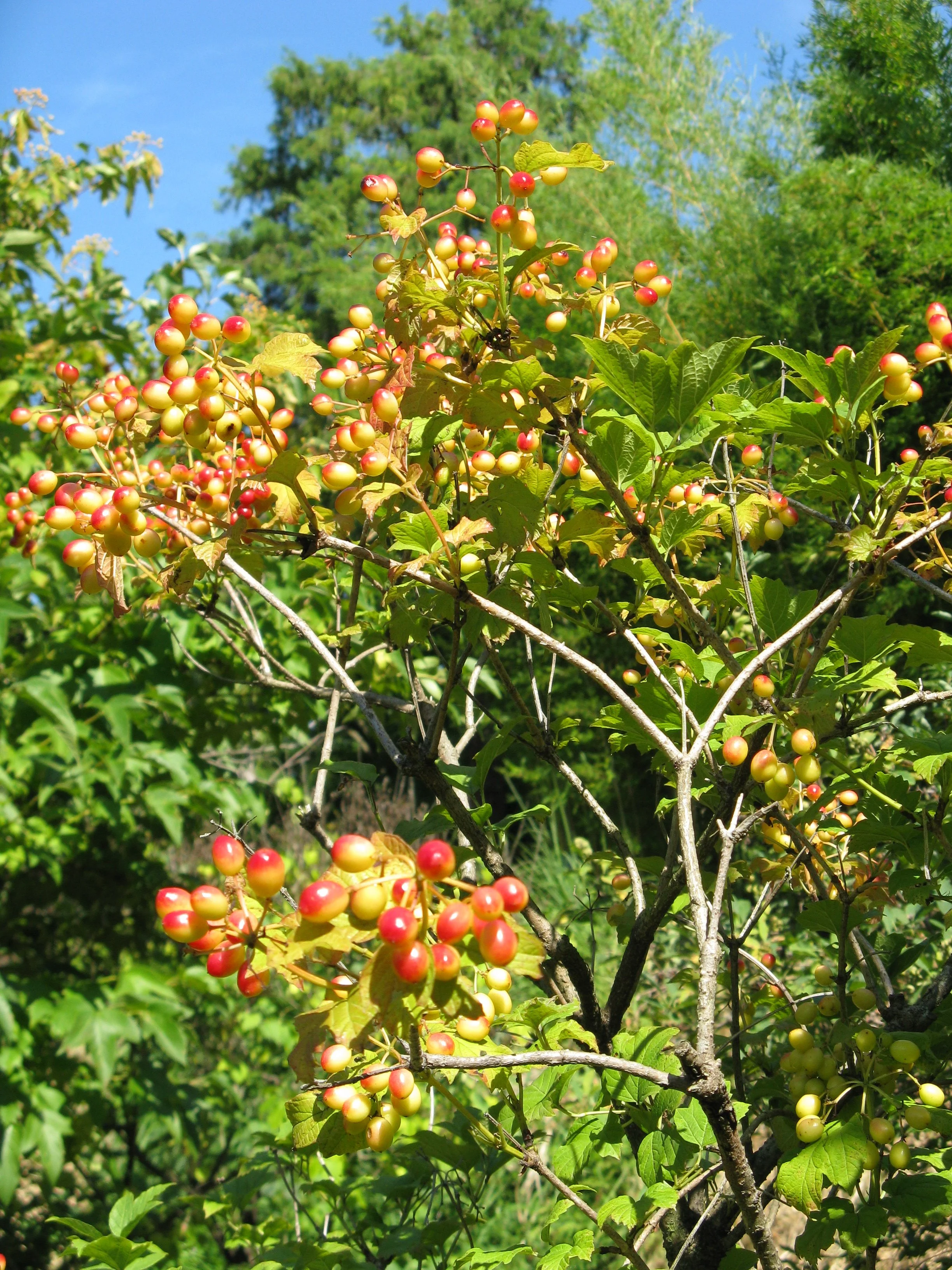
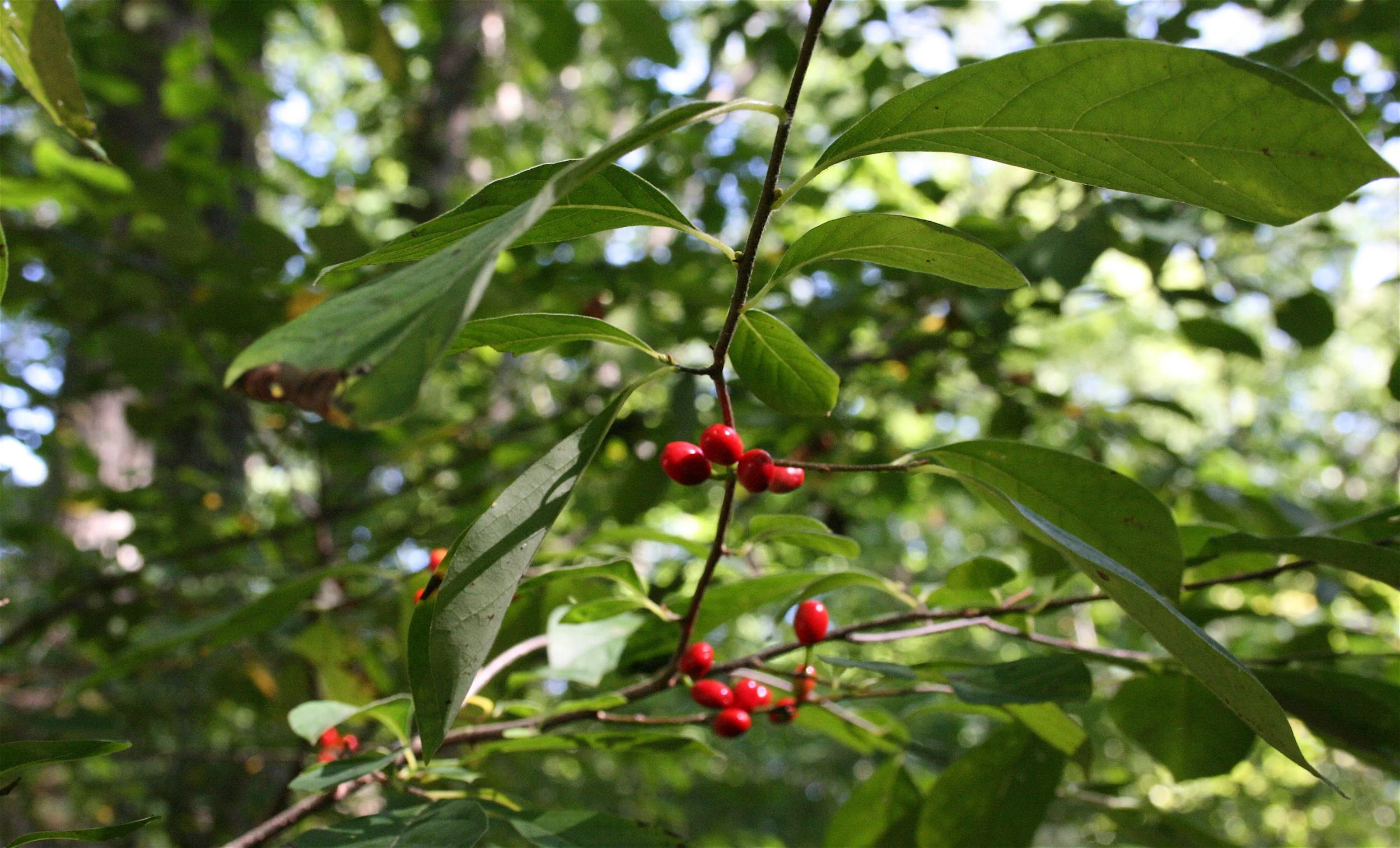
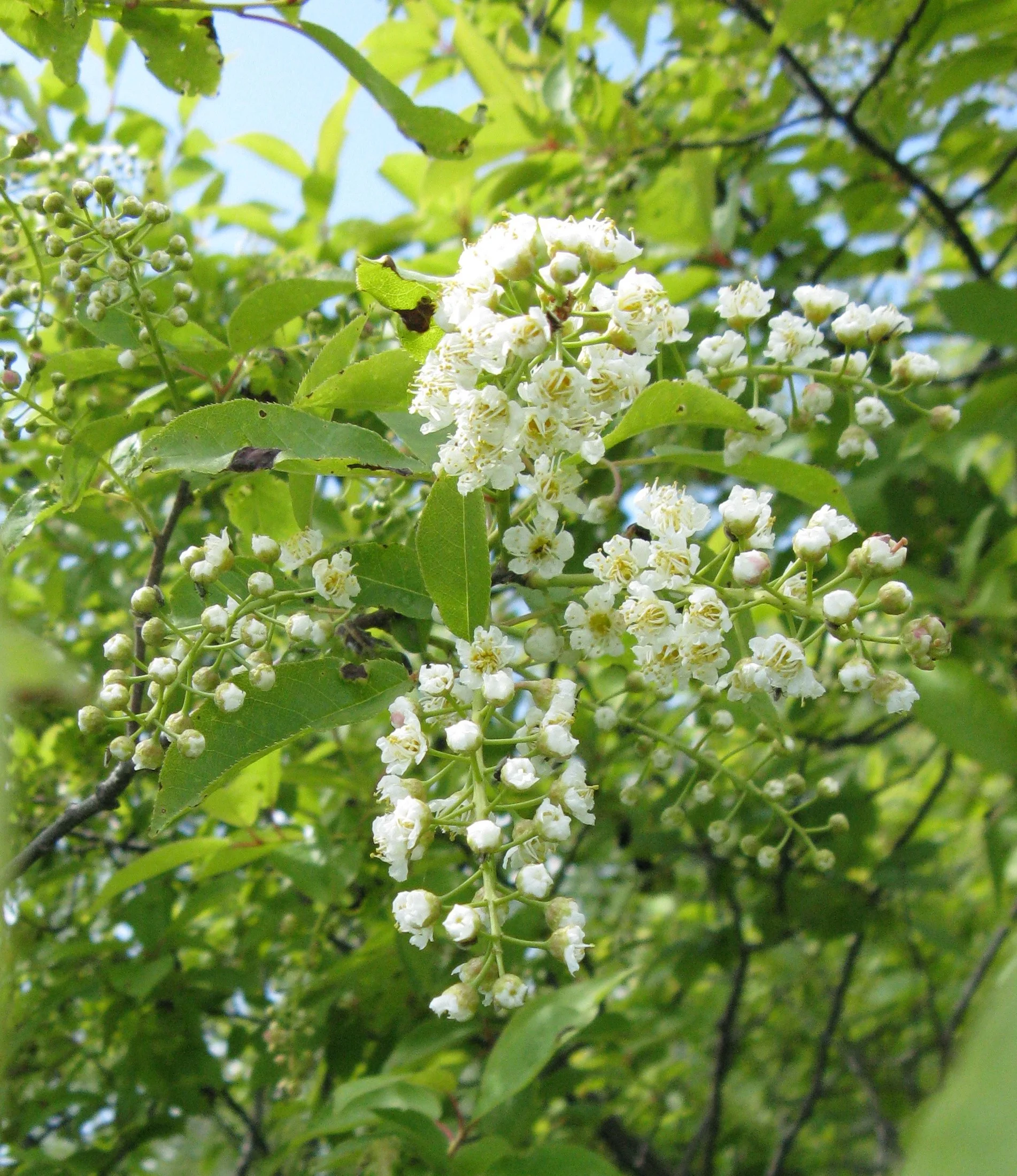
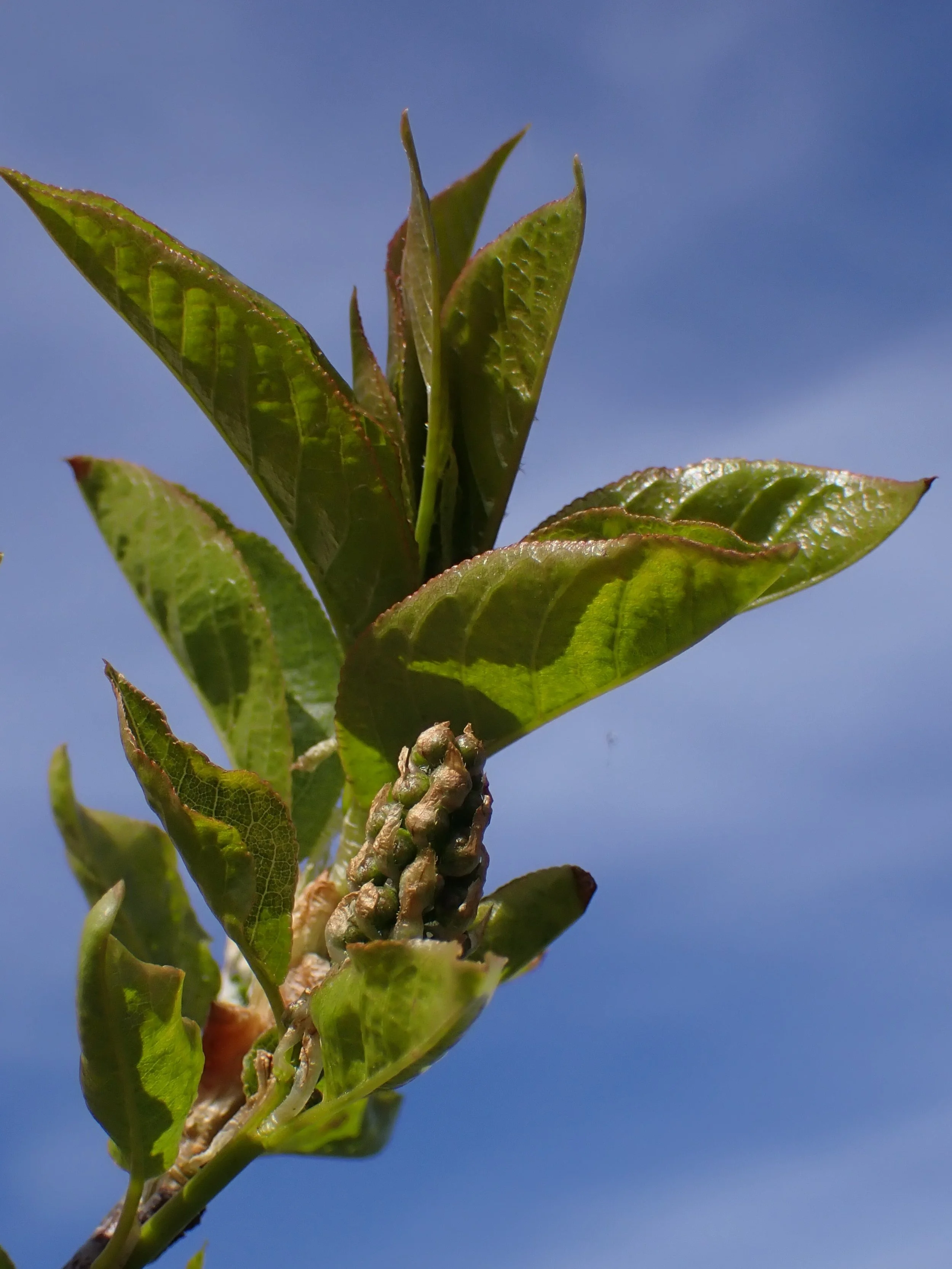
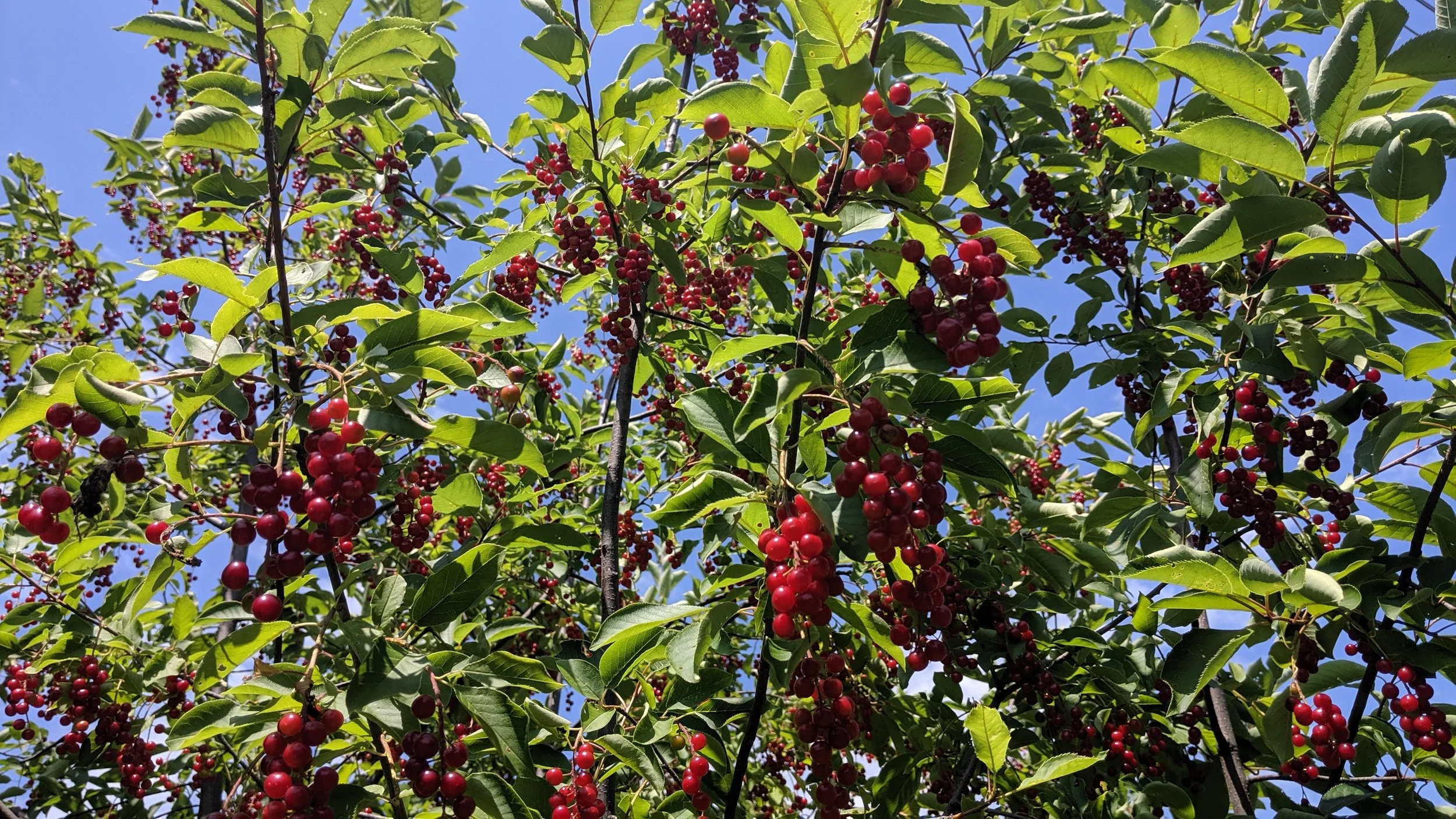
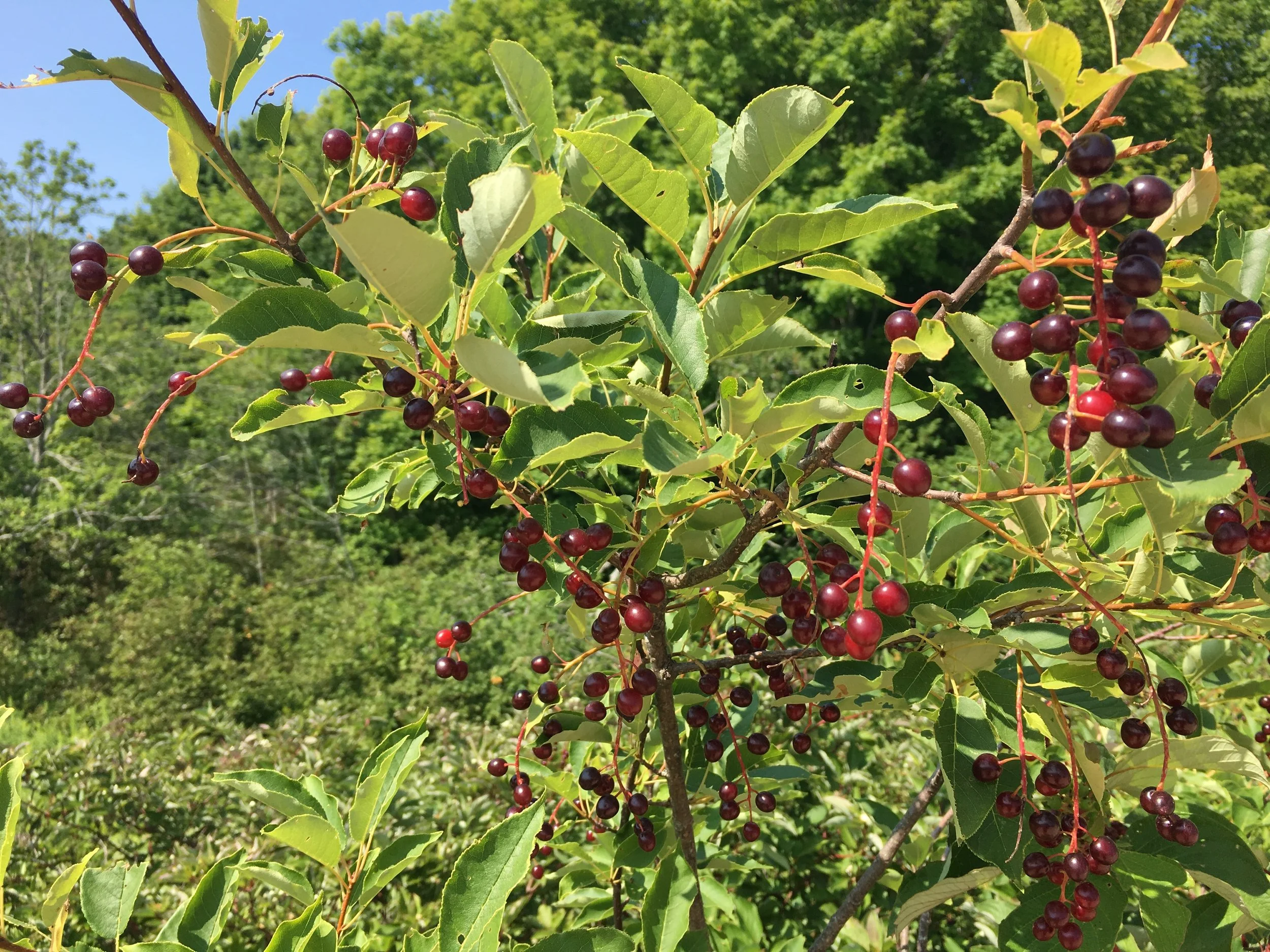
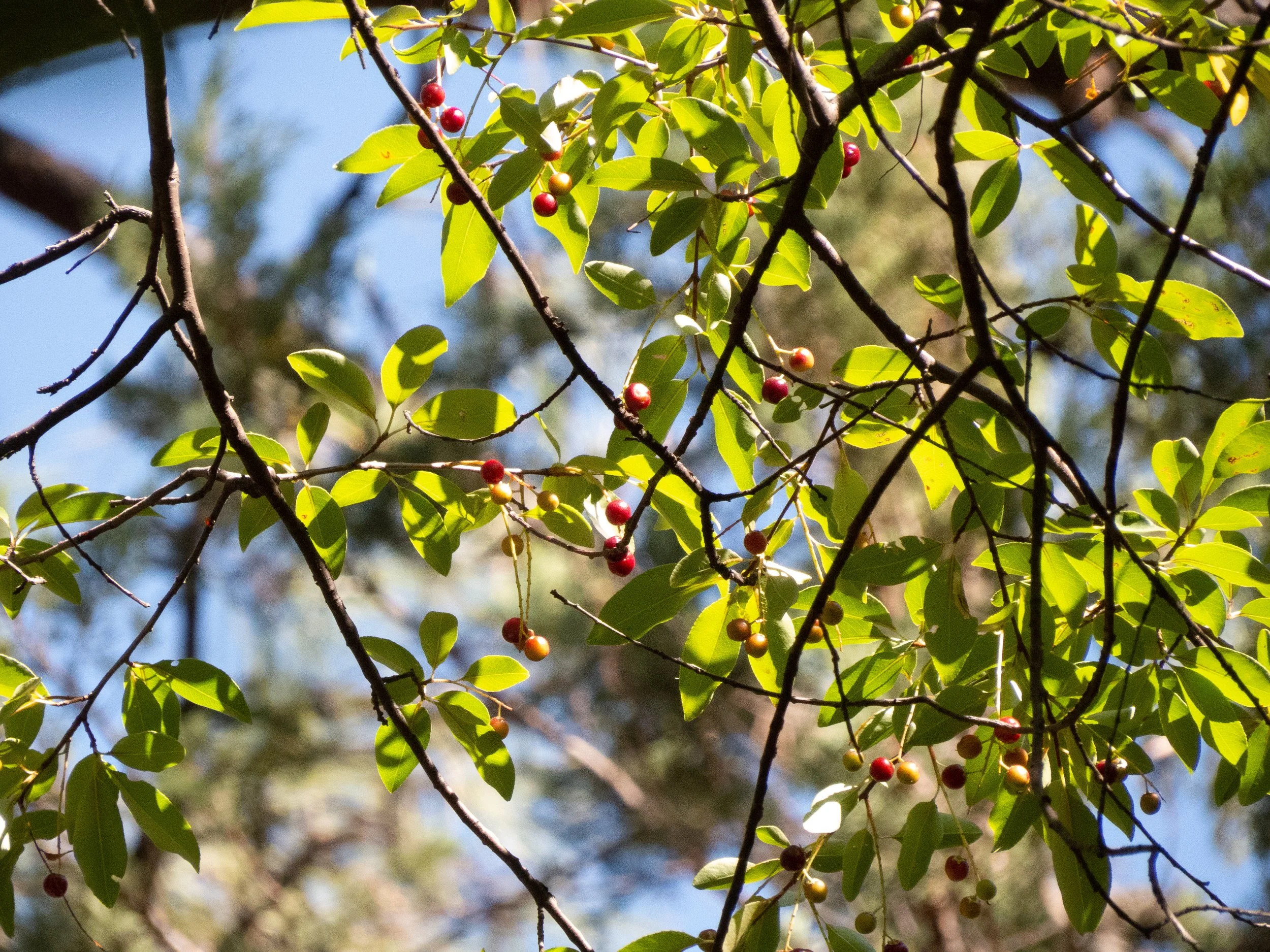
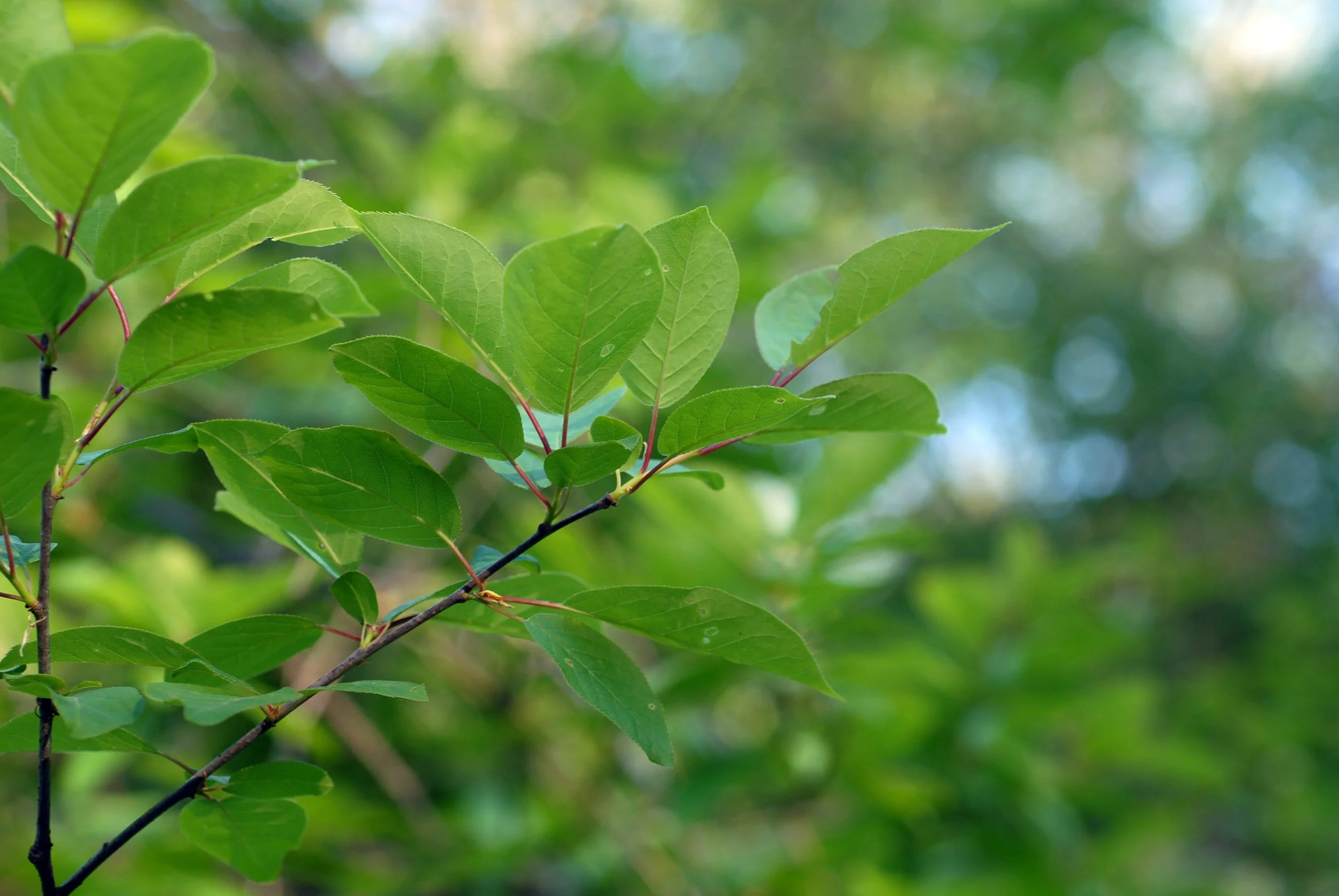
Identification / Key Features: Deciduous shrub with large, compound leaves (5–7 leaflets). Produces flat-topped clusters of small white flowers in late spring, followed by dark purple to black berries in late summer. Bark is grayish-brown and smooth on young stems.
Mature Height / Size: 6–12 feet.
Growth Rate: Fast.
Light / Soil / Site Preferences: Prefers full sun to partial shade; thrives in moist, well-drained soils, often along stream banks or wetlands.
Wildlife Value / Ecological Role: Berries are eaten by birds, deer, and small mammals. Flowers attract pollinators. Provides cover for wildlife.
Uses / Economic / Cultural: Berries used for jams, jellies, wines, and syrups. Flowers can be used for teas and culinary purposes.
Quantity (per bundle) 25
Size (12-18”)
A vigorous and versatile native shrub, Black Elderberry is valued for its clusters of creamy white spring flowers and abundant deep-purple berries that ripen in late summer. With its arching stems and bright green foliage, it brings texture and seasonal beauty to naturalized plantings, hedgerows, and rain gardens.
Well-suited to Northern Michigan (Zone 5a), Black Elderberry thrives in full sun to partial shade and moist, well-drained soils. It’s adaptable to both upland and lowland sites, growing quickly to form dense thickets that provide ornamental appeal and wildlife habitat.
Ecologically, Black Elderberry is a powerhouse for biodiversity—its flowers attract pollinators like bees and butterflies, while its berries are a rich food source for songbirds and mammals. The fruit is also prized by people for jellies, syrups, and wines, offering both ecological and cultural value. Hardy, attractive, and highly productive, Black Elderberry is an excellent choice for enhancing Michigan’s native landscapes.
Identification / Key Features: Deciduous shrub with large, compound leaves (5–7 leaflets). Produces flat-topped clusters of small white flowers in late spring, followed by dark purple to black berries in late summer. Bark is grayish-brown and smooth on young stems.
Mature Height / Size: 6–12 feet.
Growth Rate: Fast.
Light / Soil / Site Preferences: Prefers full sun to partial shade; thrives in moist, well-drained soils, often along stream banks or wetlands.
Wildlife Value / Ecological Role: Berries are eaten by birds, deer, and small mammals. Flowers attract pollinators. Provides cover for wildlife.
Uses / Economic / Cultural: Berries used for jams, jellies, wines, and syrups. Flowers can be used for teas and culinary purposes.

 Image 1 of 8
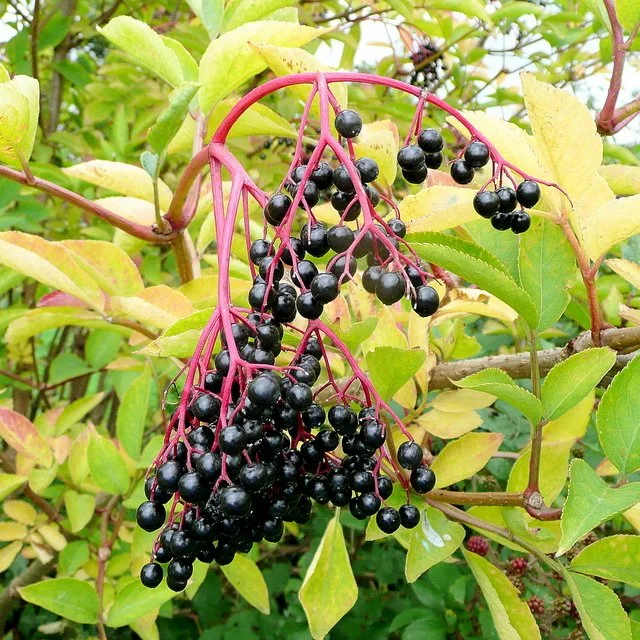 Image 2 of 8
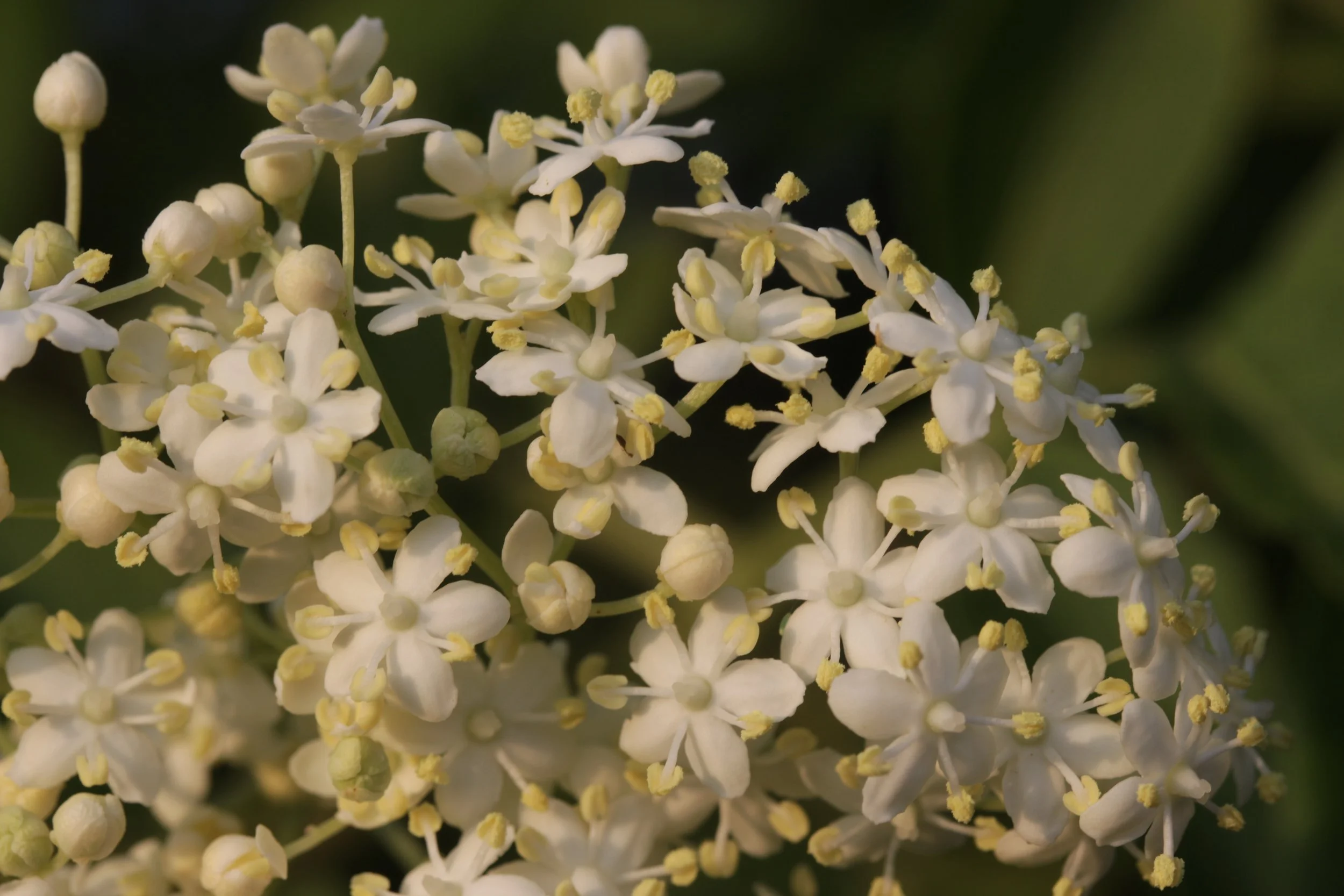 Image 3 of 8
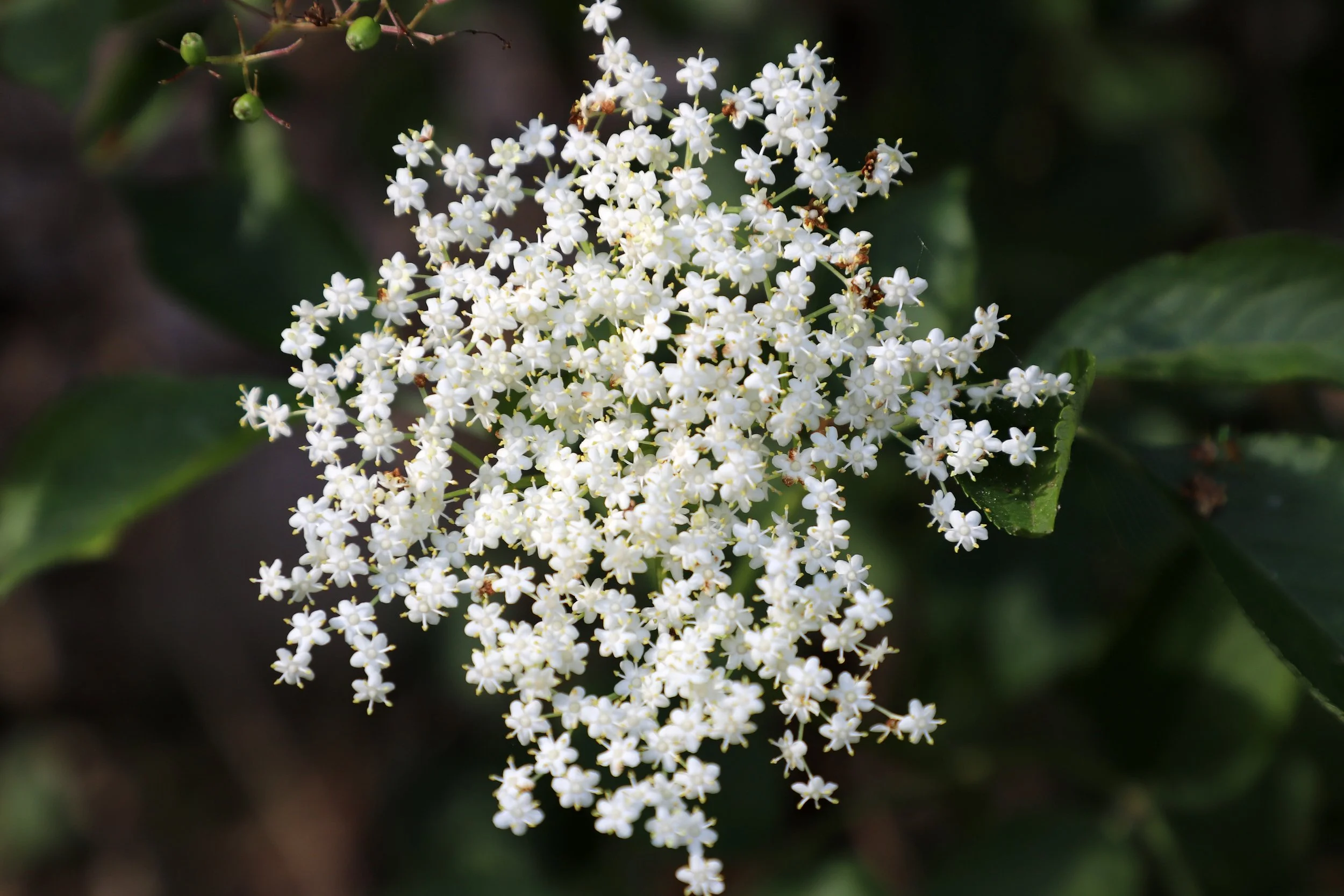 Image 4 of 8
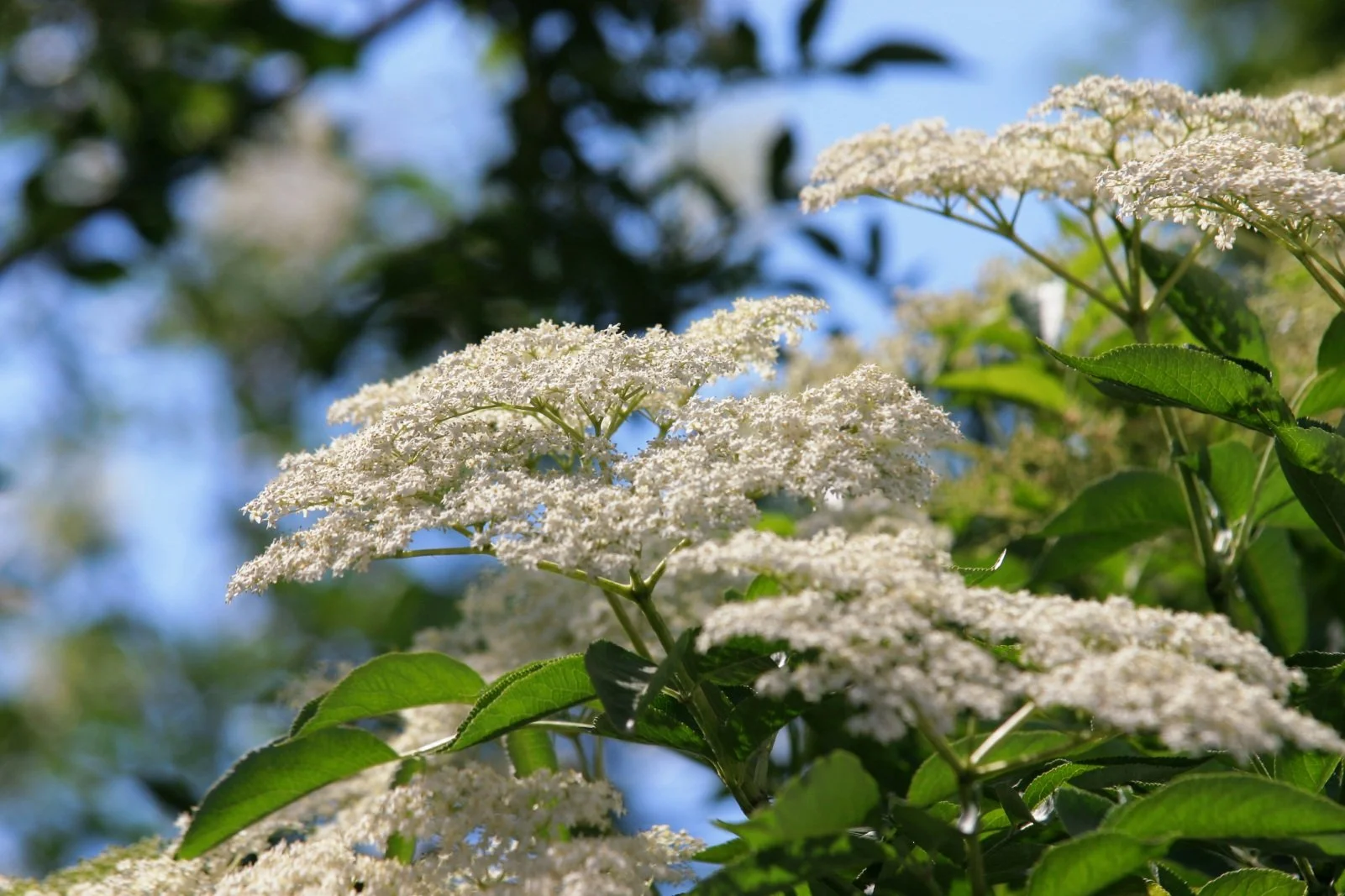 Image 5 of 8
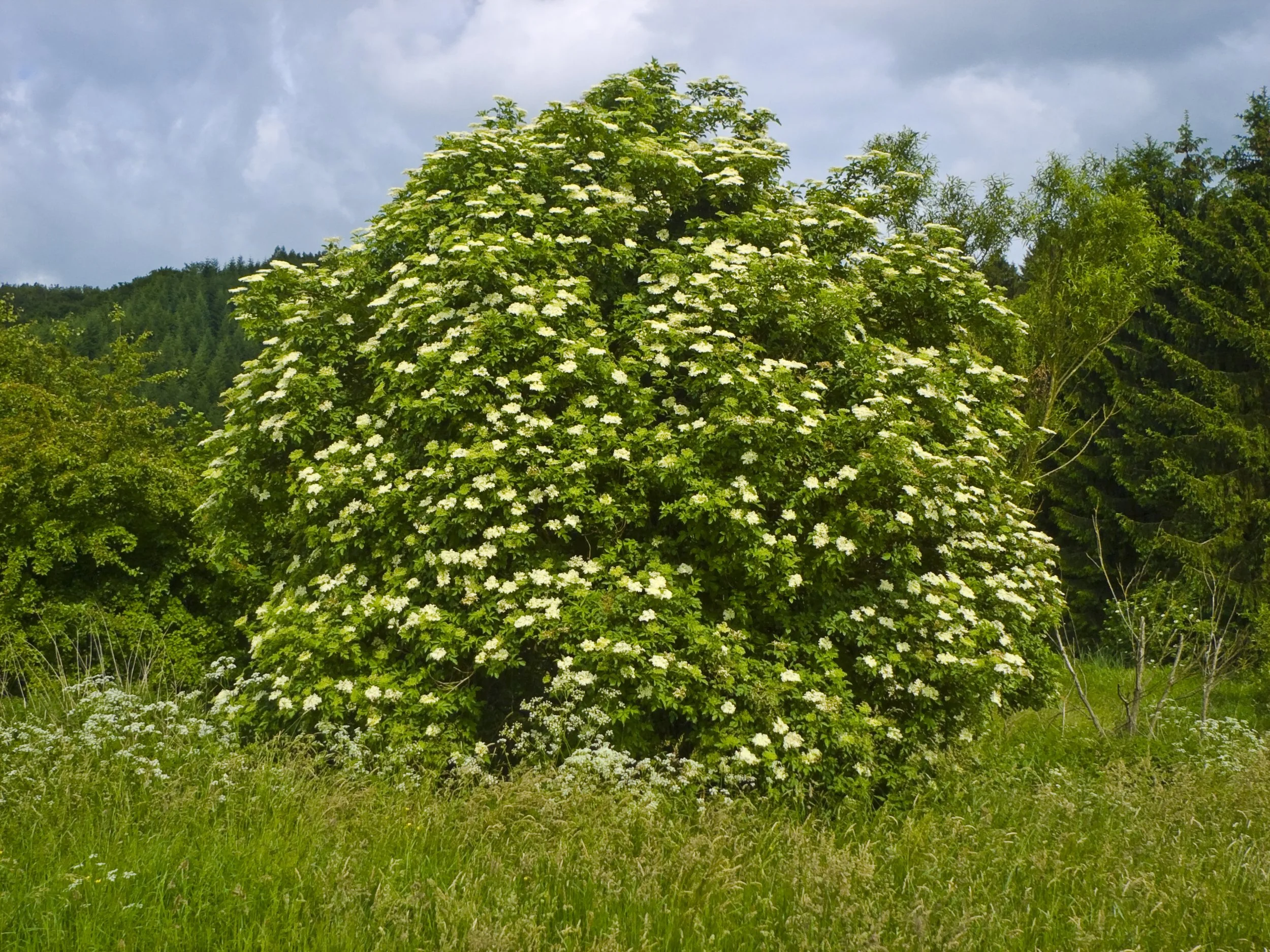 Image 6 of 8
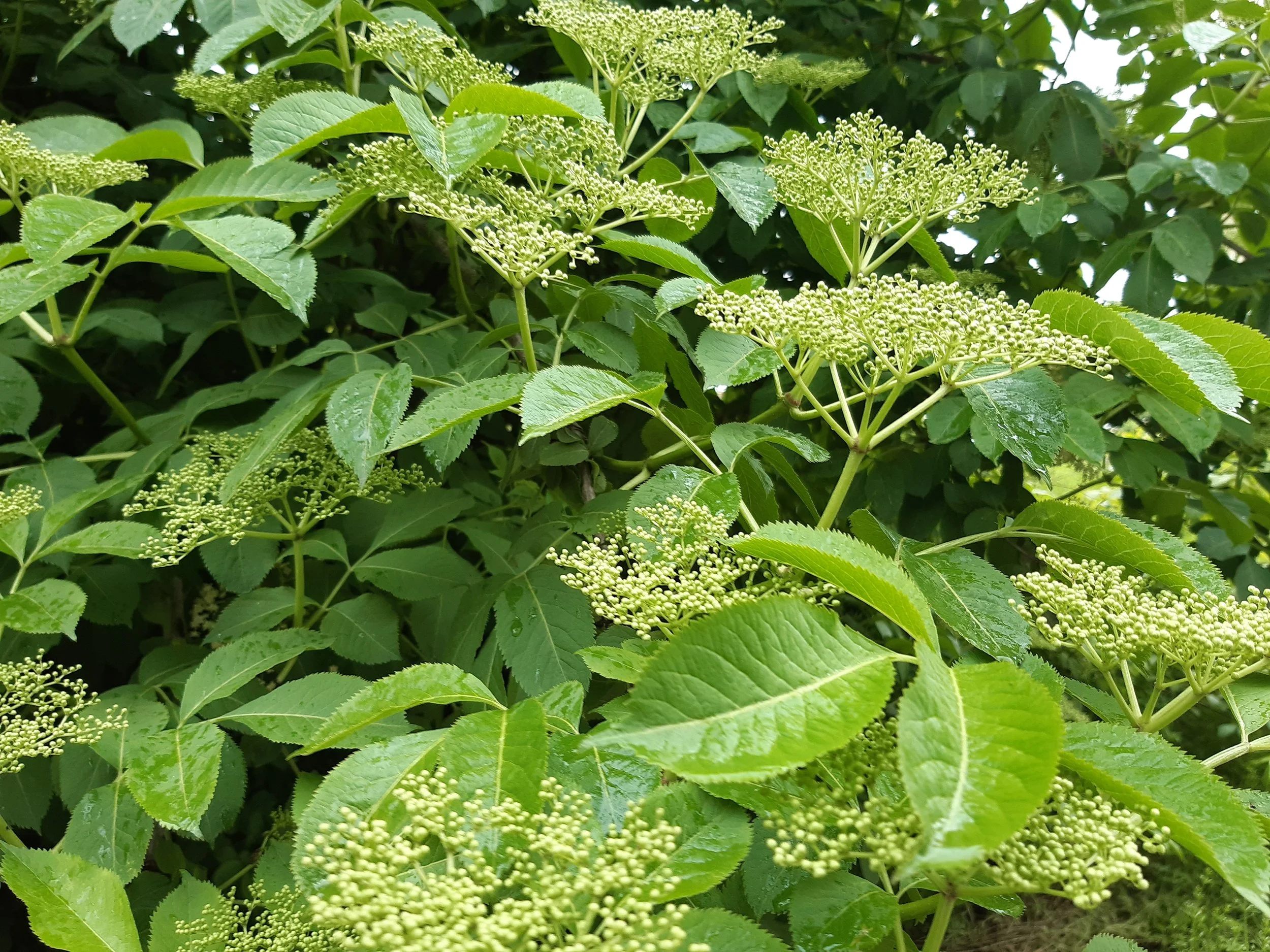 Image 7 of 8
 Image 8 of 8