 Image 1 of 5
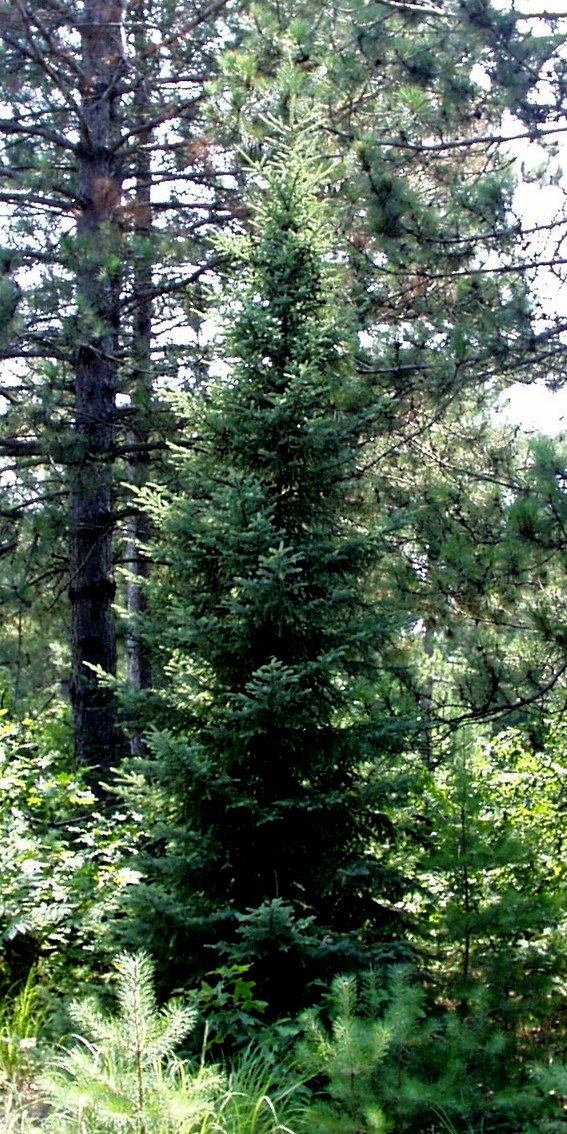 Image 2 of 5
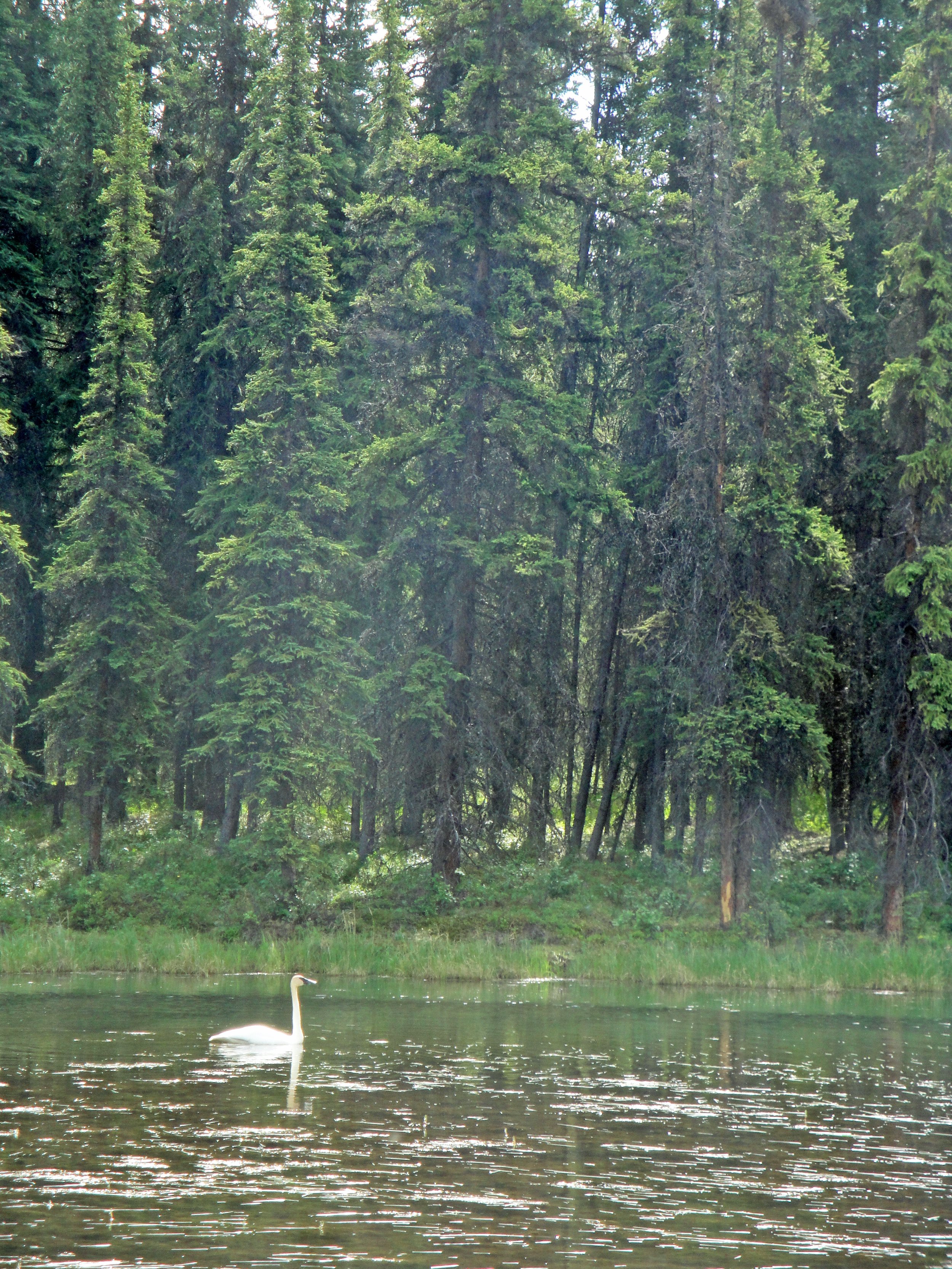 Image 3 of 5
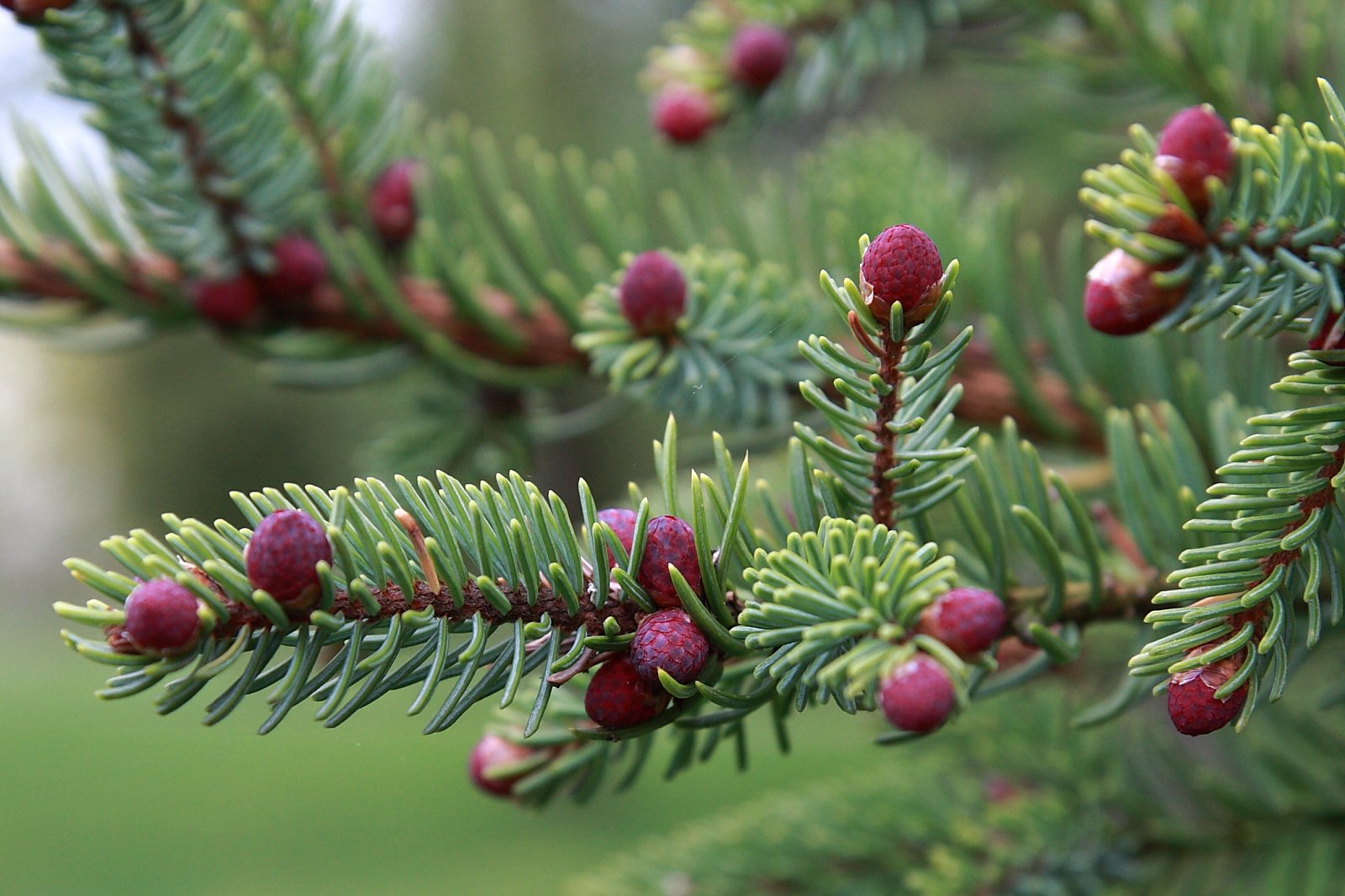 Image 4 of 5
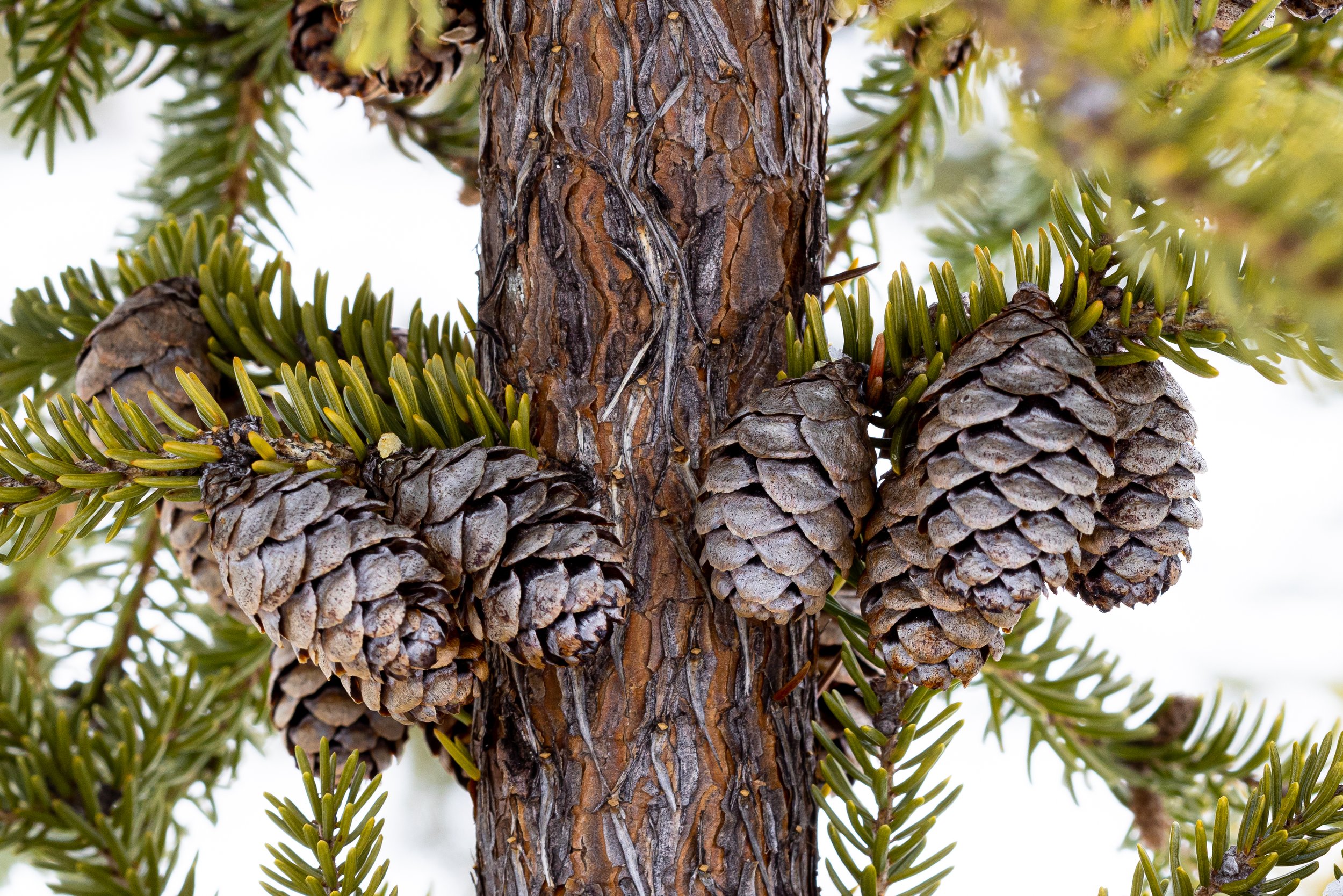 Image 5 of 5
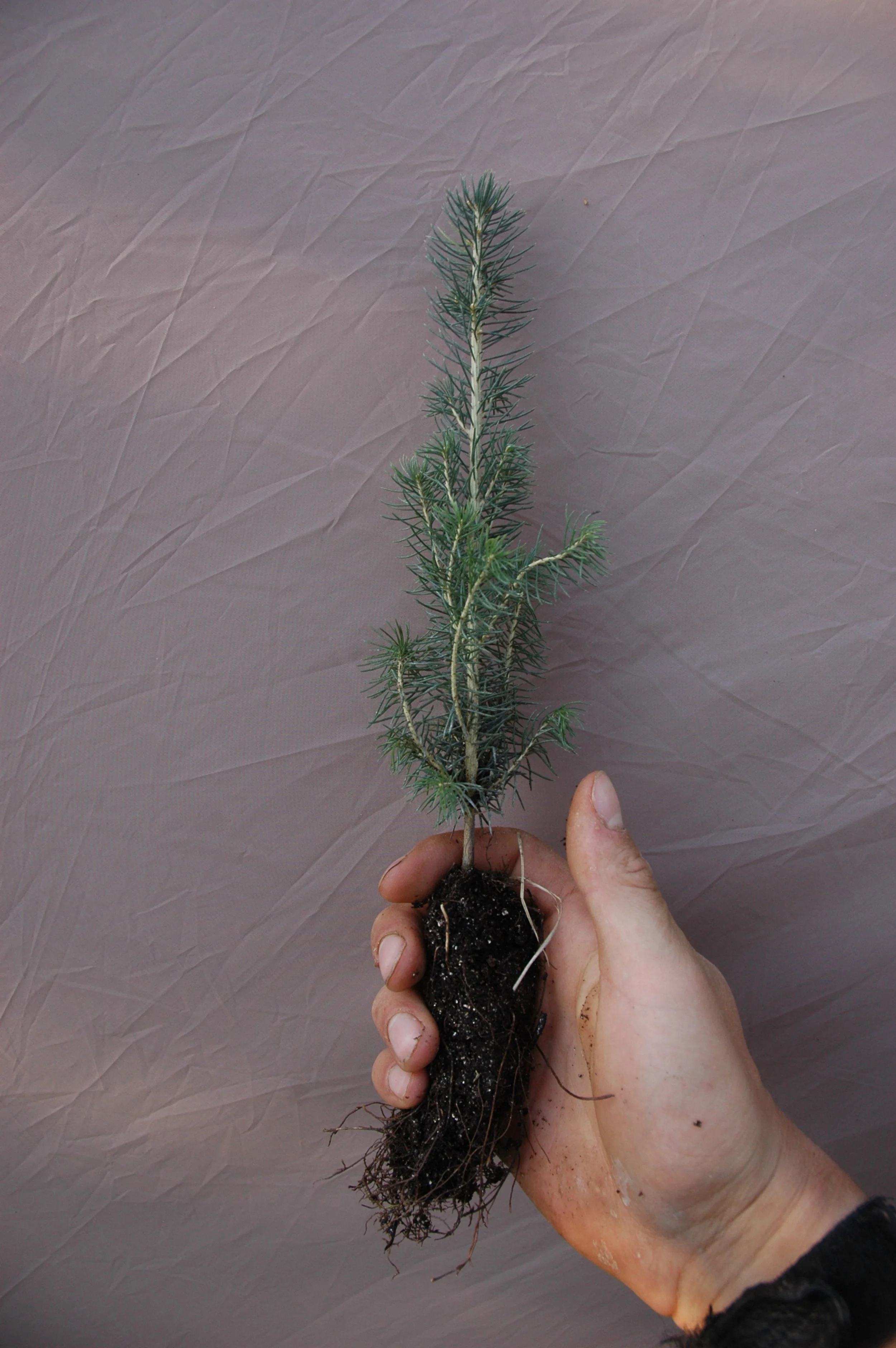
Size (6-10”)
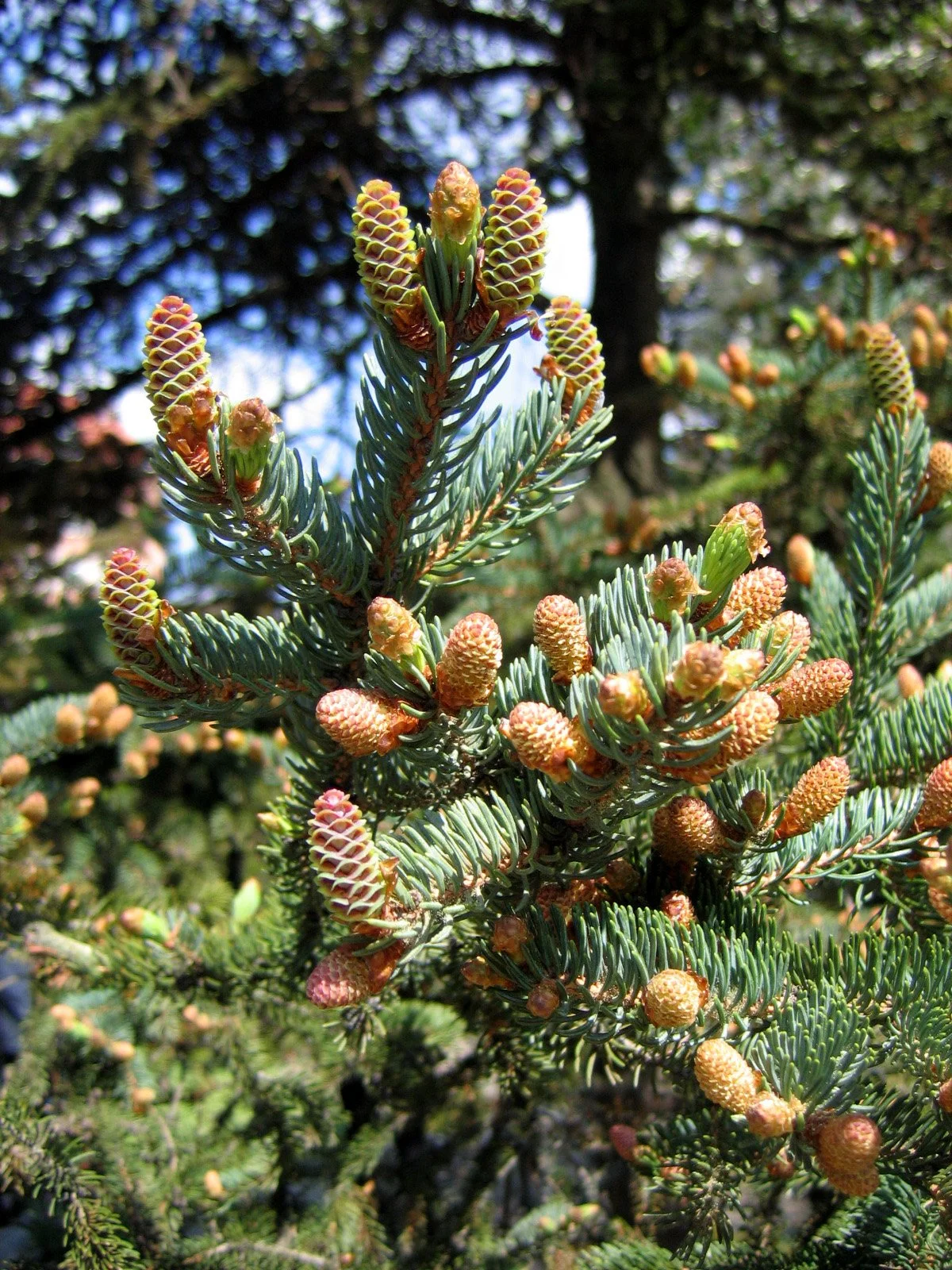
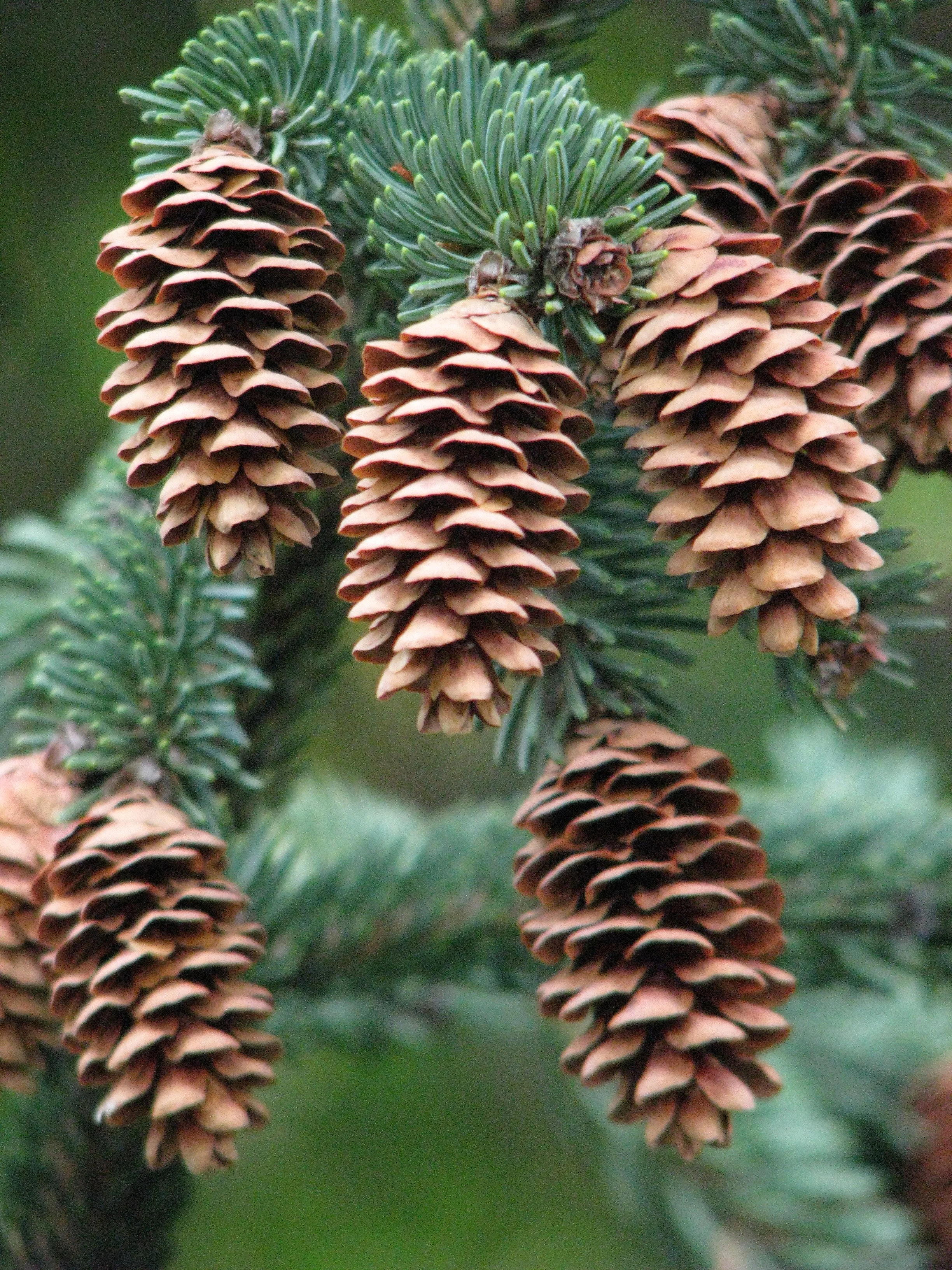
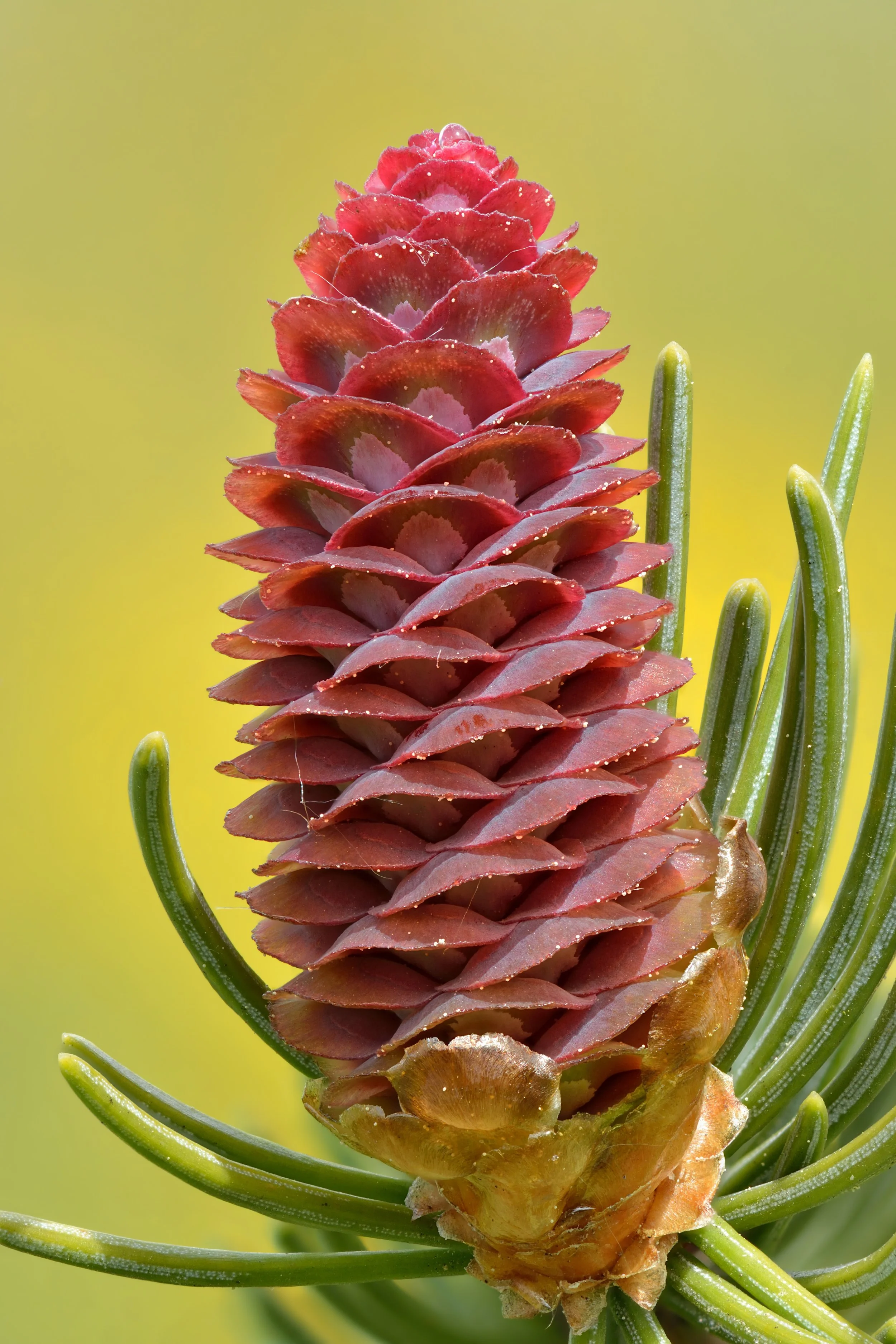
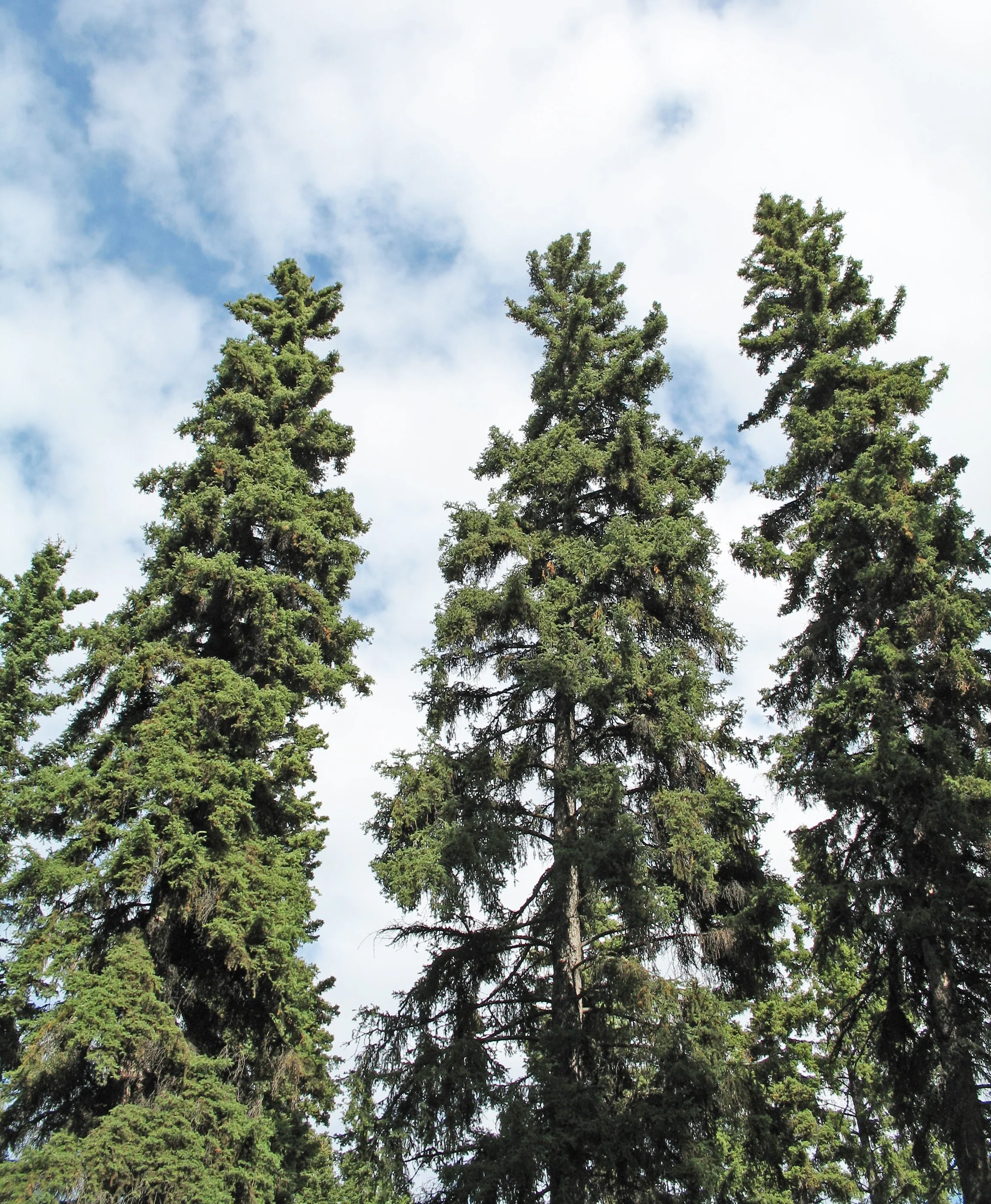
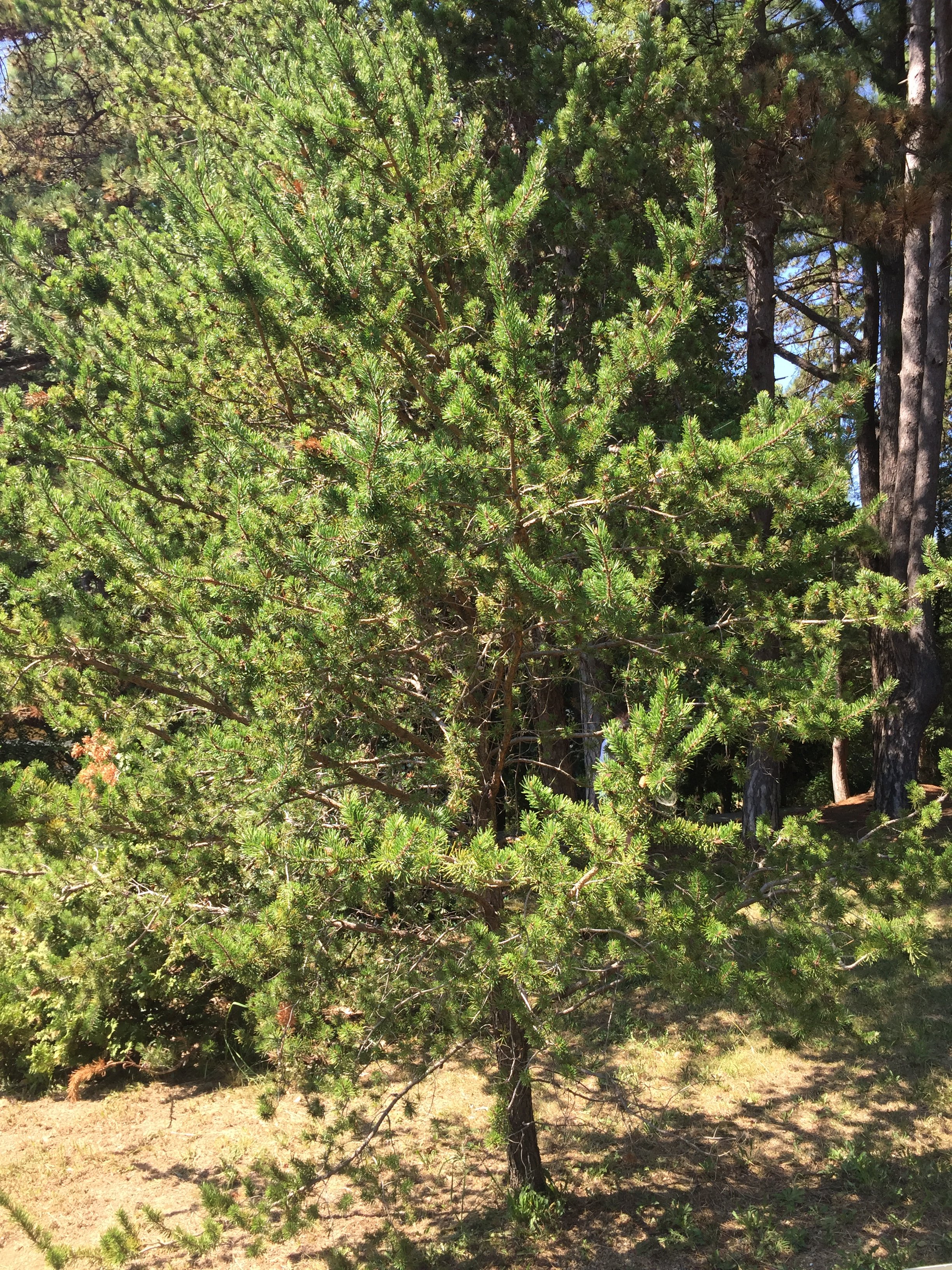
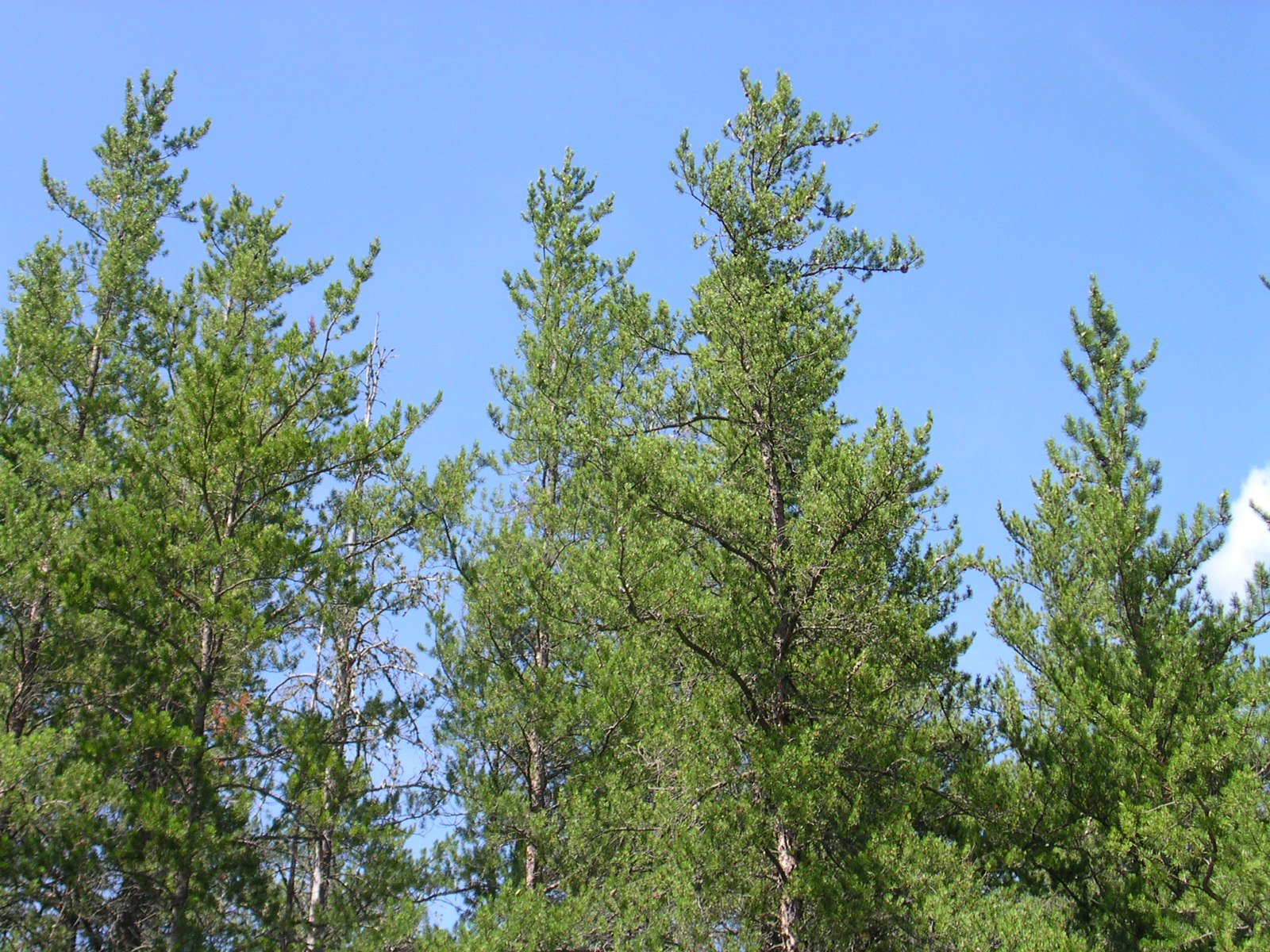
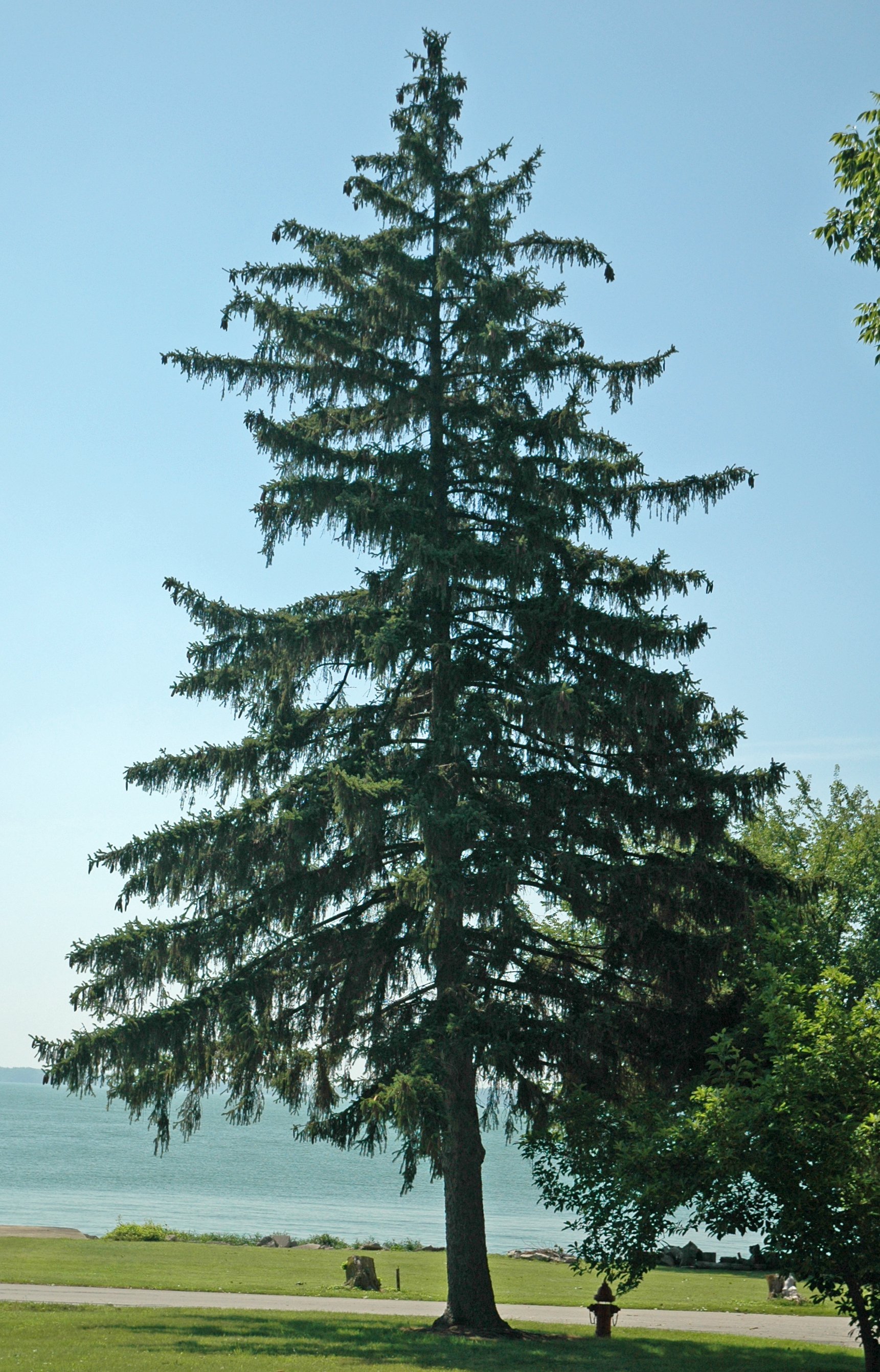
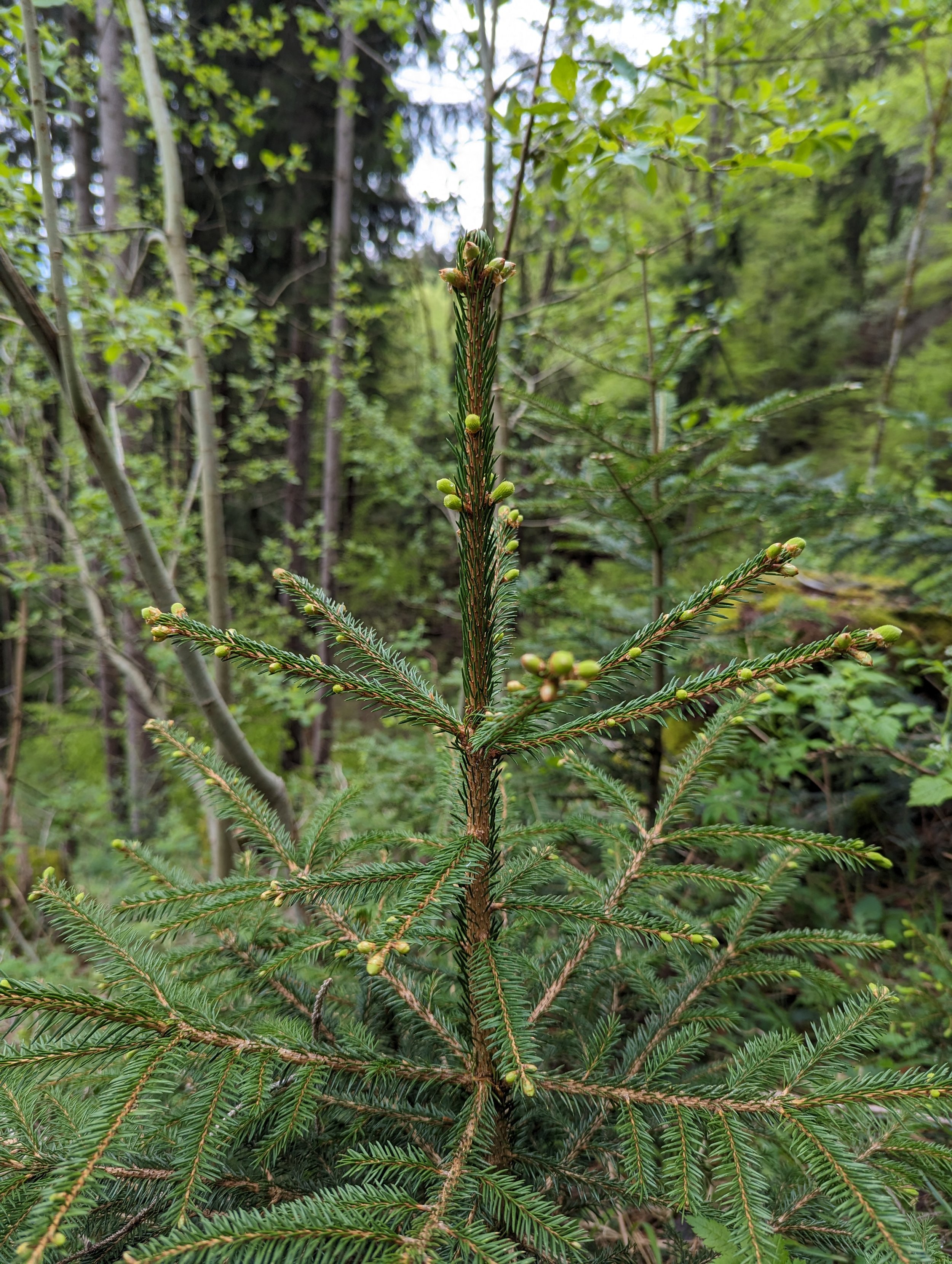
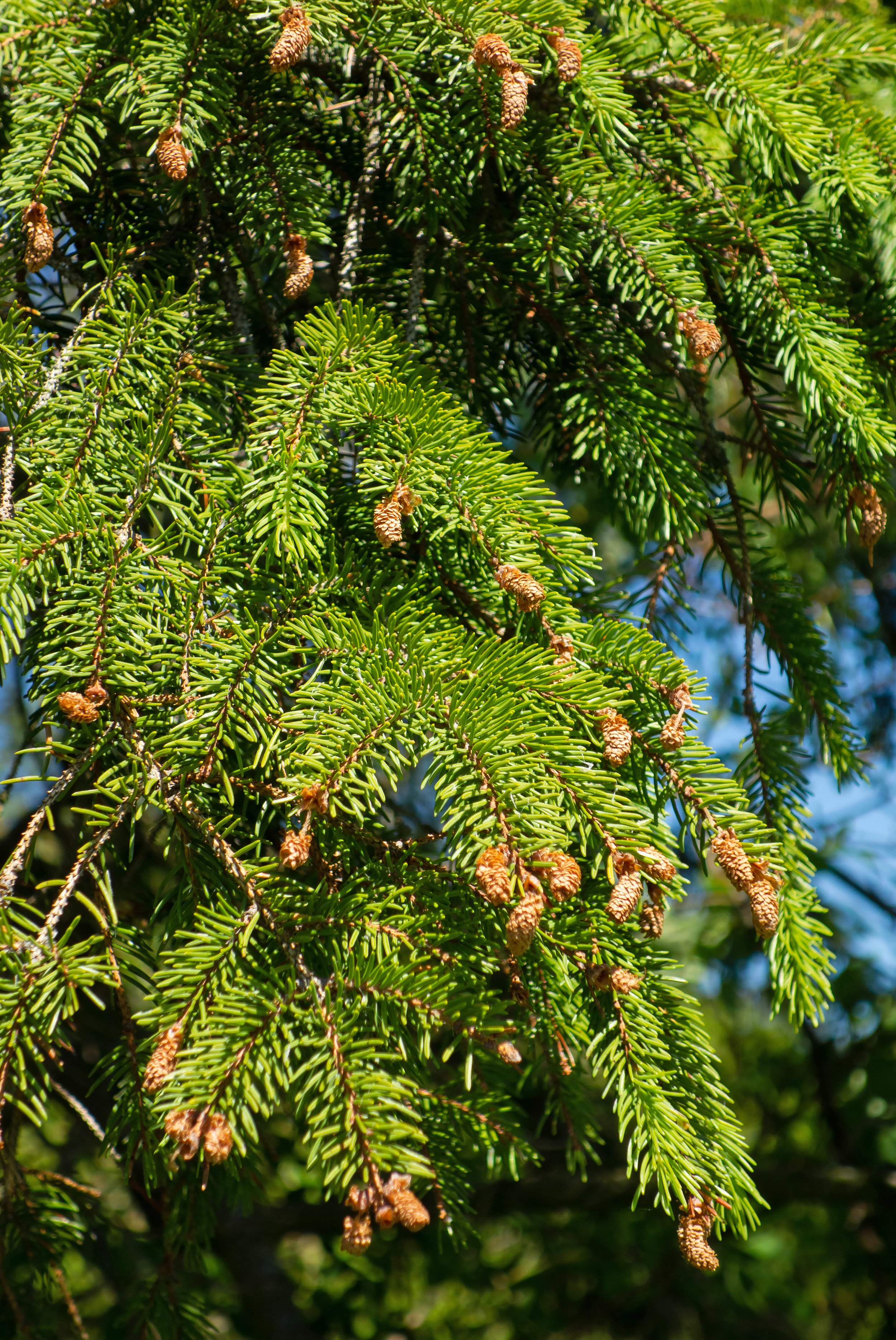
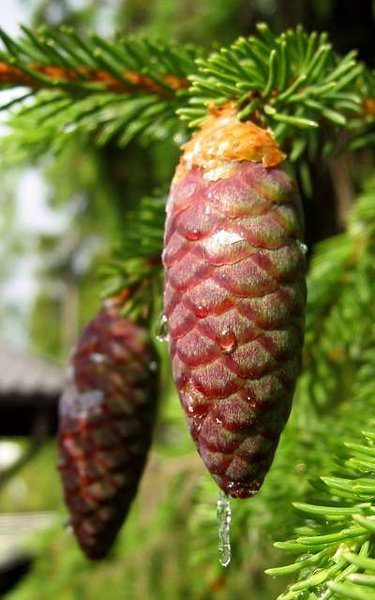
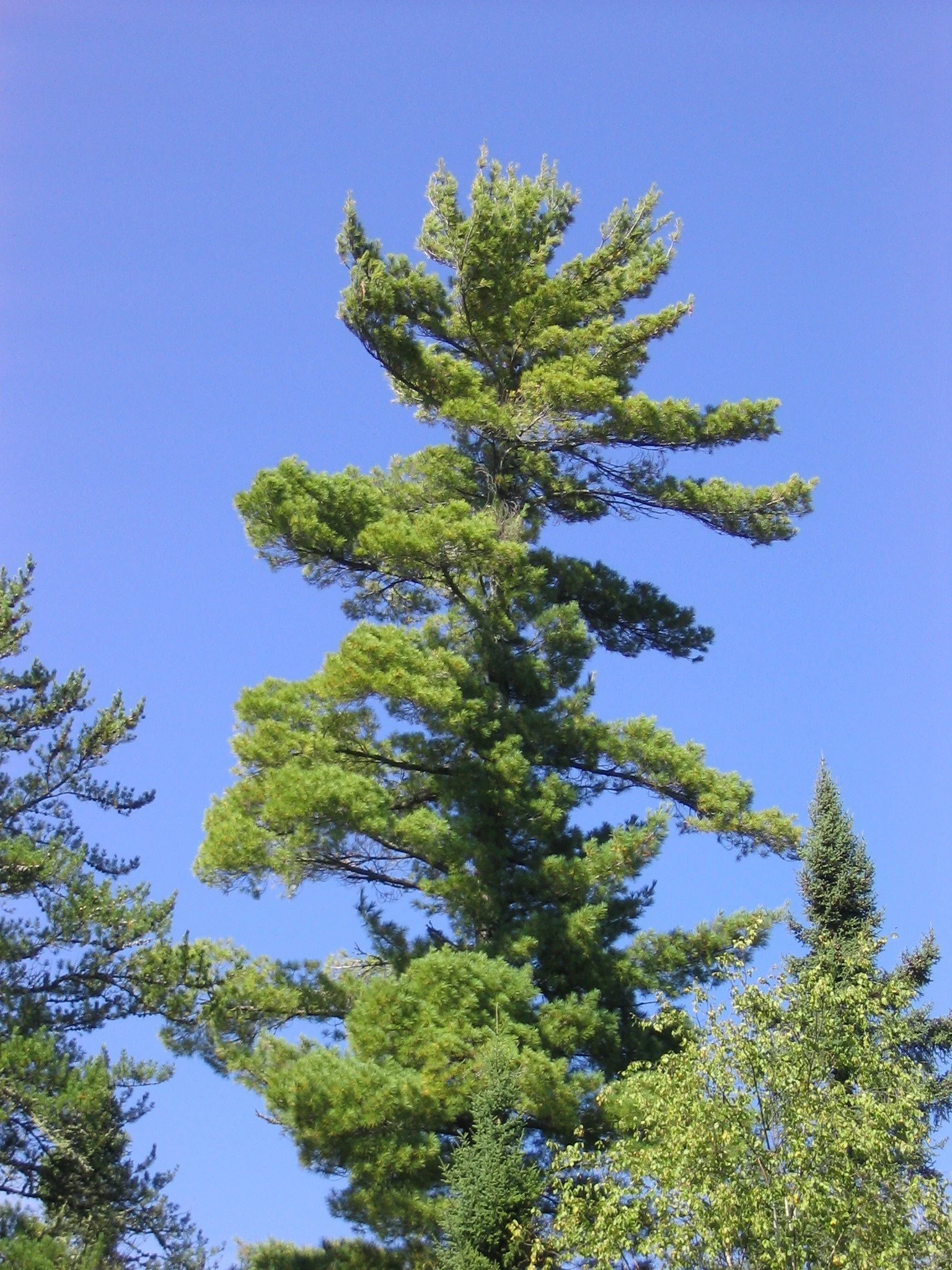
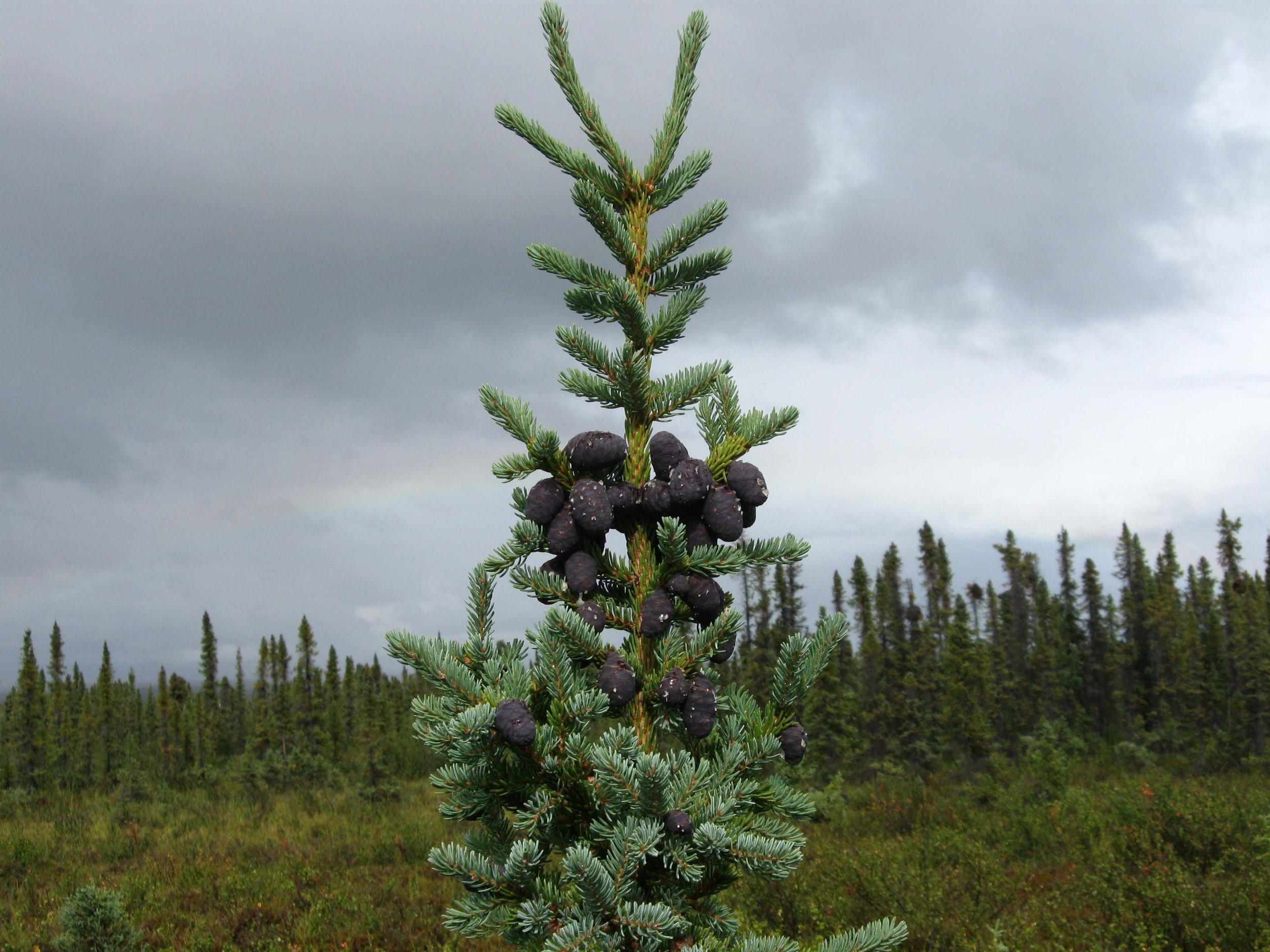
A tough and graceful native evergreen, Black Spruce stands as a symbol of Michigan’s northern forests, with its narrow, spire-like form and dark blue-green needles. Its compact shape and resilient nature make it a striking choice for naturalized plantings, wetland edges, and restoration projects. Small, purplish cones adorn the upper branches and can remain on the tree for several years, slowly releasing seeds that support birds and small mammals.
Well-suited to Northern Michigan (Zone 5a), Black Spruce thrives in cool, moist environments but is adaptable to a range of soils, including peat, sand, and loam. It tolerates cold, wind, and poorly drained conditions better than most conifers, making it ideal for lowlands, bog margins, and reforestation sites. With its slow to moderate growth rate and enduring hardiness, it contributes lasting structure and character to northern landscapes.
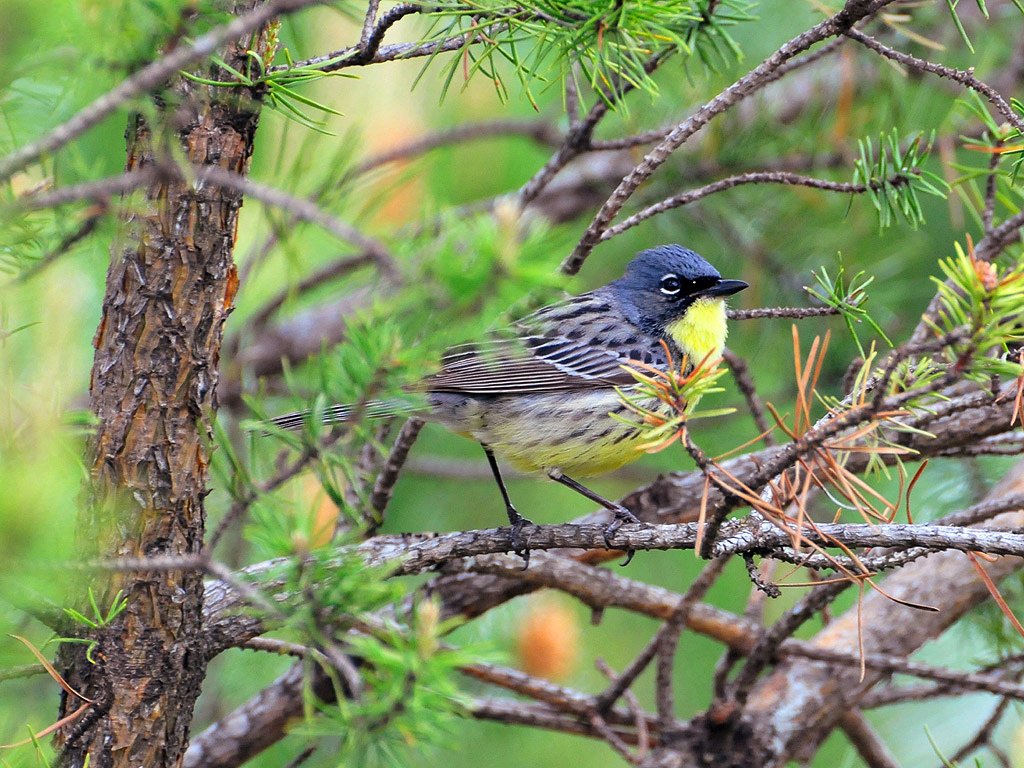
Ecologically, Black Spruce provides important nesting and roosting habitat for birds such as warblers, chickadees, and crossbills, while its seeds offer a food source for wildlife. The species also plays a key role in stabilizing wet soils and supporting biodiversity. Its lightweight, straight-grained wood is valued for pulpwood, lumber, and musical instruments, reflecting both its practical and natural significance across Michigan’s ecosystems.
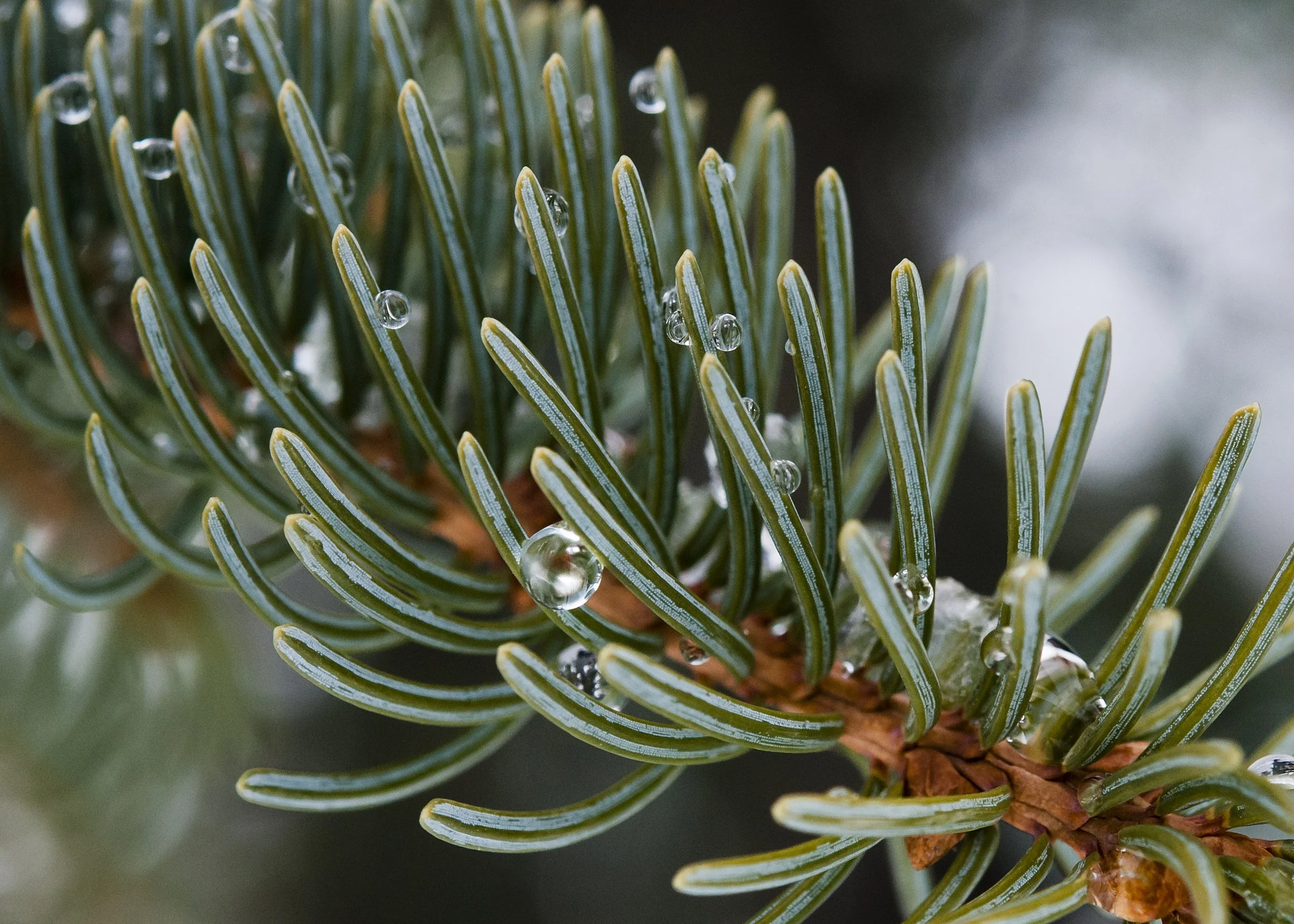
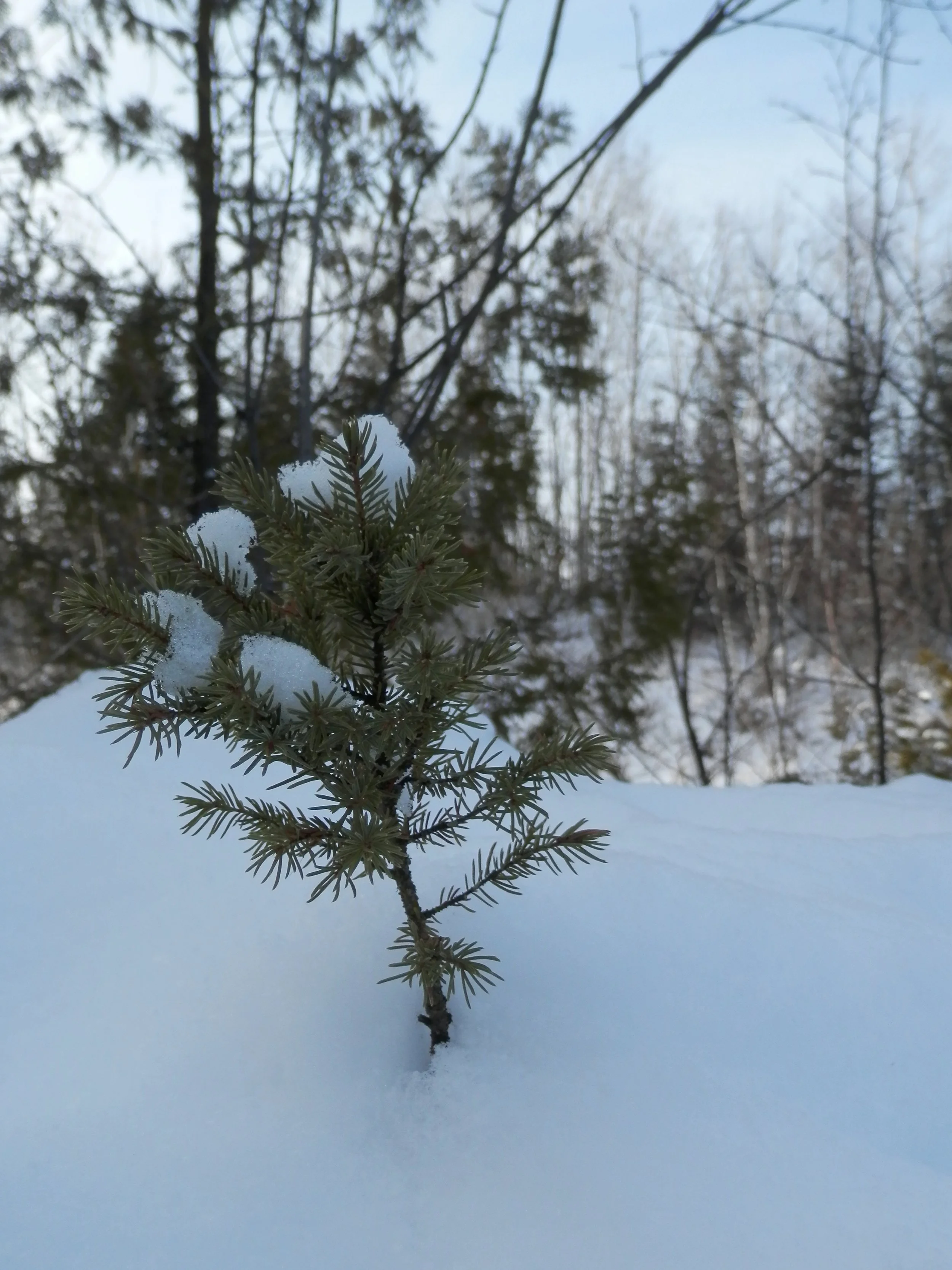
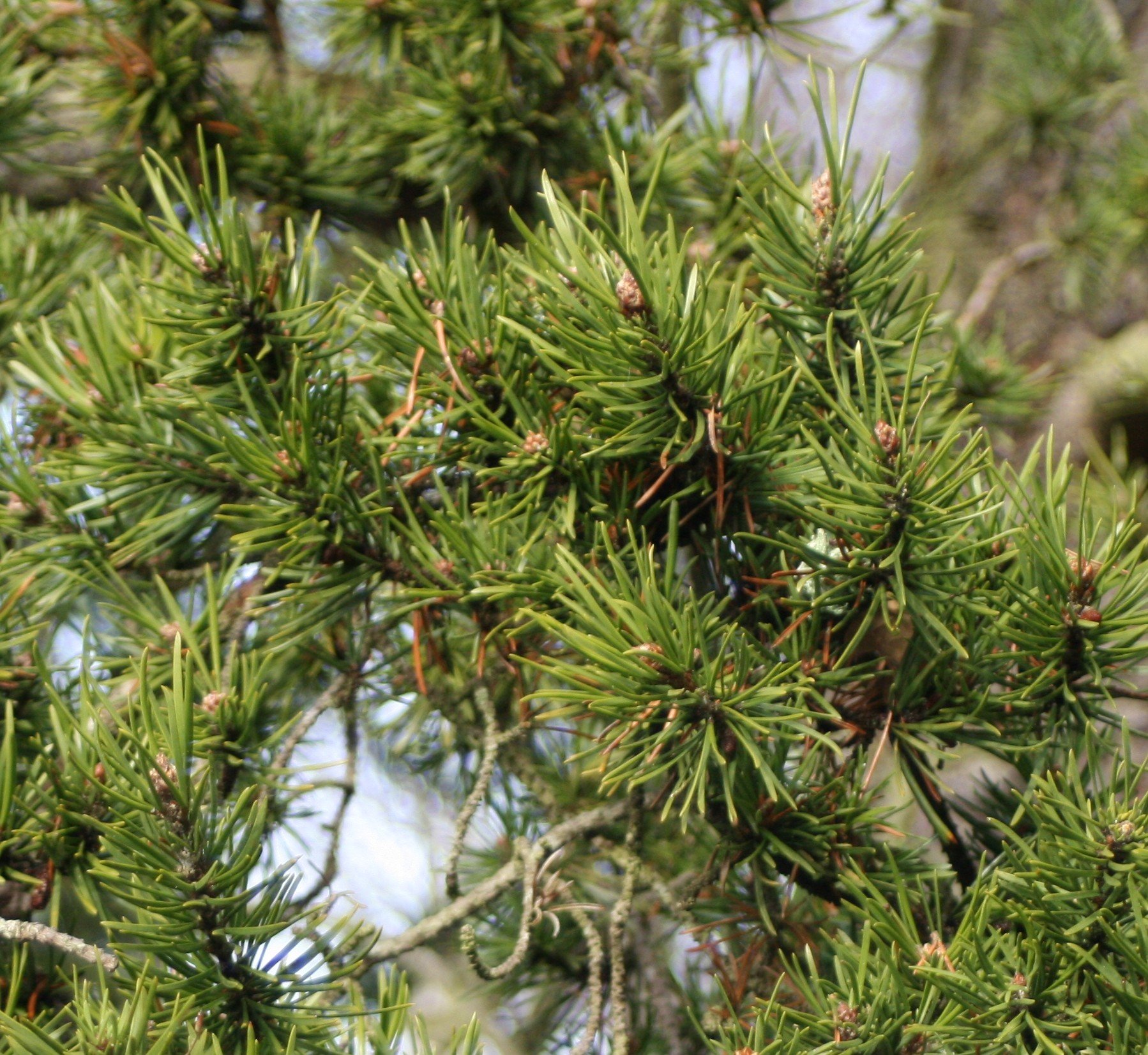
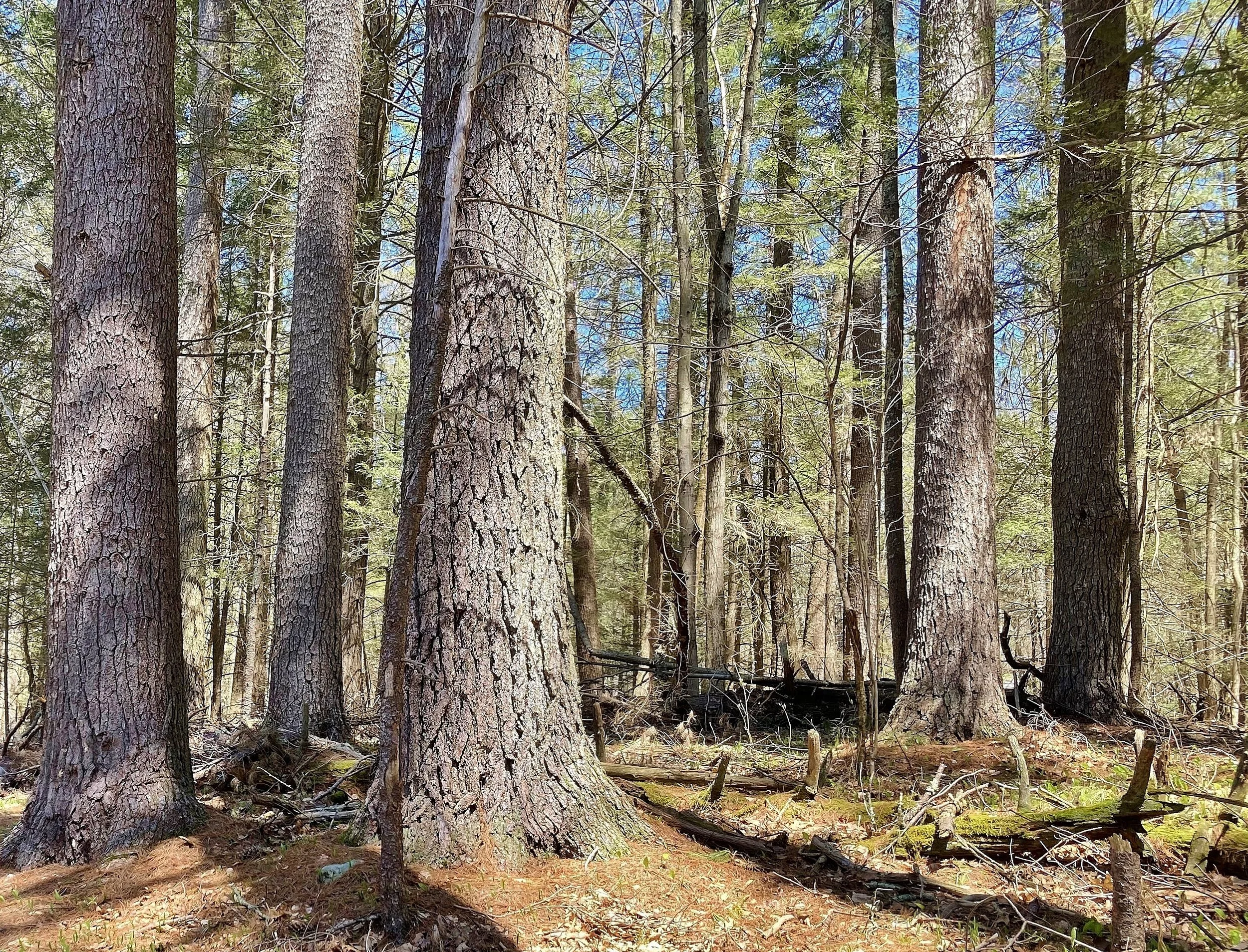
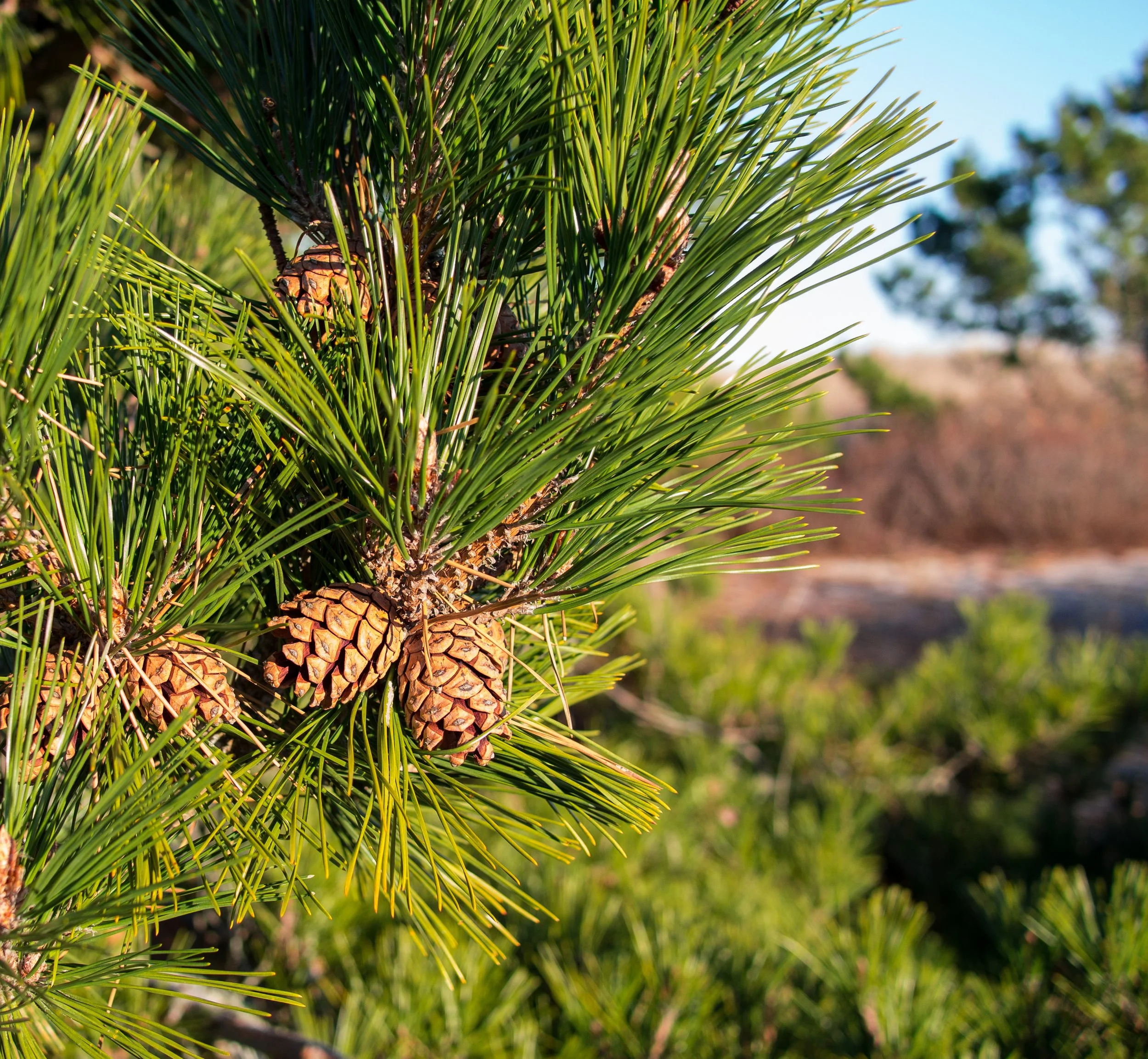
Identification / Key Features: A small to medium conifer with short, bluish-green needles less than ½ inch long. Bark is thin, dark grayish-brown, and scaly. Cones are small, round, and often persistent on branches for years.
Mature Height / Size: 30–50 feet.
Growth Rate: Slow-growing and tolerant of poor conditions.
Light / Soil / Site Preferences: Prefers cool, moist to wet soils, including bogs and peatlands. Grows best in full sun.
Wildlife Value / Ecological Role: Provides nesting sites for birds like warblers and food for grouse and squirrels.
Uses / Economic / Cultural: Important for pulpwood and paper production.
Size (6-10”)
A tough and graceful native evergreen, Black Spruce stands as a symbol of Michigan’s northern forests, with its narrow, spire-like form and dark blue-green needles. Its compact shape and resilient nature make it a striking choice for naturalized plantings, wetland edges, and restoration projects. Small, purplish cones adorn the upper branches and can remain on the tree for several years, slowly releasing seeds that support birds and small mammals.
Well-suited to Northern Michigan (Zone 5a), Black Spruce thrives in cool, moist environments but is adaptable to a range of soils, including peat, sand, and loam. It tolerates cold, wind, and poorly drained conditions better than most conifers, making it ideal for lowlands, bog margins, and reforestation sites. With its slow to moderate growth rate and enduring hardiness, it contributes lasting structure and character to northern landscapes.
Ecologically, Black Spruce provides important nesting and roosting habitat for birds such as warblers, chickadees, and crossbills, while its seeds offer a food source for wildlife. The species also plays a key role in stabilizing wet soils and supporting biodiversity. Its lightweight, straight-grained wood is valued for pulpwood, lumber, and musical instruments, reflecting both its practical and natural significance across Michigan’s ecosystems.
Identification / Key Features: A small to medium conifer with short, bluish-green needles less than ½ inch long. Bark is thin, dark grayish-brown, and scaly. Cones are small, round, and often persistent on branches for years.
Mature Height / Size: 30–50 feet.
Growth Rate: Slow-growing and tolerant of poor conditions.
Light / Soil / Site Preferences: Prefers cool, moist to wet soils, including bogs and peatlands. Grows best in full sun.
Wildlife Value / Ecological Role: Provides nesting sites for birds like warblers and food for grouse and squirrels.
Uses / Economic / Cultural: Important for pulpwood and paper production.