Image 1 of 5
 Image 2 of 5
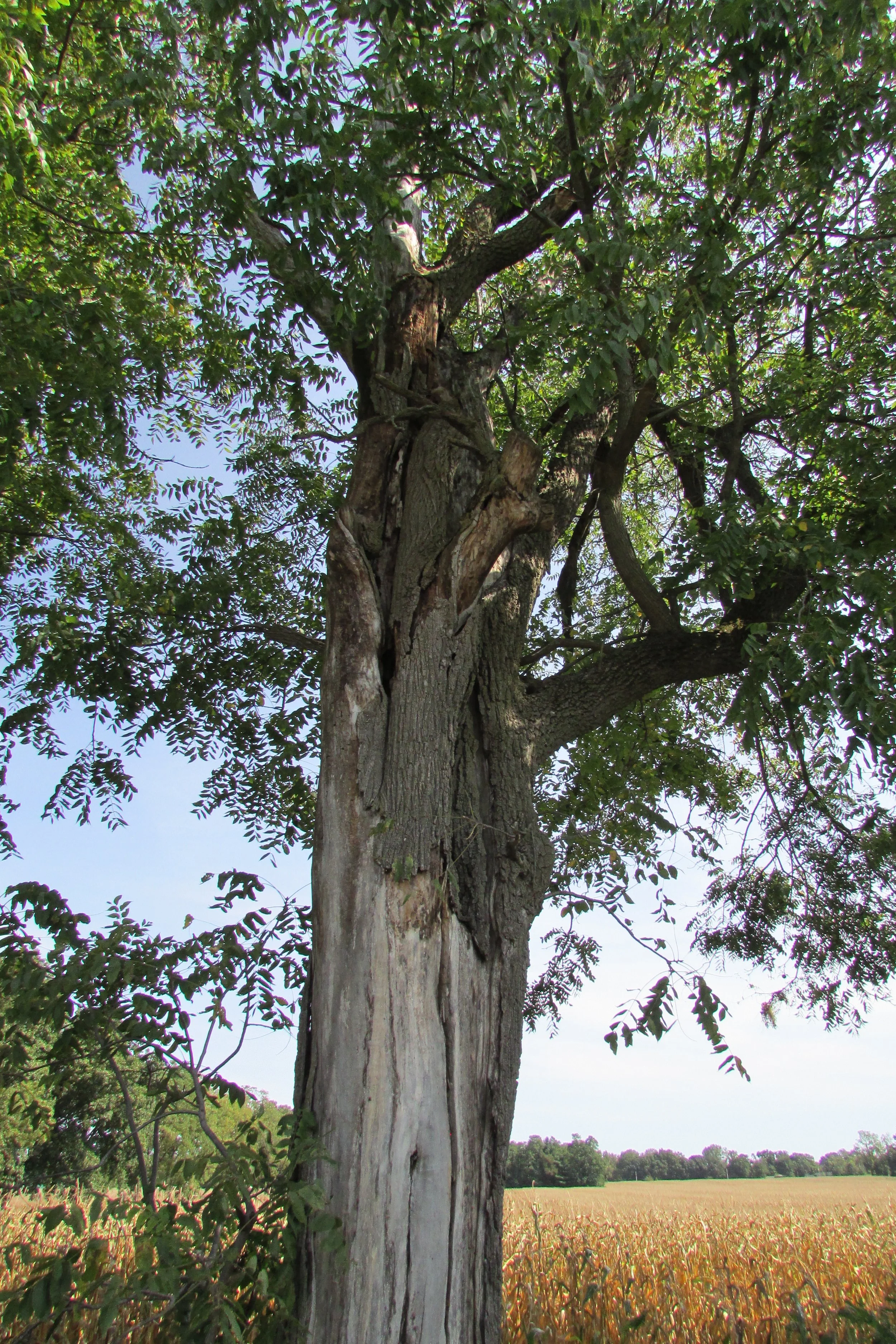 Image 3 of 5
 Image 4 of 5
 Image 5 of 5
Quantity (per bundle) 25
Size (12-24”)
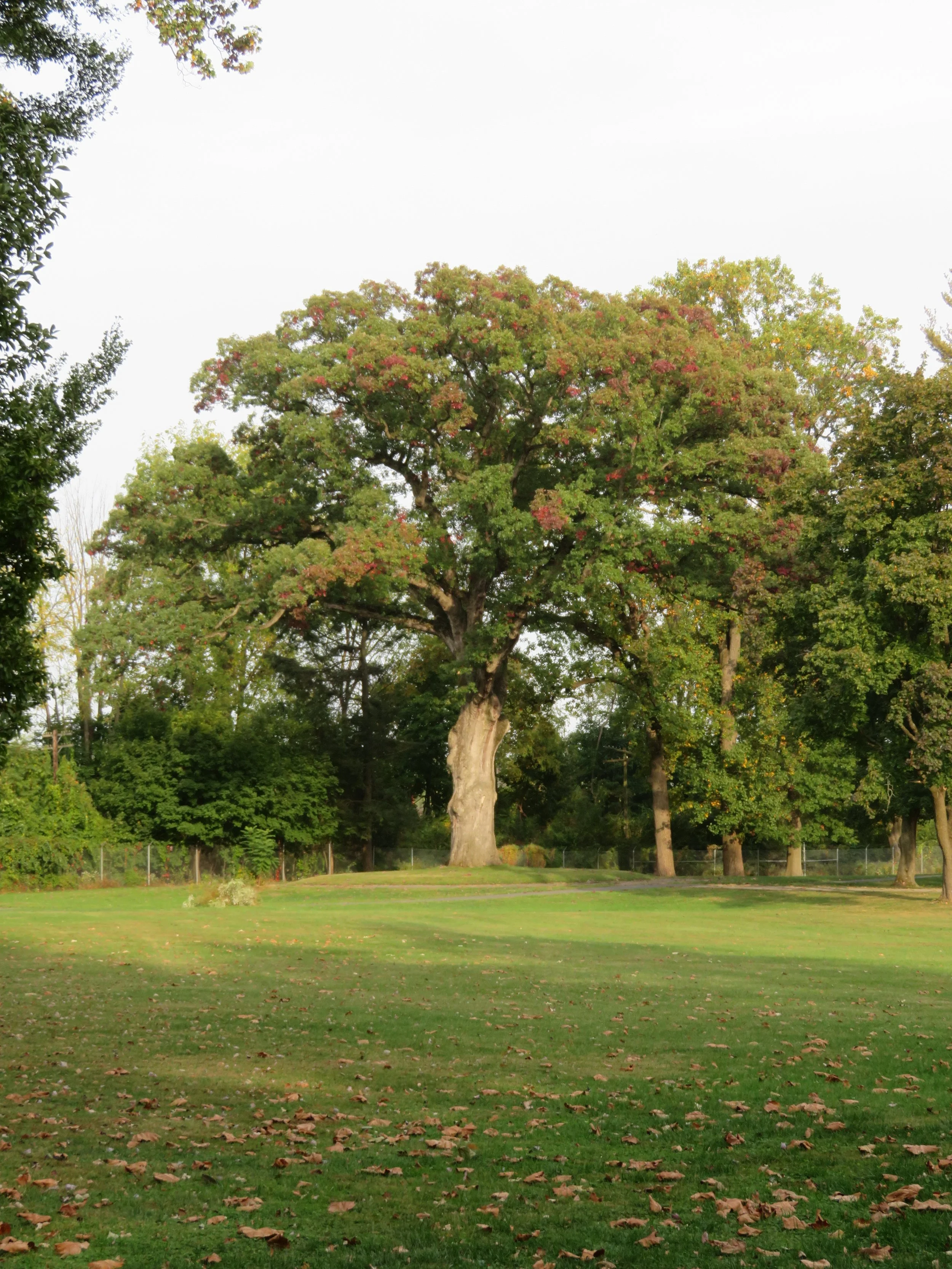
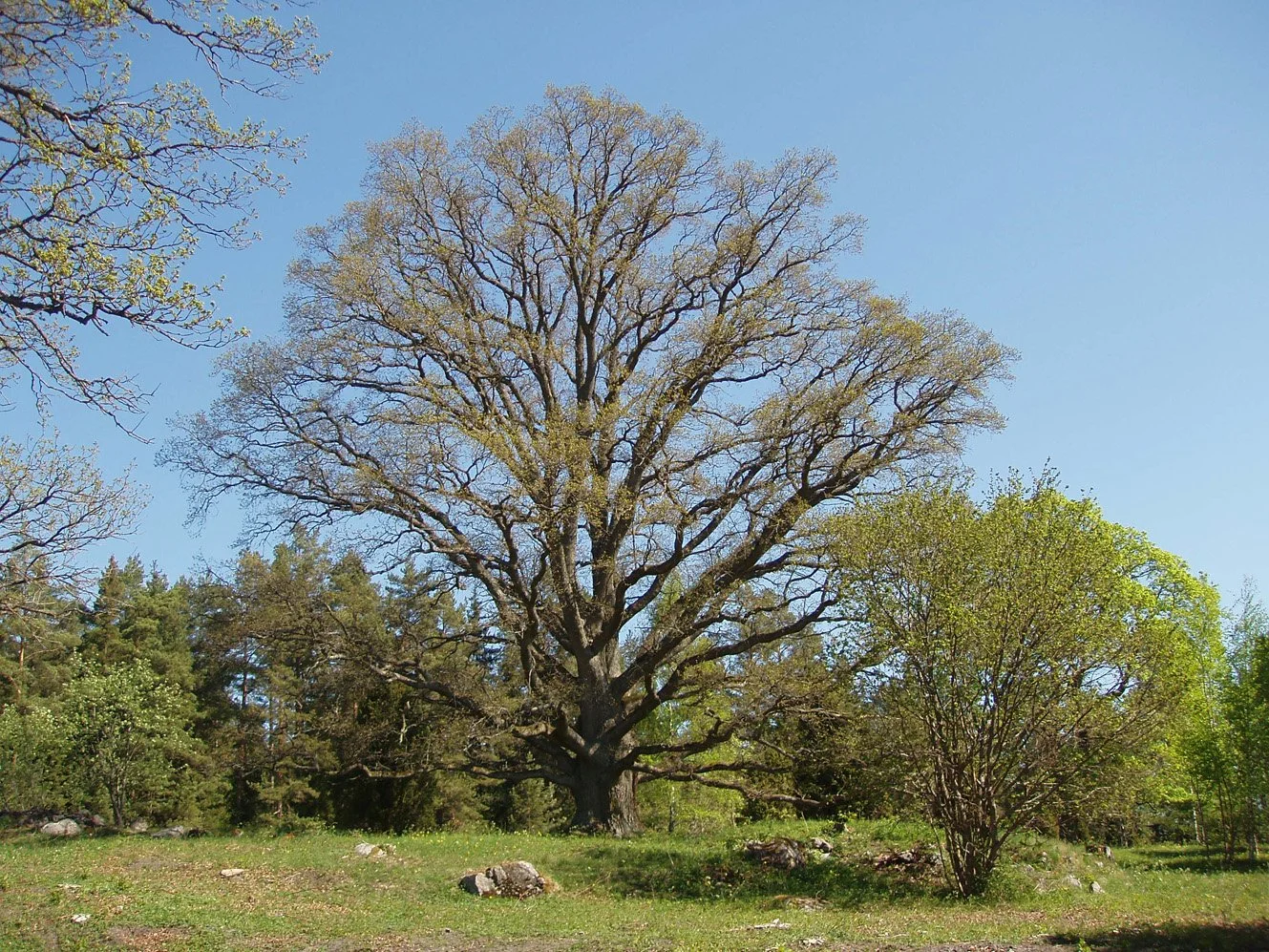
A distinguished native hardwood, Black Walnut is revered for its stately form, dark, furrowed bark, and broad, rounded crown. Its rich, green foliage turns golden in autumn, creating a striking seasonal display. Known for both its beauty and utility, Black Walnut adds elegance and strength to the landscape while enriching ecosystems and human craft alike.
Well-suited to Northern Michigan (Zone 5a), Black Walnut thrives in deep, well-drained, fertile soils and full sun. It prefers moist bottomlands and open upland sites with good air circulation. This moderately fast-growing tree develops a strong, straight trunk and a commanding presence in mature landscapes.
Ecologically, Black Walnut supports wildlife through its nutritious nuts—favored by squirrels, chipmunks, and birds—and its sturdy branches that provide nesting sites. The tree also produces natural compounds that influence surrounding plant growth, shaping the forest community.
Renowned for its dark, fine-grained wood, Black Walnut is prized for furniture, cabinetry, gunstocks, and veneer. Its blend of natural beauty, ecological value, and cultural significance makes it one of Michigan’s most treasured native trees.
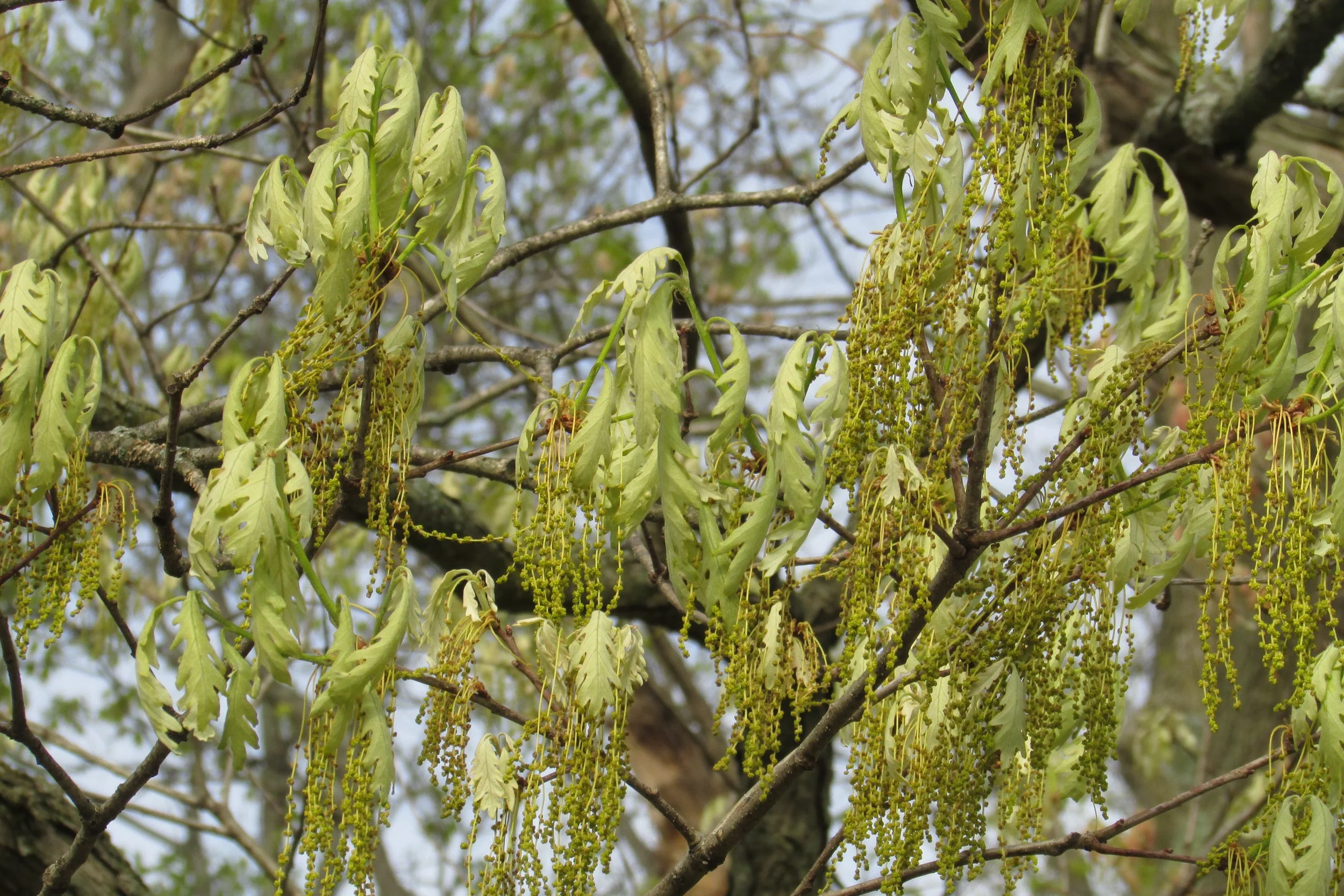
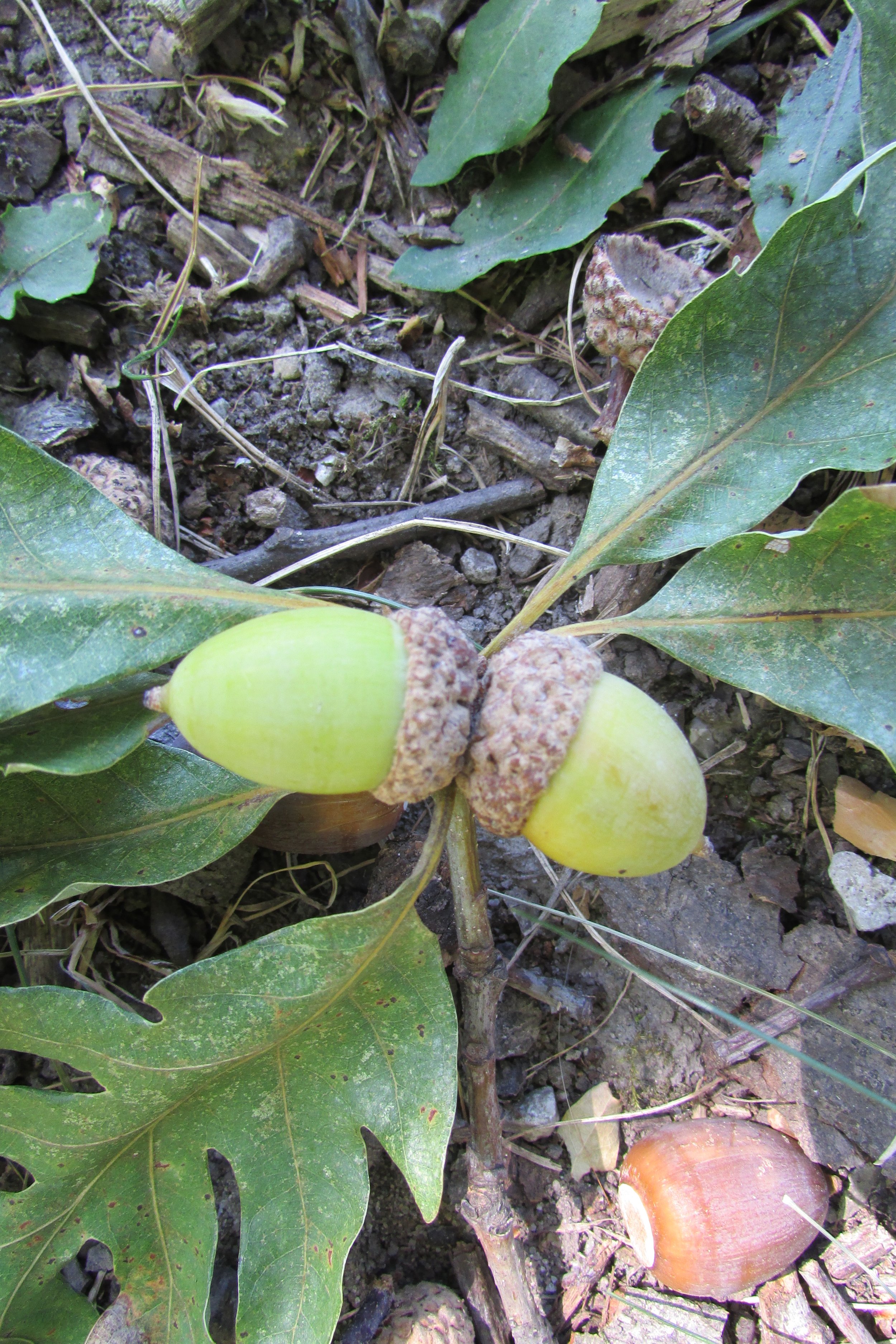
Identification / Key Features: Large tree with dark, deeply furrowed bark. Leaves are pinnately compound with 15–23 leaflets. Produces large, edible nuts enclosed in green husks.
Mature Height / Size: 50–75 feet.
Growth Rate: Moderate.
Light / Soil / Site Preferences: Prefers full sun and well-drained, fertile soils; intolerant of shade.
Wildlife Value / Ecological Role: Nuts eaten by squirrels, deer, and birds. Provides cover and shade.
Uses / Economic / Cultural: Highly valued hardwood for furniture, veneer, and cabinetry. Nuts used in cooking and wildlife food.
Quantity (per bundle) 25
Size (12-24”)
A distinguished native hardwood, Black Walnut is revered for its stately form, dark, furrowed bark, and broad, rounded crown. Its rich, green foliage turns golden in autumn, creating a striking seasonal display. Known for both its beauty and utility, Black Walnut adds elegance and strength to the landscape while enriching ecosystems and human craft alike.
Well-suited to Northern Michigan (Zone 5a), Black Walnut thrives in deep, well-drained, fertile soils and full sun. It prefers moist bottomlands and open upland sites with good air circulation. This moderately fast-growing tree develops a strong, straight trunk and a commanding presence in mature landscapes.
Ecologically, Black Walnut supports wildlife through its nutritious nuts—favored by squirrels, chipmunks, and birds—and its sturdy branches that provide nesting sites. The tree also produces natural compounds that influence surrounding plant growth, shaping the forest community.
Renowned for its dark, fine-grained wood, Black Walnut is prized for furniture, cabinetry, gunstocks, and veneer. Its blend of natural beauty, ecological value, and cultural significance makes it one of Michigan’s most treasured native trees.
Identification / Key Features: Large tree with dark, deeply furrowed bark. Leaves are pinnately compound with 15–23 leaflets. Produces large, edible nuts enclosed in green husks.
Mature Height / Size: 50–75 feet.
Growth Rate: Moderate.
Light / Soil / Site Preferences: Prefers full sun and well-drained, fertile soils; intolerant of shade.
Wildlife Value / Ecological Role: Nuts eaten by squirrels, deer, and birds. Provides cover and shade.
Uses / Economic / Cultural: Highly valued hardwood for furniture, veneer, and cabinetry. Nuts used in cooking and wildlife food.


![Kurt Stüber [1], CC BY-SA 3.0 <http://creativecommons.org/licenses/by-sa/3.0/>, via Wikimedia Commons.jpg](https://images.squarespace-cdn.com/content/v1/6824b99b0162611c9e37dcf6/984fe6c2-3e0e-4e1c-862f-40c88a5ed806/Kurt+St%C3%BCber+%5B1%5D%2C+CC+BY-SA+3.0+%3Chttp%3A%2F%2Fcreativecommons.org%2Flicenses%2Fby-sa%2F3.0%2F%3E%2C+via+Wikimedia+Commons.jpg)