Quantity (per bundle) 25
Size (12-18”)
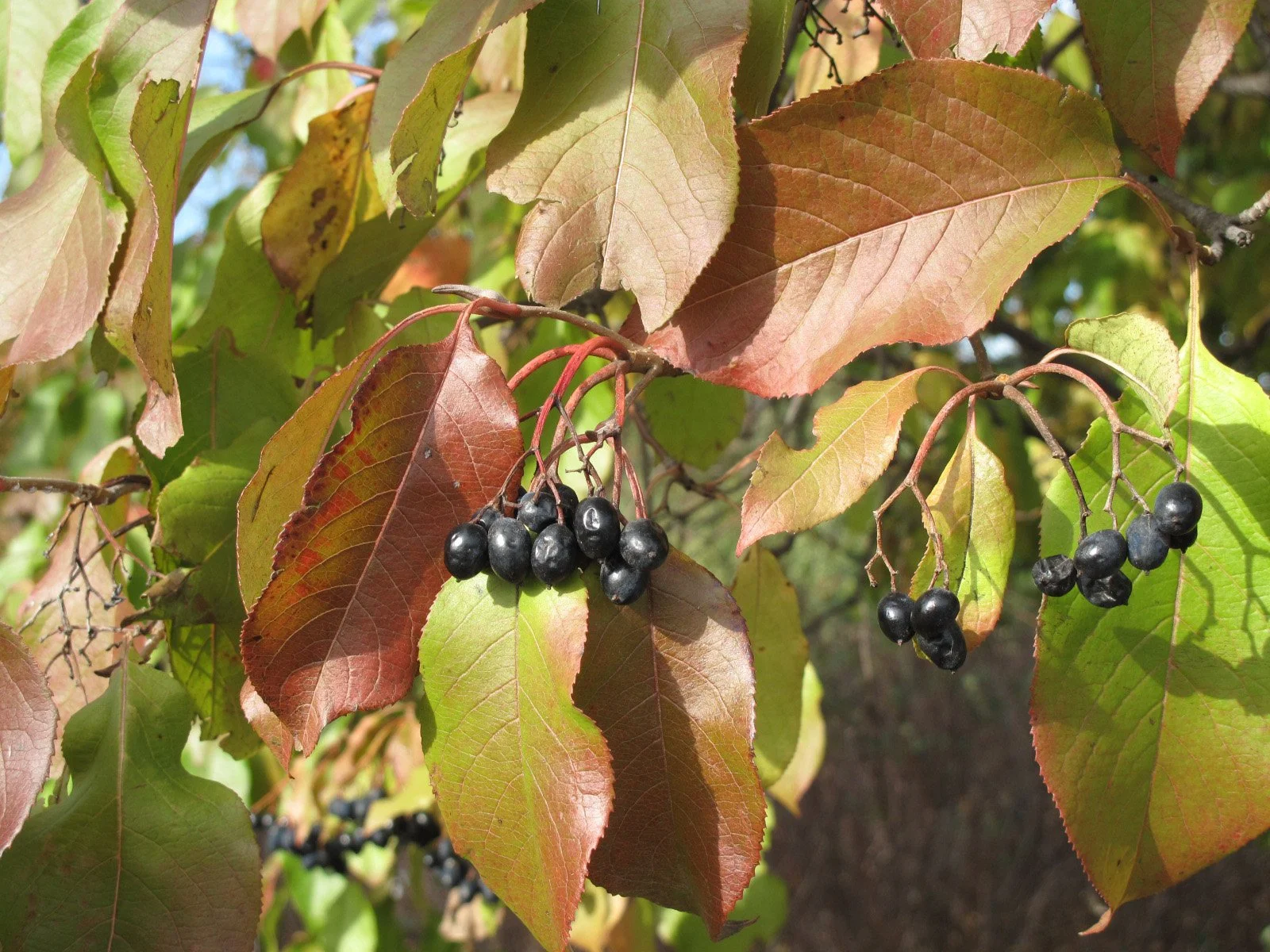
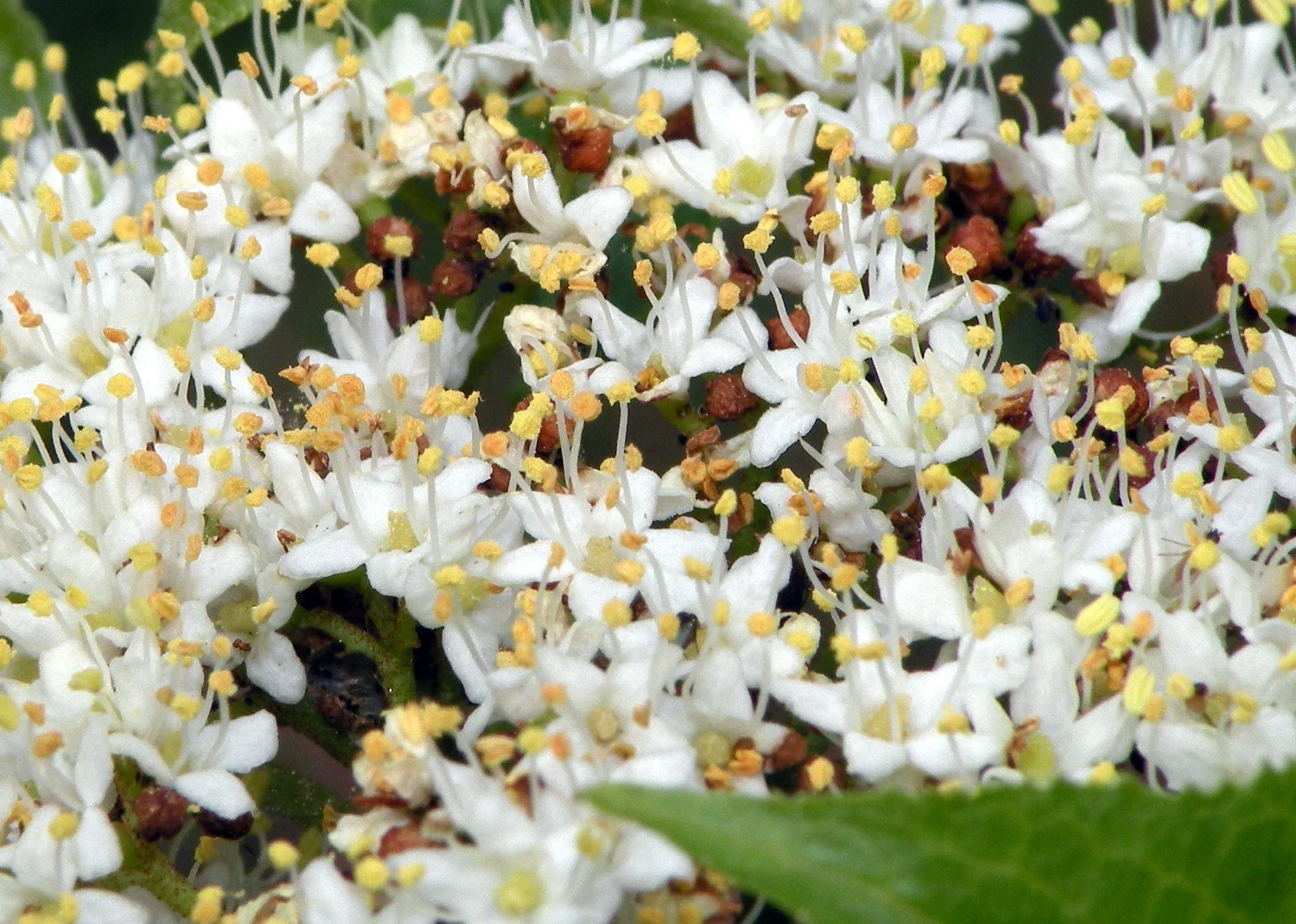
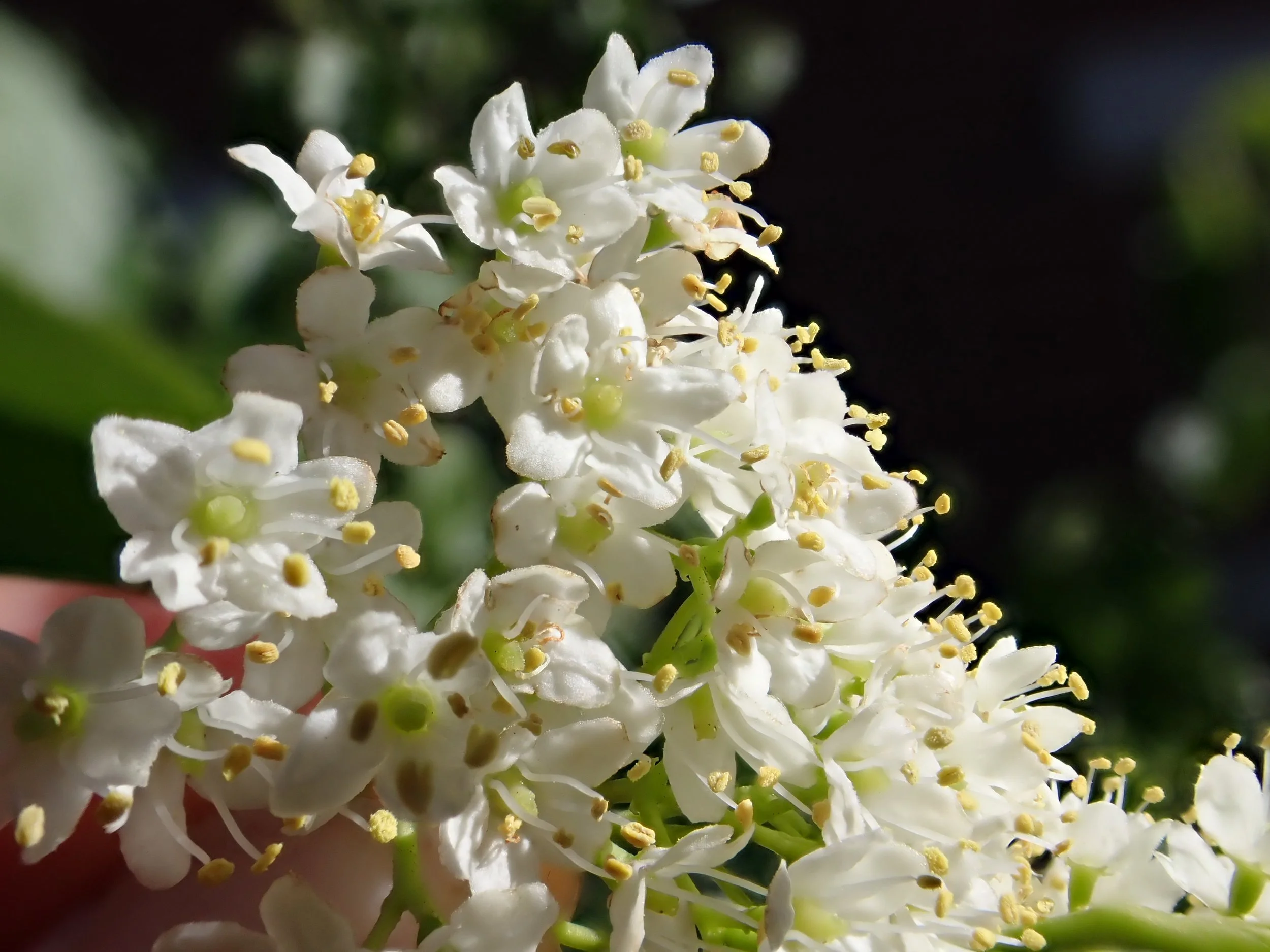
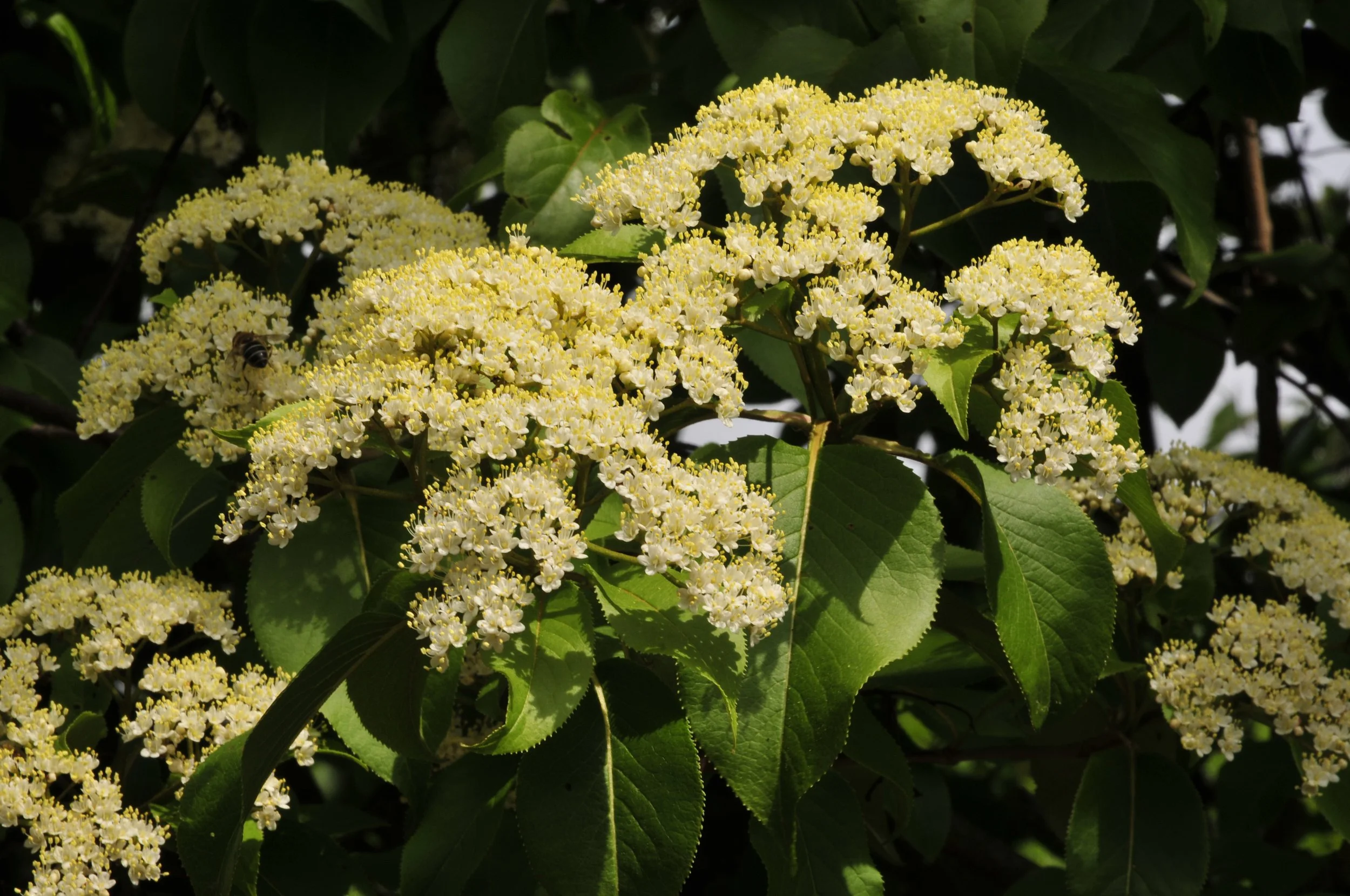
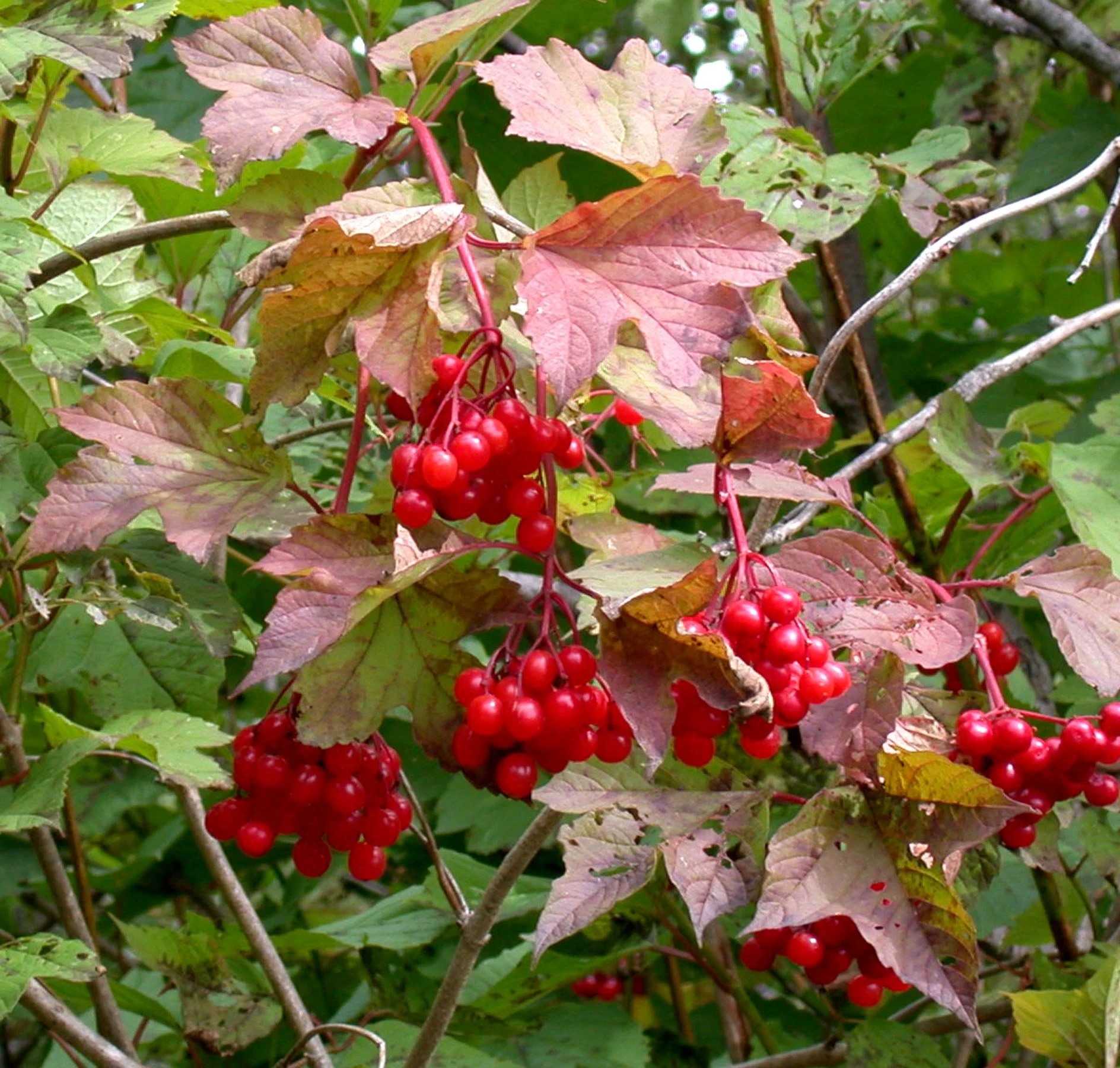
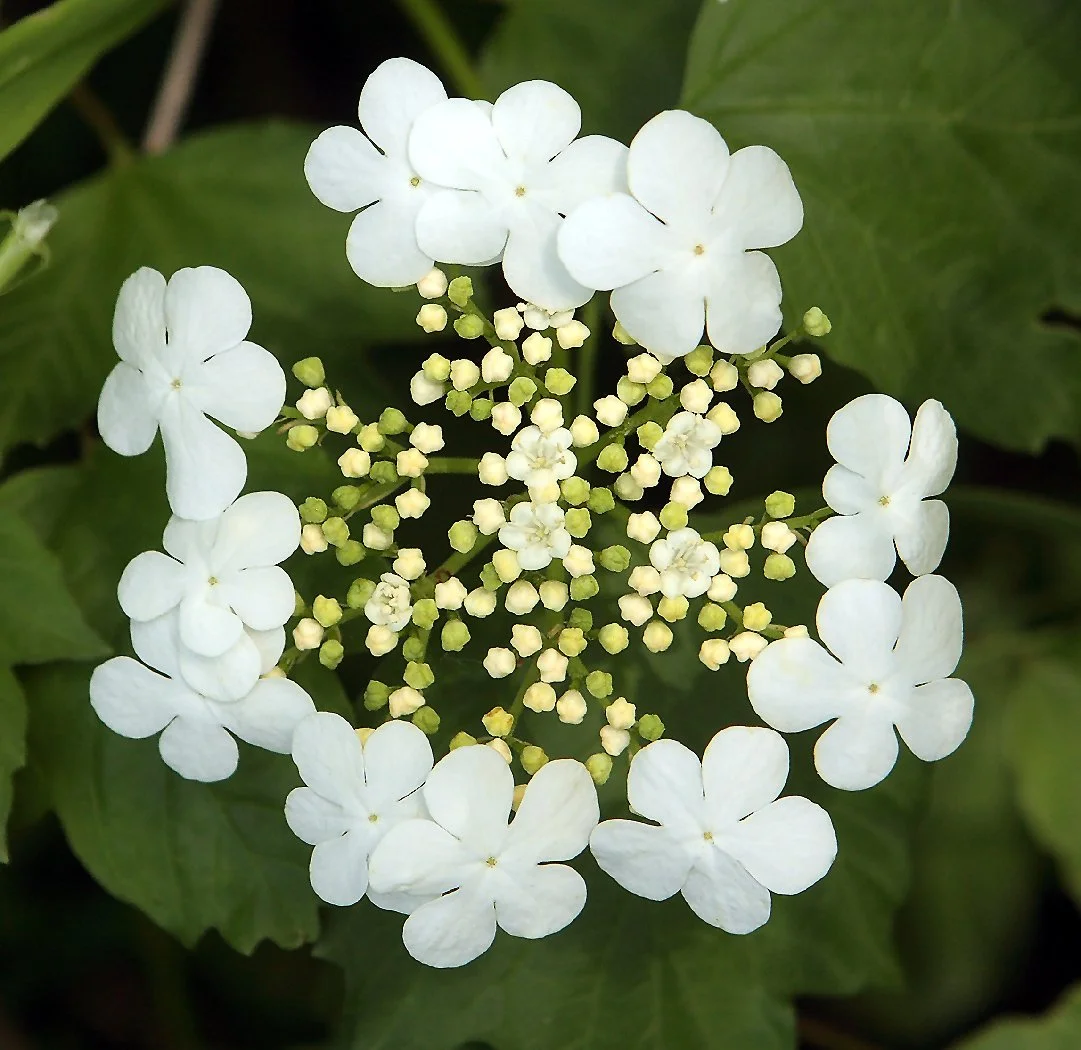
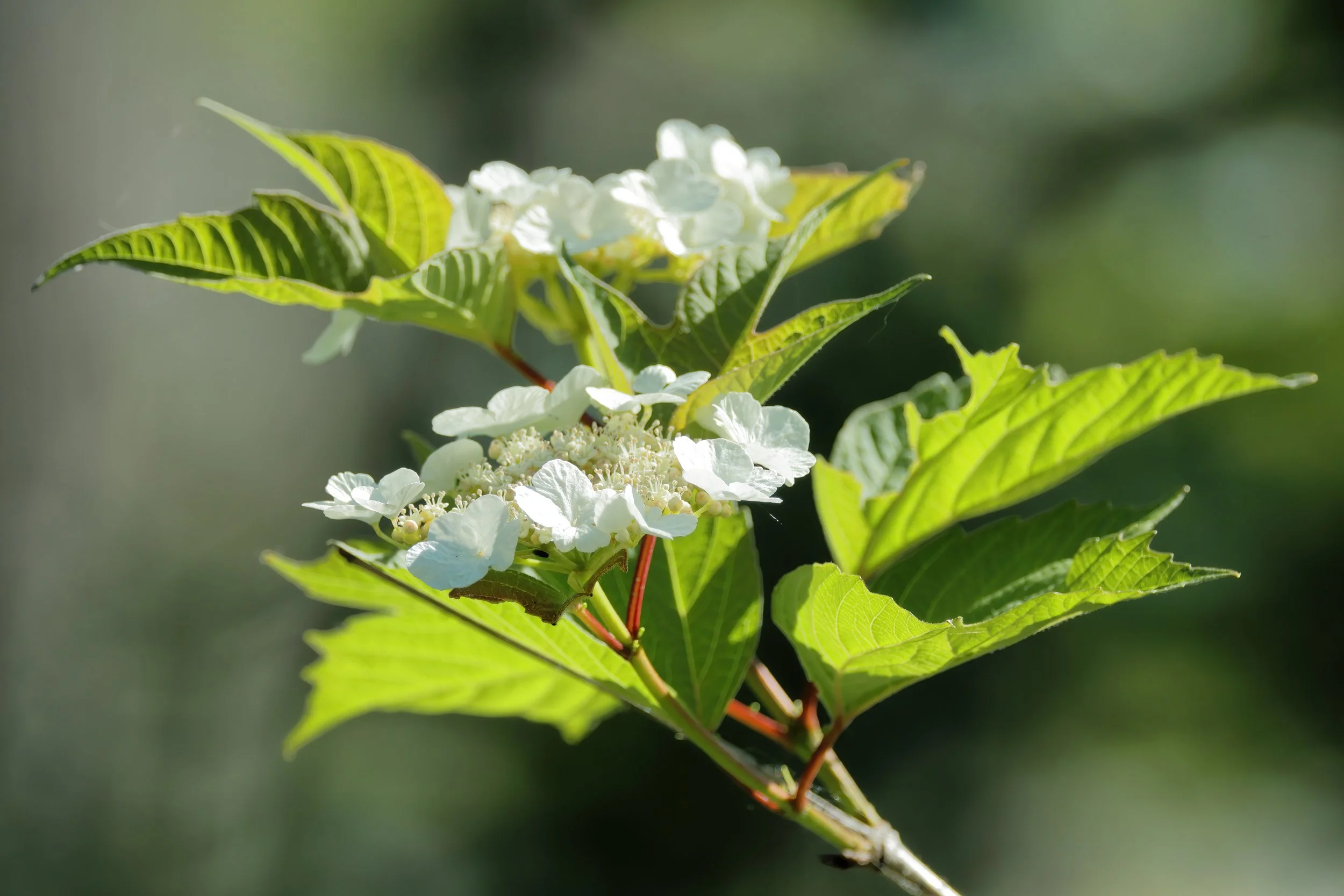
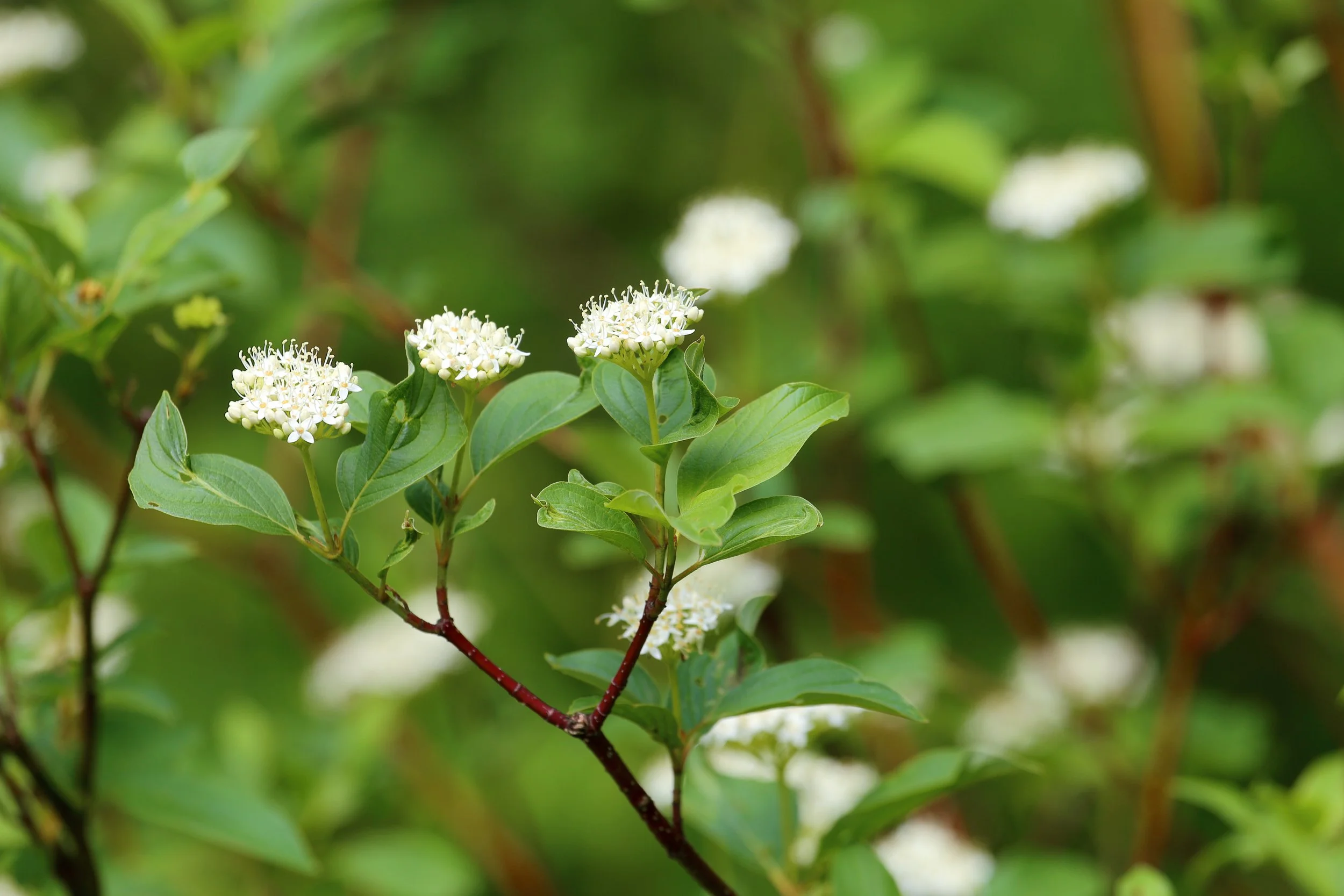
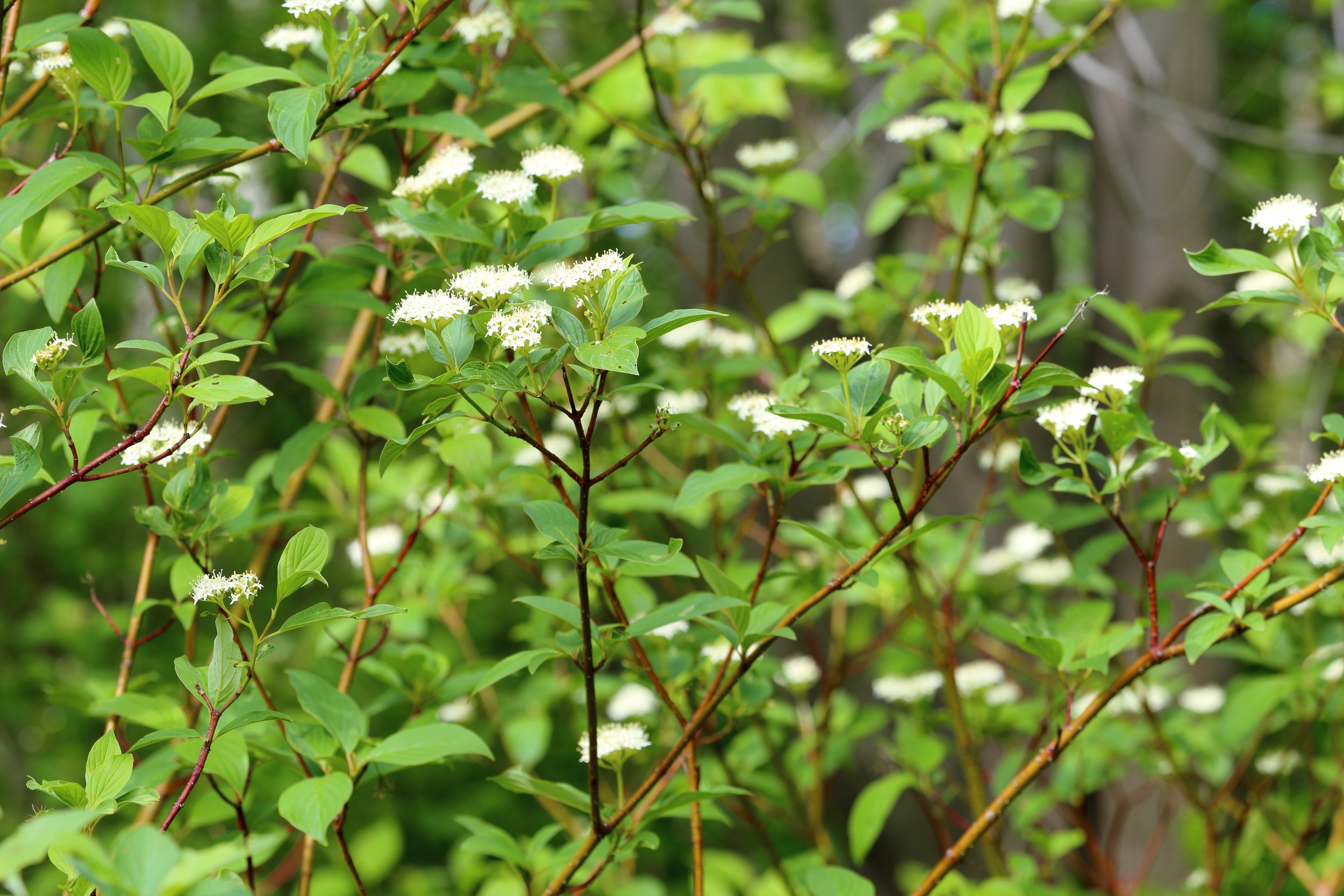
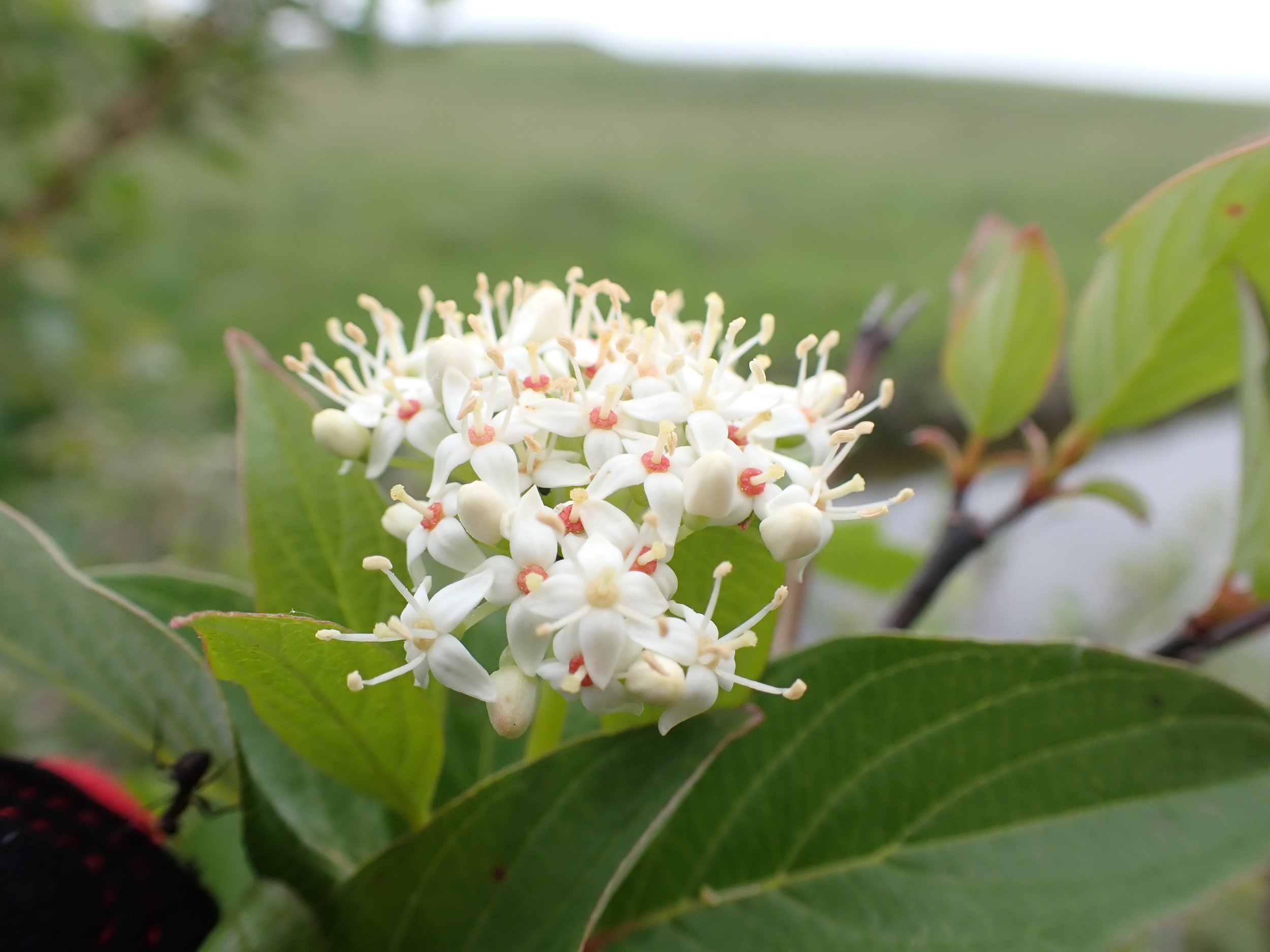
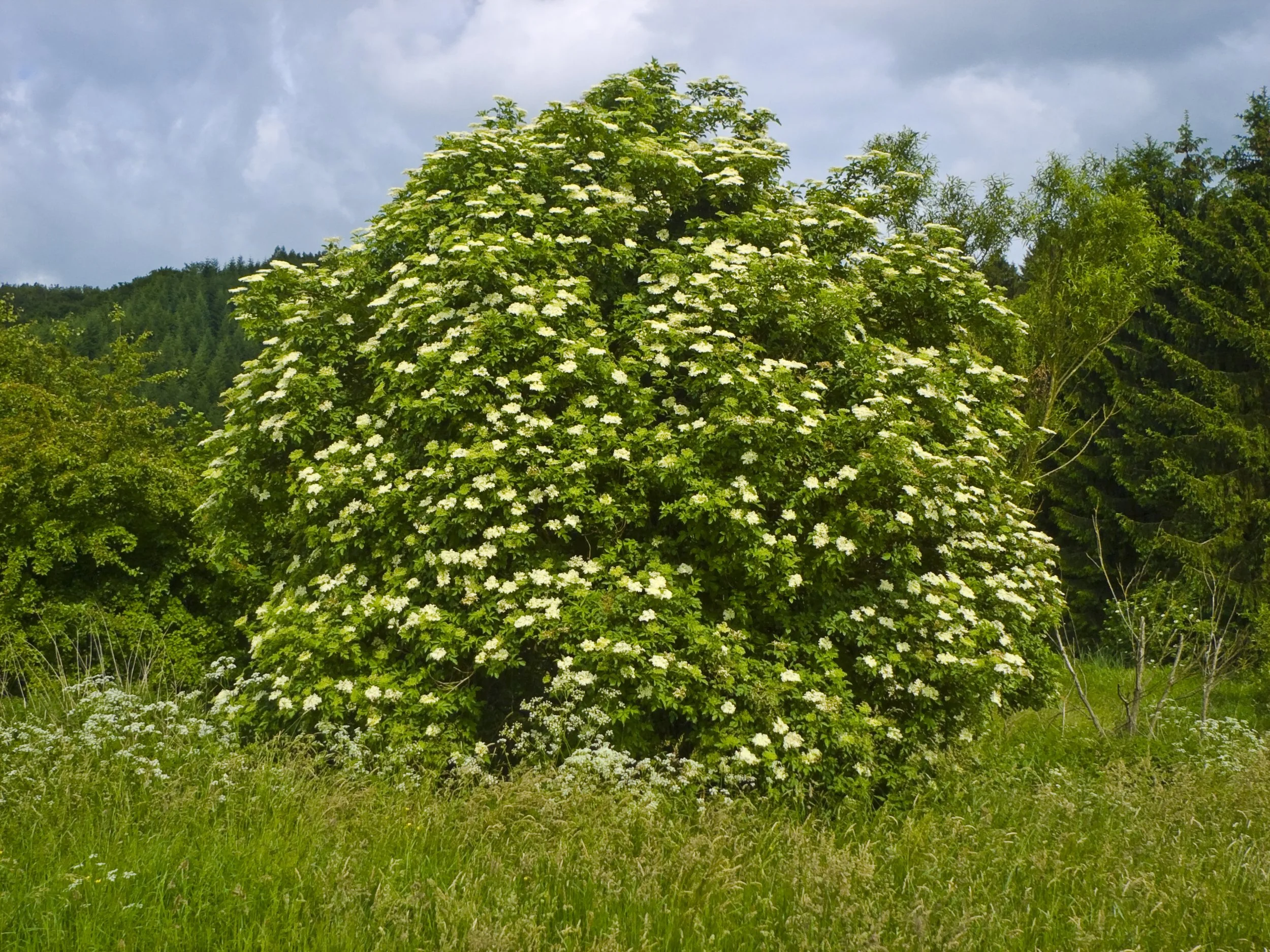
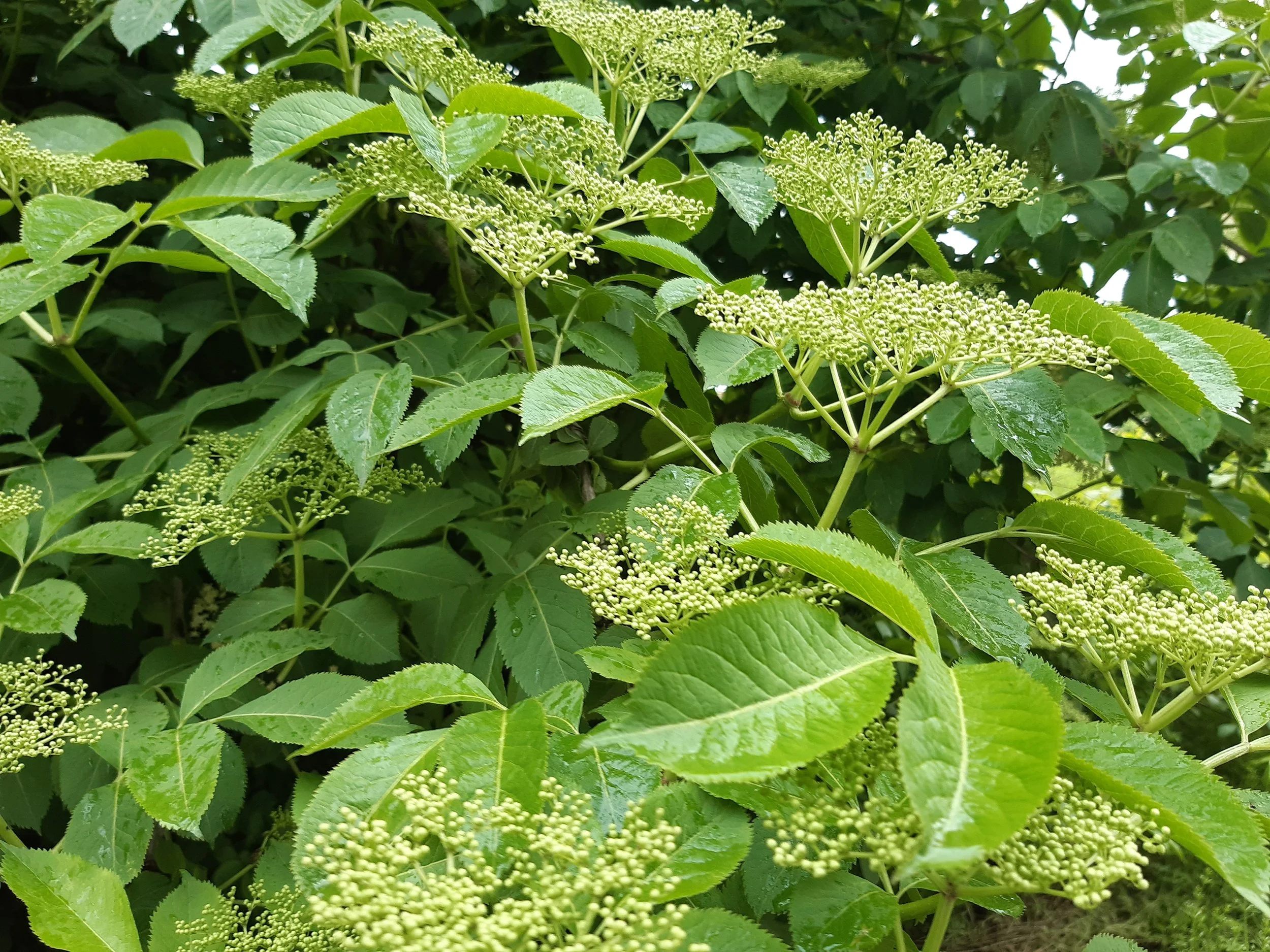
A hardy and adaptable native shrub or small tree, Choke Cherry is recognized for its showy clusters of fragrant white spring blossoms and small, dark red to black cherries that ripen in late summer. Its rounded form and glossy green leaves provide year-round interest, while its fruit adds rich color and value to naturalized plantings and wildlife gardens.
Well-suited to Northern Michigan (Zone 5a), Choke Cherry thrives in full sun to partial shade and tolerates a wide range of soils—from dry uplands to moist lowlands. It spreads by root suckers, forming attractive thickets that provide excellent cover for birds and small mammals.
Ecologically, Choke Cherry is an important native species for pollinators and wildlife. Its flowers attract bees and butterflies, and its berries are relished by songbirds, grouse, and mammals. Though tart and astringent raw, the fruit is prized in jams, jellies, and wines once cooked. Tough, beautiful, and ecologically vital, Choke Cherry brings both ornamental charm and habitat value to Michigan’s landscapes.
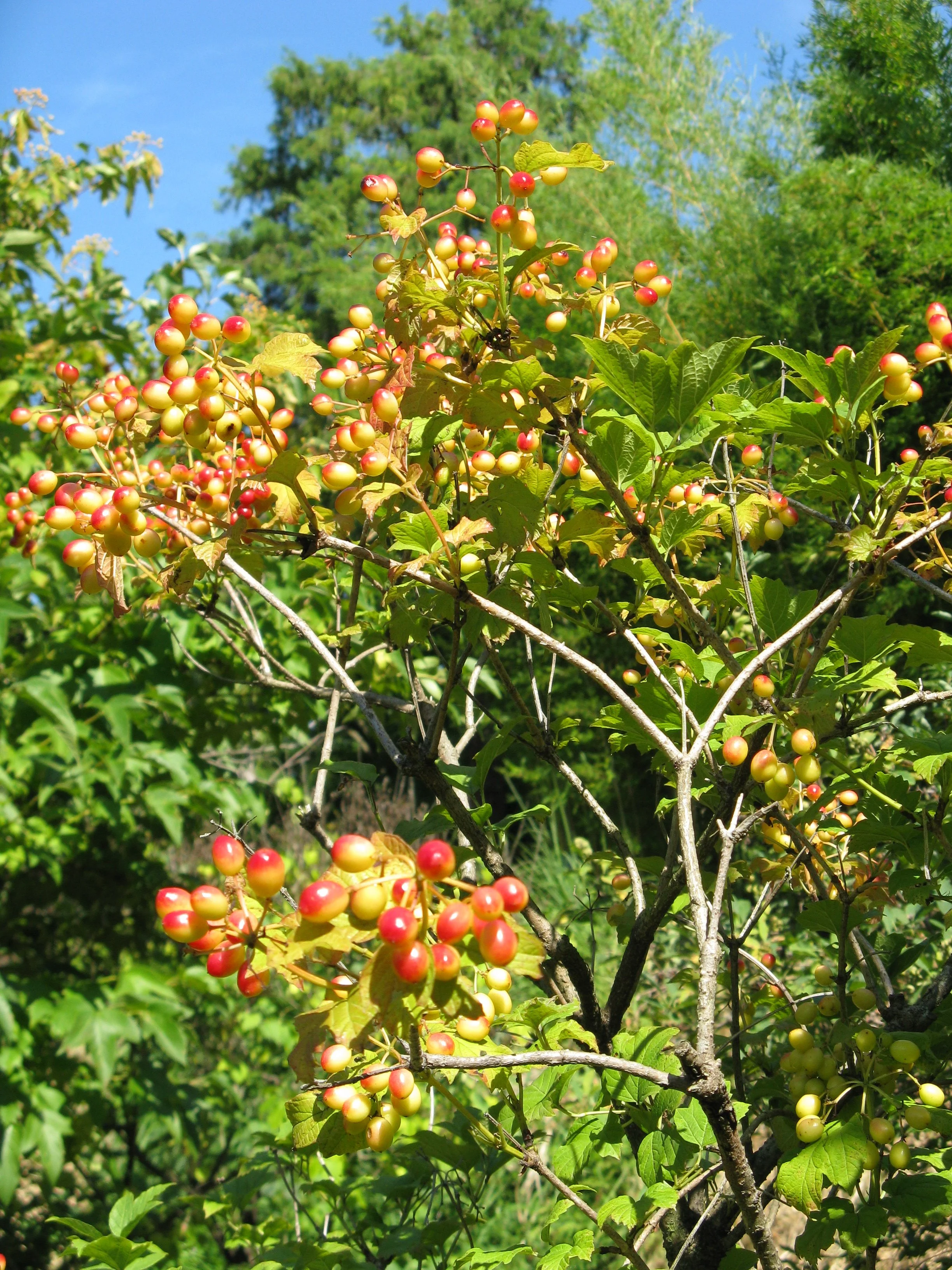
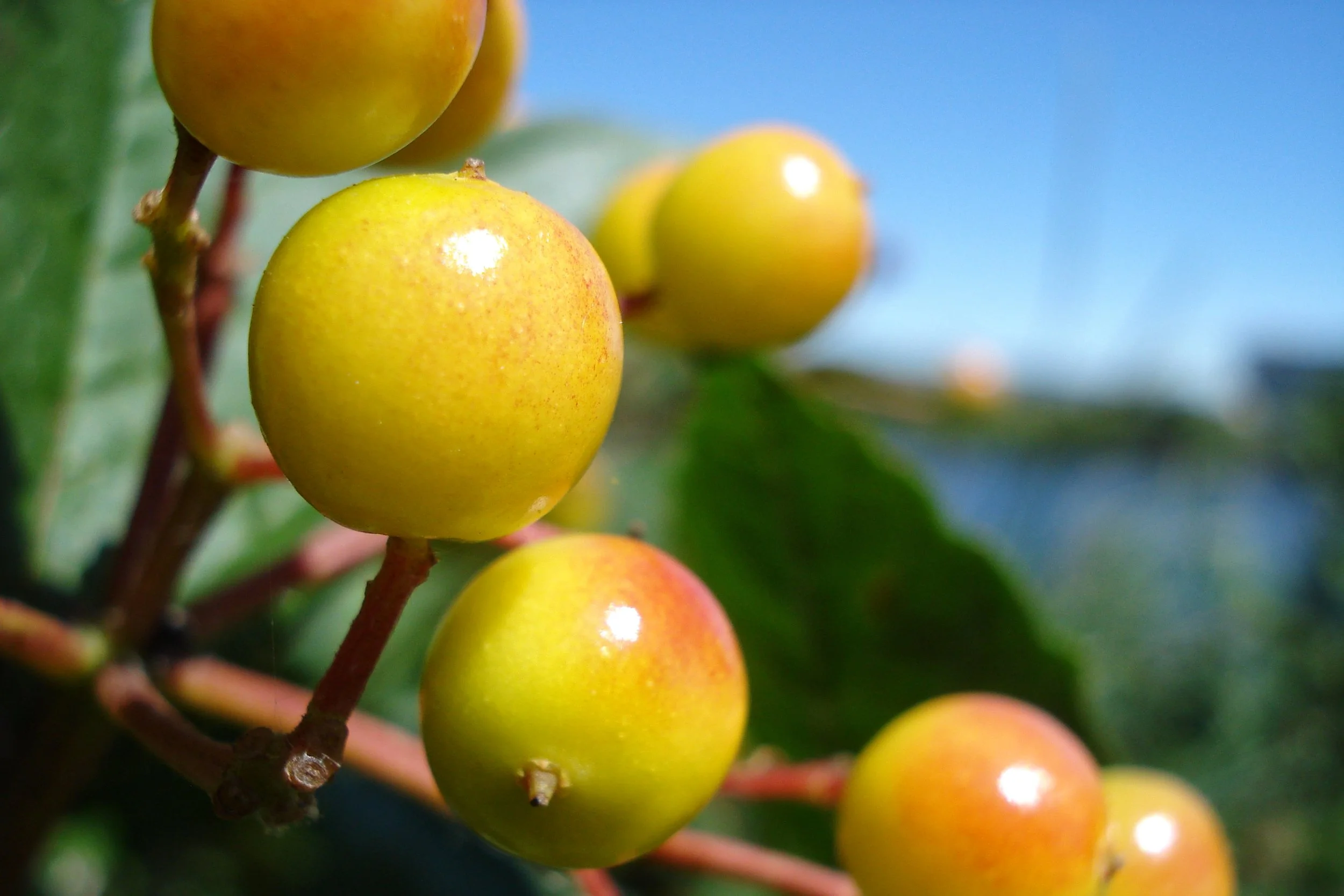
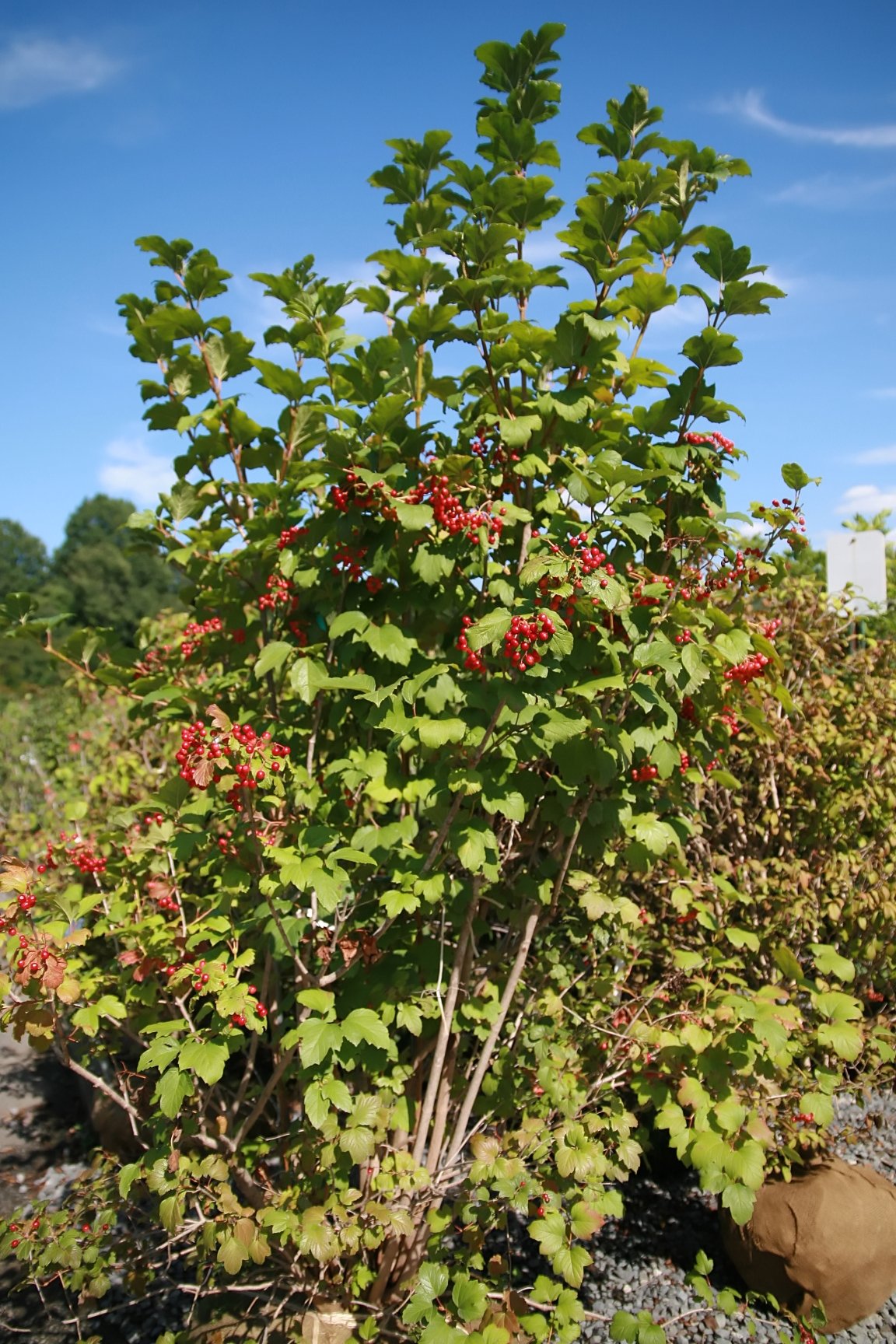
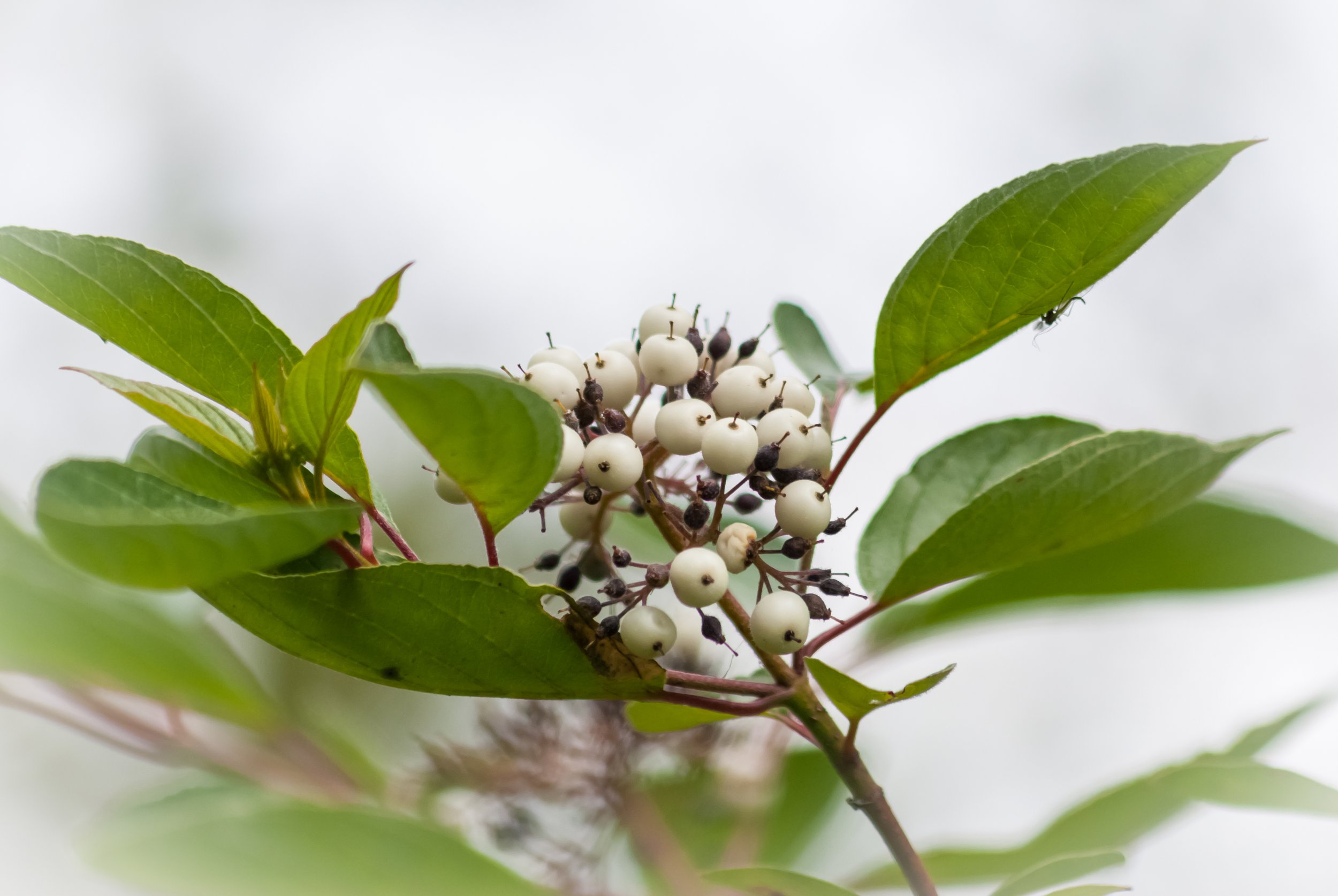
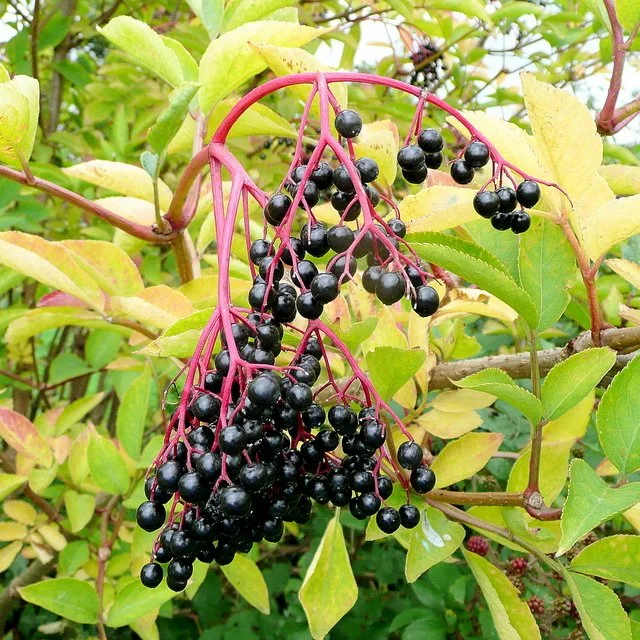
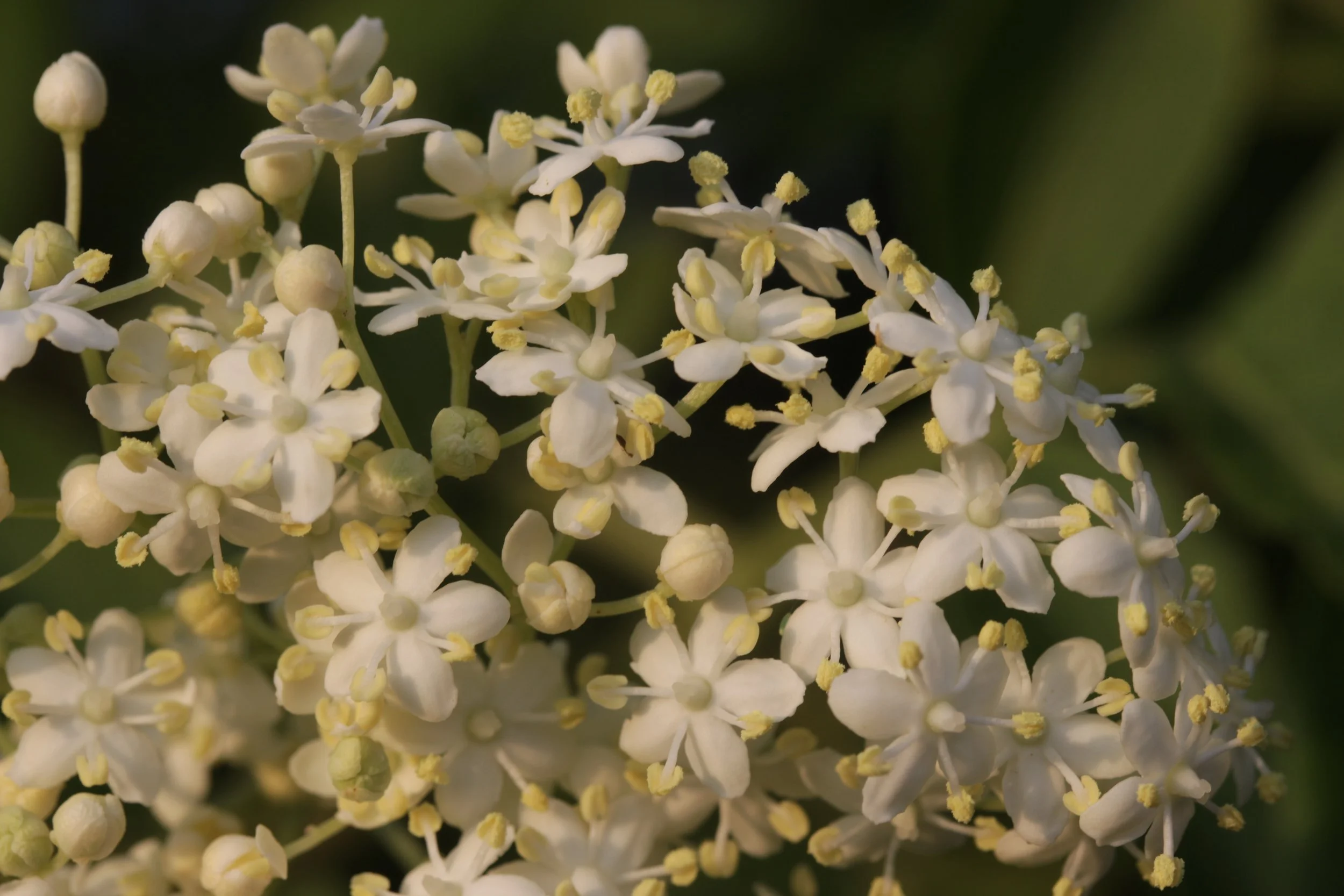
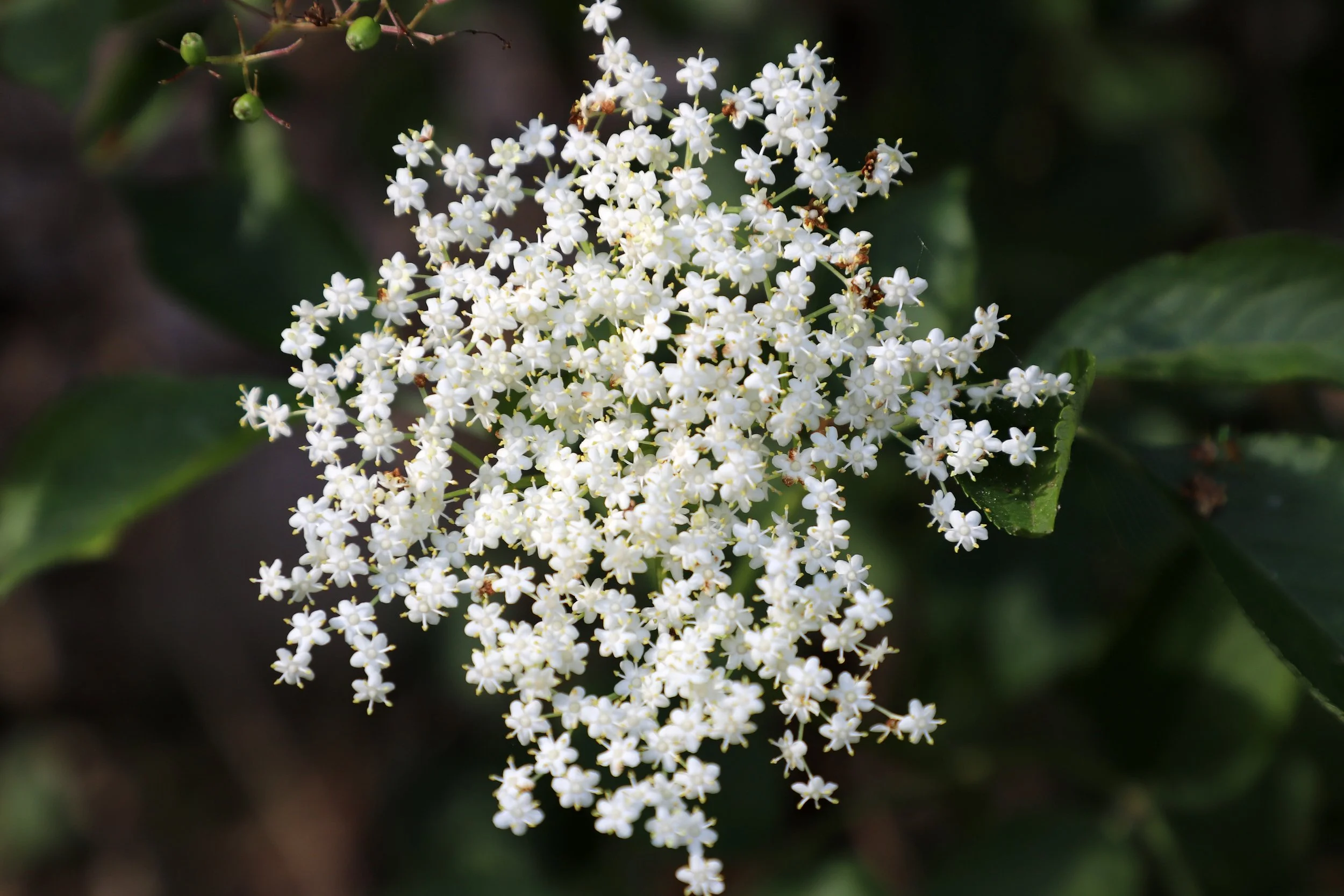
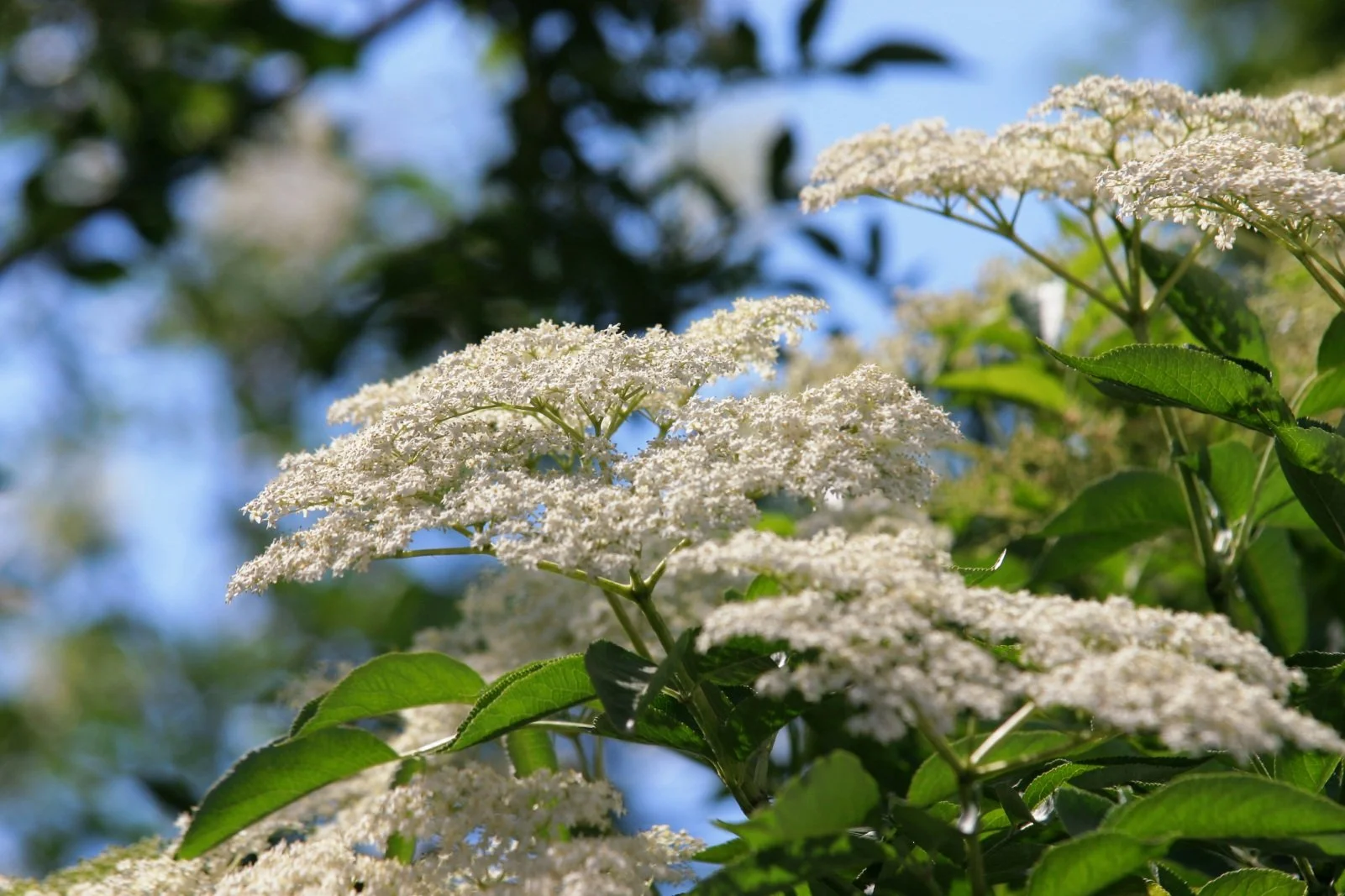
Identification / Key Features: Small tree or large shrub with dark green, oval leaves and clusters of small white flowers in spring. Produces dark purple to black berries in late summer. Bark is smooth when young, becoming scaly with age.
Mature Height / Size: 15–30 feet.
Growth Rate: Fast.
Light / Soil / Site Preferences: Prefers full sun to partial shade and well-drained soils; tolerates a range of soil types.
Wildlife Value / Ecological Role: Berries provide food for birds and mammals; flowers attract pollinators. Offers cover and nesting habitat.
Uses / Economic / Cultural: Used in wildlife plantings, naturalized landscapes, and for jams or jellies from fruit.
Quantity (per bundle) 25
Size (12-18”)
A hardy and adaptable native shrub or small tree, Choke Cherry is recognized for its showy clusters of fragrant white spring blossoms and small, dark red to black cherries that ripen in late summer. Its rounded form and glossy green leaves provide year-round interest, while its fruit adds rich color and value to naturalized plantings and wildlife gardens.
Well-suited to Northern Michigan (Zone 5a), Choke Cherry thrives in full sun to partial shade and tolerates a wide range of soils—from dry uplands to moist lowlands. It spreads by root suckers, forming attractive thickets that provide excellent cover for birds and small mammals.
Ecologically, Choke Cherry is an important native species for pollinators and wildlife. Its flowers attract bees and butterflies, and its berries are relished by songbirds, grouse, and mammals. Though tart and astringent raw, the fruit is prized in jams, jellies, and wines once cooked. Tough, beautiful, and ecologically vital, Choke Cherry brings both ornamental charm and habitat value to Michigan’s landscapes.
Identification / Key Features: Small tree or large shrub with dark green, oval leaves and clusters of small white flowers in spring. Produces dark purple to black berries in late summer. Bark is smooth when young, becoming scaly with age.
Mature Height / Size: 15–30 feet.
Growth Rate: Fast.
Light / Soil / Site Preferences: Prefers full sun to partial shade and well-drained soils; tolerates a range of soil types.
Wildlife Value / Ecological Role: Berries provide food for birds and mammals; flowers attract pollinators. Offers cover and nesting habitat.
Uses / Economic / Cultural: Used in wildlife plantings, naturalized landscapes, and for jams or jellies from fruit.

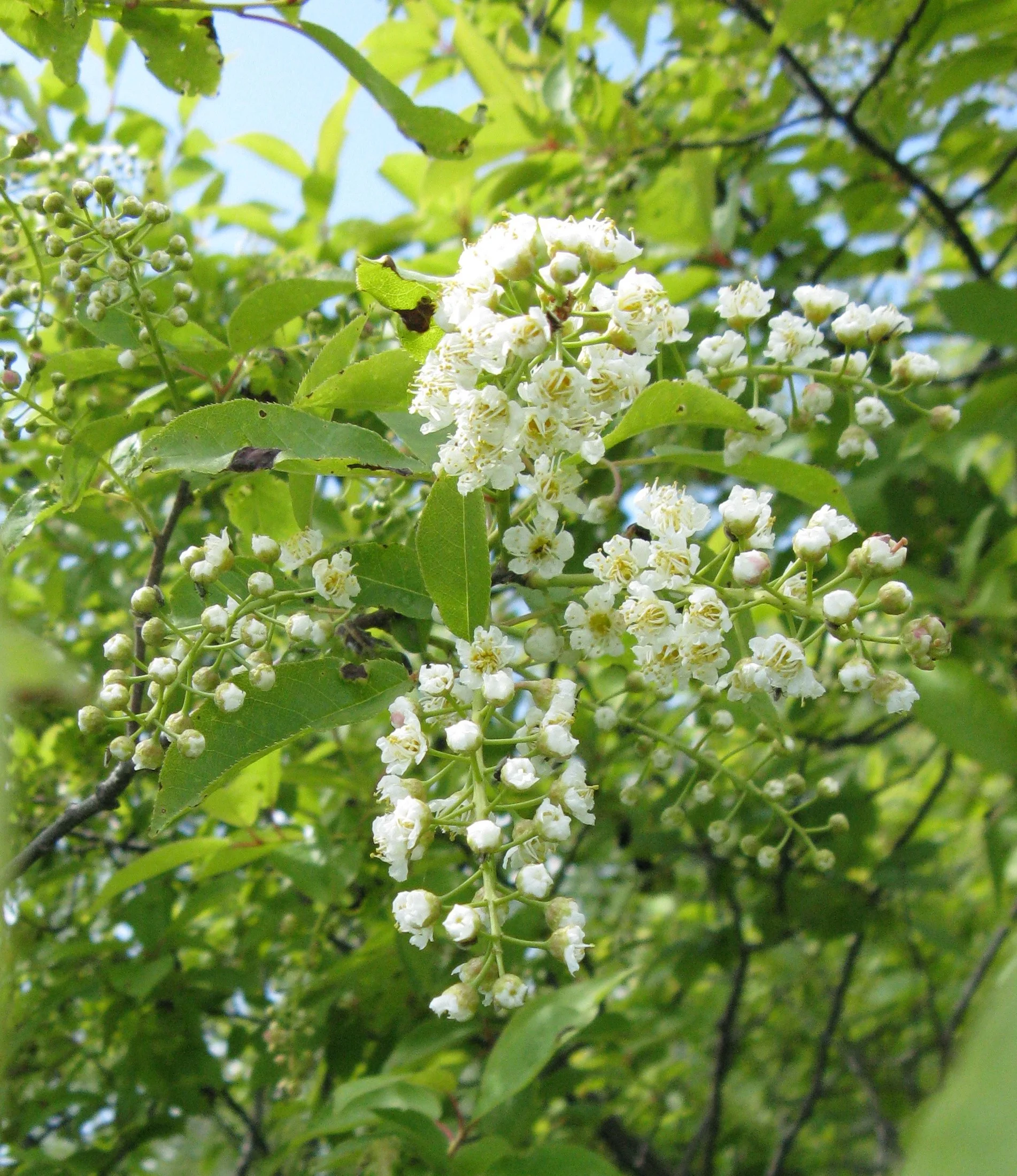 Image 1 of 6
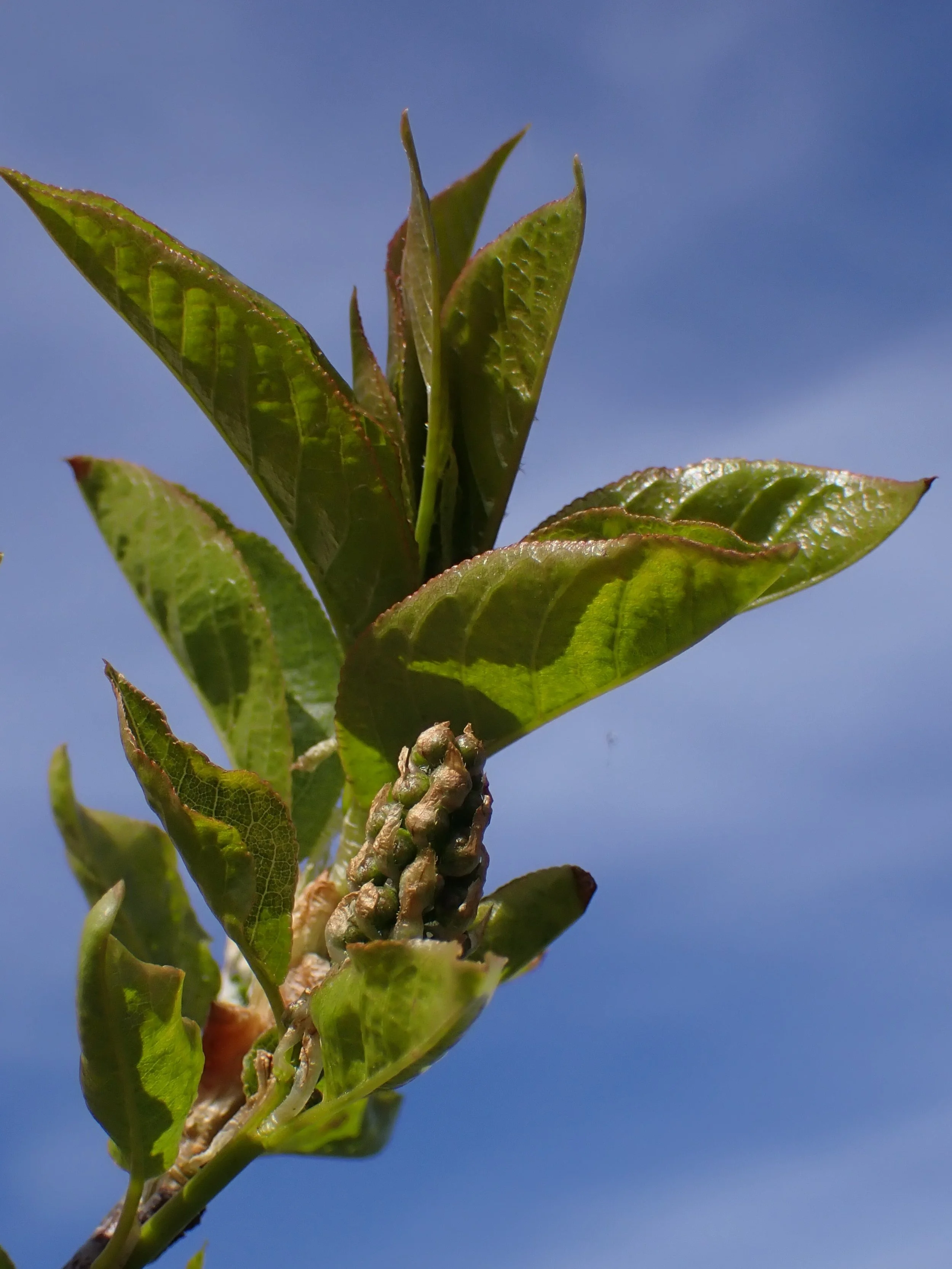 Image 2 of 6
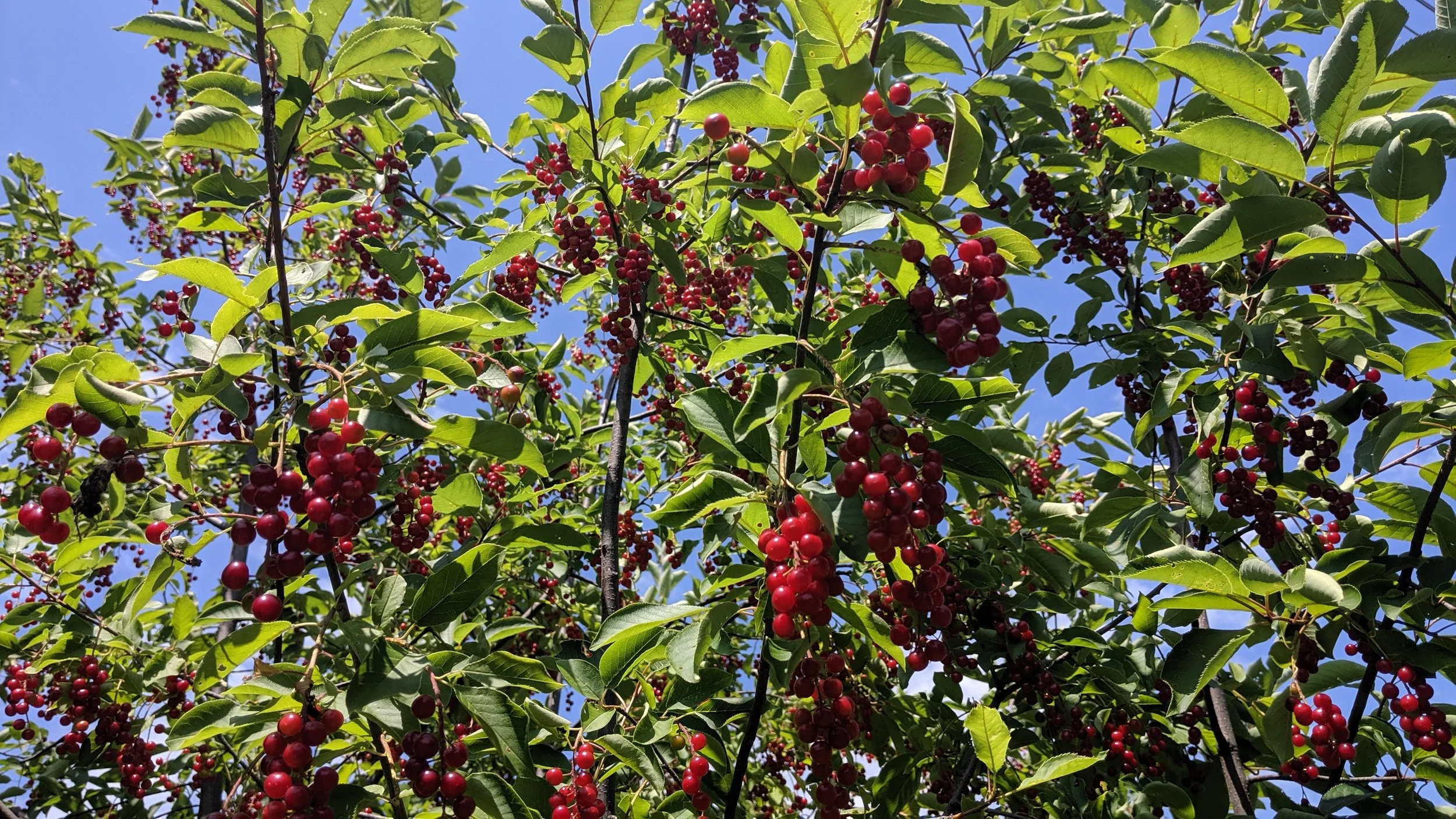 Image 3 of 6
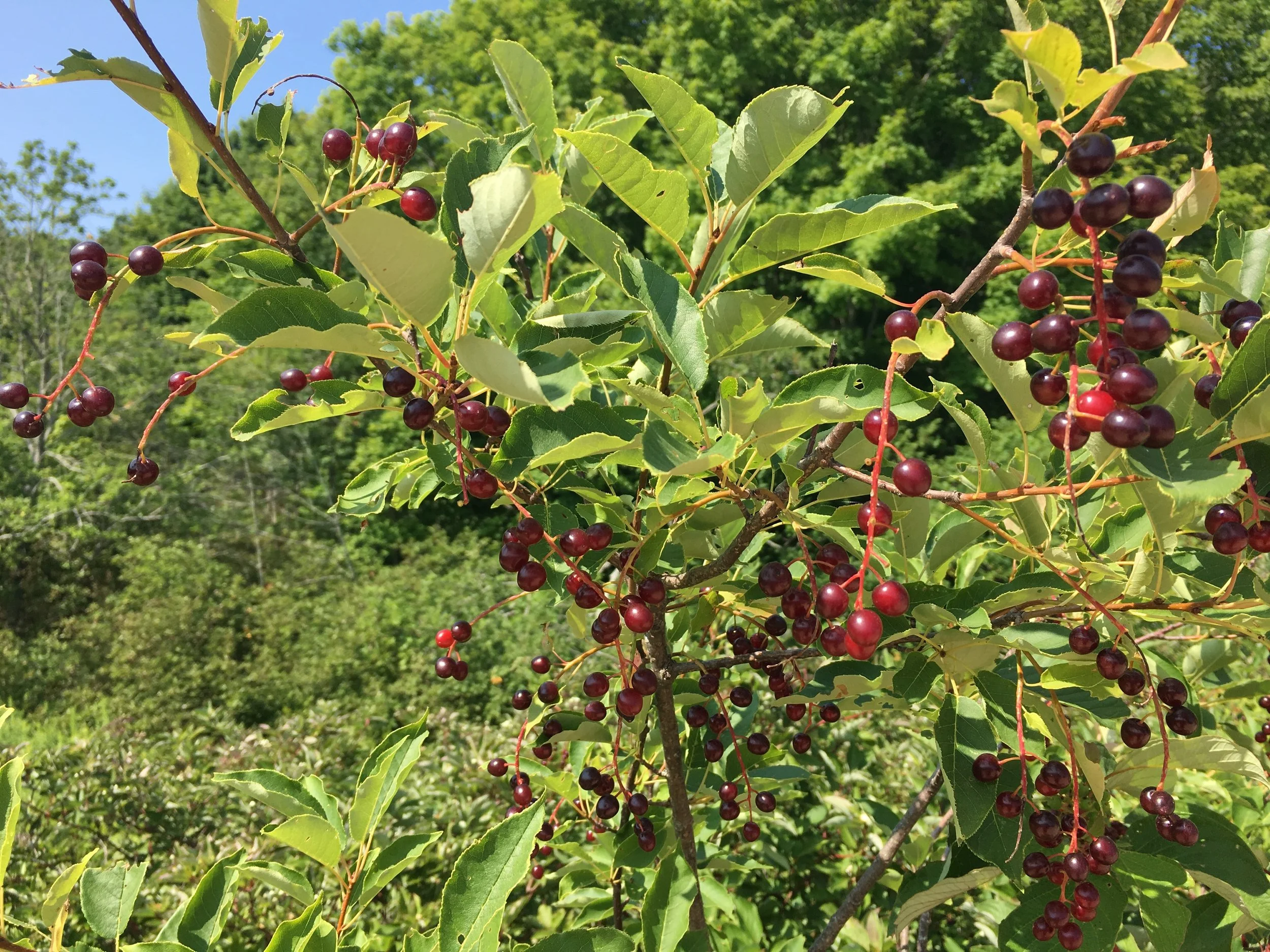 Image 4 of 6
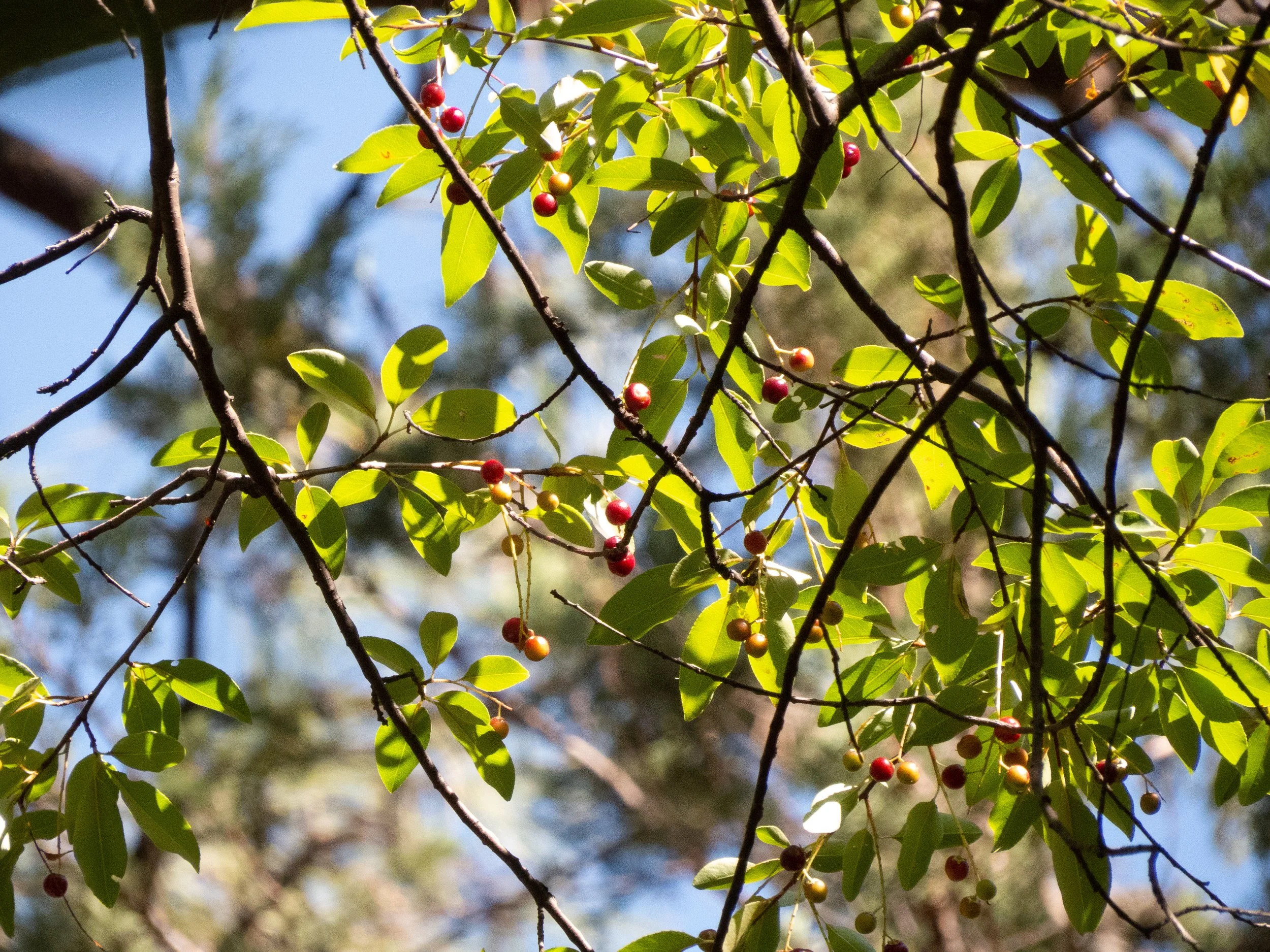 Image 5 of 6
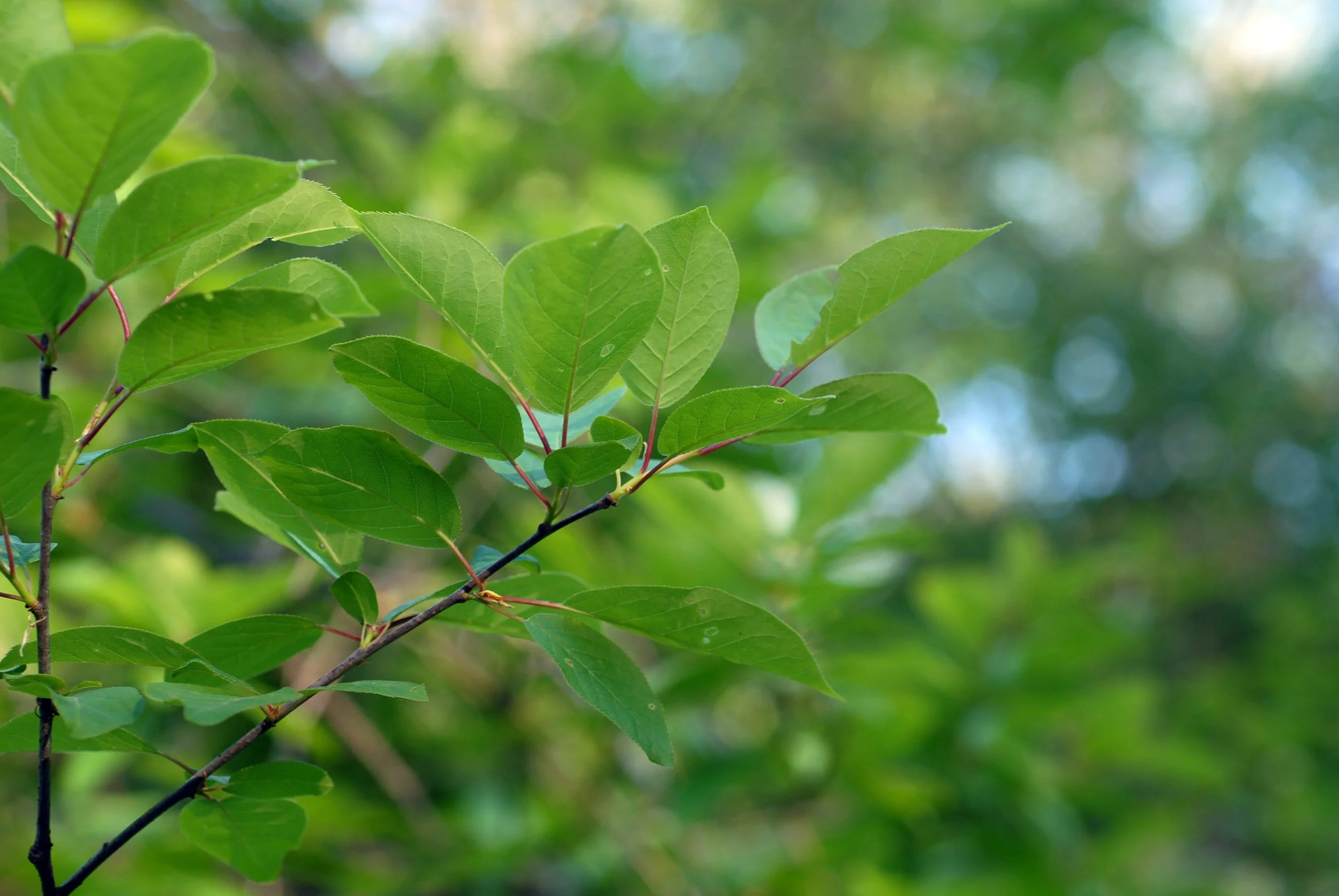 Image 6 of 6