Image 1 of 2
![[[File:Dolgo.jpg|Dolgo]]](https://images.squarespace-cdn.com/content/v1/6824b99b0162611c9e37dcf6/84a1daf3-4122-4741-9012-b1dcd53fbe63/Dolgo.jpg) Image 2 of 2
Image 2 of 2
Quantity (per bundle) 25
Size (12-18”) Seed grown, not grafted
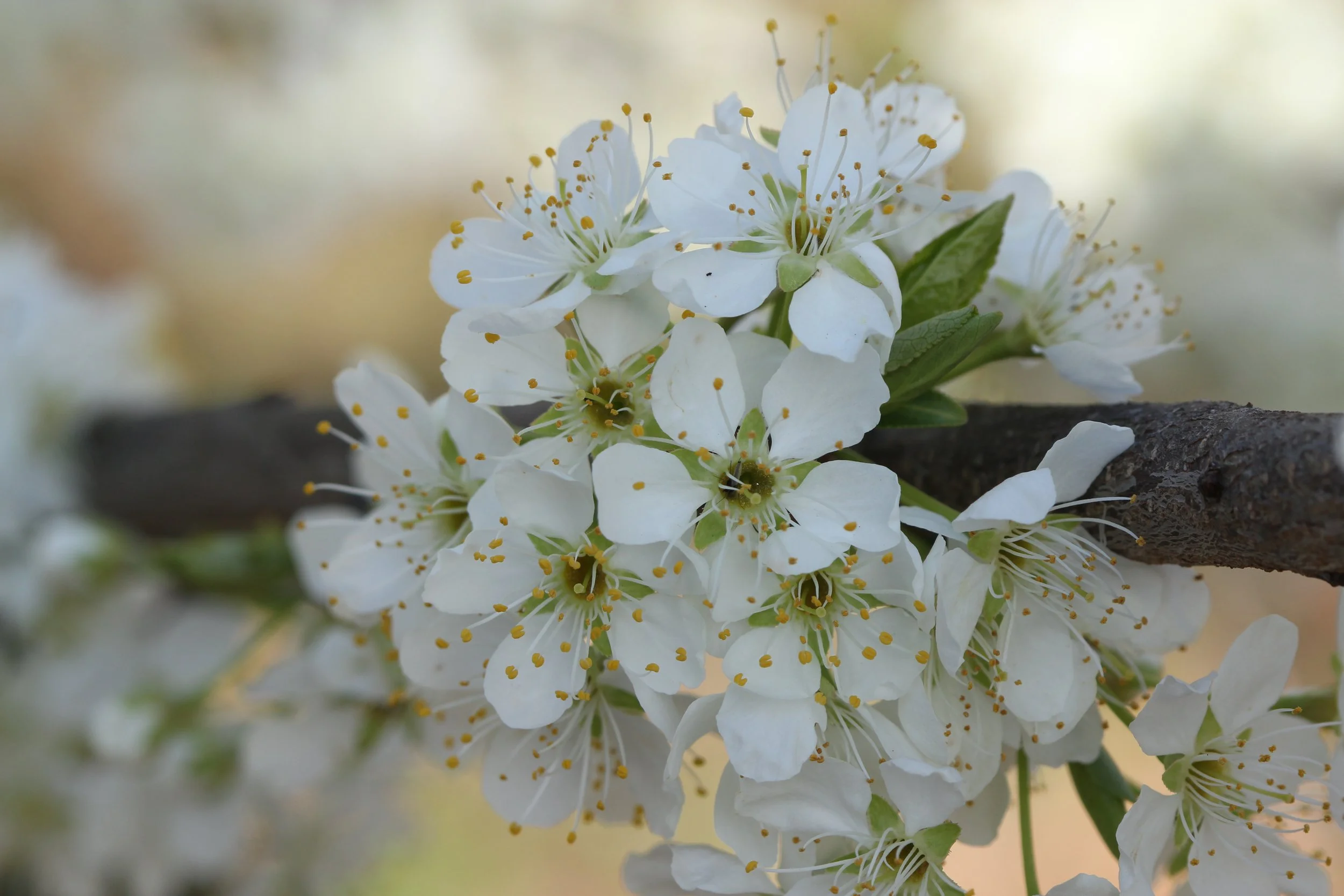
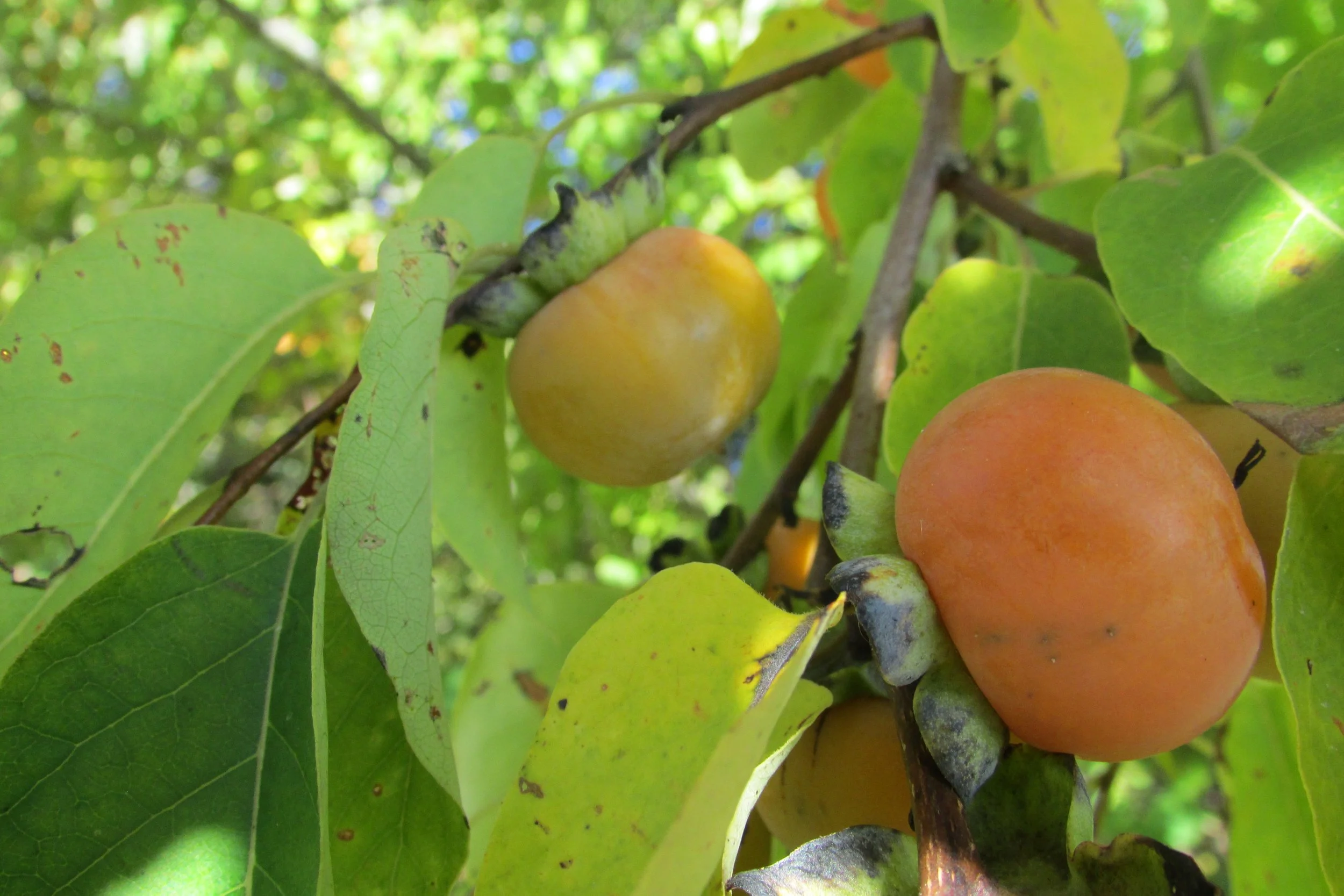
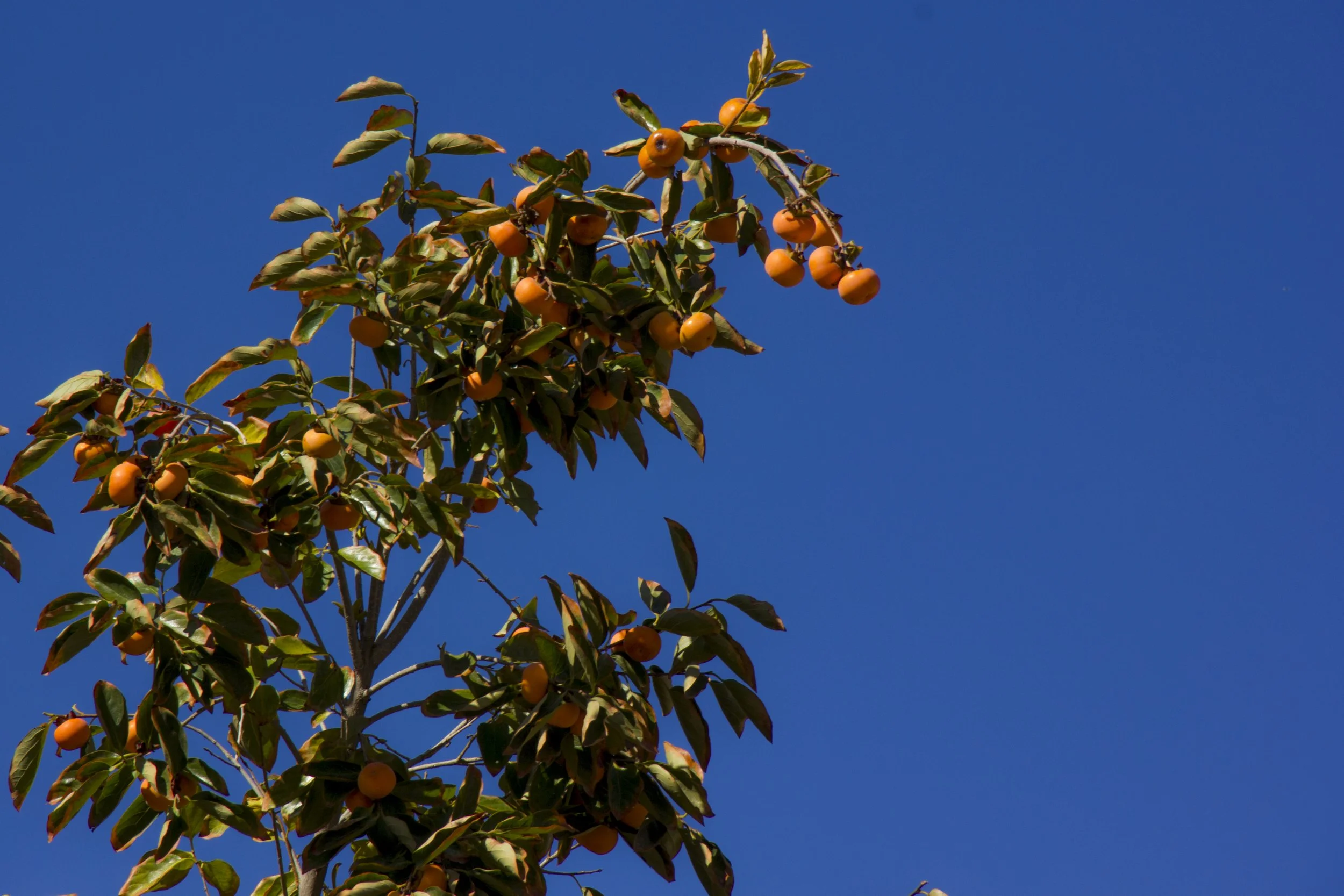
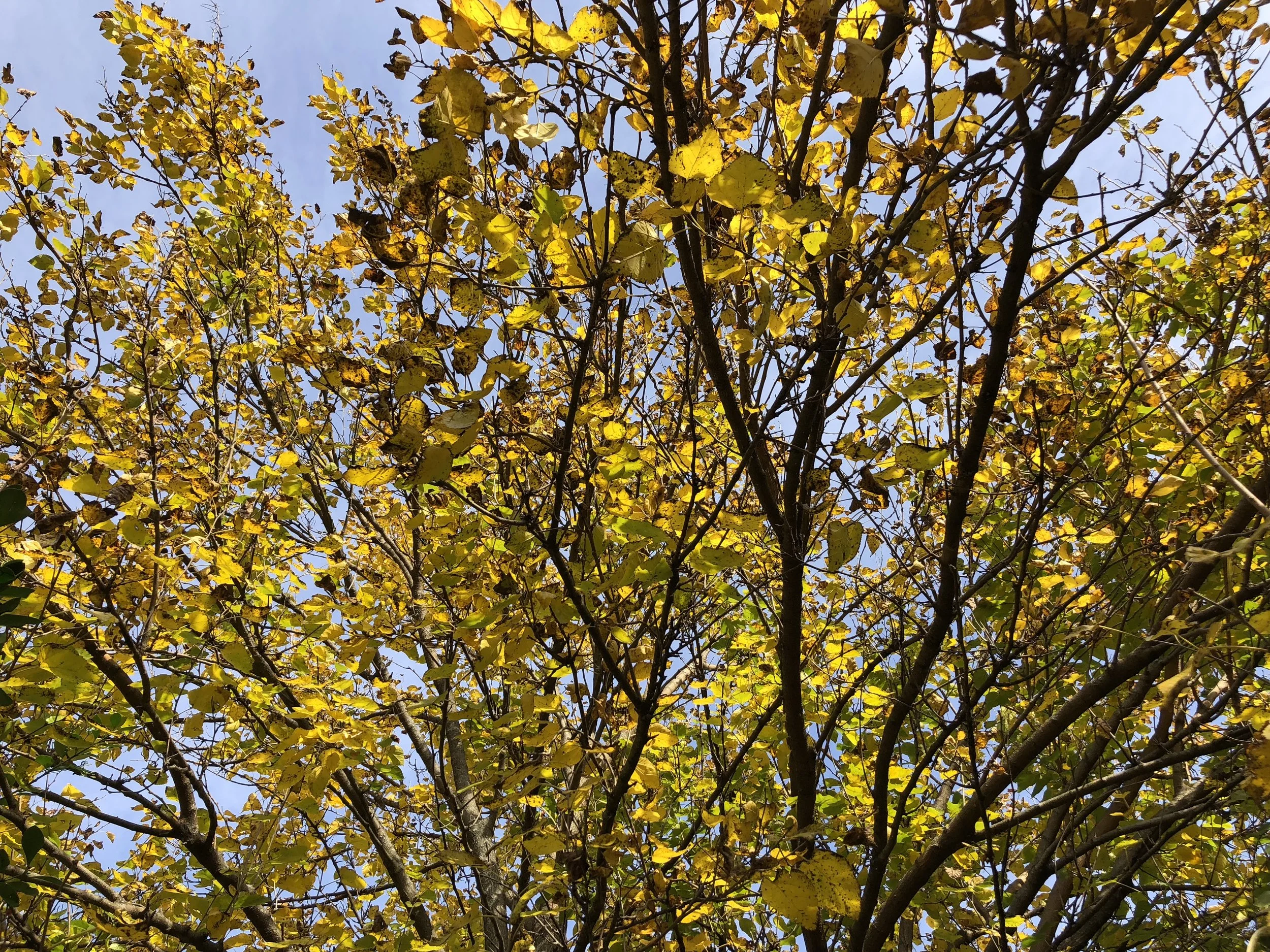
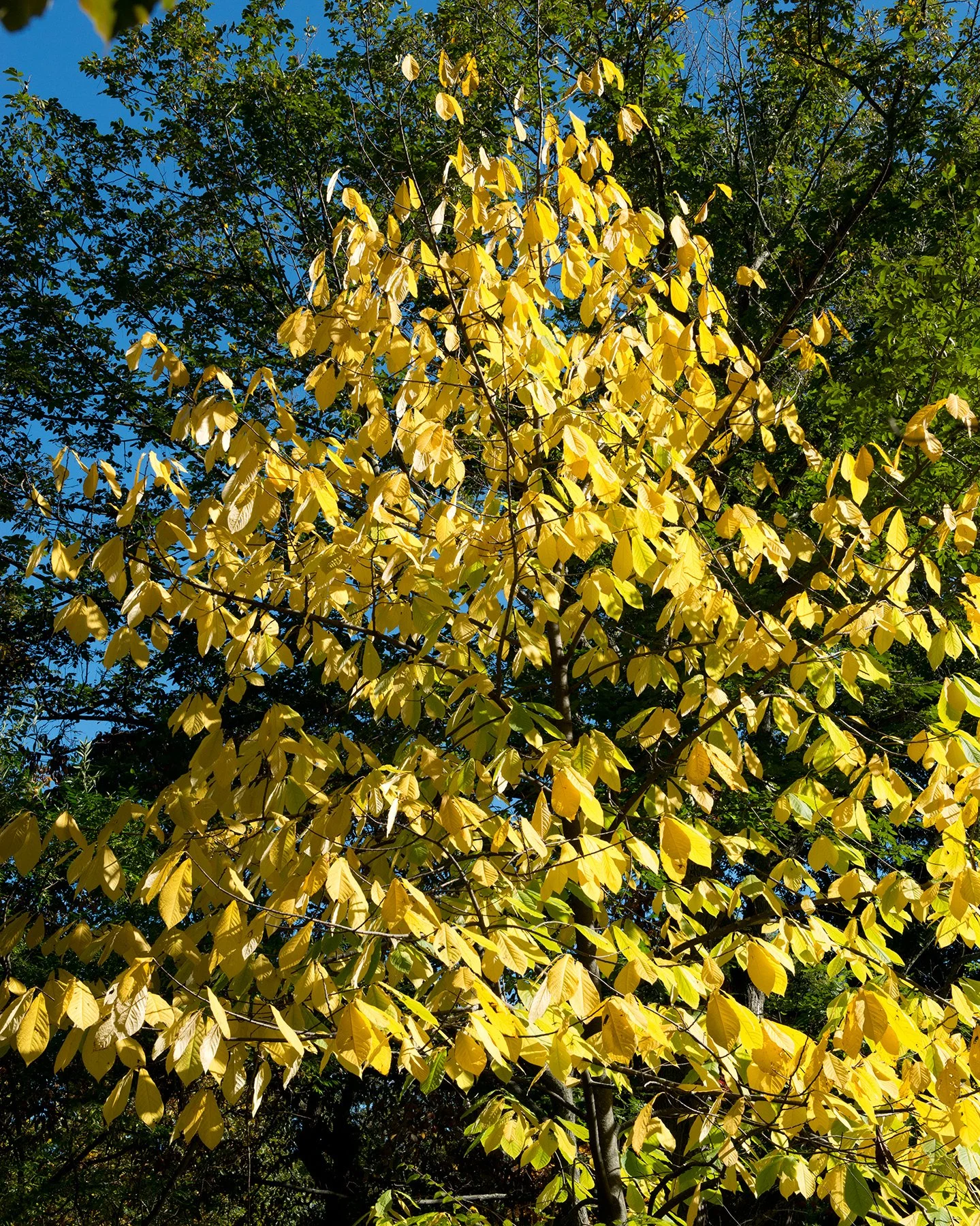
A hardy fruit tree, Dolgo Crabapple is admired for its clouds of fragrant white blossoms in spring and its abundant, matte colored red fruit in late summer. Its bright green foliage turns golden-yellow in fall, creating year-round visual appeal. With its rounded form and fine branching, Dolgo Crabapple adds color, texture, and seasonal interest to any northern landscape.
Well-suited to Northern Michigan (Zone 5a), Dolgo Crabapple thrives in full sun and well-drained soils, adapting to a variety of conditions including sandy or loamy sites. It’s cold-hardy, disease-resistant, and reliable, making it an excellent choice for home orchards, pollinator plantings, or wildlife gardens.
Ecologically, Dolgo Crabapple supports bees and butterflies with its early-season blooms, while its small, tart fruits provide a vital late-summer food source for birds and mammals. The fruit is also prized for jellies, ciders, and preserves, blending ornamental beauty with practical value—an enduring favorite across Michigan’s landscapes.
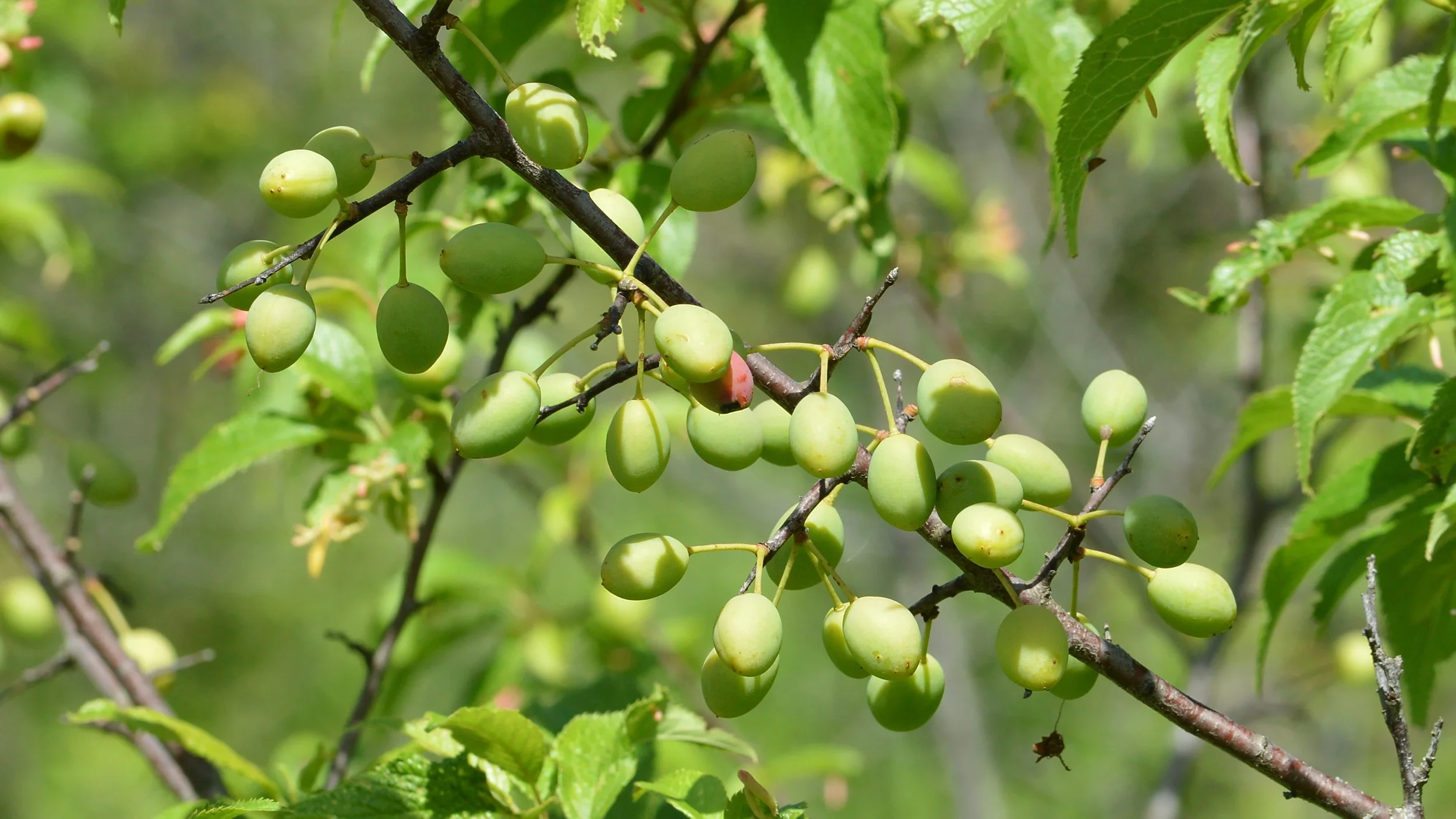
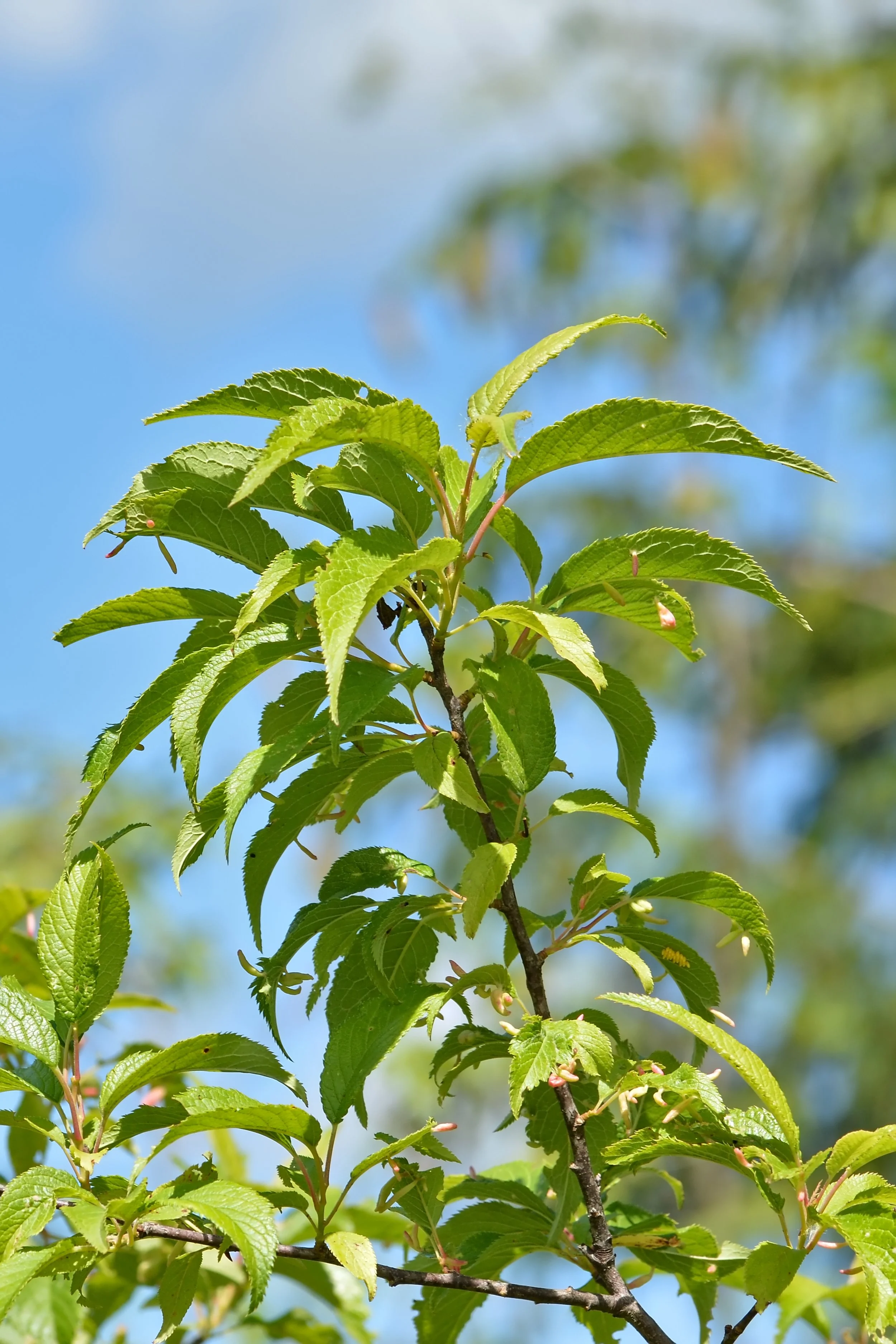
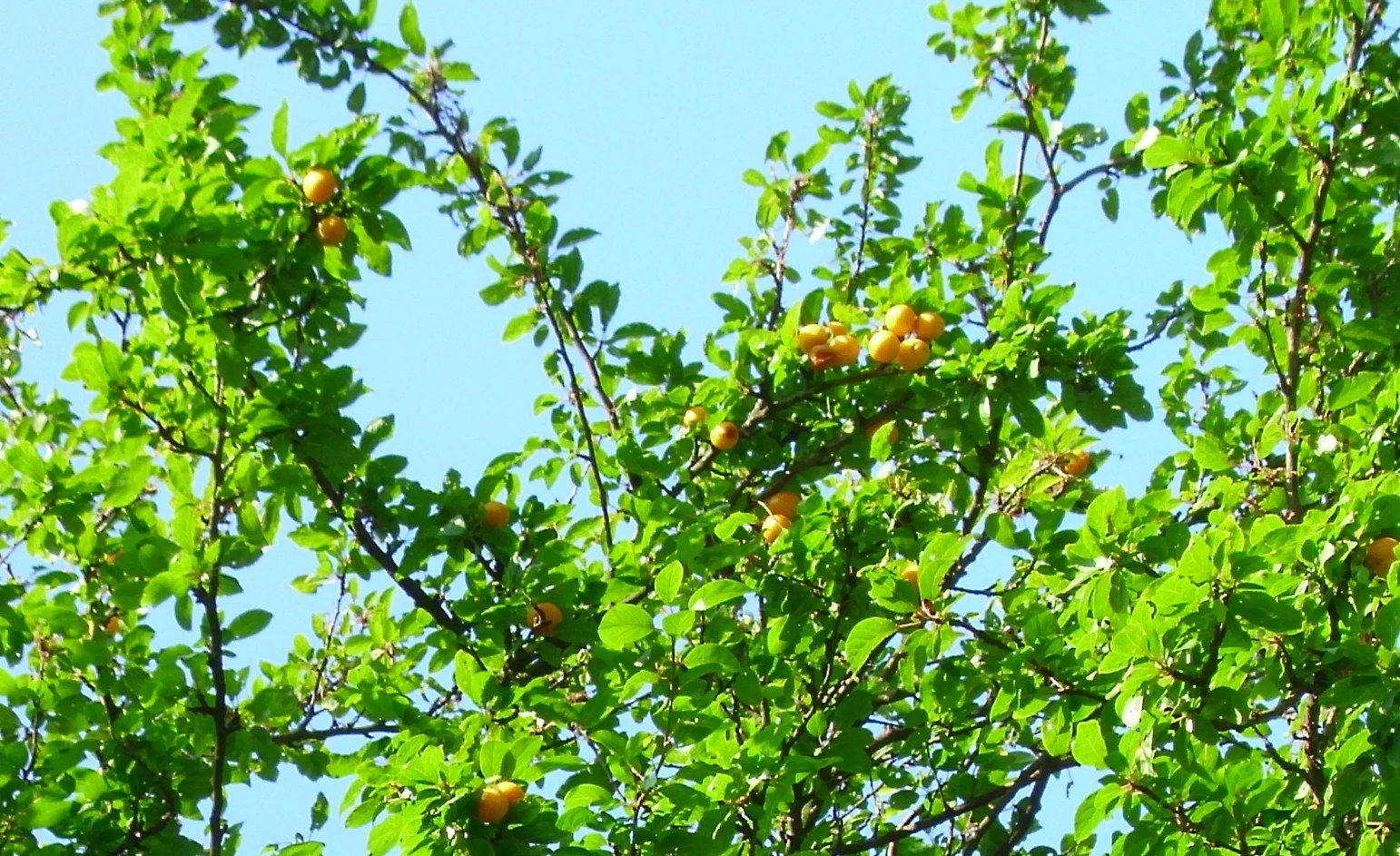
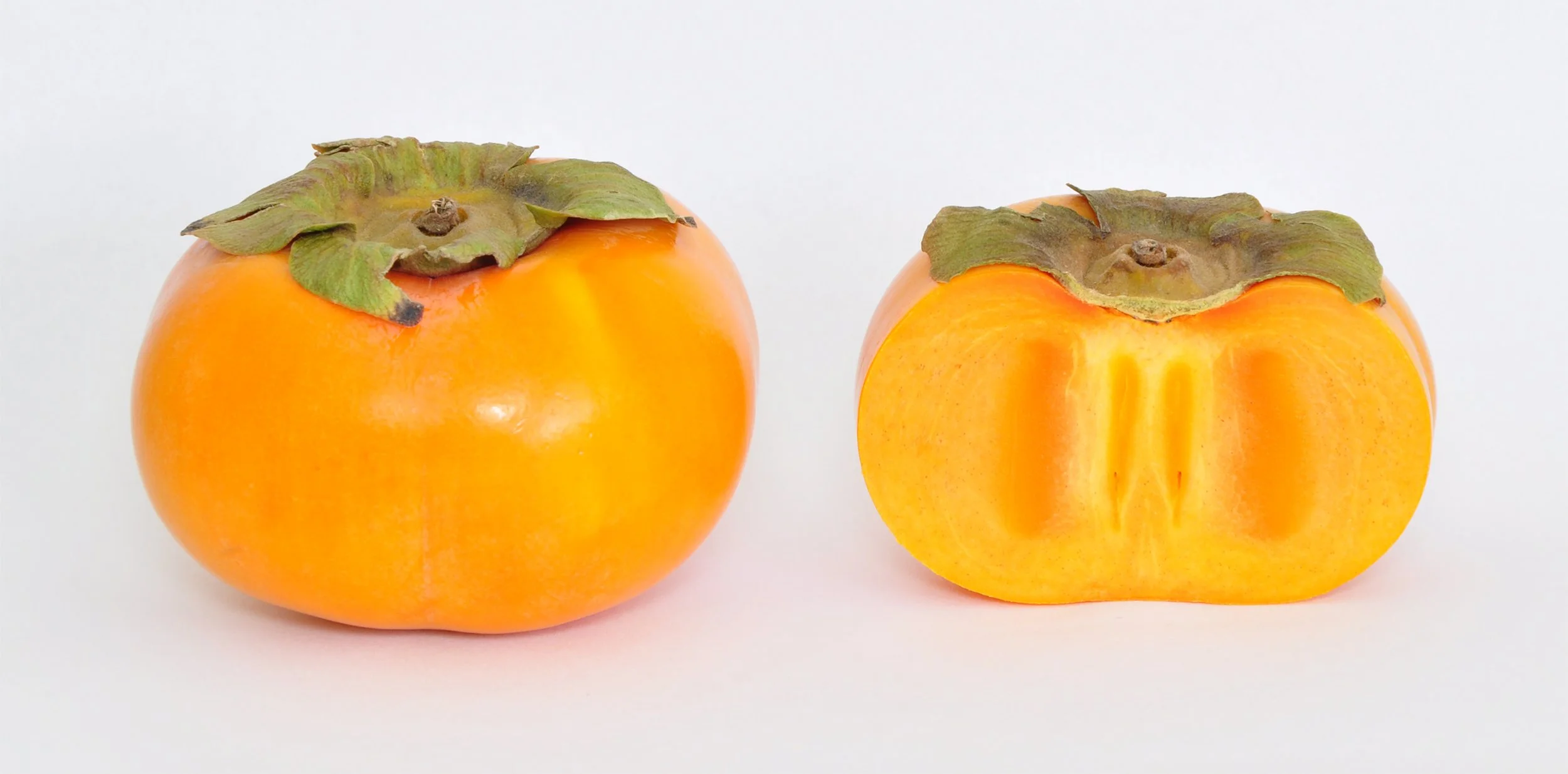
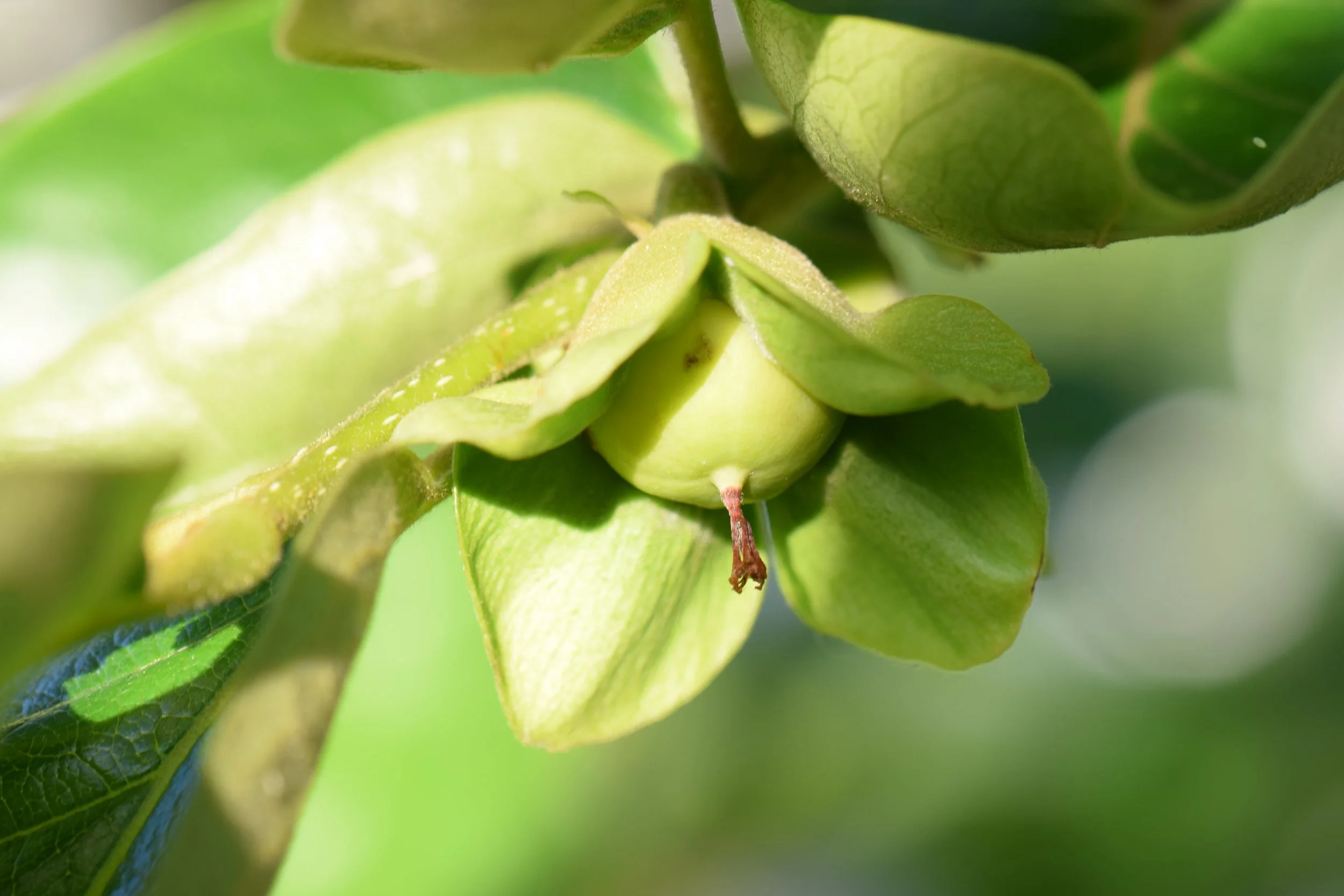
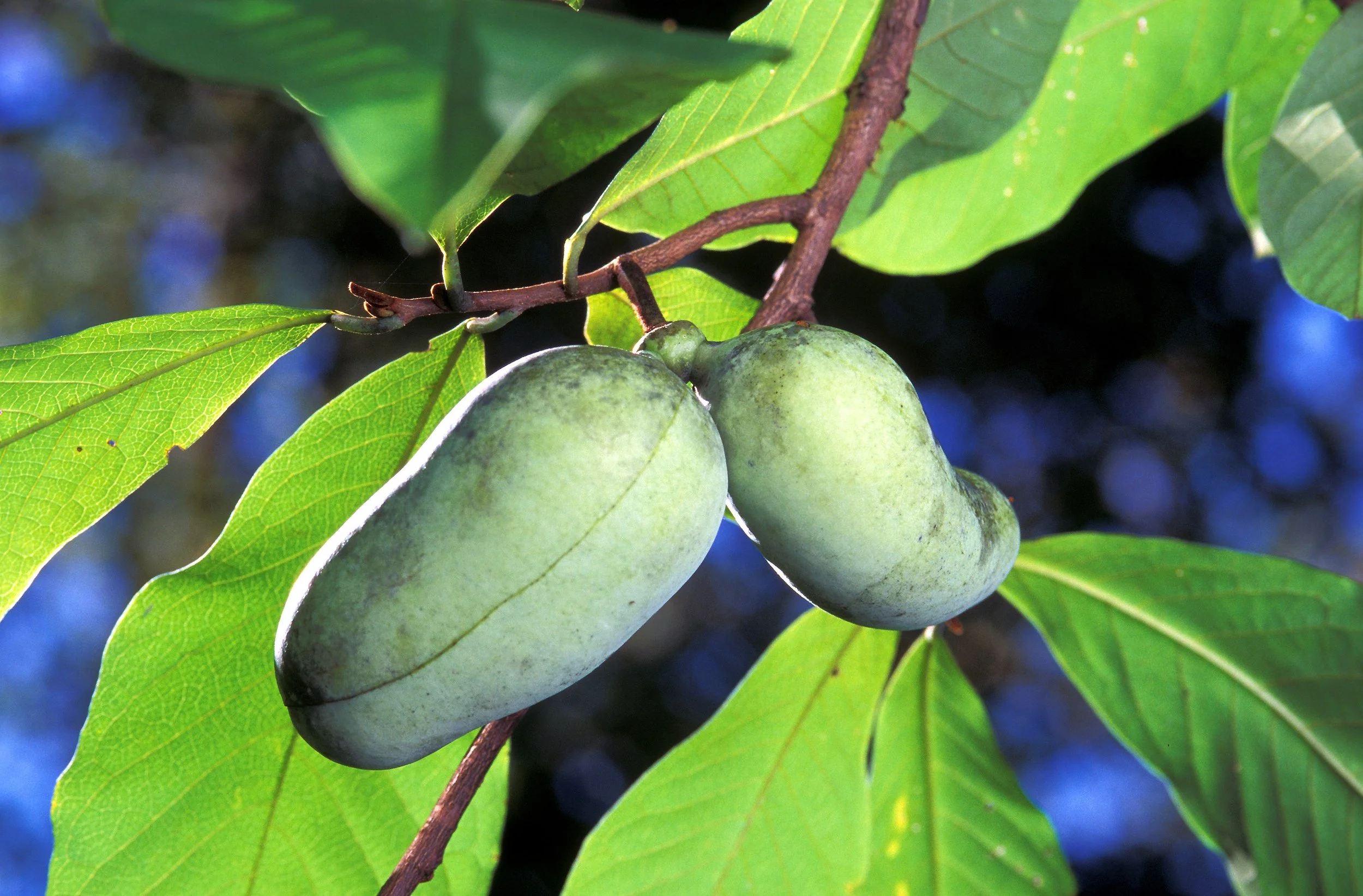
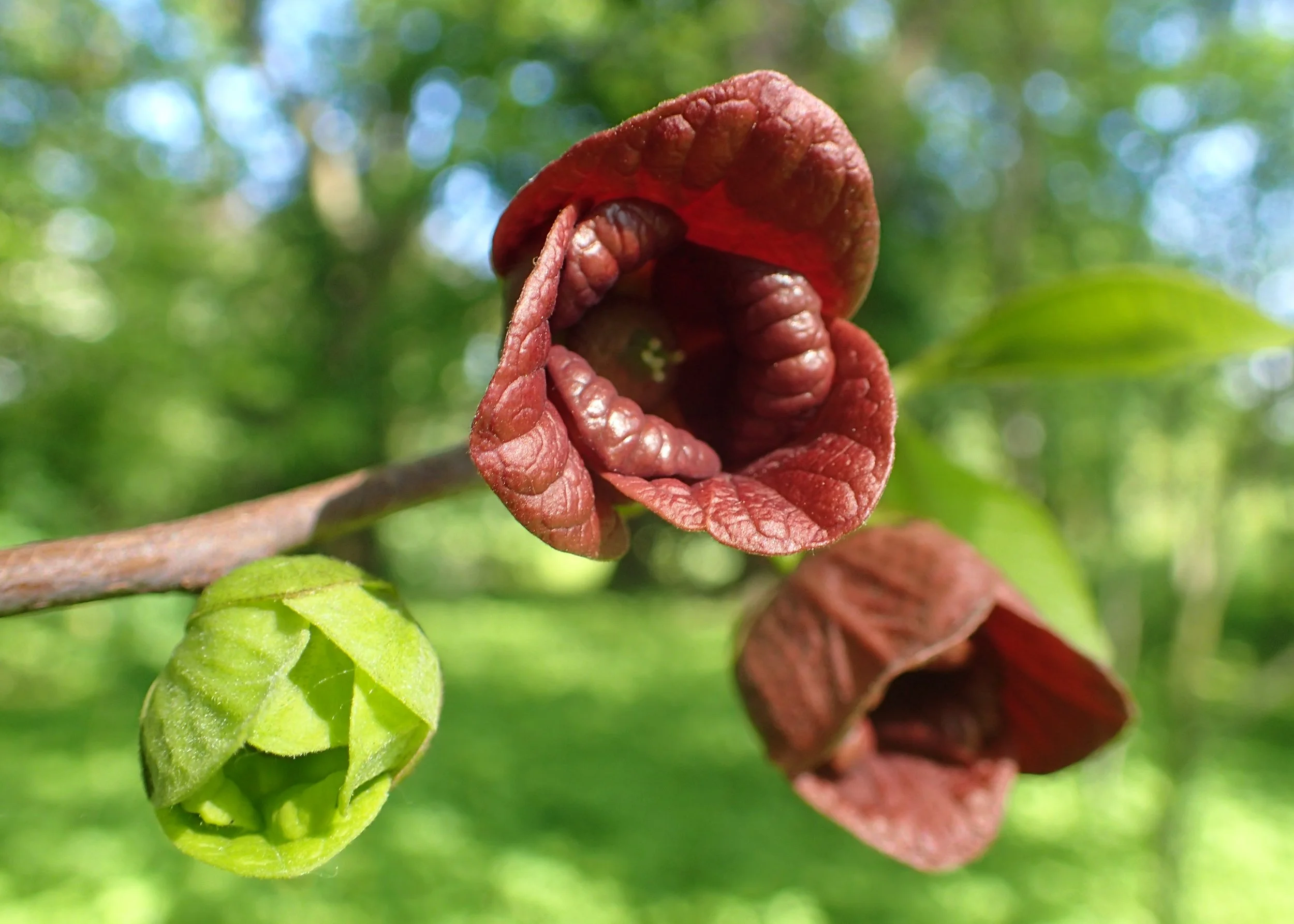
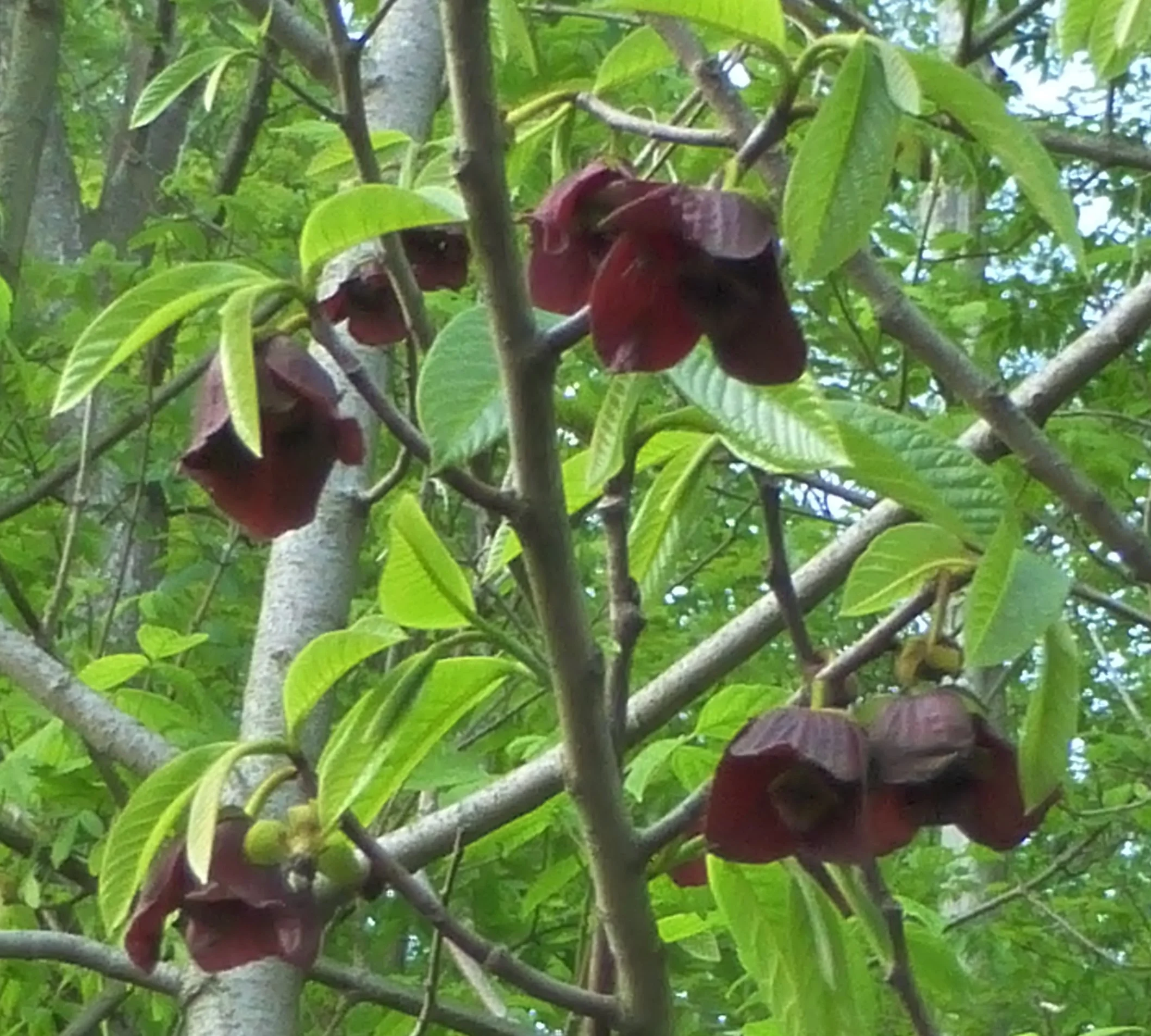
Identification / Key Features: Small deciduous tree with a rounded, spreading crown. Produces abundant, fragrant white to pale pink flowers in early spring before leaf-out. Leaves are oval, finely serrated, and glossy green, turning golden yellow in fall. Fruits are small (about 1 inch), oval crabapples that ripen to bright red and often persist into winter. Bark is gray-brown and develops a slight scaly texture with age.
Mature Height / Size: 15–30 feet.
Growth Rate: Moderate to fast.
Light / Soil / Site Preferences: Prefers full sun; adaptable to a variety of soils but thrives in moist, well-drained loams. Tolerates cold climates and moderate drought once established.
Wildlife Value / Ecological Role: Flowers attract pollinators, especially bees. Fruits provide fall and winter food for birds, deer, and small mammals. Offers nesting habitat and cover for songbirds.
Uses / Economic / Cultural: Valued as an ornamental and wildlife tree. Commonly used in conservation plantings, shelterbelts, fruit tree grafting rootstock, and as a pollinator resource. Fruits are tart but excellent for jellies, sauces, and ciders. Long appreciated for its hardiness and seasonal beauty.
Quantity (per bundle) 25
Size (12-18”) Seed grown, not grafted
A hardy fruit tree, Dolgo Crabapple is admired for its clouds of fragrant white blossoms in spring and its abundant, matte colored red fruit in late summer. Its bright green foliage turns golden-yellow in fall, creating year-round visual appeal. With its rounded form and fine branching, Dolgo Crabapple adds color, texture, and seasonal interest to any northern landscape.
Well-suited to Northern Michigan (Zone 5a), Dolgo Crabapple thrives in full sun and well-drained soils, adapting to a variety of conditions including sandy or loamy sites. It’s cold-hardy, disease-resistant, and reliable, making it an excellent choice for home orchards, pollinator plantings, or wildlife gardens.
Ecologically, Dolgo Crabapple supports bees and butterflies with its early-season blooms, while its small, tart fruits provide a vital late-summer food source for birds and mammals. The fruit is also prized for jellies, ciders, and preserves, blending ornamental beauty with practical value—an enduring favorite across Michigan’s landscapes.
Identification / Key Features: Small deciduous tree with a rounded, spreading crown. Produces abundant, fragrant white to pale pink flowers in early spring before leaf-out. Leaves are oval, finely serrated, and glossy green, turning golden yellow in fall. Fruits are small (about 1 inch), oval crabapples that ripen to bright red and often persist into winter. Bark is gray-brown and develops a slight scaly texture with age.
Mature Height / Size: 15–30 feet.
Growth Rate: Moderate to fast.
Light / Soil / Site Preferences: Prefers full sun; adaptable to a variety of soils but thrives in moist, well-drained loams. Tolerates cold climates and moderate drought once established.
Wildlife Value / Ecological Role: Flowers attract pollinators, especially bees. Fruits provide fall and winter food for birds, deer, and small mammals. Offers nesting habitat and cover for songbirds.
Uses / Economic / Cultural: Valued as an ornamental and wildlife tree. Commonly used in conservation plantings, shelterbelts, fruit tree grafting rootstock, and as a pollinator resource. Fruits are tart but excellent for jellies, sauces, and ciders. Long appreciated for its hardiness and seasonal beauty.