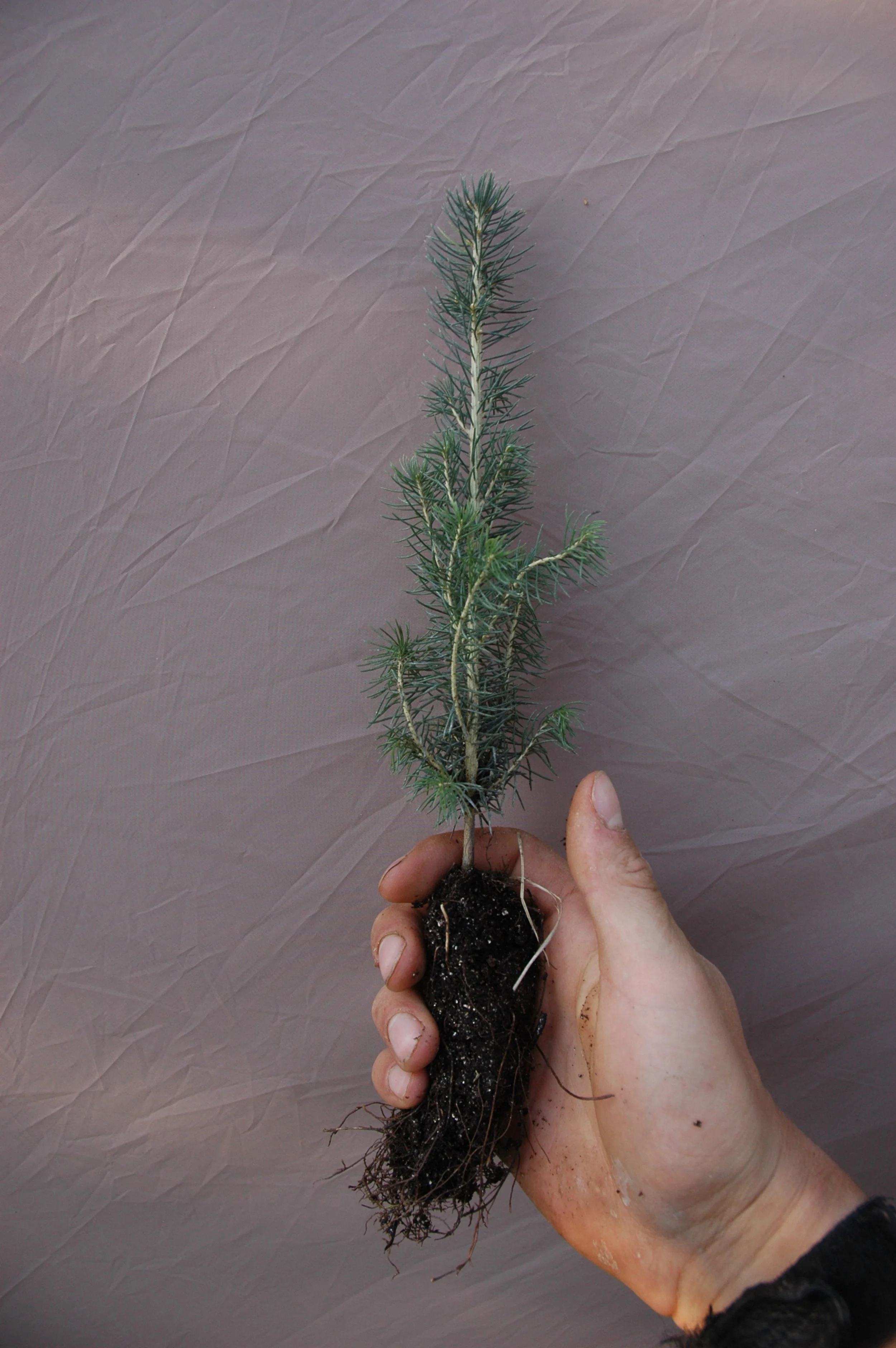
Size (5-10”)
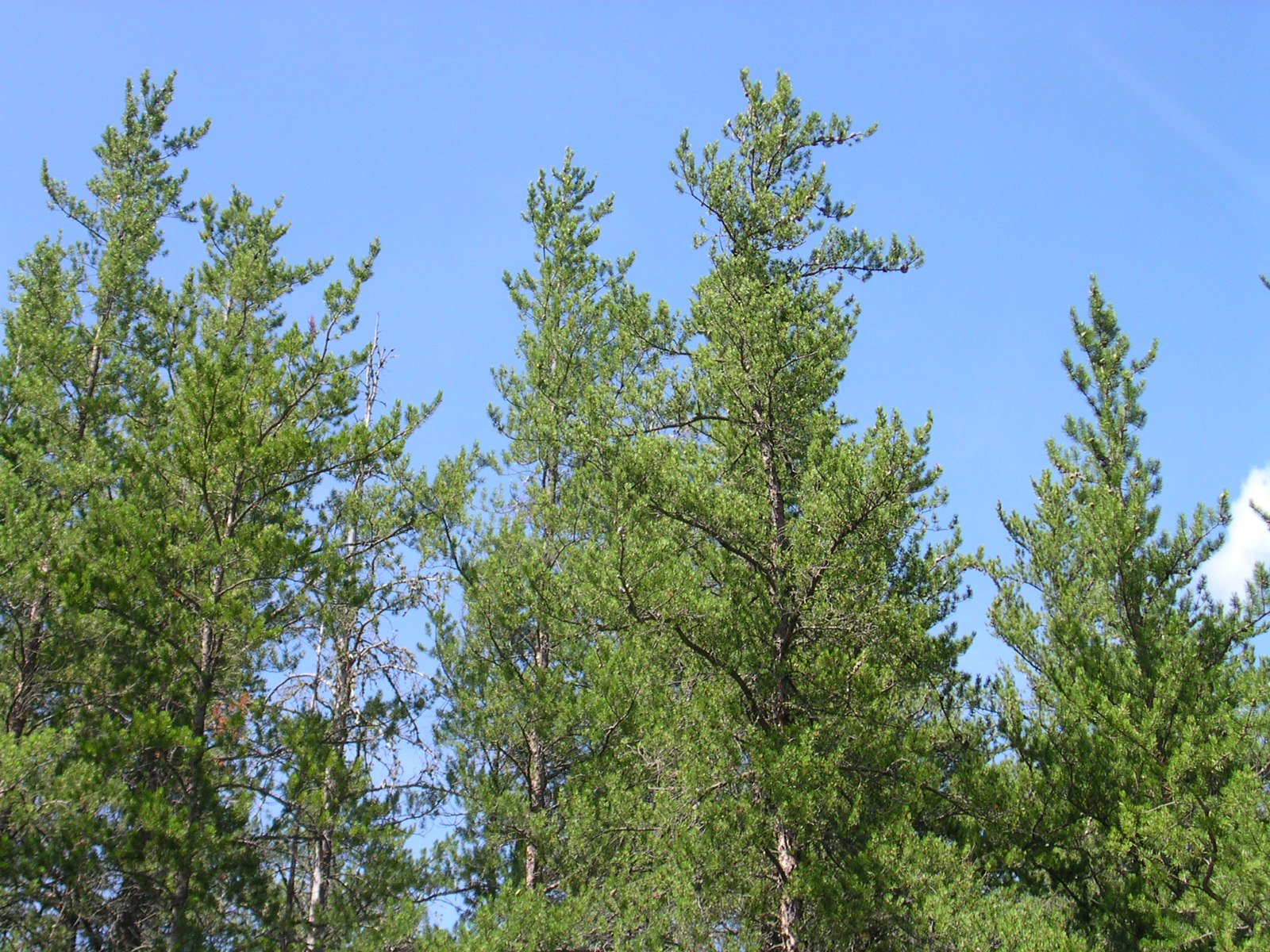
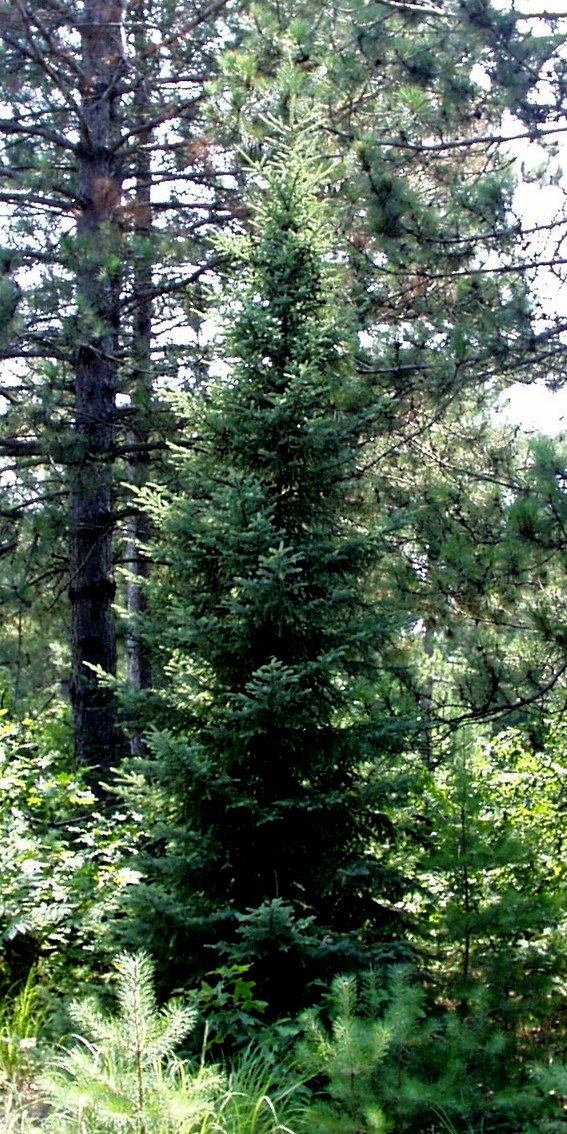
A resilient and aromatic native evergreen, Eastern Red Cedar is celebrated for its rich green foliage, reddish bark, and rugged beauty that endures through every season. Its dense, conical form and distinctive fragrance make it an eye-catching addition to naturalized landscapes, windbreaks, and wildlife plantings. Small, berry-like cones—actually fleshy seed scales—ripen to a powdery blue, providing a valuable winter food source for birds and small mammals.
Well-suited to Northern Michigan (Zone 5a), Eastern Red Cedar thrives in full sun and adapts to a wide range of soils, from dry, rocky hillsides to sandy or clay sites. Exceptionally tolerant of drought, wind, and poor soil, it is one of the hardiest evergreens for challenging sites. Slow to moderate in growth, it forms long-lived stands that anchor the landscape with texture and color year-round.
This native juniper supports an abundance of wildlife, offering dense cover and nesting sites for birds, while its berries sustain species such as cedar waxwings, robins, and wild turkeys. Its durable, fragrant wood is prized for fence posts, chests, and cedar oil production—making Eastern Red Cedar both ecologically vital and culturally significant across Michigan’s landscapes.
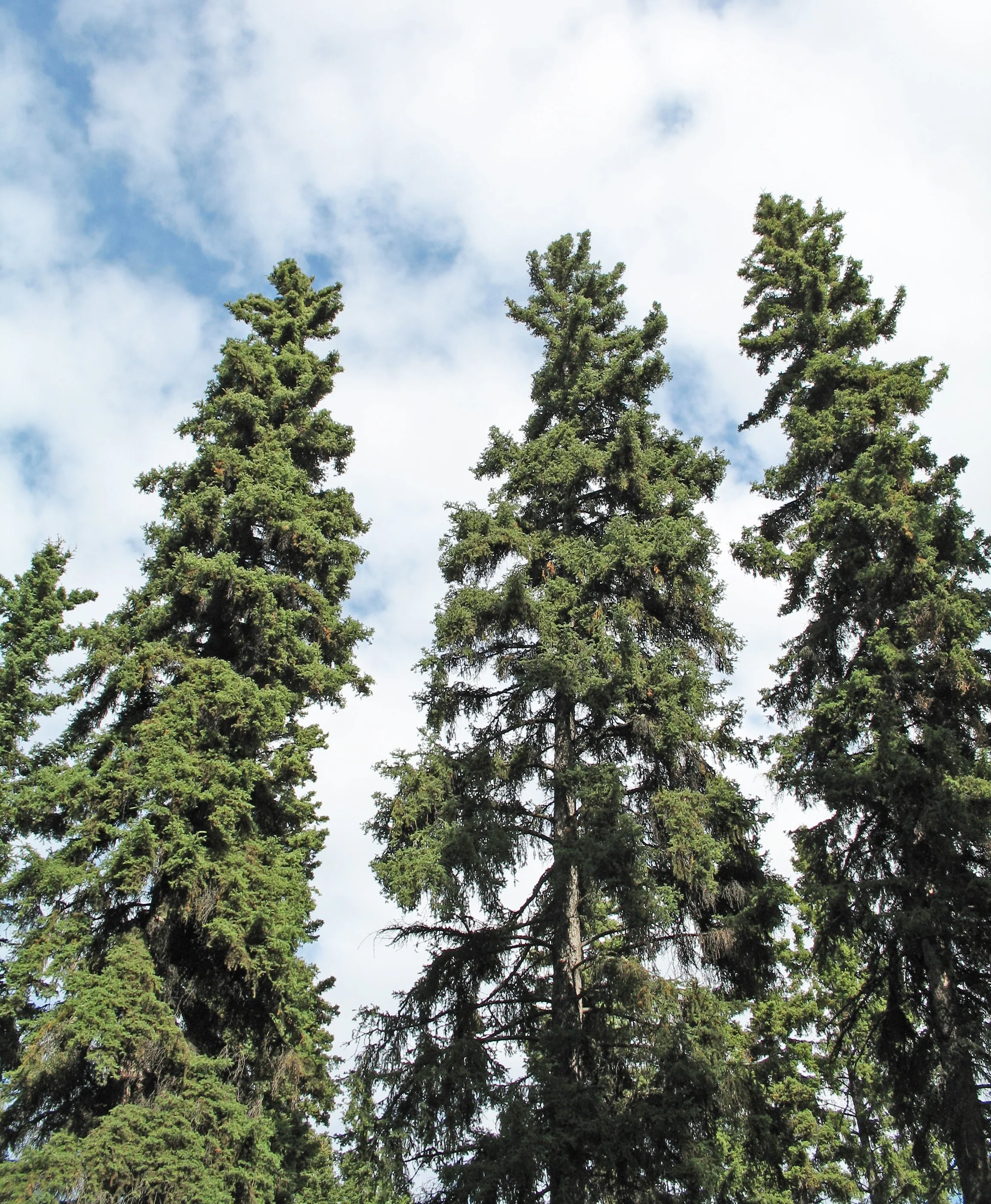
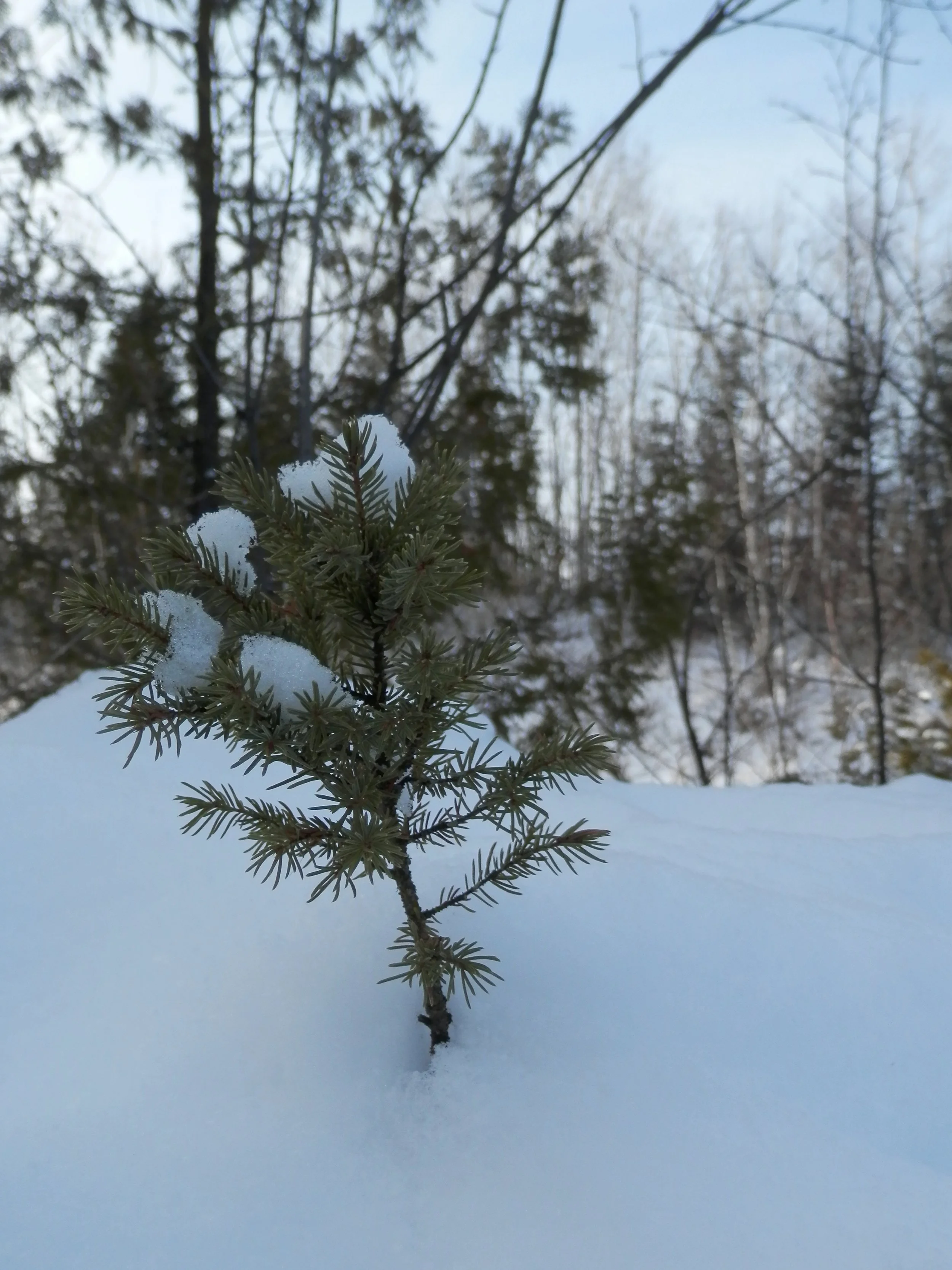
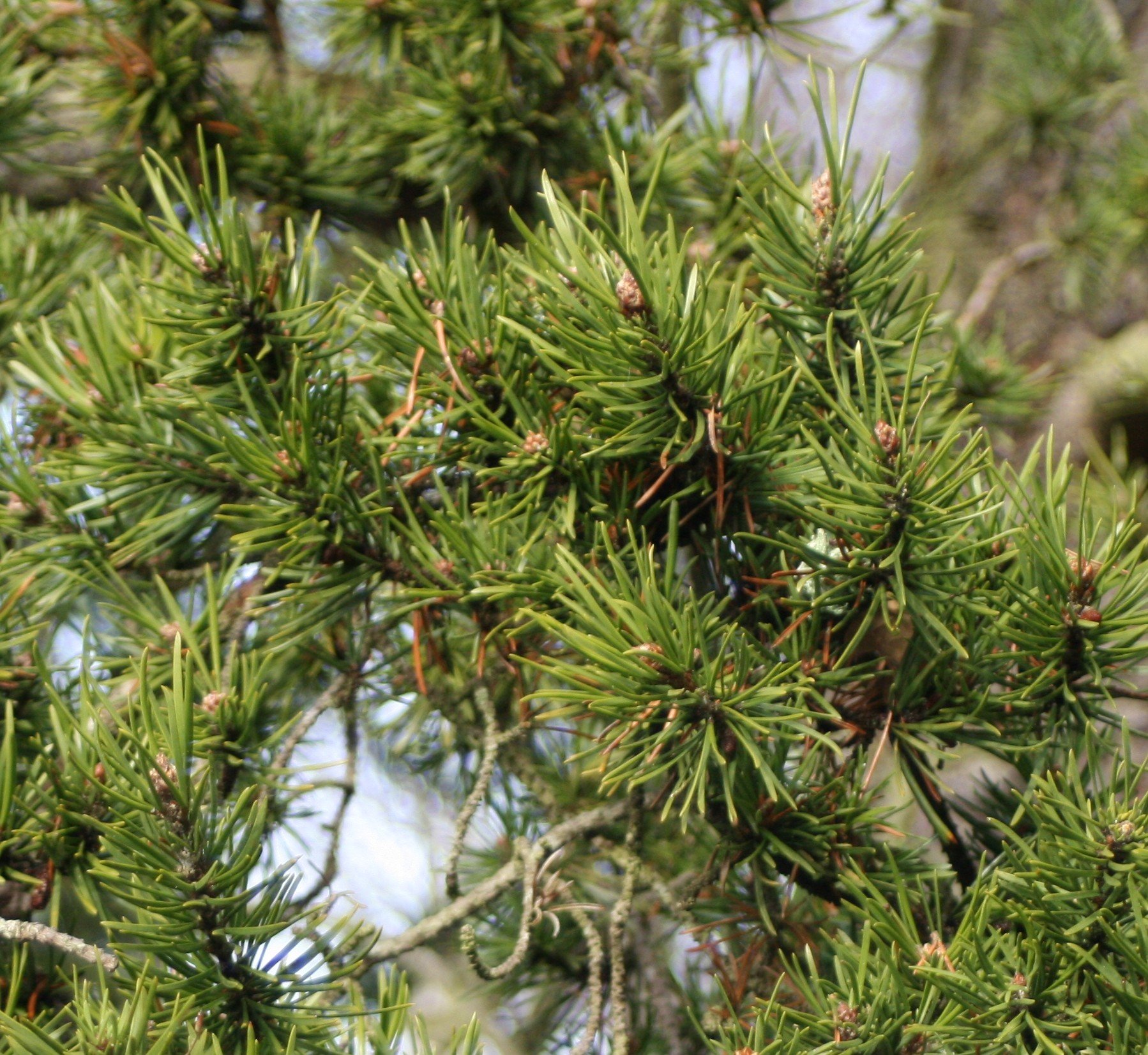
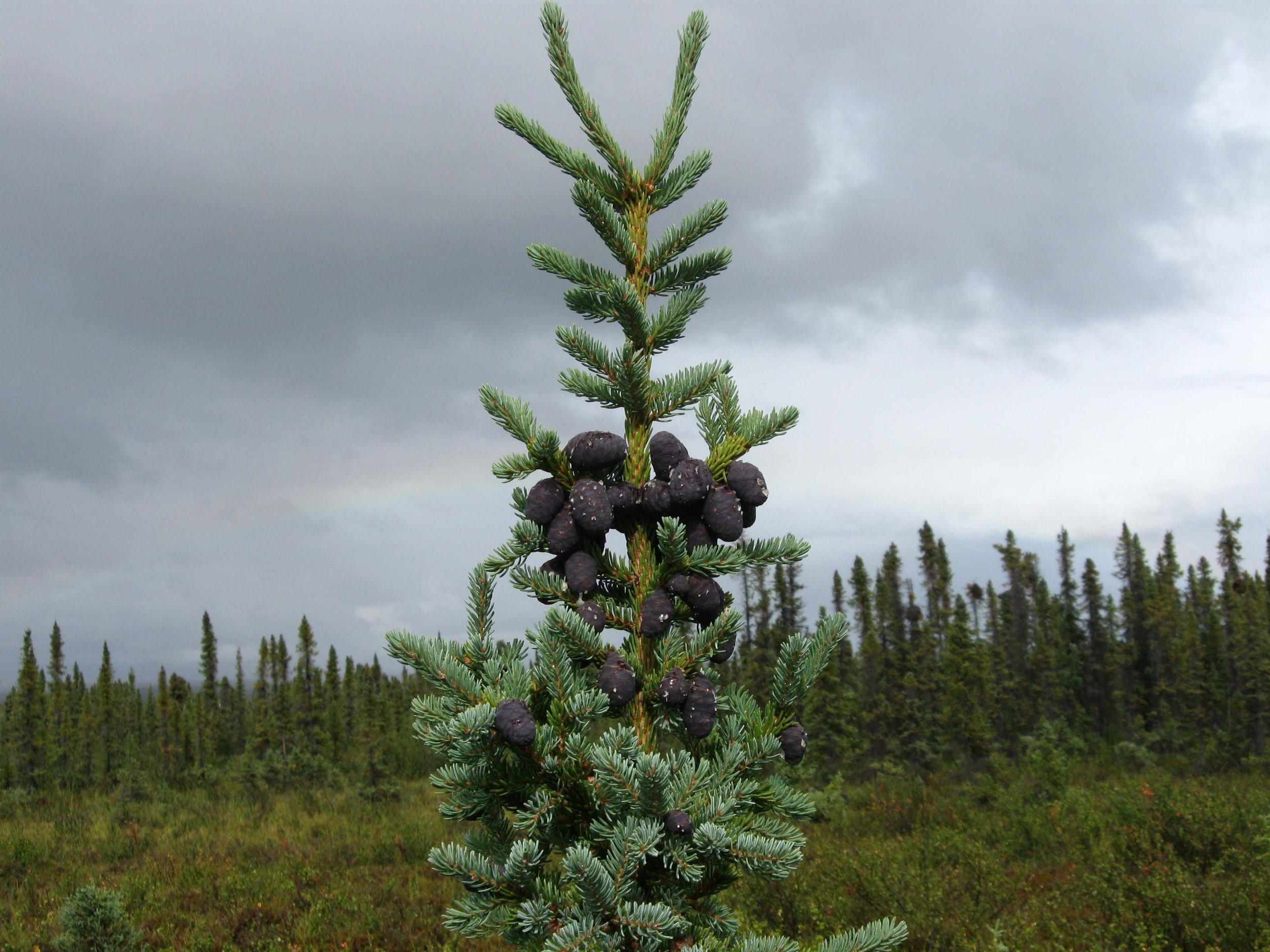
Identification / Key Features: A dense, pyramidal evergreen with scale-like foliage that may be green or bluish-green. Bark is reddish-brown and peels in thin strips. Female trees bear small, blue, berry-like cones with a pleasant aroma.
Mature Height / Size: 30–50 feet.
Growth Rate: Slow to moderate.
Light / Soil / Site Preferences: Tolerates dry, rocky, and poor soils; prefers full sun and is drought-resistant once established.
Wildlife Value / Ecological Role: Fruits are a vital winter food for cedar waxwings, robins, and other birds. Provides excellent shelter and nesting sites.
Uses / Economic / Cultural: Aromatic wood is prized for cedar chests, fence posts, and pencils. Commonly used in windbreaks and wildlife plantings.
Size (5-10”)
A resilient and aromatic native evergreen, Eastern Red Cedar is celebrated for its rich green foliage, reddish bark, and rugged beauty that endures through every season. Its dense, conical form and distinctive fragrance make it an eye-catching addition to naturalized landscapes, windbreaks, and wildlife plantings. Small, berry-like cones—actually fleshy seed scales—ripen to a powdery blue, providing a valuable winter food source for birds and small mammals.
Well-suited to Northern Michigan (Zone 5a), Eastern Red Cedar thrives in full sun and adapts to a wide range of soils, from dry, rocky hillsides to sandy or clay sites. Exceptionally tolerant of drought, wind, and poor soil, it is one of the hardiest evergreens for challenging sites. Slow to moderate in growth, it forms long-lived stands that anchor the landscape with texture and color year-round.
This native juniper supports an abundance of wildlife, offering dense cover and nesting sites for birds, while its berries sustain species such as cedar waxwings, robins, and wild turkeys. Its durable, fragrant wood is prized for fence posts, chests, and cedar oil production—making Eastern Red Cedar both ecologically vital and culturally significant across Michigan’s landscapes.
Identification / Key Features: A dense, pyramidal evergreen with scale-like foliage that may be green or bluish-green. Bark is reddish-brown and peels in thin strips. Female trees bear small, blue, berry-like cones with a pleasant aroma.
Mature Height / Size: 30–50 feet.
Growth Rate: Slow to moderate.
Light / Soil / Site Preferences: Tolerates dry, rocky, and poor soils; prefers full sun and is drought-resistant once established.
Wildlife Value / Ecological Role: Fruits are a vital winter food for cedar waxwings, robins, and other birds. Provides excellent shelter and nesting sites.
Uses / Economic / Cultural: Aromatic wood is prized for cedar chests, fence posts, and pencils. Commonly used in windbreaks and wildlife plantings.

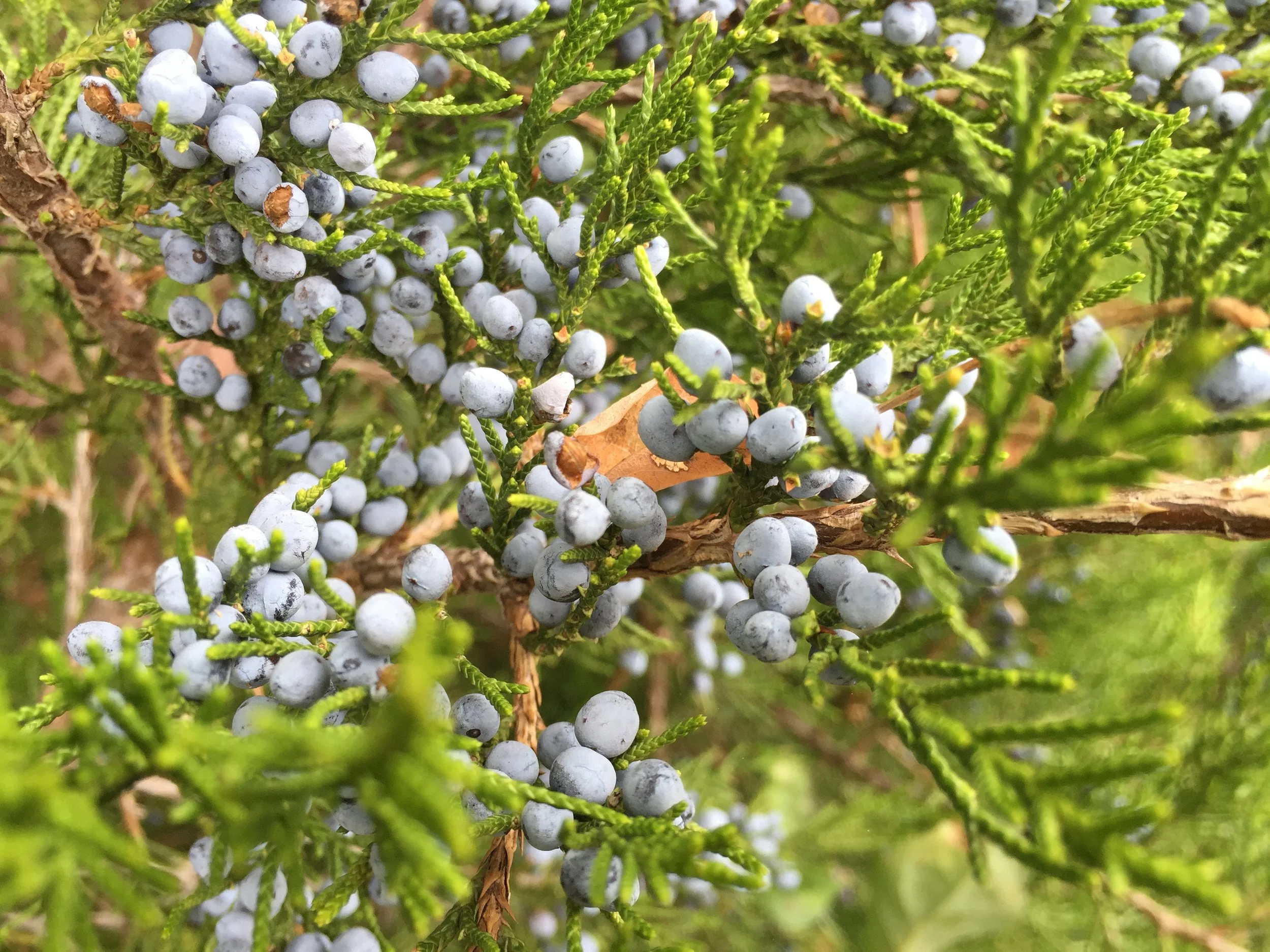 Image 1 of 8
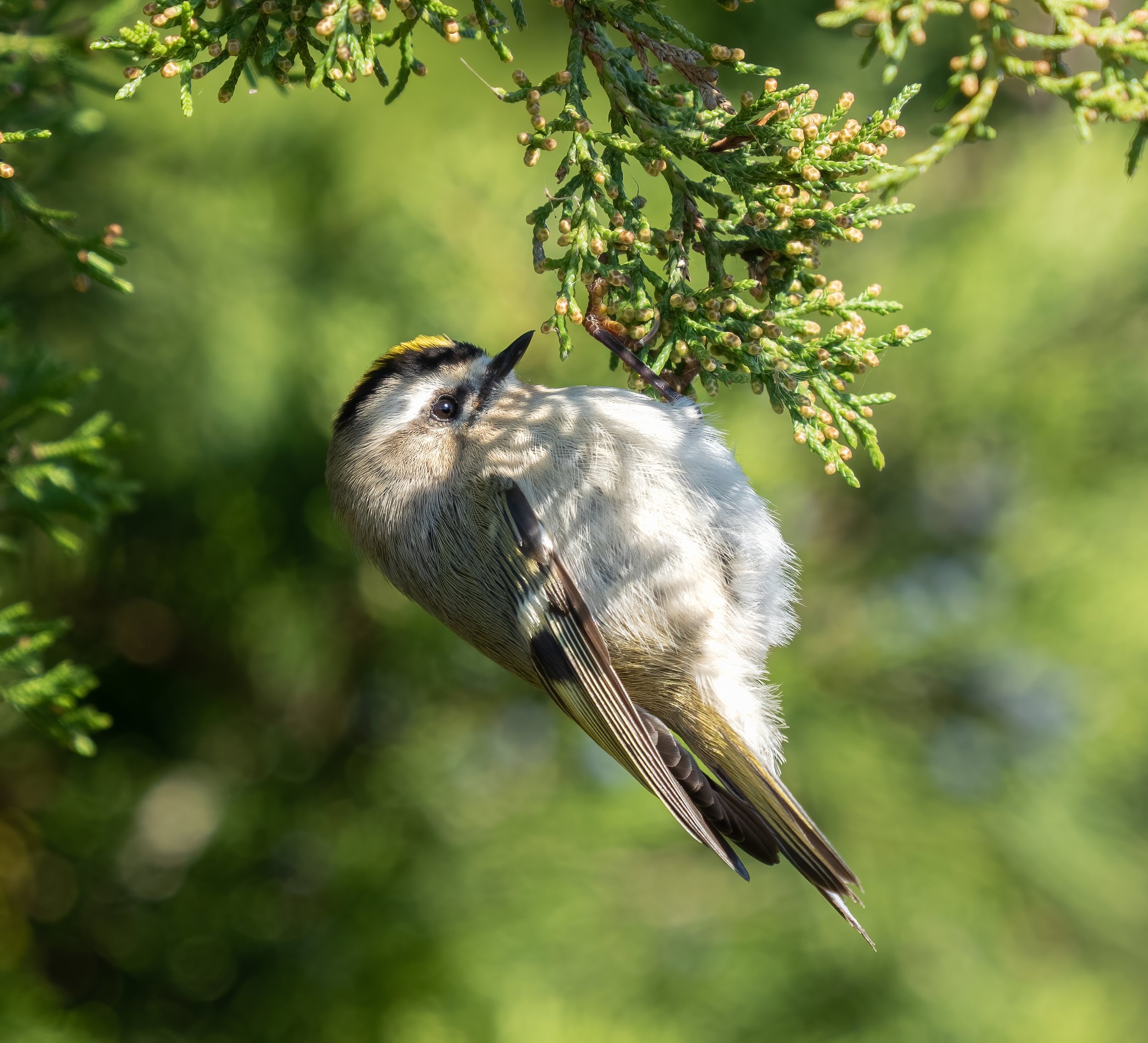 Image 2 of 8
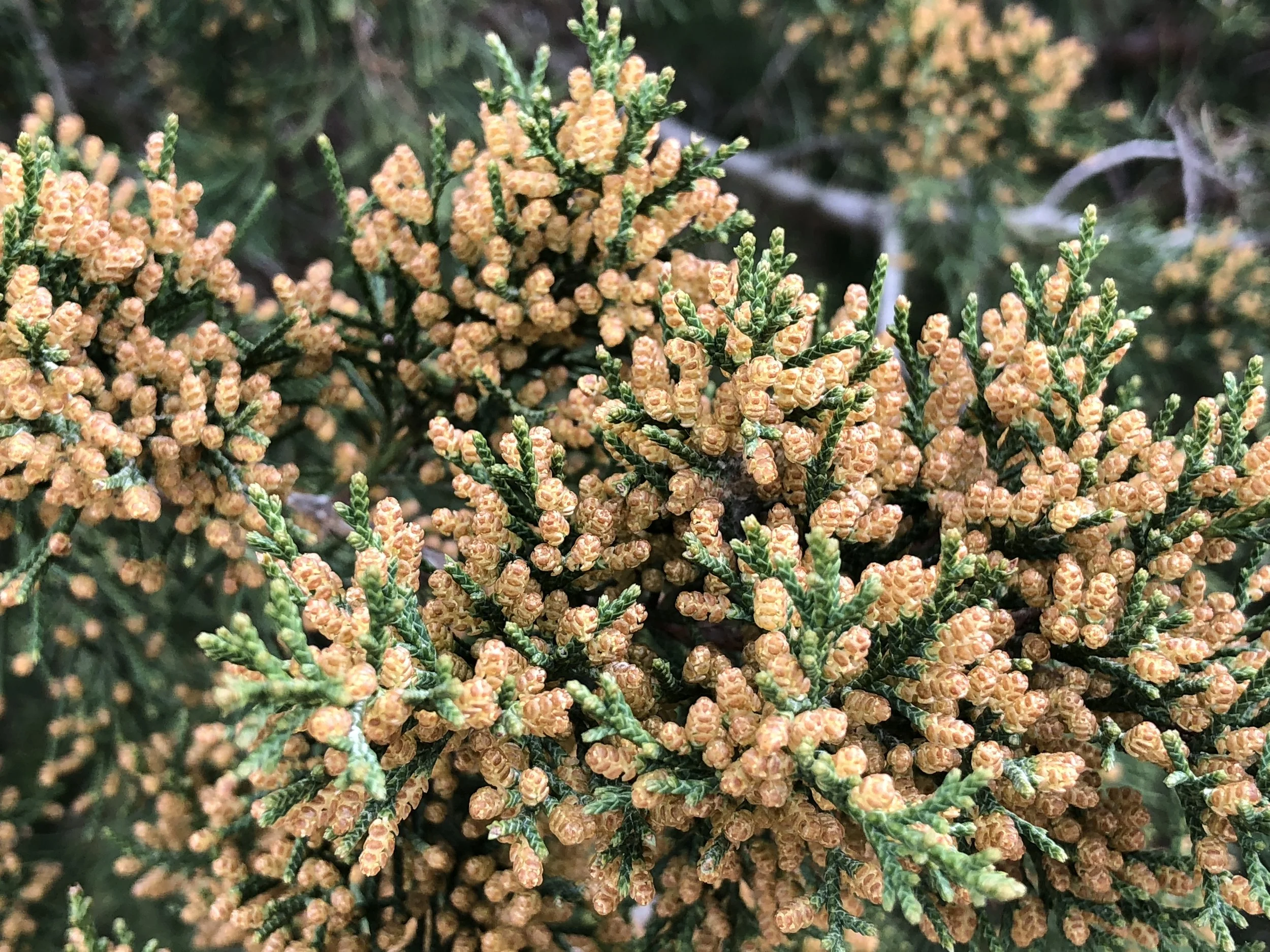 Image 3 of 8
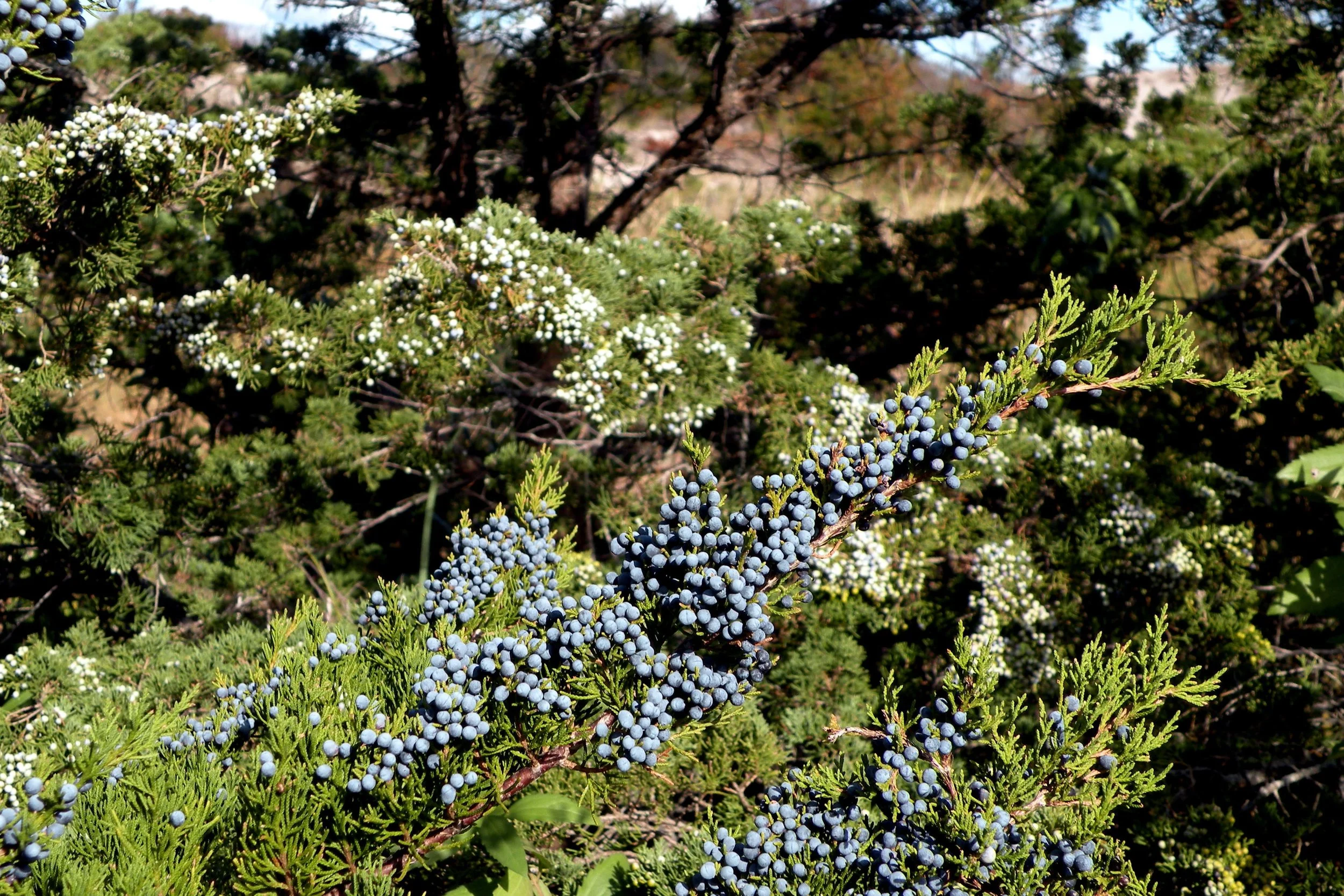 Image 4 of 8
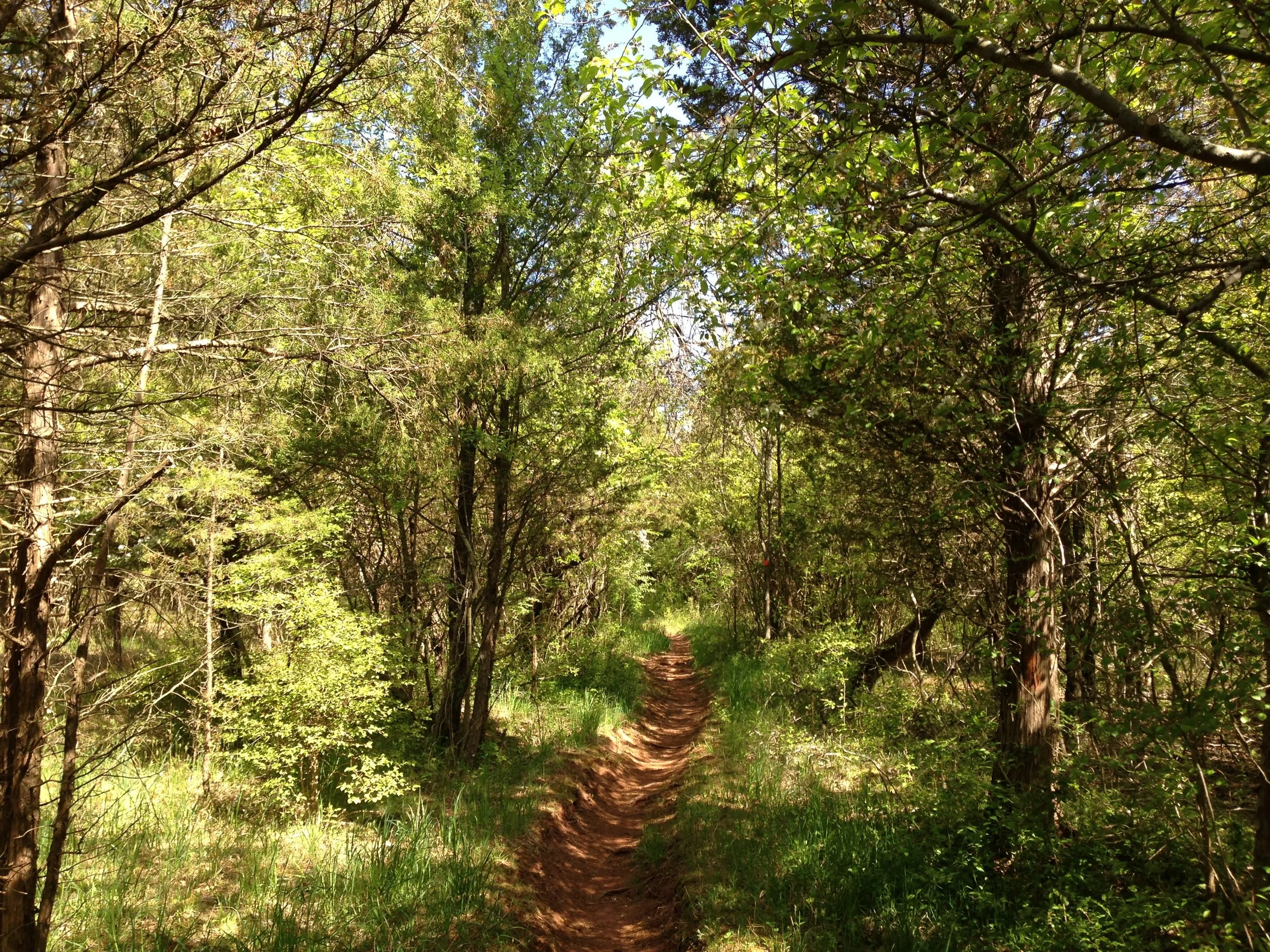 Image 5 of 8
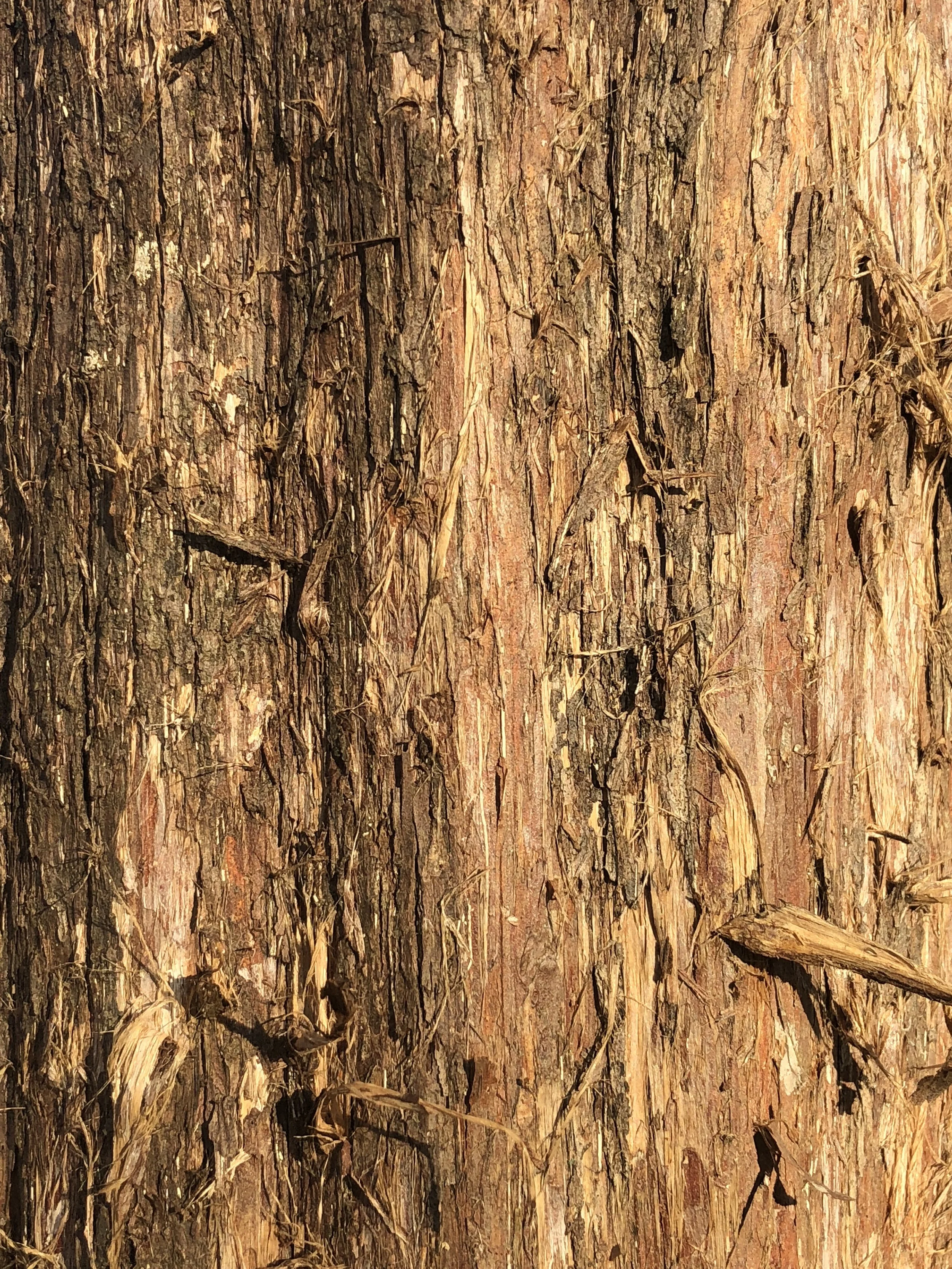 Image 6 of 8
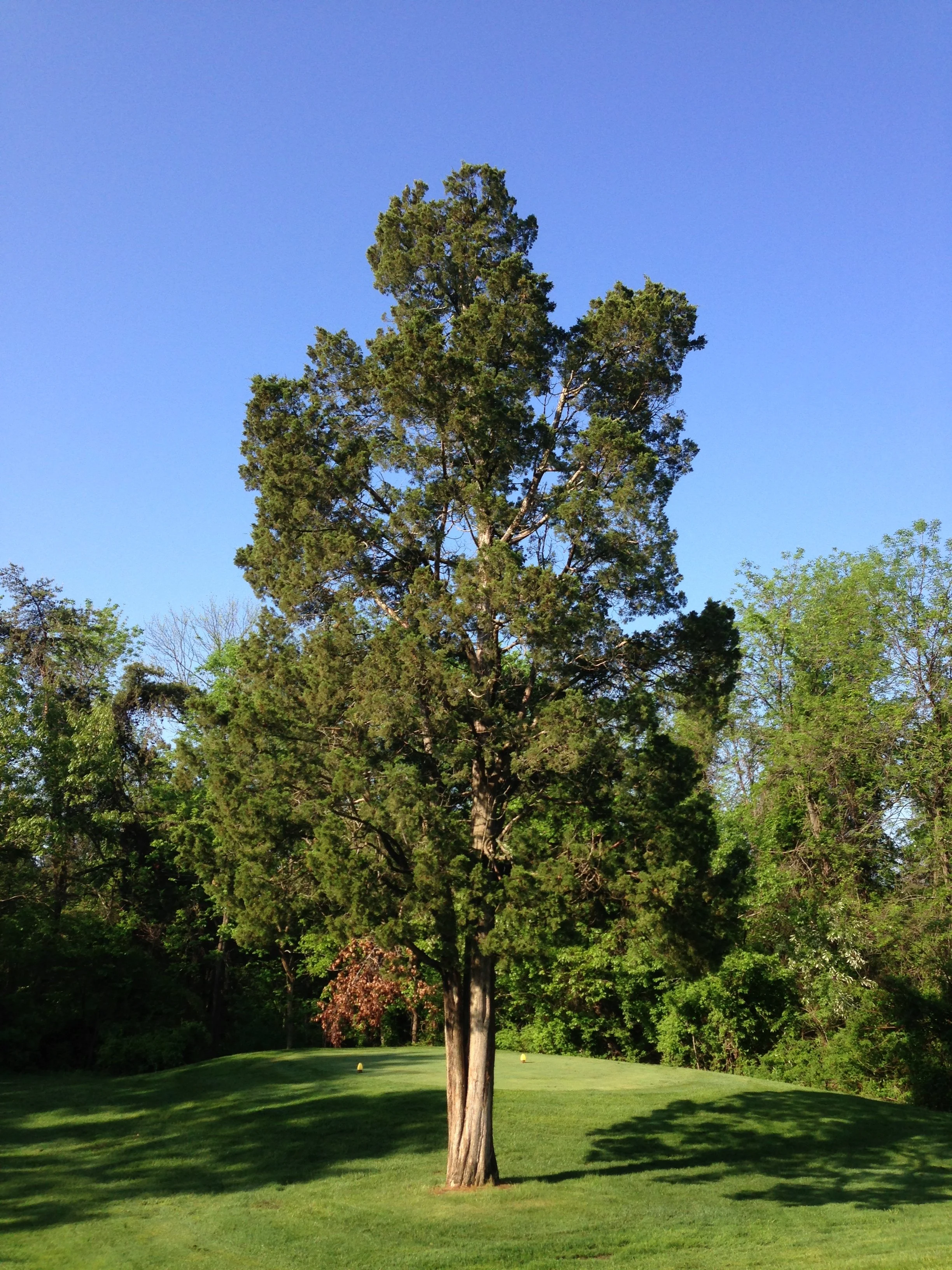 Image 7 of 8
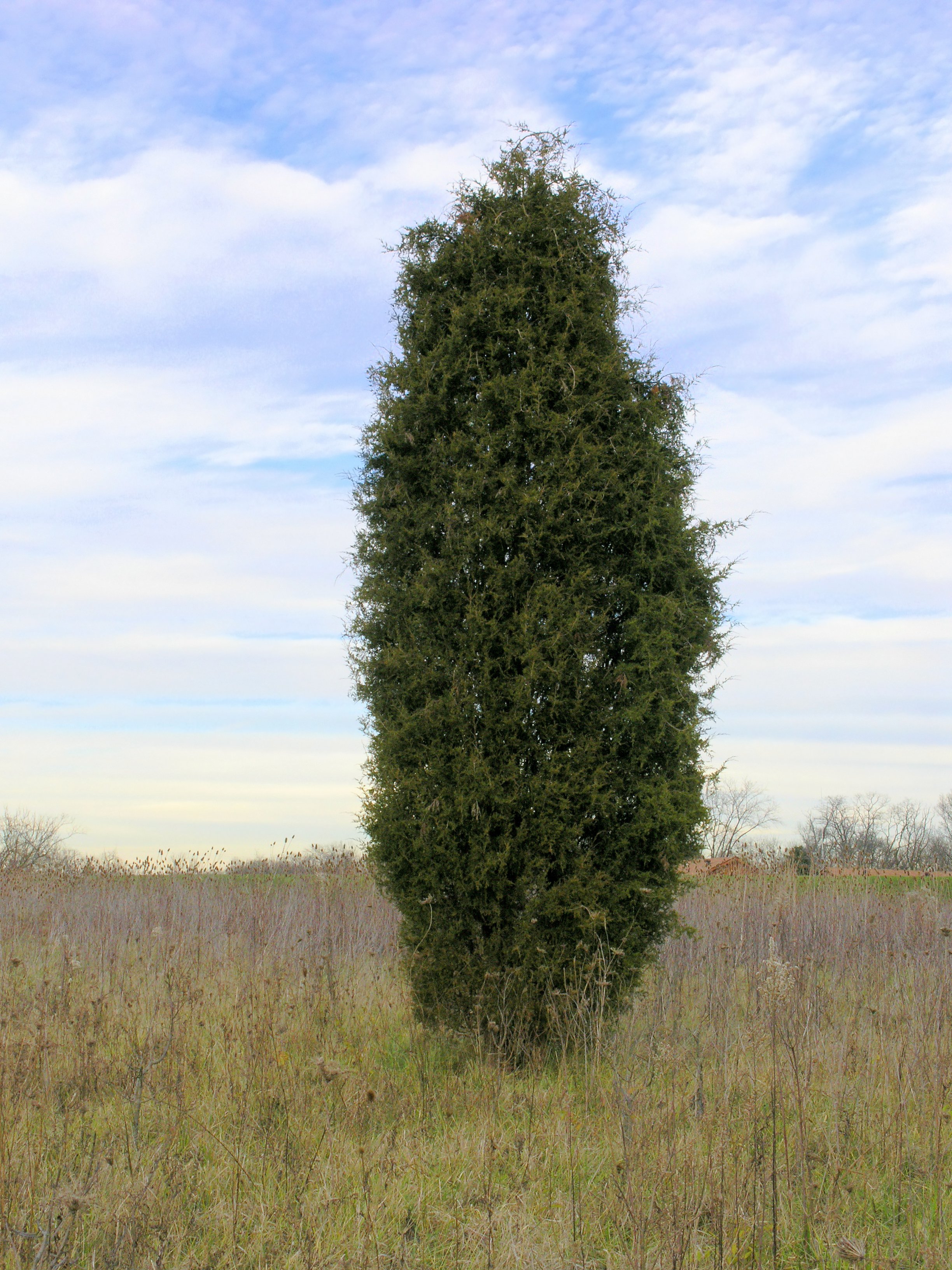 Image 8 of 8