Quantity (per bundle) 25
Size (12-24”)
A graceful and eye-catching native tree, Eastern Redbud is cherished for its early spring display of rosy-pink blossoms that emerge before the leaves, lighting up woodlands and gardens alike. Its heart-shaped leaves unfold to a soft green and turn golden-yellow in fall, adding beauty and charm through every season. With its rounded form and smooth, dark bark, Eastern Redbud brings elegance and color to any landscape.
Well-suited to Northern Michigan (Zone 5a), Eastern Redbud thrives in full sun to partial shade and prefers moist, well-drained soils. It adapts to a variety of conditions, making it a versatile choice for ornamental plantings, woodland edges, or as a striking specimen tree.
Ecologically, Eastern Redbud provides early nectar for pollinators such as bees and butterflies, while birds and small mammals enjoy its seeds and shelter. Its durable, fine-grained wood and stunning seasonal interest make it both a practical and ornamental favorite—symbolizing renewal and natural beauty in Michigan’s landscapes.
Identification / Key Features: Small, rounded tree with heart-shaped leaves and vibrant pink flowers in early spring before leaf-out. Seed pods develop after flowering.
Mature Height / Size: 20–30 feet.
Growth Rate: Moderate.
Light / Soil / Site Preferences: Prefers full sun to partial shade; well-drained soils.
Wildlife Value / Ecological Role: Flowers attract bees and butterflies; seeds eaten by birds, rabbits, and squirrels.
Uses / Economic / Cultural: Popular ornamental tree; striking spring flowers.
Quantity (per bundle) 25
Size (12-24”)
A graceful and eye-catching native tree, Eastern Redbud is cherished for its early spring display of rosy-pink blossoms that emerge before the leaves, lighting up woodlands and gardens alike. Its heart-shaped leaves unfold to a soft green and turn golden-yellow in fall, adding beauty and charm through every season. With its rounded form and smooth, dark bark, Eastern Redbud brings elegance and color to any landscape.
Well-suited to Northern Michigan (Zone 5a), Eastern Redbud thrives in full sun to partial shade and prefers moist, well-drained soils. It adapts to a variety of conditions, making it a versatile choice for ornamental plantings, woodland edges, or as a striking specimen tree.
Ecologically, Eastern Redbud provides early nectar for pollinators such as bees and butterflies, while birds and small mammals enjoy its seeds and shelter. Its durable, fine-grained wood and stunning seasonal interest make it both a practical and ornamental favorite—symbolizing renewal and natural beauty in Michigan’s landscapes.
Identification / Key Features: Small, rounded tree with heart-shaped leaves and vibrant pink flowers in early spring before leaf-out. Seed pods develop after flowering.
Mature Height / Size: 20–30 feet.
Growth Rate: Moderate.
Light / Soil / Site Preferences: Prefers full sun to partial shade; well-drained soils.
Wildlife Value / Ecological Role: Flowers attract bees and butterflies; seeds eaten by birds, rabbits, and squirrels.
Uses / Economic / Cultural: Popular ornamental tree; striking spring flowers.

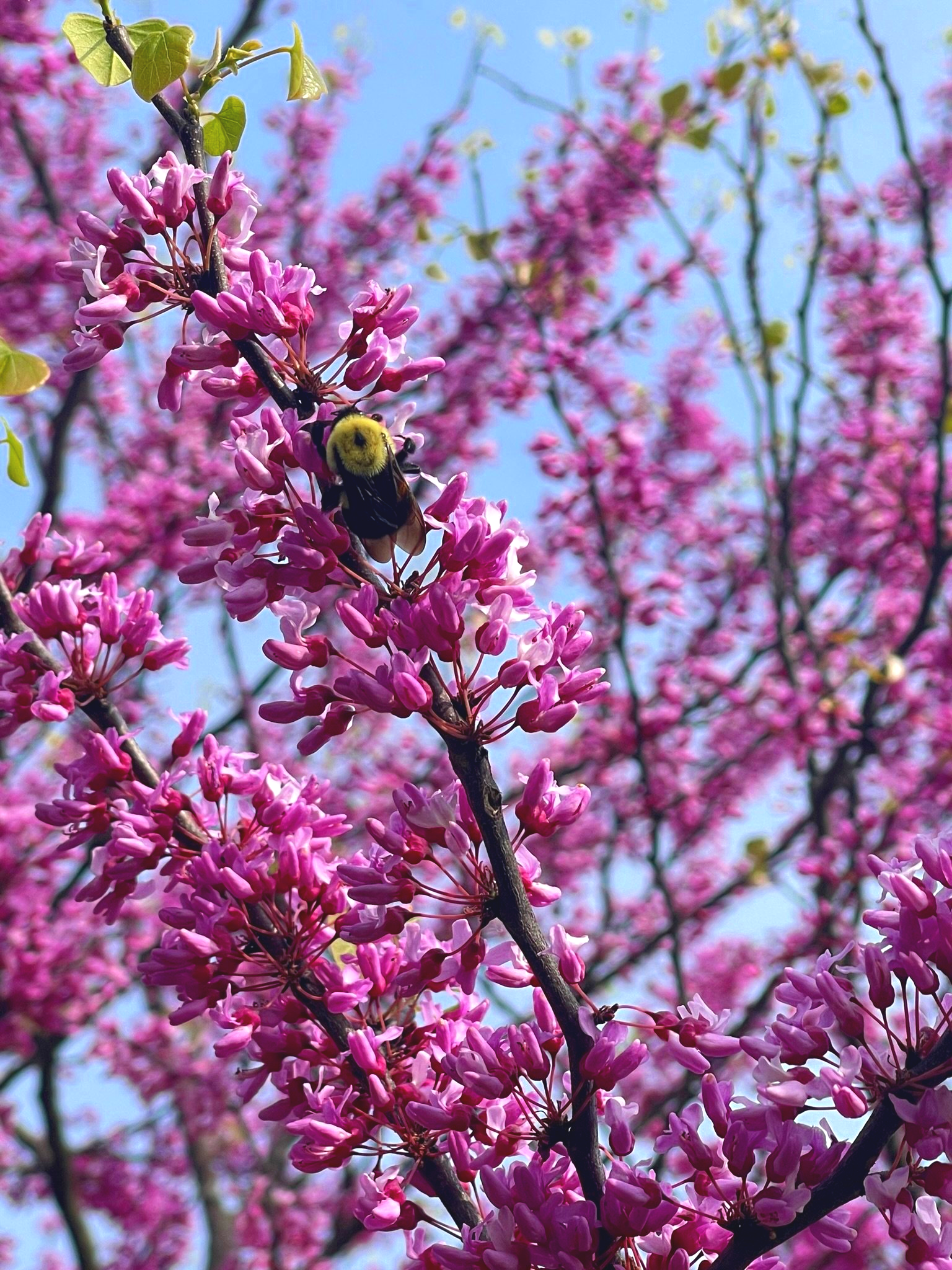 Image 1 of 7
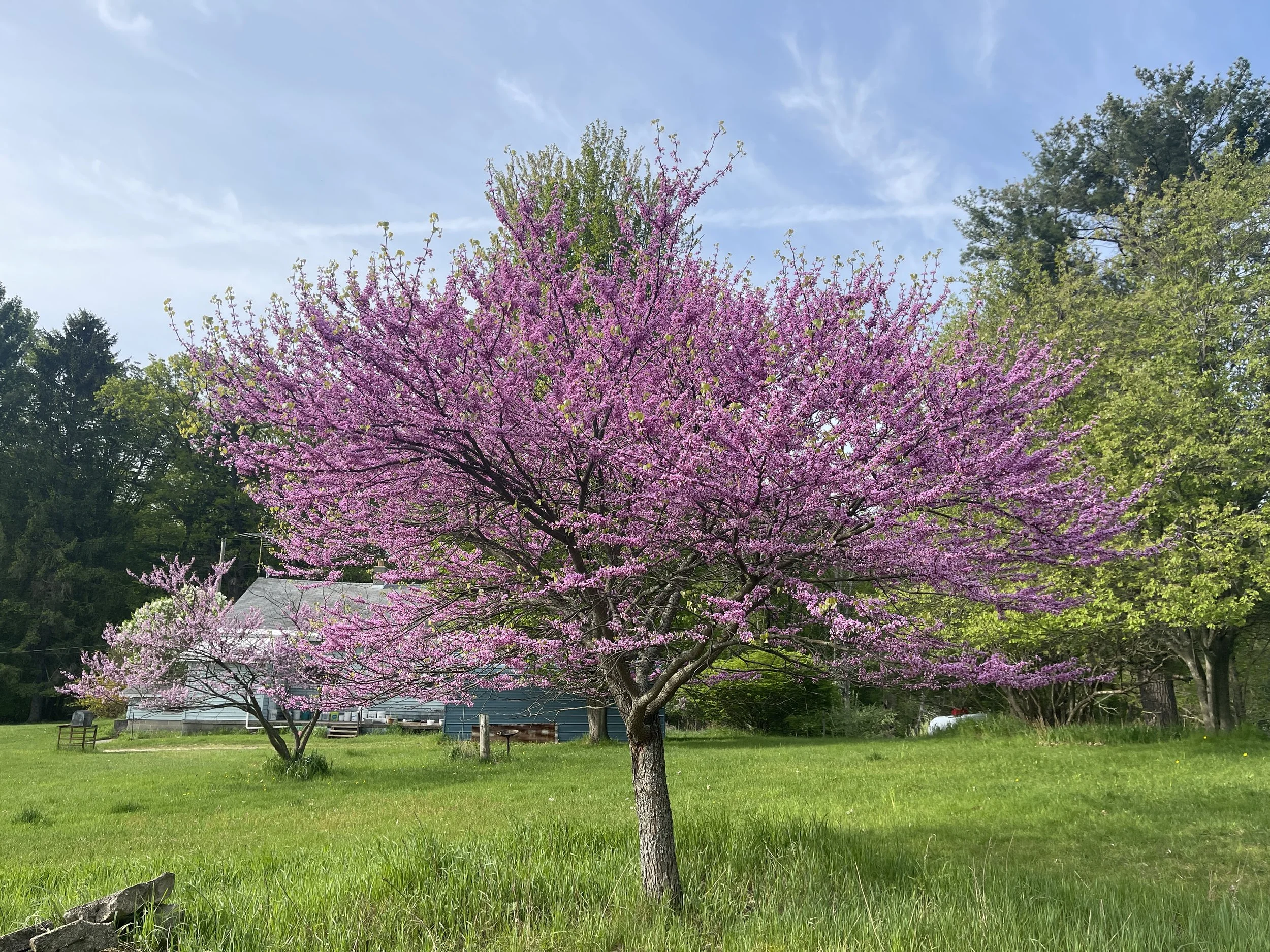 Image 2 of 7
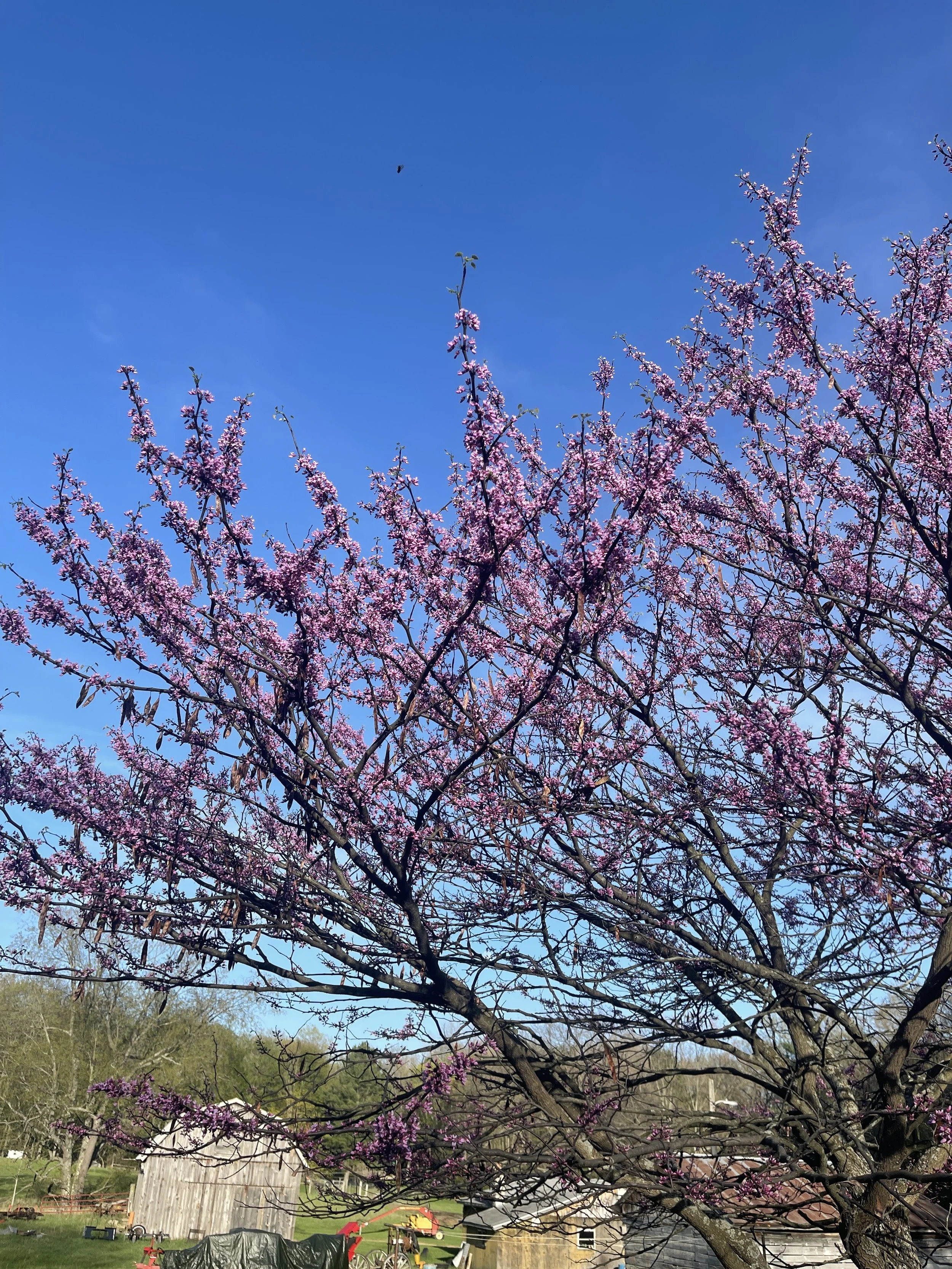 Image 3 of 7
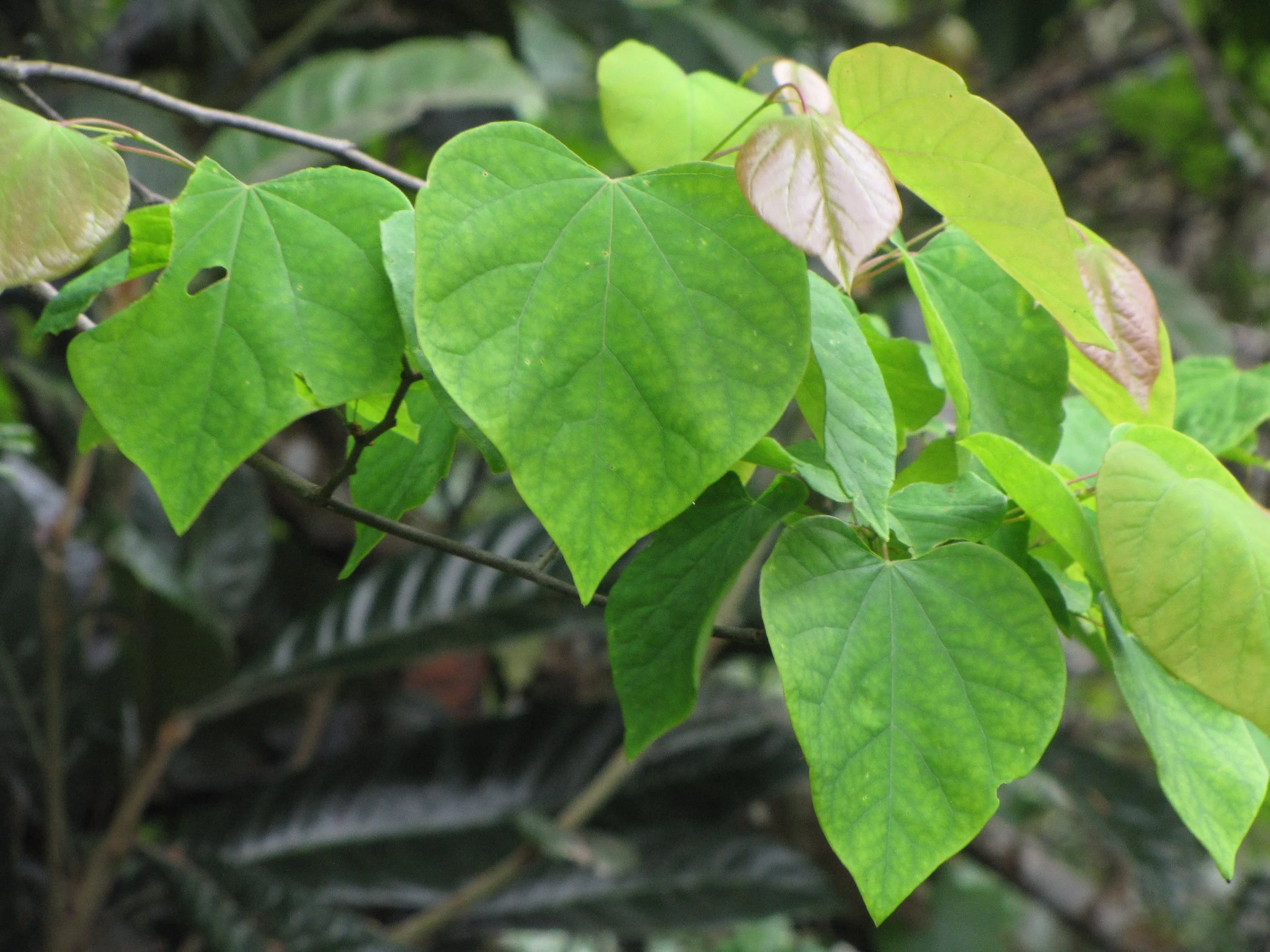 Image 4 of 7
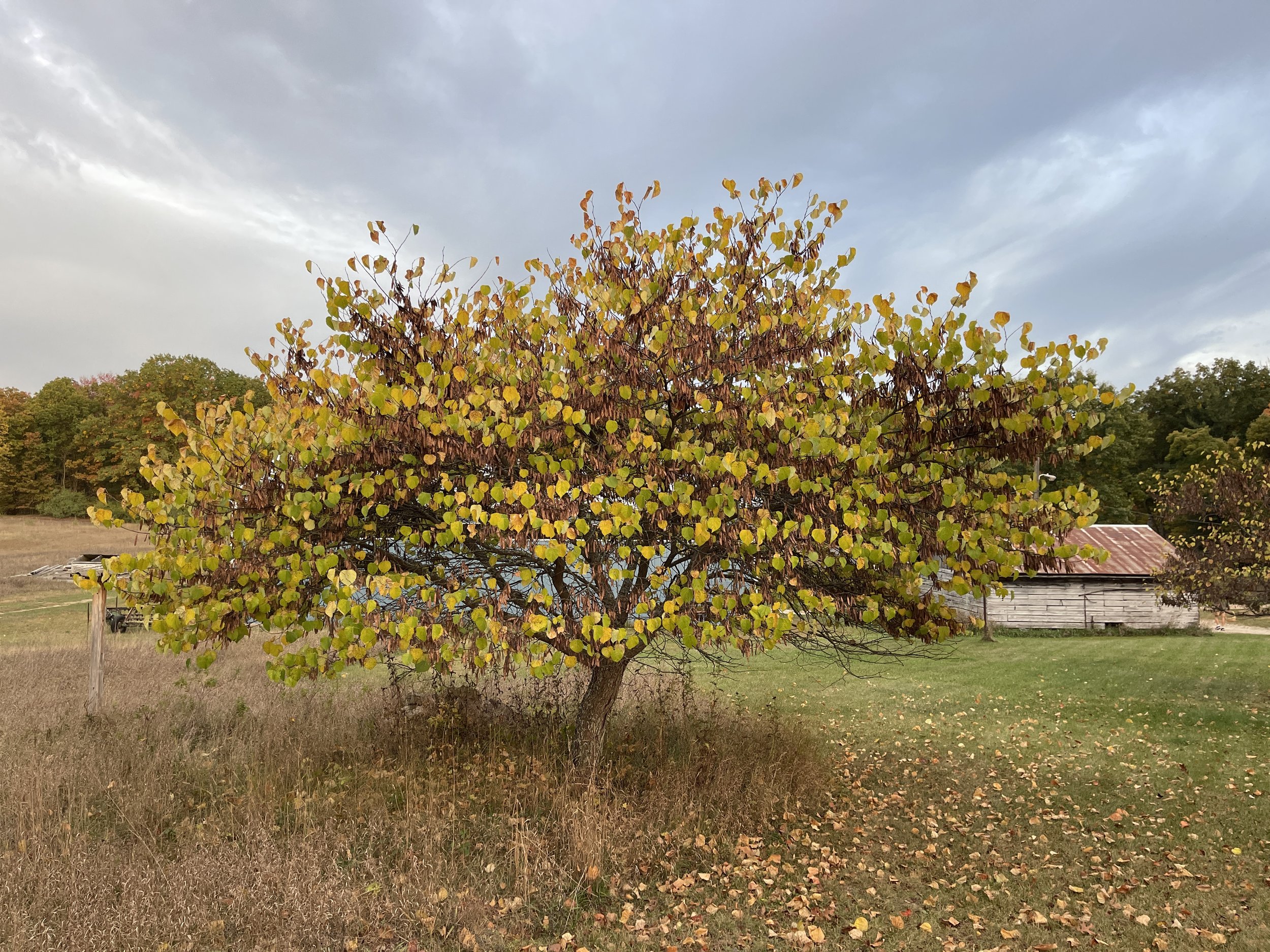 Image 5 of 7
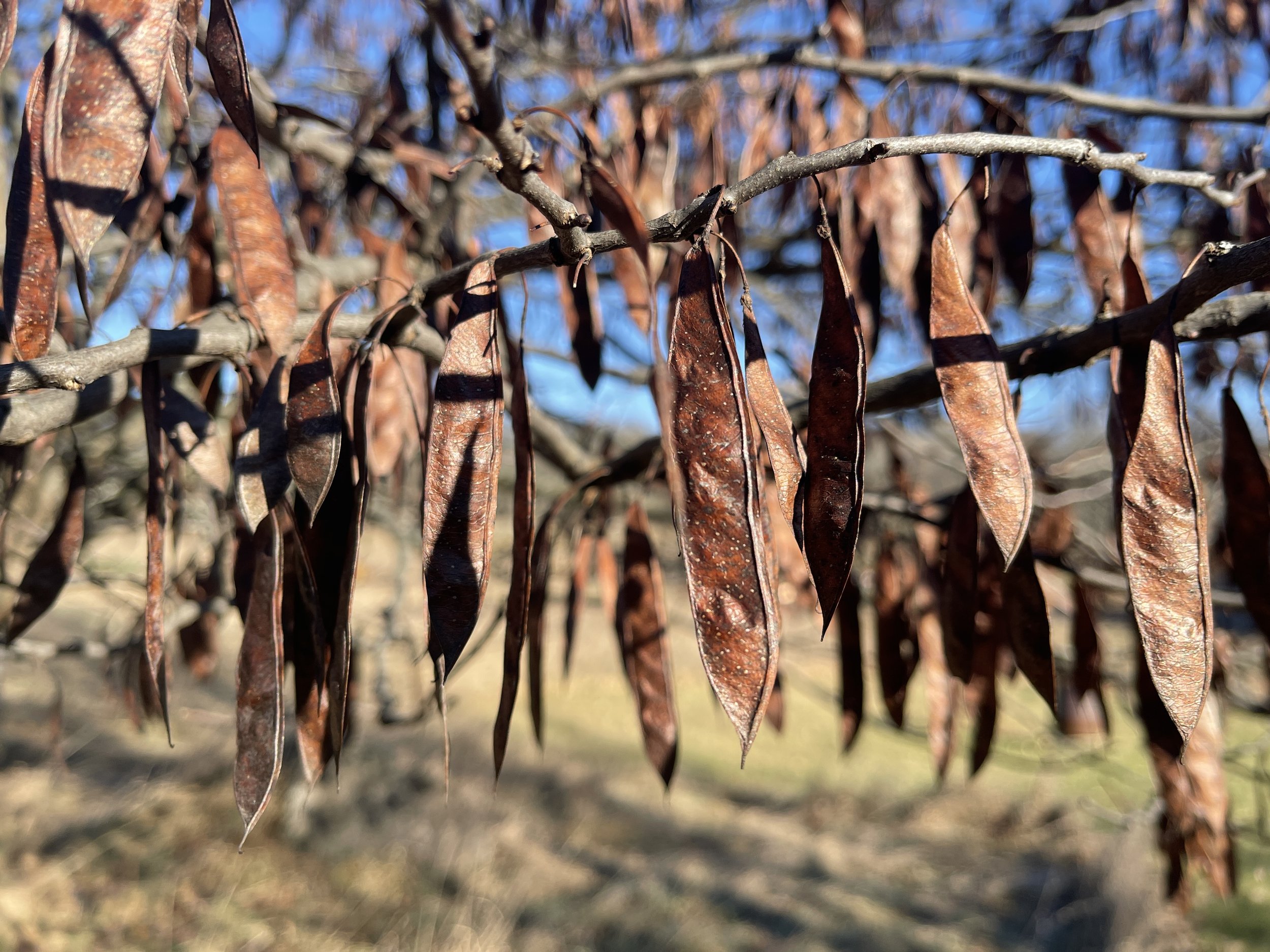 Image 6 of 7
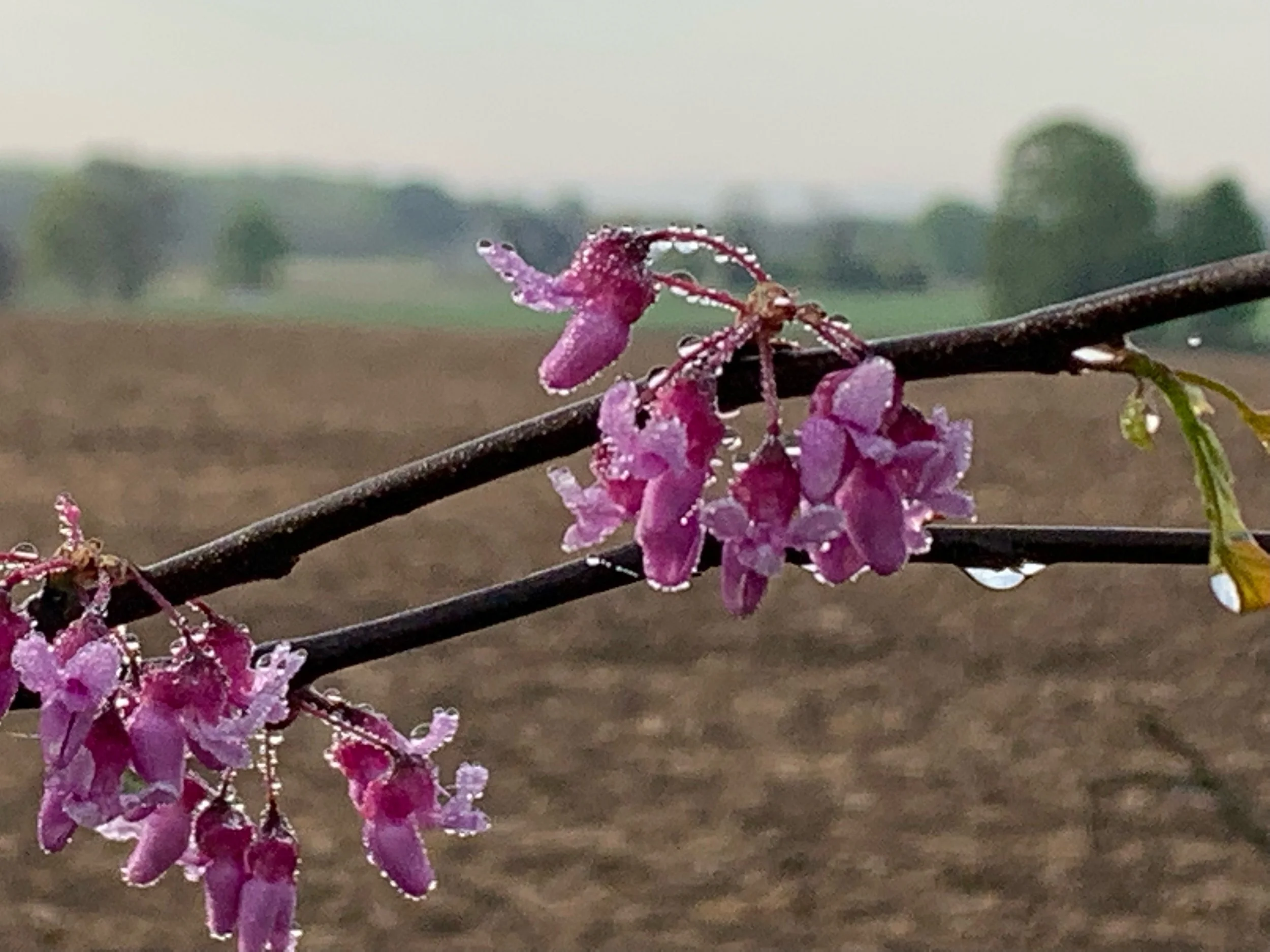 Image 7 of 7