Quantity (per bundle) 25
Size (12-18”)
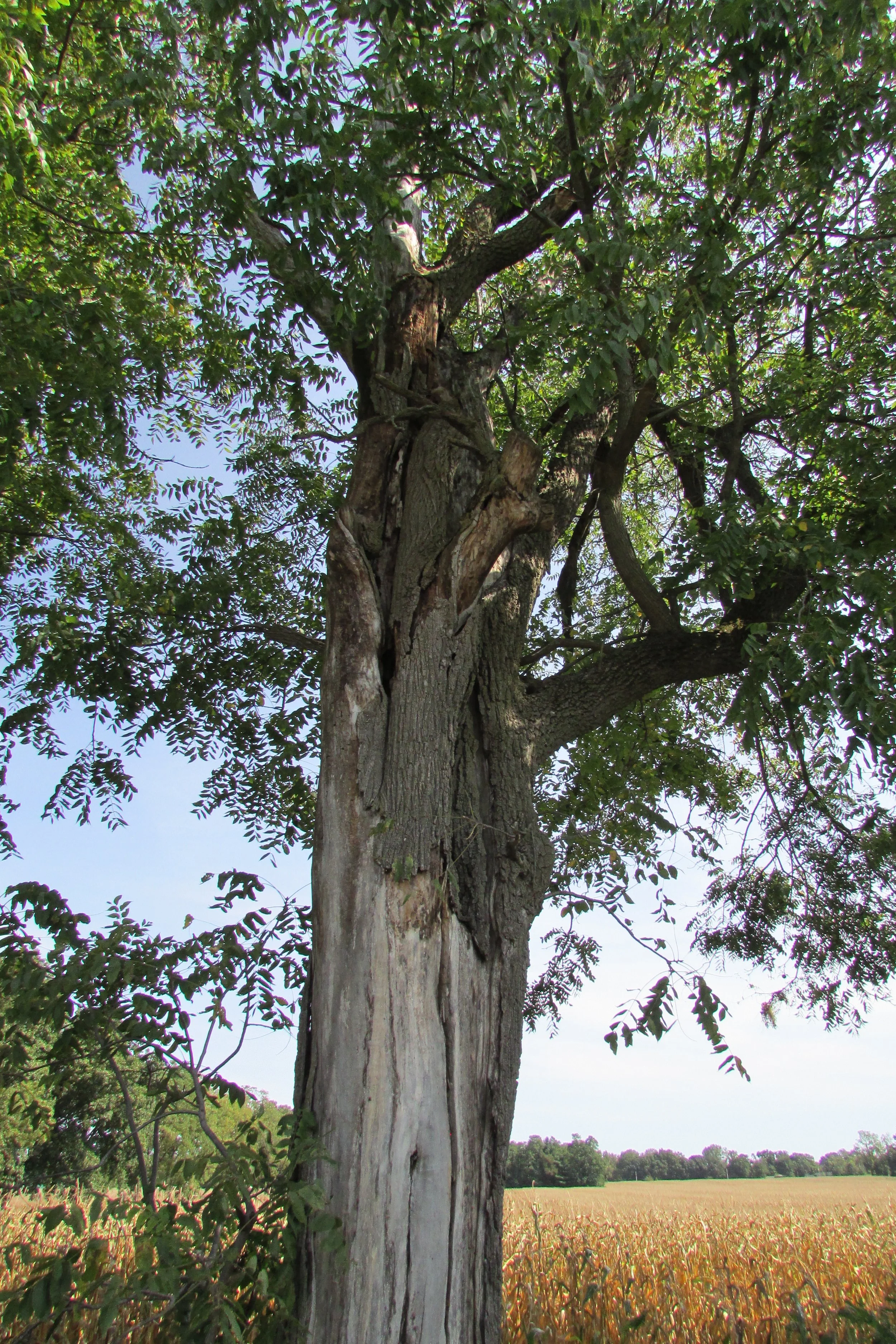
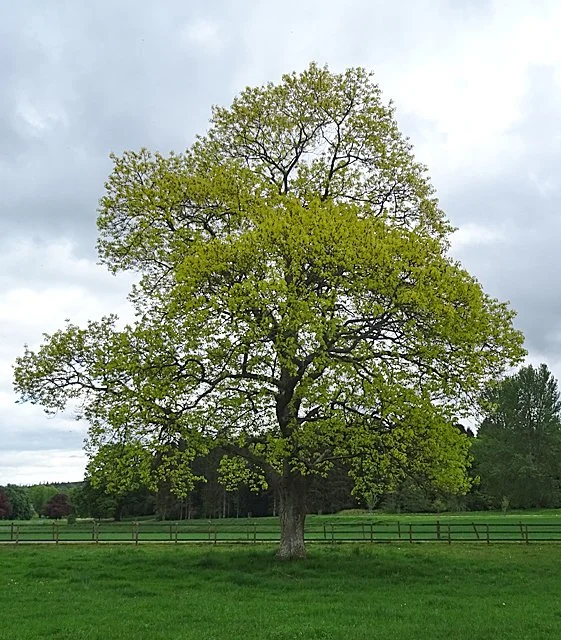
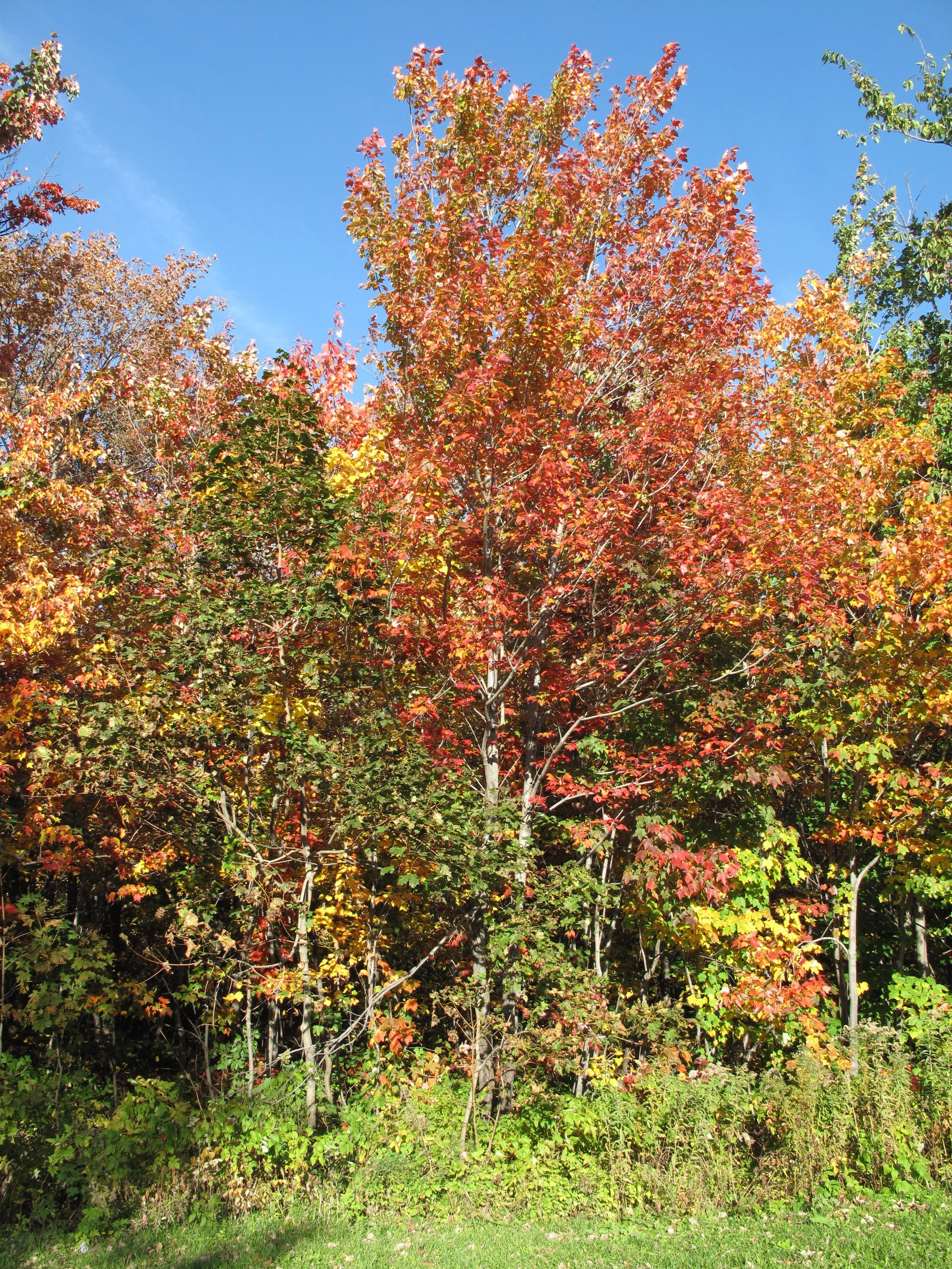
A majestic and enduring native hardwood, White Oak is treasured for its broad, rounded crown, deeply lobed leaves, and rich autumn color that shifts from deep red to bronze. Known for its strength and longevity, it adds timeless beauty and structure to Michigan’s forests and landscapes.
Well-suited to Northern Michigan (Zone 5a), White Oak thrives in full sun and well-drained, loamy soils but can adapt to a variety of upland conditions. Its moderate growth rate and impressive lifespan—often several centuries—make it a lasting investment for shade, habitat, and heritage plantings.
Ecologically, White Oak supports hundreds of wildlife species. Its acorns are a high-energy food source for deer, turkeys, squirrels, and songbirds, while its sturdy limbs provide nesting and shelter. Valued for its dense, durable wood, White Oak has long been prized for barrels, furniture, and fine craftsmanship—embodying both ecological importance and enduring beauty in Michigan’s native landscape.
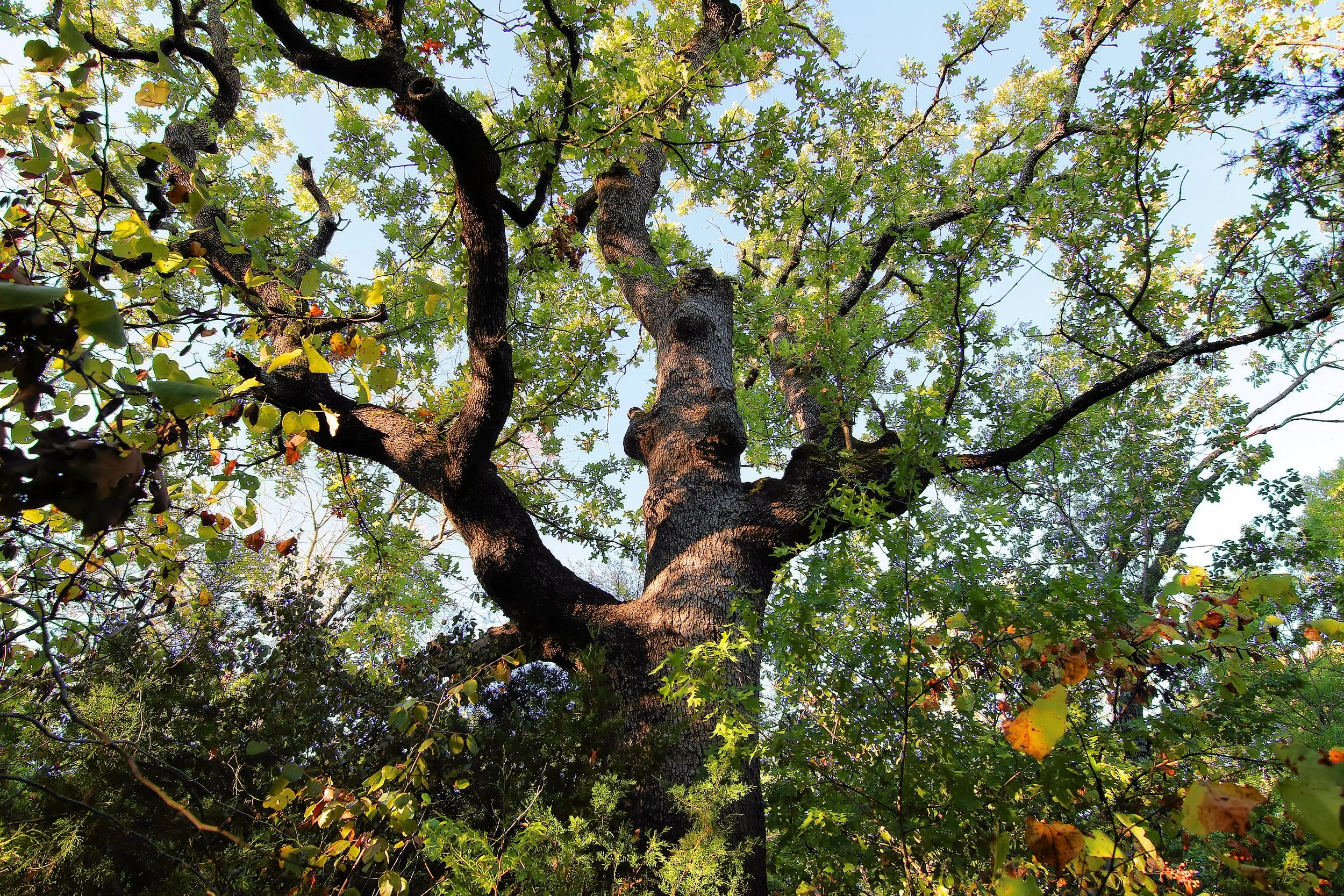
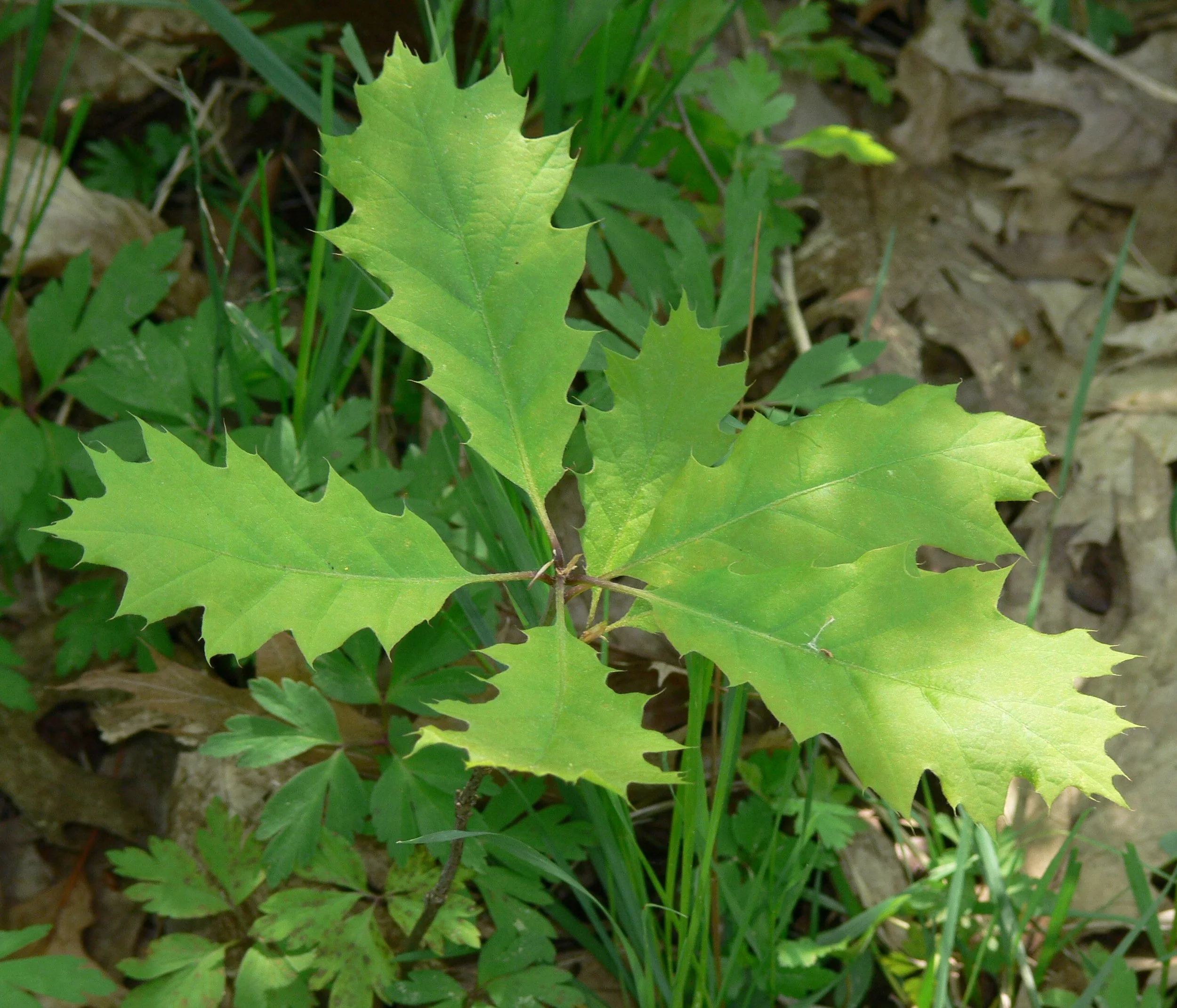
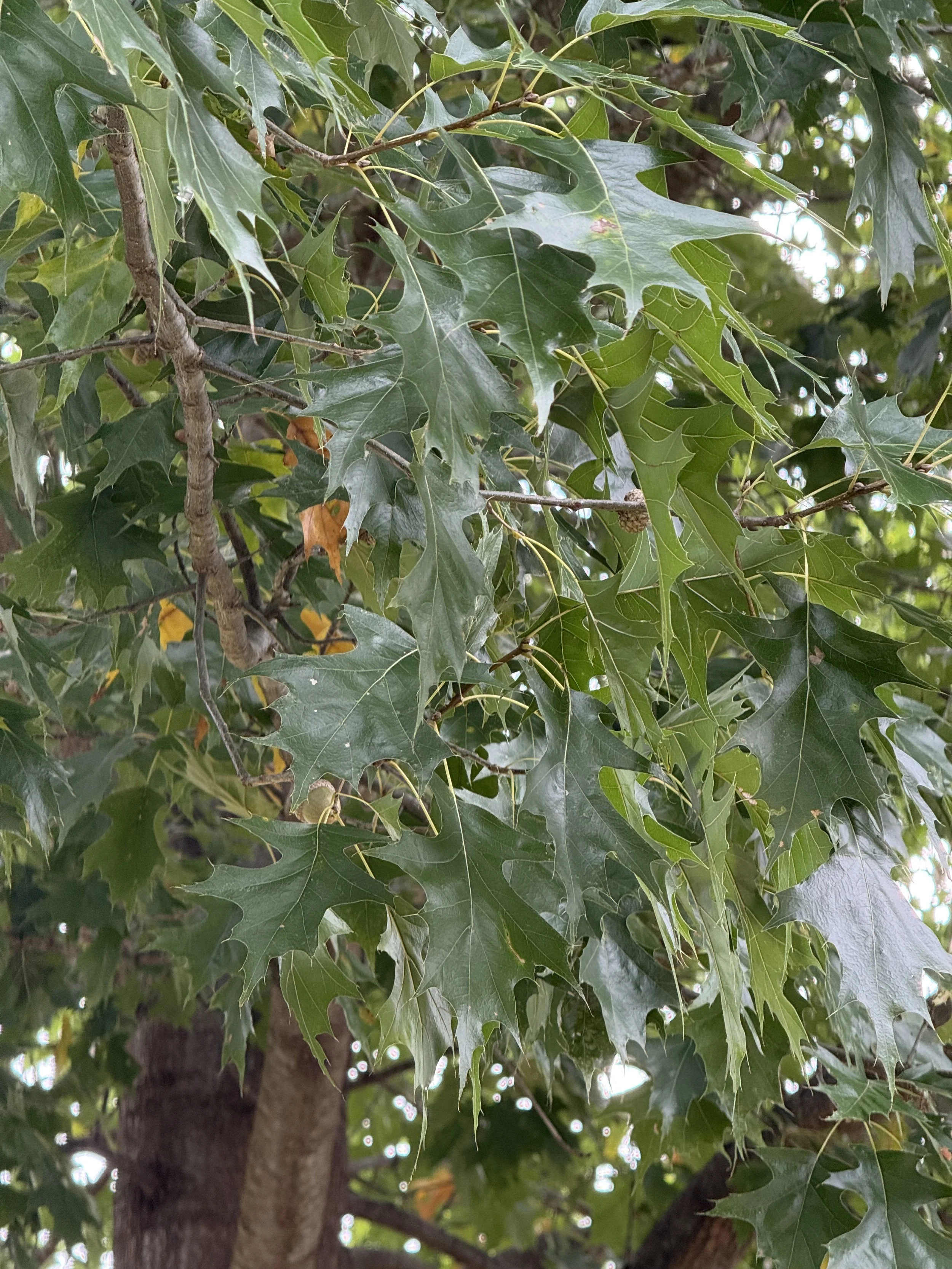
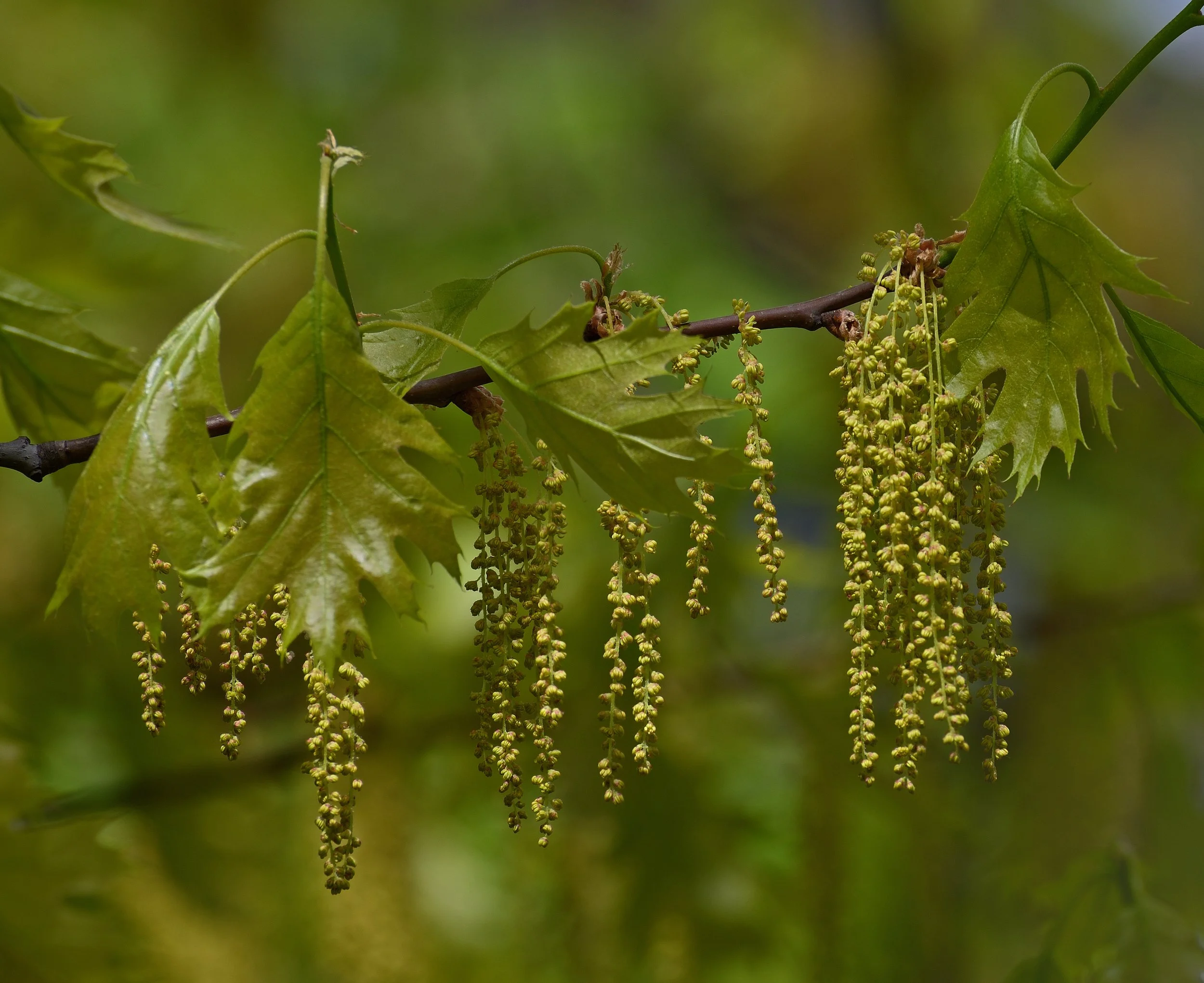
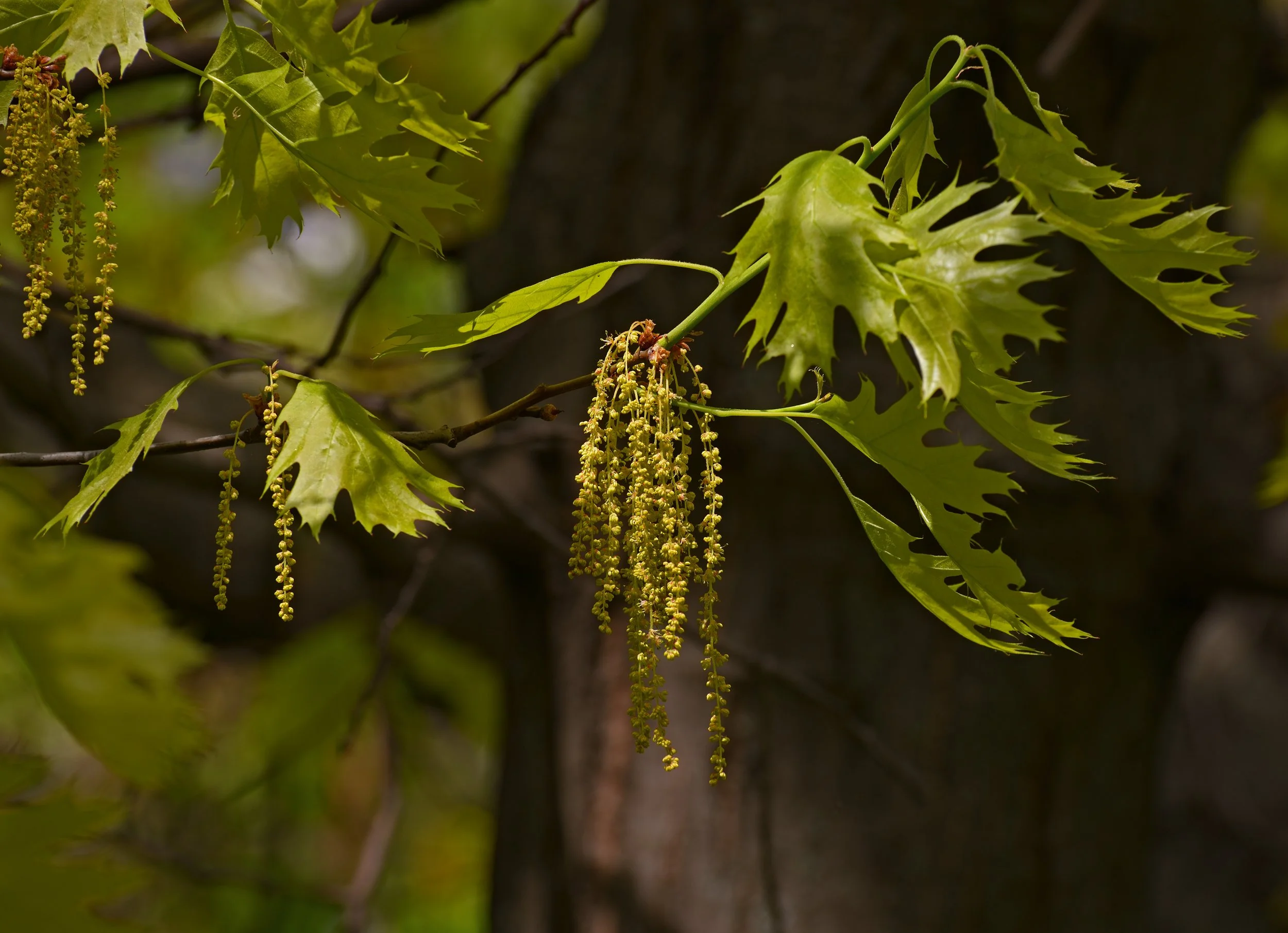
Identification / Key Features: Large deciduous tree with light gray, scaly bark and lobed leaves with rounded tips. Produces acorns that mature in one season.
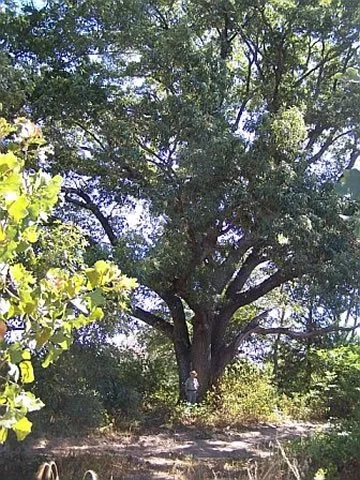
Mature Height / Size: 50–80 feet.
Growth Rate: Moderate.
Light / Soil / Site Preferences: Prefers full sun and well-drained soils; tolerates dry upland sites.
Wildlife Value / Ecological Role: Acorns eaten by deer, squirrels, turkeys, and other wildlife. Provides nesting habitat for birds.
Uses / Economic / Cultural: Wood is durable and used for furniture, flooring, barrels, and construction. Iconic native hardwood species.
Quantity (per bundle) 25
Size (12-18”)
A majestic and enduring native hardwood, White Oak is treasured for its broad, rounded crown, deeply lobed leaves, and rich autumn color that shifts from deep red to bronze. Known for its strength and longevity, it adds timeless beauty and structure to Michigan’s forests and landscapes.
Well-suited to Northern Michigan (Zone 5a), White Oak thrives in full sun and well-drained, loamy soils but can adapt to a variety of upland conditions. Its moderate growth rate and impressive lifespan—often several centuries—make it a lasting investment for shade, habitat, and heritage plantings.
Ecologically, White Oak supports hundreds of wildlife species. Its acorns are a high-energy food source for deer, turkeys, squirrels, and songbirds, while its sturdy limbs provide nesting and shelter. Valued for its dense, durable wood, White Oak has long been prized for barrels, furniture, and fine craftsmanship—embodying both ecological importance and enduring beauty in Michigan’s native landscape.
Identification / Key Features: Large deciduous tree with light gray, scaly bark and lobed leaves with rounded tips. Produces acorns that mature in one season.
Mature Height / Size: 50–80 feet.
Growth Rate: Moderate.
Light / Soil / Site Preferences: Prefers full sun and well-drained soils; tolerates dry upland sites.
Wildlife Value / Ecological Role: Acorns eaten by deer, squirrels, turkeys, and other wildlife. Provides nesting habitat for birds.
Uses / Economic / Cultural: Wood is durable and used for furniture, flooring, barrels, and construction. Iconic native hardwood species.

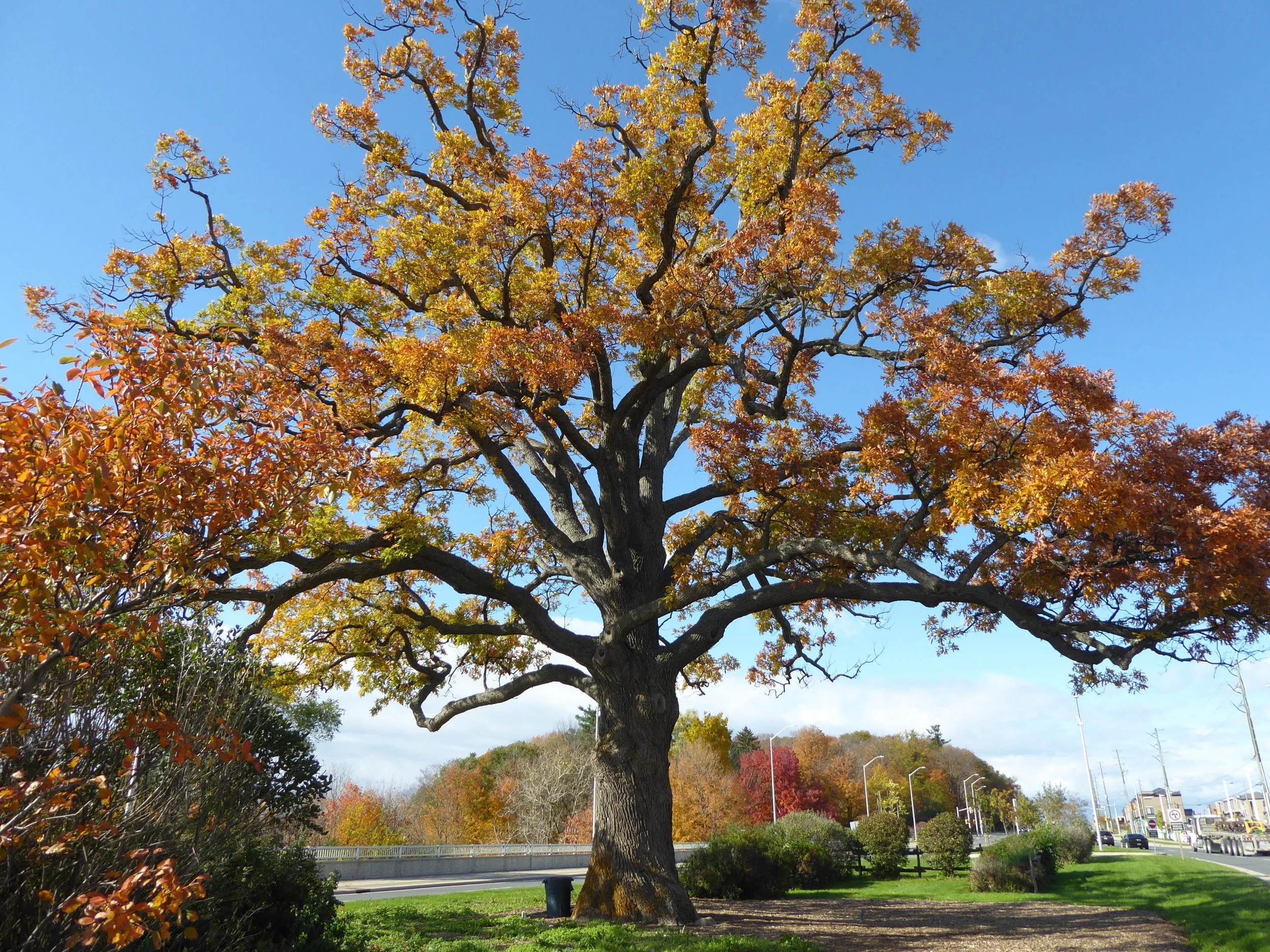 Image 1 of 7
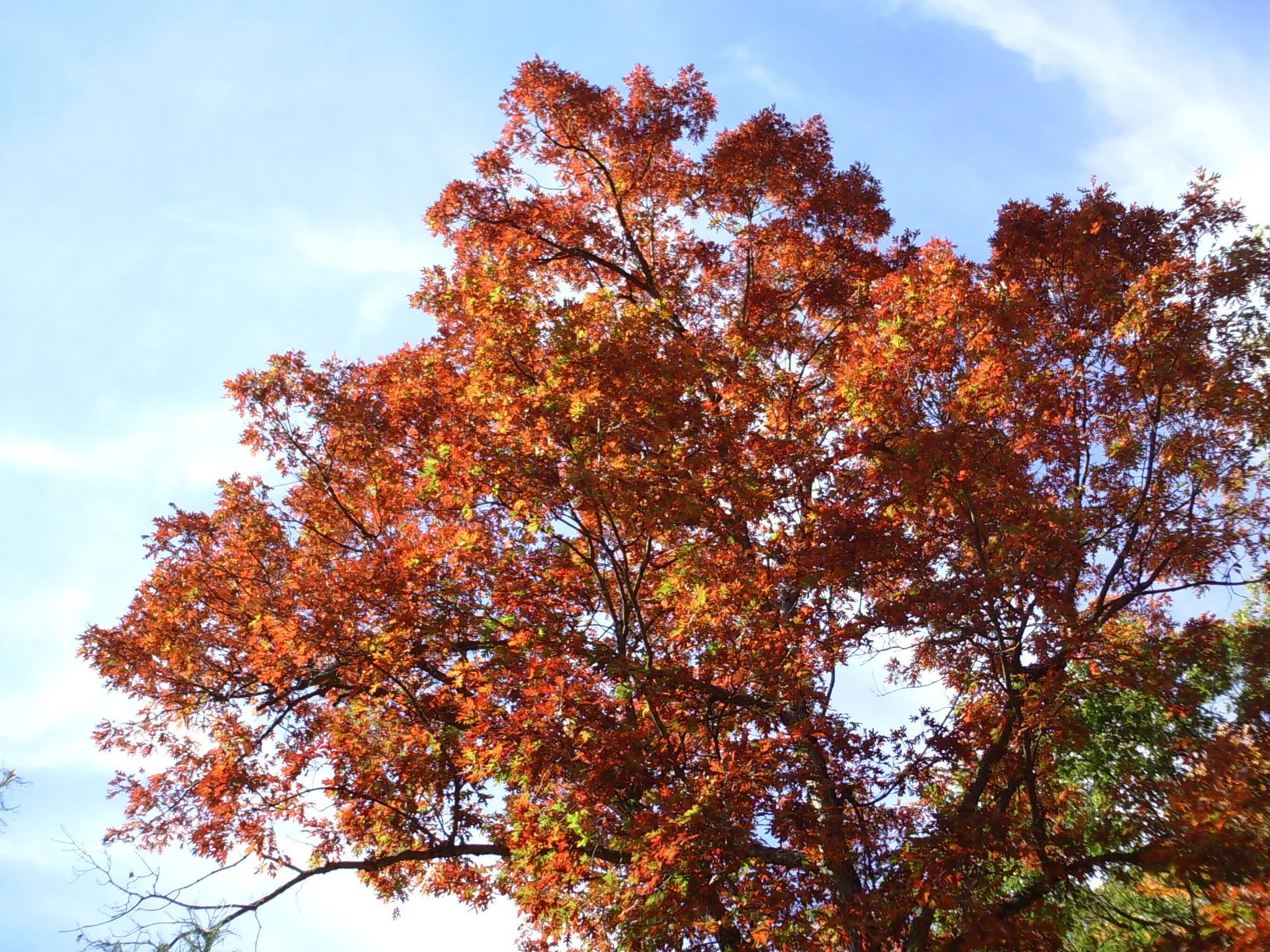 Image 2 of 7
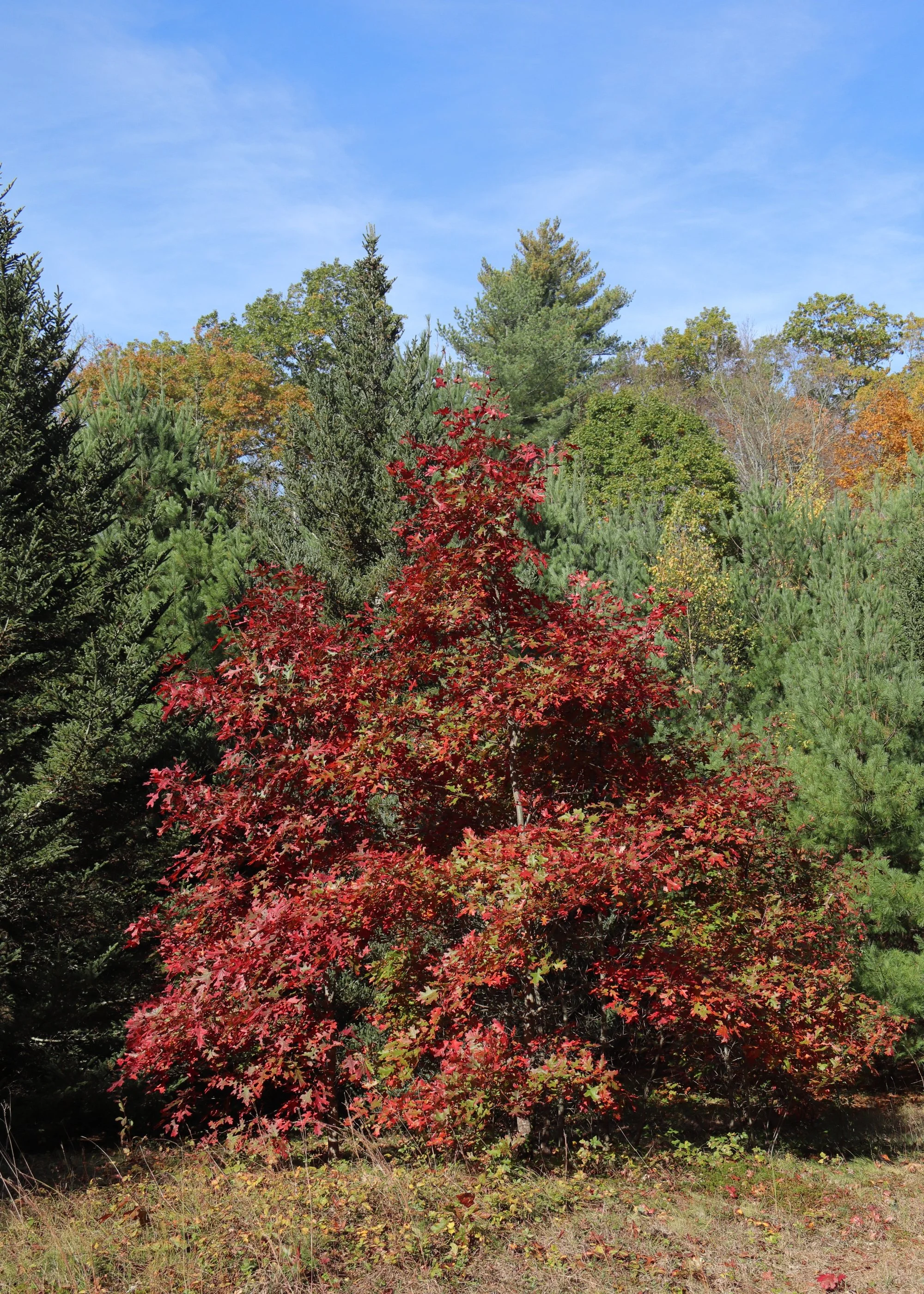 Image 3 of 7
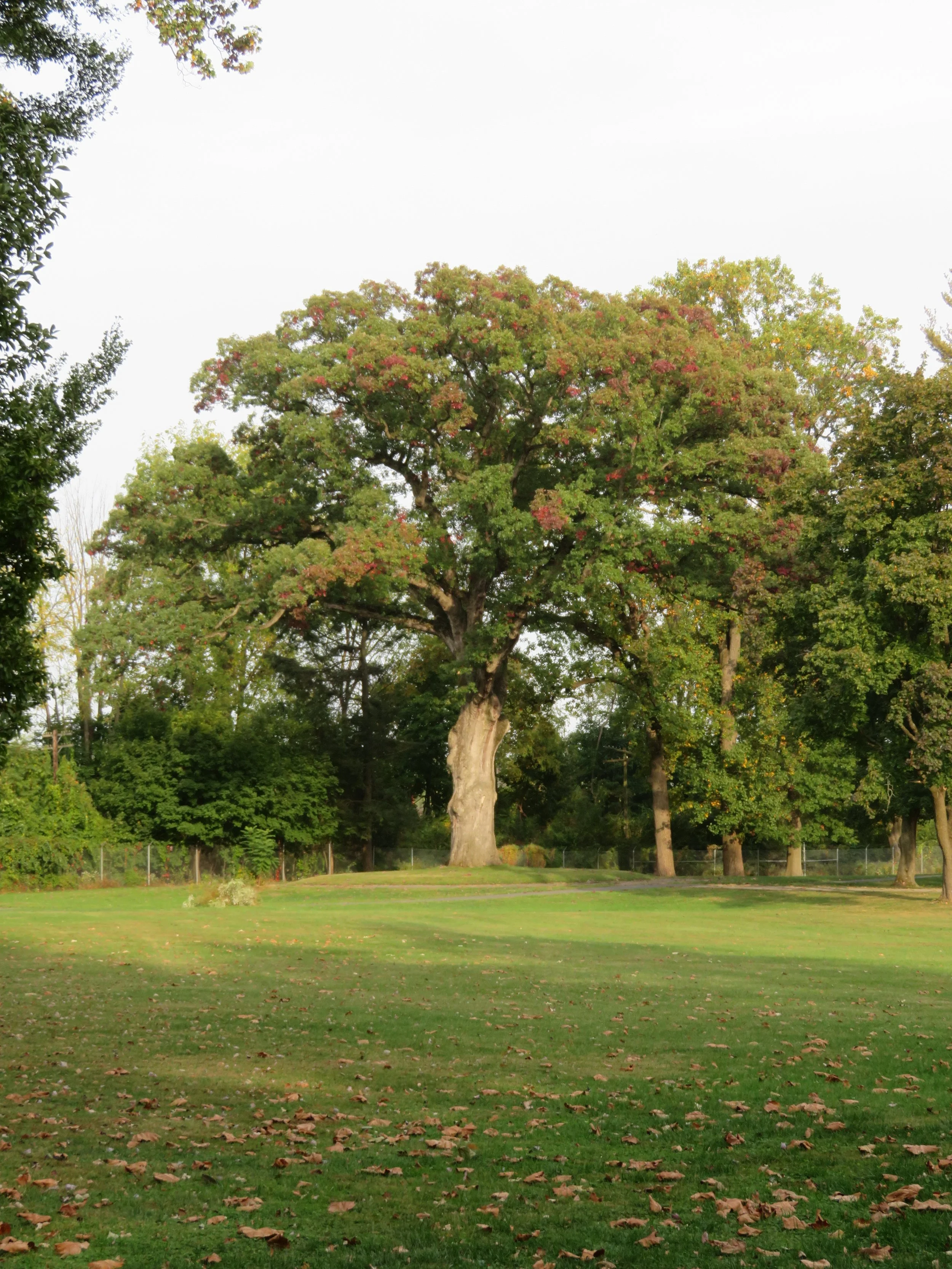 Image 4 of 7
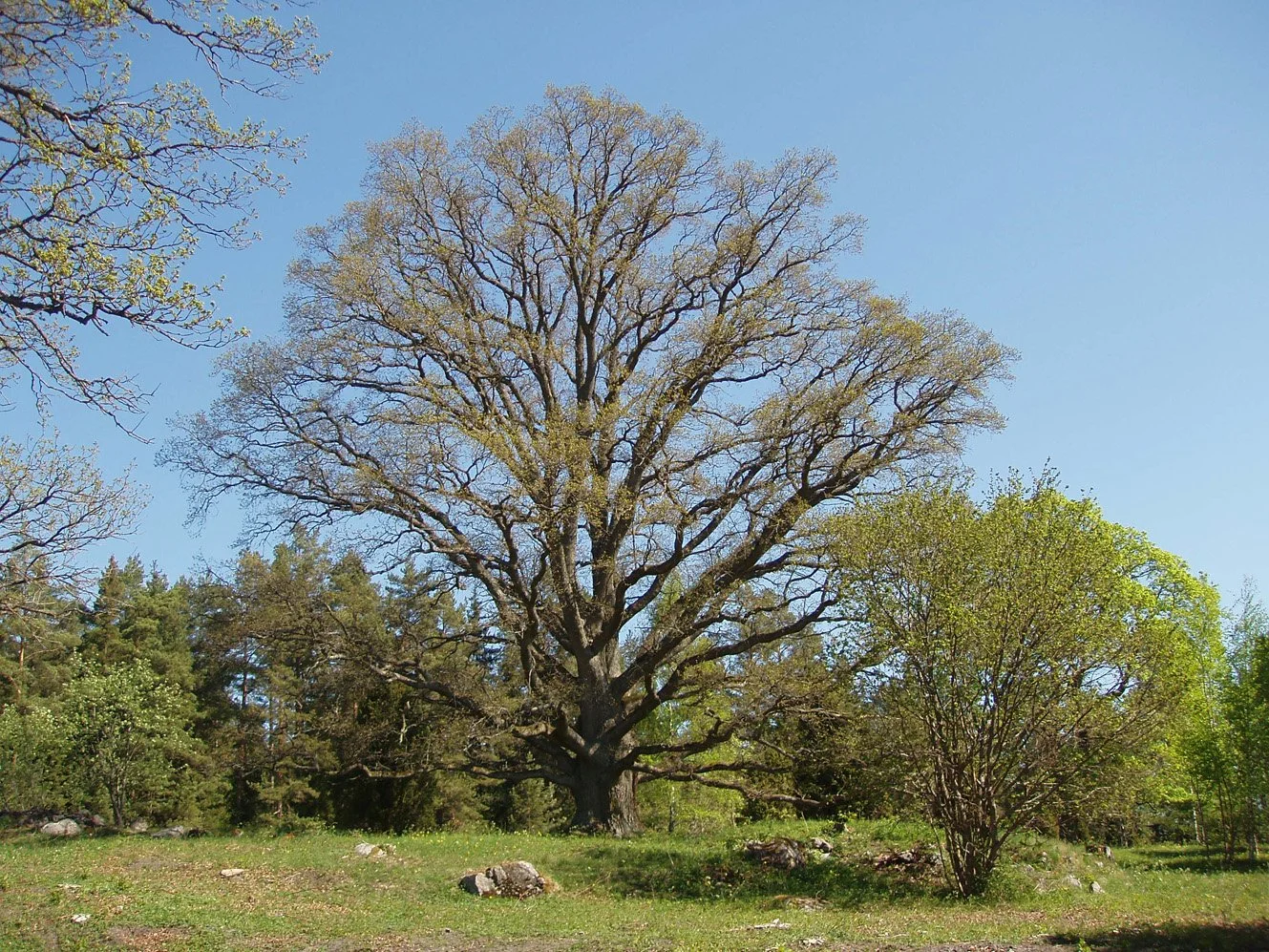 Image 5 of 7
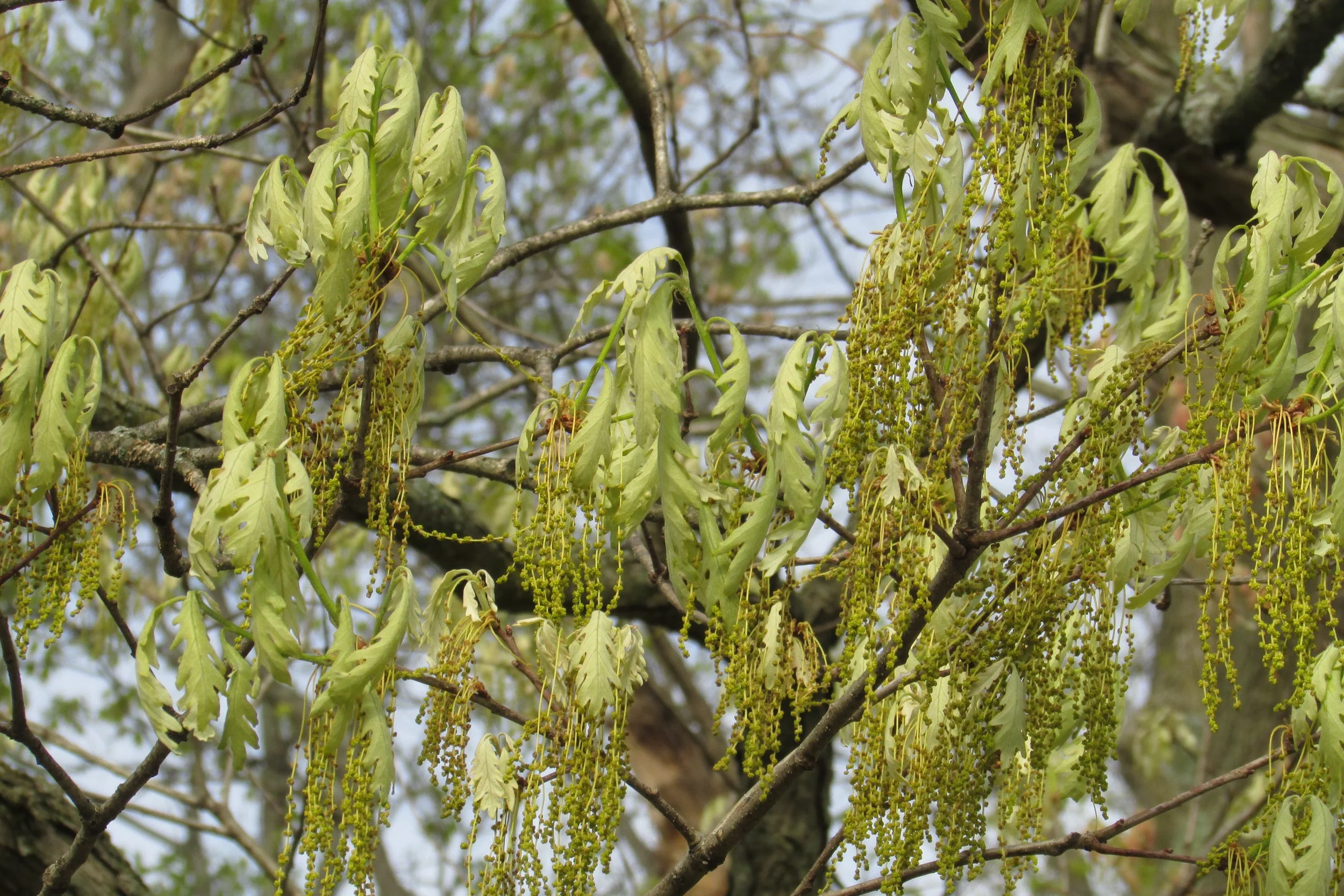 Image 6 of 7
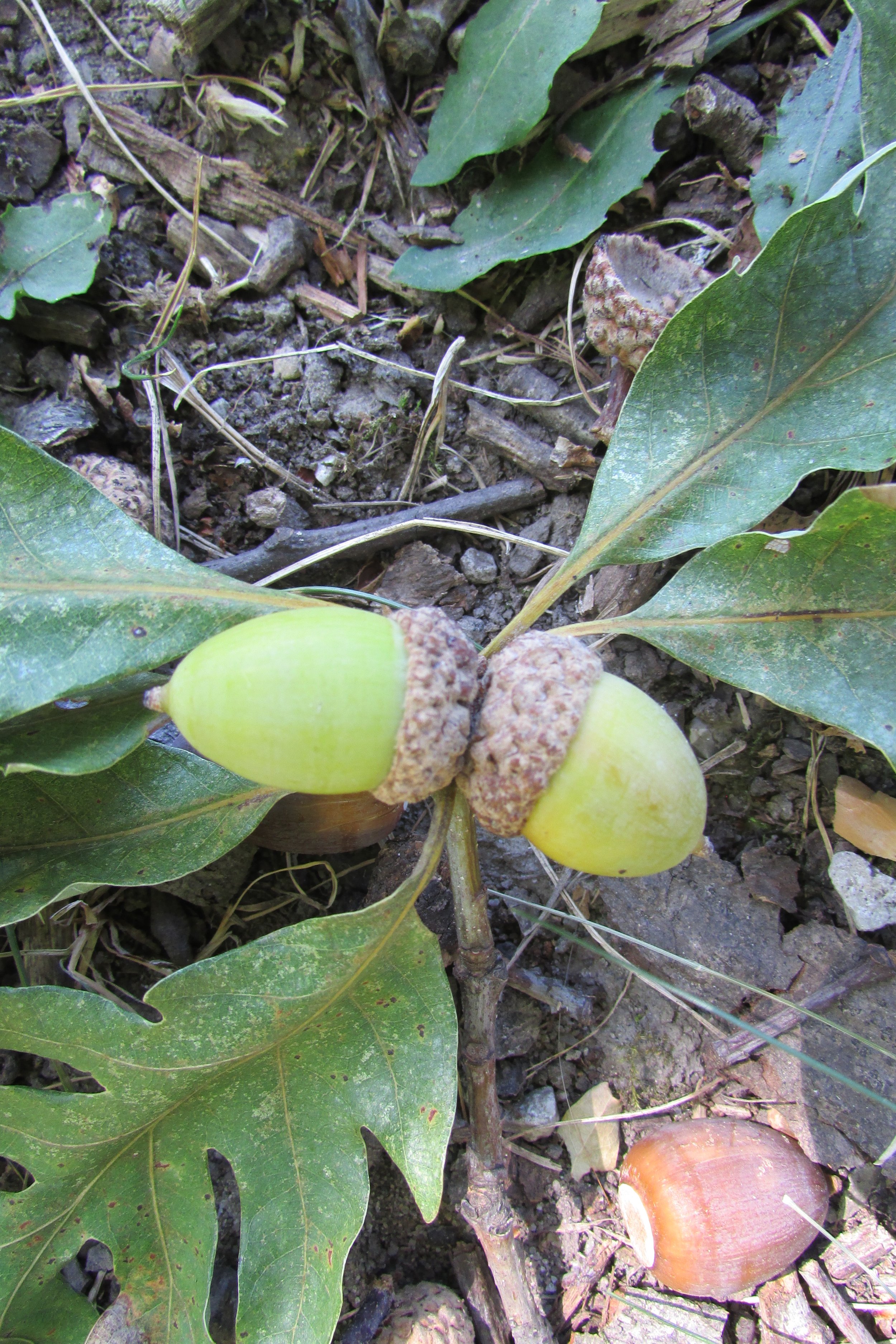 Image 7 of 7







![Kurt Stüber [1], CC BY-SA 3.0 <http://creativecommons.org/licenses/by-sa/3.0/>, via Wikimedia Commons.jpg](https://images.squarespace-cdn.com/content/v1/6824b99b0162611c9e37dcf6/984fe6c2-3e0e-4e1c-862f-40c88a5ed806/Kurt+St%C3%BCber+%5B1%5D%2C+CC+BY-SA+3.0+%3Chttp%3A%2F%2Fcreativecommons.org%2Flicenses%2Fby-sa%2F3.0%2F%3E%2C+via+Wikimedia+Commons.jpg)