 Image 1 of 4
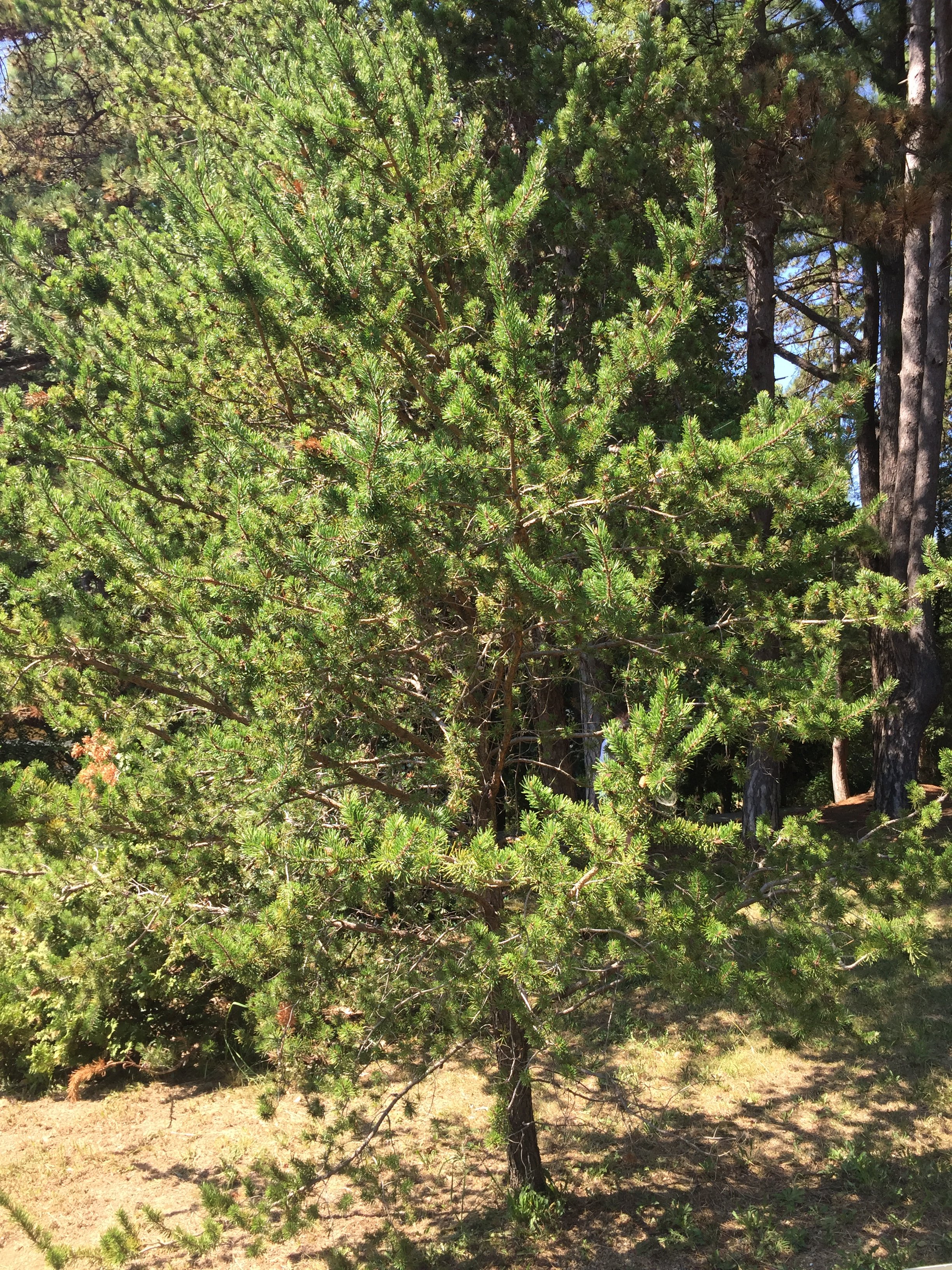 Image 2 of 4
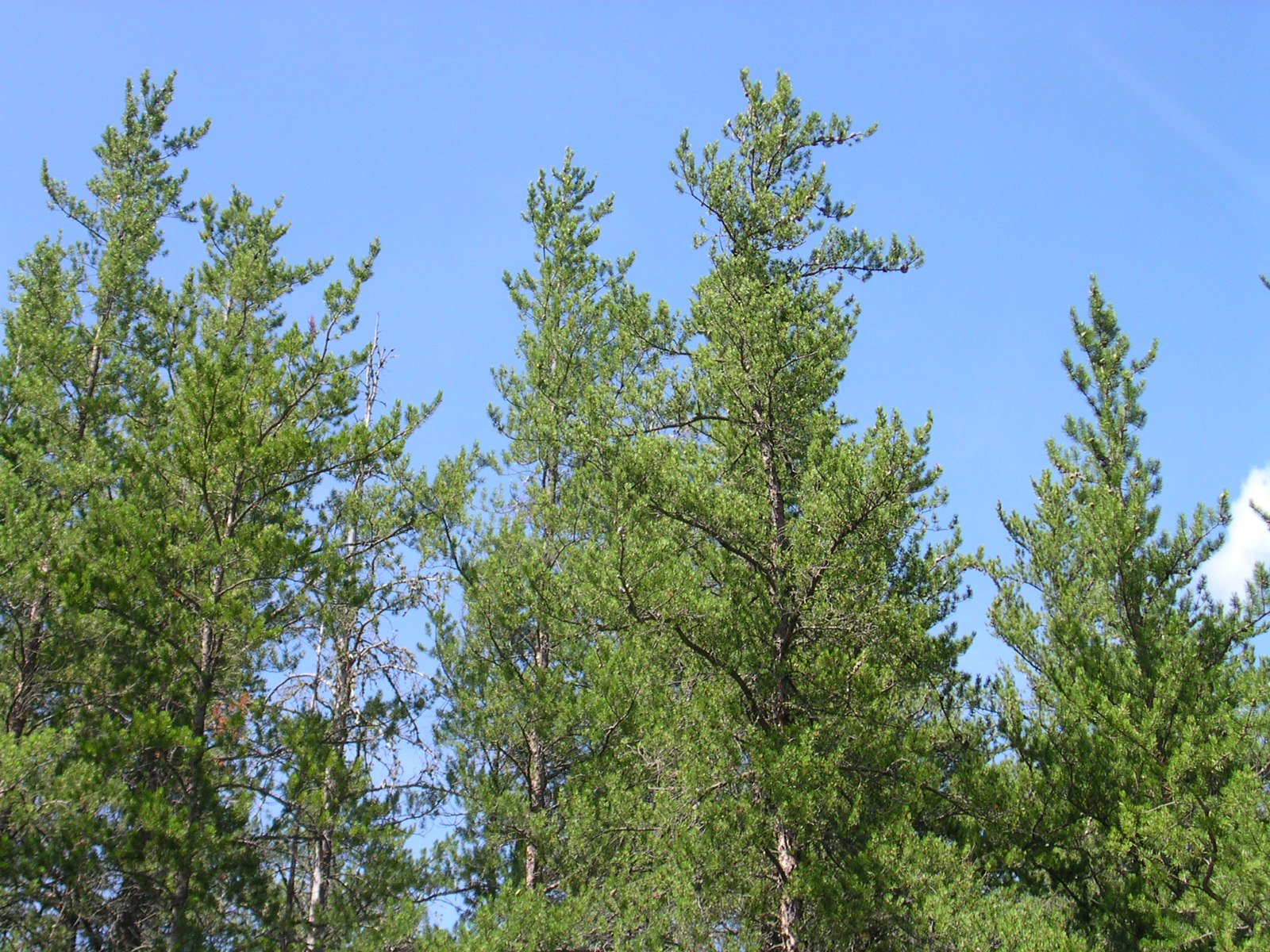 Image 3 of 4
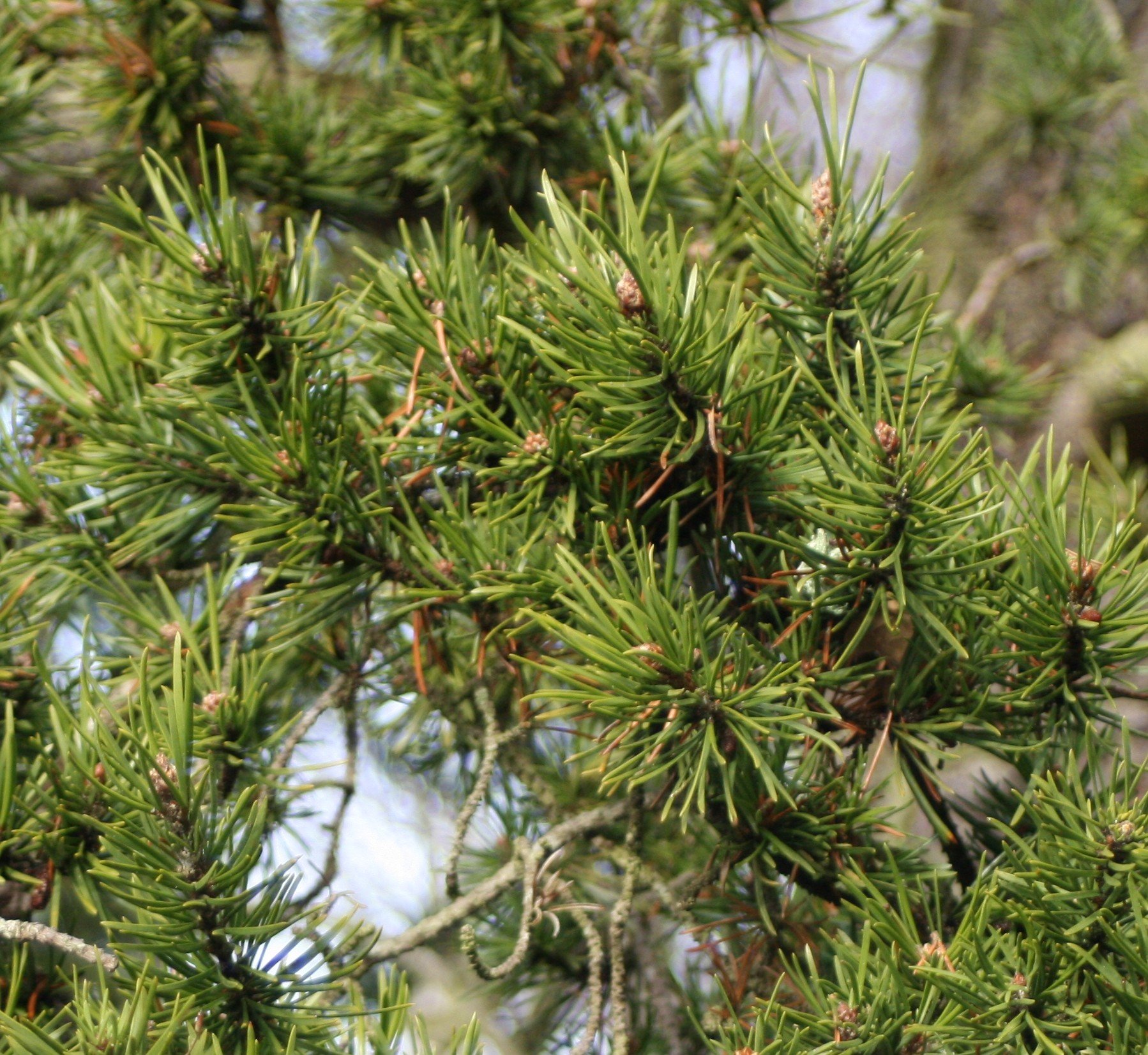 Image 4 of 4
Size (7-18”)
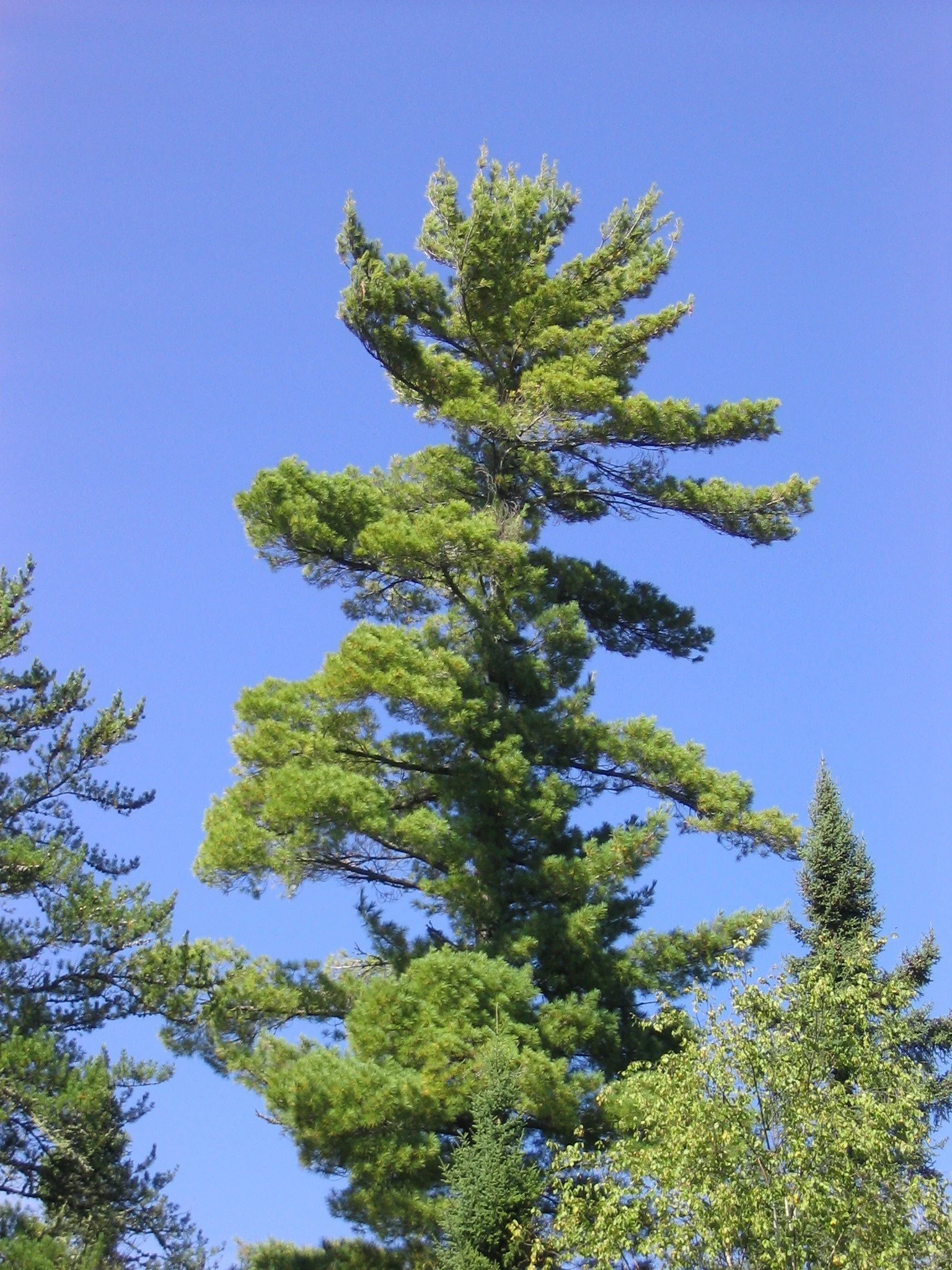
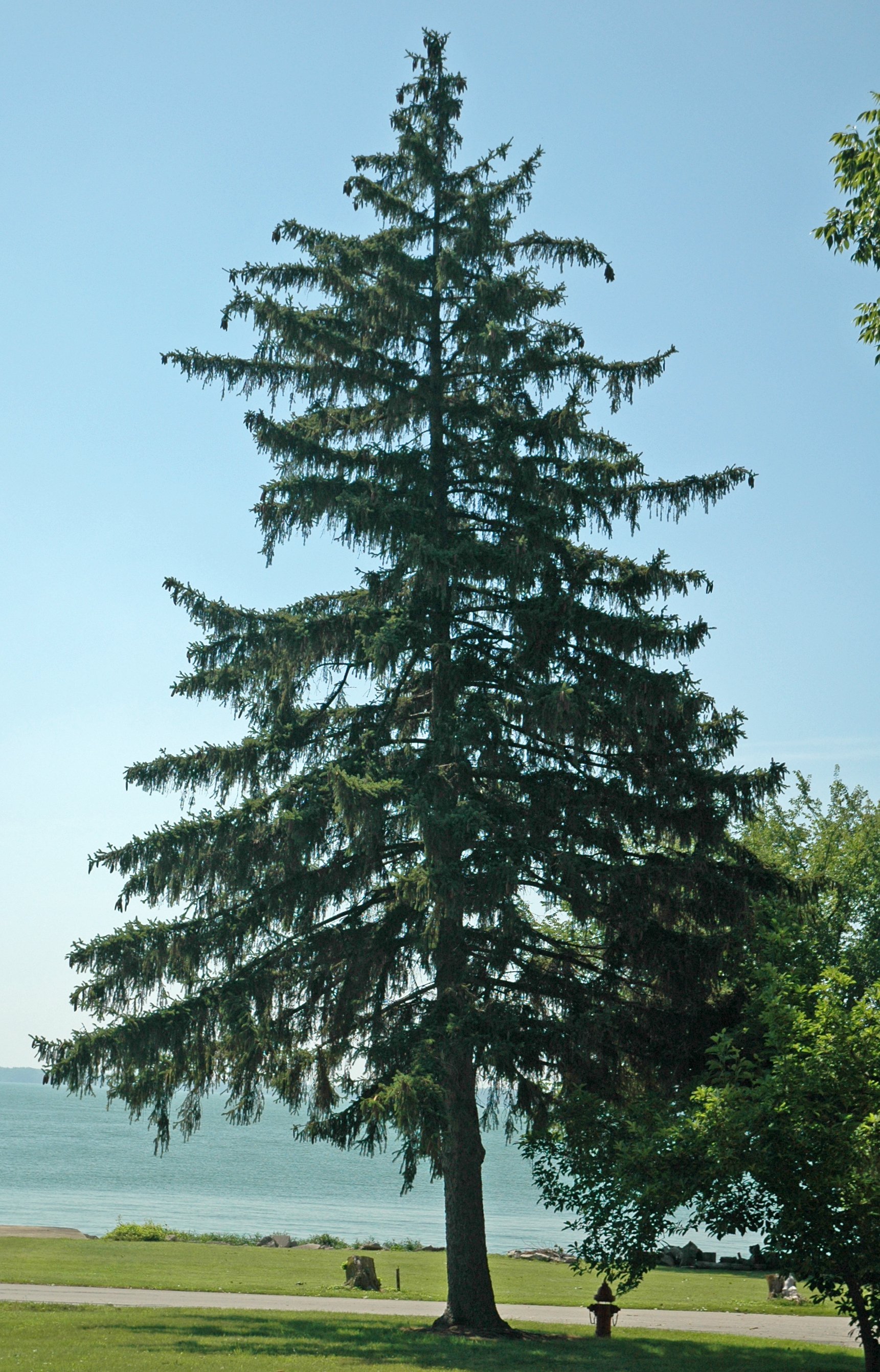
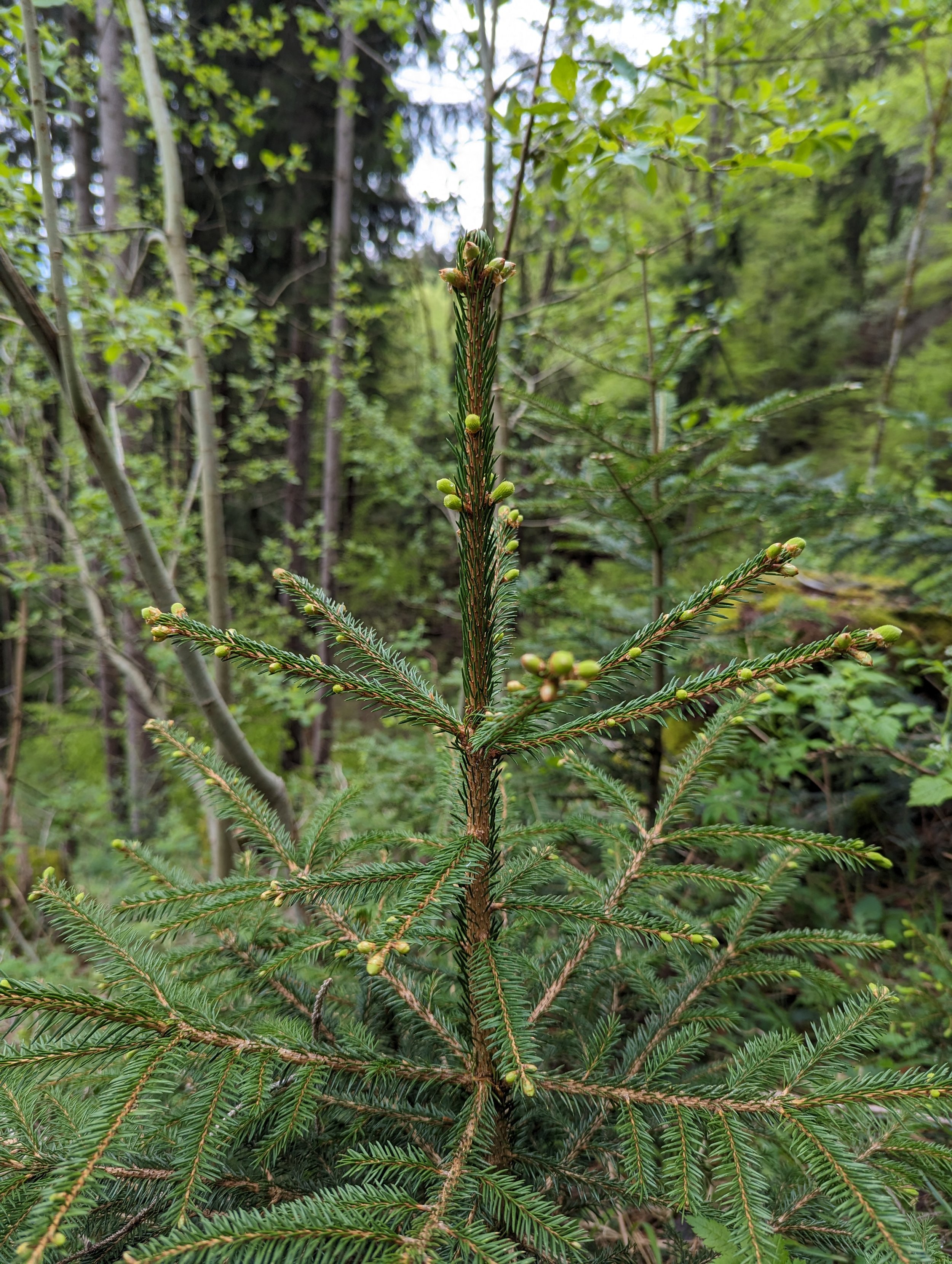
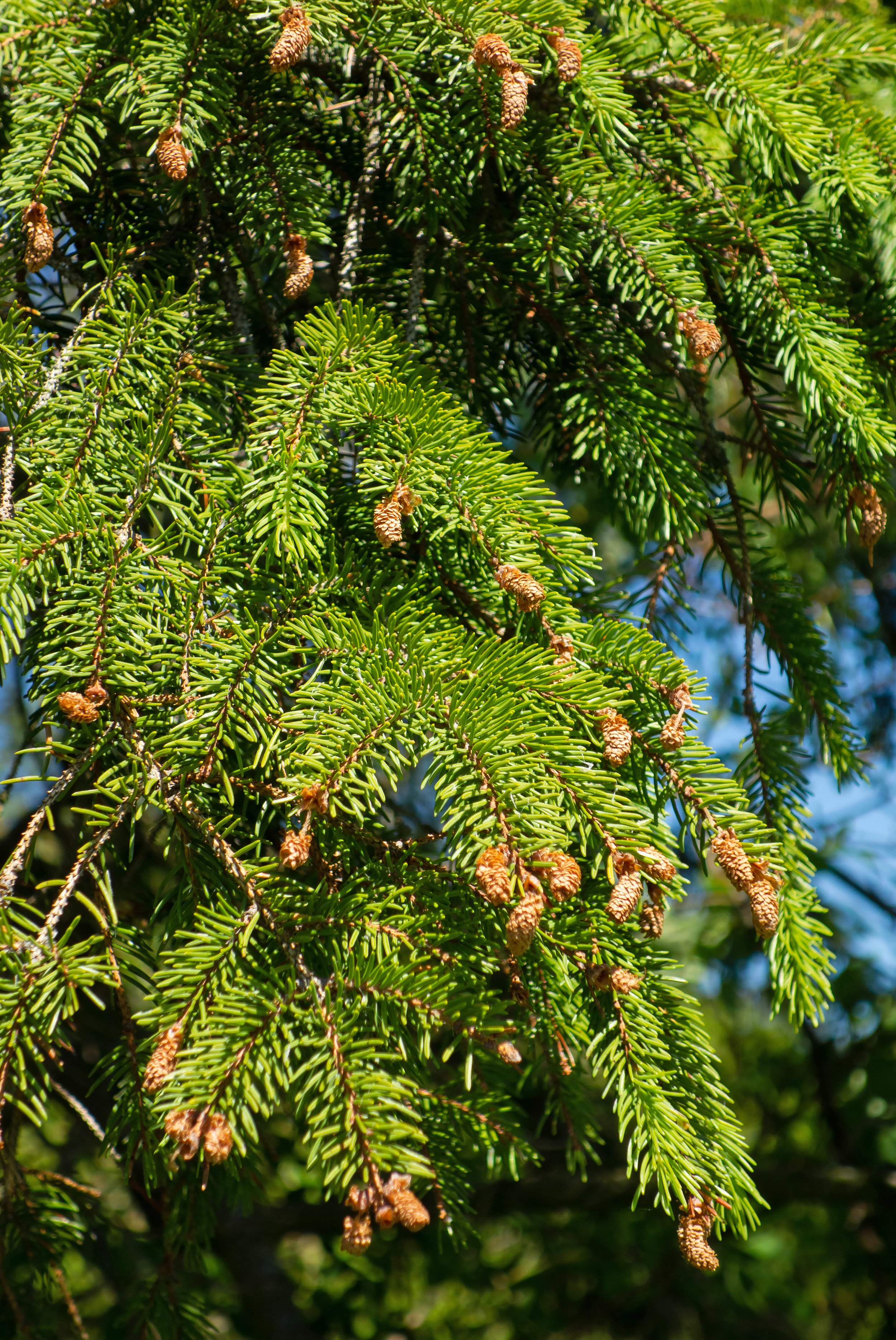
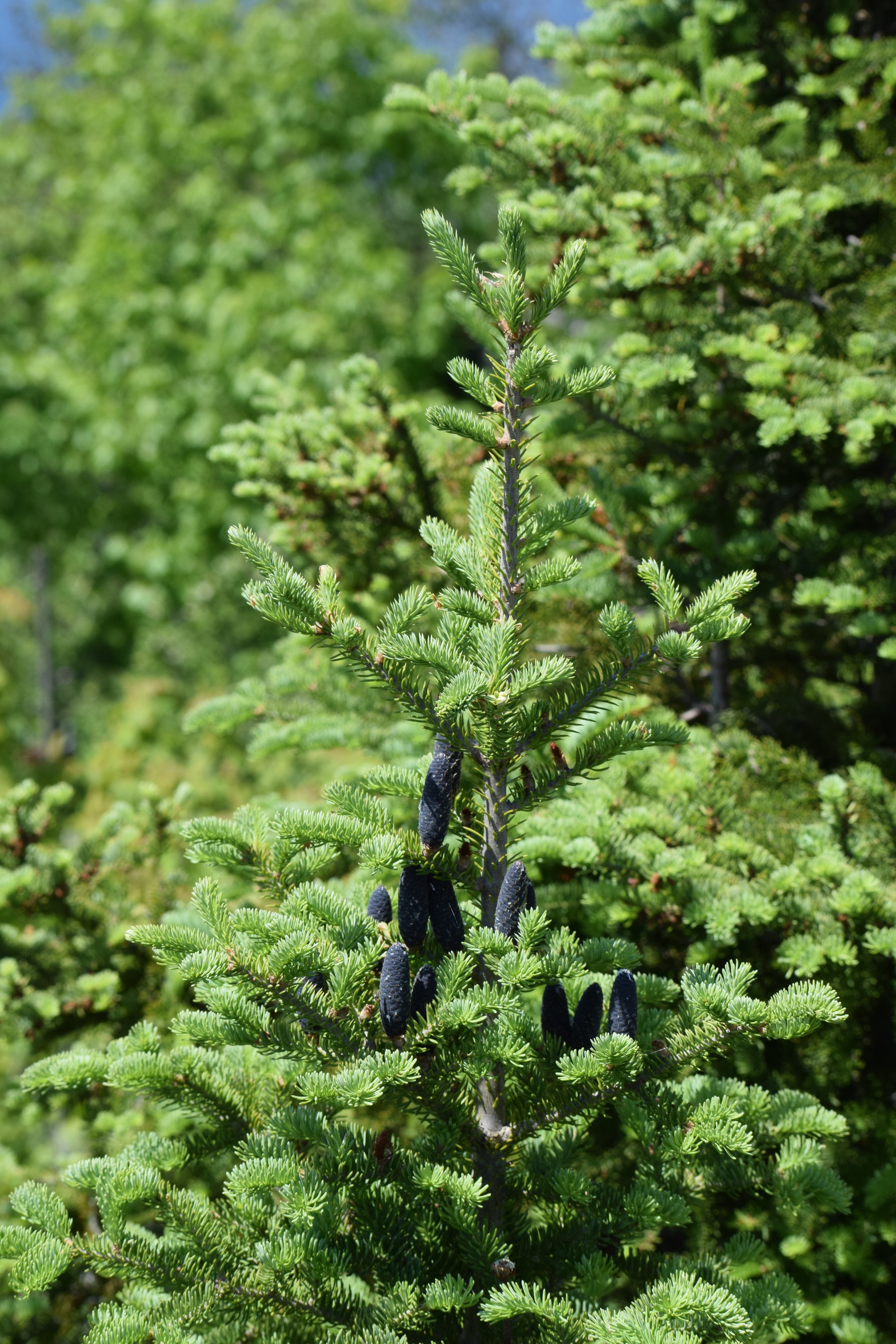
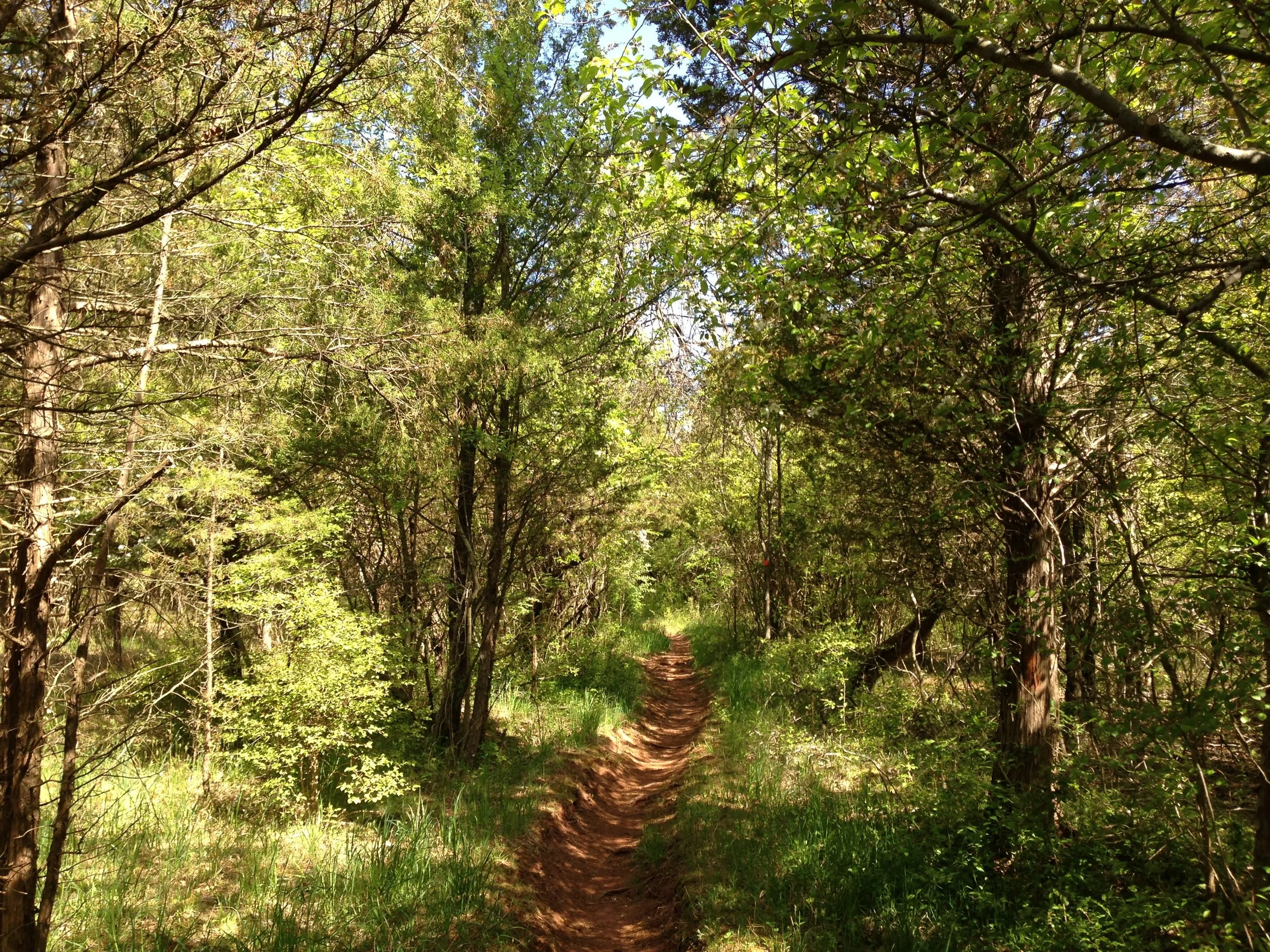
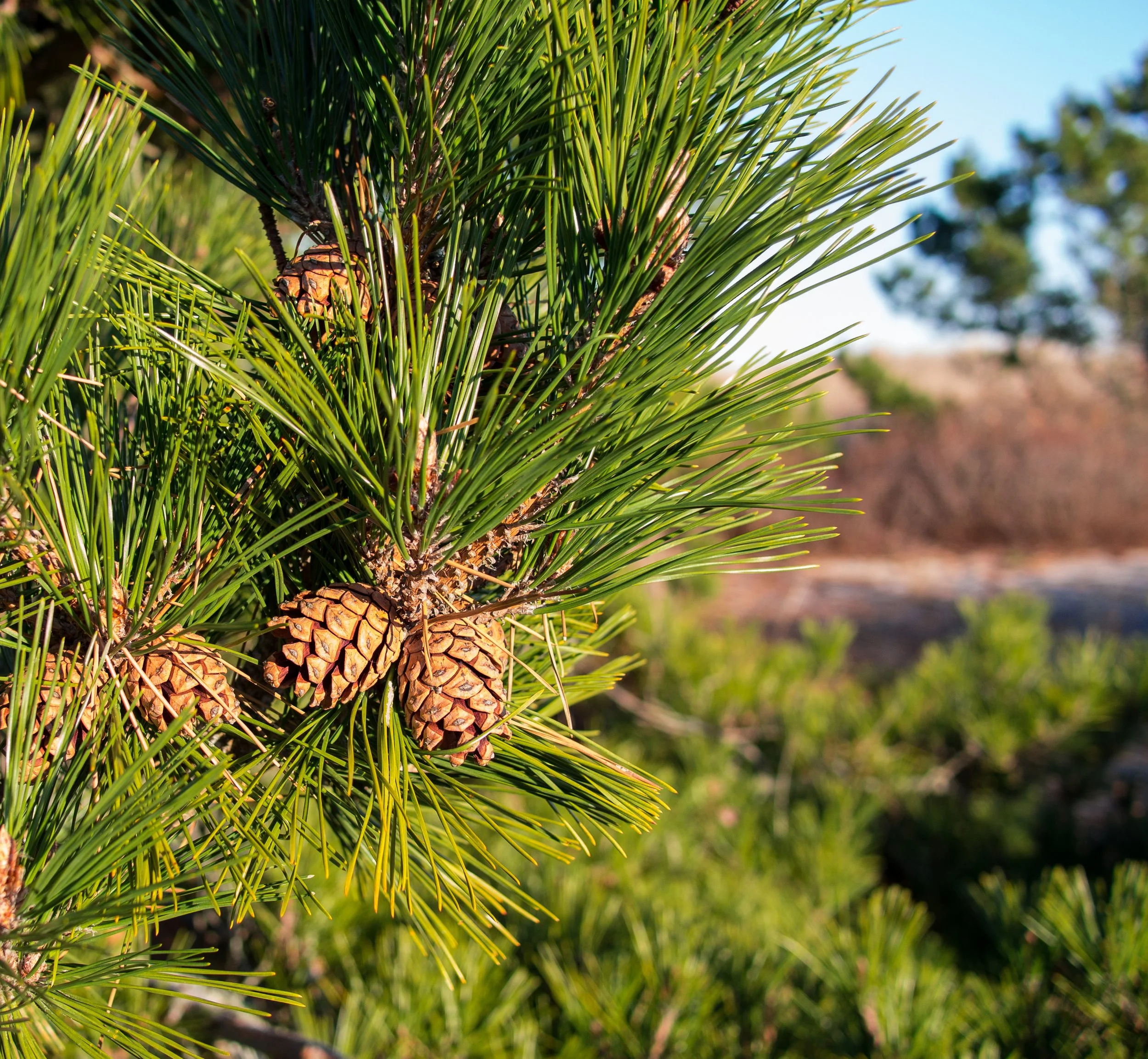
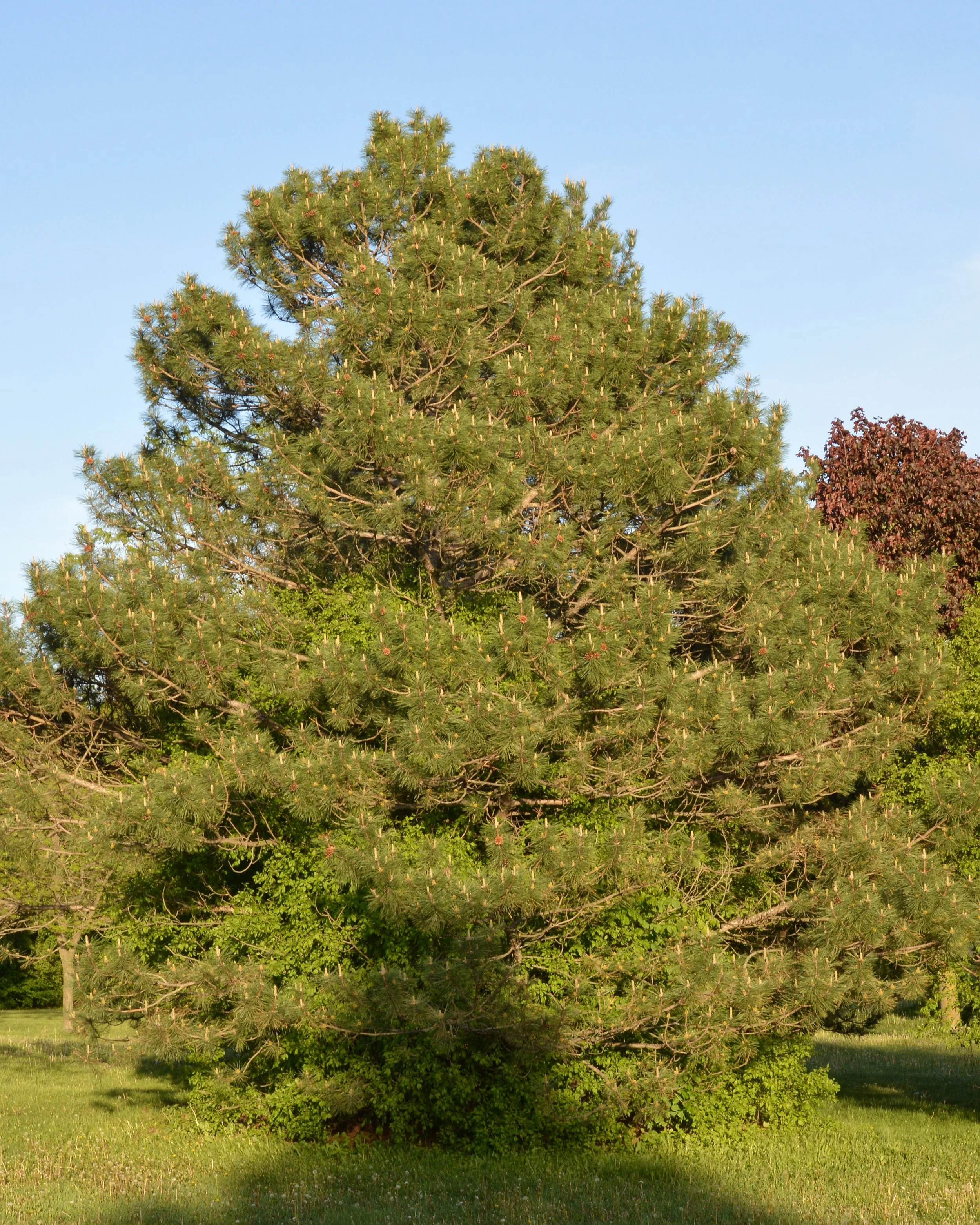
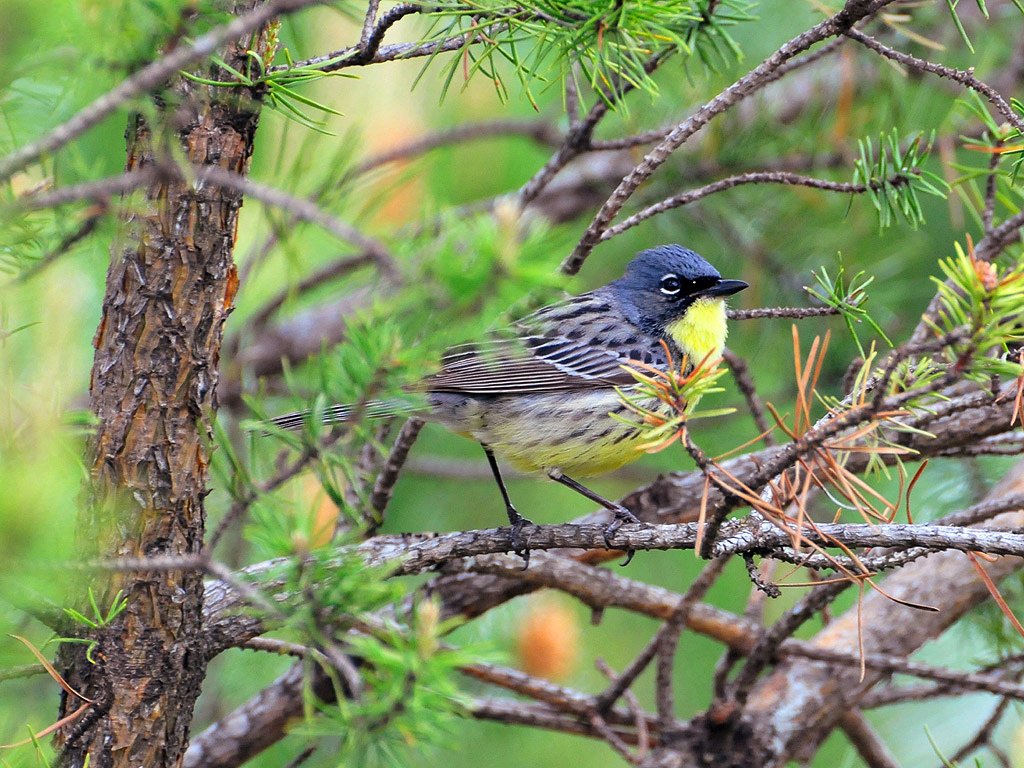
A rugged and resilient native conifer, Jack Pine is well-adapted to the dry, sandy soils and harsh conditions of Northern Michigan. With its irregular shape, twisted branches, and short, stiff needles, Jack Pine brings character to natural landscapes and plays a key role in supporting native wildlife, including the endangered Kirtland’s Warbler, which nests exclusively in young Jack Pine stands.
Ideal for Northern Michigan (Zone 5a), Jack Pine thrives in full sun and poor, sandy soils where few other trees will grow. It is fast-growing, drought-tolerant, and an excellent choice for reforestation, erosion control, and wildlife plantings. This tough and adaptable tree is perfect for naturalized areas and restoration projects.
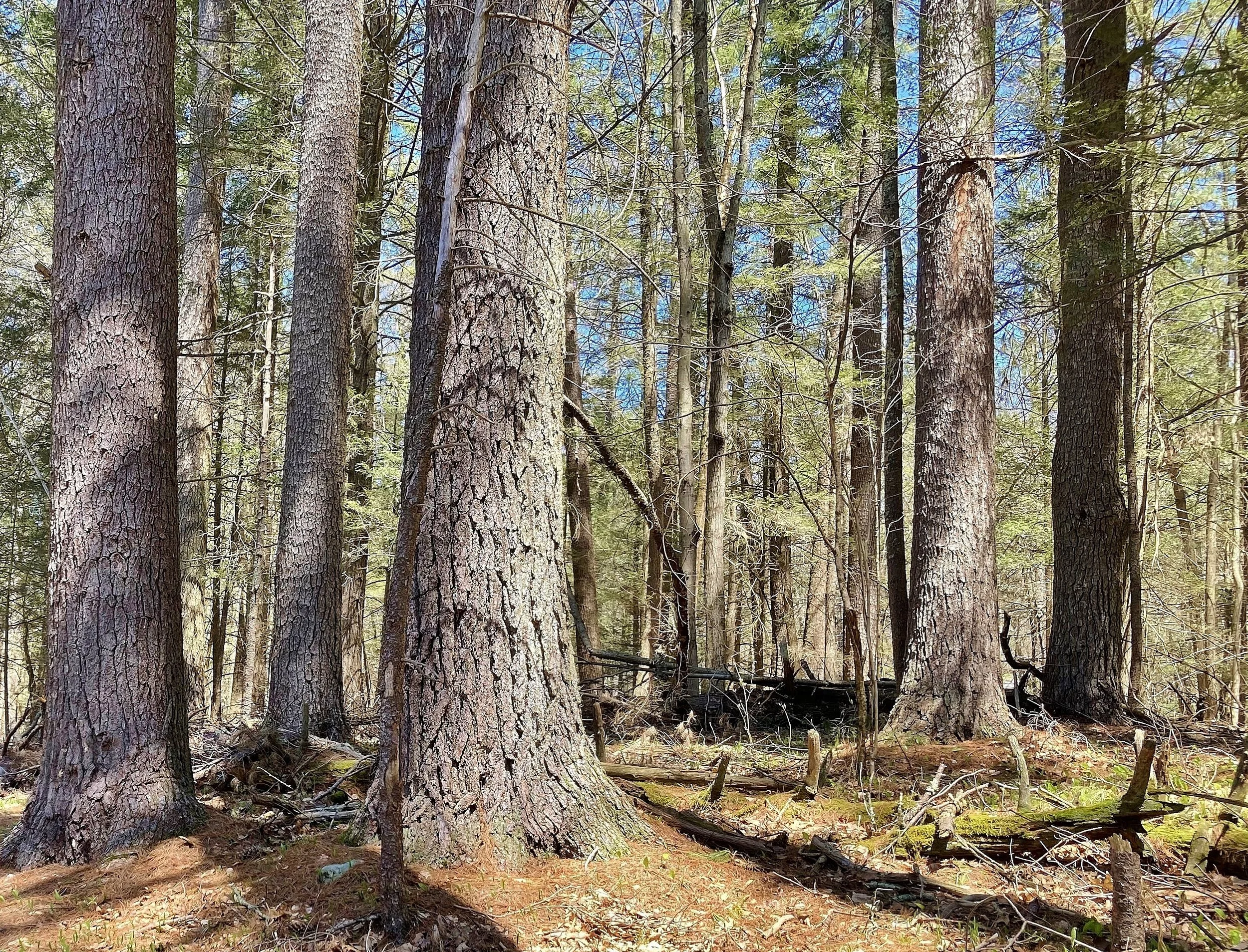
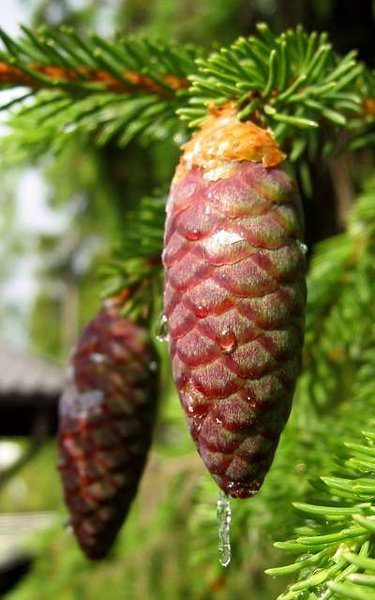
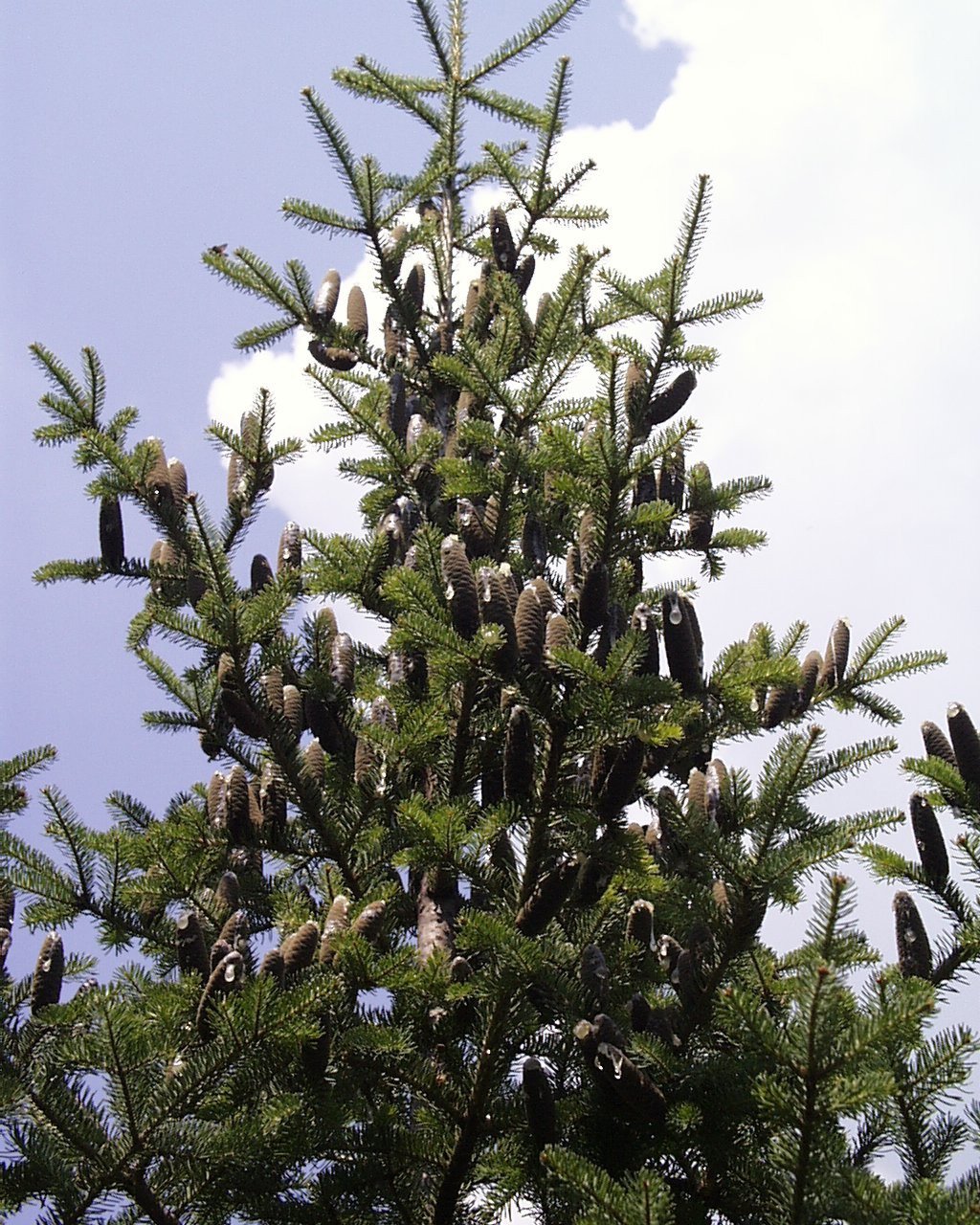
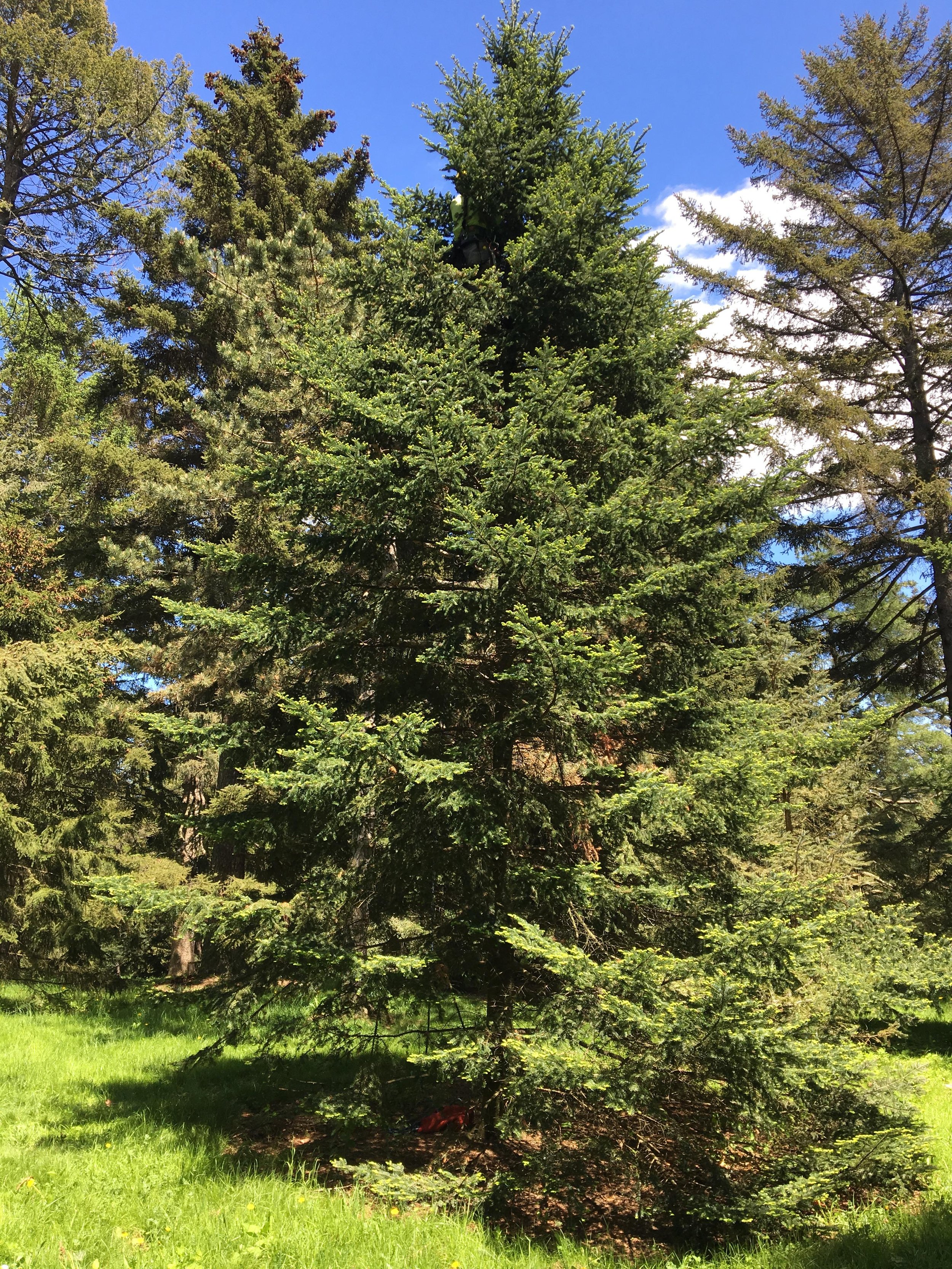
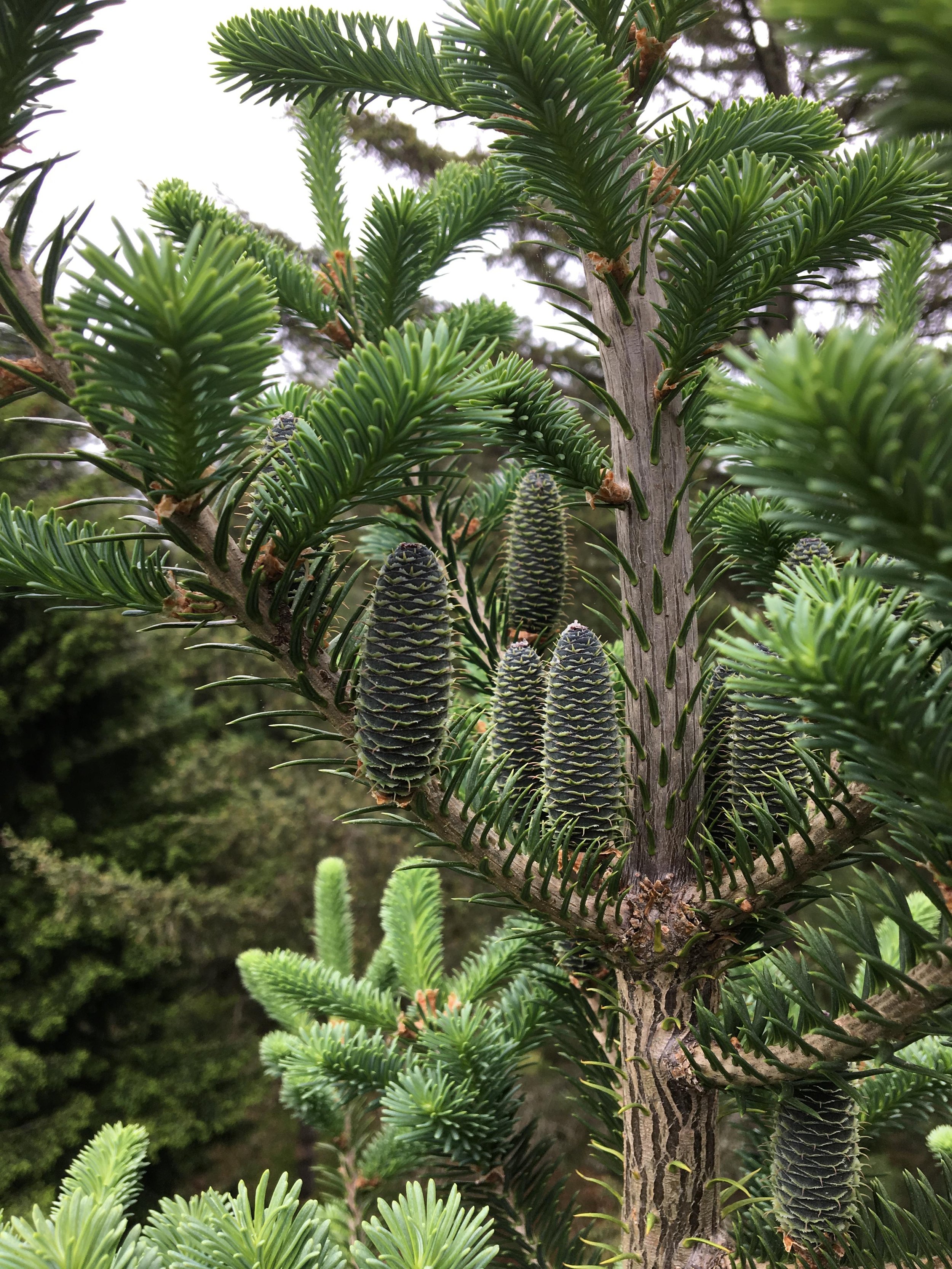
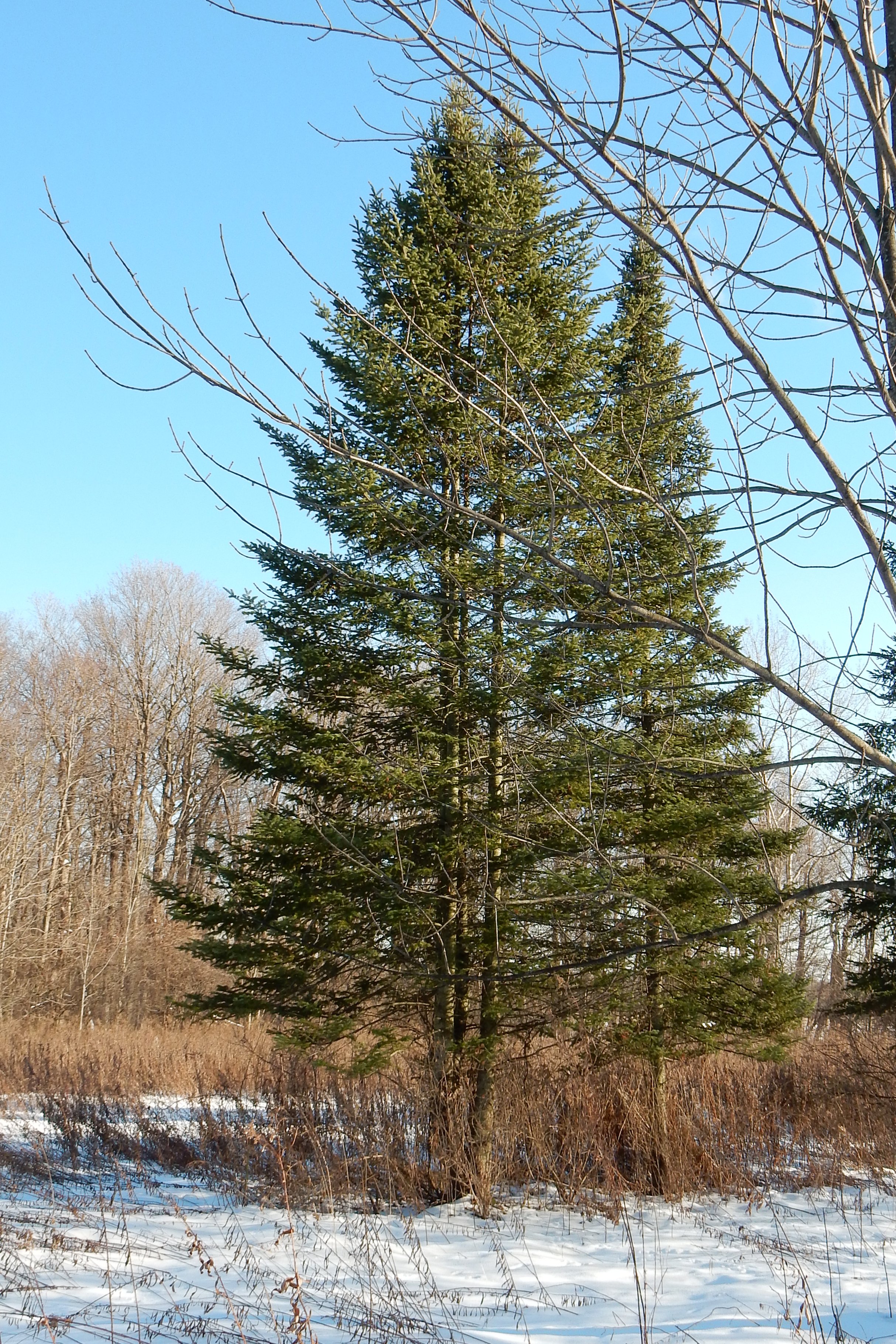
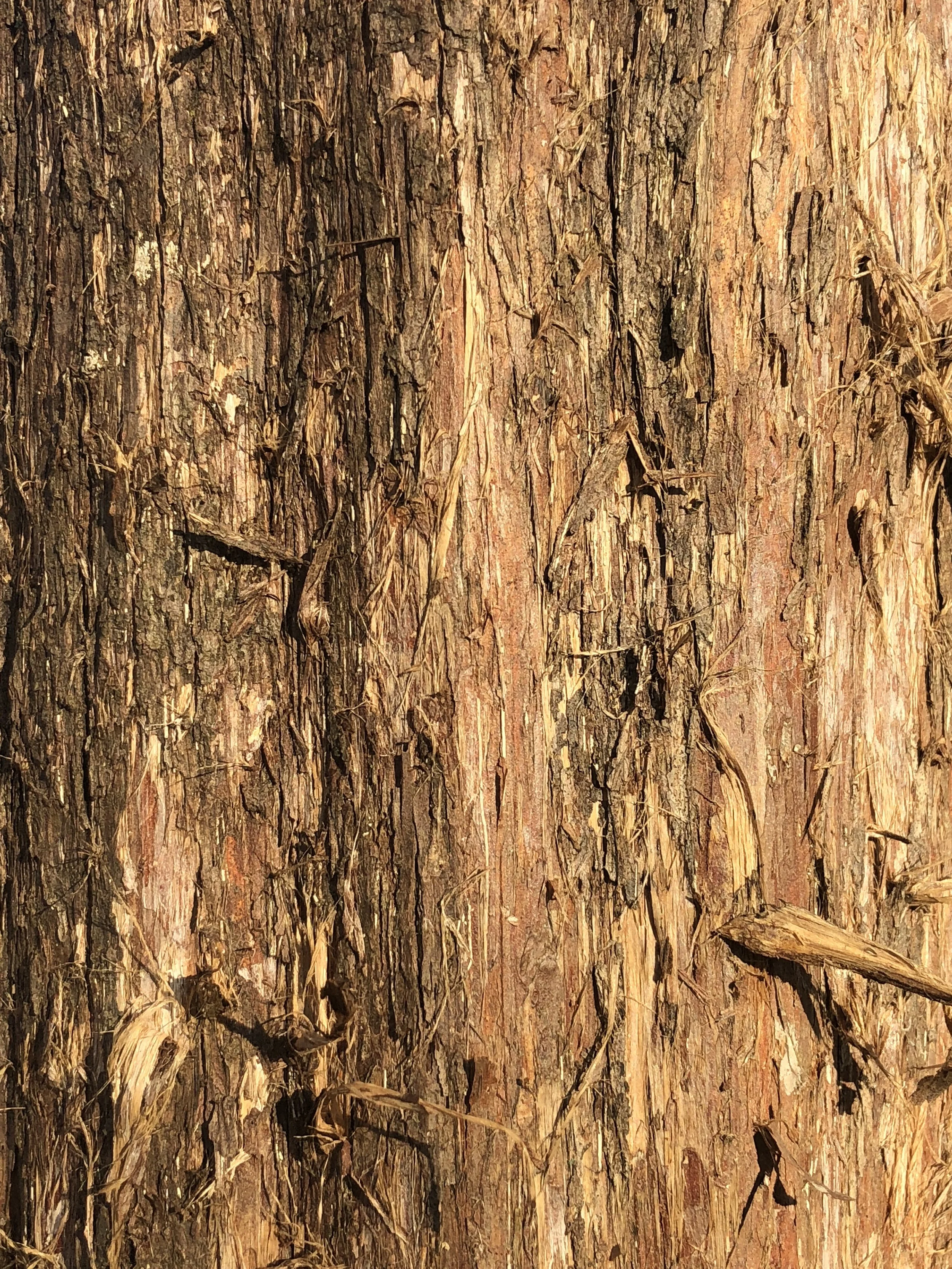
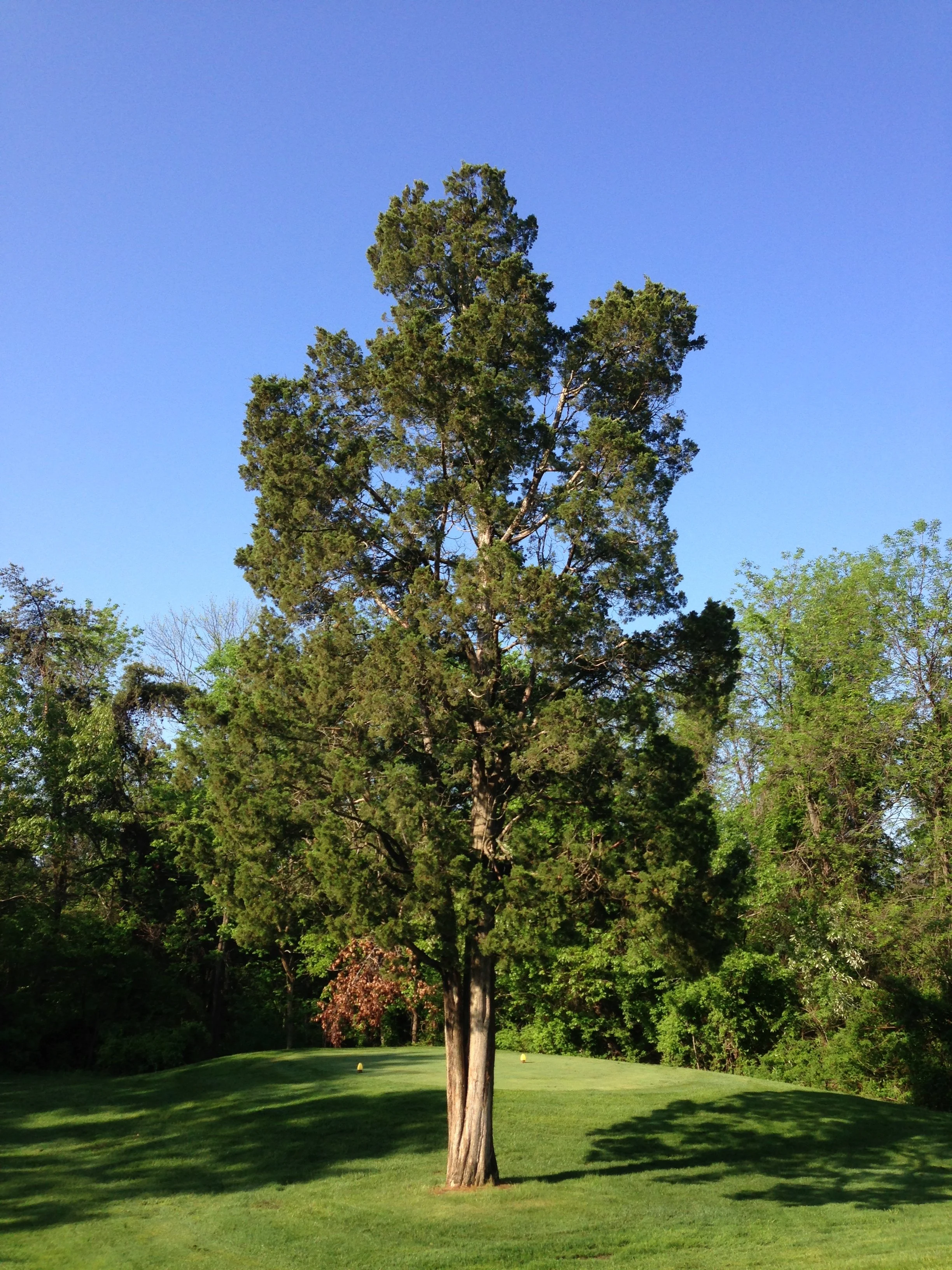
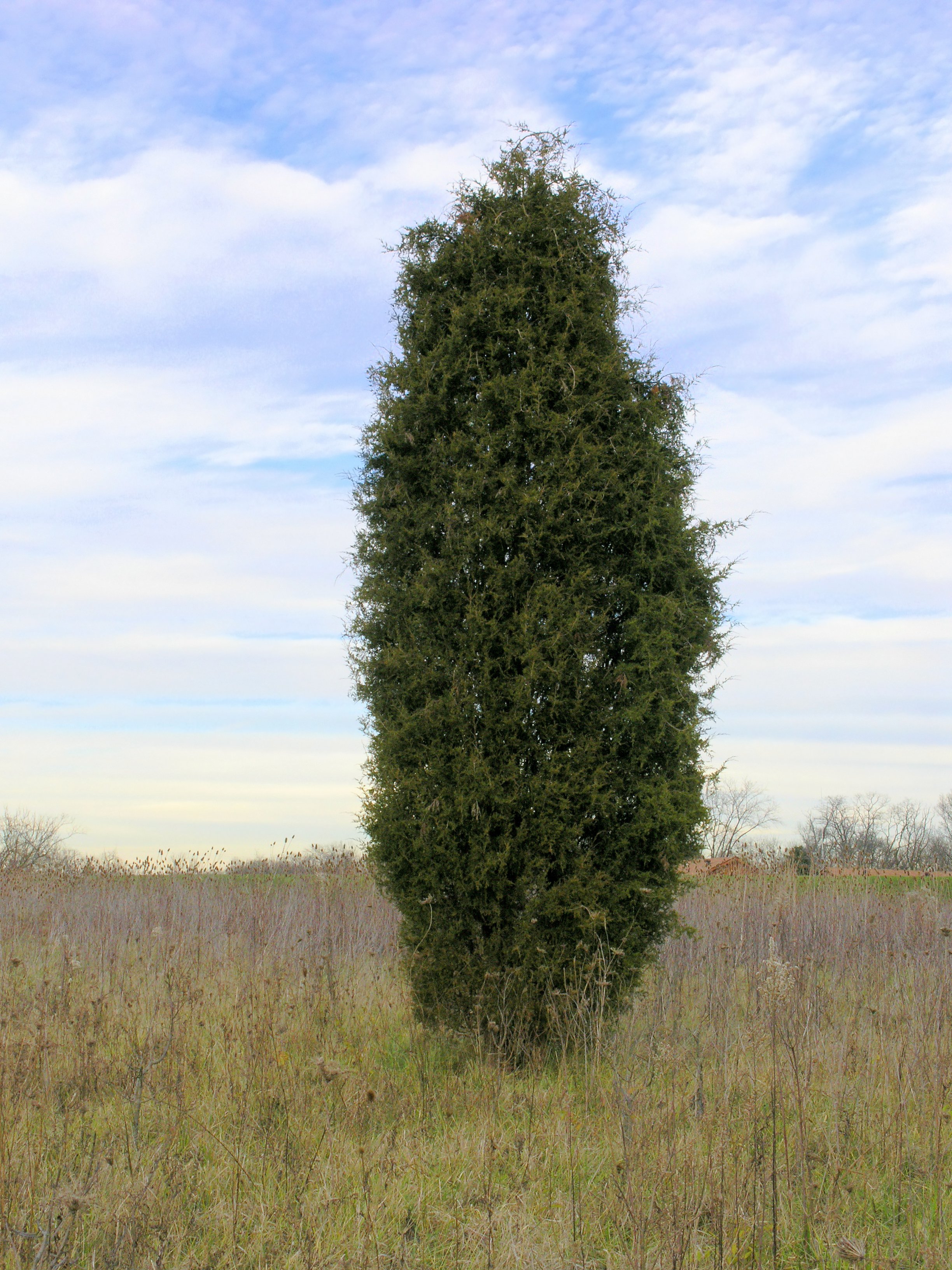
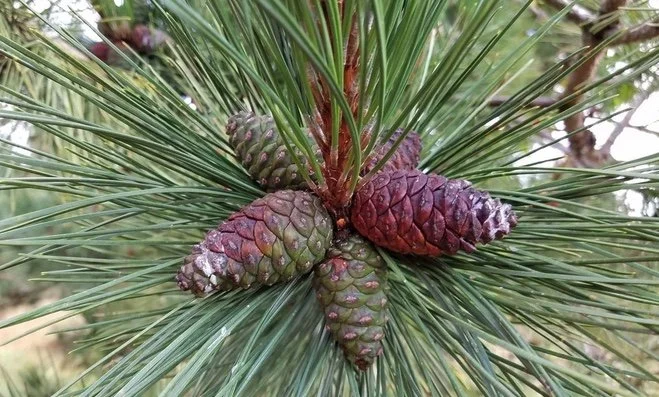
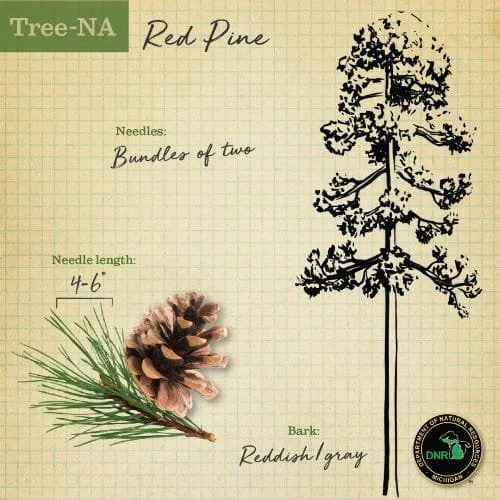
Identification / Key Features: Jack pines are small to medium-sized conifers with irregular, scraggly crowns. Needles grow in clusters of two, 1–1.5 inches long, often twisted. Bark is thin and scaly, gray to reddish-brown. Cones are small, curved, and often remain closed for years until opened by fire.
Mature Height:/ Size: 30–70 feet.
Growth Rate: Fast-growing, short-lived.
Light / Soil / Site Preferences: Thrives in dry, sandy soils and full sun. Highly adapted to fire and poor soil conditions.
Wildlife Value / Ecological Role: Essential nesting habitat for the endangered Kirtland’s warbler. Seeds are eaten by squirrels and birds.
Uses / Economic / Cultural: Used for pulpwood, posts, and fuel wood. Valuable for reforestation in harsh sites.
Size (7-18”)
A rugged and resilient native conifer, Jack Pine is well-adapted to the dry, sandy soils and harsh conditions of Northern Michigan. With its irregular shape, twisted branches, and short, stiff needles, Jack Pine brings character to natural landscapes and plays a key role in supporting native wildlife, including the endangered Kirtland’s Warbler, which nests exclusively in young Jack Pine stands.
Ideal for Northern Michigan (Zone 5a), Jack Pine thrives in full sun and poor, sandy soils where few other trees will grow. It is fast-growing, drought-tolerant, and an excellent choice for reforestation, erosion control, and wildlife plantings. This tough and adaptable tree is perfect for naturalized areas and restoration projects.
Identification / Key Features: Jack pines are small to medium-sized conifers with irregular, scraggly crowns. Needles grow in clusters of two, 1–1.5 inches long, often twisted. Bark is thin and scaly, gray to reddish-brown. Cones are small, curved, and often remain closed for years until opened by fire.
Mature Height:/ Size: 30–70 feet.
Growth Rate: Fast-growing, short-lived.
Light / Soil / Site Preferences: Thrives in dry, sandy soils and full sun. Highly adapted to fire and poor soil conditions.
Wildlife Value / Ecological Role: Essential nesting habitat for the endangered Kirtland’s warbler. Seeds are eaten by squirrels and birds.
Uses / Economic / Cultural: Used for pulpwood, posts, and fuel wood. Valuable for reforestation in harsh sites.