Quantity (per bundle) 25
Size (12-24”)
A stately native hardwood, Red Oak is admired for its strong, spreading branches and vibrant foliage that glows red in autumn. Its broad canopy provides shade and year-round beauty, making it a standout feature in both natural and landscaped settings.
Well-suited to Northern Michigan (Zone 5a), Red Oak grows best in well-drained, slightly acidic soils and full sun. It’s a fast-growing, long-lived tree that adapts well to upland sites.
Ecologically, Red Oak is a cornerstone species—its acorns are a vital food source for deer, turkeys, squirrels, and songbirds, while its sturdy limbs offer nesting sites for wildlife. Strong, durable wood makes it a favorite for furniture, flooring, and traditional craftsmanship, connecting Michigan’s forests to both natural and cultural heritage.
Identification / Key Features: Large deciduous tree with pointed-lobed leaves and dark gray, ridged bark. Produces medium-sized acorns.
Mature Height / Size: 60–90 feet.
Growth Rate: Fast-growing for an oak.
Light / Soil / Site Preferences: Prefers full sun and moist, well-drained soils.
Wildlife Value / Ecological Role: Acorns eaten by deer, squirrels, and turkeys. Provides excellent wildlife habitat and shade.
Uses / Economic / Cultural: Timber used for furniture, flooring, cabinetry, and construction. Popular ornamental and shade tree.
Quantity (per bundle) 25
Size (12-24”)
A stately native hardwood, Red Oak is admired for its strong, spreading branches and vibrant foliage that glows red in autumn. Its broad canopy provides shade and year-round beauty, making it a standout feature in both natural and landscaped settings.
Well-suited to Northern Michigan (Zone 5a), Red Oak grows best in well-drained, slightly acidic soils and full sun. It’s a fast-growing, long-lived tree that adapts well to upland sites.
Ecologically, Red Oak is a cornerstone species—its acorns are a vital food source for deer, turkeys, squirrels, and songbirds, while its sturdy limbs offer nesting sites for wildlife. Strong, durable wood makes it a favorite for furniture, flooring, and traditional craftsmanship, connecting Michigan’s forests to both natural and cultural heritage.
Identification / Key Features: Large deciduous tree with pointed-lobed leaves and dark gray, ridged bark. Produces medium-sized acorns.
Mature Height / Size: 60–90 feet.
Growth Rate: Fast-growing for an oak.
Light / Soil / Site Preferences: Prefers full sun and moist, well-drained soils.
Wildlife Value / Ecological Role: Acorns eaten by deer, squirrels, and turkeys. Provides excellent wildlife habitat and shade.
Uses / Economic / Cultural: Timber used for furniture, flooring, cabinetry, and construction. Popular ornamental and shade tree.

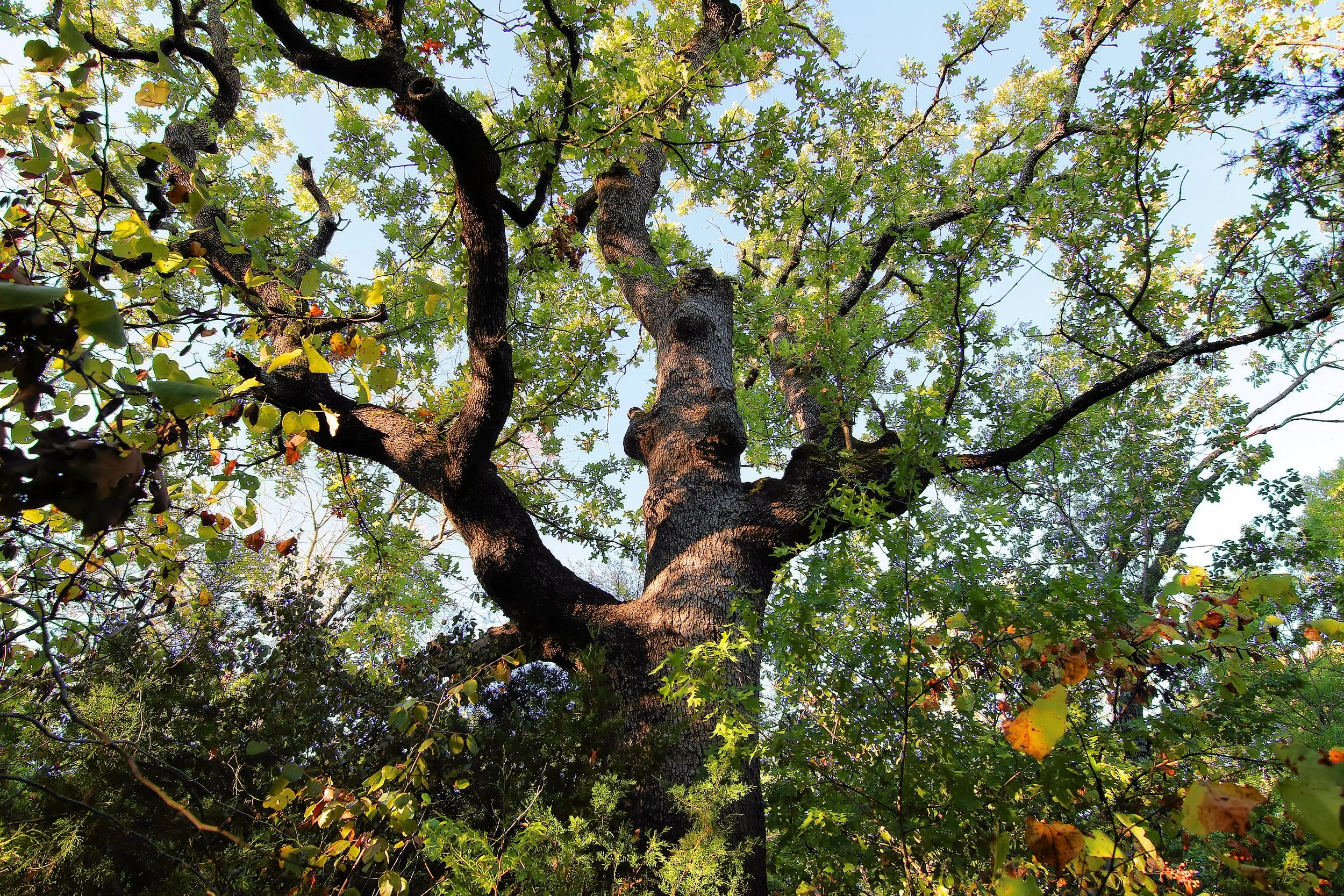 Image 1 of 8
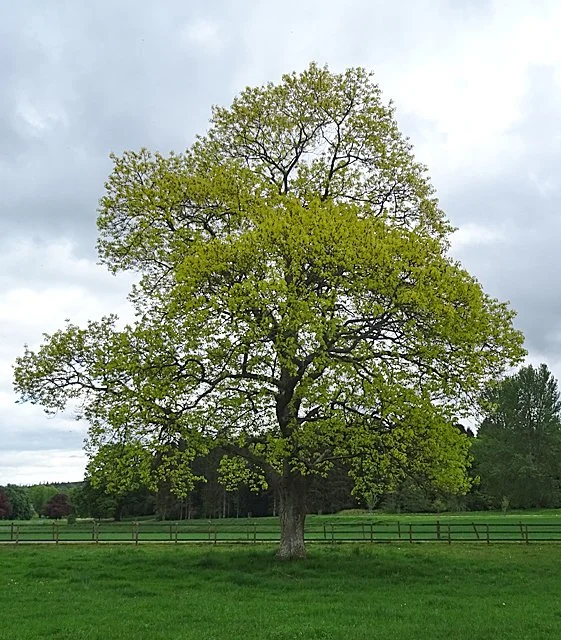 Image 2 of 8
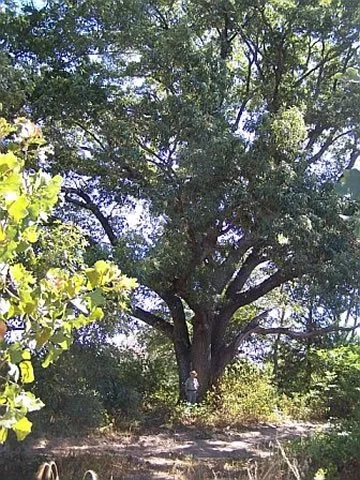 Image 3 of 8
 Image 4 of 8
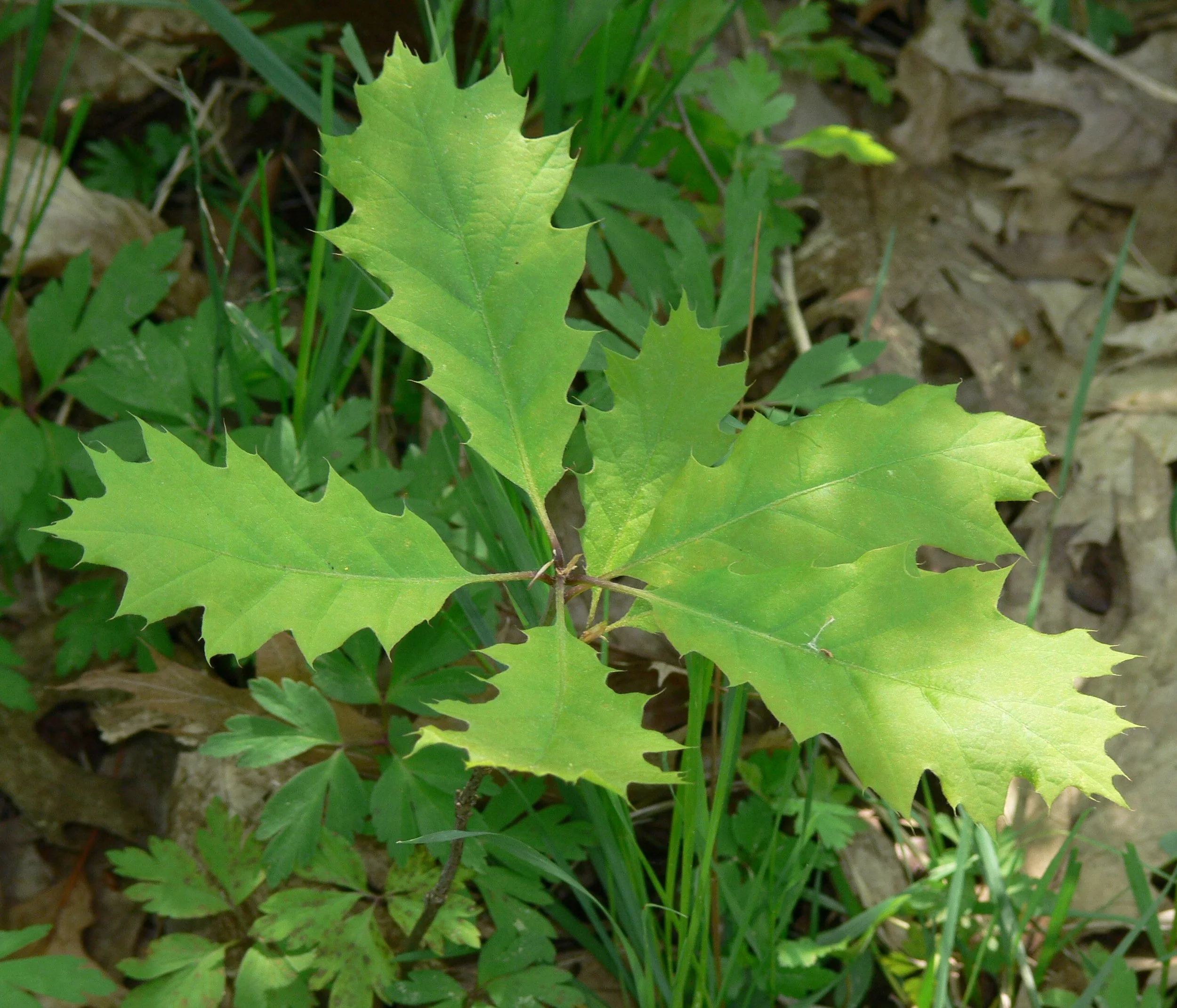 Image 5 of 8
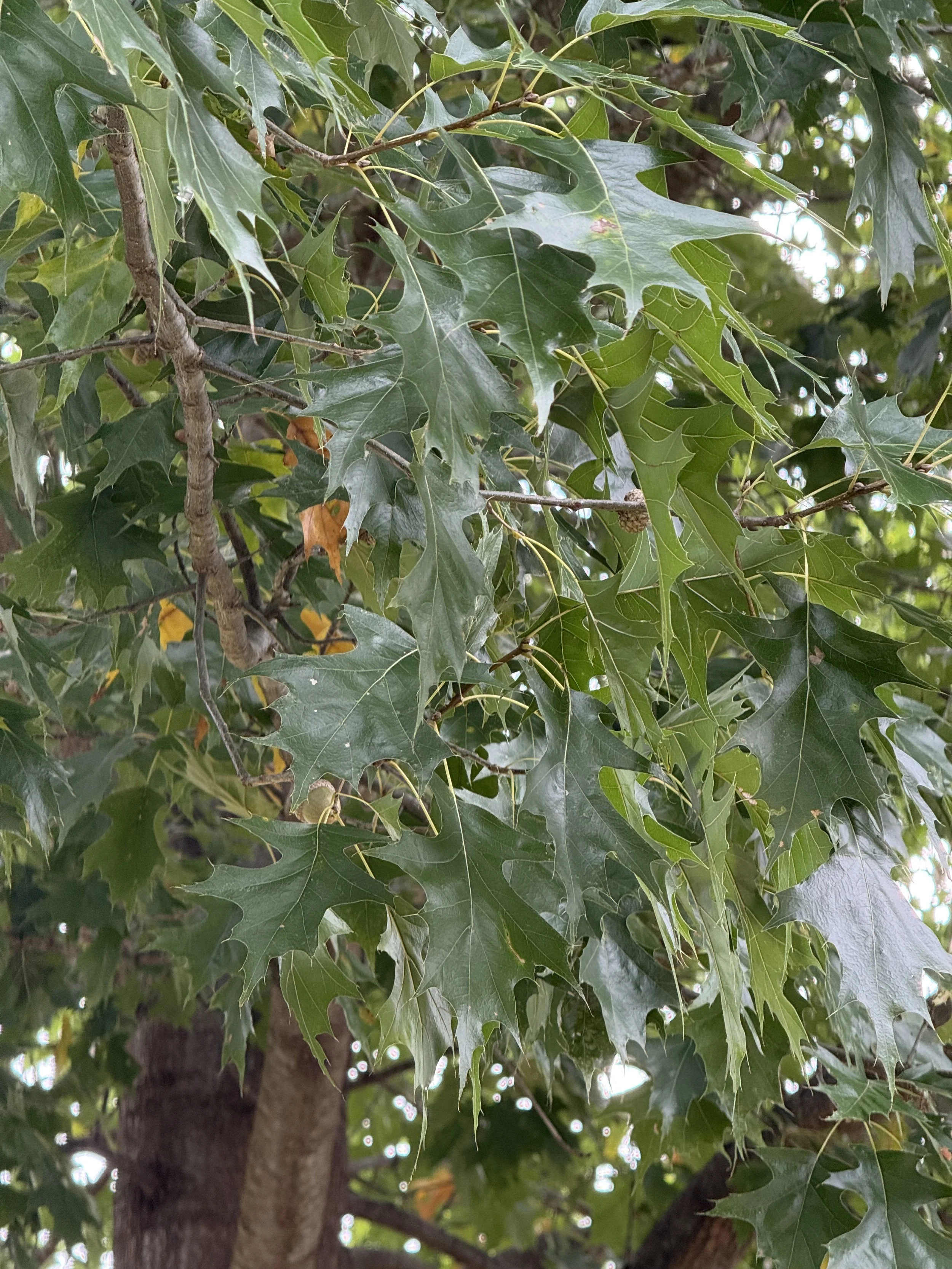 Image 6 of 8
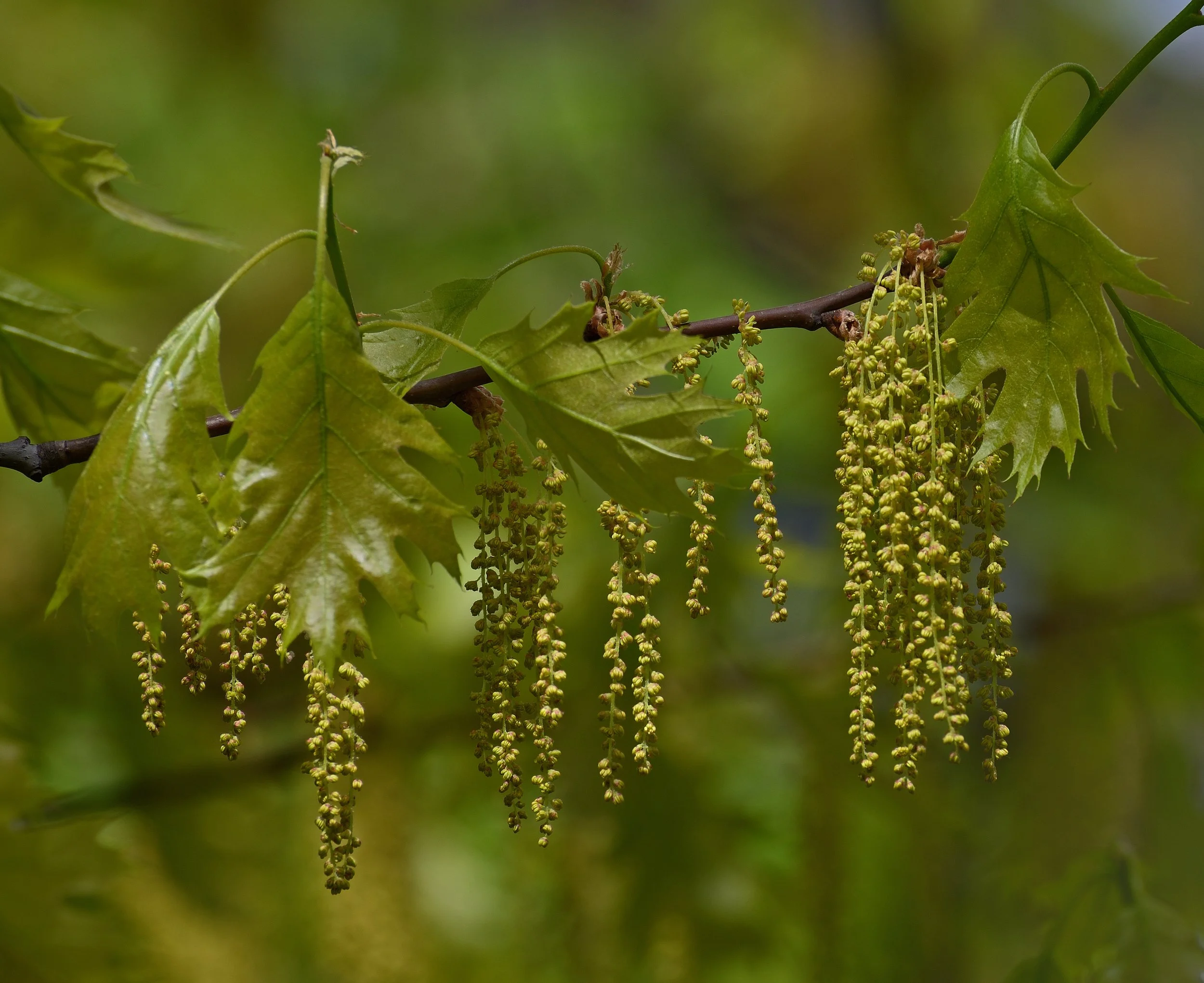 Image 7 of 8
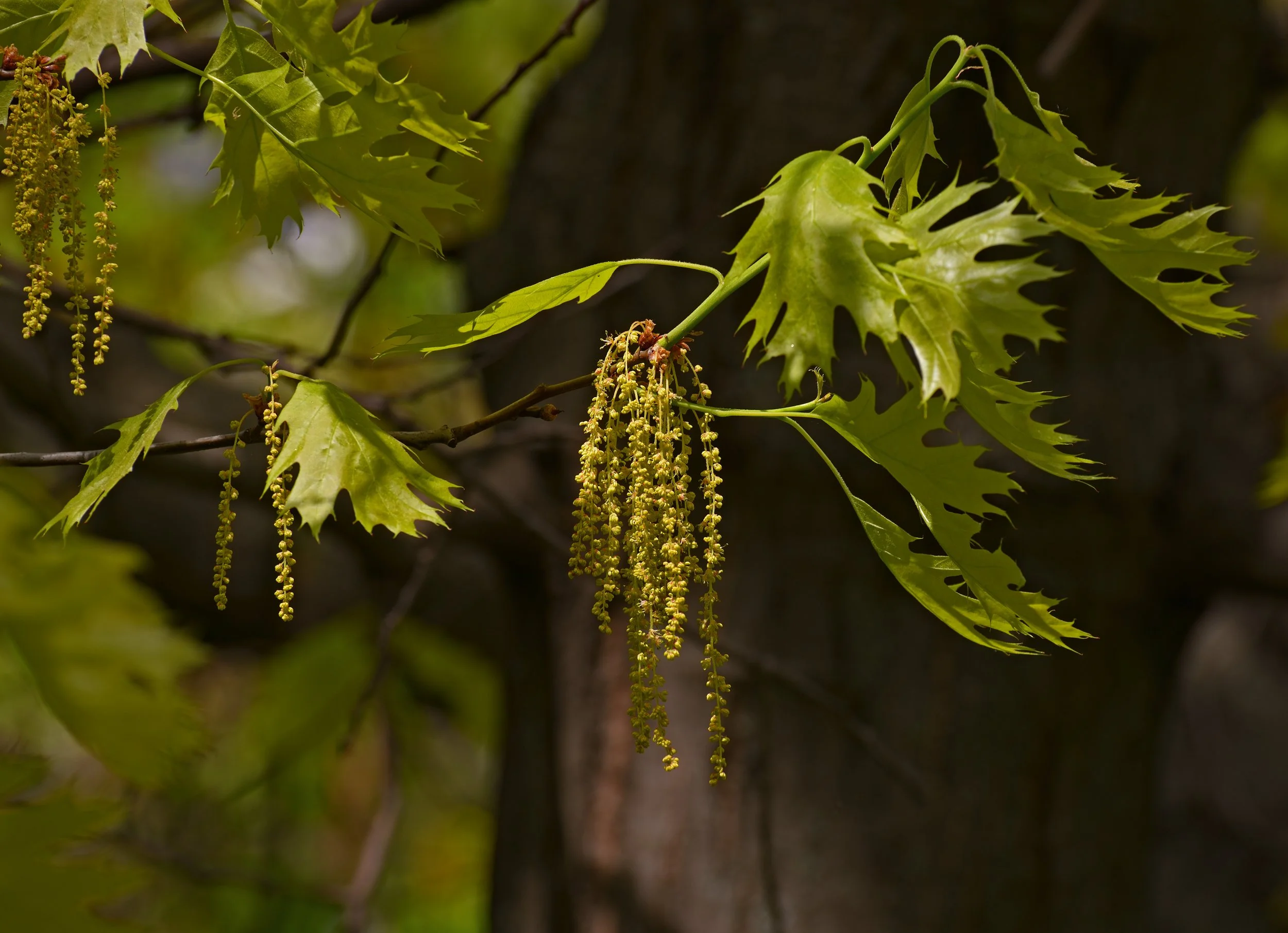 Image 8 of 8













![Kurt Stüber [1], CC BY-SA 3.0 <http://creativecommons.org/licenses/by-sa/3.0/>, via Wikimedia Commons.jpg](https://images.squarespace-cdn.com/content/v1/6824b99b0162611c9e37dcf6/984fe6c2-3e0e-4e1c-862f-40c88a5ed806/Kurt+St%C3%BCber+%5B1%5D%2C+CC+BY-SA+3.0+%3Chttp%3A%2F%2Fcreativecommons.org%2Flicenses%2Fby-sa%2F3.0%2F%3E%2C+via+Wikimedia+Commons.jpg)