Quantity (per bundle) 25
Size (12-18”)
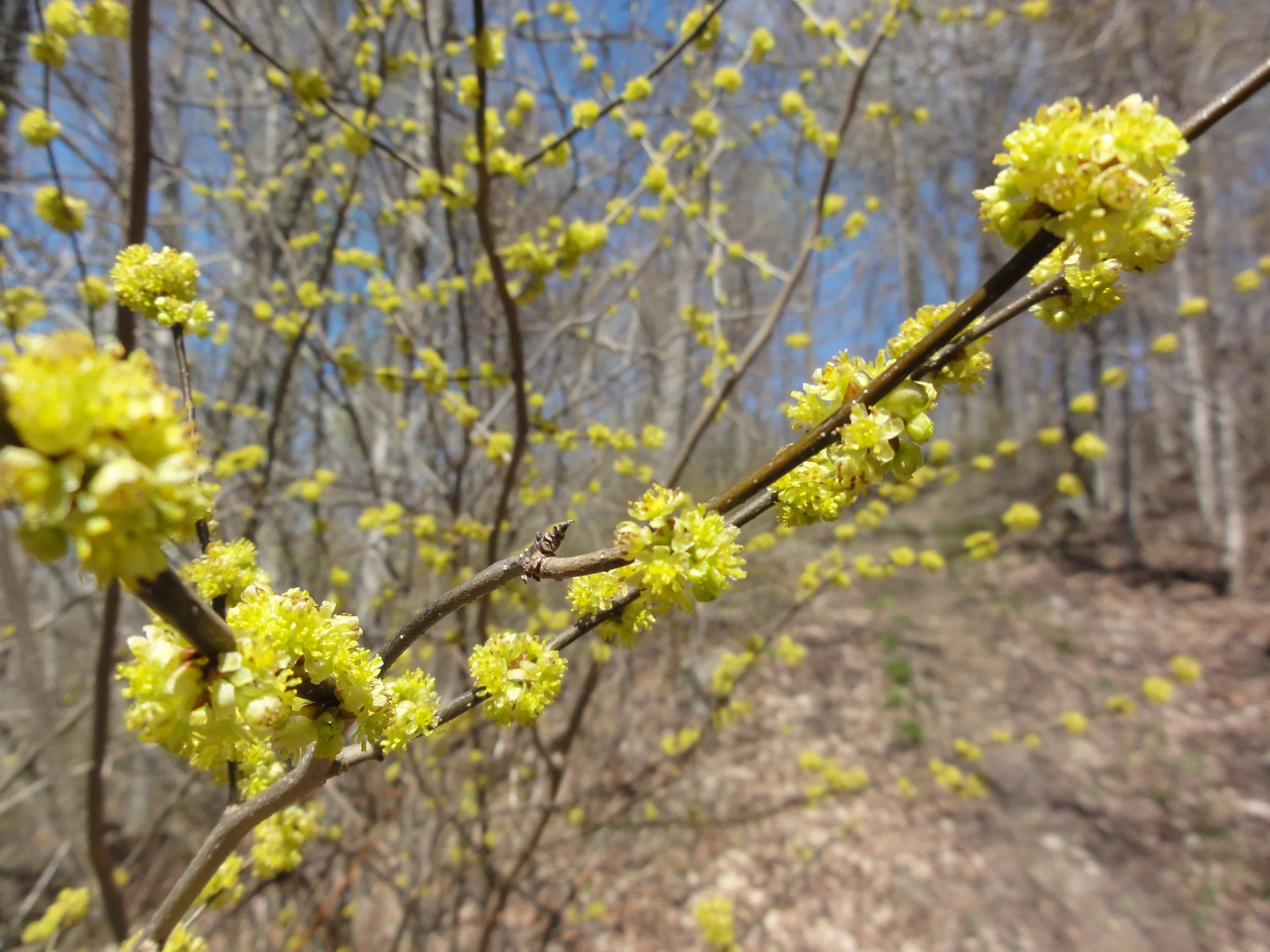
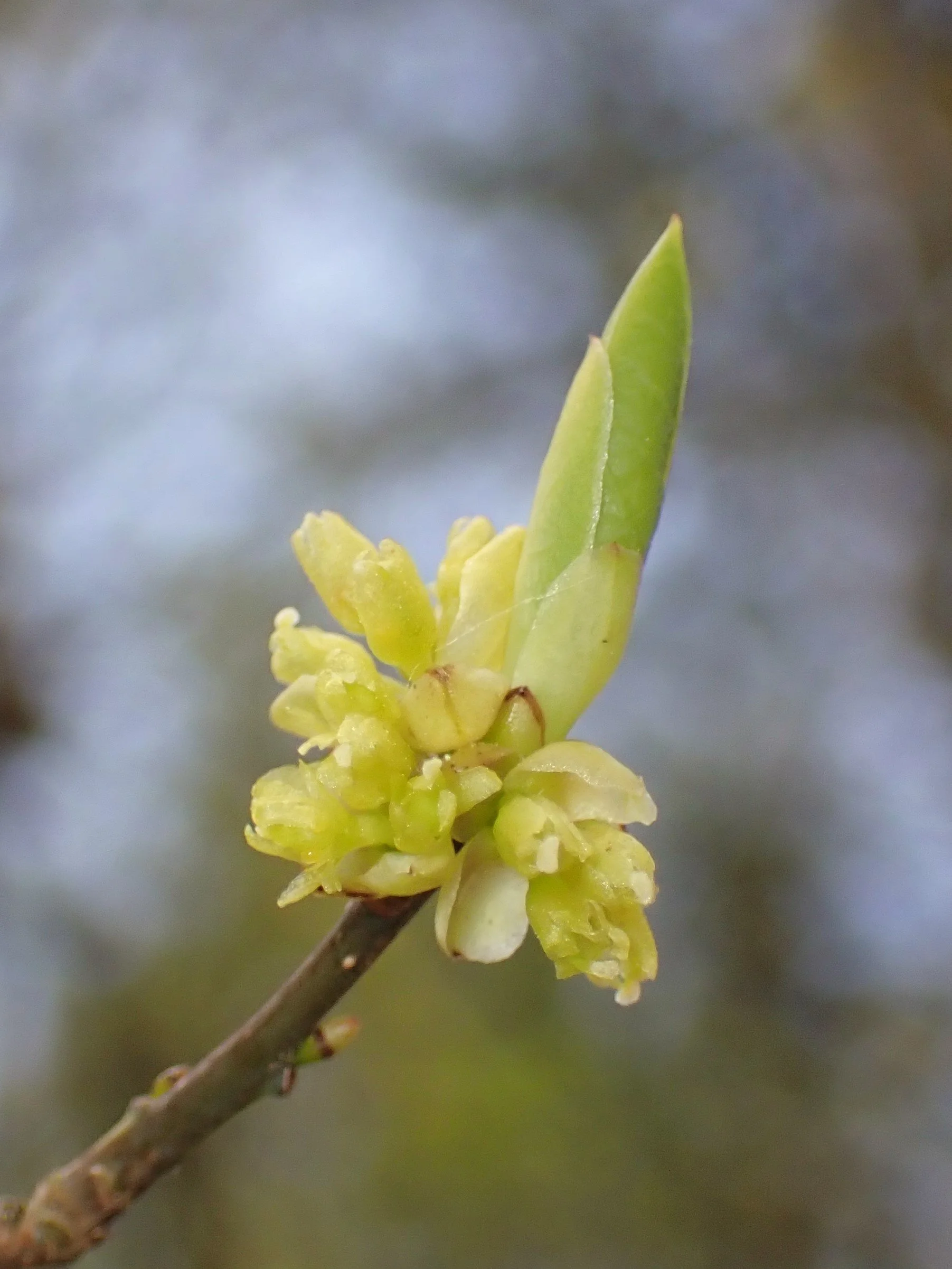
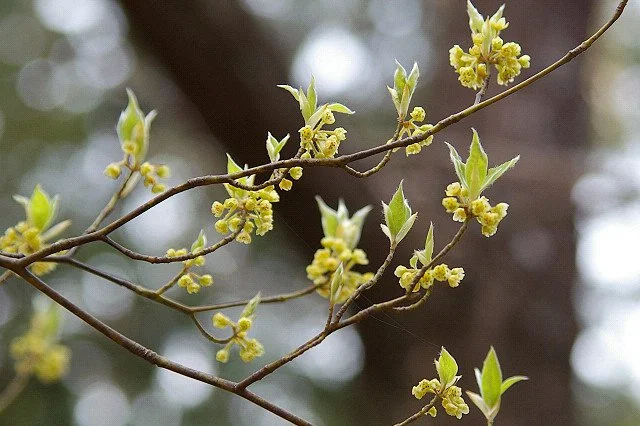
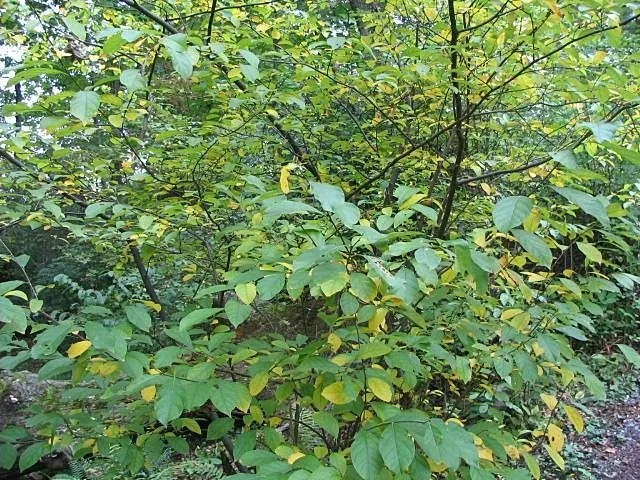
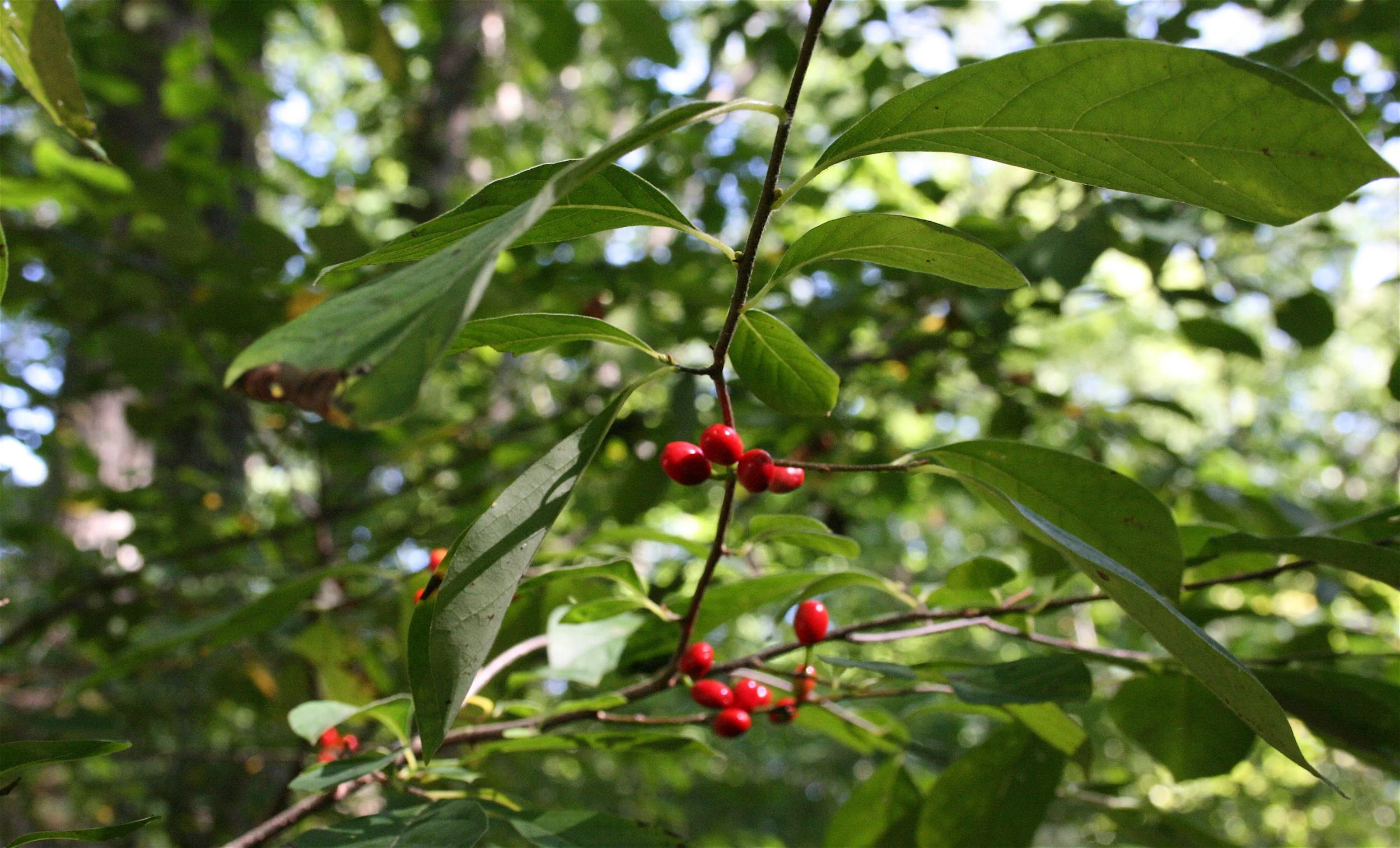
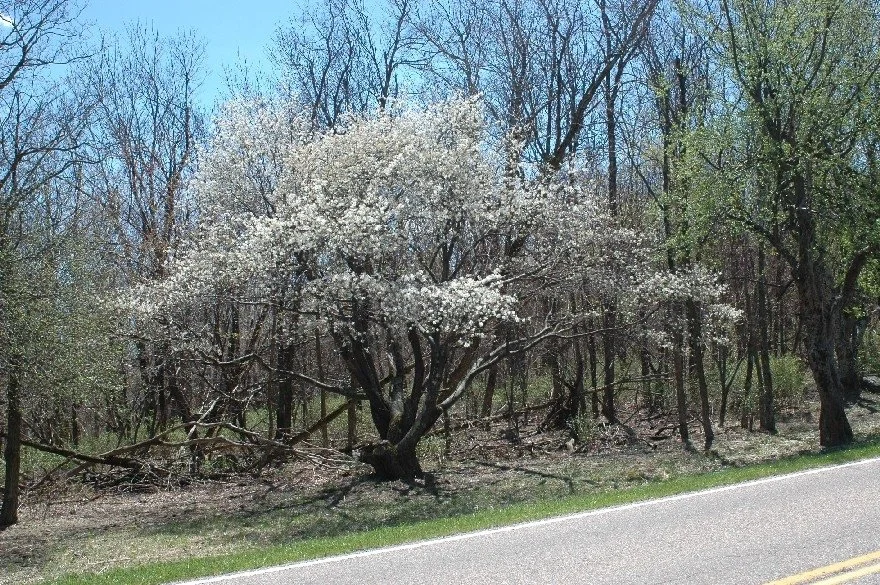
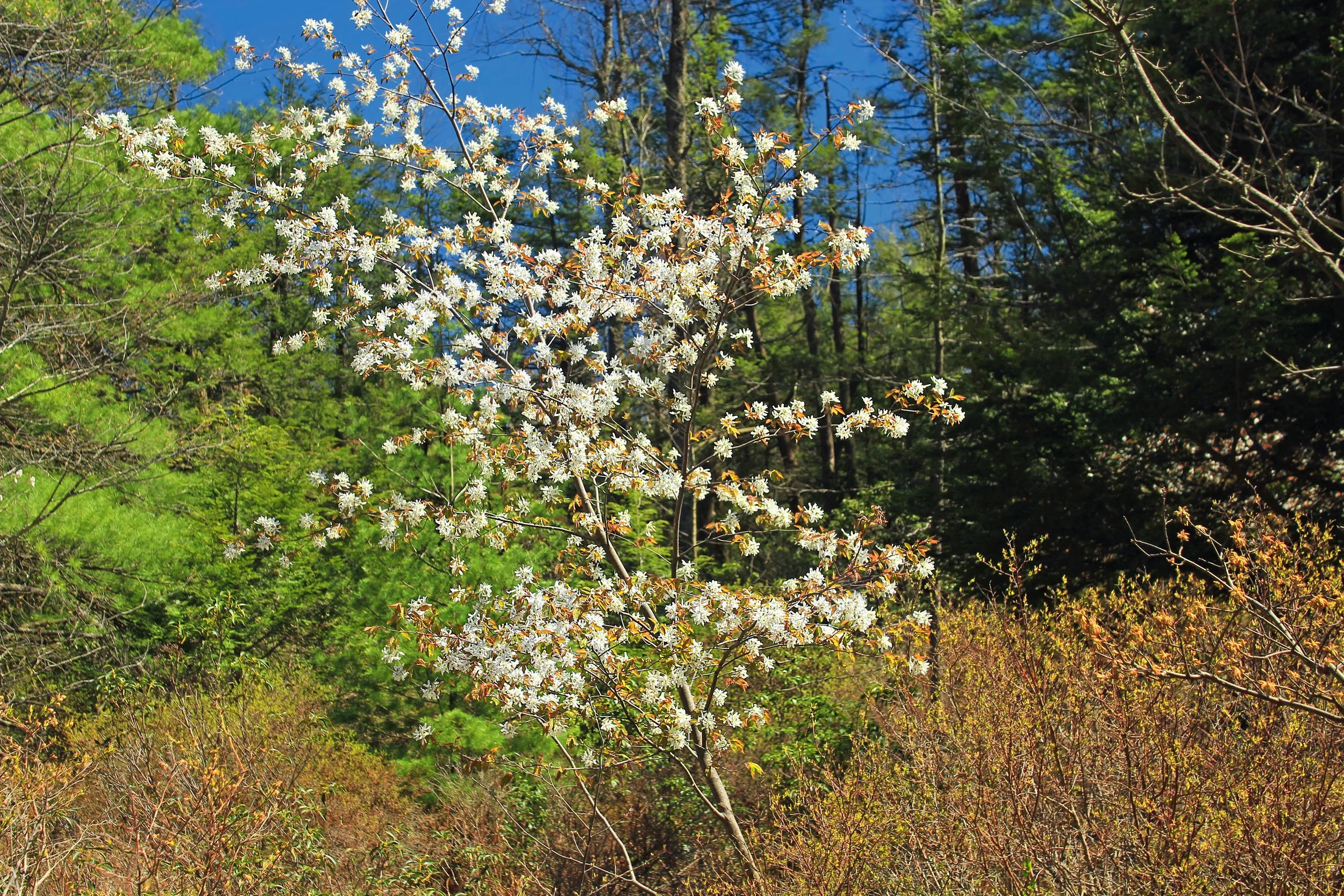
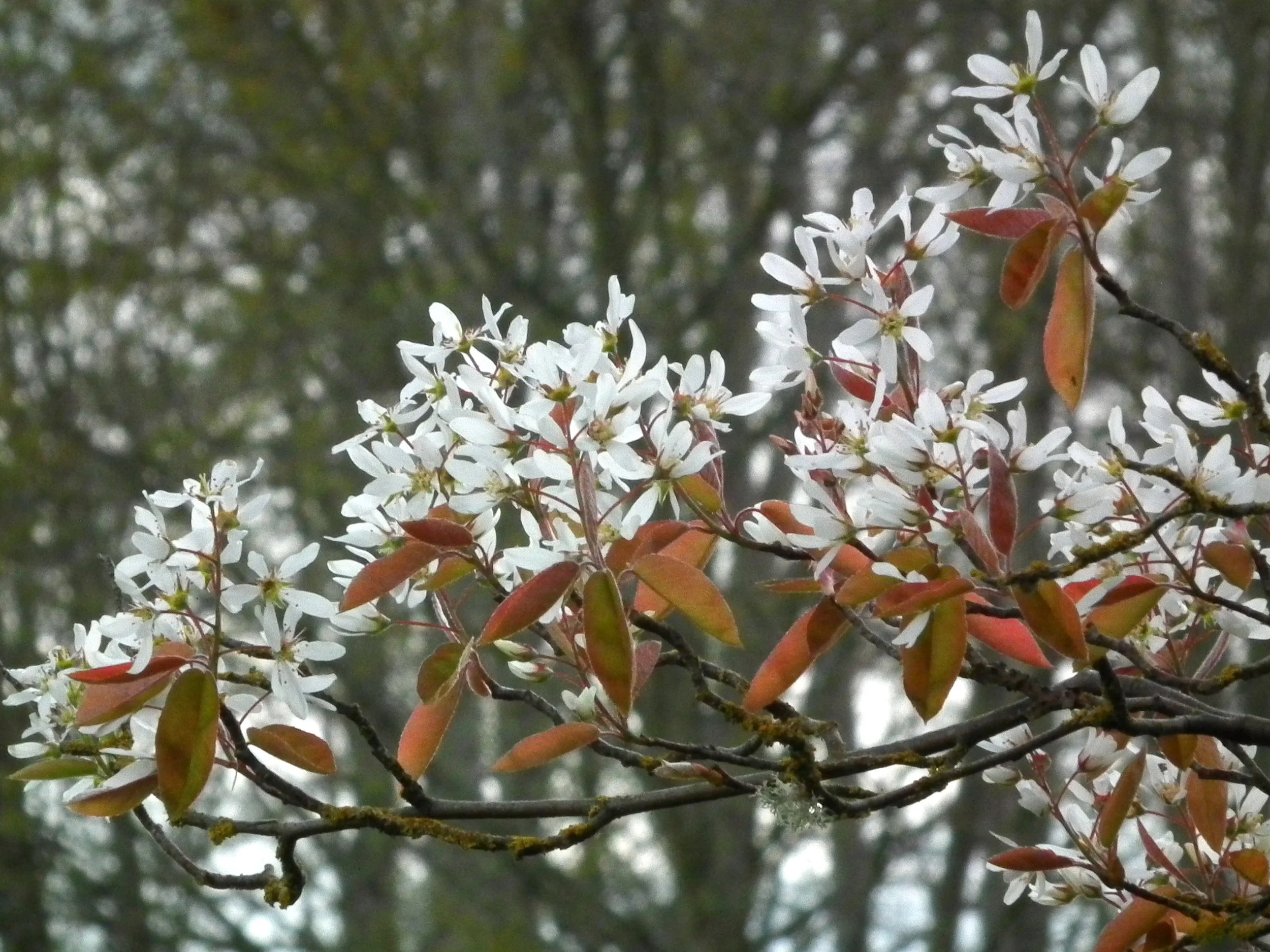
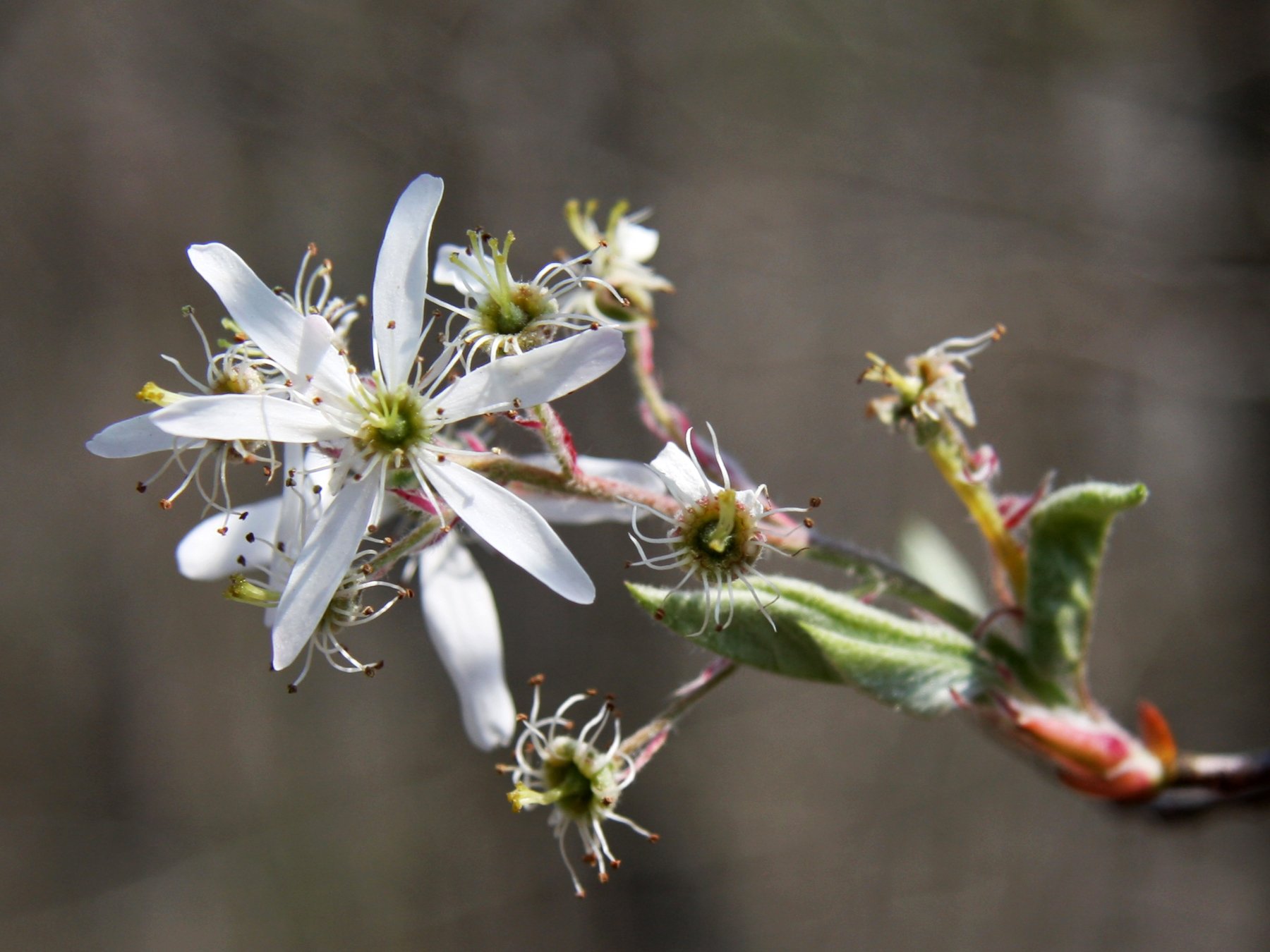
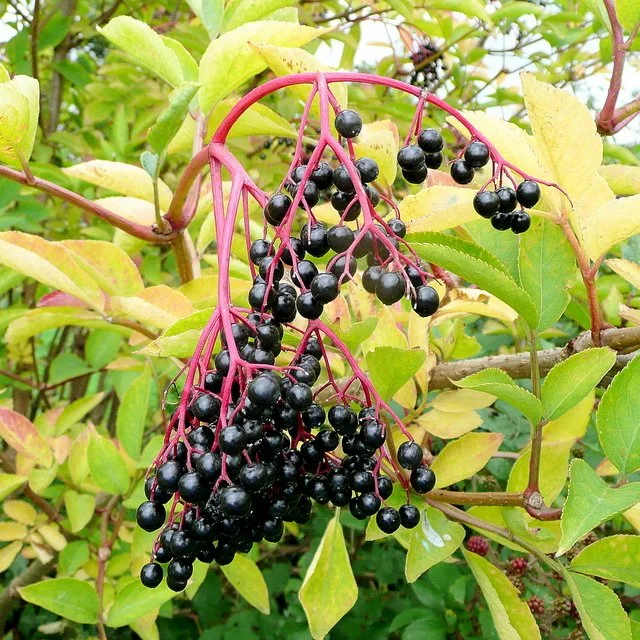
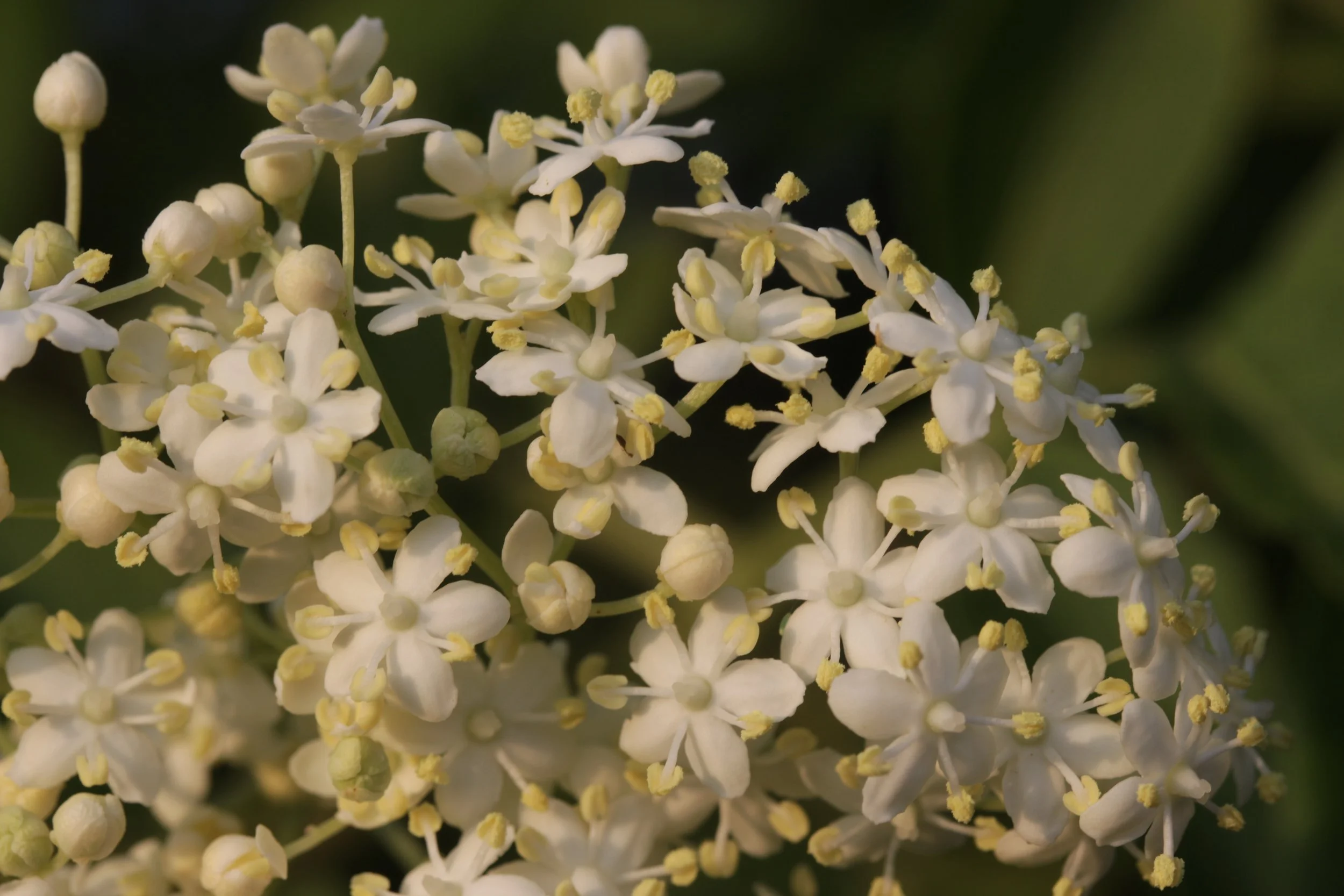
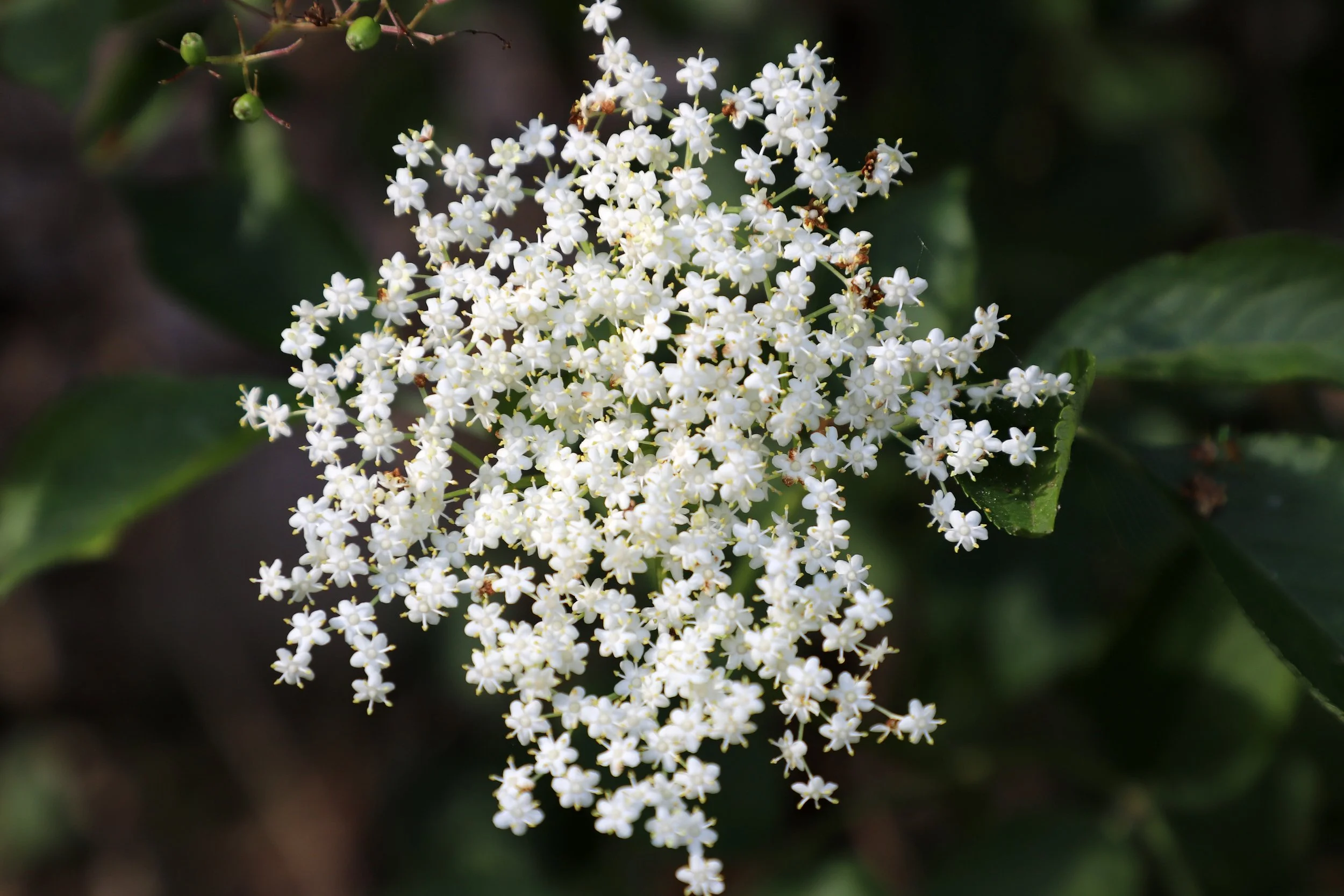
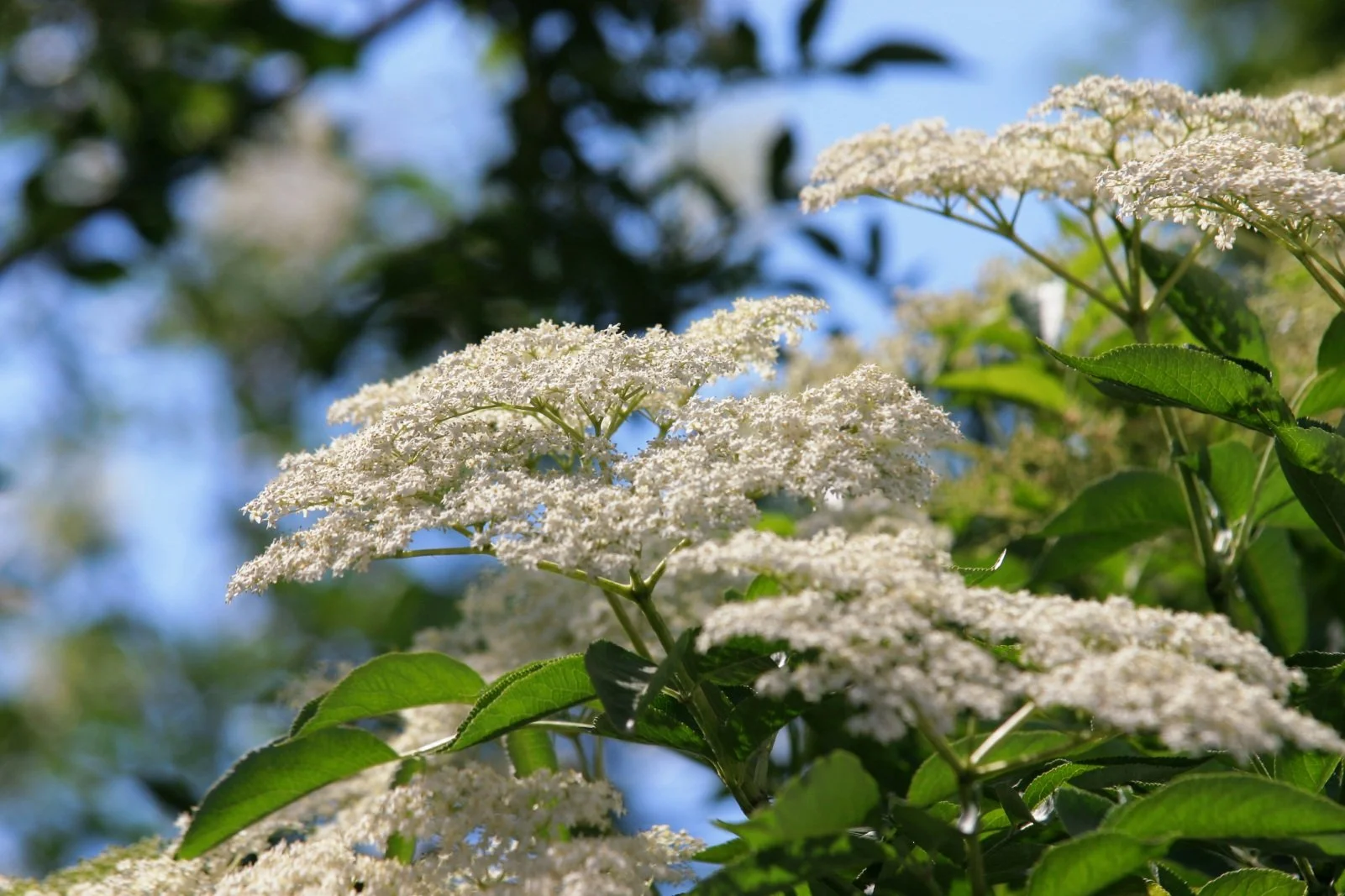
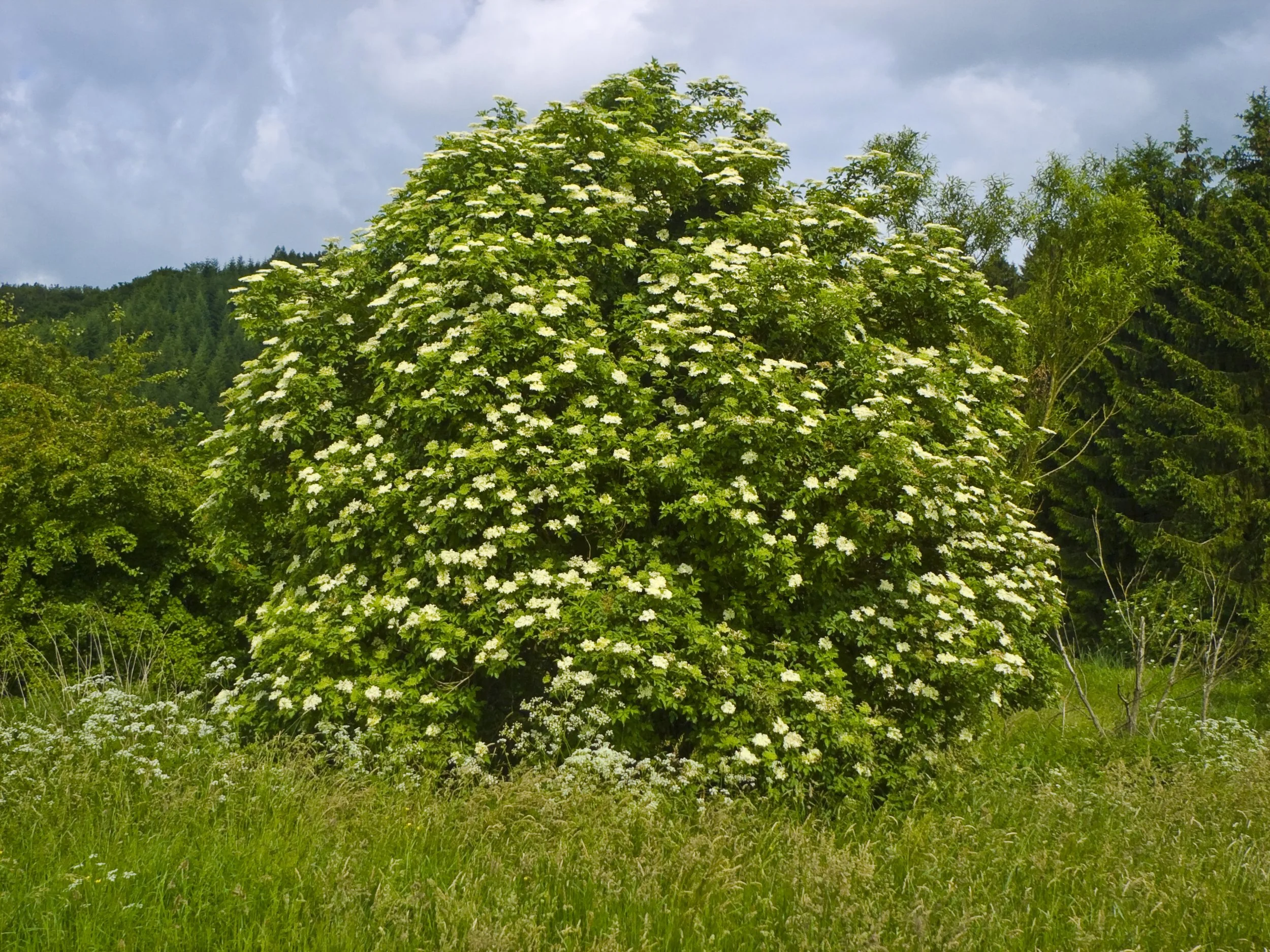
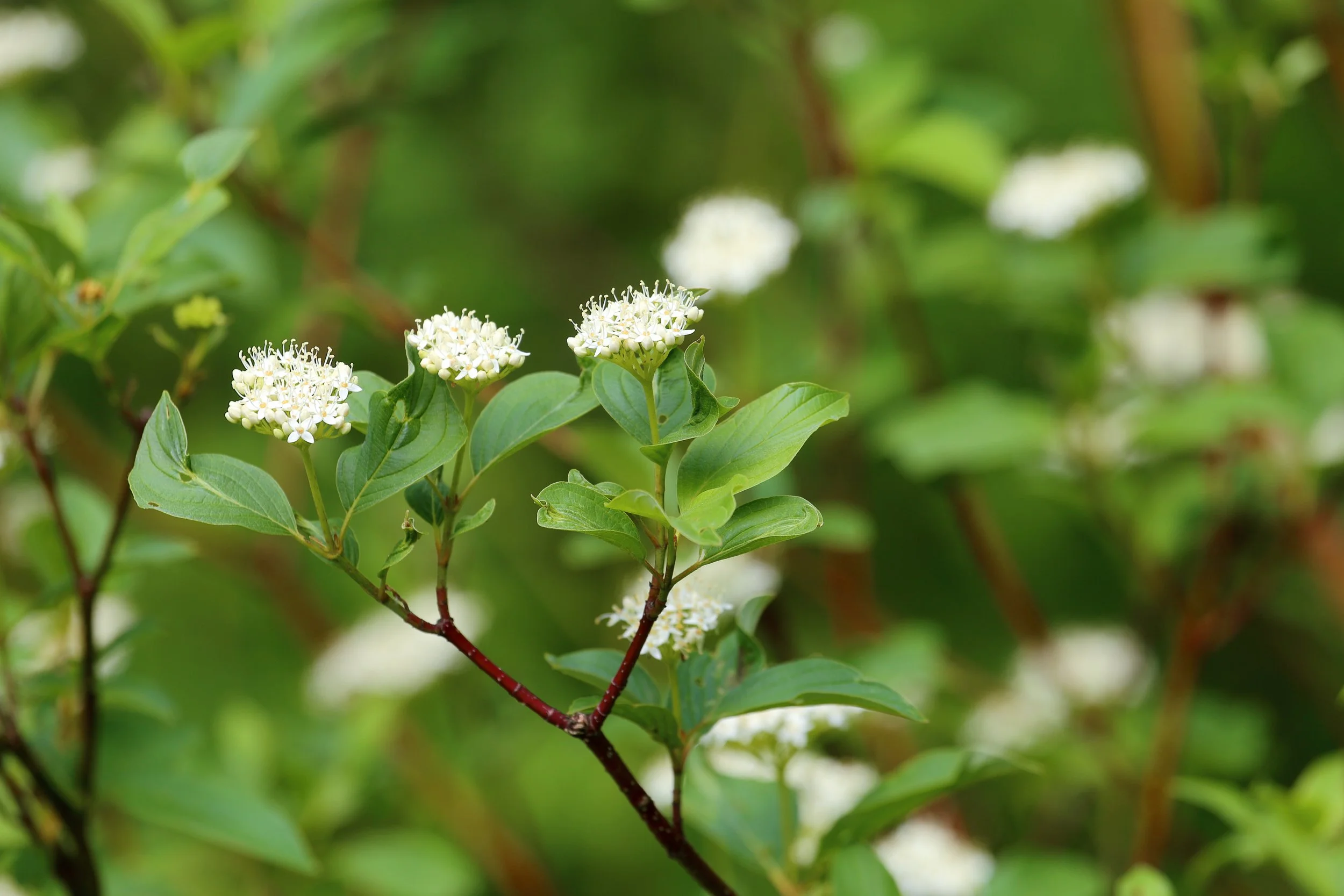
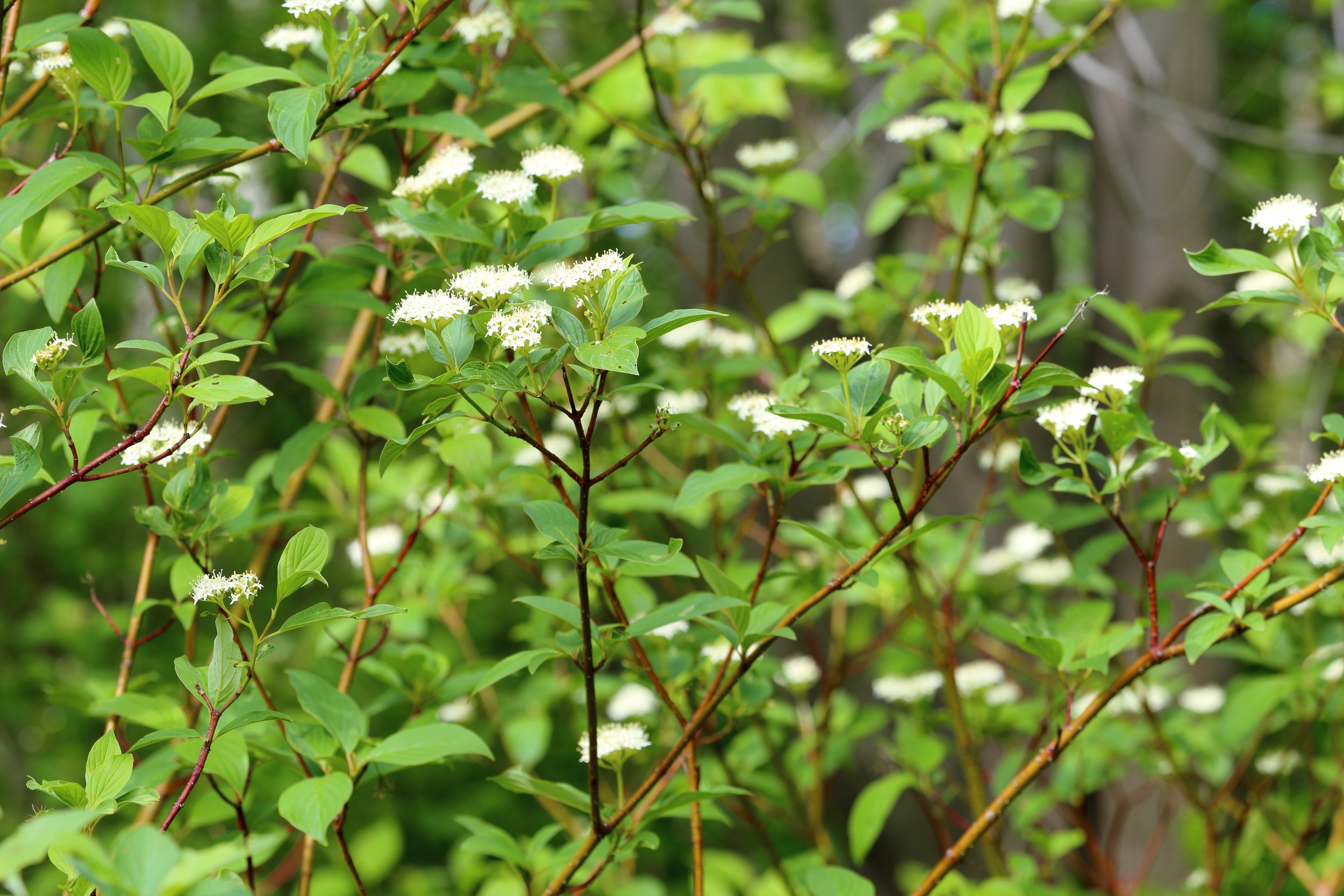
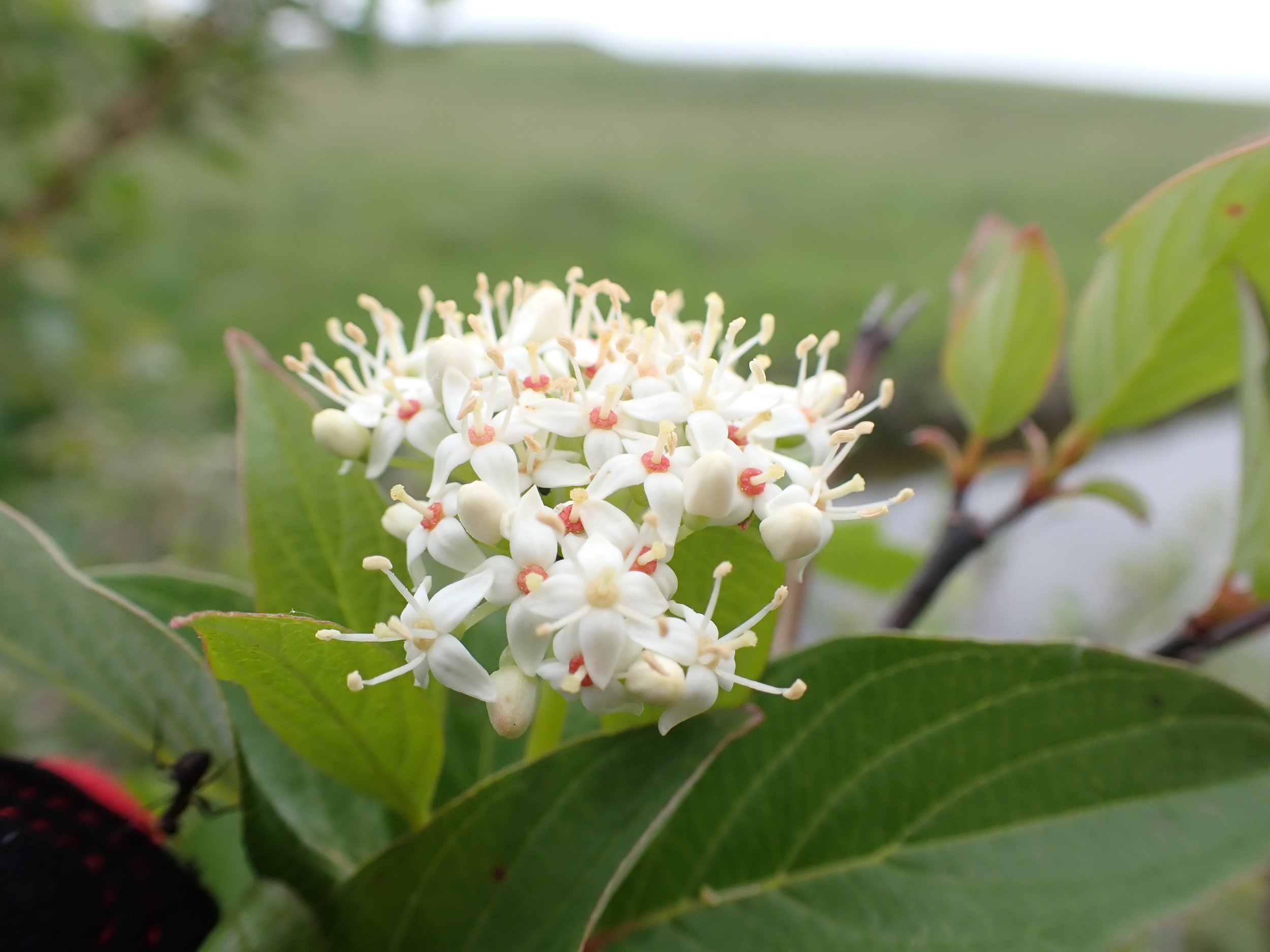
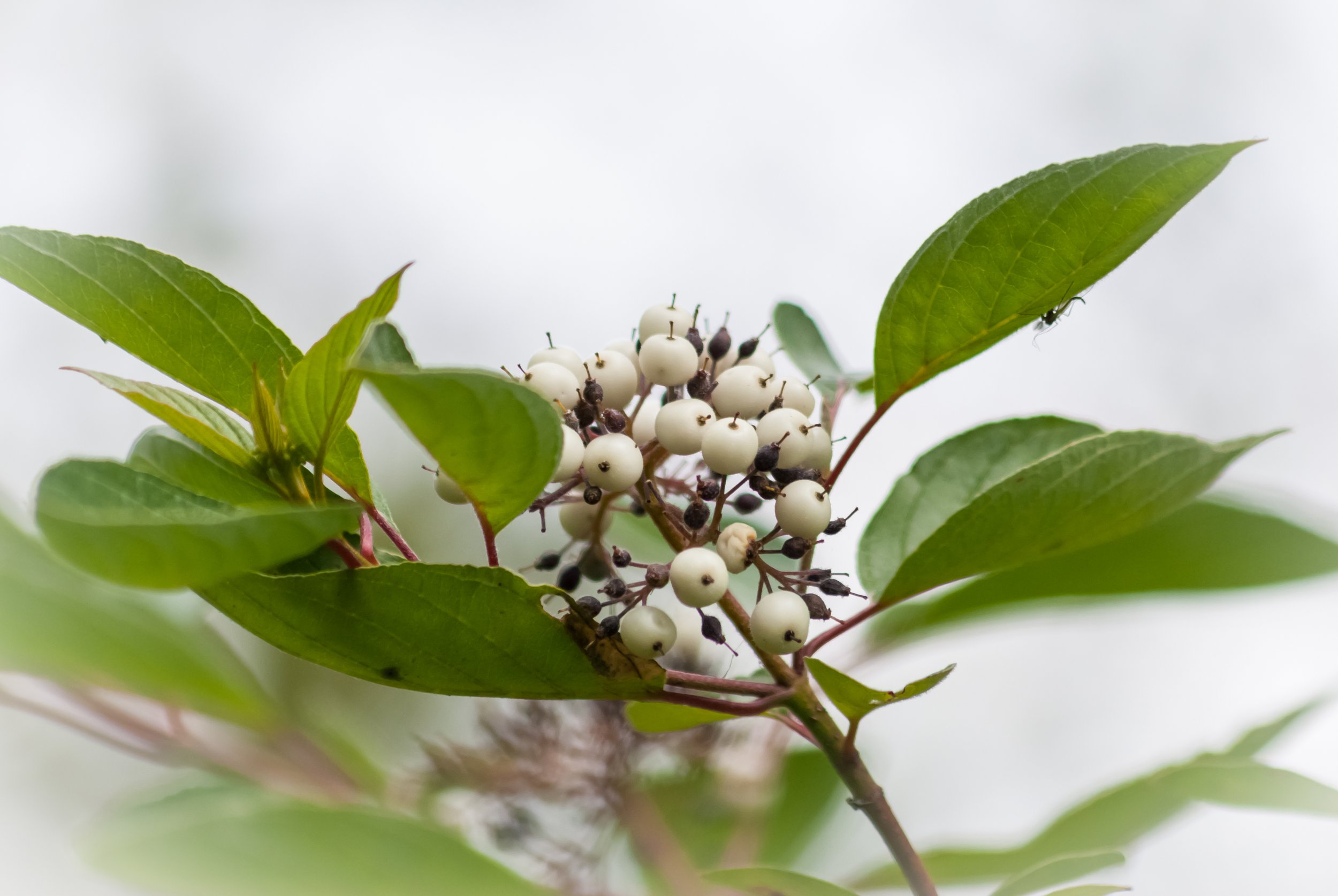
A hardy and adaptable native shrub, Nannyberry is admired for its clusters of creamy white spring blossoms, glossy dark green summer foliage, and striking reddish-purple fall color. In late summer to fall, it bears drooping clusters of blue-black berries that provide beauty and sustenance for wildlife. With its upright, arching form and year-round appeal, Nannyberry adds both structure and softness to naturalized plantings, hedgerows, and woodland edges.
Well-suited to Northern Michigan (Zone 5a), Nannyberry thrives in full sun to partial shade and tolerates a wide range of soils, from moist lowlands to drier upland sites. It grows at a moderate rate, forming a large, multi-stemmed shrub or small tree that’s both resilient and low-maintenance.
Ecologically, Nannyberry offers abundant value—its flowers attract pollinators, and its berries are a vital late-season food source for songbirds and mammals. With its beauty, adaptability, and ecological importance, Nannyberry is an excellent choice for enhancing habitat diversity and seasonal color in Michigan’s native landscapes.
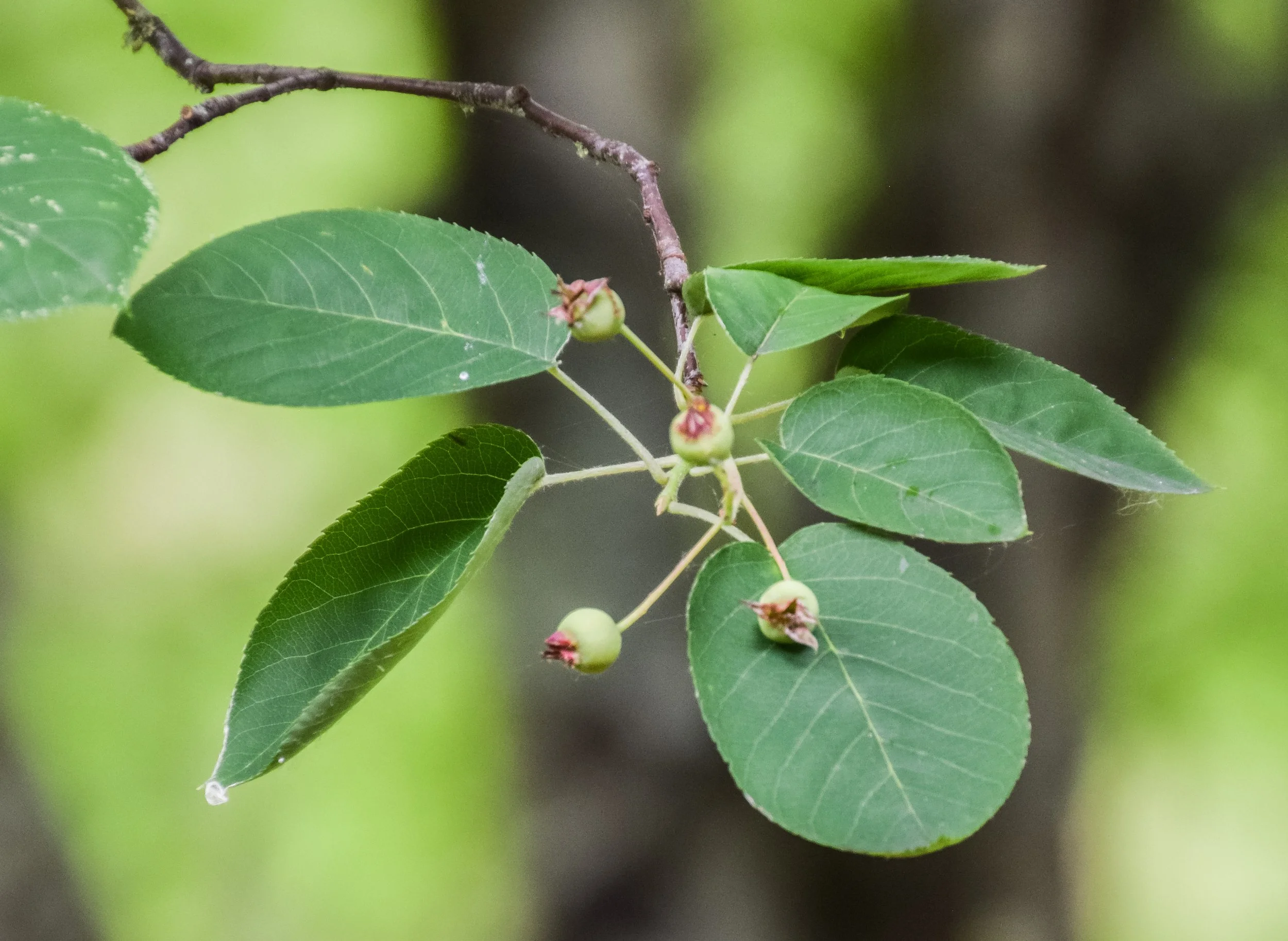
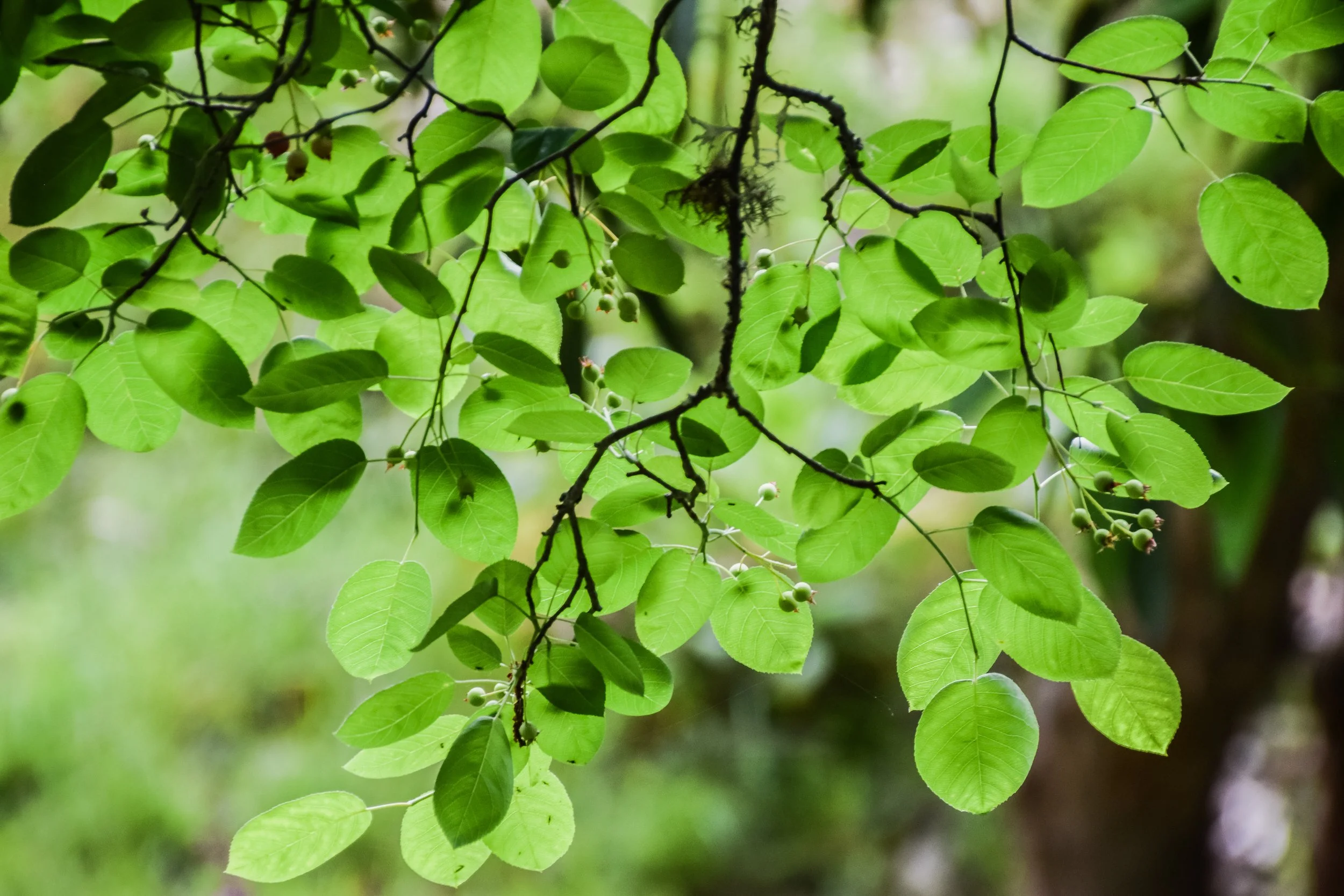
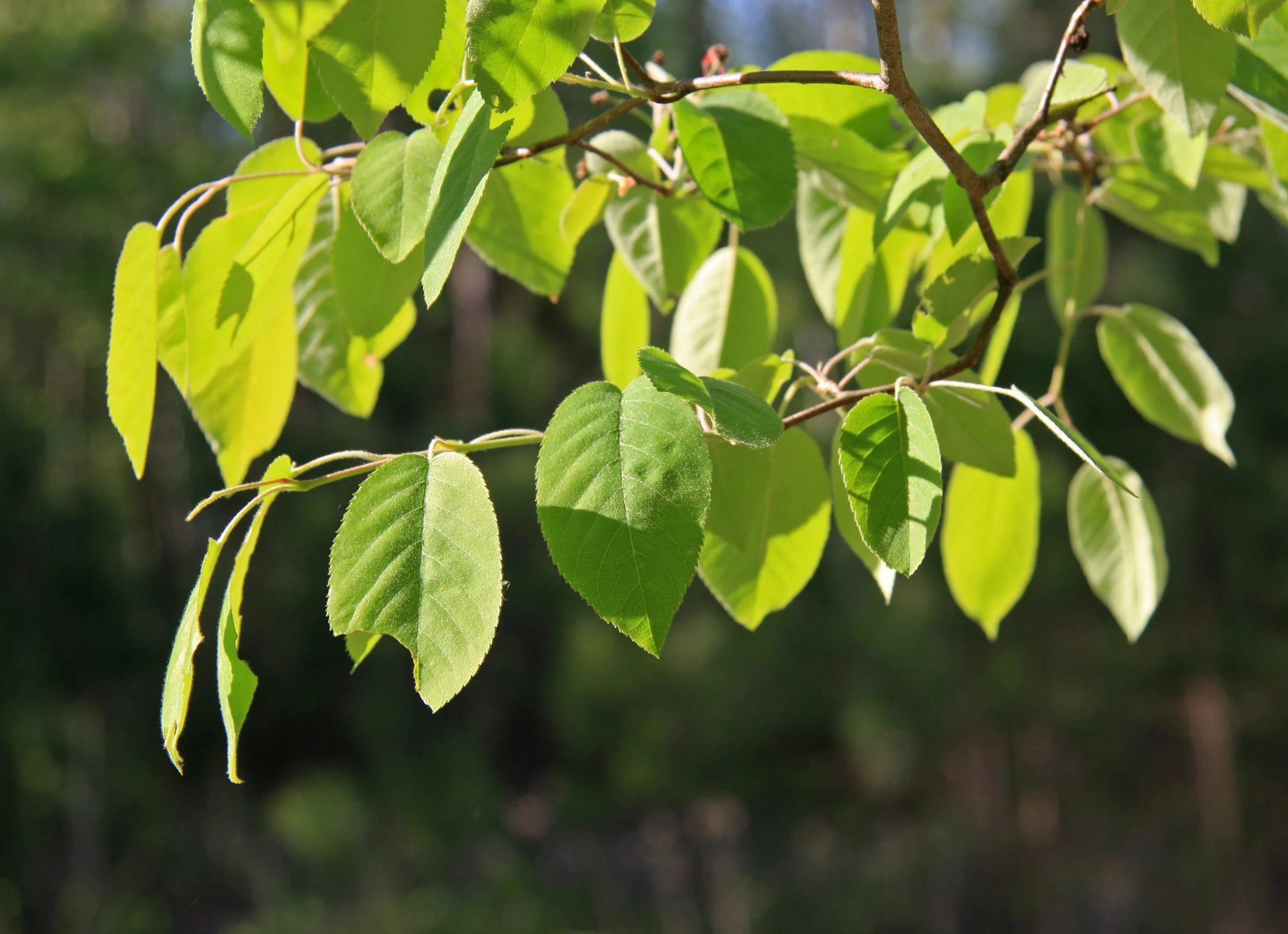
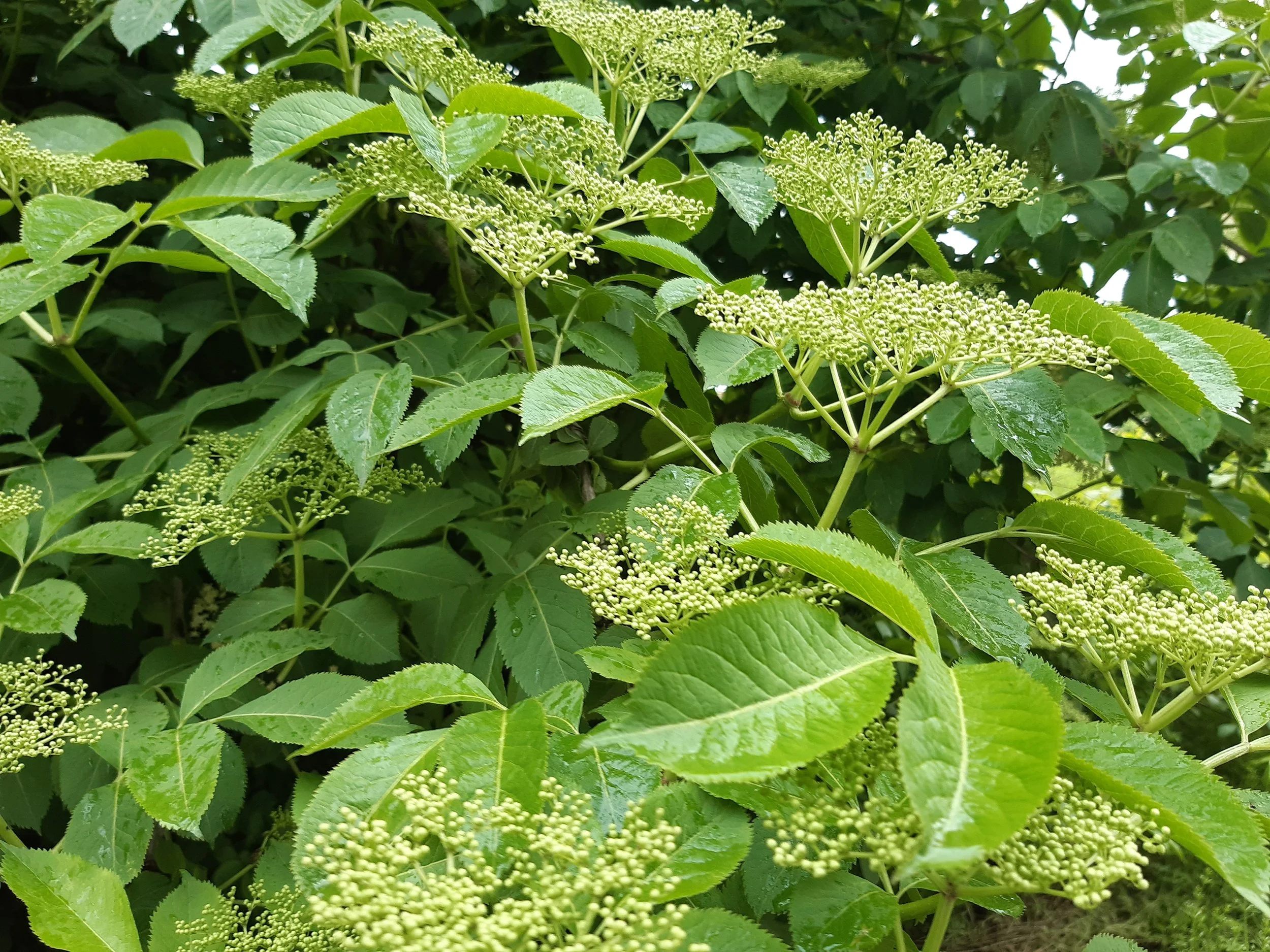
Identification / Key Features: Deciduous shrub with ovate, finely serrated leaves. White flowers appear in flat-topped clusters in late spring,followed by blue-black berries in fall. Bark is gray-brown and slightly furrowed.
Mature Height / Size: 10–20 feet.
Growth Rate: Moderate.
Light / Soil / Site Preferences: Prefers full sun to partial shade; adaptable to various soils, including clay and loam.
Wildlife Value / Ecological Role: Berries are eaten by birds and small mammals. Provides dense cover for wildlife.
Uses / Economic / Cultural: Often used for hedges, wildlife plantings, and ornamental landscaping.
Quantity (per bundle) 25
Size (12-18”)
A hardy and adaptable native shrub, Nannyberry is admired for its clusters of creamy white spring blossoms, glossy dark green summer foliage, and striking reddish-purple fall color. In late summer to fall, it bears drooping clusters of blue-black berries that provide beauty and sustenance for wildlife. With its upright, arching form and year-round appeal, Nannyberry adds both structure and softness to naturalized plantings, hedgerows, and woodland edges.
Well-suited to Northern Michigan (Zone 5a), Nannyberry thrives in full sun to partial shade and tolerates a wide range of soils, from moist lowlands to drier upland sites. It grows at a moderate rate, forming a large, multi-stemmed shrub or small tree that’s both resilient and low-maintenance.
Ecologically, Nannyberry offers abundant value—its flowers attract pollinators, and its berries are a vital late-season food source for songbirds and mammals. With its beauty, adaptability, and ecological importance, Nannyberry is an excellent choice for enhancing habitat diversity and seasonal color in Michigan’s native landscapes.
Identification / Key Features: Deciduous shrub with ovate, finely serrated leaves. White flowers appear in flat-topped clusters in late spring,followed by blue-black berries in fall. Bark is gray-brown and slightly furrowed.
Mature Height / Size: 10–20 feet.
Growth Rate: Moderate.
Light / Soil / Site Preferences: Prefers full sun to partial shade; adaptable to various soils, including clay and loam.
Wildlife Value / Ecological Role: Berries are eaten by birds and small mammals. Provides dense cover for wildlife.
Uses / Economic / Cultural: Often used for hedges, wildlife plantings, and ornamental landscaping.

 Image 1 of 8
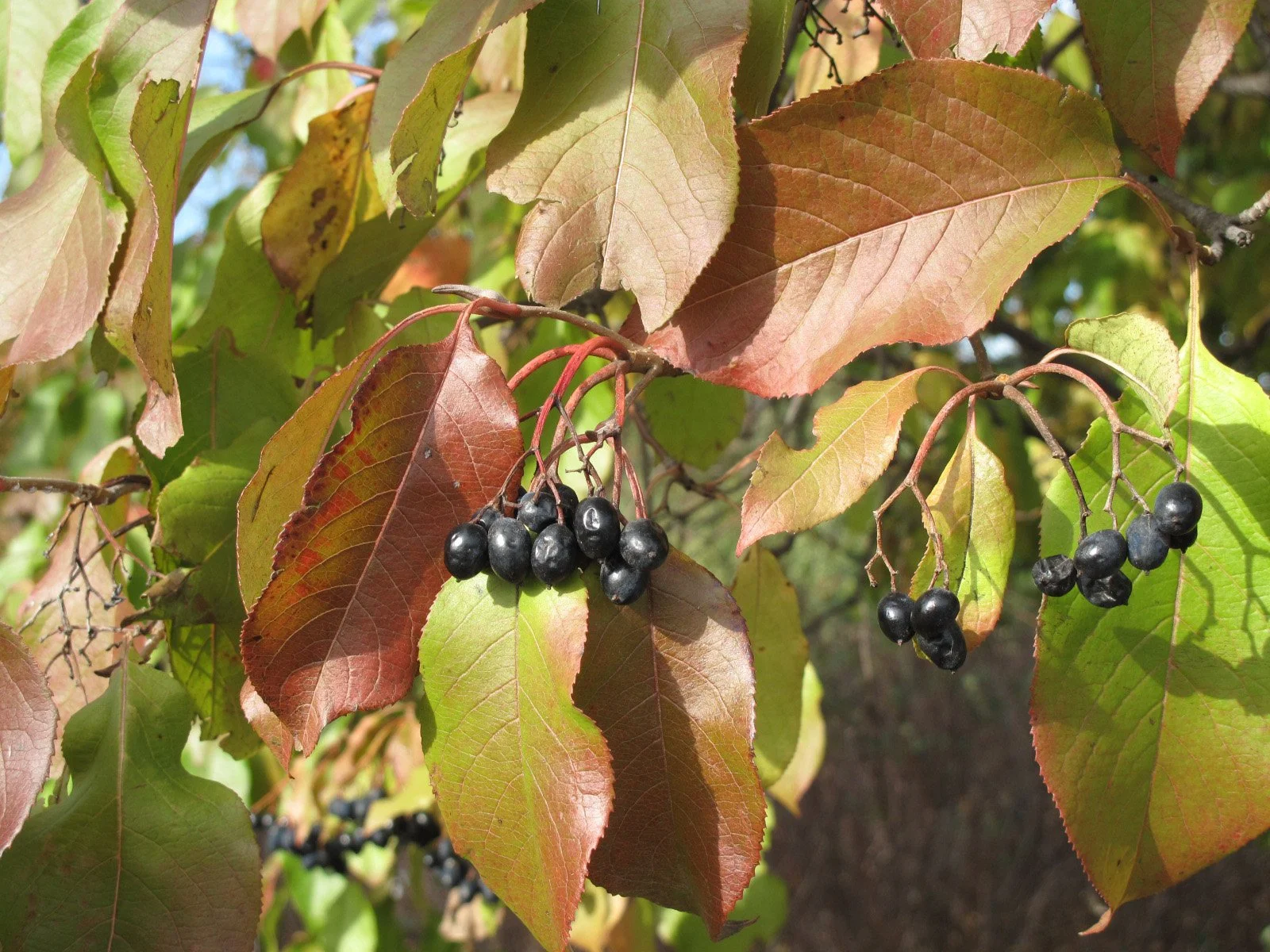 Image 2 of 8
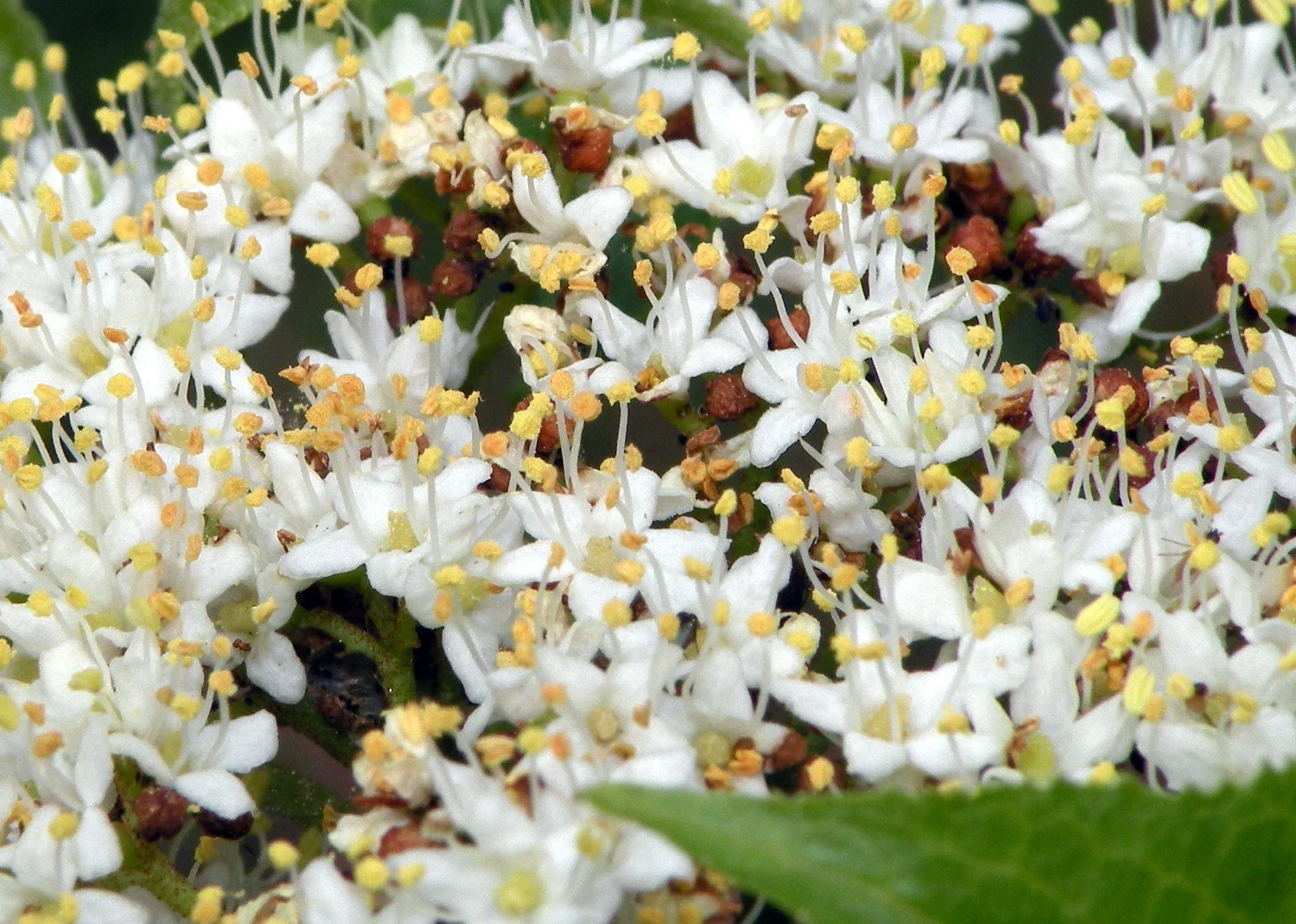 Image 3 of 8
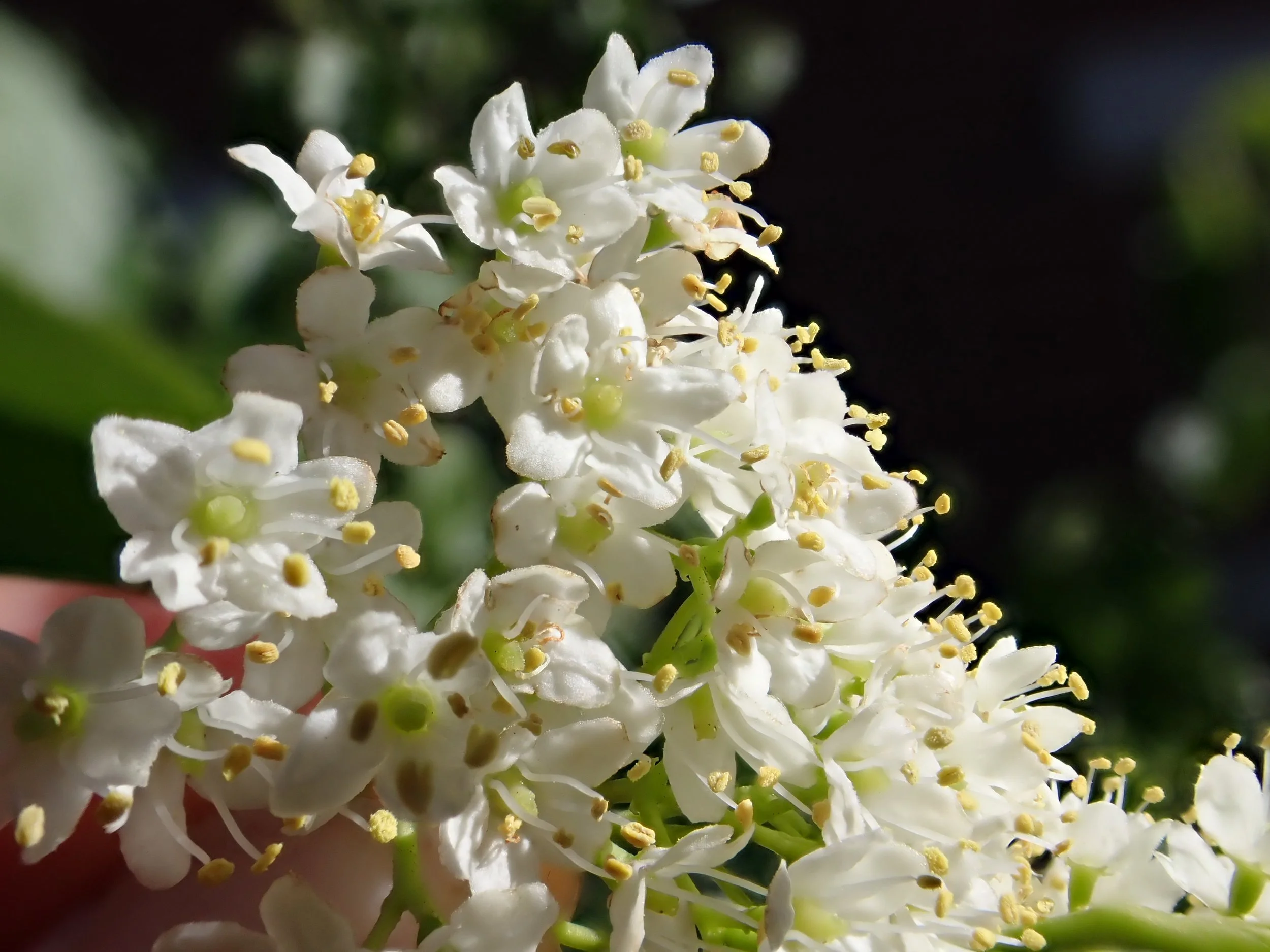 Image 4 of 8
 Image 5 of 8
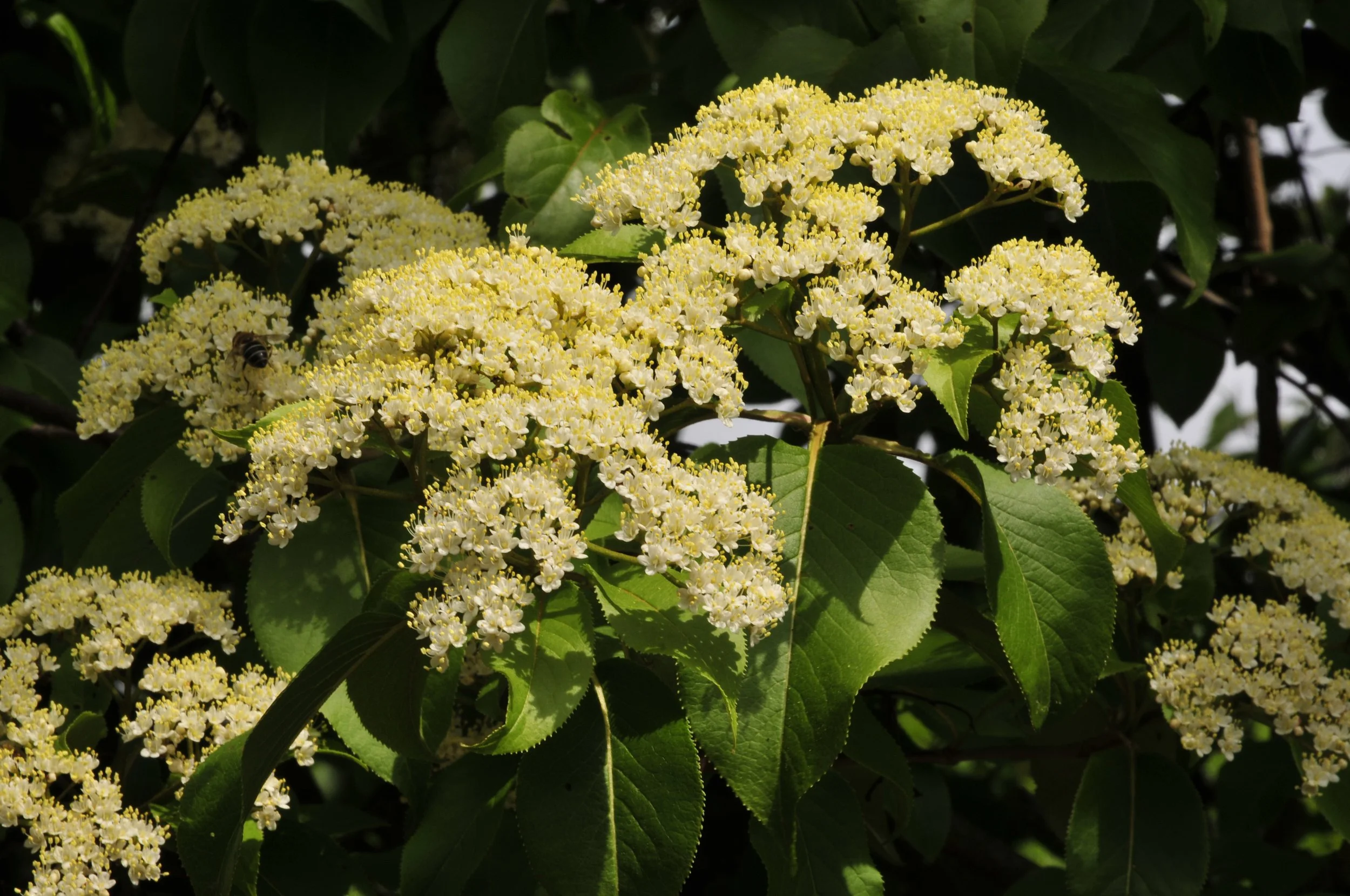 Image 6 of 8
 Image 7 of 8
 Image 8 of 8