Quantity (per bundle) 25
Size (8-15”)
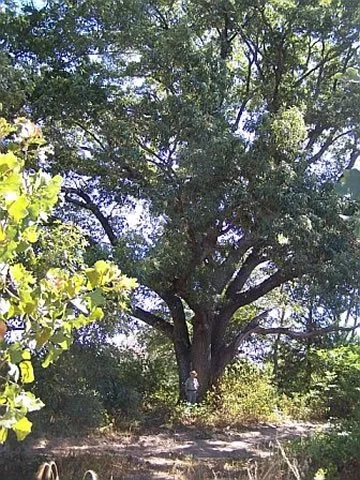
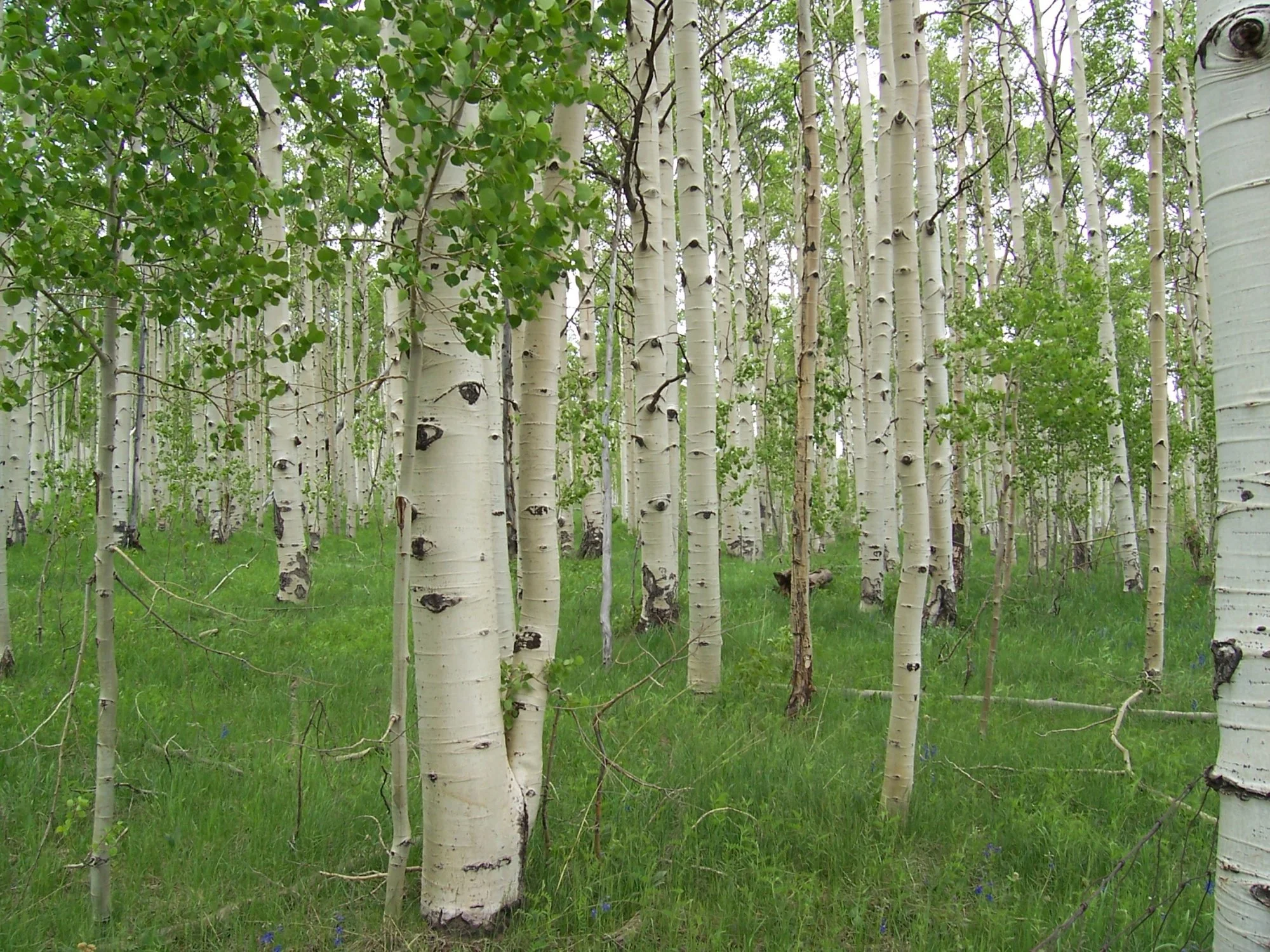
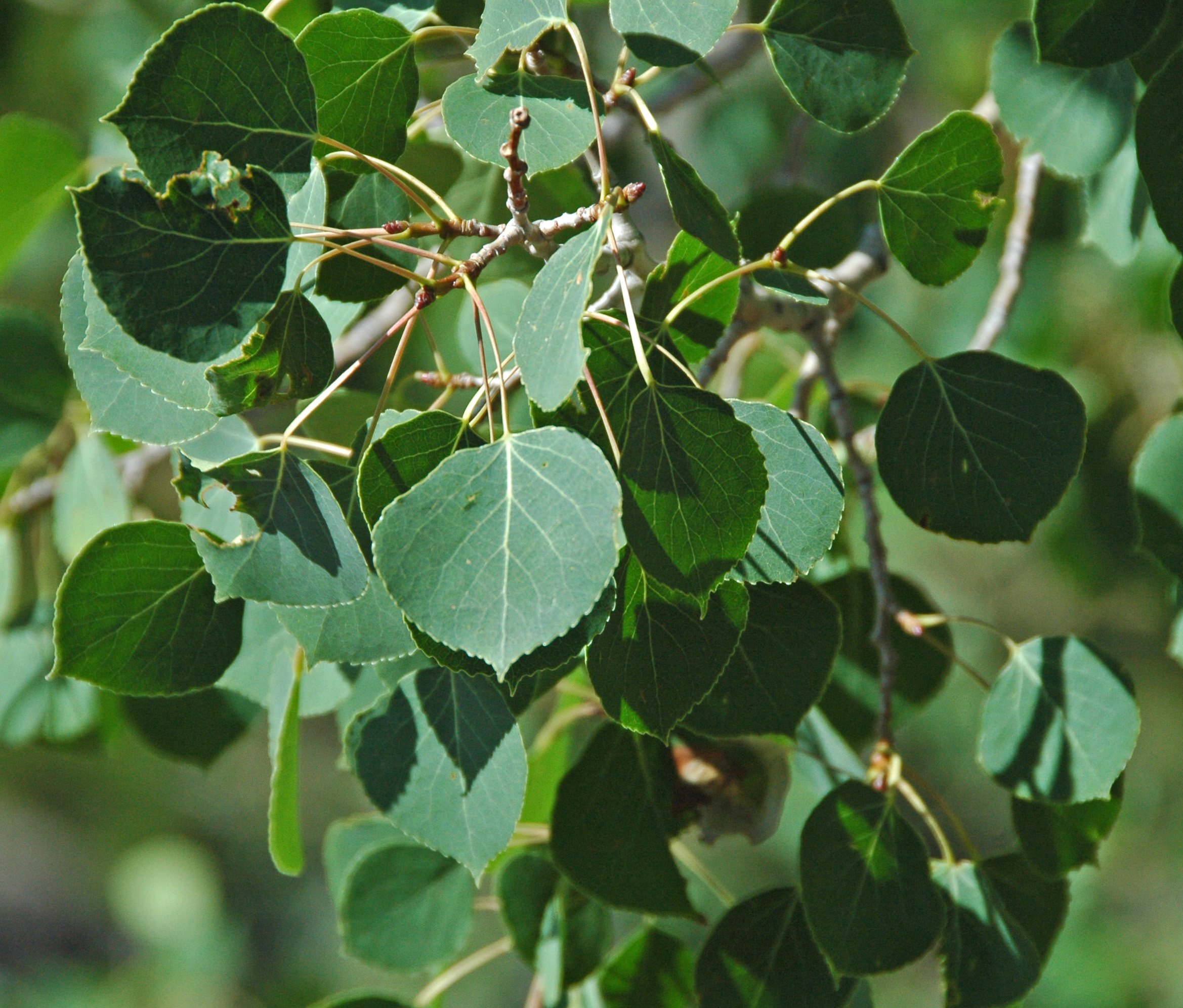
A graceful and iconic native tree, Paper Birch is easily recognized by its striking white bark that peels in thin, papery curls, revealing warm tones beneath. Its light, airy canopy and delicate green leaves create a shimmering effect in summer, turning brilliant yellow in fall. Often growing in clusters, Paper Birch adds elegance and contrast to both natural woodlands and designed landscapes.
Well-suited to Northern Michigan (Zone 5a), Paper Birch thrives in full sun and cool, moist, well-drained soils. It prefers northern exposures and is commonly found along lakeshores, slopes, and forest edges. Though relatively short-lived, its fast growth and cold hardiness make it a valuable pioneer species for reforestation and restoration.
Ecologically, Paper Birch plays a vital role in northern ecosystems—its seeds, buds, and bark feed birds, moose, and small mammals, while its canopy provides nesting habitat and shade. Long appreciated for its beauty and utility, its flexible, light wood and distinctive bark have been used for canoes, baskets, and traditional crafts, linking it deeply to both nature and culture across Michigan’s landscapes.
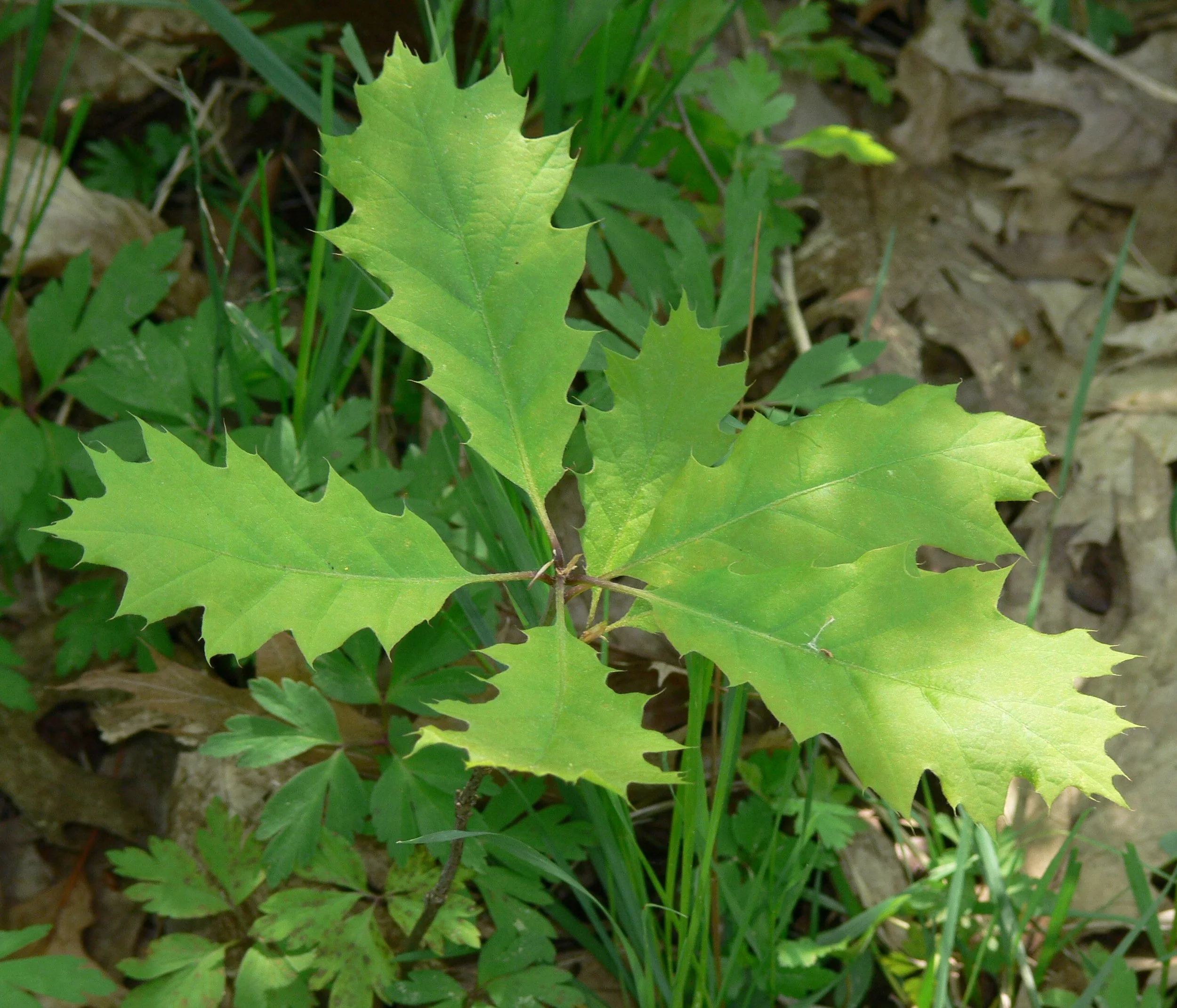
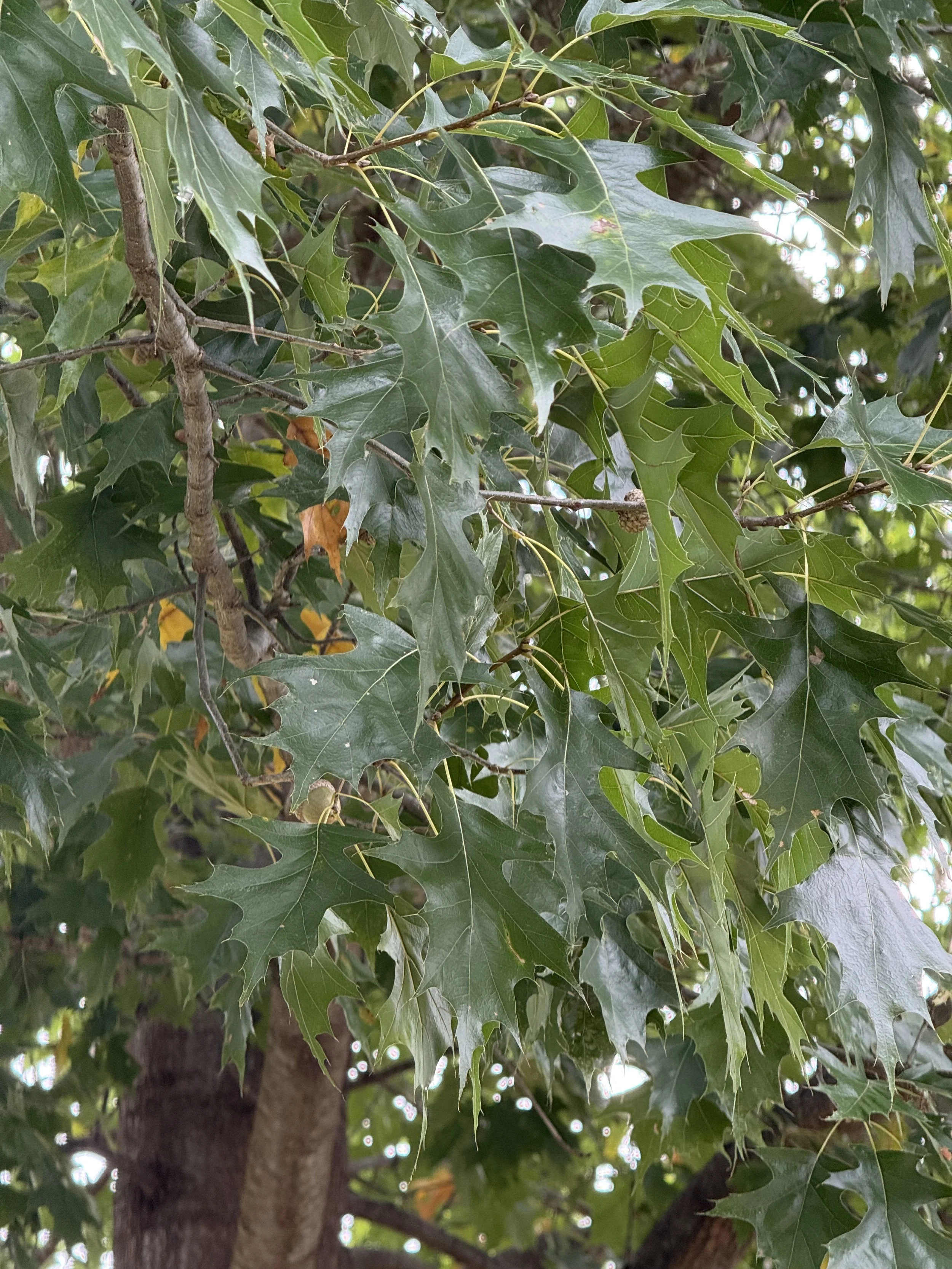
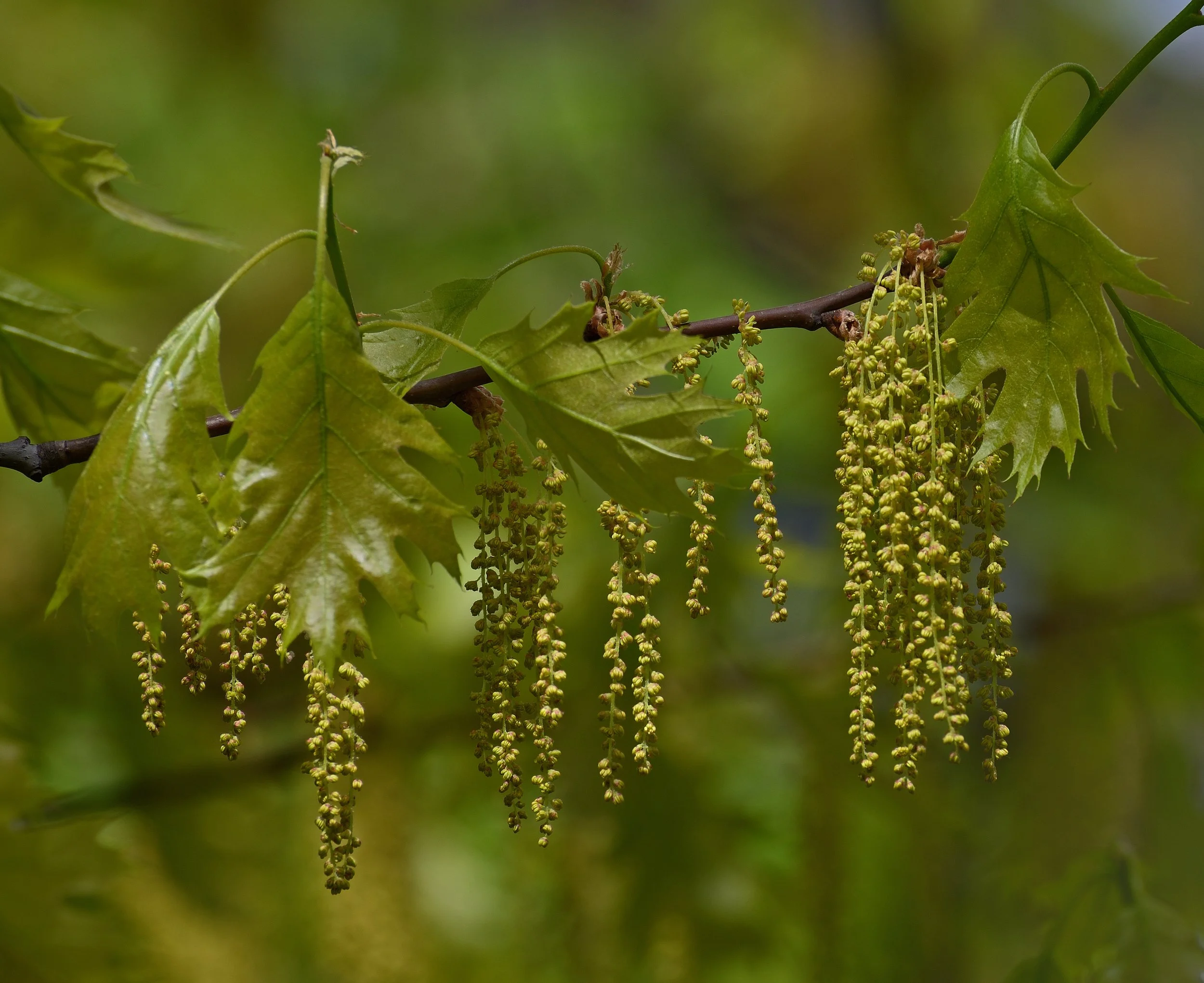
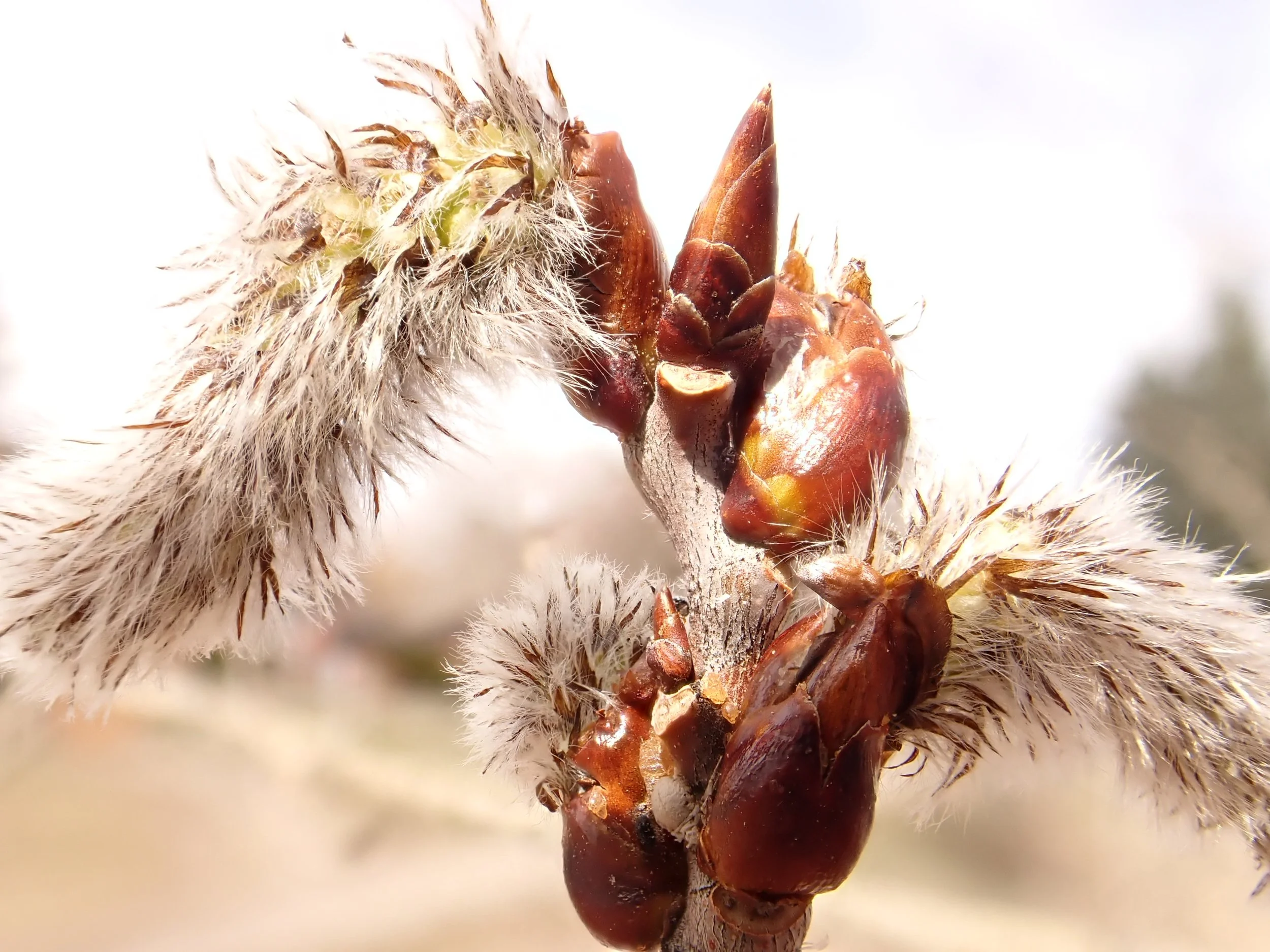
Identification / Key Features: Medium tree with white, peeling bark and ovate leaves with doubly serrated edges. Produces small catkins in spring.
Mature Height / Size: 50–70 feet.
Growth Rate: Fast-growing.
Light / Soil / Site Preferences: Prefers full sun and well-drained sandy or loamy soils; often found in uplands and disturbed sites.
Wildlife Value / Ecological Role: Seeds eaten by birds; bark used by beavers; provides nesting sites.
Uses / Economic / Cultural: Wood used for furniture, pulp, and craft items; bark historically used by Native Americans for canoes and containers.
Quantity (per bundle) 25
Size (8-15”)
A graceful and iconic native tree, Paper Birch is easily recognized by its striking white bark that peels in thin, papery curls, revealing warm tones beneath. Its light, airy canopy and delicate green leaves create a shimmering effect in summer, turning brilliant yellow in fall. Often growing in clusters, Paper Birch adds elegance and contrast to both natural woodlands and designed landscapes.
Well-suited to Northern Michigan (Zone 5a), Paper Birch thrives in full sun and cool, moist, well-drained soils. It prefers northern exposures and is commonly found along lakeshores, slopes, and forest edges. Though relatively short-lived, its fast growth and cold hardiness make it a valuable pioneer species for reforestation and restoration.
Ecologically, Paper Birch plays a vital role in northern ecosystems—its seeds, buds, and bark feed birds, moose, and small mammals, while its canopy provides nesting habitat and shade. Long appreciated for its beauty and utility, its flexible, light wood and distinctive bark have been used for canoes, baskets, and traditional crafts, linking it deeply to both nature and culture across Michigan’s landscapes.
Identification / Key Features: Medium tree with white, peeling bark and ovate leaves with doubly serrated edges. Produces small catkins in spring.
Mature Height / Size: 50–70 feet.
Growth Rate: Fast-growing.
Light / Soil / Site Preferences: Prefers full sun and well-drained sandy or loamy soils; often found in uplands and disturbed sites.
Wildlife Value / Ecological Role: Seeds eaten by birds; bark used by beavers; provides nesting sites.
Uses / Economic / Cultural: Wood used for furniture, pulp, and craft items; bark historically used by Native Americans for canoes and containers.

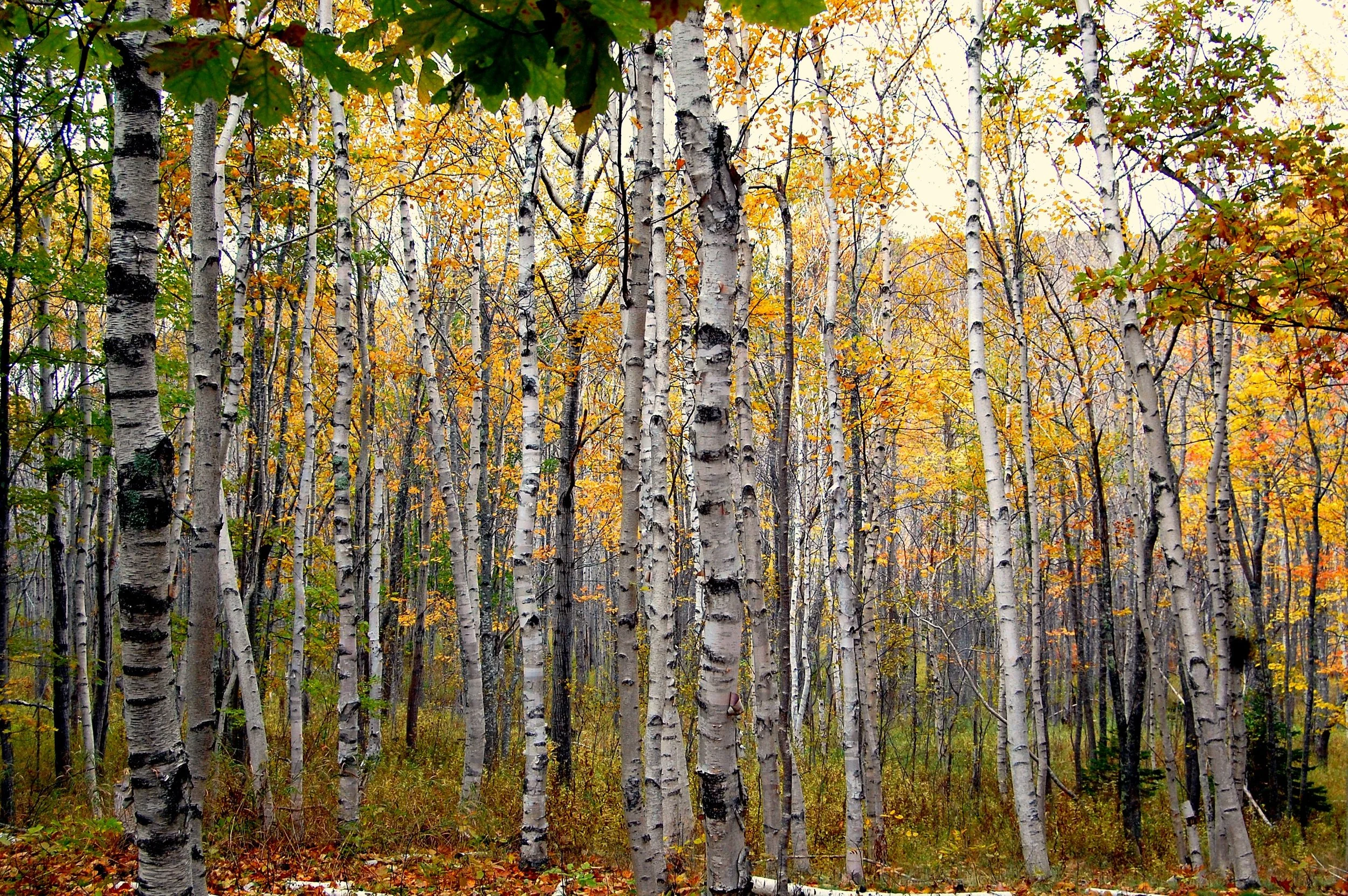 Image 1 of 7
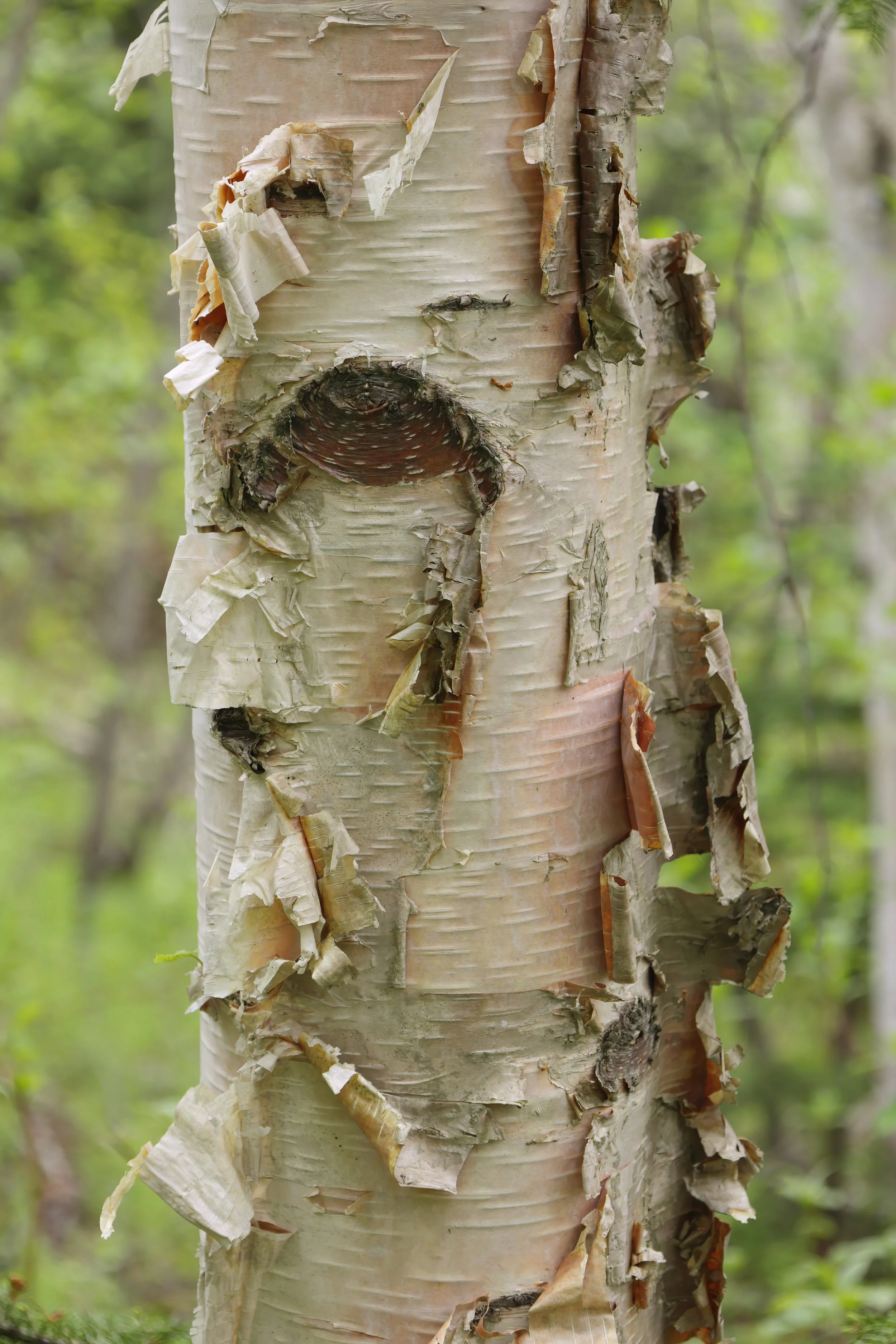 Image 2 of 7
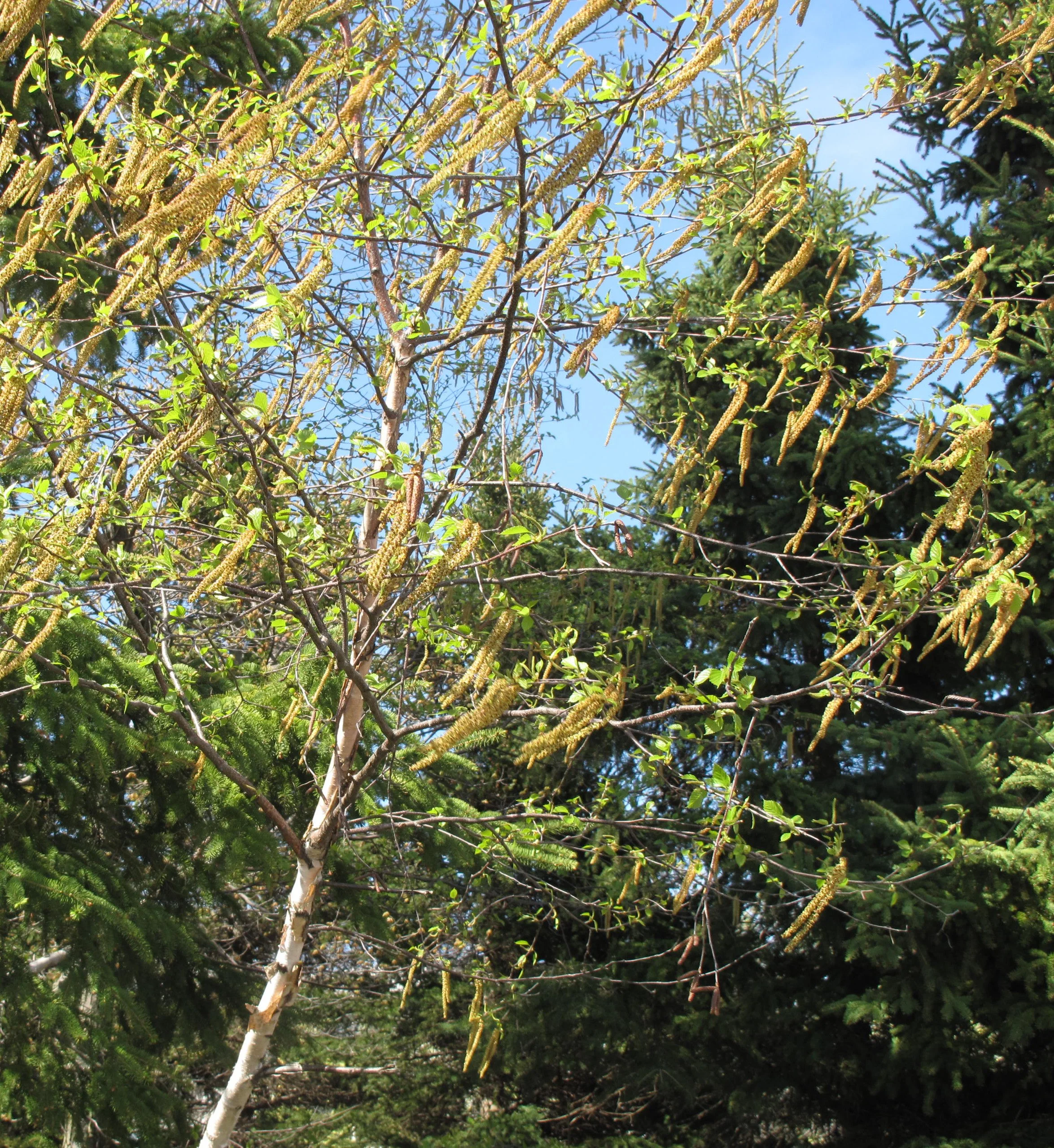 Image 3 of 7
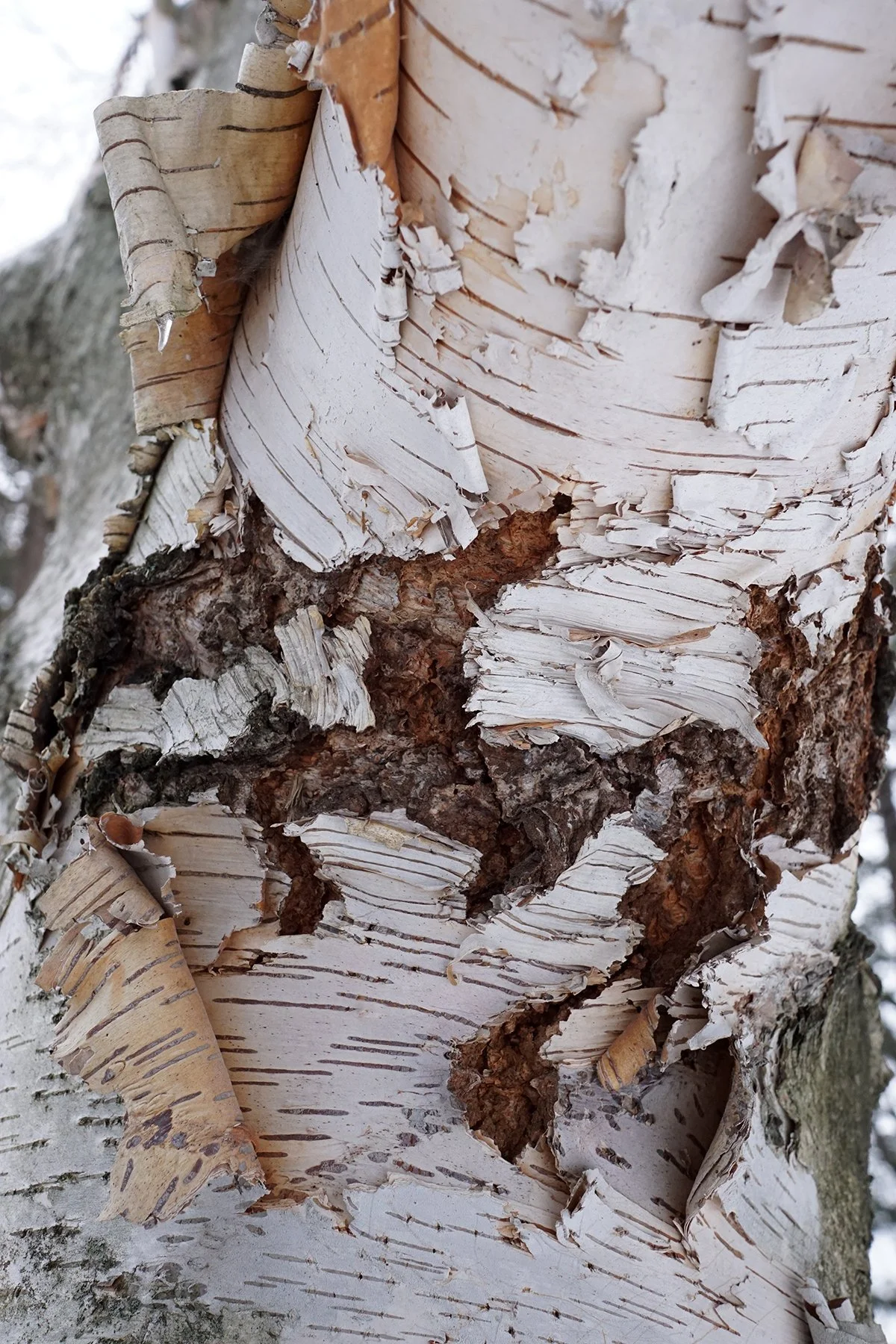 Image 4 of 7
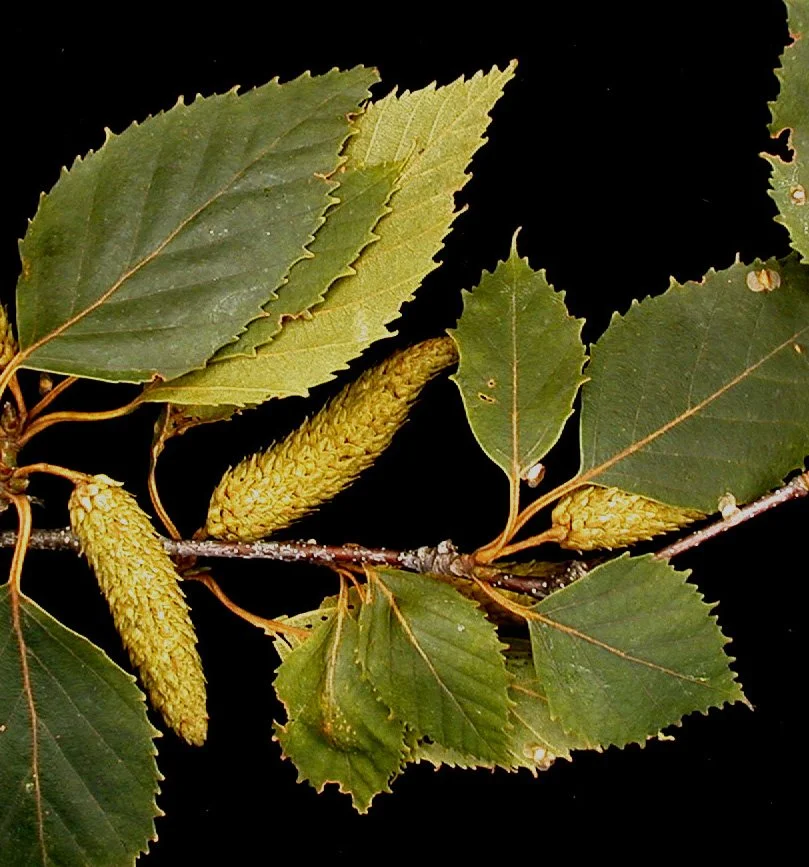 Image 5 of 7
 Image 6 of 7
![Kurt Stüber [1], CC BY-SA 3.0 <http://creativecommons.org/licenses/by-sa/3.0/>, via Wikimedia Commons.jpg](https://images.squarespace-cdn.com/content/v1/6824b99b0162611c9e37dcf6/984fe6c2-3e0e-4e1c-862f-40c88a5ed806/Kurt+St%C3%BCber+%5B1%5D%2C+CC+BY-SA+3.0+%3Chttp%3A%2F%2Fcreativecommons.org%2Flicenses%2Fby-sa%2F3.0%2F%3E%2C+via+Wikimedia+Commons.jpg) Image 7 of 7
Image 7 of 7