Quantity (per bundle) 25
Size (12-18”)
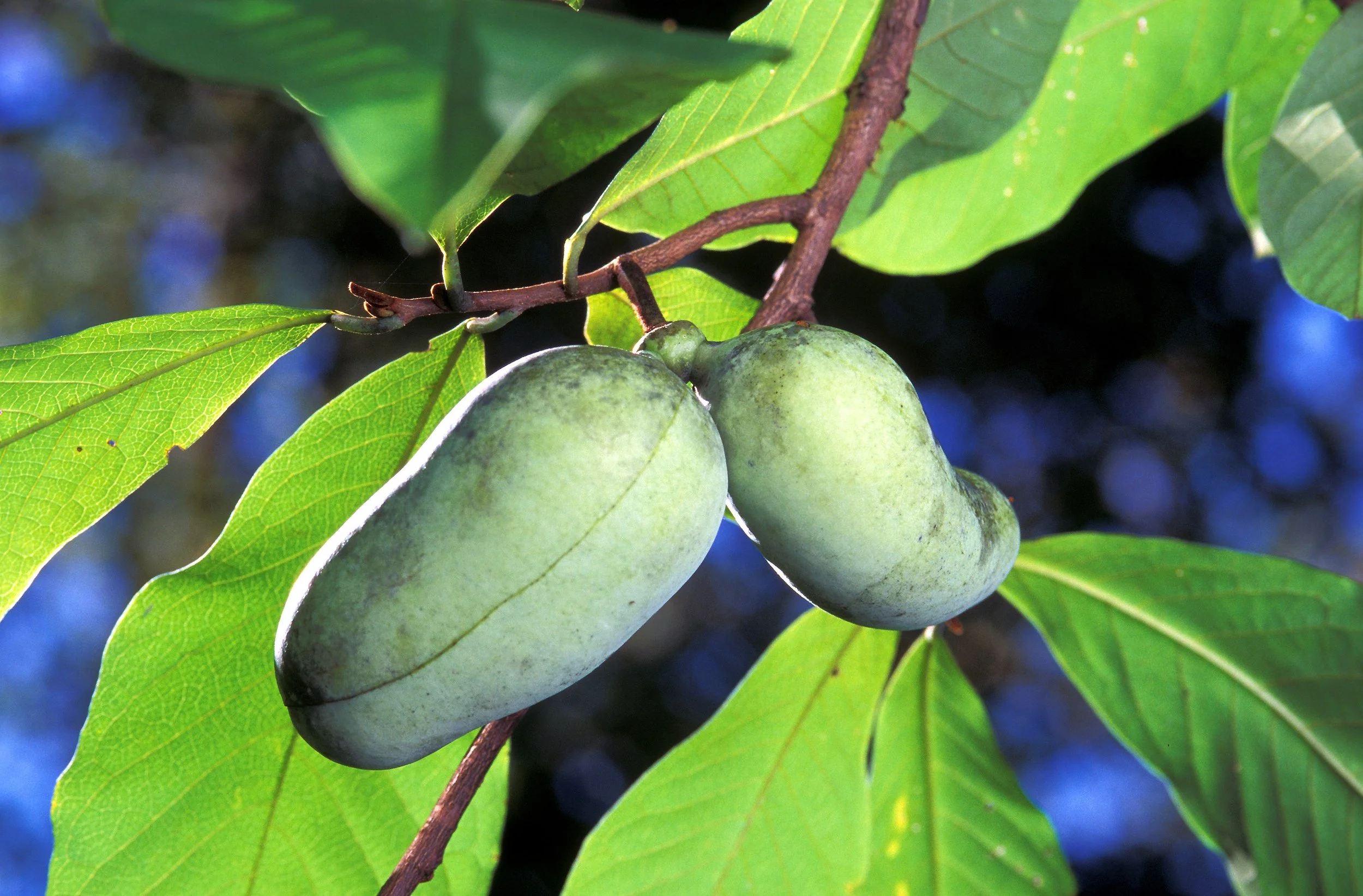
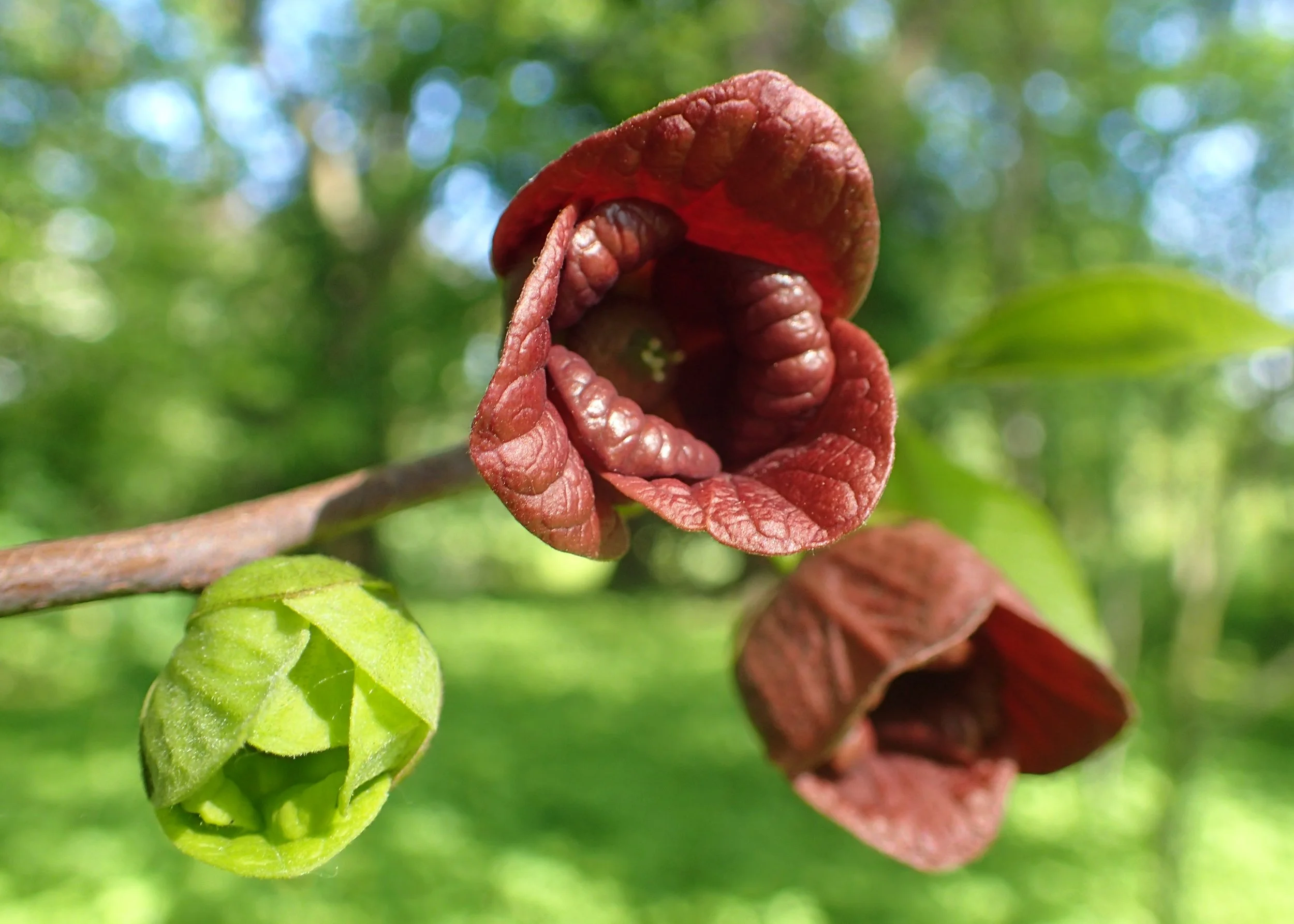
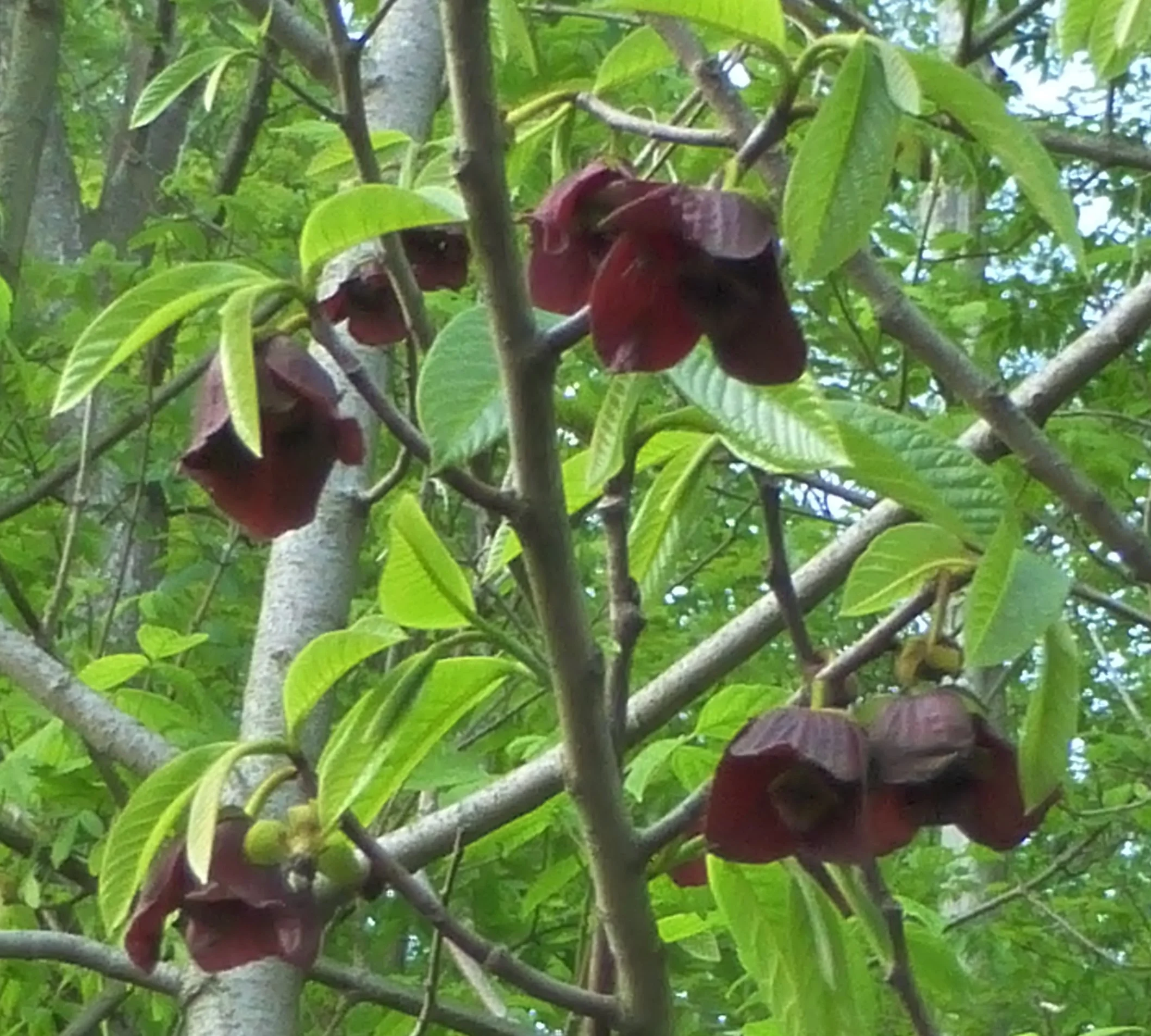
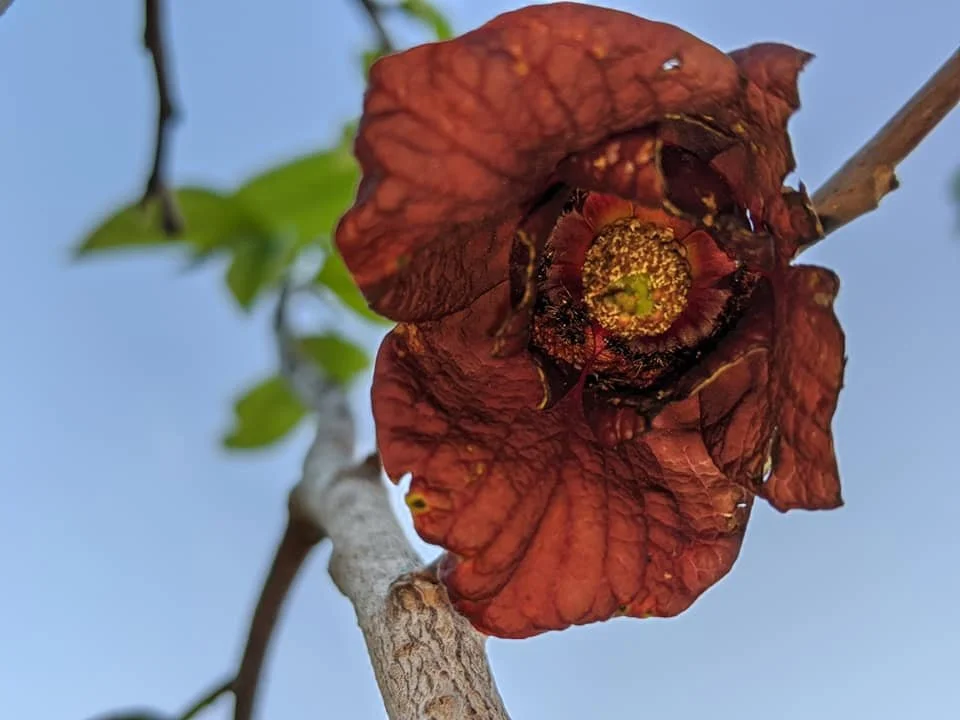
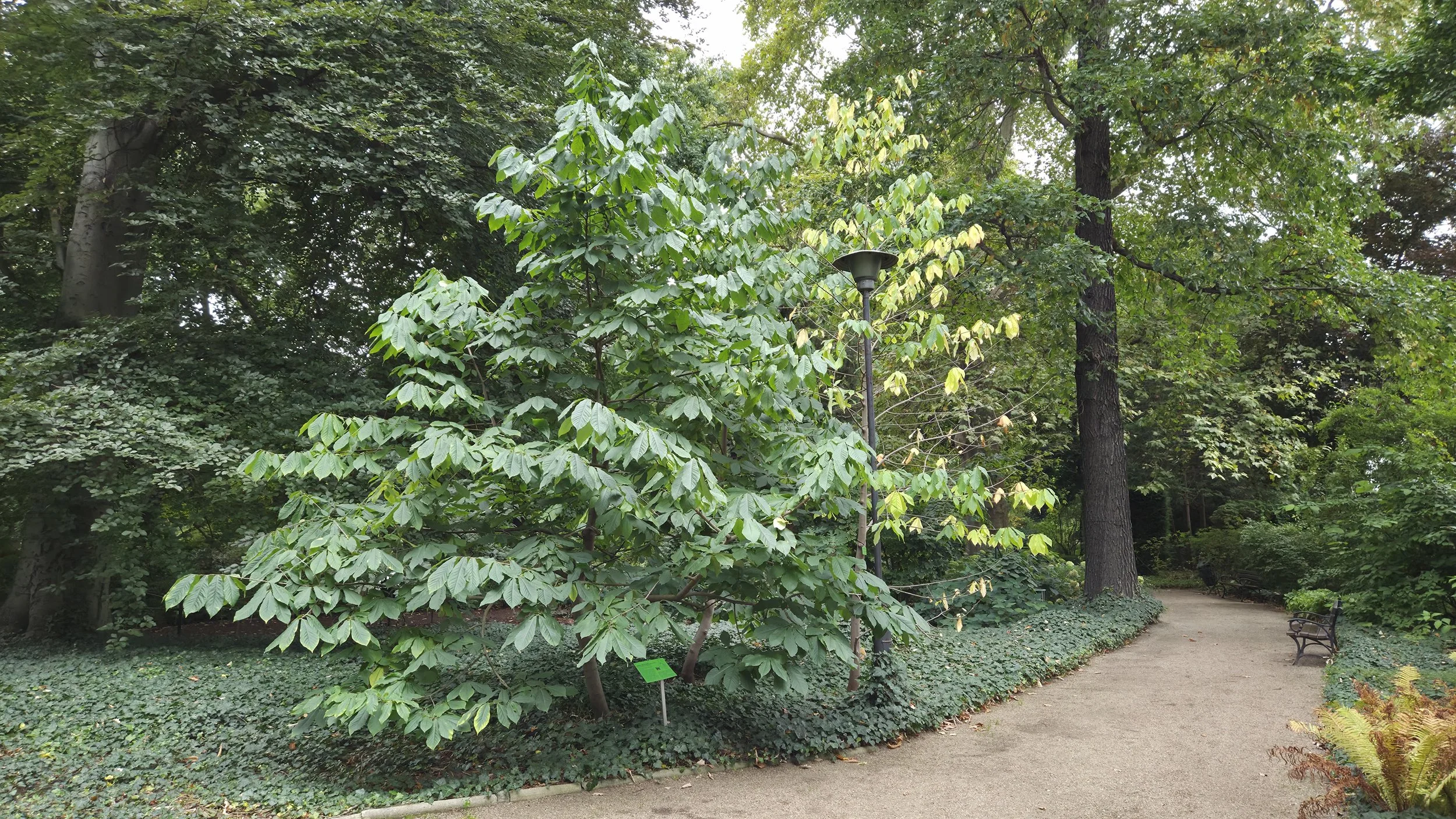
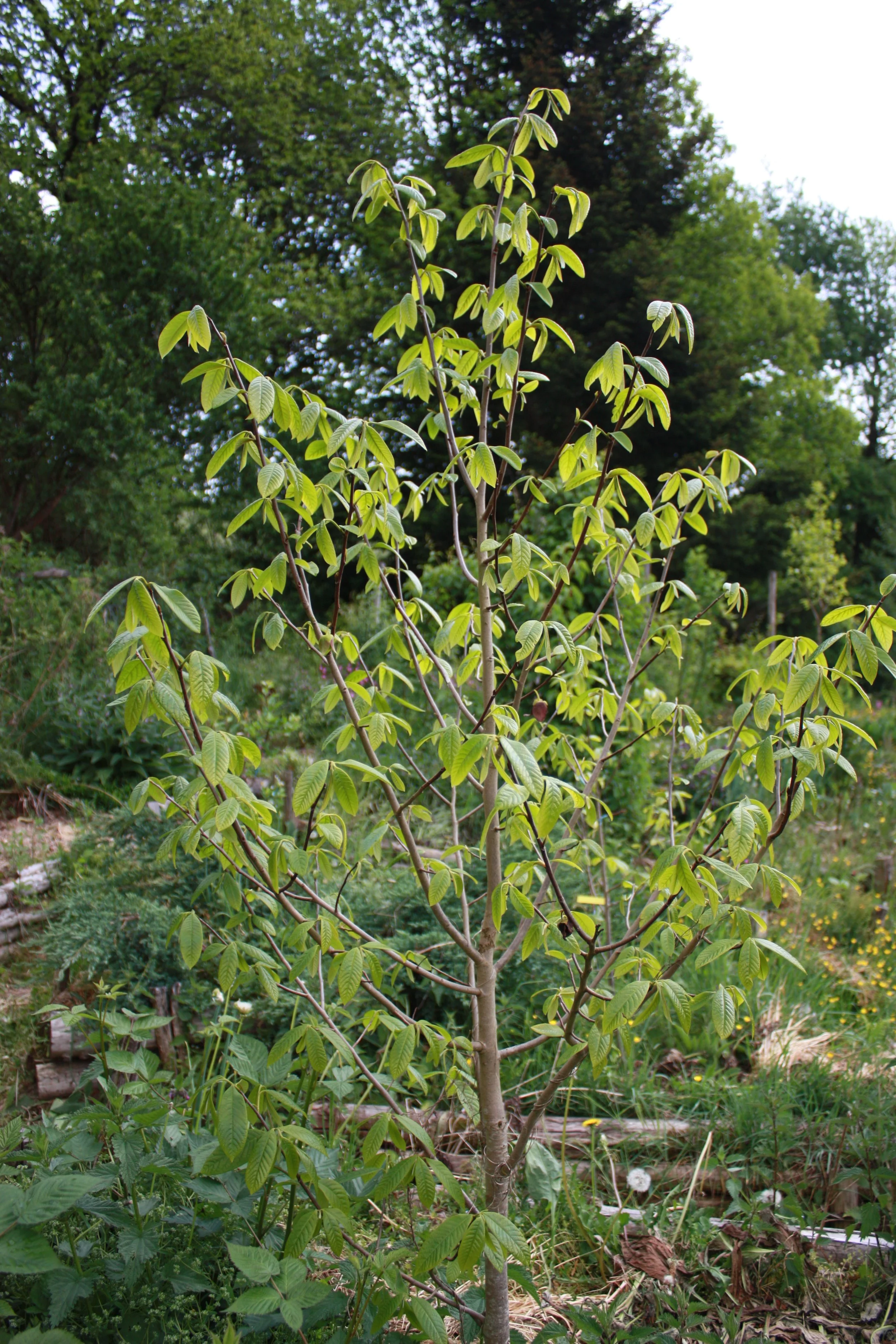
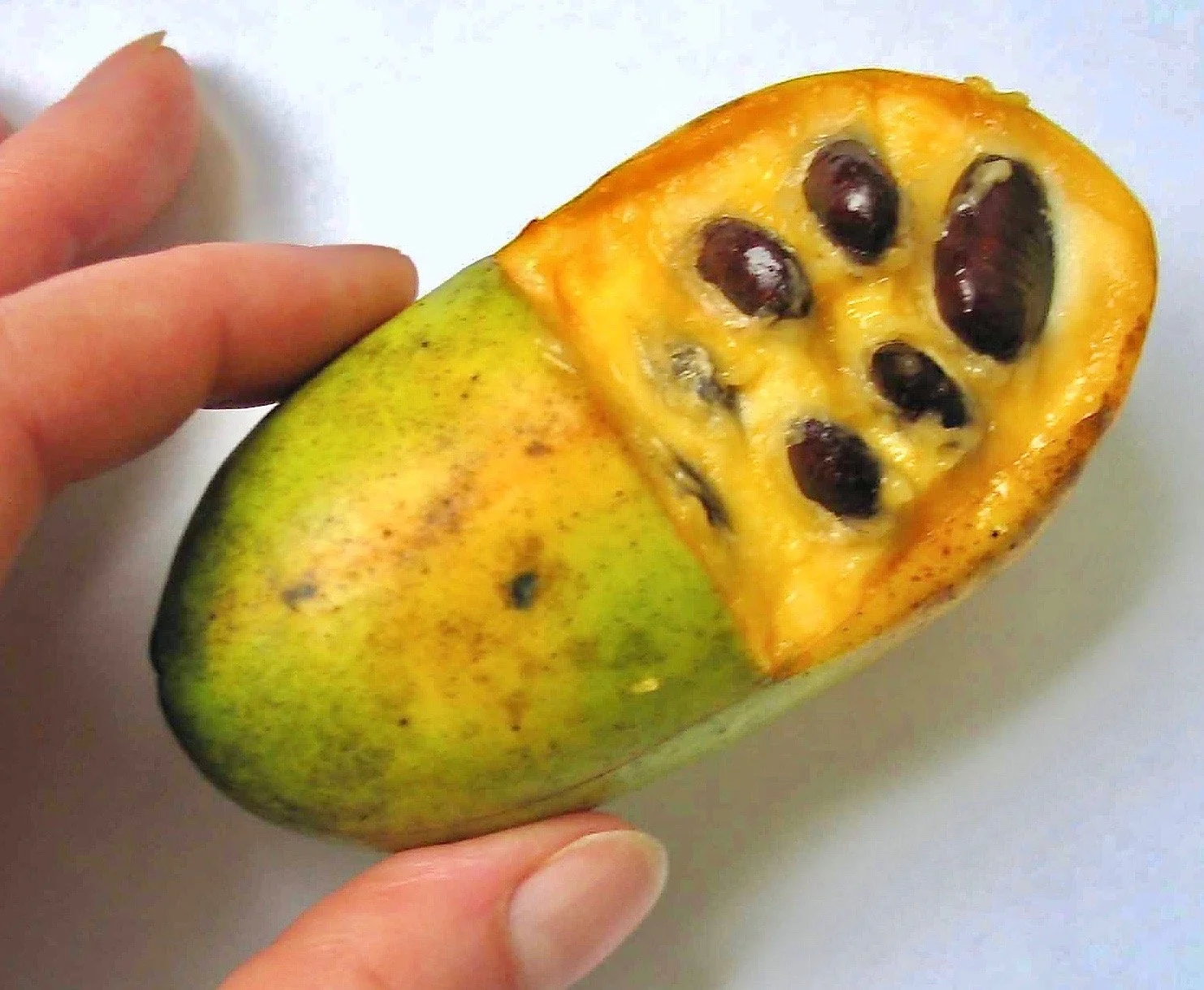
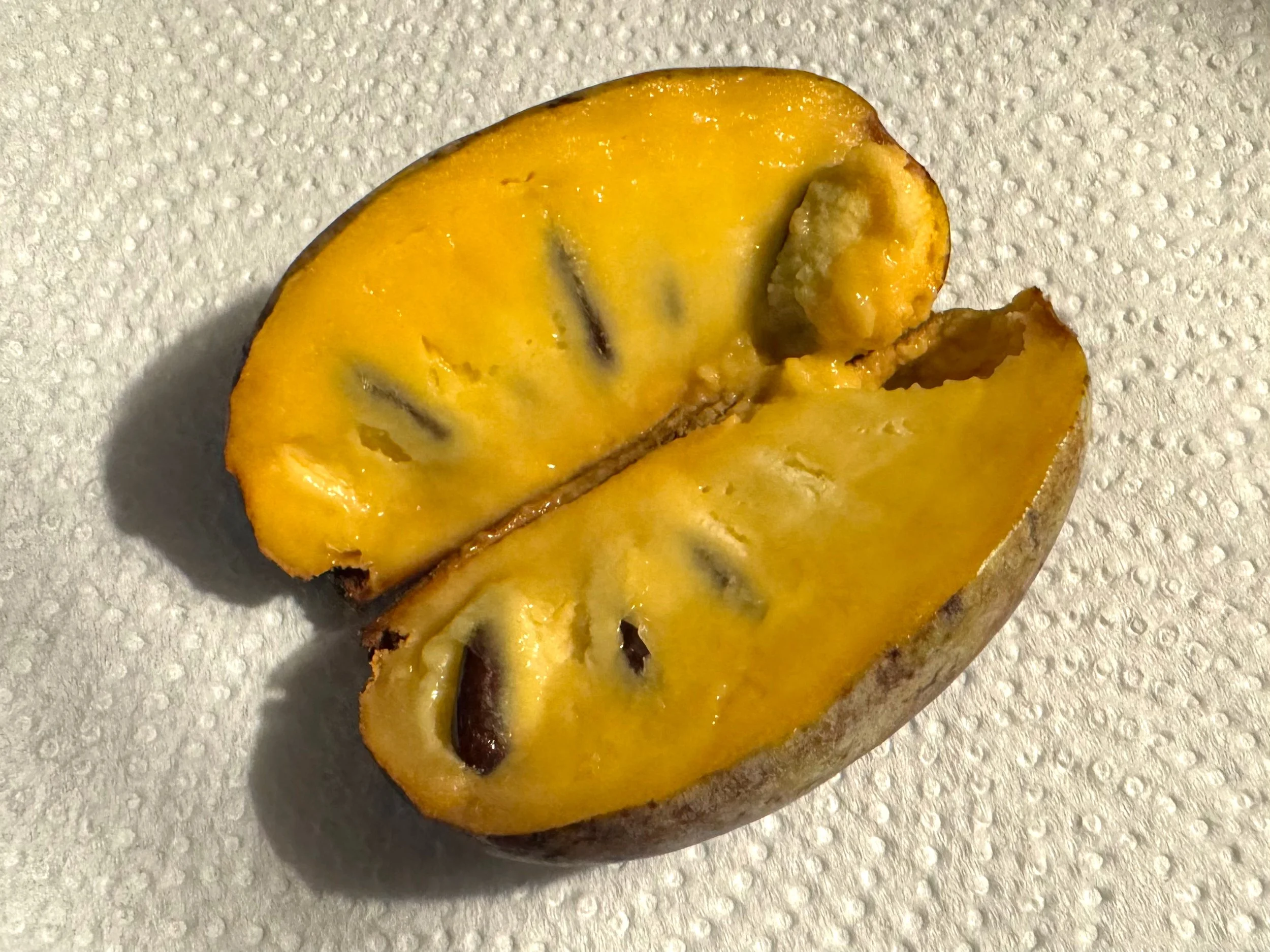
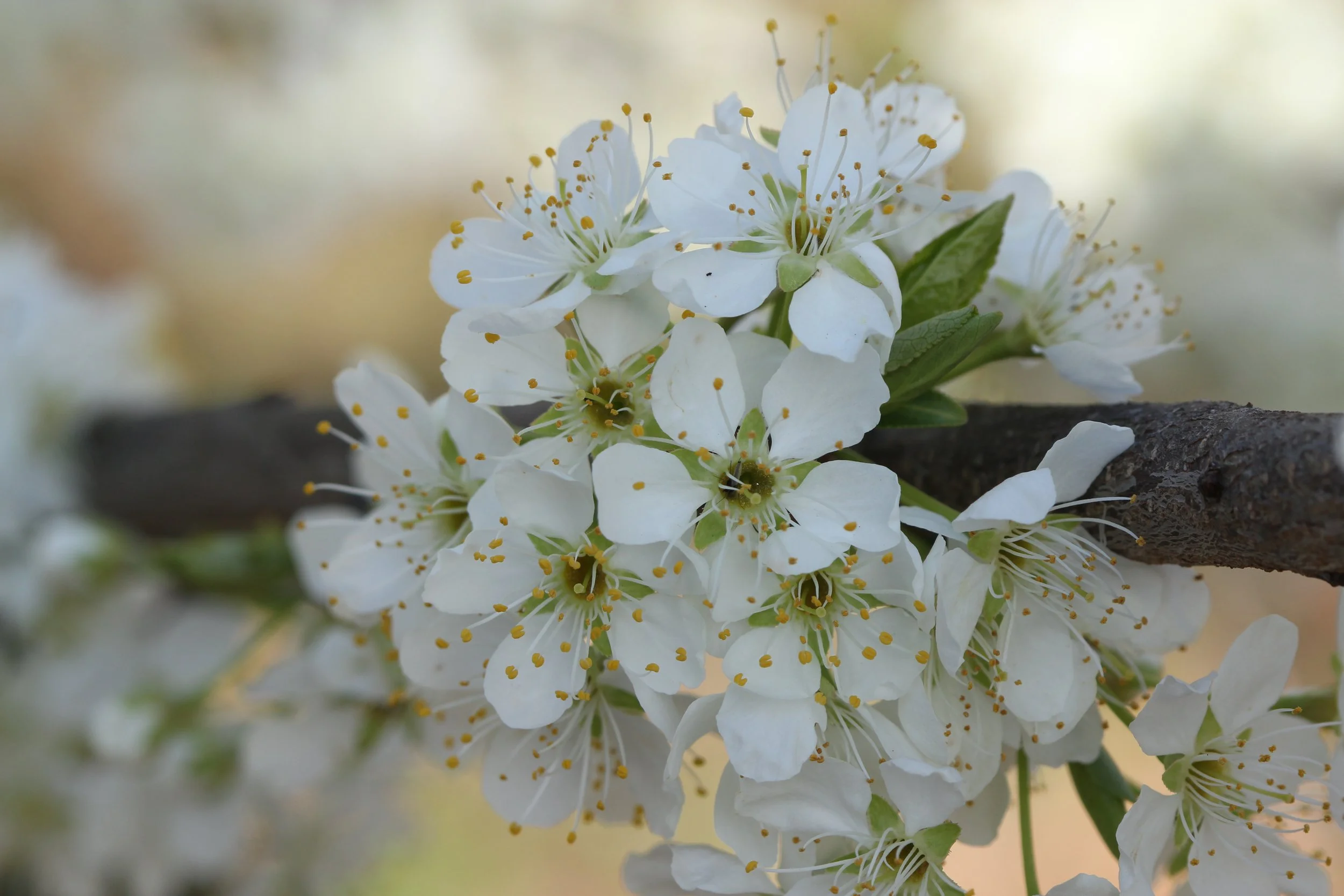
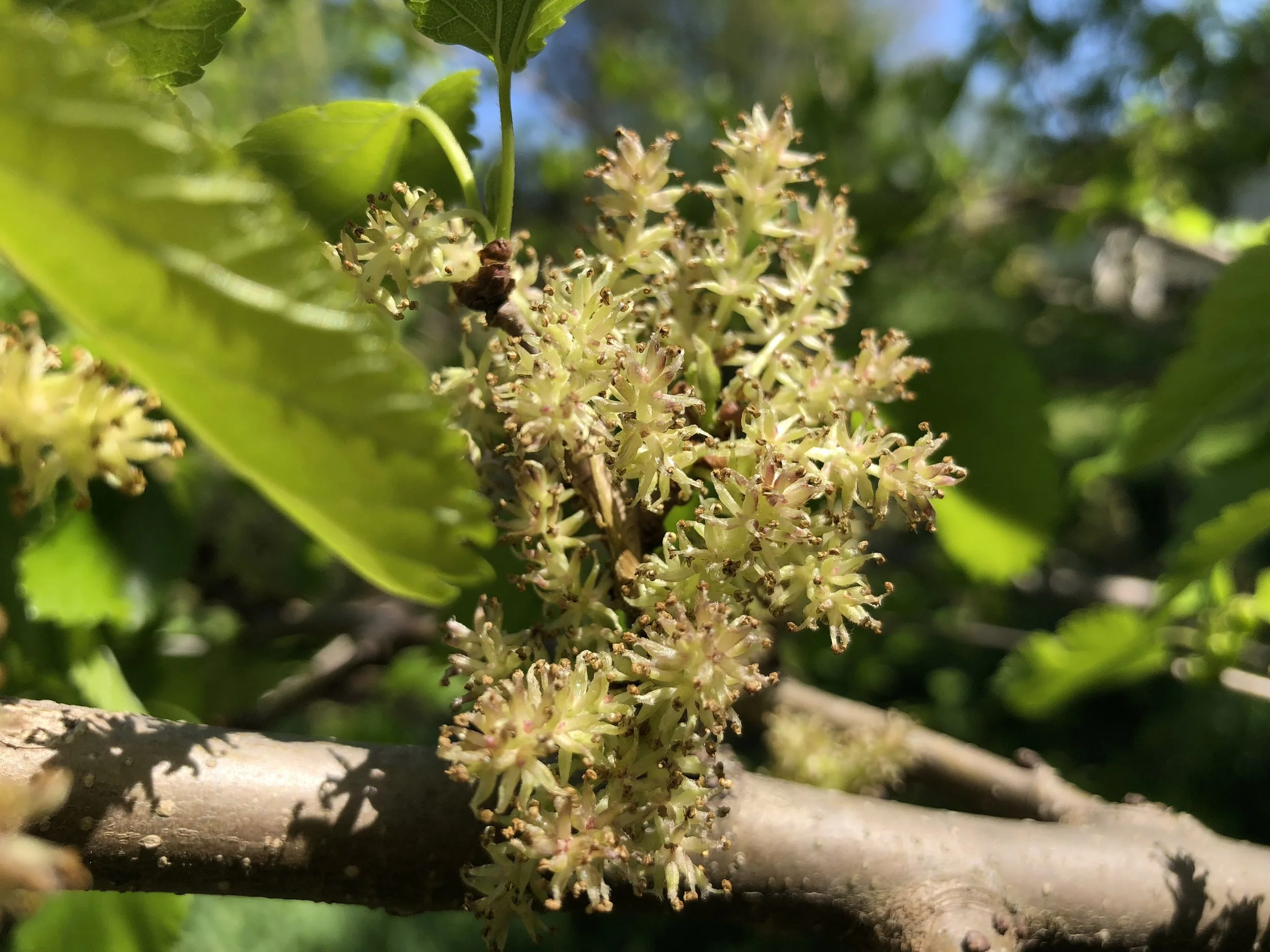
A distinctive and rewarding native tree, American Persimmon is admired for its glossy green leaves, rugged bark, and striking orange fruit that ripens in autumn. Its fragrant spring flowers are small and creamy white, giving way to sweet, flavorful fruits that persist into winter and attract wildlife. With its upright, rounded form and rich fall color, Persimmon adds both beauty and seasonal interest to Michigan’s landscapes.
Well-suited to Northern Michigan (Zone 5a), American Persimmon prefers full sun and moist, well-drained soils but tolerates a range of conditions, including sandy or clay sites. It is slow to moderate in growth and produces best when multiple trees are planted for cross-pollination.
Ecologically, Persimmon is a valuable wildlife species—its fruit is relished by deer, foxes, raccoons, and birds, while its flowers support pollinators. The tree’s strong, resilient wood has been prized for tool handles and sporting goods. Combining ornamental charm, ecological benefit, and edible appeal, American Persimmon is a true gem of the native landscape.
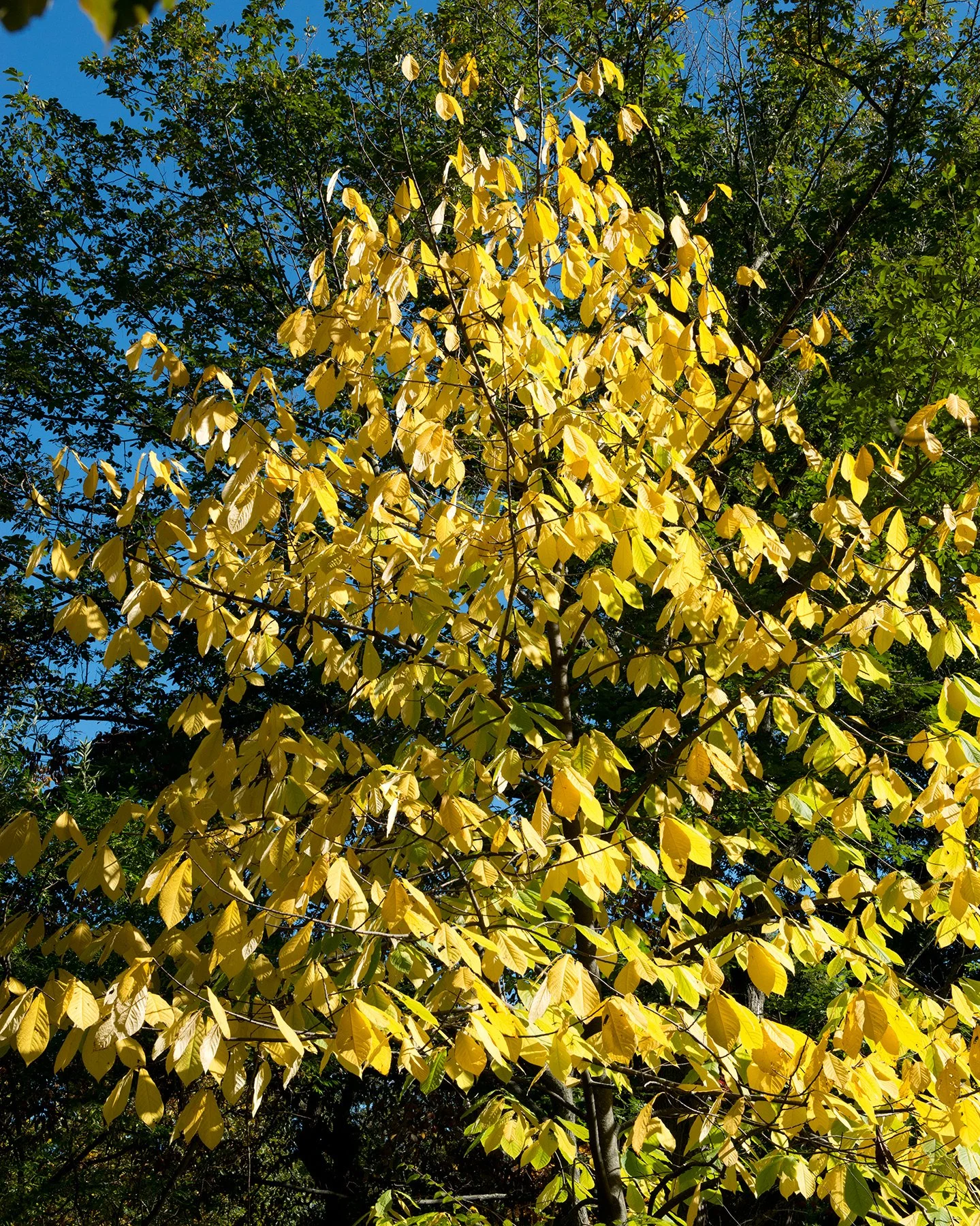
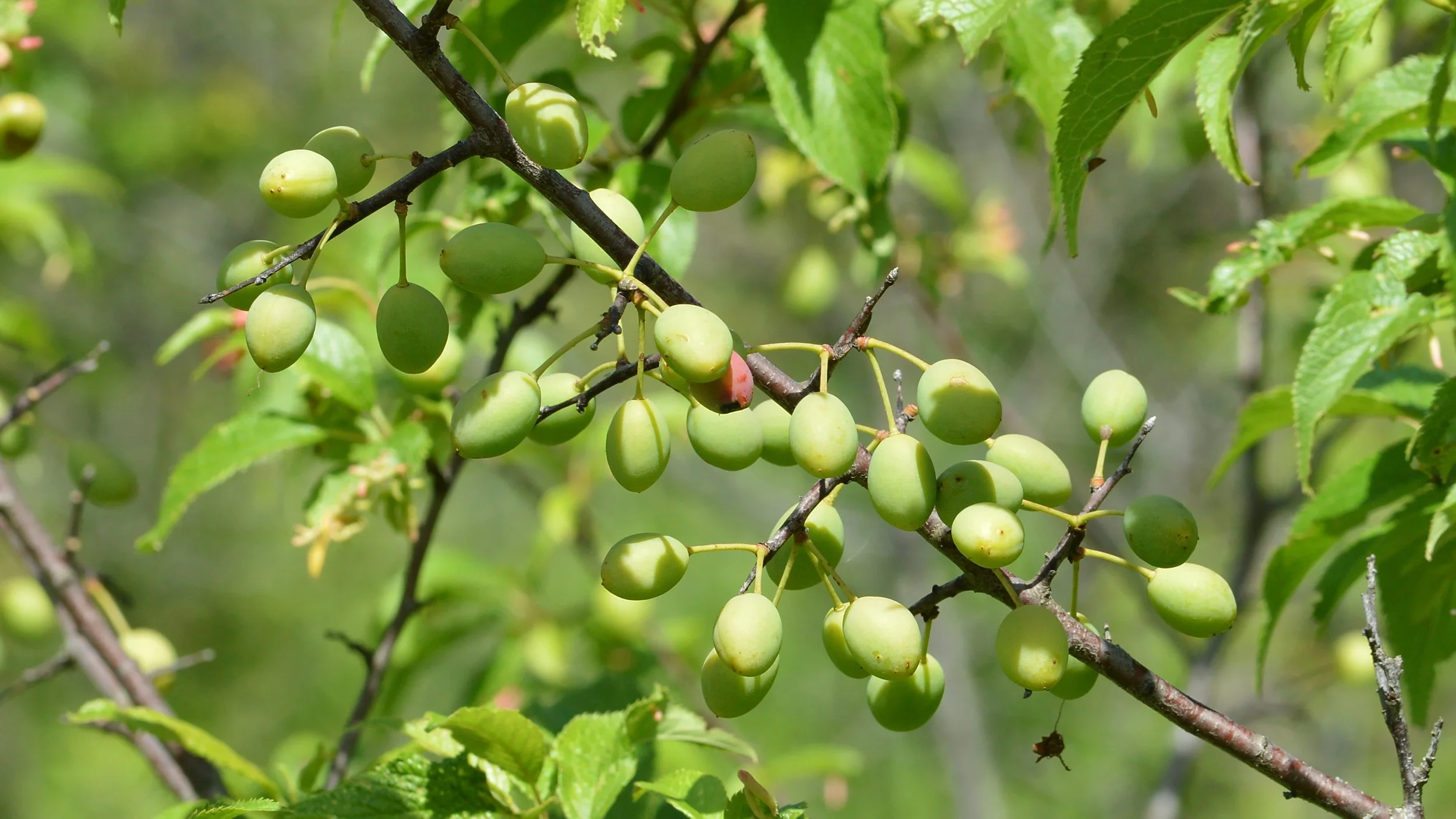
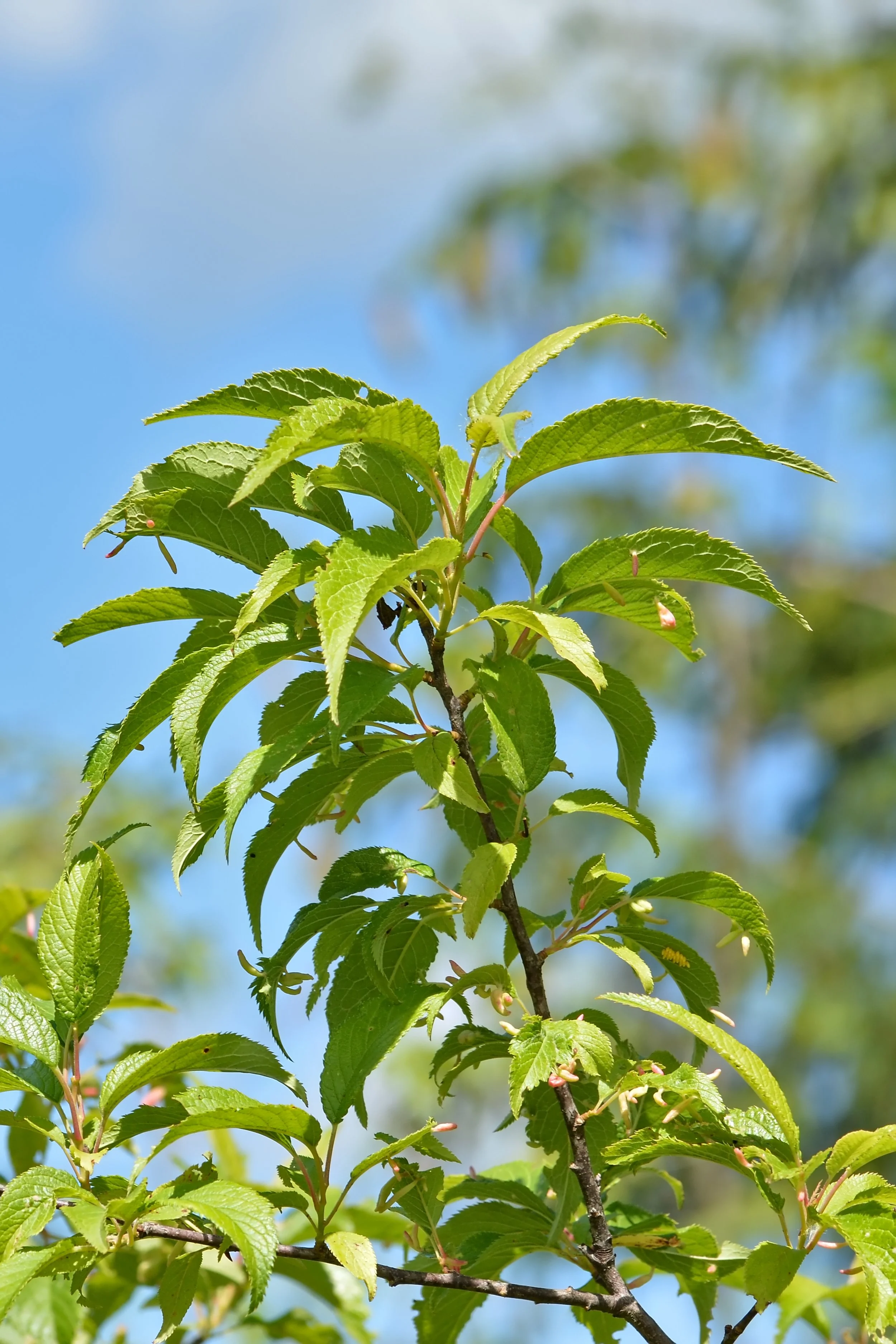
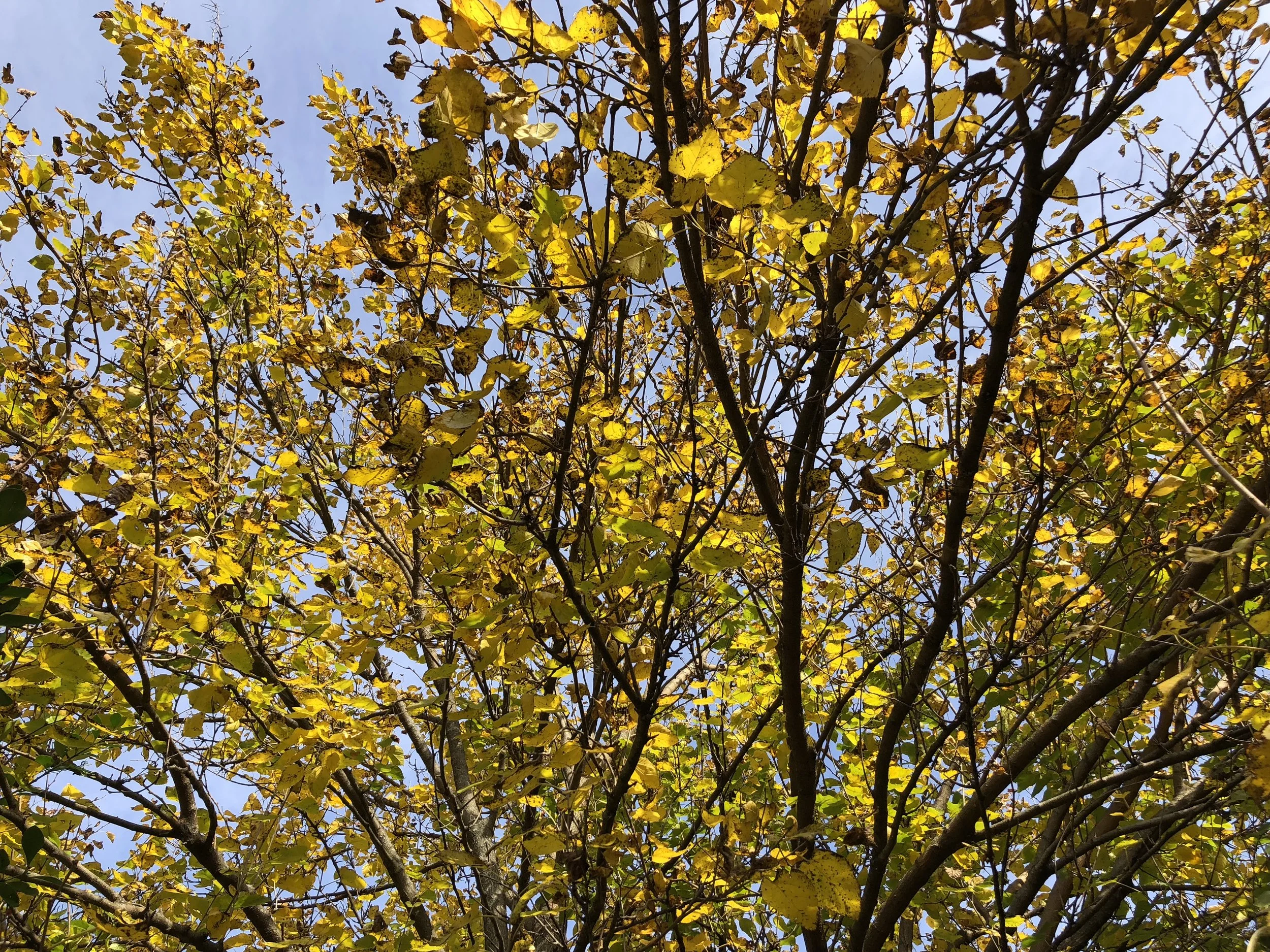
Identification / Key Features: Small deciduous tree with simple, oval leaves that turn yellow-orange in fall. Produces round, orange fruits in fall. Bark is dark gray and blocky with scaly ridges.
Mature Height / Size: 20–40 feet.
Growth Rate: Slow to moderate.
Light / Soil / Site Preferences: Prefers full sun; tolerates a variety of soils, including clay and sandy soils.
Wildlife Value / Ecological Role: Fruits eaten by birds, deer, raccoons, and other mammals. Provides nesting habitat.
Uses / Economic / Cultural: Fruits edible for humans when fully ripe; wood used for furniture, golf club heads, and specialty tools.
Quantity (per bundle) 25
Size (12-18”)
A distinctive and rewarding native tree, American Persimmon is admired for its glossy green leaves, rugged bark, and striking orange fruit that ripens in autumn. Its fragrant spring flowers are small and creamy white, giving way to sweet, flavorful fruits that persist into winter and attract wildlife. With its upright, rounded form and rich fall color, Persimmon adds both beauty and seasonal interest to Michigan’s landscapes.
Well-suited to Northern Michigan (Zone 5a), American Persimmon prefers full sun and moist, well-drained soils but tolerates a range of conditions, including sandy or clay sites. It is slow to moderate in growth and produces best when multiple trees are planted for cross-pollination.
Ecologically, Persimmon is a valuable wildlife species—its fruit is relished by deer, foxes, raccoons, and birds, while its flowers support pollinators. The tree’s strong, resilient wood has been prized for tool handles and sporting goods. Combining ornamental charm, ecological benefit, and edible appeal, American Persimmon is a true gem of the native landscape.
Identification / Key Features: Small deciduous tree with simple, oval leaves that turn yellow-orange in fall. Produces round, orange fruits in fall. Bark is dark gray and blocky with scaly ridges.
Mature Height / Size: 20–40 feet.
Growth Rate: Slow to moderate.
Light / Soil / Site Preferences: Prefers full sun; tolerates a variety of soils, including clay and sandy soils.
Wildlife Value / Ecological Role: Fruits eaten by birds, deer, raccoons, and other mammals. Provides nesting habitat.
Uses / Economic / Cultural: Fruits edible for humans when fully ripe; wood used for furniture, golf club heads, and specialty tools.

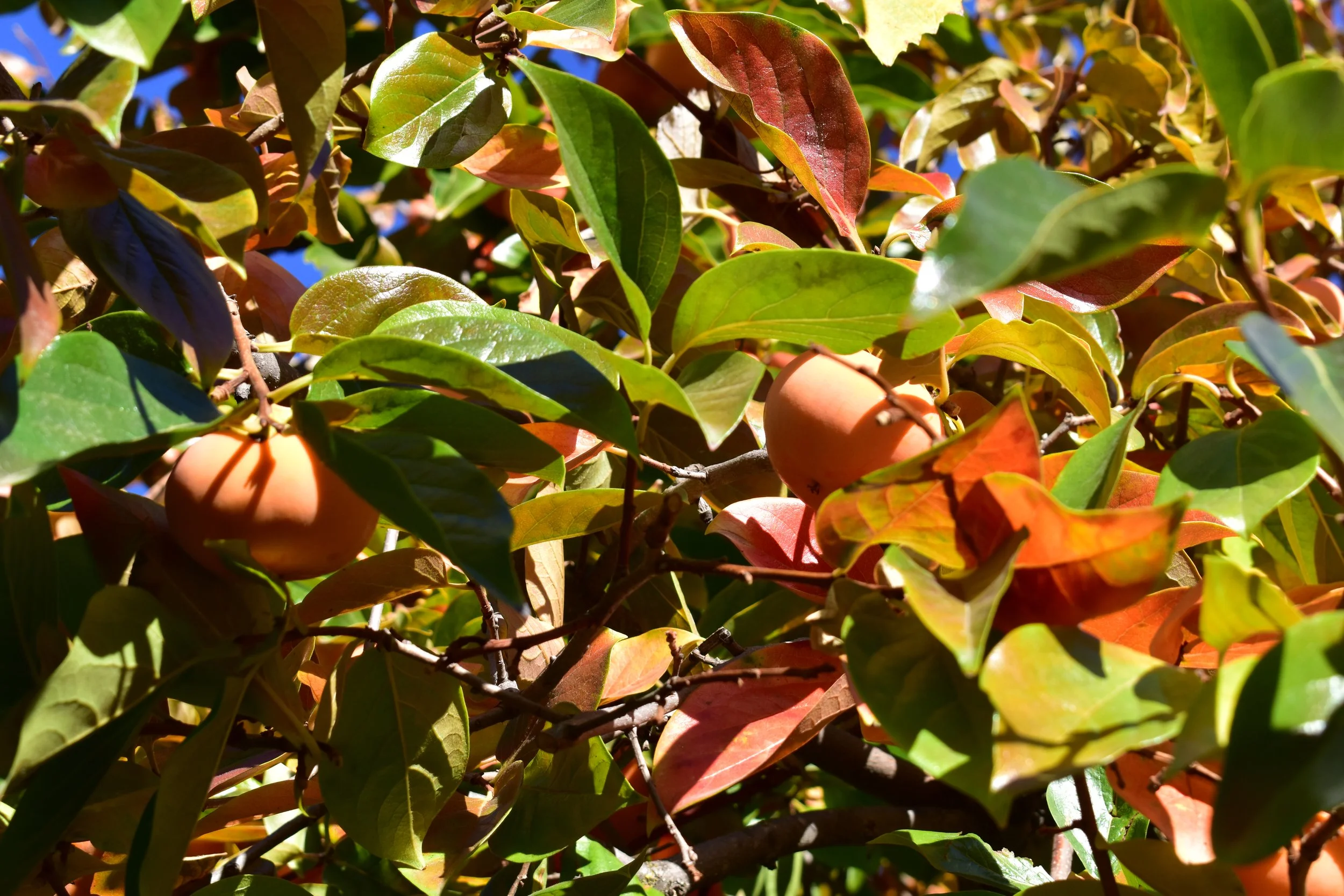 Image 1 of 14
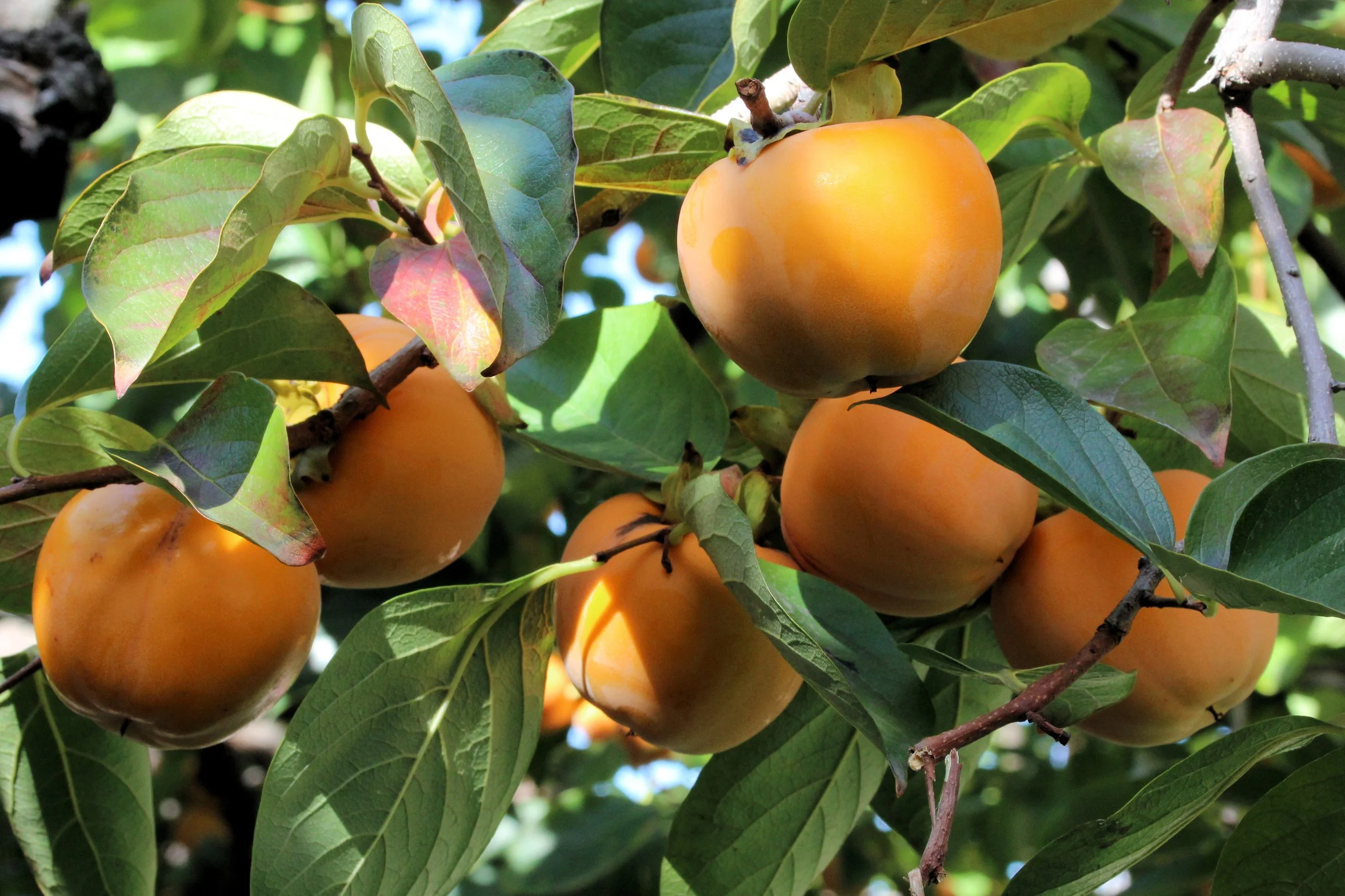 Image 2 of 14
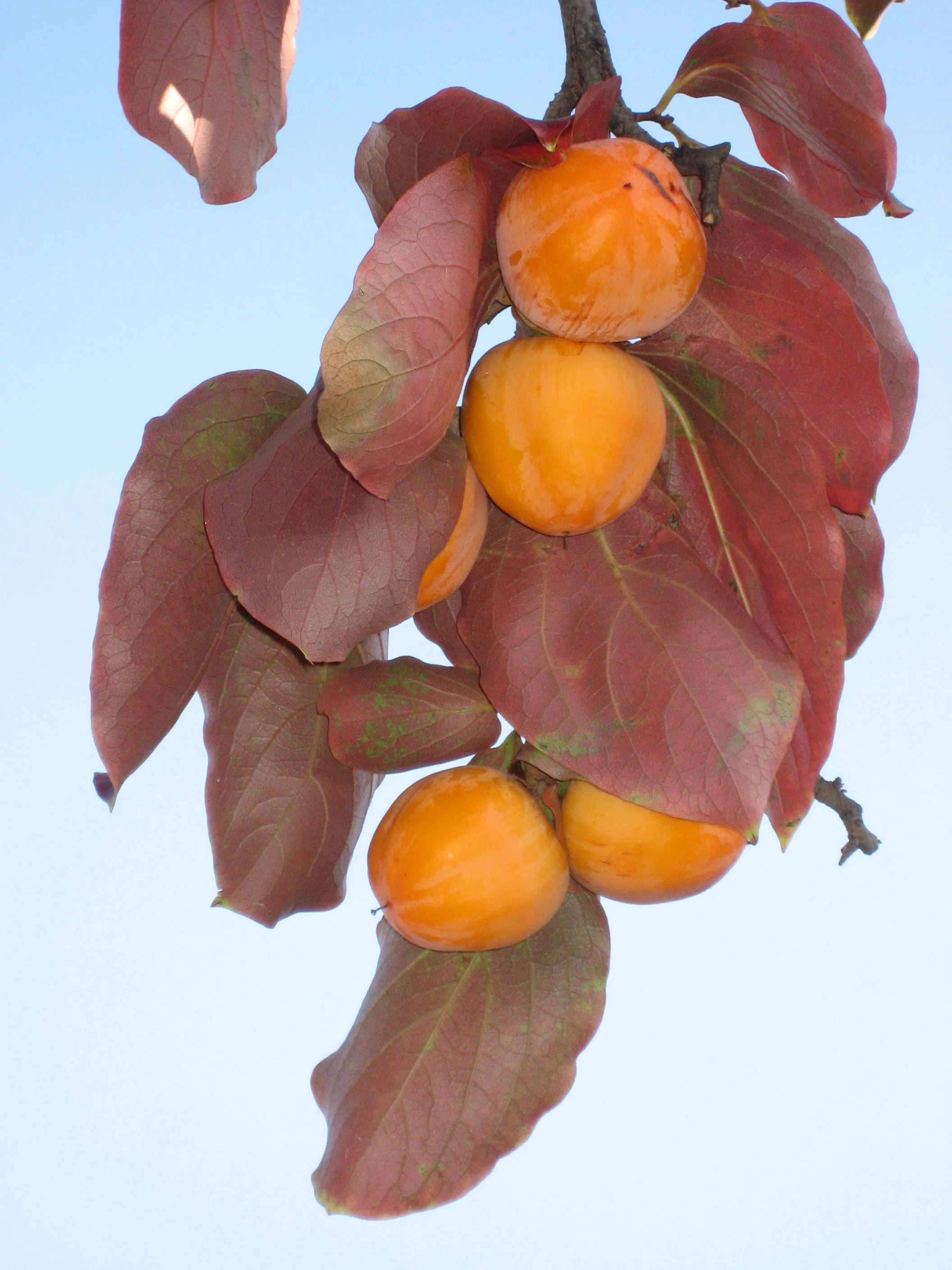 Image 3 of 14
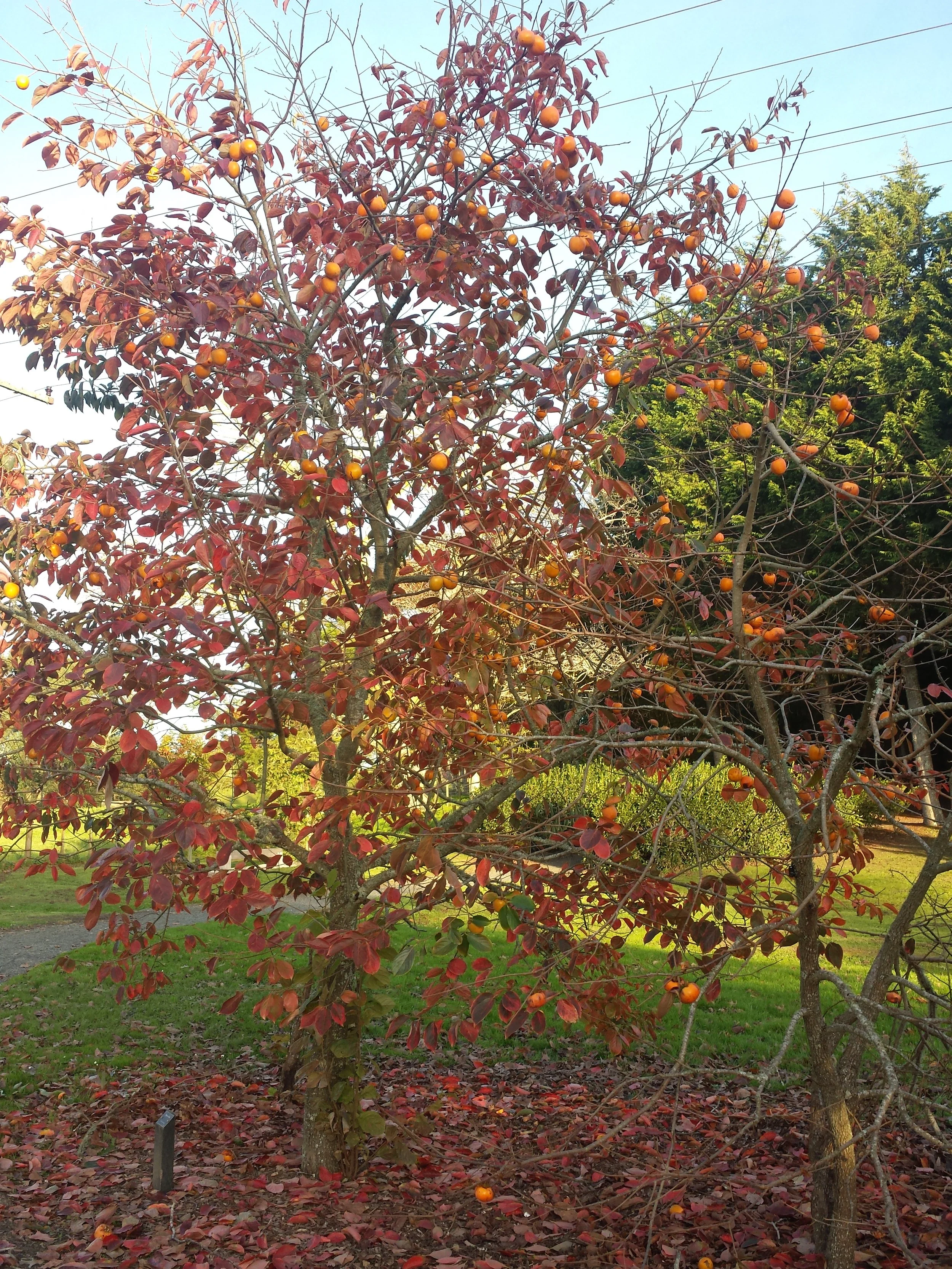 Image 4 of 14
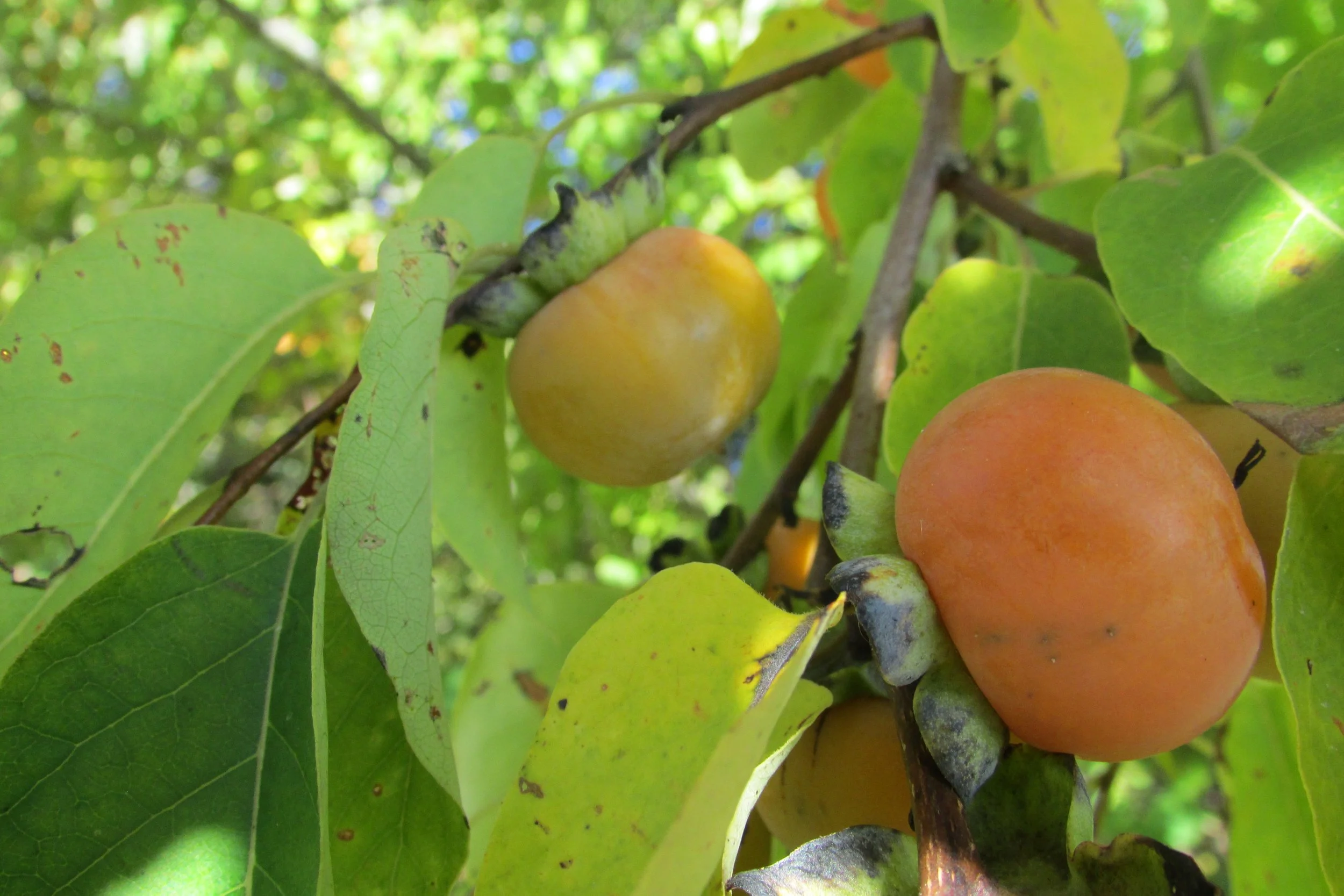 Image 5 of 14
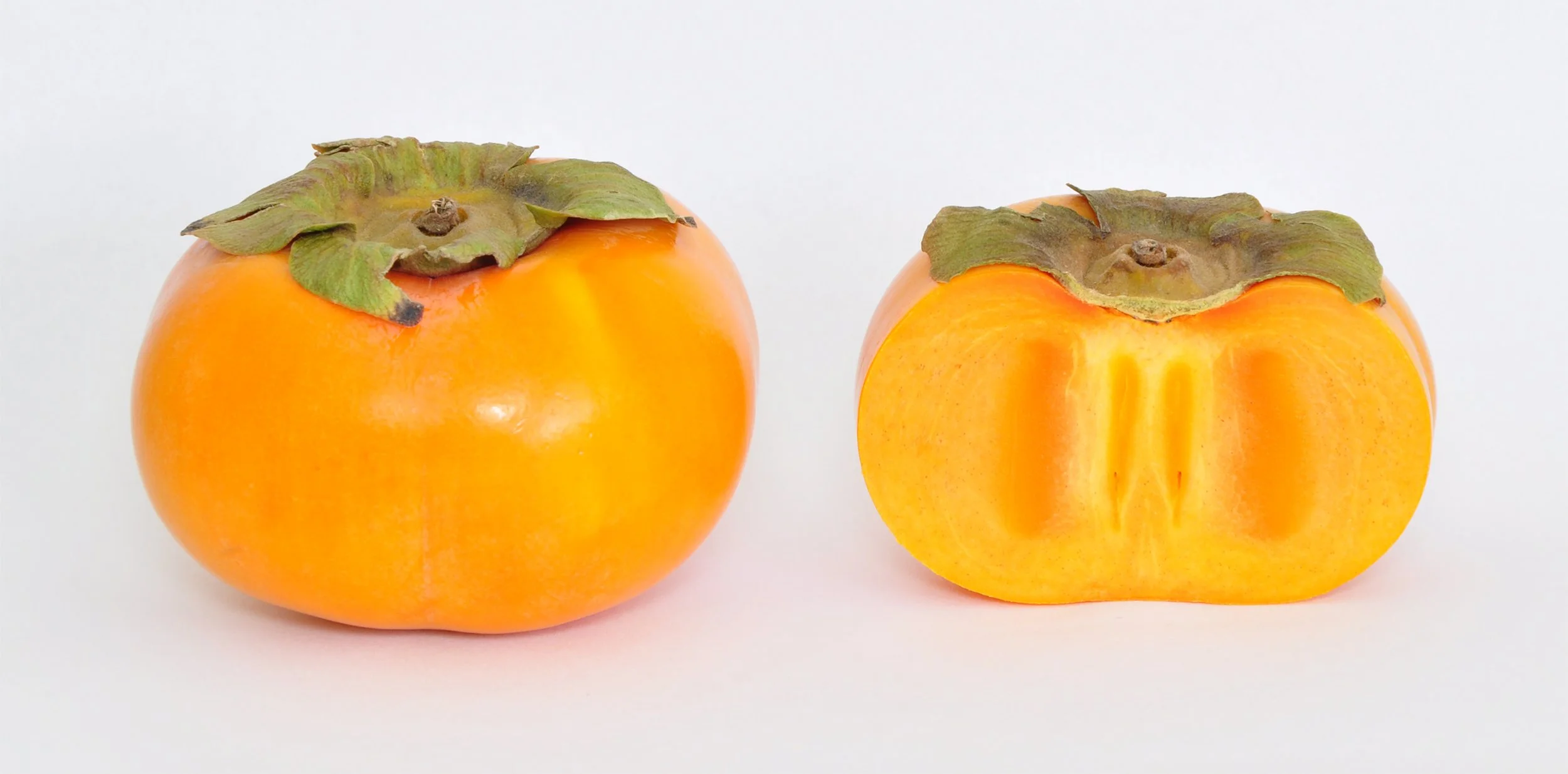 Image 6 of 14
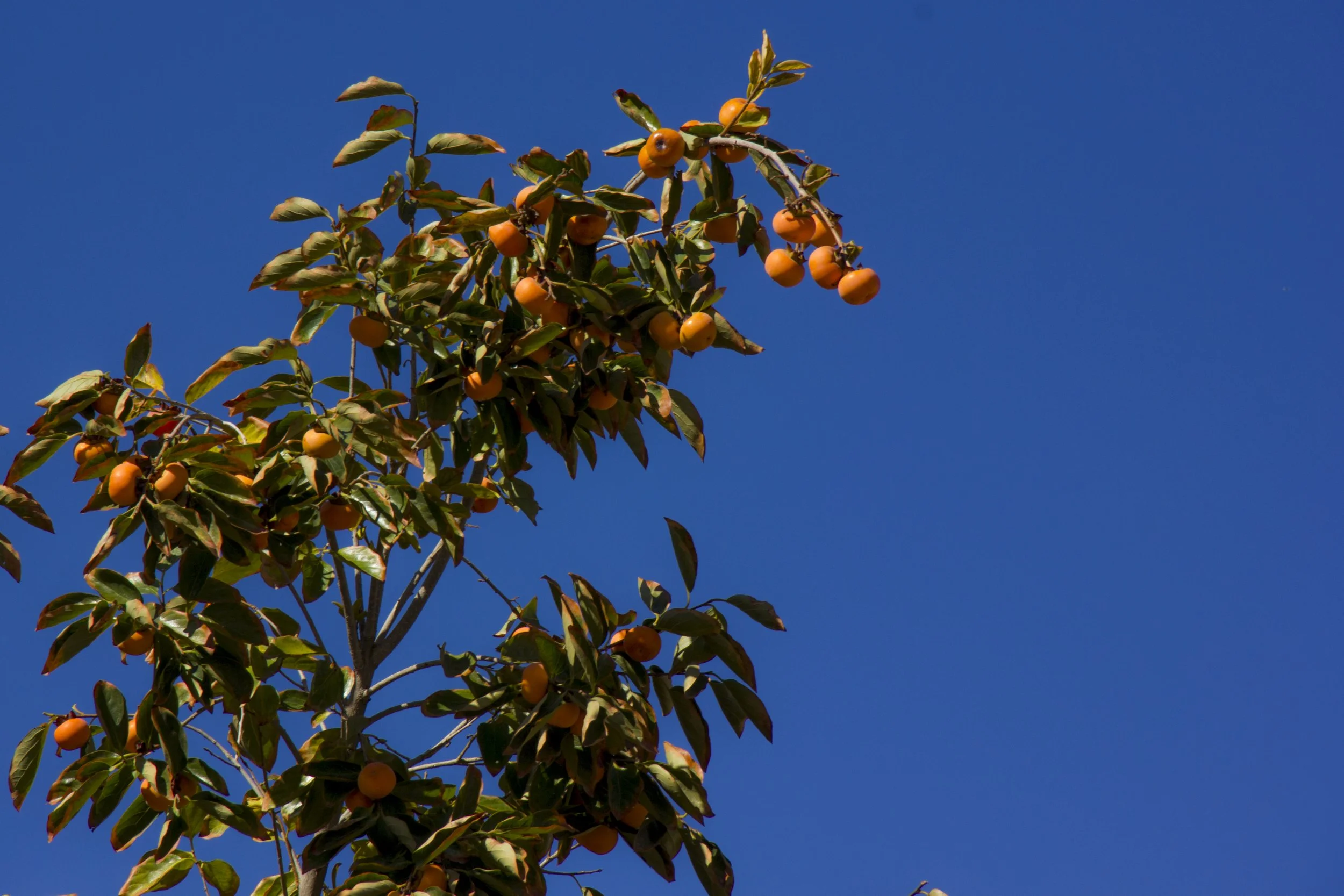 Image 7 of 14
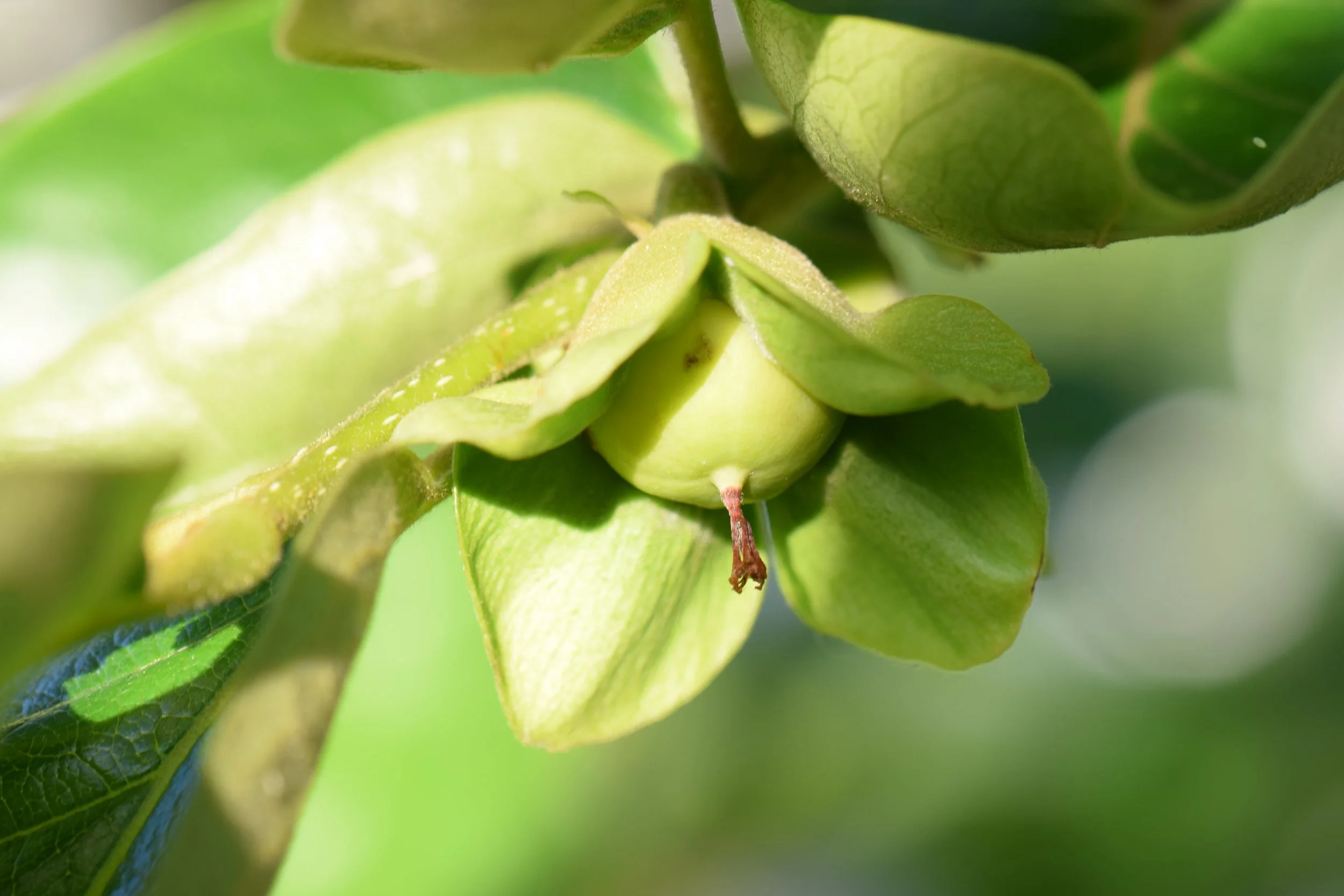 Image 8 of 14
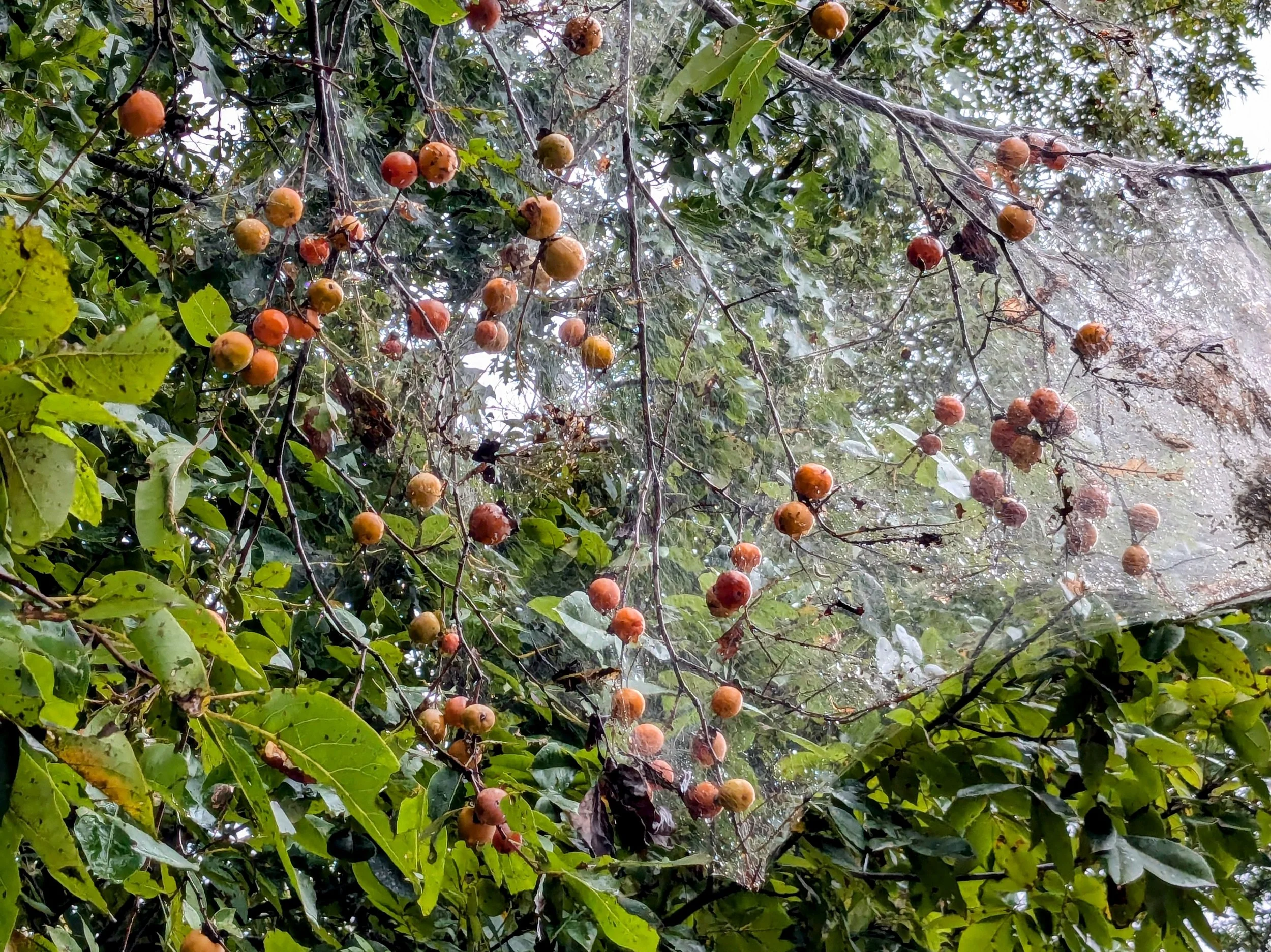 Image 9 of 14
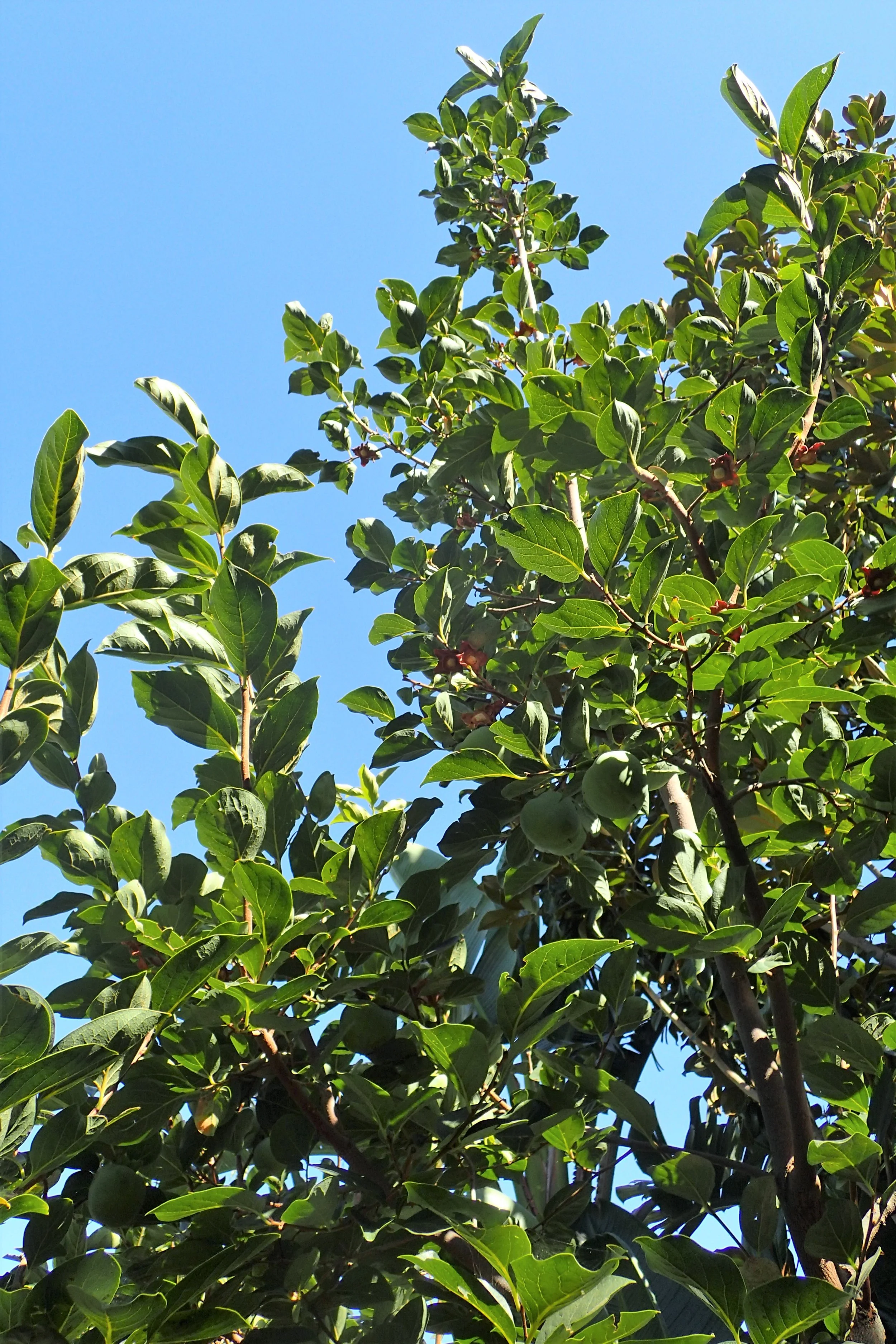 Image 10 of 14
 Image 11 of 14
 Image 12 of 14
 Image 13 of 14
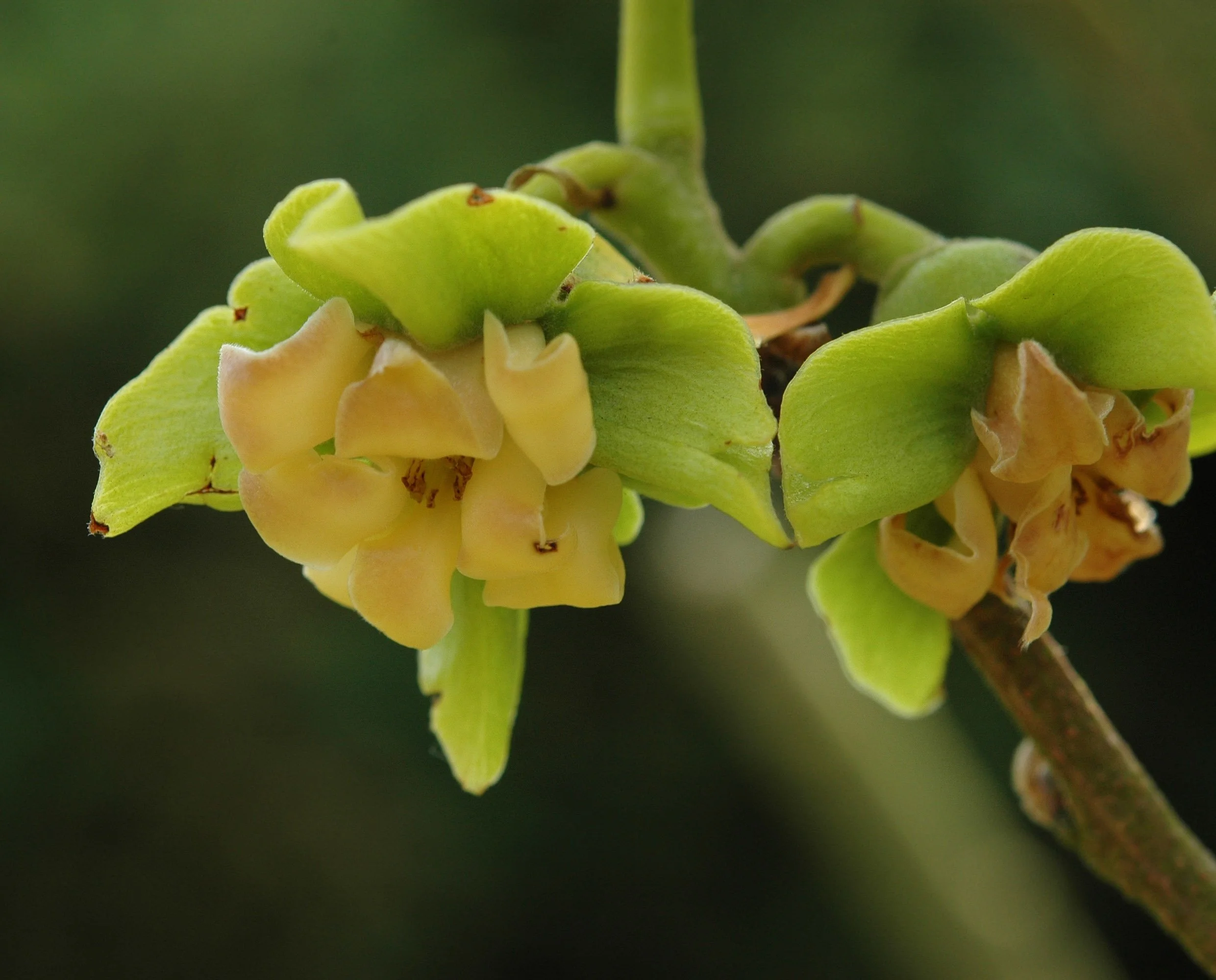 Image 14 of 14