Quantity (per bundle) 25
Size (12-18”)
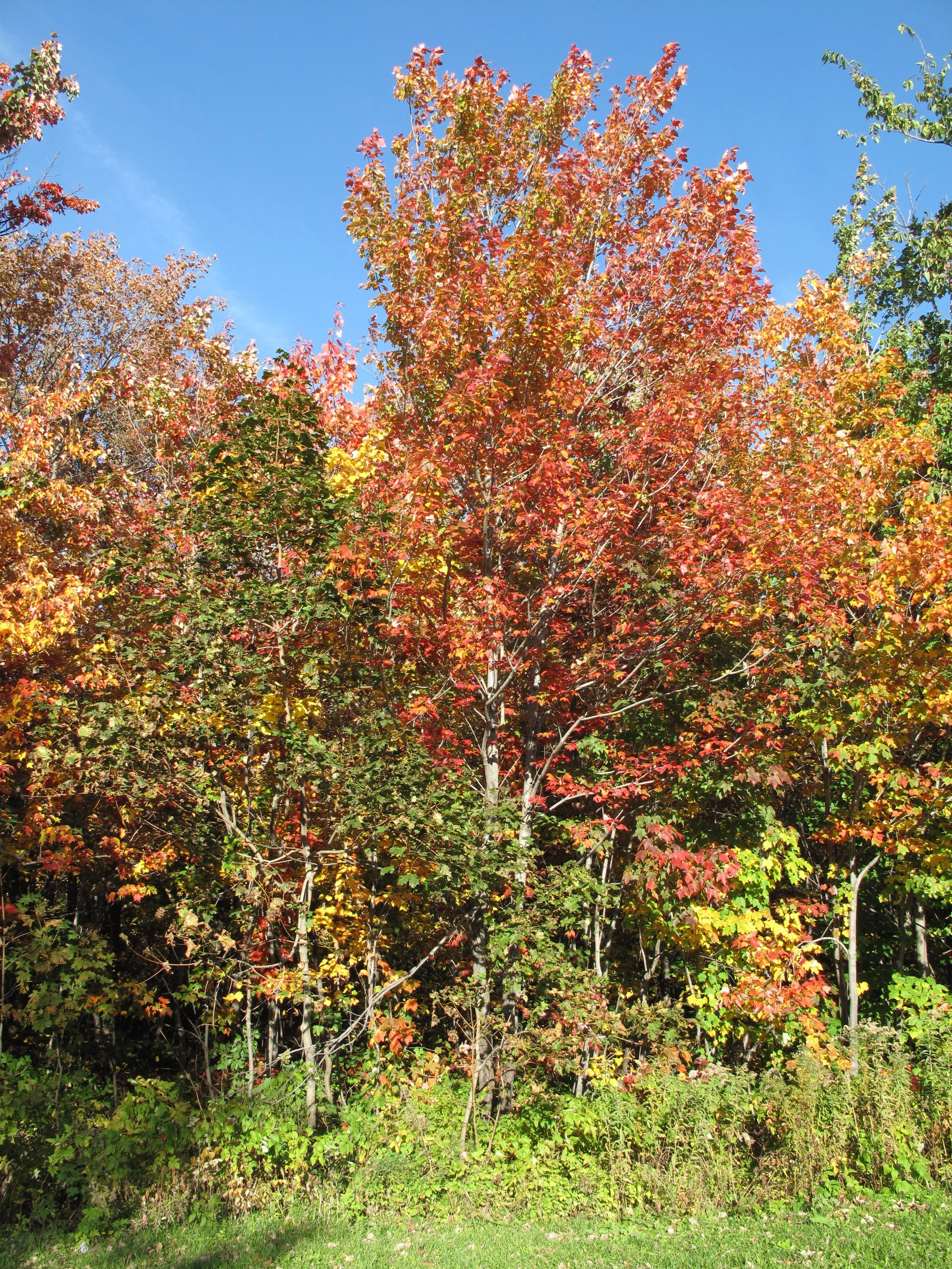
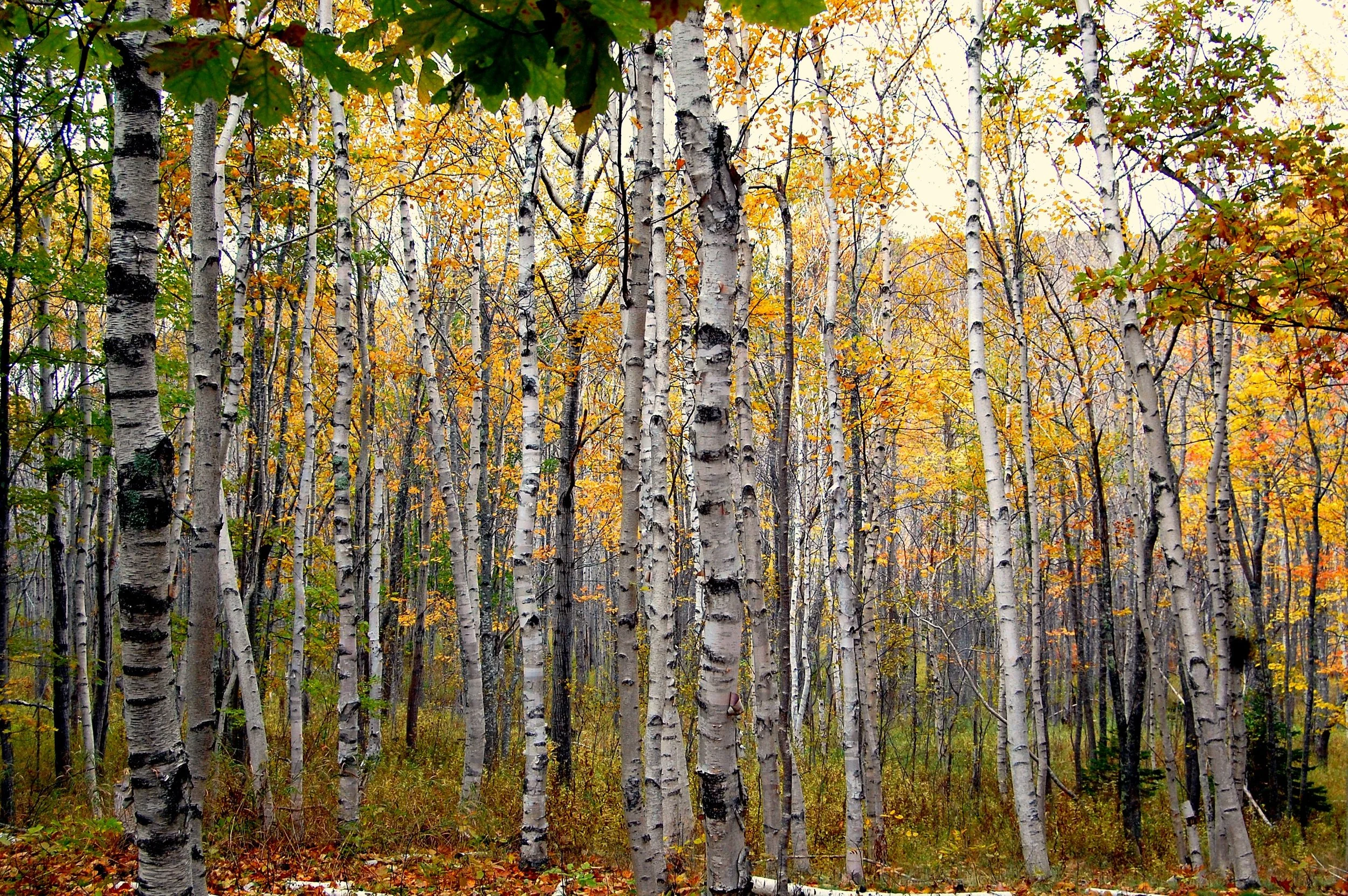
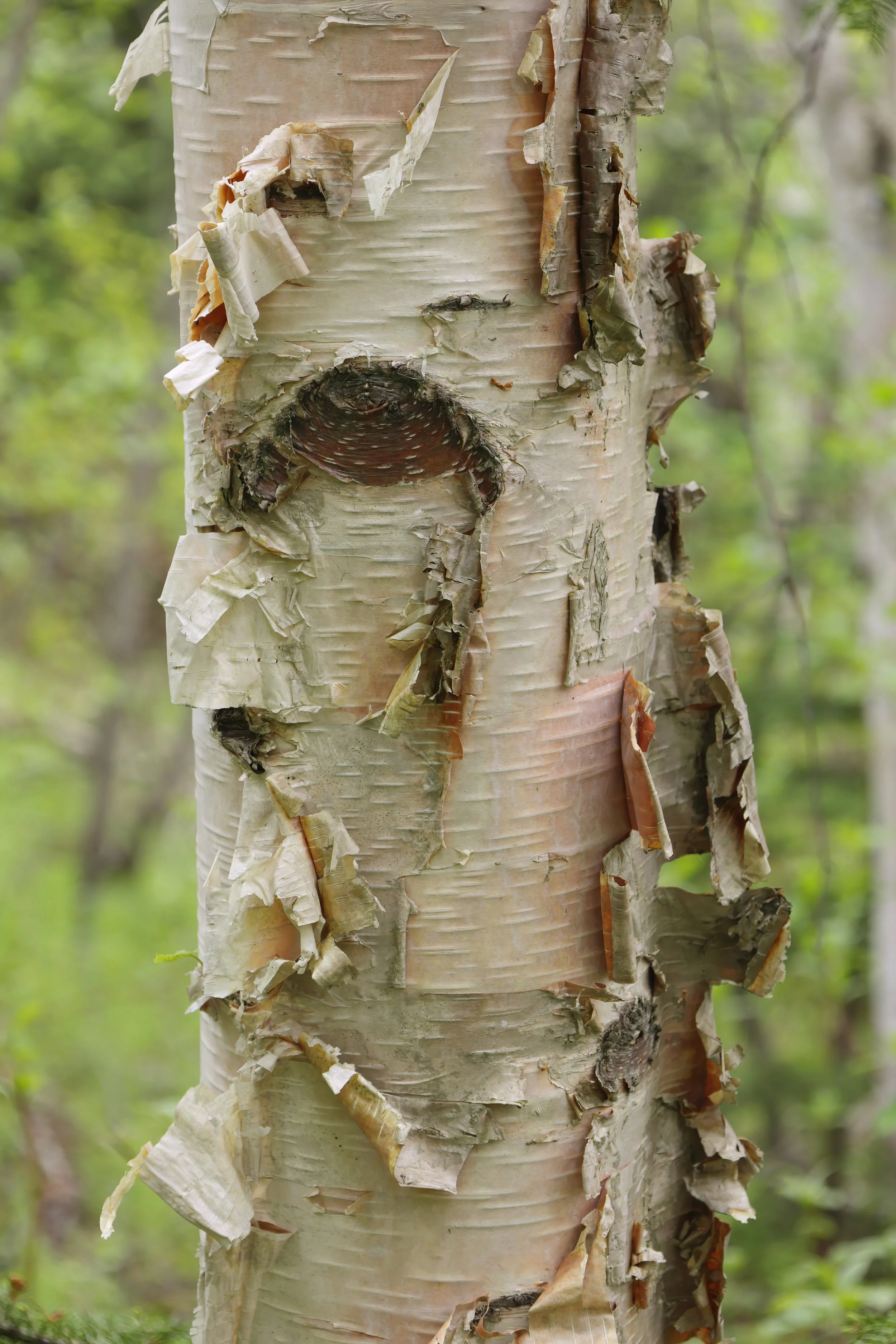
A beautiful and resilient native tree, Quaking Aspen is instantly recognizable by its smooth white bark and trembling, heart-shaped leaves that shimmer and flutter in the slightest breeze. Its brilliant golden fall color and graceful movement make it one of Michigan’s most beloved trees, adding light and vitality to northern forests and landscapes.
Well-suited to Northern Michigan (Zone 5a), Quaking Aspen thrives in full sun and well-drained soils but adapts to a variety of sites, including sandy or rocky ground. It is a fast-growing pioneer species that quickly colonizes open areas and disturbed sites, helping restore and stabilize ecosystems.
Ecologically, Quaking Aspen provides food and habitat for a wide range of wildlife—its buds and bark feed deer and hares, while its dense groves offer nesting sites for birds. Its light, soft wood is valued for pulp, furniture, and paneling. With its shimmering beauty, ecological importance, and adaptability, Quaking Aspen embodies the spirit of Michigan’s northern woodlands.
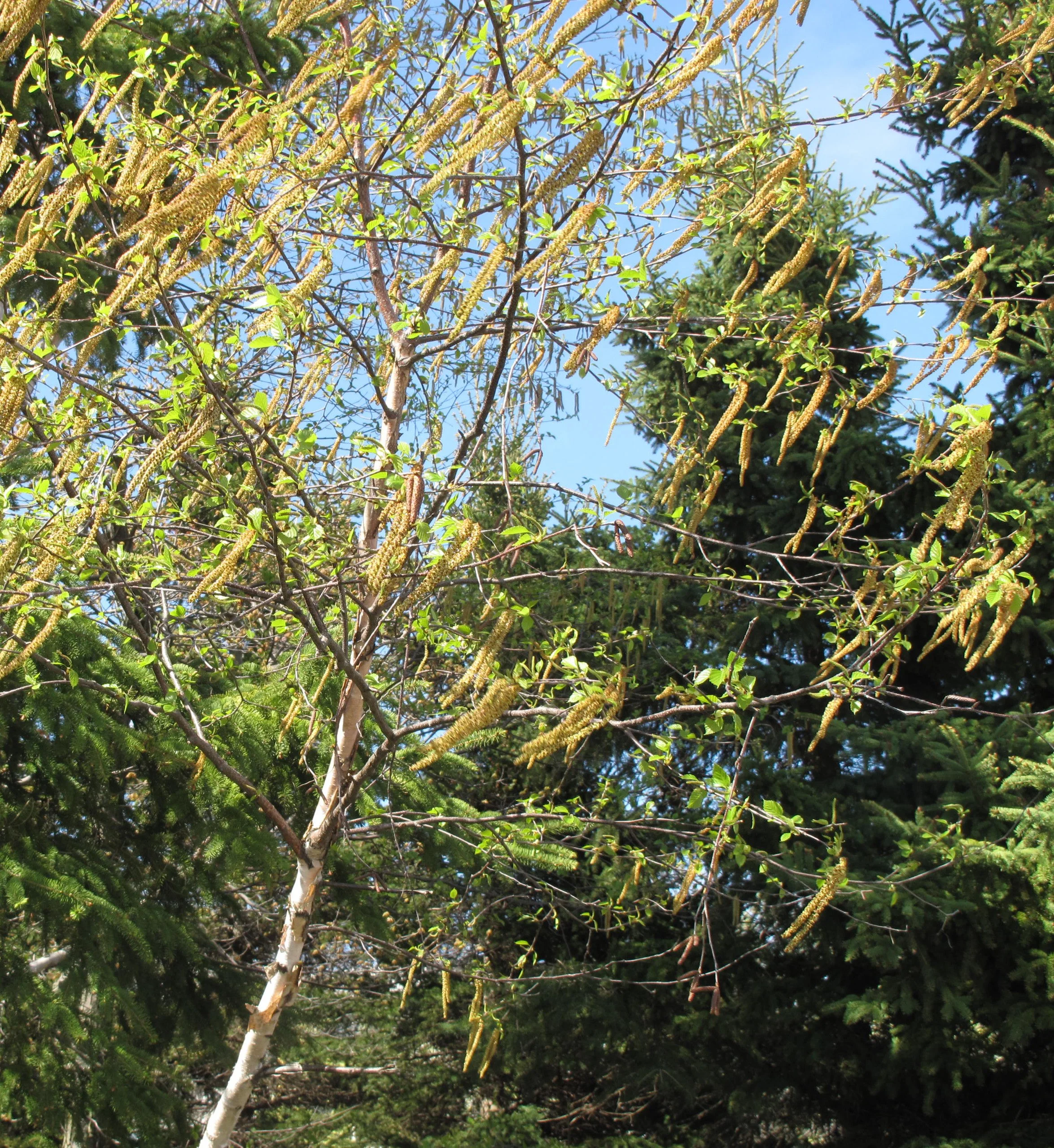
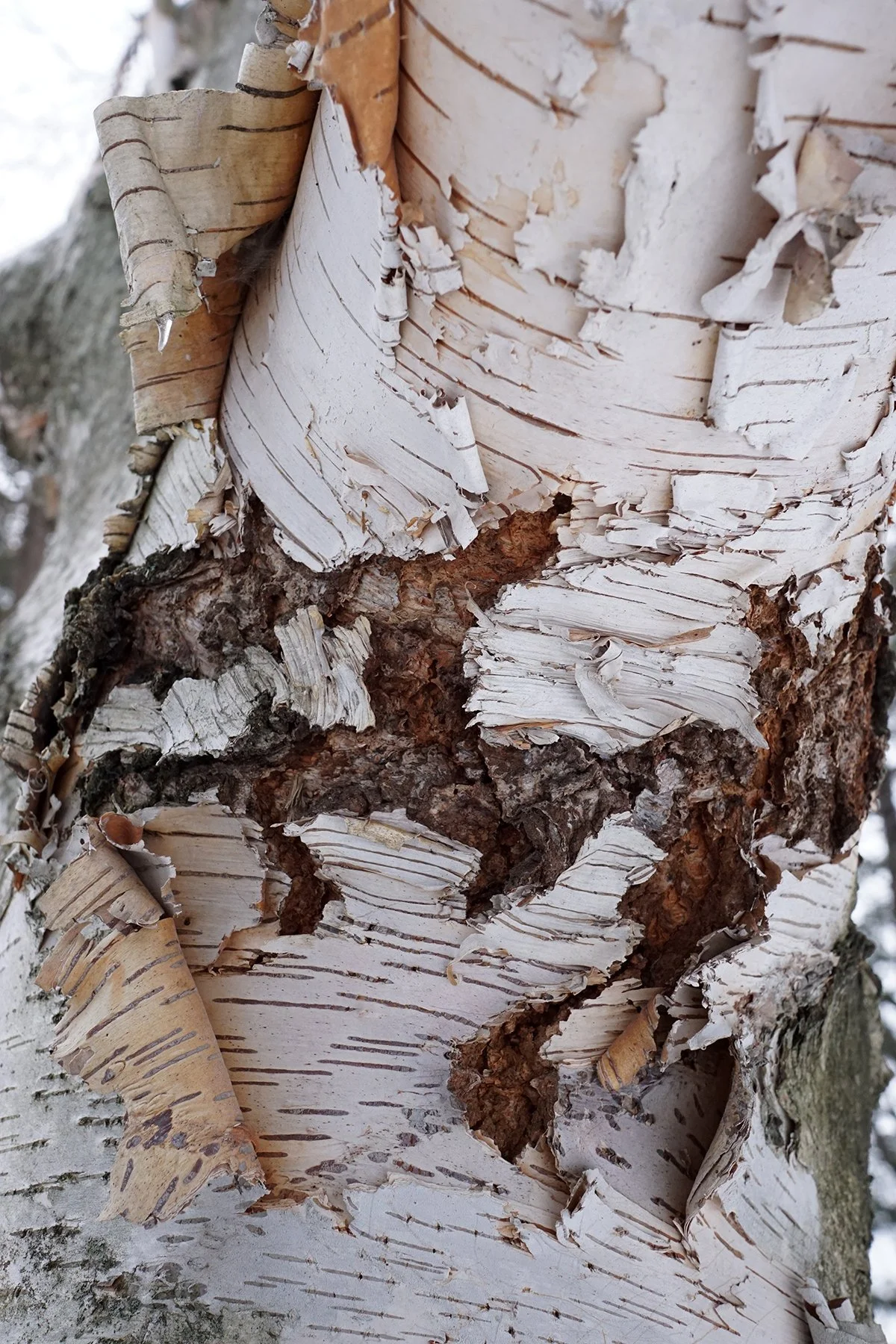
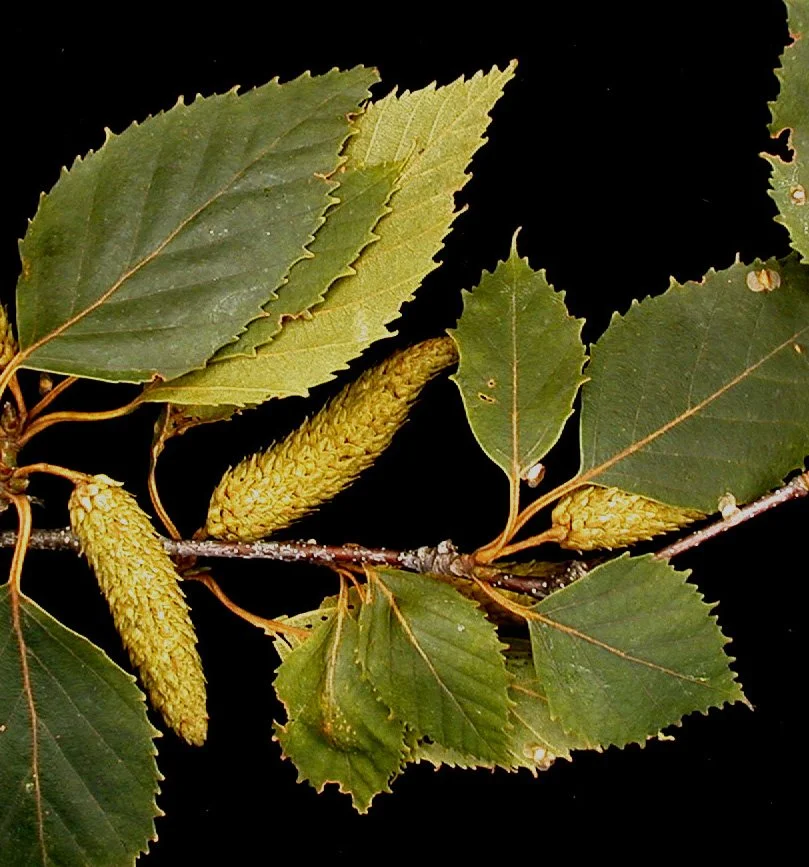
Identification / Key Features: Medium tree with smooth, greenish-white bark and round leaves that tremble in the wind. Produces small catkins in early spring.
Mature Height / Size: 40–60 feet.
Growth Rate: Fast-growing.
Light / Soil / Site Preferences: Prefers full sun and well-drained, sandy or loamy soils; colonizes disturbed areas quickly.
Wildlife Value / Ecological Role: Provides browse for deer and moose; seeds eaten by birds; important early successional habitat.
Uses / Economic / Cultural: Wood used for pulp, crates, and furniture; also ornamental in landscapes.
Quantity (per bundle) 25
Size (12-18”)
A beautiful and resilient native tree, Quaking Aspen is instantly recognizable by its smooth white bark and trembling, heart-shaped leaves that shimmer and flutter in the slightest breeze. Its brilliant golden fall color and graceful movement make it one of Michigan’s most beloved trees, adding light and vitality to northern forests and landscapes.
Well-suited to Northern Michigan (Zone 5a), Quaking Aspen thrives in full sun and well-drained soils but adapts to a variety of sites, including sandy or rocky ground. It is a fast-growing pioneer species that quickly colonizes open areas and disturbed sites, helping restore and stabilize ecosystems.
Ecologically, Quaking Aspen provides food and habitat for a wide range of wildlife—its buds and bark feed deer and hares, while its dense groves offer nesting sites for birds. Its light, soft wood is valued for pulp, furniture, and paneling. With its shimmering beauty, ecological importance, and adaptability, Quaking Aspen embodies the spirit of Michigan’s northern woodlands.
Identification / Key Features: Medium tree with smooth, greenish-white bark and round leaves that tremble in the wind. Produces small catkins in early spring.
Mature Height / Size: 40–60 feet.
Growth Rate: Fast-growing.
Light / Soil / Site Preferences: Prefers full sun and well-drained, sandy or loamy soils; colonizes disturbed areas quickly.
Wildlife Value / Ecological Role: Provides browse for deer and moose; seeds eaten by birds; important early successional habitat.
Uses / Economic / Cultural: Wood used for pulp, crates, and furniture; also ornamental in landscapes.

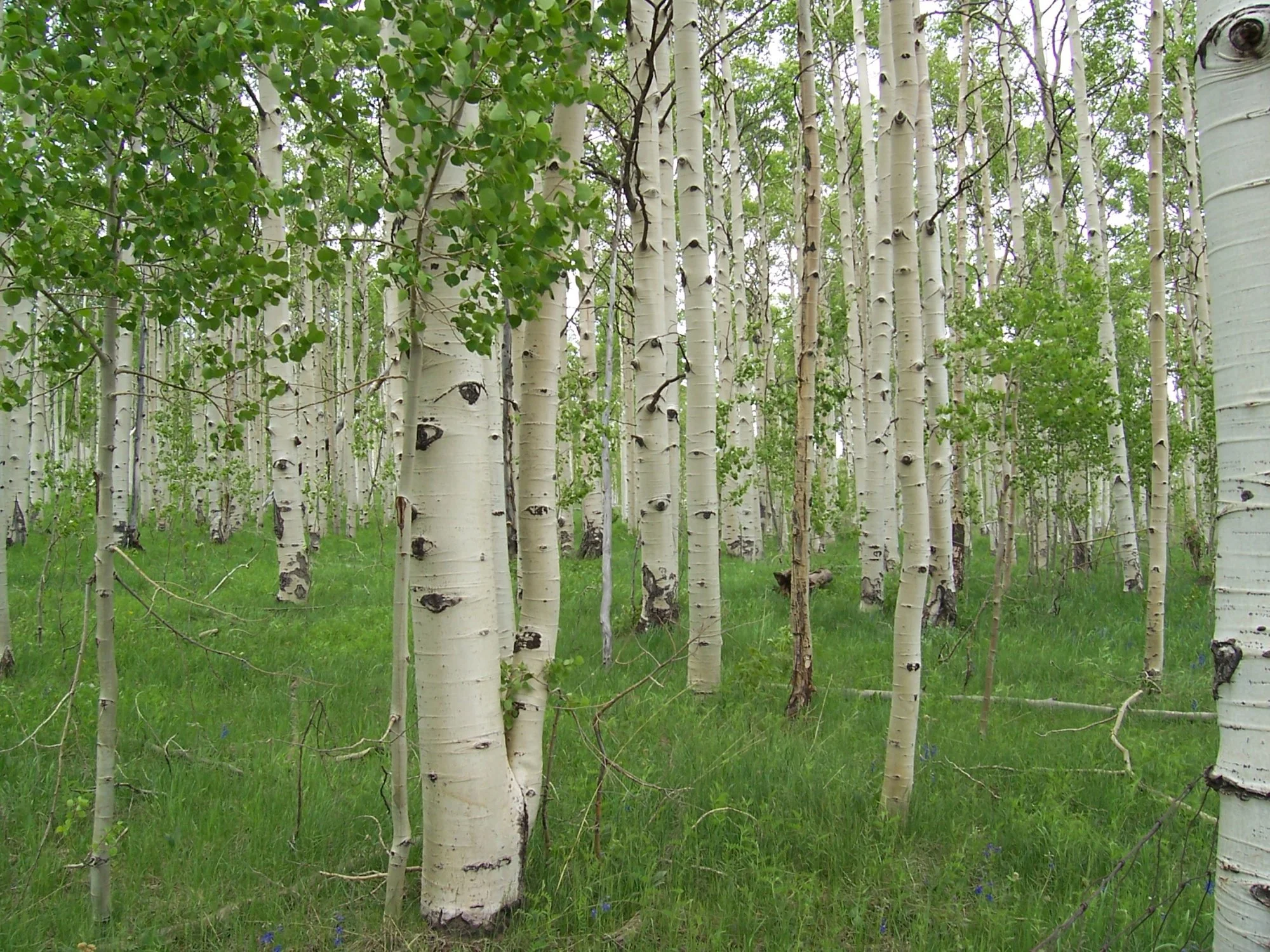 Image 1 of 6
 Image 2 of 6
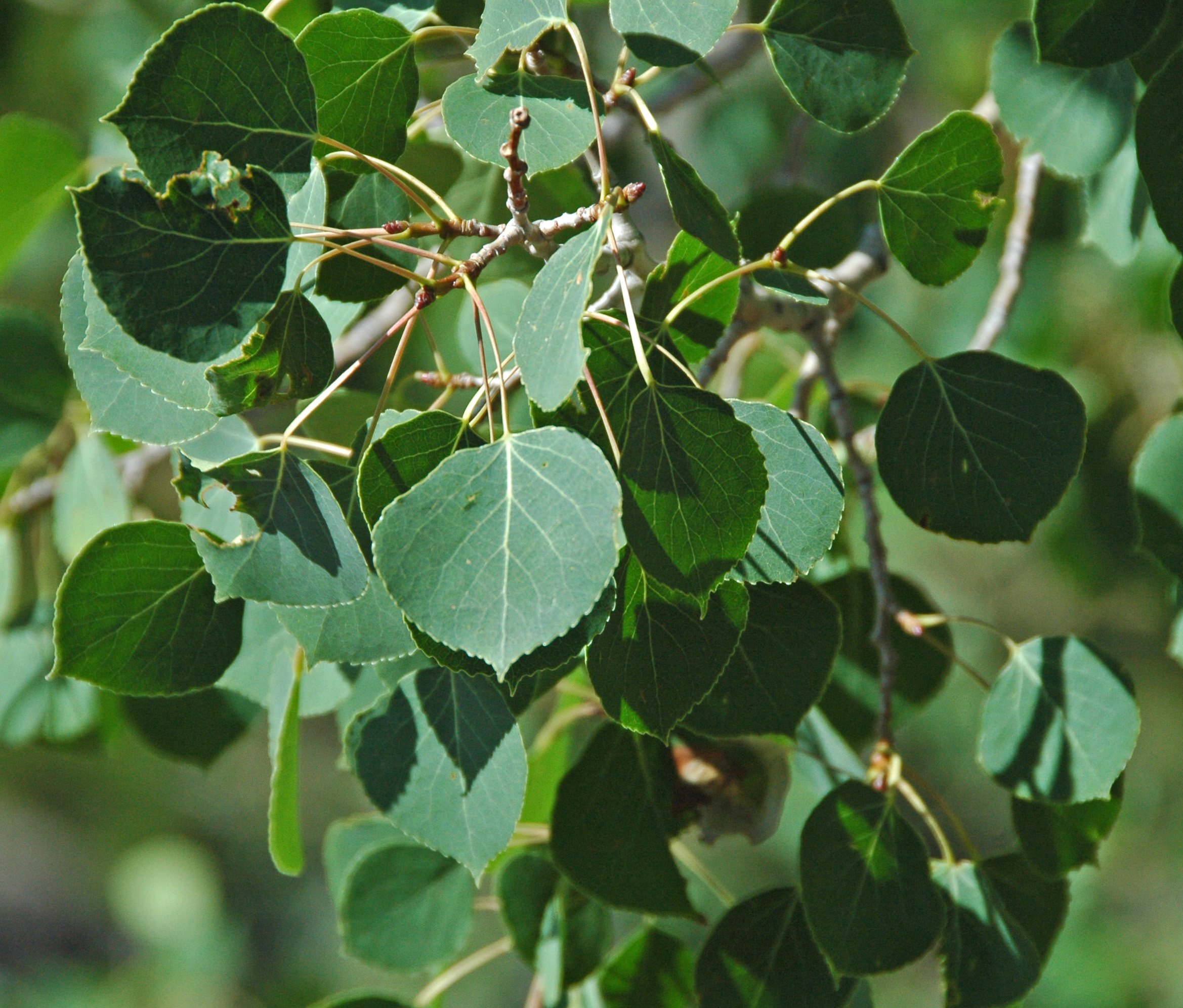 Image 3 of 6
 Image 4 of 6
 Image 5 of 6
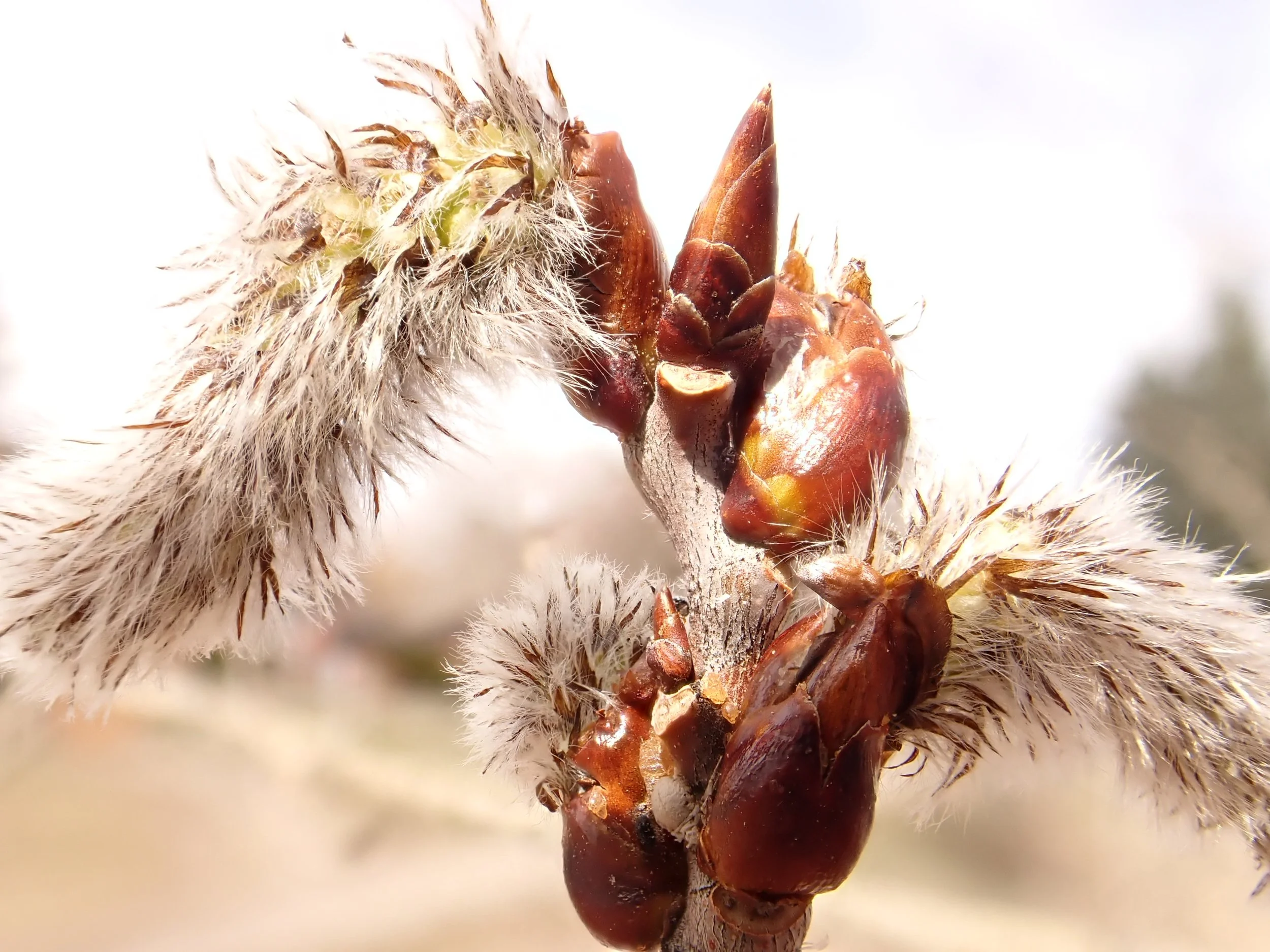 Image 6 of 6






![Kurt Stüber [1], CC BY-SA 3.0 <http://creativecommons.org/licenses/by-sa/3.0/>, via Wikimedia Commons.jpg](https://images.squarespace-cdn.com/content/v1/6824b99b0162611c9e37dcf6/984fe6c2-3e0e-4e1c-862f-40c88a5ed806/Kurt+St%C3%BCber+%5B1%5D%2C+CC+BY-SA+3.0+%3Chttp%3A%2F%2Fcreativecommons.org%2Flicenses%2Fby-sa%2F3.0%2F%3E%2C+via+Wikimedia+Commons.jpg)