Image 1 of 4
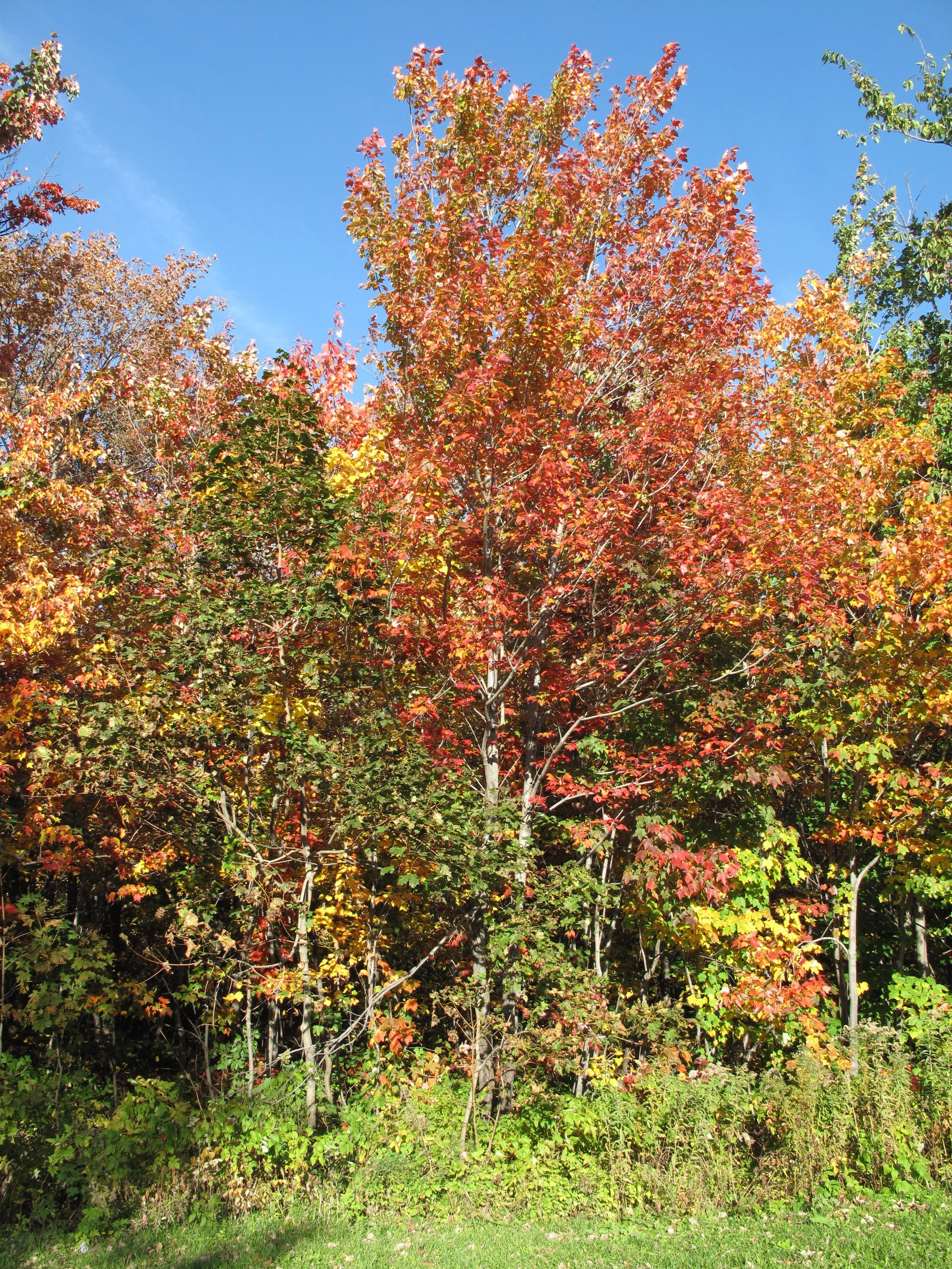 Image 2 of 4
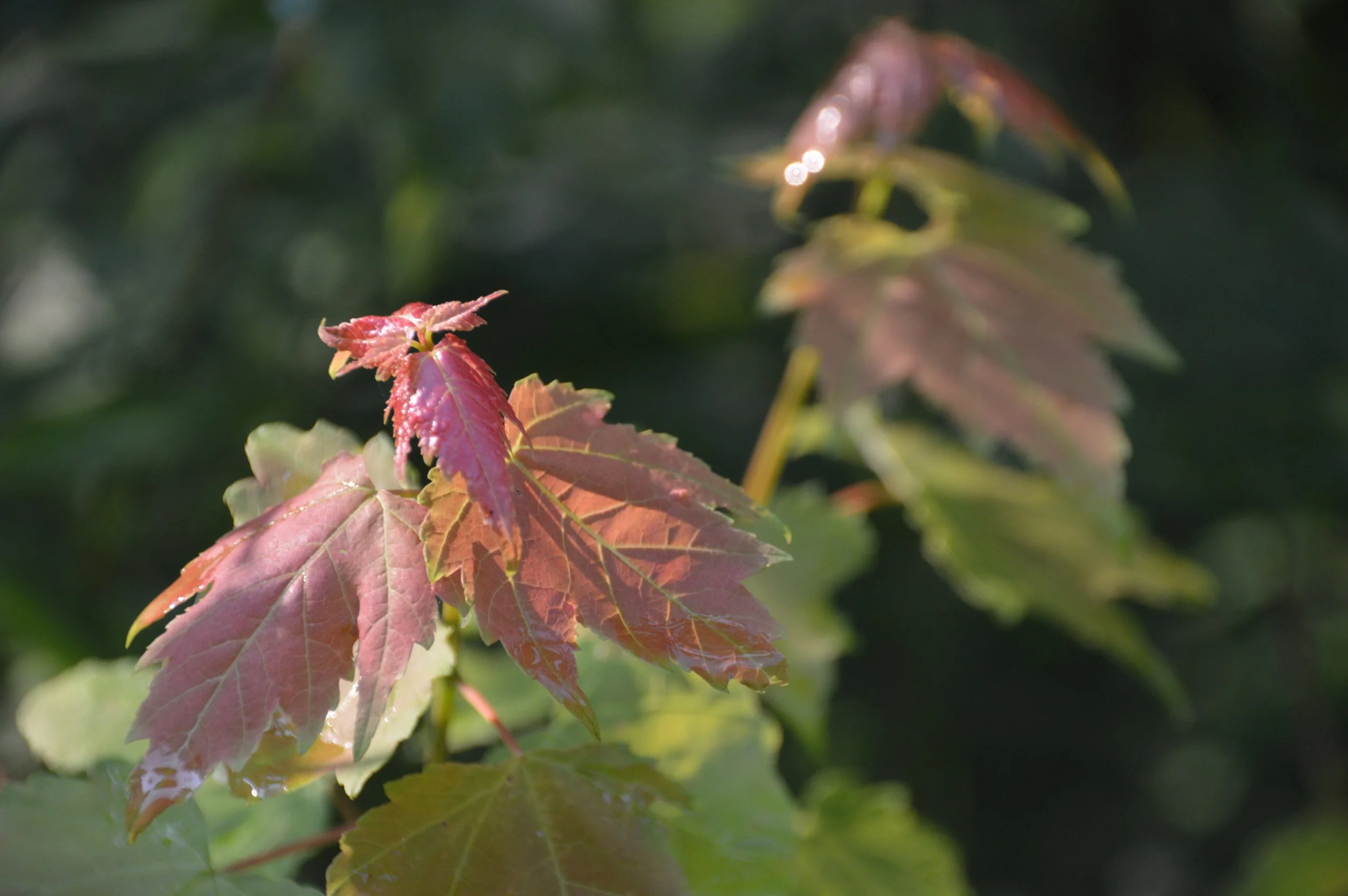 Image 3 of 4
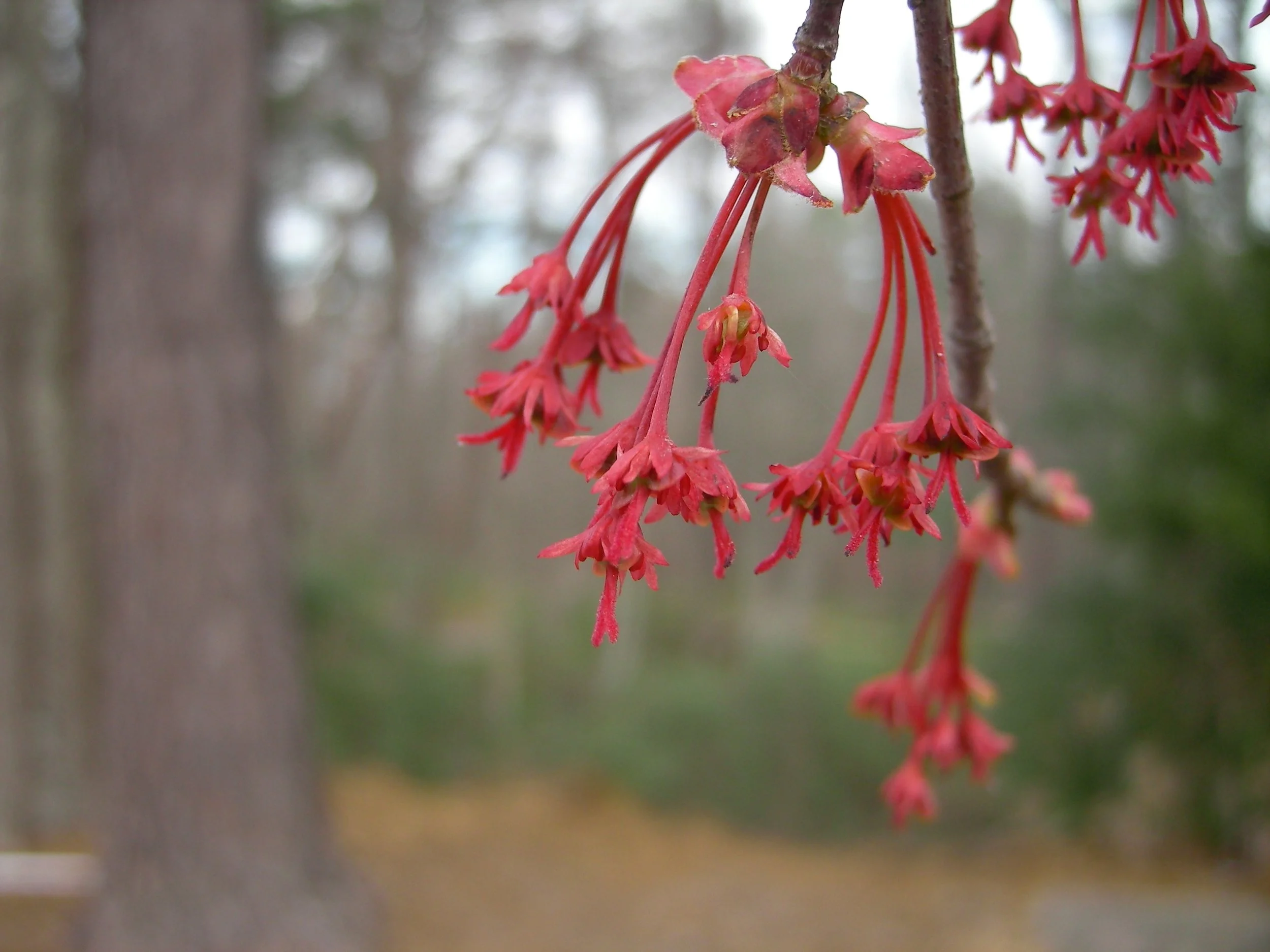 Image 4 of 4
Quantity (per bundle) 25
Size (12-18”)
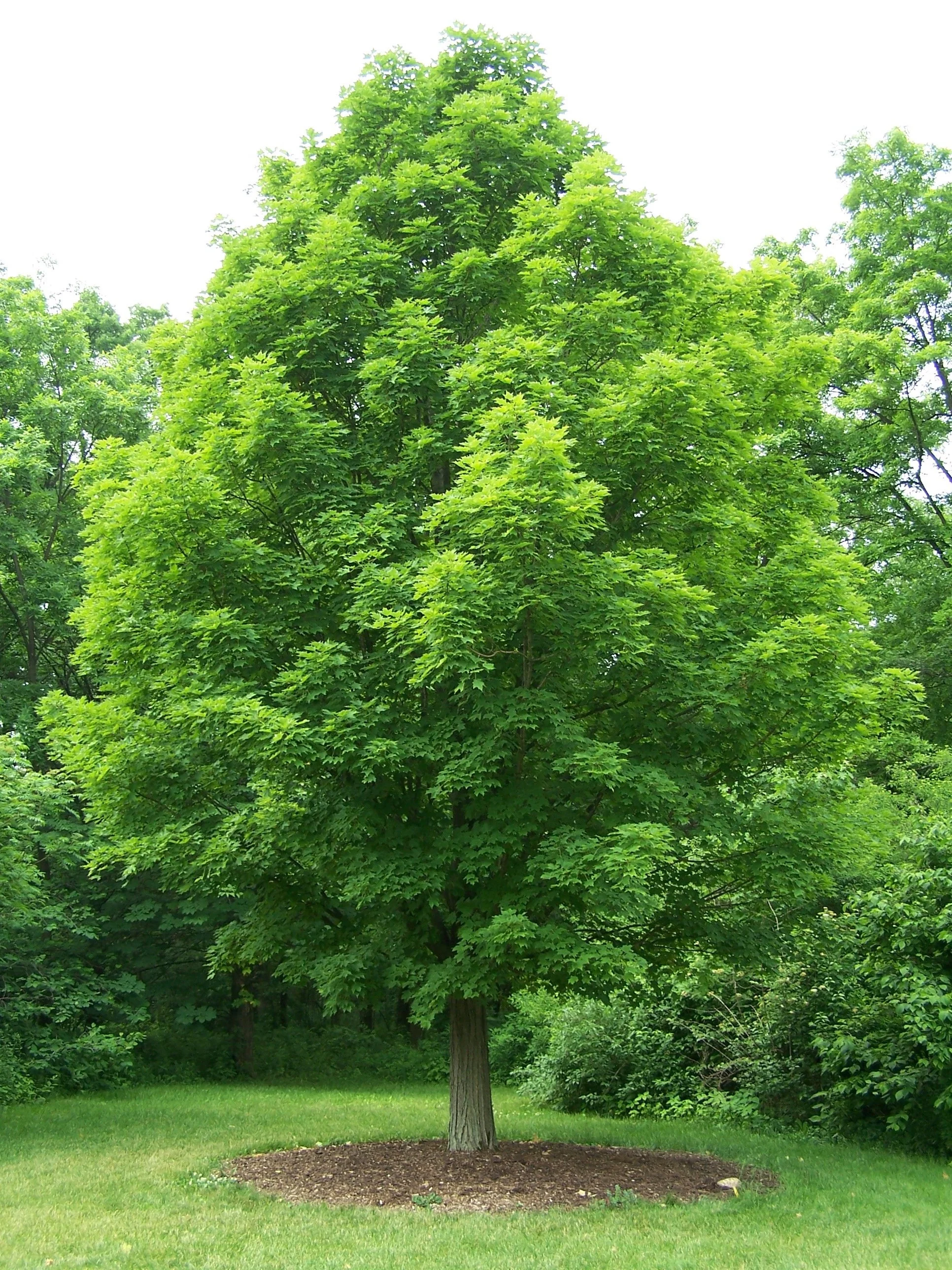
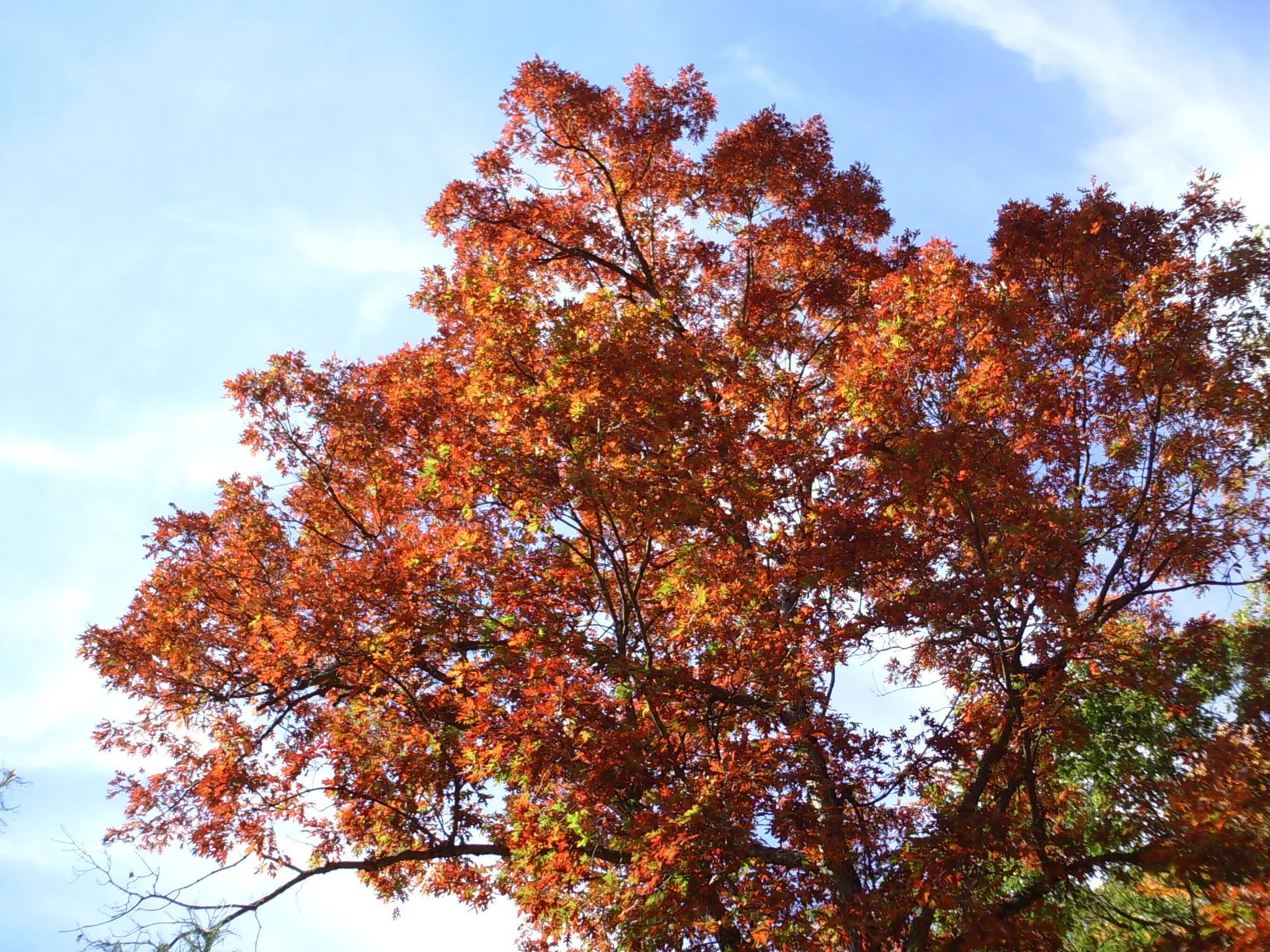
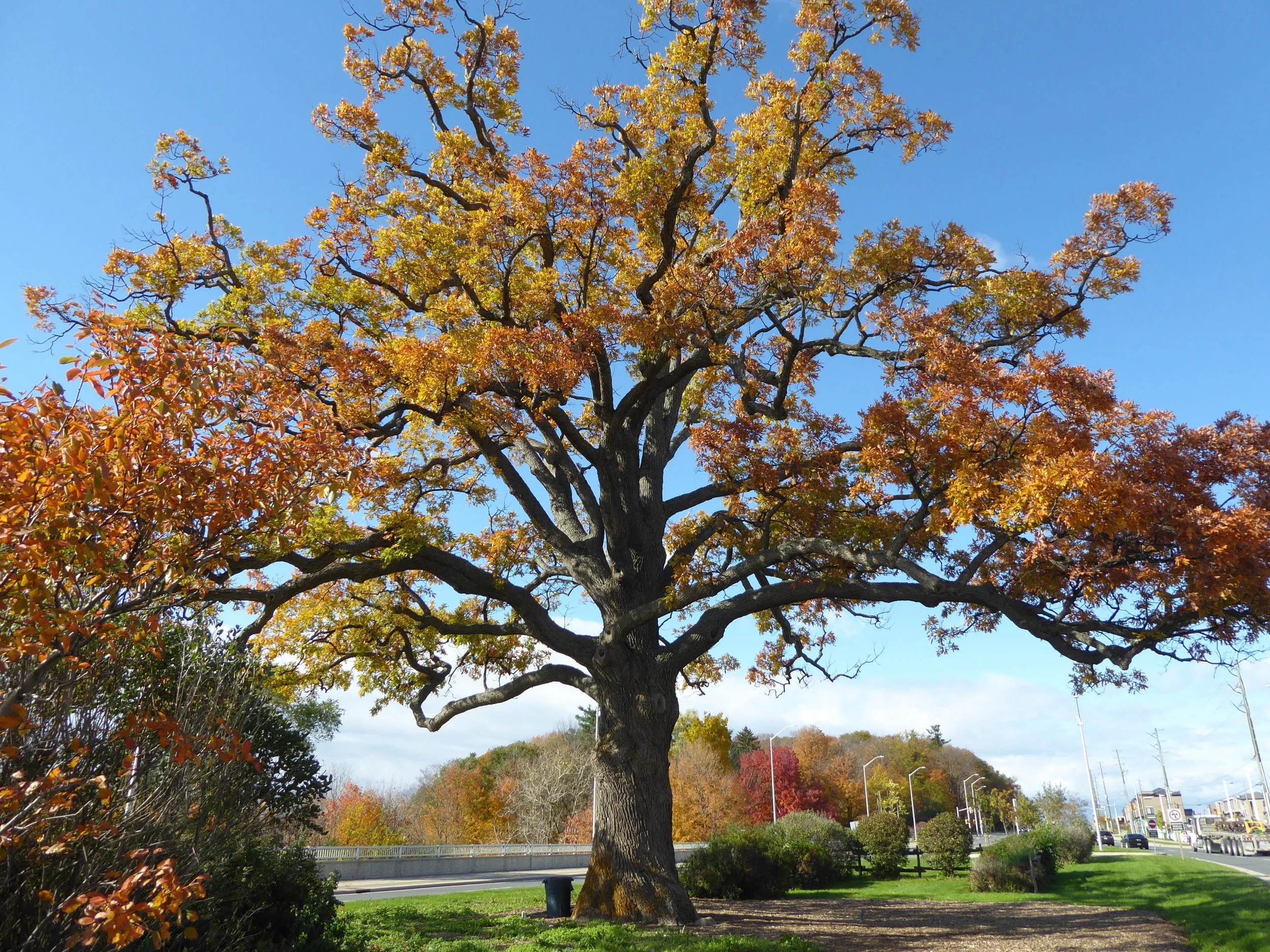
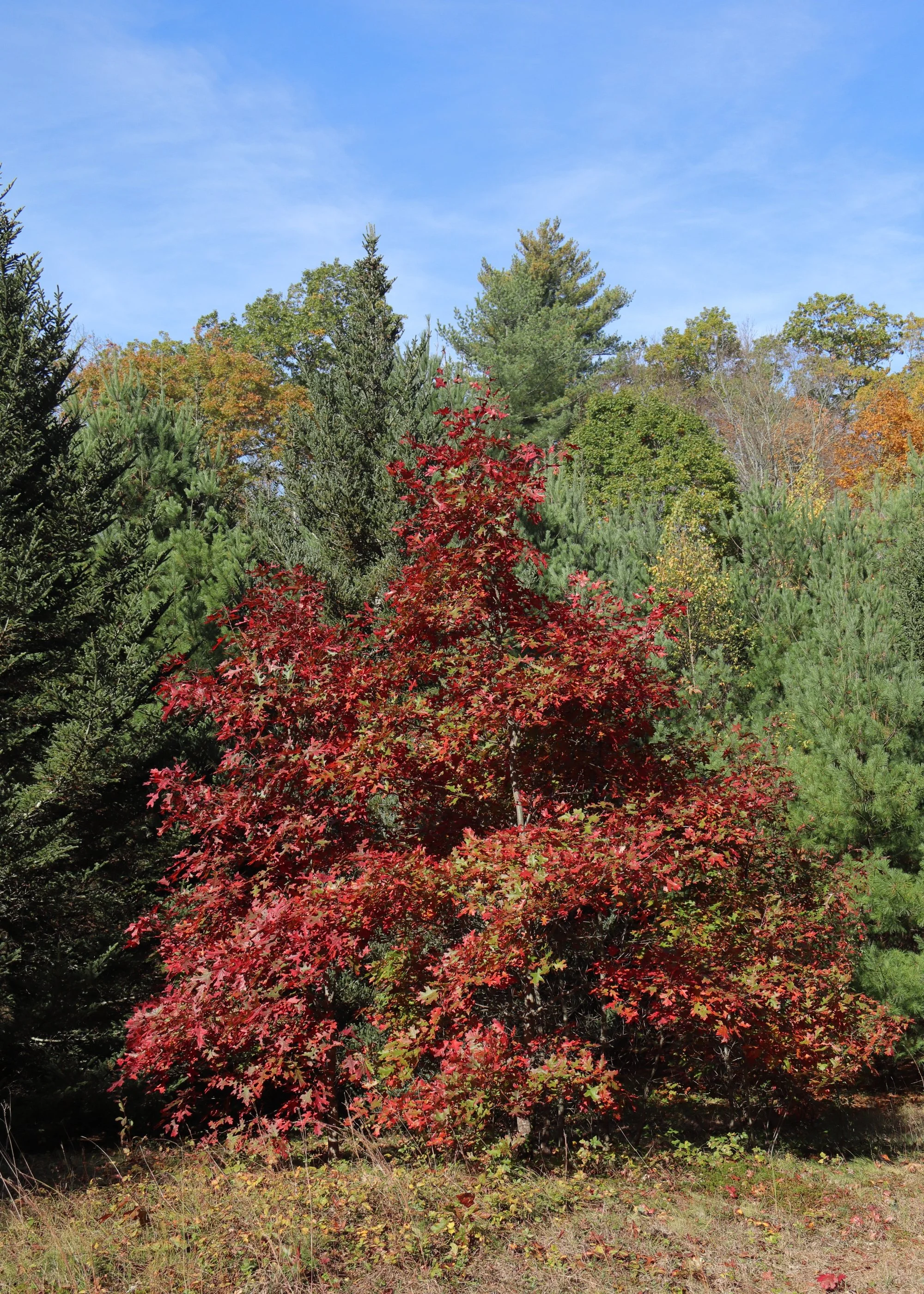
A vibrant and adaptable native hardwood, Red Maple is celebrated for its brilliant scarlet foliage and graceful form. Its rounded crown and smooth gray bark create year-round interest, with early spring flowers and vivid autumn color making it one of Michigan’s most eye-catching trees.
Well-suited to Northern Michigan (Zone 5a), Red Maple thrives in a wide range of conditions—from moist lowlands to upland slopes—and prefers full sun to partial shade. Fast-growing and hardy, it adapts easily to different soils, making it a reliable choice for yards, parks, and natural landscapes alike.
Ecologically, Red Maple provides early-season nectar for pollinators, while its seeds, buds, and leaves nourish birds and mammals. Its strong yet workable wood is valued for furniture, flooring, and tool handles. Combining beauty, resilience, and ecological value, Red Maple stands as one of Michigan’s most versatile and admired native trees.
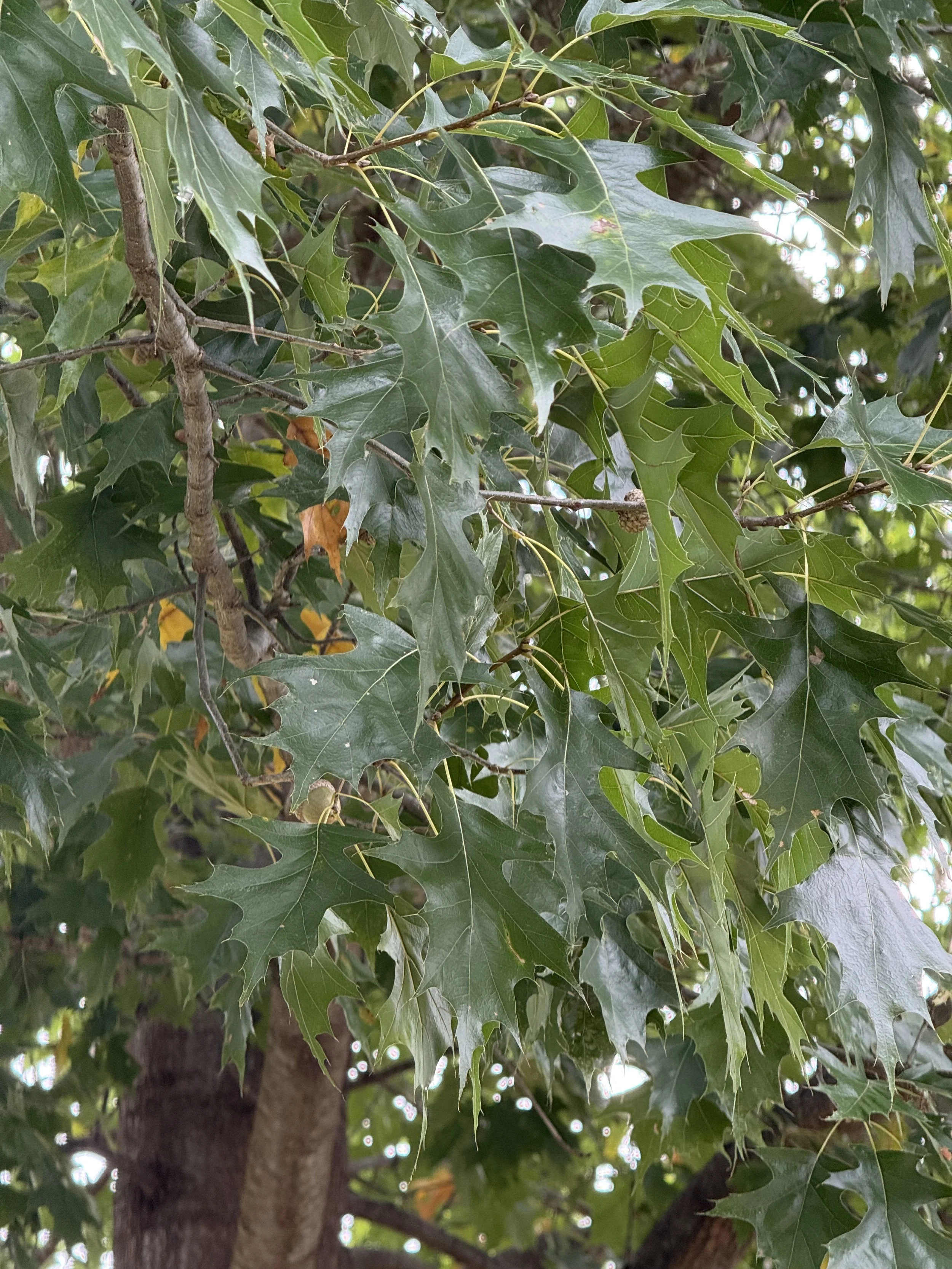
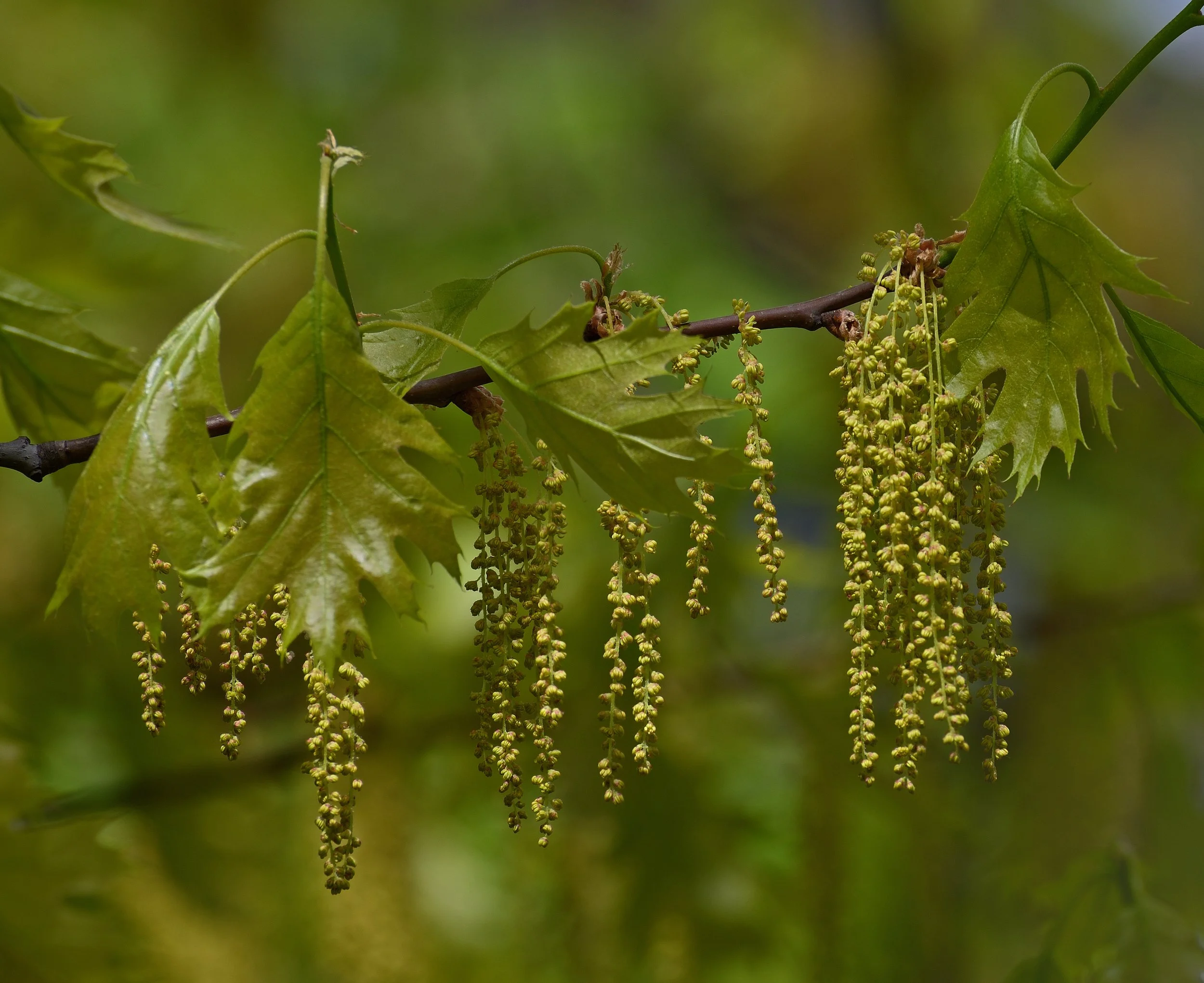
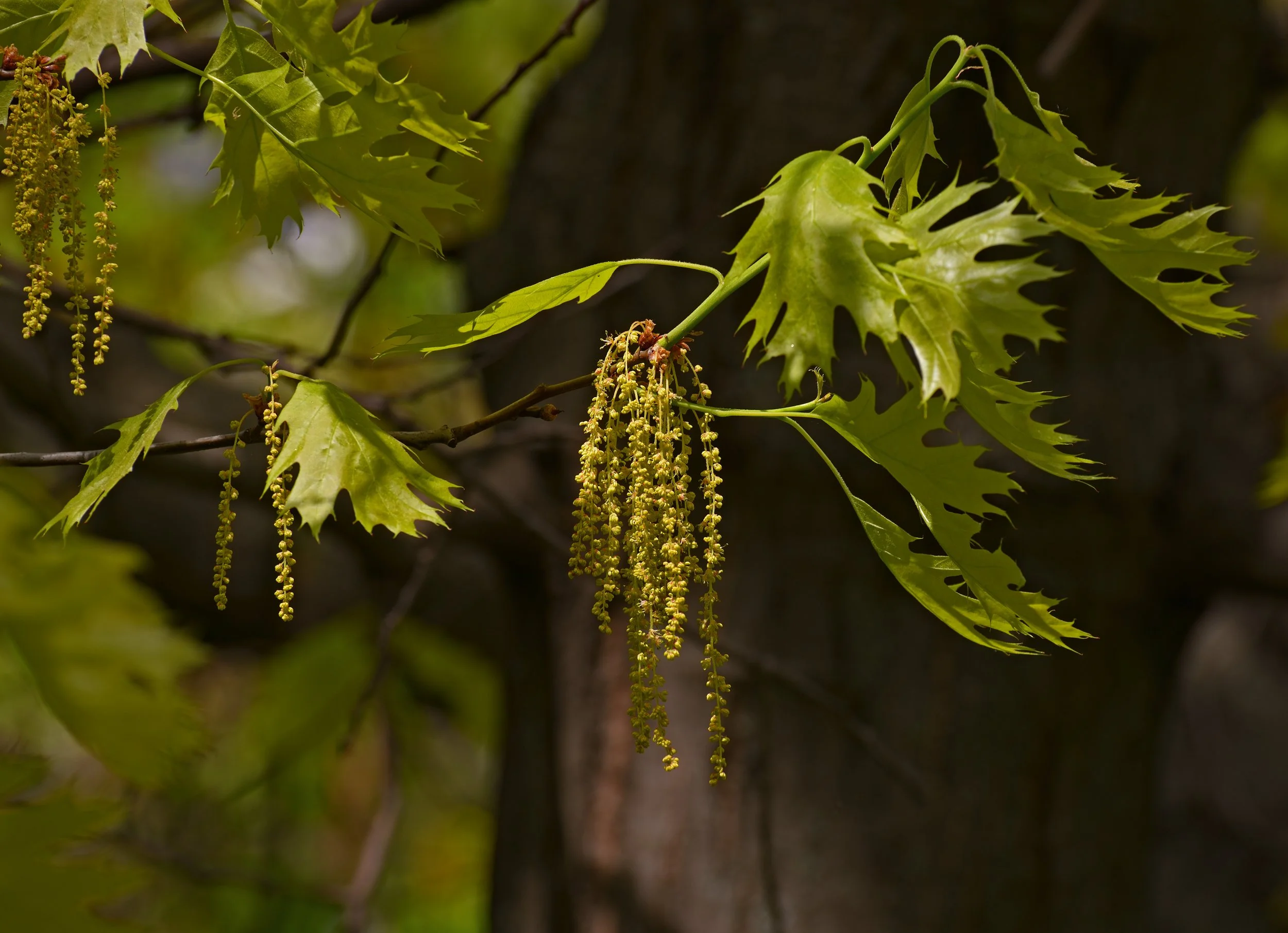
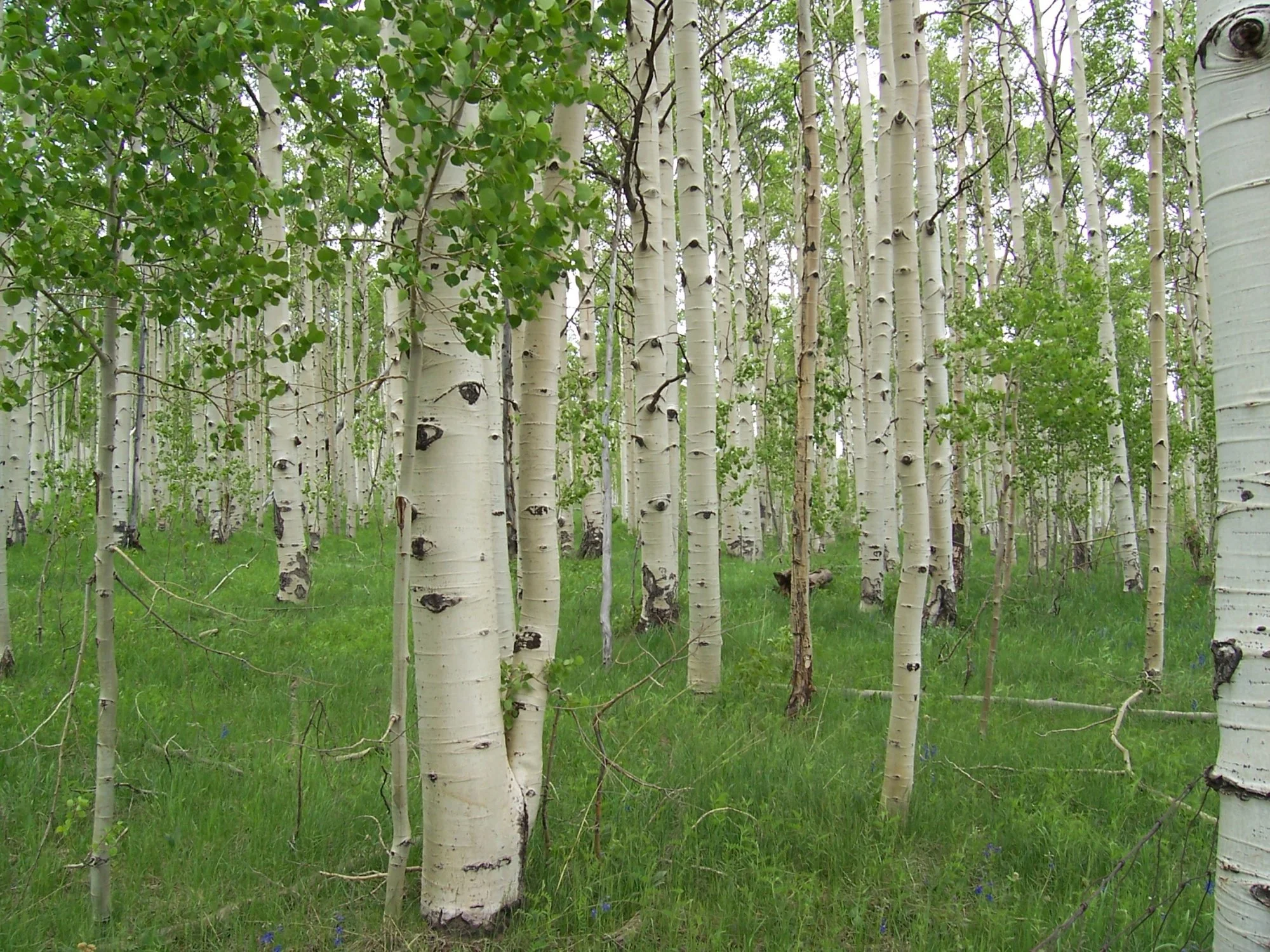
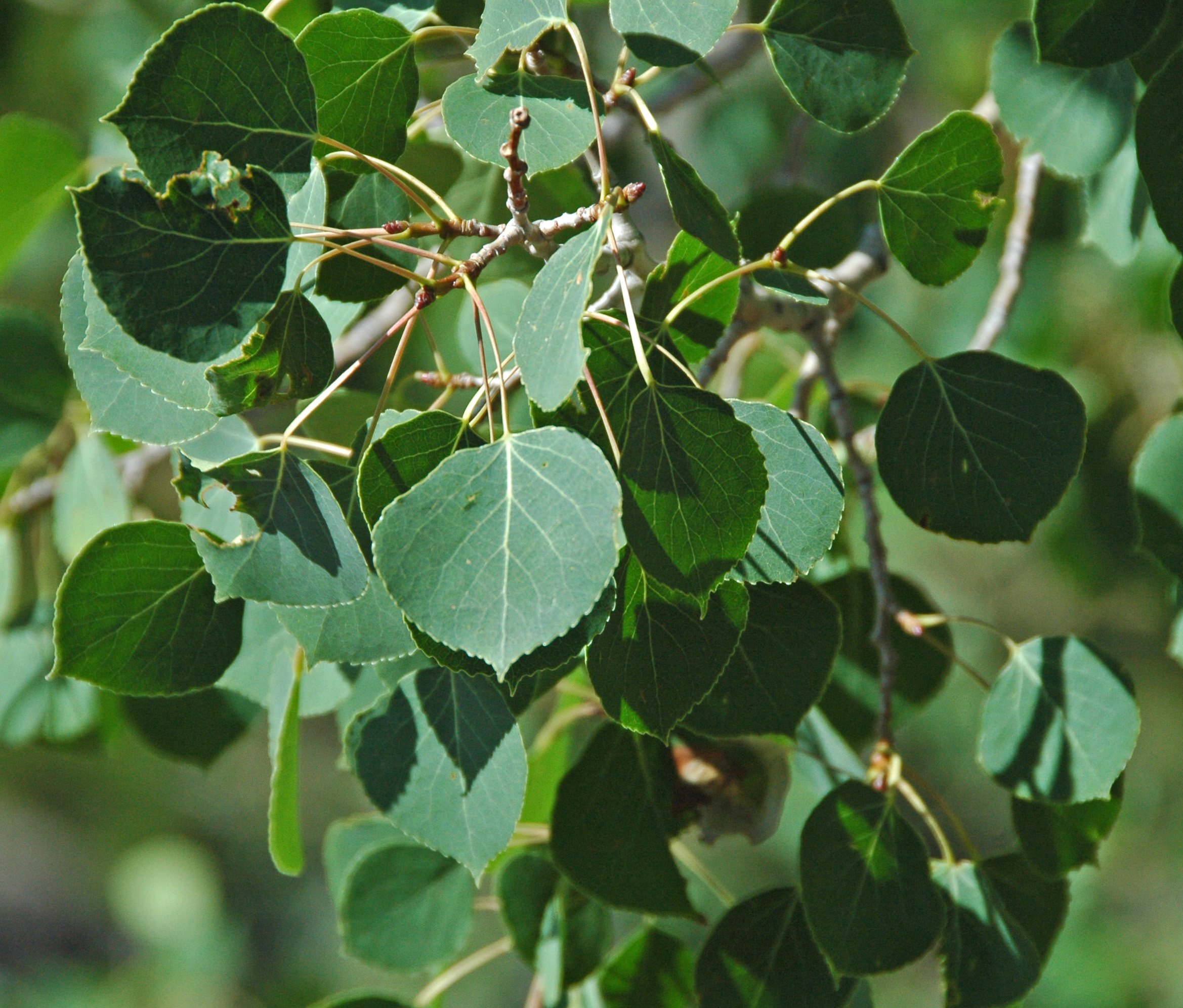
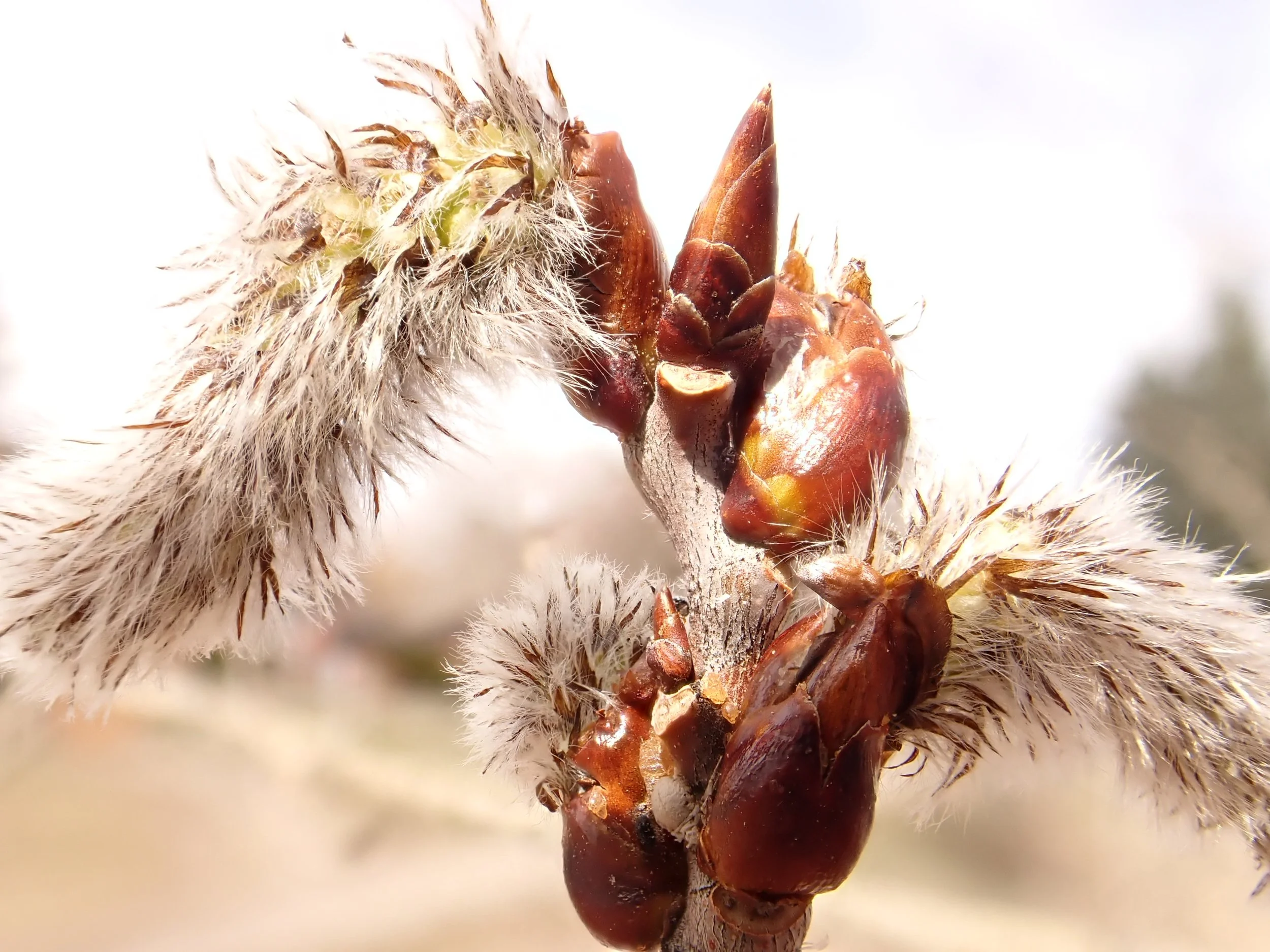
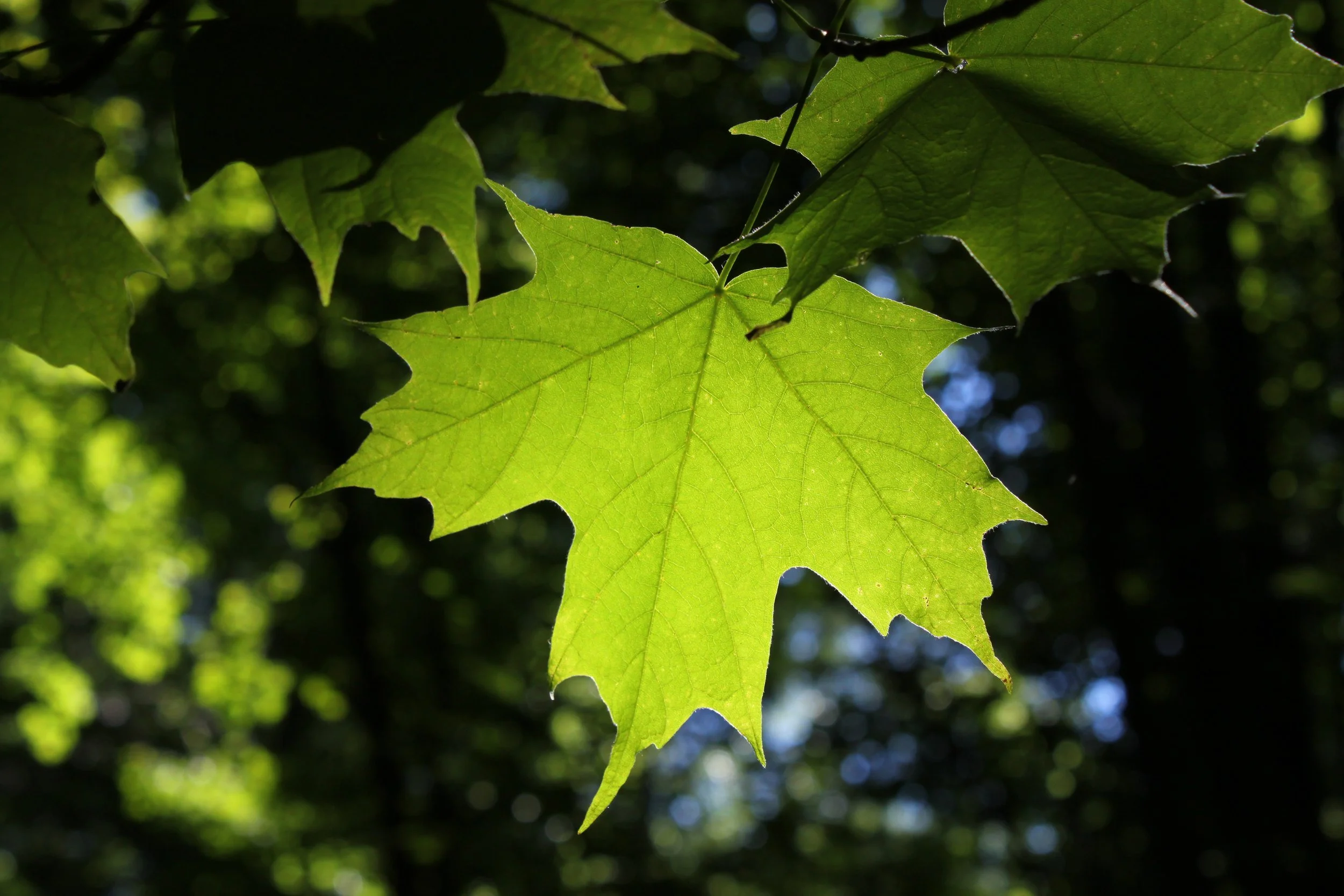
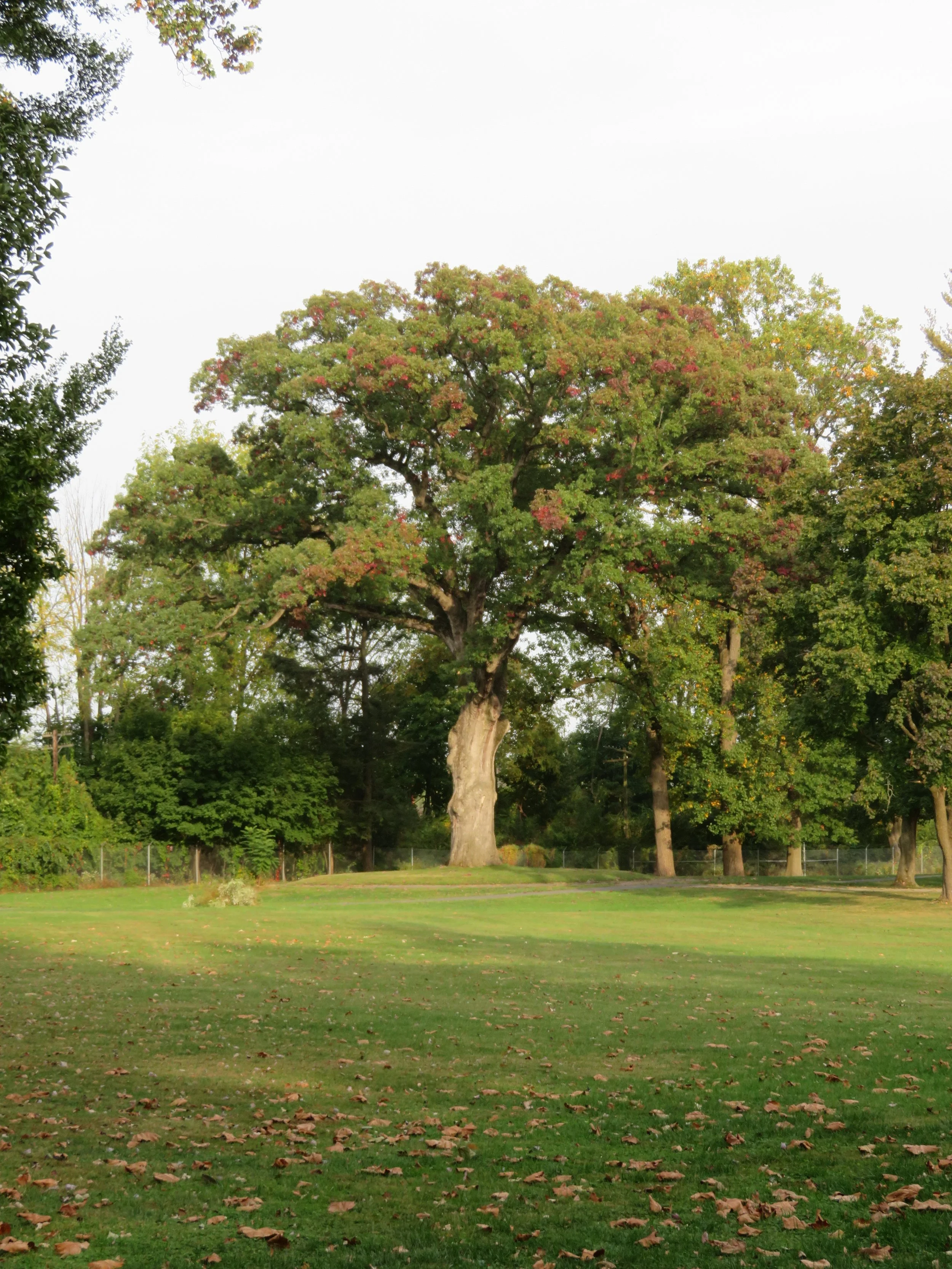
Identification / Key Features: Medium deciduous tree with three-lobed leaves that turn red in fall. Bark is gray and smooth on young trees, becoming furrowed with age. Produces small, red samaras in spring.
Mature Height / Size: 40–60 feet.
Growth Rate: Fast-growing.
Light / Soil / Site Preferences: Tolerates a wide range of soils and moisture conditions, including wet sites.
Wildlife Value / Ecological Role: Seeds eaten by birds and small mammals; flowers provide early spring nectar for bees.
Uses / Economic / Cultural: Common landscape tree; wood used for furniture and pulp.
Quantity (per bundle) 25
Size (12-18”)
A vibrant and adaptable native hardwood, Red Maple is celebrated for its brilliant scarlet foliage and graceful form. Its rounded crown and smooth gray bark create year-round interest, with early spring flowers and vivid autumn color making it one of Michigan’s most eye-catching trees.
Well-suited to Northern Michigan (Zone 5a), Red Maple thrives in a wide range of conditions—from moist lowlands to upland slopes—and prefers full sun to partial shade. Fast-growing and hardy, it adapts easily to different soils, making it a reliable choice for yards, parks, and natural landscapes alike.
Ecologically, Red Maple provides early-season nectar for pollinators, while its seeds, buds, and leaves nourish birds and mammals. Its strong yet workable wood is valued for furniture, flooring, and tool handles. Combining beauty, resilience, and ecological value, Red Maple stands as one of Michigan’s most versatile and admired native trees.
Identification / Key Features: Medium deciduous tree with three-lobed leaves that turn red in fall. Bark is gray and smooth on young trees, becoming furrowed with age. Produces small, red samaras in spring.
Mature Height / Size: 40–60 feet.
Growth Rate: Fast-growing.
Light / Soil / Site Preferences: Tolerates a wide range of soils and moisture conditions, including wet sites.
Wildlife Value / Ecological Role: Seeds eaten by birds and small mammals; flowers provide early spring nectar for bees.
Uses / Economic / Cultural: Common landscape tree; wood used for furniture and pulp.