Quantity (per bundle) 25
Size (12-18”)
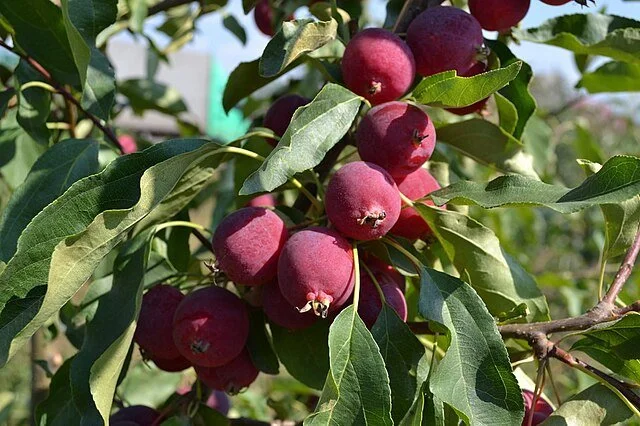
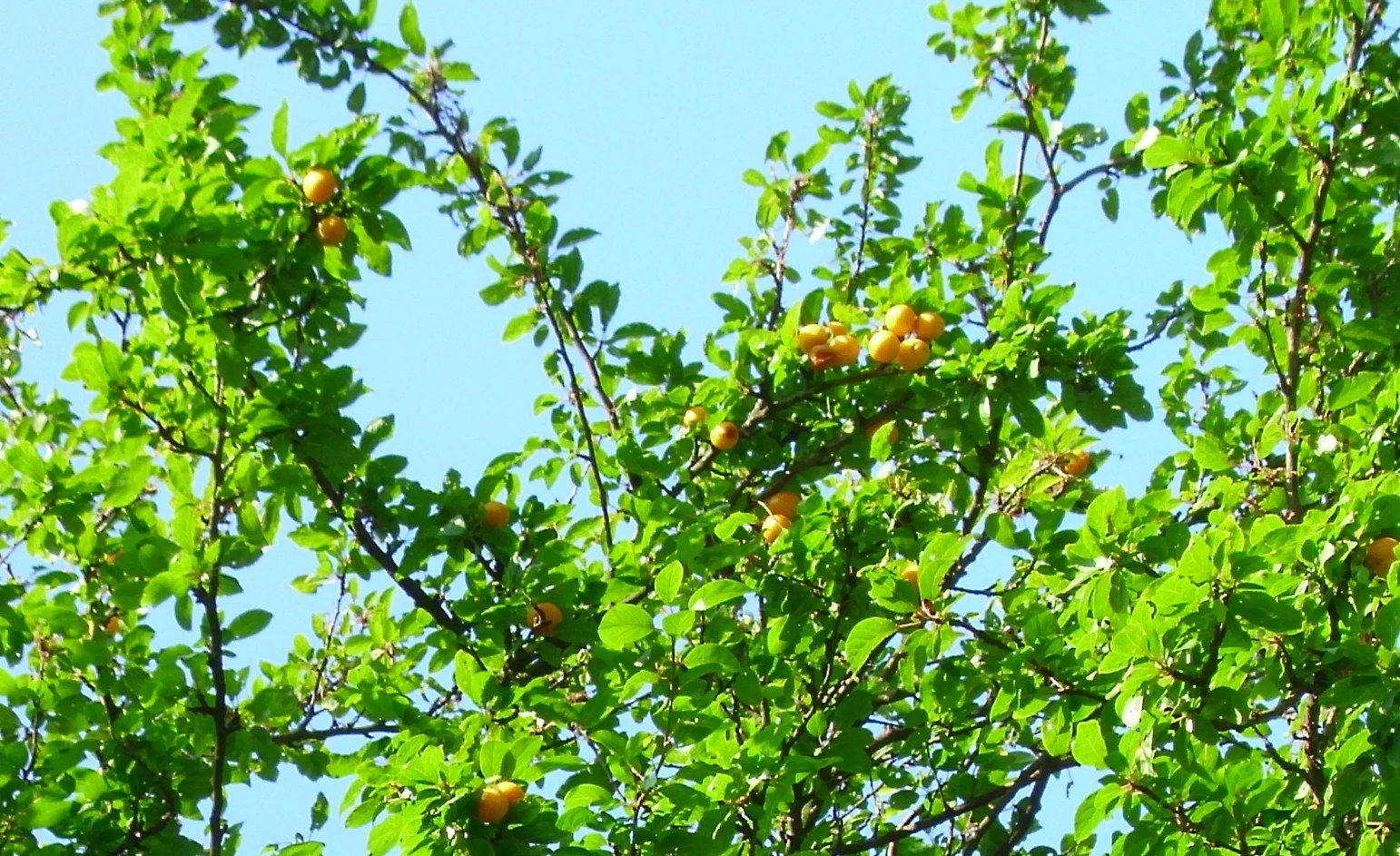
A hardy and fast-growing native tree, Red Mulberry is treasured for its broad, heart-shaped leaves and sweet, dark purple fruits that ripen in early to mid-summer. Its spreading crown and dense foliage provide generous shade and a lush, natural look in both wild and cultivated landscapes. The tree’s berries resemble elongated blackberries and are enjoyed by both wildlife and people alike.
Well-suited to Northern Michigan (Zone 5a), Red Mulberry thrives in full sun and moist, well-drained soils but tolerates a variety of conditions, including sandy and loamy sites. It grows quickly and naturally establishes along forest edges, streambanks, and open fields.
Ecologically, Red Mulberry is a powerhouse for wildlife—its fruits are a summer staple for birds, mammals, and pollinators, while its leaves provide food for several native caterpillar species. The tree’s strong, flexible wood has been valued for fence posts and tools. Combining shade, beauty, and ecological benefit, Red Mulberry brings vitality and abundance to Michigan’s native landscapes.
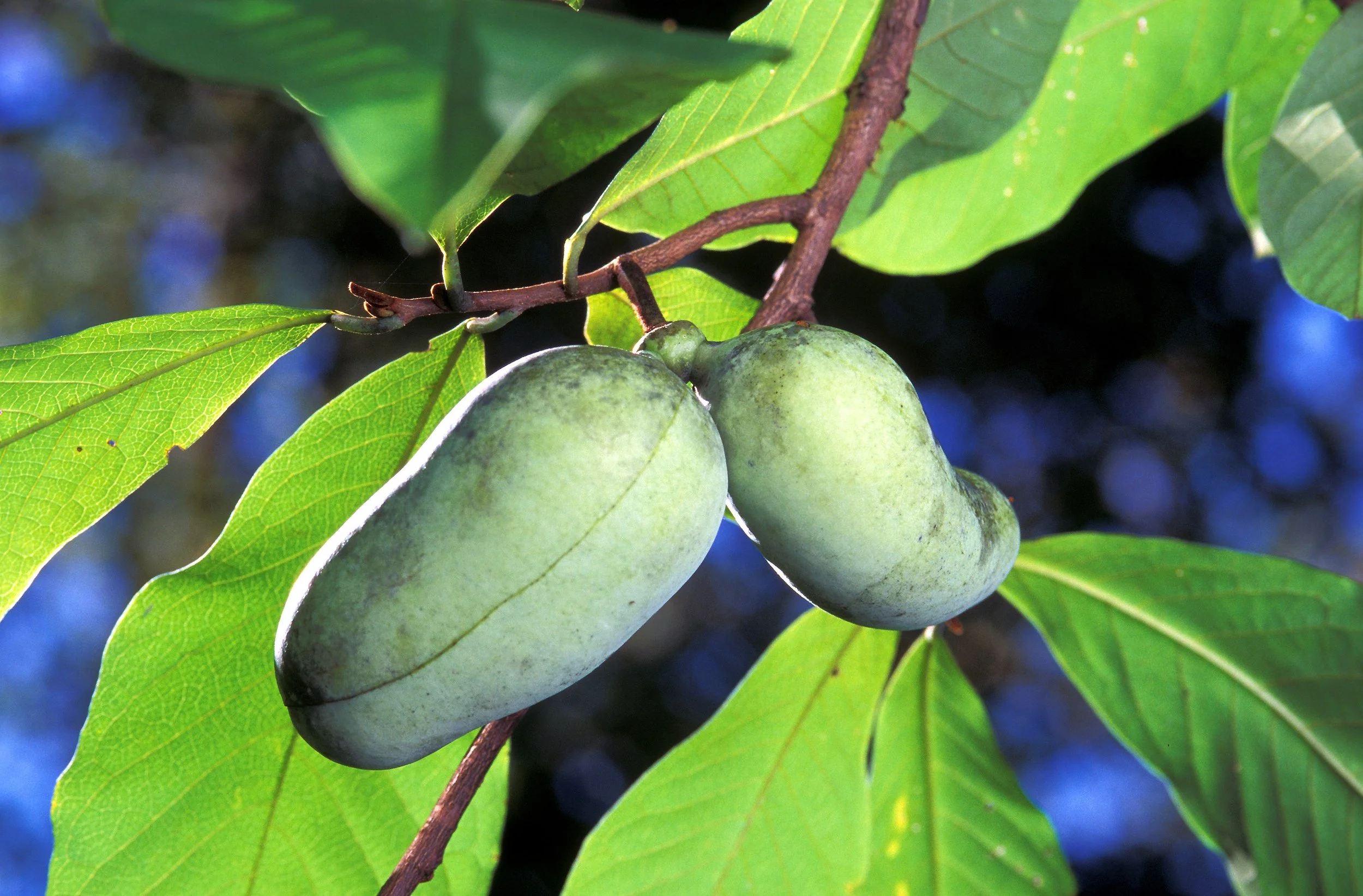
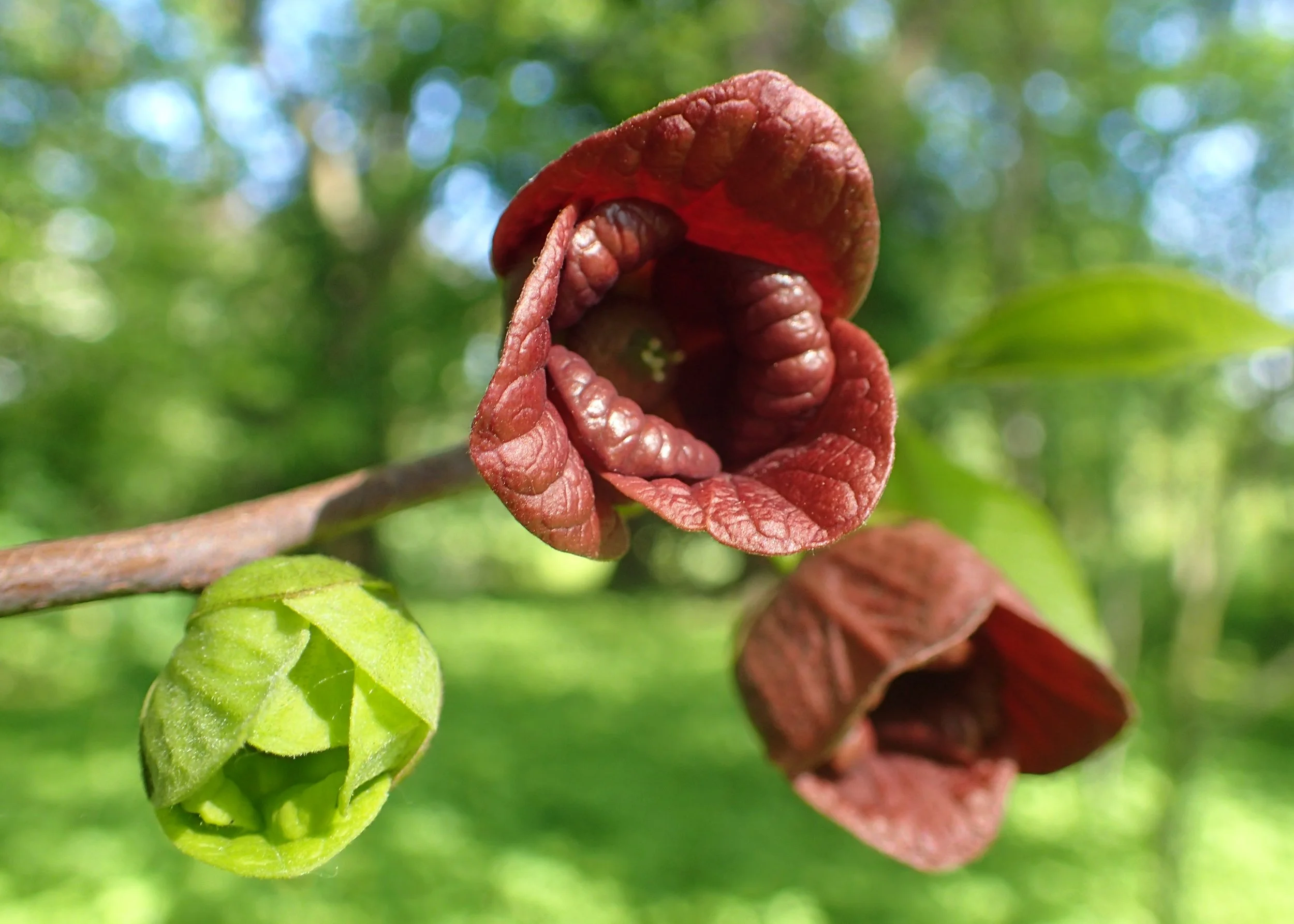
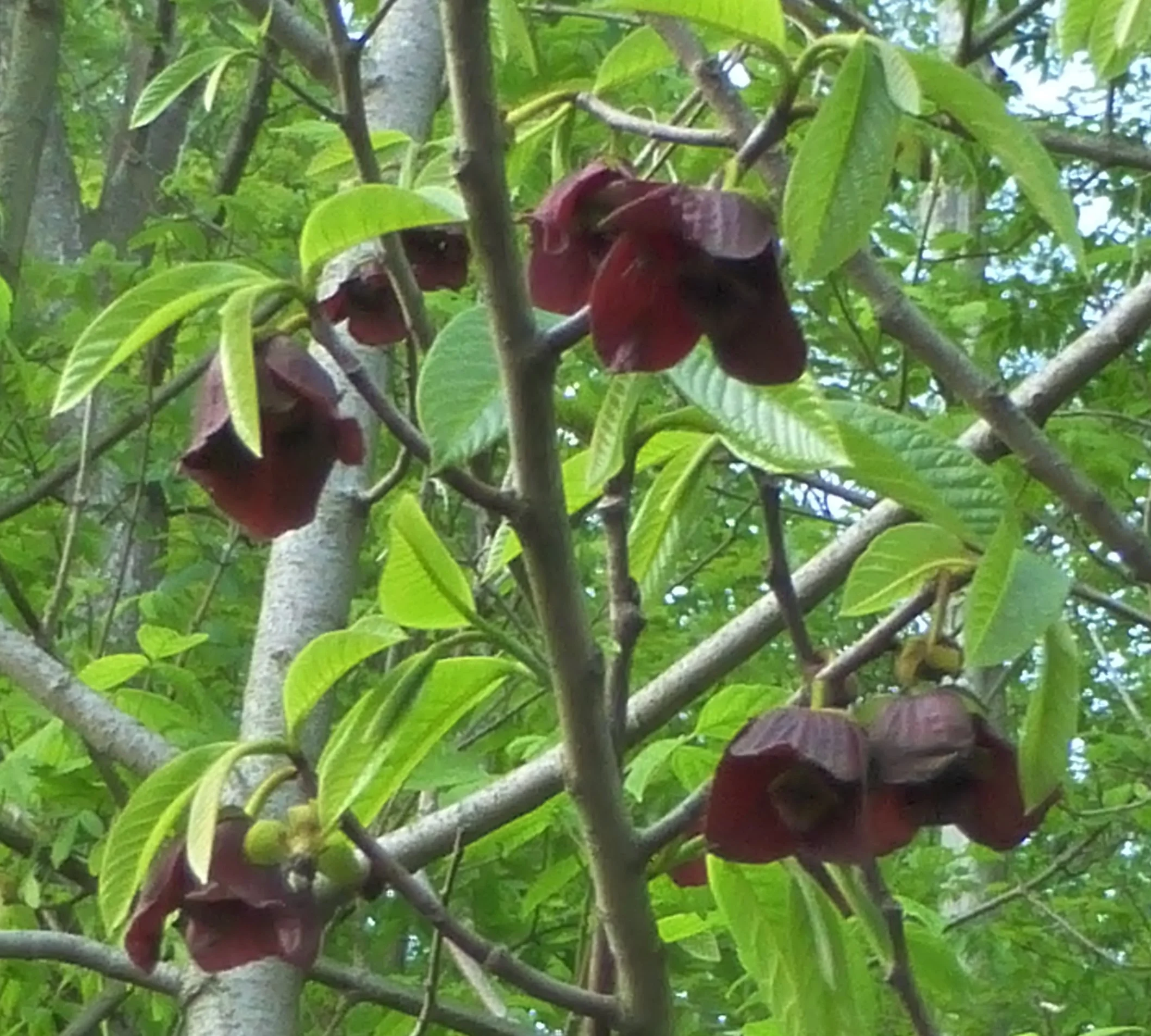
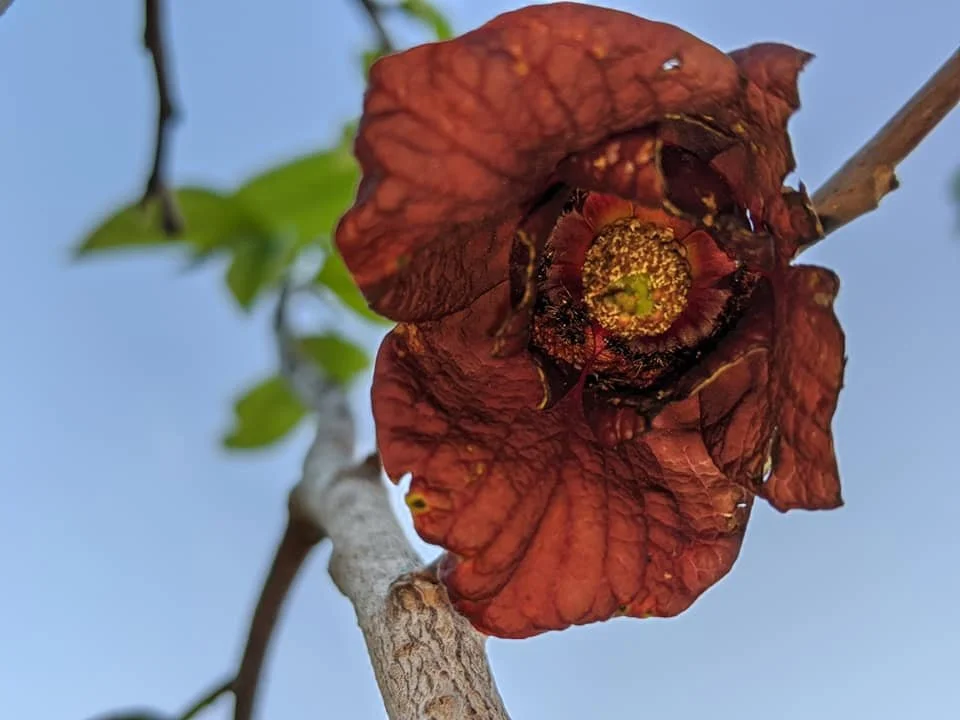
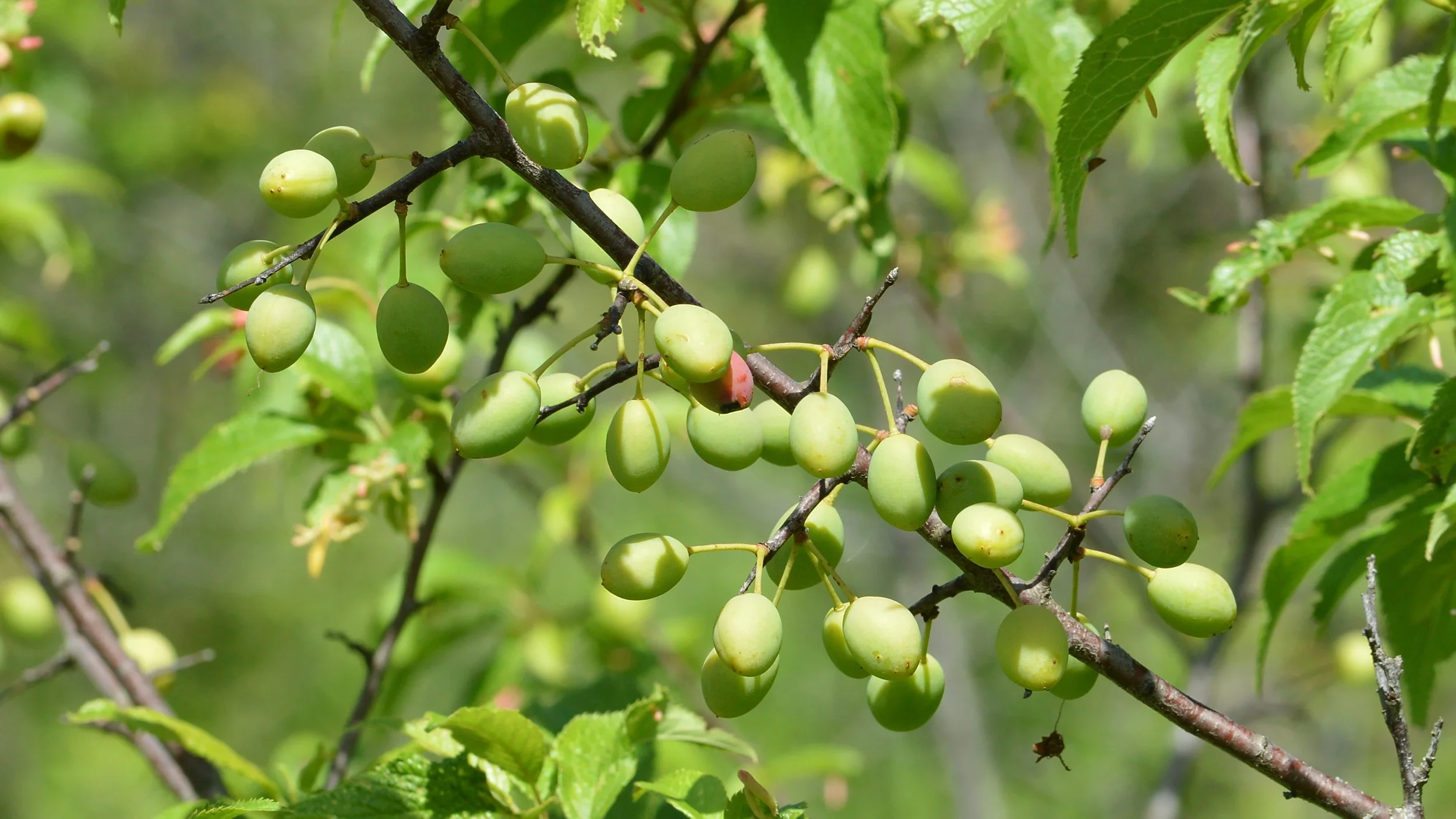
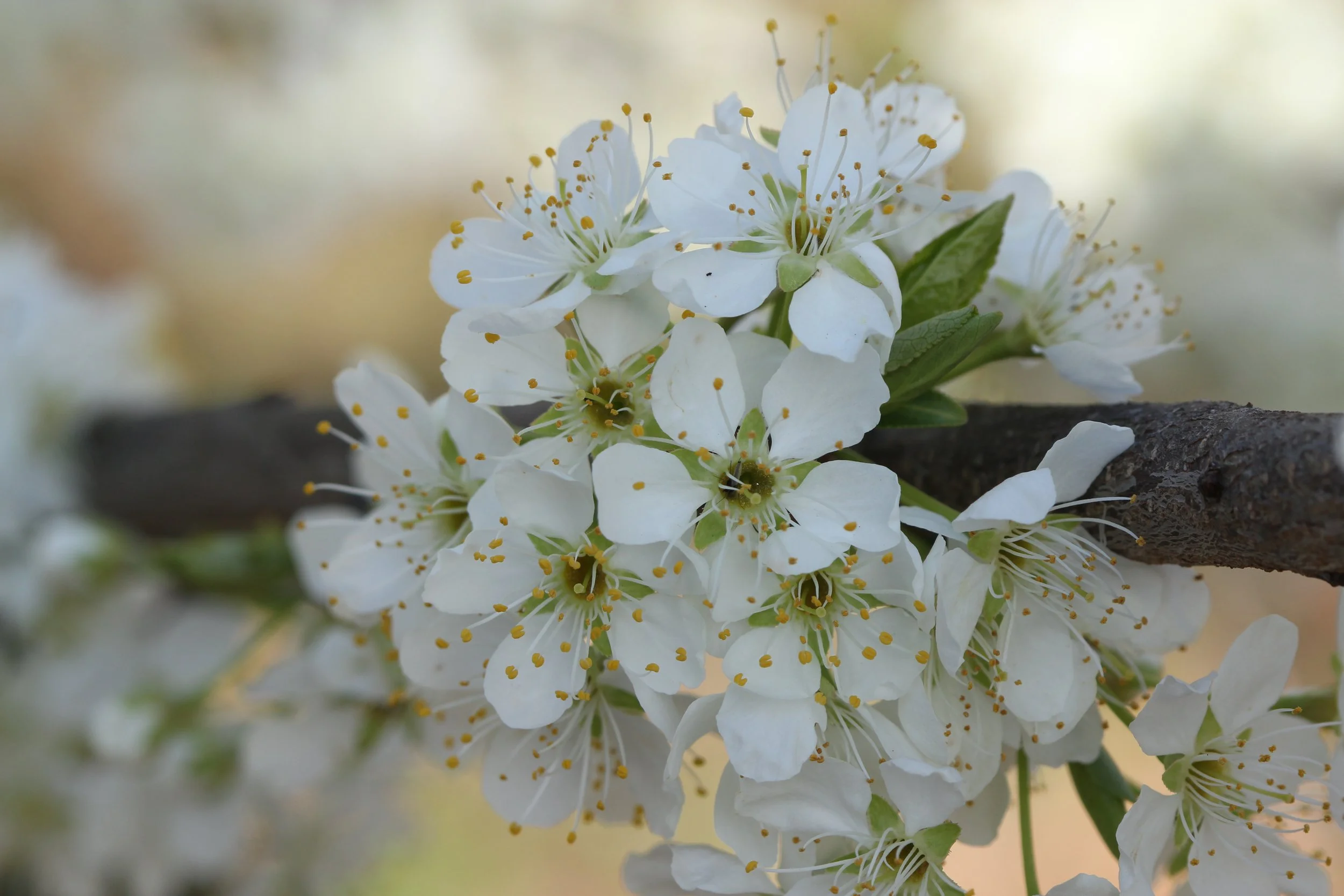
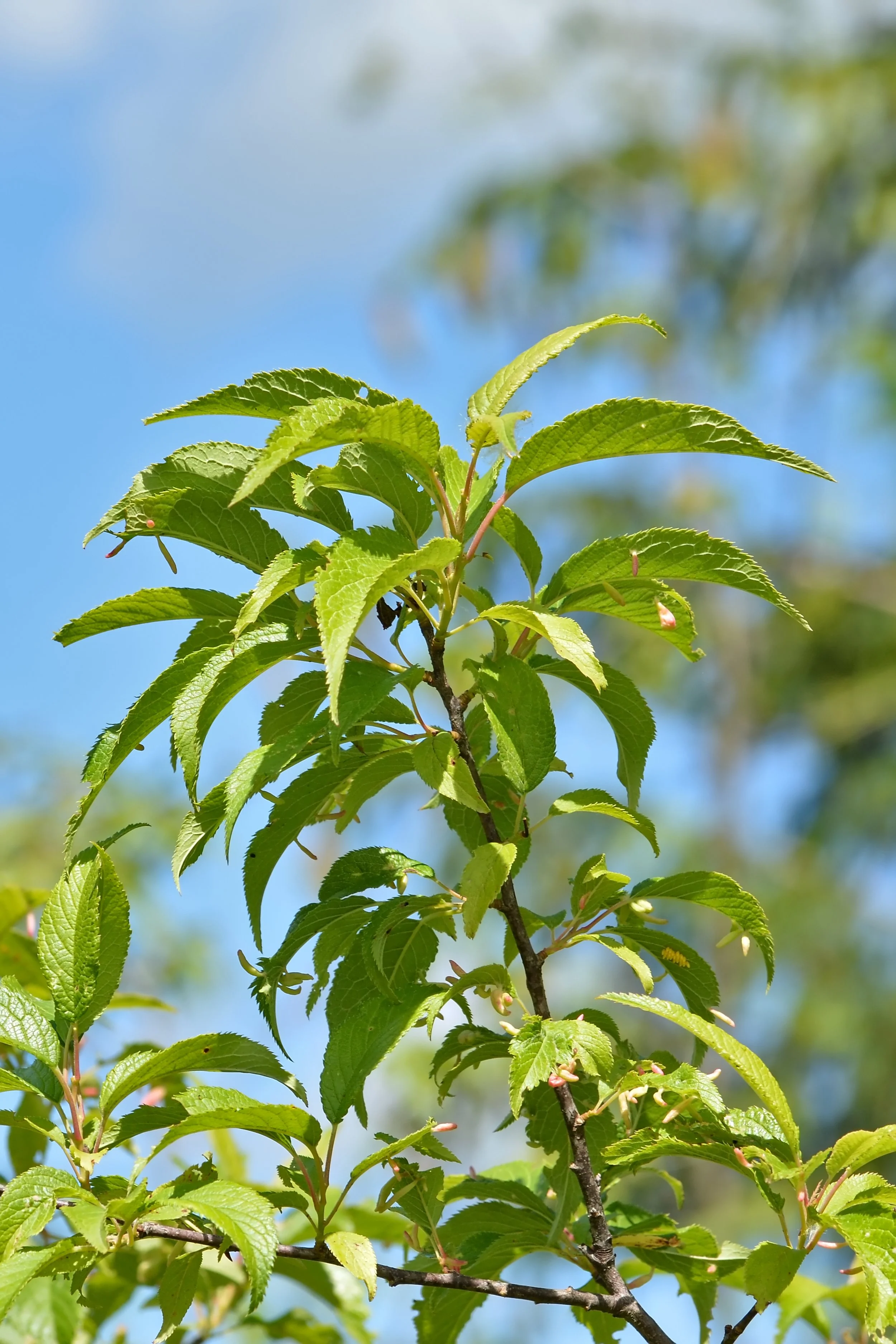
Identification / Key Features: Small to medium deciduous tree with large, heart-shaped, dark green leaves, often with irregular lobes. Produces sweet, dark purple to black multiple fruits in summer. Bark is gray-brown and furrowed.
Mature Height / Size: 30–50 feet.
Growth Rate: Moderate.
Light / Soil / Site Preferences: Prefers full sun; adaptable to a wide range of soils but grows best in moist, well-drained soils.
Wildlife Value / Ecological Role: Fruits eaten by birds, squirrels, and deer. Provides shade and nesting habitat.
Uses / Economic / Cultural: Fruits edible for humans; historically used for dyes. Wood occasionally used for furniture and fencing.
Quantity (per bundle) 25
Size (12-18”)
A hardy and fast-growing native tree, Red Mulberry is treasured for its broad, heart-shaped leaves and sweet, dark purple fruits that ripen in early to mid-summer. Its spreading crown and dense foliage provide generous shade and a lush, natural look in both wild and cultivated landscapes. The tree’s berries resemble elongated blackberries and are enjoyed by both wildlife and people alike.
Well-suited to Northern Michigan (Zone 5a), Red Mulberry thrives in full sun and moist, well-drained soils but tolerates a variety of conditions, including sandy and loamy sites. It grows quickly and naturally establishes along forest edges, streambanks, and open fields.
Ecologically, Red Mulberry is a powerhouse for wildlife—its fruits are a summer staple for birds, mammals, and pollinators, while its leaves provide food for several native caterpillar species. The tree’s strong, flexible wood has been valued for fence posts and tools. Combining shade, beauty, and ecological benefit, Red Mulberry brings vitality and abundance to Michigan’s native landscapes.
Identification / Key Features: Small to medium deciduous tree with large, heart-shaped, dark green leaves, often with irregular lobes. Produces sweet, dark purple to black multiple fruits in summer. Bark is gray-brown and furrowed.
Mature Height / Size: 30–50 feet.
Growth Rate: Moderate.
Light / Soil / Site Preferences: Prefers full sun; adaptable to a wide range of soils but grows best in moist, well-drained soils.
Wildlife Value / Ecological Role: Fruits eaten by birds, squirrels, and deer. Provides shade and nesting habitat.
Uses / Economic / Cultural: Fruits edible for humans; historically used for dyes. Wood occasionally used for furniture and fencing.

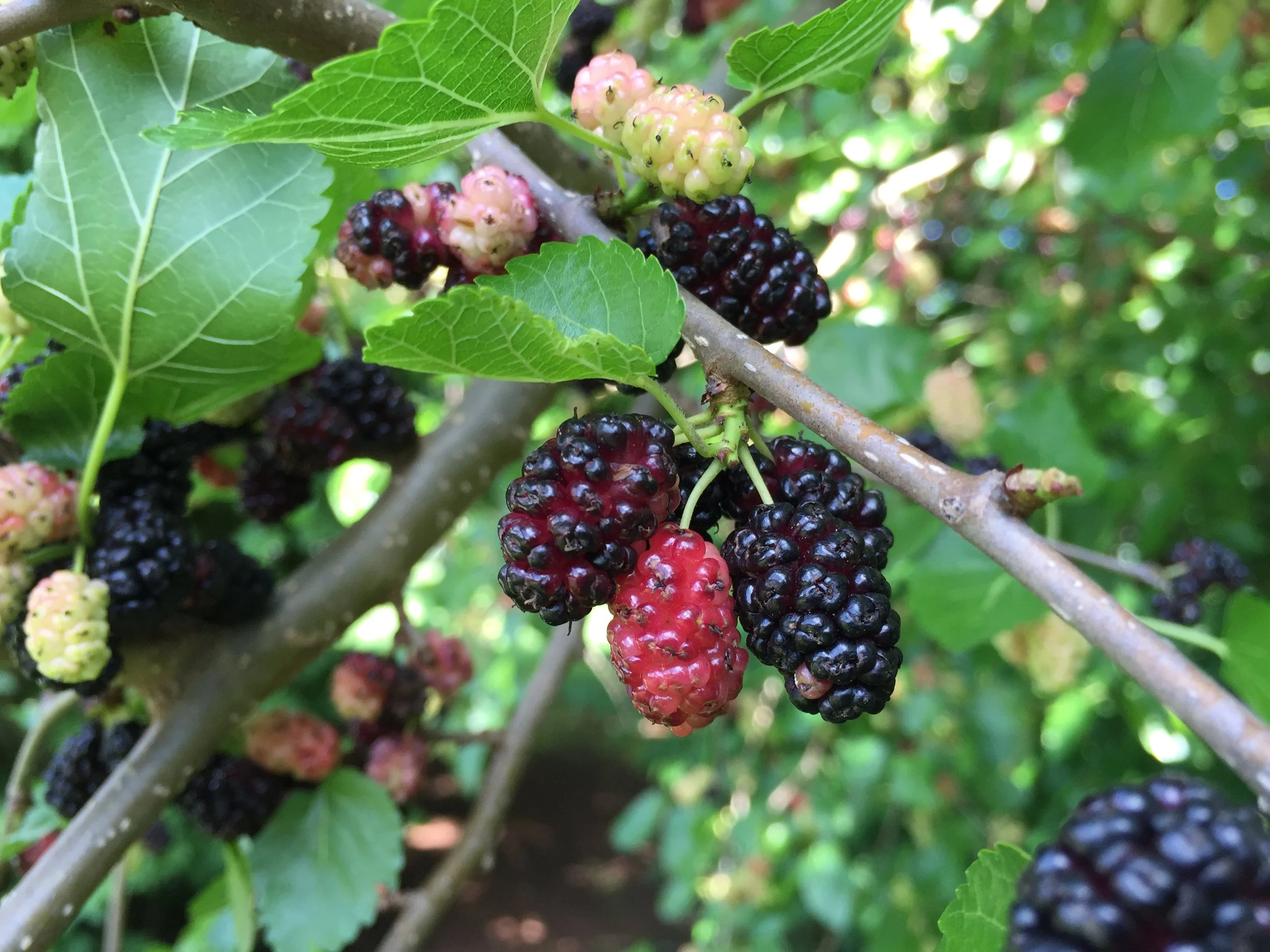 Image 1 of 6
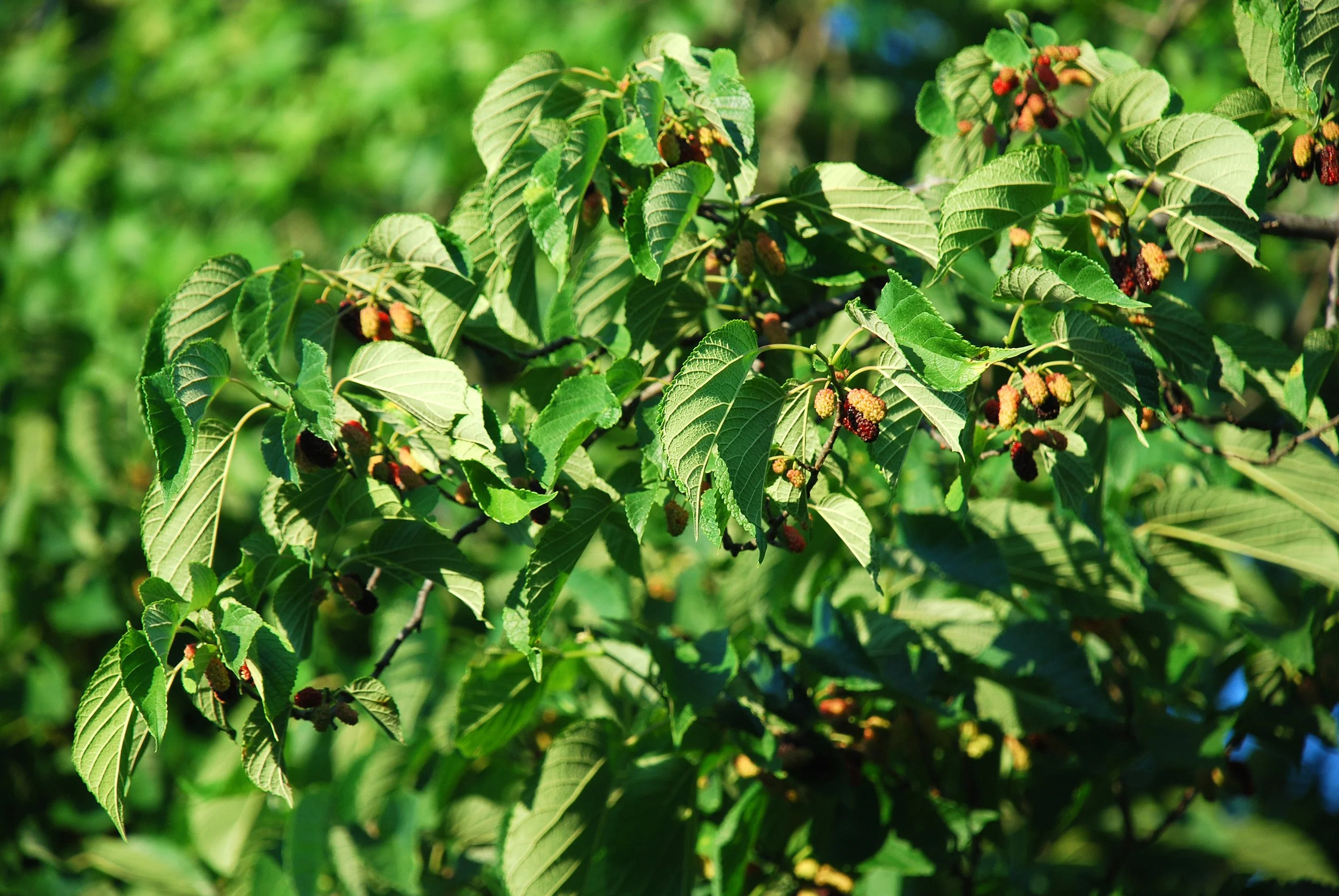 Image 2 of 6
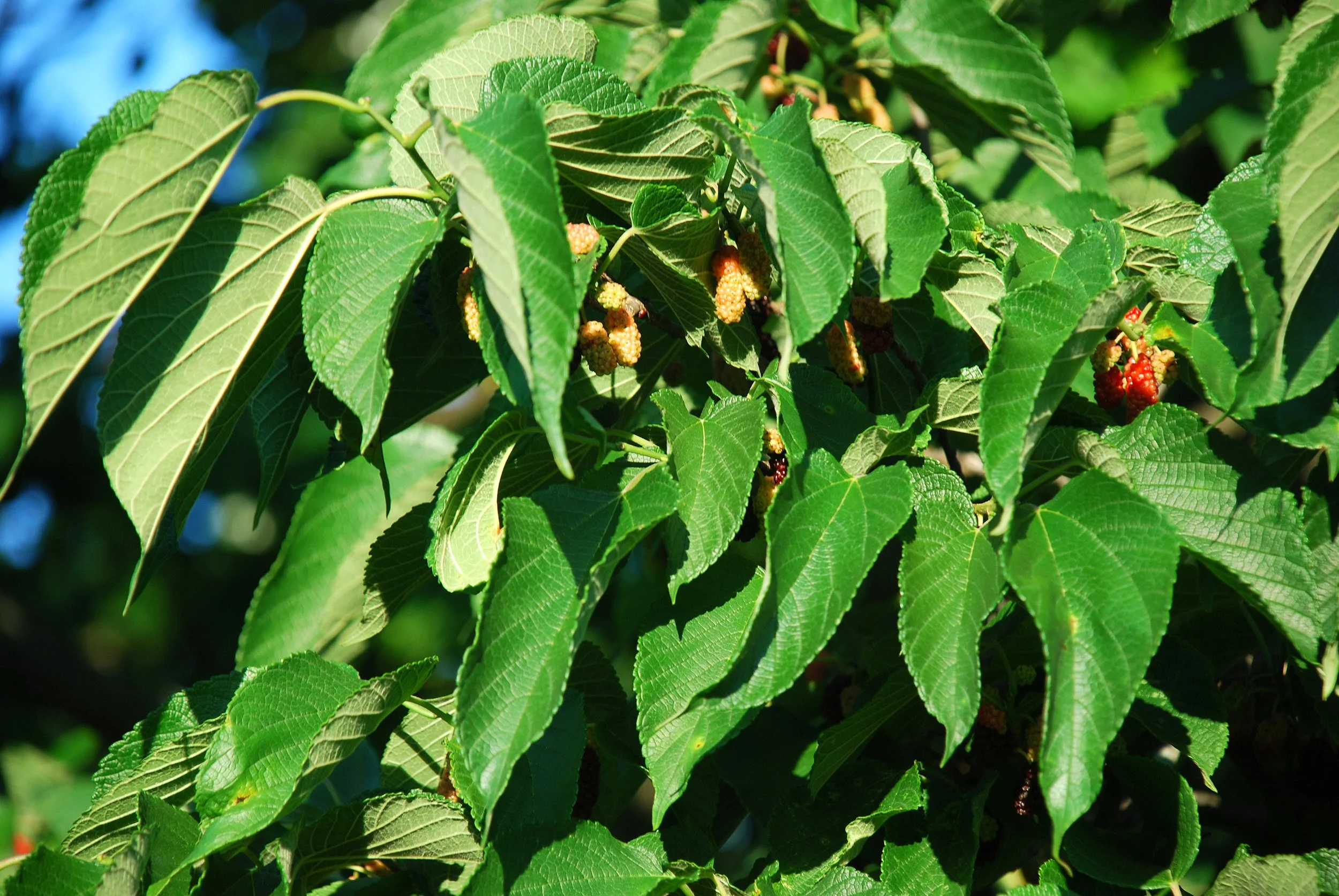 Image 3 of 6
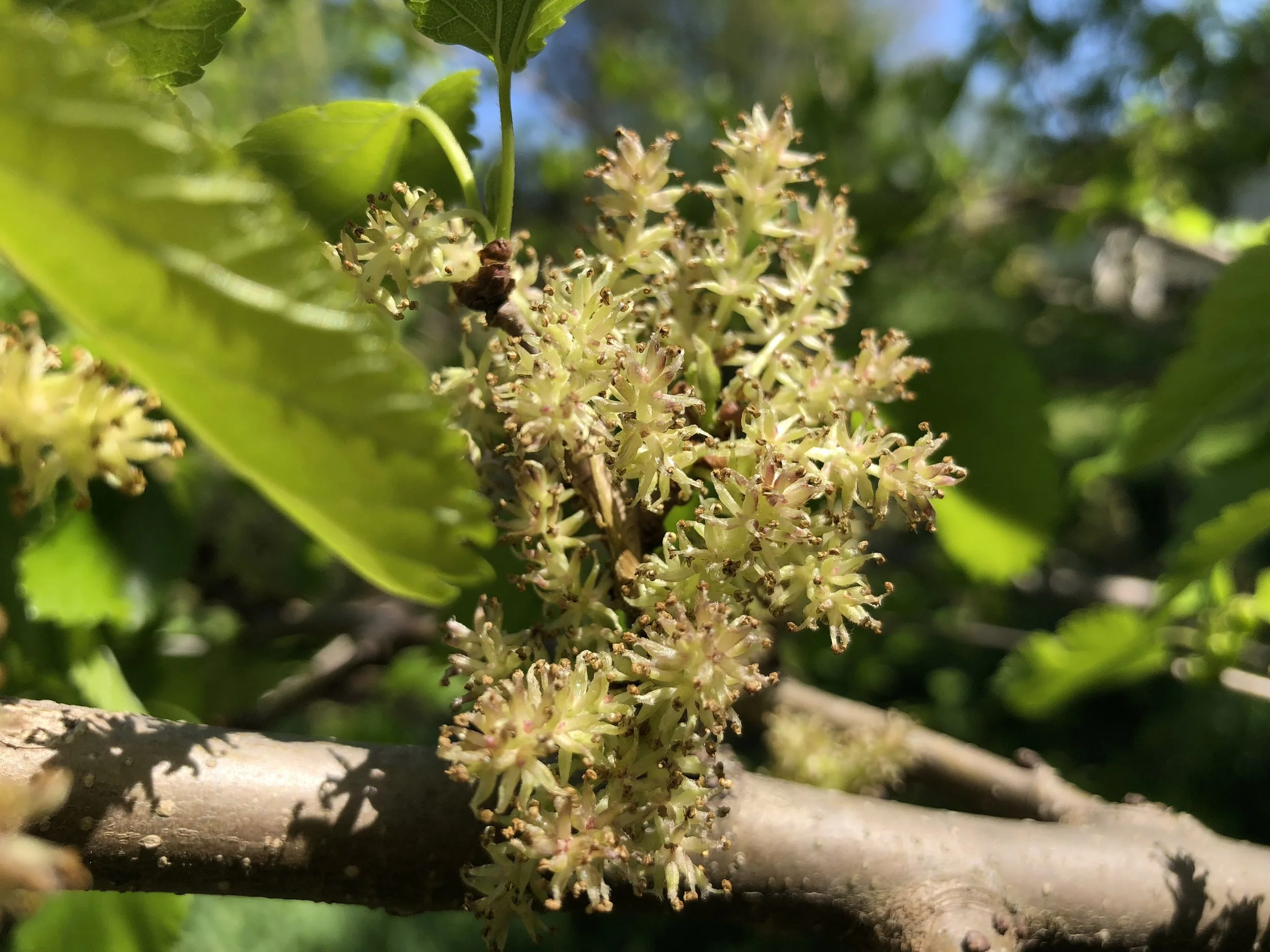 Image 4 of 6
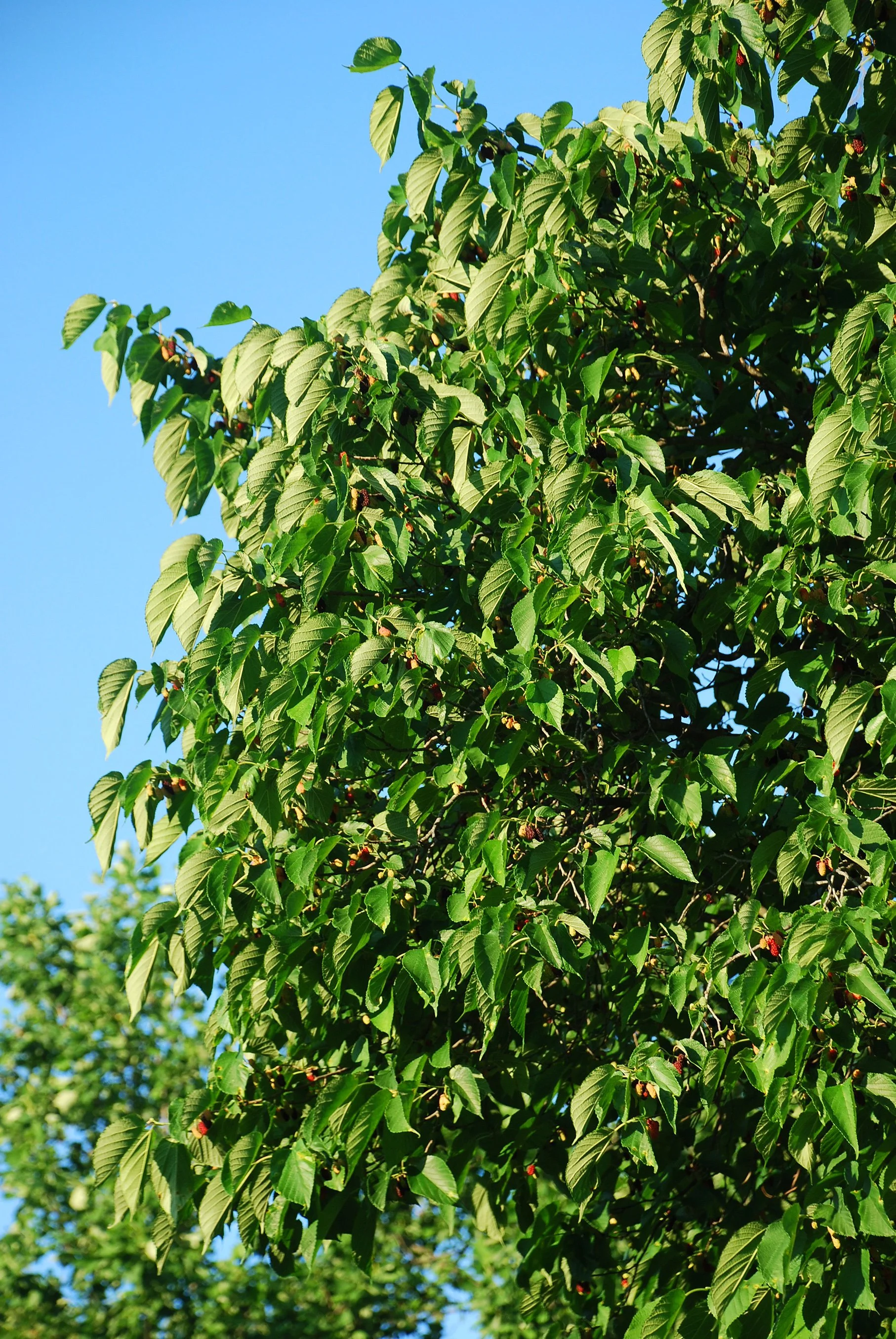 Image 5 of 6
 Image 6 of 6