Quantity (per bundle) 25
Size (12-18”)
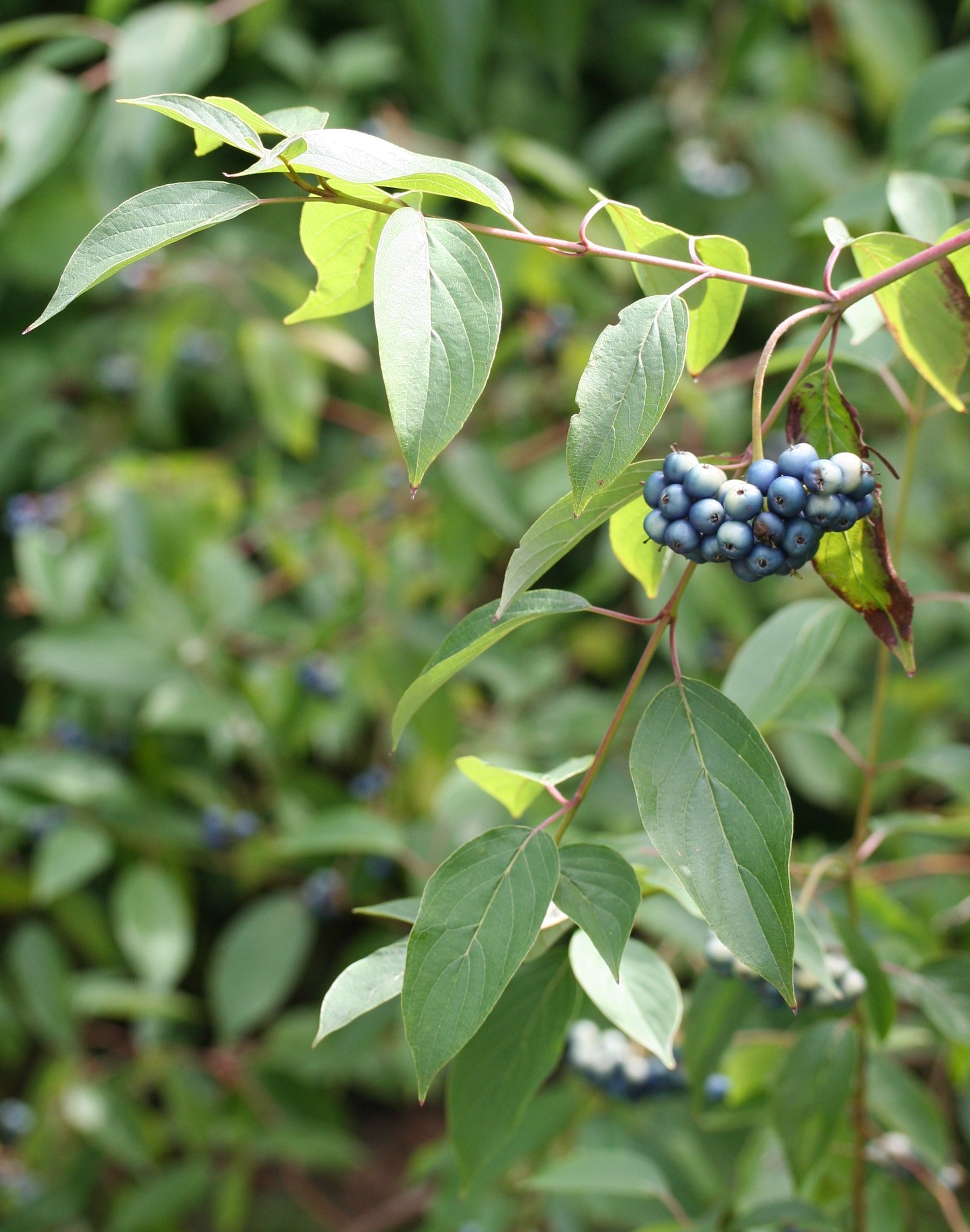
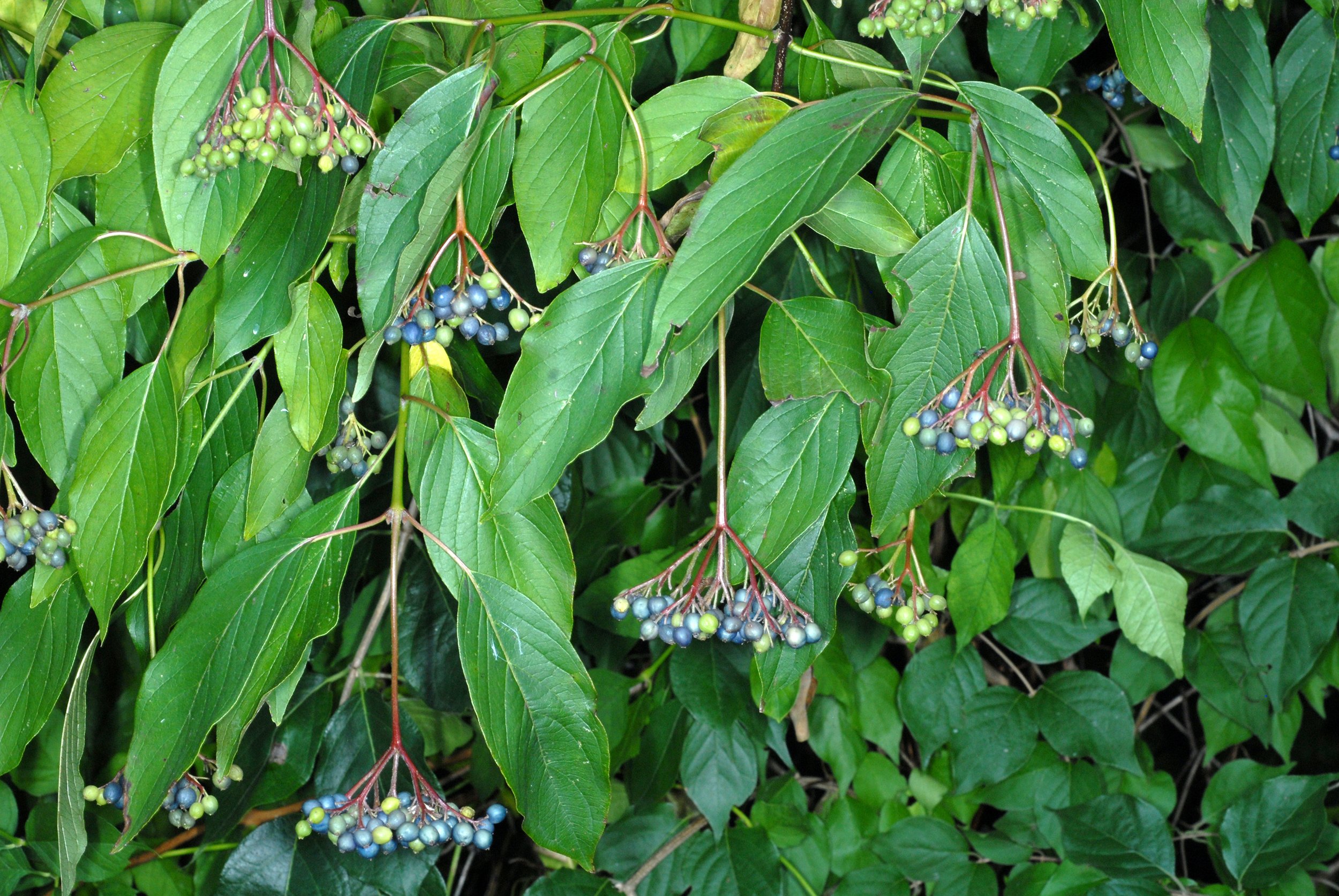
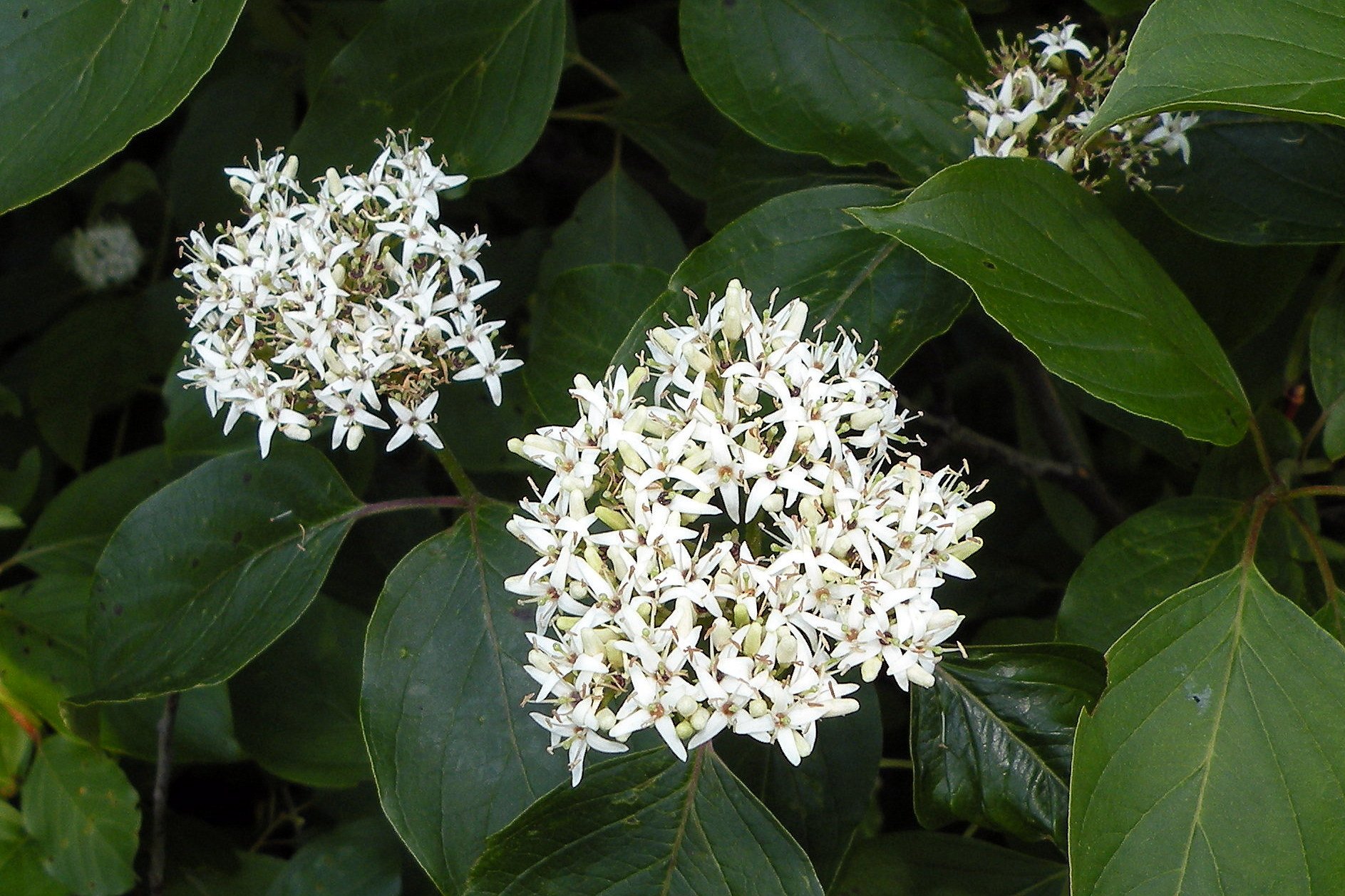
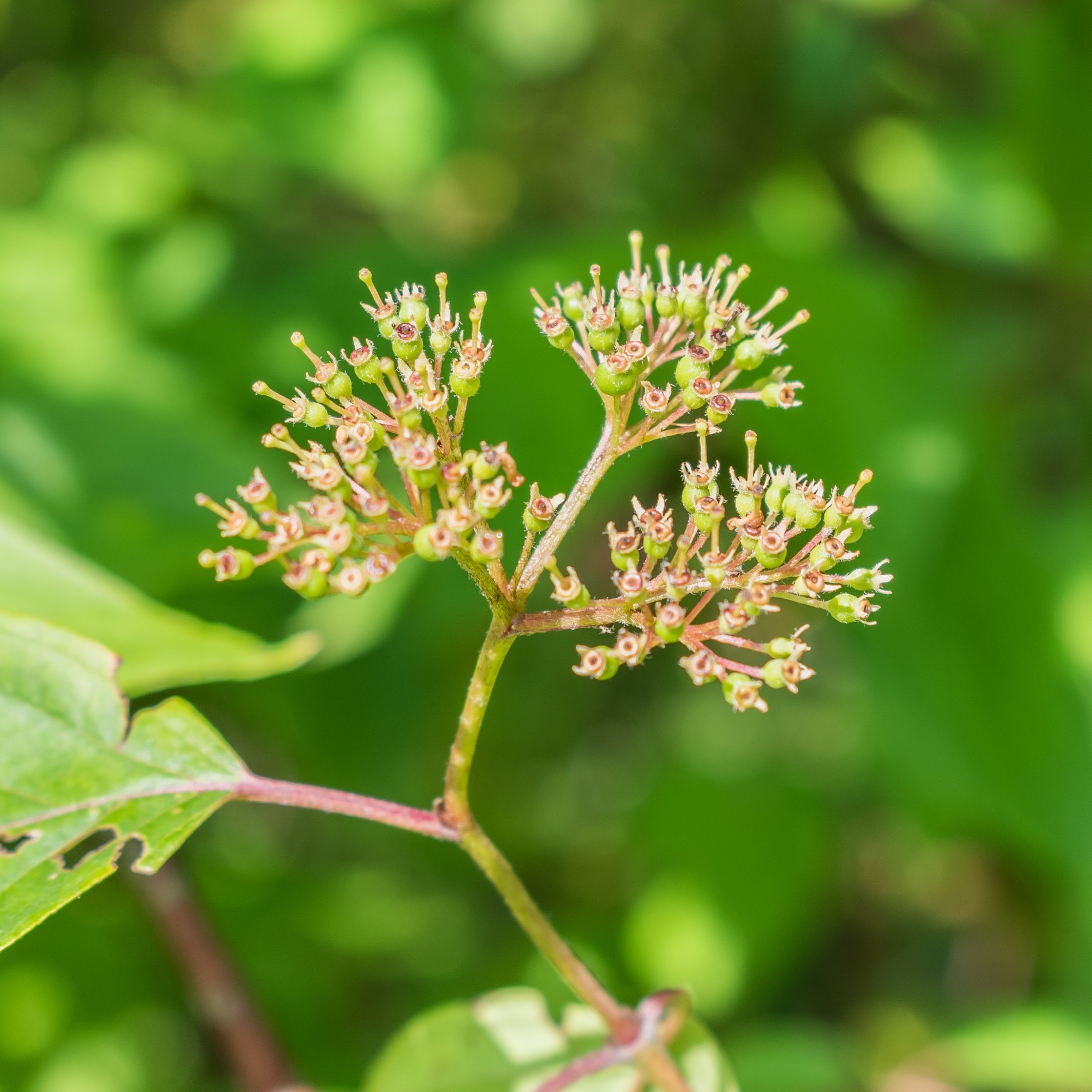
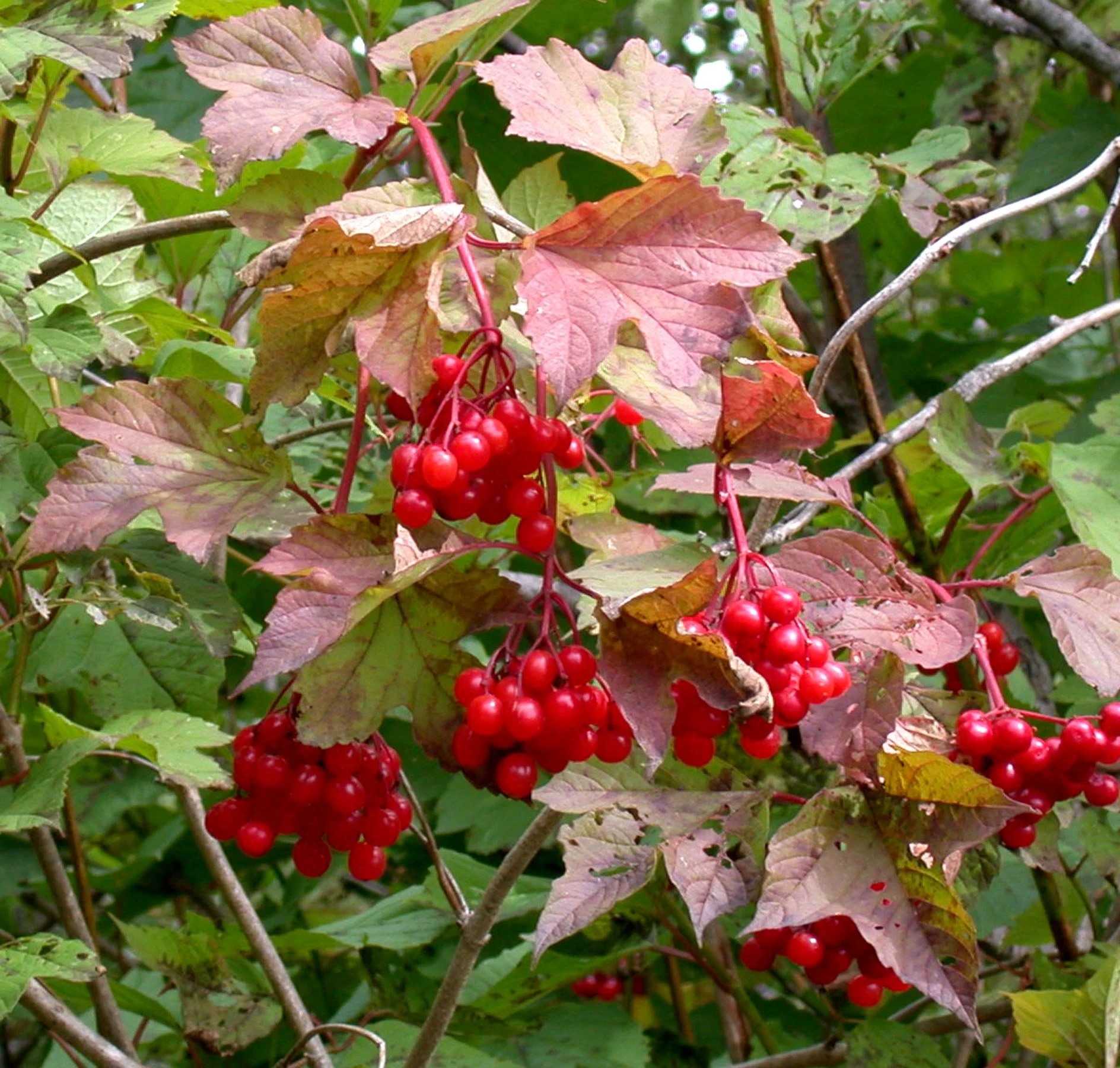
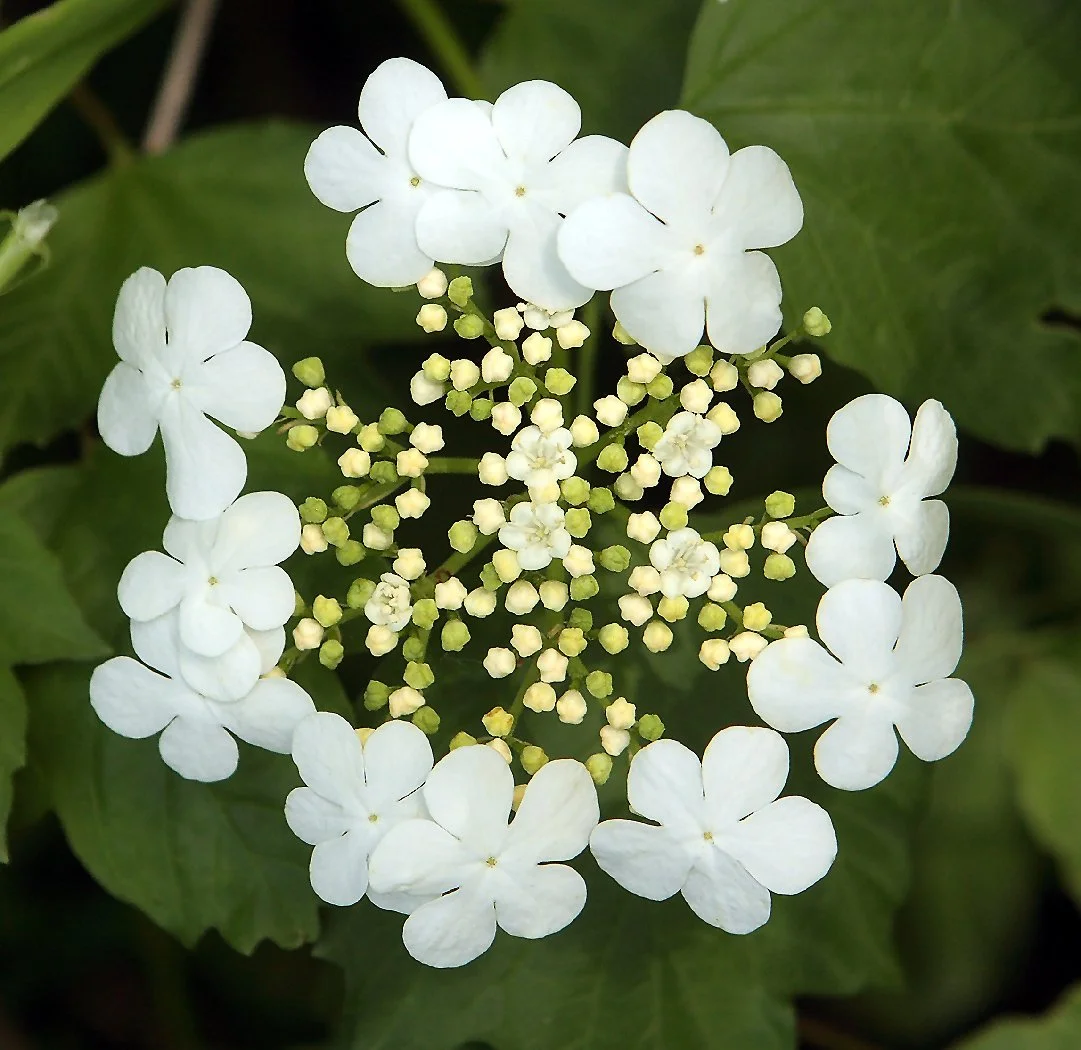
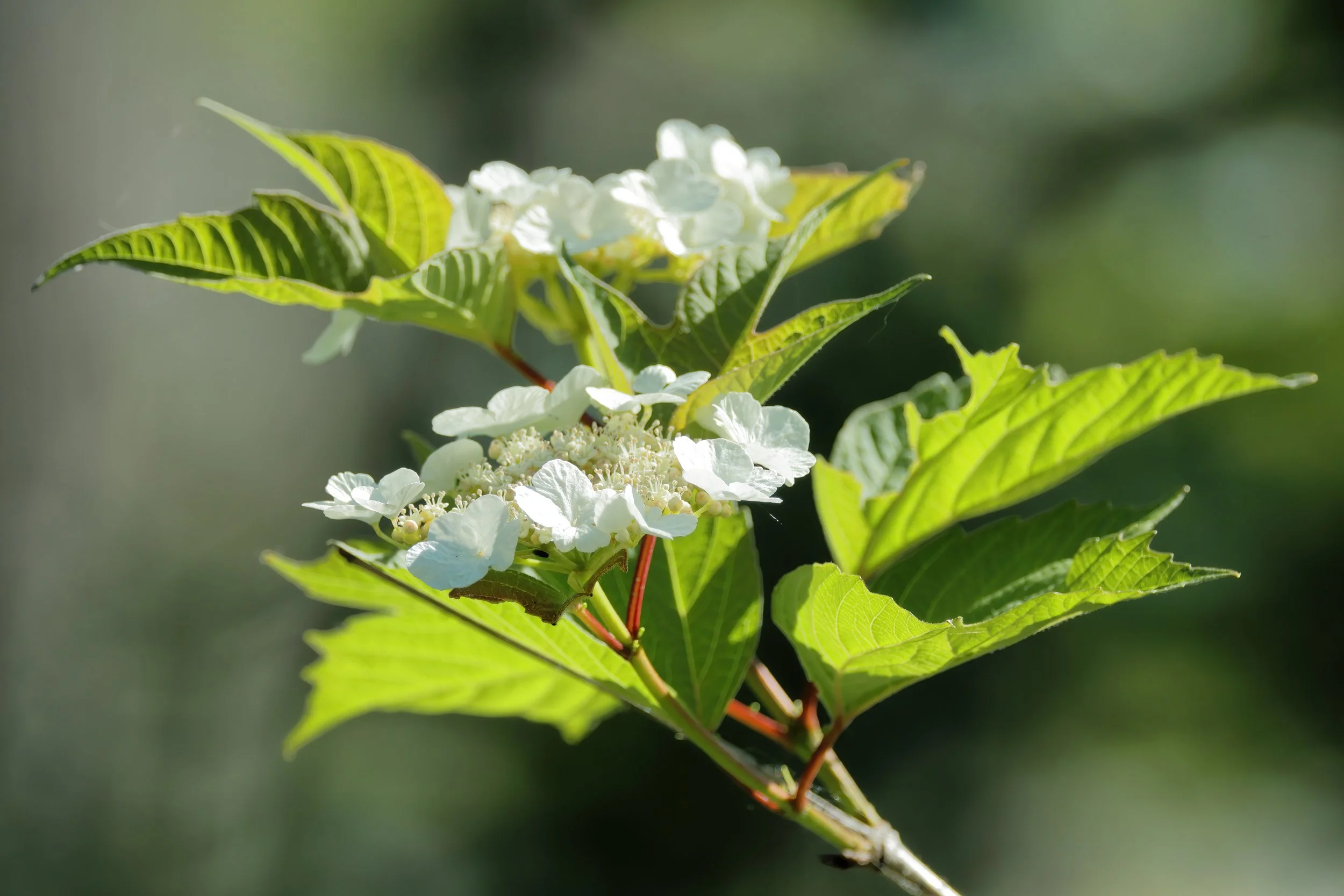
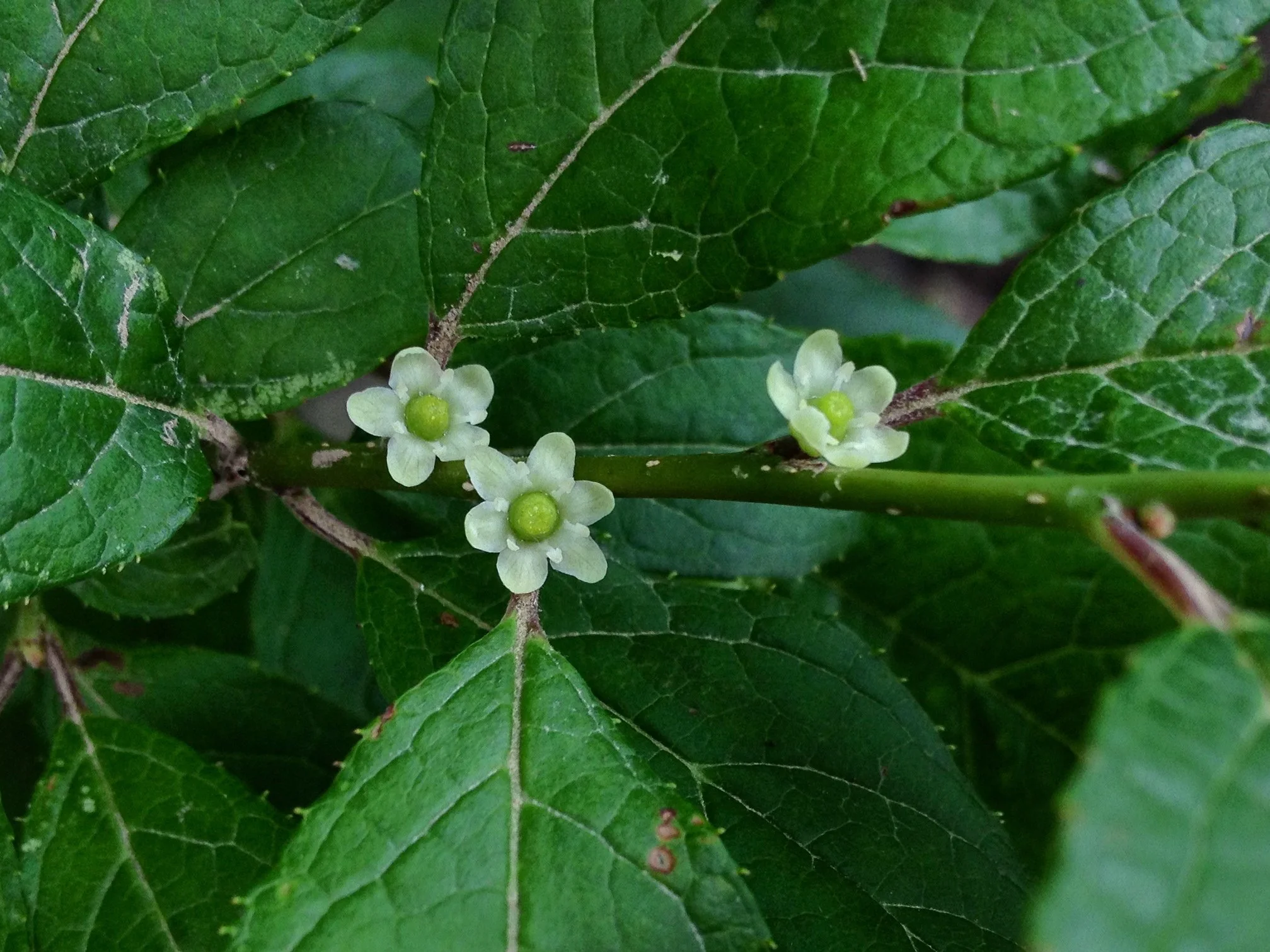
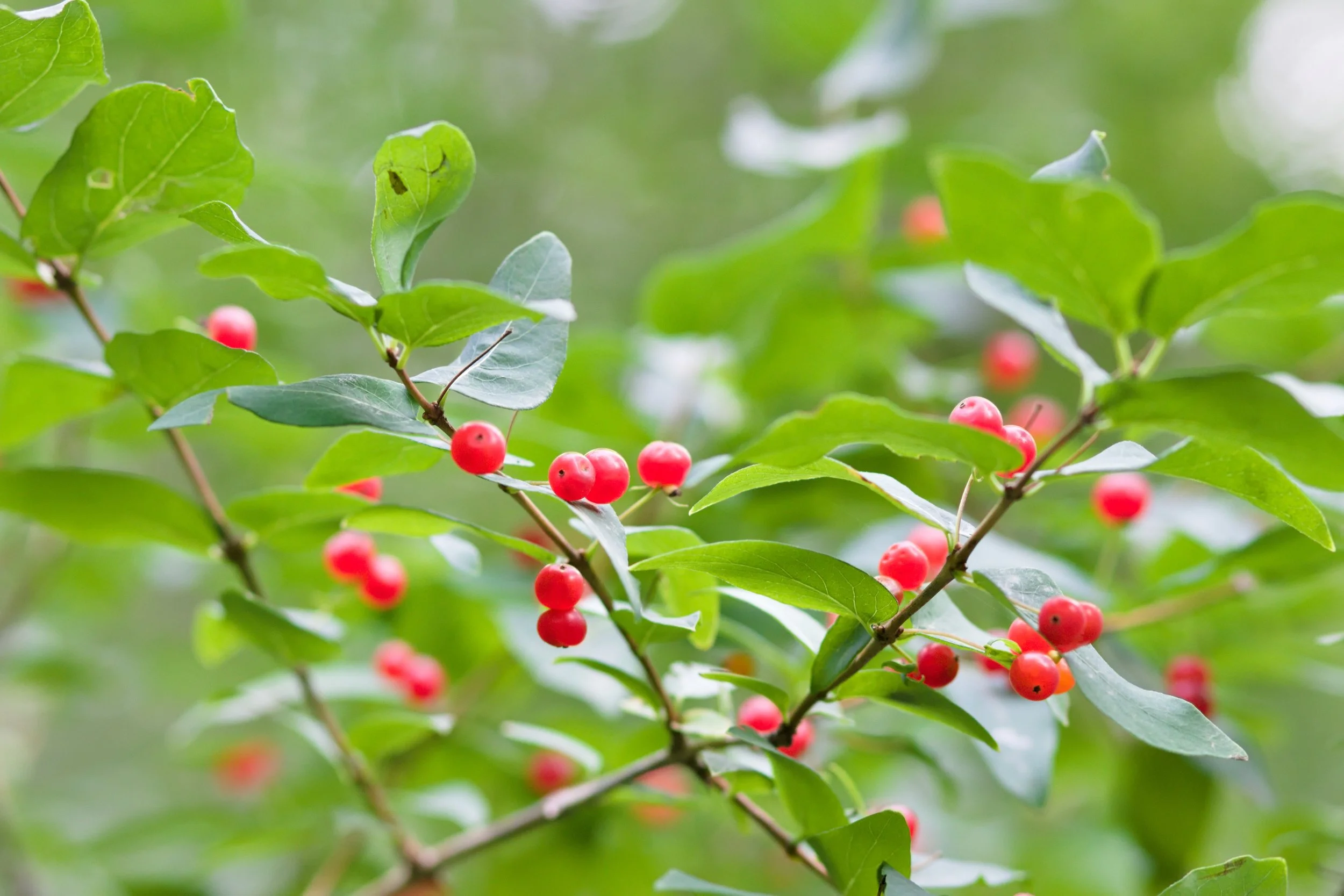
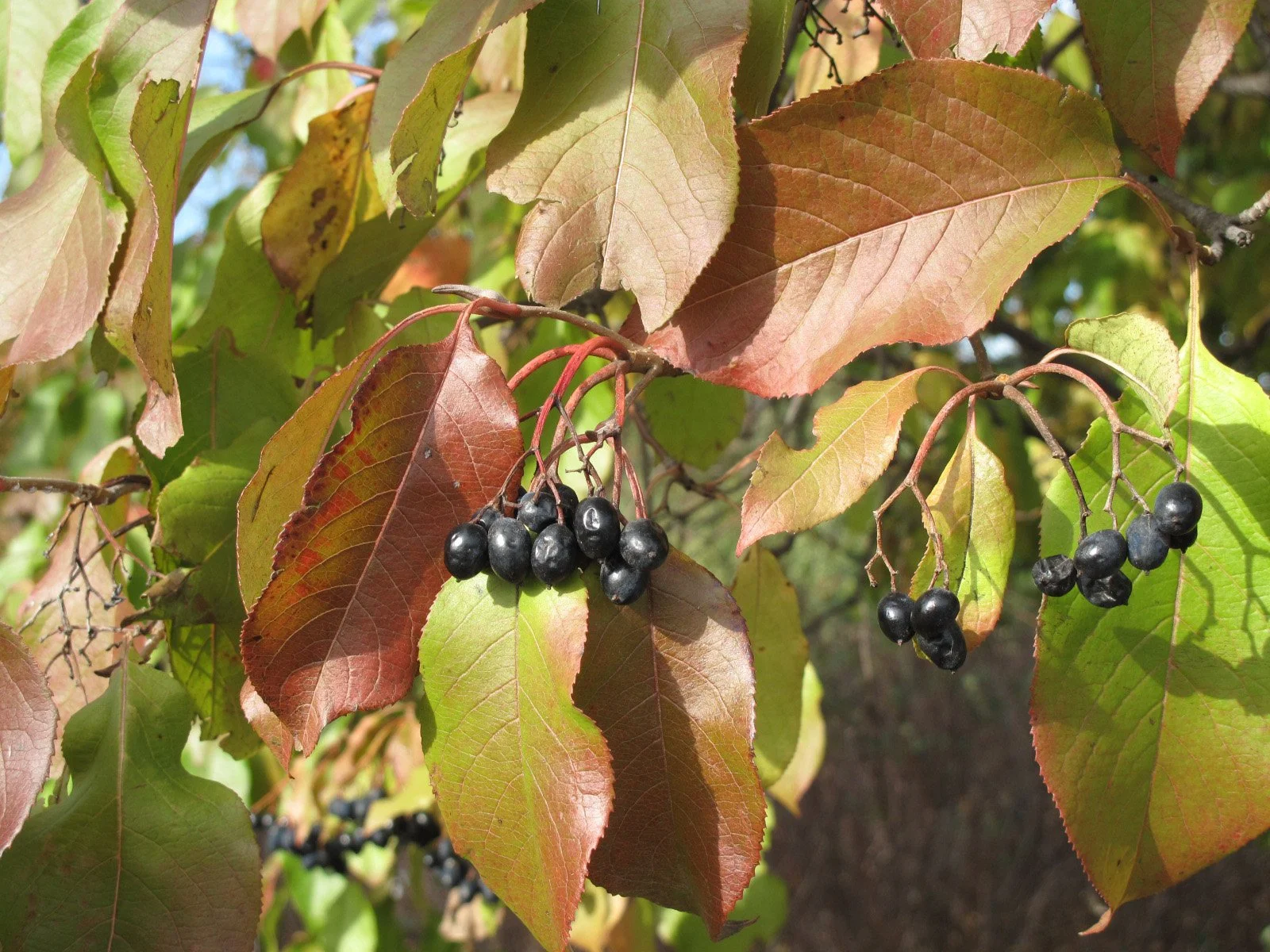
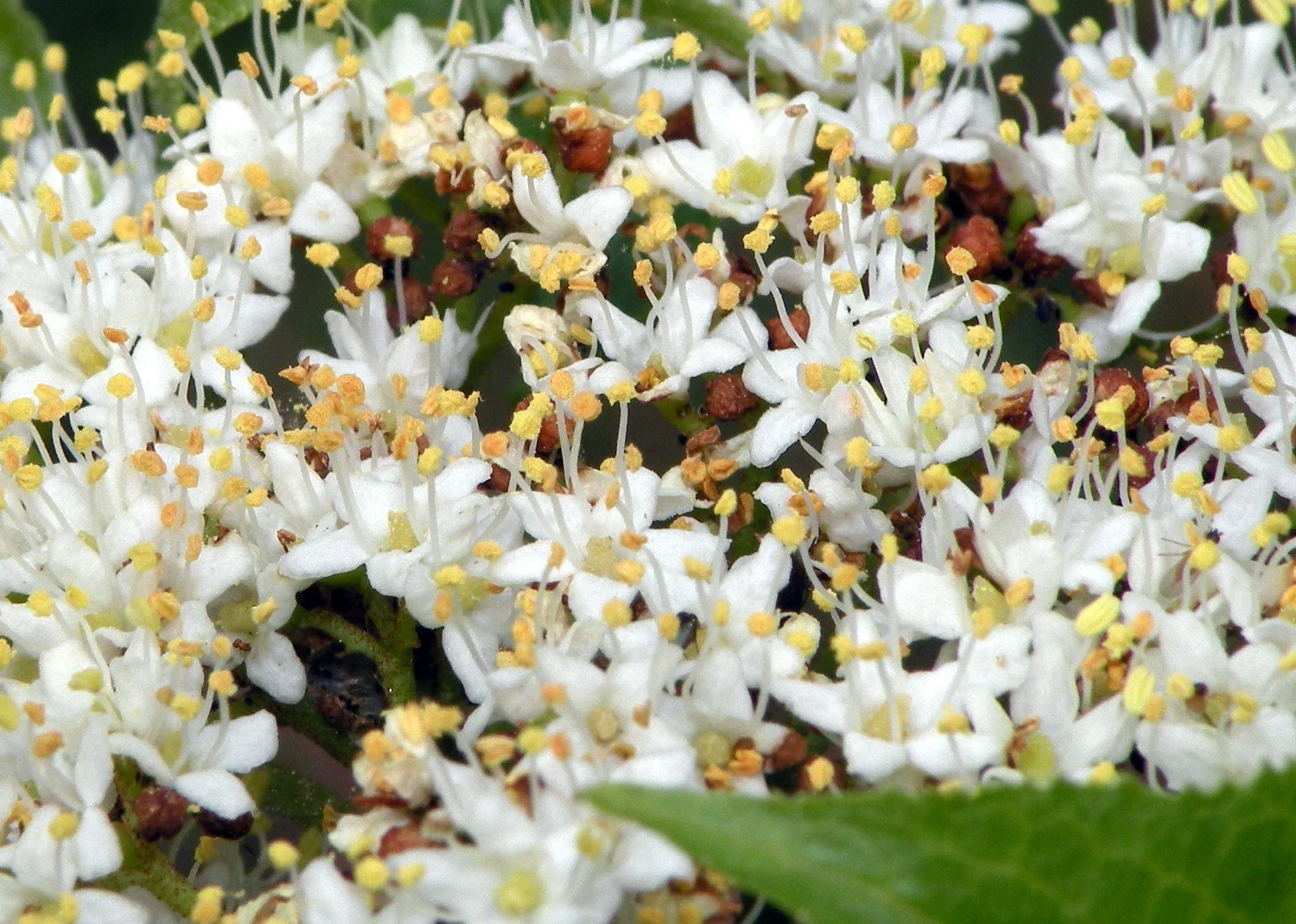
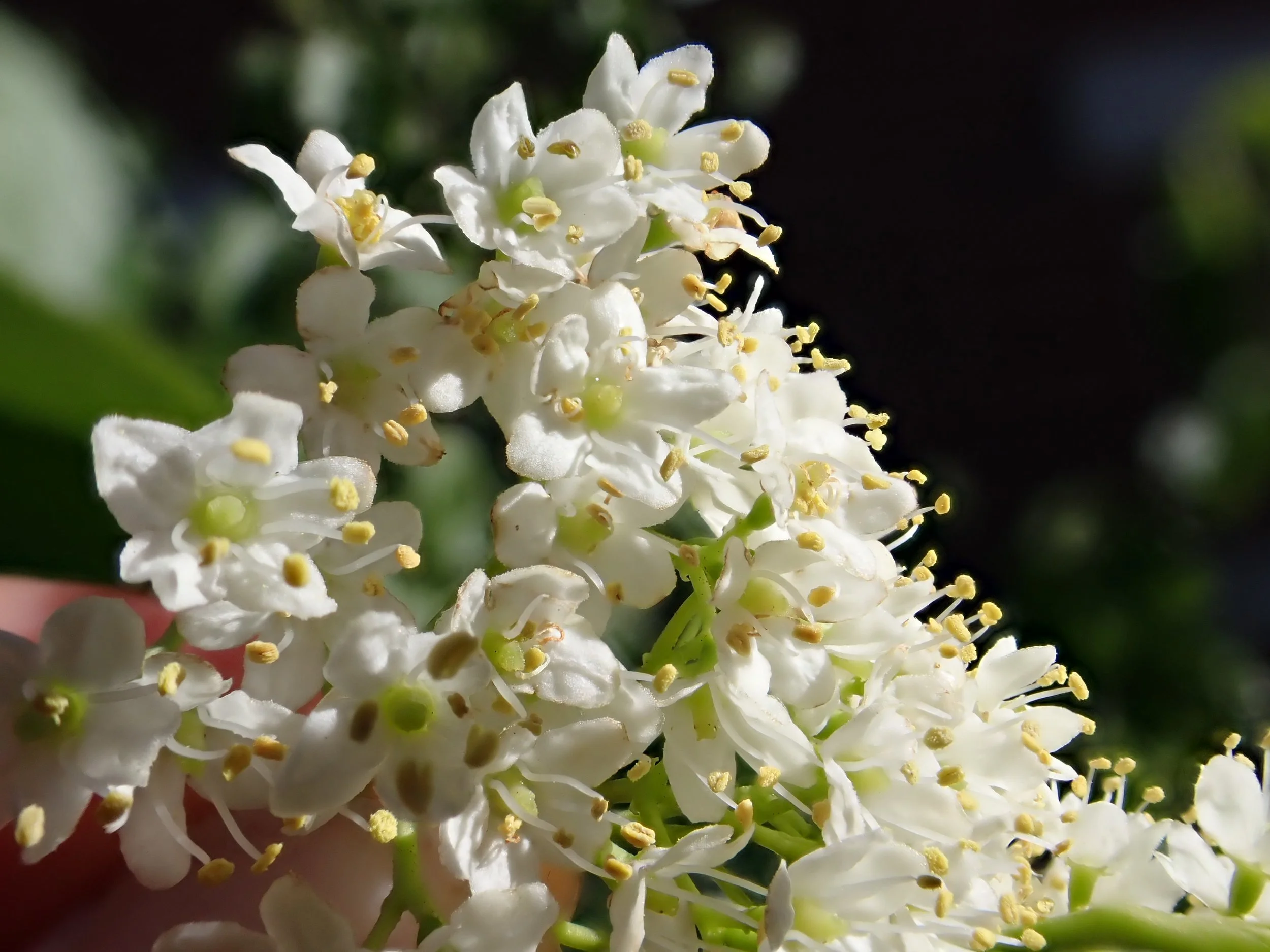
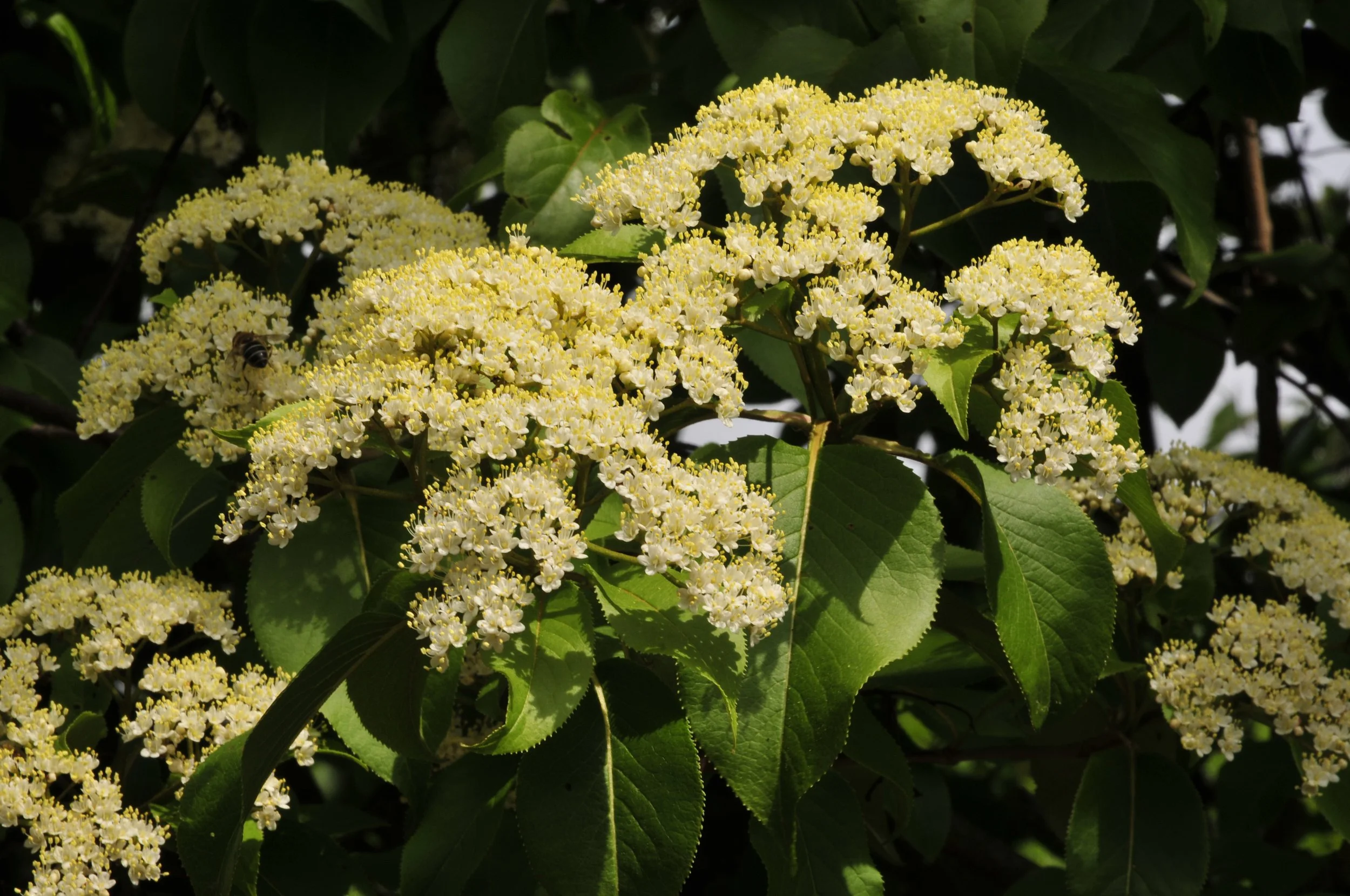
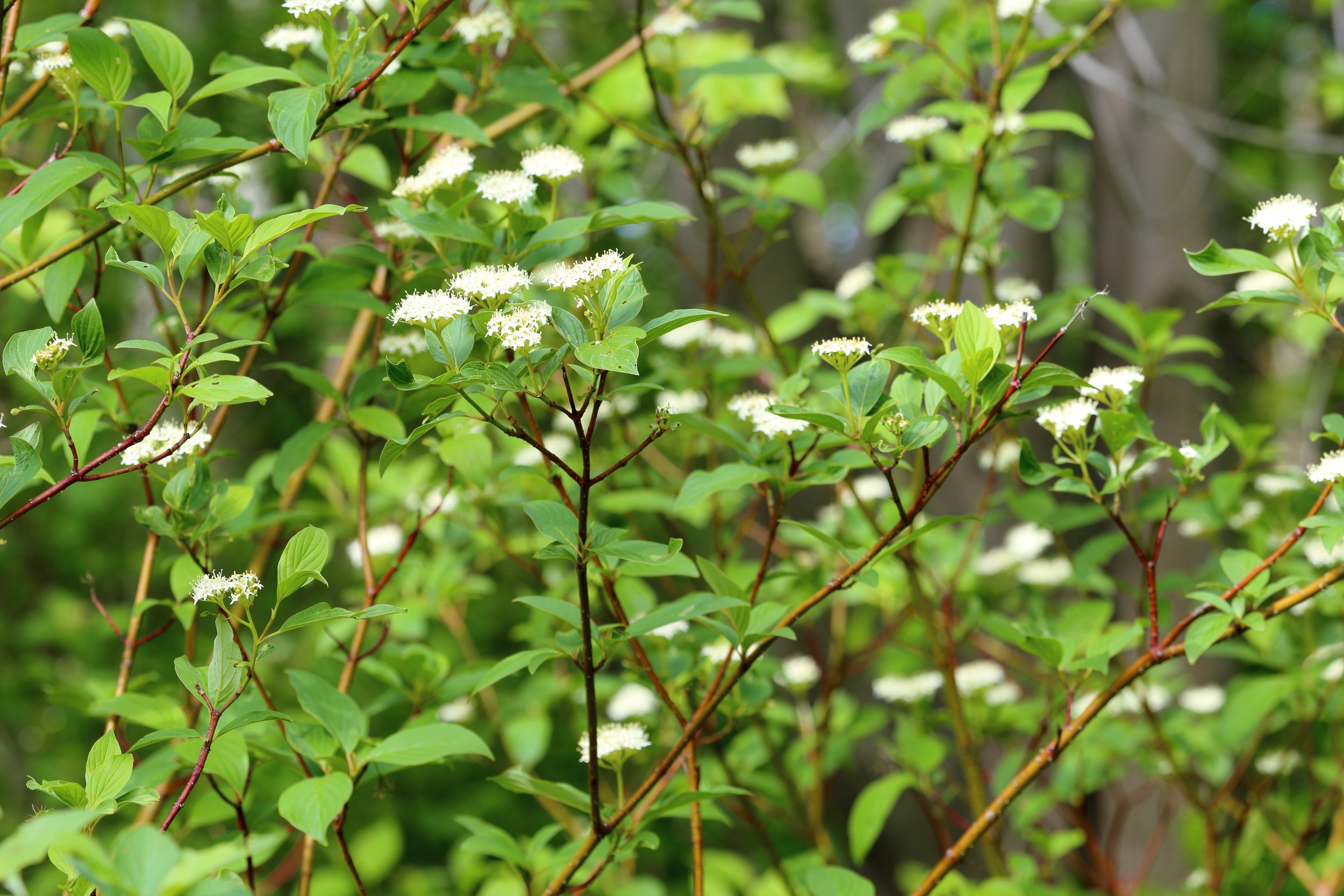
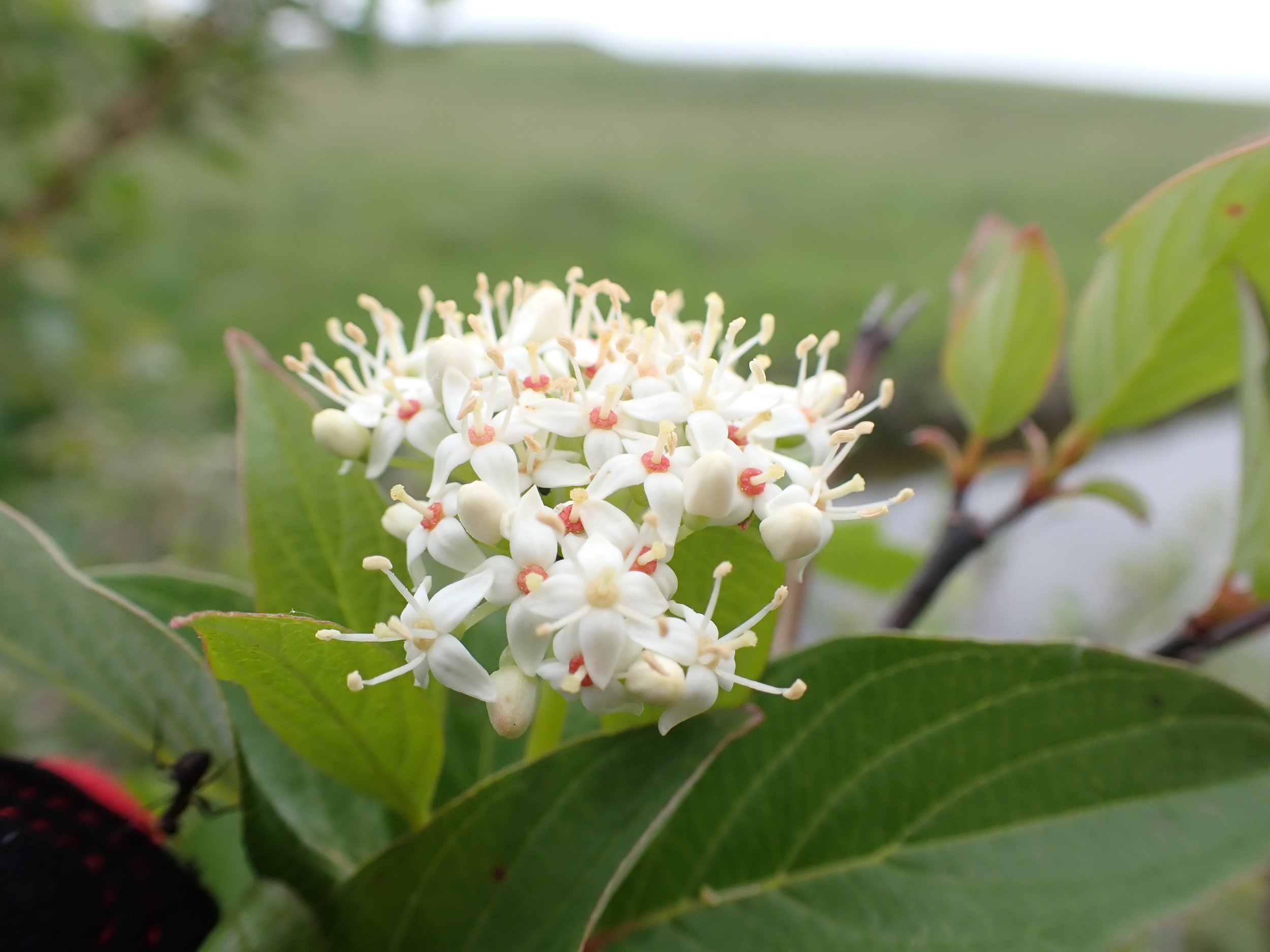
A graceful and multi-season native tree, Serviceberry is cherished for its delicate white blossoms that brighten early spring woodlands before the leaves unfold. Through summer, it bears clusters of small, sweet, purple-black berries that attract both people and wildlife, followed by brilliant orange-red foliage in fall. With its smooth gray bark and elegant branching, Serviceberry adds year-round charm and texture to natural landscapes and gardens alike.
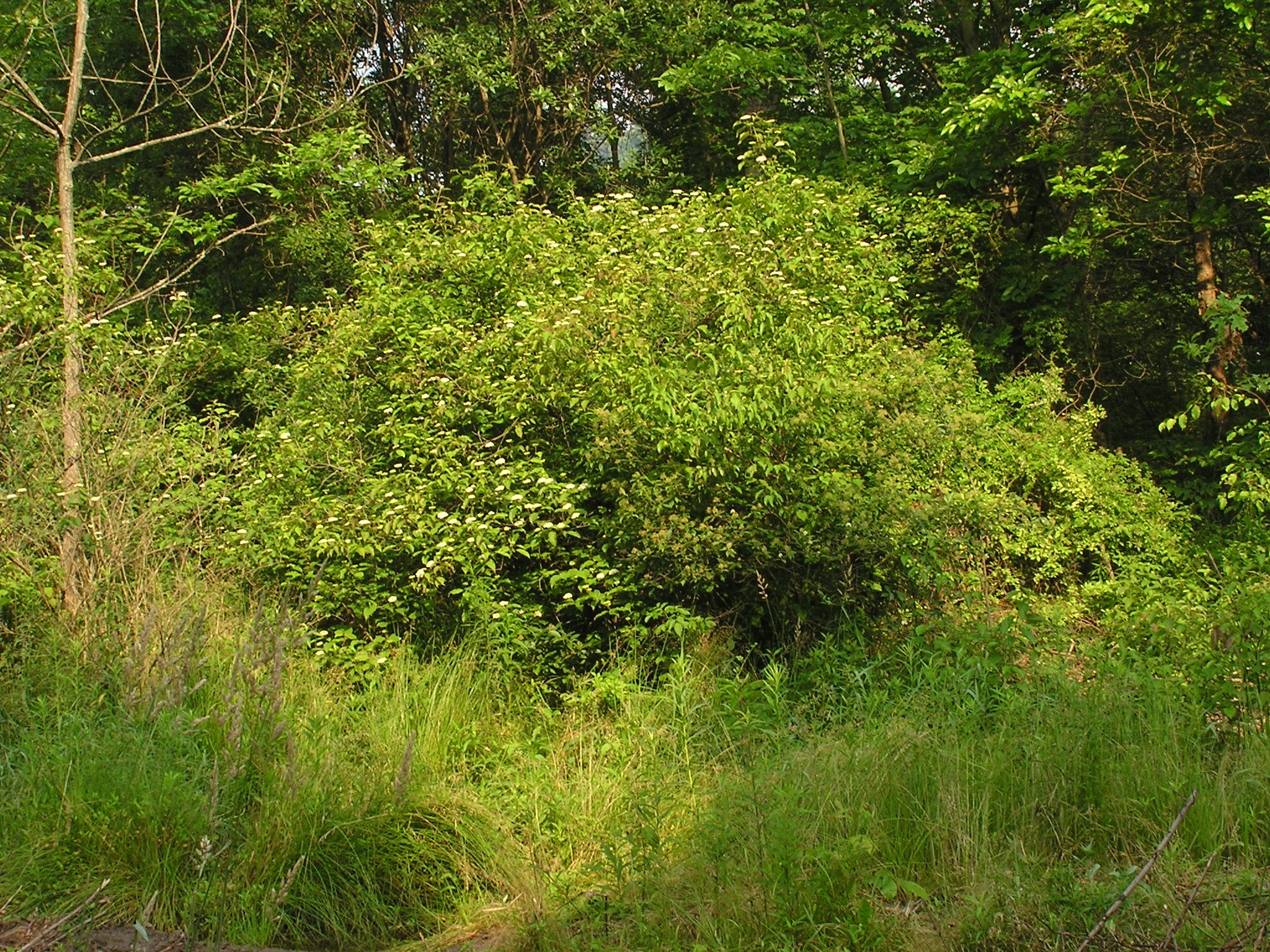
Well-suited to Northern Michigan (Zone 5a), Serviceberry thrives in full sun to partial shade and moist, well-drained soils. It adapts well to upland slopes and forest edges, growing as a large shrub or small multi-stemmed tree.
Ecologically, Serviceberry supports an abundance of wildlife—its early blooms provide nectar for pollinators, and its fruits are a favorite of songbirds and mammals. Valued for its ornamental beauty and ecological benefits, Serviceberry is a four-season highlight in Michigan’s native plant palette.
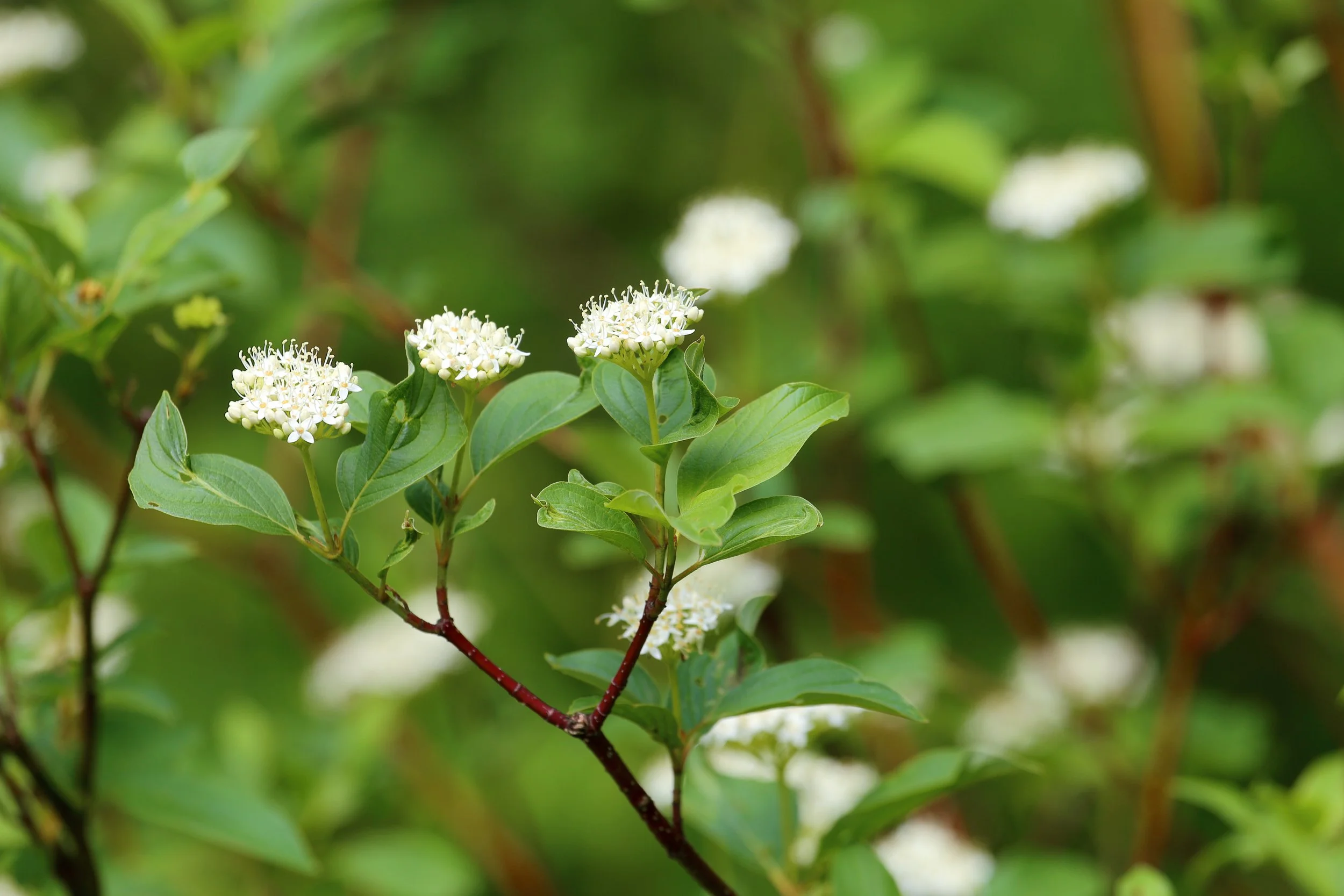
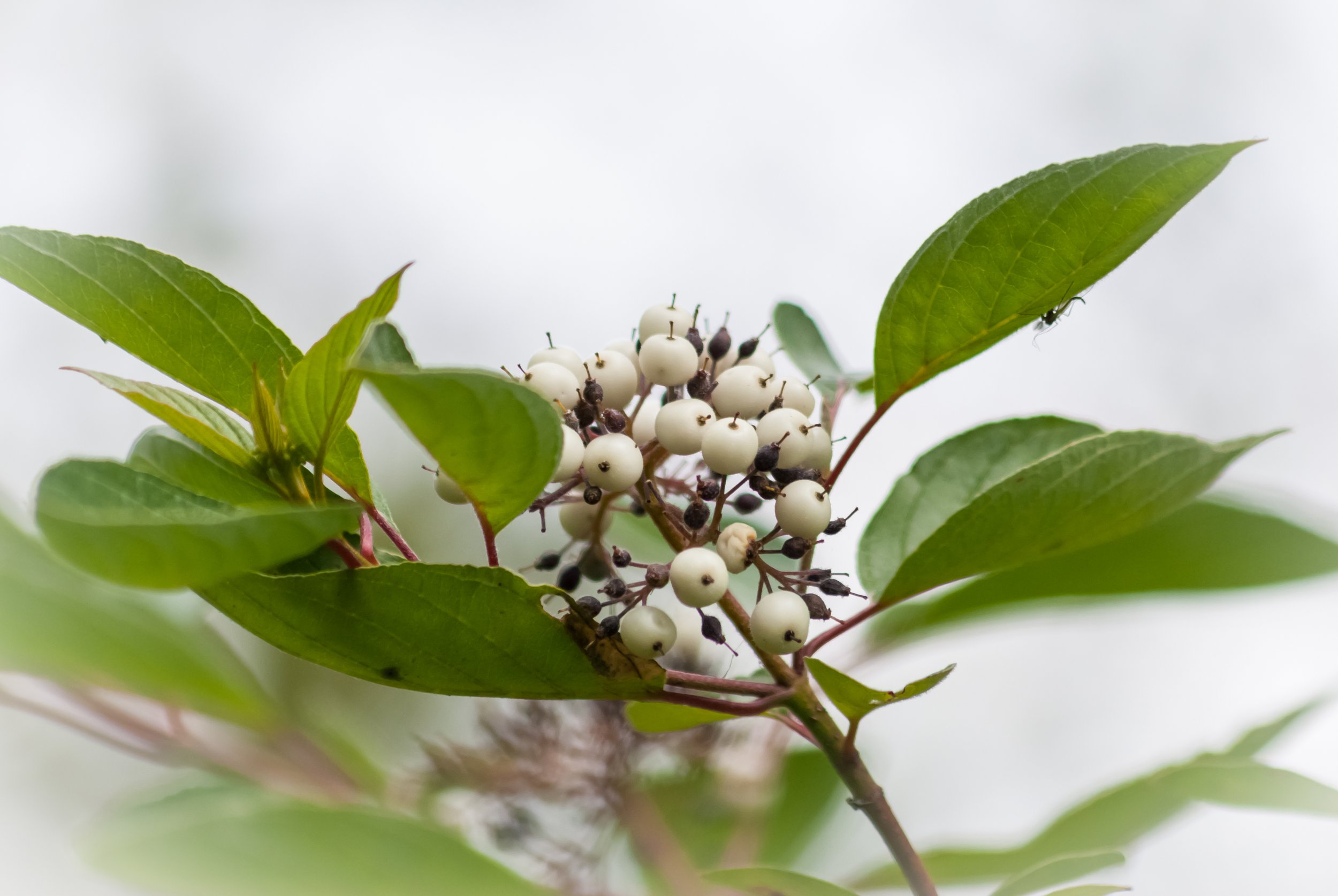
Identification / Key Features: Small tree or large shrub with simple, oval leaves that are finely toothed. White flowers bloom in early spring before leaves emerge. Produces small, round, dark purple berries in summer.
Mature Height / Size: 15–25 feet.
Growth Rate: Moderate.
Light / Soil / Site Preferences: Prefers full sun to partial shade; tolerates a variety of soils, well-drained to slightly acidic.
Wildlife Value / Ecological Role: Berries eaten by birds, deer, and small mammals. Early spring flowers provide nectar for pollinators.
Uses / Economic / Cultural: Berries edible for humans, used in jams, pies, and preserves. Attractive ornamental for landscaping.
Quantity (per bundle) 25
Size (12-18”)
A graceful and multi-season native tree, Serviceberry is cherished for its delicate white blossoms that brighten early spring woodlands before the leaves unfold. Through summer, it bears clusters of small, sweet, purple-black berries that attract both people and wildlife, followed by brilliant orange-red foliage in fall. With its smooth gray bark and elegant branching, Serviceberry adds year-round charm and texture to natural landscapes and gardens alike.
Well-suited to Northern Michigan (Zone 5a), Serviceberry thrives in full sun to partial shade and moist, well-drained soils. It adapts well to upland slopes and forest edges, growing as a large shrub or small multi-stemmed tree.
Ecologically, Serviceberry supports an abundance of wildlife—its early blooms provide nectar for pollinators, and its fruits are a favorite of songbirds and mammals. Valued for its ornamental beauty and ecological benefits, Serviceberry is a four-season highlight in Michigan’s native plant palette.
Identification / Key Features: Small tree or large shrub with simple, oval leaves that are finely toothed. White flowers bloom in early spring before leaves emerge. Produces small, round, dark purple berries in summer.
Mature Height / Size: 15–25 feet.
Growth Rate: Moderate.
Light / Soil / Site Preferences: Prefers full sun to partial shade; tolerates a variety of soils, well-drained to slightly acidic.
Wildlife Value / Ecological Role: Berries eaten by birds, deer, and small mammals. Early spring flowers provide nectar for pollinators.
Uses / Economic / Cultural: Berries edible for humans, used in jams, pies, and preserves. Attractive ornamental for landscaping.

 Image 1 of 9
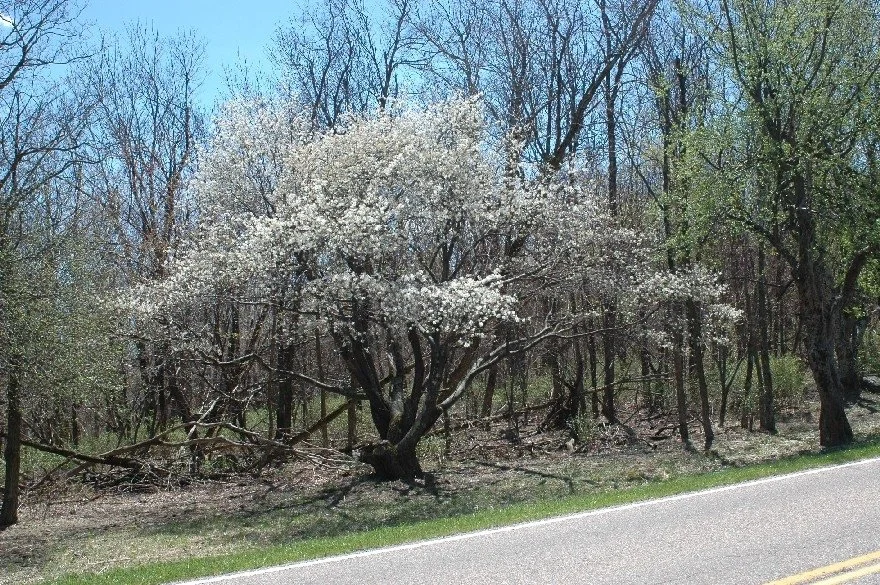 Image 2 of 9
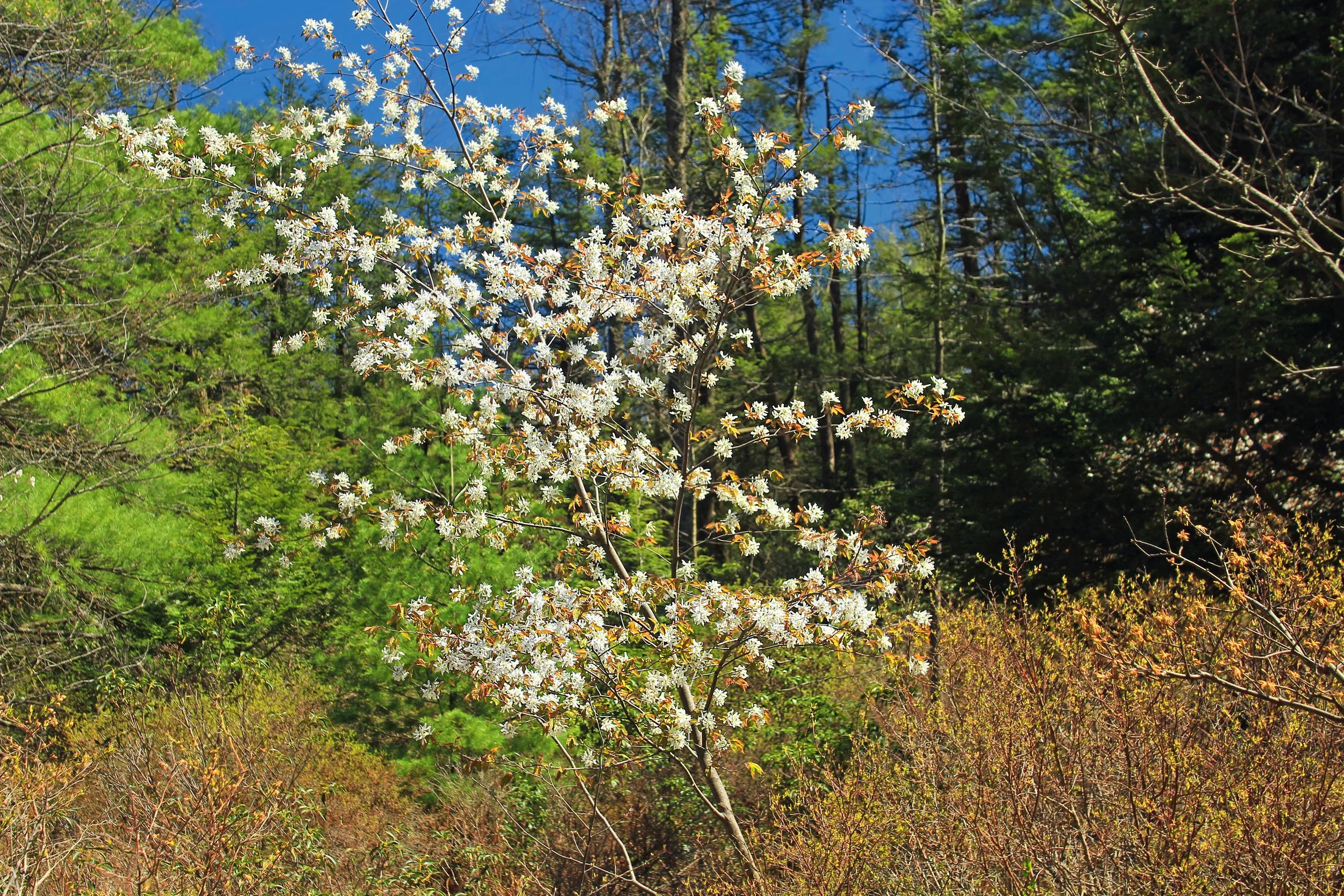 Image 3 of 9
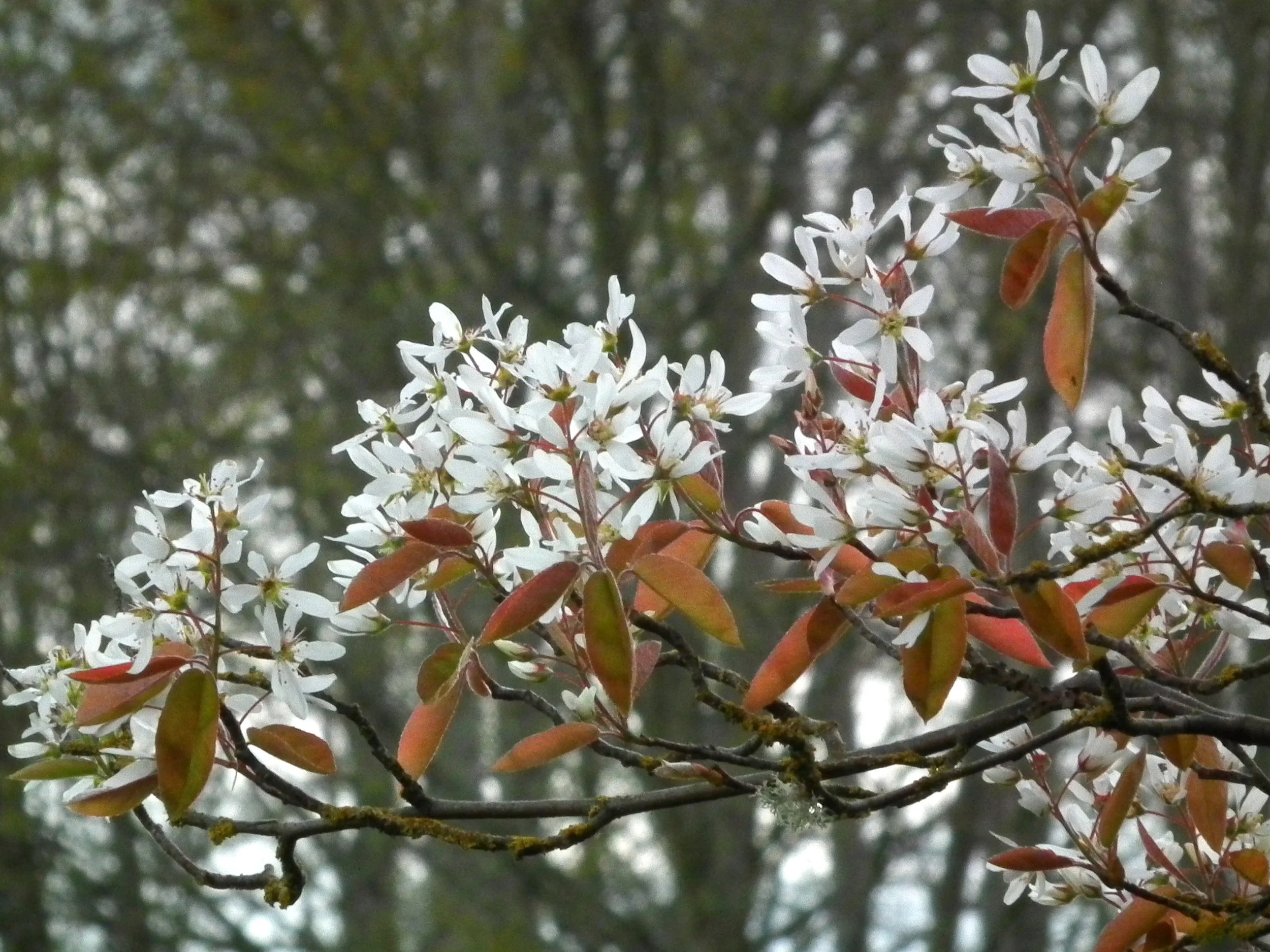 Image 4 of 9
 Image 5 of 9
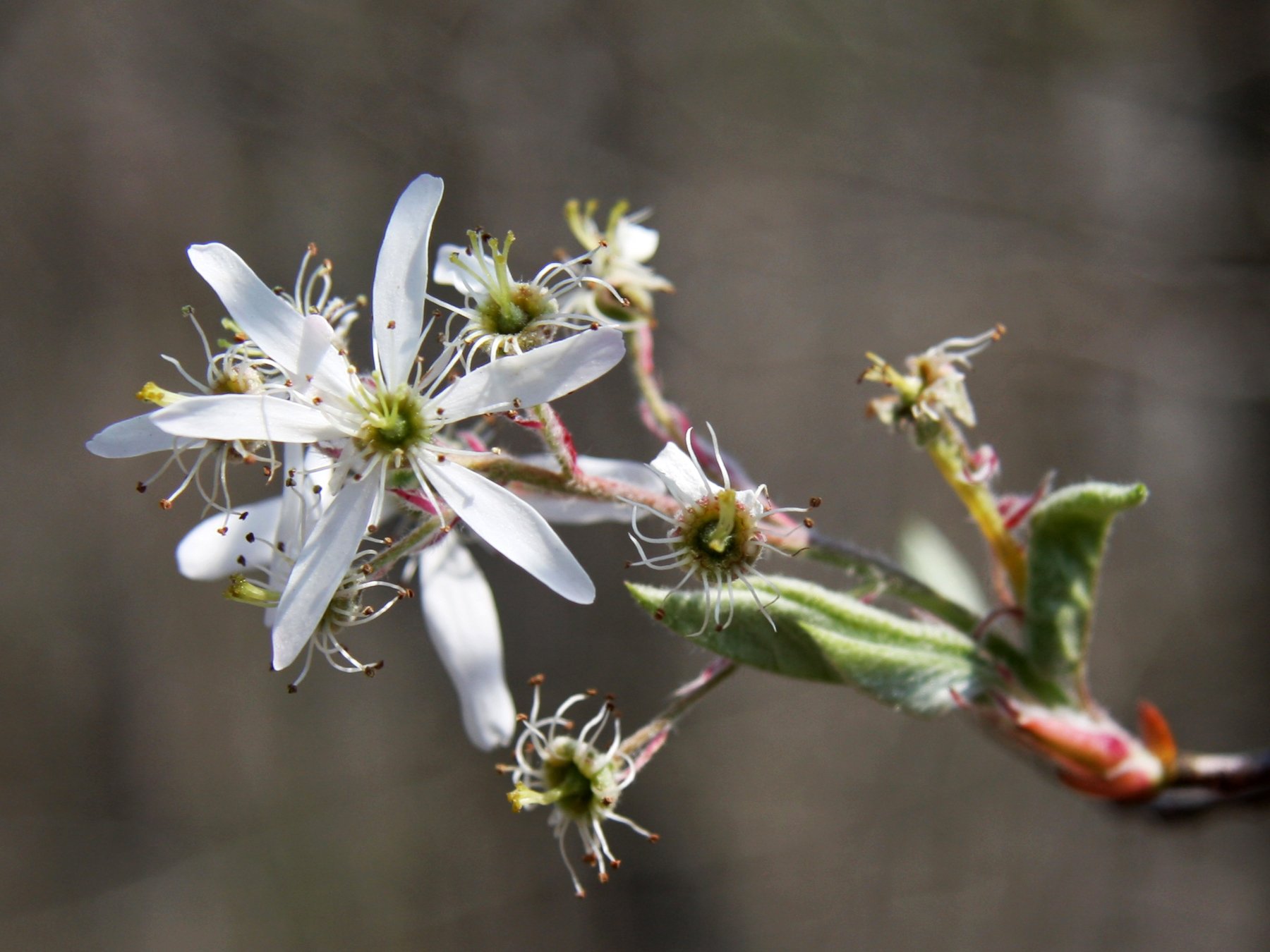 Image 6 of 9
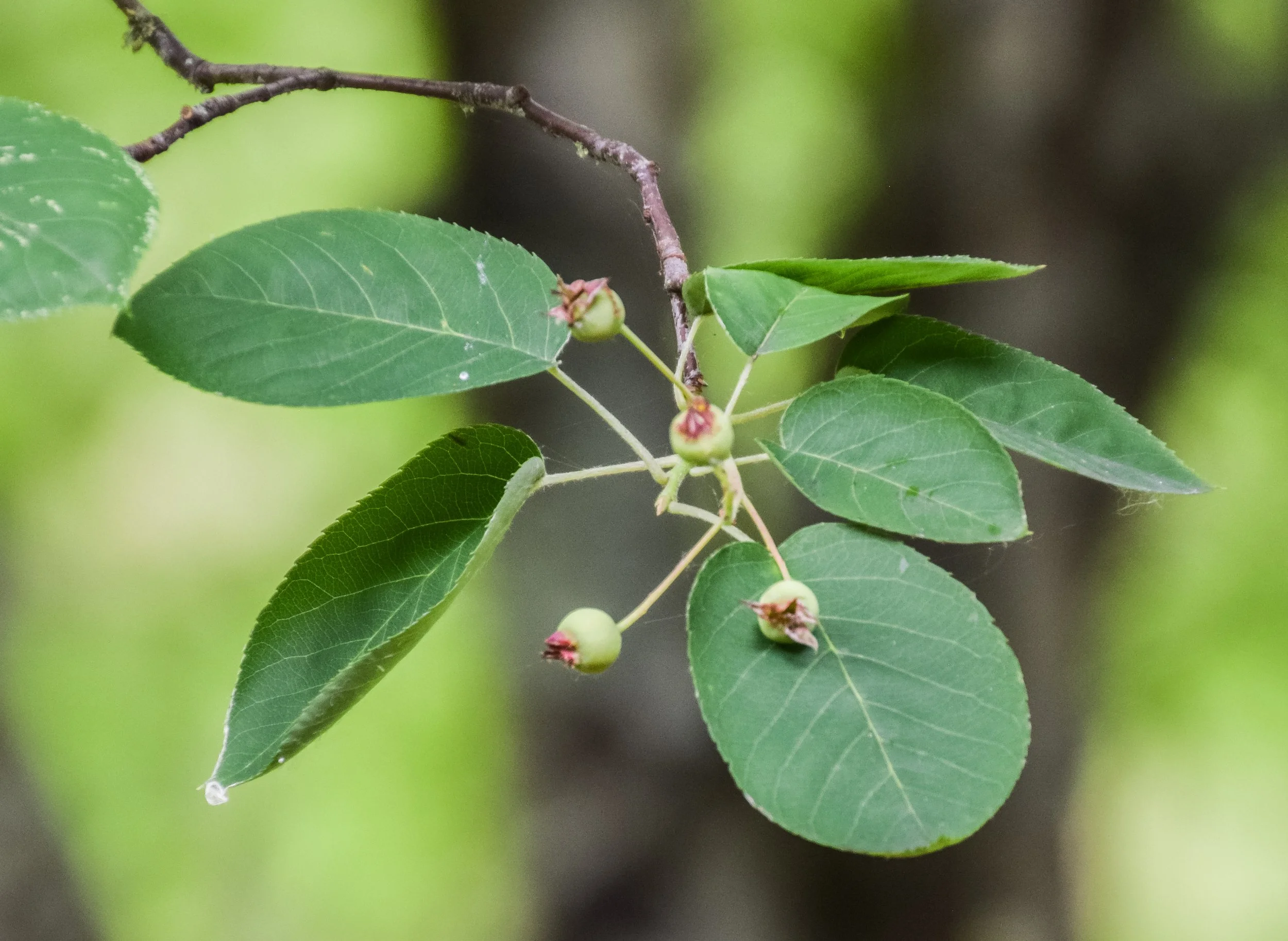 Image 7 of 9
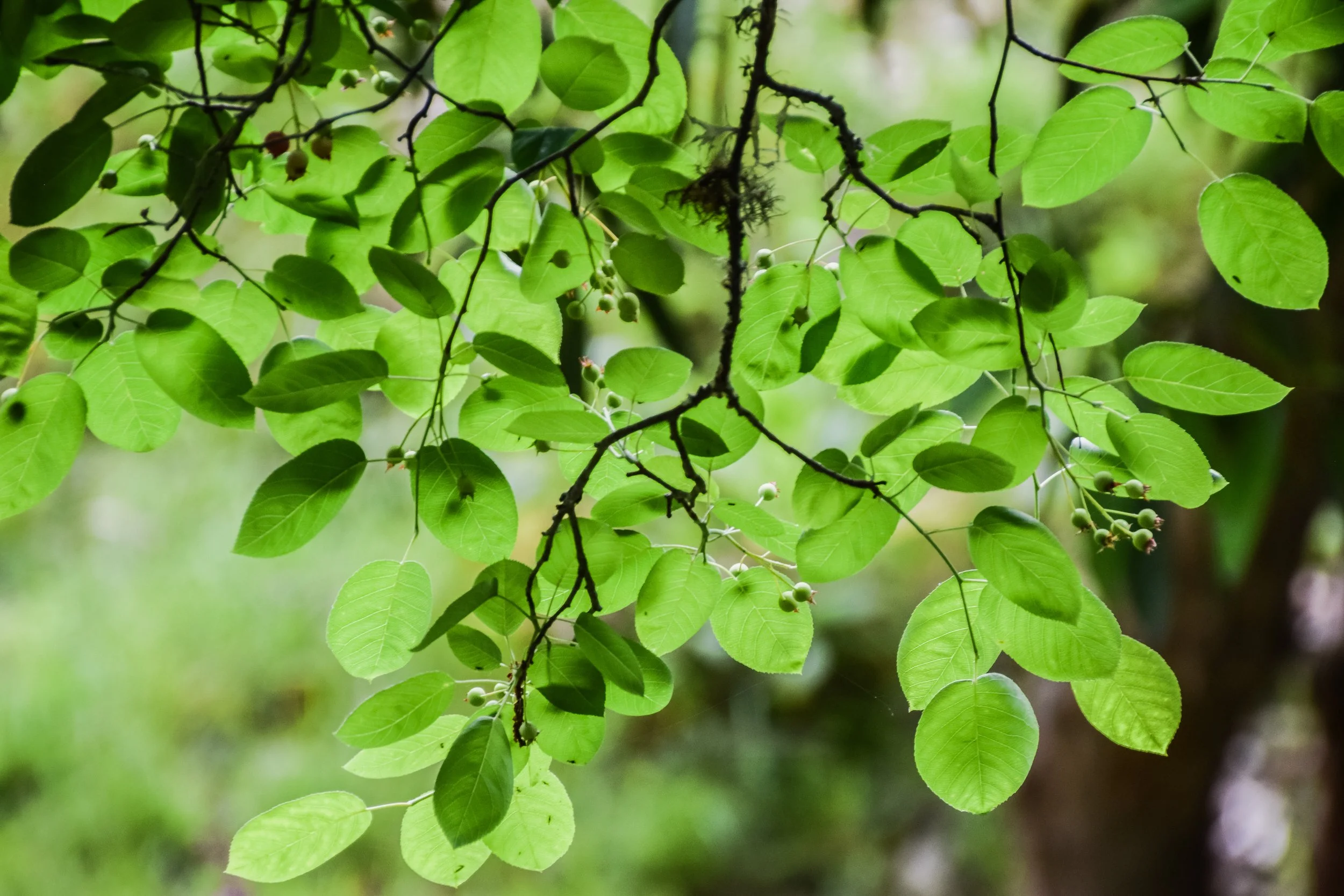 Image 8 of 9
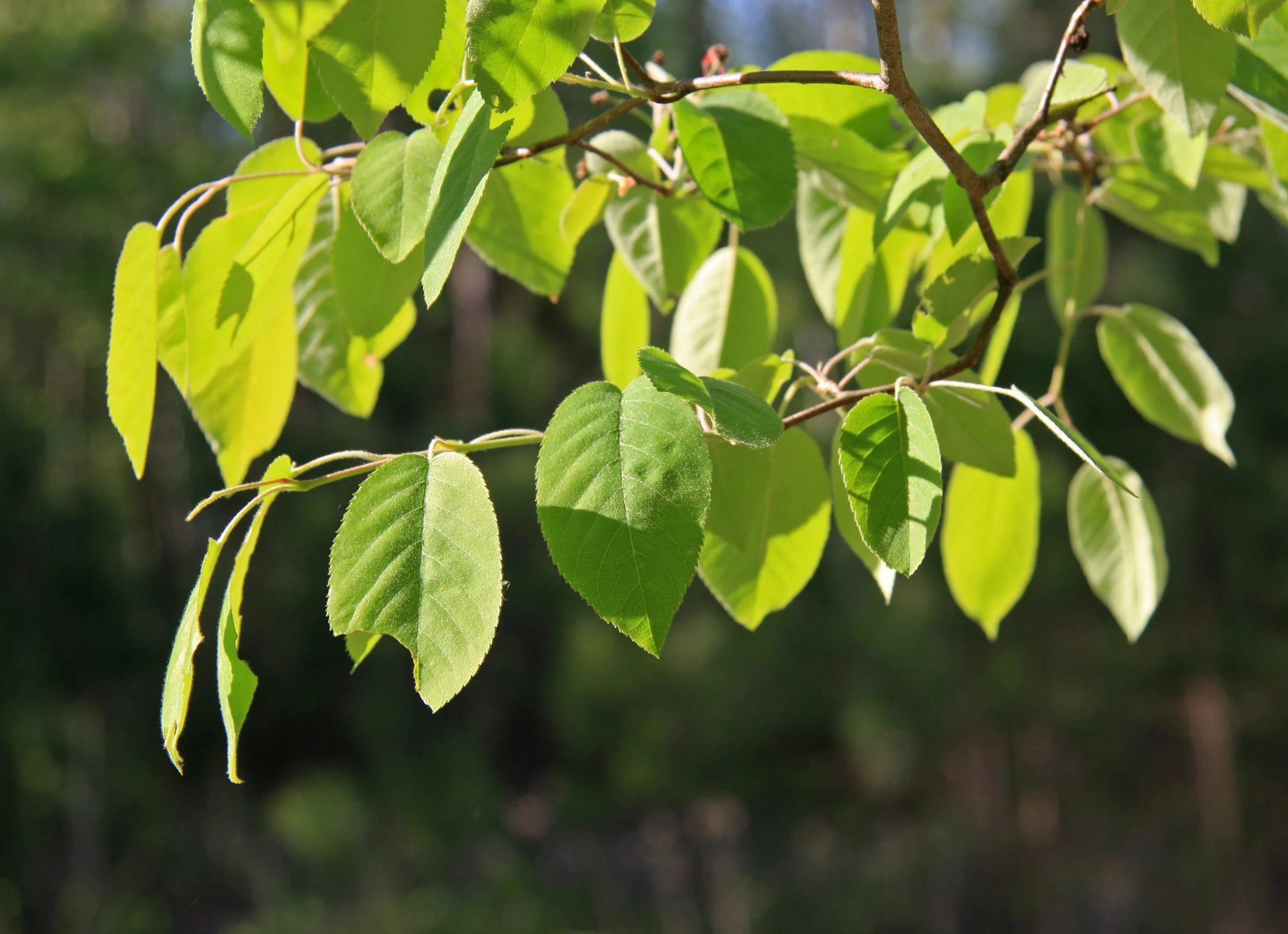 Image 9 of 9