Size (12-24”)
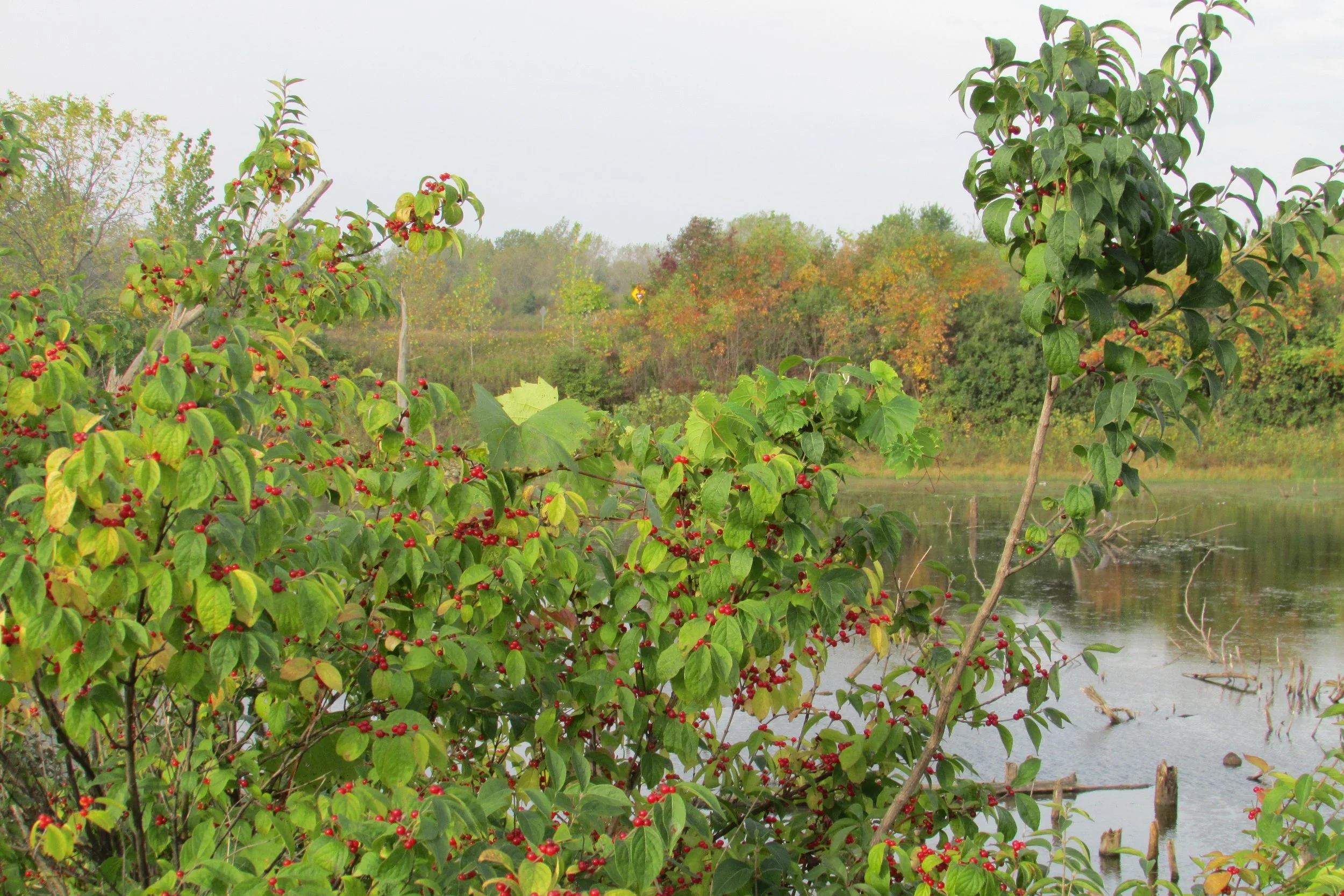
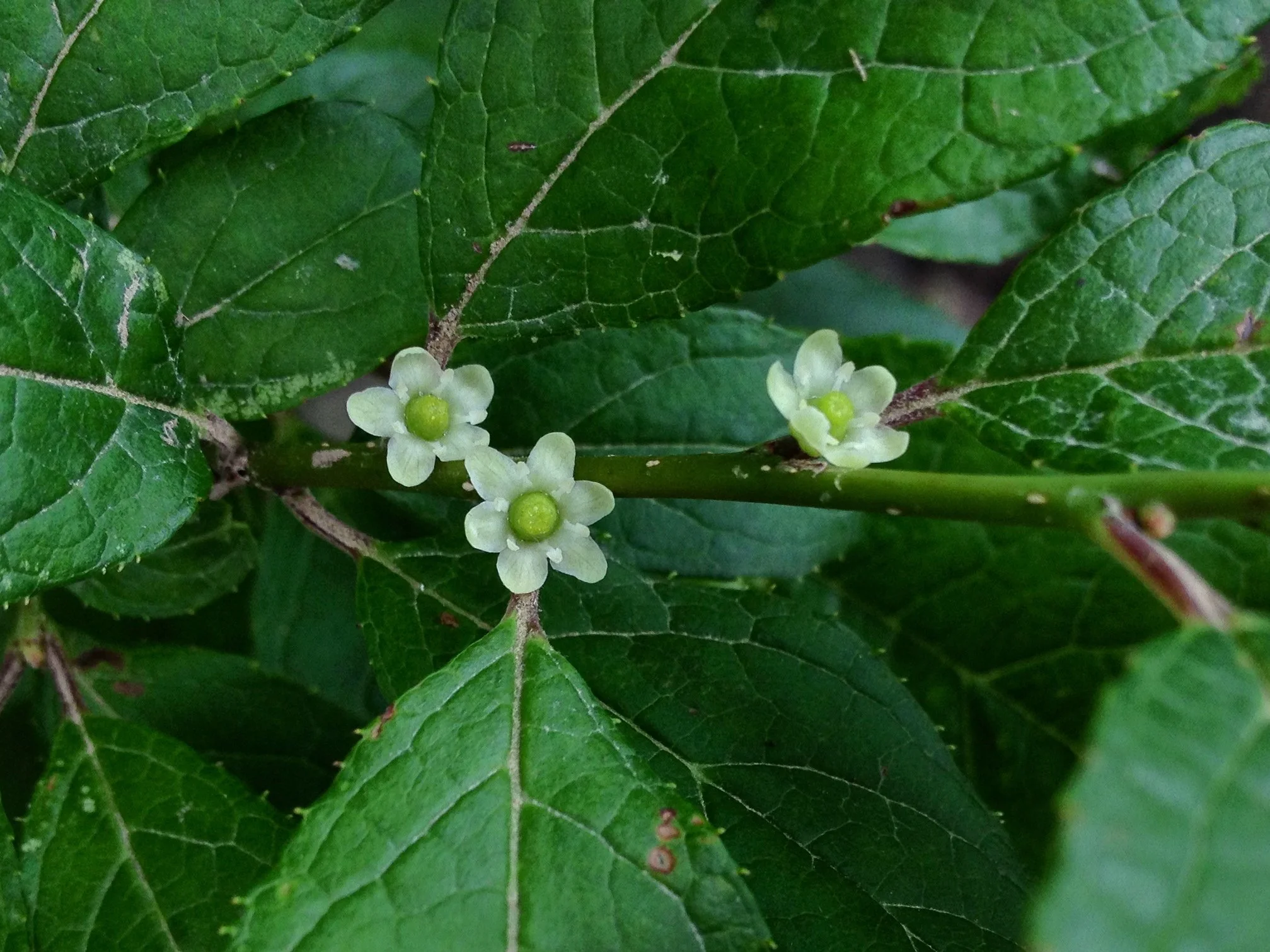
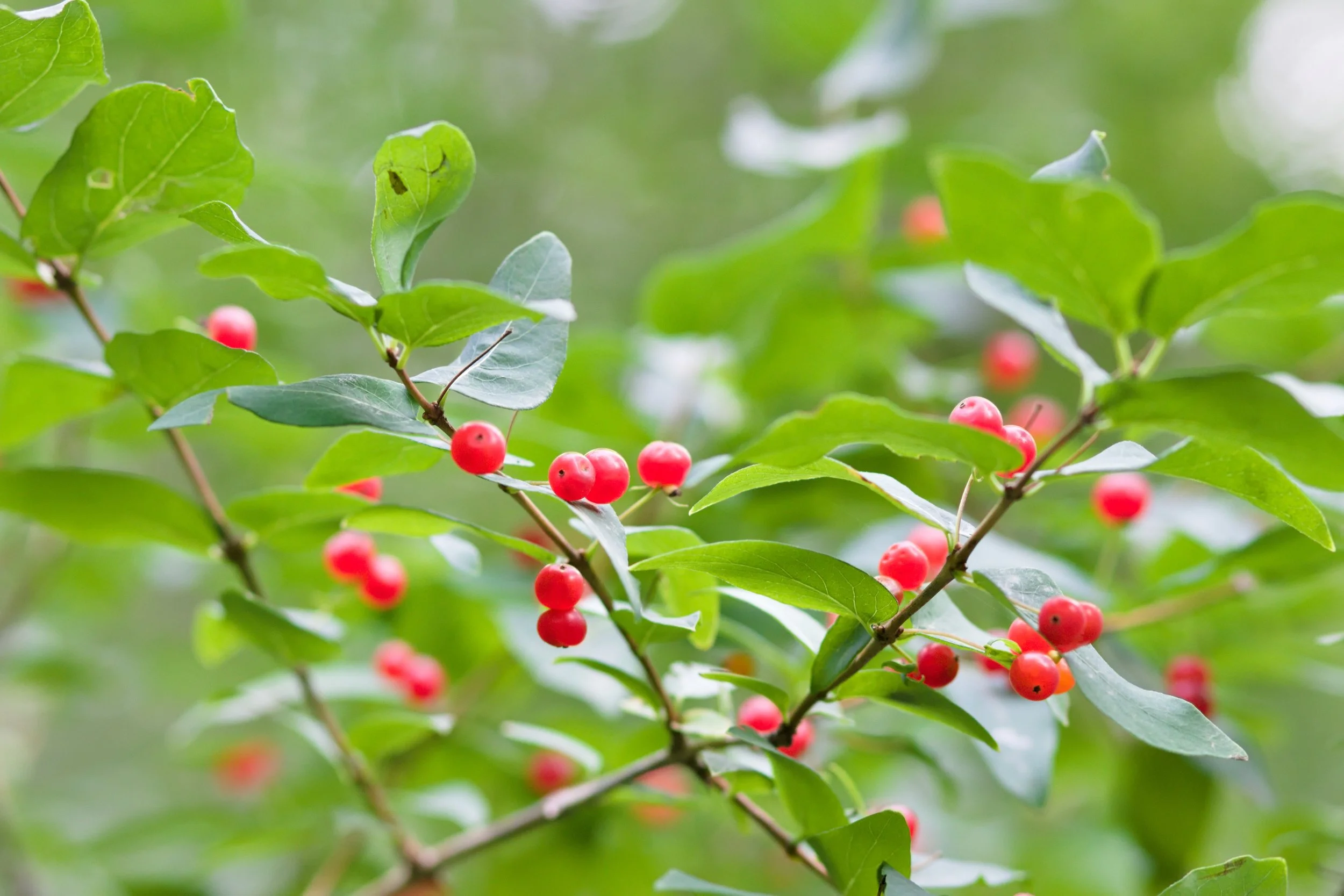
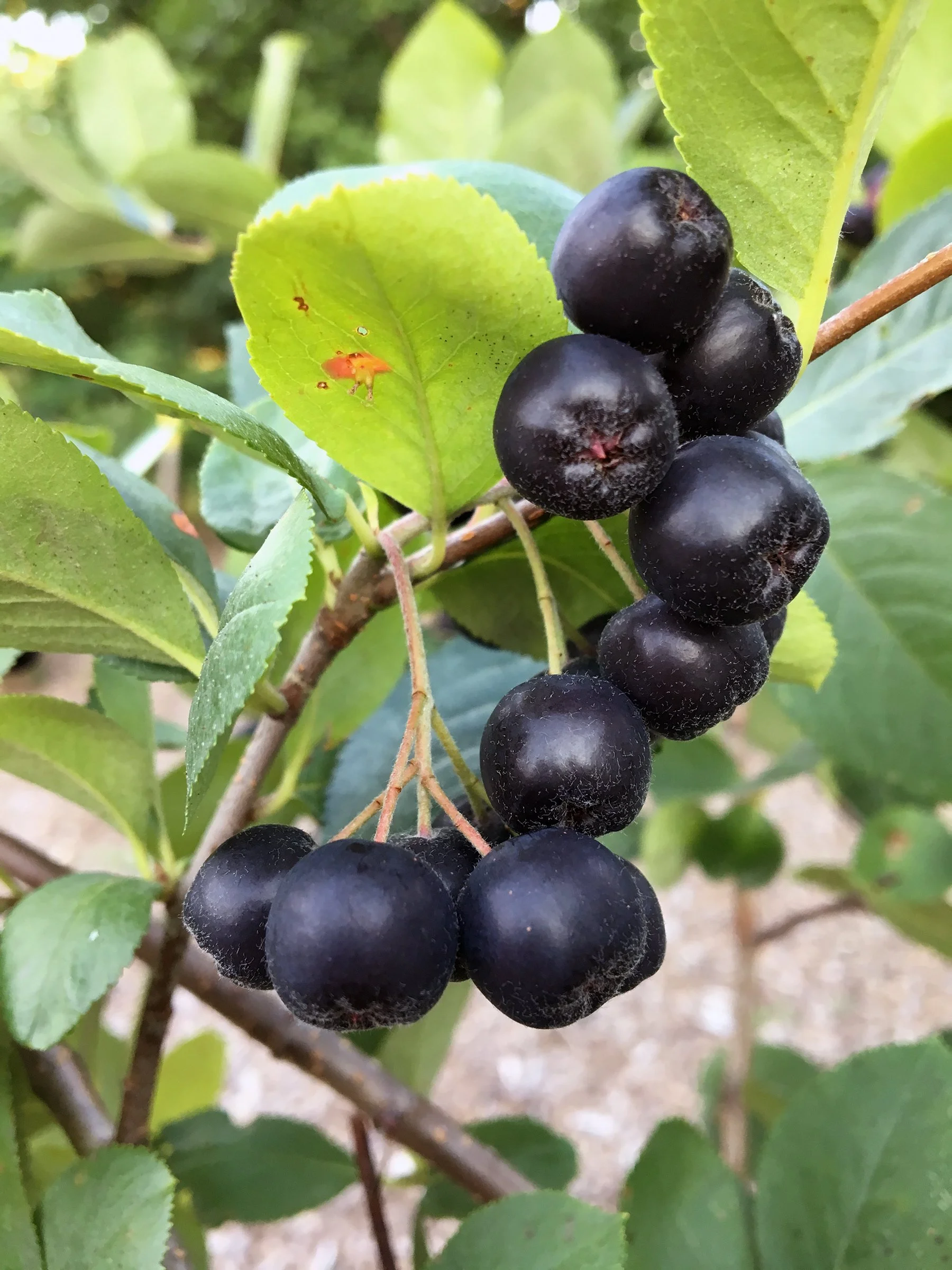
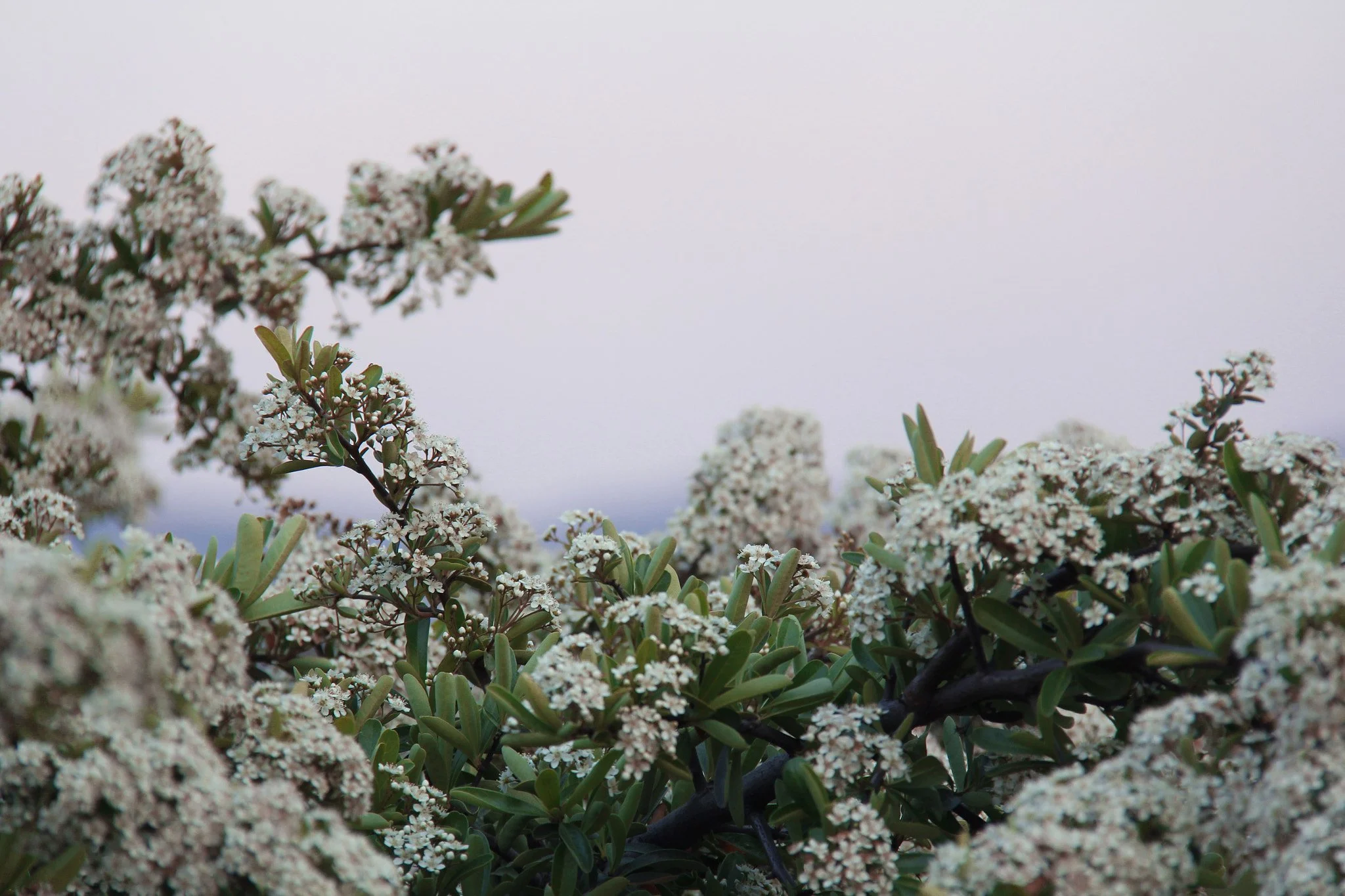
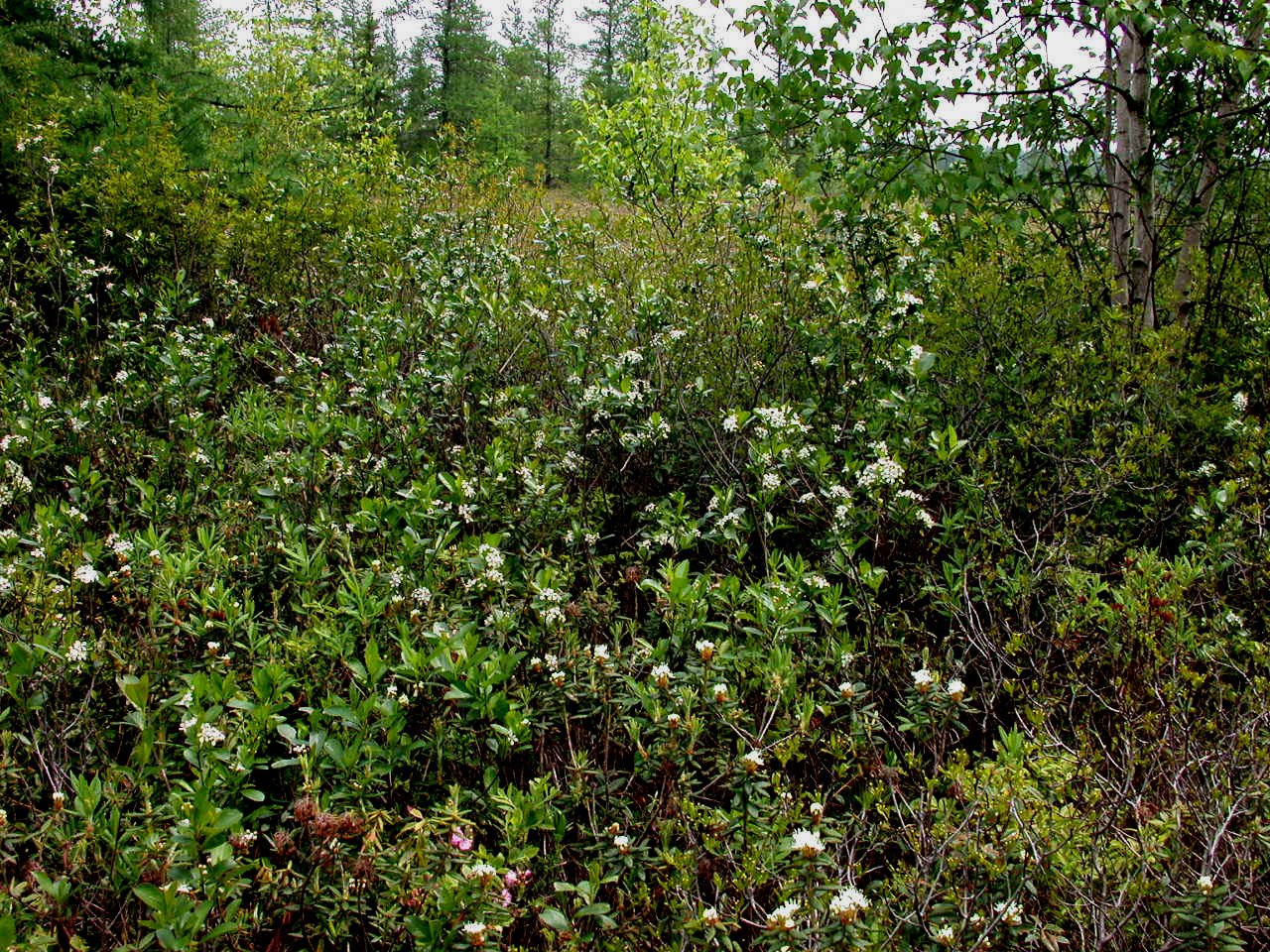
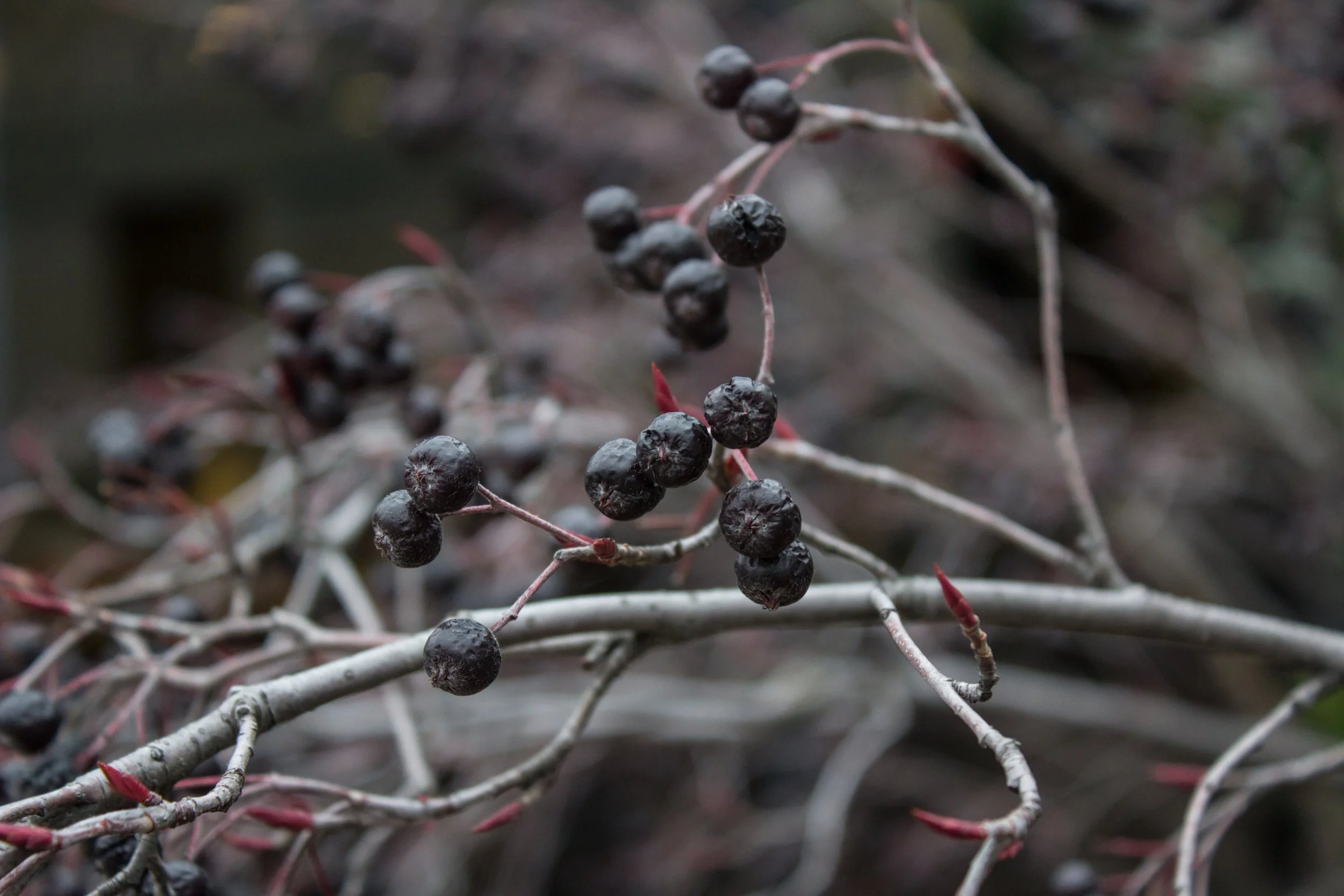
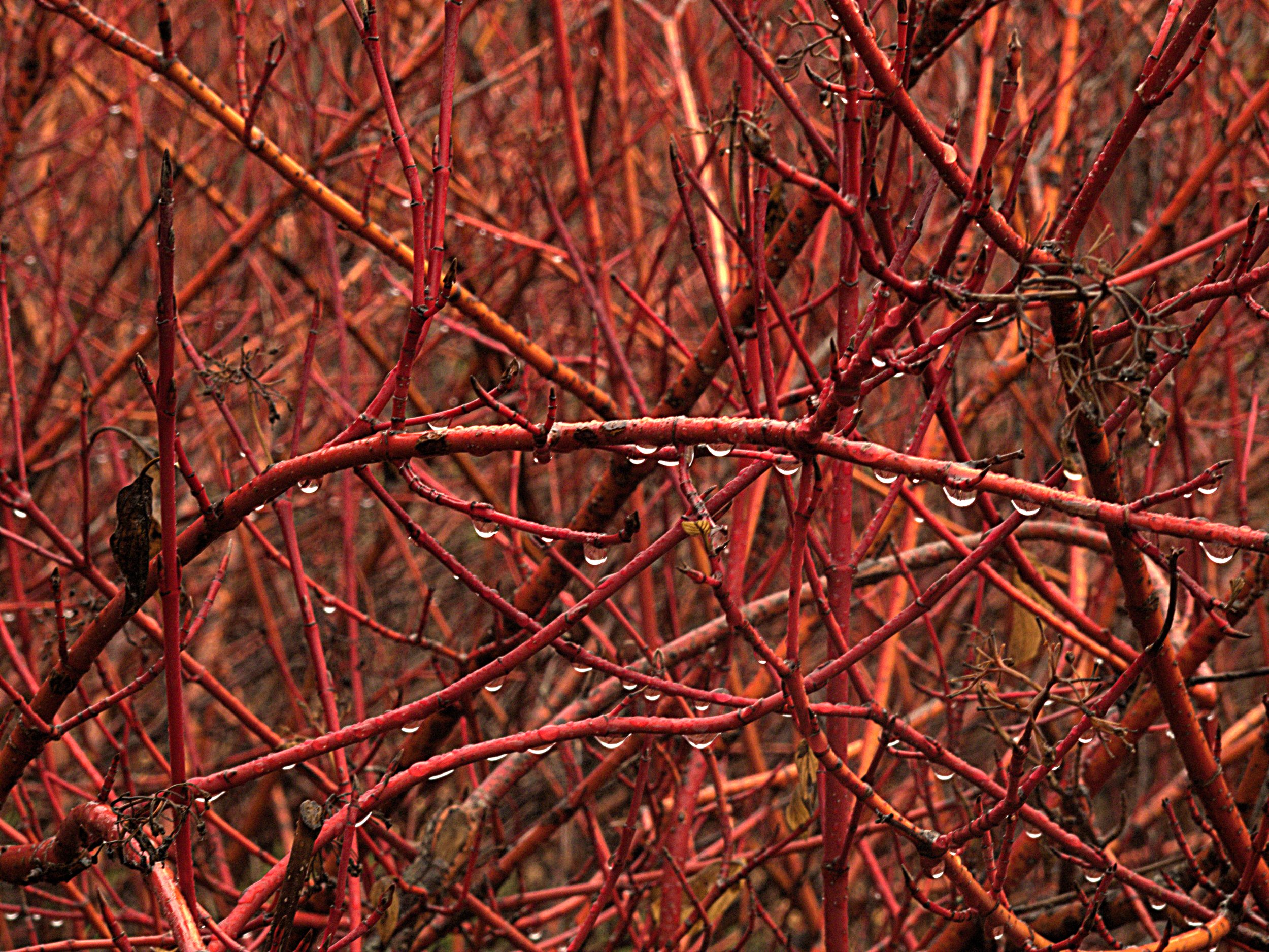
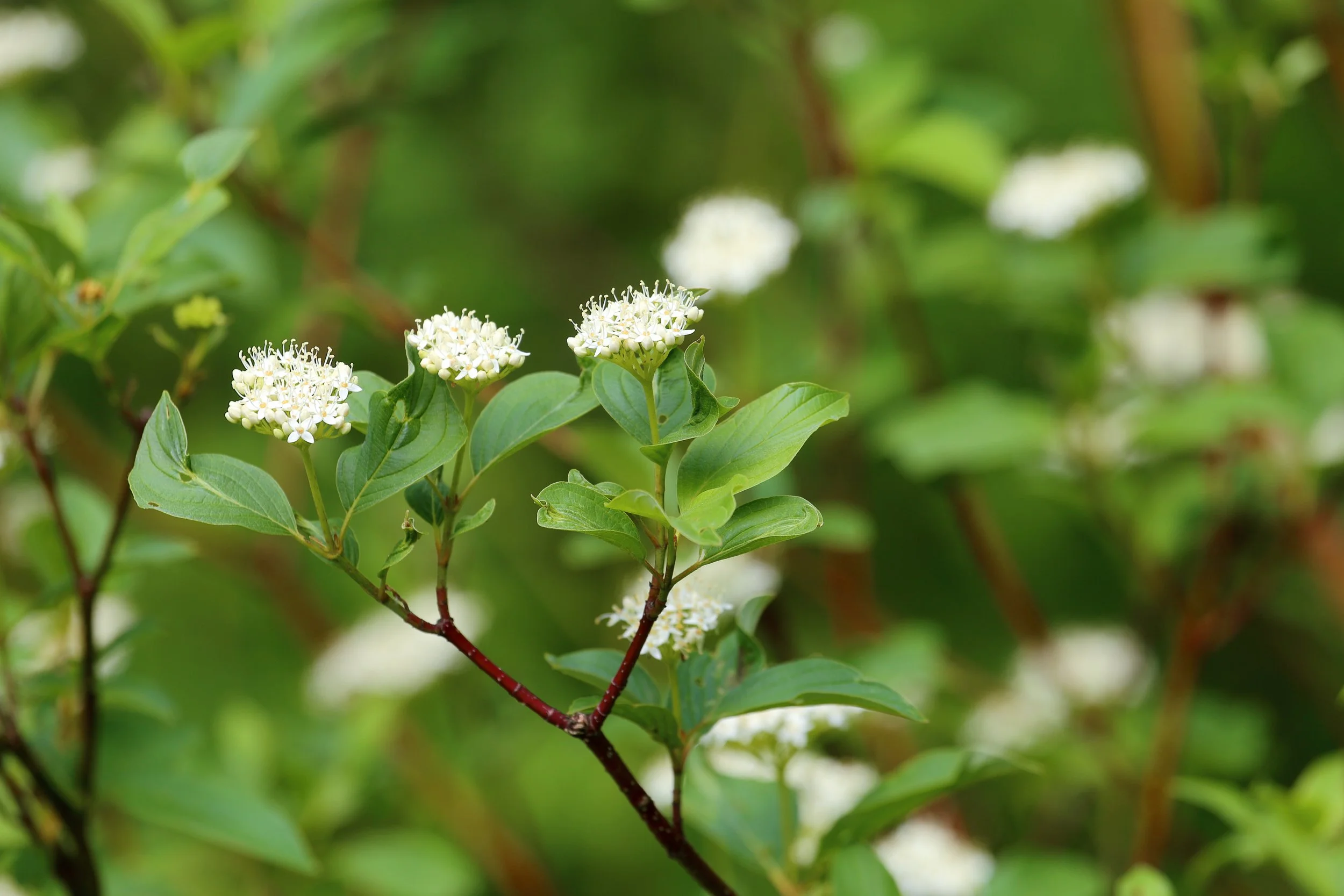
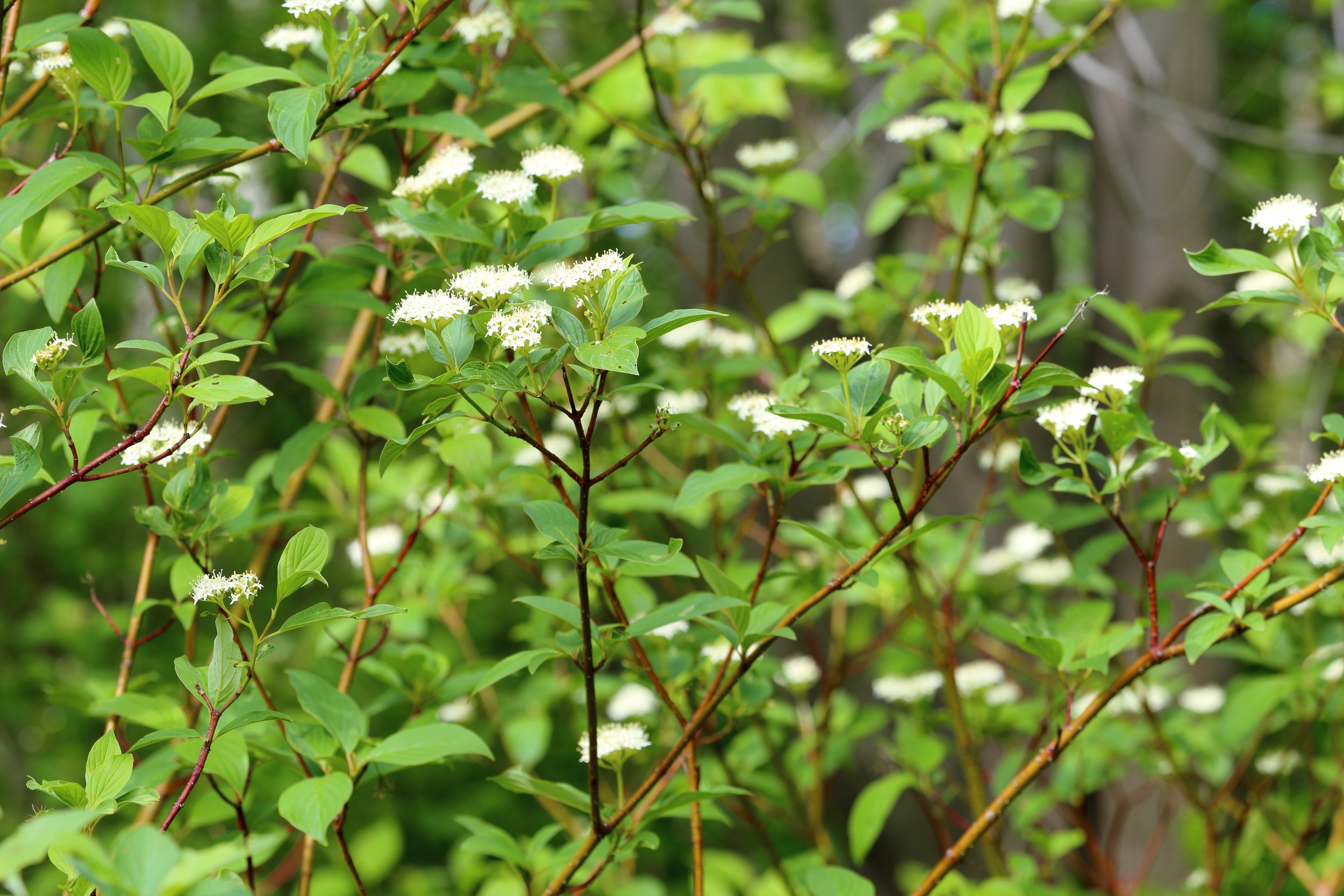
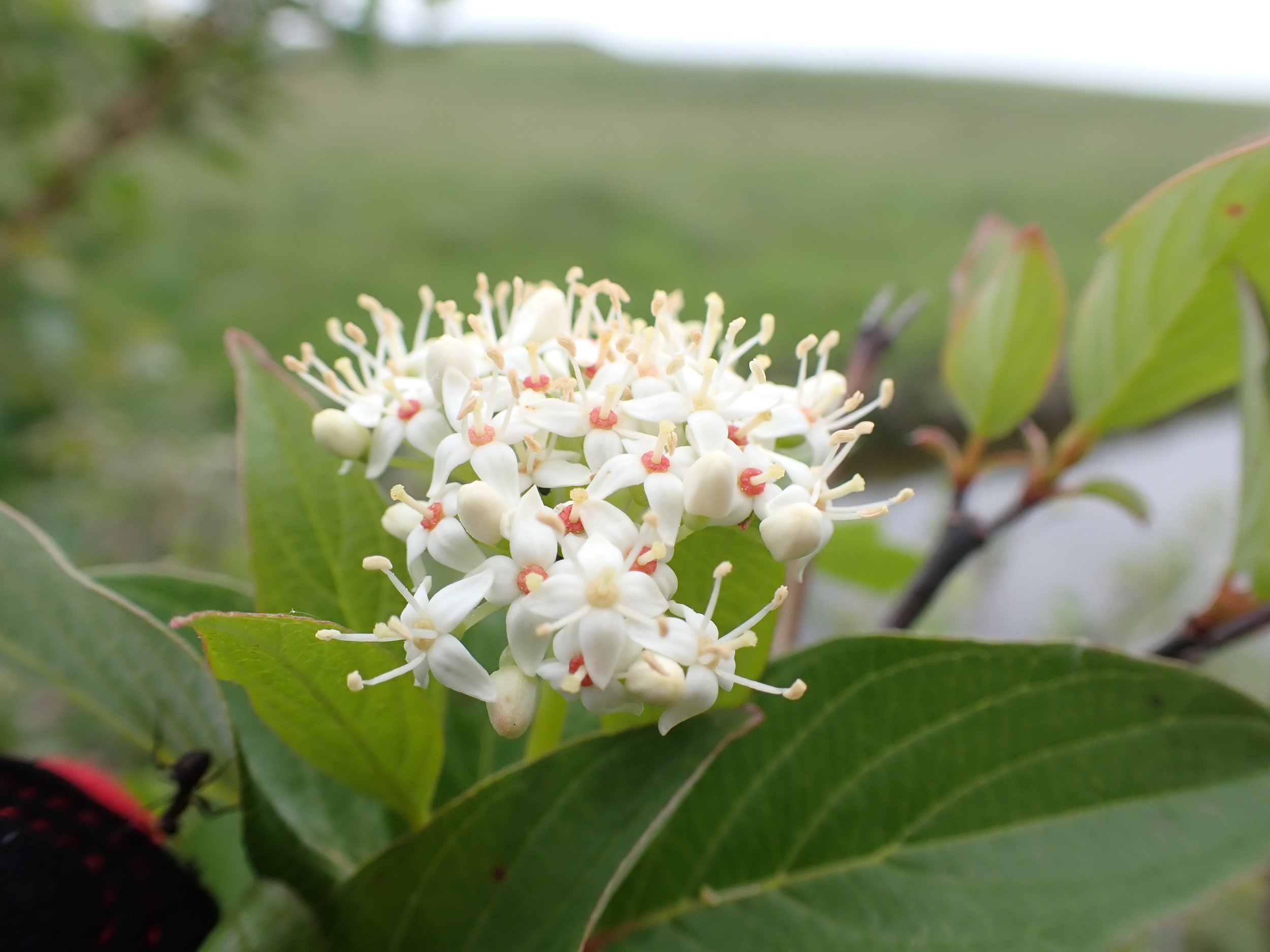
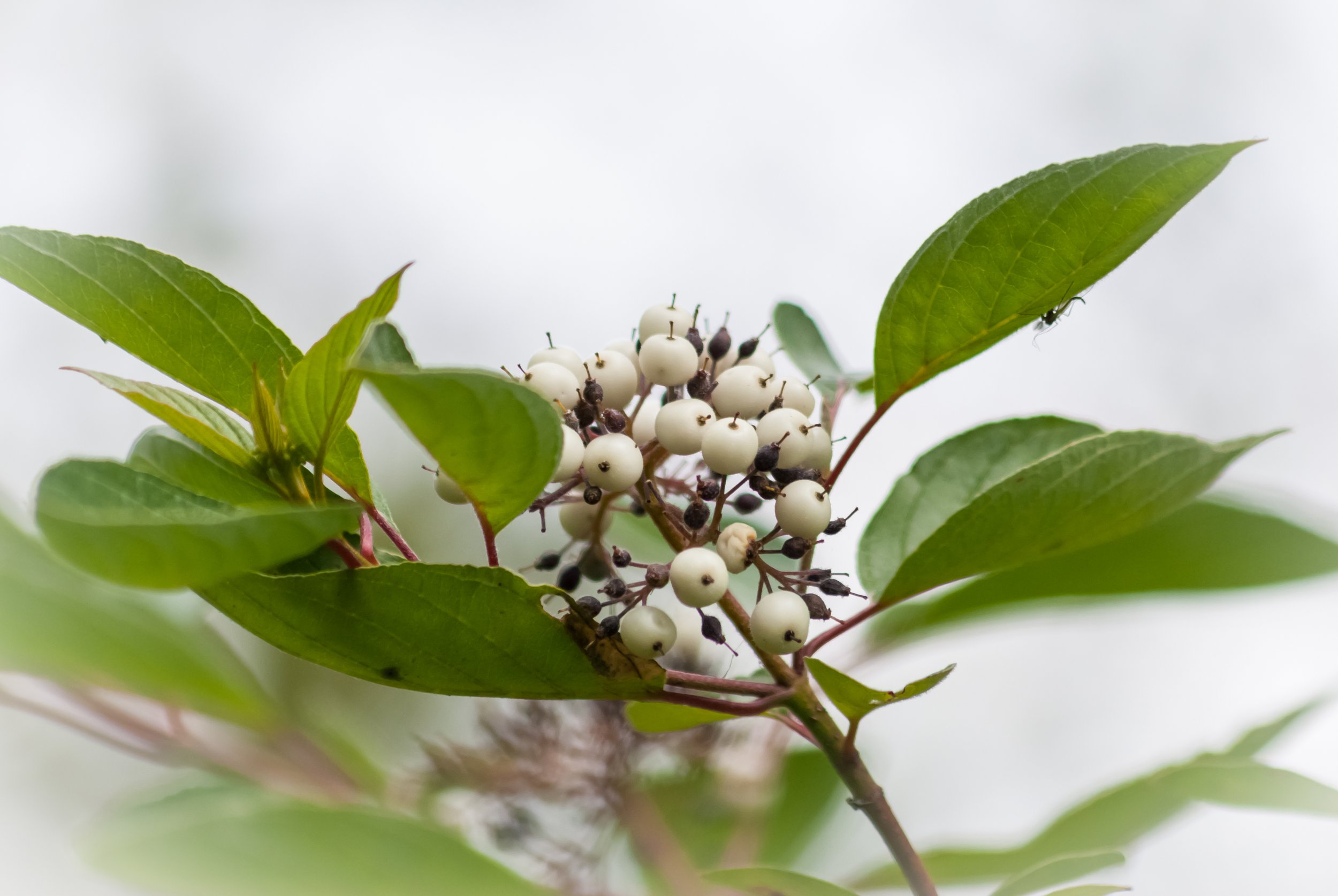
A hardy and adaptable native shrub, Gray Dogwood is valued for its clusters of creamy white spring flowers, soft gray-green summer foliage, and bright white berries borne on striking red stems in late summer and fall. Its dense, multi-stemmed growth habit creates attractive thickets that provide year-round interest while offering exceptional cover and food for wildlife. As the seasons change, its foliage turns shades of reddish-purple, adding another layer of beauty to natural landscapes.
Native to woodland edges, prairies, old fields, and streambanks, Gray Dogwood thrives in full sun to partial shade and adapts to a wide variety of soil conditions. It spreads naturally through underground suckers, making it an excellent choice for stabilizing slopes, restoring habitat, and creating living screens or hedgerows.
Identification: Multi-stemmed deciduous shrub with opposite oval leaves, flat clusters of creamy white flowers, white berries on bright red stalks, and smooth gray bark.
Bloom Time: May–June
Mature Height: 6–10 feet.
Growth Rate: Moderate to fast; colony-forming through suckers.
Site Preferences: Full sun to partial shade; dry to moist soils; highly adaptable to clay, loam, and sandy soils.
Wildlife Value: Flowers attract native bees and butterflies; white berries provide food for songbirds and small mammals; dense thickets offer nesting habitat and protective cover for wildlife.
Cultural Presence: Widely used in wildlife plantings, hedgerows, erosion control projects, and naturalized landscapes; valued for its toughness, four-season interest, and outstanding habitat benefits.
Size (12-24”)
A hardy and adaptable native shrub, Gray Dogwood is valued for its clusters of creamy white spring flowers, soft gray-green summer foliage, and bright white berries borne on striking red stems in late summer and fall. Its dense, multi-stemmed growth habit creates attractive thickets that provide year-round interest while offering exceptional cover and food for wildlife. As the seasons change, its foliage turns shades of reddish-purple, adding another layer of beauty to natural landscapes.
Native to woodland edges, prairies, old fields, and streambanks, Gray Dogwood thrives in full sun to partial shade and adapts to a wide variety of soil conditions. It spreads naturally through underground suckers, making it an excellent choice for stabilizing slopes, restoring habitat, and creating living screens or hedgerows.
Identification: Multi-stemmed deciduous shrub with opposite oval leaves, flat clusters of creamy white flowers, white berries on bright red stalks, and smooth gray bark.
Bloom Time: May–June
Mature Height: 6–10 feet.
Growth Rate: Moderate to fast; colony-forming through suckers.
Site Preferences: Full sun to partial shade; dry to moist soils; highly adaptable to clay, loam, and sandy soils.
Wildlife Value: Flowers attract native bees and butterflies; white berries provide food for songbirds and small mammals; dense thickets offer nesting habitat and protective cover for wildlife.
Cultural Presence: Widely used in wildlife plantings, hedgerows, erosion control projects, and naturalized landscapes; valued for its toughness, four-season interest, and outstanding habitat benefits.

 Image 1 of 6
 Image 2 of 6
 Image 3 of 6
 Image 4 of 6
 Image 5 of 6
 Image 6 of 6