Quantity (per bundle) 25
Size (12-18”)
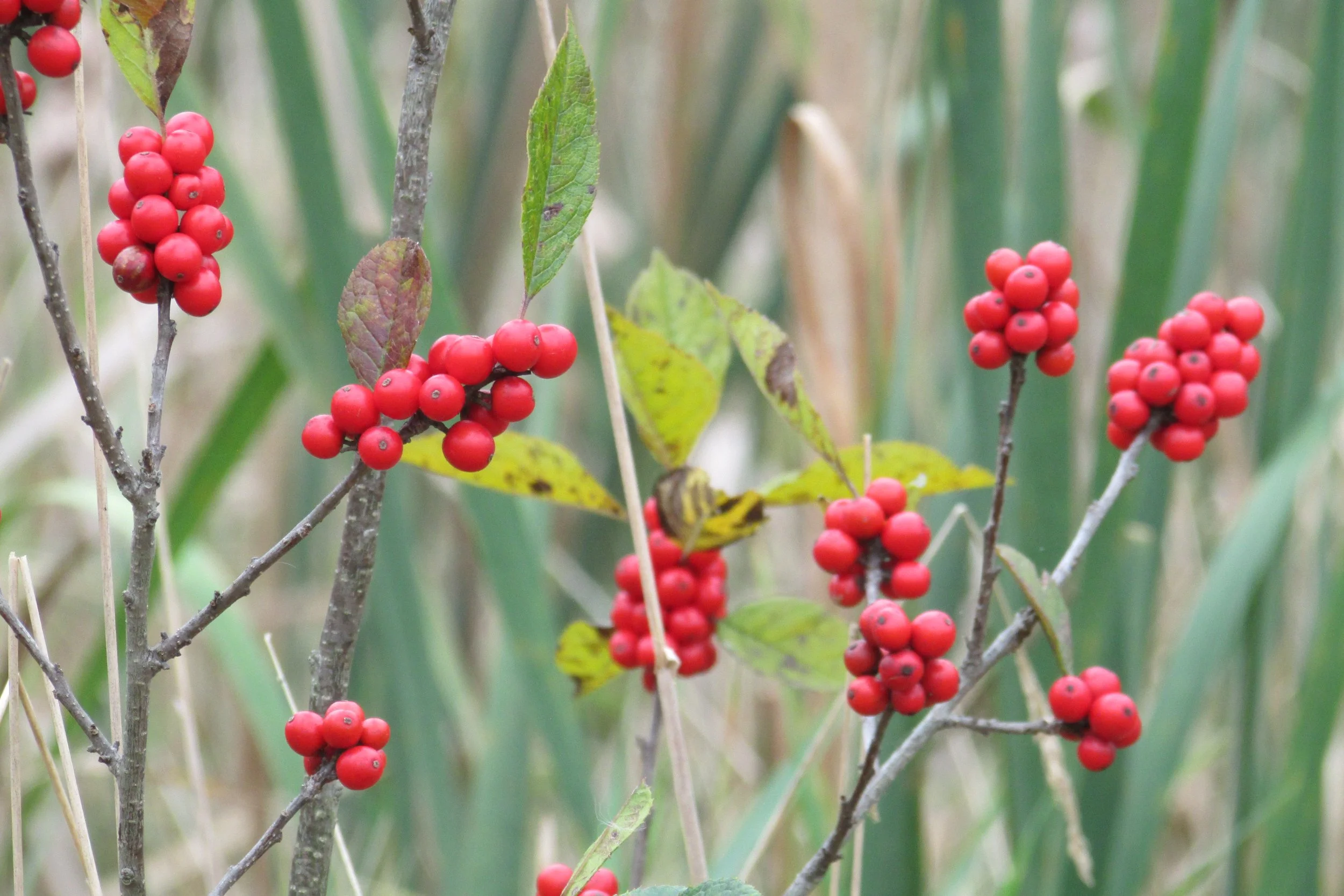
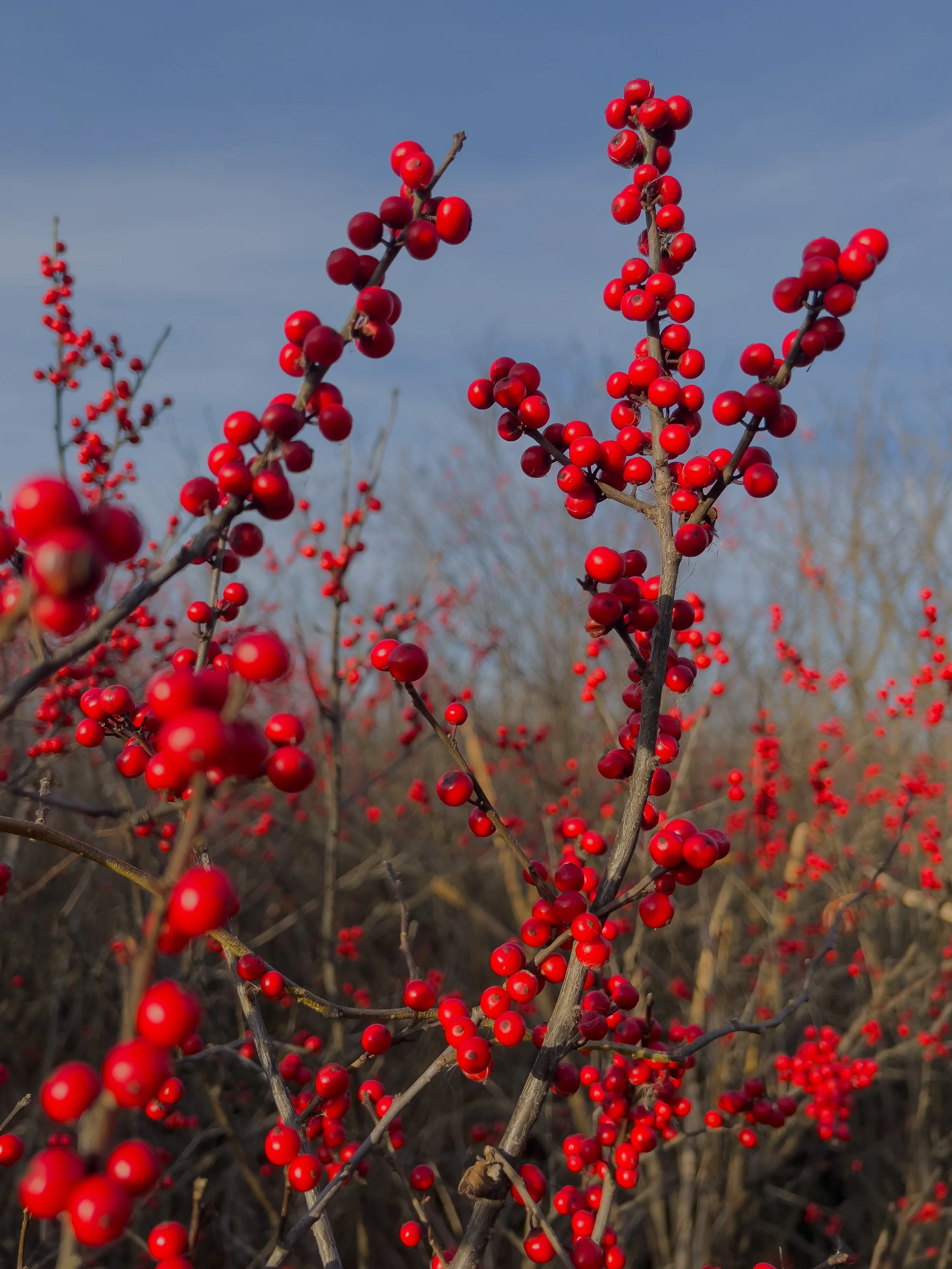
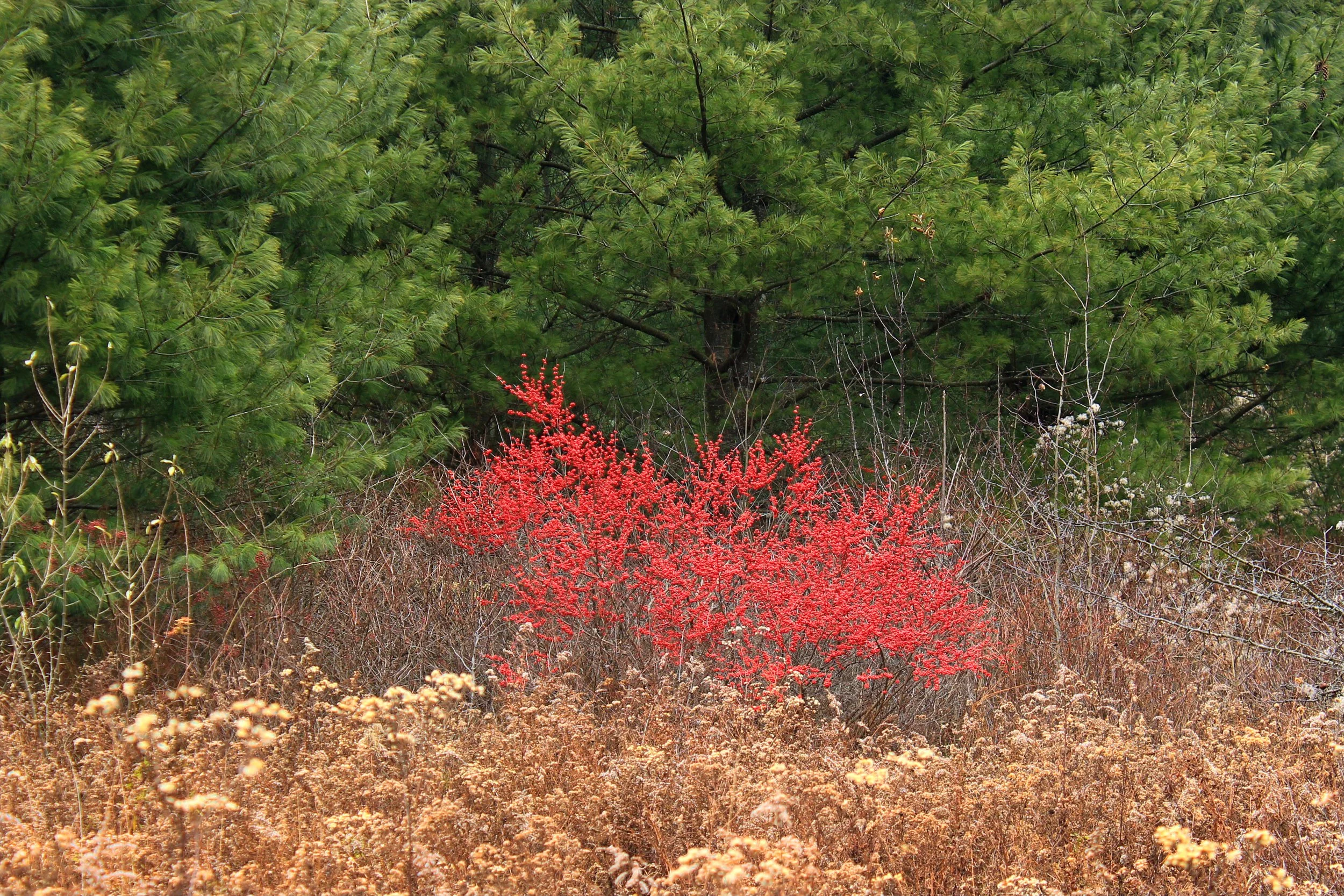
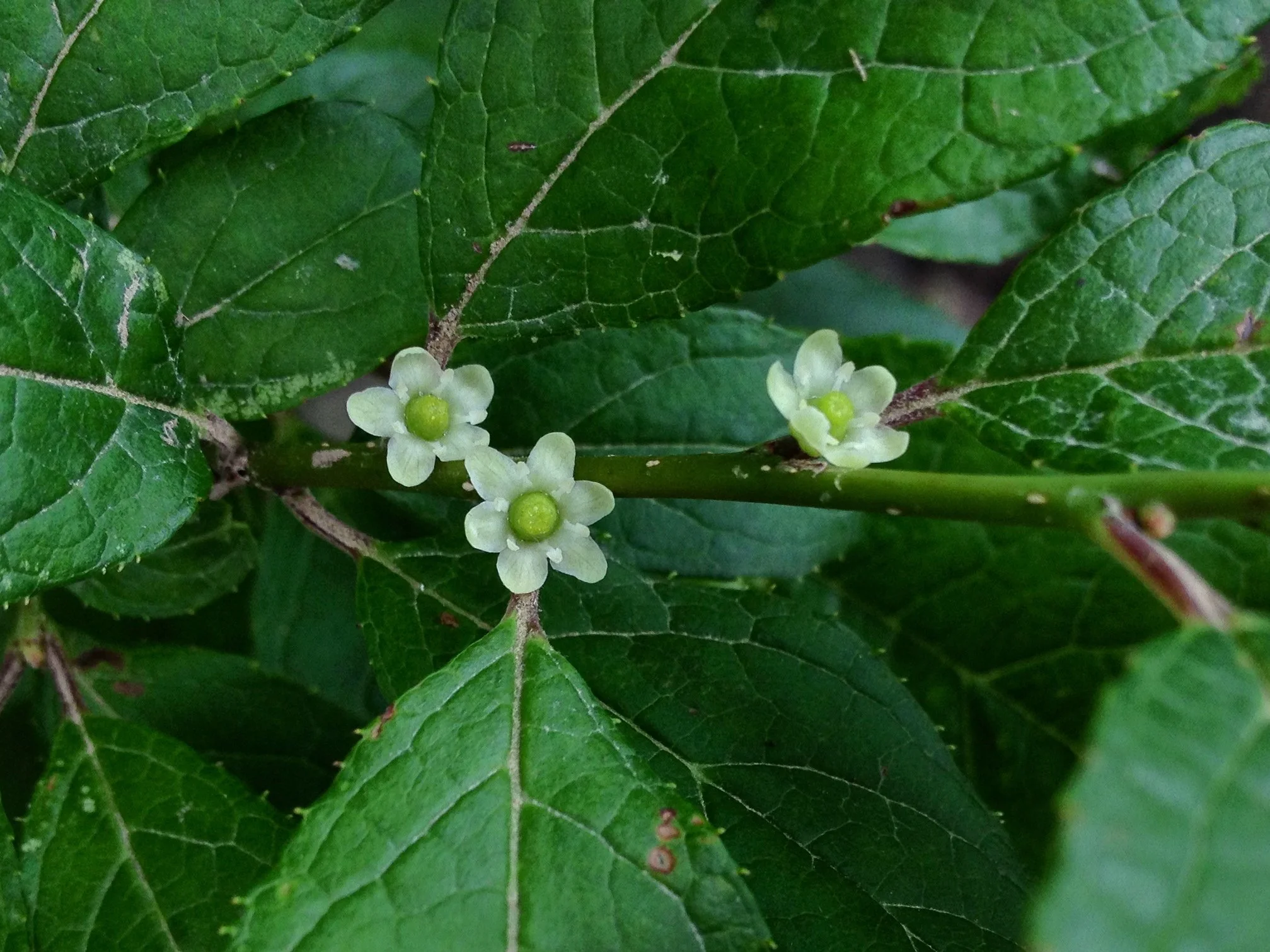
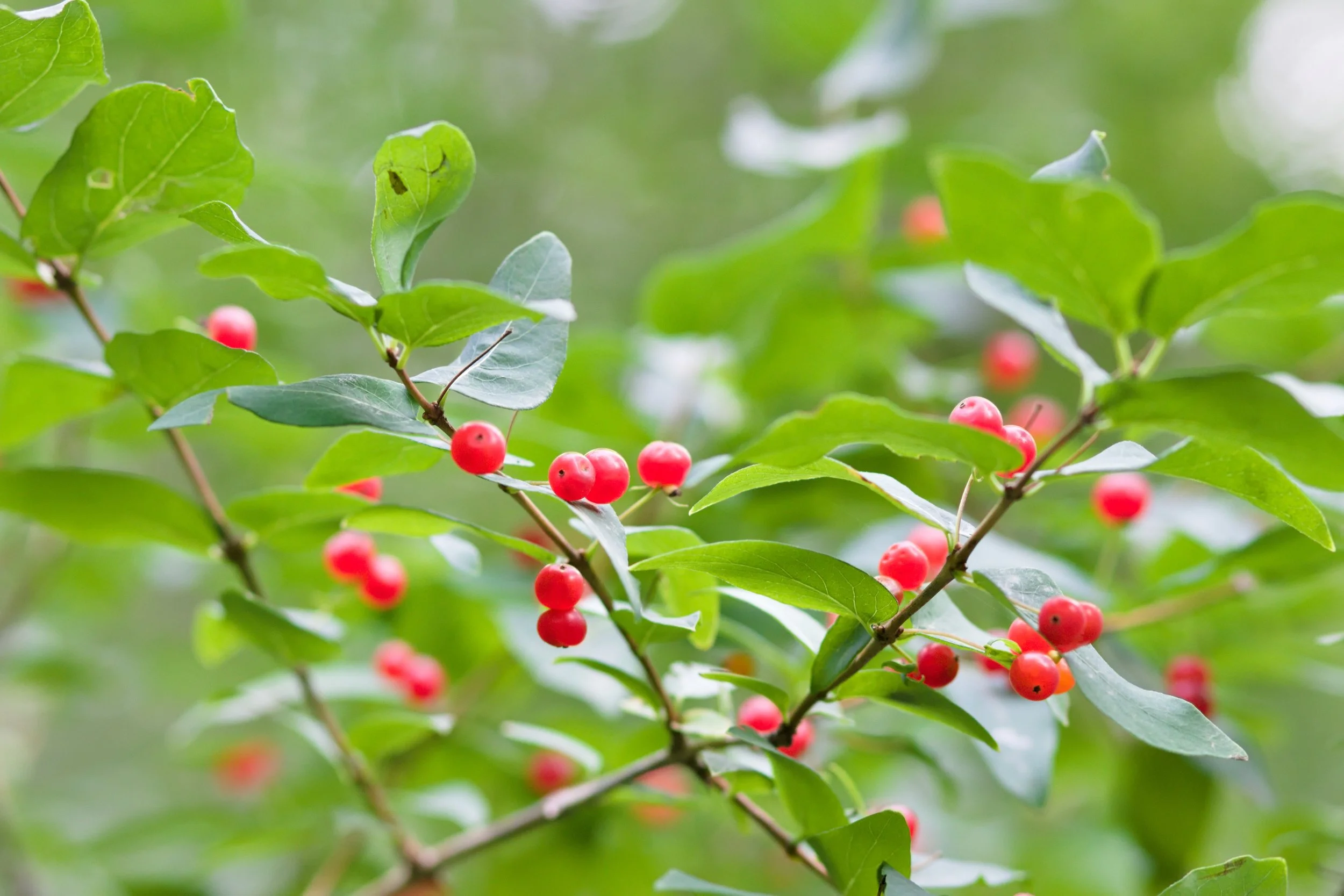
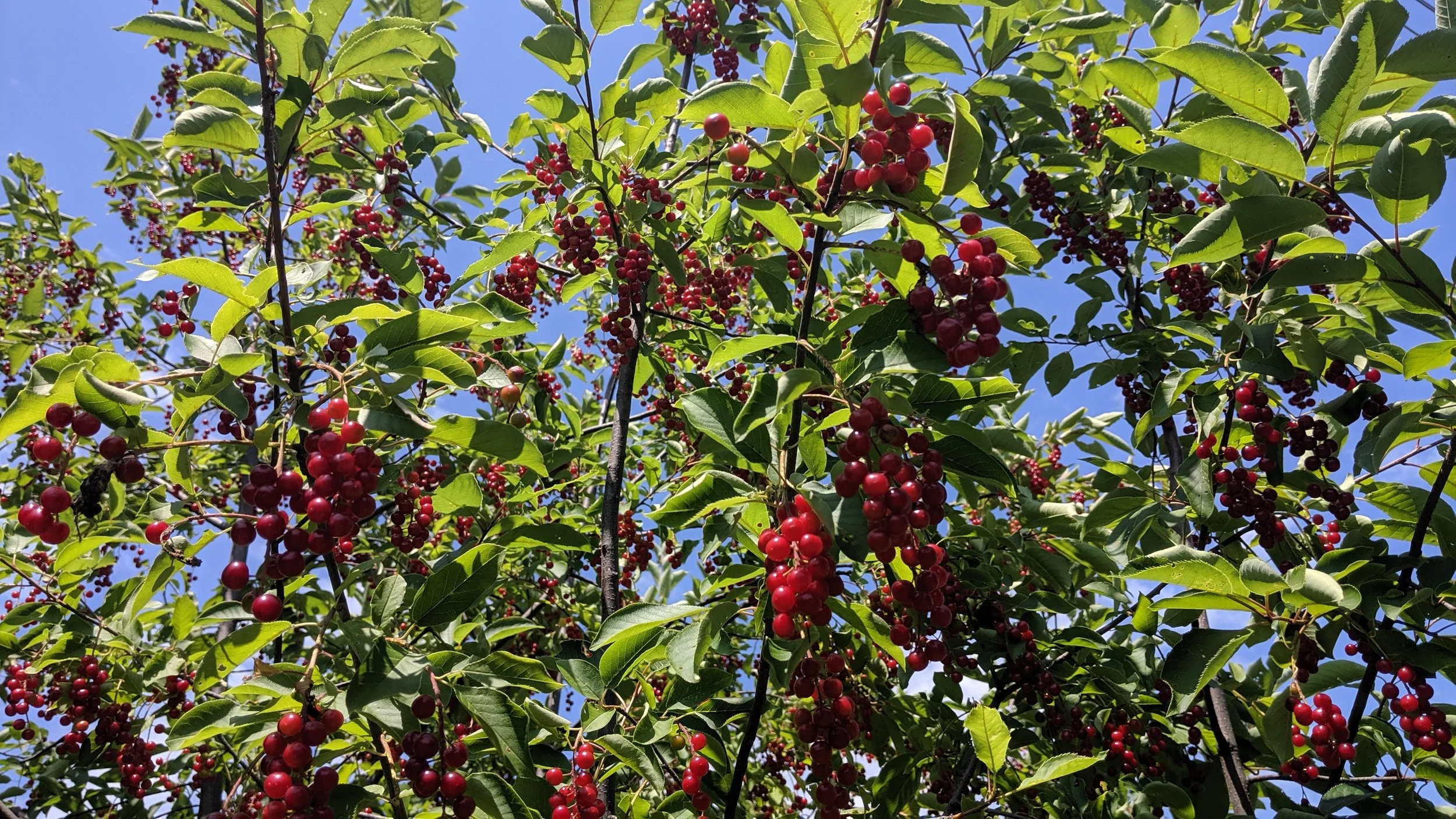
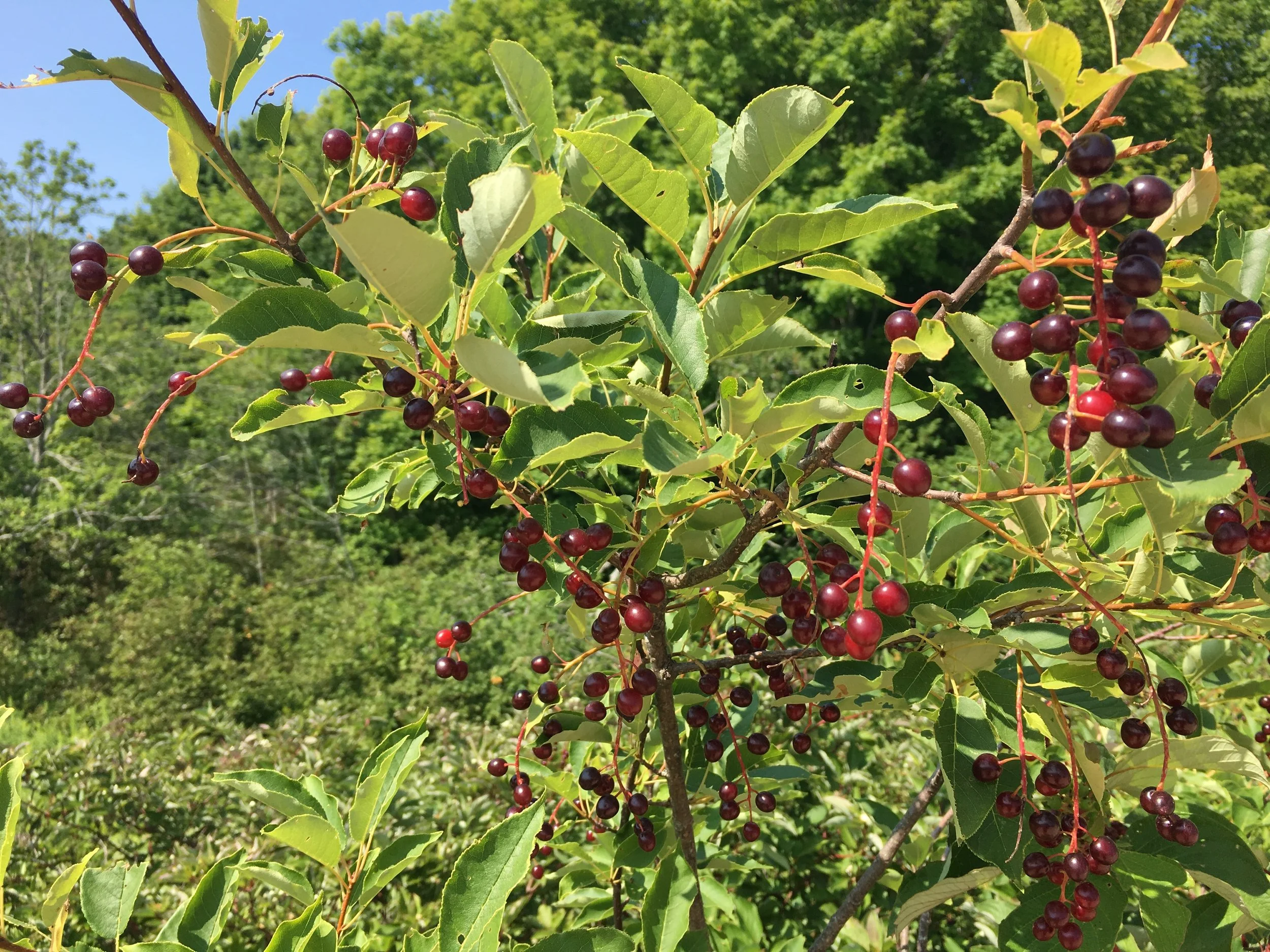
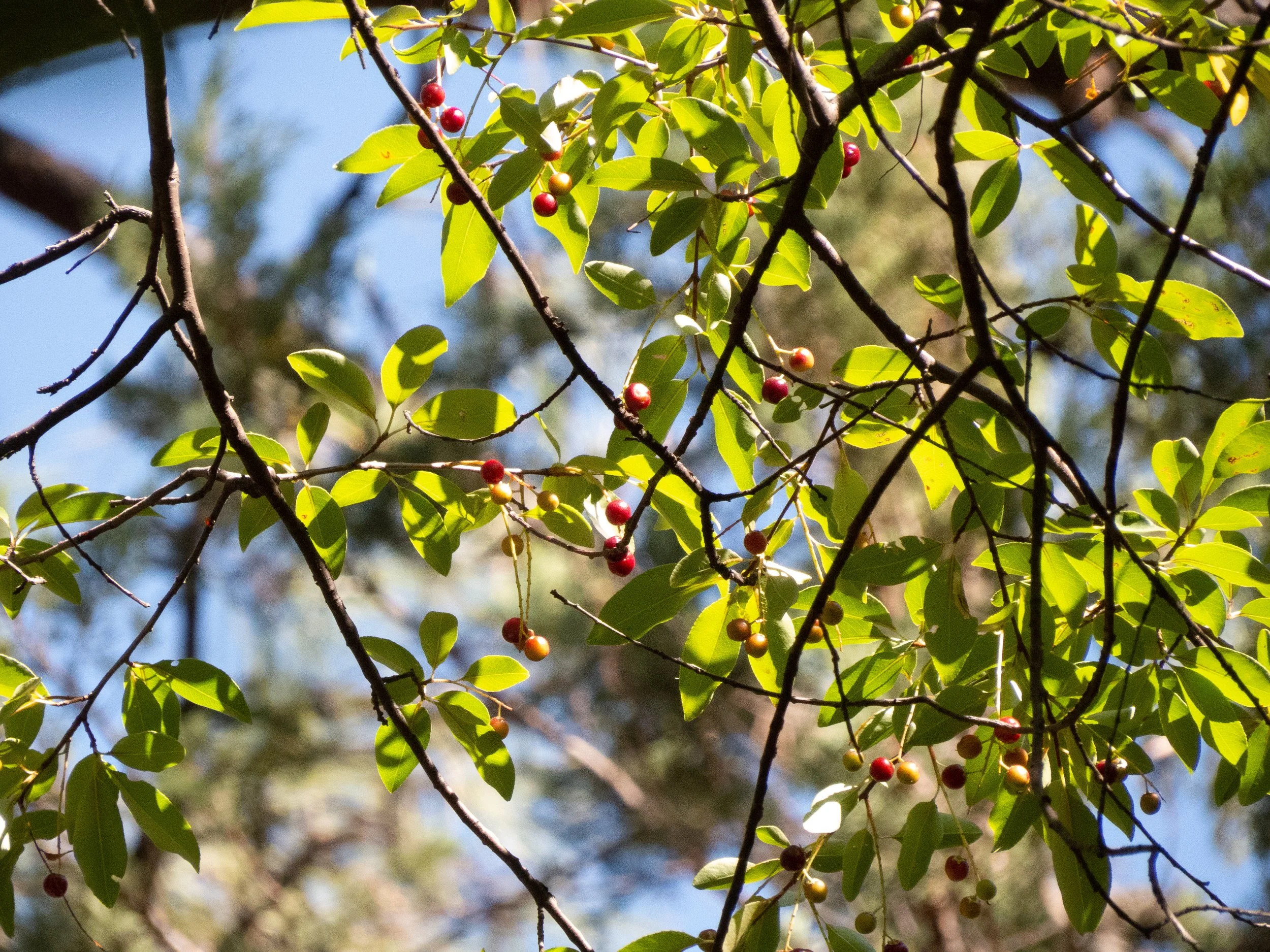
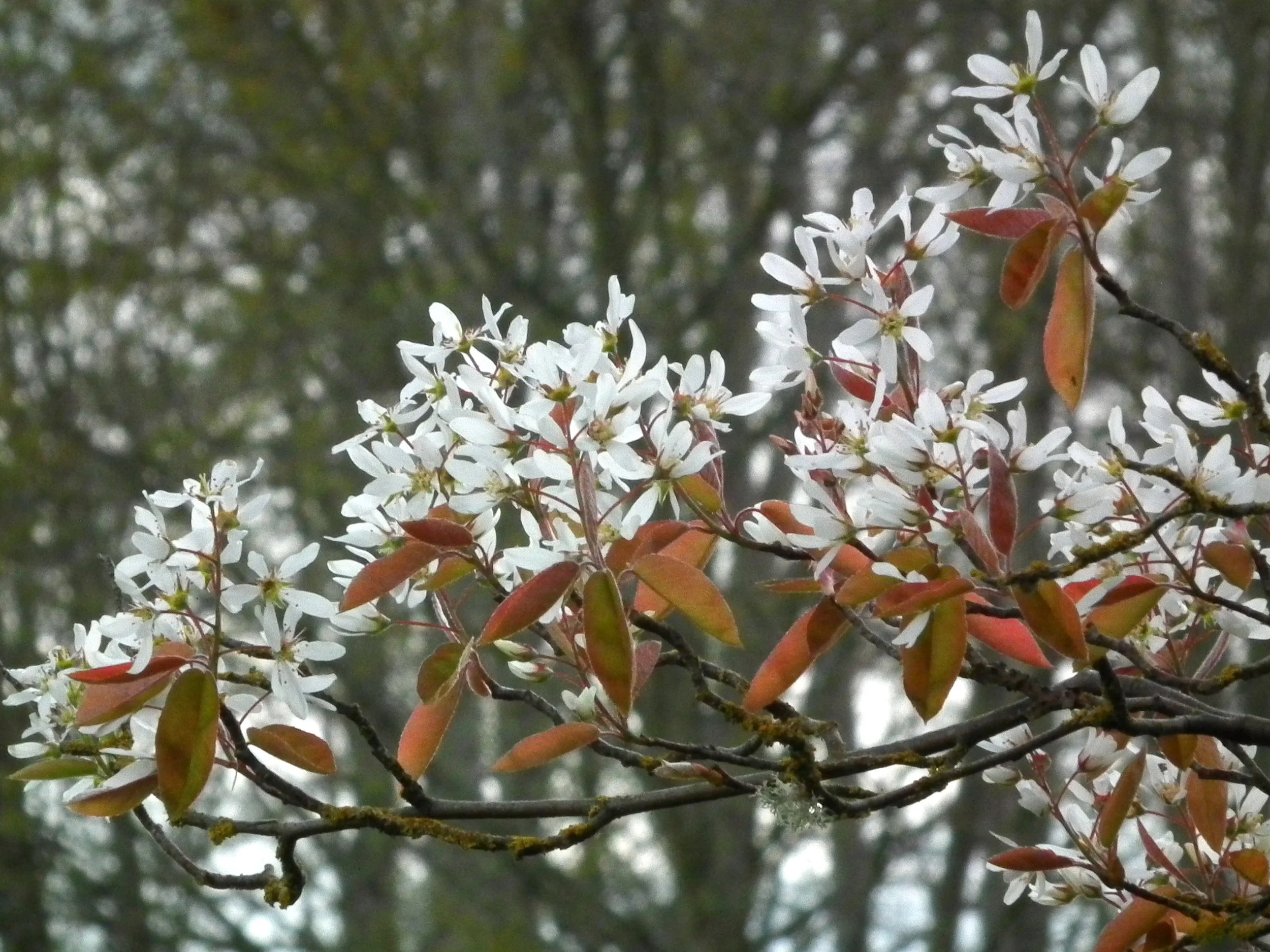
A fragrant and graceful native shrub, Spicebush is treasured for its early spring display of small, yellow-gold flowers that brighten woodland edges before most plants leaf out. Its aromatic leaves and twigs release a pleasant, spicy scent when crushed, adding sensory appeal to any landscape. In late summer, female plants produce clusters of glossy red berries that contrast beautifully with the shrub’s bright green foliage and golden fall color.
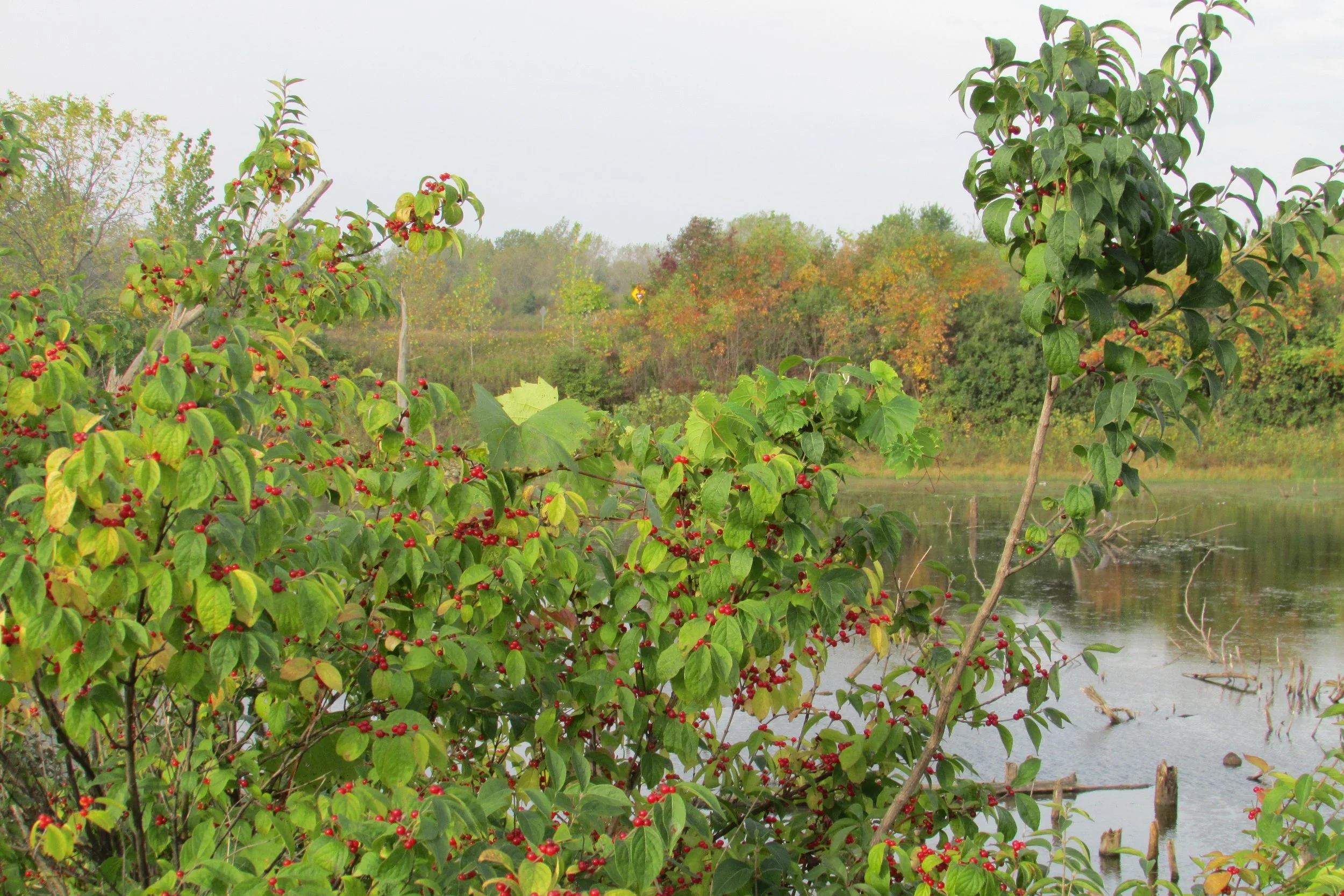
Well-suited to Northern Michigan (Zone 5a), Spicebush thrives in moist, well-drained soils and partial shade, though it can tolerate full sun with adequate moisture. It naturally grows along streambanks and in rich woodlands, forming dense, multi-stemmed thickets that bring texture and fragrance to native plantings.
Ecologically, Spicebush is a cornerstone species for wildlife—its early flowers attract pollinators, its berries provide food for birds, and it serves as the host plant for the Spicebush Swallowtail butterfly. With its beauty, adaptability, and ecological richness, Spicebush is a must-have for enhancing Michigan’s natural woodland landscapes.
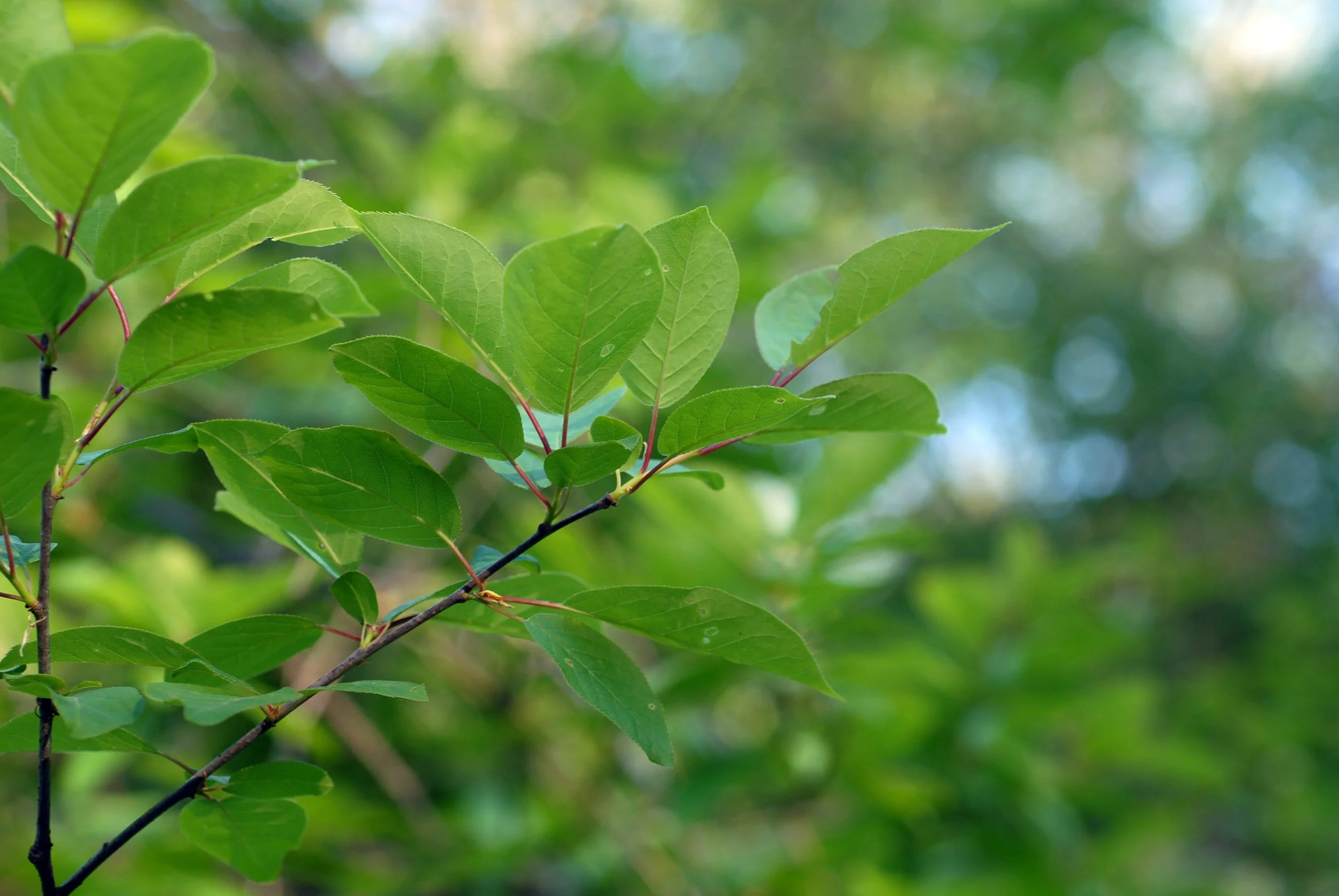
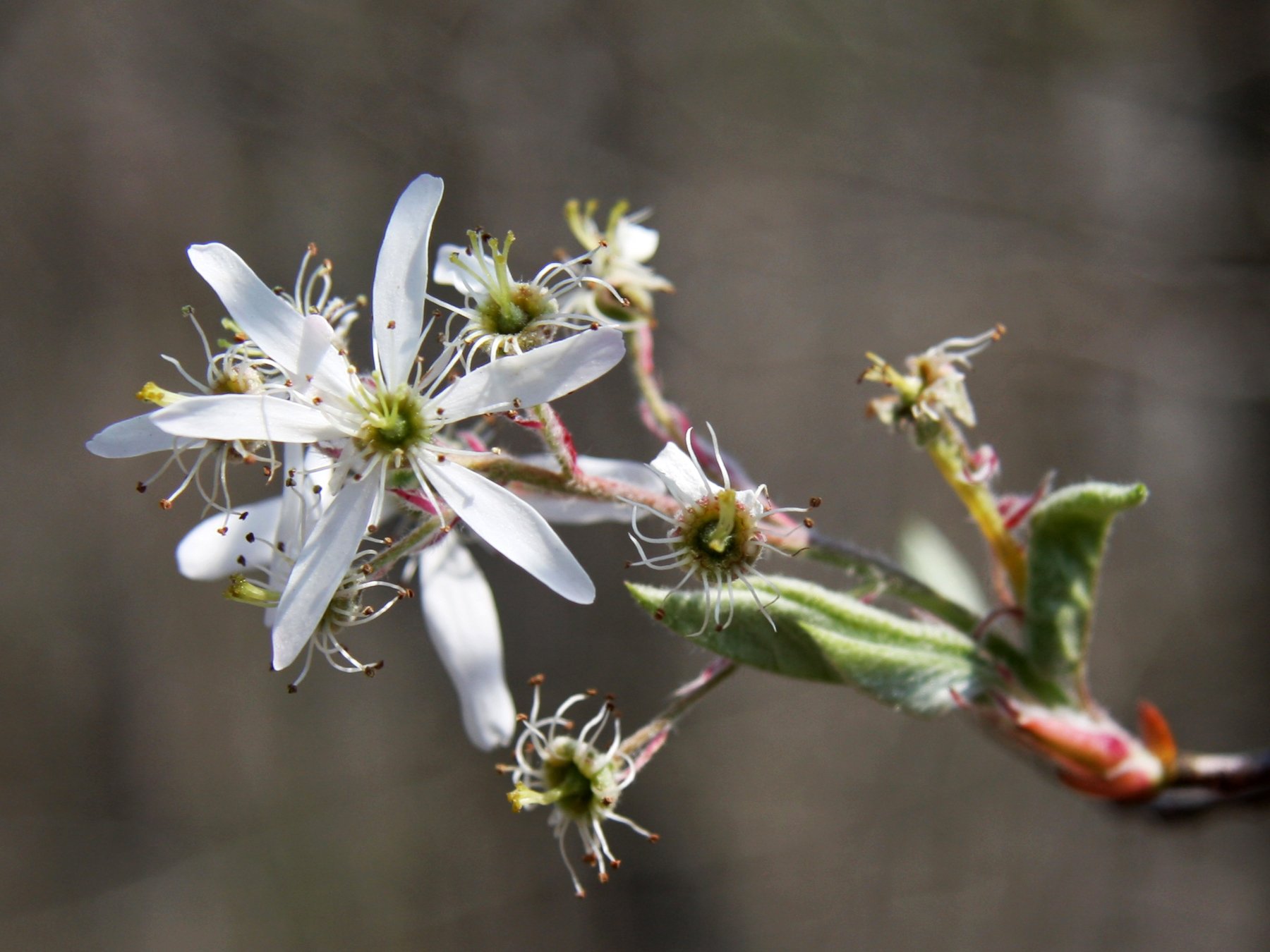
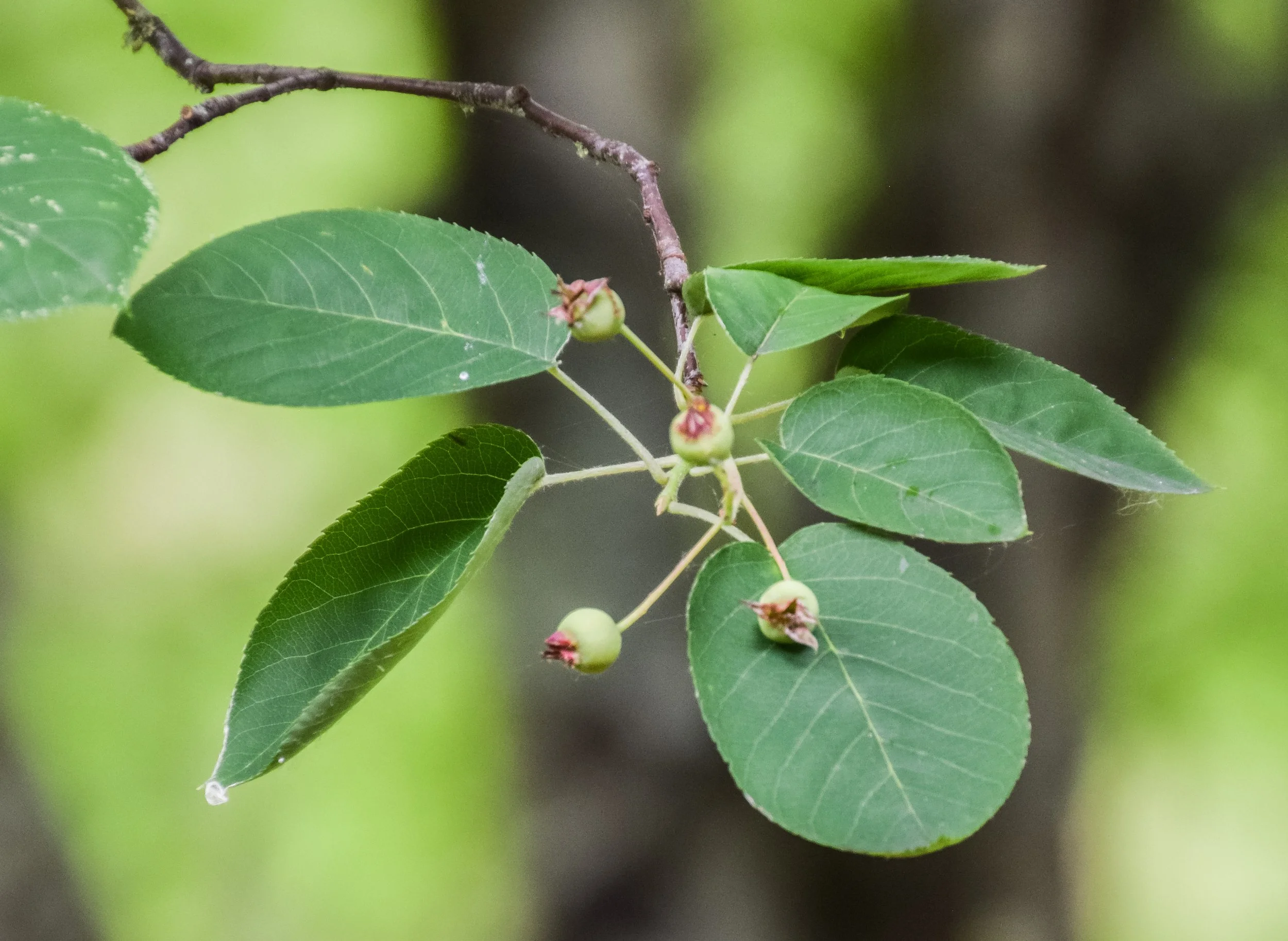
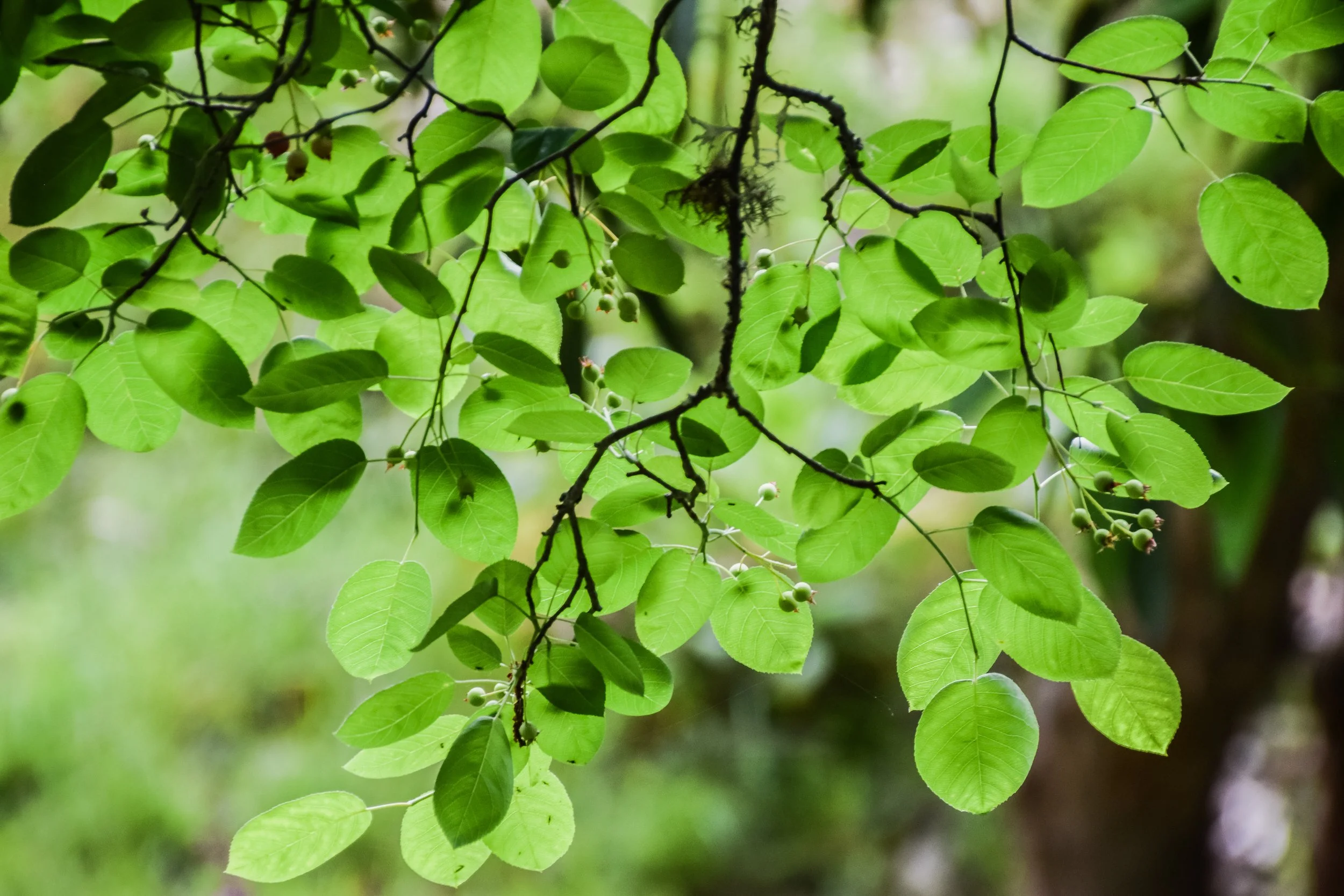
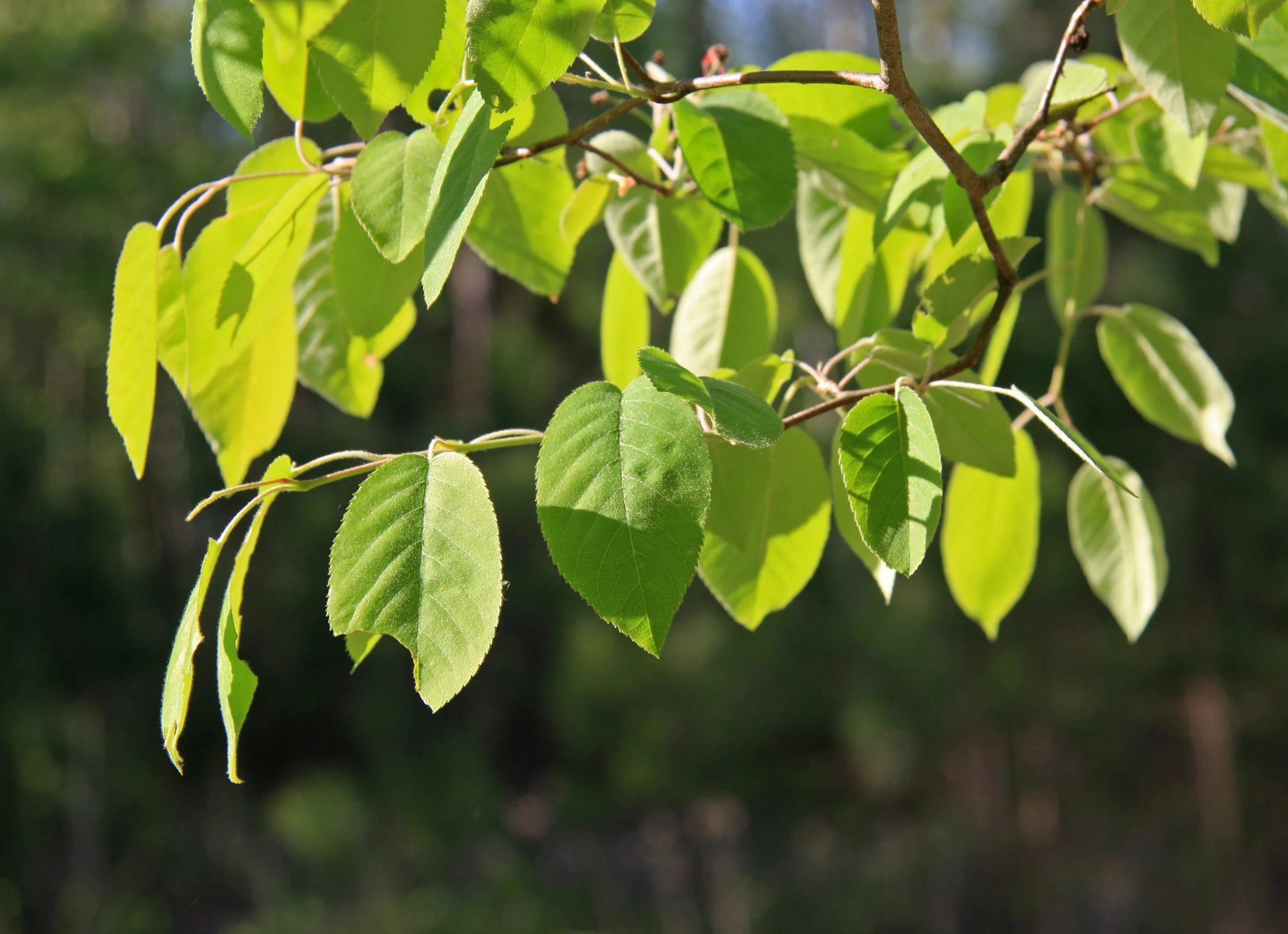
Identification / Key Features: Deciduous shrub with aromatic, ovate leaves. Produces small yellow flowers in early spring before leaves emerge, followed by red berries on female plants. Bark and twigs have a spicy aroma when crushed.
Mature Height / Size: 6–12 feet.
Growth Rate: Moderate.
Light / Soil / Site Preferences: Prefers partial shade to full shade; thrives in moist, well-drained soils, often near streams or wetlands.
Wildlife Value / Ecological Role: Berries eaten by birds and mammals; leaves are host for spicebush swallowtail butterfly caterpillars.
Uses / Economic / Cultural: Used in native landscaping and for attracting pollinators. Twigs and leaves historically used for teas and spices.
Quantity (per bundle) 25
Size (12-18”)
A fragrant and graceful native shrub, Spicebush is treasured for its early spring display of small, yellow-gold flowers that brighten woodland edges before most plants leaf out. Its aromatic leaves and twigs release a pleasant, spicy scent when crushed, adding sensory appeal to any landscape. In late summer, female plants produce clusters of glossy red berries that contrast beautifully with the shrub’s bright green foliage and golden fall color.
Well-suited to Northern Michigan (Zone 5a), Spicebush thrives in moist, well-drained soils and partial shade, though it can tolerate full sun with adequate moisture. It naturally grows along streambanks and in rich woodlands, forming dense, multi-stemmed thickets that bring texture and fragrance to native plantings.
Ecologically, Spicebush is a cornerstone species for wildlife—its early flowers attract pollinators, its berries provide food for birds, and it serves as the host plant for the Spicebush Swallowtail butterfly. With its beauty, adaptability, and ecological richness, Spicebush is a must-have for enhancing Michigan’s natural woodland landscapes.
Identification / Key Features: Deciduous shrub with aromatic, ovate leaves. Produces small yellow flowers in early spring before leaves emerge, followed by red berries on female plants. Bark and twigs have a spicy aroma when crushed.
Mature Height / Size: 6–12 feet.
Growth Rate: Moderate.
Light / Soil / Site Preferences: Prefers partial shade to full shade; thrives in moist, well-drained soils, often near streams or wetlands.
Wildlife Value / Ecological Role: Berries eaten by birds and mammals; leaves are host for spicebush swallowtail butterfly caterpillars.
Uses / Economic / Cultural: Used in native landscaping and for attracting pollinators. Twigs and leaves historically used for teas and spices.

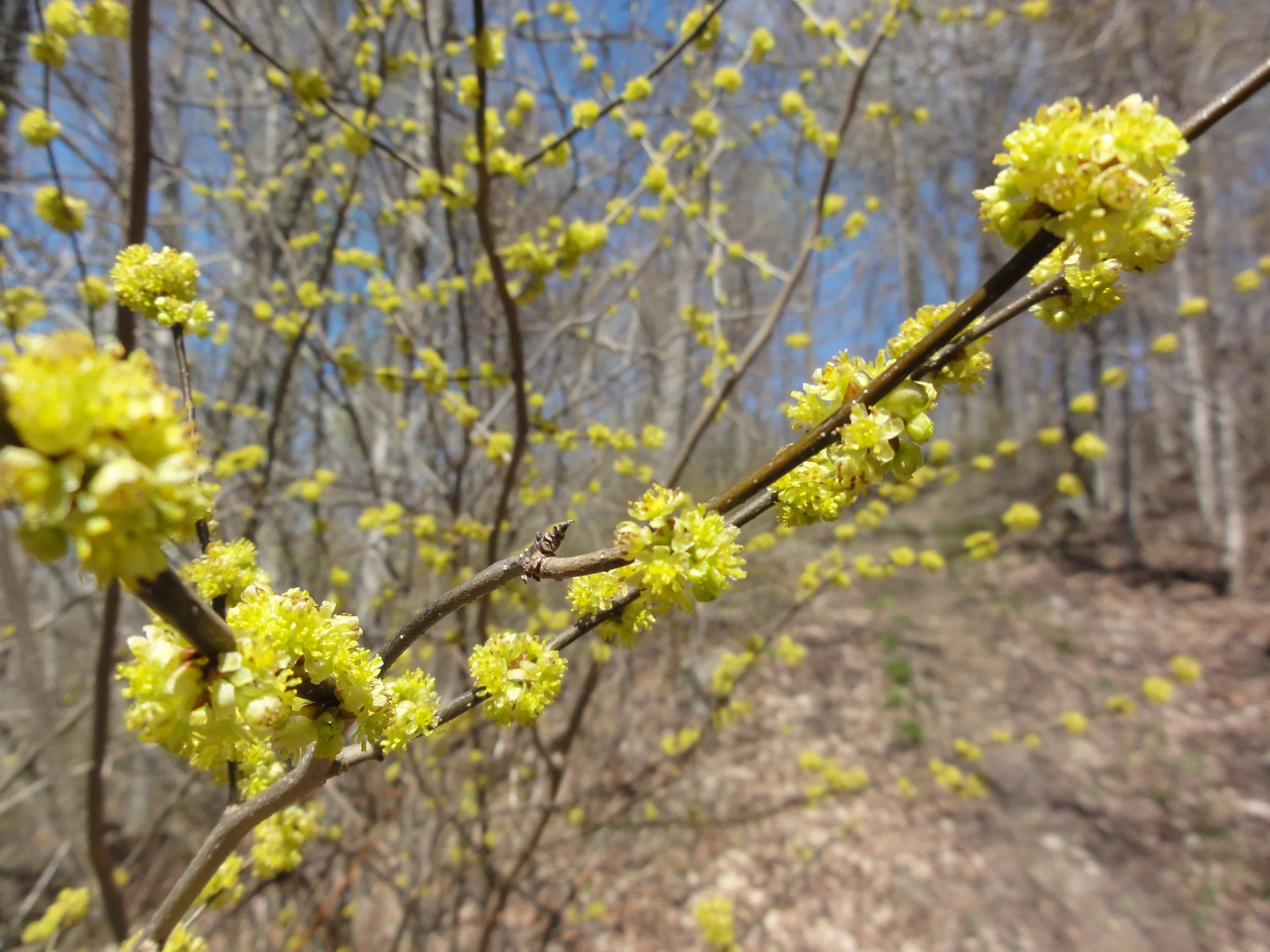 Image 1 of 8
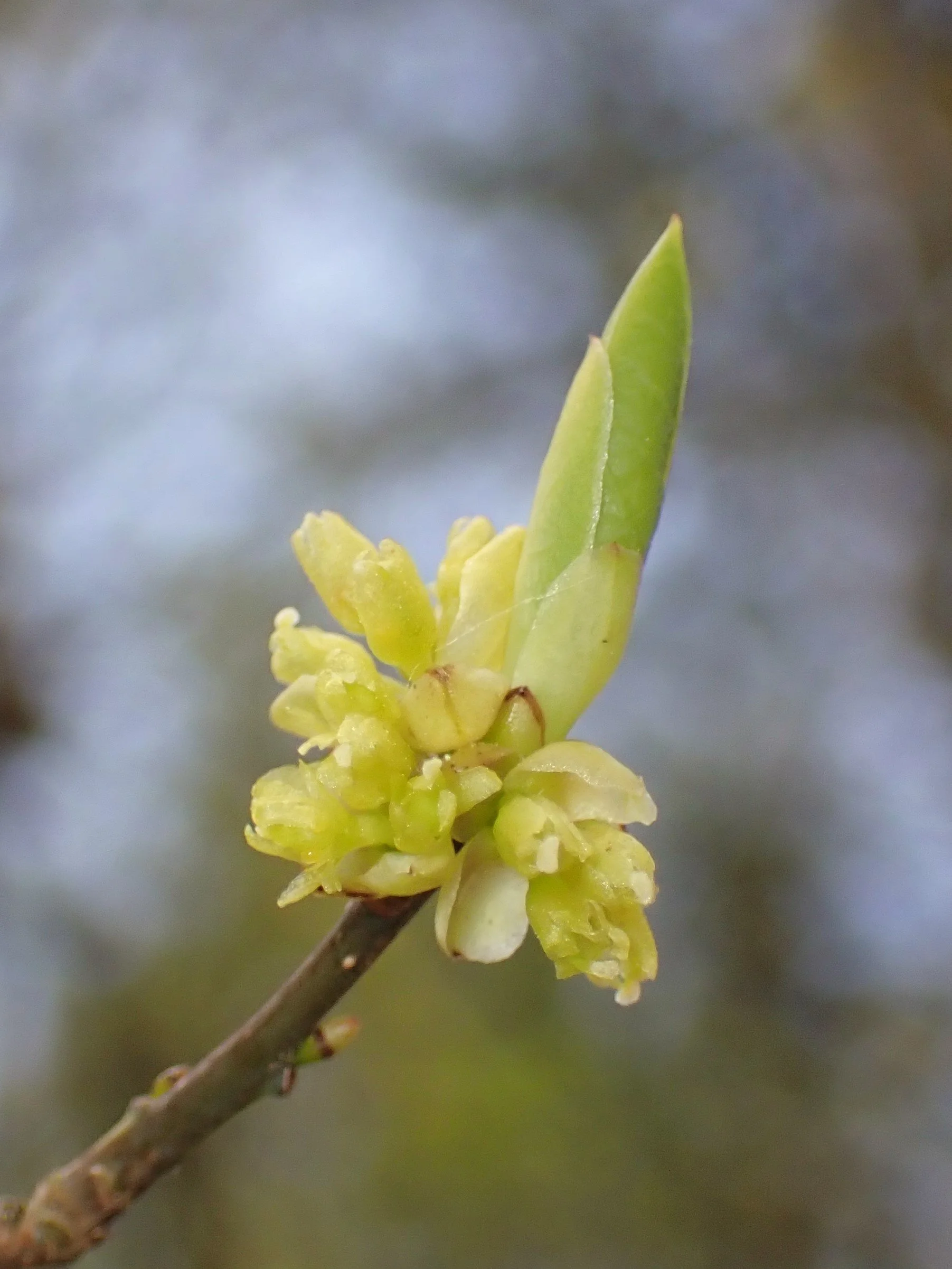 Image 2 of 8
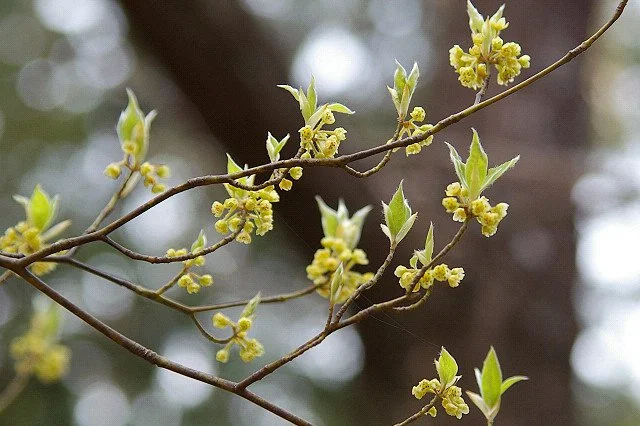 Image 3 of 8
 Image 4 of 8
 Image 5 of 8
 Image 6 of 8
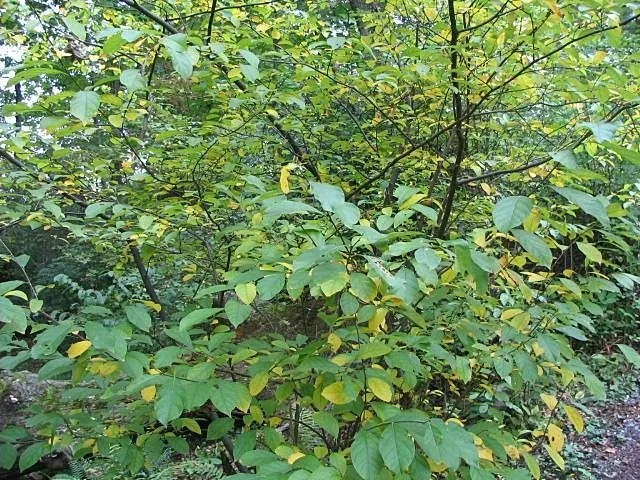 Image 7 of 8
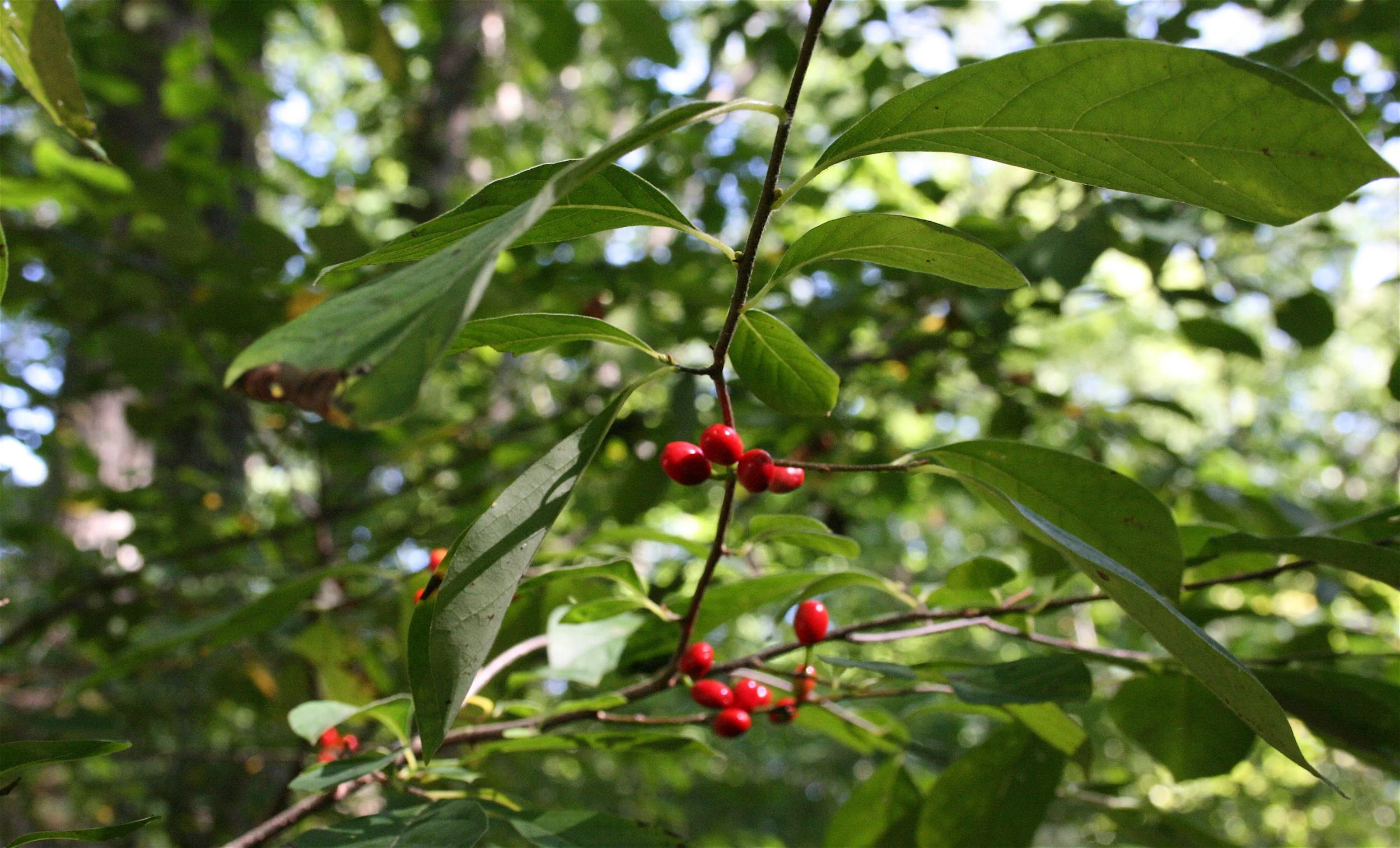 Image 8 of 8