 Image 1 of 4
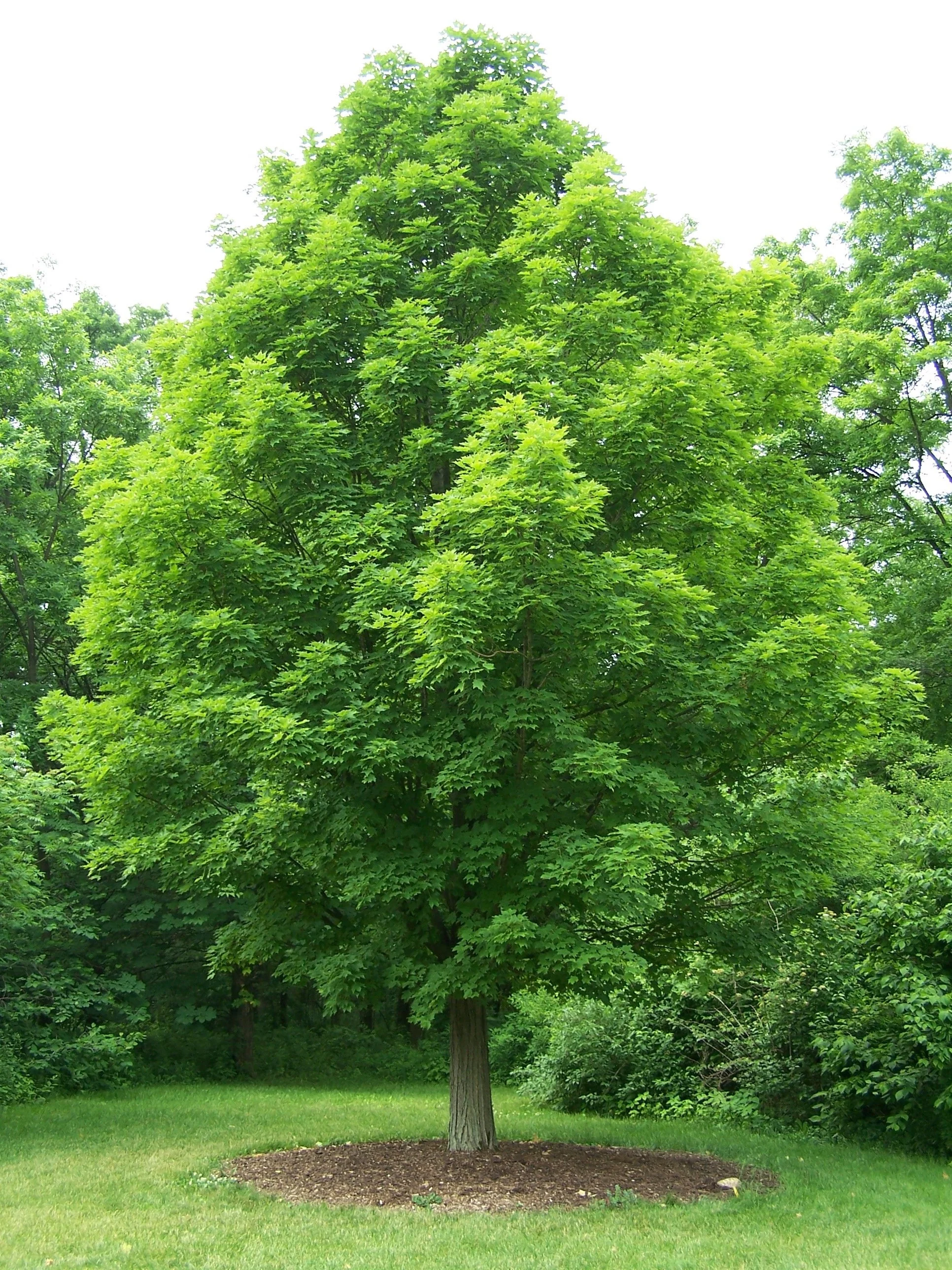 Image 2 of 4
 Image 3 of 4
 Image 4 of 4
Quantity (per bundle) 25
Size (8-15”)
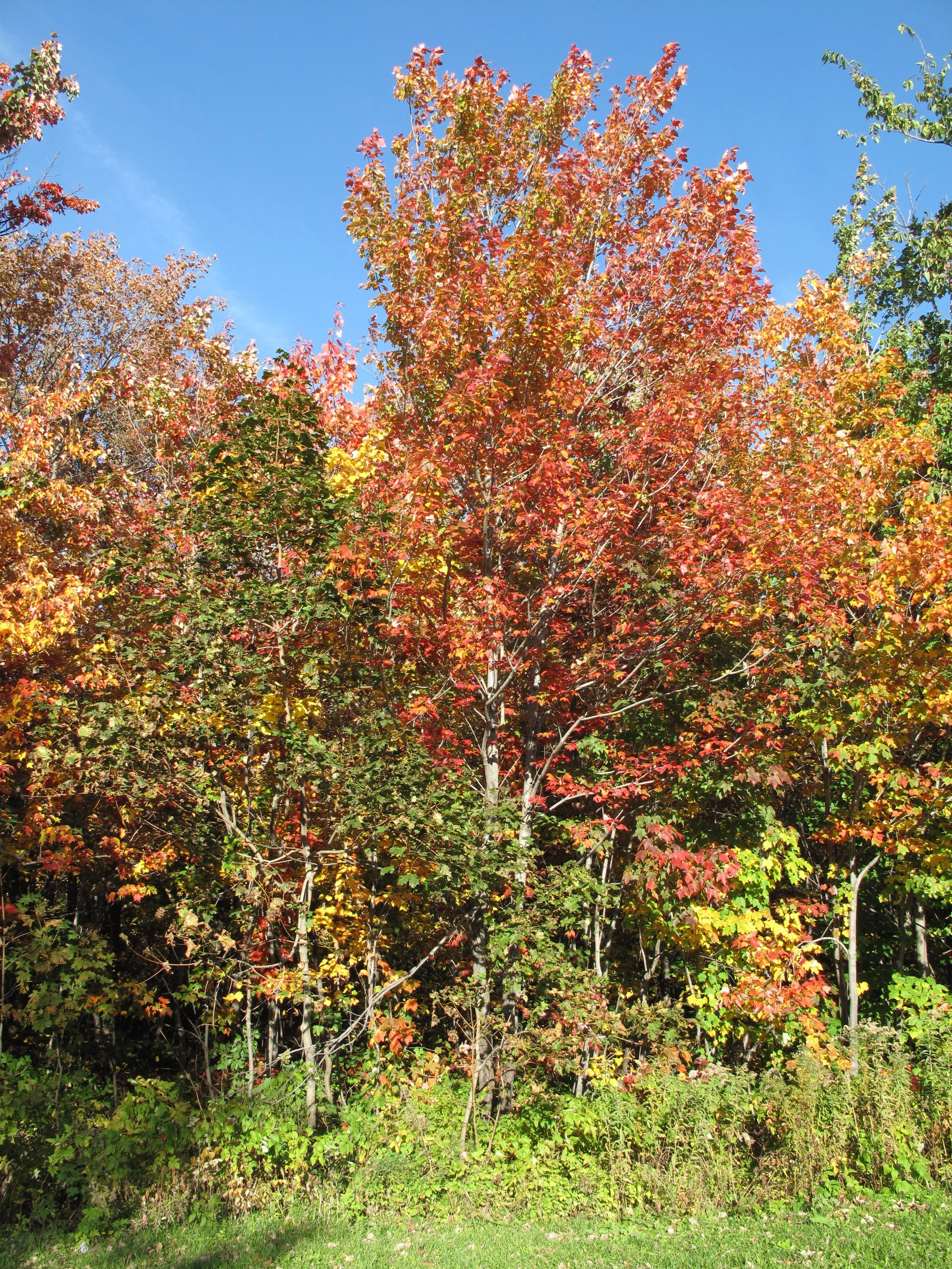
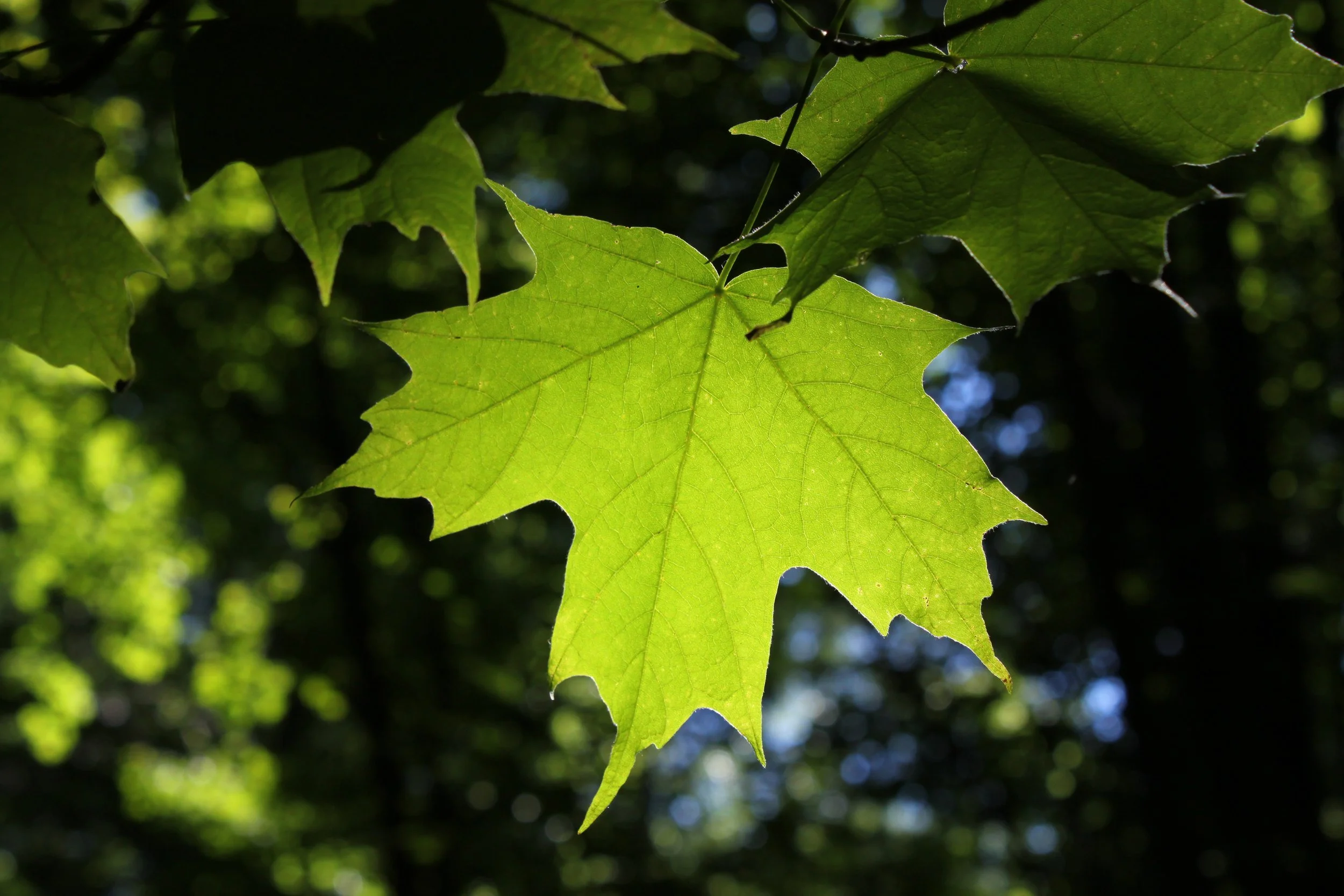
A beloved symbol of Michigan’s forests, Sugar Maple is cherished for its brilliant fall color and graceful form. Its dense, rounded crown and rich green summer foliage transform into vibrant shades of red, orange, and gold each autumn, bringing dazzling seasonal beauty to the landscape.
Well-suited to Northern Michigan (Zone 5a), Sugar Maple thrives in moist, well-drained, slightly acidic soils and prefers full sun to partial shade. It grows at a moderate rate and develops into a stately shade tree, ideal for parks, yards, and naturalized plantings.
Ecologically, Sugar Maple supports diverse wildlife, offering seeds and shelter for birds and small mammals. Its strong, fine-grained wood is prized for furniture, flooring, and musical instruments, while its sap—famous for producing pure maple syrup—makes this tree both a cultural and natural treasure of the northern woods.
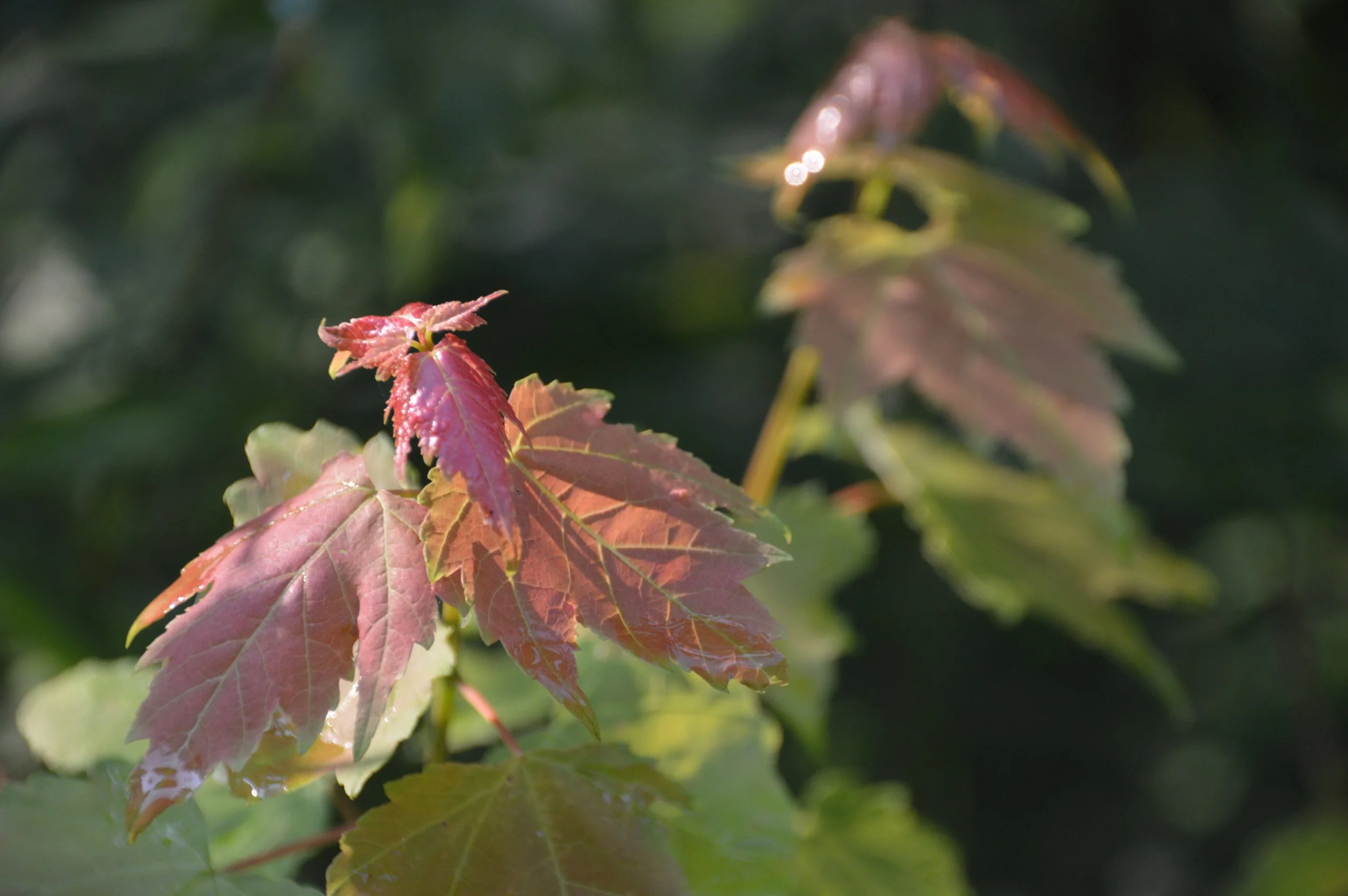
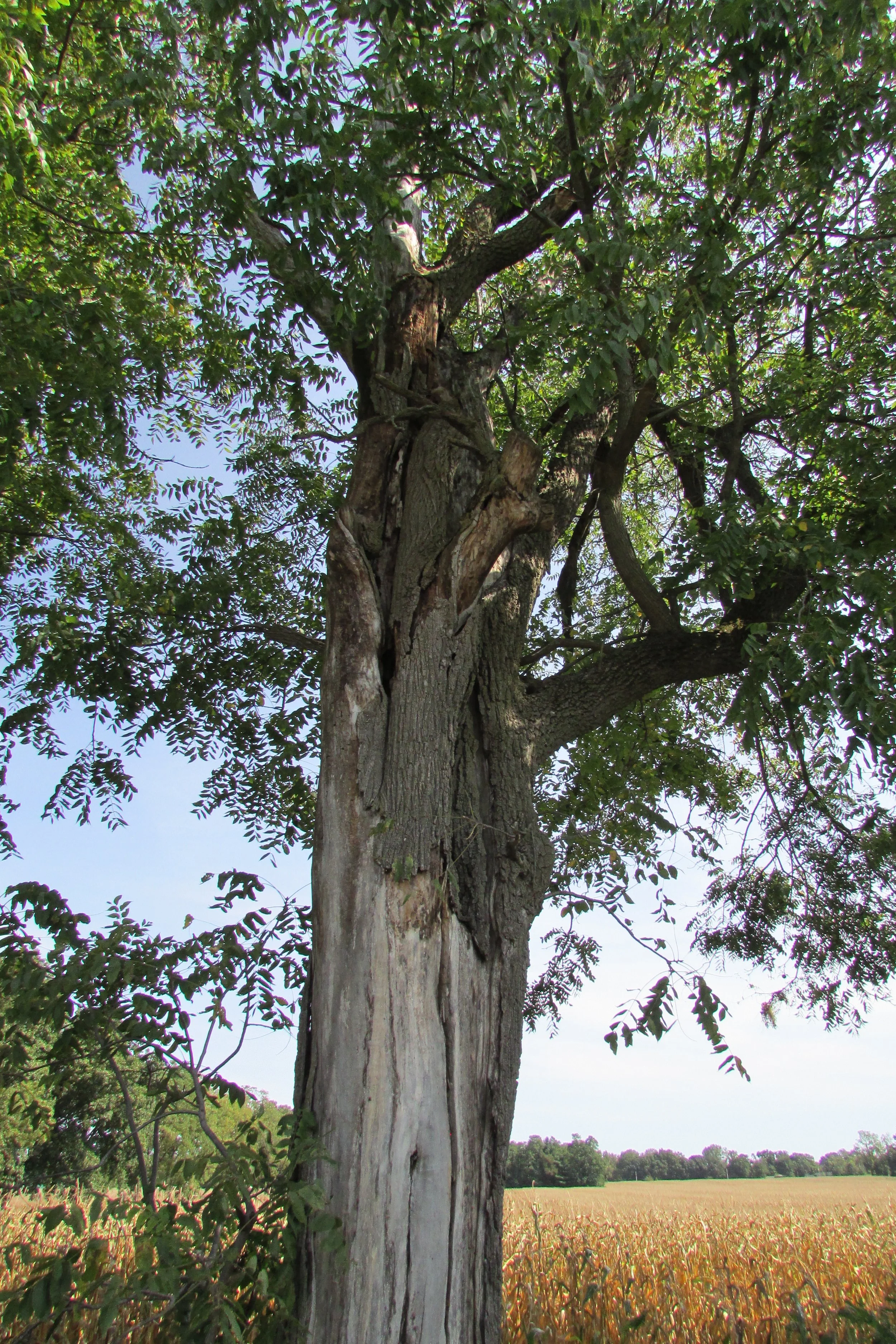
Identification / Key Features: Medium to large deciduous tree with opposite, palmately lobed leaves (5 lobes) that turn bright yellow, orange, or red in fall. Bark is gray-brown and smooth when young, becoming furrowed with age. Produces winged seeds called samaras.
Mature Height / Size: 60–75 feet.
Growth Rate: Slow to moderate.
Light / Soil / Site Preferences: Prefers full sun to partial shade and well-drained, fertile soils; sensitive to drought and compaction.
Wildlife Value / Ecological Role: Seeds eaten by squirrels and birds; dense canopy provides shade and nesting habitat.
Uses / Economic / Cultural: Primary source of maple syrup; wood is highly valued for furniture, flooring, and cabinetry.
Quantity (per bundle) 25
Size (8-15”)
A beloved symbol of Michigan’s forests, Sugar Maple is cherished for its brilliant fall color and graceful form. Its dense, rounded crown and rich green summer foliage transform into vibrant shades of red, orange, and gold each autumn, bringing dazzling seasonal beauty to the landscape.
Well-suited to Northern Michigan (Zone 5a), Sugar Maple thrives in moist, well-drained, slightly acidic soils and prefers full sun to partial shade. It grows at a moderate rate and develops into a stately shade tree, ideal for parks, yards, and naturalized plantings.
Ecologically, Sugar Maple supports diverse wildlife, offering seeds and shelter for birds and small mammals. Its strong, fine-grained wood is prized for furniture, flooring, and musical instruments, while its sap—famous for producing pure maple syrup—makes this tree both a cultural and natural treasure of the northern woods.
Identification / Key Features: Medium to large deciduous tree with opposite, palmately lobed leaves (5 lobes) that turn bright yellow, orange, or red in fall. Bark is gray-brown and smooth when young, becoming furrowed with age. Produces winged seeds called samaras.
Mature Height / Size: 60–75 feet.
Growth Rate: Slow to moderate.
Light / Soil / Site Preferences: Prefers full sun to partial shade and well-drained, fertile soils; sensitive to drought and compaction.
Wildlife Value / Ecological Role: Seeds eaten by squirrels and birds; dense canopy provides shade and nesting habitat.
Uses / Economic / Cultural: Primary source of maple syrup; wood is highly valued for furniture, flooring, and cabinetry.






![Kurt Stüber [1], CC BY-SA 3.0 <http://creativecommons.org/licenses/by-sa/3.0/>, via Wikimedia Commons.jpg](https://images.squarespace-cdn.com/content/v1/6824b99b0162611c9e37dcf6/984fe6c2-3e0e-4e1c-862f-40c88a5ed806/Kurt+St%C3%BCber+%5B1%5D%2C+CC+BY-SA+3.0+%3Chttp%3A%2F%2Fcreativecommons.org%2Flicenses%2Fby-sa%2F3.0%2F%3E%2C+via+Wikimedia+Commons.jpg)