Seedlings will be 45ml plugs
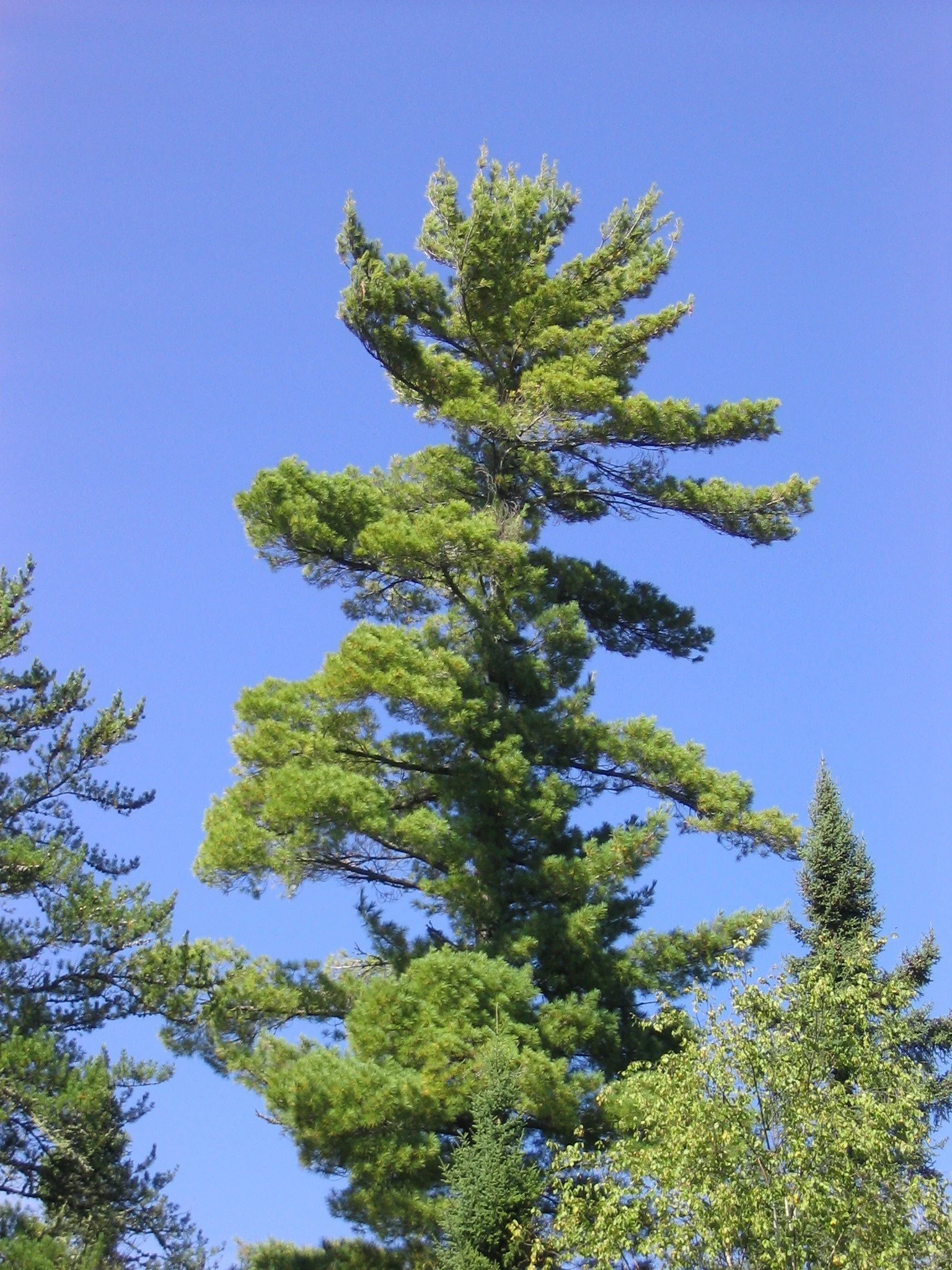
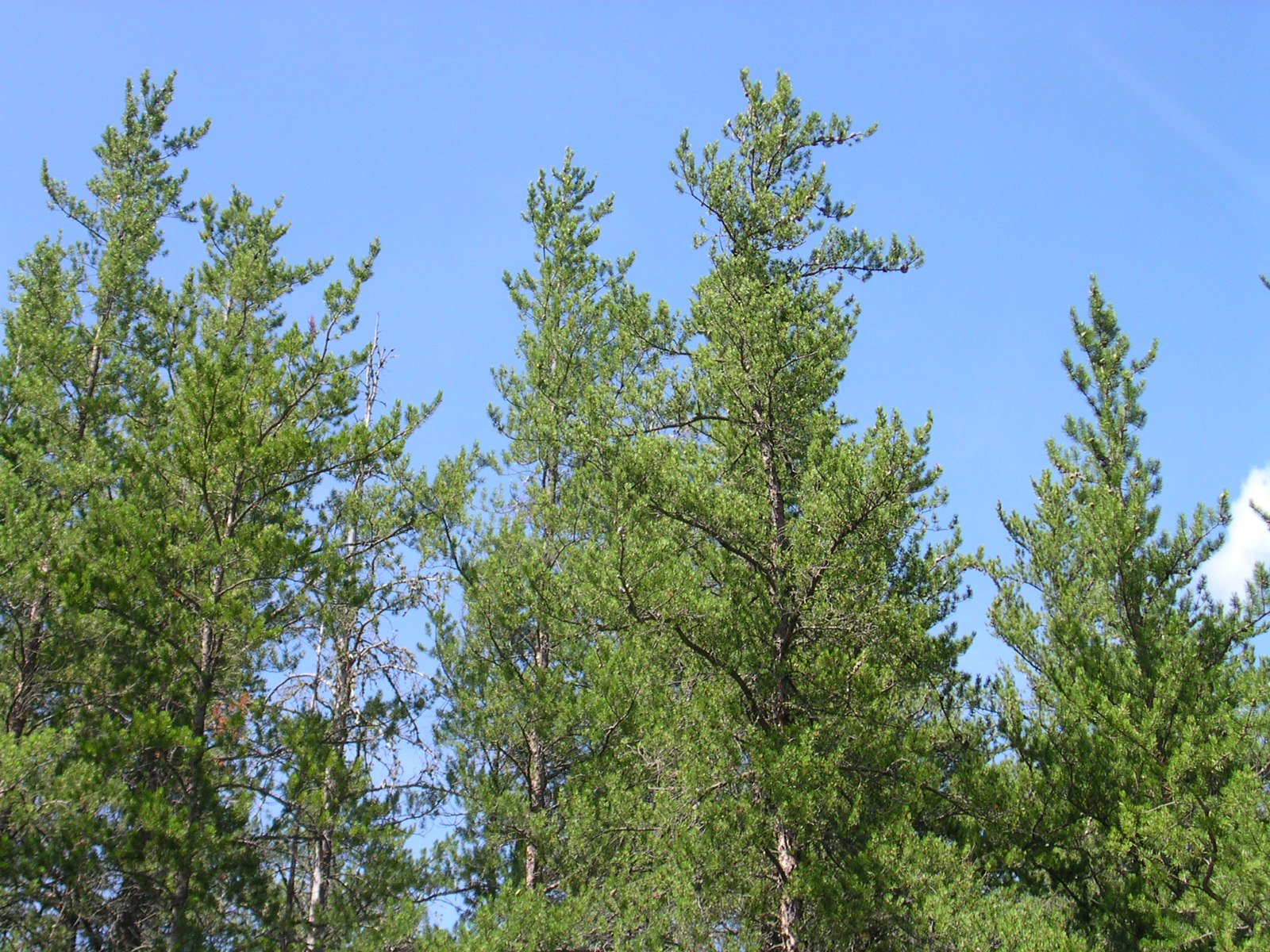
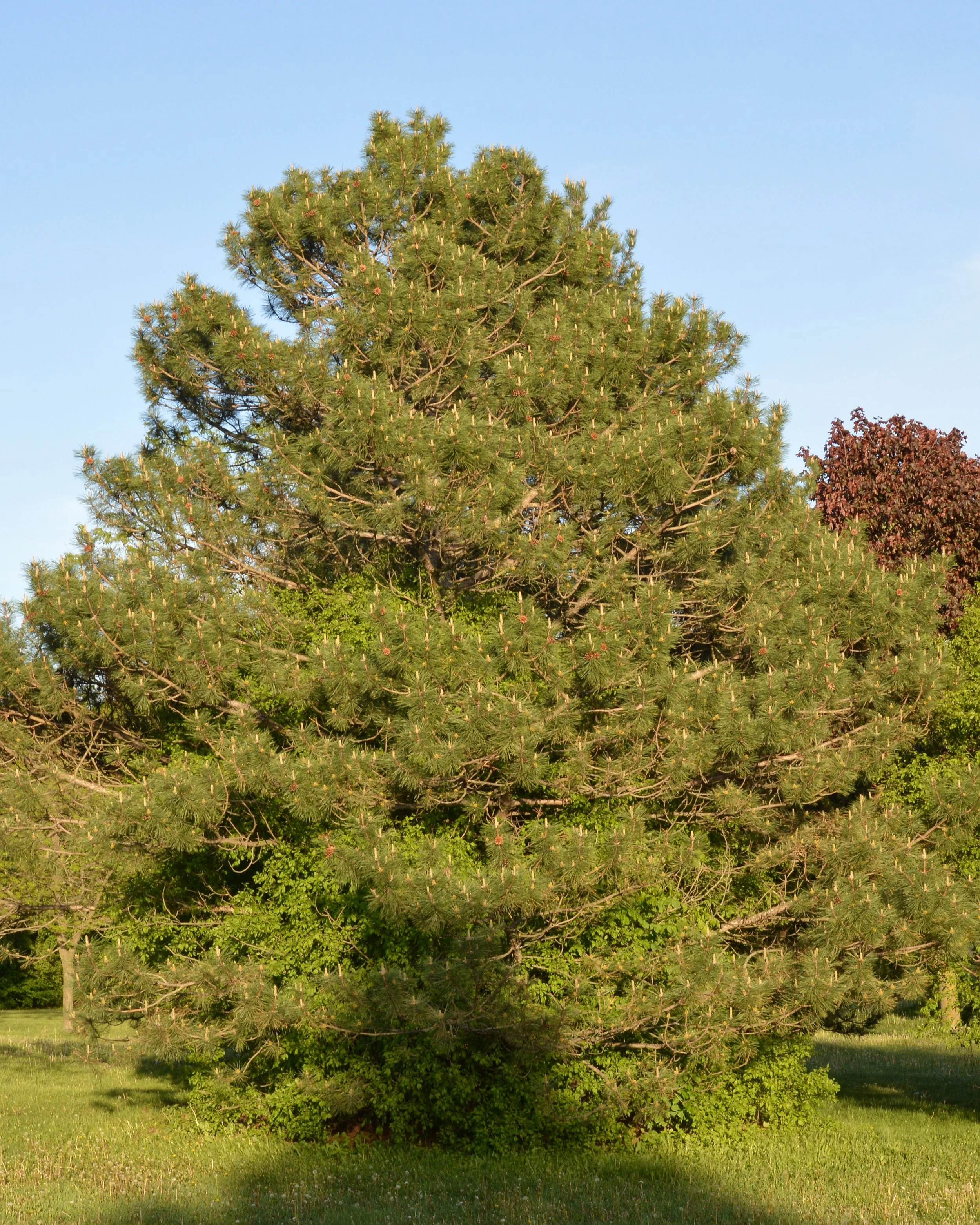
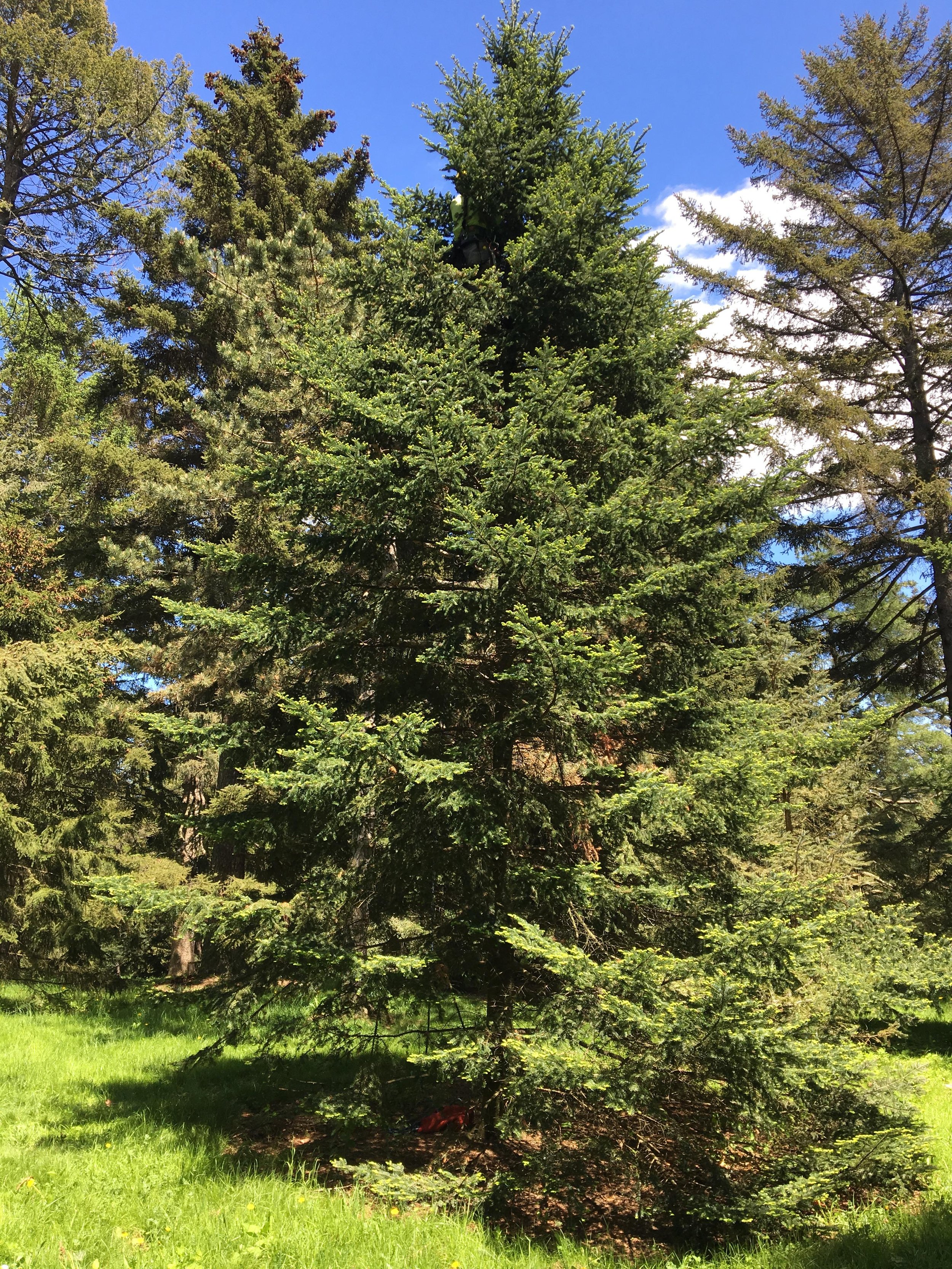
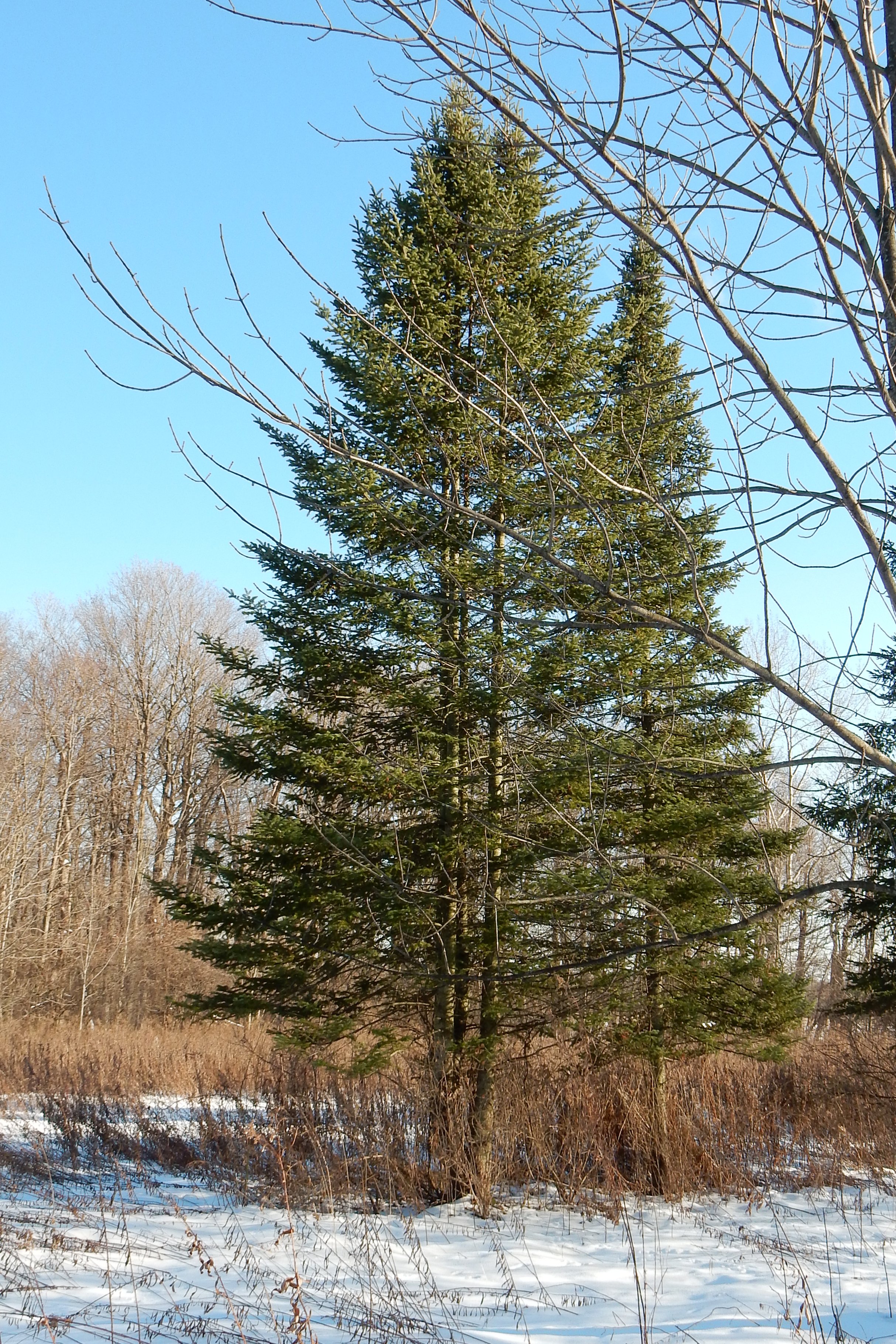
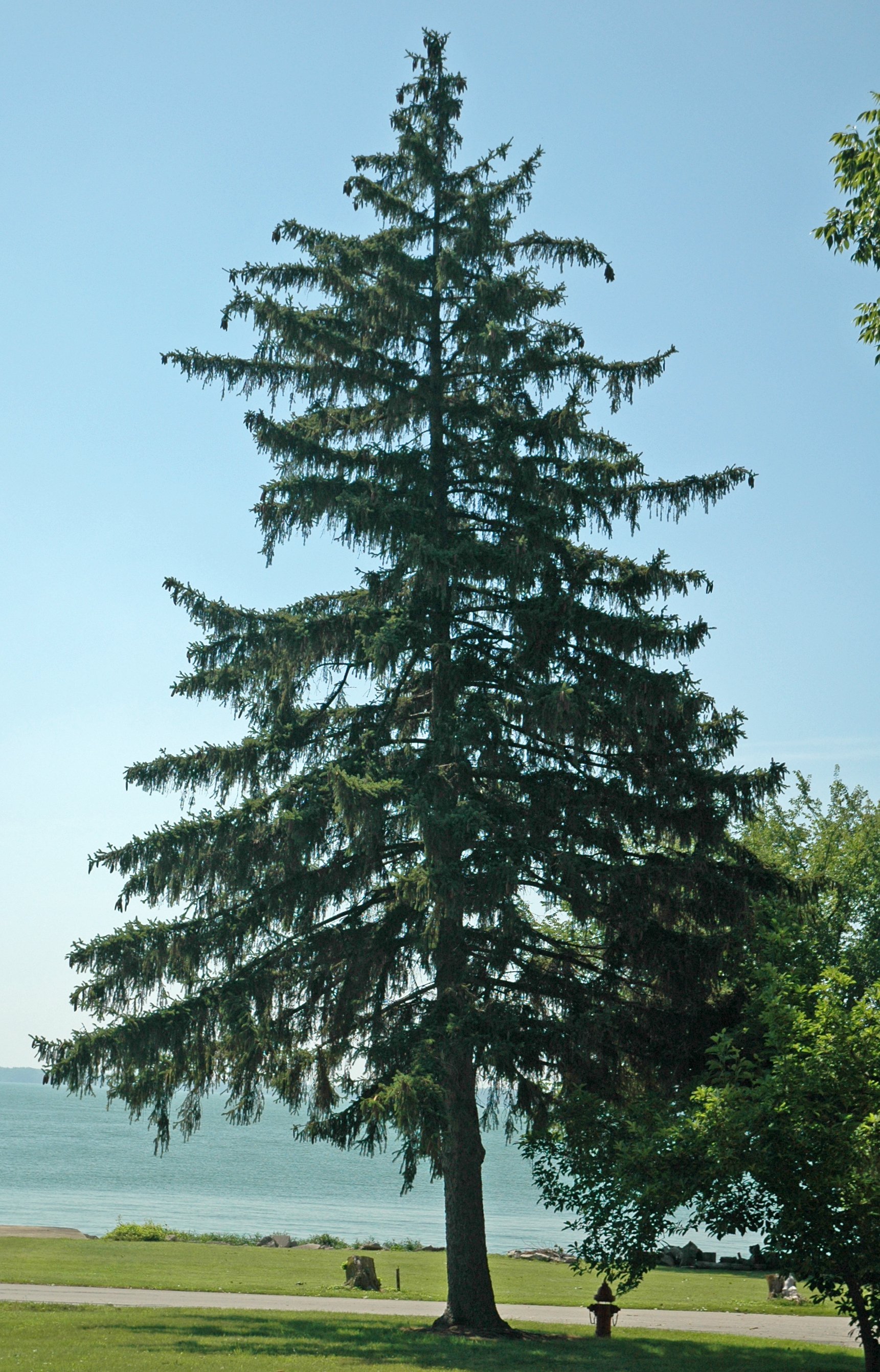
A hardy and elegant native evergreen, White Spruce is admired for its dense, pyramidal form and short, blue-green needles that emit a pleasant, resinous fragrance. Its symmetrical shape and fine texture make it a versatile choice for both ornamental and practical plantings, from windbreaks to wildlife habitat. The tree’s small, cylindrical cones and year-round foliage add subtle visual interest across the seasons.
Well-suited to Northern Michigan (Zone 5a), White Spruce thrives in cold climates and a range of soil conditions, including sandy, loamy, or rocky sites. It grows best in full sun and well-drained soil but tolerates occasional moisture and wind exposure. With moderate growth and strong adaptability, it is a reliable evergreen for reforestation, screens, and naturalized landscapes.
Identification / Key Features:
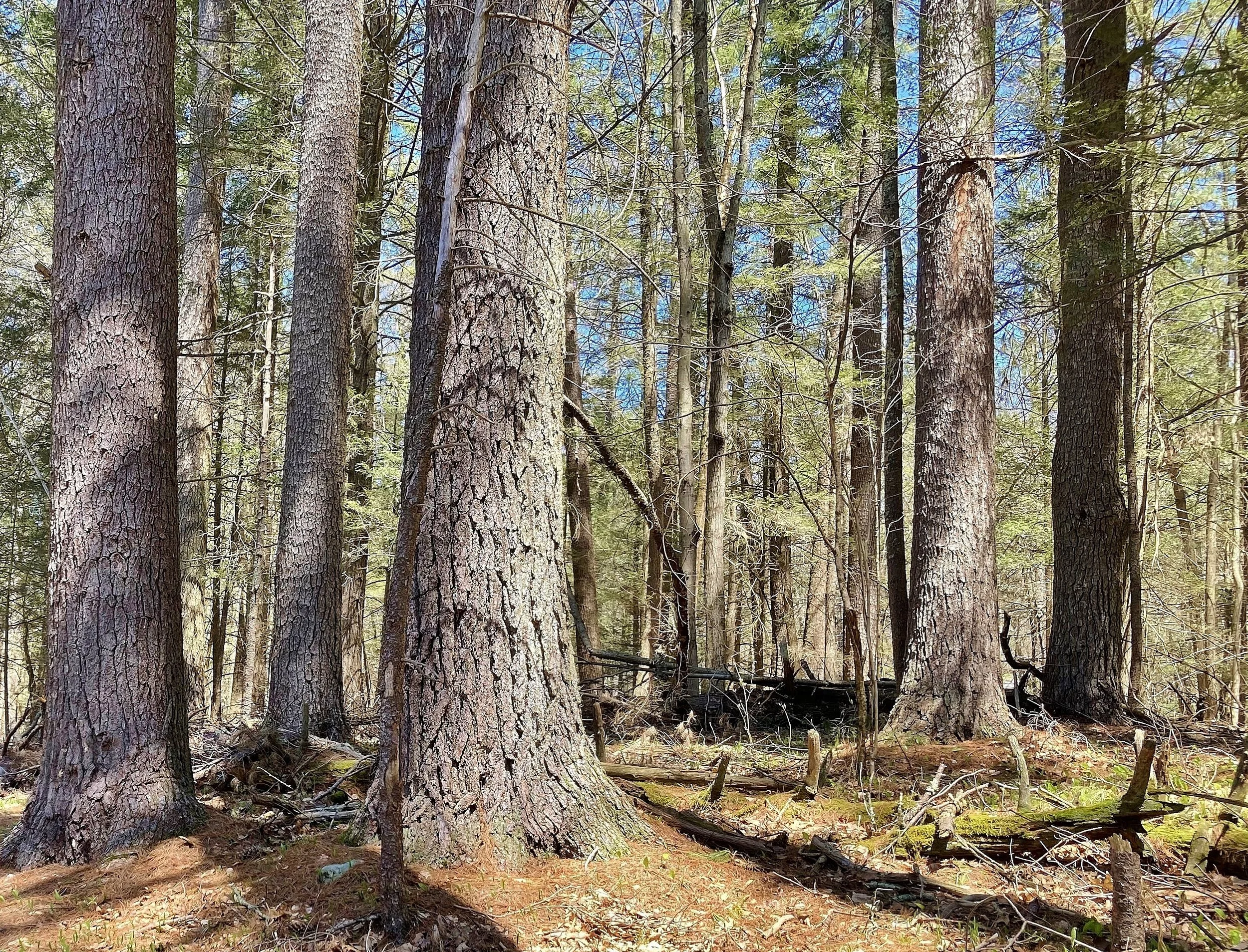
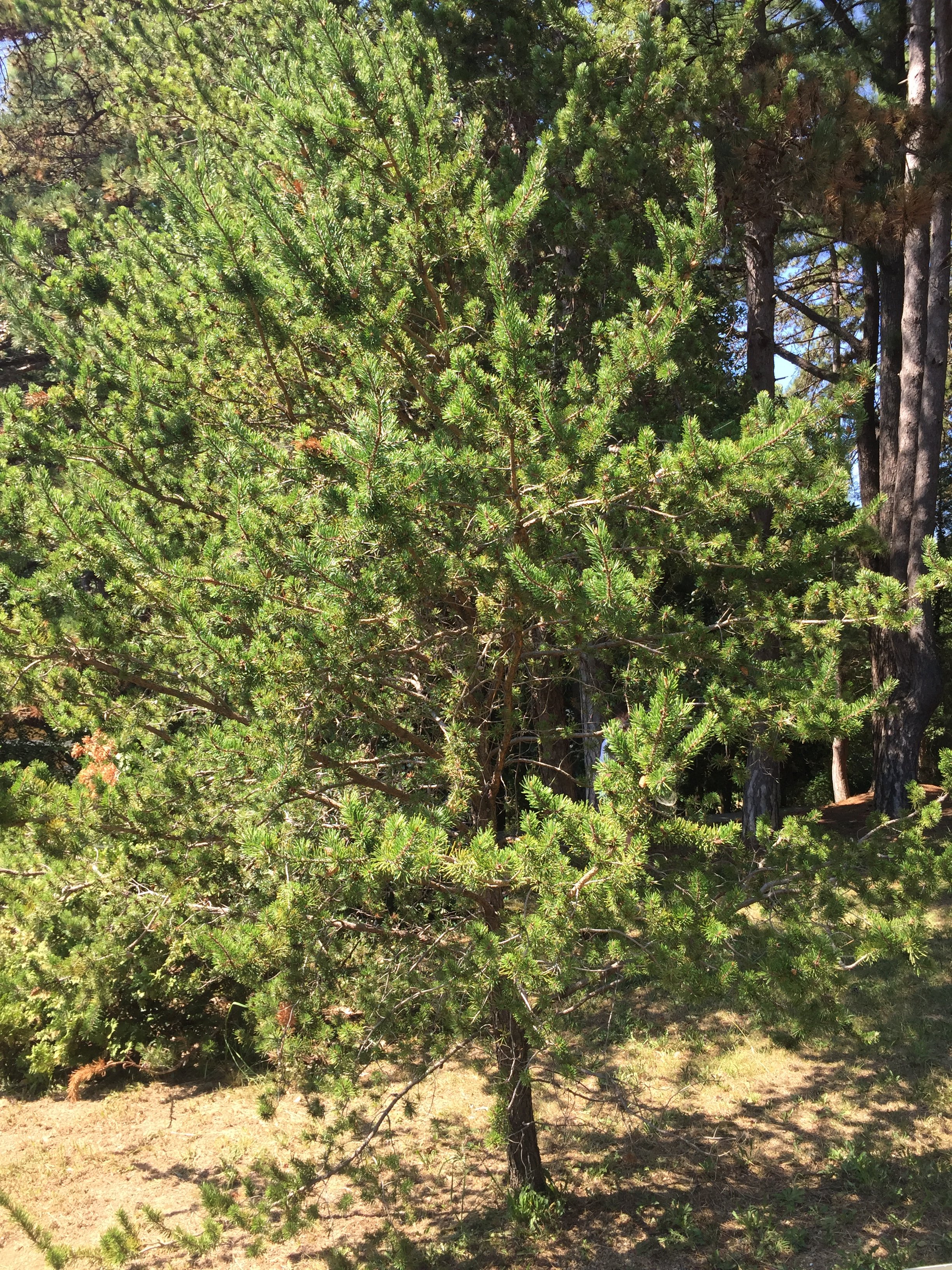
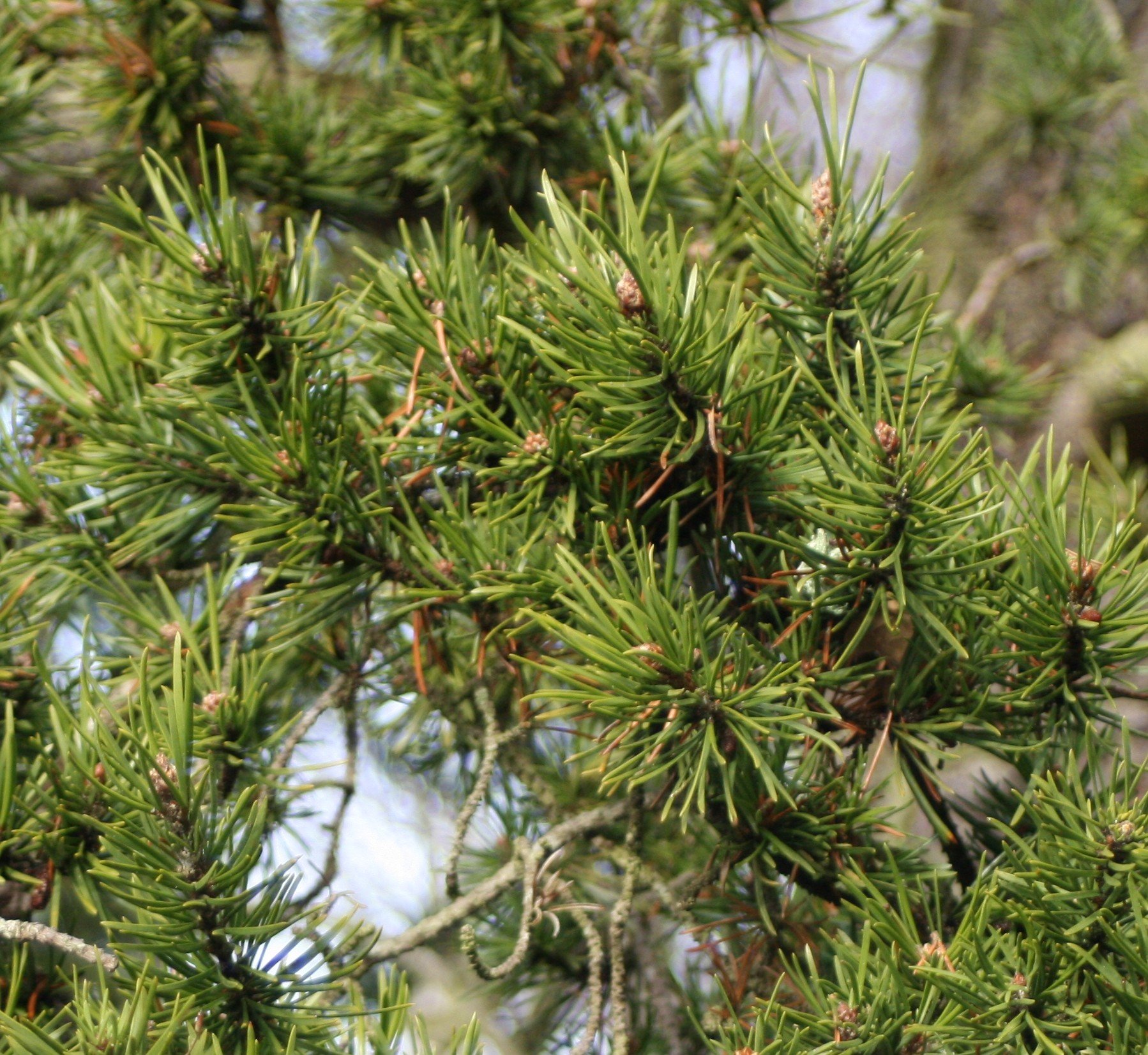
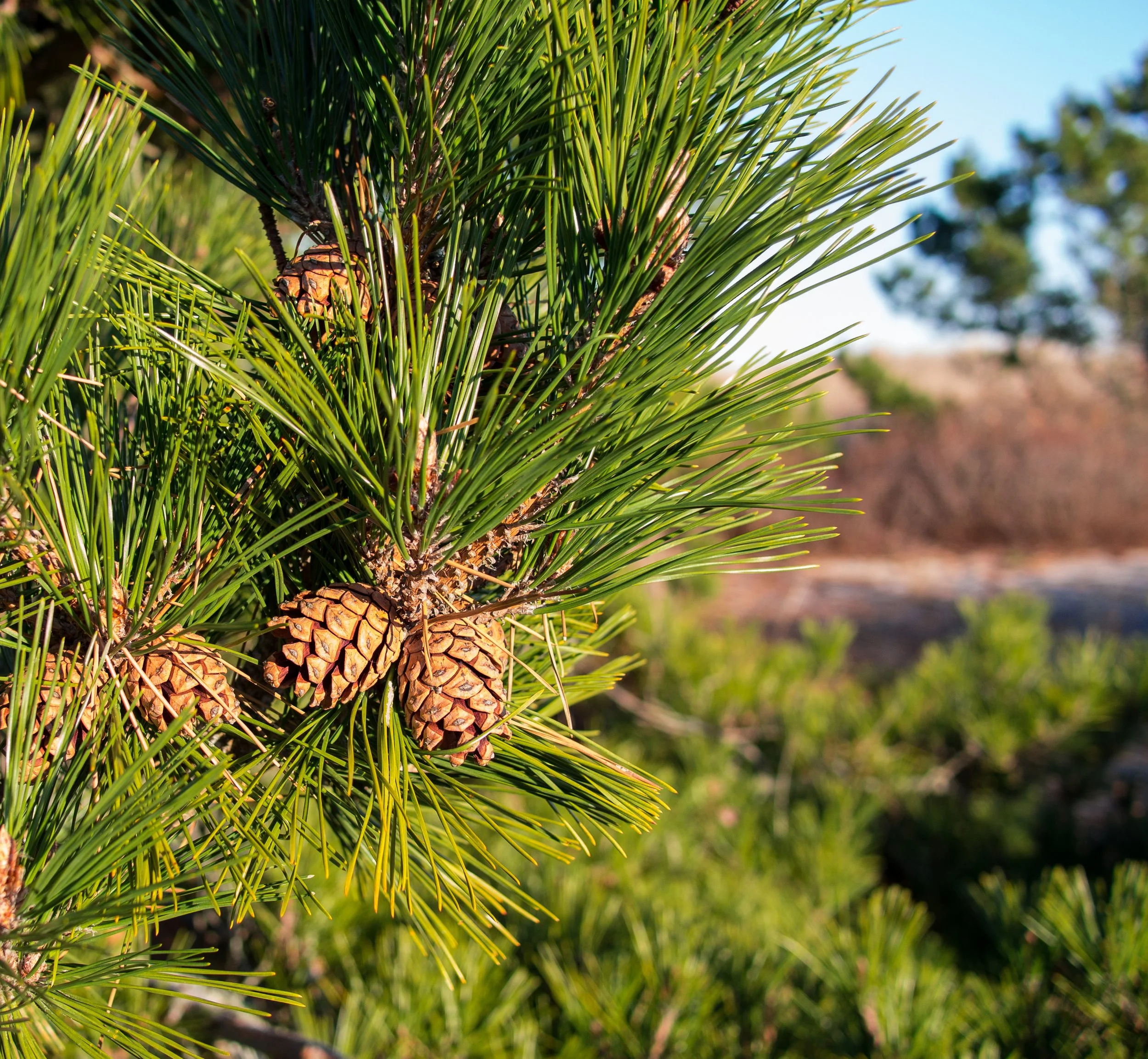
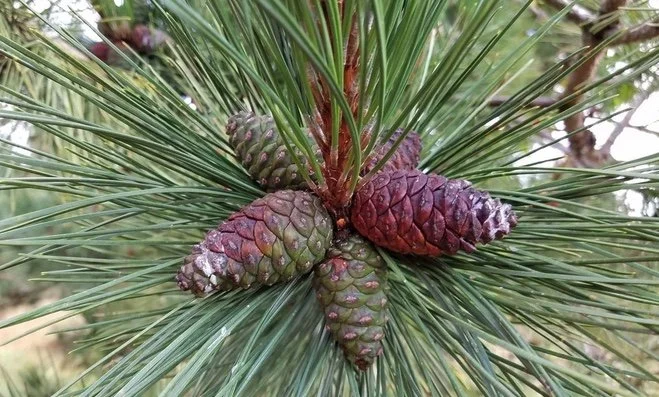
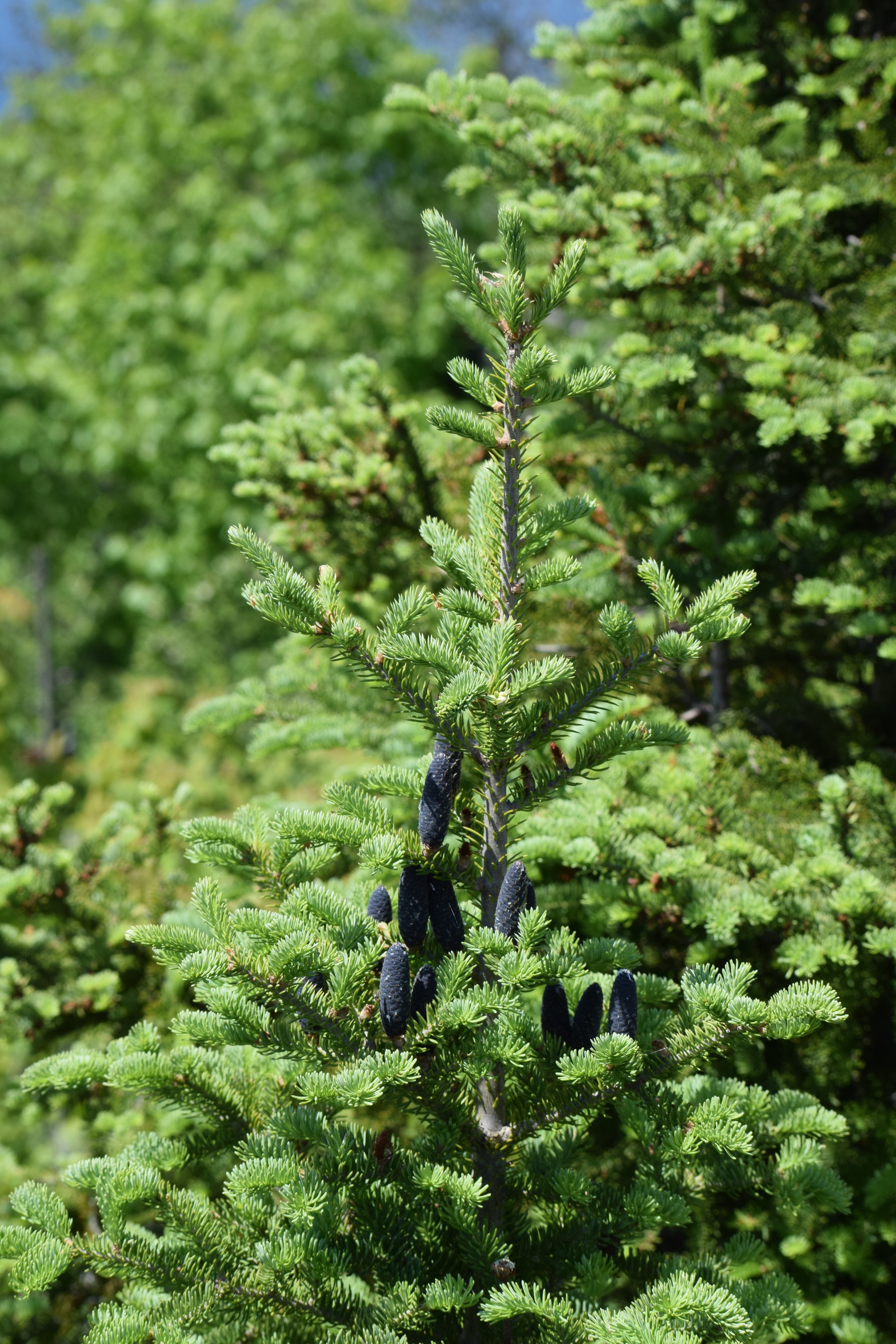
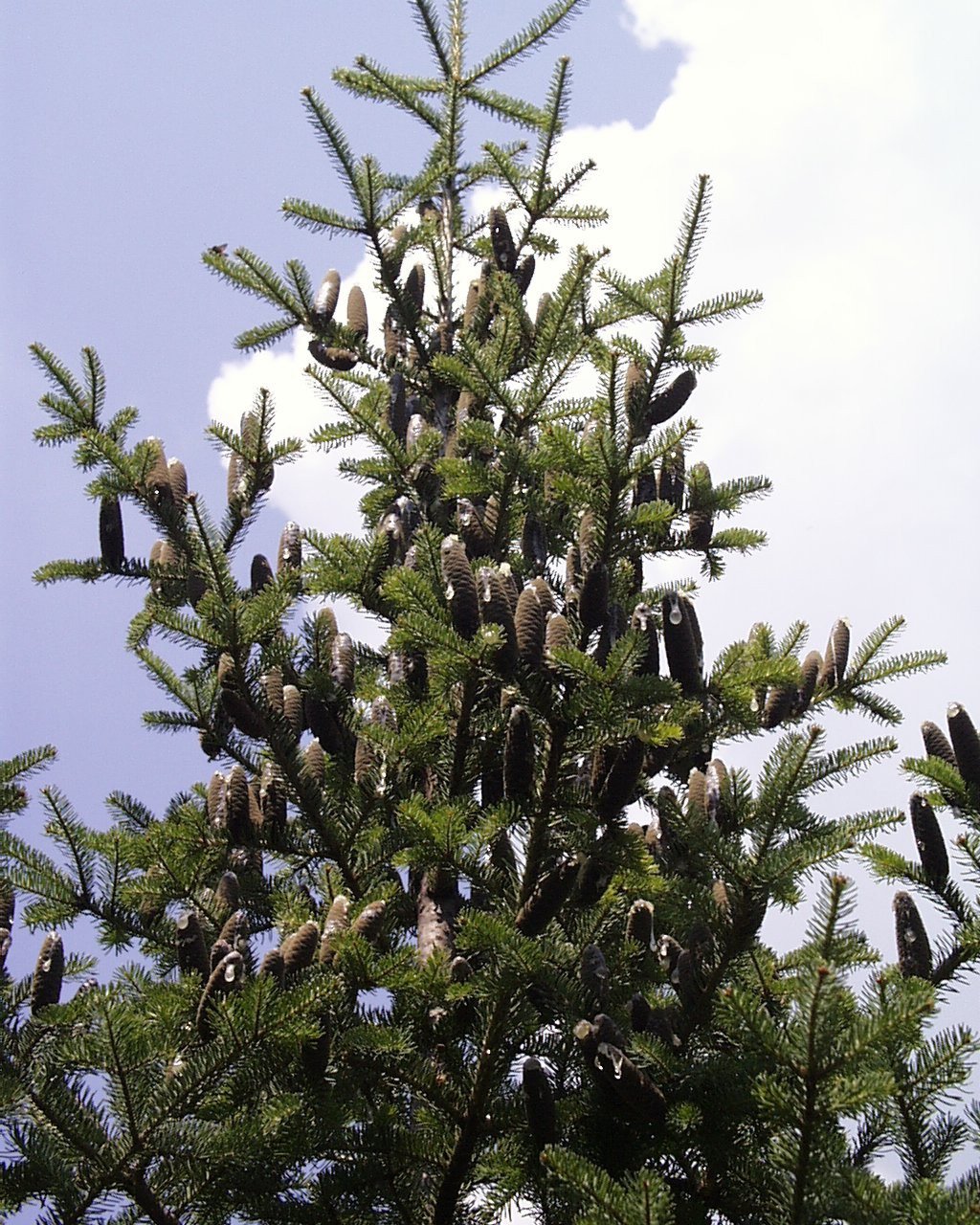
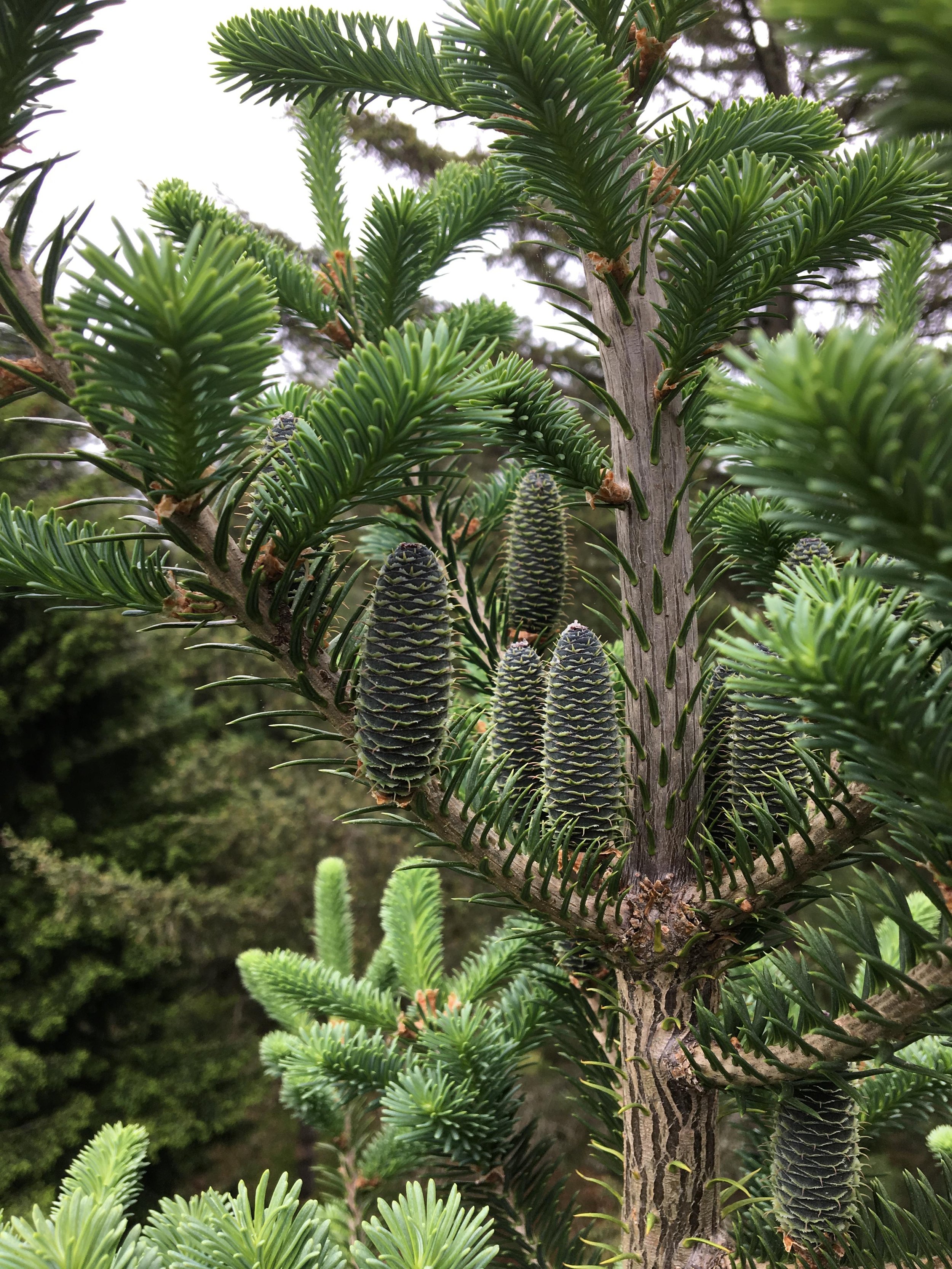
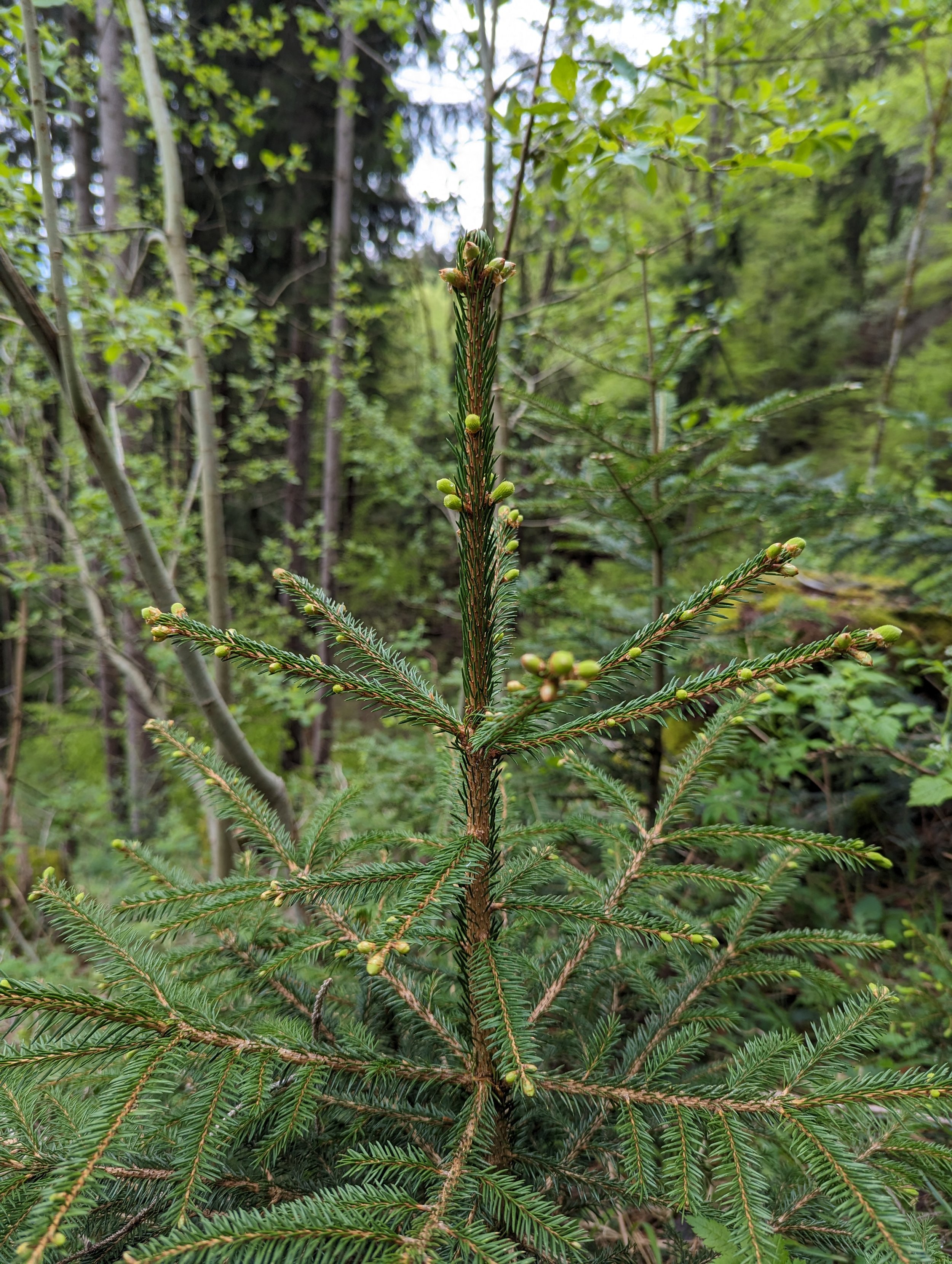
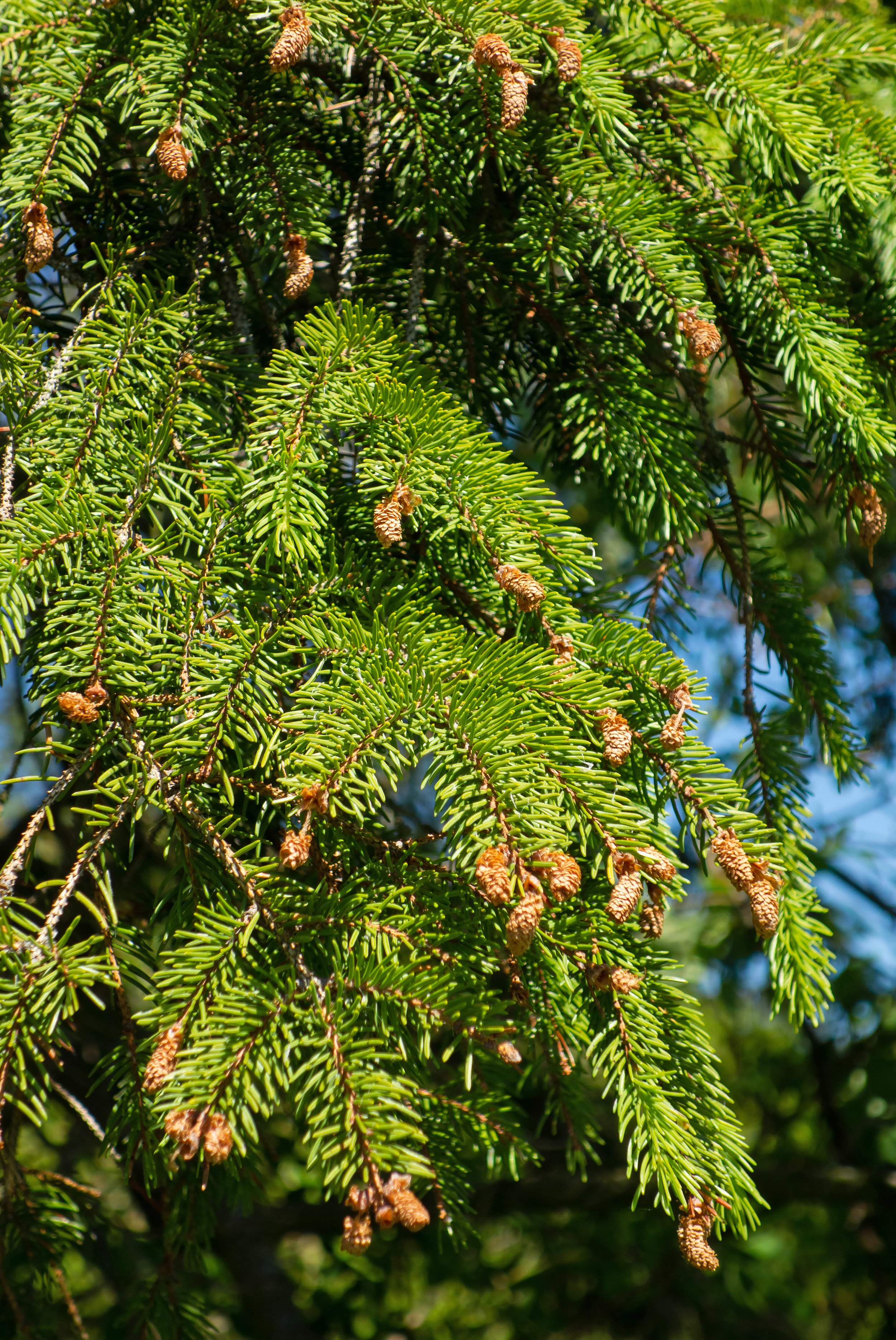
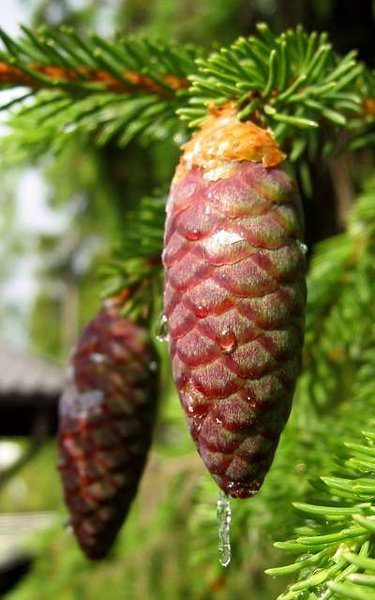
White Spruce features short (½–¾ inch), four-sided needles with a whitish-blue hue and a slightly sharp feel. Needles are arranged spirally around stiff branches. The bark is thin and grayish-brown, becoming scaly with age. Small, light-brown cones (1–2 inches long) hang downward and release winged seeds in fall.
Mature Height / Size: 40–70 feet.
Growth Rate: Moderate; grows steadily under full sun and favorable soil conditions.
Light / Soil / Site Preferences: Prefers full sun and moist, well-drained soils but adapts to a variety of conditions, including sandy or gravelly sites. Tolerates cold, wind, and some drought once established.
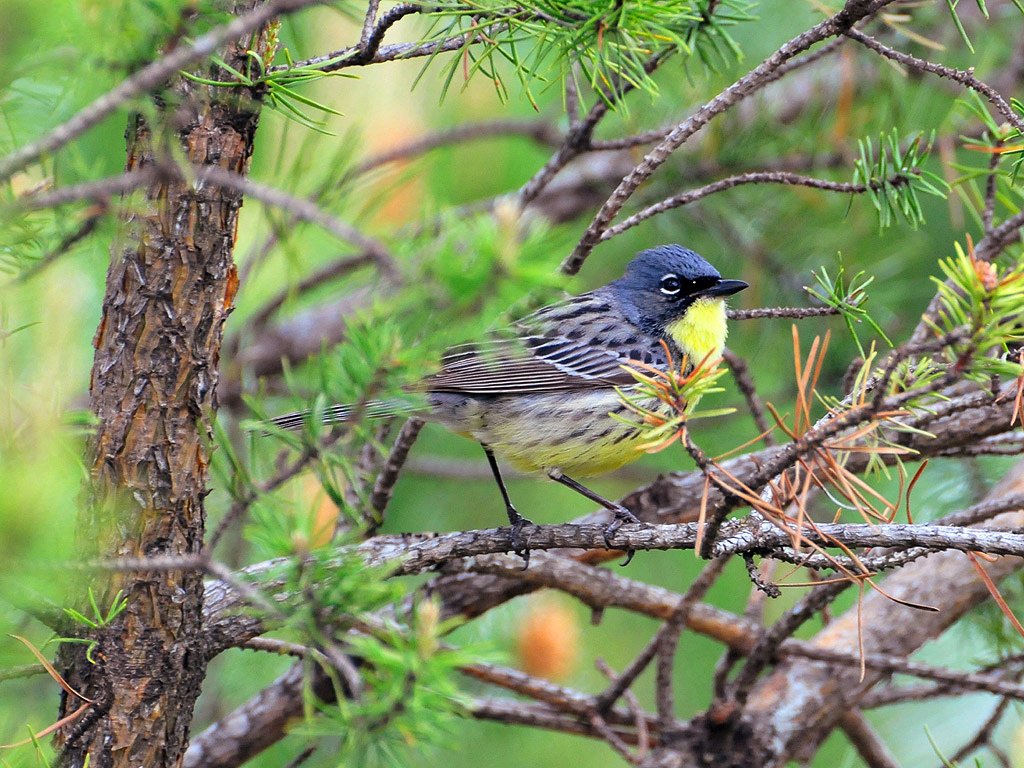
Wildlife Value / Ecological Role: Provides excellent nesting and roosting cover for birds such as warblers, sparrows, and crossbills. Cones produce seeds eaten by songbirds, squirrels, and other small mammals. Dense foliage offers year-round shelter for wildlife.
Uses / Economic / Cultural: Valued for its straight-grained, lightweight wood used in construction, pulp, and musical instruments. Commonly planted for windbreaks, Christmas trees, and reforestation projects due to its cold hardiness and resilience.
Seedlings will be 45ml plugs
A hardy and elegant native evergreen, White Spruce is admired for its dense, pyramidal form and short, blue-green needles that emit a pleasant, resinous fragrance. Its symmetrical shape and fine texture make it a versatile choice for both ornamental and practical plantings, from windbreaks to wildlife habitat. The tree’s small, cylindrical cones and year-round foliage add subtle visual interest across the seasons.
Well-suited to Northern Michigan (Zone 5a), White Spruce thrives in cold climates and a range of soil conditions, including sandy, loamy, or rocky sites. It grows best in full sun and well-drained soil but tolerates occasional moisture and wind exposure. With moderate growth and strong adaptability, it is a reliable evergreen for reforestation, screens, and naturalized landscapes.
Identification / Key Features:
White Spruce features short (½–¾ inch), four-sided needles with a whitish-blue hue and a slightly sharp feel. Needles are arranged spirally around stiff branches. The bark is thin and grayish-brown, becoming scaly with age. Small, light-brown cones (1–2 inches long) hang downward and release winged seeds in fall.
Mature Height / Size: 40–70 feet.
Growth Rate: Moderate; grows steadily under full sun and favorable soil conditions.
Light / Soil / Site Preferences: Prefers full sun and moist, well-drained soils but adapts to a variety of conditions, including sandy or gravelly sites. Tolerates cold, wind, and some drought once established.
Wildlife Value / Ecological Role: Provides excellent nesting and roosting cover for birds such as warblers, sparrows, and crossbills. Cones produce seeds eaten by songbirds, squirrels, and other small mammals. Dense foliage offers year-round shelter for wildlife.
Uses / Economic / Cultural: Valued for its straight-grained, lightweight wood used in construction, pulp, and musical instruments. Commonly planted for windbreaks, Christmas trees, and reforestation projects due to its cold hardiness and resilience.

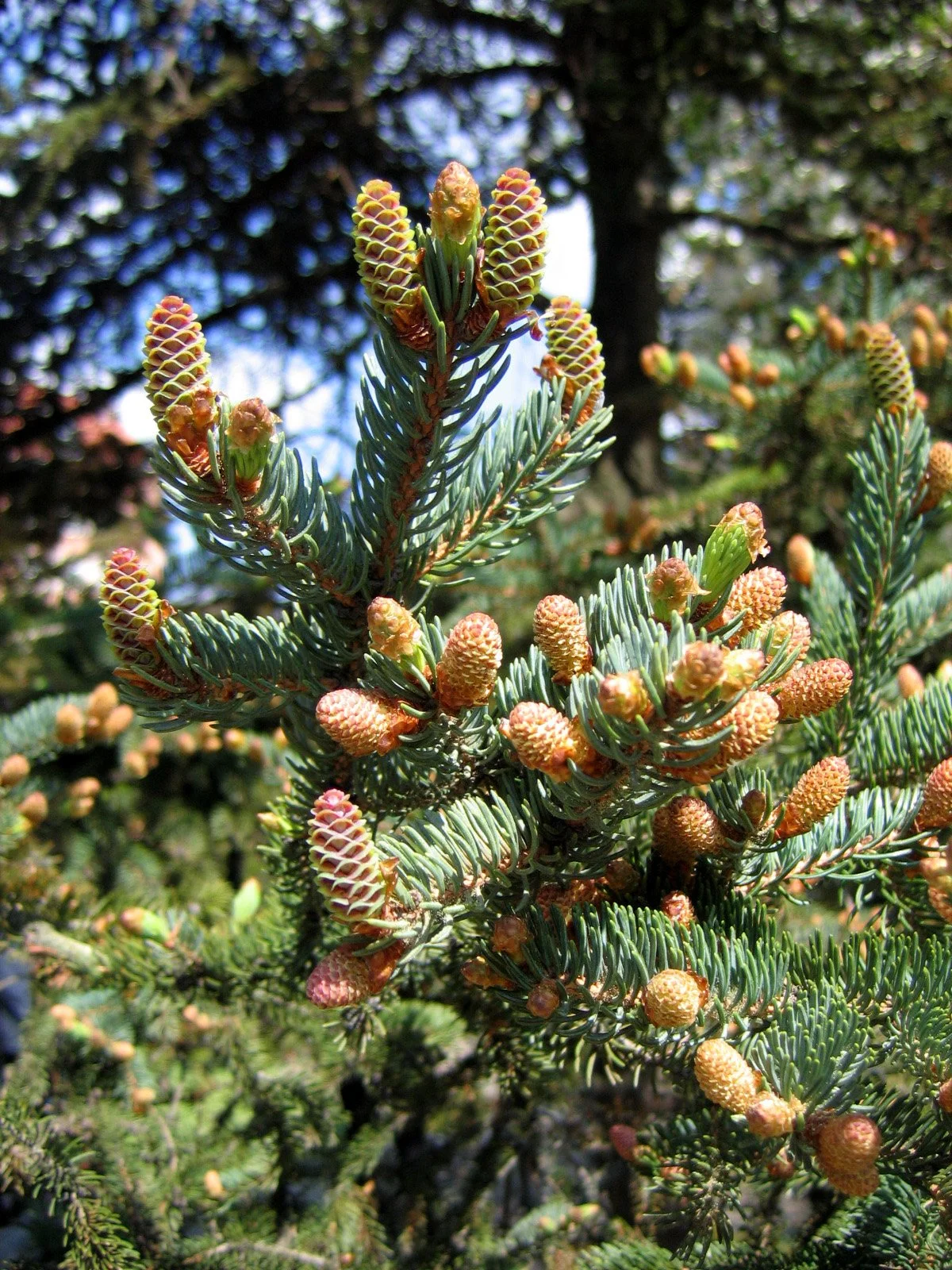 Image 1 of 7
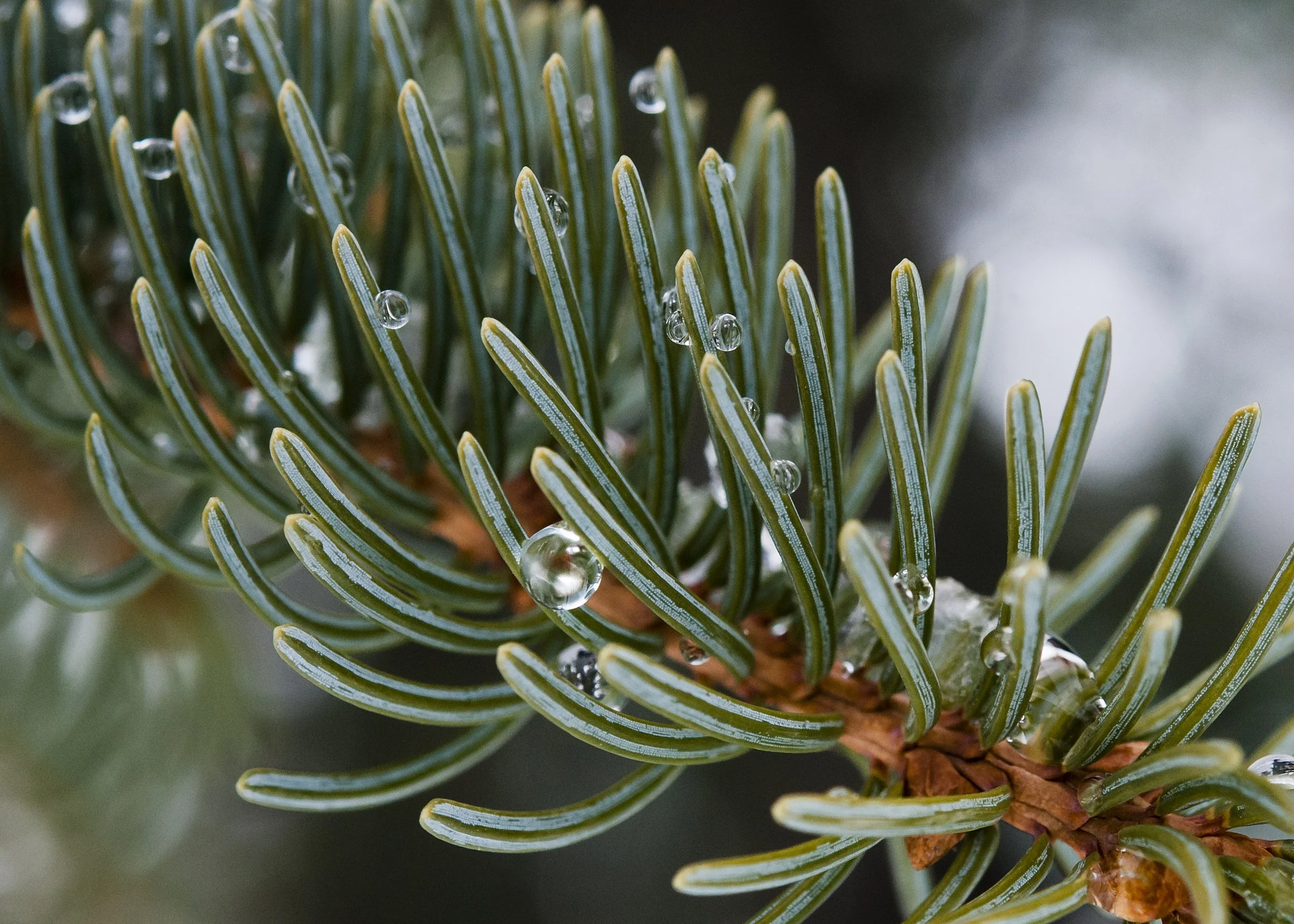 Image 2 of 7
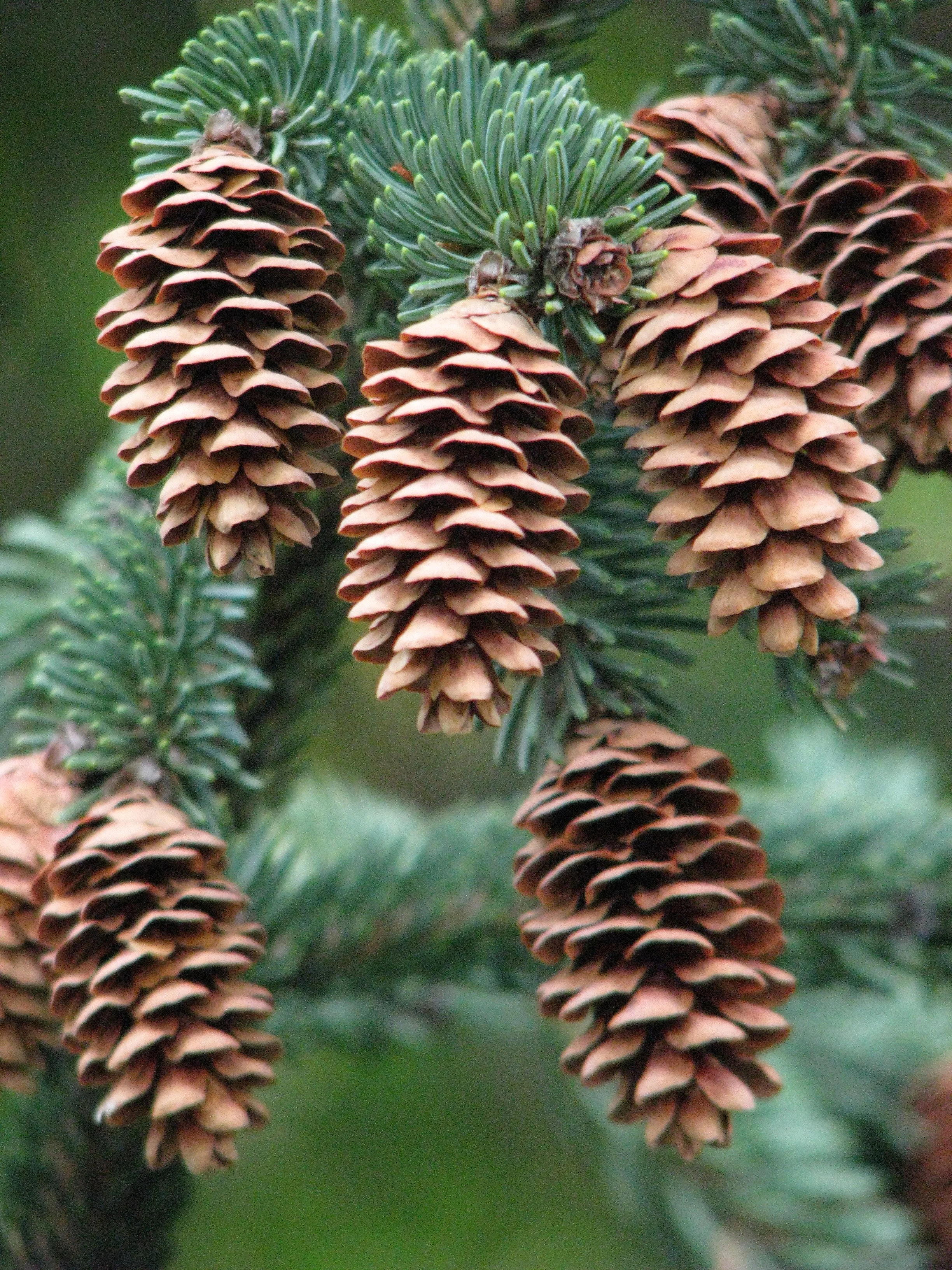 Image 3 of 7
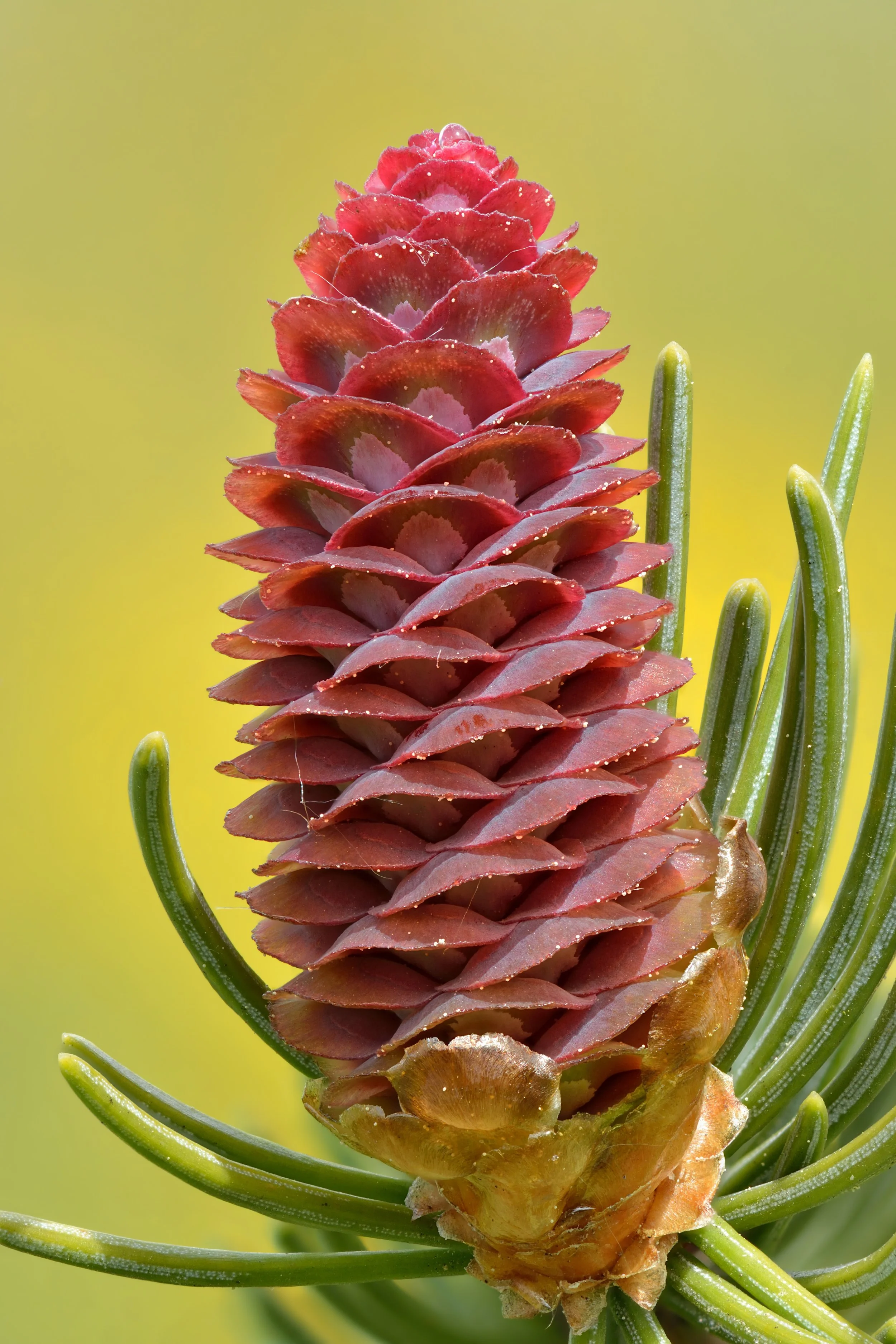 Image 4 of 7
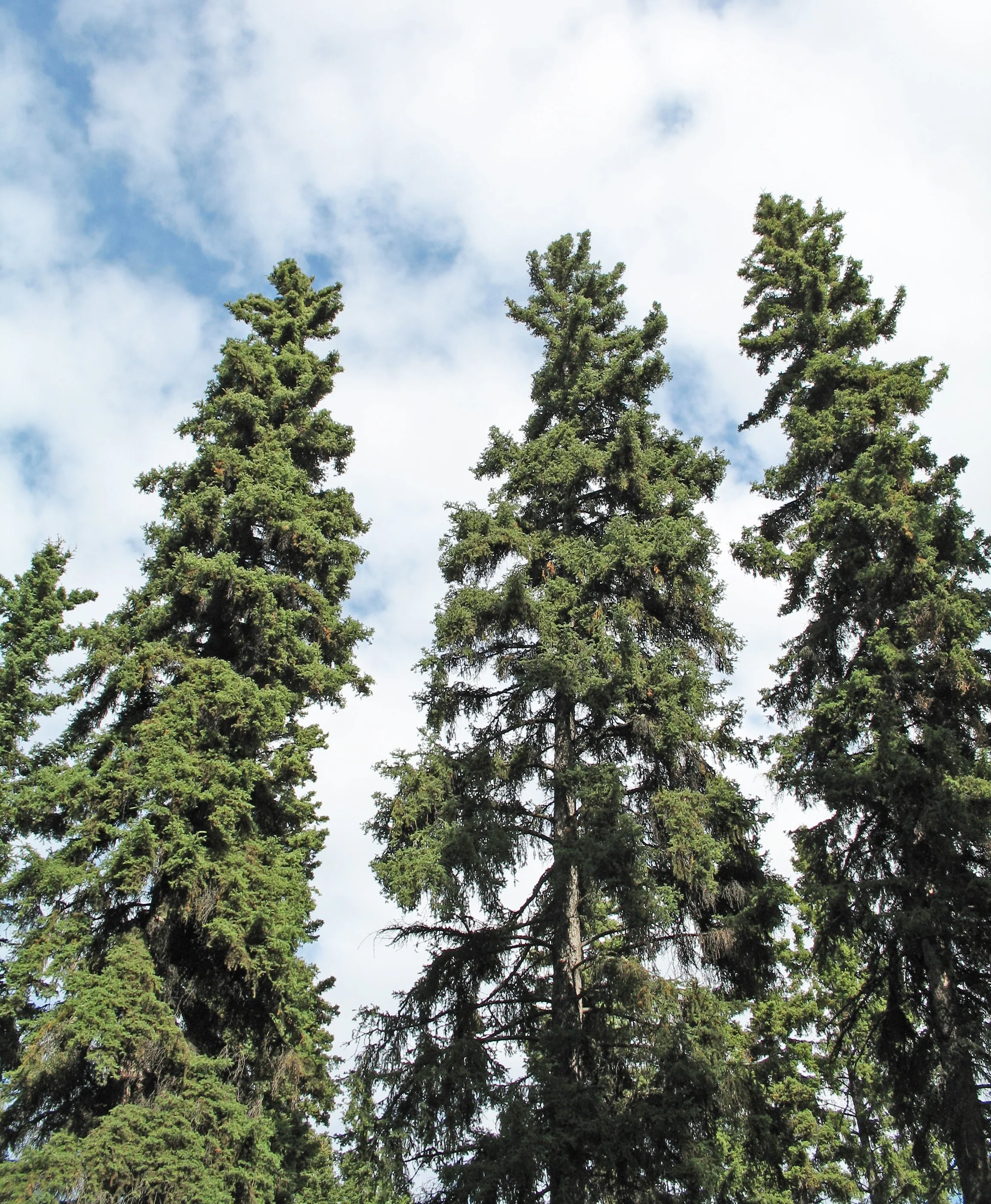 Image 5 of 7
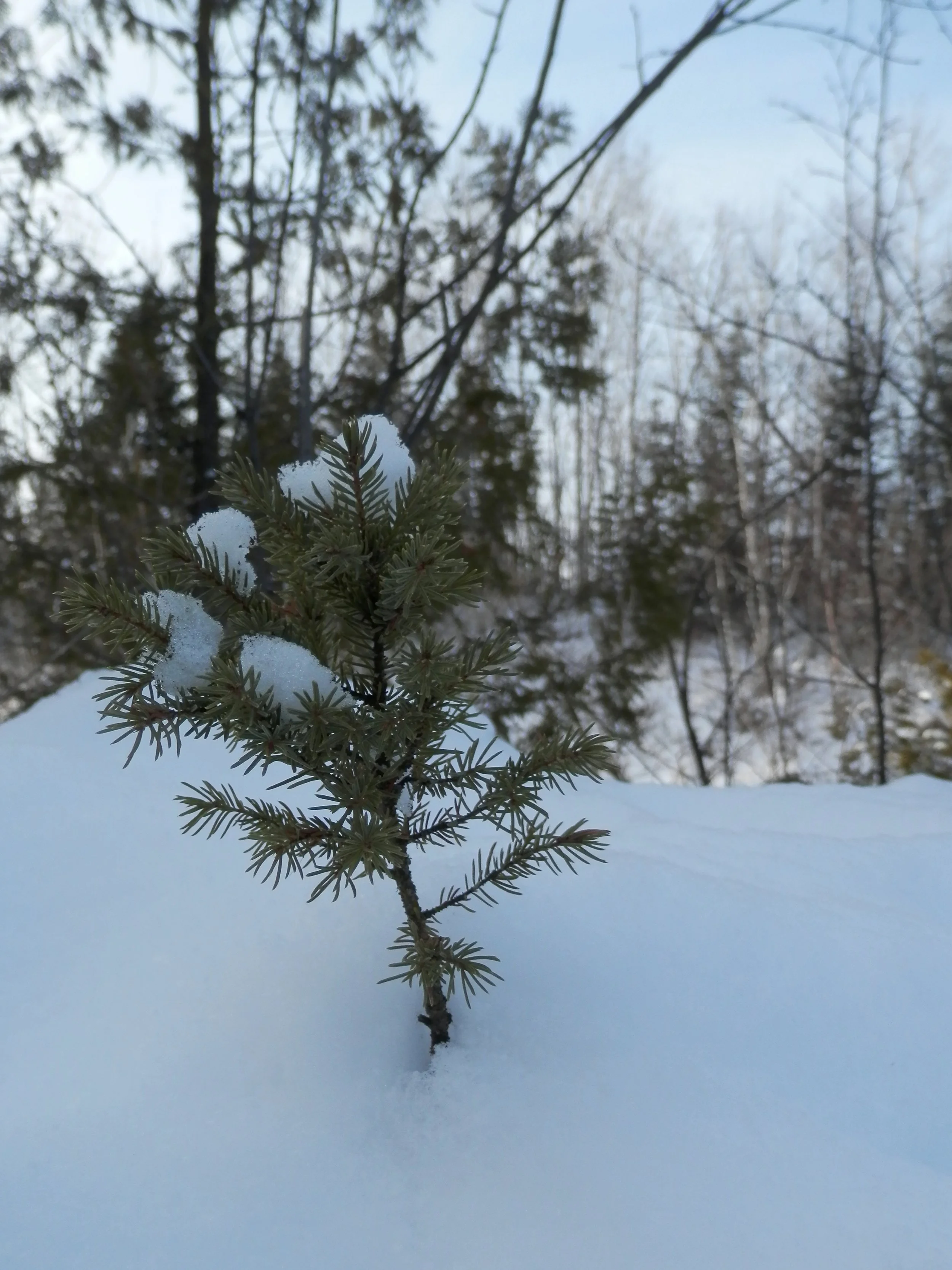 Image 6 of 7
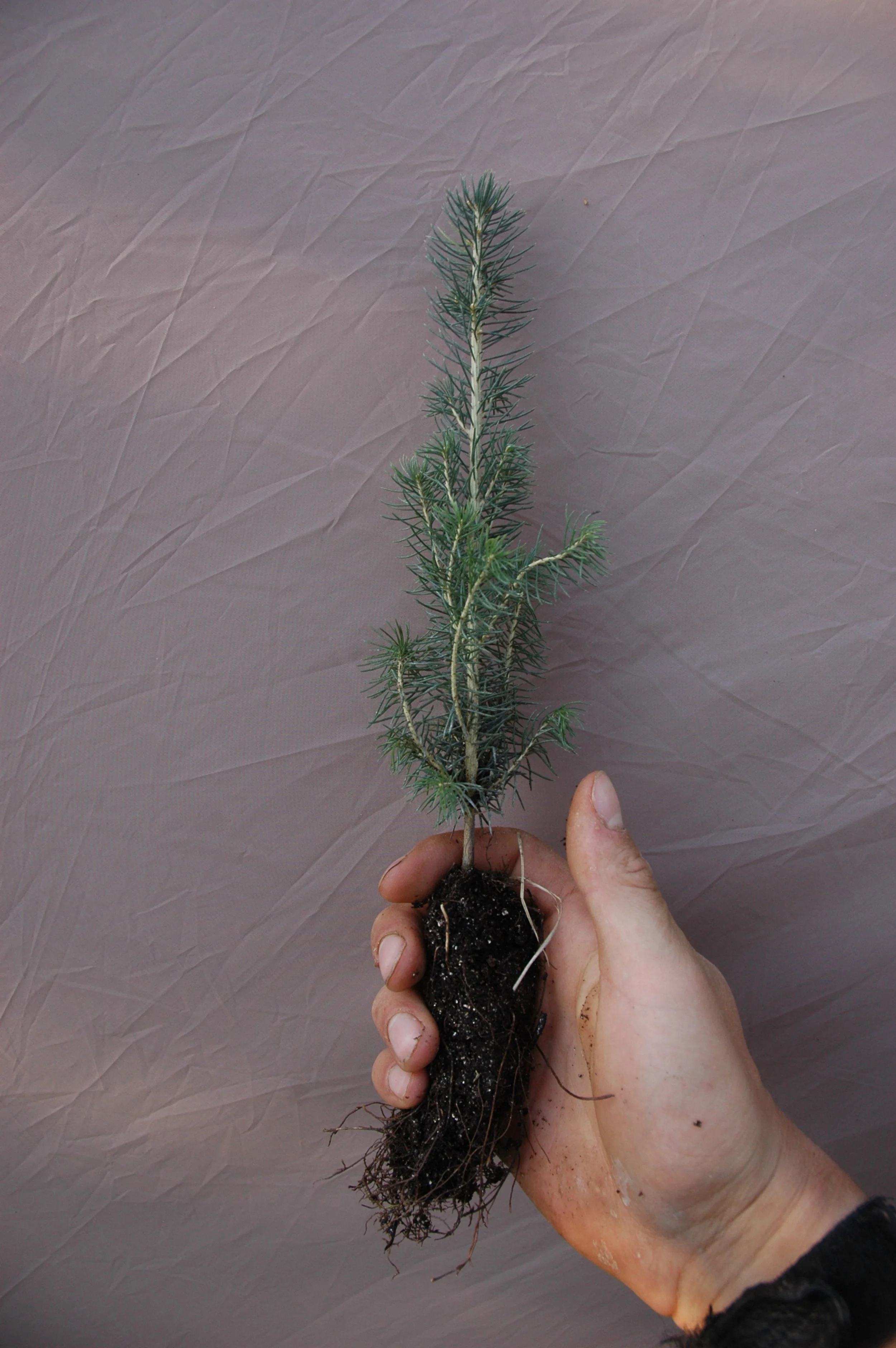 Image 7 of 7