Quantity (per bundle) 25
Size (12-18”)
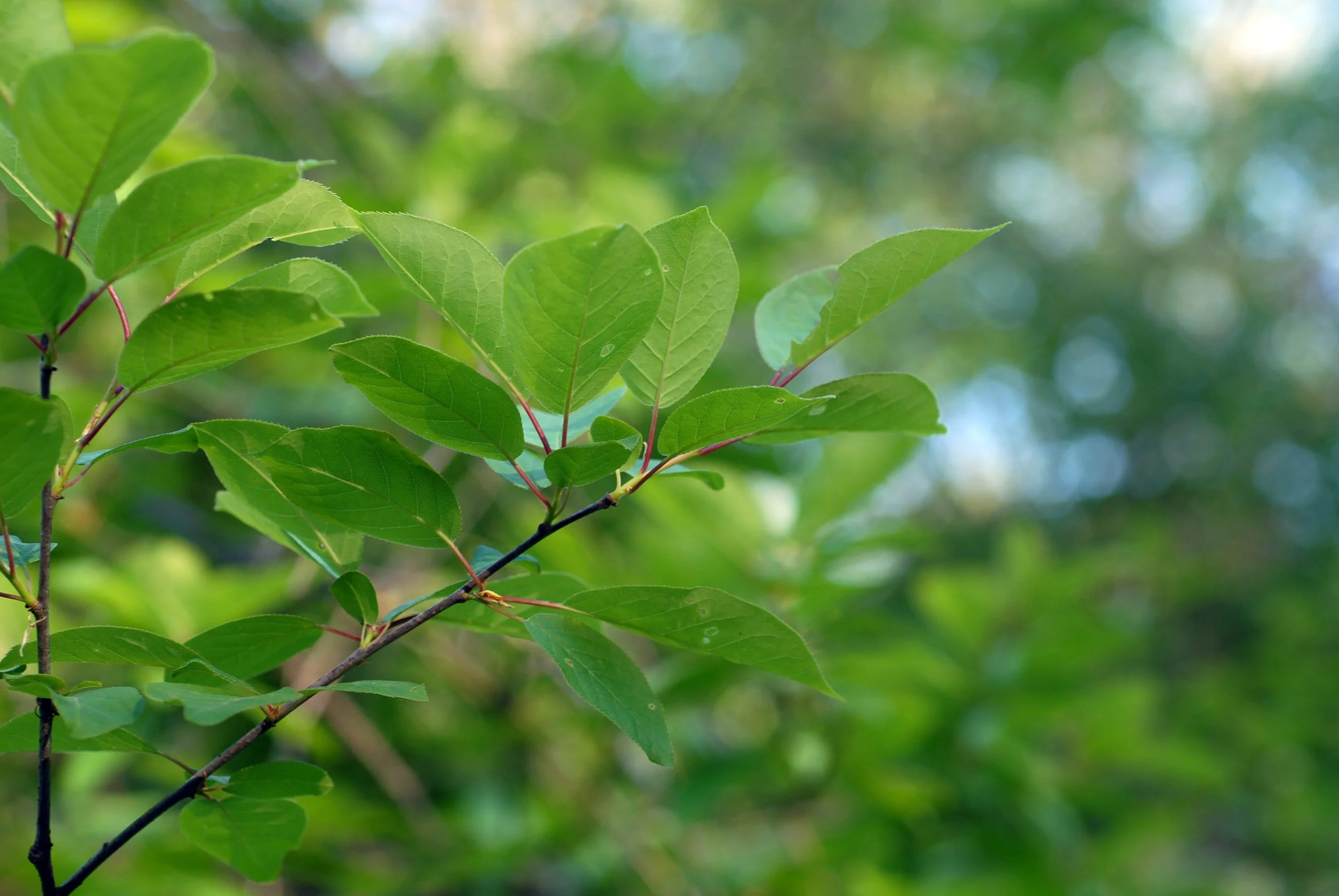
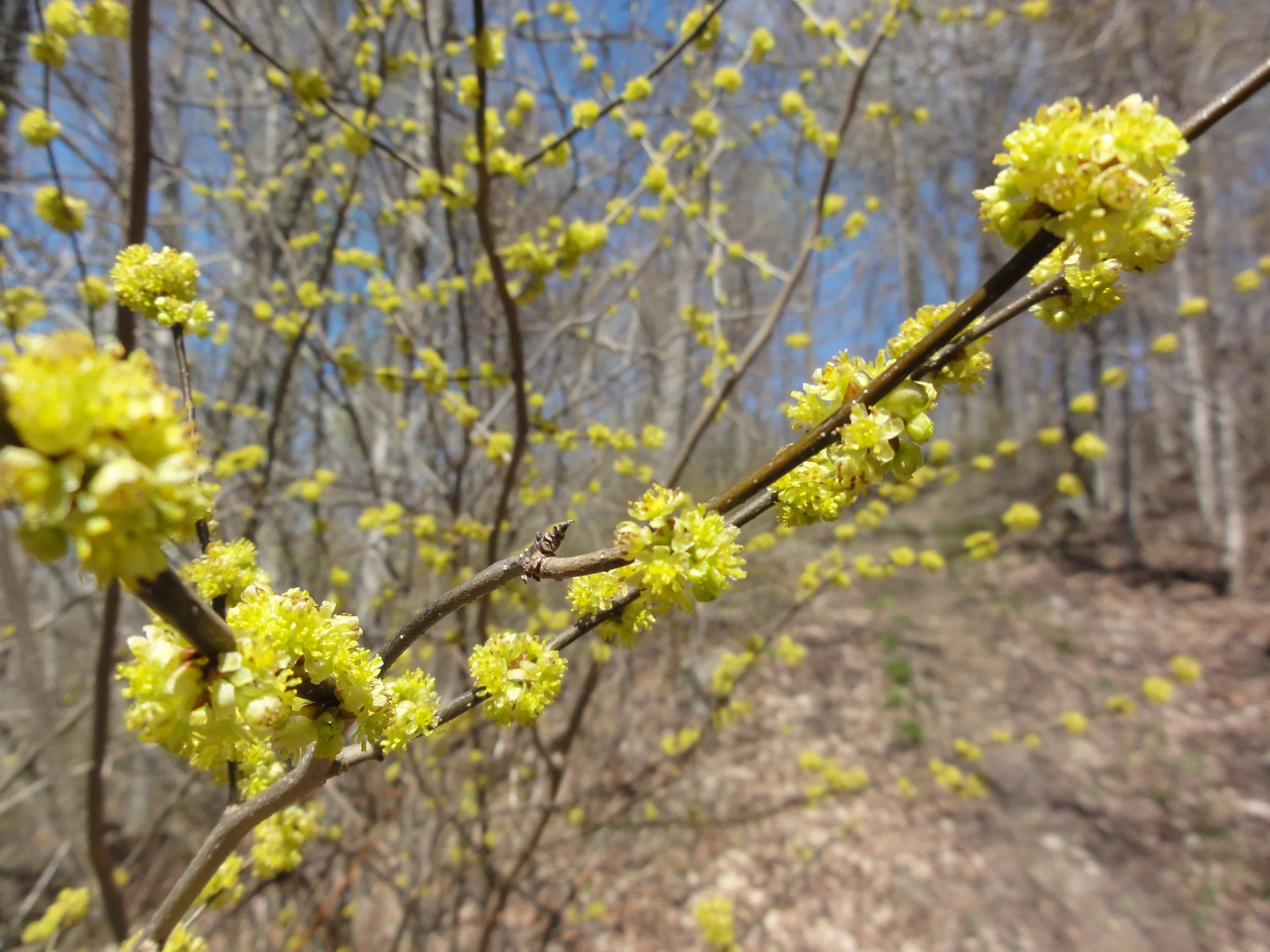
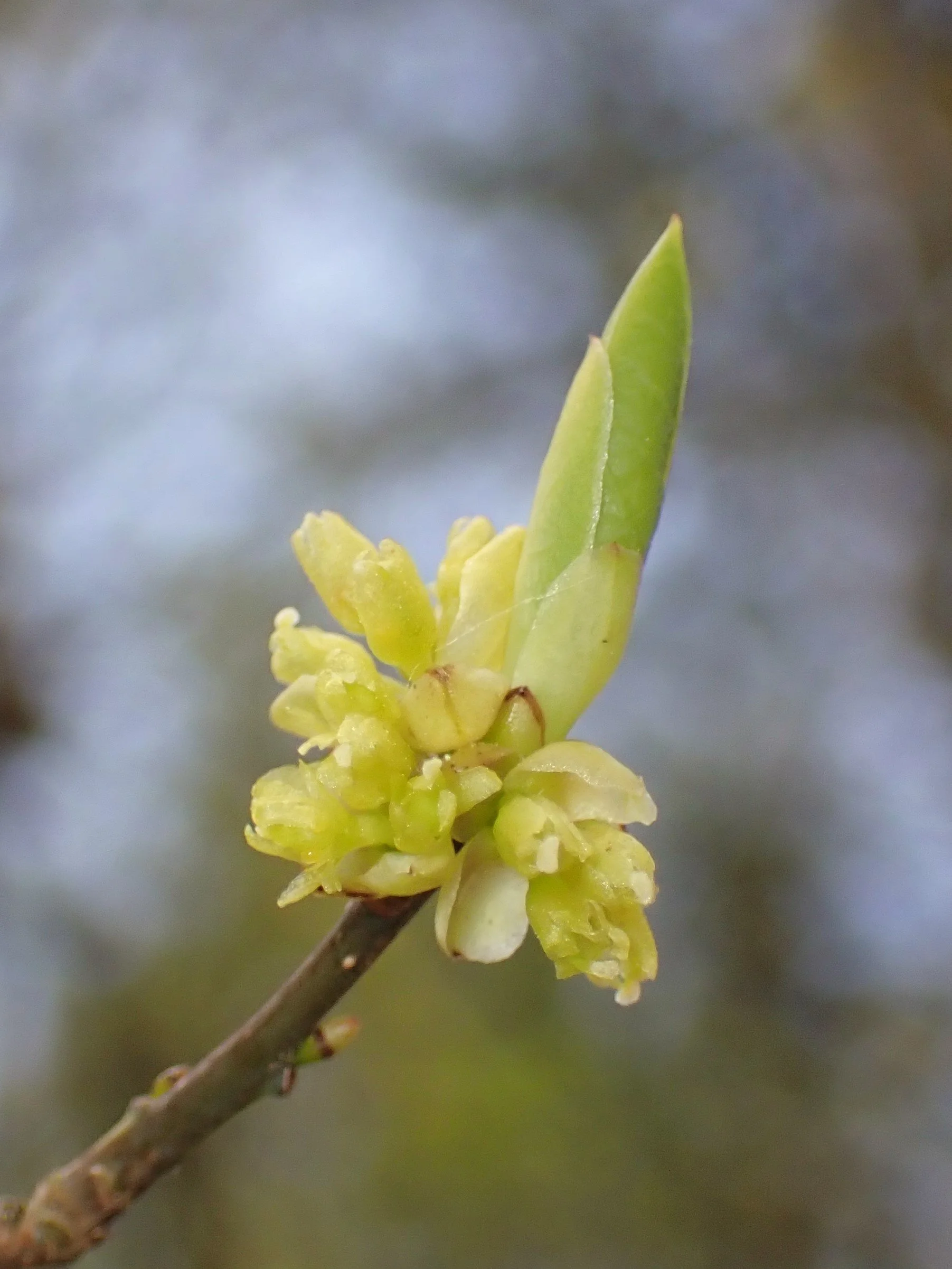
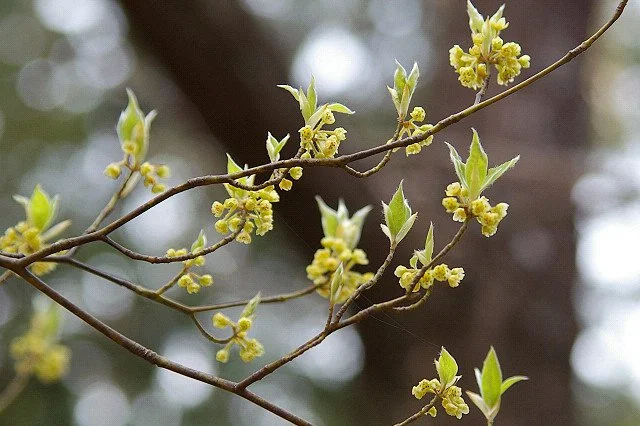
A resilient and productive native shrub, American Hazelnut is valued for its graceful form, attractive foliage, and clusters of delicious edible nuts. In spring, it bears delicate yellow catkins and small red-tipped female flowers, followed by bristly, leaf-like husks enclosing round, sweet nuts that ripen in late summer. Its broad, rounded leaves turn golden-yellow to copper-red in fall, adding rich seasonal color to the landscape.
Well-suited to Northern Michigan (Zone 5a), American Hazelnut thrives in full sun to partial shade and well-drained soils, adapting to both upland and lowland conditions. It grows quickly to form dense, multi-stemmed thickets that provide excellent screening, erosion control, and wildlife habitat.
Ecologically, American Hazelnut is a powerhouse species—its nuts are a high-energy food source for birds, squirrels, and other mammals, while its flowers support early-season pollinators. Hardy, versatile, and valuable, this native shrub brings beauty, biodiversity, and bounty to Michigan’s natural and cultivated landscapes.
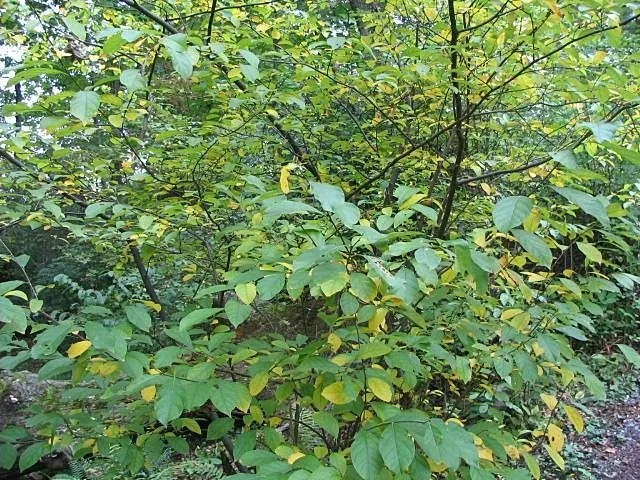
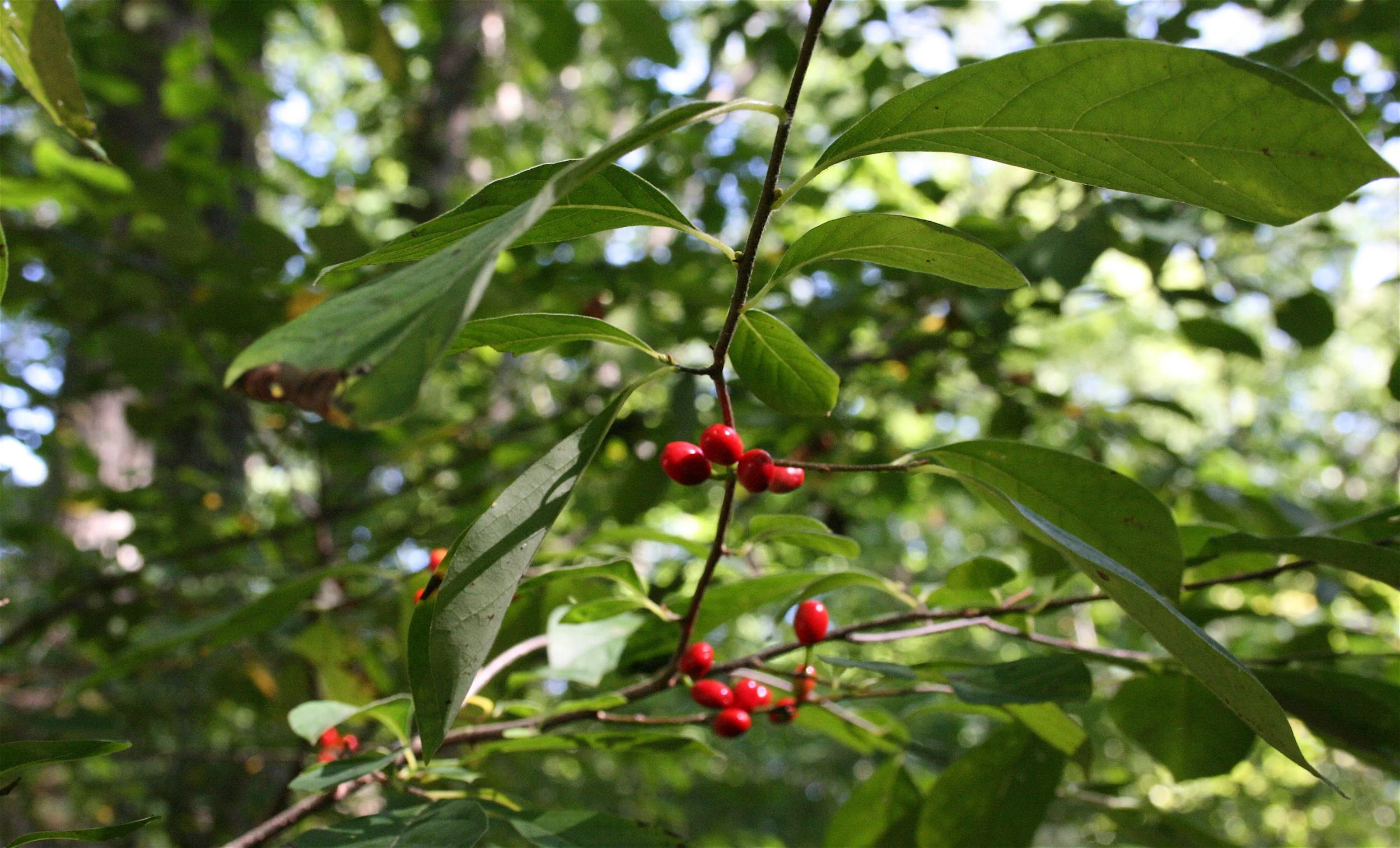
Identification / Key Features: Multi-stemmed deciduous shrub with round, double-toothed leaves. Produces edible nuts in late summer to fall. Bark is smooth and brown, often developing multiple stems.
Mature Height / Size: 8–12 feet.
Growth Rate: Moderate.
Light / Soil / Site Preferences: Full sun to partial shade; prefers well-drained soils, adaptable to sandy or loamy conditions.
Wildlife Value / Ecological Role: Nuts eaten by squirrels, birds, and deer. Dense shrub provides nesting habitat.
Uses / Economic / Cultural: Nuts edible for humans; shrub used in wildlife plantings, hedgerows, and erosion control.
Quantity (per bundle) 25
Size (12-18”)
A resilient and productive native shrub, American Hazelnut is valued for its graceful form, attractive foliage, and clusters of delicious edible nuts. In spring, it bears delicate yellow catkins and small red-tipped female flowers, followed by bristly, leaf-like husks enclosing round, sweet nuts that ripen in late summer. Its broad, rounded leaves turn golden-yellow to copper-red in fall, adding rich seasonal color to the landscape.
Well-suited to Northern Michigan (Zone 5a), American Hazelnut thrives in full sun to partial shade and well-drained soils, adapting to both upland and lowland conditions. It grows quickly to form dense, multi-stemmed thickets that provide excellent screening, erosion control, and wildlife habitat.
Ecologically, American Hazelnut is a powerhouse species—its nuts are a high-energy food source for birds, squirrels, and other mammals, while its flowers support early-season pollinators. Hardy, versatile, and valuable, this native shrub brings beauty, biodiversity, and bounty to Michigan’s natural and cultivated landscapes.
Identification / Key Features: Multi-stemmed deciduous shrub with round, double-toothed leaves. Produces edible nuts in late summer to fall. Bark is smooth and brown, often developing multiple stems.
Mature Height / Size: 8–12 feet.
Growth Rate: Moderate.
Light / Soil / Site Preferences: Full sun to partial shade; prefers well-drained soils, adaptable to sandy or loamy conditions.
Wildlife Value / Ecological Role: Nuts eaten by squirrels, birds, and deer. Dense shrub provides nesting habitat.
Uses / Economic / Cultural: Nuts edible for humans; shrub used in wildlife plantings, hedgerows, and erosion control.

 Image 1 of 8
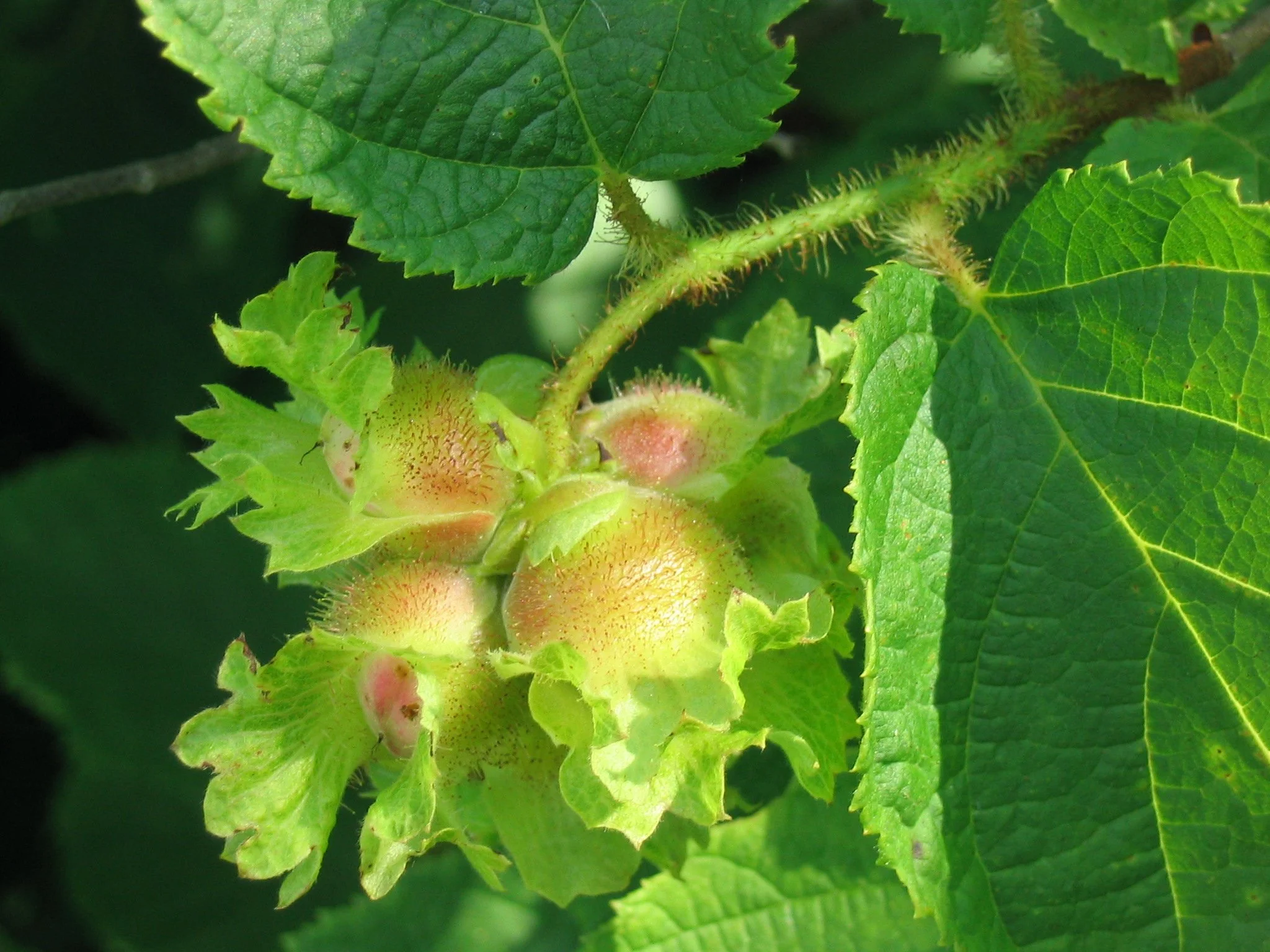 Image 2 of 8
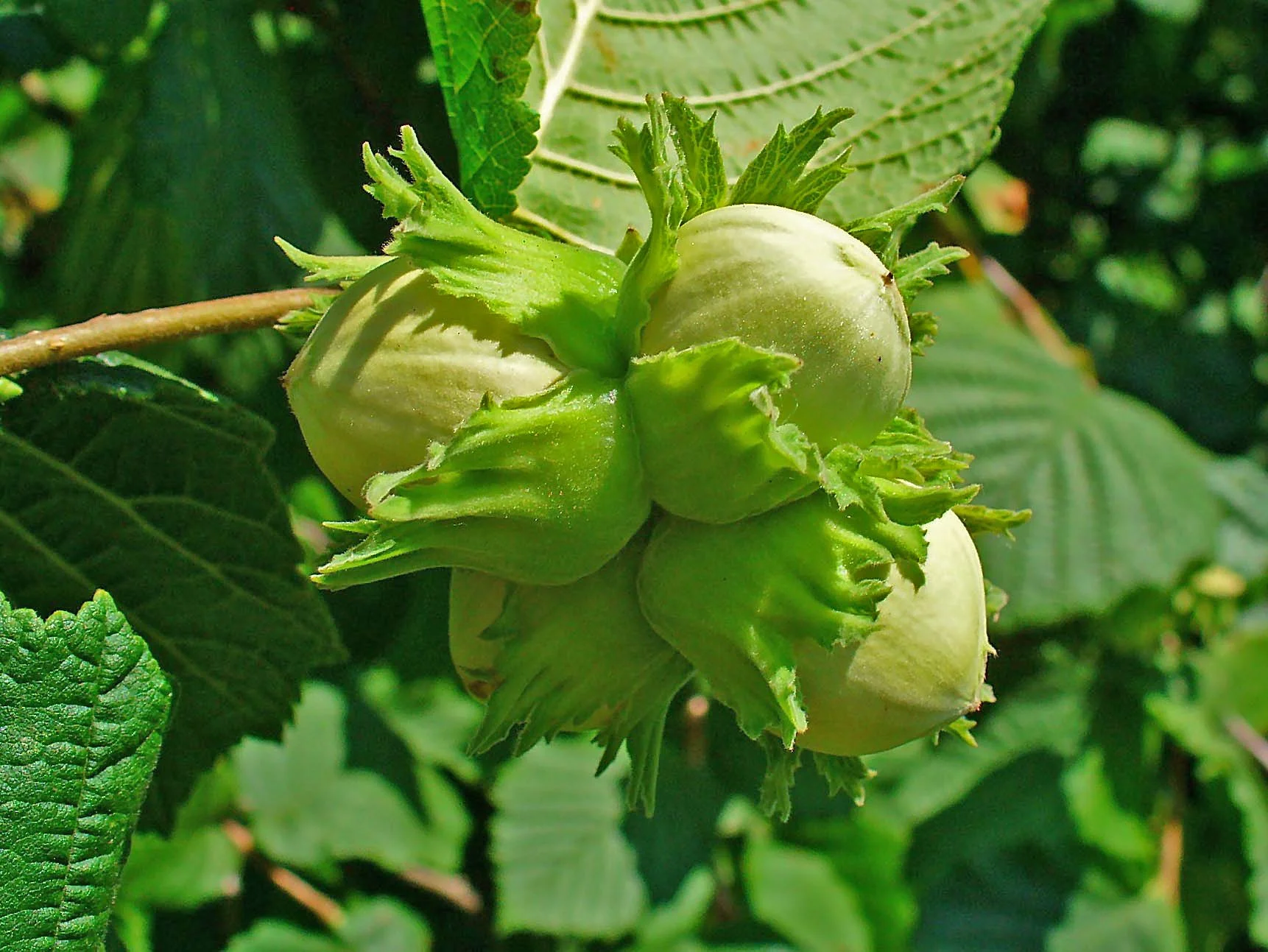 Image 3 of 8
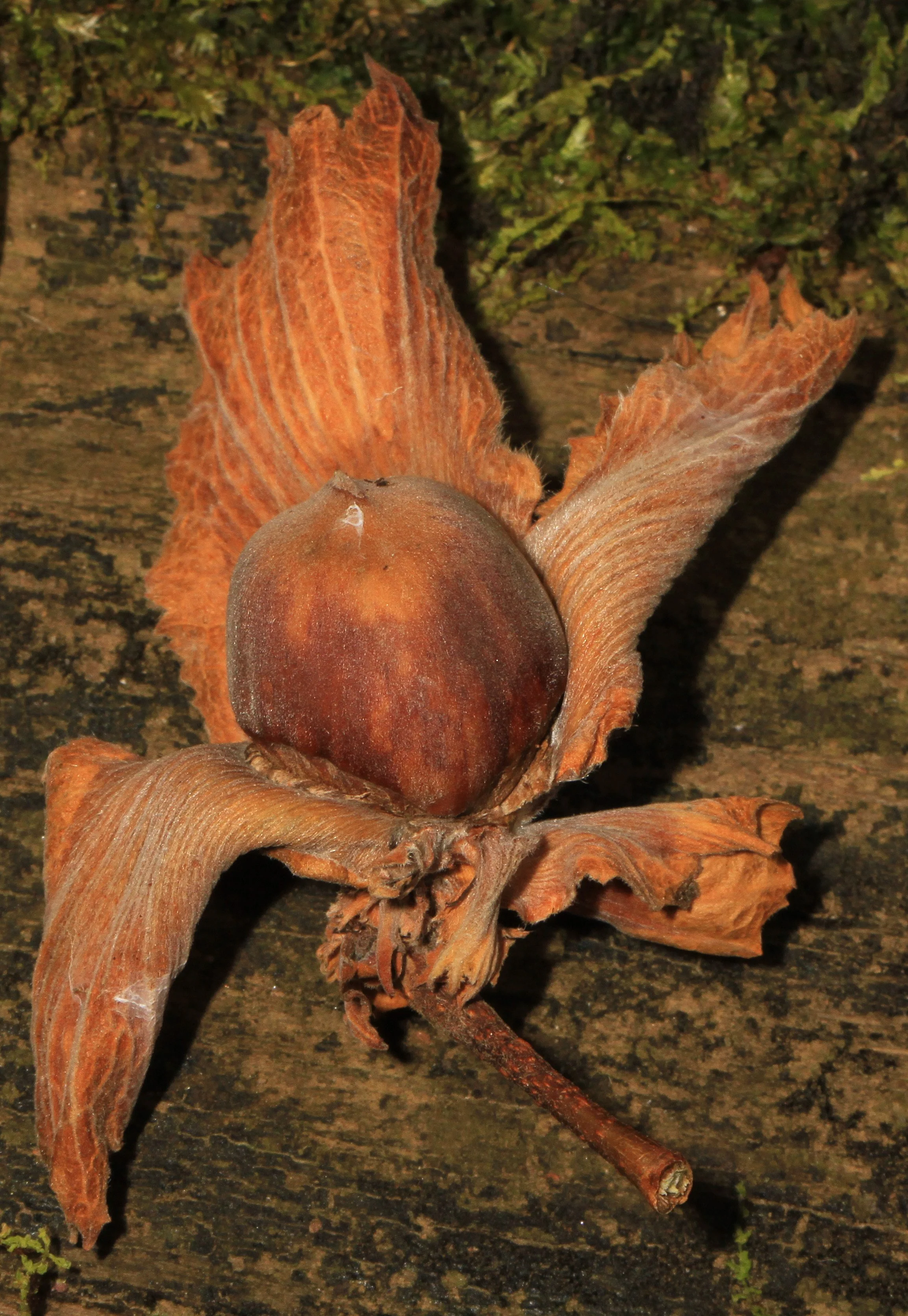 Image 4 of 8
 Image 5 of 8
 Image 6 of 8
 Image 7 of 8
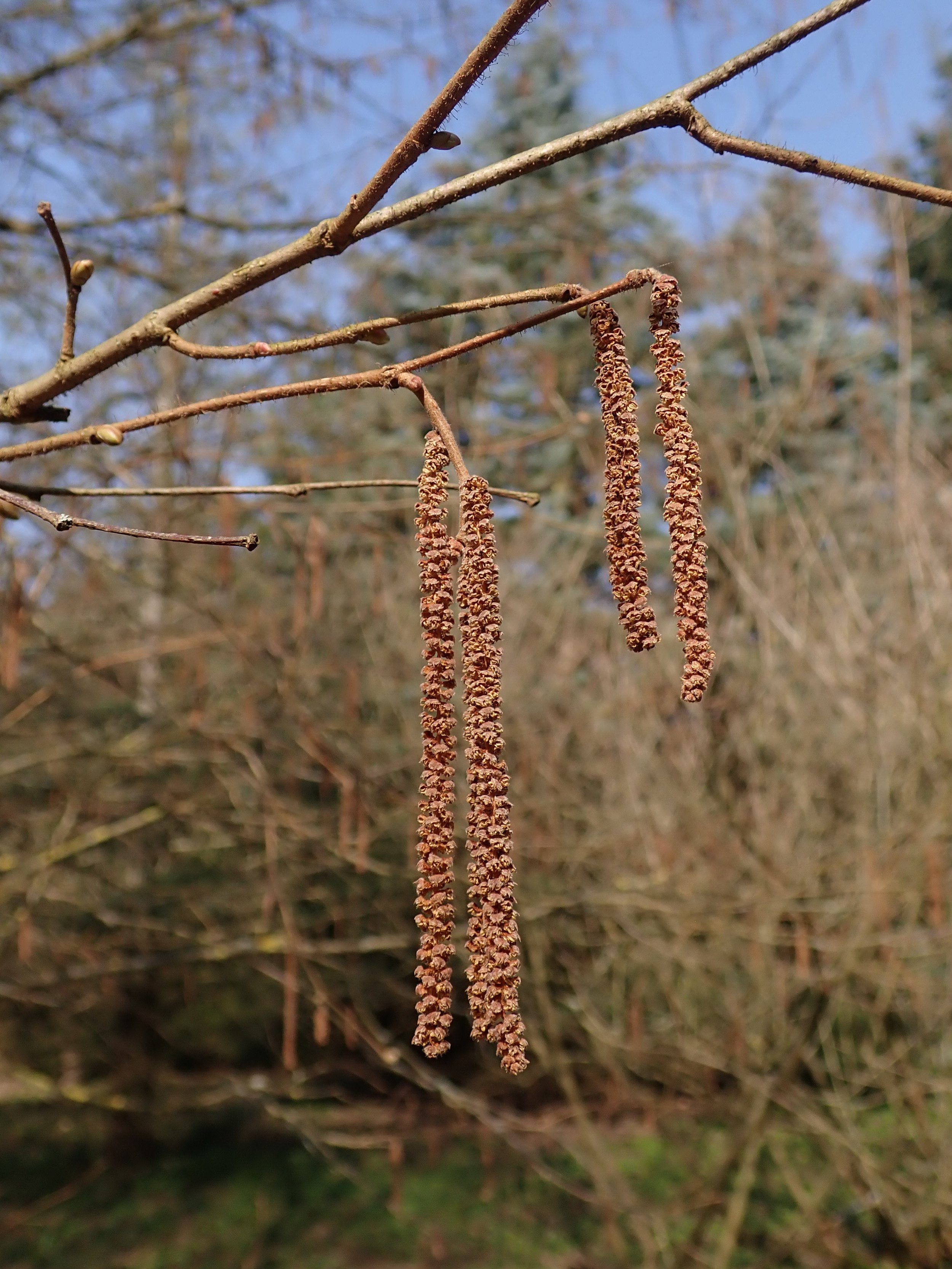 Image 8 of 8