Quantity (per bundle) 25
Size (12-18”)
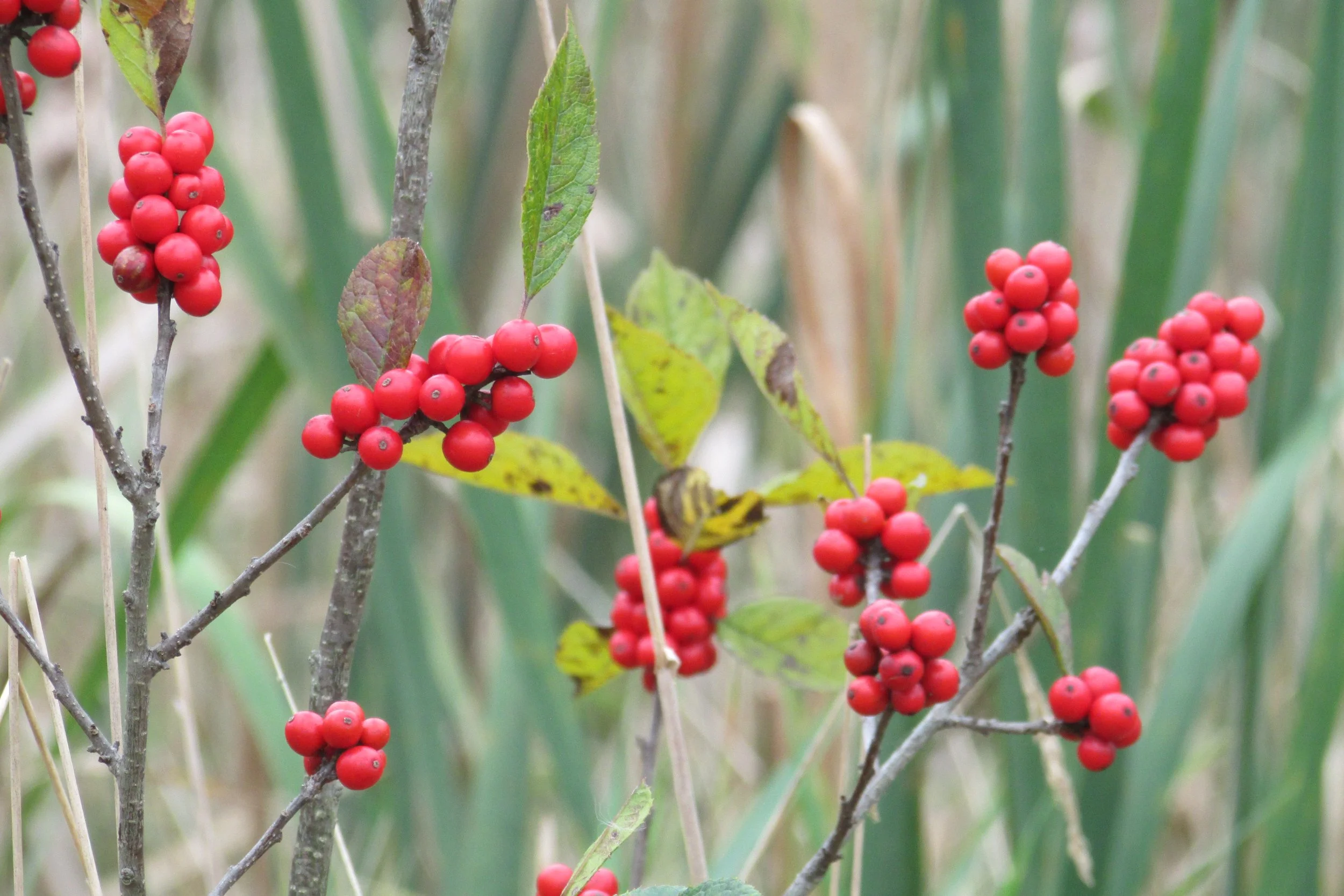
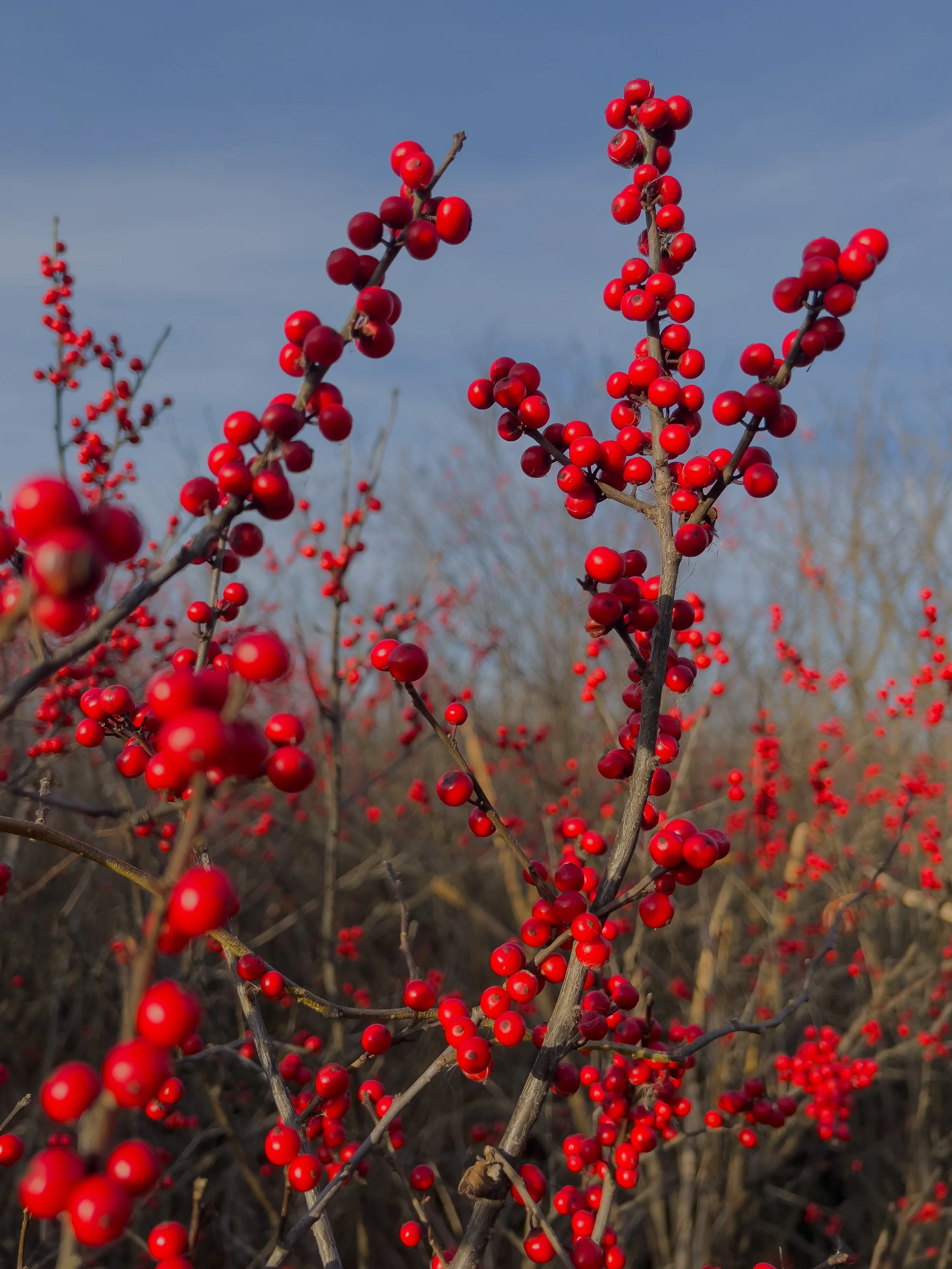
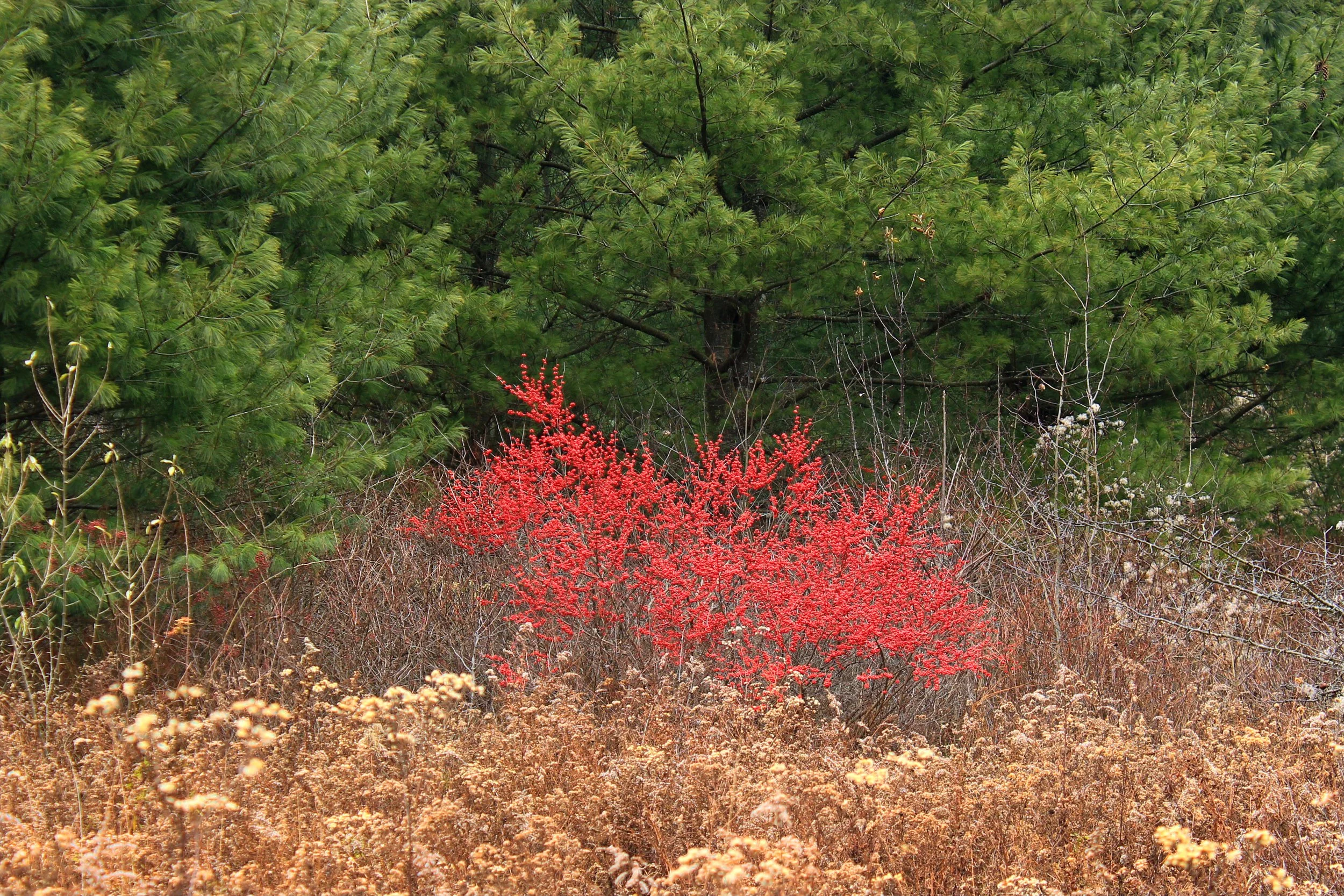
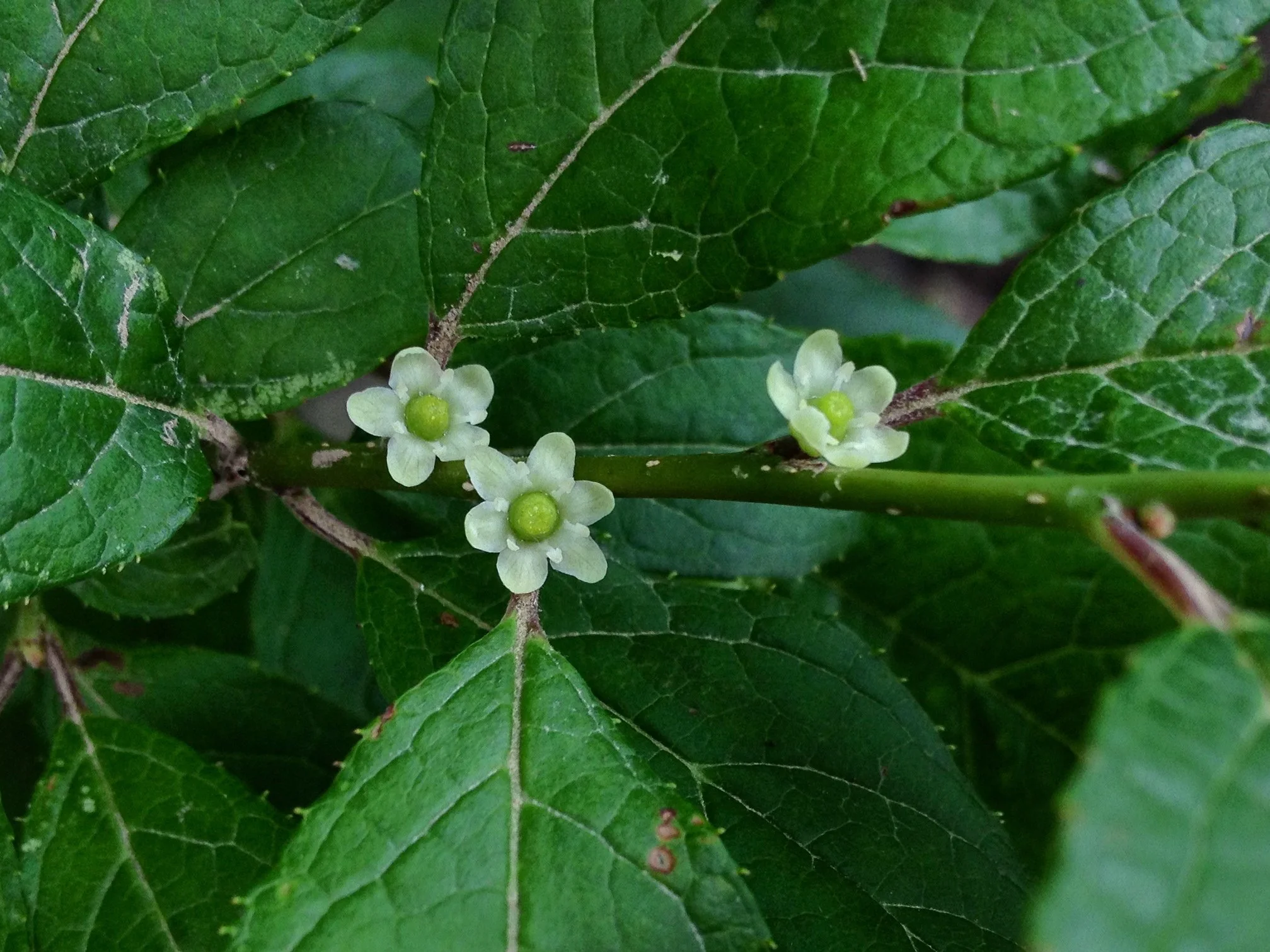
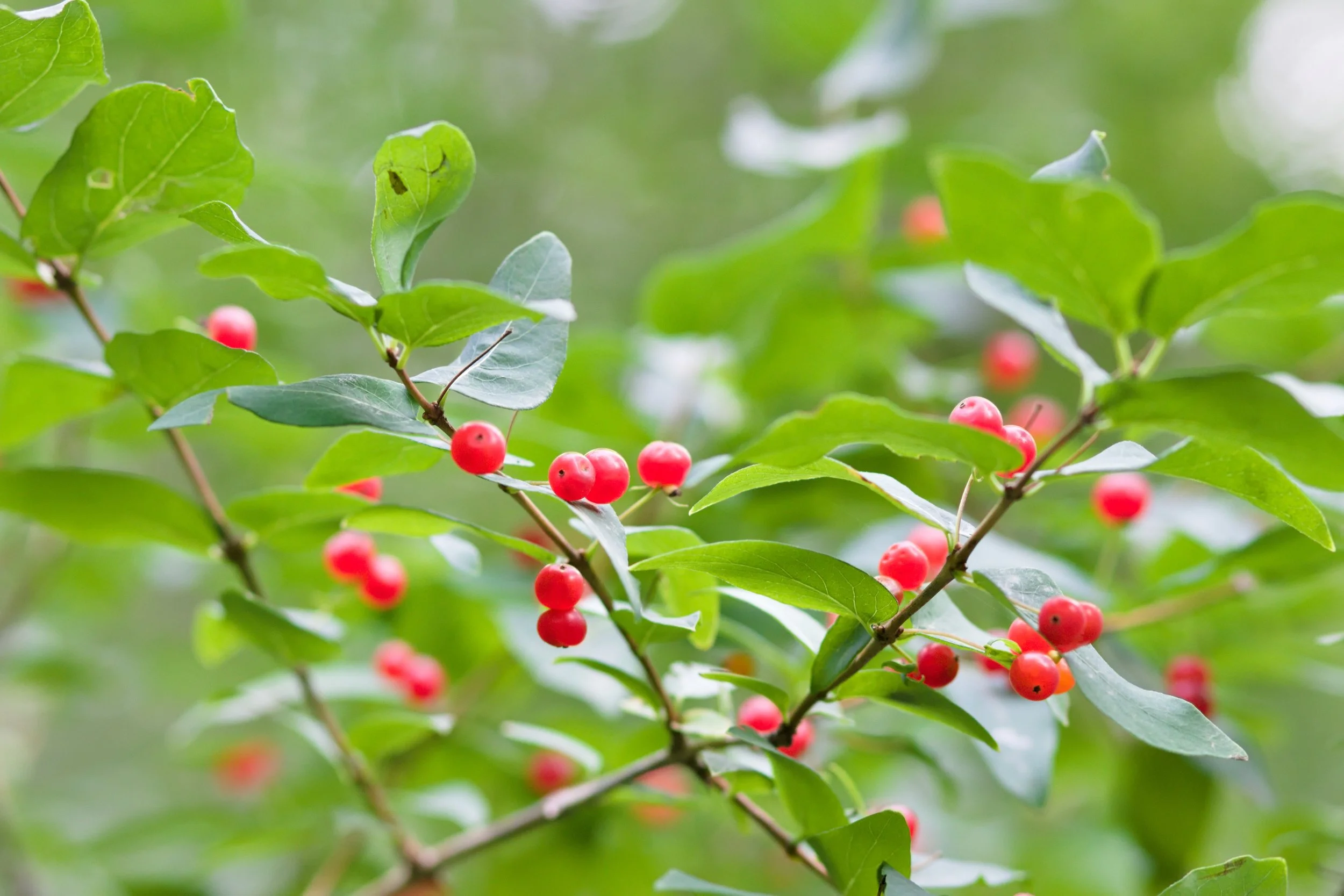
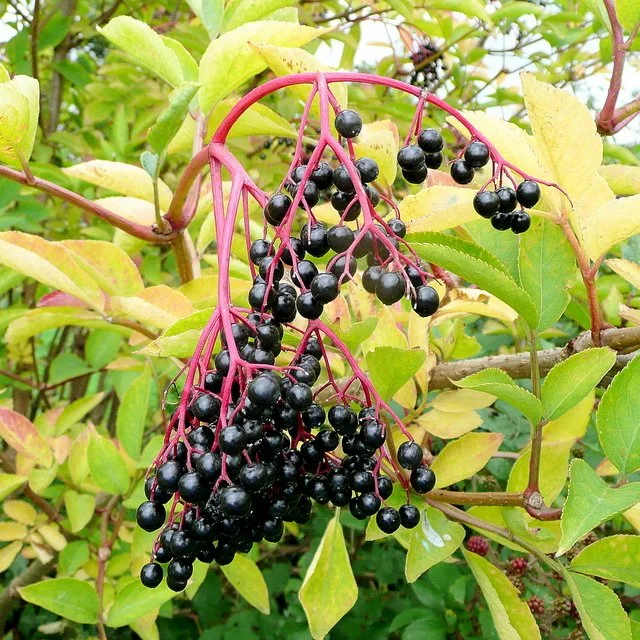
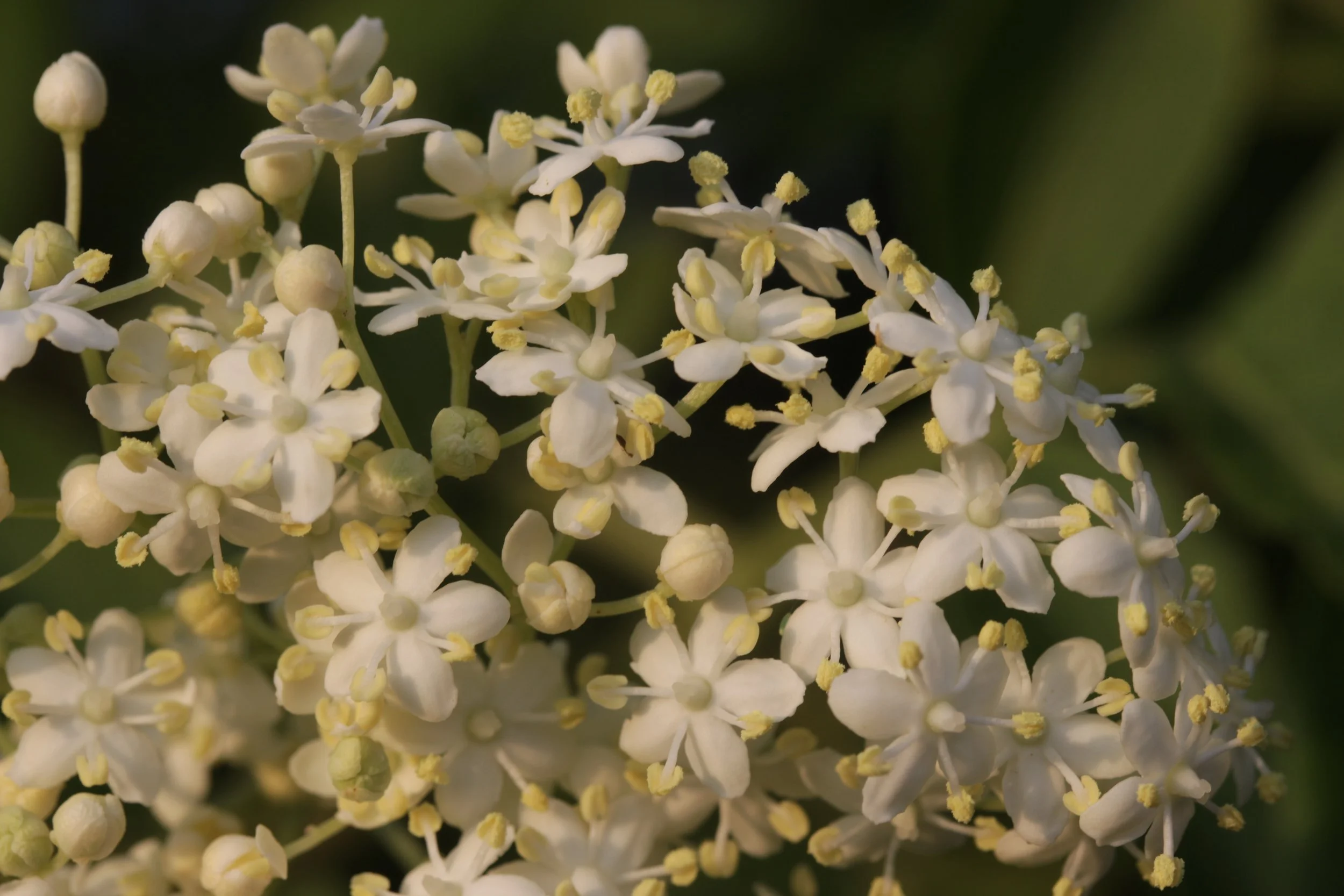
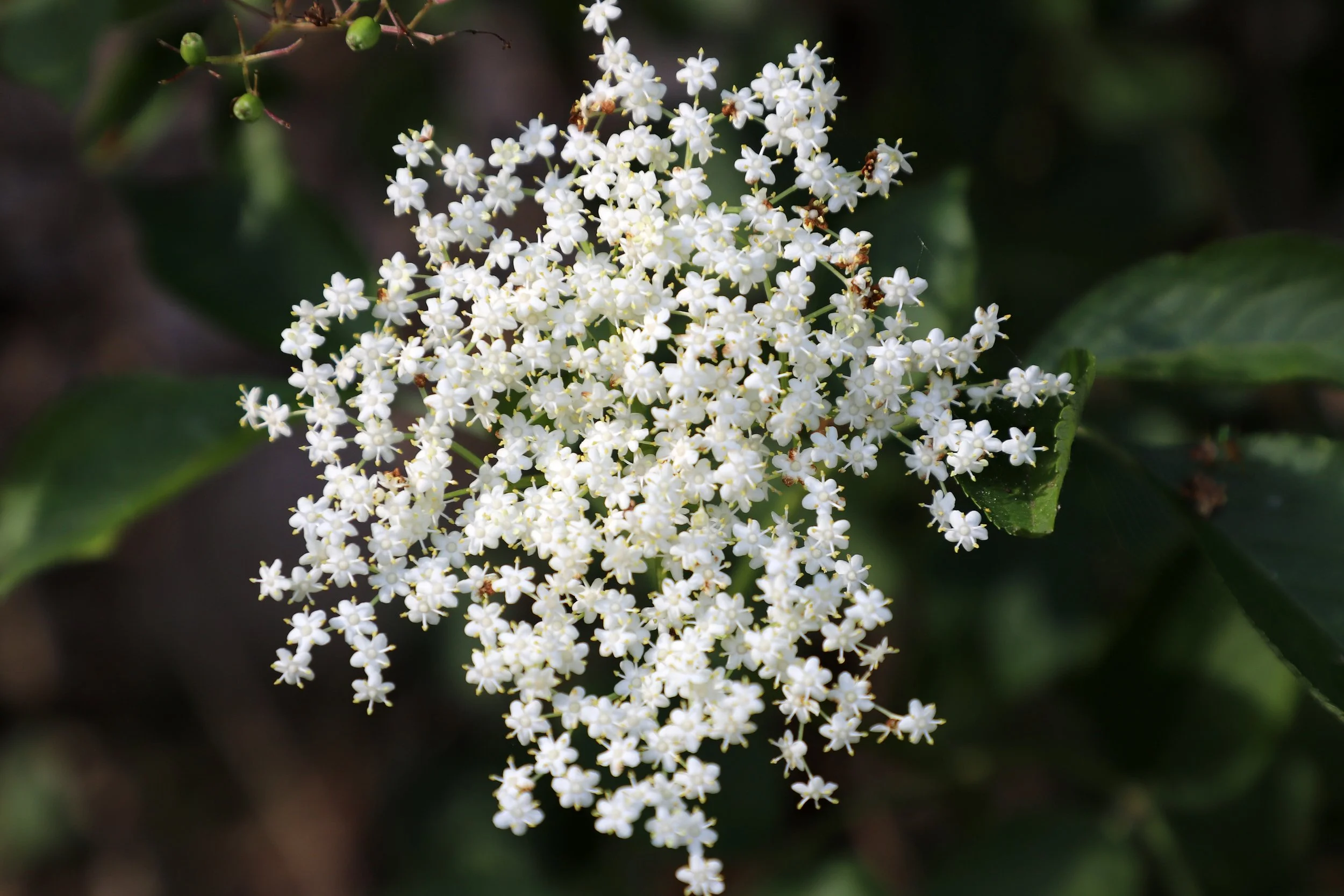
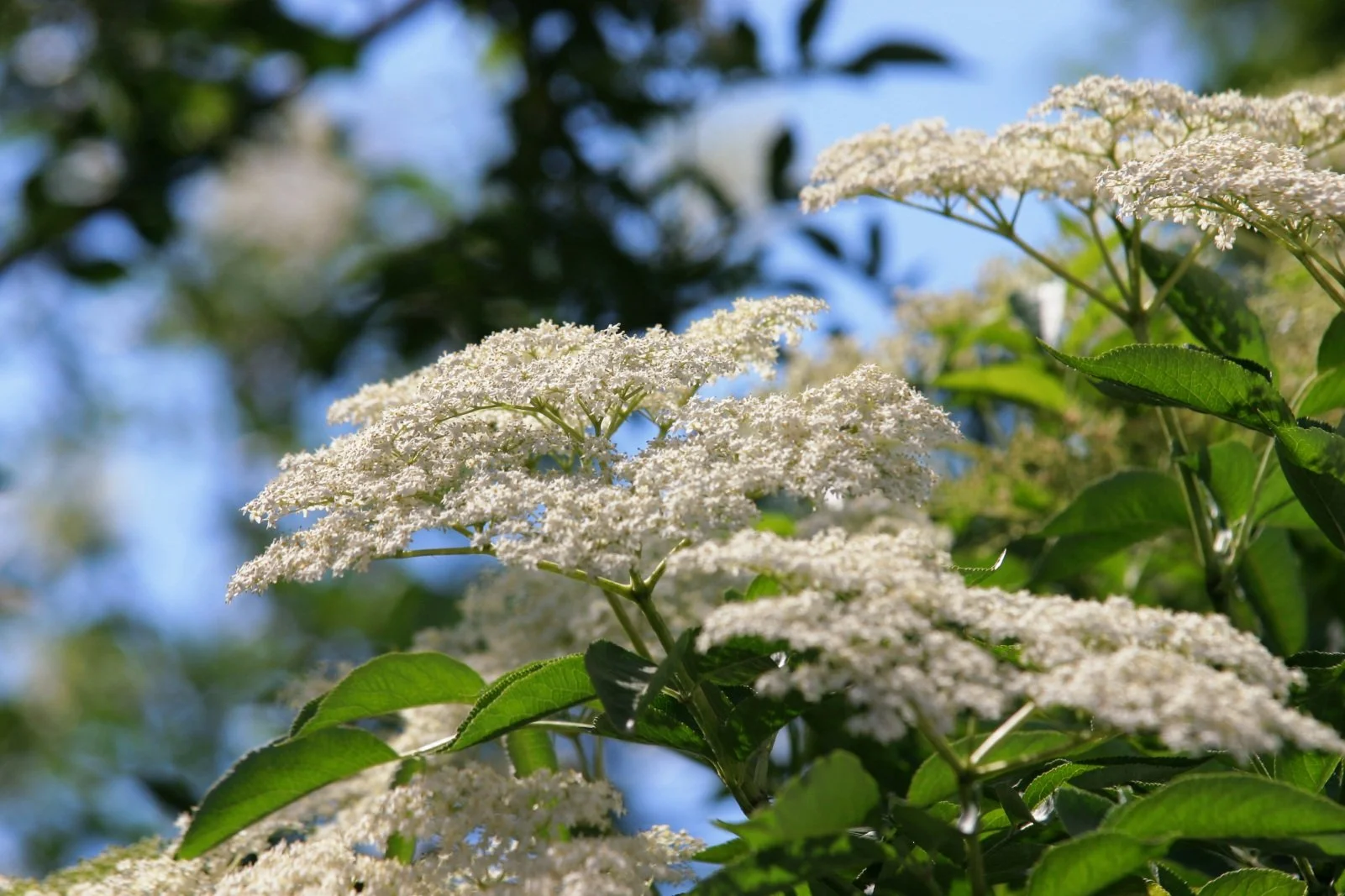
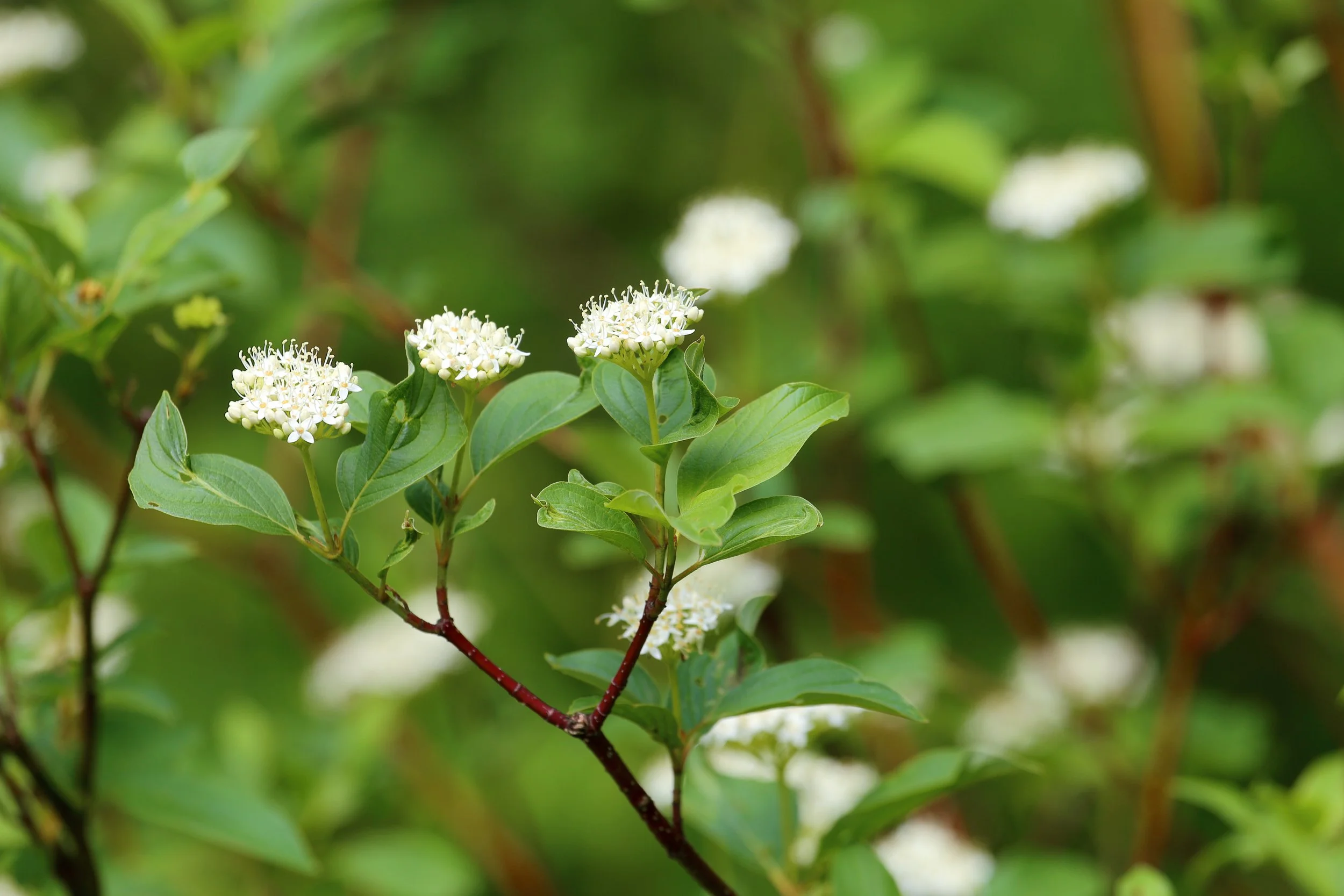
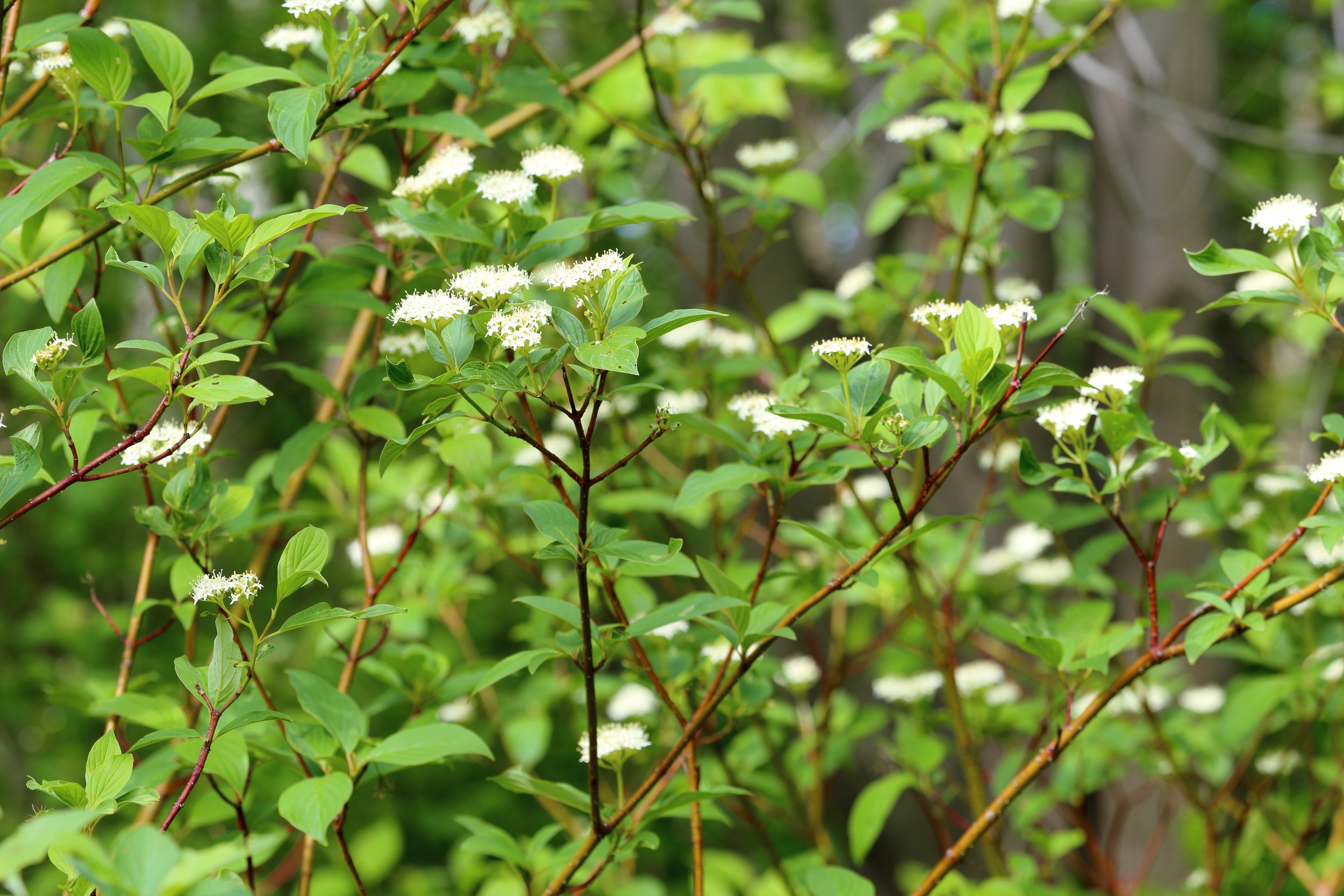
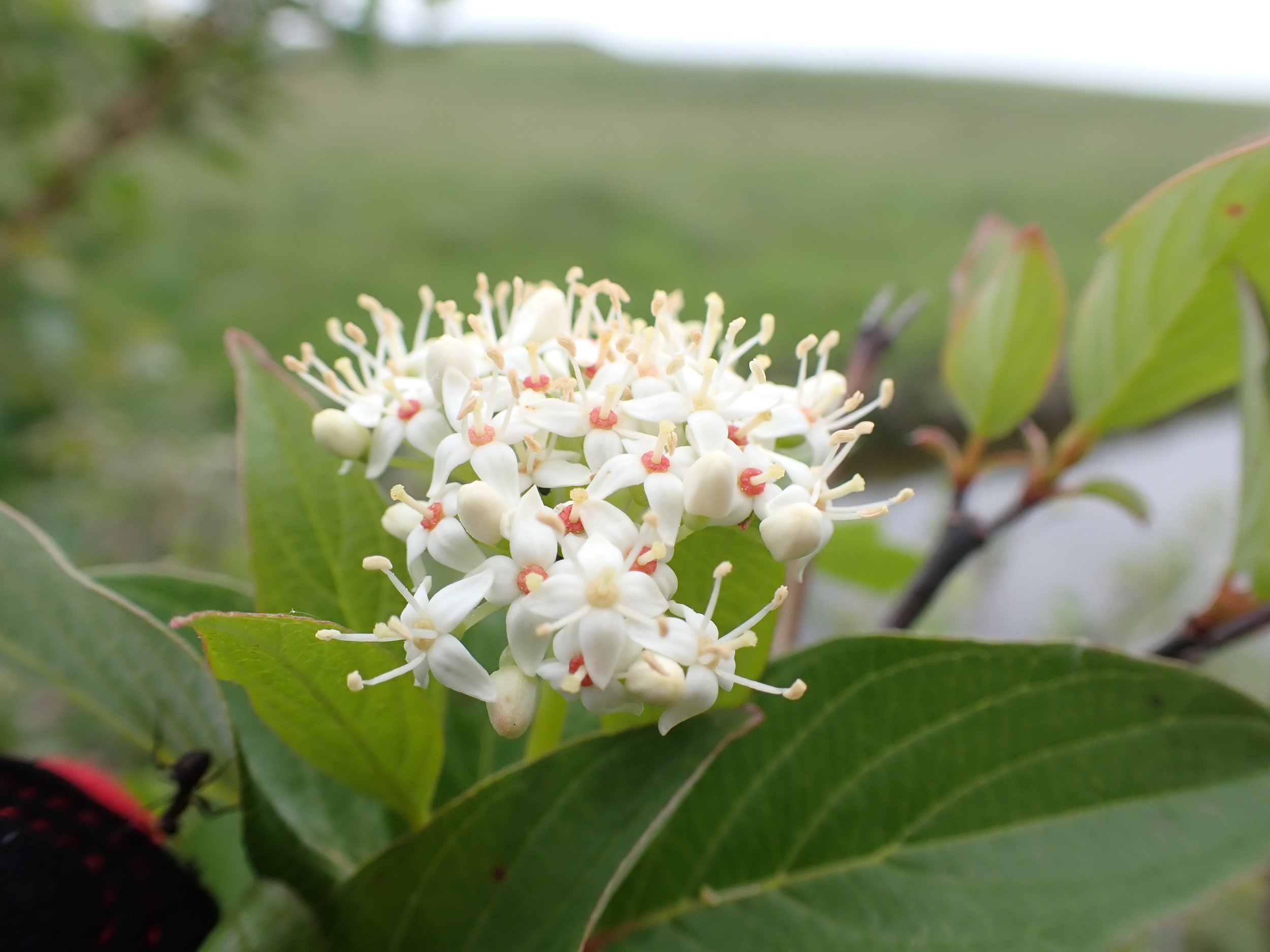
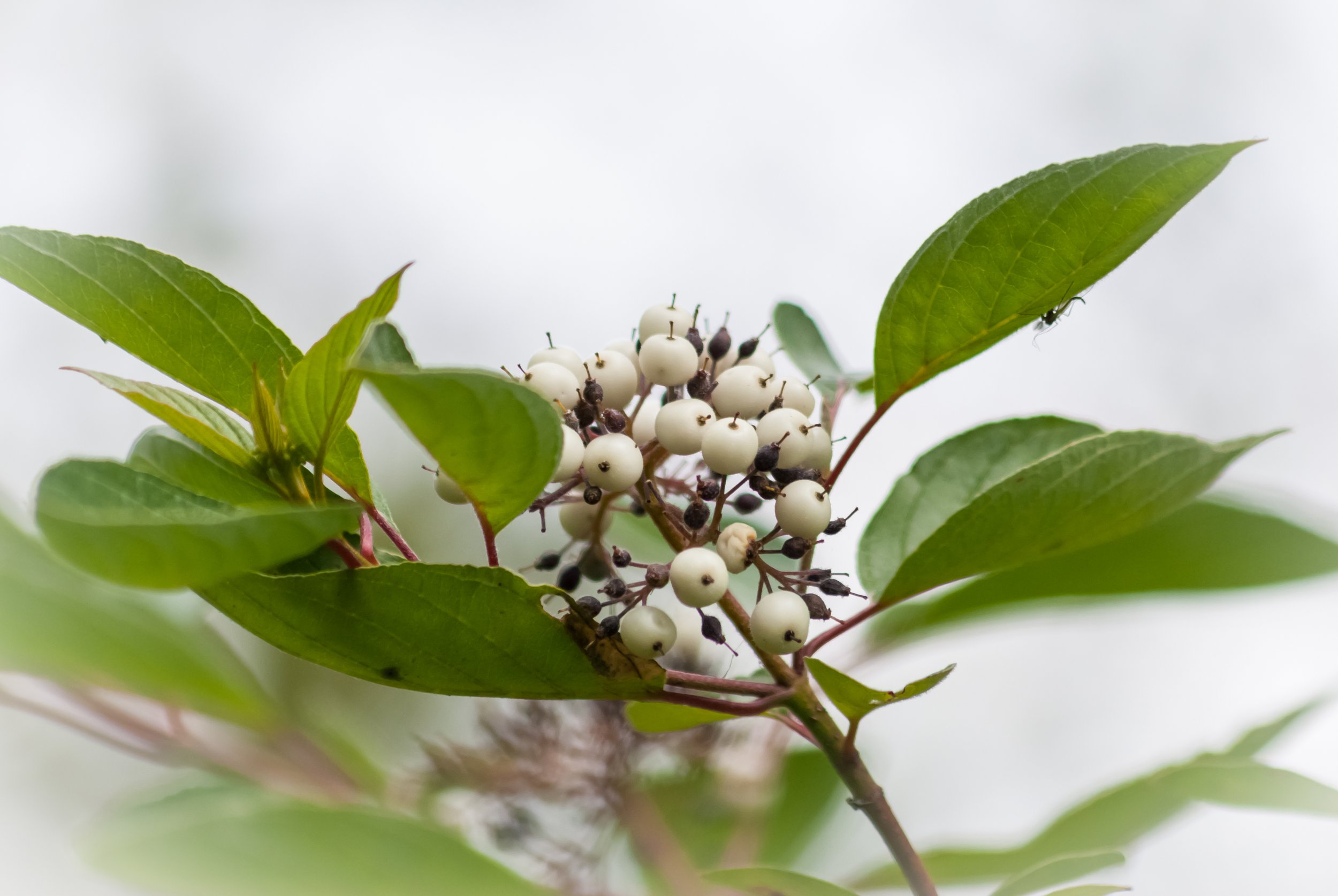
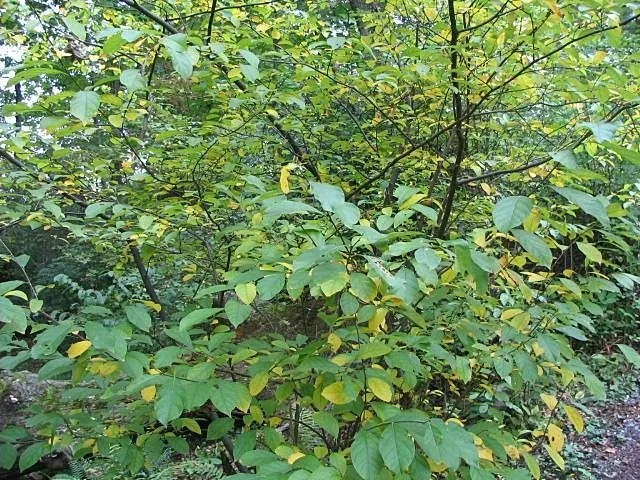
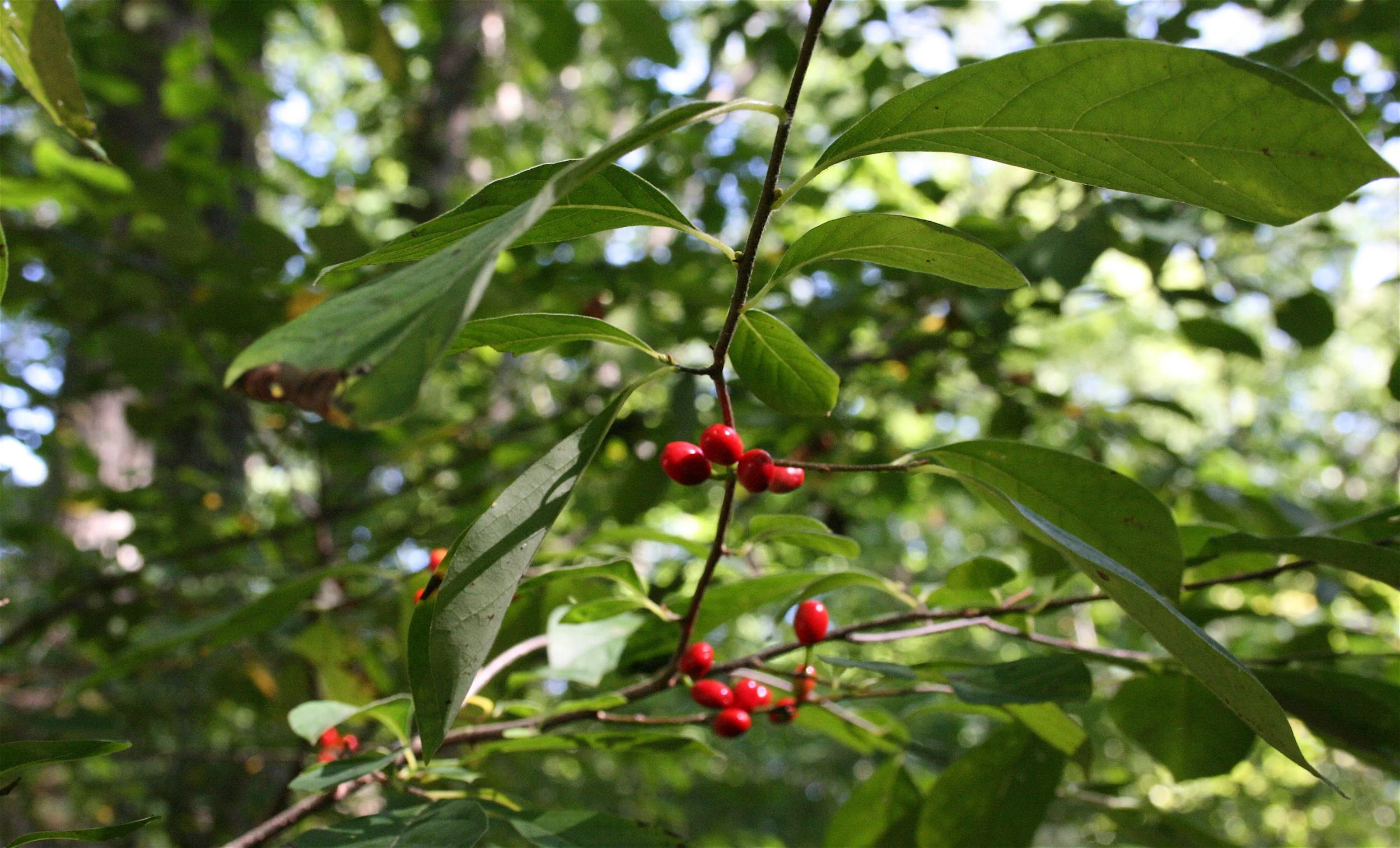
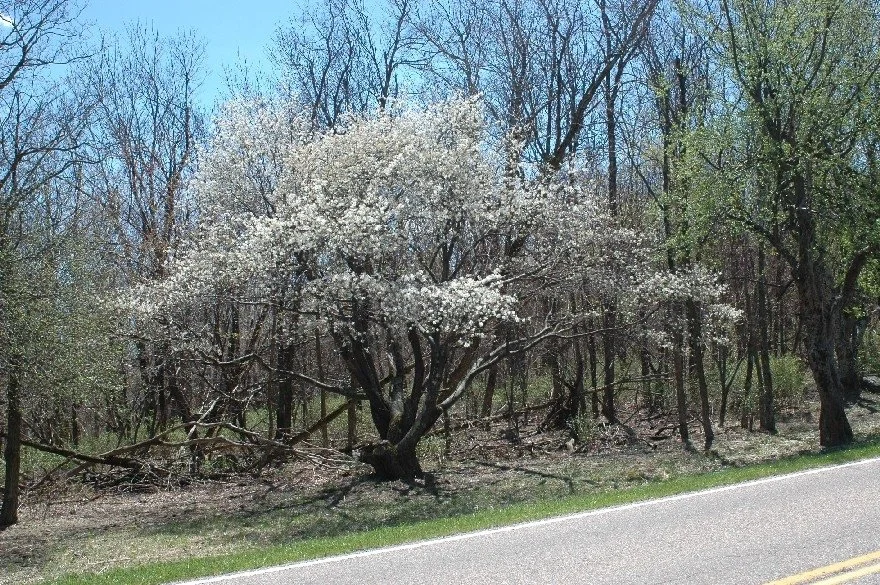
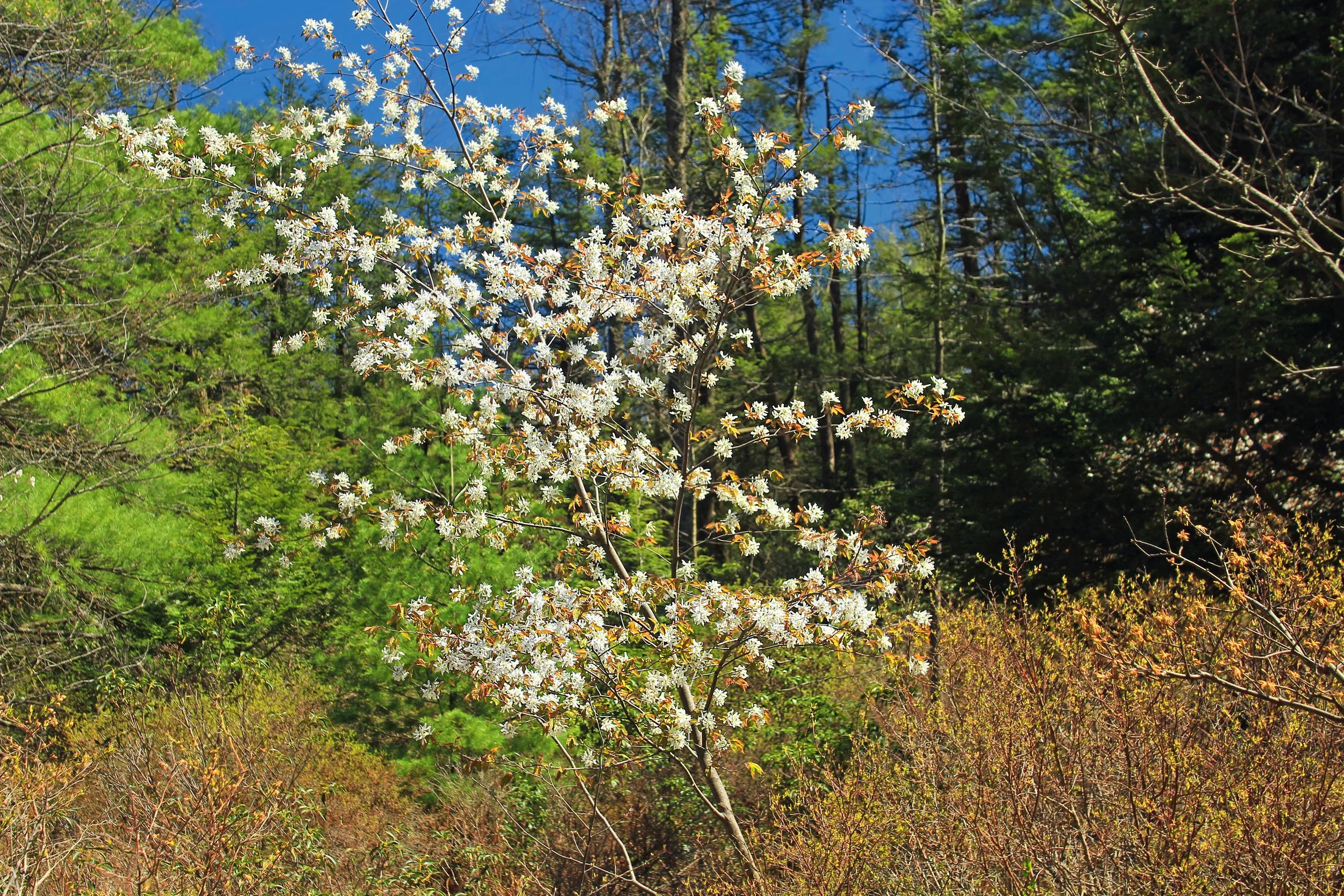
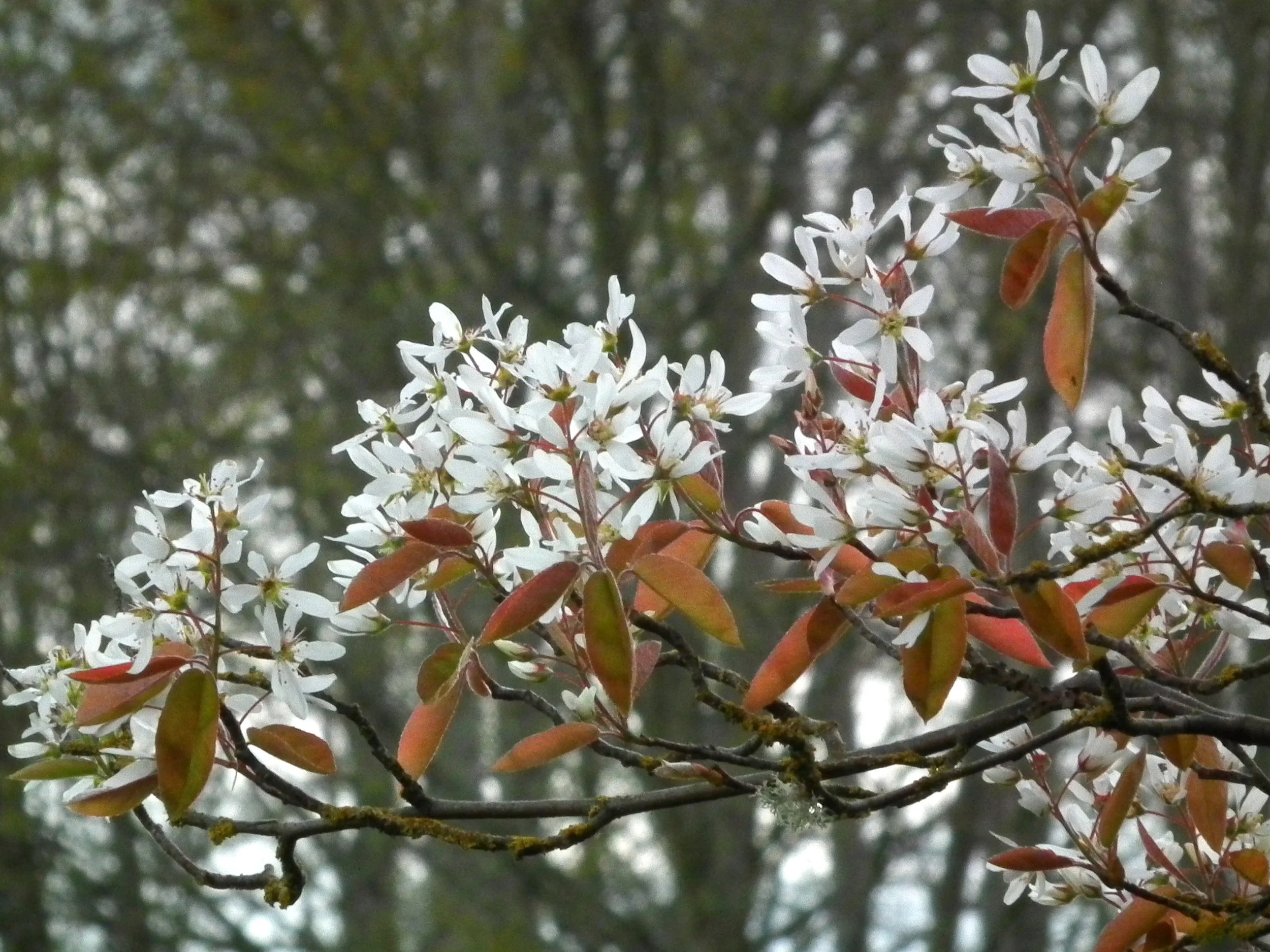
A showy and versatile native shrub, Highbush Cranberry is prized for its abundant clusters of white spring blossoms and bright red berries that persist through fall and into winter. Its attractive, maple-like leaves turn shades of red and purple in autumn, making it a stunning addition to naturalized plantings and wildlife gardens. The contrast of white flowers and scarlet fruit gives this shrub exceptional year-round appeal.
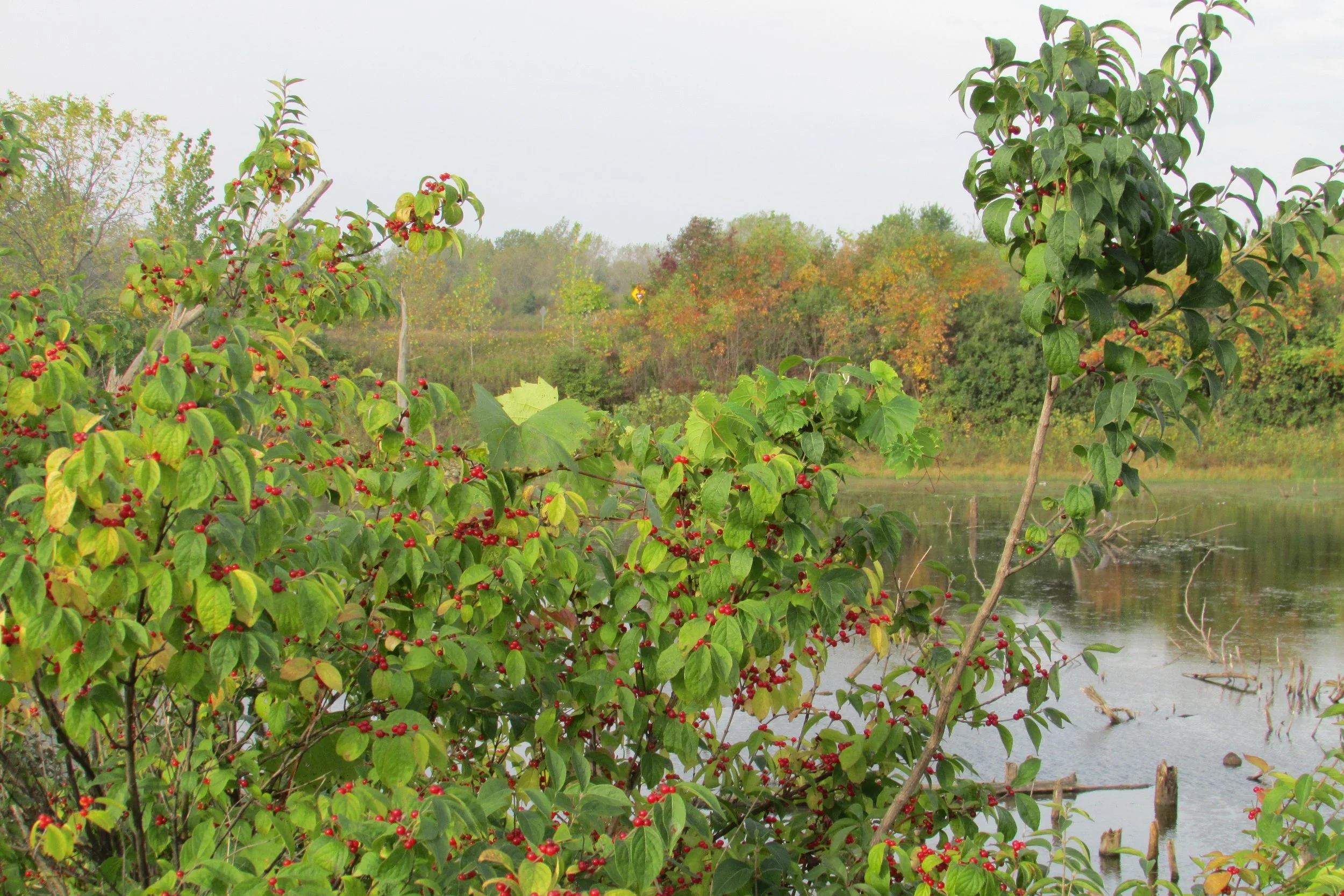
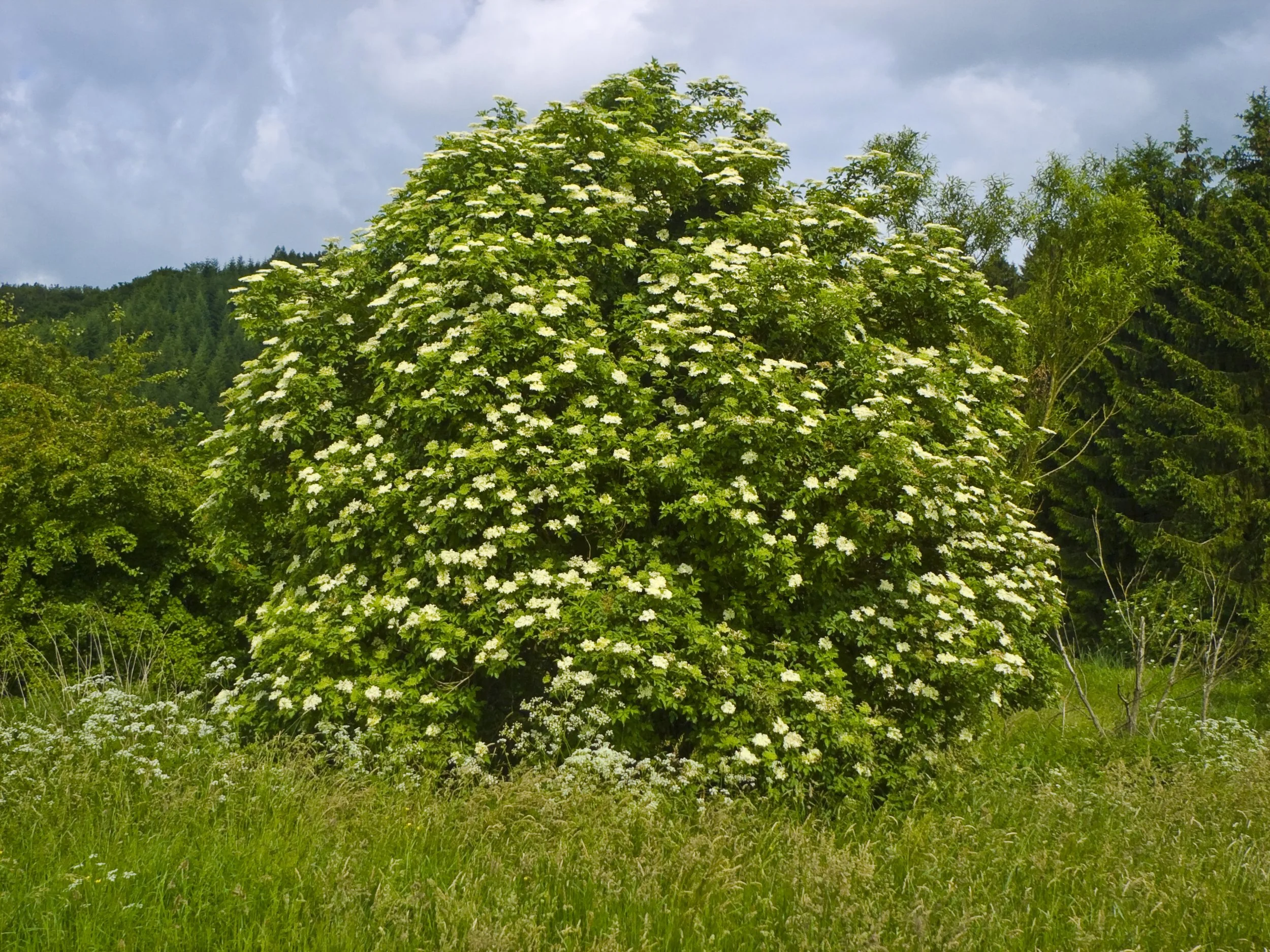
Well-suited to Northern Michigan (Zone 5a), Highbush Cranberry thrives in full sun to partial shade and moist, well-drained soils, though it tolerates heavier or occasionally wet sites. It grows quickly into a dense, rounded form, ideal for hedgerows, screens, and restoration projects.
Ecologically, Highbush Cranberry supports pollinators with its spring blooms and provides a valuable late-season food source for birds and mammals. Its tart berries can also be used for jellies and preserves, offering both beauty and utility. Hardy, adaptable, and wildlife-friendly, Highbush Cranberry is a reliable and vibrant choice for enhancing Michigan’s native landscapes.
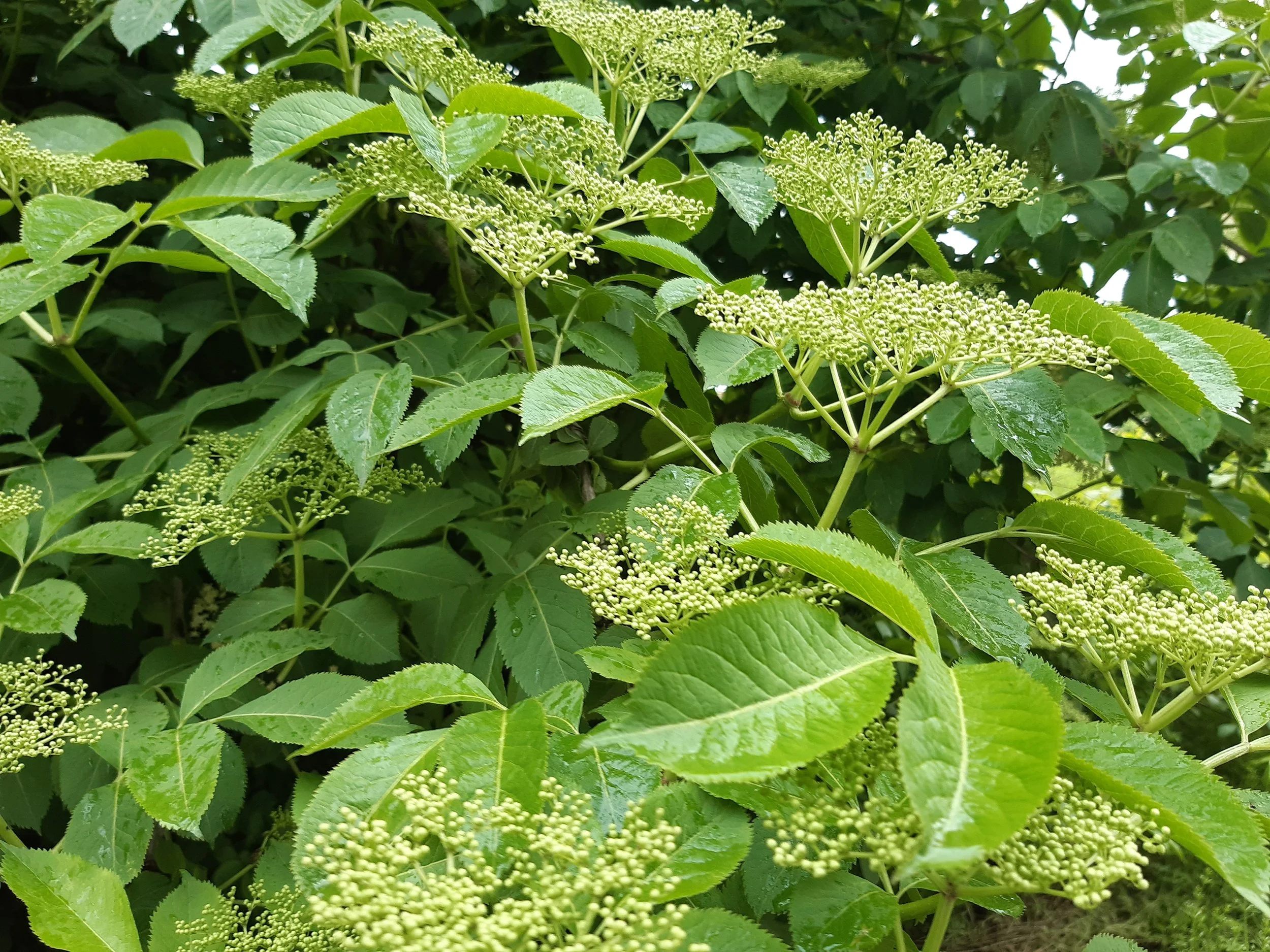
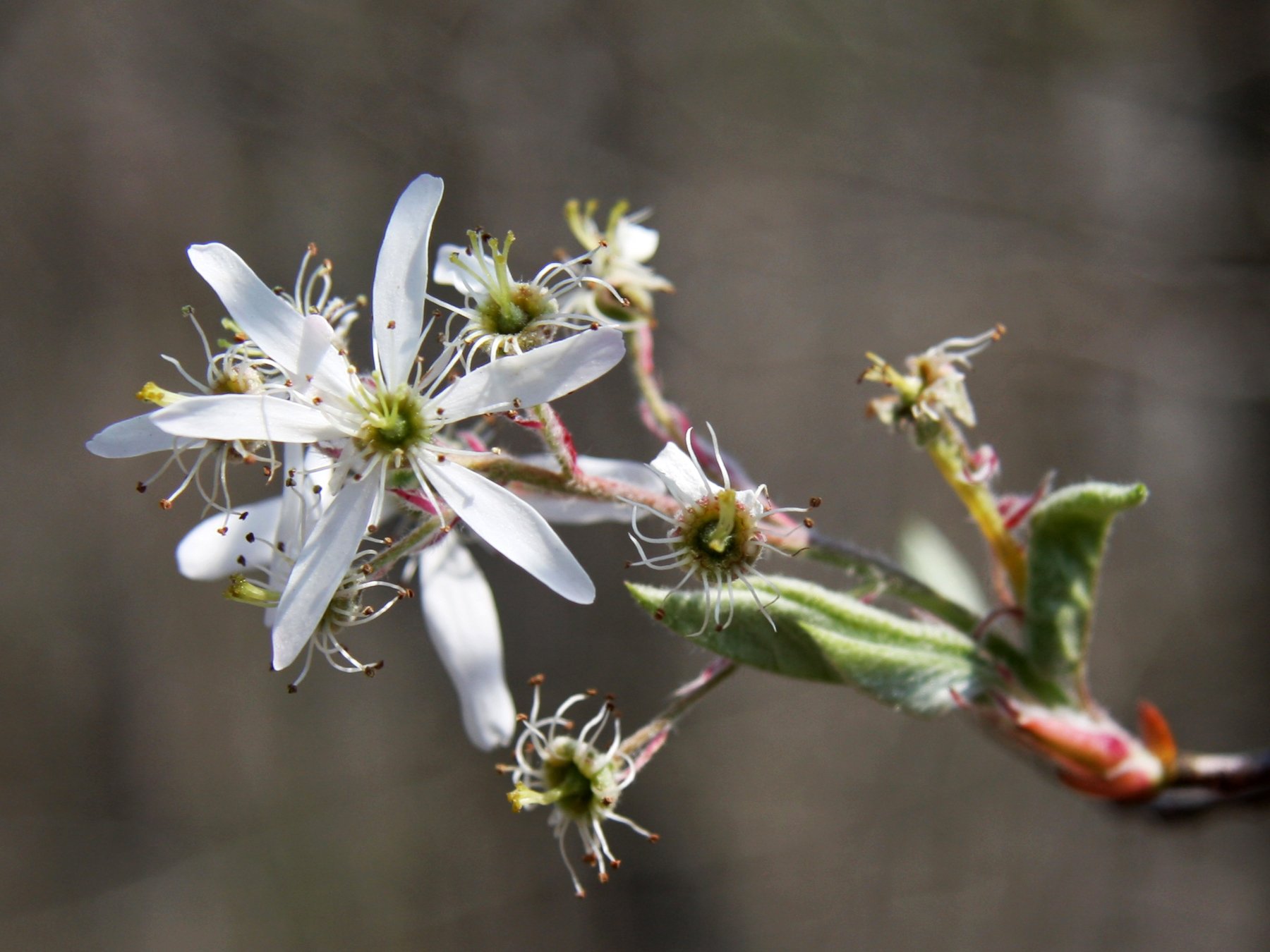
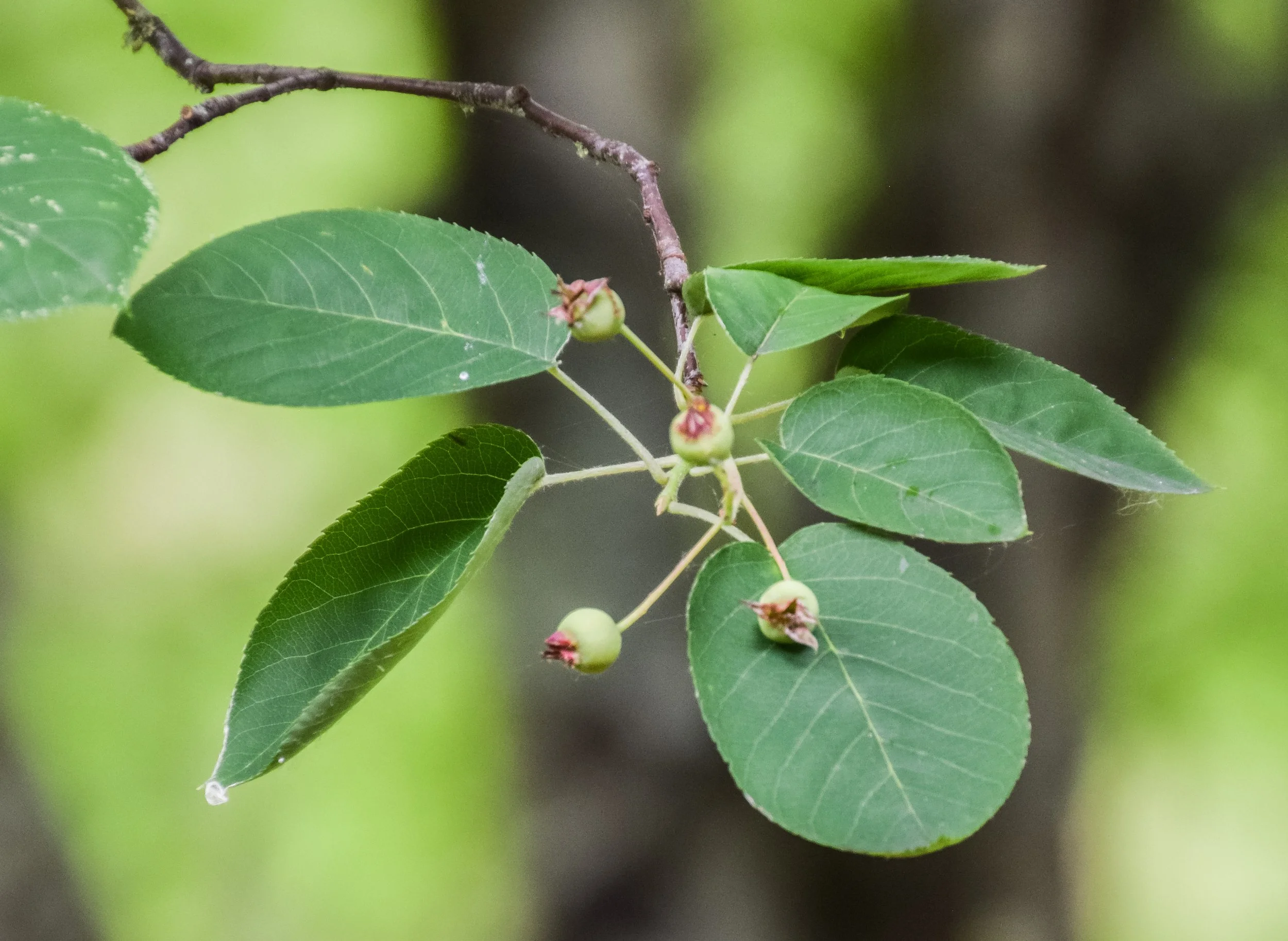
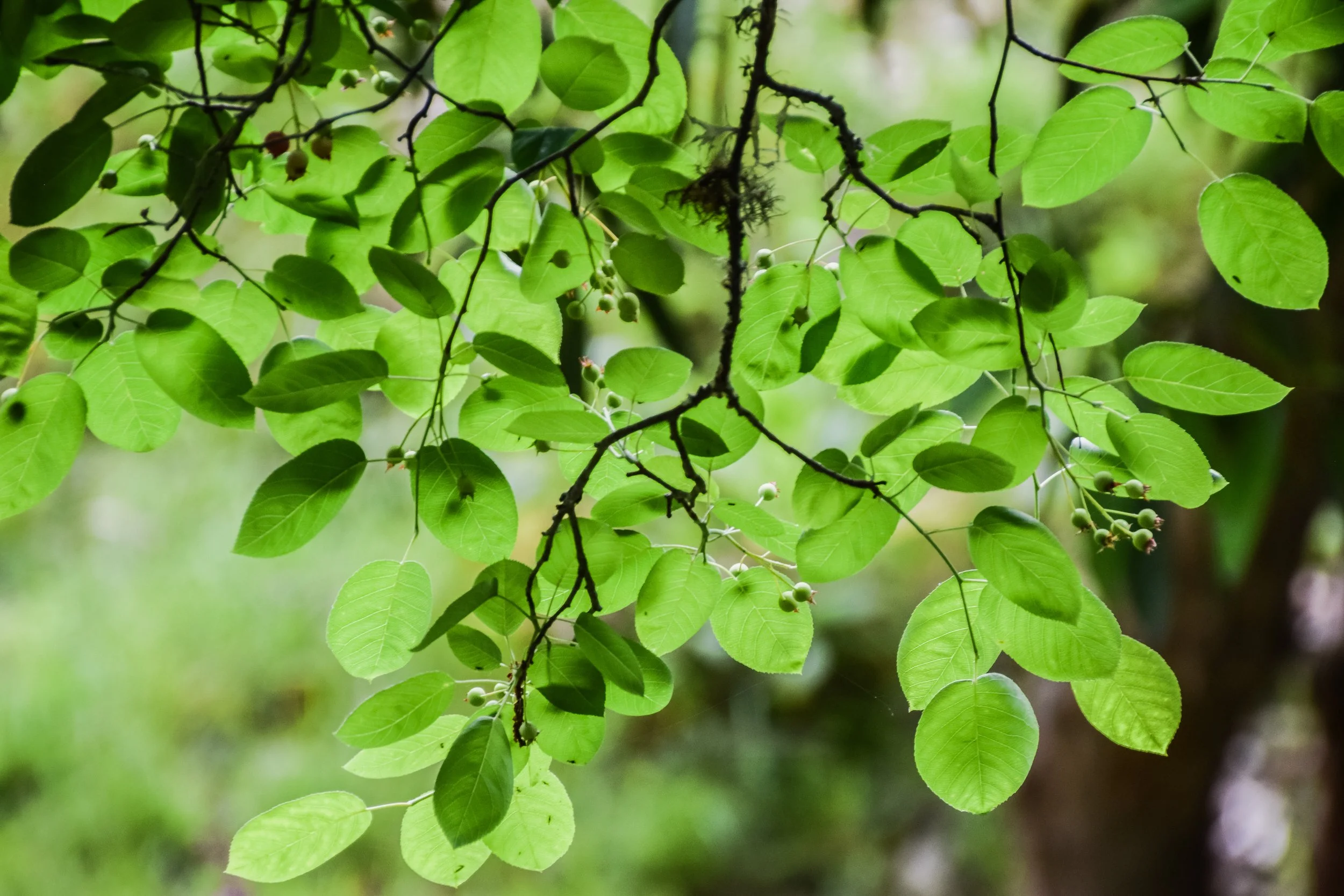
Identification / Key Features: Deciduous shrub with three-lobed, toothed leaves. Produces clusters of white flowers in late spring, followed by bright red berries in fall. Bark is brown with vertical ridges.
Mature Height / Size: 6–12 feet.
Growth Rate: Moderate.
Light / Soil / Site Preferences: Full sun to partial shade; prefers moist, well-drained soils.
Wildlife Value / Ecological Role: Berries eaten by birds and mammals. Flowers attract pollinators. Dense branching provides cover.
Uses / Economic / Cultural: Berries edible for jams, jellies, and sauces. Often used for ornamental plantings and wildlife gardens.
Quantity (per bundle) 25
Size (12-18”)
A showy and versatile native shrub, Highbush Cranberry is prized for its abundant clusters of white spring blossoms and bright red berries that persist through fall and into winter. Its attractive, maple-like leaves turn shades of red and purple in autumn, making it a stunning addition to naturalized plantings and wildlife gardens. The contrast of white flowers and scarlet fruit gives this shrub exceptional year-round appeal.
Well-suited to Northern Michigan (Zone 5a), Highbush Cranberry thrives in full sun to partial shade and moist, well-drained soils, though it tolerates heavier or occasionally wet sites. It grows quickly into a dense, rounded form, ideal for hedgerows, screens, and restoration projects.
Ecologically, Highbush Cranberry supports pollinators with its spring blooms and provides a valuable late-season food source for birds and mammals. Its tart berries can also be used for jellies and preserves, offering both beauty and utility. Hardy, adaptable, and wildlife-friendly, Highbush Cranberry is a reliable and vibrant choice for enhancing Michigan’s native landscapes.
Identification / Key Features: Deciduous shrub with three-lobed, toothed leaves. Produces clusters of white flowers in late spring, followed by bright red berries in fall. Bark is brown with vertical ridges.
Mature Height / Size: 6–12 feet.
Growth Rate: Moderate.
Light / Soil / Site Preferences: Full sun to partial shade; prefers moist, well-drained soils.
Wildlife Value / Ecological Role: Berries eaten by birds and mammals. Flowers attract pollinators. Dense branching provides cover.
Uses / Economic / Cultural: Berries edible for jams, jellies, and sauces. Often used for ornamental plantings and wildlife gardens.

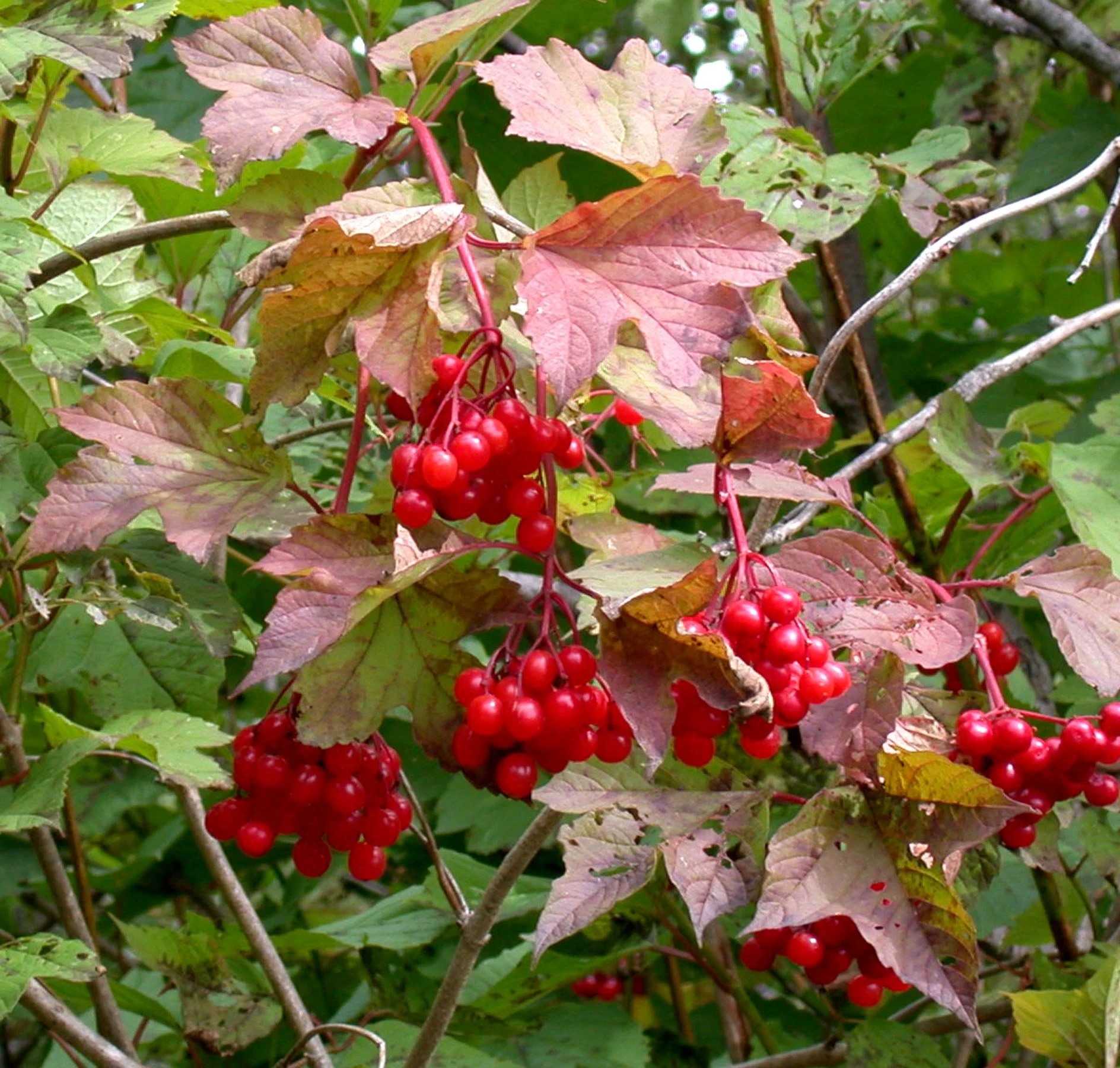 Image 1 of 7
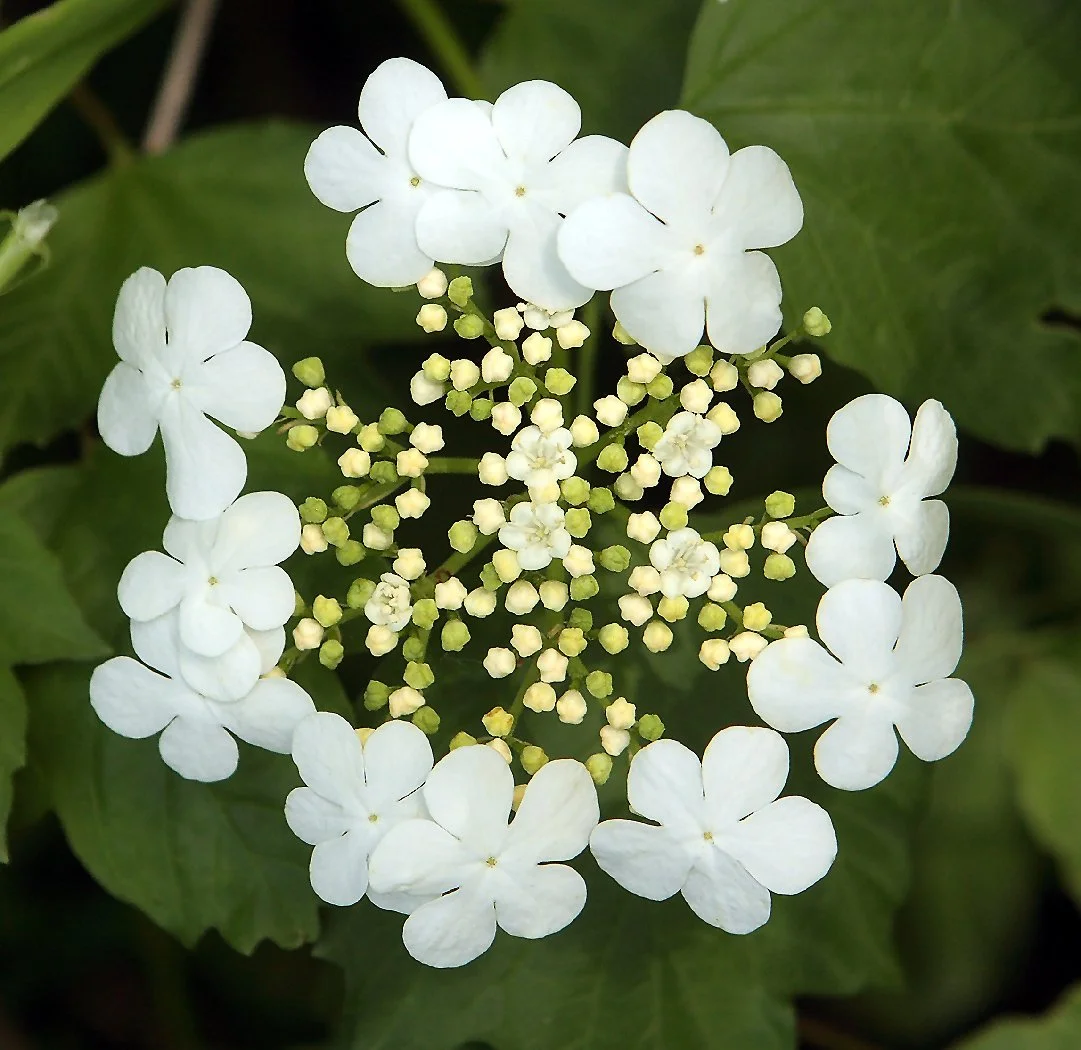 Image 2 of 7
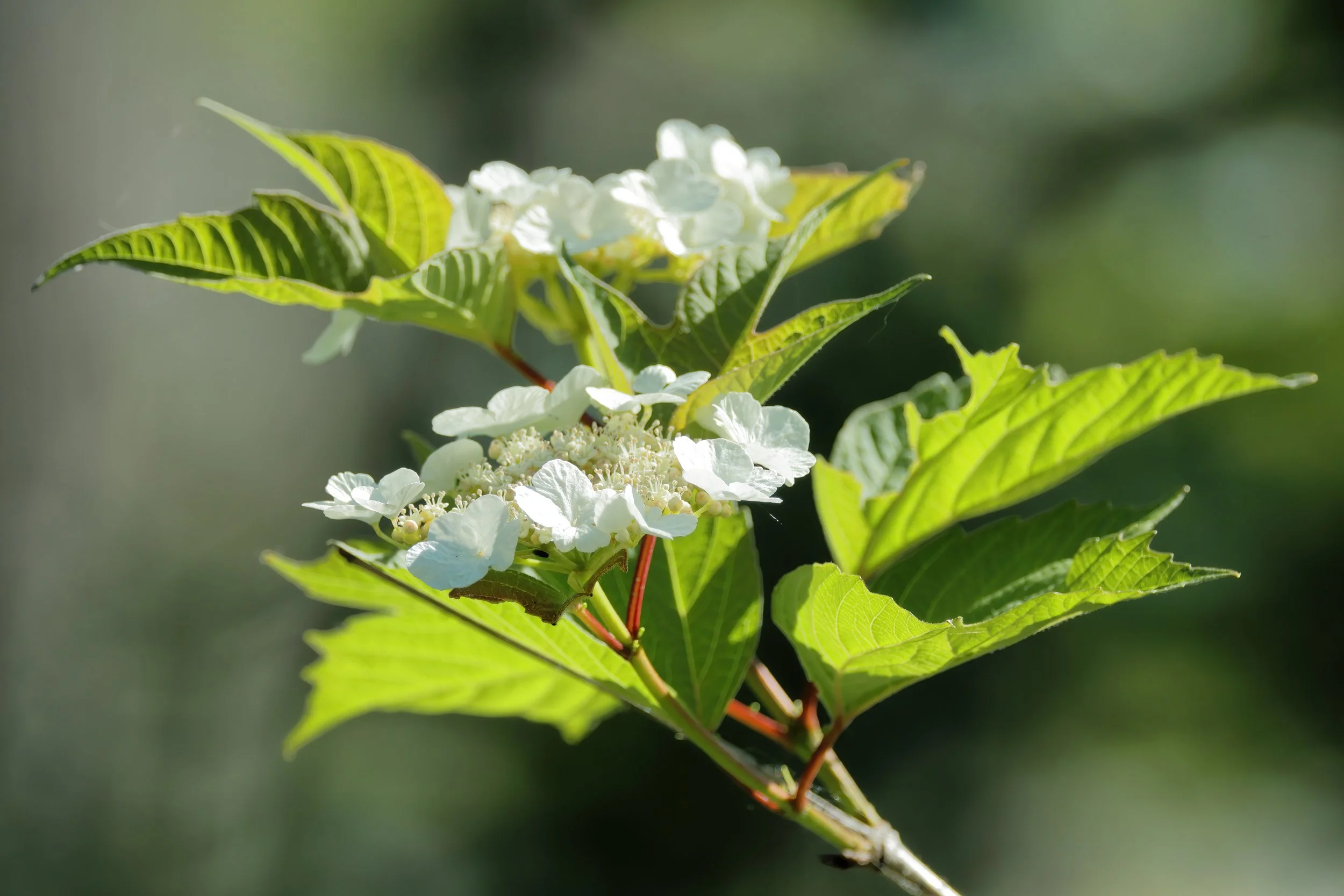 Image 3 of 7
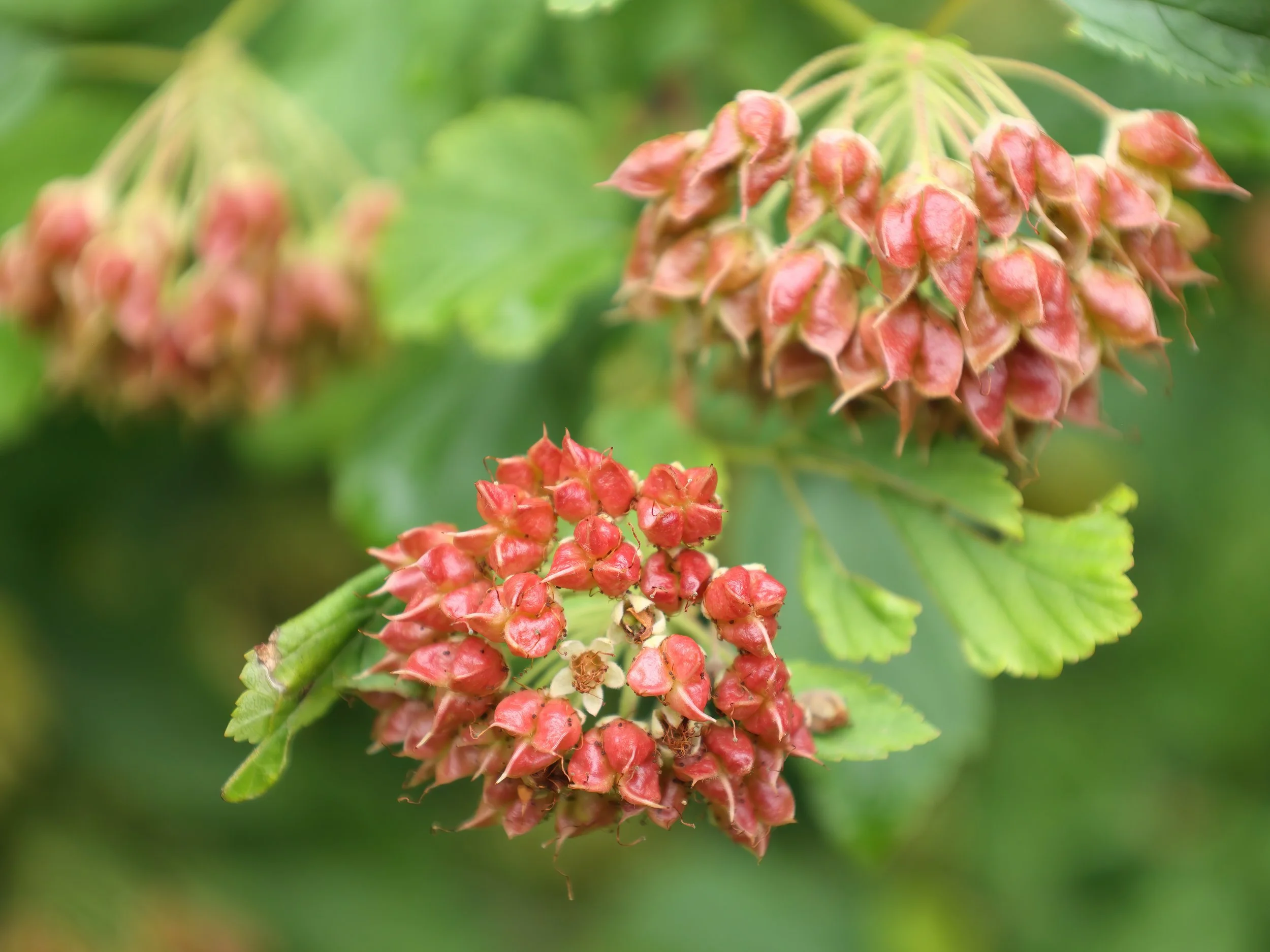 Image 4 of 7
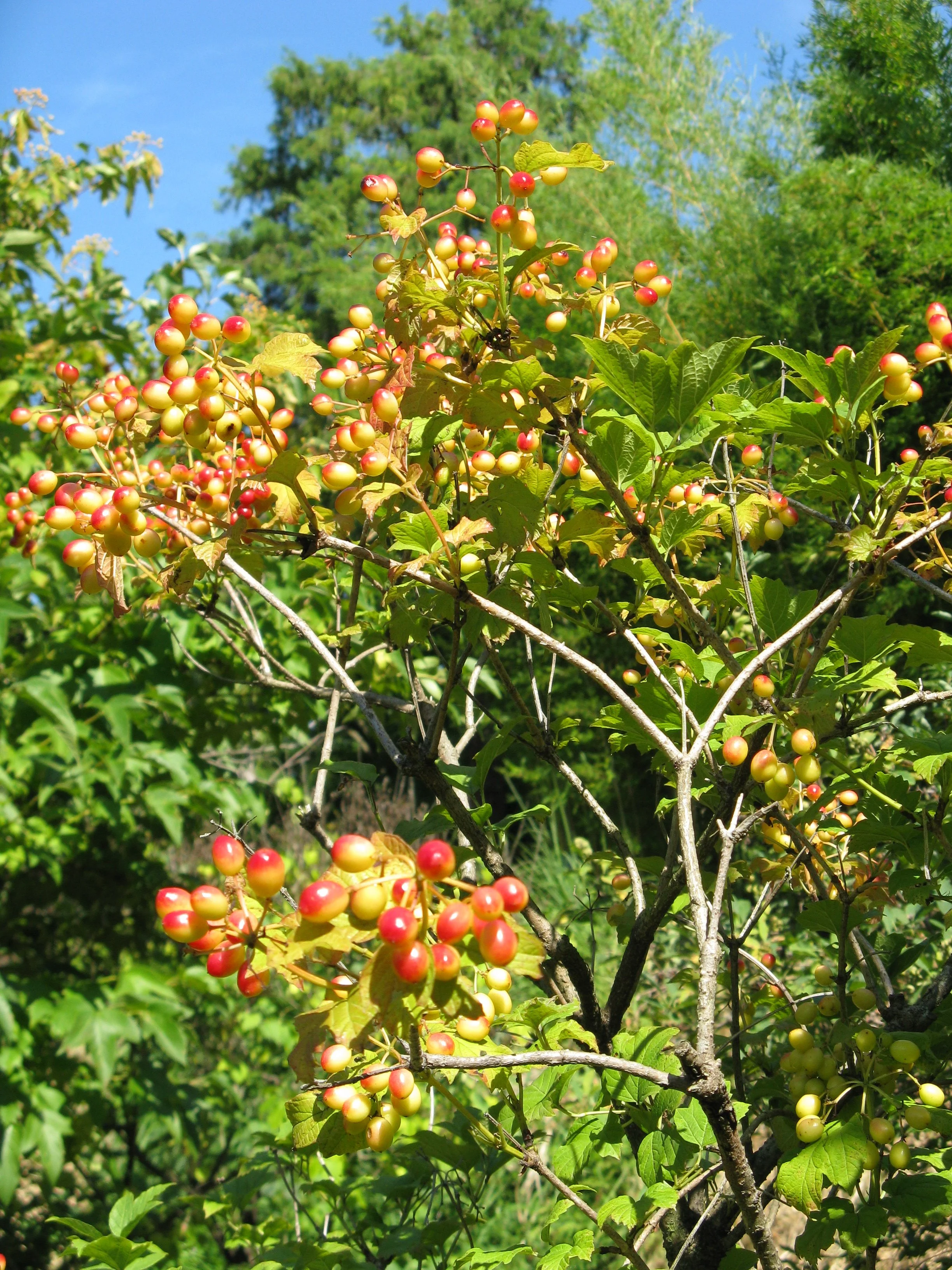 Image 5 of 7
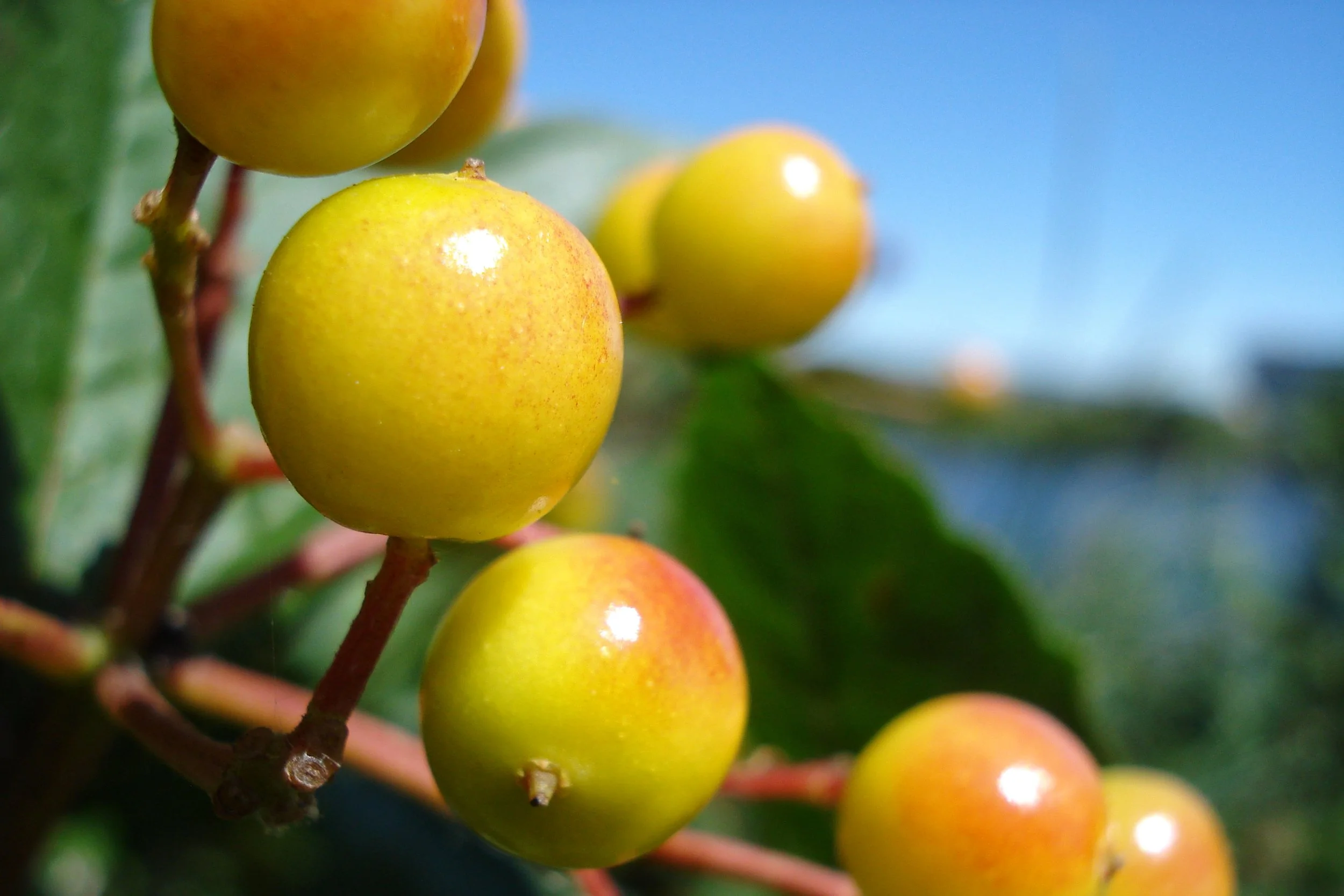 Image 6 of 7
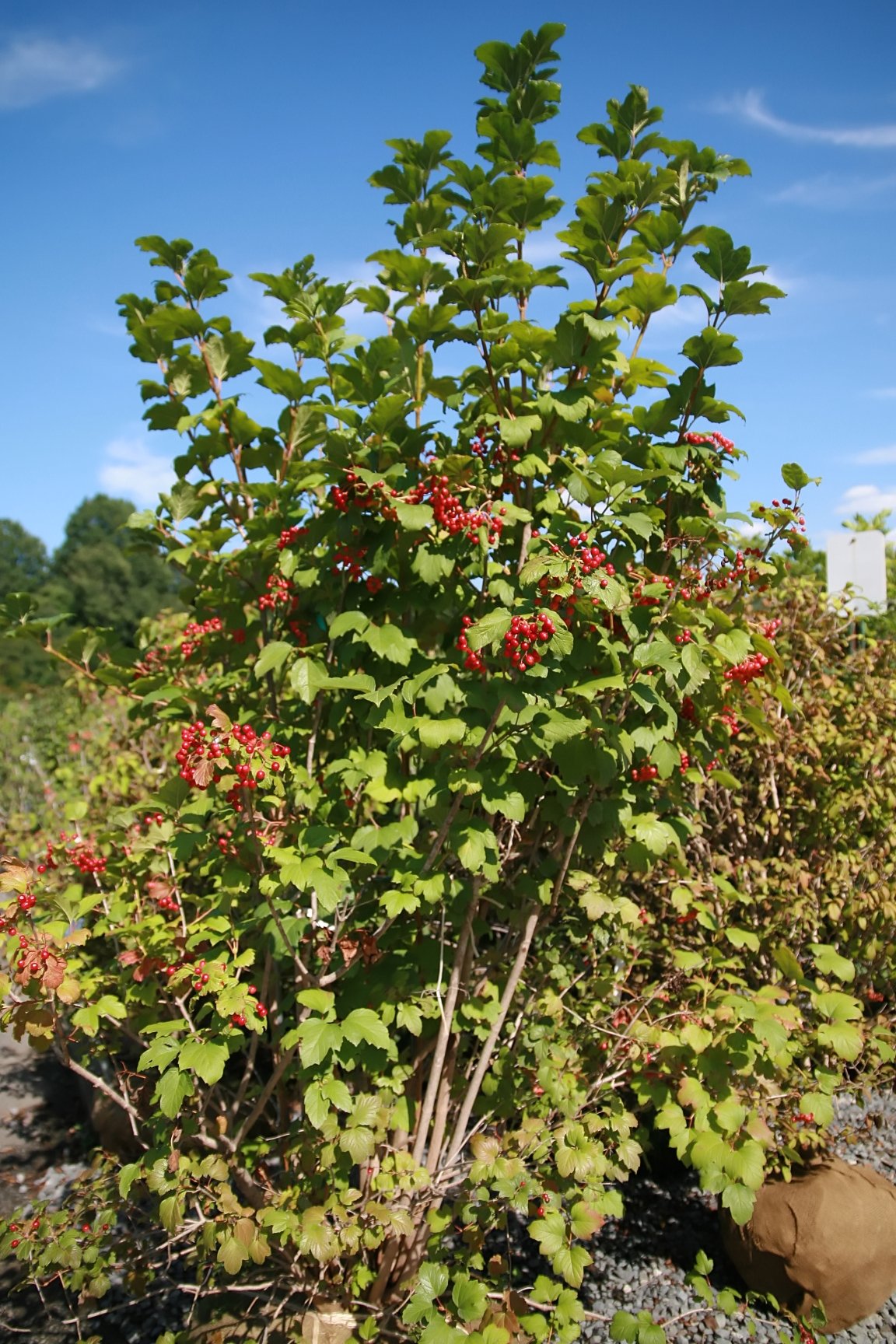 Image 7 of 7