Quantity (per bundle) 10
Size (12-18”)
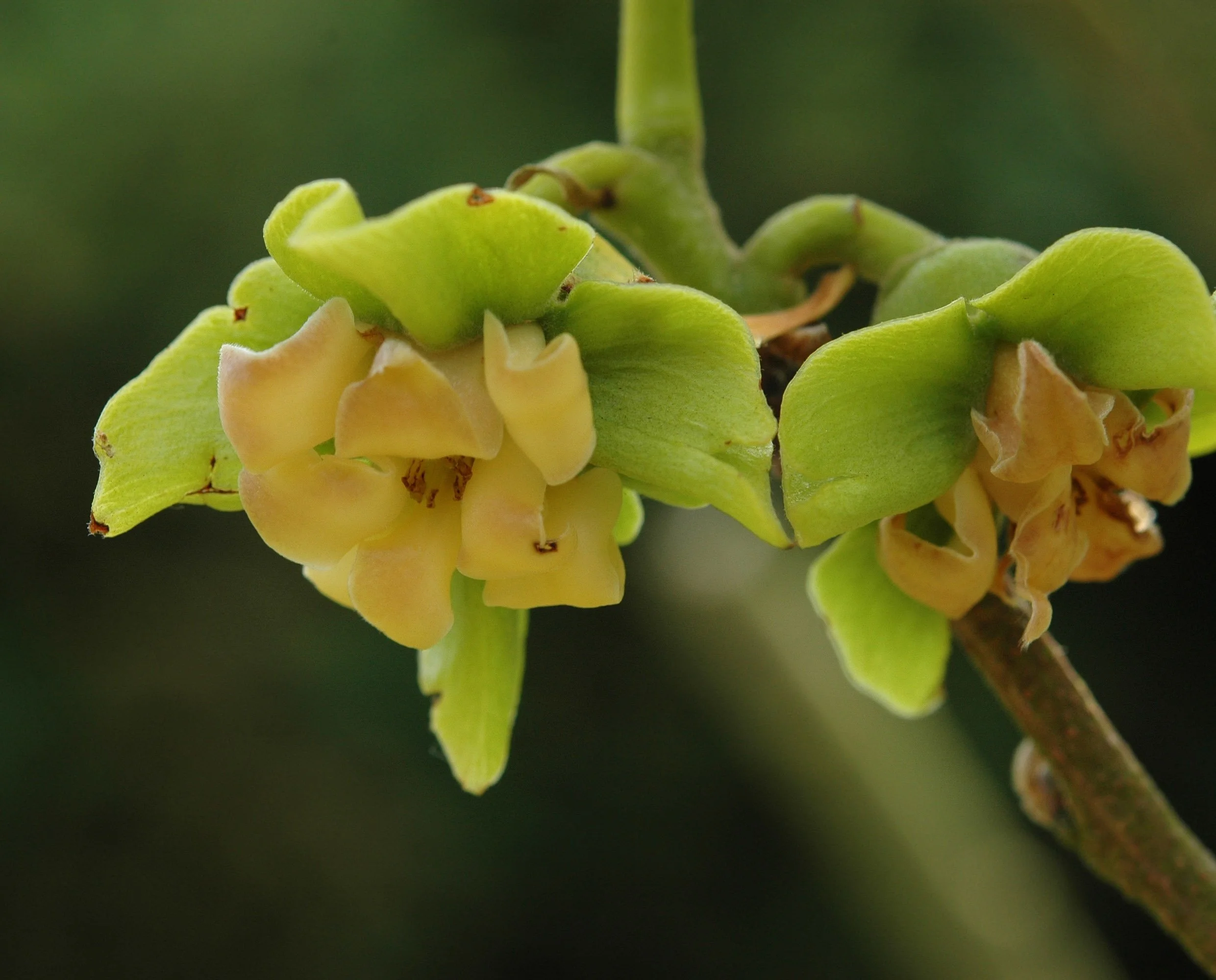
A unique and tropical-looking native tree, Pawpaw is prized for its lush, broad leaves and unusual, pendulous purple flowers that bloom in spring. In late summer, it bears clusters of soft, custard-like fruit with a rich, banana-mango flavor—making it Michigan’s only native fruit tree with true tropical character. Its bold foliage and smooth gray bark create a striking presence in woodlands and shaded landscapes.
Well-suited to Northern Michigan (Zone 5a), Pawpaw thrives in moist, fertile, well-drained soils and partial shade, especially along riverbanks and forest edges. It forms small colonies through root suckers and can be grown as an attractive understory tree or in groups for better fruit production.
Ecologically, Pawpaw supports specialized wildlife, serving as the exclusive host plant for the zebra swallowtail butterfly and providing nutritious fruit for birds, raccoons, and other mammals. With its ornamental beauty, ecological value, and delicious harvest, Pawpaw brings a touch of the exotic to Michigan’s native woodlands.
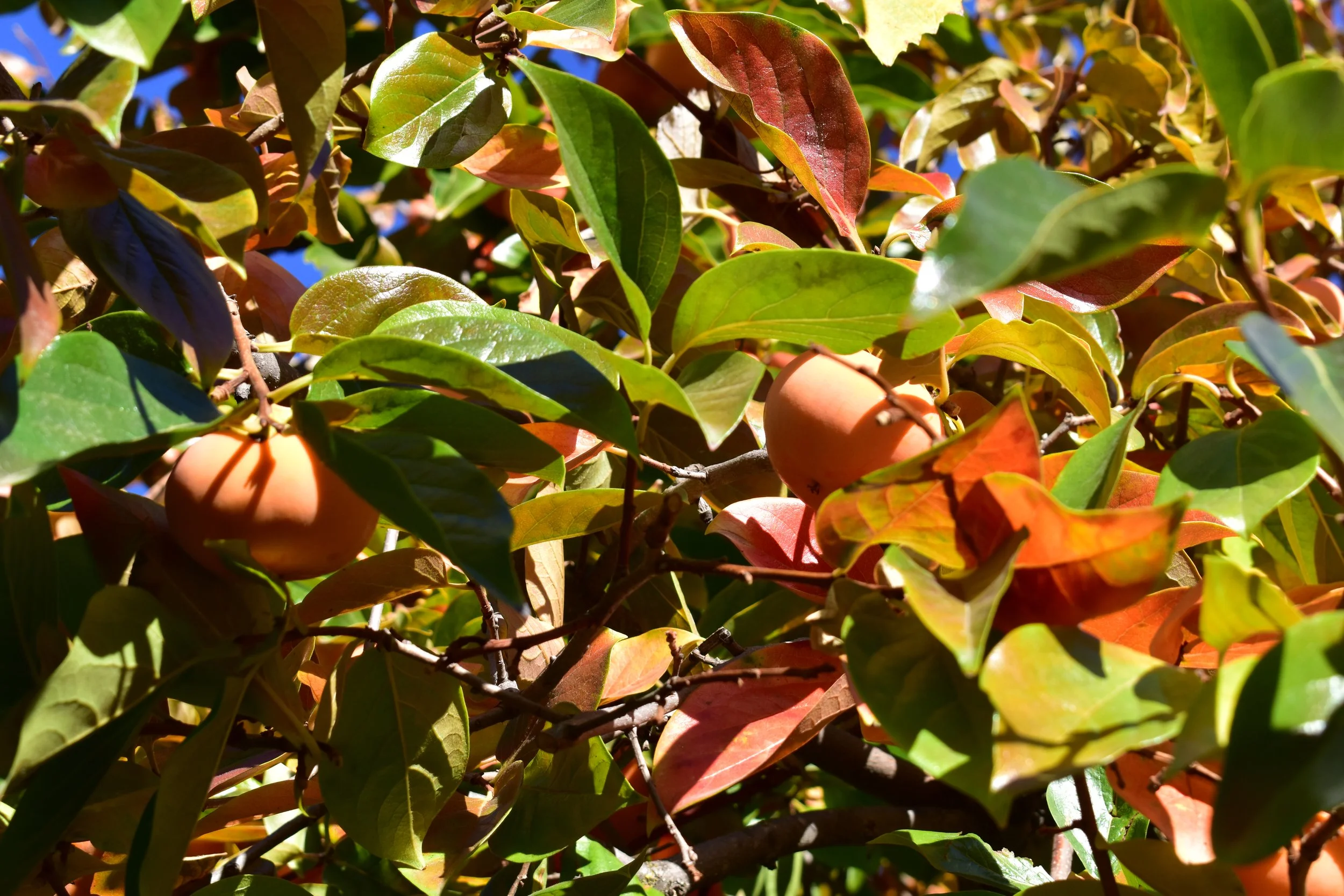
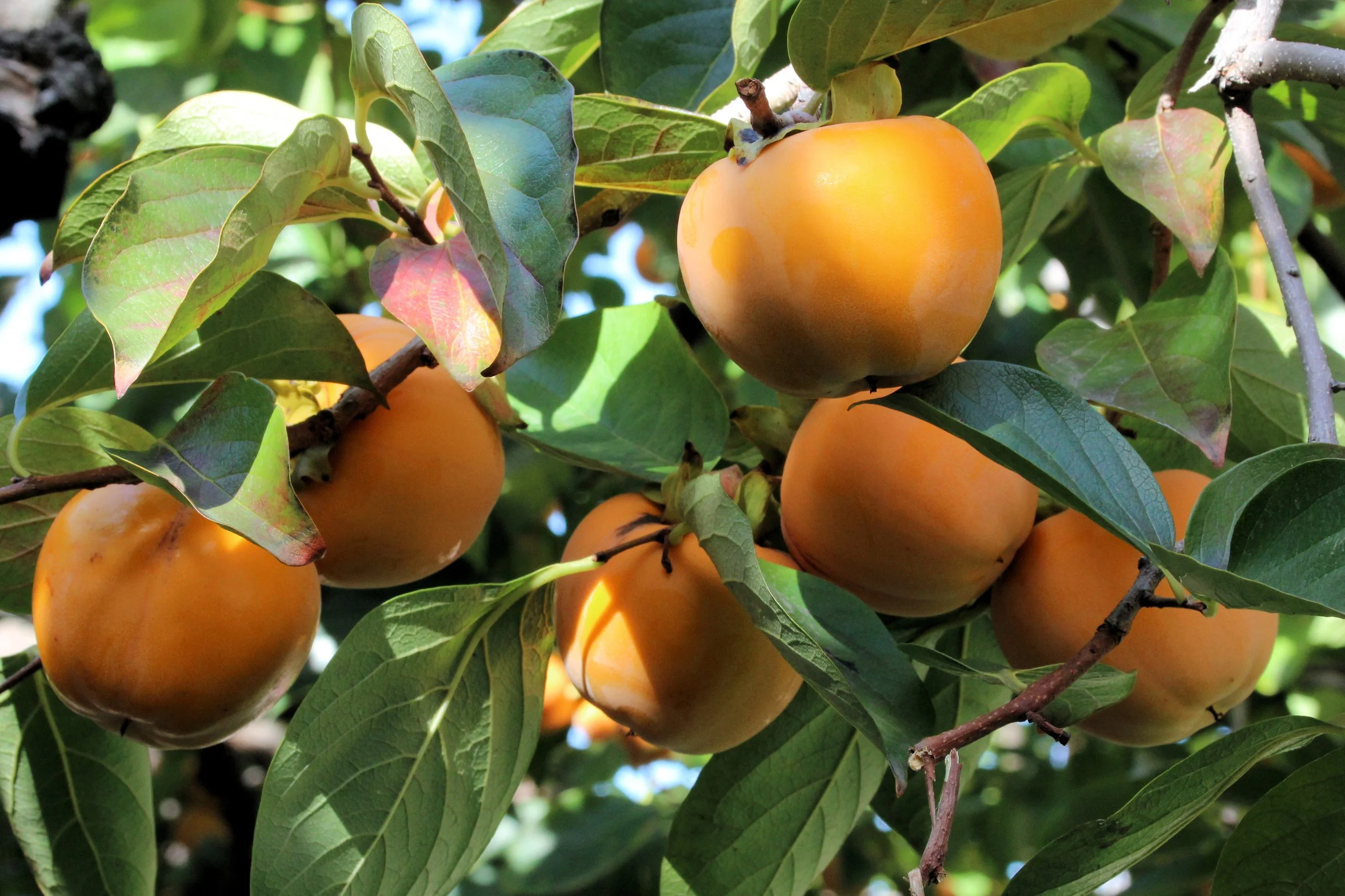
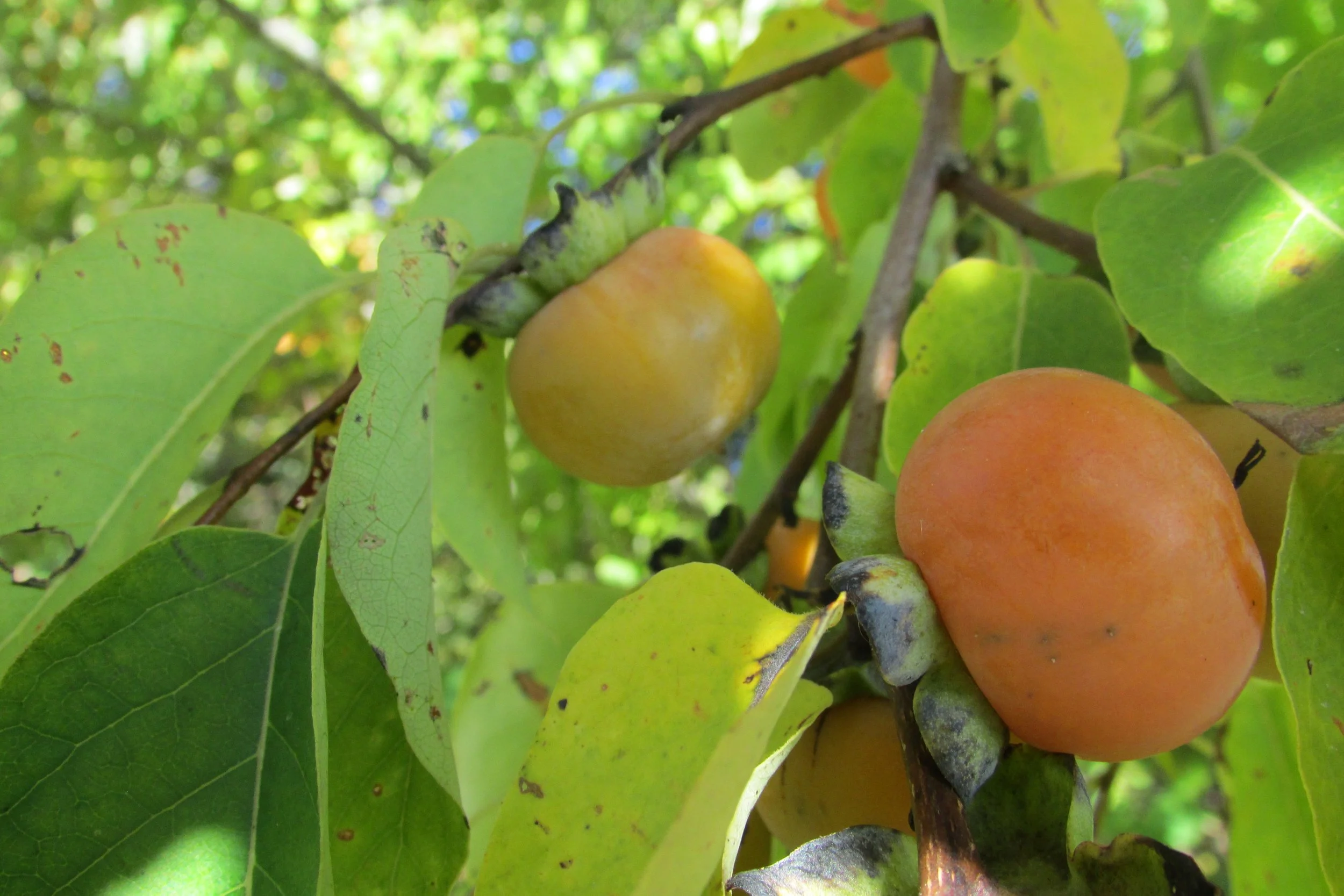
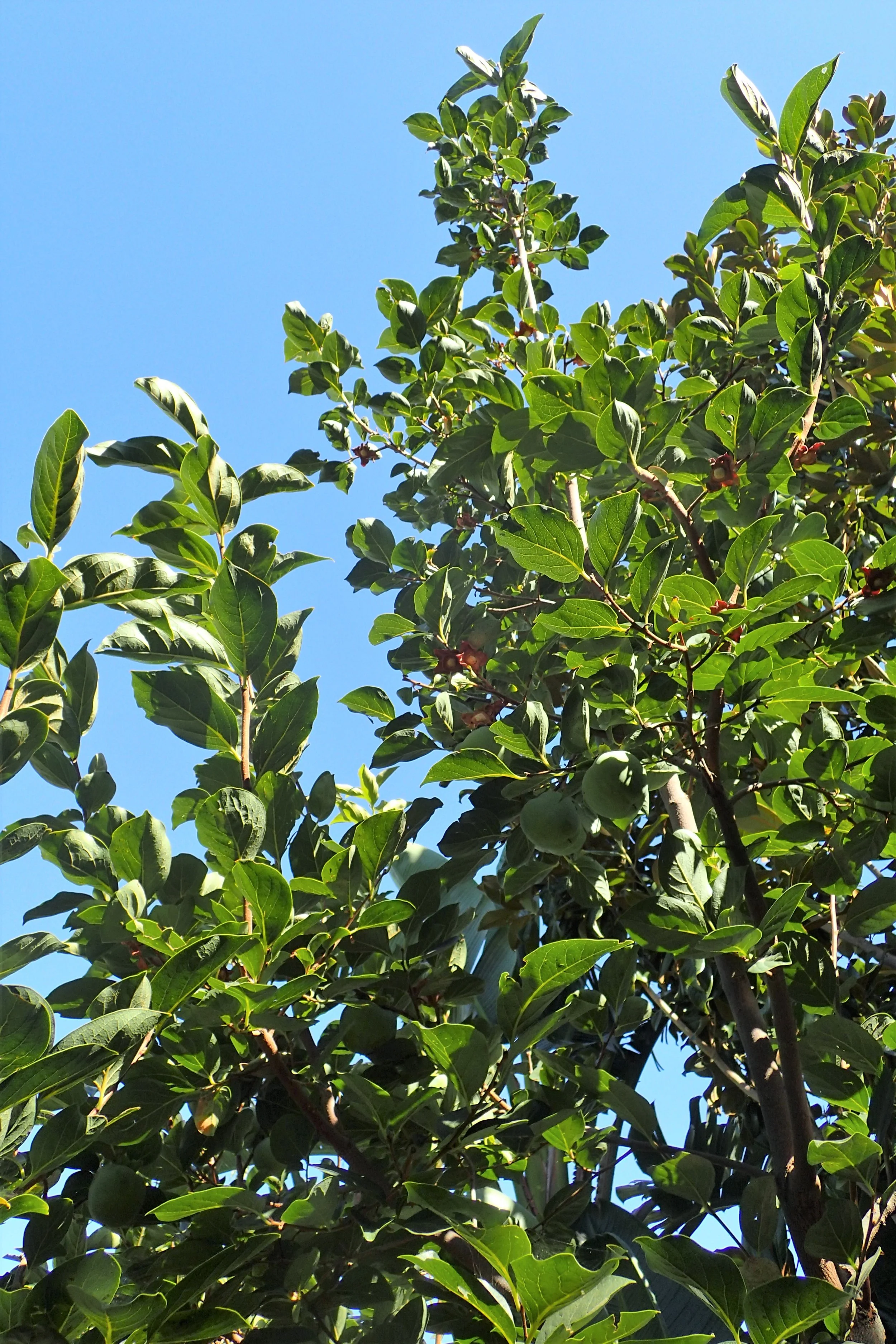
Identification / Key Features: Small deciduous tree with large, tropical-looking, oblong leaves 6–12 inches long. Produces unique, maroon, tulip-shaped flowers in spring before leaf-out. Fruits are green at first, ripening to yellow-green or brown, about 3–6 inches long, with a custard-like pulp. Bark is smooth and gray-brown.
Mature Height / Size: 15–30 feet.
Growth Rate: Moderate.
Light / Soil / Site Preferences: Prefers partial shade when young, tolerates full sun as mature; thrives in rich, moist, well-drained soils, often along streams and floodplains.
Wildlife Value / Ecological Role: Fruits eaten by raccoons, squirrels, foxes, and birds. Flowers attract beetles for pollination. Provides shelter for small wildlife.
Uses / Economic / Cultural: Edible fruits enjoyed fresh or in baked goods; historically used by Native Americans. Popular in native plant gardens and for wildlife habitat restoration.
Quantity (per bundle) 10
Size (12-18”)
A unique and tropical-looking native tree, Pawpaw is prized for its lush, broad leaves and unusual, pendulous purple flowers that bloom in spring. In late summer, it bears clusters of soft, custard-like fruit with a rich, banana-mango flavor—making it Michigan’s only native fruit tree with true tropical character. Its bold foliage and smooth gray bark create a striking presence in woodlands and shaded landscapes.
Well-suited to Northern Michigan (Zone 5a), Pawpaw thrives in moist, fertile, well-drained soils and partial shade, especially along riverbanks and forest edges. It forms small colonies through root suckers and can be grown as an attractive understory tree or in groups for better fruit production.
Ecologically, Pawpaw supports specialized wildlife, serving as the exclusive host plant for the zebra swallowtail butterfly and providing nutritious fruit for birds, raccoons, and other mammals. With its ornamental beauty, ecological value, and delicious harvest, Pawpaw brings a touch of the exotic to Michigan’s native woodlands.
Identification / Key Features: Small deciduous tree with large, tropical-looking, oblong leaves 6–12 inches long. Produces unique, maroon, tulip-shaped flowers in spring before leaf-out. Fruits are green at first, ripening to yellow-green or brown, about 3–6 inches long, with a custard-like pulp. Bark is smooth and gray-brown.
Mature Height / Size: 15–30 feet.
Growth Rate: Moderate.
Light / Soil / Site Preferences: Prefers partial shade when young, tolerates full sun as mature; thrives in rich, moist, well-drained soils, often along streams and floodplains.
Wildlife Value / Ecological Role: Fruits eaten by raccoons, squirrels, foxes, and birds. Flowers attract beetles for pollination. Provides shelter for small wildlife.
Uses / Economic / Cultural: Edible fruits enjoyed fresh or in baked goods; historically used by Native Americans. Popular in native plant gardens and for wildlife habitat restoration.

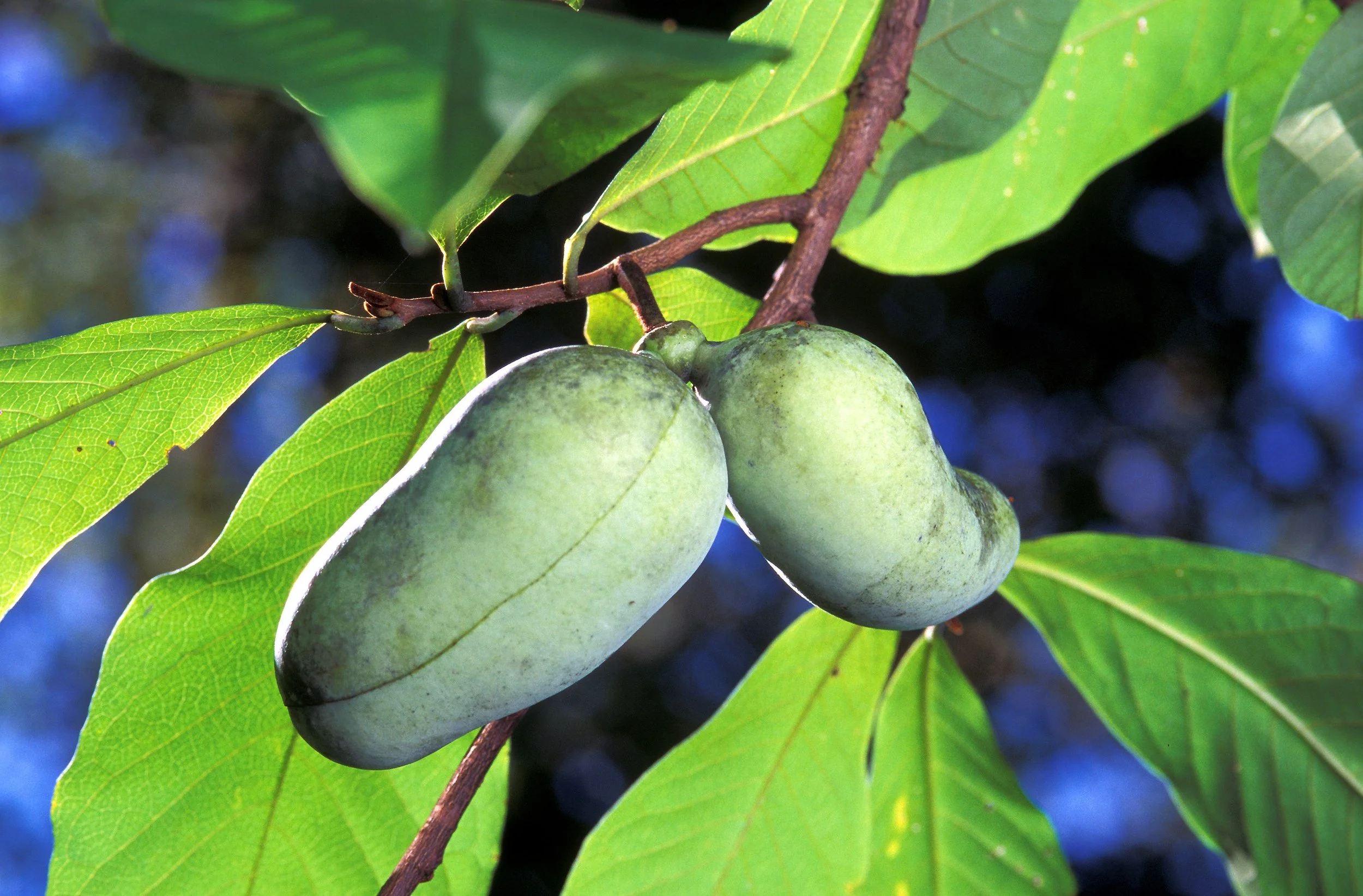 Image 1 of 12
 Image 2 of 12
 Image 3 of 12
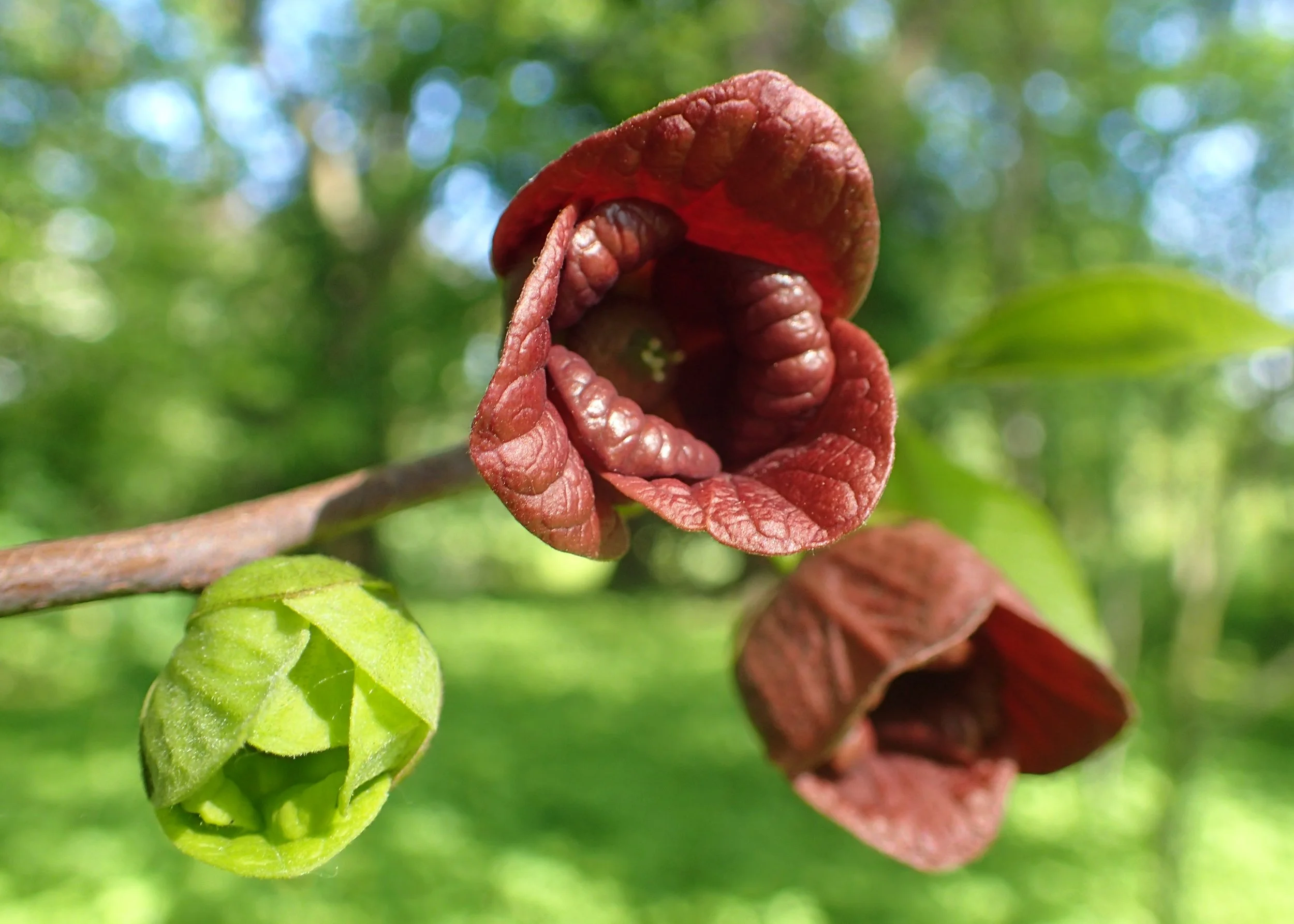 Image 4 of 12
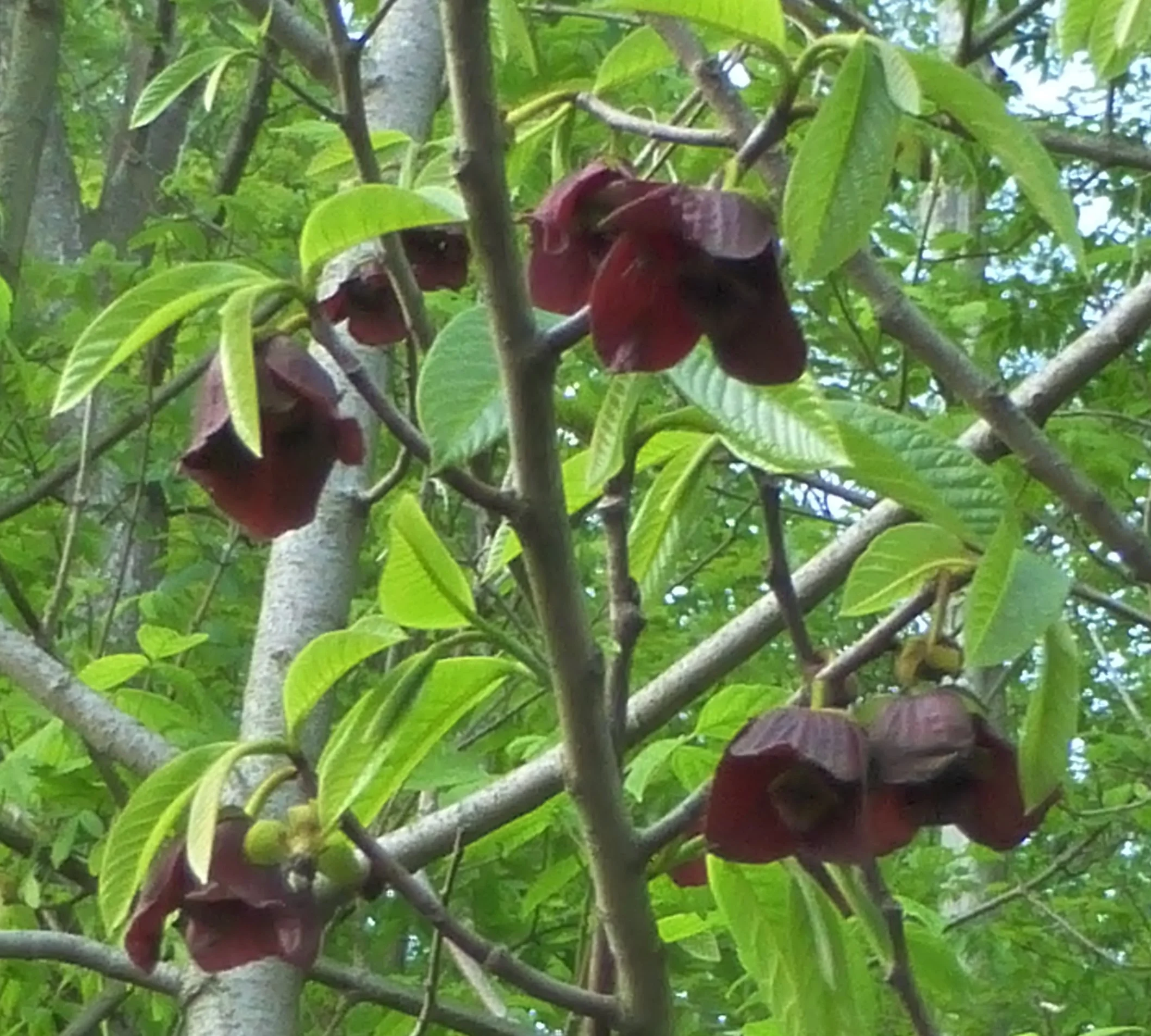 Image 5 of 12
 Image 6 of 12
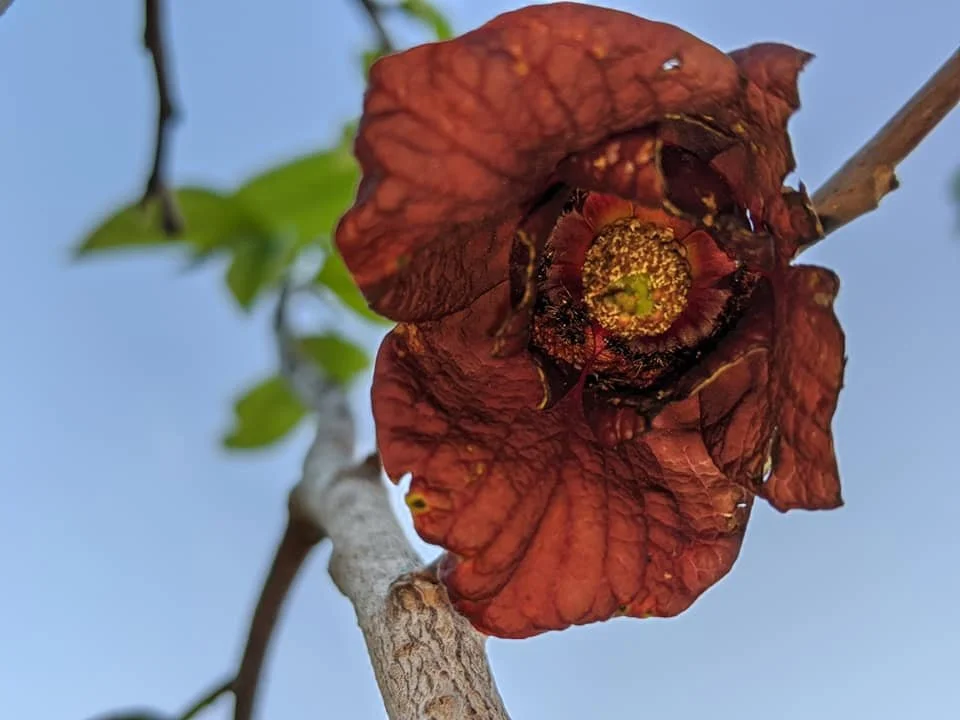 Image 7 of 12
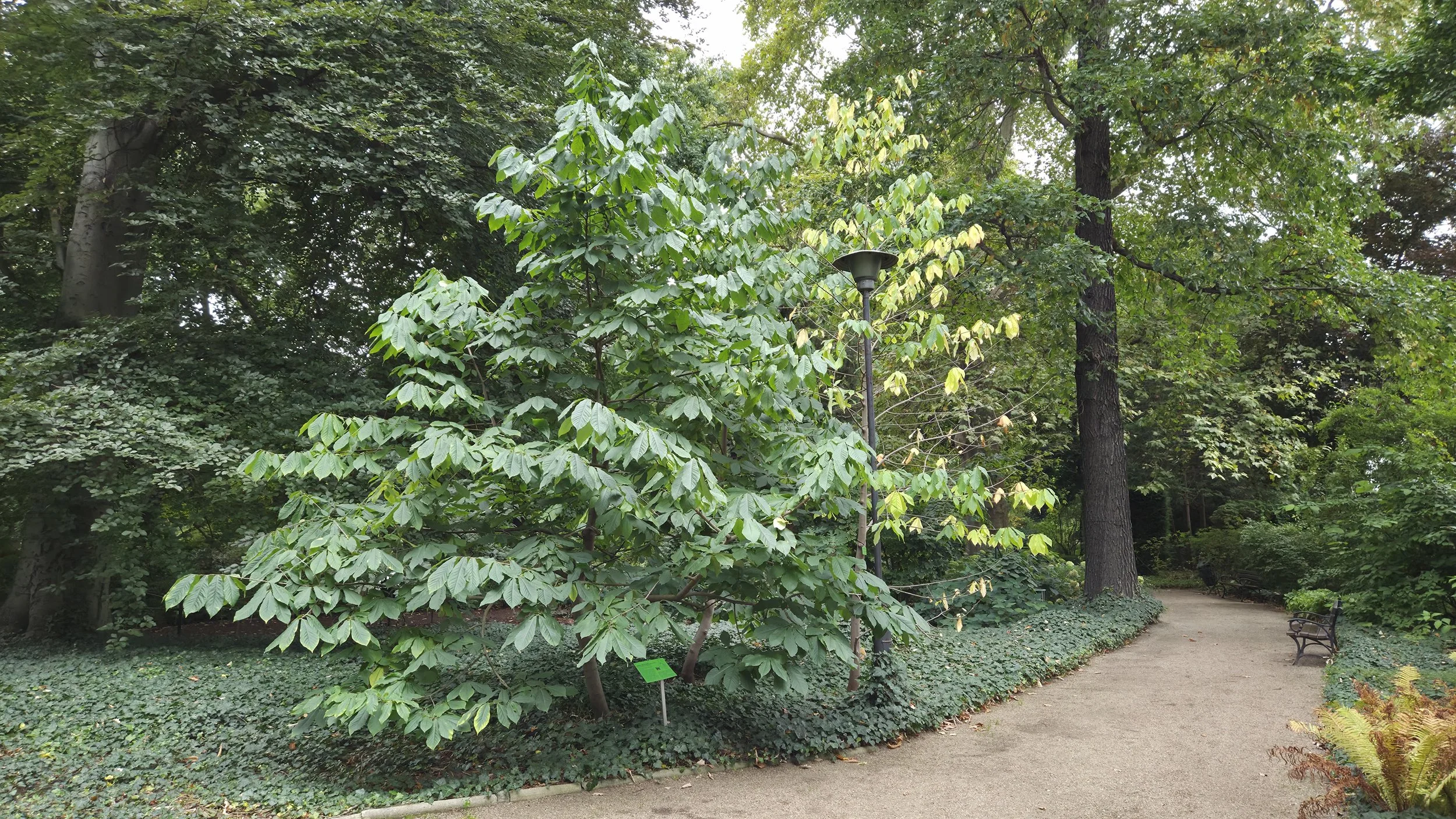 Image 8 of 12
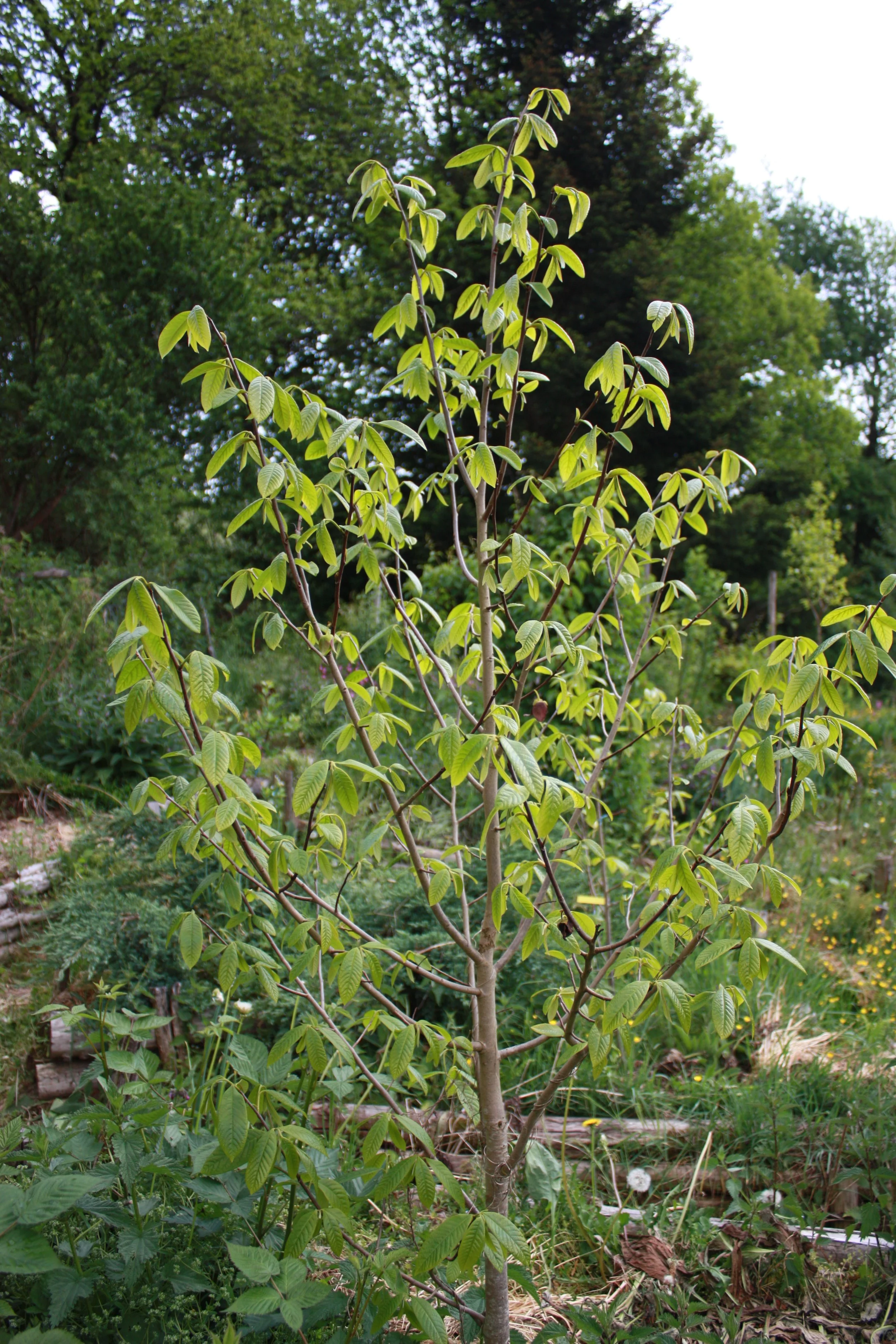 Image 9 of 12
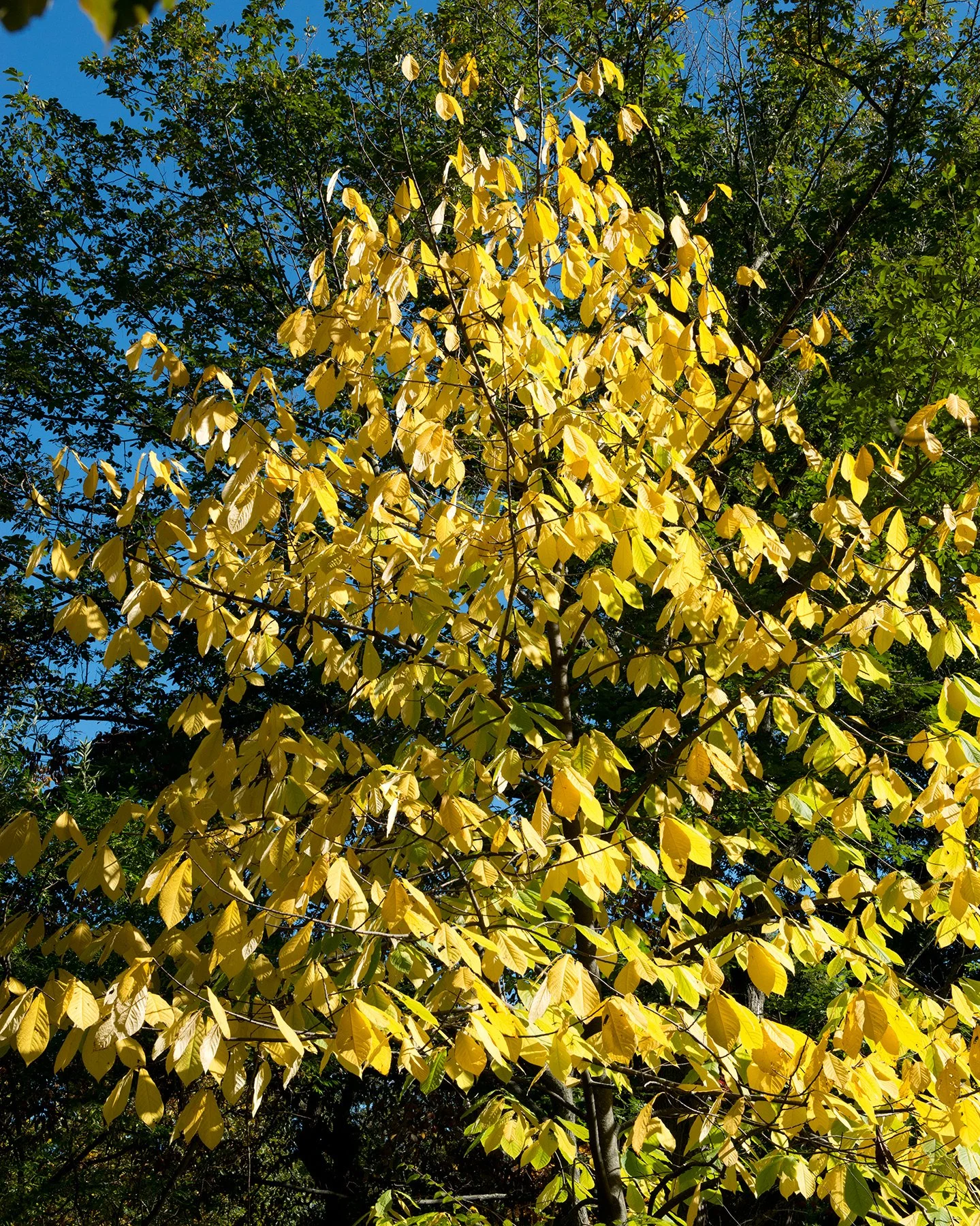 Image 10 of 12
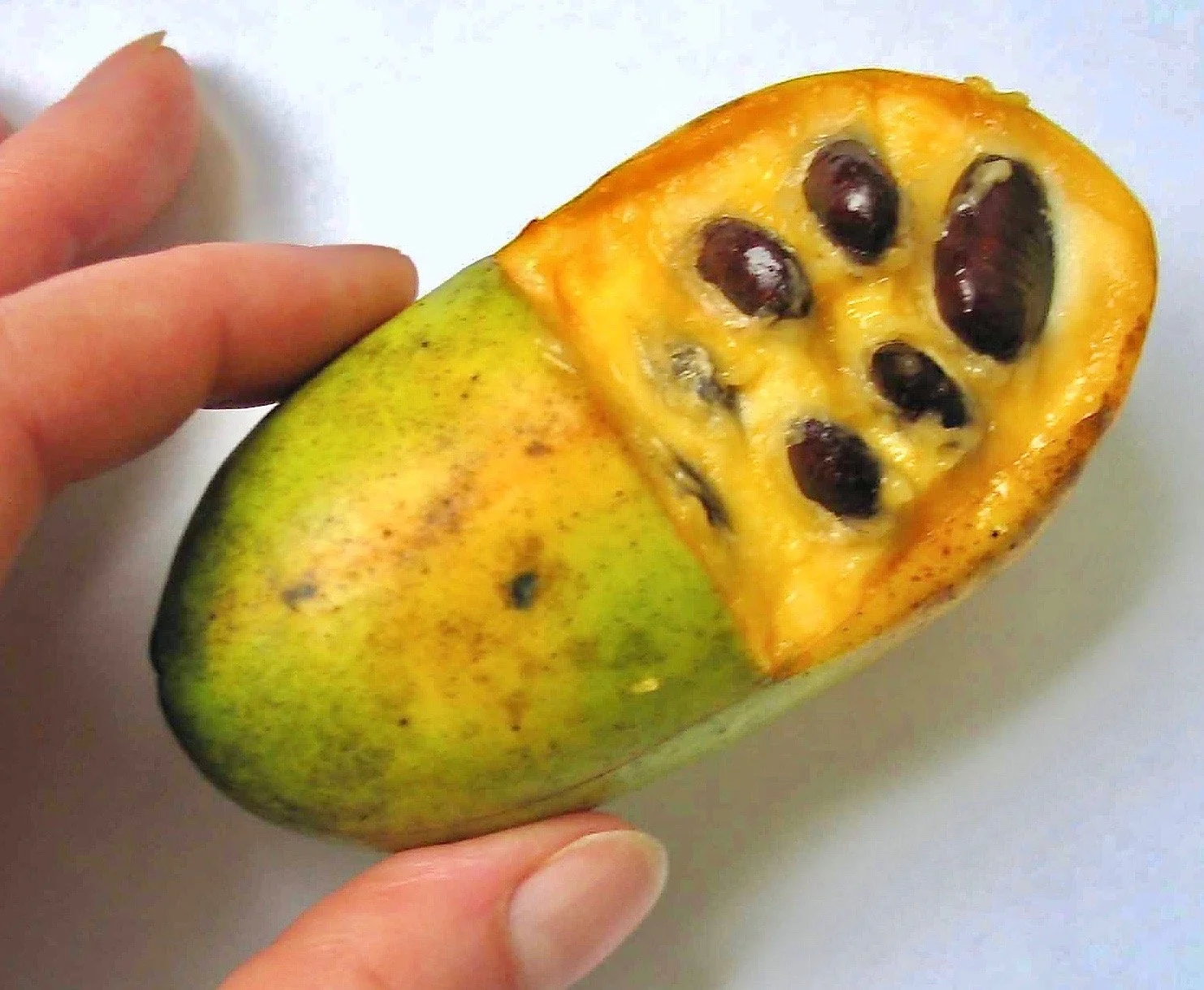 Image 11 of 12
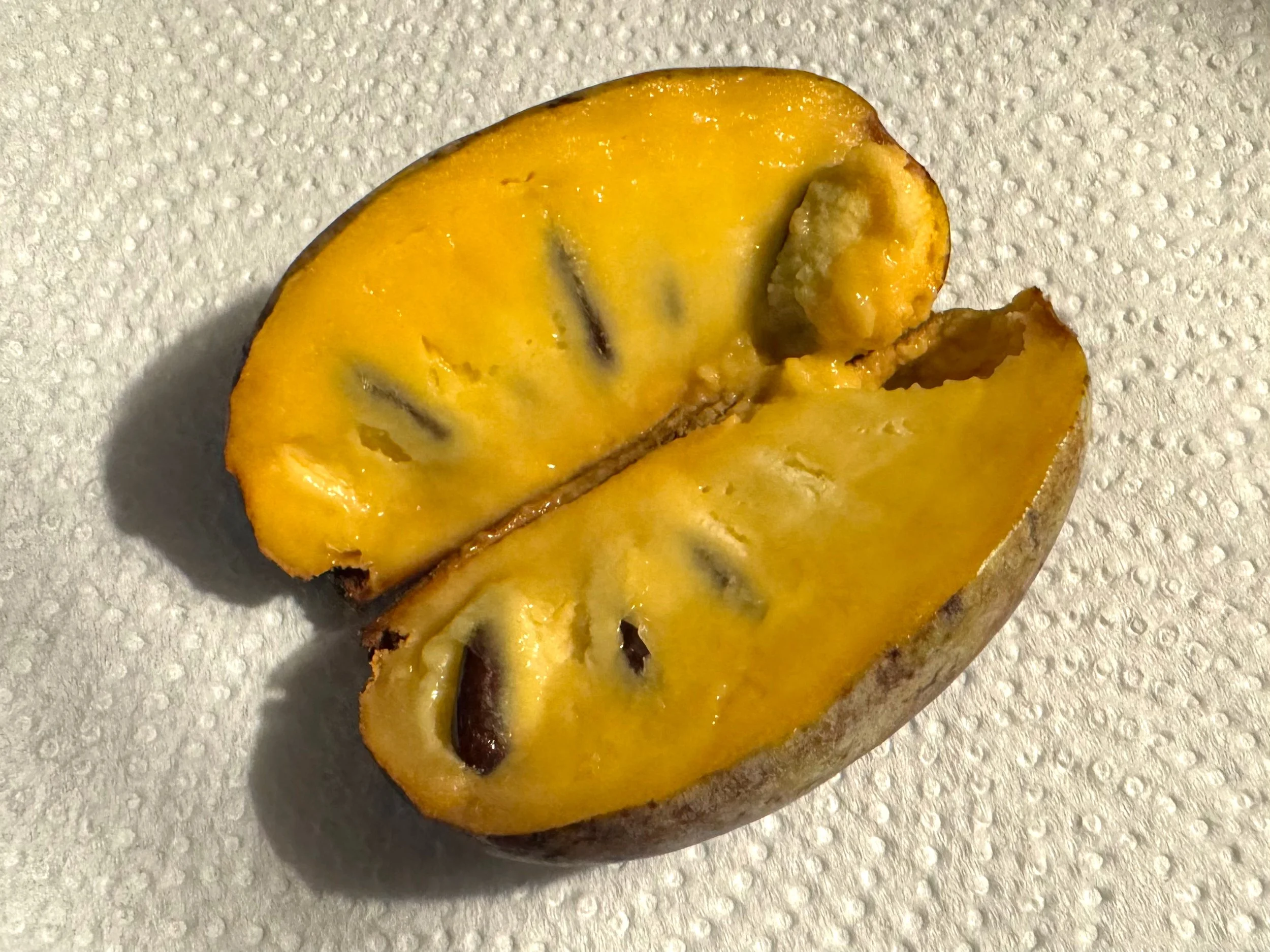 Image 12 of 12